
LOK Digital
Learn a cryptic language of world-changing words and master their mind-bending effects. Embark on your charming puzzle-solving journey to help the LOK creatures thrive.
Sync your Steam wishlist to find the lowest game prices instantly. No login required, just paste your Steam profile URL!
⚡ Try Wishlist Radar!
Sync your Steam wishlist to find the lowest game prices instantly. No login required!
⚡ Try Wishlist Radar!
Close

Prose & Codes on Steam
Quick menu
Explore the wonderful world of books through deceptively simple cryptograms. 10% of every purchase benefits Project Gutenberg, an online library of over 60,000 free ebooks.
Prose & Codes is a puzzle, word game and relaxing game
developed and published by Hero Game Co LLC.
Released on February 11th 2022 is available on Windows, MacOS, Linux, Steam Deck and Steam Machine.
It has received 319 reviews of which 313 were positive and 6 were negative resulting in a rating of 9.0 out of 10. 😎
The game is currently priced at 4.87€ on Steam with a 50% discount.
The Steam community has classified Prose & Codes into these genres:
Puzzle
Word Game
Relaxing
Logic
Casual
Education
Historical
Based On A Novel
Philosophical
Story Rich
Atmospheric
Stylized
Retro
Singleplayer
2D
Indie
Trivia
Here is the detailed breakdown of supported languages for Prose & Codes:
| UI | Subtitle | Audio | |
|---|---|---|---|
| English |
Media & Screenshots
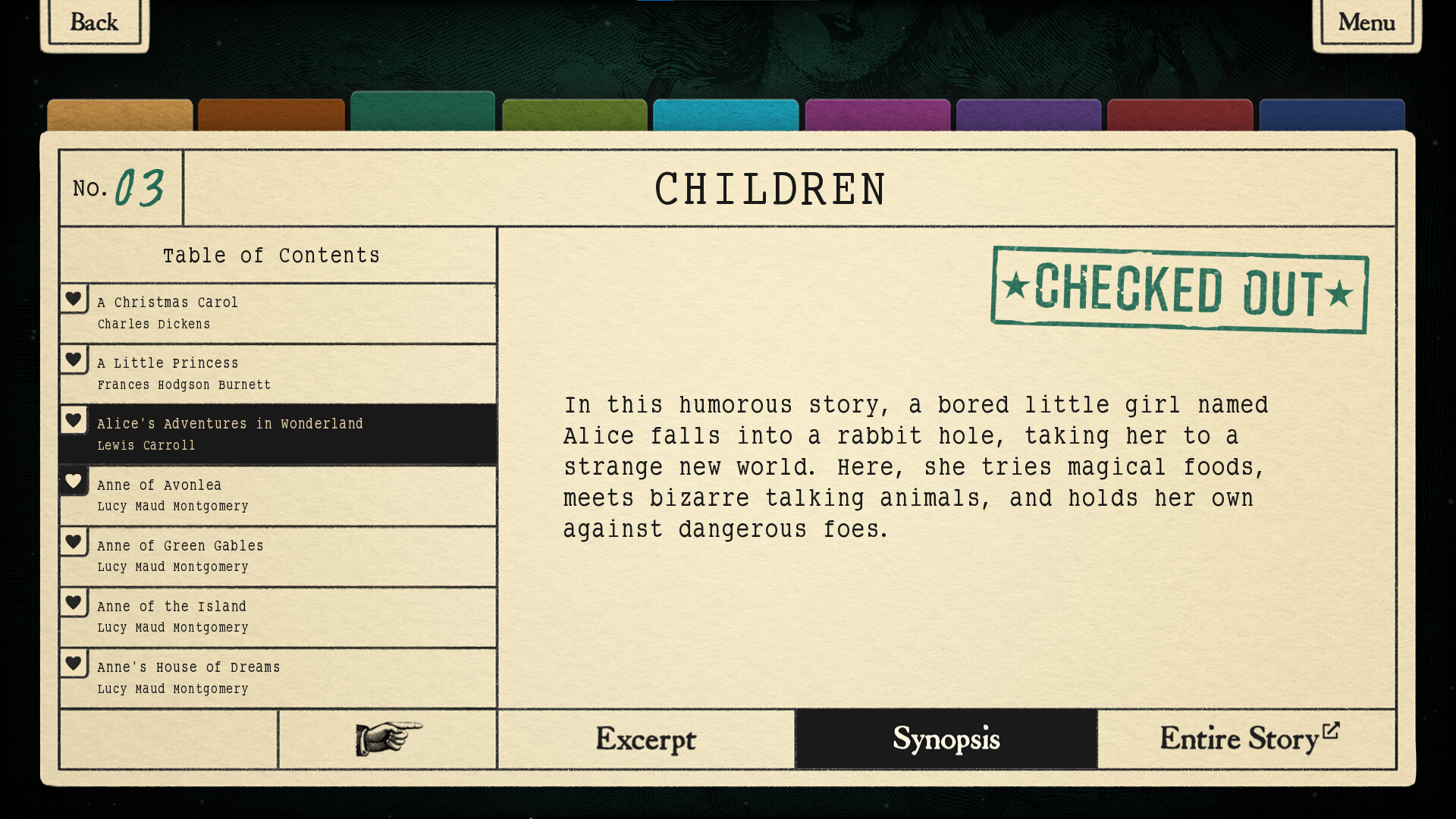
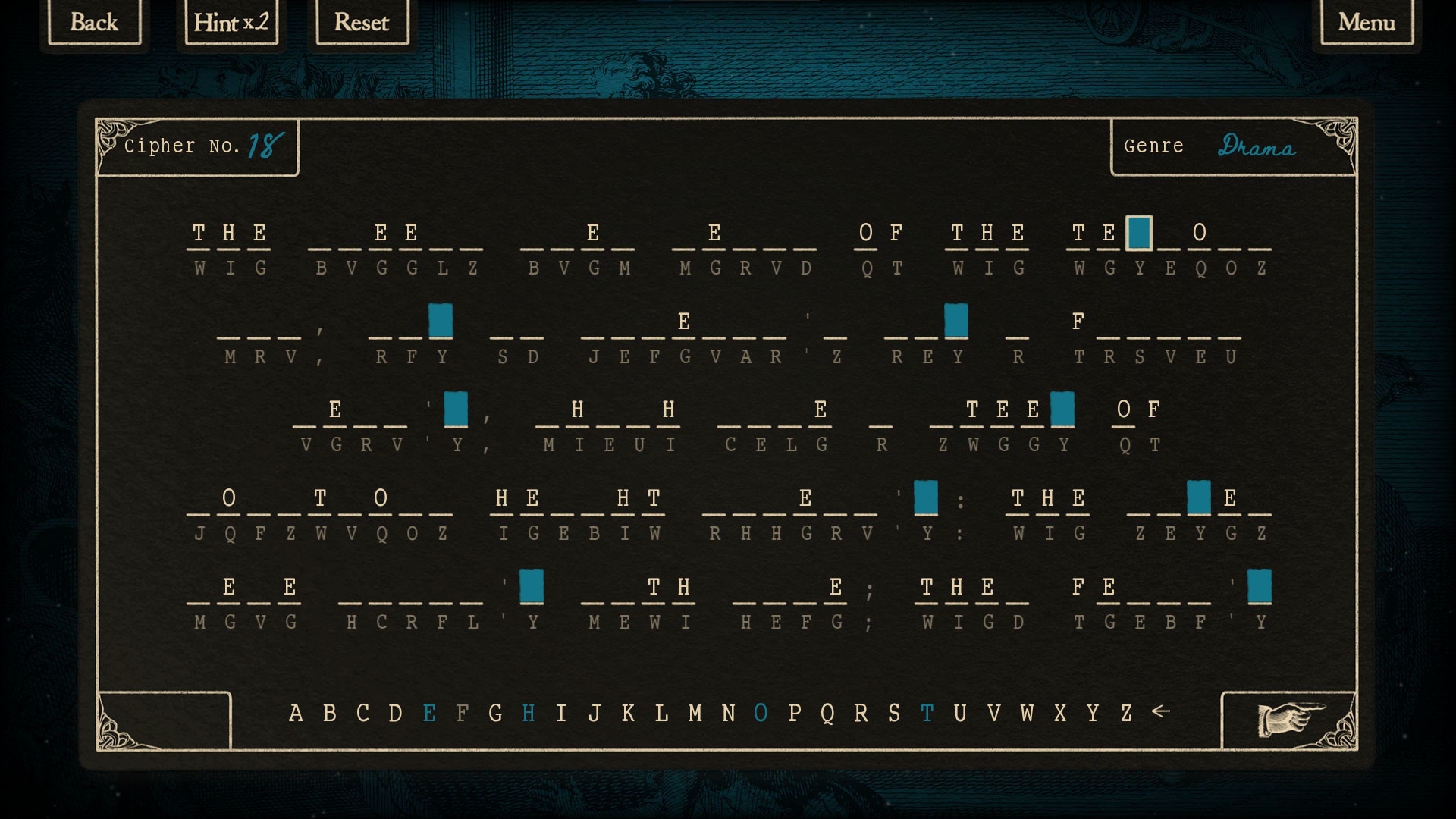
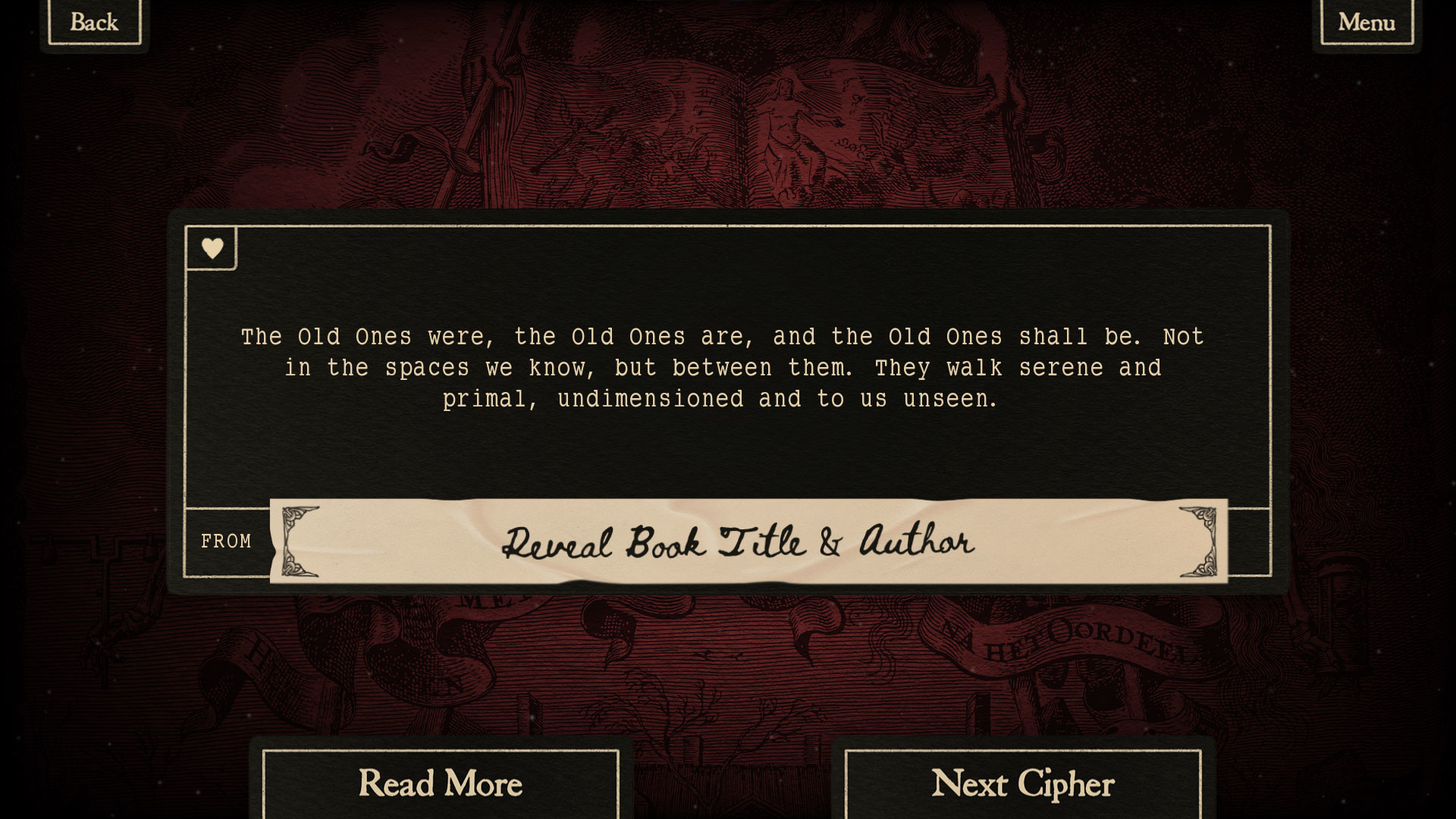
Get an in-depth look at Prose & Codes through various videos and screenshots.
Load More
System requirements
These are the minimum specifications needed to play the game. For the best experience, we recommend that you verify them.
Windows
- OS *: Windows 7+ 32bit
- Processor: Intel Celeron
- Memory: 2 GB RAM
- Graphics: Intel HD Graphics
- Storage: 250 MB available space
MacOS
- OS: macOS 10.7+
- Processor: Intel Celeron (or equivalent)
- Memory: 2 GB RAM
- Storage: 250 MB available space
Linux
- OS: Ubuntu
- Processor: Intel Celeron (or equivalent)
- Memory: 2 GB RAM
- Graphics: Intel HD Graphics
- Storage: 250 MB available space
Steam Price & Best Deals
User reviews & Ratings
Explore reviews from Steam users sharing their experiences and what they love about the game.
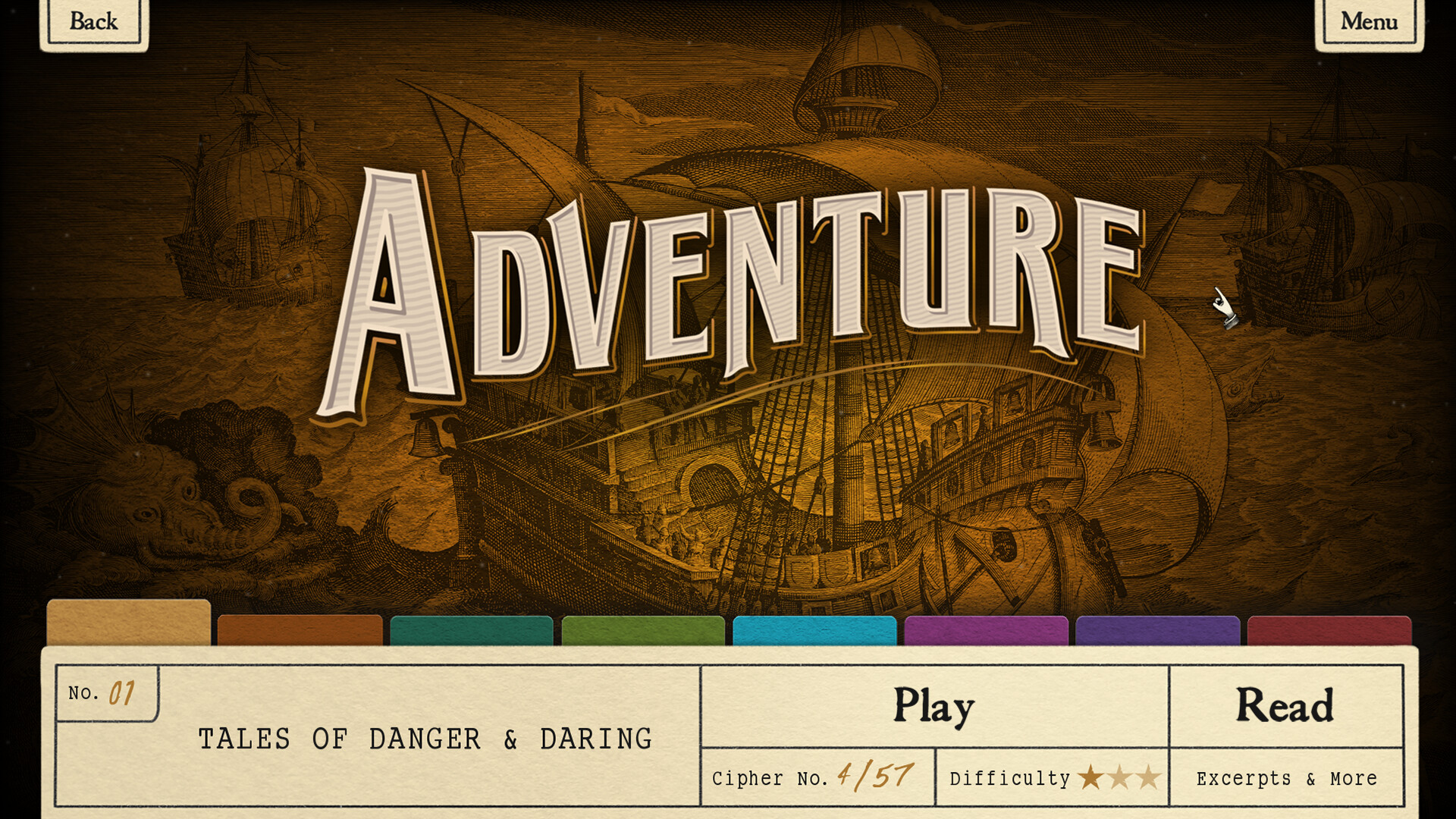
Back to the classics In the beginning there was a word .... um, a letter? or maybe nothing at all (it depends on the difficulty setting). Meh, let's start again! I haven't written a review on this site in almost two years (damn!), so in place of a bombastic opening, let's take it easy. After such a long hiatus, and many games put on hold, why this game? When you're unable to completely immerse yourself into the Dreaming (that sweet oblivion strange worlds of games bring), because the Waking is constantly knocking at the door as soon as you begin to dose off, not letting you fall asleep too deeply, keeping you sharp, on edge and tense (aka awake), the best temporary respite you can find is in the lobby, hovering over the portals into different worlds, but not quite plunging into them. (Convenient for quick exits too.) It's a very cosy lobby though - a whole library - perfect for a weary (and wary) traveller to momentarily find shelter from all the reality storms. https://steamcommunity.com/sharedfiles/filedetails/?id=3683334973 It's a soothing game like that, starting from the comforting crackling of fire, always present beneath the meditative classical piano, that puts your mind at ease, mends the cracks of your continuously overwhelmed nervous system, stuck in a fight-or-flight survival mode, and focuses it on the singular task at hand, everything else begone - a simple, minimal word game that lets you be in the moment, sorting things out, putting them back together.. Great for decluttering your disquiet mind. Then there's a clean user interface, restrained in elegance, giving off that timeless noble simplicity, neatly organised into several genres of classic literature. Oh how I enjoyed the slowness of my gameplay; just taking it all very unhurriedly, deciphering/absorbing every quote with purpose and contemplation; then checking out the book on Project Gutenberg, reading the synopsis, the introduction, even the whole first chapter; then sometimes (oftentimes) downloading its epub form, continuing the reading session in my happy place. If the fancy struck, I would research more on the writer and their other books (there are some overlooked gems here), take notes, sip tea, warmed by the ambient sound of a blazing hearth... like leisurely spending quality time in an old library, the whole thing. I could almost smell the book ink in the morning and hear the reassuring swishing of pages flipping amid their "centuries-old murmuring".1 As I hinted at the start, there are 3-4 difficulty settings, up to three hints per encryption page, so if you want a more serious challenge, play on hard (in the beginning, there was nothing, not even a letter), and use no hints at all. Reward is your own satisfaction, as there are only four, very humble, achievements, all to do with engaging with the books themselves. Meaning: there are no achievements for this or that accomplishment (for hints used/unused, for speed, for sentence difficulty), no metrics and dopamine chasers, just an enjoyable stroll through the library, ruminating on the wisdom pearls from great thinkers who sought it, or getting a taste of an adventure of a lifetime; excitedly opening your eyes at the heartfelt recognition of an old favourite; getting a peek at a house party in an English manor, full of suspicious guests being offed on by one; being in awe at the "unfathomable distance ... out of the unknown past into the unknown future"; while still feeling the chilling shiver from "once upon a midnight dreary, while I pondered weak and weary"; laughing and crying while frolicking on 'this great stage of fools'; looking at the stars from the gutter... - many such good old stories of "hating the sin and loving the sinner".2 Better than dopamine; it's longer lasting and deeper felt, whatever is the feel-good humour that secretes during calm contentment. https://steamcommunity.com/sharedfiles/filedetails/?id=3680060409 A different kind of contentment made me come back to this puzzler over and over, a sort of a deep sigh... of reliefff.. when after every thought put back together the world made sense again. That was the most soothing thing of all: when it feels like everything's falling apart, as if we're at the end of history, or, on the precipice of something new that just won't come, you can weave the shattered pieces back, for a while... Remnants of some long lost meaning, signifiers that have lost the signified and are now just material printed images (codes, letters), floating over the abyss (I mean, over encoded broken lines), isolated, disconnected, discontinuous, waiting to be synthesised into a coherent narrative. In a way, reading and writing is like bridging the abyss between disenchanted signs, connecting them in our minds, seeing beyond the materiality, shape of the image, catching the meaning floating above and behind it and in-between, in the interrelation between words, re-enchanting them. There's no better feeling than when you catch on to the thread, and in that moment, there are still boundless possibilities of where it can end, a multitude of thoughts swirling around, an infinite number of worlds between words; but as you grip it firmer and follow its lead as it defines itself, all other potential sentences slowly fall into the void for that one to live. And this satisfying but bittersweet moment reminded me of what one great critic (or a few) said - that the sentence is a way of murdering the outside world.3 I found it rather natural, this killing. I'd start with identifying the articles first: 'the', 'a/an'; then common prepositions, conjunctions, demonstratives, double letters; bit by bit, nouns and verbs and adjectives are revealed, parts of clauses finish themselves; before you know it, you killed the outside world along with many possible worlds, following the syntax to its inevitable conclusion. Quite often, very long sentences proved easier to solve, because they usually have all the expected elements, while the shorter ones tended to be more unique in structure. You'll observe what letters appear frequently in English, which is very useful for deciphering, especially on hard. Also helpful, and quite interesting, was noticing different genres' beloved words and phrases, not to mention themes and prose style. https://steamcommunity.com/sharedfiles/filedetails/?id=3729041376 The selection is impressively thorough, covering everything from unmissable, well known classics, to more obscure, overlooked gems; almost 500 hundred quotes from public domain works divided in 8 genres, spanning a wide timeframe, from Antiquity to Renaissance, to Romanticism and Realism, to Modernity, but most works are from the golden age of the novel, though, that is 19th to early 20th century. As such, you will find a diverse range of writing styles, of course, a glimpse into an adventure of literary form, bold use of vocabulary, an imaginative network of words, creative syntax building and prosodic nuances, surprising turn of phrases, non-generic, authentic authorship. It's simply refreshing going back to the classics and remembering what genuinely good, inspired prose looks like. All traits that are now poisoned in the age of AI and rapid homogenisation of language, where you're never quite sure if you're reading a human using a machine or a machine using a human; because everybody be sounding like a chatbot, like the same ♥♥♥♥♥♥♥ person, any individuality dissolved in generic/generated slop of milquetoast mediocrity, bland predictability and boring mimicry. That's yet another reason this game gave me comfort at this time in this place, and soothed my soul... by being my happy place, my line of flight into the words I know are faithfully human. Continued in the comments... I wrote this review with my brain [url=https://store.steampowered.com/curator/40848670-Drugoja-In-The-Dreaming/]between Waking and Dreaming
A solid cypher game that supports one of the last important spots on the Internet, Project Gutenberg. If you like a quote that you solve, you can read that book for free via Project Gutenberg. If you notice Project Gutenberg timing out repeatedly, it's because they're being assaulted by ♥♥♥♥♥♥♥ generative AI web scrapers that use their collection of classics to train slopbots to speak better when they misinform you and encourage your delusions. Now's a good time to ditch your ChatGPT addiction. Maybe read a book, even. One of 75,000 or so free books that may one day not be free, because the Powers That Be intend to credit-card you to death one way or another to build their stupid Babel-bots.
A ton of well-done, well-chosen cipher puzzles from some of the best works of prose in the English language, from a number of genres. That would be enough for a glowing review from me, but Prose & Codes goes the extra mile with its Library feature. After you've solved a puzzle, you can look at some additional context about the book and author, which will then allow you to open up a link to the full text on gutenberg.org. Not that it's necessarily a good thing that I have 20 open chrome tabs, but I definitely have my summer reading selections ready to go.
I'm just going to sit here and pretend I am breaking some impossible codes and saving the world, all the while what is really happening, is i am getting an literacy lesson and reading some insanely deep and moving quotes from extraordinary literacture and adding more books to my must read pile.
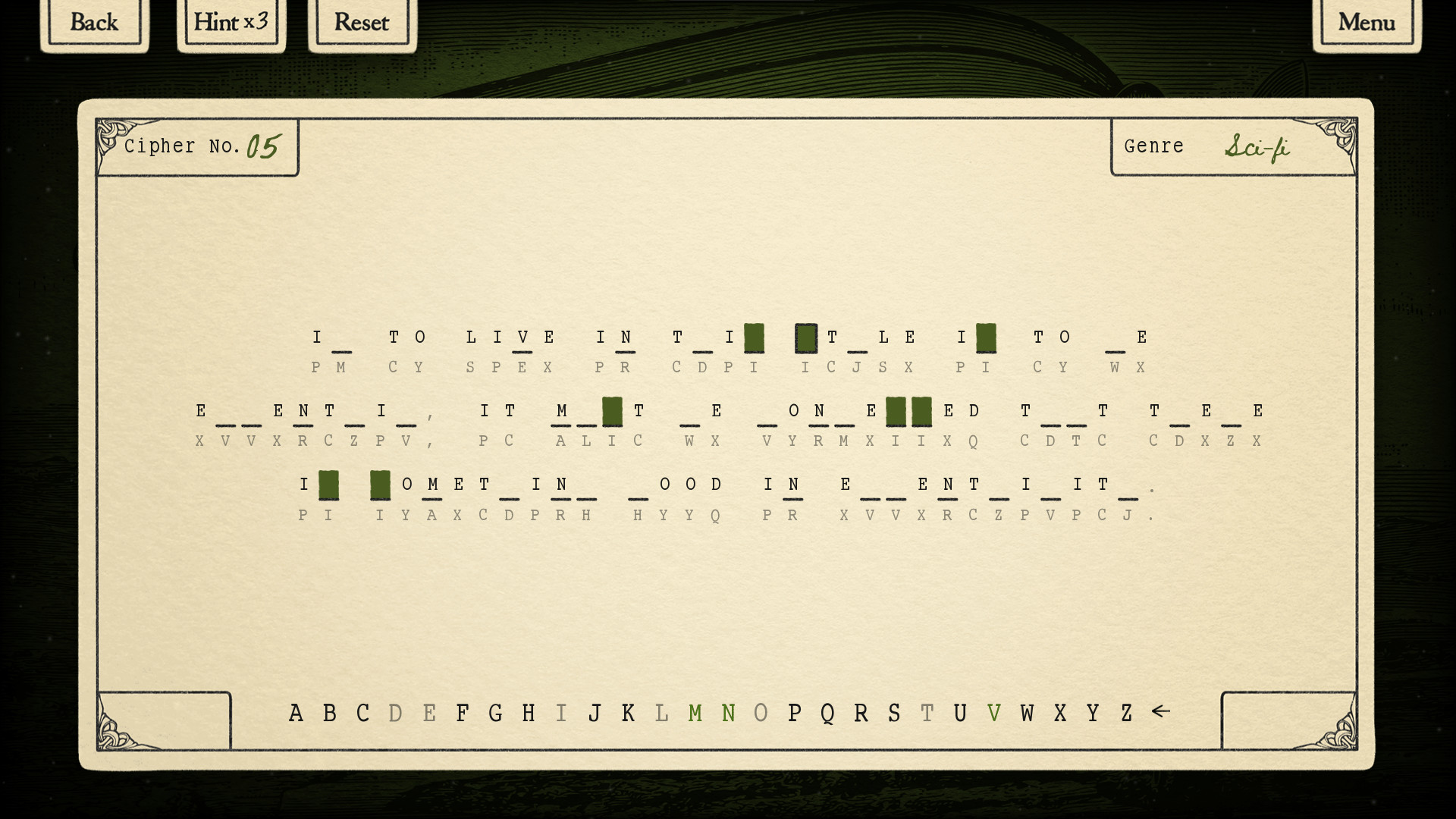
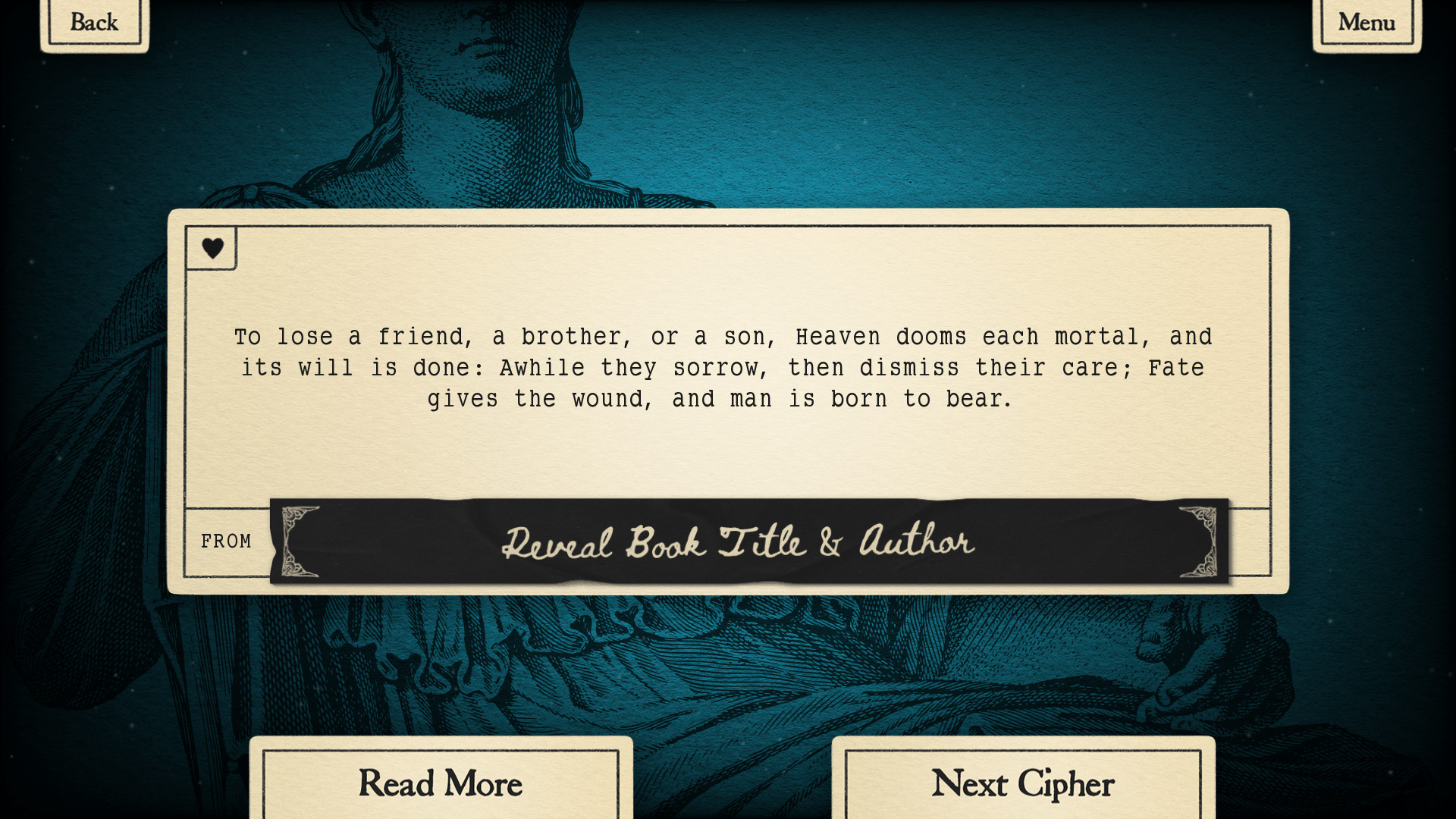
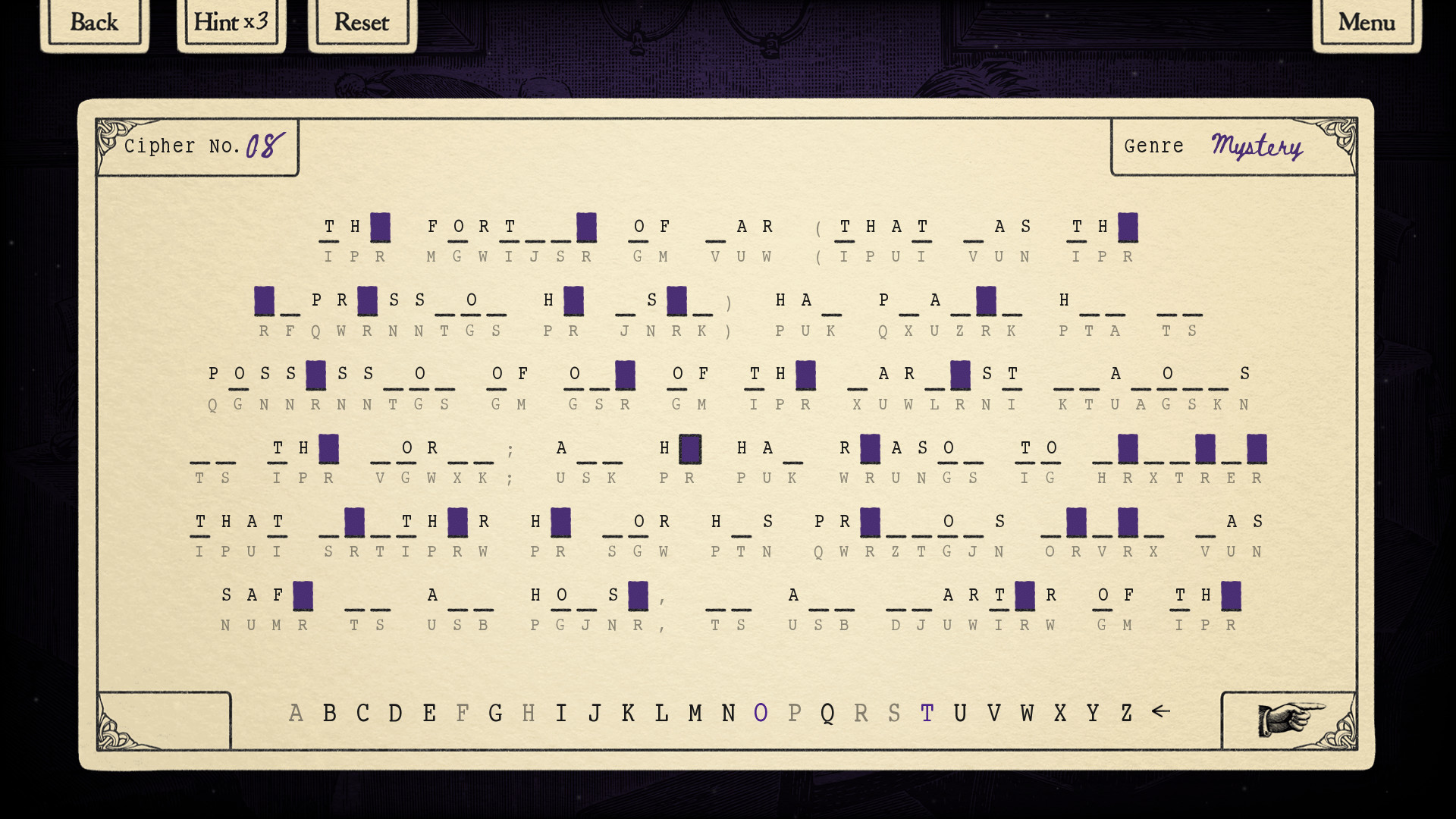
Prose & Codes is a rare kind of puzzle game — one that treats words not just as building blocks for solving a cipher, but as tiny windows into the vast history of literature. At first glance, it resembles a classic cryptogram: letters are scrambled according to a substitution cipher, and your task is simply to decode the hidden sentence. But rather than presenting random quotes or generic text, the game focuses entirely on excerpts pulled from novels, poems, essays, and stories spanning countless genres and eras. The result is a surprisingly intimate experience that blends literary appreciation with methodical puzzle-solving, turning each completed cipher into a small act of rediscovery. The structure is simple, but the selection of excerpts gives the game its soul. Every time you decode a passage, the game reveals the original source and provides a short description of the work. This creates a constant sense of curiosity — you may solve a puzzle only to realize you’ve uncovered a passage from a classic you’ve never read, or an author you vaguely recognize but never explored. Rather than relying on progression systems or narrative framing, the game’s sense of accomplishment comes from this gentle connection to literature. Each cipher becomes a bridge leading you into a different corner of the literary world, whether that’s gothic horror, romantic poetry, philosophical reflection, children’s classics, or early science fiction. The presentation enhances this atmosphere with understated elegance. The interface evokes the feeling of reading on aged paper or flipping through a well-loved notebook, and the typewriter-style lettering reinforces the sense of engaging with something archival. Soft musical tracks — usually piano-driven, calm, and reflective — provide a background that encourages focus without intruding on the puzzle-solving process. Optional settings like dark mode or color adjustments make it comfortable to play for long sessions, and the overall ambiance feels purposefully mellow, ideal for players who enjoy slow, meditative gameplay rather than fast-paced challenge. Mechanically, the core systems are intuitive and faithful to traditional cryptograms, but with small conveniences that make the experience smooth. Selecting a letter automatically fills in every instance of it across the text, encouraging logical deduction and pattern recognition. The lack of penalties for mistakes and the inclusion of undo features support experimentation, letting you try substitutions freely until the structure of the sentence becomes clear. Difficulty settings affect how much of the excerpt is revealed at the start, and harder modes can quickly become tricky as you stare at strings of symbols trying to find linguistic footholds. Yet even at its toughest, the game never feels hostile — it aims to relax rather than to overwhelm. What distinguishes Prose & Codes is how effectively it cultivates a rhythm. You solve one puzzle, tell yourself you’ll stop, and then feel drawn into just one more excerpt, and then another. The variety of writing styles keeps the puzzles feeling fresh, and the excitement of identifying a pattern — realizing the ciphered word in front of you is a famous opening line or a memorable passage — gives bursts of satisfaction. It’s a quiet pleasure that grows with time, especially for players who enjoy language, grammar, or the subtle music of sentences. The game never forces a sense of urgency; instead, it invites you into a slow, steady engagement with words that feels almost meditative. If there’s a limitation to Prose & Codes, it’s the inherent narrowness of the concept. Once you understand how substitution ciphers work, the gameplay never shifts dramatically, and players who crave variety, narrative arcs, or evolving mechanics may find the experience too uniform. The game is also finite in scope: once you’ve completed its library of excerpts, the sense of discovery naturally tapers off. But the purity of its design — one focused idea executed with care — makes these constraints feel intentional rather than restrictive. It knows what it wants to be, and it embraces that identity without compromise. In its final form, Prose & Codes becomes more than a puzzle compilation; it is a celebration of stories, authors, and the intrinsic beauty of written language. It encourages you to think carefully, slow down, and appreciate the craft of the text you’re decoding. For lovers of literature or language-based puzzles, it offers a tranquil, rewarding experience that stimulates both the analytical and the imaginative sides of the mind. It may not shout for attention with flashy visuals or dramatic stakes, but it resonates through its quiet sincerity — a thoughtful homage to the enduring power of prose. Rating: 9/10
Similar games
View all
Is This Seat Taken?
Is This Seat Taken? is a logic puzzle game where you play matchmaker for groups of hilariously particular people. Each character has pet peeves that make seating them a delightful challenge. Find the perfect spot for each person to unlock new levels in this cozy, silly, and relatable experience.


Hatsune Miku Logic Paint S+
Solve over a 1000 new puzzles while chilling to a great soundtrack and receive costumes, furniture and more with which to customize your Piapro Characters' world like never before!
The Apothecary of Trubiz
A short puzzle game where you decipher a fictional language, mix potions, and treat patients. Enjoy the thrill of understanding and the small stories that unfold from each cure.
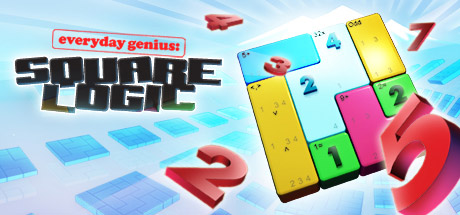
Everyday Genius: SquareLogic
The next generation of puzzle games is here! Combining simple arithmetic with colorful cages and logical problem solving, this new puzzle game makes sure you never have to guess—and you don’t have to be a math wiz!
20 Small Mazes
This is a puzzle game with twenty small mazes. They're good mazes, though.


Glass Masquerade 3: Honeylines
Get ready for the Glass Masquerade sequel! With brand new textured glass pieces, immerse yourself in the beautiful world of painted glass art. Assemble jigsaw puzzles inspired by different cultures and themes with new play modes and various fragments cuts.
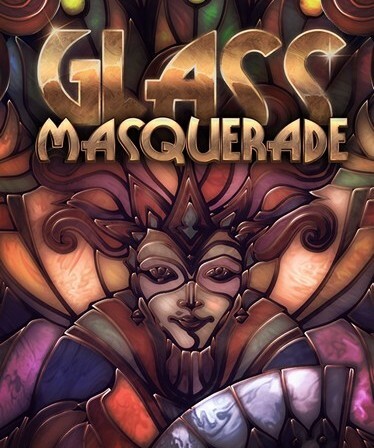
Glass Masquerade
Welcome to Glass Masquerade - an artistic puzzle game inspired by Art Deco & stained glass artisans of the 20th century. You need to combine hidden glass pieces to unveil clocks and themes exhibited by various cultures of the world at the 'International Times Exhibition'
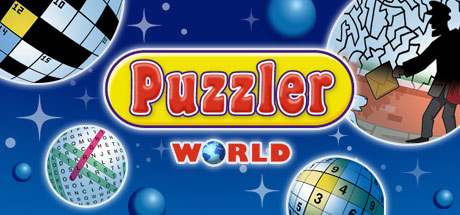
Puzzler World
Puzzler World brings over 1200 puzzles of 8 popular puzzle types to your PC. Conceptis picture logic puzzle fans will be happy to know that in addition to Crossword, Wordsearch, Fitword, Sudoku, Codeword, Spot the Difference and Silhouette puzzles, Puzzler World also offers 83 Conceptis Link-a-Pix available in sizes of 10x10, 20x20 and...
Frequently Asked Questions
Prose & Codes is currently priced at 4.87€ on Steam.
Yes, Prose & Codes is currently available at a 50% discount. You can purchase it for 4.87€ on Steam.
Yes, Prose & Codes received 313 positive votes out of a total of 319 achieving a rating of 8.96.
😎
Prose & Codes was developed and published by Hero Game Co LLC.
Yes, Prose & Codes is playable and fully supported on Windows.
Yes, Prose & Codes is playable and fully supported on MacOS.
Yes, Prose & Codes is playable and fully supported on Linux.
Yes, Prose & Codes is playable on Steam Deck, though it might require a few minor tweaks. Make sure to check the Steam store page and community feedback on ProtonDB for exact compatibility details.
Yes, Prose & Codes is playable on Steam Machine, though it might require a few minor tweaks. Make sure to check the Steam store page and community feedback on ProtonDB for exact compatibility details.
No, Prose & Codes does not support VR.
Prose & Codes is a single-player game.
No, Prose & Codes does not currently offer any DLC.
No, Prose & Codes does not support mods via Steam Workshop.
No, Prose & Codes does not support Steam Remote Play.
Yes, Prose & Codes is enabled for Steam Family Sharing. This means you can share the game with authorized users from your Steam Library, allowing them to play it on their own accounts. For more details on how the feature works, you can read the original Steam Family Sharing announcement or visit the Steam Family Sharing user guide and FAQ page.
You can find solutions or submit a support ticket by visiting the Steam Support page for Prose & Codes.
Data sources
The information presented on this page is sourced from reliable APIs to ensure accuracy and relevance. We utilize the Steam API to gather data on game details, including titles, descriptions, prices, and user reviews. This allows us to provide you with the most up-to-date information directly from the Steam platform.
Additionally, we incorporate data from the SteamSpy API, which offers insights into game sales and player statistics. This helps us present a comprehensive view of each game's popularity and performance within the gaming community.
Last Updates| Steam data | 26 September 2026 05:19 UTC |
|---|---|
| SteamSpy data | 24 September 2026 07:41 UTC |
| Steam price | 06 October 2026 10:29 UTC |
| Steam reviews | 28 September 2026 09:45 UTC |
If you'd like to dive deeper into the details about Prose & Codes, we invite you to check out a few dedicated websites that offer extensive information and insights. These platforms provide valuable data, analysis, and user-generated reports to enhance your understanding of the game and its performance.
- SteamDB - A comprehensive database of everything on Steam about Prose & Codes
- SteamCharts - Analysis of Prose & Codes concurrent players on Steam
- ProtonDB - Crowdsourced reports on Linux and Steam Deck Prose & Codes compatibility
Game modes
Features
Online players
3
Developer
Hero Game Co LLC
Publisher
Hero Game Co LLC
Release
11 Feb 2022
Platforms