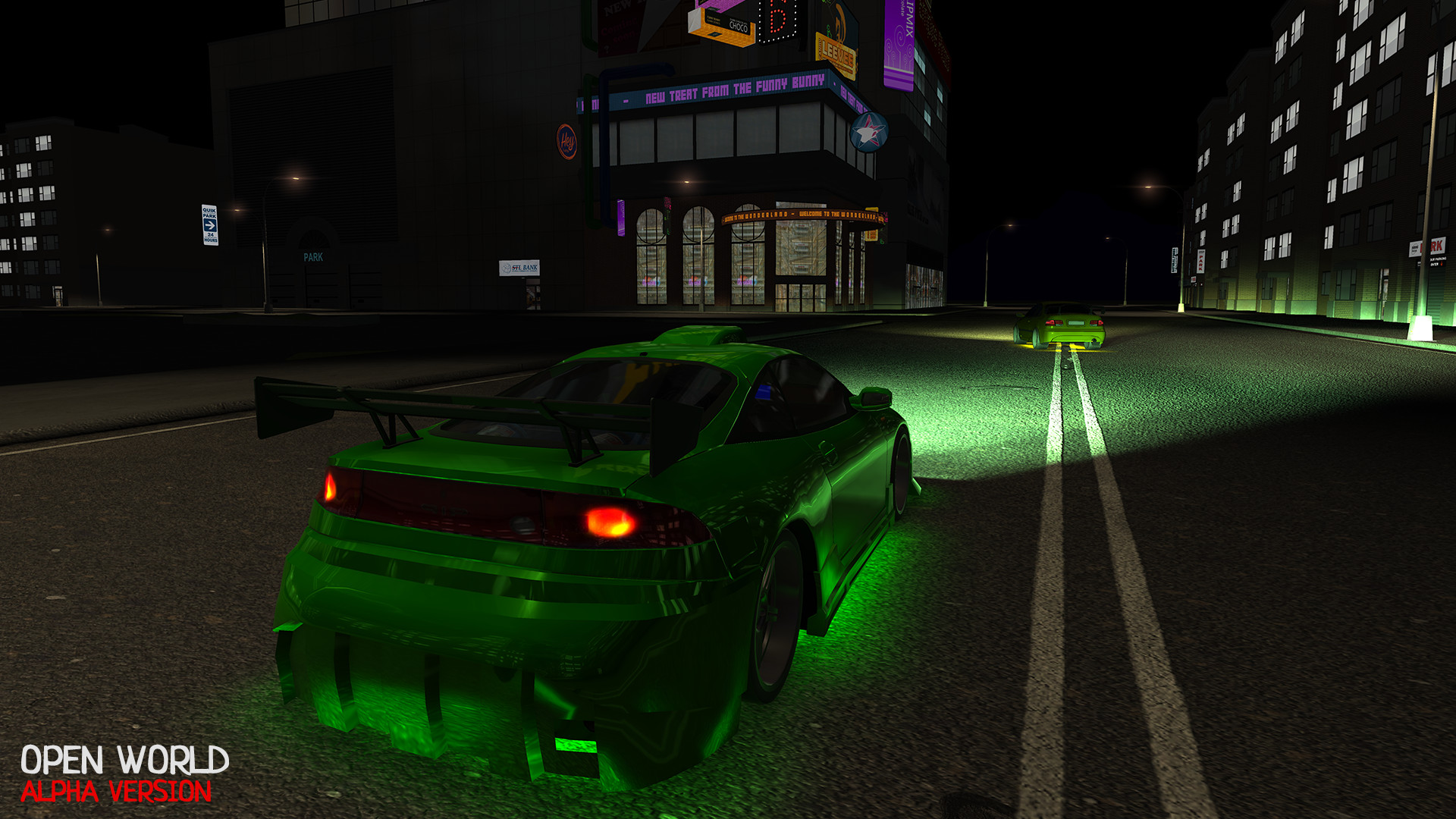
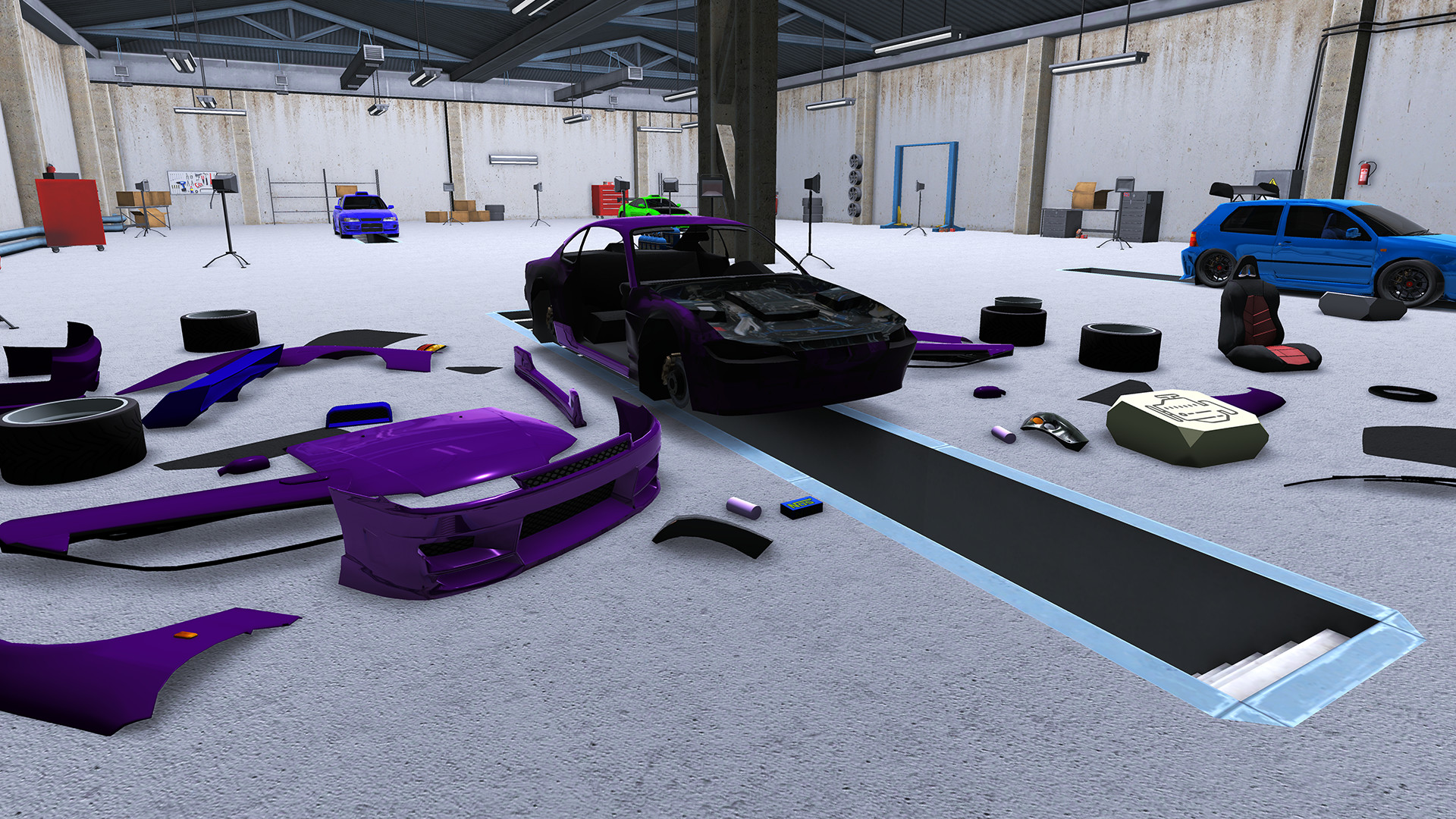
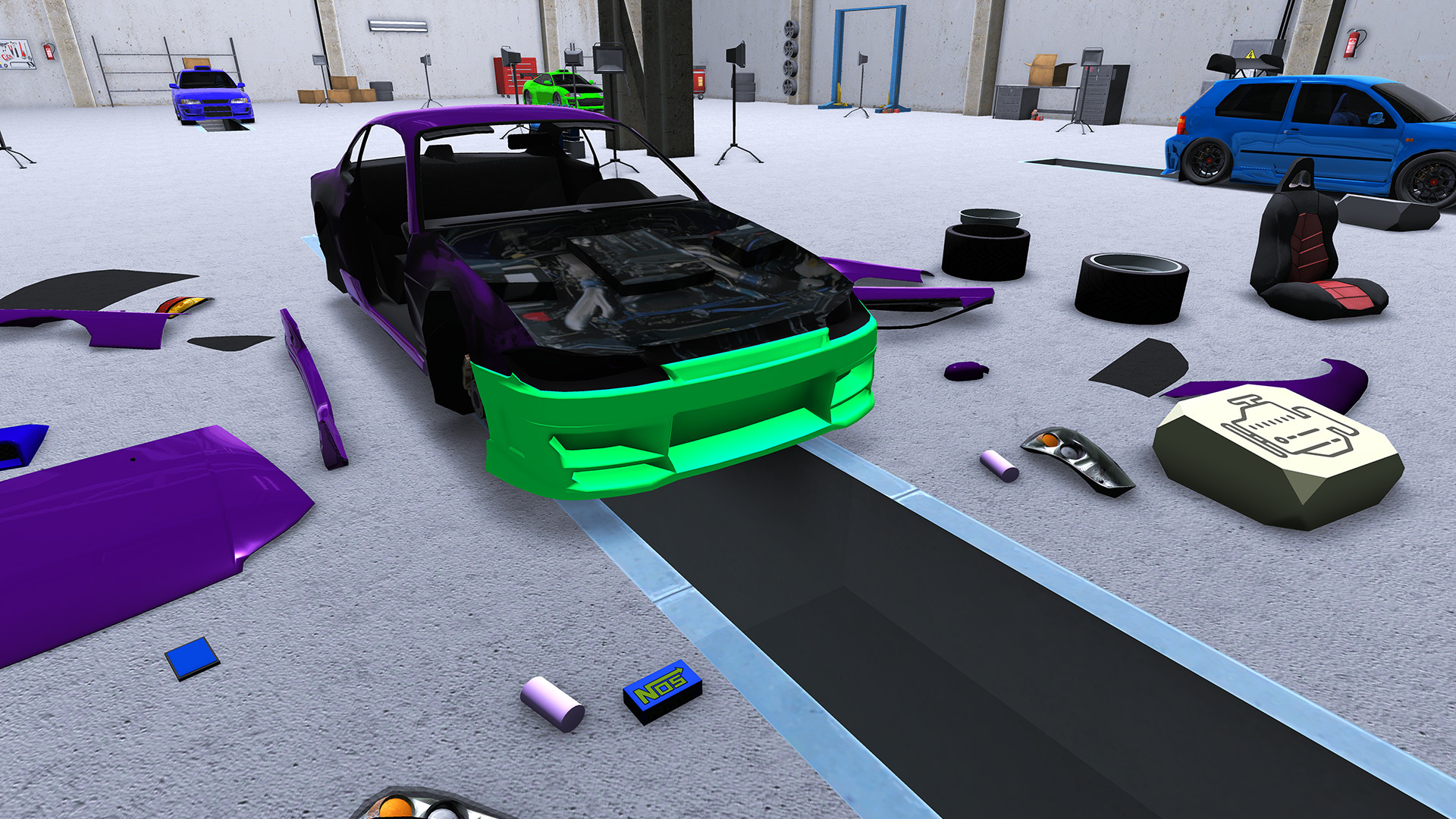
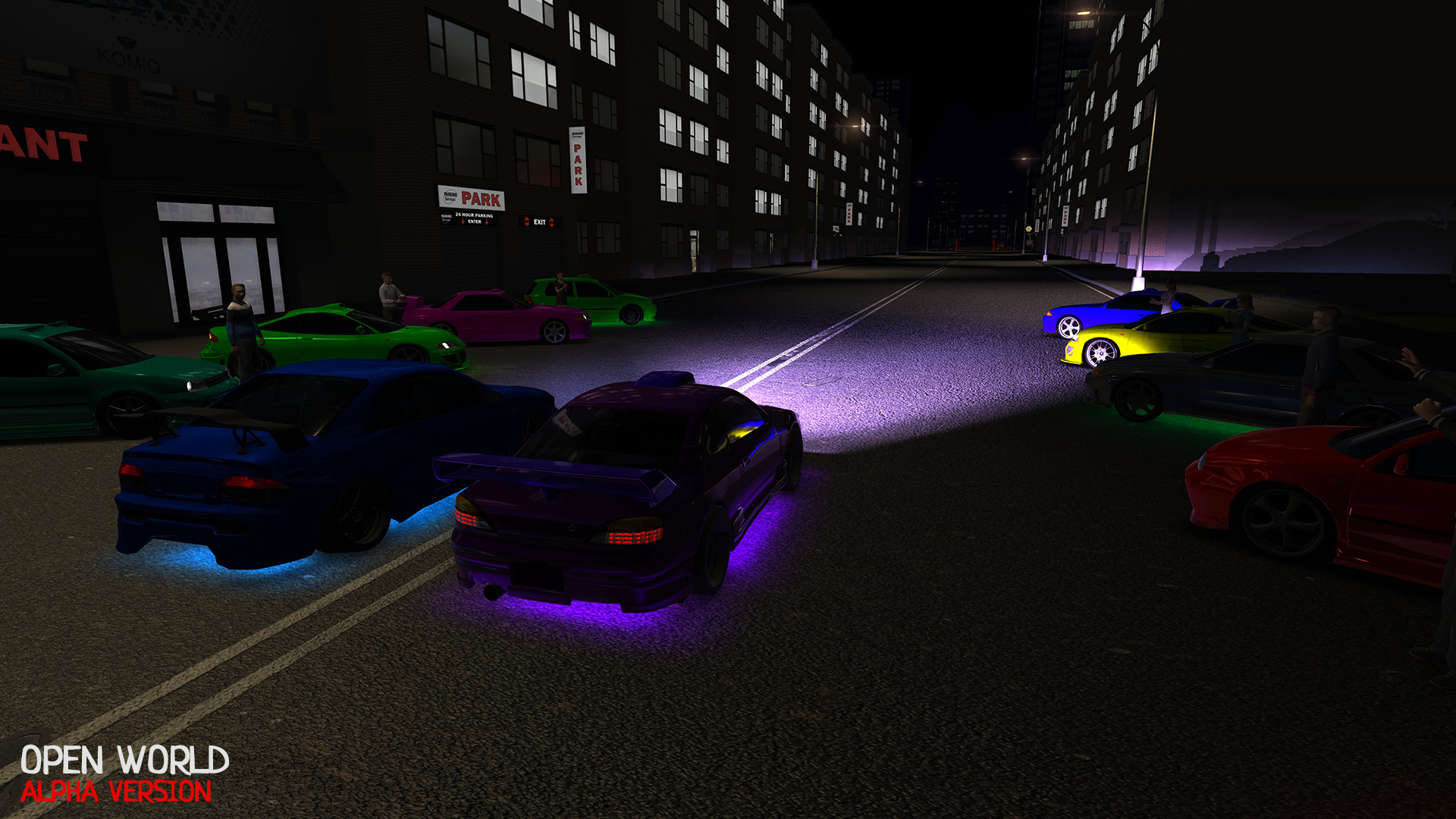
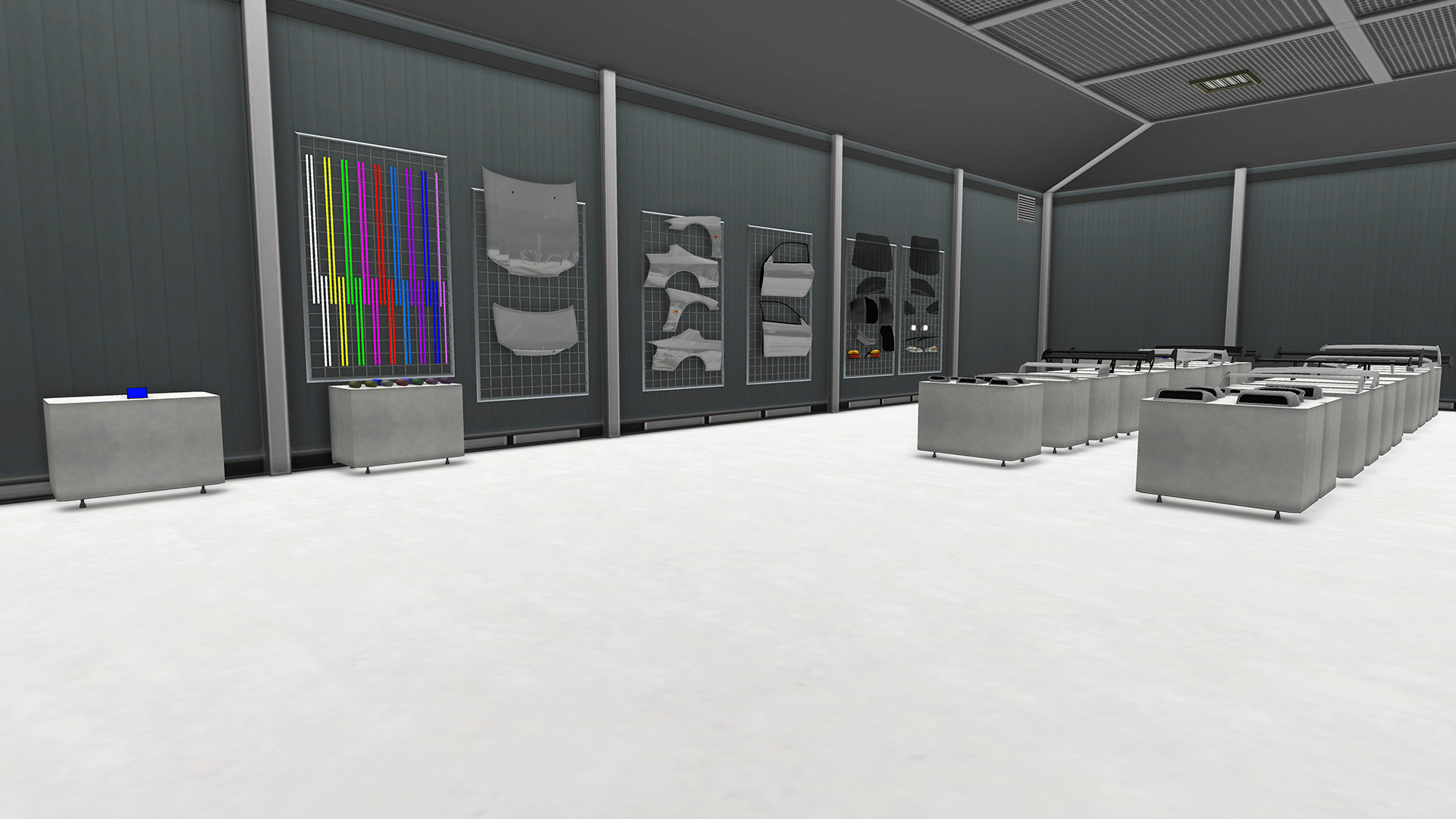
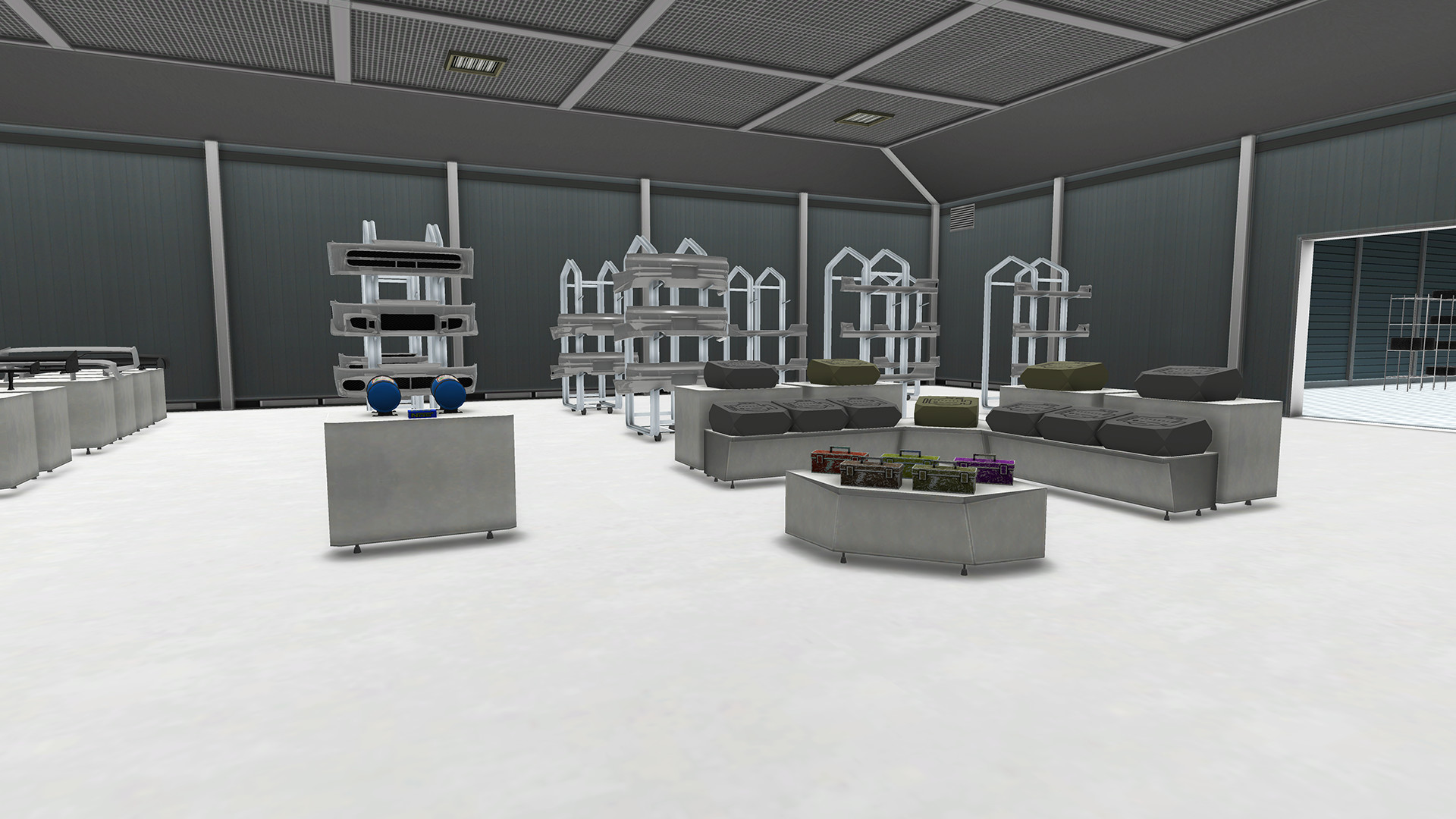
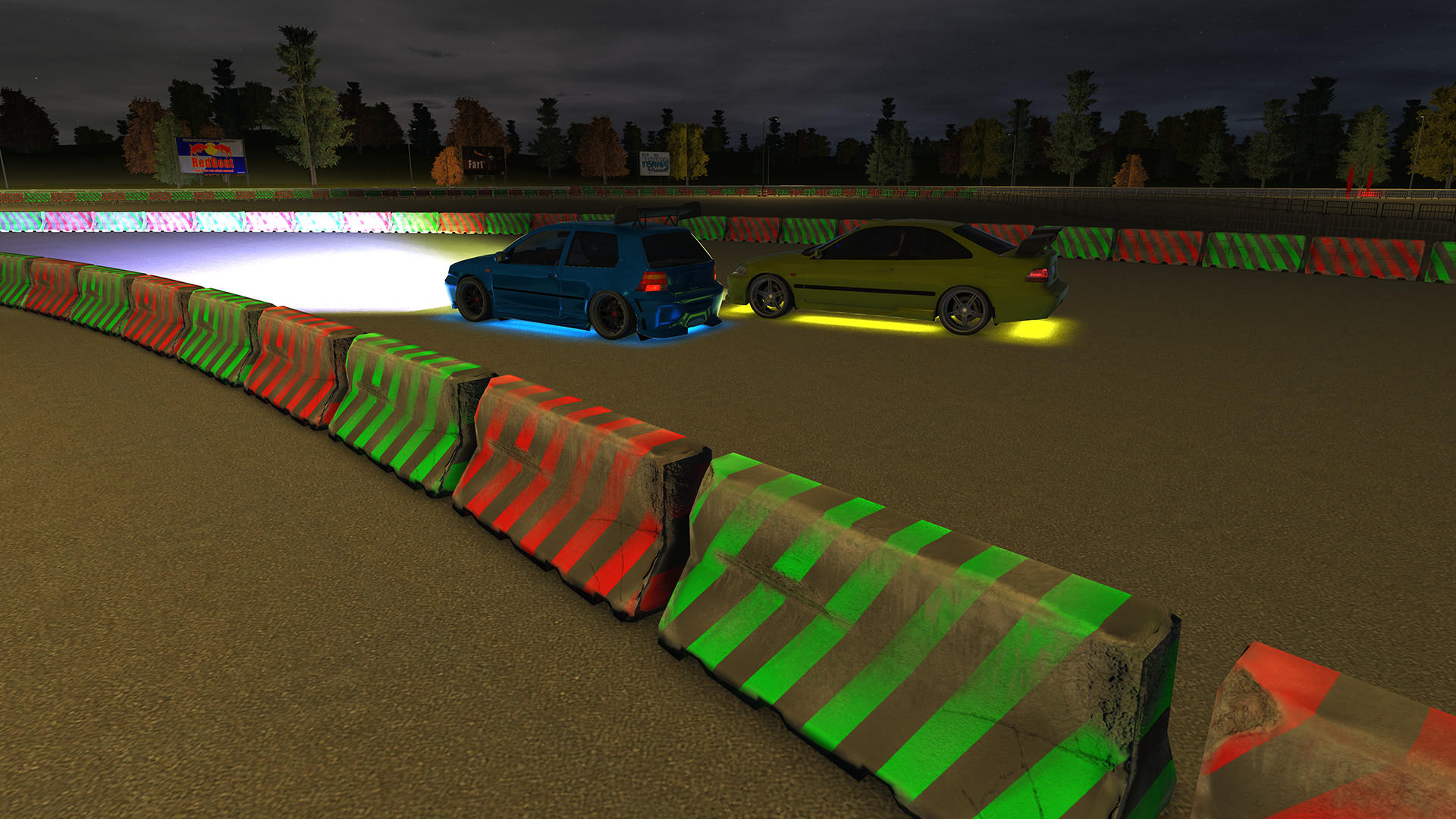
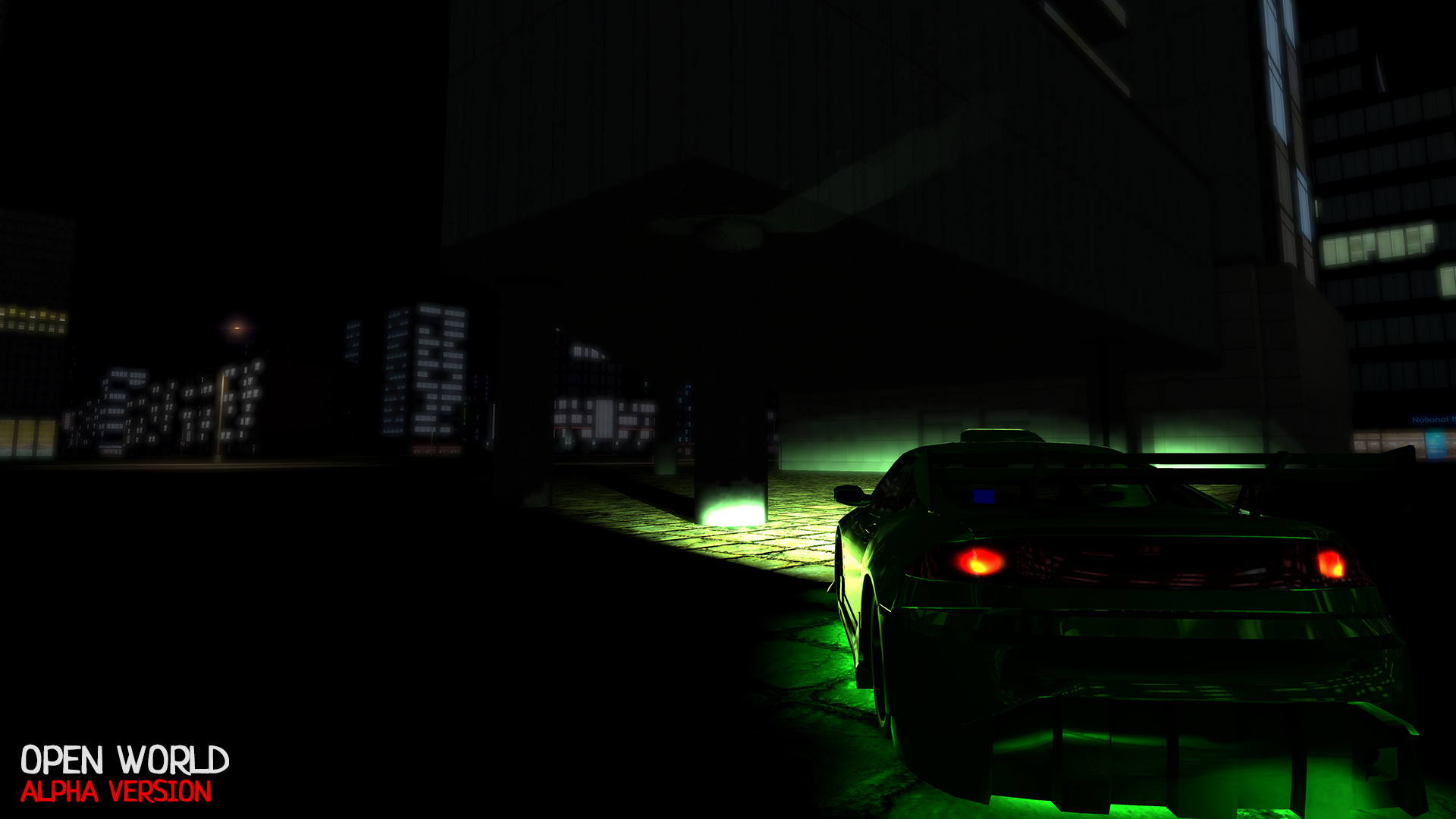
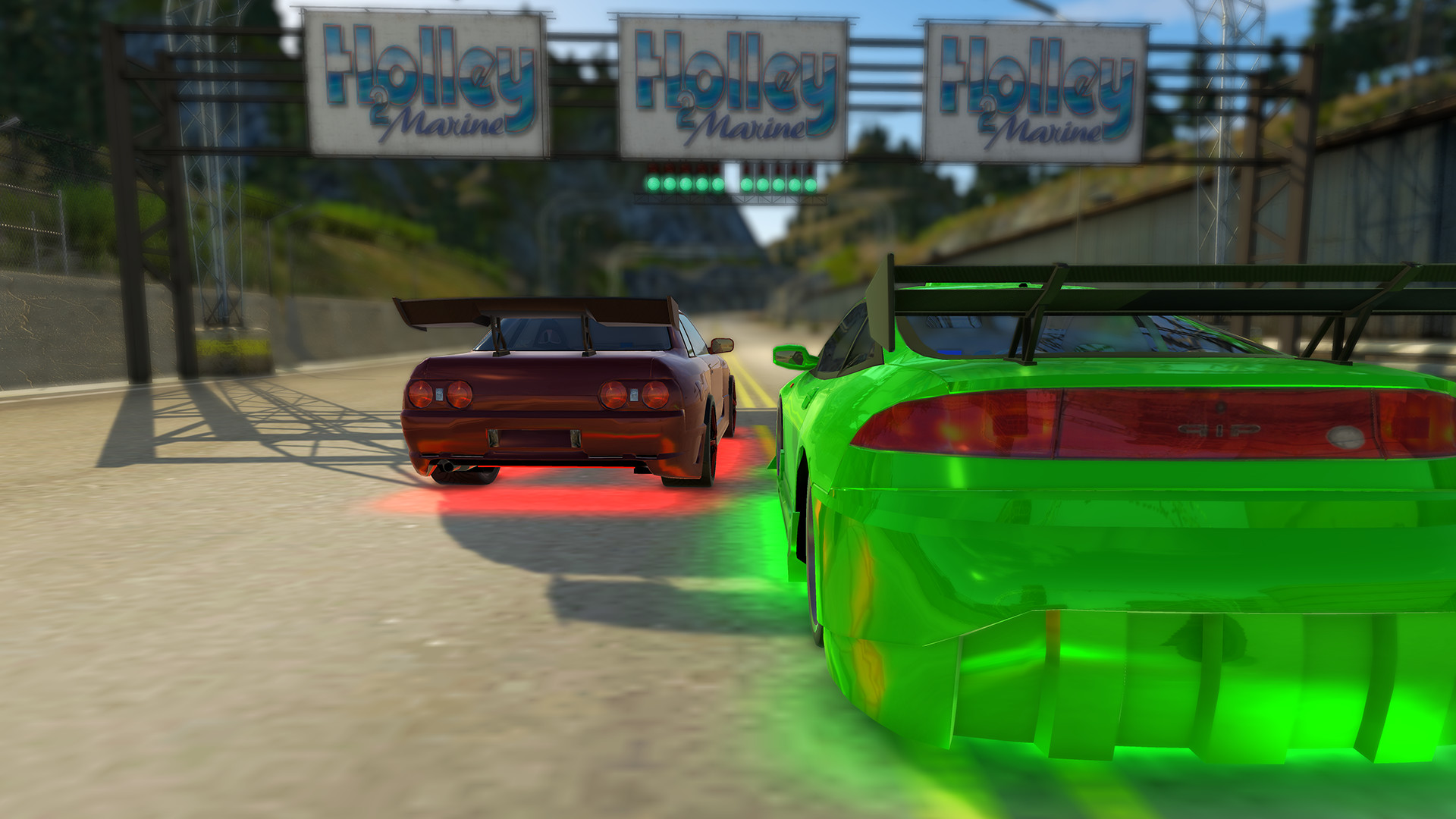
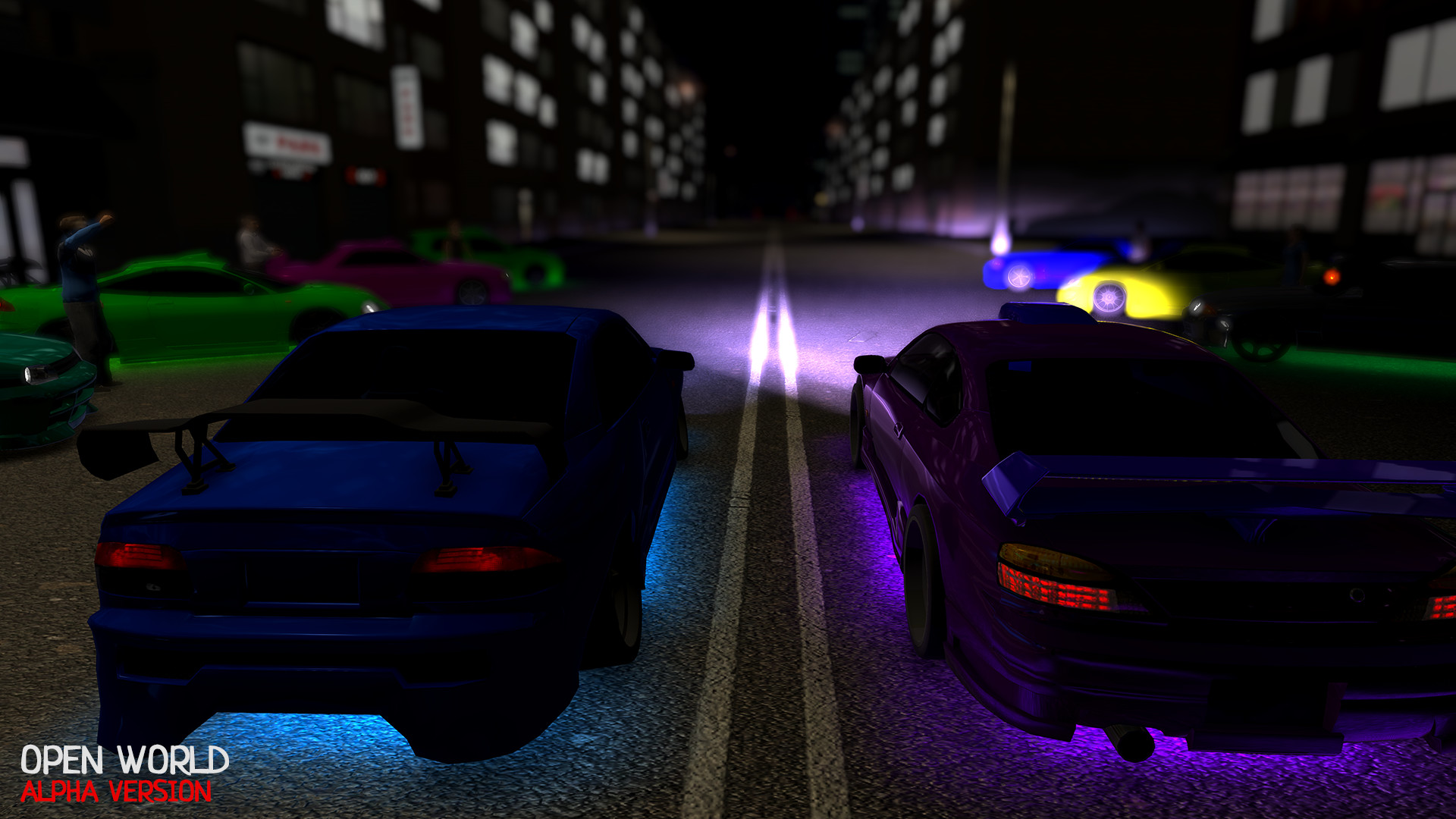
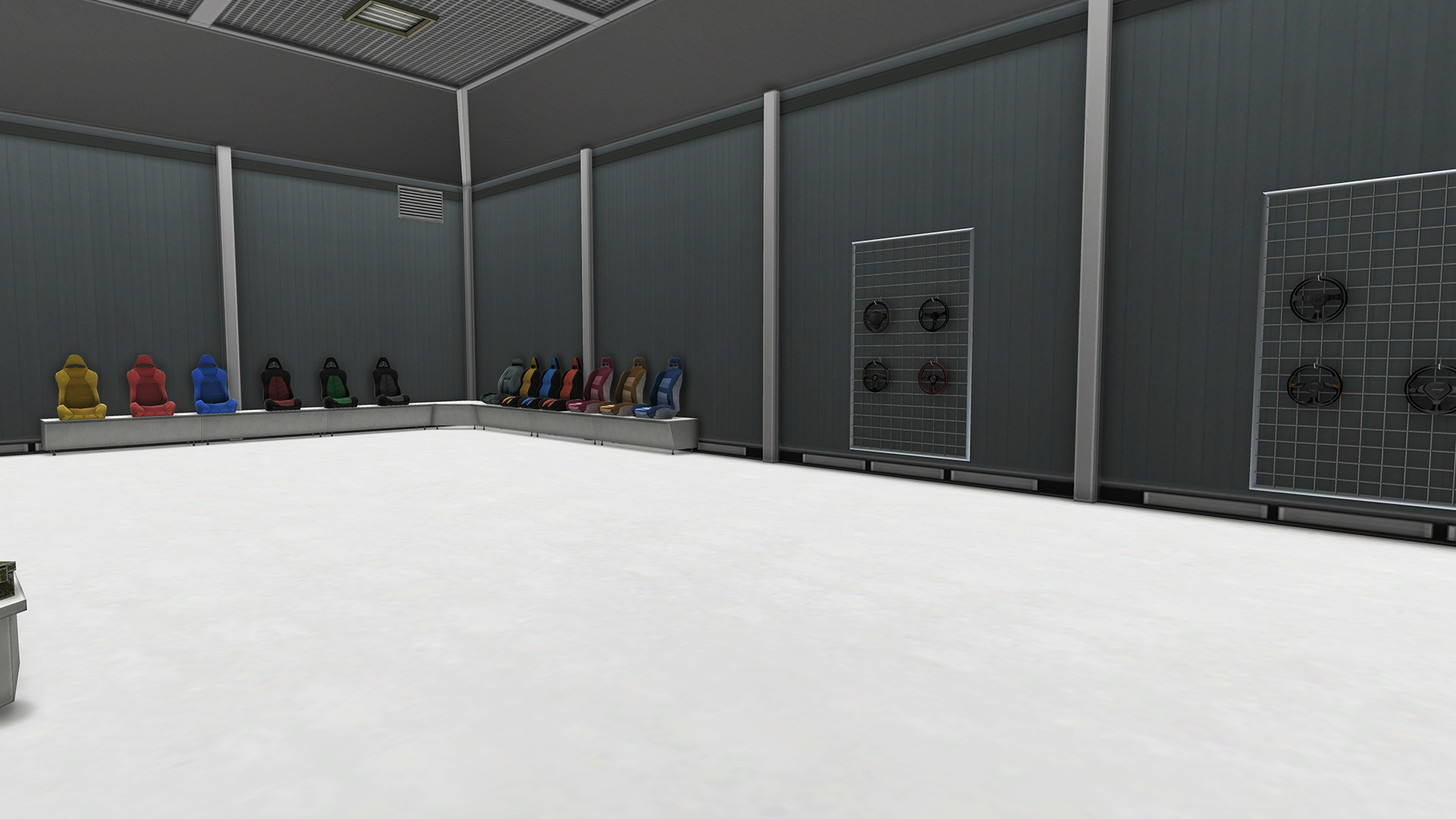
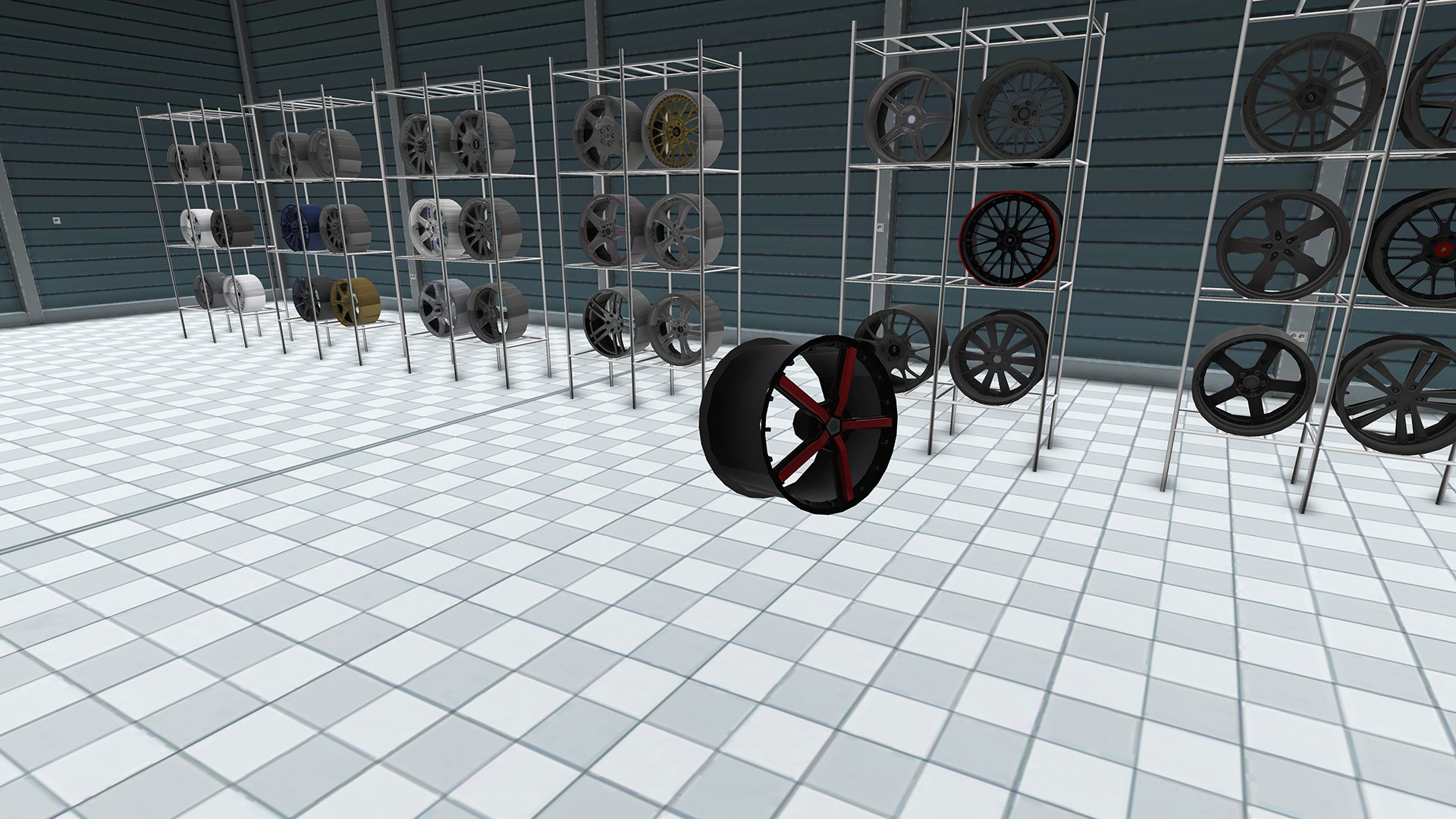
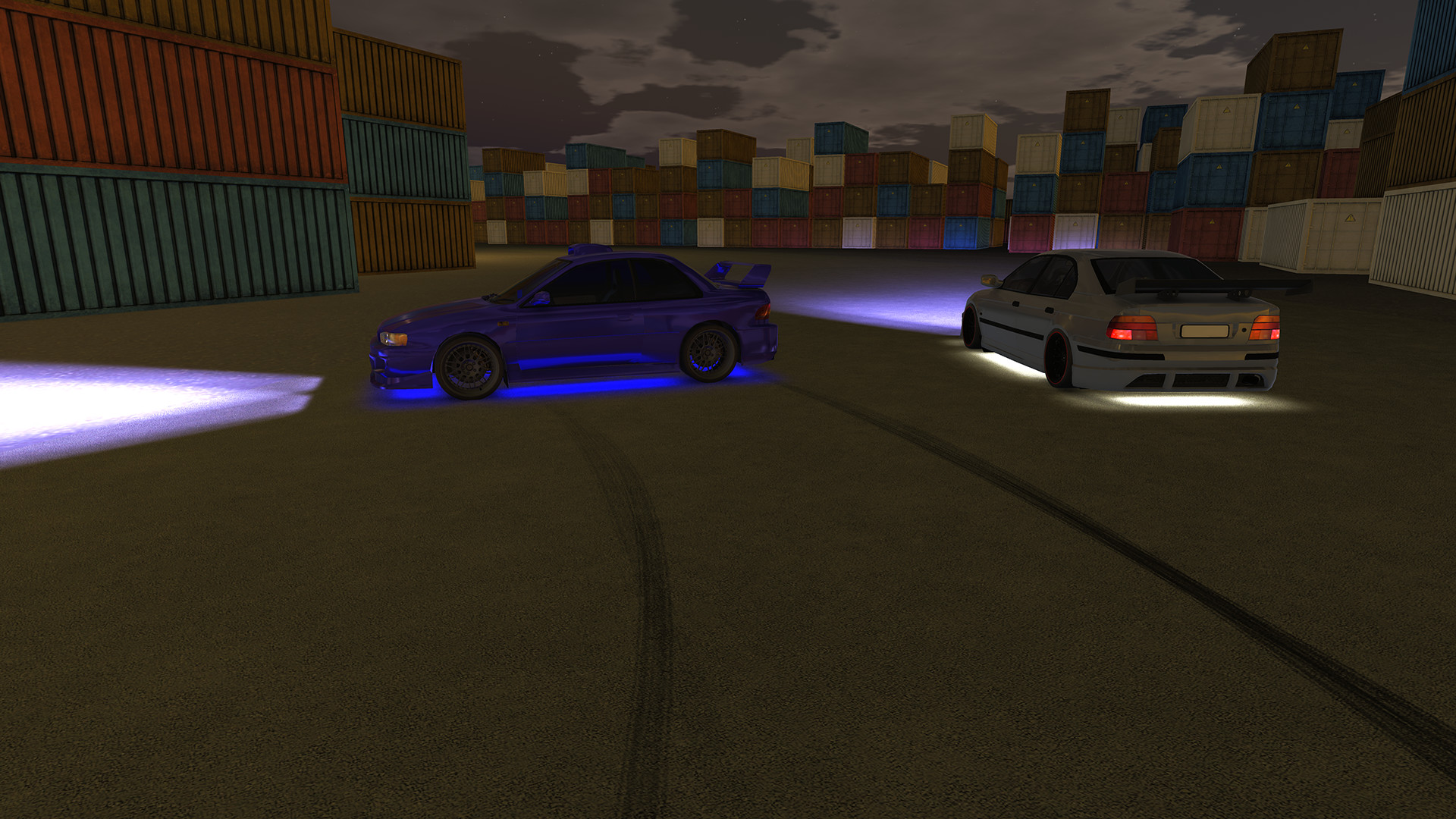
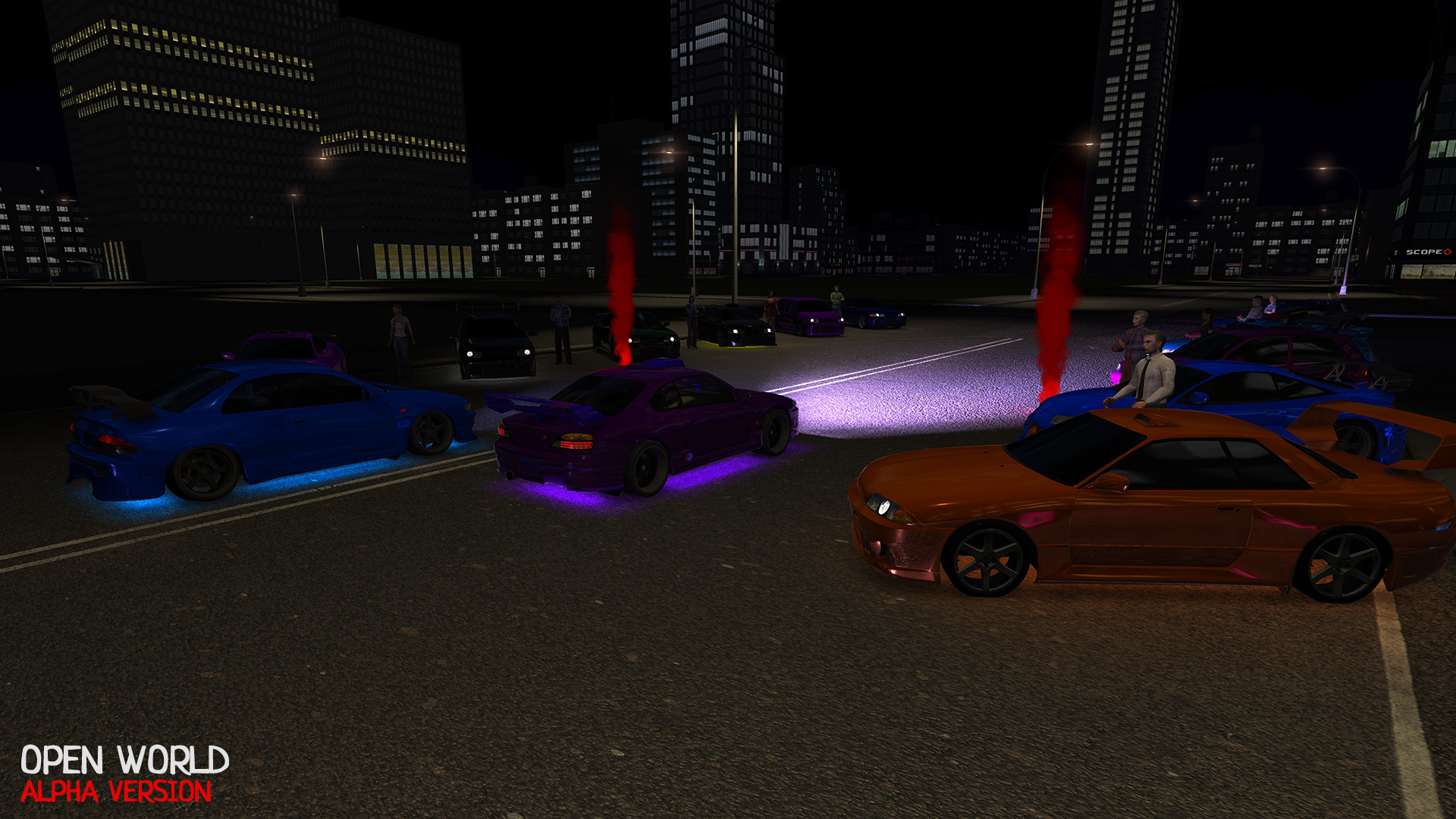
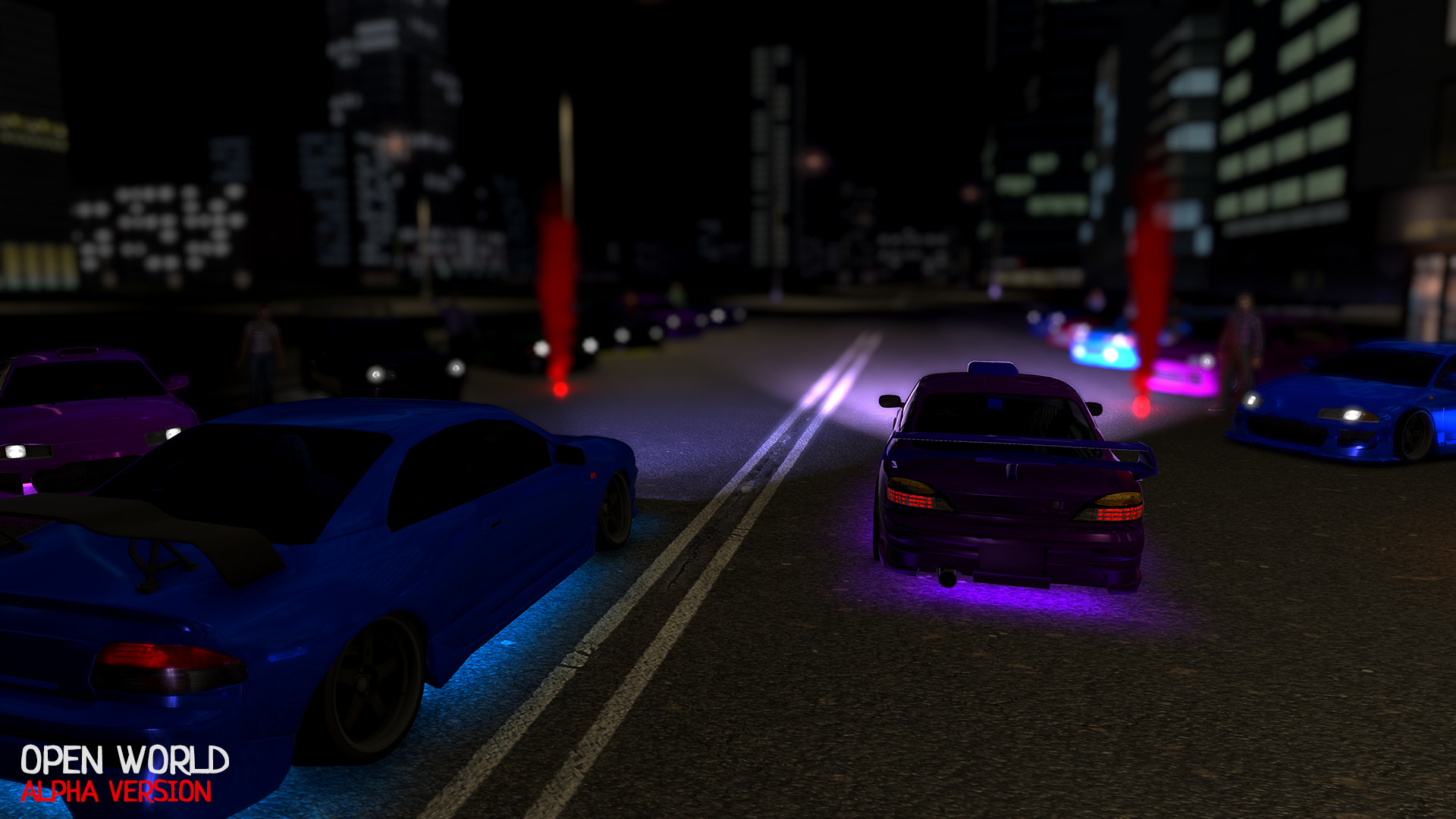
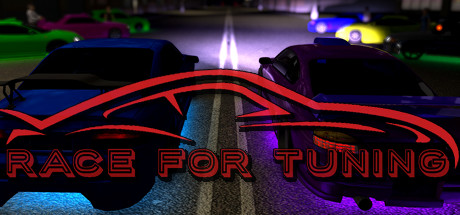
Race for Tuning, developed and published by A. Strazhev, is an independent racing game that attempts to bridge the gap between casual street racing and detailed car customization. It’s a project with an ambitious spirit despite its modest scope, inviting players to immerse themselves in a world of night races, roaring engines, and mechanical tinkering. At its core, the game is about the culture of tuning—the joy of modifying, upgrading, and personalizing cars piece by piece before taking them to the streets. While many racing titles emphasize speed and competition, Race for Tuning takes a more grounded approach, highlighting the meticulous and sometimes obsessive art of car building, giving players the freedom to experiment in a way that few budget racing games attempt. From the moment the player steps into the game’s world, it’s clear that the emphasis is on customization rather than cinematic presentation. The garage acts as the heart of the experience, functioning as both a workshop and a sanctuary where players can disassemble vehicles, swap out parts, and transfer upgrades from one car to another. The process feels surprisingly tactile, as if the player is physically involved in the transformation. Unlike many titles where tuning is done through static menus, Race for Tuning allows players to interact directly with the car in a first-person perspective, giving the act of building and modifying a stronger sense of presence. The satisfaction of fine-tuning every element—from engines and exhaust systems to spoilers, paint jobs, and neon underglows—forms the backbone of the experience. This attention to mechanical detail makes it appealing for those who appreciate the aesthetic and technical sides of car culture. When it comes to racing, Race for Tuning delivers a straightforward but competent experience. Players can participate in both legal circuit races and underground street events, each offering different atmospheres and challenges. The night setting, illuminated by glowing city lights and neon effects, captures the spirit of urban car culture, though the environments themselves are limited in size and variation. The sense of speed is decent, and the controls are responsive enough to make races engaging, though they lack the refined physics or nuanced handling of larger racing franchises. The driving model leans toward arcade simplicity, prioritizing accessibility over realism. For casual players, this approach keeps the game easy to jump into, but for simulation enthusiasts, it might feel underdeveloped. Despite this, the combination of fast races and deep customization gives the gameplay loop enough identity to stand apart from other low-budget racing titles. Visually, Race for Tuning embraces its indie nature with an earnest charm. The graphics are serviceable rather than spectacular, but the developer makes clever use of lighting and reflections to give the nighttime setting a distinctive glow. The cars themselves are decently modeled, especially considering the game’s scale, and their appearance evolves noticeably as modifications pile on. The soundtrack complements the overall vibe, filled with electronic beats and high-energy rhythms that suit the underground racing aesthetic. The presentation, while far from flashy, effectively captures the mood it aims for: a small but vibrant homage to the tuner culture that dominated street racing media in the early 2000s. It’s clear that the developer’s passion for the subject matter drives the experience more than any technical ambition. Where Race for Tuning falters is in its depth beyond the workshop. The world itself feels more like a backdrop than a living environment, and the activities outside of customization quickly become repetitive. The limited variety in race types, opponents, and tracks means that after a few sessions, players might find themselves running similar routes with little incentive beyond the satisfaction of testing a new build. The small player base also makes online competition sparse, which diminishes the long-term replayability that a racing game typically relies on. Still, there’s a meditative quality to the experience for those who simply enjoy experimenting with parts and configurations, taking pride in the process rather than the outcome. In that sense, the game succeeds as a creative sandbox for automotive expression. For an indie project developed by a single creator, Race for Tuning offers more than its minimalist presentation might suggest. It’s rough around the edges, yes, but there’s a sincerity in its design that makes it endearing. It doesn’t try to compete with genre giants like Need for Speed or Forza—it aims to carve out its own lane, focusing on the love of car building rather than cinematic spectacle or competitive depth. Its simple physics, basic AI, and small-scale structure might limit its appeal to a niche audience, but that same focus makes it uniquely satisfying for those who appreciate the hands-on nature of mechanical creativity. When viewed as a passion project rather than a blockbuster, it reveals a quiet confidence in its identity. In the end, Race for Tuning stands as a testament to the devotion of car enthusiasts who find joy not just in racing but in the process of creation itself. It captures the allure of customization and the aesthetic thrill of street racing culture, even if it doesn’t fully match the polish or complexity of larger titles. Its strengths lie in its authenticity and its emphasis on interaction—the pleasure of building something personal, then taking it out onto the asphalt to see what it can do. While its limited scope and lack of depth might prevent it from being a mainstream success, Race for Tuning achieves what it sets out to do: provide an intimate, hands-on experience for players who love cars, speed, and the art of modification. Rating: 6/10
Expand the review