
Party Animals
Fight your friends as puppies, kittens and other fuzzy creatures in PARTY ANIMALS! Paw it out with your friends remotely, or huddle together for chaotic fun on the same screen. Interact with the world under our realistic physics engine. Did I mention PUPPIES?
Sync your Steam wishlist to find the lowest game prices instantly. No login required, just paste your Steam profile URL!
⚡ Try Wishlist Radar!
Sync your Steam wishlist to find the lowest game prices instantly. No login required!
⚡ Try Wishlist Radar!
Close

Ratty Catty on Steam
Quick menu
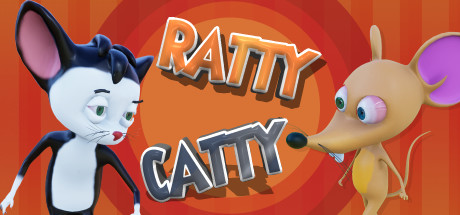
Ratty Catty is a Multiplayer / CO-OP hide & seek game about the adventures of a domestic cat Catty and hazel dormouse Ratty, who eats the foods in the house, feeds its babies, and lives in a small rat nest.
Ratty Catty is a funny, cute and multiplayer game
developed and published by Kerim Kumbasar.
Released on September 19th 2017 is available on Windows, Steam Deck and Steam Machine.
It has received 1,422 reviews of which 940 were positive and 482 were negative resulting in a rating of 6.4 out of 10. 😐
The game is currently priced at 4.43€ on Steam with a 70% discount.
The Steam community has classified Ratty Catty into these genres:
Media & Screenshots
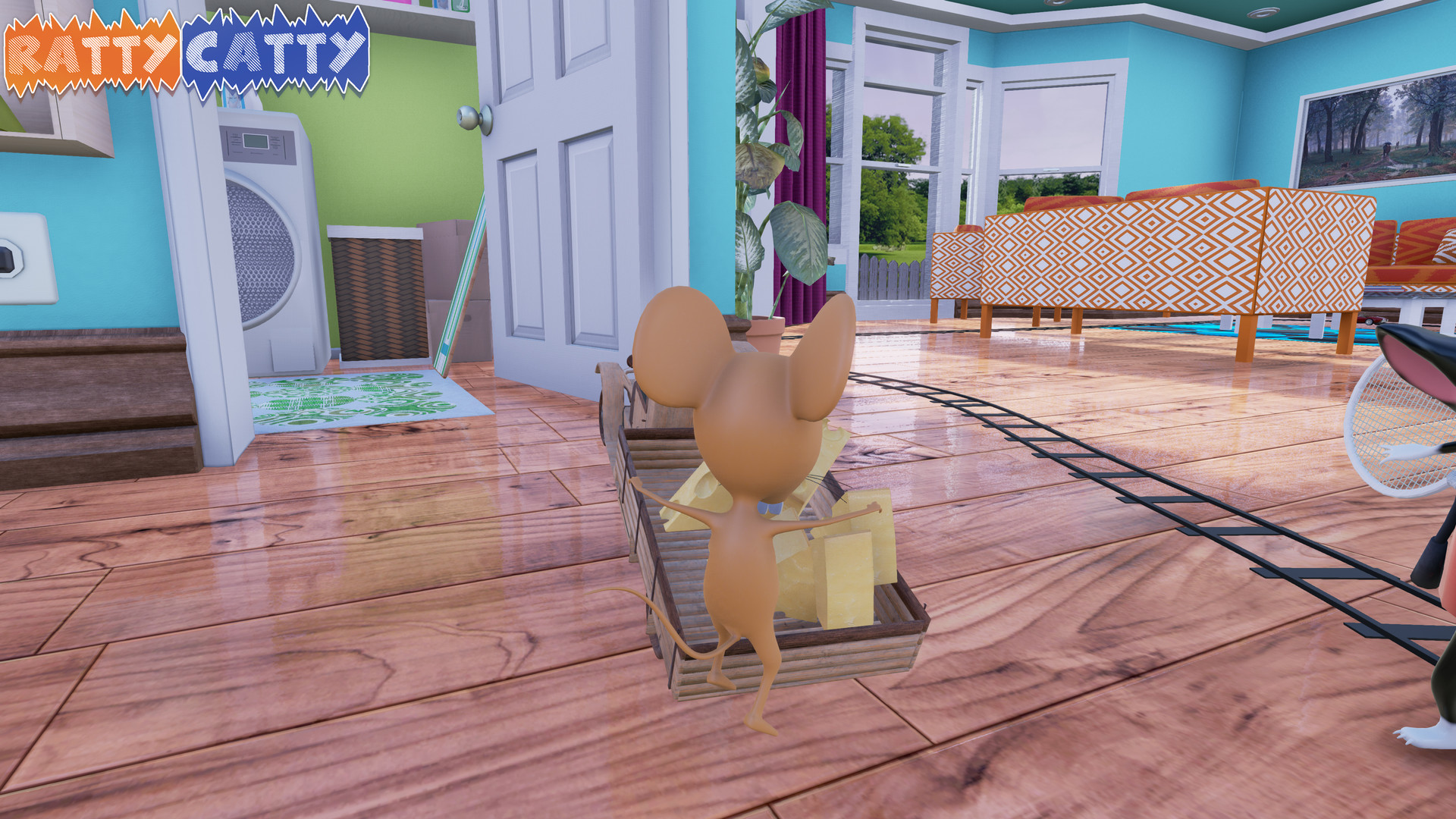
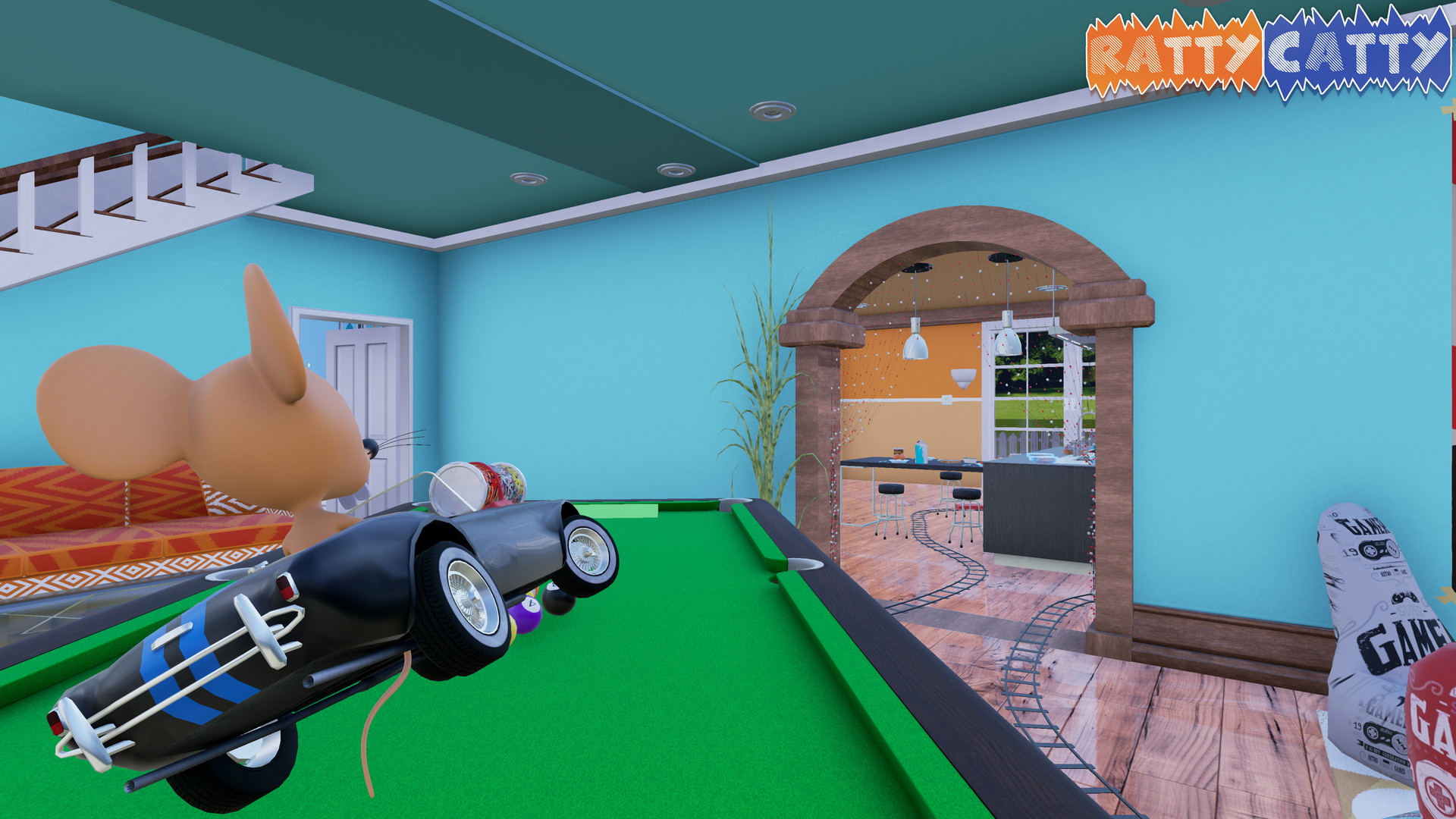
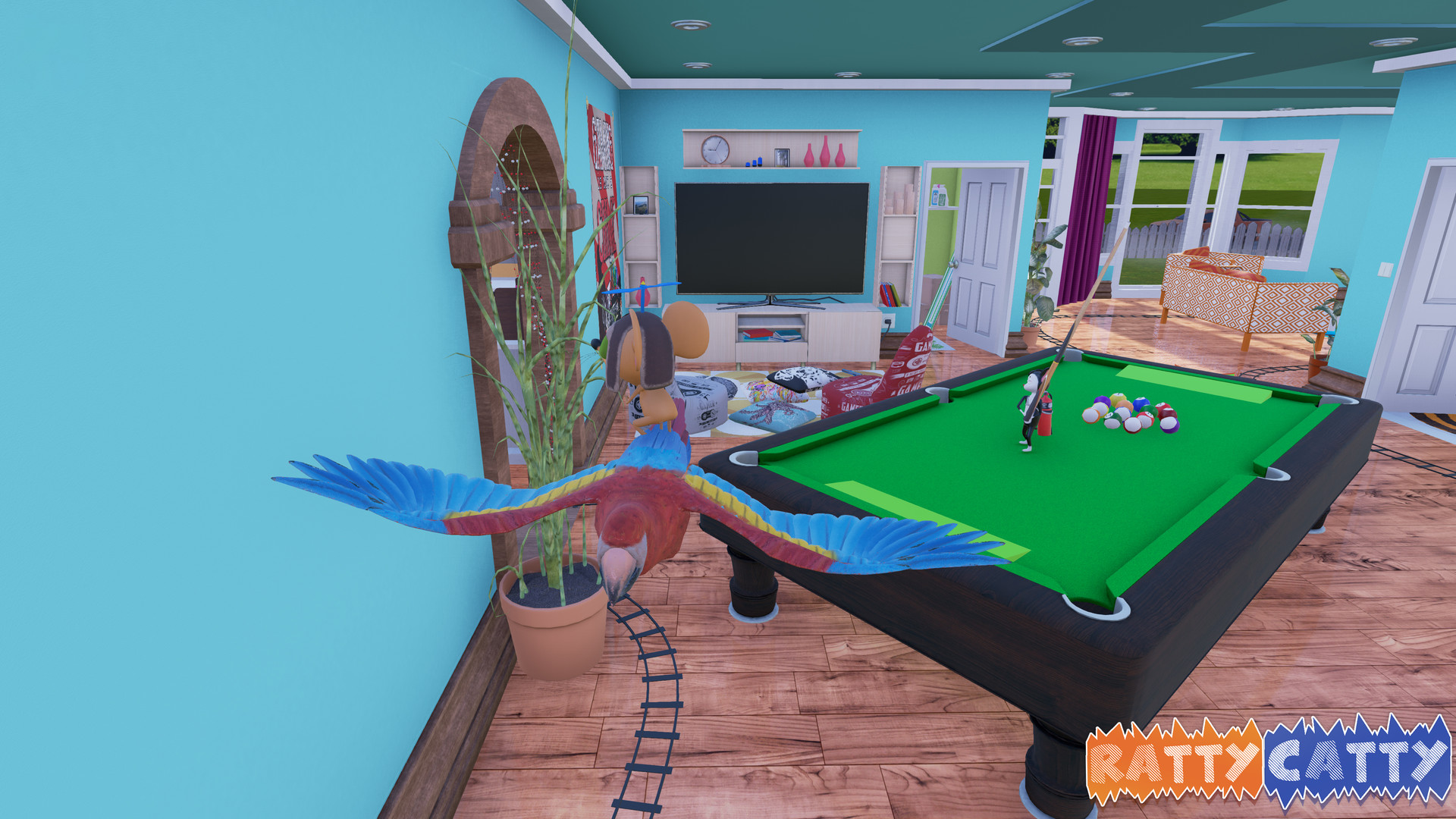
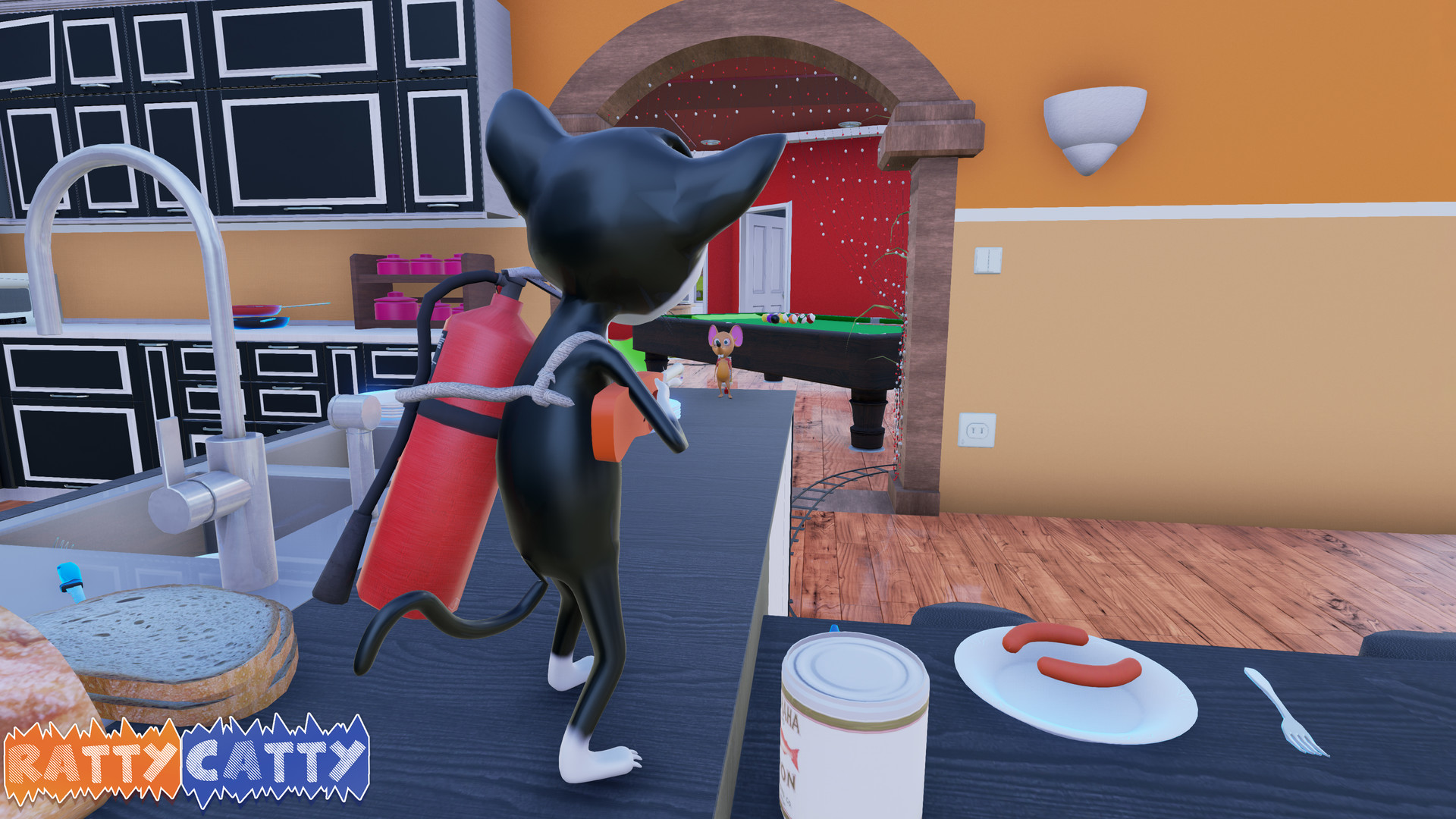
Get an in-depth look at Ratty Catty through various videos and screenshots.
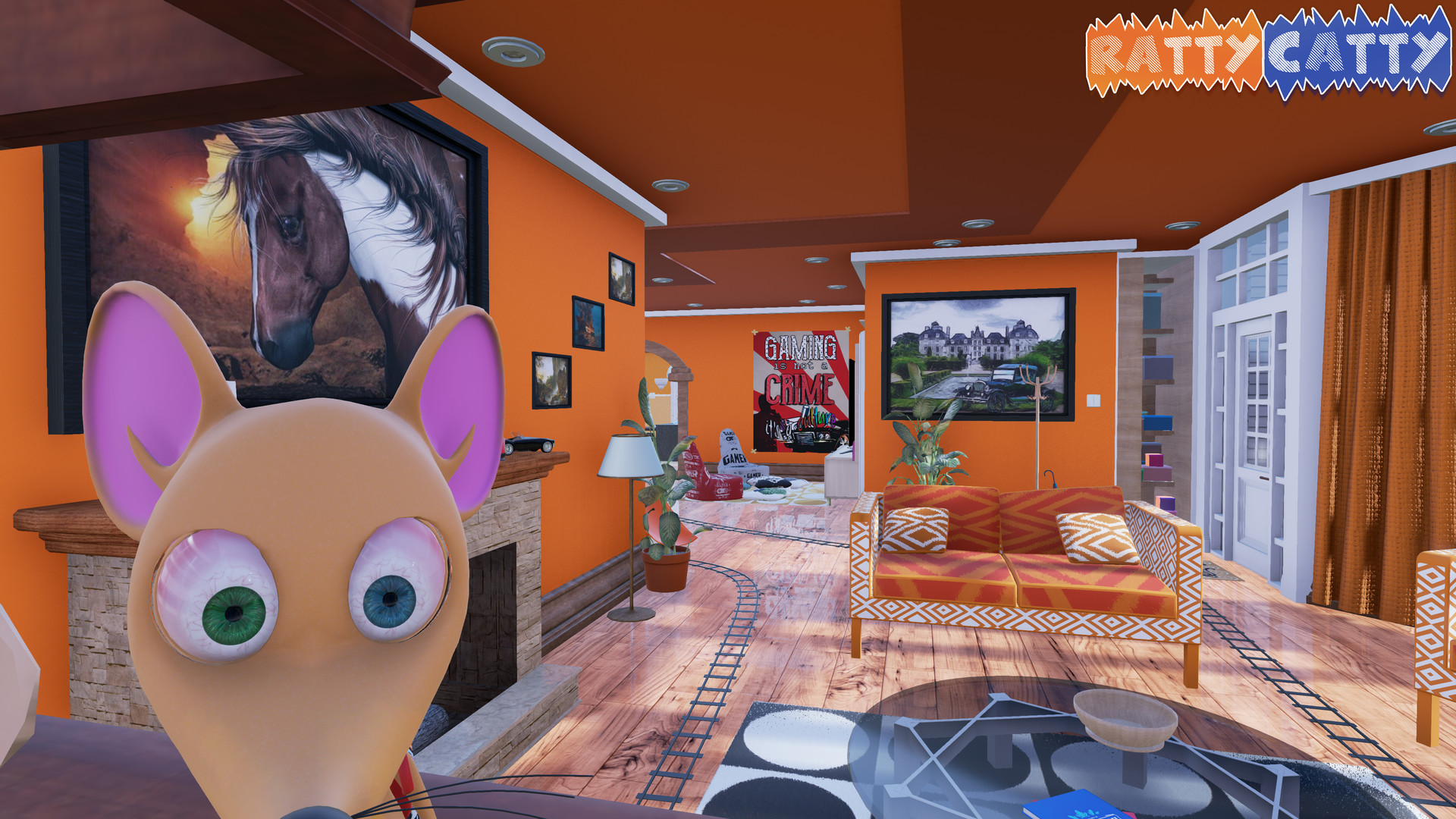
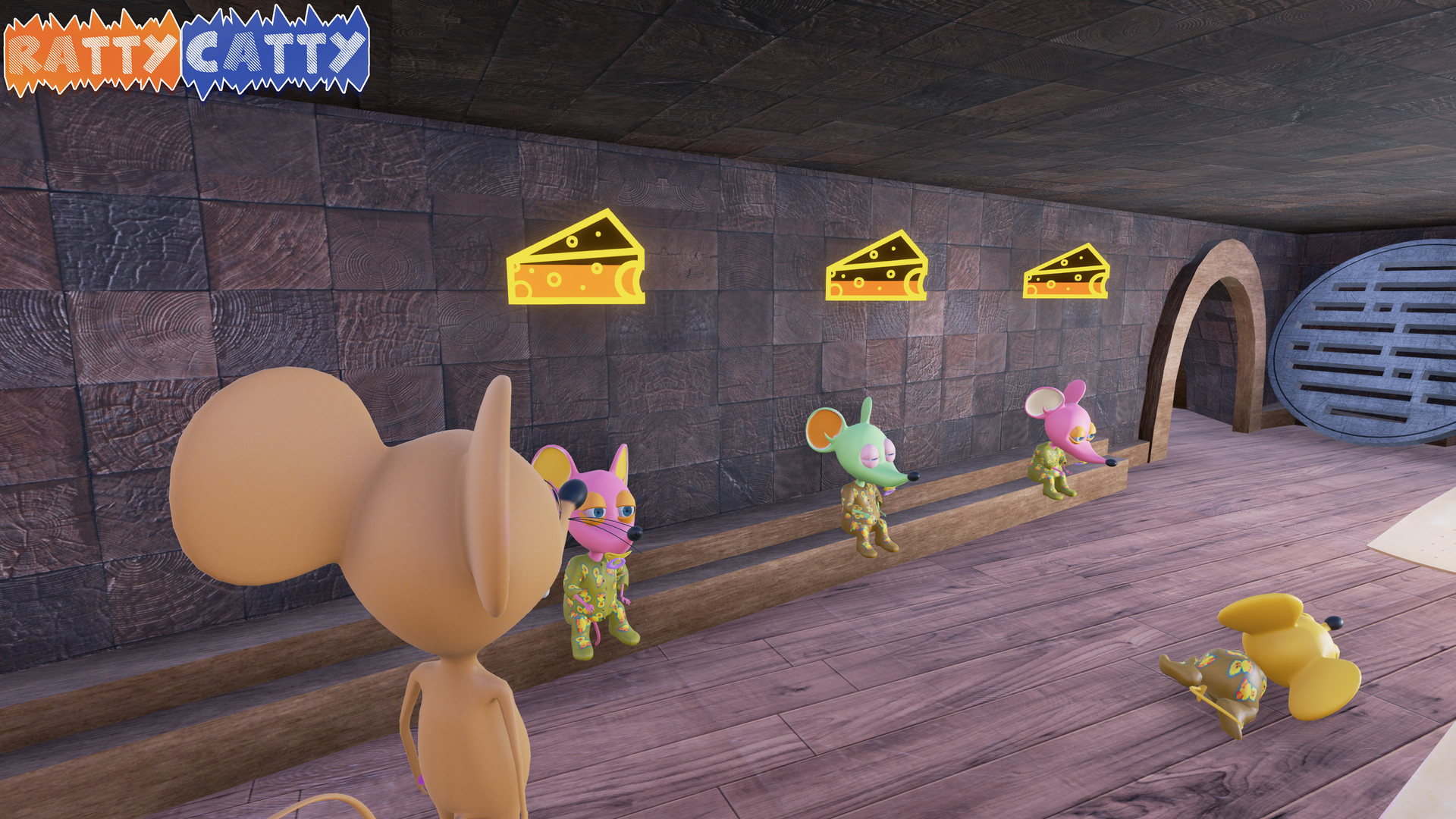
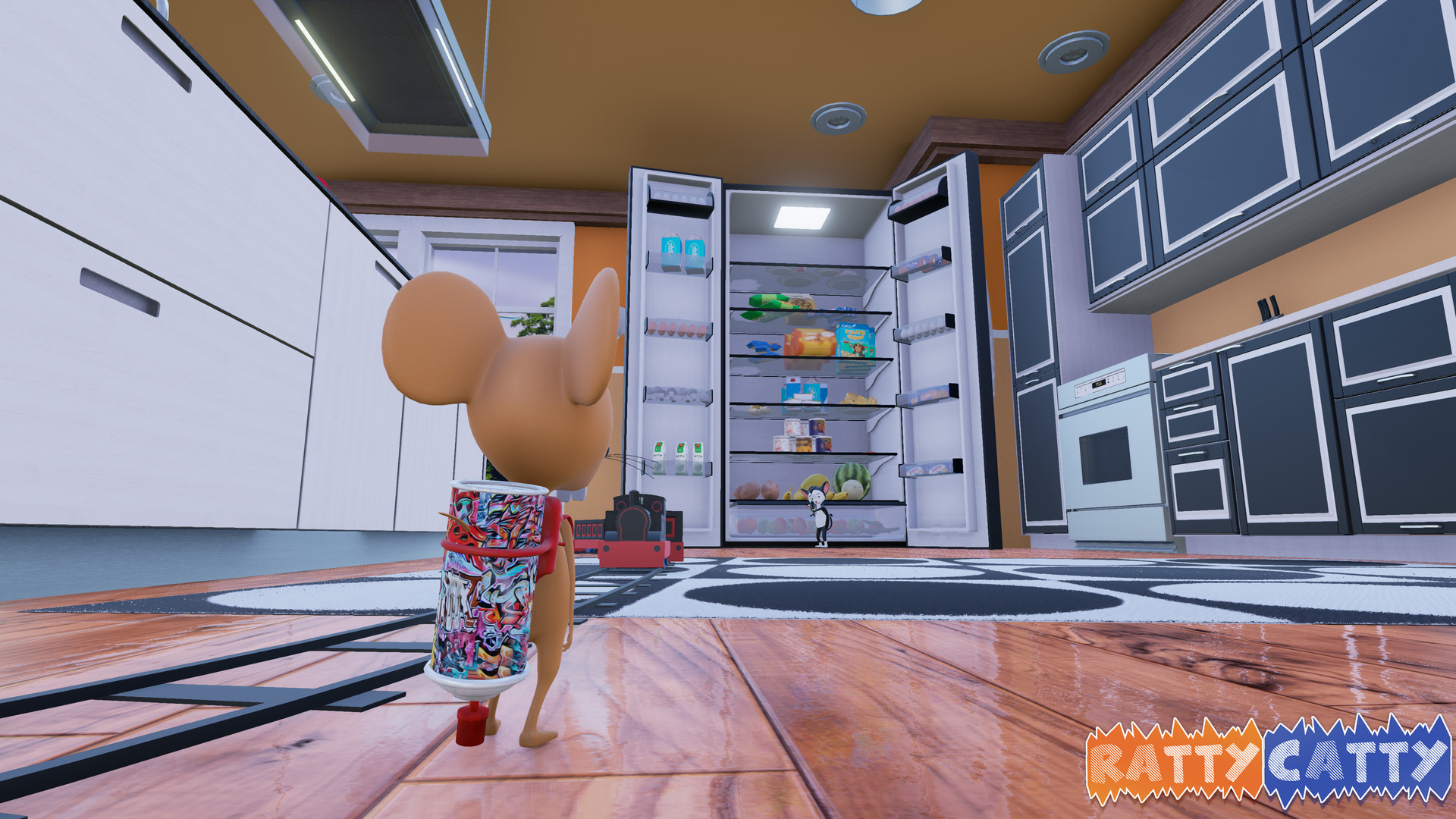
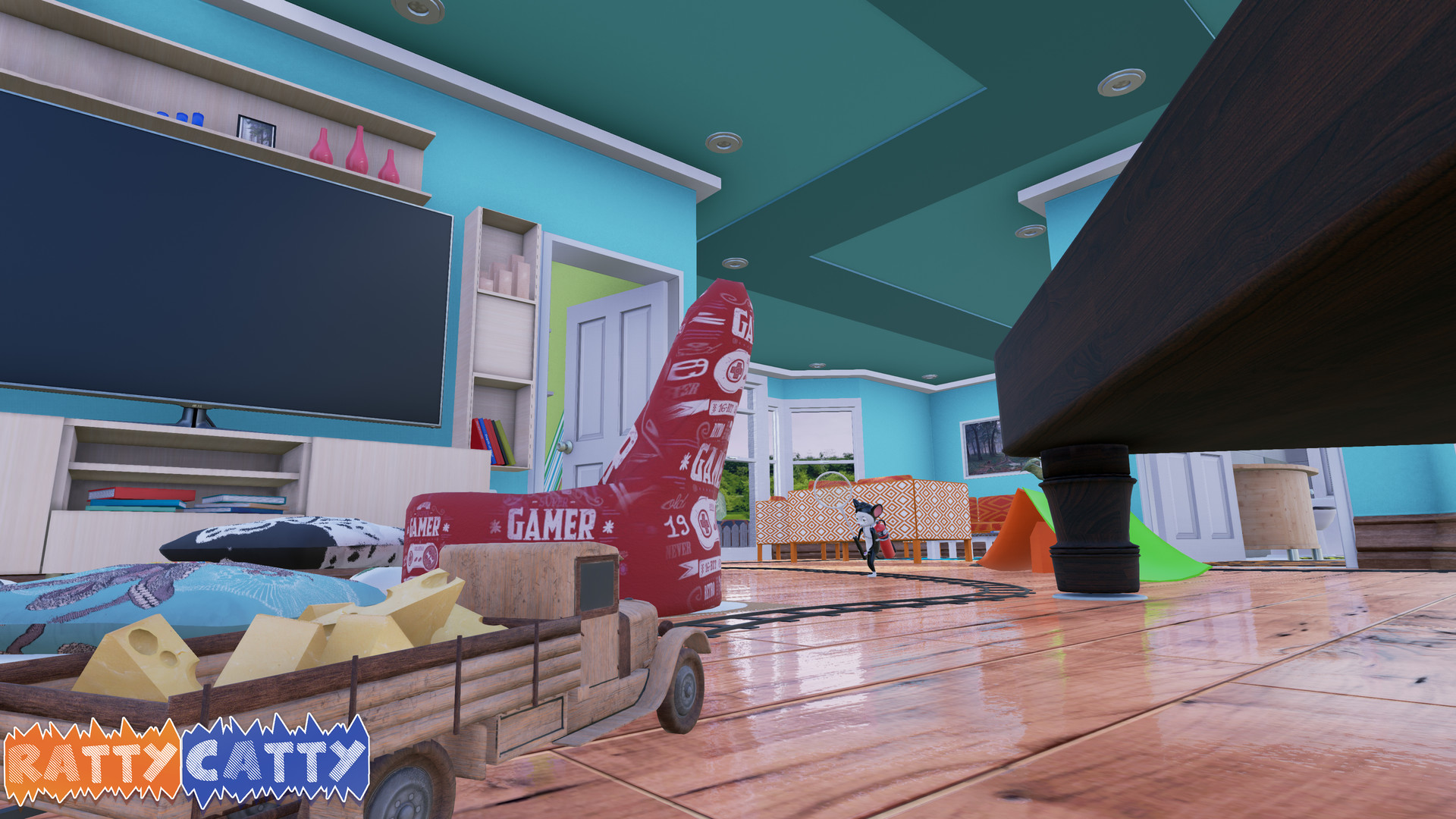
Load More
System requirements
These are the minimum specifications needed to play the game. For the best experience, we recommend that you verify them.
Windows
- OS: Windows 10 (64-bit)
- Processor: Intel Core i3-2100 / AMD FX-4300 or equivalent
- Memory: 4 GB RAM
- Graphics: Shader Model 3.0, 1 GB VRAM
- DirectX: Version 11
- Storage: 1 GB available space
- Sound Card: DirectX-compatible sound card
Steam Price & Best Deals
User reviews & Ratings
Explore reviews from Steam users sharing their experiences and what they love about the game.
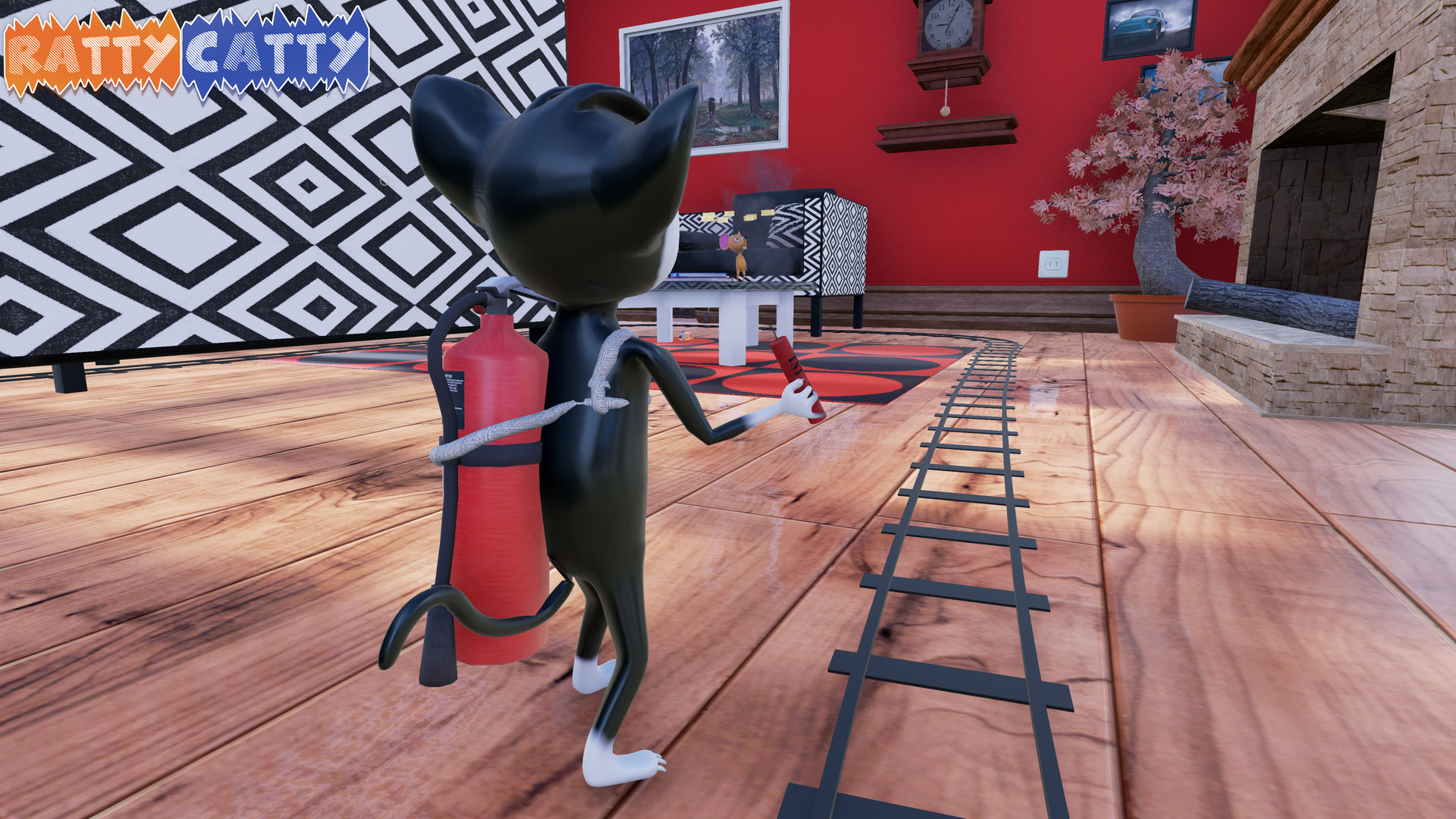
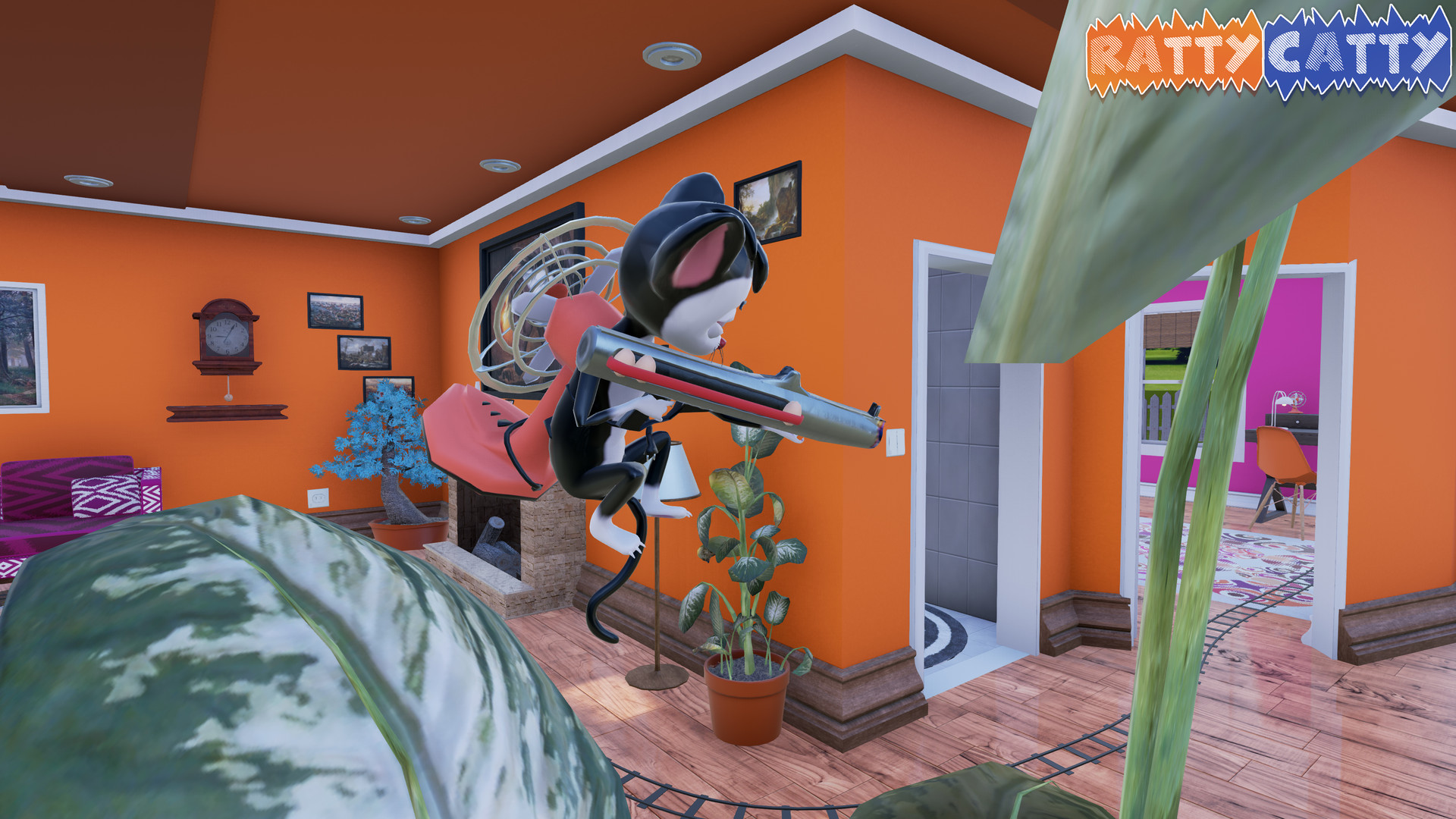
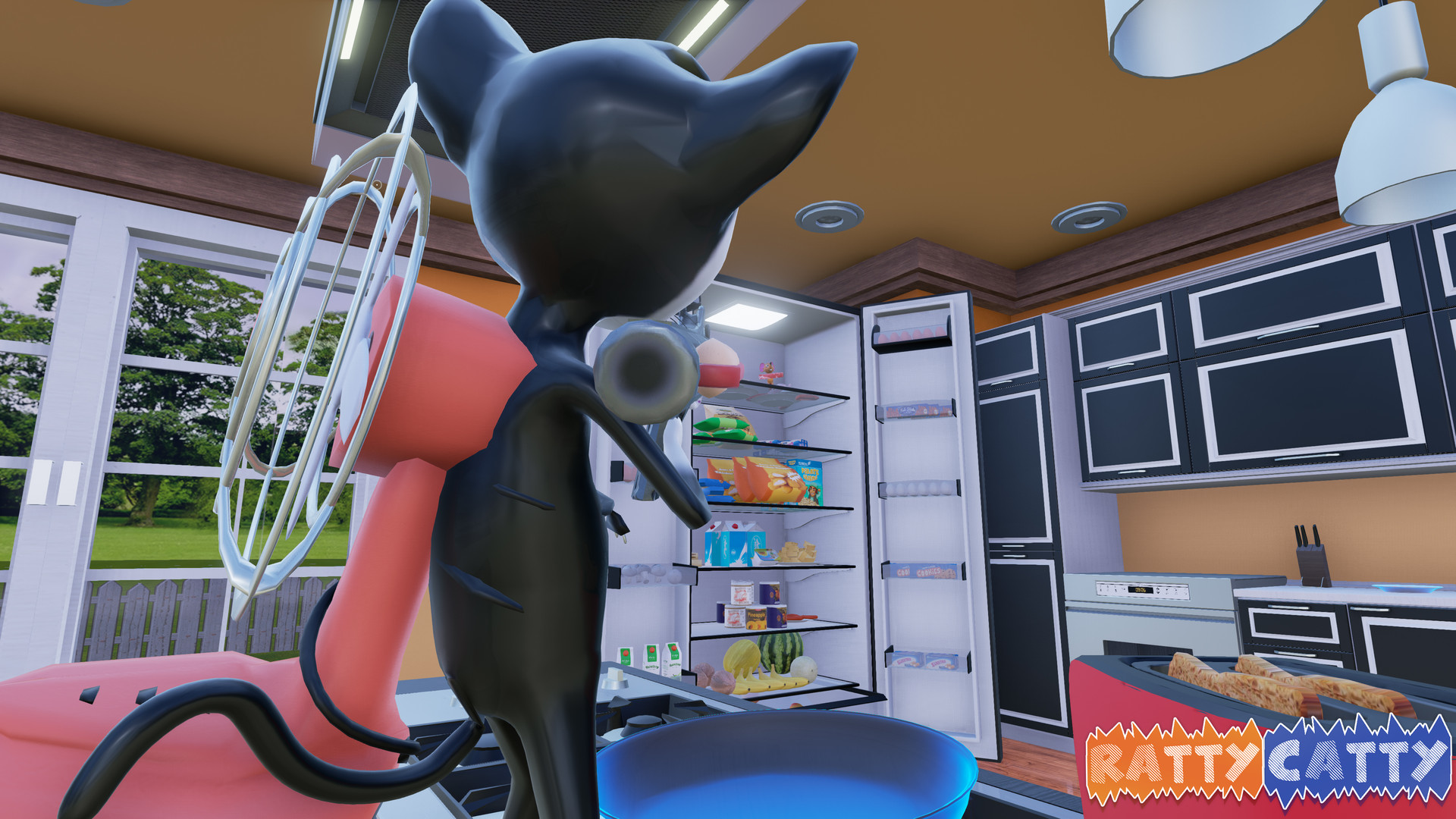
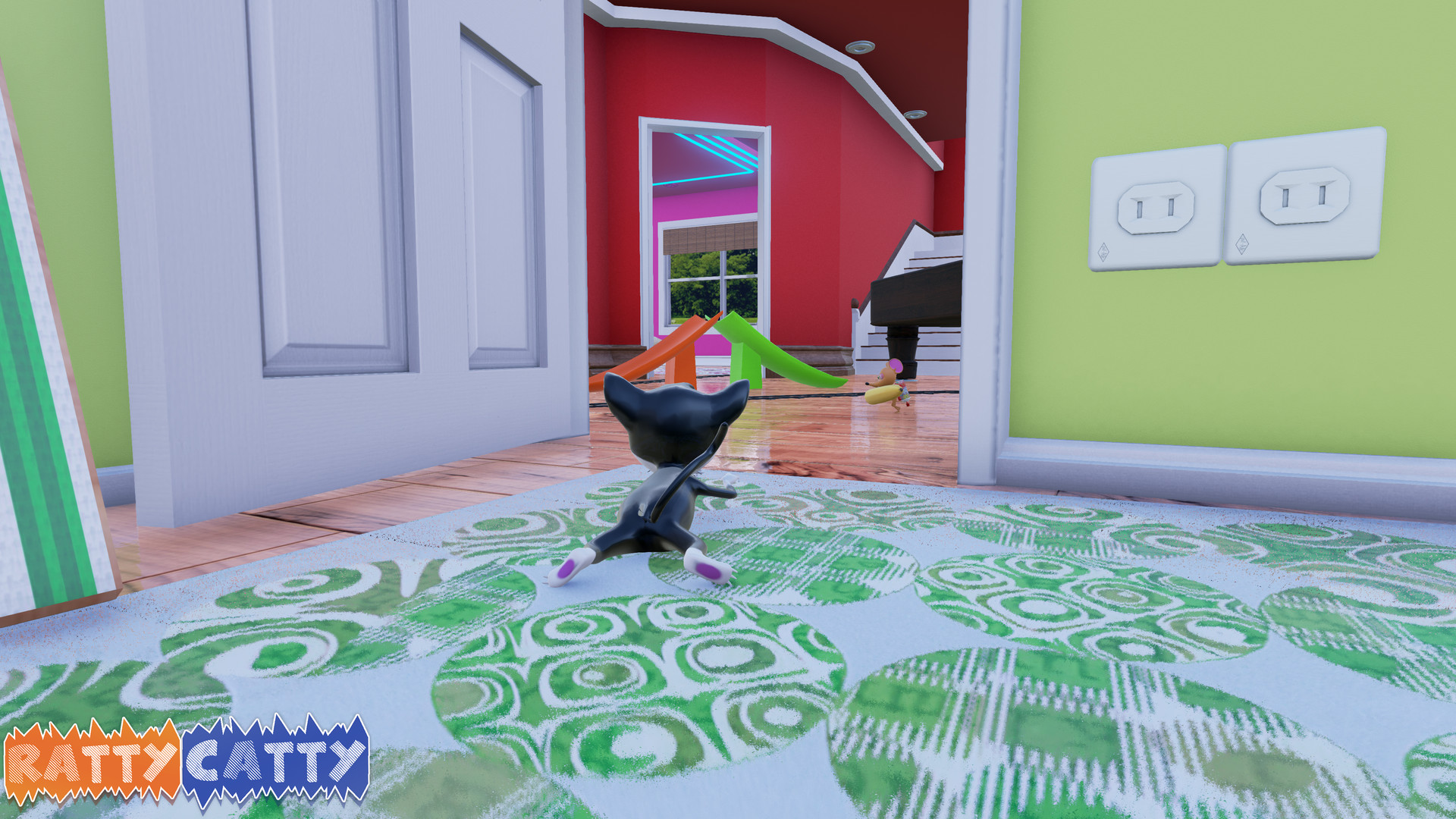
Ratty Catty is a quirky asymmetrical action game built around one of the oldest rivalries in cartoons: a hungry mouse trying to outsmart a determined household cat. Developed and published by Kerim Kumbasar, the game places its entire identity around this simple conflict and expands it with physics, unusual weapons, hiding places, vehicles, traps, and multiplayer competition. Rather than attempting to tell an elaborate story, Ratty Catty concentrates on creating a playful environment where each side has a completely different objective and set of advantages. Ratty is a hazel dormouse whose primary responsibility is finding food for his babies. Playing as Ratty therefore revolves around entering dangerous areas of the house, locating food, taking it, and successfully returning it to the nest. Simply grabbing an item is not enough because Catty may be waiting somewhere along the escape route. This gives the mouse gameplay an entertaining risk-and-reward structure. The player constantly has to decide whether to move quickly, hide, change direction, or use one of the environment's more unconventional transportation methods. The range of tools available to Ratty makes the mouse far more resourceful than his small size initially suggests. Ratty can conceal himself inside objects such as cardboard boxes, plastic buckets, and toy train wagons, while mouse holes provide alternative routes around the environment. More ridiculous mobility options include toy cars, a jetpack, a magic broom, and even a parrot. These features prevent the experience from becoming a straightforward running contest. Escaping Catty is often about exploiting the environment and choosing an unexpected route rather than simply being faster. Playing as Catty creates a substantially different experience. The cat is responsible for defending the household's food and preventing Ratty from repeatedly escaping with it. Catty can hunt the mouse directly, prepare ambushes, place traps, and use an assortment of weapons. The intentionally absurd arsenal includes objects such as a frying pan, hammer, screwdriver, umbrella, egg gun, explosives, and Catty's paws. Spring shoes also provide additional mobility through double jumping. Consequently, the cat player can do considerably more than chase Ratty around the house and must instead learn to anticipate where the mouse is likely to appear. This contrast is the strongest part of Ratty Catty. Ratty's vulnerability encourages sneaking, improvisation, and clever escapes, while Catty's greater offensive capabilities encourage area control and prediction. A successful Ratty player needs to understand hiding places and escape routes, whereas an effective Catty player benefits from learning the mouse's habits. The resulting matches can become entertaining miniature battles of deception, particularly when two human players understand the available mechanics. Physics contribute heavily to the game's chaotic character. Numerous smaller objects around the house can be moved, making the environment feel less like an unchanging arena and more like a playground. Ratty's tiny perspective also transforms ordinary household items into meaningful gameplay elements. Containers become shelters, toys become transportation, kitchen utensils become weapons, and food becomes valuable cargo. Randomized colors for certain environmental elements provide some additional visual variation, although the overall appeal comes more from interaction than graphical sophistication. Ratty Catty is not restricted to one competitive format. It offers single-player functionality alongside multiplayer and cooperative possibilities for up to four participants. AI support allows Catty to be computer controlled, giving players a way to experience Ratty's objective without always depending on another human participant. Human-controlled matches are naturally capable of producing more unpredictable situations, but the inclusion of AI makes the basic gameplay concept more accessible when multiplayer partners are unavailable. There are also progression systems and secondary activities intended to provide reasons to continue playing. Leveling and ranking systems accompany weekly, monthly, and all-time leaderboards, while rewards give competitive players additional objectives. Character skins, dances, weapons, toys, and jetpacks provide customization and variety. The inclusion of the RatMan arcade minigame is another amusing extra that reinforces the project's playful tone. Steam achievements, trading cards, cloud functionality, and leaderboard integration further complement the core package. The biggest weakness is that Ratty Catty's enthusiasm for physics and unconventional mechanics can also make it feel rough and unpredictable. Players looking for exceptionally precise movement, carefully controlled competitive balance, or sophisticated presentation may find the experience less polished than dedicated competitive multiplayer games. Some of the same unpredictability that generates funny situations can occasionally become frustrating when players want exact control. The game is therefore easier to appreciate when approached as a comedic multiplayer sandbox rather than a serious competitive experience. Its visual presentation follows the same philosophy. The colorful environments and exaggerated characters establish a cartoon-like atmosphere appropriate for the premise. The game does not need realistic graphics because its entertainment comes from watching a tiny dormouse escape using absurd equipment while an armed cat causes havoc around the house. The exaggerated equipment and environmental interactions give Ratty Catty a recognizable personality despite its relatively modest production values. Overall, Ratty Catty is an imaginative indie game that takes a simple cat-and-mouse premise and surrounds it with enough strange mechanics to produce a distinctive experience. Its asymmetrical character design is particularly effective because Ratty and Catty genuinely encourage different approaches rather than merely providing cosmetic alternatives. Physics, hiding places, traps, improvised weapons, vehicles, progression, customization, AI support, and multiplayer options collectively create a surprisingly broad playground. It lacks the refinement necessary to become an outstanding competitive game, but its creativity and willingness to embrace absurdity make it entertaining for players who enjoy chaotic multiplayer experiences. Kerim Kumbasar's work as both developer and publisher results in a game whose imperfections are noticeable, yet whose unusual personality is equally difficult to overlook. Rating: 7/10
Similar games
View all

Rubber Bandits
Rubber Bandits is a criminally fun multiplayer party game for up to 4 players. With 8 action-packed game modes, players steal, brawl, and dash to the finish line with the most loot to win!

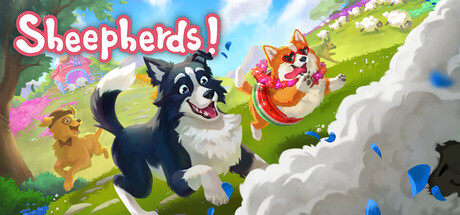
Sheepherds!
Sheepherds! is a cozy co-op party game for 1–4 players, where you and your sheepdog buddies guide colorful flocks through beautiful landscapes to collect their wool. There’s no time limit. Bark, run, and play together, or take on challenges to win even more rewards!

Mahjong
Play a Zen game! Rediscover the famous traditional Chinese game. Find all the matching pairs of tiles, being careful not to become blocked in, to get to the end of each level. Concentration and perceptiveness are needed to finish the gorgeous boards that we have produced for you.

KILL IT WITH FIRE! 2
KILL IT WITH FIRE! 2 is the ultimate co-op spider-hunting experience! Either solo or as a team of Exterminators, unleash an arsenal of crazy weapons, wreak havoc, and complete dozens of challenges across seven dimensions under spider siege.
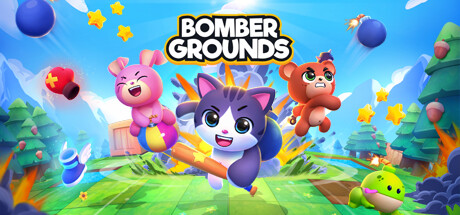
Bombergrounds: Reborn
BOMBERGROUNDS: Immerse in a free-to-play massive multiplayer action-packed arena inspired by classic bomber games. Dash, bomb, bat, and explode your way to victory. Your realm of relentless arcade action is just a click away—dive in and rule the grounds!

Pikuniku
Pikuniku is an absurdly wonderful puzzle-exploration game that takes place in a strange but playful world where not everything is as happy as it seems. Help peculiar characters overcome struggles, uncover a deep state conspiracy, and start a little revolution in this delightful dystopian adventure!
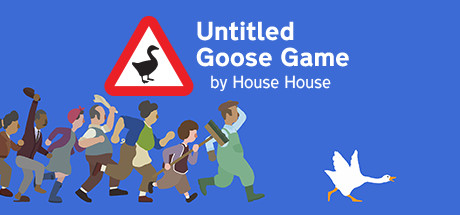
Untitled Goose Game
It's a lovely morning in the village and you are a horrible goose.
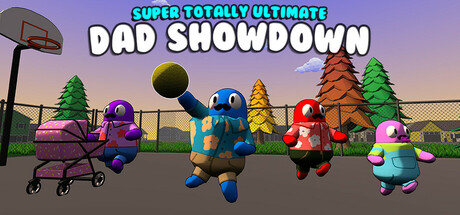
Super Totally Ultimate Dad Showdown
You might have the bod, the jokes, and an outrageous sense of fashion, but do you have what it takes to earn the coveted title of ultimate dad? STUDS is a student made vibrant party game where you face off against other dads in a series of events to prove that who is the 'dadliest' of them all!

Donut County
Donut County is a story-based physics puzzle game where you play as an ever-growing hole in the ground. Meet cute characters, steal their trash, and throw them in a hole.

Island Saver
A group of amazing islands need your help! Horrid plastic waste has washed up and you need to sort it out with your trusty Trash Blaster! But look out for the Litterbugs. They love mess and they’re out to muck things up.
Frequently Asked Questions
Ratty Catty is currently priced at 4.43€ on Steam.
Yes, Ratty Catty is currently available at a 70% discount. You can purchase it for 4.43€ on Steam.
Yes, Ratty Catty received 940 positive votes out of a total of 1,422 achieving a rating of 6.43.
😐
Ratty Catty was developed and published by Kerim Kumbasar.
Yes, Ratty Catty is playable and fully supported on Windows.
No, Ratty Catty is not playable on MacOS.
No, Ratty Catty is not playable on Linux.
Yes, Ratty Catty is playable on Steam Deck, though it might require a few minor tweaks. Make sure to check the Steam store page and community feedback on ProtonDB for exact compatibility details.
Yes, Ratty Catty is playable on Steam Machine, though it might require a few minor tweaks. Make sure to check the Steam store page and community feedback on ProtonDB for exact compatibility details.
No, Ratty Catty does not support VR.
Ratty Catty offers both single-player and multi-player modes.
Ratty Catty offers both Co-op and PvP modes.
No, Ratty Catty does not currently offer any DLC.
No, Ratty Catty does not support mods via Steam Workshop.
No, Ratty Catty does not support Steam Remote Play.
Yes, Ratty Catty is enabled for Steam Family Sharing. This means you can share the game with authorized users from your Steam Library, allowing them to play it on their own accounts. For more details on how the feature works, you can read the original Steam Family Sharing announcement or visit the Steam Family Sharing user guide and FAQ page.
You can find solutions or submit a support ticket by visiting the Steam Support page for Ratty Catty.
Data sources
The information presented on this page is sourced from reliable APIs to ensure accuracy and relevance. We utilize the Steam API to gather data on game details, including titles, descriptions, prices, and user reviews. This allows us to provide you with the most up-to-date information directly from the Steam platform.
Additionally, we incorporate data from the SteamSpy API, which offers insights into game sales and player statistics. This helps us present a comprehensive view of each game's popularity and performance within the gaming community.
Last Updates| Steam data | 23 September 2026 04:29 UTC |
|---|---|
| SteamSpy data | 26 October 2026 21:45 UTC |
| Steam price | 26 October 2026 20:00 UTC |
| Steam reviews | 20 October 2026 17:56 UTC |
If you'd like to dive deeper into the details about Ratty Catty, we invite you to check out a few dedicated websites that offer extensive information and insights. These platforms provide valuable data, analysis, and user-generated reports to enhance your understanding of the game and its performance.
- SteamDB - A comprehensive database of everything on Steam about Ratty Catty
- SteamCharts - Analysis of Ratty Catty concurrent players on Steam
- ProtonDB - Crowdsourced reports on Linux and Steam Deck Ratty Catty compatibility
Game modes
Multiplayer
Features
Online players
3
Developer
Kerim Kumbasar
Publisher
Kerim Kumbasar
Release
19 Sep 2017
Platforms