
ATOMEGA
The fast-paced first-person multiplayer arena shooter with an evolution twist. Collect mass as you race around the map to take on increasingly powerful new forms – from the glowing Atom to the majestic Omega. Battle for supremacy with up to seven other players as you compete to dominate the arena.
Sync your Steam wishlist to find the lowest game prices instantly. No login required, just paste your Steam profile URL!
⚡ Try Wishlist Radar!
Sync your Steam wishlist to find the lowest game prices instantly. No login required!
⚡ Try Wishlist Radar!
Close

RUSSIA BATTLEGROUNDS on Steam
Quick menu
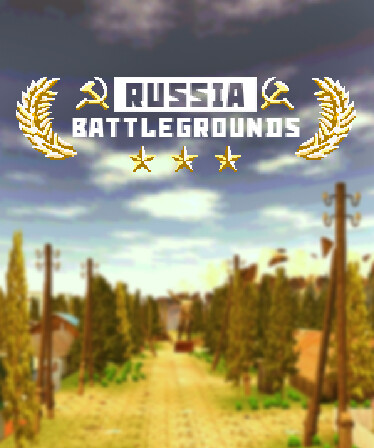
RUSSIA BATTLEGROUNDS - is a online Battle Royale shooter in which players fight for their homeland. Only your fierce anger and cruelty will help you survive in this bloodbath.
RUSSIA BATTLEGROUNDS is a action, battle royale and fps game
developed and published by Agafonoff.
Released on July 13th 2018 is available on Windows, Steam Deck and Steam Machine
in 20 languages: English, French, Italian, German, Spanish - Spain, Arabic, Greek, Danish, Simplified Chinese, Norwegian, Polish, Portuguese - Portugal, Russian, Turkish, Ukrainian, Finnish, Czech, Swedish, Japanese and Korean.
It has received 3,788 reviews of which 2,917 were positive and 871 were negative resulting in a rating of 7.5 out of 10. 😊
The game is currently priced at 2.99€ on Steam.
The Steam community has classified RUSSIA BATTLEGROUNDS into these genres:
Action
Battle Royale
FPS
Multiplayer
Memes
Indie
Adventure
Gore
Funny
First-Person
RPG
Massively Multiplayer
Shooter
PvP
Atmospheric
Realistic
Great Soundtrack
Relaxing
Fast-Paced
Action RPG
Here is the detailed breakdown of supported languages for RUSSIA BATTLEGROUNDS:
| UI | Subtitle | Audio | |
|---|---|---|---|
| English | |||
| German | |||
| French | |||
| Italian | |||
| Korean | |||
| Spanish - Spain | |||
| Simplified Chinese | |||
| Russian | |||
| Japanese | |||
| Portuguese - Portugal | |||
| Polish | |||
| Danish | |||
| Finnish | |||
| Norwegian | |||
| Swedish | |||
| Czech | |||
| Turkish | |||
| Greek | |||
| Arabic | |||
| Ukrainian |
Media & Screenshots
Get an in-depth look at RUSSIA BATTLEGROUNDS through various videos and screenshots.


Load More


System requirements
These are the minimum specifications needed to play the game. For the best experience, we recommend that you verify them.
Windows
- OS *: Microsoft® Windows® XP / Vista
- Processor: Pentium Dual Core 1.3 GHz
- Memory: 512 MB RAM
- Graphics: Compatible with DirectX 9
- DirectX: Version 9.0
- Network: Broadband Internet connection
- Storage: 510 MB available space
Steam Price & Best Deals
User reviews & Ratings
Explore reviews from Steam users sharing their experiences and what they love about the game.
Similar games
View all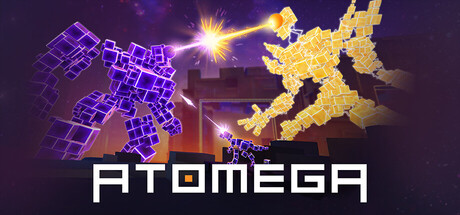

What The Box?
What the box is an Online Multiplayer shooter in which players control living boxes hiding amongst regular boxes while trying to destroy each other. Run around with your trusty box cutter in hand or stand still and wait for the perfect moment to strike!
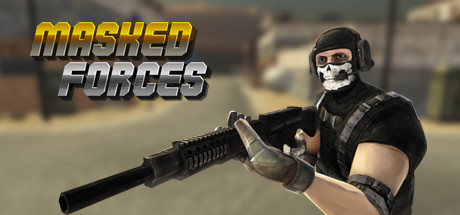
Masked Forces
Masked Forces is an action-packed game where your main purpose is to eliminate your enemies using any means necessary. You have a great singleplayer campaign and multiple online game modes that you can use to show your might.

Bloody Good Time
Congratulations, you’ve just been cast in your first slasher movie by the notorious Director X!
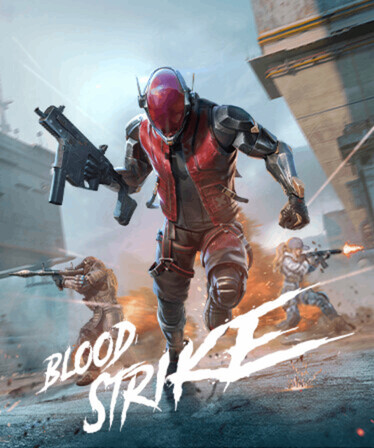
Blood Strike
Gather your friends and dive into the action-packed Battle Royale, Squad Fight, or Hot Zone like there's no tomorrow! Blood Strike offers a wide range of playable Strikers, each with a unique active and passive ability letting you deploy drones, shield walls and everything in between.
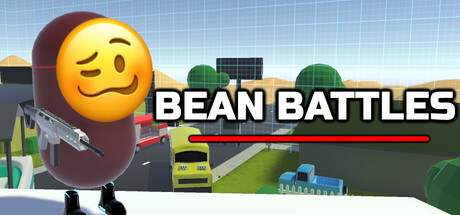
Bean Battles
A unique take on the popular genre of battle royales. Multiple fast pace rounds that rewards kills just as much as being the last alive. Team up, take revenge, and be the last bean standing.

03.04
04/03/2017How much does this date tell you? For the main character, it became very significant, because this is the day of his death. The protagonist was precisely in the train that arrived at the metro station "Technological Institute" with the bodies of innocent, already dead, people ...

Devolverland Expo
Devolverland Expo is a first-person 'marketing simulator' set within an abandoned convention center after the annual Devolver Digital game expo was mysteriously canceled.
Hover Junkers
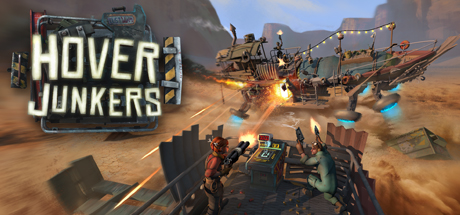
Engage in multiplayer VR gunfights that capture real gun play like no FPS you've played before. Pilot and fortify Hover Junkers as you physically walk, duck, dodge and aim in cross ship combat.

Delta Force Black Hawk Down: Team Sabre
Delta Force — Black Hawk Down: Team Sabre is the official expansion pack to the #1 best selling PC game in North America. Team Sabre was developed using the Delta Force — Black Hawk Down engine and it requires the mother product to run.
Blood and Bacon
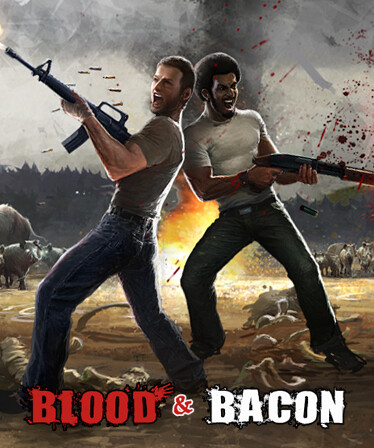
This Co-op Shooter , has Day and Night levels, multiple maps, players will take on 25 enemy types and numerous bosses, like Gargantuan Monsters and Minibosses every 10 days as you explore, shoot and run for your life against the onslaught of porcine monstrosities.
Frequently Asked Questions
RUSSIA BATTLEGROUNDS is currently priced at 2.99€ on Steam.
No, RUSSIA BATTLEGROUNDS is currently not on sale. You can purchase it for 2.99€ on Steam.
Yes, RUSSIA BATTLEGROUNDS received 2,917 positive votes out of a total of 3,788 achieving a rating of 7.47.
😊
RUSSIA BATTLEGROUNDS was developed and published by Agafonoff.
Yes, RUSSIA BATTLEGROUNDS is playable and fully supported on Windows.
No, RUSSIA BATTLEGROUNDS is not playable on MacOS.
No, RUSSIA BATTLEGROUNDS is not playable on Linux.
Yes, RUSSIA BATTLEGROUNDS is playable on Steam Deck, though it might require a few minor tweaks. Make sure to check the Steam store page and community feedback on ProtonDB for exact compatibility details.
Yes, RUSSIA BATTLEGROUNDS is playable on Steam Machine, though it might require a few minor tweaks. Make sure to check the Steam store page and community feedback on ProtonDB for exact compatibility details.
No, RUSSIA BATTLEGROUNDS does not support VR.
RUSSIA BATTLEGROUNDS offers both single-player and multi-player modes.
RUSSIA BATTLEGROUNDS offers both Co-op and PvP modes.
No, RUSSIA BATTLEGROUNDS does not currently offer any DLC.
No, RUSSIA BATTLEGROUNDS does not support mods via Steam Workshop.
No, RUSSIA BATTLEGROUNDS does not support Steam Remote Play.
Yes, RUSSIA BATTLEGROUNDS is enabled for Steam Family Sharing. This means you can share the game with authorized users from your Steam Library, allowing them to play it on their own accounts. For more details on how the feature works, you can read the original Steam Family Sharing announcement or visit the Steam Family Sharing user guide and FAQ page.
You can find solutions or submit a support ticket by visiting the Steam Support page for RUSSIA BATTLEGROUNDS.
Data sources
The information presented on this page is sourced from reliable APIs to ensure accuracy and relevance. We utilize the Steam API to gather data on game details, including titles, descriptions, prices, and user reviews. This allows us to provide you with the most up-to-date information directly from the Steam platform.
Additionally, we incorporate data from the SteamSpy API, which offers insights into game sales and player statistics. This helps us present a comprehensive view of each game's popularity and performance within the gaming community.
Last Updates| Steam data | 23 September 2026 21:09 UTC |
|---|---|
| SteamSpy data | 22 October 2026 07:19 UTC |
| Steam price | 26 October 2026 19:56 UTC |
| Steam reviews | 20 October 2026 08:10 UTC |
If you'd like to dive deeper into the details about RUSSIA BATTLEGROUNDS, we invite you to check out a few dedicated websites that offer extensive information and insights. These platforms provide valuable data, analysis, and user-generated reports to enhance your understanding of the game and its performance.
- SteamDB - A comprehensive database of everything on Steam about RUSSIA BATTLEGROUNDS
- SteamCharts - Analysis of RUSSIA BATTLEGROUNDS concurrent players on Steam
- ProtonDB - Crowdsourced reports on Linux and Steam Deck RUSSIA BATTLEGROUNDS compatibility
Game modes
Multiplayer
Features
Online players
1
Developer
Agafonoff
Publisher
Agafonoff
Release
13 Jul 2018
Platforms