
Shadow of the Depth
Shadow of the Depth is a top-down action Roguelite game. Delve into a dungeon world of light and shadow to eradicate the monsters that ravage your home. Be prepared to step into the abyss before you!
Sync your Steam wishlist to find the lowest game prices instantly. No login required, just paste your Steam profile URL!
⚡ Try Wishlist Radar!
Sync your Steam wishlist to find the lowest game prices instantly. No login required!
⚡ Try Wishlist Radar!
Close

Savara on Steam
Quick menu
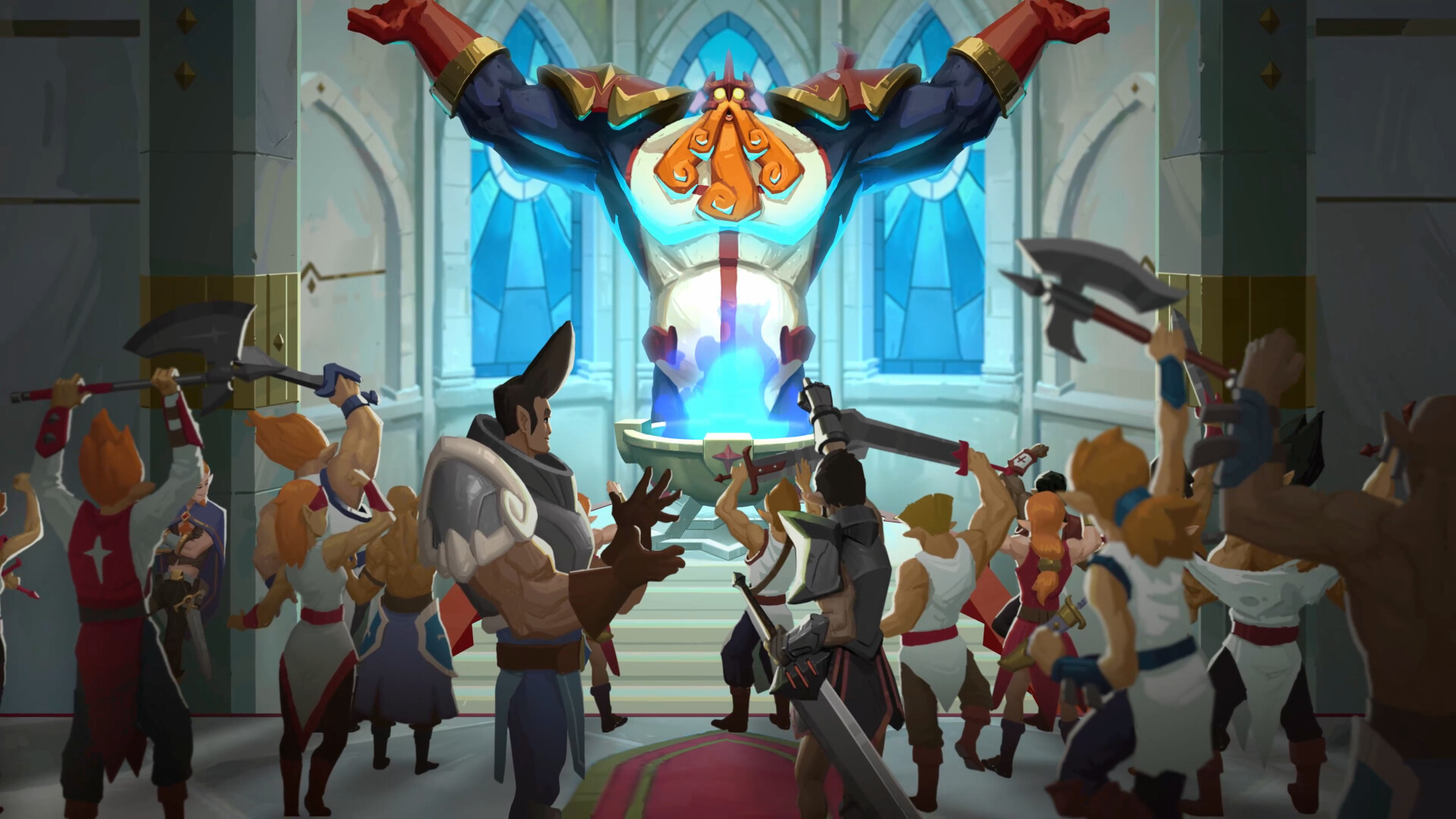
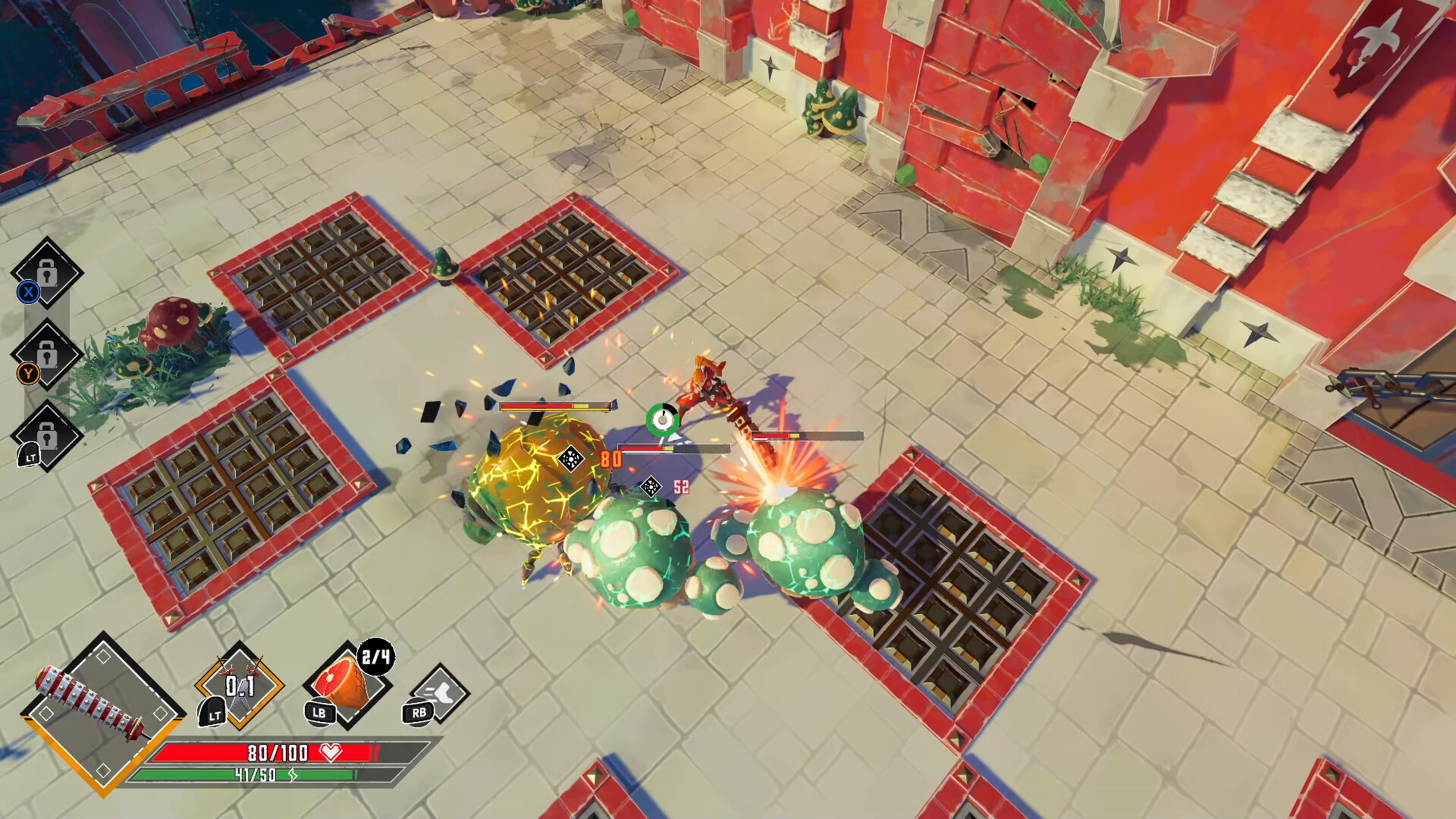
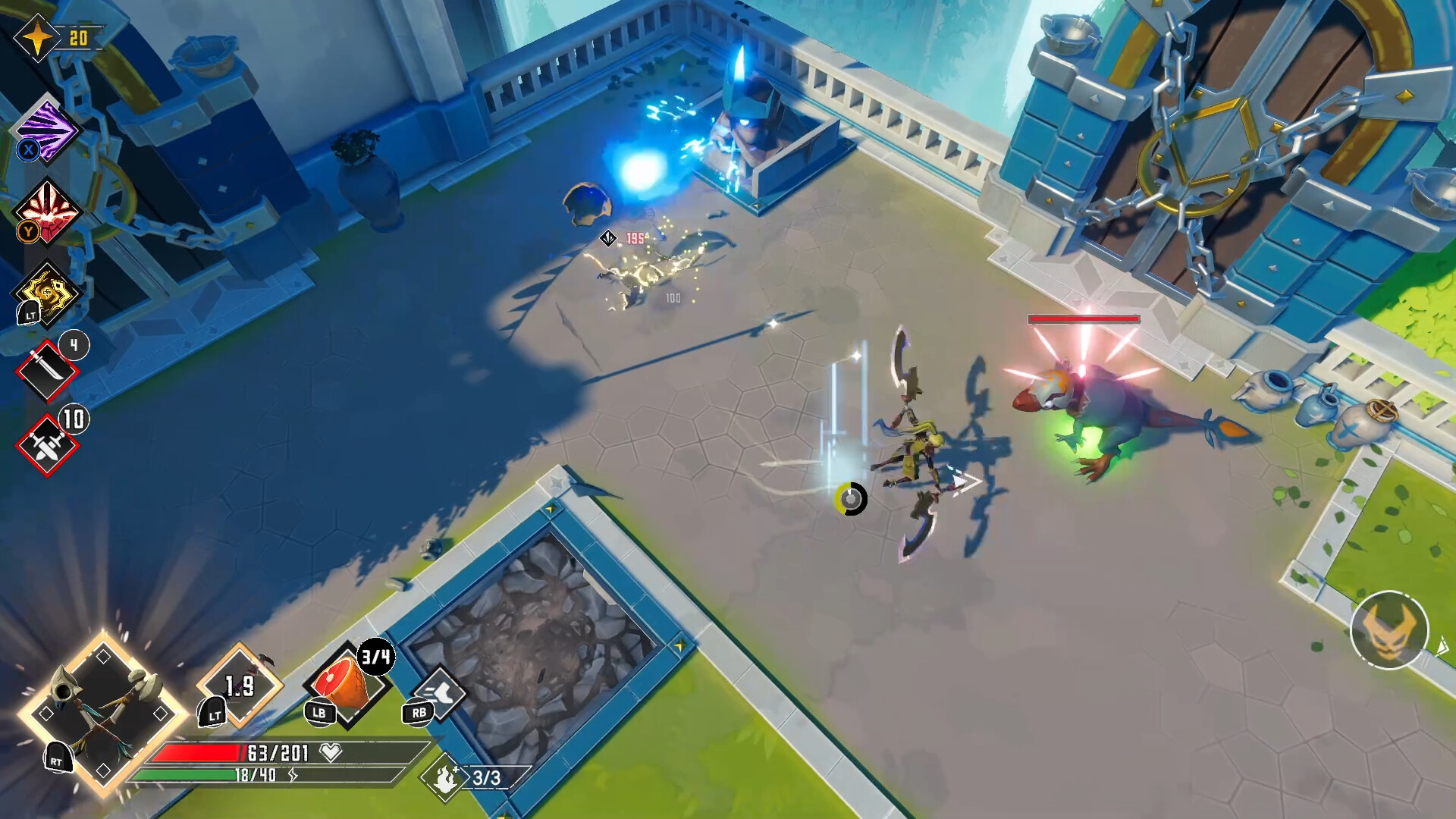
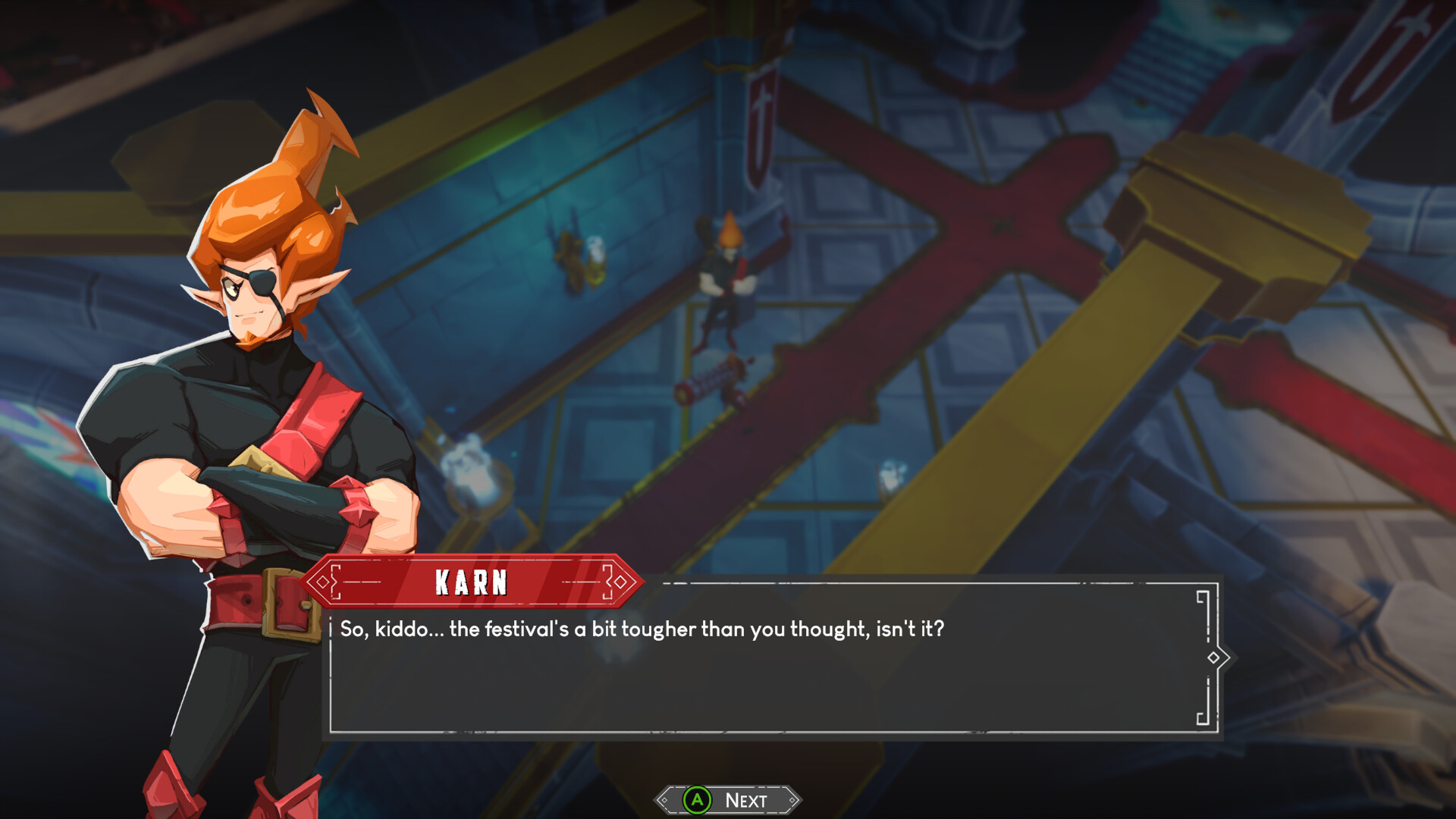
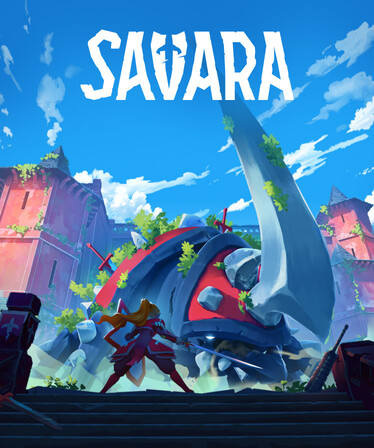
In this colorful action roguelite, participate in the festivities organized for the pleasure of the warrior god. Equip your best weapons, prove your valor against powerful monsters, and permanently engrave your name in history!
Savara is a action roguelike, dungeon crawler and souls-like game
developed by Doryah Games
and published by Ankama Games.
Released on May 06th 2025 is available on Windows, Steam Deck and Steam Machine
in 4 languages: English, French, Spanish - Spain and Portuguese - Brazil.
It has received 564 reviews of which 491 were positive and 73 were negative resulting in a rating of 8.2 out of 10. 😎
The game is currently priced at 19.50€ on Steam.
The Steam community has classified Savara into these genres:
Action Roguelike
Dungeon Crawler
Souls-like
RPG
Action
Roguelite
Singleplayer
Difficult
Replay Value
Hack and Slash
Female Protagonist
Action RPG
Indie
Combat
Fantasy
PvE
3D
Roguelike
Adventure
Action-Adventure
Here is the detailed breakdown of supported languages for Savara:
| UI | Subtitle | Audio | |
|---|---|---|---|
| English | |||
| French | |||
| Spanish - Spain | |||
| Portuguese - Brazil |
Media & Screenshots
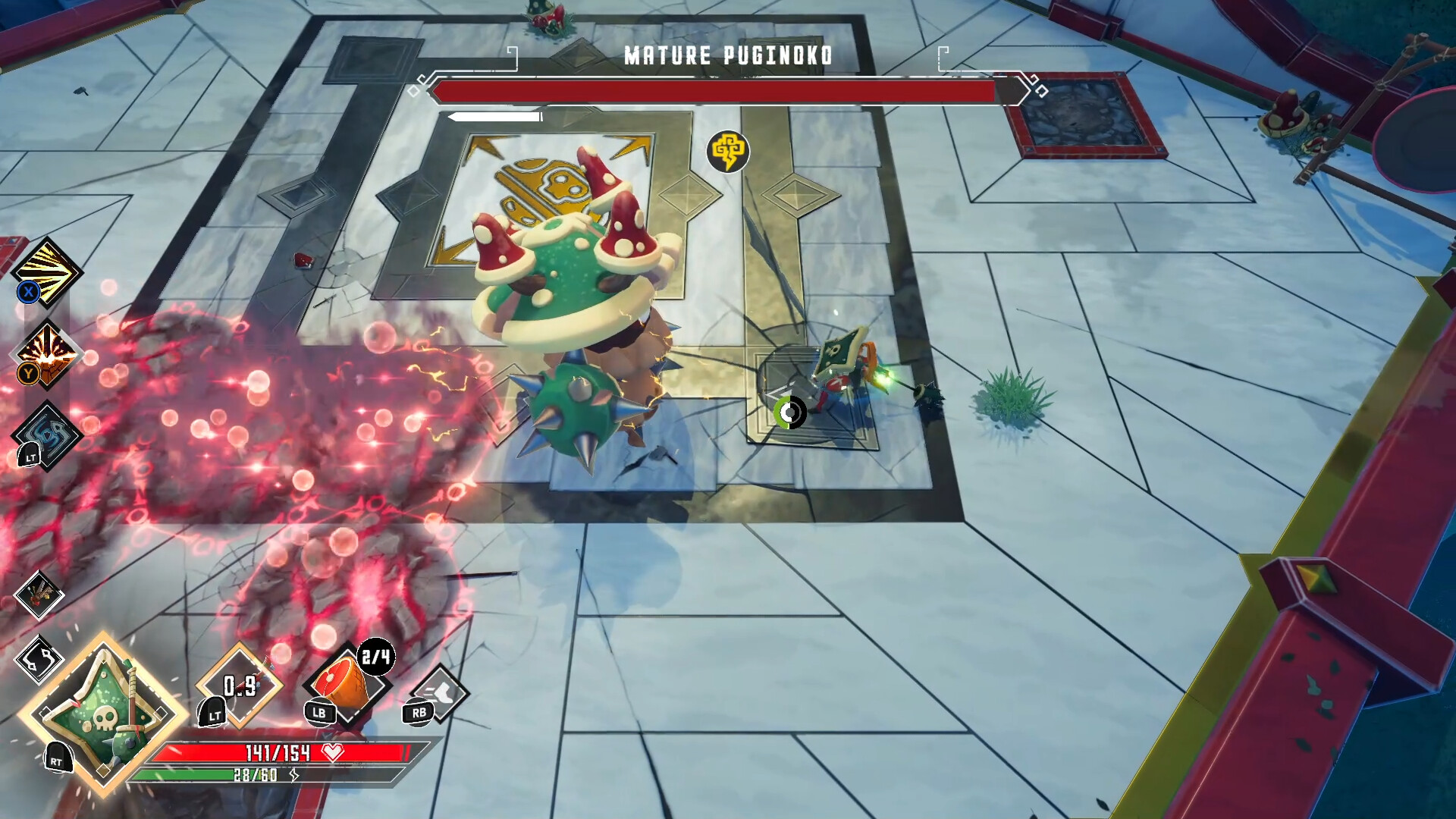
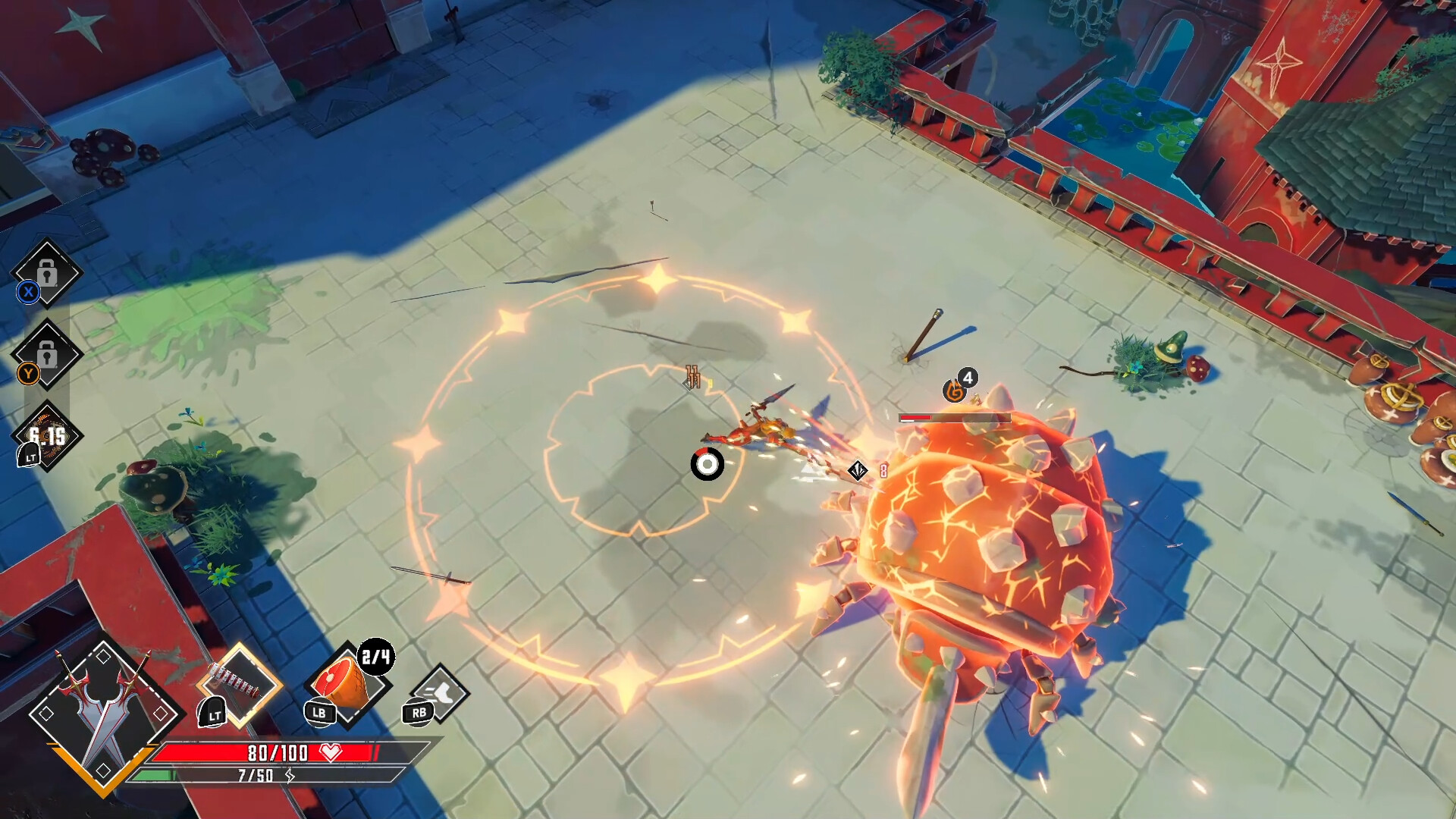
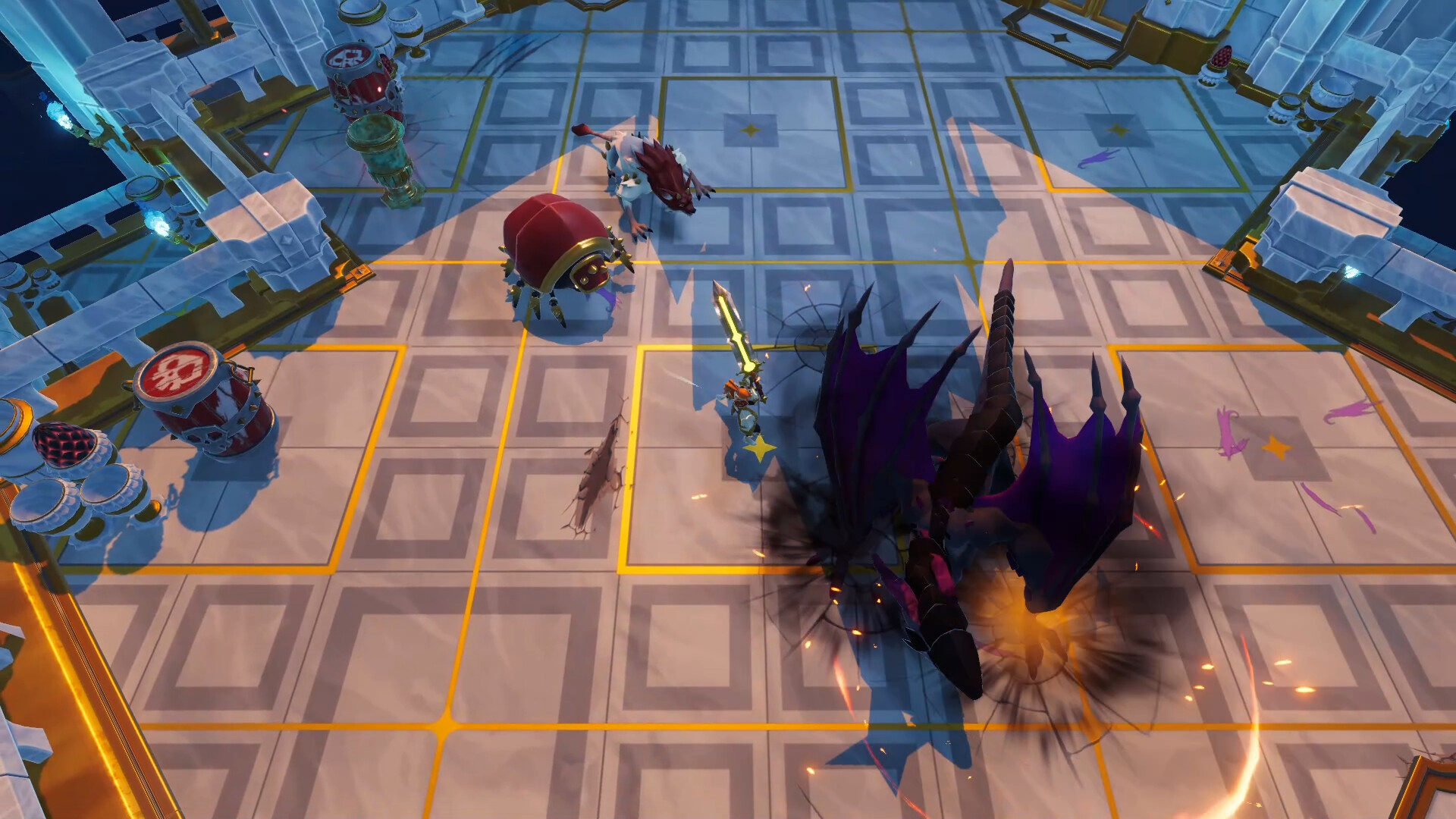
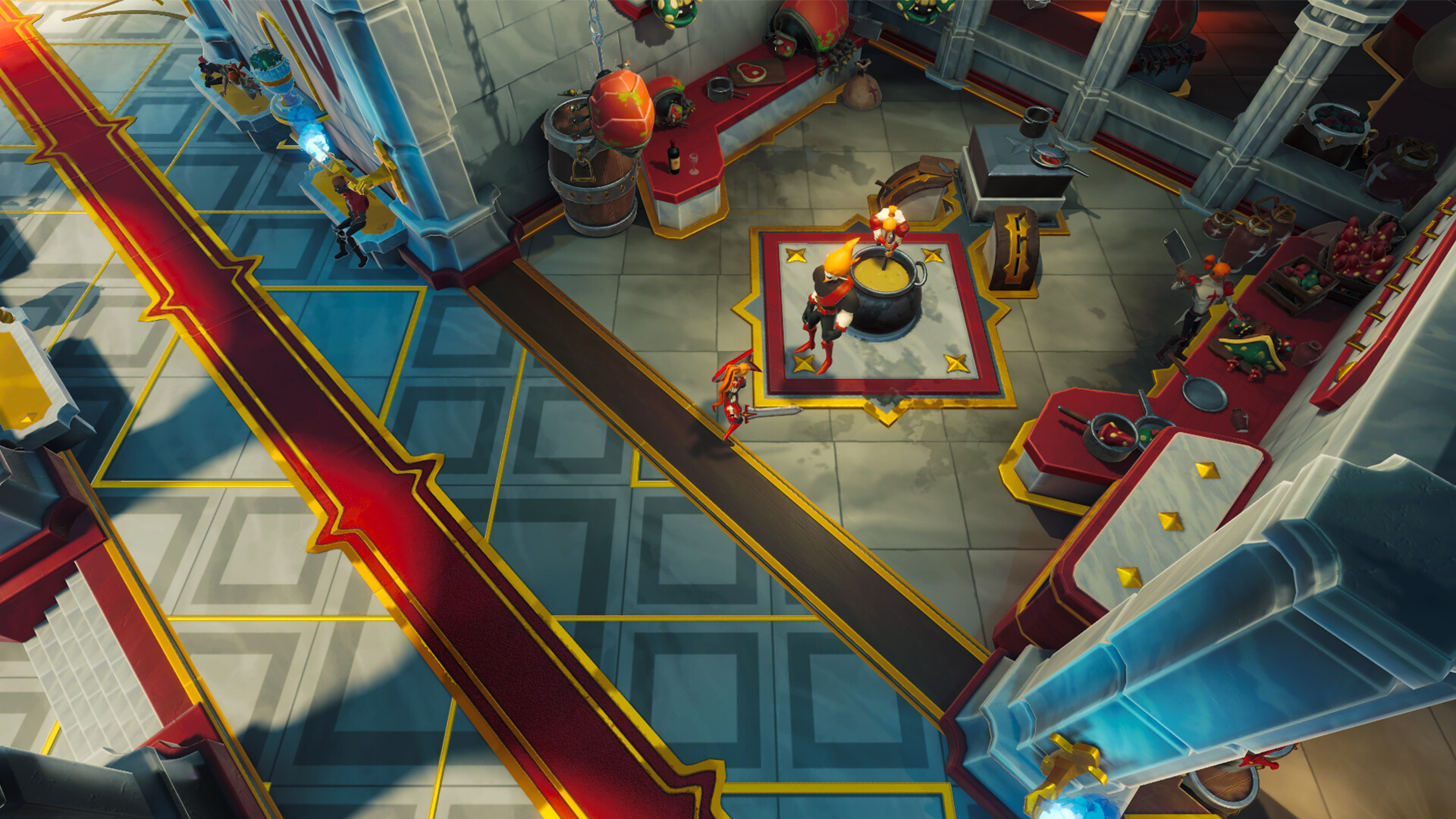
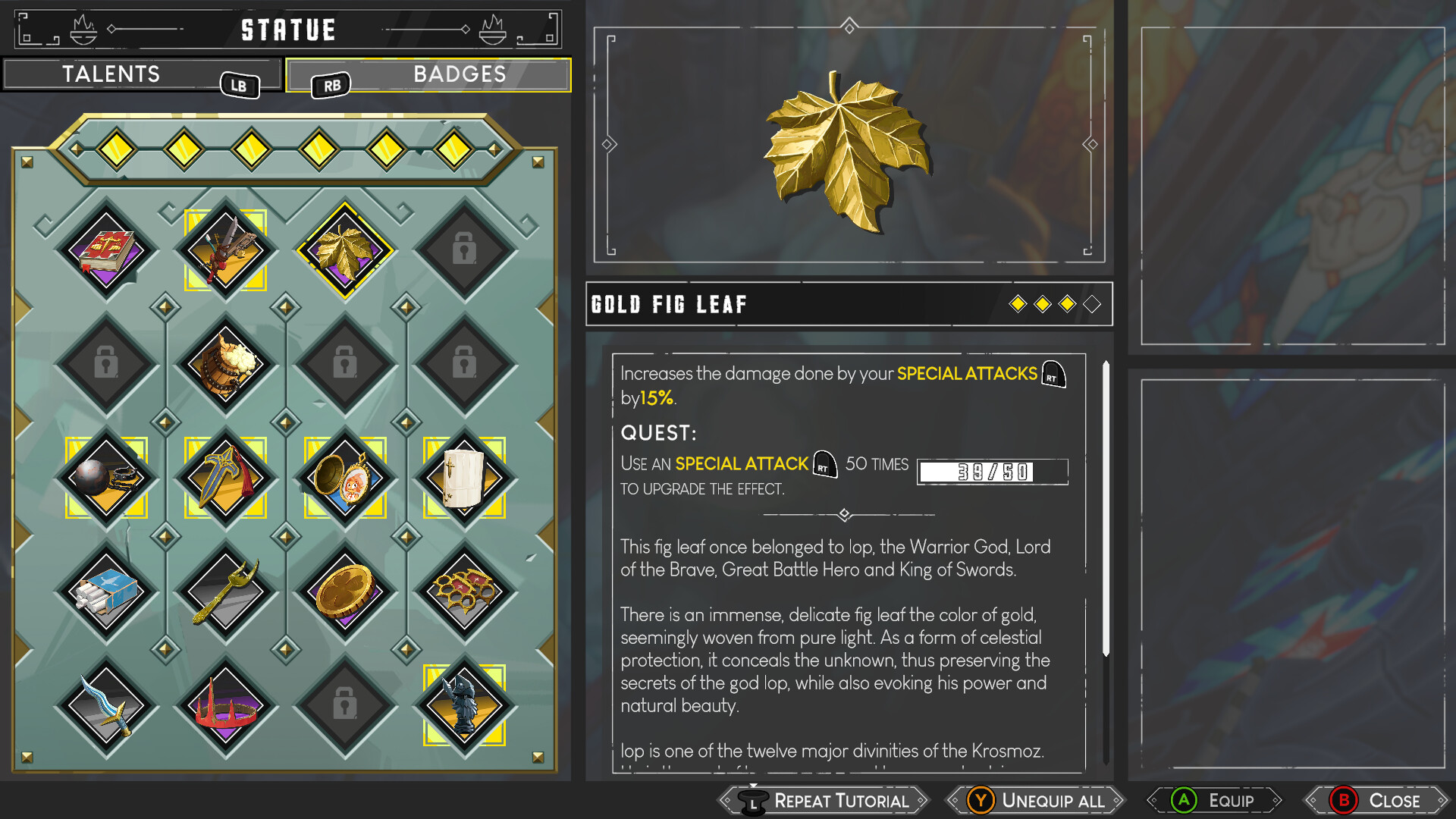
Get an in-depth look at Savara through various videos and screenshots.
Load More


System requirements
These are the minimum specifications needed to play the game. For the best experience, we recommend that you verify them.
Windows
- OS: Windows 10
- Processor: Core i5-4690 or Ryzen 3 2300U
- Memory: 4 GB RAM
- Graphics: GeForce GTX 970 or Radeon R9 290X
- DirectX: Version 11
- Storage: 7 GB available space
Steam Price & Best Deals
User reviews & Ratings
Explore reviews from Steam users sharing their experiences and what they love about the game.
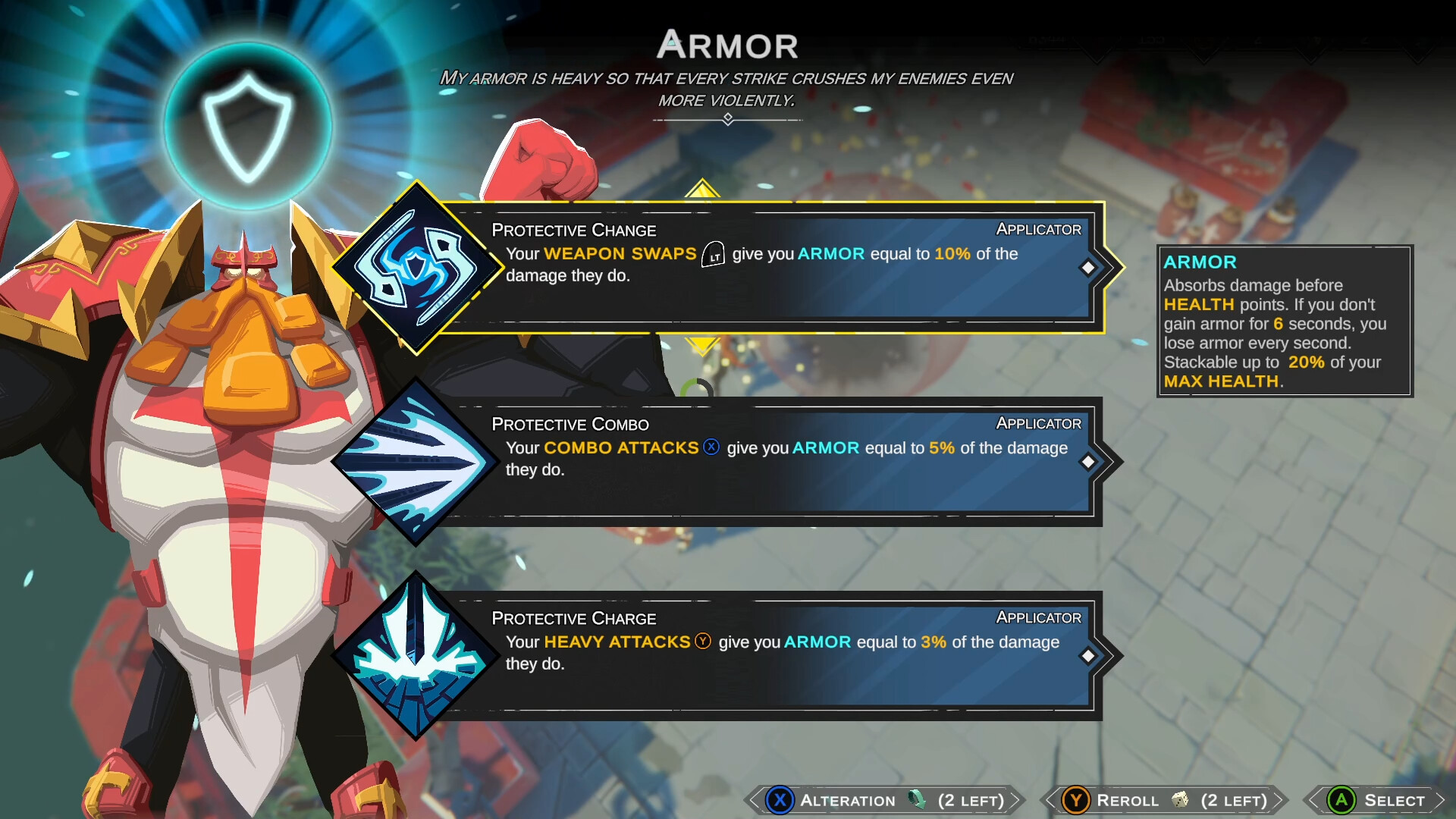
Criminally underrated, compact, cheap, combat-first roguelite. However you wanna slice it, Savara is fantastic - especially if you enjoy a wealth of varied and impactful builds, ROCK-SOLID combat, a brisk pace, and a game that doesn't overstay its welcome. There are a few design issues that can cause tedium here and there, but so long as you're willing to go just a LITTLE out of your way, the overall experience more than makes up for it. The common shorthand comparison is that Savara is a mix between Hades and Monster Hunter. It's a little cliché, but it's more apt than not. The gameplay loop is nearer to Hades (level layouts, boons, meta progression), while the weapon types, combat tempo, and buildcrafting are moreso Monster Hunter. I think the reason people argue with the comparison largely stems from Hades being associated more with its strong narrative and character focus (which are BARELY present in Savara, and only during prestige runs) than with its gameplay loop. Instead of a narrative and endless content, Savara is a (genre comparatively) short experience that takes the basic structure of a roguelite and fills it to the brim with simple-yet-refined combat. In line with its size, Savara has few bosses, fewer zones, simple weapons, and a small pool of enemies to work with - but thanks to the clever use of assets, the fun combat, and the eventual speed at which you blitz through levels, it manages to keep these limited assets feeling valuable and engaging, rather than sparse and repetitive for most (if not all) of it's runtime. It DOES have a few minor issues worth mentioning that can keep you from fully enjoying the game though. Savara (like most games) starts slower, as the systems you have at your disposal unlock and upgrade over time. The most notable of these systems are your weapons - of which you can equip two of at any given time. When a weapon is upgraded to +5 (and again at +10), it gains a passive that affects your character for as long as it's equipped (even if it's not the active weapon you're holding in combat). This is a HUGE increase in your power, AND in the complexity / flexibility of your builds, as the interplay between your two weapon passives and the rest of your equipment largely defines your playstyle. However, if you play Savara without making a point to unlock these weapon passives, you can hit the midgame weaker than you should be, which in turn can make the game feel slow, repetitive, and disproportionately punishing. The problem here is two-fold. One, the weapon upgrade UI that's meant to communicate the value of weapon passives is both obtuse to view and cumbersome to navigate. It's NOT awful, but it IS an obstacle. As a result, it's easy to either not see or not fully understand the system. Second, the beginning weapons feel FAR more costly to upgrade than latter weapons (a result of player skill, character power, later multipliers on resources gained, and raw numbers). This means - during the transition from early to midgame - you could be one quick upgrade from getting both the power and mechanical variety you need to keep Savara from feeling stale and just not know it (leaving you stuck in tedium until you fall off). Or, you could be well aware of weapon passives, but be so behind on the required resources that you have to grind out runs for the upgrade (tedious transition to midgame). Best case scenario, you upgrade your weapon to +5 without much hassle and transition to midgame easily - but the resource investment required can make you feel somewhat trapped, unhappy or unwilling to trade the sunken costs and raw power for the novelty and fun of another weapon. BELIEVE me when I say this is a problem that resolves itself later on (and isn't as damning as I might make it out to be), but to mitigate the potentially damning issue in the early game, I'd recommend: - Experiment with multiple weapons in the beginning until you find a couple you like - Set aside materials to upgrade at least one of them to +5 before spreading your upgrades too thinly - If things start to feel repetitive, fight the urge to keep your strongest weapon, and swap to a different weapon type entirely - even if you have to lose passives and power in the process. The boons you get per room are also not as interesting as you'd see in other roguelikes, but they're still interesting enough to be fun and warrant experimentation. Each category of boon mainly caters to a few select playstyles or weapon types, so it's usually obvious what category you're hunting down when you start a run, based on what you have equipped. That doesn't mean your choices are practically made for you, but it usually shakes out that there's a boon category you'll always go for, a few you'll be happy to see, and one you'll avoid at all costs. Thankfully, the game is aware of this, and provides a form of player control via "rerolls" (changing the boons offered to you in a specific category) and "alterations" (changing the category of boon offered to you entirely) so you don't feel screwed over by luck. At times though, it can seem like you're given too much control over the boons you pick, which can make runs start to feel the same - monotonous IF you allow them to be. It's a shame too, because oftentimes two "mediocre" or presumably "inapplicable" boon categories (when picked enough) will eventually combine into both interesting and powerful combination boons that retroactively and refreshingly power up your entire kit. Sometimes, I'll want a fresh experience and intentionally pick a boon category I usually avoid, and often end up surprised by its power in the end. But it's hard to remember to pursue those novelty powers when you can just as easily use the flood of tools you're given to find exactly the boons you're looking for. By far the most interesting (and powerful) boons you can get are called "Contracts". Seen only thrice per run, and accessible only if you forego a visit to the shop (which often results in 3-5 boons per visit), Contracts give you massive bumps in power (at the cost of an equally massive drawback) and drastically change the way you play. It's a classic risk v reward, and there's nothing wrong with that - but Savara is (for the most part) easy enough to not require the risk at all. So practically, the choice is between risky and unnecessary novelty, or easy consistency, and over time, that easy consistency can become a little... boring. Tedious. The solution is simple, and obvious, but not always instinctive in the heat of the moment. Don't let my obsessive nitpicking fool you - Savara is awesome. It looks good, sounds good, plays well, etc. Once a game is good enough, it's more interesting (and I think useful) to point out faults than to sing obvious praises. The worst I can say is that sometimes (like in the examples above), Savara will inadvertently create little ruts and grooves and well-trod paths you can get stuck in. Savara is good despite these brief tedious traps - but so long as you're willing to put in the smallest amount of legwork when these small flaws arise, you'll have a great time from start to finish.
I am currently at a Prestige 5 victory. It's a very very good game that just clicks and grows on you the more you play. I'm an old gamer (47 y/o at the time of the review), so my reflexes aren't as good as they were in my 20s, but still I could beat the game through a steady improvement. I think I'm in for 15/20 hours of pure bliss!
Bought this game because one of the review said it was Hades + Monster Hunter. And it really is :) There are perfect timings for attacks and perfect dodges for dodge rolls. And there is even the fall and get up mechanic where you don't take damage for a bit while lying there. Quicker game than Hades with a lot of combinations too. Do recommend.
Fantastic game! Hades meets Monster Hunter. You're not fighting to save the world or anything grand like that, you're just a warrior fighting for glory and self-improvement and having a good time. It's refreshing to have a lighter-hearted tone for the game. Weapon variety is amazing, the effects of each weapon and each trinket have a noticeable impact and you can make some very interesting builds combined with the boons in-run. The monsters reactions to getting hit, injuring them by breaking some of their parts, and the crowd cheers feel amazing. Music and sound effects are good (especially the main menu and bossfights), voice acting is great! Slight minus if you don't know the Ankama universe as you'll miss some context and knowledge of the world and the characters, but it's still self contained, clear and fun. Difficulty is about 6/10 starting out, run modifiers can push it up quite a lot, but as you get upgrades i'd say it stabilizes at a solid 8/10 later in the game if you're pushing the challenge (note : the timer challenge mod is evil.) It's a bit short maybe, as I finished the main part of the story in about 12h, but it's well executed and not boring. Great game, no bugs, 9.5/10 would fight again.
Similar games
View all
Mana Spark
A challenging action RPG with deep souls-like combat and rogue-like elements. Explore a dreadful dungeon and fight smart enemies that will plan and collaborate between themselves to defeat you.

Loot River
Explore procedurally generated labyrinths in this challenging, narrative-rich roguelike. Master deep combat. Slide blocks of ancient ruins. Defeat bestial abominations. Loot, level up, strategize, fight, die and wake up anew. Unlock the secrets of the Loot River. Immortality is a bittersweet gift.
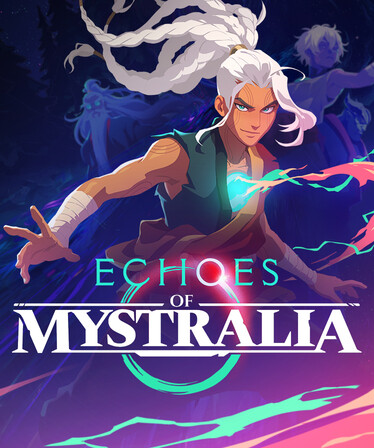
Echoes of Mystralia
Echoes of Mystralia is an action-heavy spellcrafting ARPG roguelite, where rapid combat meets deep customization. Craft your own spells, unlock new combinations, fight epic bosses, and discover a narrative-rich world that never plays the same twice.
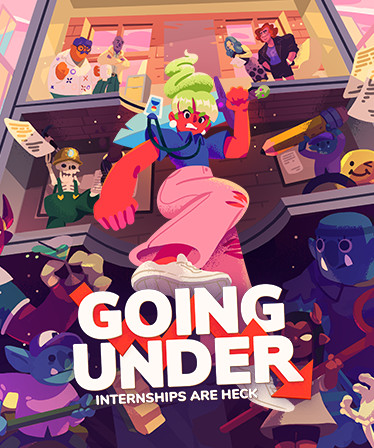
Going Under
Going Under is a satirical dungeon crawler about exploring the cursed ruins of failed tech startups. As an unpaid intern in the dystopian city of Neo-Cascadia, you’ll wield office junk as weaponry as you make your way through the offbeat procedural dungeons beneath your company campus.
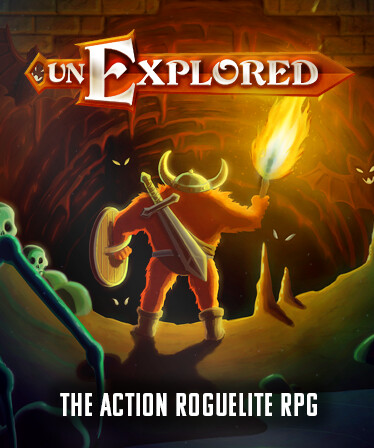
Unexplored
The ROGUELITE that feels like a ROGUELIKE. Praised for its fantastically generated dungeons, real-time combat and surprising amount of content and depth. One of the BEST GAMES OF THE YEAR according to PC Gamer and VICE Waypoint.
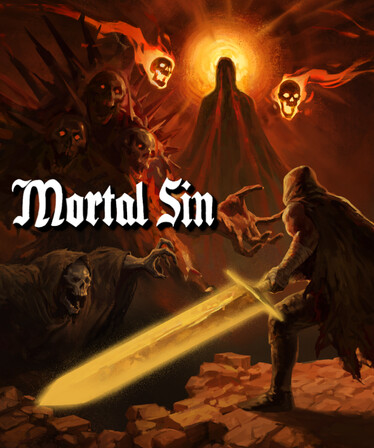
Mortal Sin
Mortal Sin is a chaotic, blood-soaked roguelike where skill is power, and overconfidence is death. Carve through procedurally generated nightmares with brutal melee and flashy, satisfying combos.
Netherworld Covenant
In the abyss where the mortal realm and netherworld intertwine, become a warrior wielding the power of the Nether Lantern to fight along with the fallen souls. With hardcore, soulslike action and intriguing roguelike builds, shatter the cursed barriers and unveil the truth woven from blood and soul.
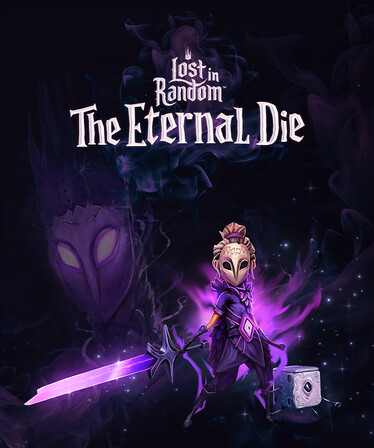
Lost in Random: The Eternal Die
Plunge into a living nightmare where every roll counts. Chain fluid combat with dice-fueled attacks, stack relics into ferocious synergies, and build unstoppable momentum. Slash through fate, bend chance to your will, and defeat the Black Die in this board-game inspired roguelite dungeon crawler.
Dreamscaper
By night, delve deep into your subconscious and discover powerful artifacts to conquer your nightmares. By day, explore the city of Redhaven and build relationships to unlock the power of your dreams. DREAM. DIE. WAKE. REPEAT.
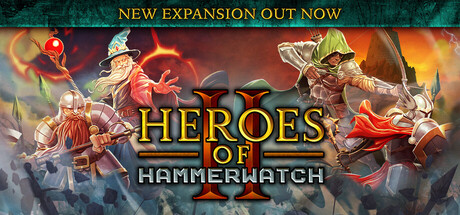
Heroes of Hammerwatch II
A rogue-lite action-rpg that offers extensive persistent progression. Build your town, upgrade and equip your heroes, before taking on the ever-changing Dark Citadel - either solo or with a team of friends.
Frequently Asked Questions
Savara is currently priced at 19.50€ on Steam.
No, Savara is currently not on sale. You can purchase it for 19.50€ on Steam.
Yes, Savara received 491 positive votes out of a total of 564 achieving a rating of 8.16.
😎
Savara was developed by Doryah Games and published by Ankama Games.
Yes, Savara is playable and fully supported on Windows.
No, Savara is not playable on MacOS.
No, Savara is not playable on Linux.
Yes, Savara is playable and fully supported on Steam Deck.
Yes, Savara is playable and fully supported on Steam Machine.
No, Savara does not support VR.
Savara is a single-player game.
Yes, there are 2 DLCs available for Savara. Explore additional content available for Savara on Steam.
No, Savara does not support mods via Steam Workshop.
No, Savara does not support Steam Remote Play.
Yes, Savara is enabled for Steam Family Sharing. This means you can share the game with authorized users from your Steam Library, allowing them to play it on their own accounts. For more details on how the feature works, you can read the original Steam Family Sharing announcement or visit the Steam Family Sharing user guide and FAQ page.
You can find solutions or submit a support ticket by visiting the Steam Support page for Savara.
Data sources
The information presented on this page is sourced from reliable APIs to ensure accuracy and relevance. We utilize the Steam API to gather data on game details, including titles, descriptions, prices, and user reviews. This allows us to provide you with the most up-to-date information directly from the Steam platform.
Additionally, we incorporate data from the SteamSpy API, which offers insights into game sales and player statistics. This helps us present a comprehensive view of each game's popularity and performance within the gaming community.
Last Updates| Steam data | 14 October 2026 17:00 UTC |
|---|---|
| SteamSpy data | 16 October 2026 21:11 UTC |
| Steam price | 26 October 2026 20:18 UTC |
| Steam reviews | 20 October 2026 16:00 UTC |
If you'd like to dive deeper into the details about Savara, we invite you to check out a few dedicated websites that offer extensive information and insights. These platforms provide valuable data, analysis, and user-generated reports to enhance your understanding of the game and its performance.
- SteamDB - A comprehensive database of everything on Steam about Savara
- SteamCharts - Analysis of Savara concurrent players on Steam
- ProtonDB - Crowdsourced reports on Linux and Steam Deck Savara compatibility
Game modes
Features
Online players
2
Developer
Doryah Games
Publisher
Ankama Games
Release
06 May 2025
Platforms