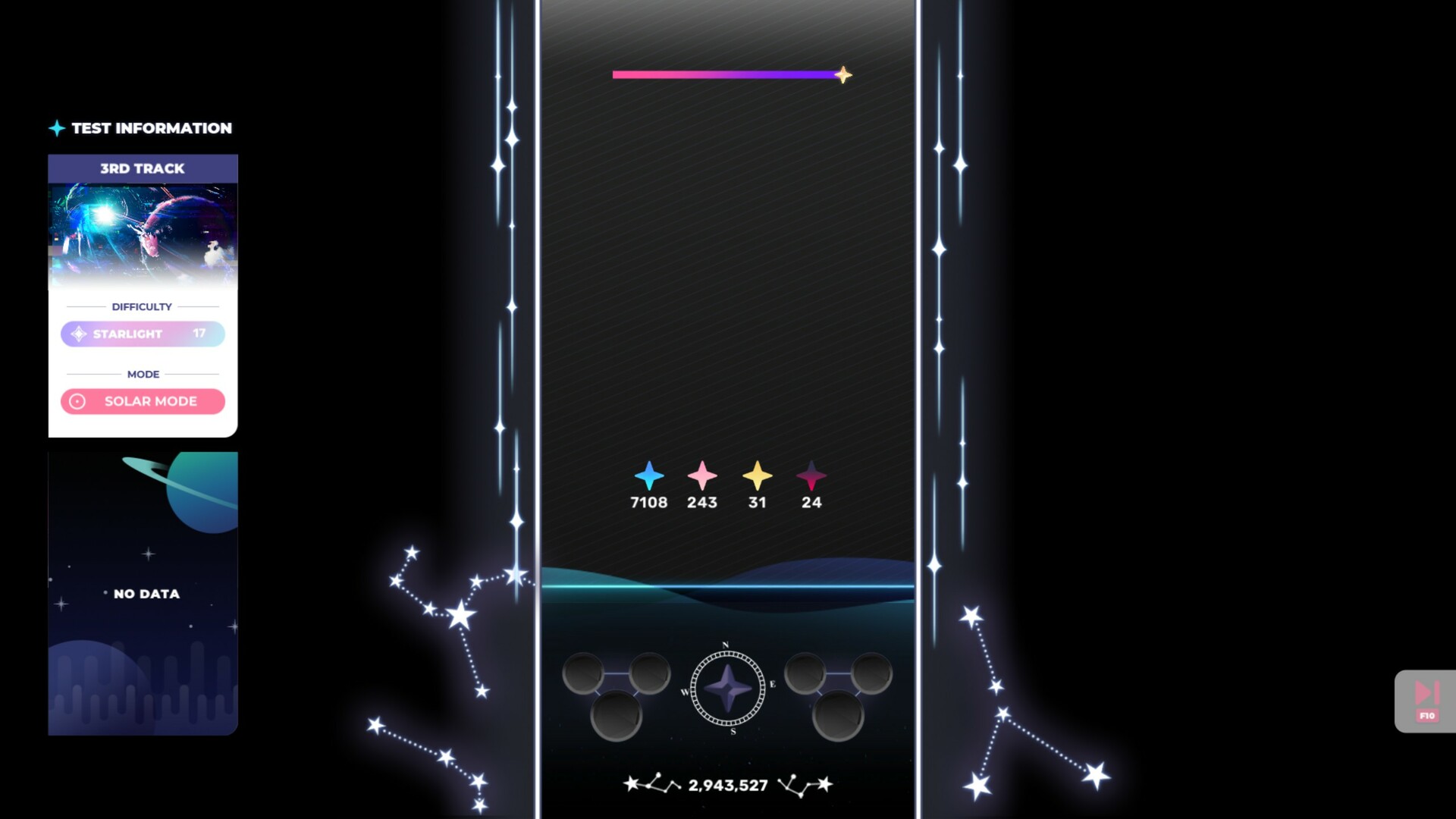
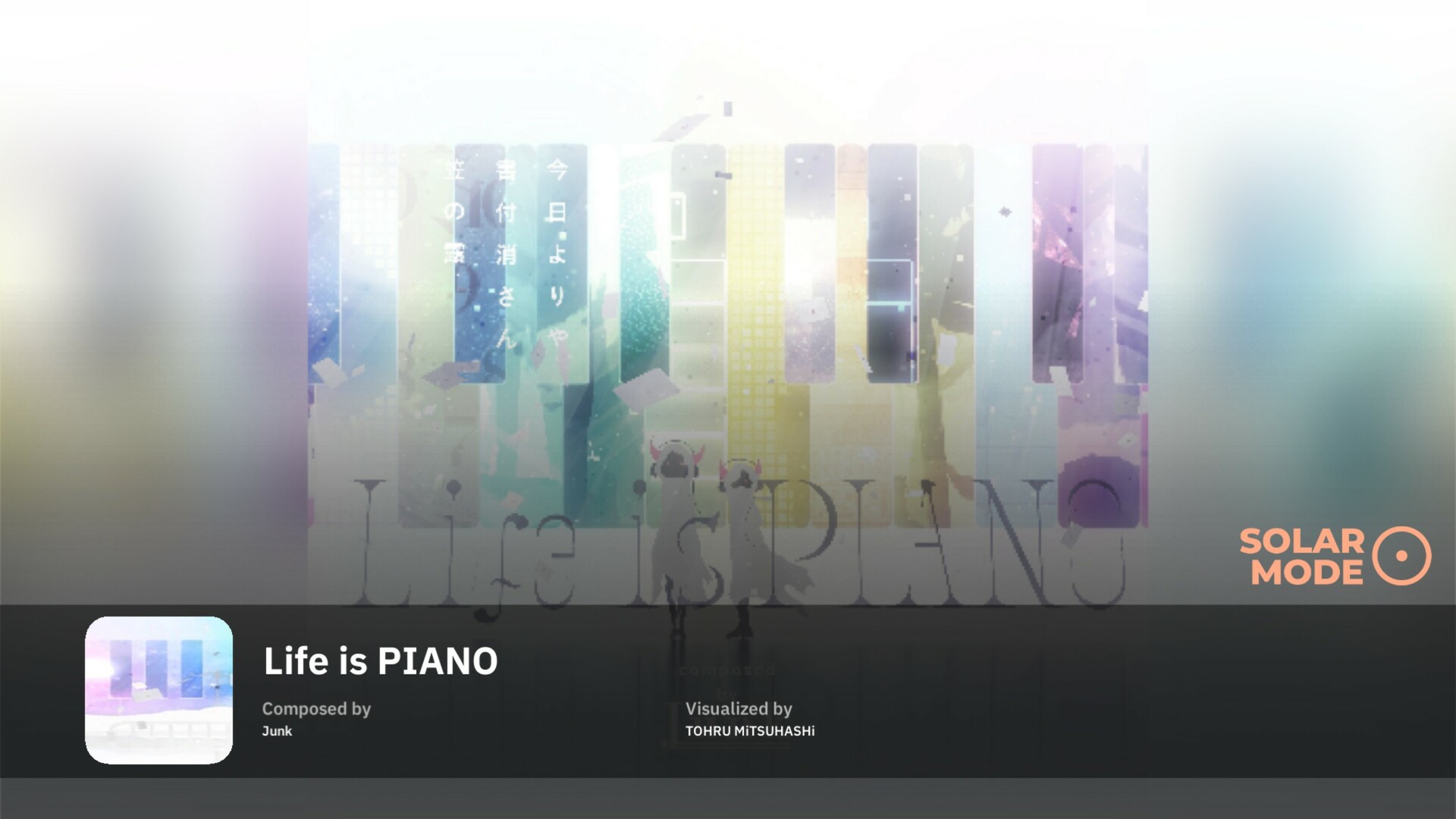
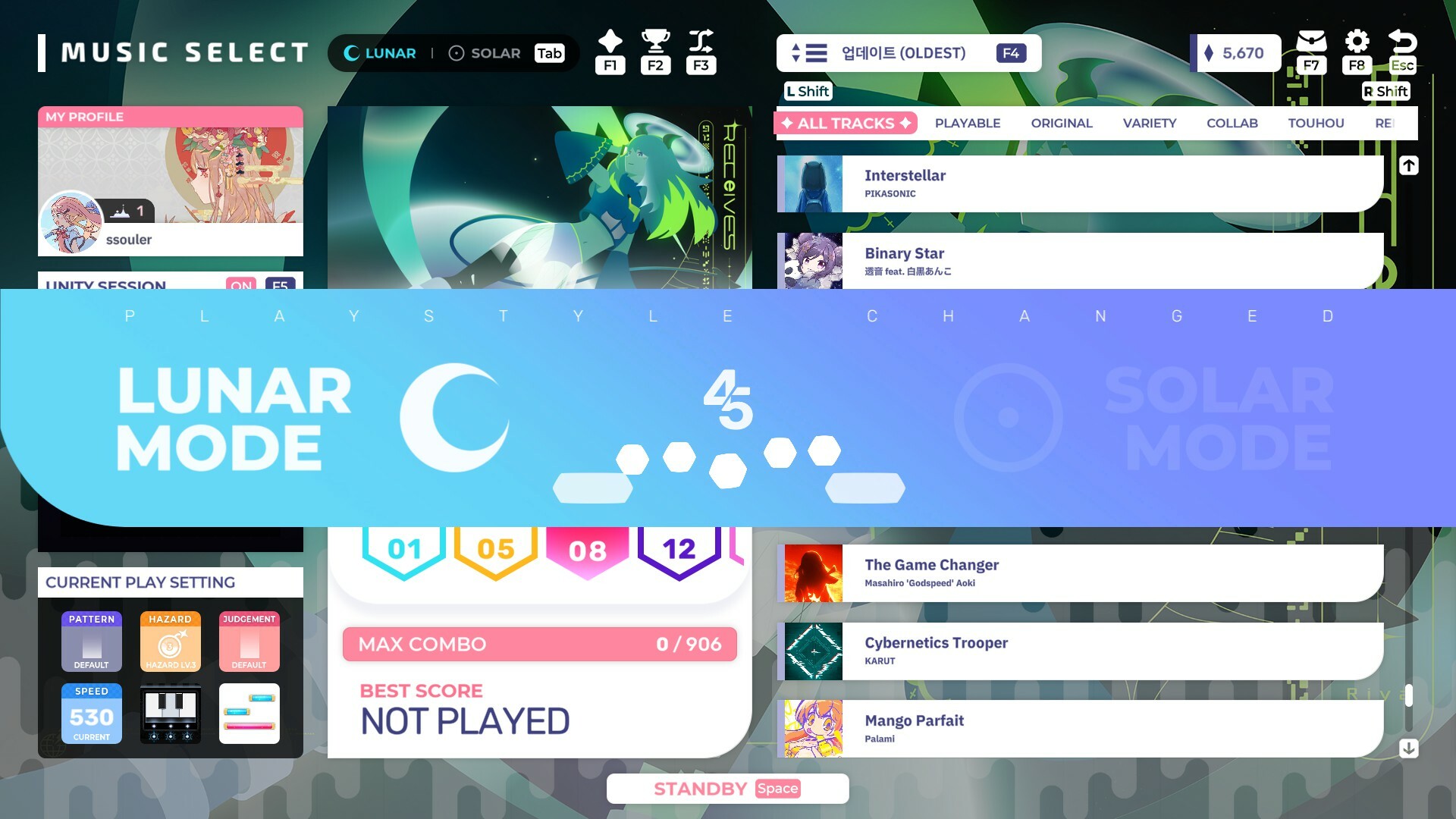
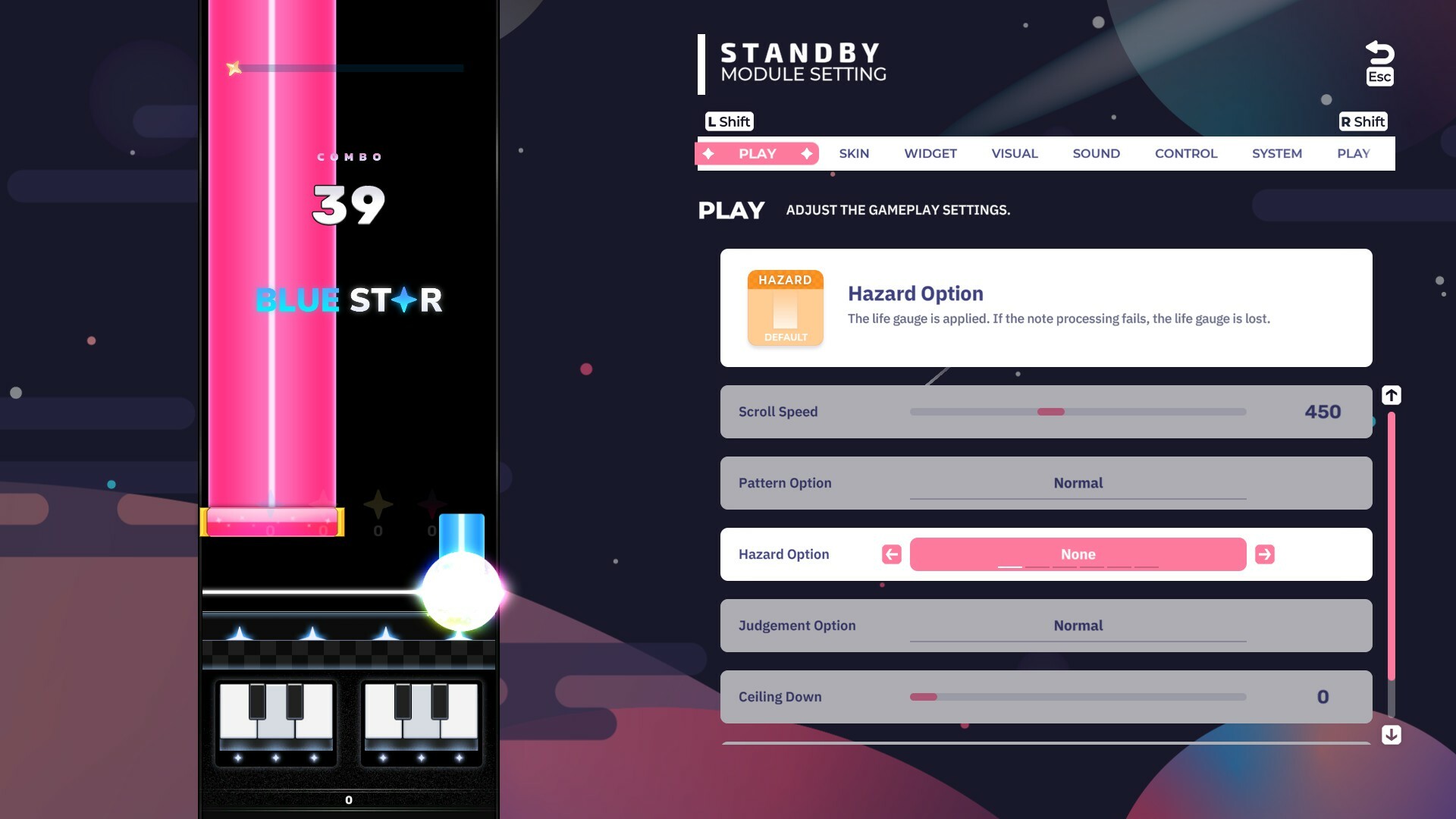
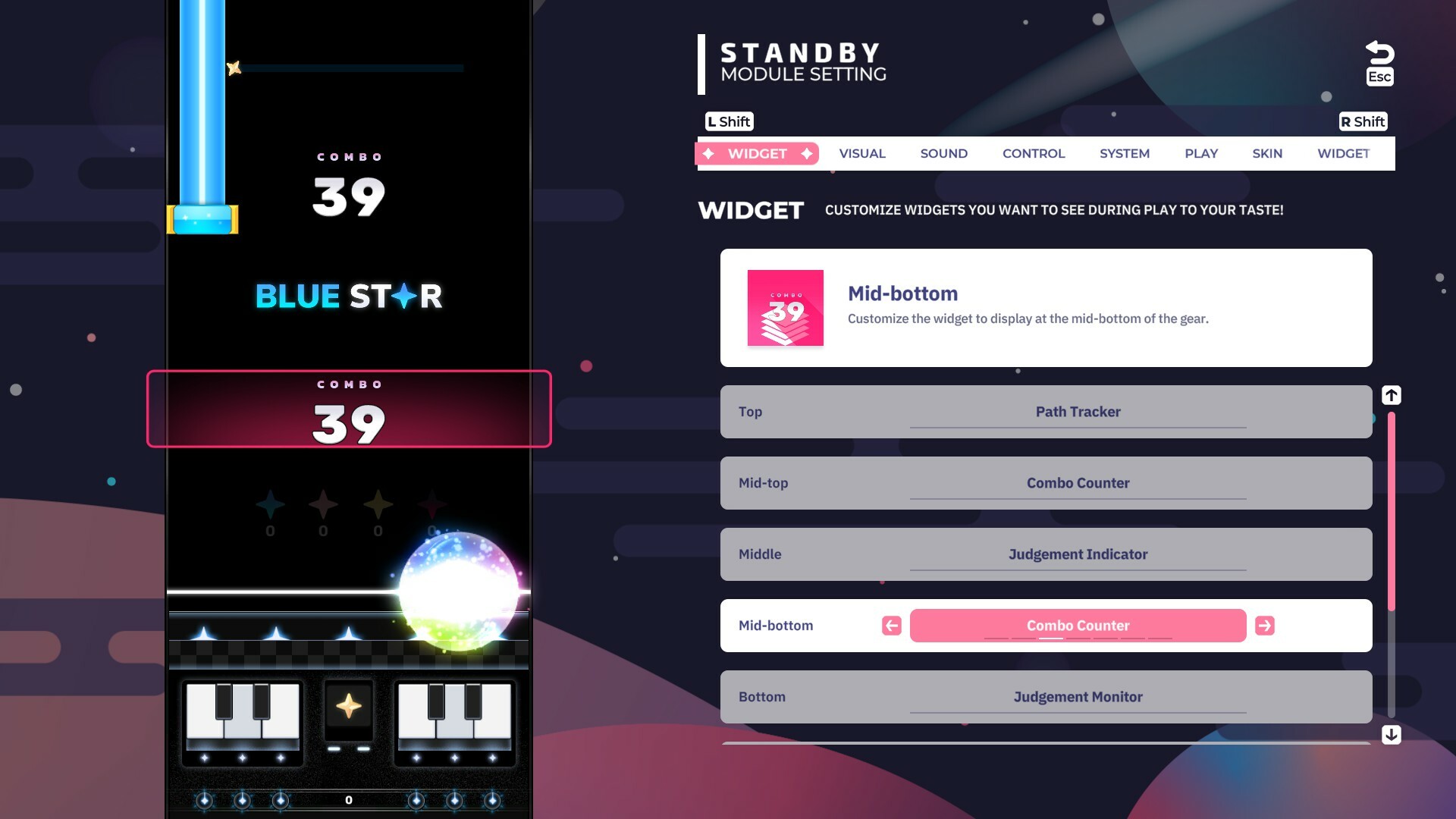
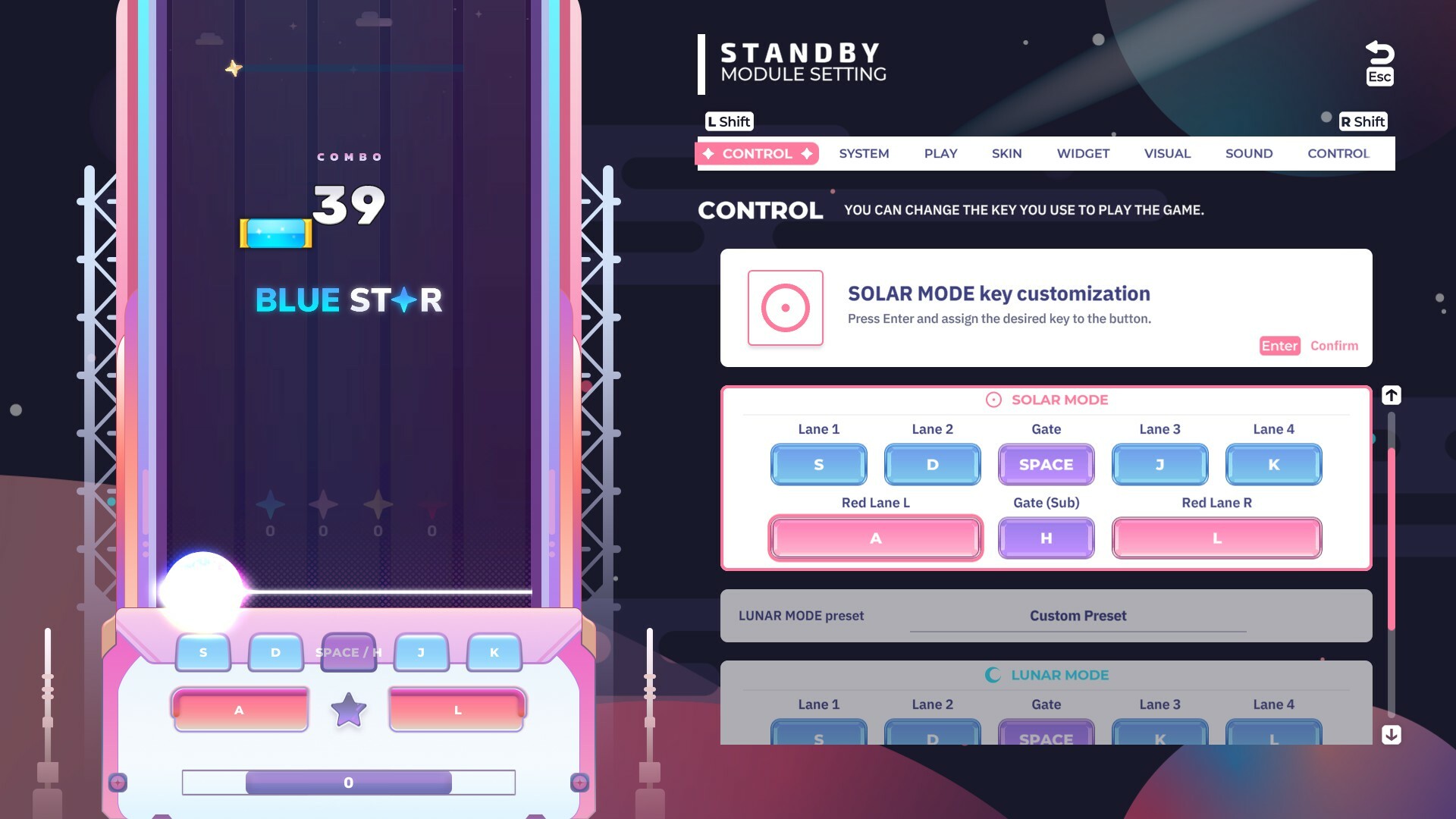
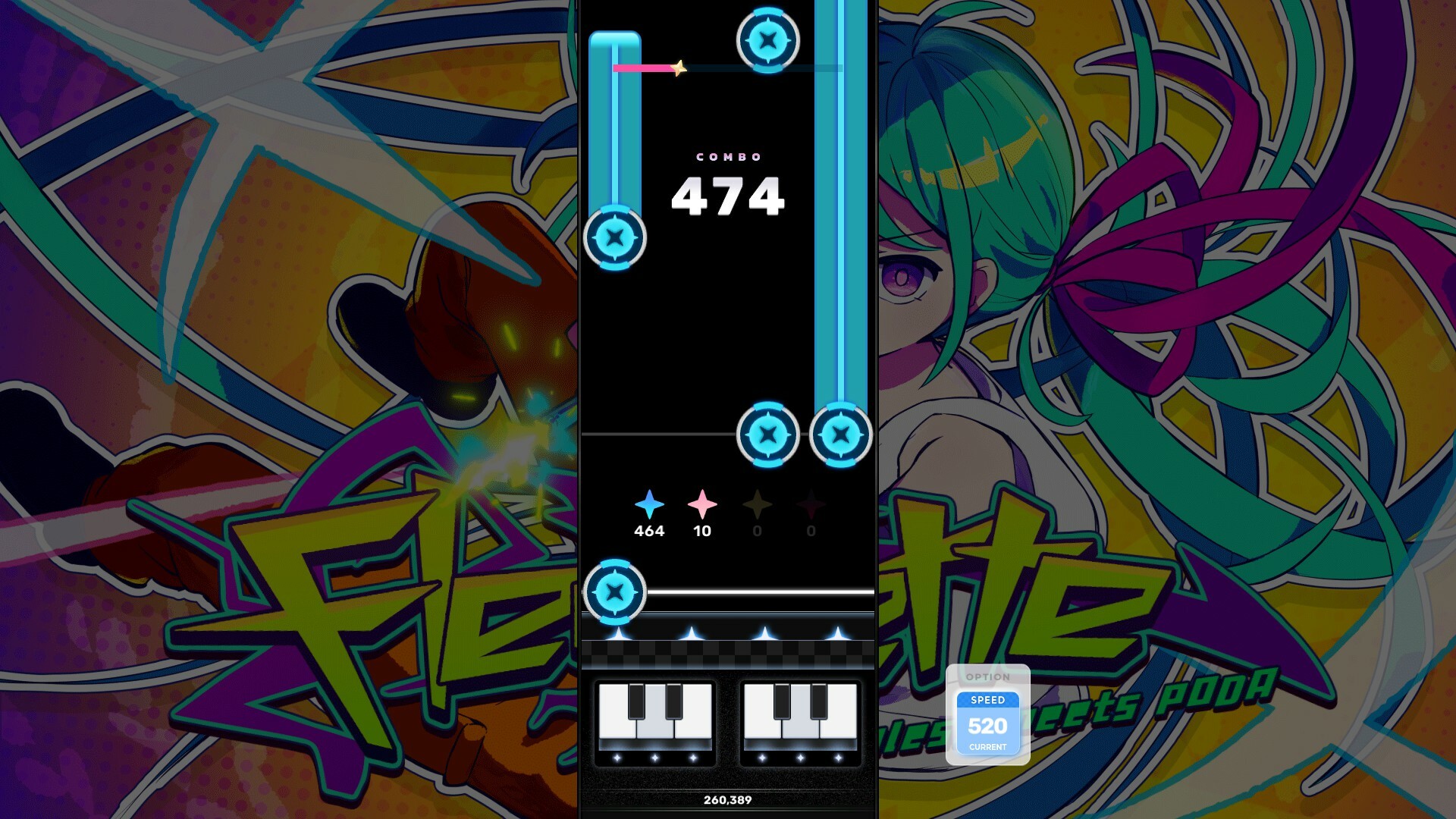
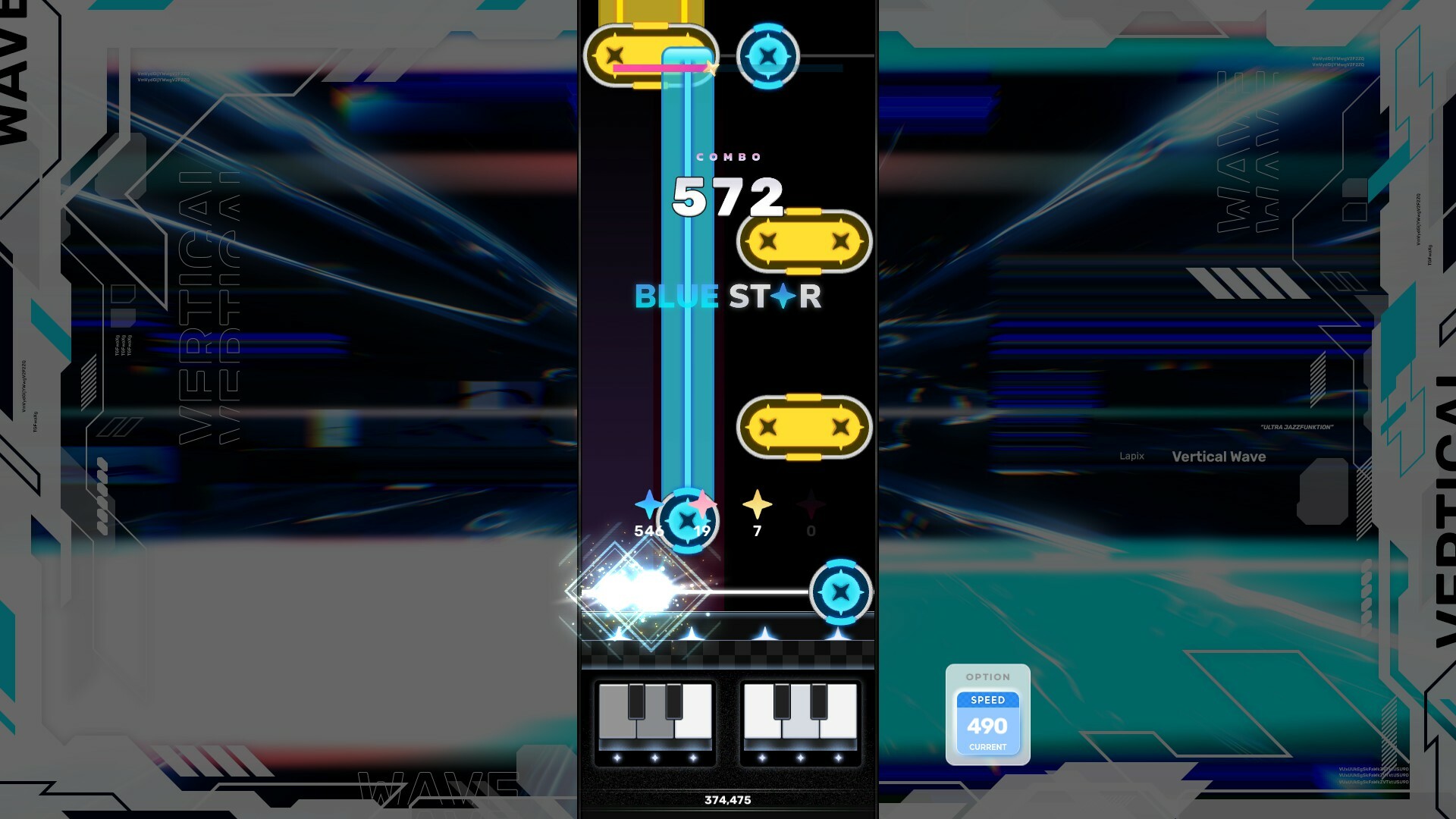
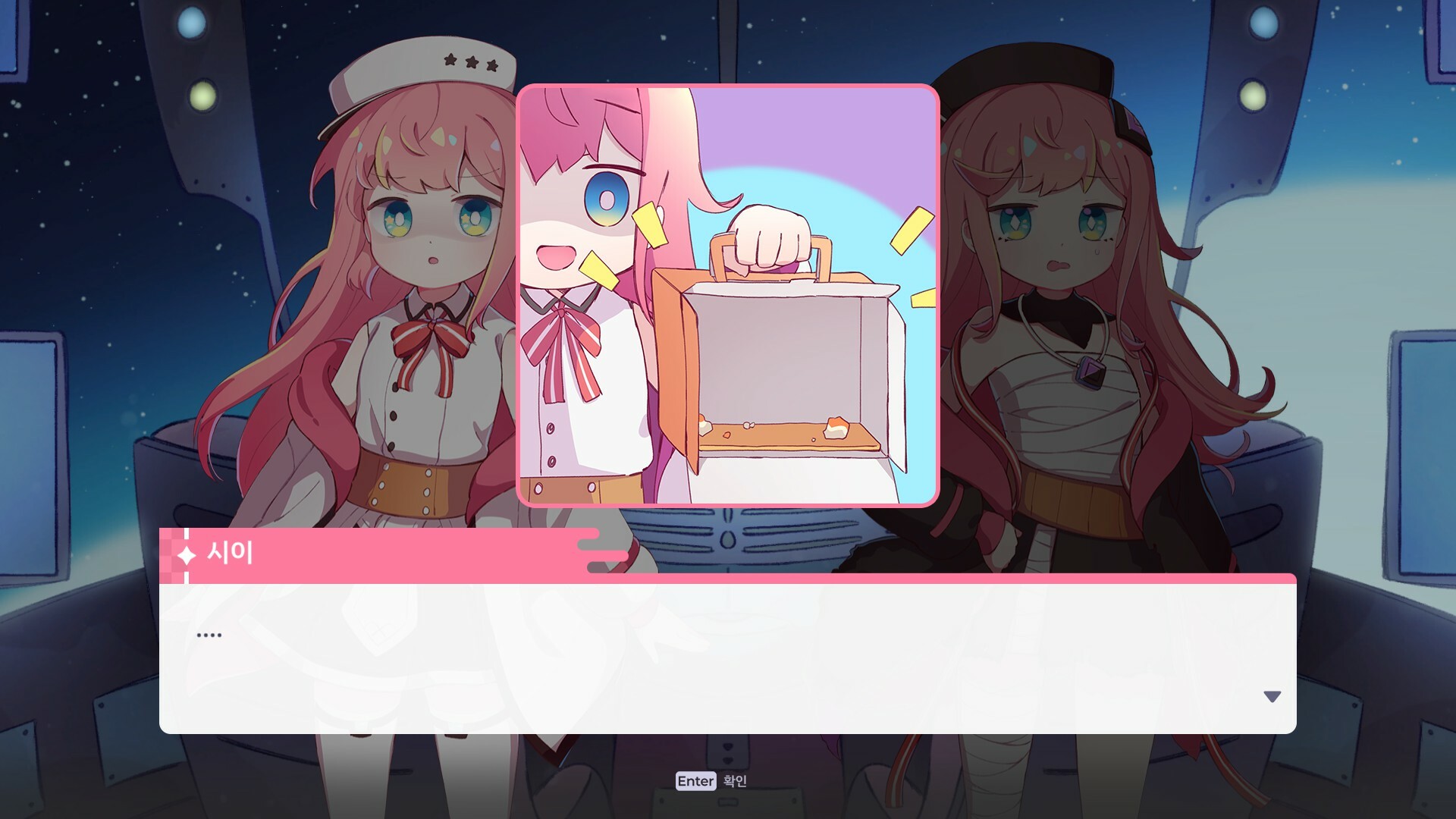
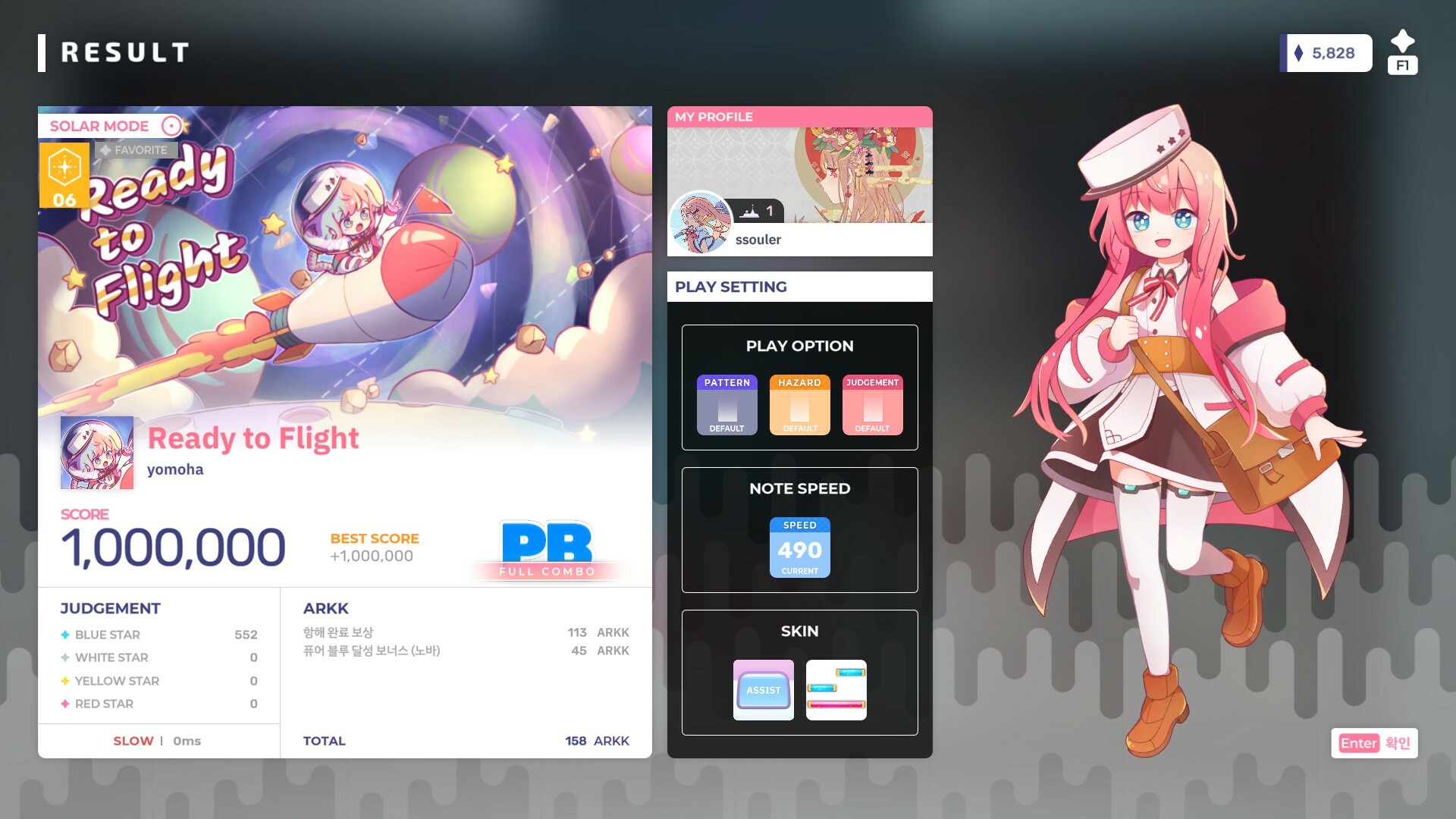
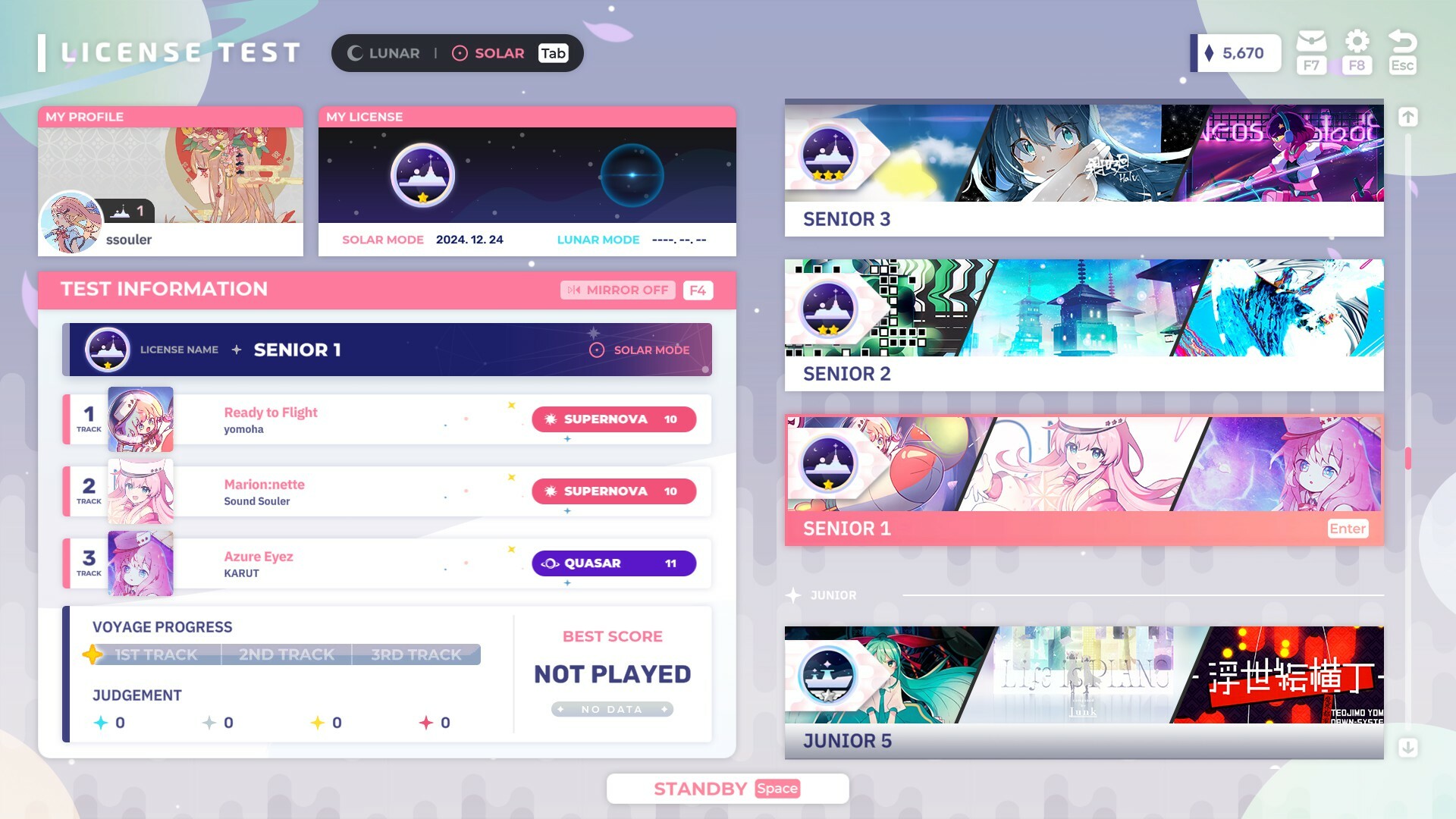
Sixtar Gate: STARTRAIL is a rhythm game that immediately distinguishes itself through both its presentation and its mechanical ambition. Developed by Starlike Inc. and published by Starlike Inc. in partnership with Smilegate, it positions itself within the long lineage of key-based PC rhythm titles while adding its own structural twist through the dynamic “gate” system. At its core, this is a music game about precision timing and pattern recognition, but it wraps that familiar framework in a sci-fi voyage aesthetic, complete with an anime-styled navigator and a star-spanning journey motif that gives cohesion to what could otherwise be a straightforward track selection menu. The result is a title that feels purpose-built for dedicated rhythm fans yet accessible enough for players who may only casually dip into the genre. The defining mechanic of STARTRAIL is its shifting lane system. Unlike traditional fixed-lane rhythm games where the number of columns remains constant throughout a track, STARTRAIL dynamically opens and closes note lanes as the song progresses. This “gate” concept fundamentally alters how you read charts, because your visual focus and finger positioning must constantly adapt. A passage might begin with a comfortable four-lane pattern and suddenly expand to six lanes during a climactic chorus, increasing both physical complexity and cognitive load. On higher difficulties, this becomes a true test of adaptability, forcing you to internalize rhythm structure rather than relying purely on muscle memory. It’s a smart innovation that injects tension and unpredictability into songs you might otherwise master through repetition alone. The tracklist is another pillar of the experience. STARTRAIL leans heavily into electronic music styles—ranging from high-BPM hardcore and trance to melodic EDM and rhythm-game-inspired experimental tracks. The base game includes a strong selection of original compositions crafted to highlight the lane-shifting mechanics, with chart design that often mirrors the musical progression in clever ways. Since its early access beginnings, the game has expanded its catalog through updates and downloadable content, including collaborative packs that bring in tracks from other rhythm and doujin music communities. This steady flow of additional content helps the game maintain replay value, especially for players who chase full combos, perfect runs, or leaderboard rankings. Presentation plays a meaningful role in sustaining immersion. The interface is sleek and clean, prioritizing readability without sacrificing style. Notes are bright and distinct, effects are flashy but controlled, and the overall visual language supports high-speed play without overwhelming the player. The anime character art and light narrative framing—centered around your role as captain navigating the Sixtar system with your AI companion—add personality without intruding too heavily on gameplay. While the story elements are relatively modest and presented mostly through dialogue segments rather than interactive sequences, they provide a gentle sense of progression that connects your song clears to a broader journey through space. Customization options further enhance the experience. Players can adjust timing windows, key bindings, note speed, and visual elements to match their comfort level. This is especially important in a rhythm game with shifting lanes, as personal ergonomic preference can significantly impact performance. Cosmetic unlockables and achievement milestones also provide long-term goals beyond simply clearing tracks. Online features, including cooperative or shared play sessions, add a social dimension for those who want to engage with the community rather than treat the game as a purely solitary challenge. In terms of difficulty scaling, STARTRAIL caters well to both newcomers and veterans. Lower difficulties are forgiving enough to allow players to grasp the gate mechanics without frustration, while upper tiers push reaction time and coordination to demanding extremes. Some charts are intentionally punishing, clearly designed for players who thrive on dense note streams and rapid transitions. The difficulty curve feels intentional rather than arbitrary, with many songs offering multiple chart levels that encourage gradual mastery. For rhythm enthusiasts who enjoy incremental improvement—shaving off milliseconds of error, tightening accuracy, chasing that elusive all-perfect run—the game provides ample room to grow. There are, however, areas where the experience may not fully satisfy every player. The narrative component, while charming, is not deeply interactive and may feel secondary compared to the core rhythm gameplay. Players looking for a fully fleshed-out story mode with branching paths or elaborate cutscenes might find it lightweight. Additionally, while the soundtrack is strong and stylistically cohesive, it may not yet match the sheer volume found in older, more established rhythm franchises unless you invest in DLC packs. For some, the absence of key-sound feedback—a feature common in certain rhythm subgenres—might also stand out. Despite these minor shortcomings, Sixtar Gate: STARTRAIL succeeds in carving out a distinct identity within a crowded genre. Its lane-shifting mechanic isn’t just a gimmick; it meaningfully changes how you approach each song and keeps even repeated plays feeling dynamic. Combined with polished visuals, a steadily expanding soundtrack, and thoughtful customization options, the game stands as a compelling entry in the PC rhythm scene. For players who appreciate mechanical experimentation layered atop solid musical foundations, STARTRAIL offers a rewarding, skill-driven journey through both sound and space, and it continues to evolve in ways that suggest lasting potential within the genre. Rating: 8/10
Expand the review