
SpellForce 2 - Anniversary Edition
SpellForce 2 - Anniversary Edition presents the award-winning SpellForce saga hits: "SpellForce 2 – Shadow Wars" and the add-on "SpellForce 2 – Dragon Storm" for a spectacular game experience!
Sync your Steam wishlist to find the lowest game prices instantly. No login required, just paste your Steam profile URL!
⚡ Try Wishlist Radar!
Sync your Steam wishlist to find the lowest game prices instantly. No login required!
⚡ Try Wishlist Radar!
Close

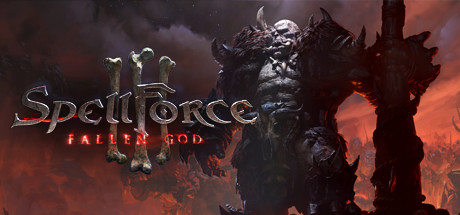
SpellForce 3 Fallen God on Steam
Quick menu
Command the Trolls and lead them on an epic journey across the wild continent of Urgath. As Chieftain of the Moonkin, a tribe driven from its home by tusk hunters and disease, their survival is in your hands.
SpellForce 3 Fallen God is a rpg, strategy and rts game
developed by Grimlore Games
and published by THQ Nordic.
Released on November 03rd 2020 is available only on Windows.
It has received 1,465 reviews of which 1,288 were positive and 177 were negative resulting in a rating of 8.4 out of 10. 😎
The game is currently priced at 19.99€ on Steam.
The Steam community has classified SpellForce 3 Fallen God into these genres:
Media & Screenshots
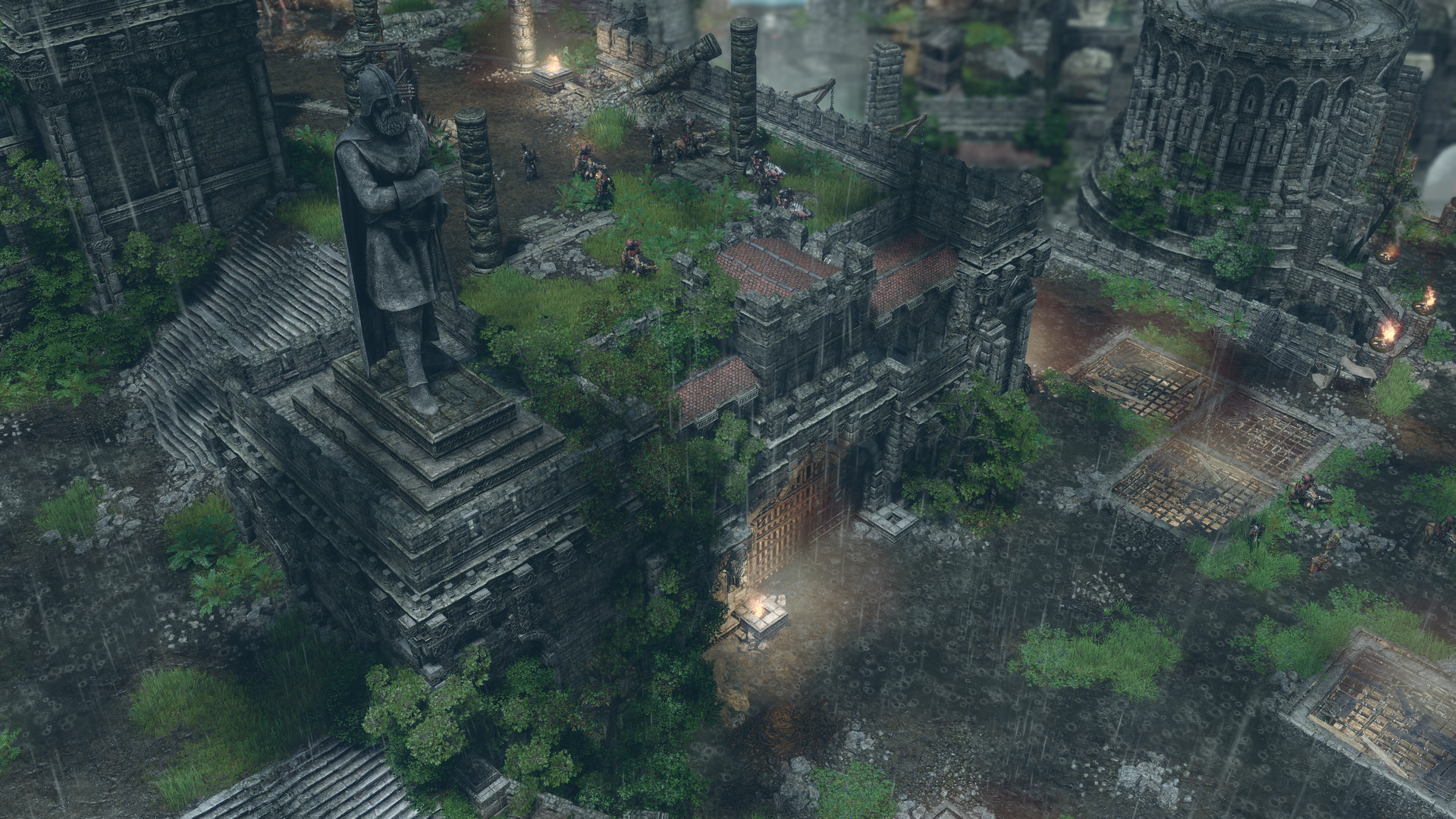
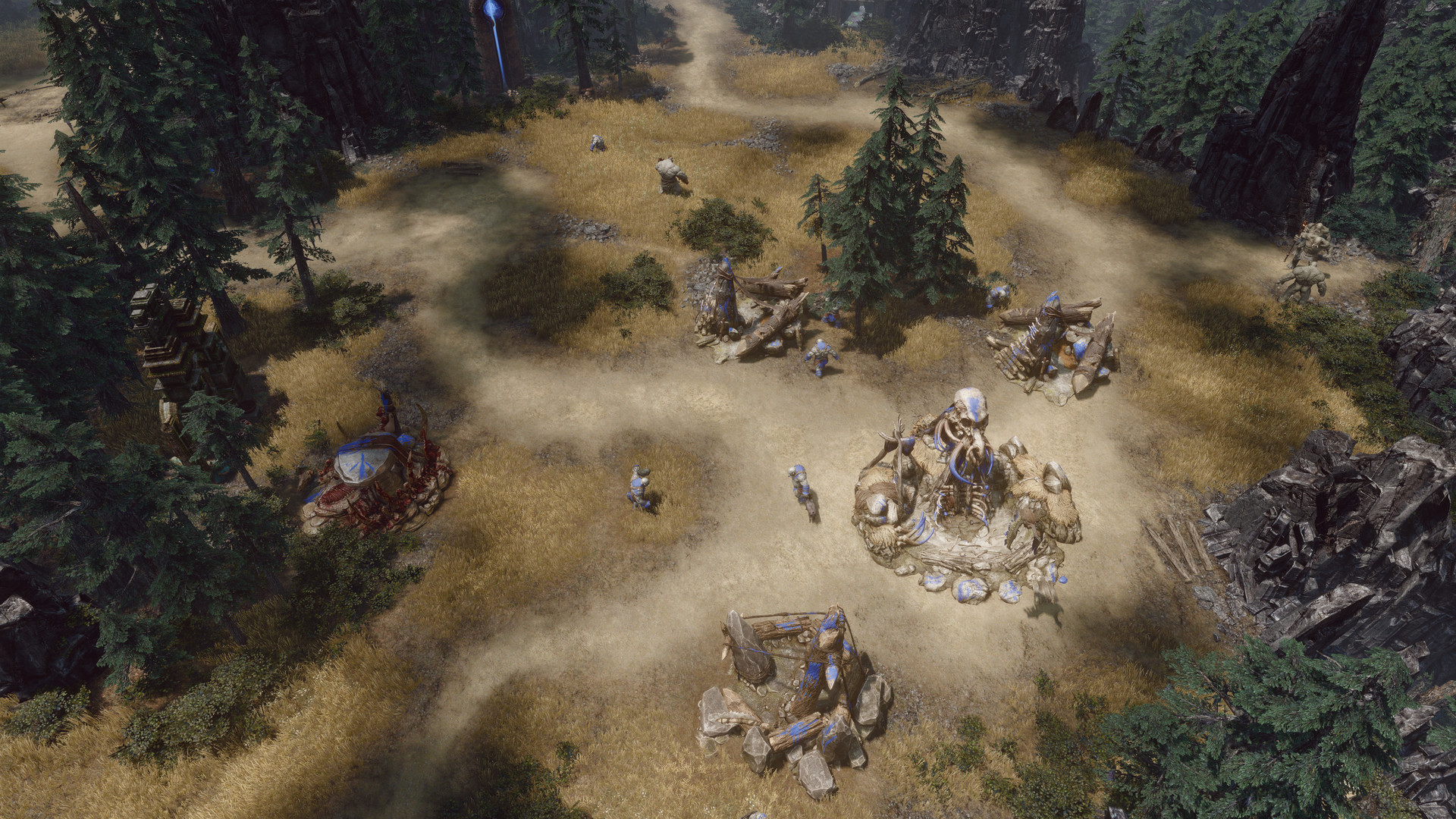
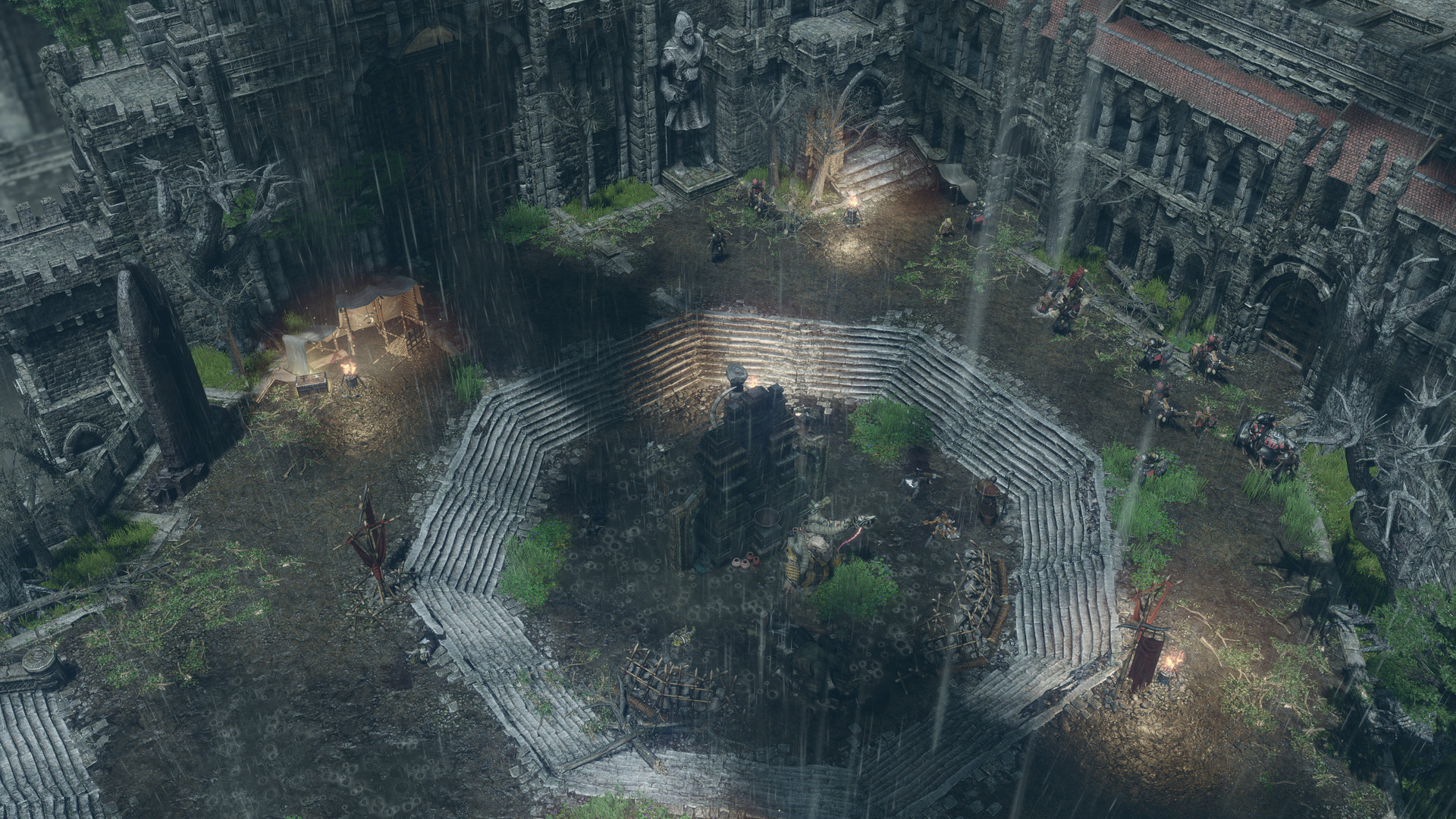
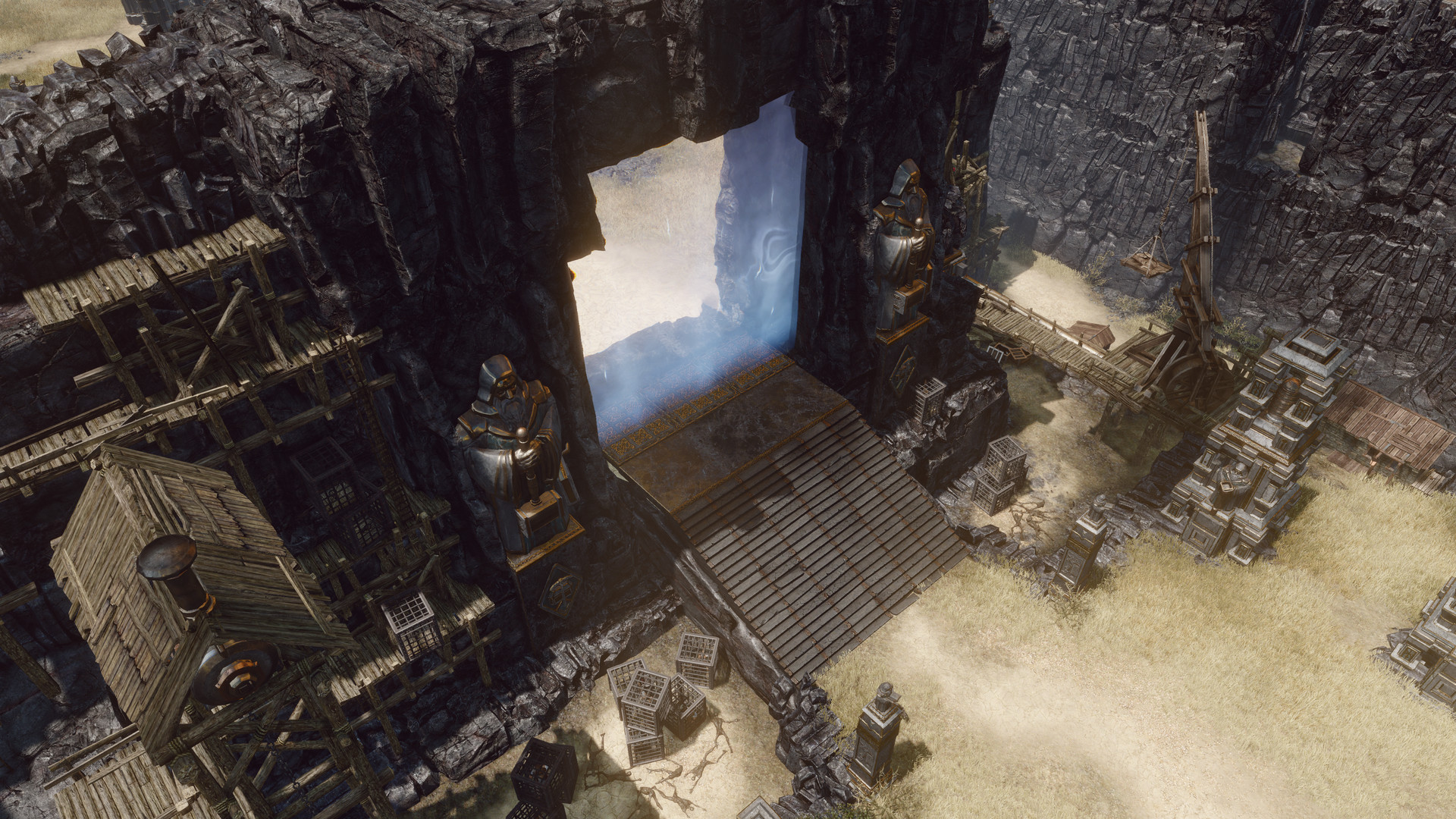
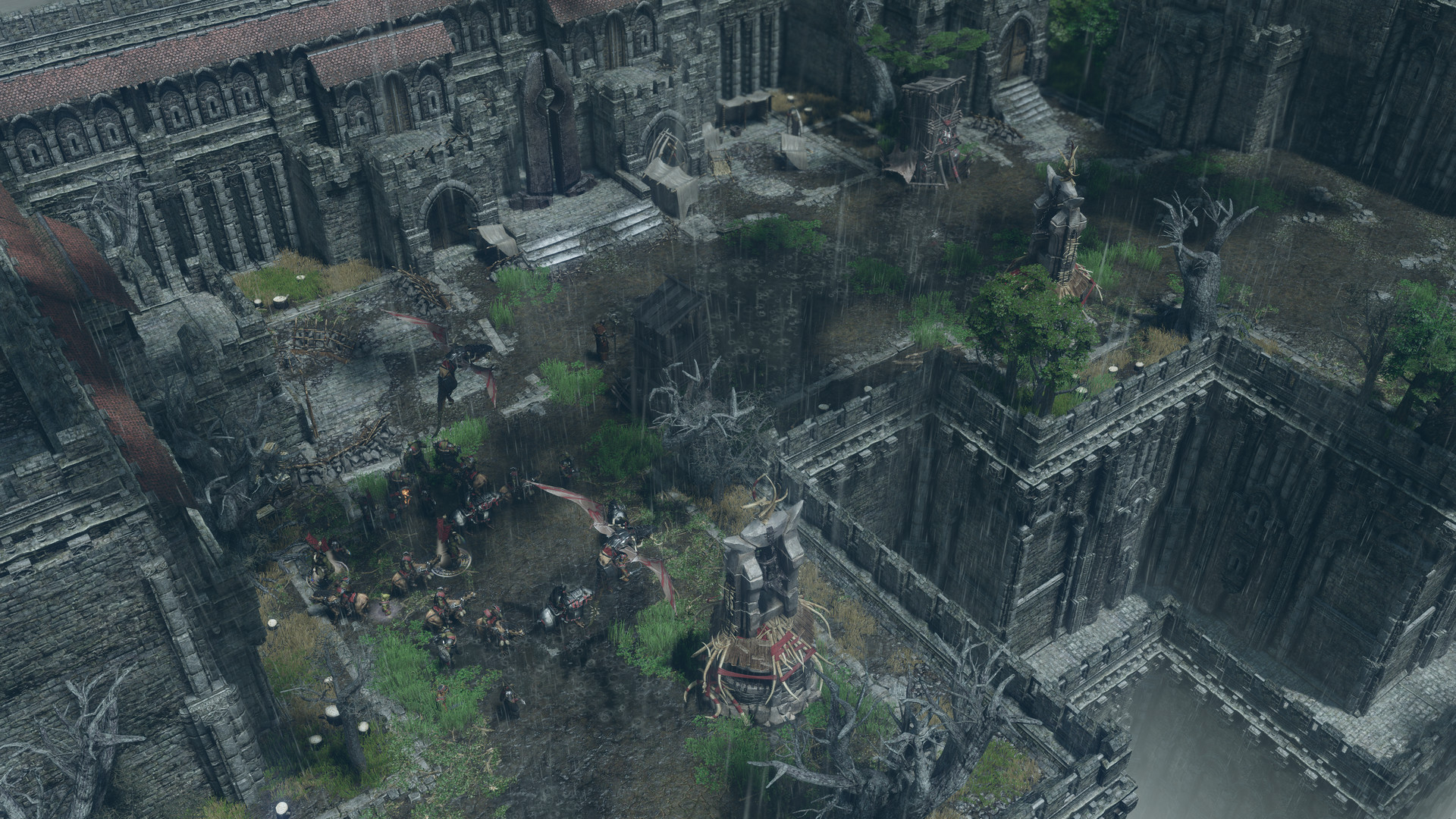
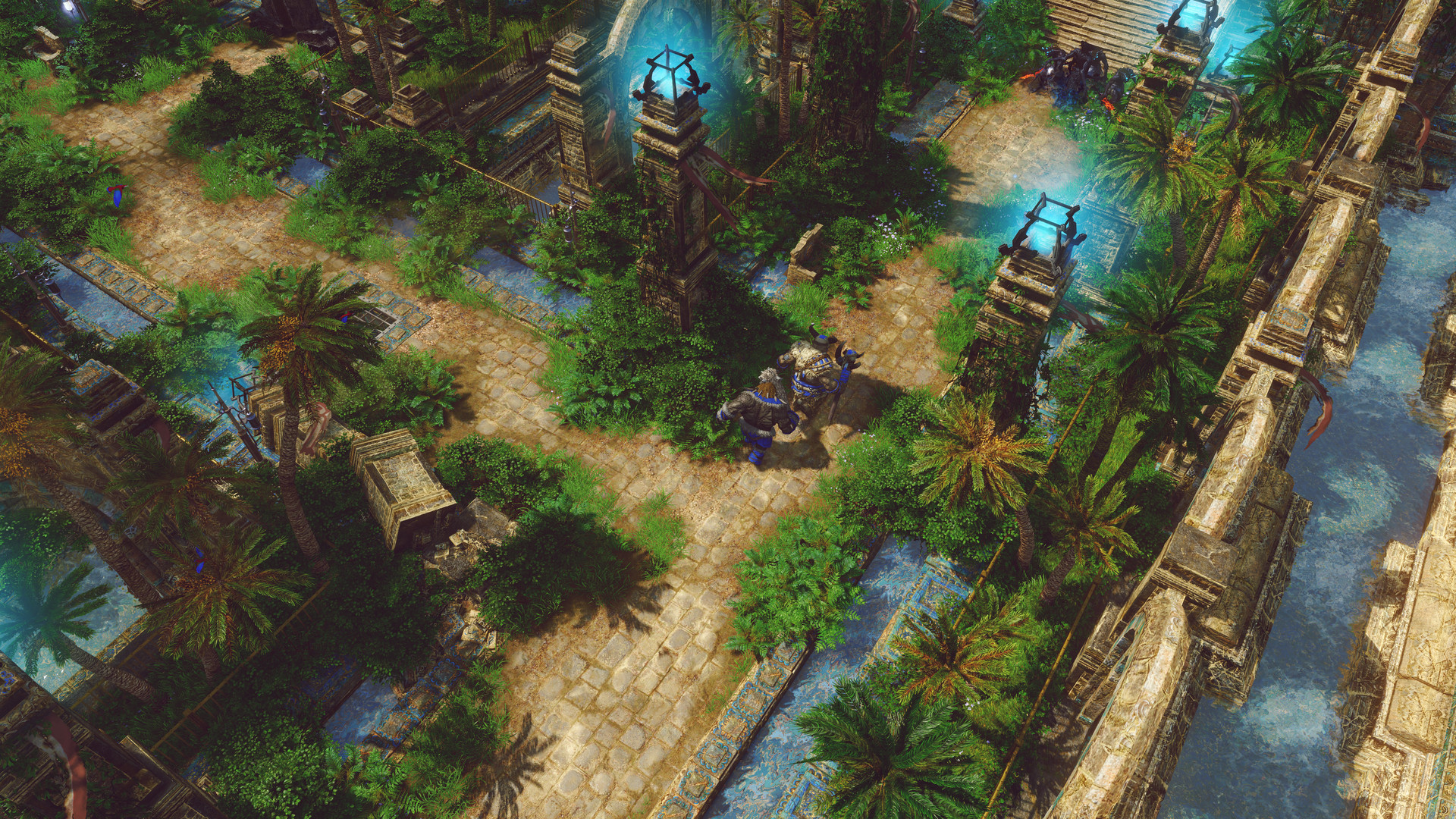
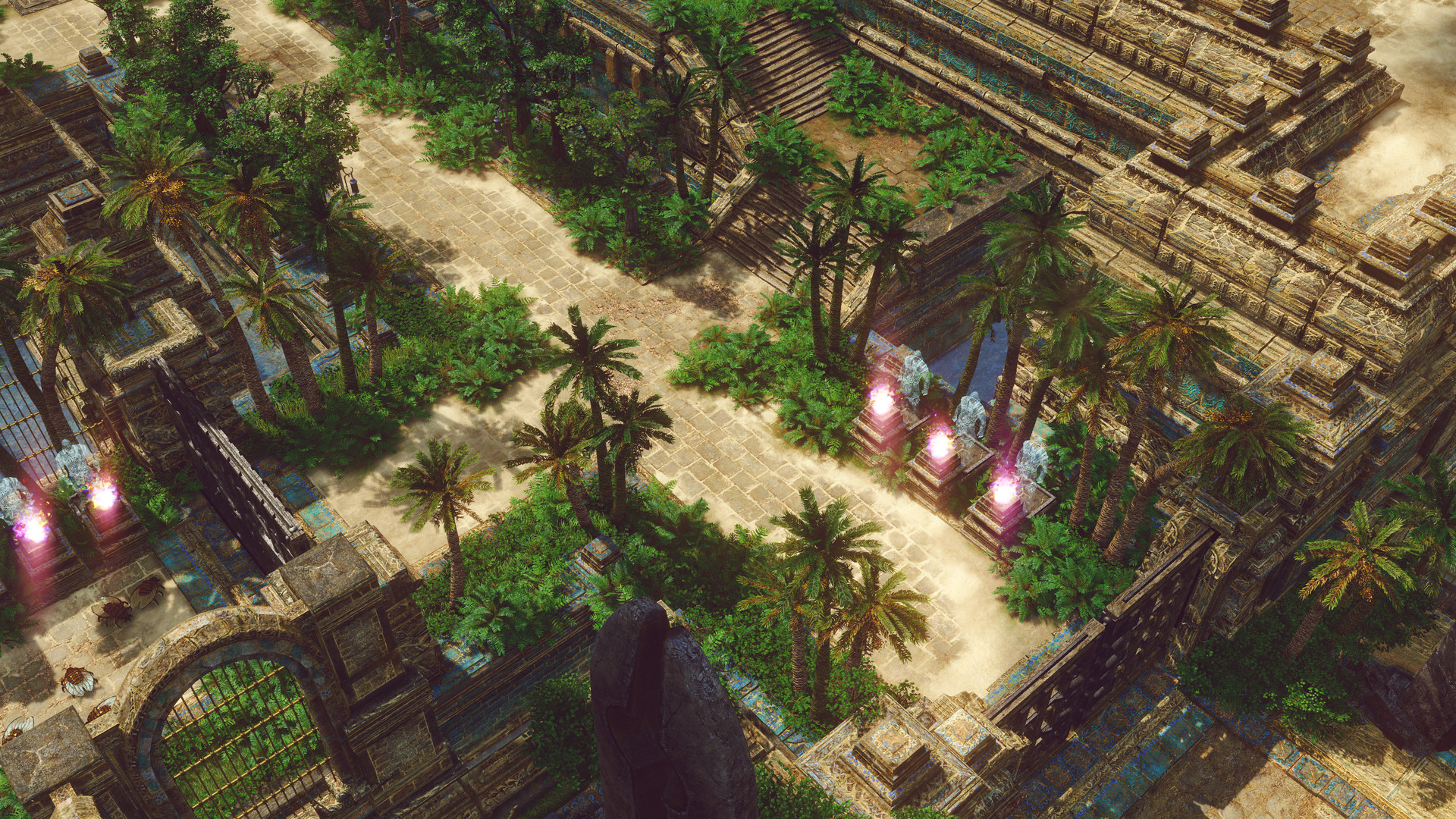
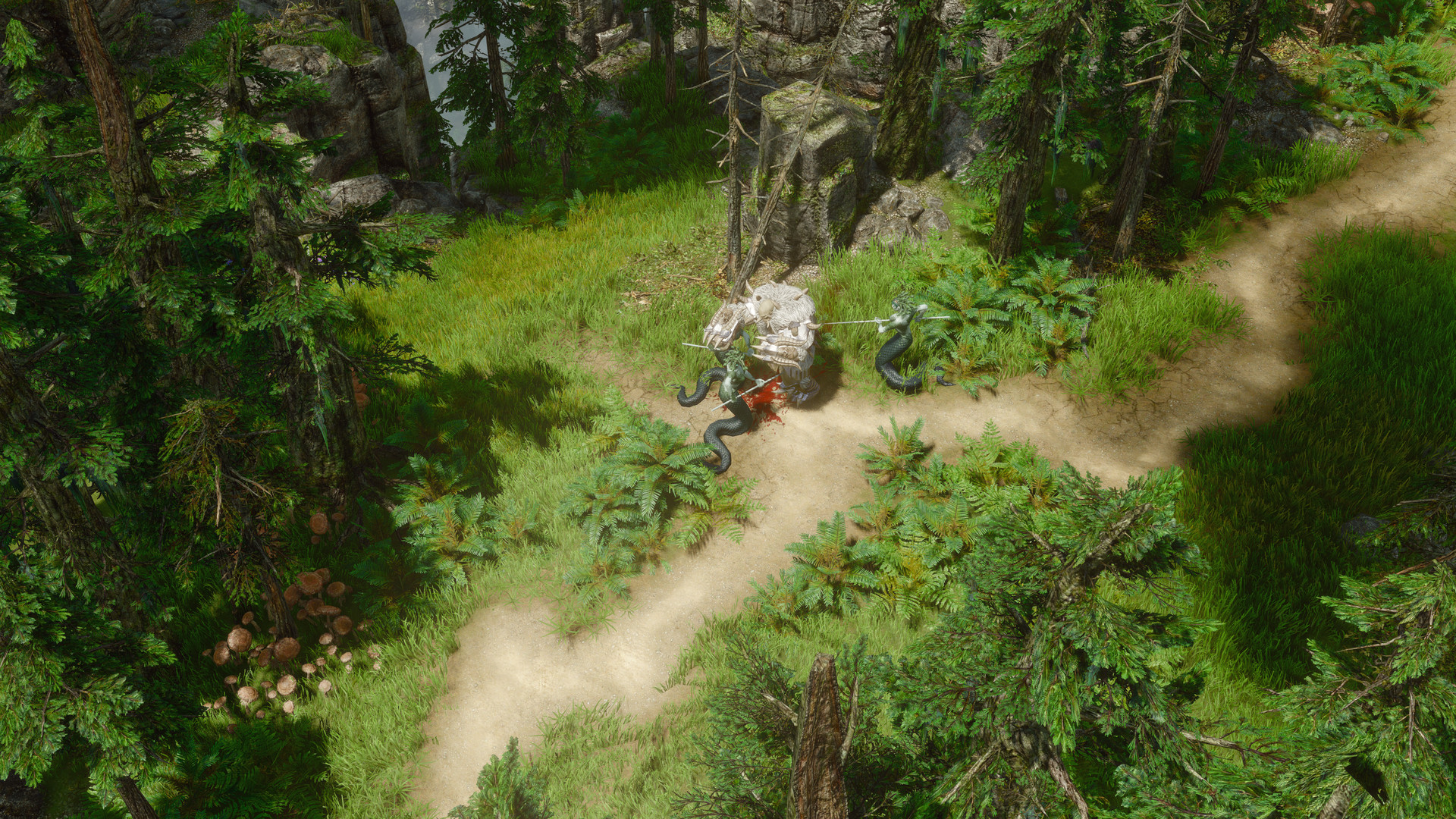
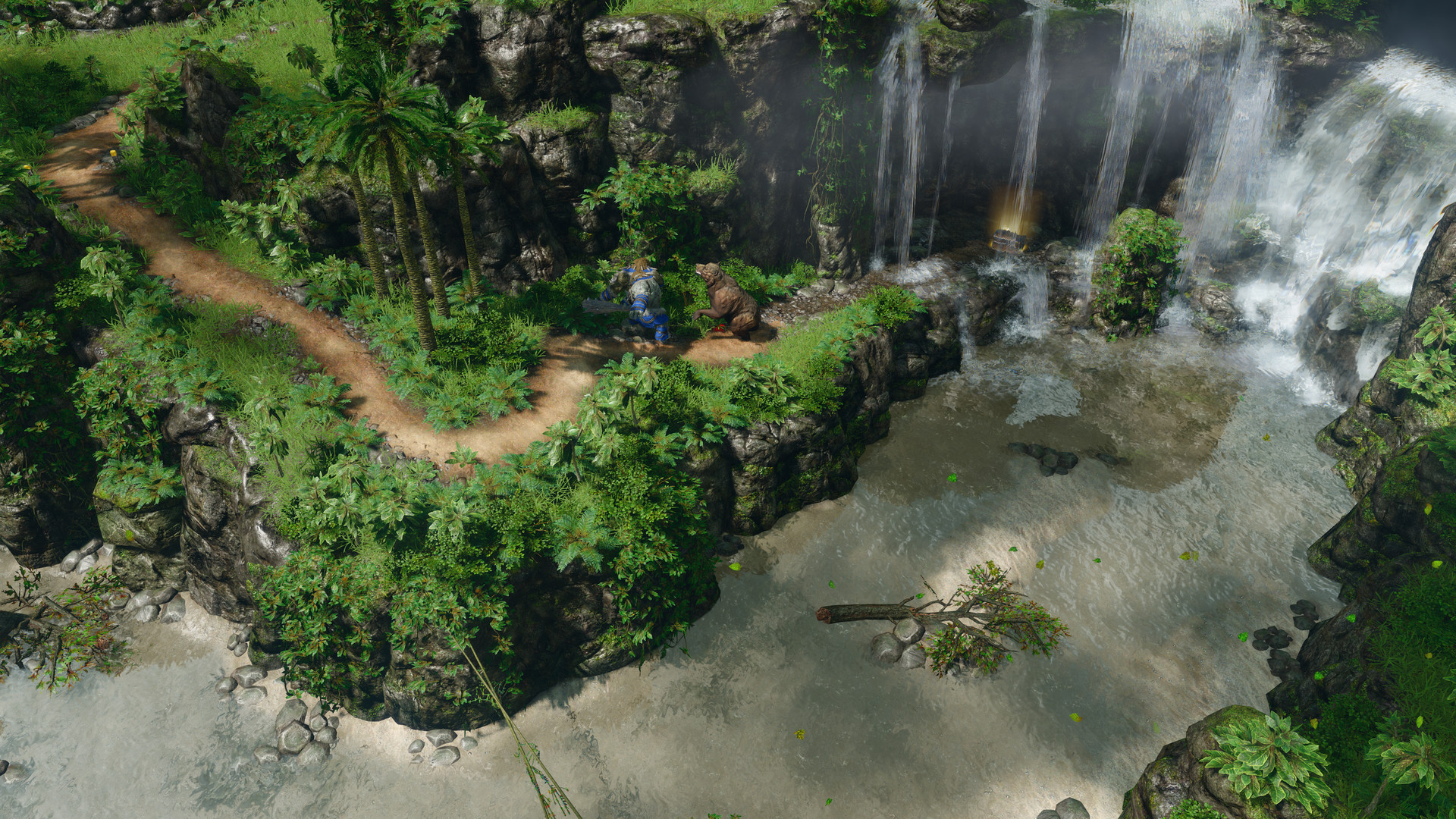
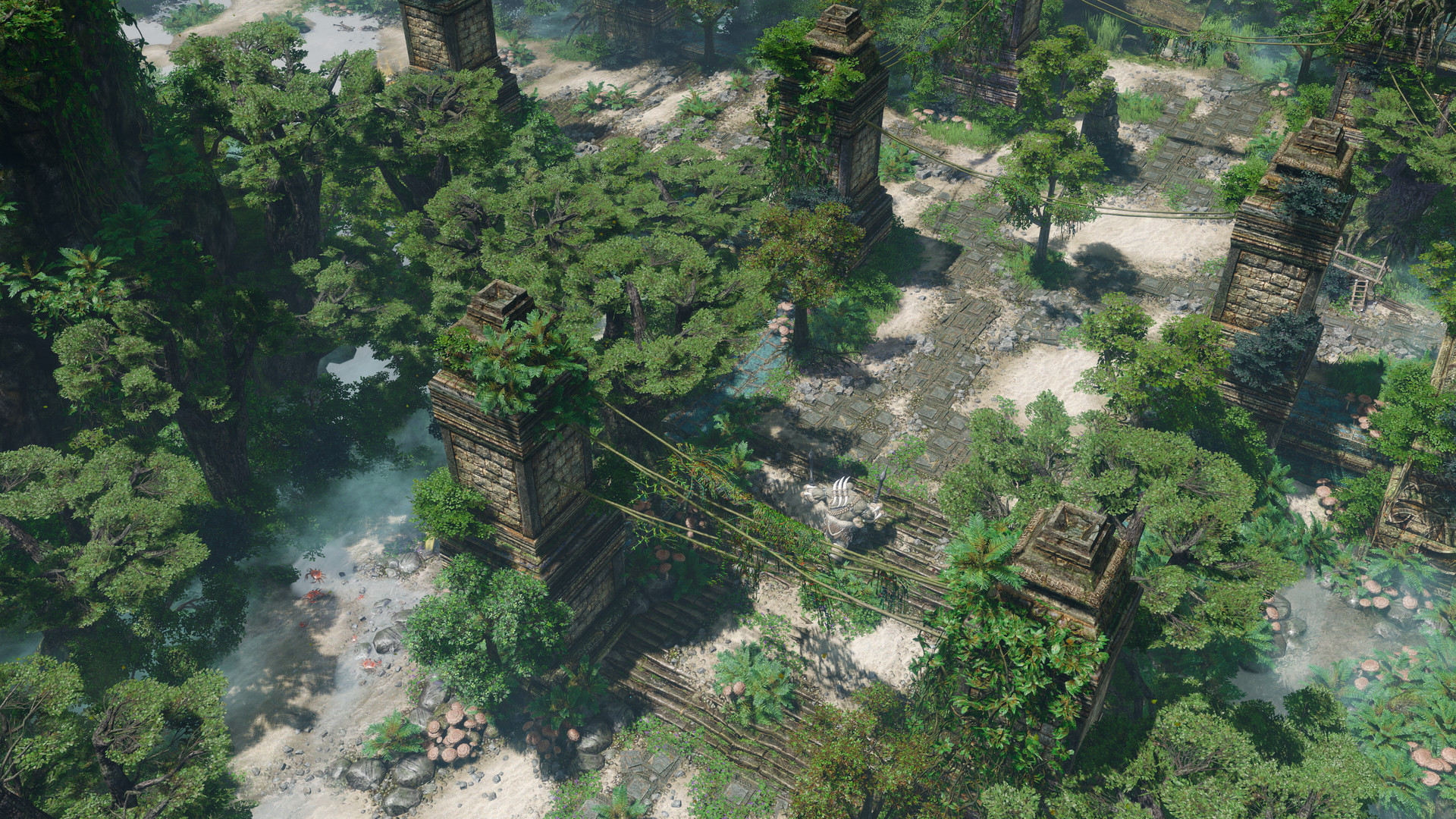
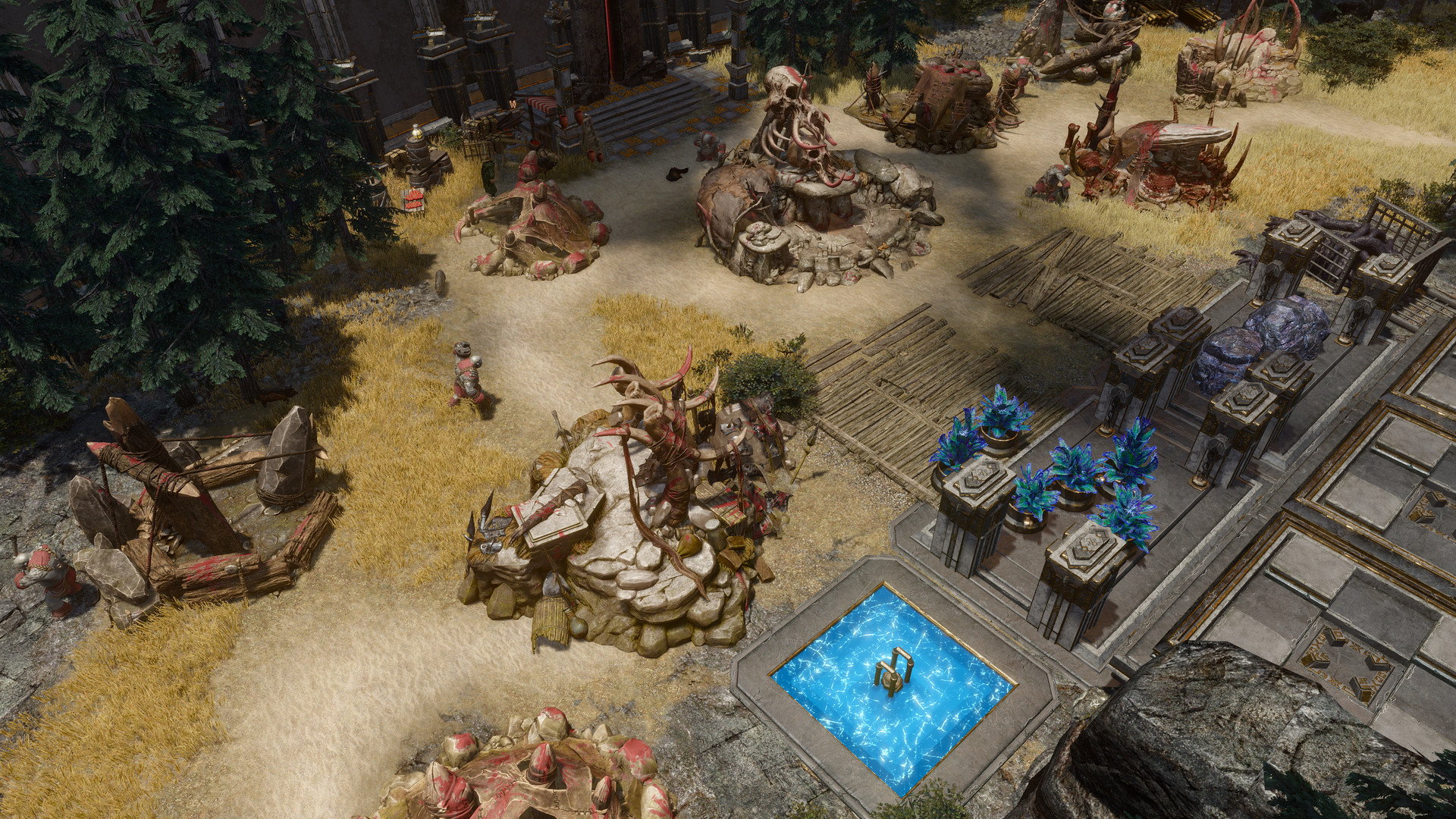
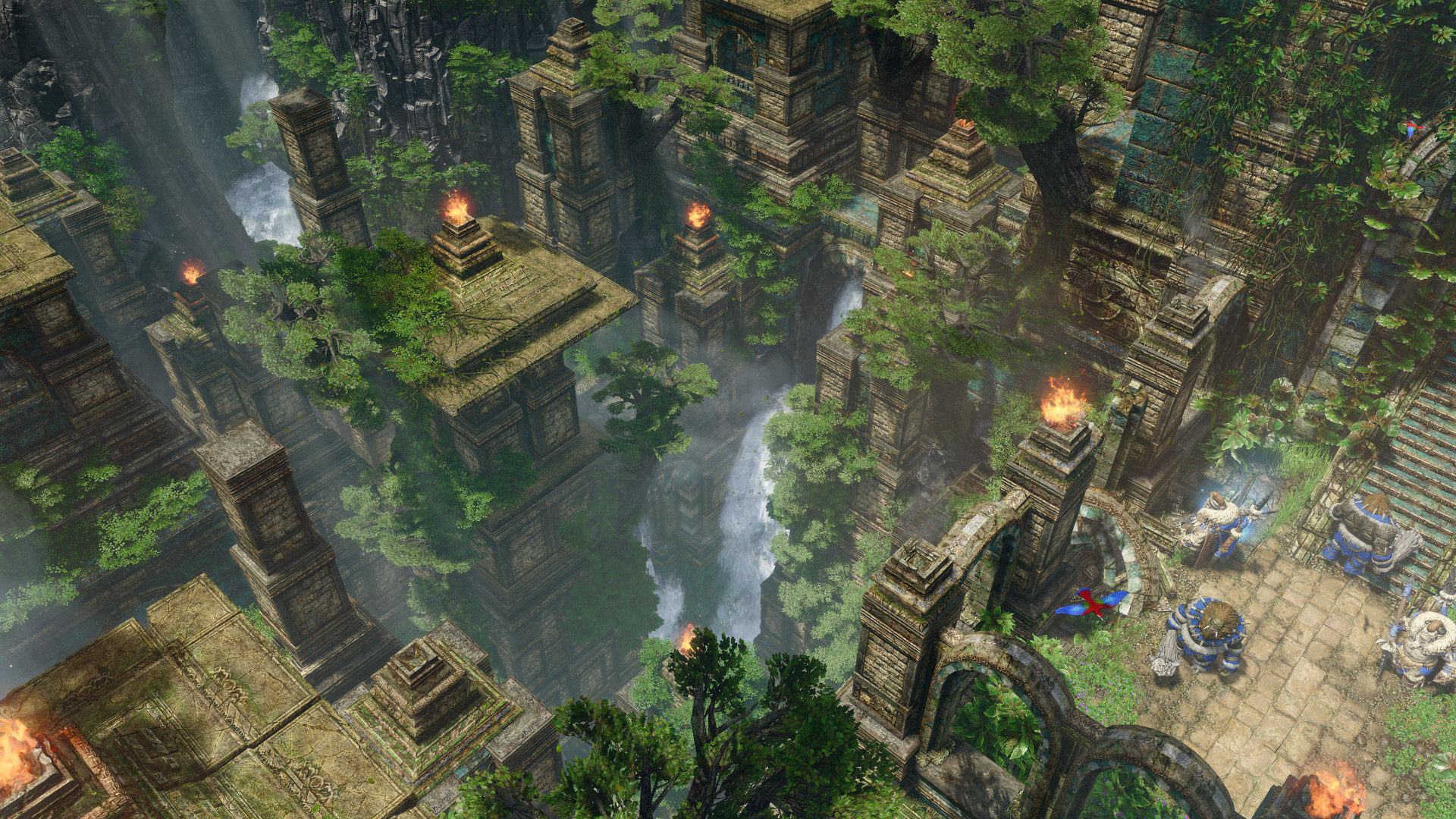
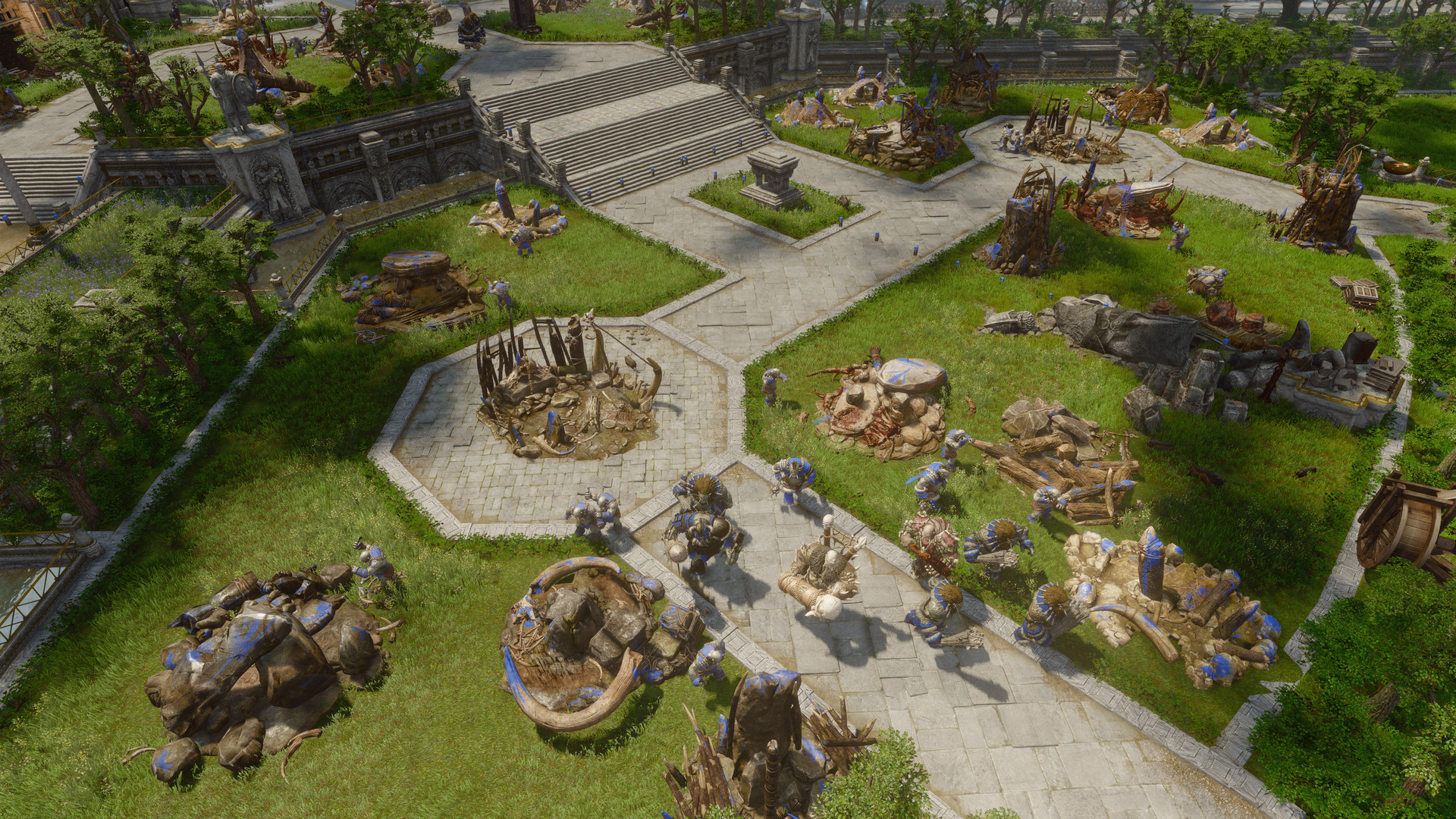
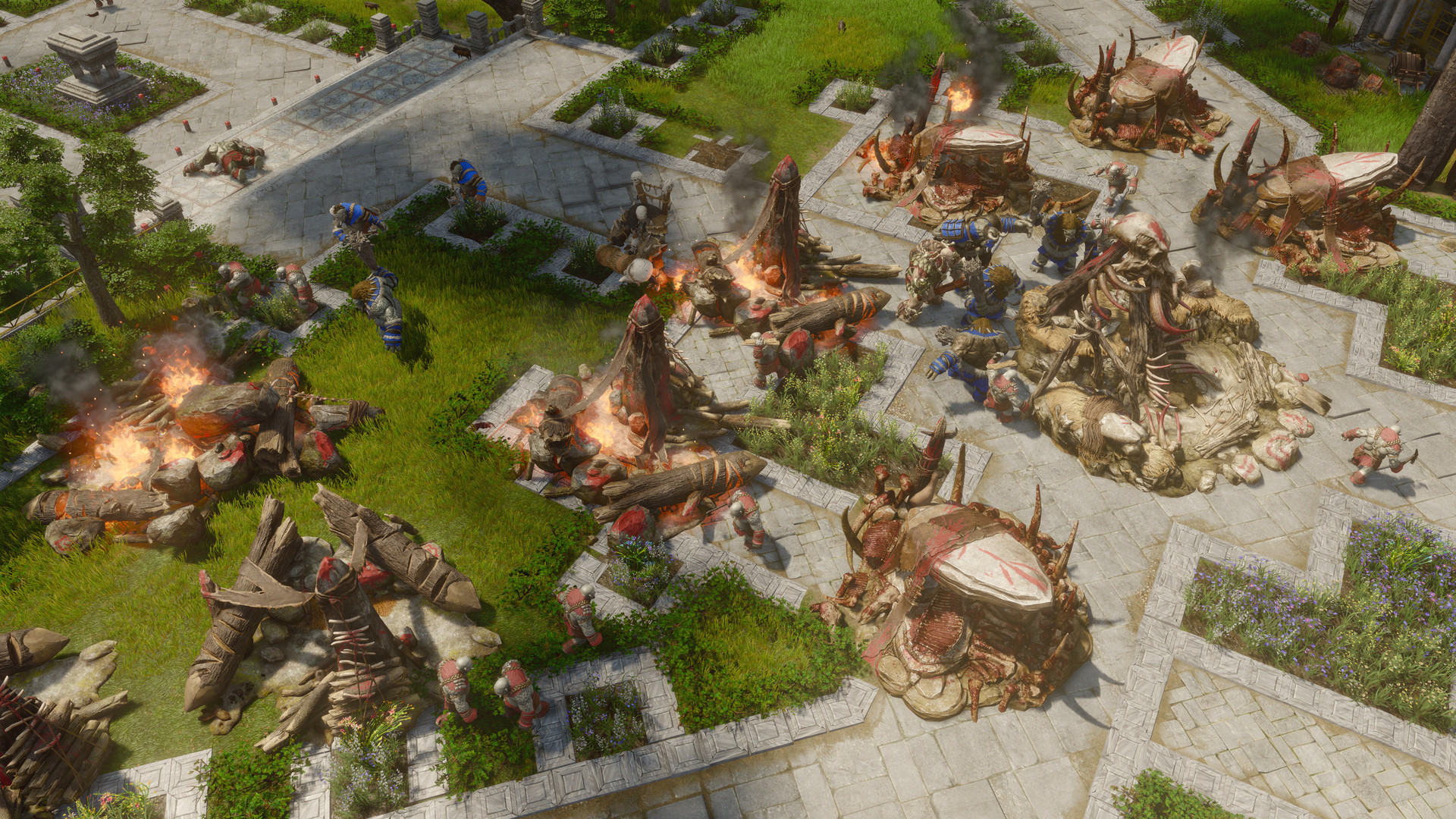
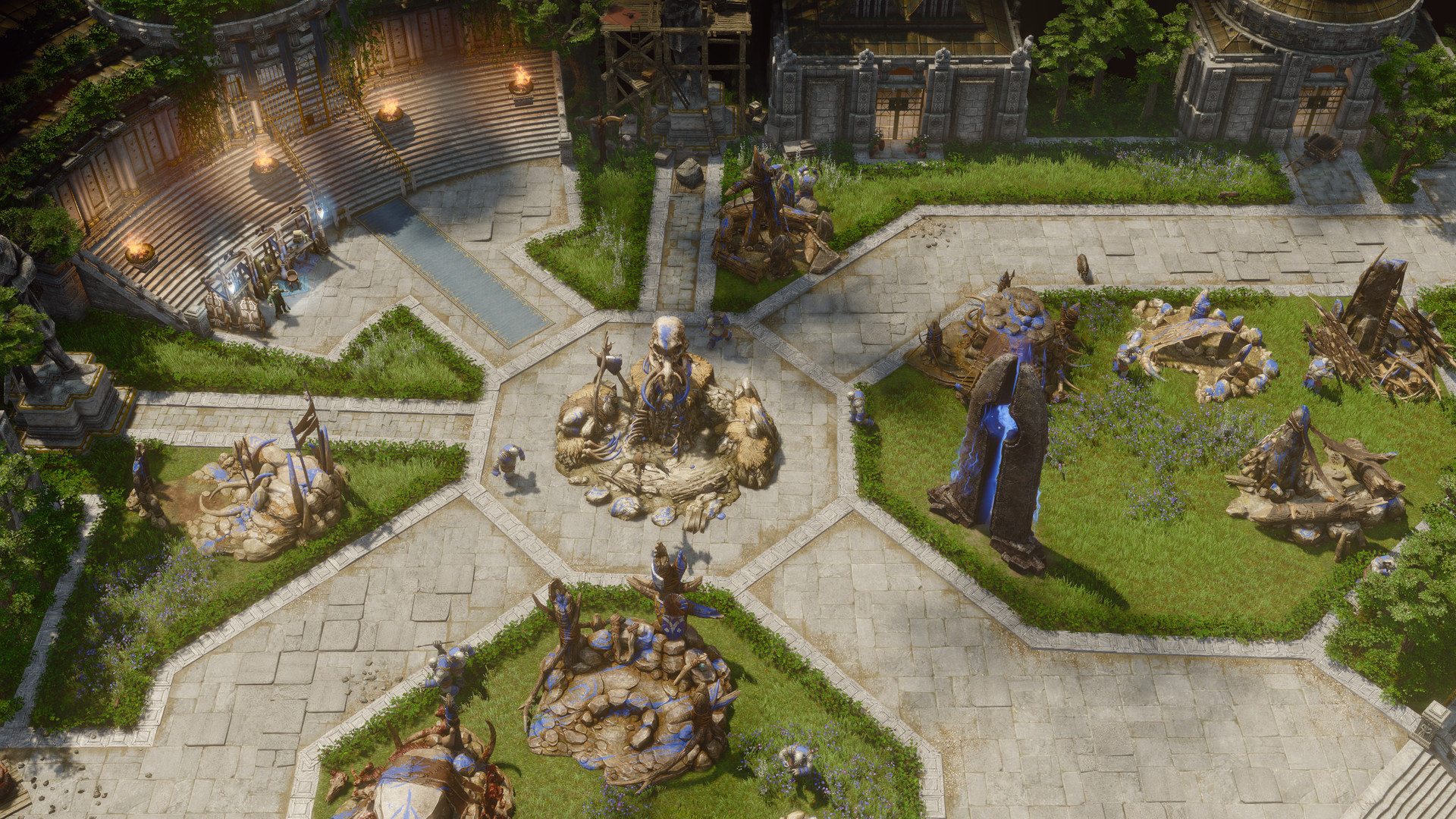
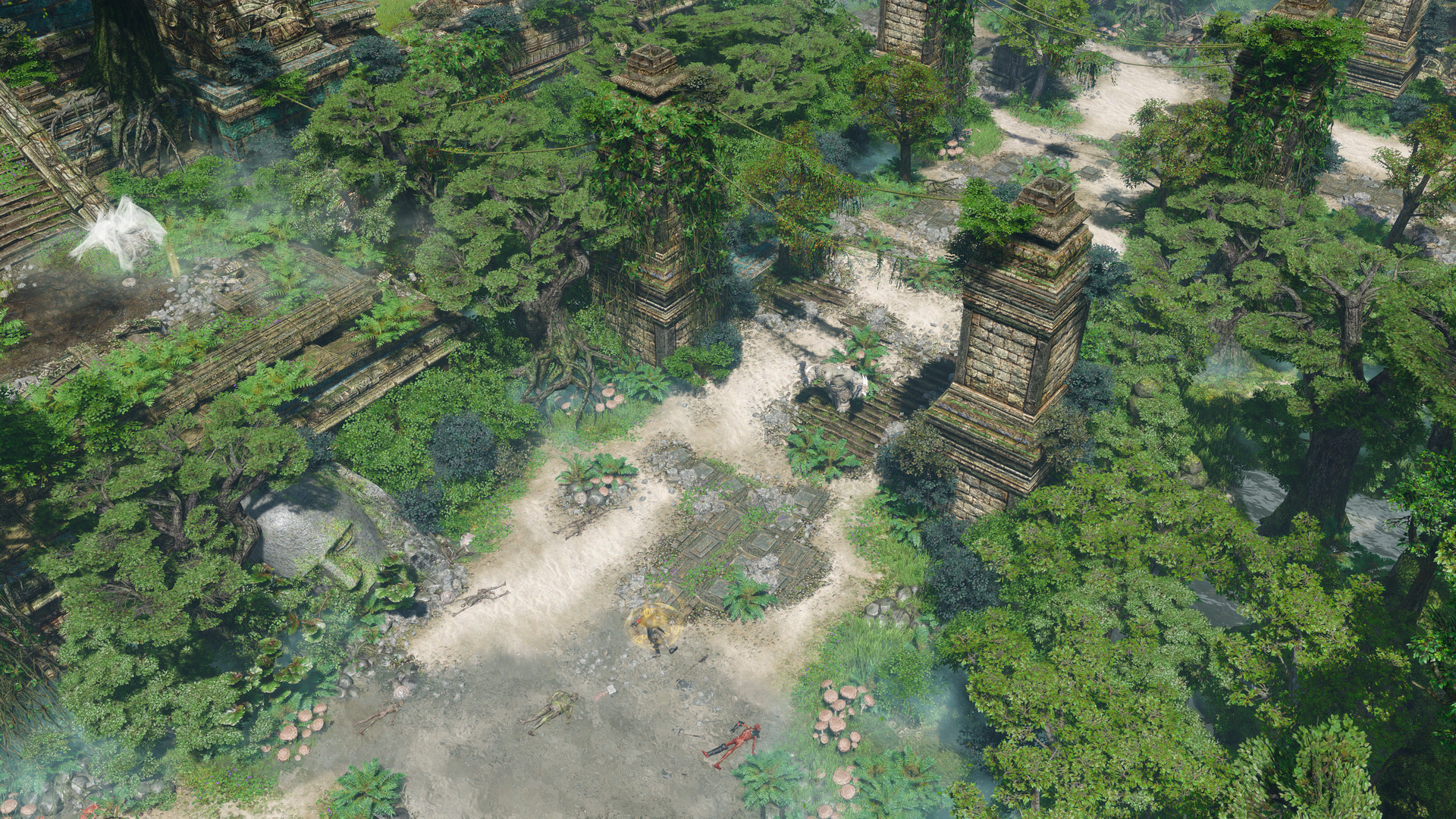
Get an in-depth look at SpellForce 3 Fallen God through various videos and screenshots.
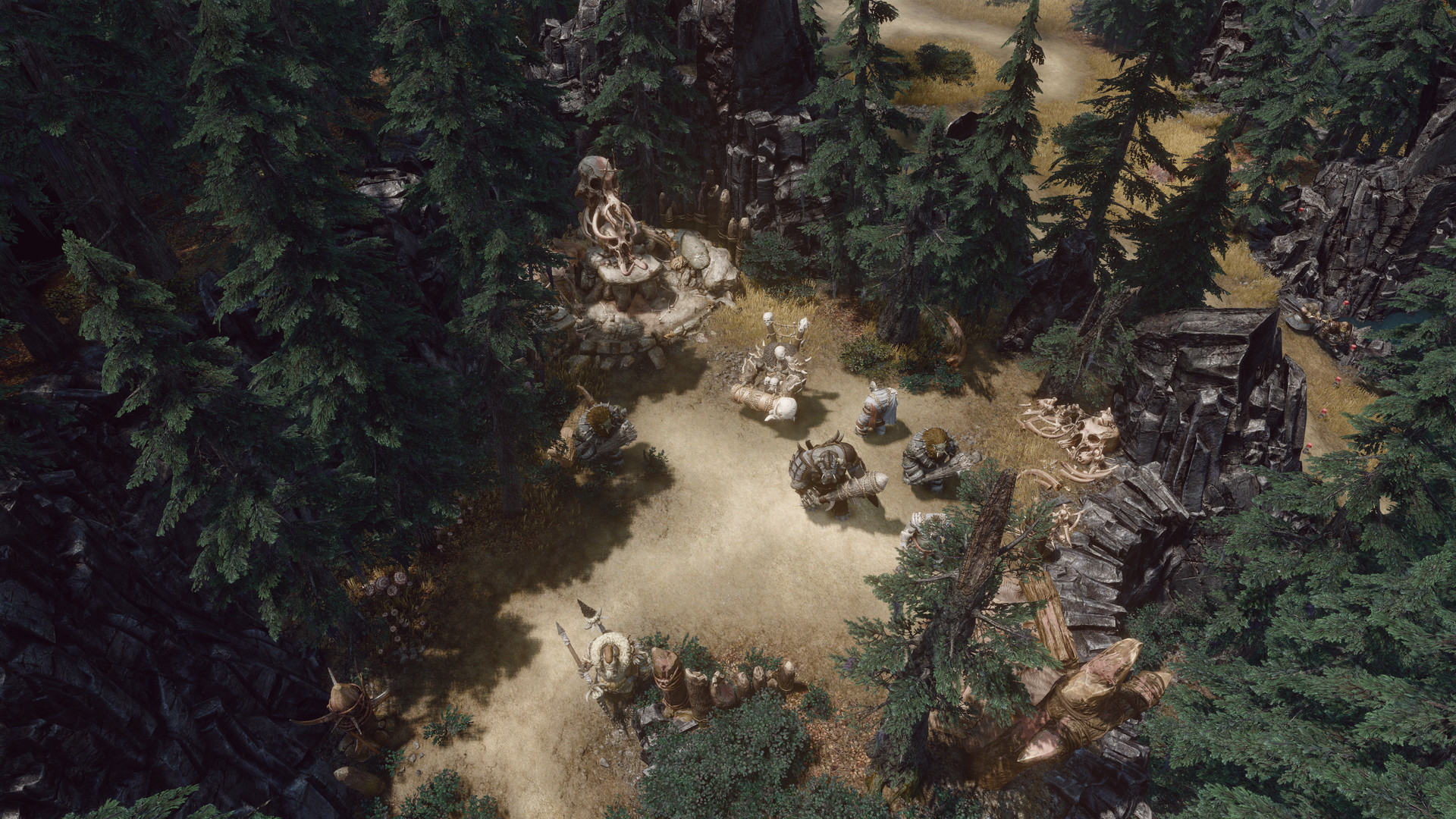
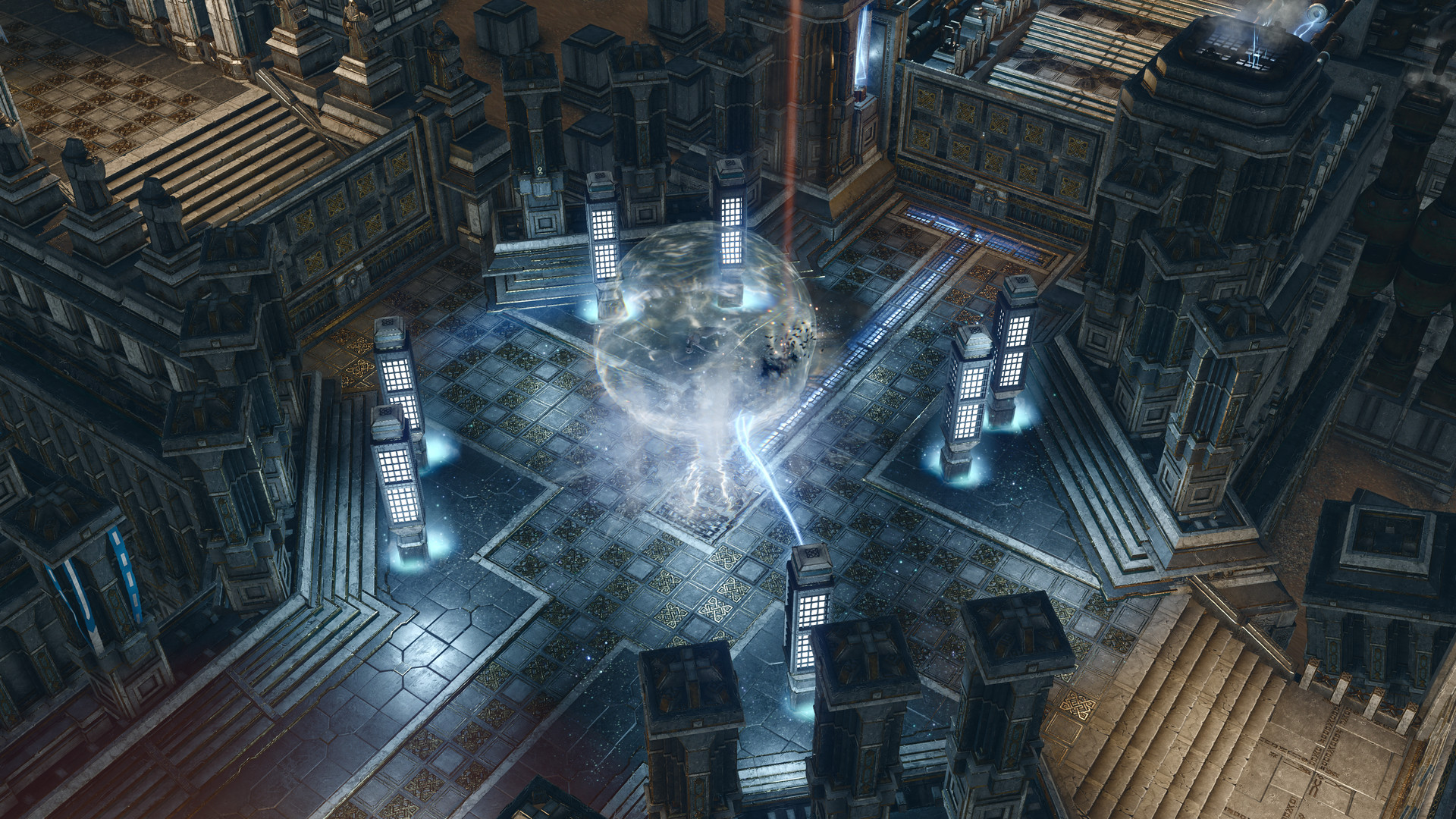
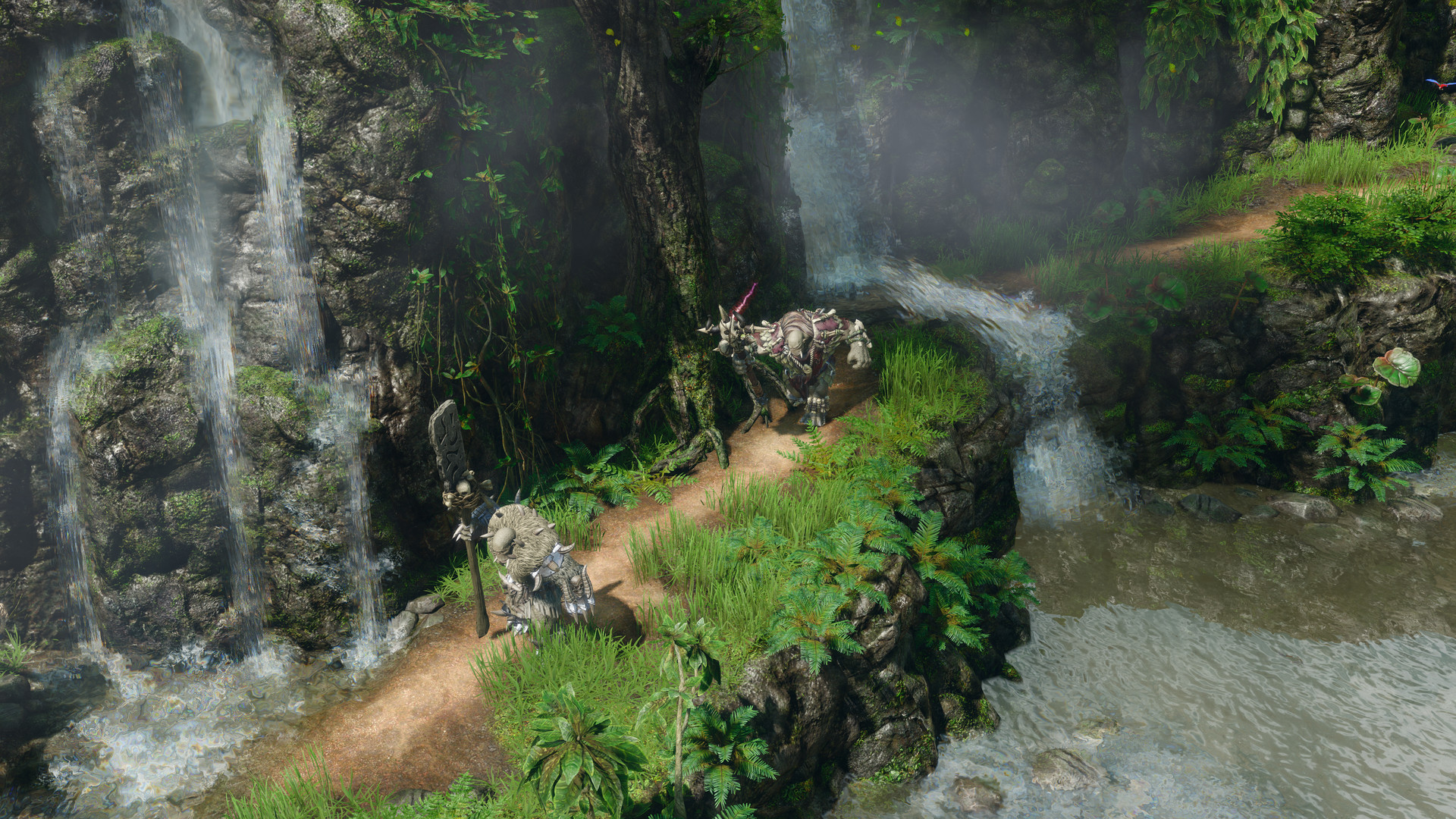
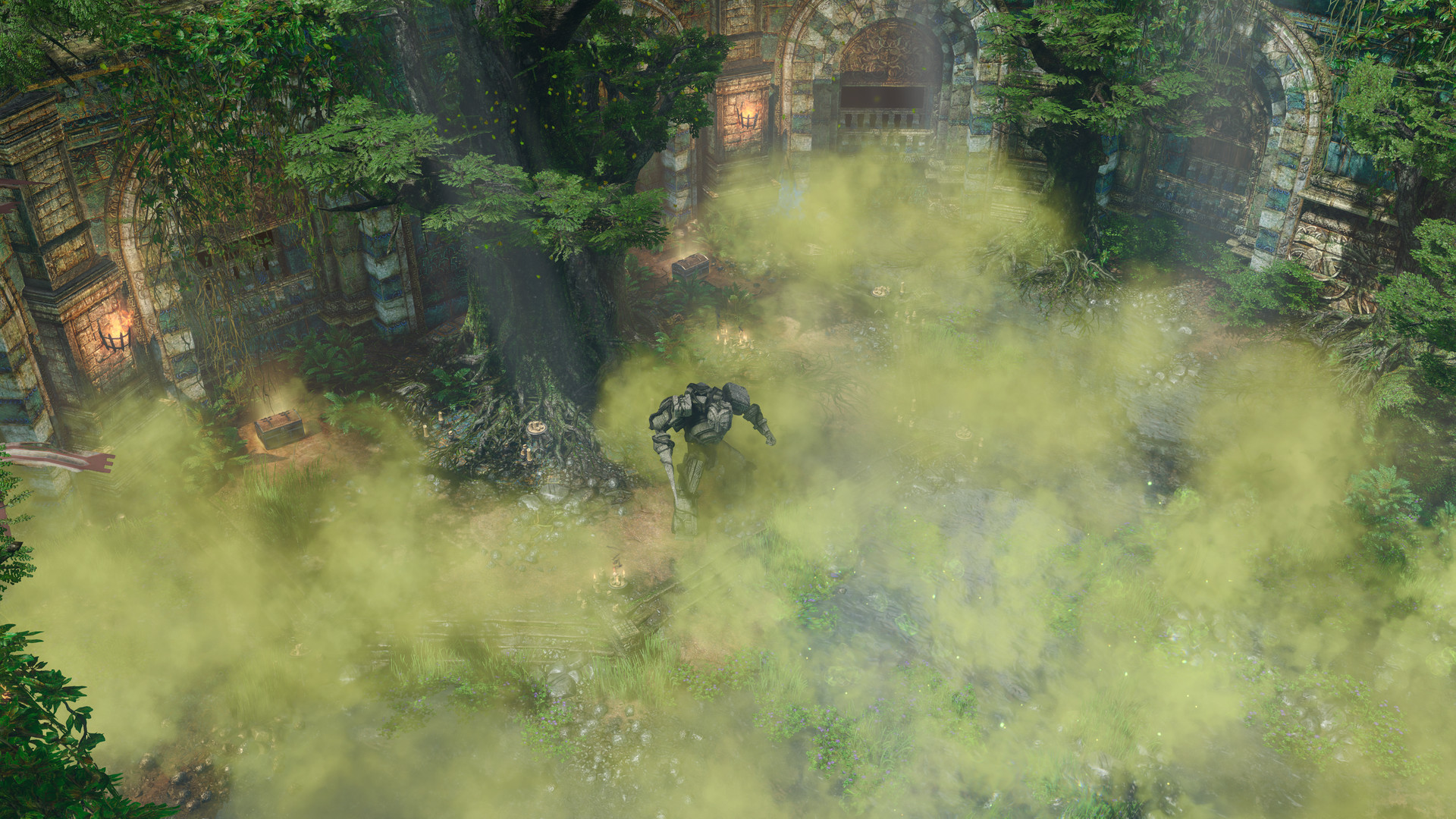

Load More


System requirements
These are the minimum specifications needed to play the game. For the best experience, we recommend that you verify them.
Windows
- Requires a 64-bit processor and operating system
- OS *: Windows 7, 8, Windows 10 (64 bit)
- Processor: Intel Core i5 3570, AMD FX-6350
- Memory: 6 GB RAM
- Graphics: NVIDIA GTX 660 2GB, AMD Radeon 7850 2GB
- DirectX: Version 11
- Storage: 30 GB available space
Steam Price & Best Deals
User reviews & Ratings
Explore reviews from Steam users sharing their experiences and what they love about the game.
Trolls are fun to play around. Story is fine, funny at times and gives unique, trollish perspective. Overall another good expansion, although I would prefer if it was more RTS-focused. Plus, trolls simply talk too much. Dialogues are not bad, don't get me wrong, but they just keep talking and talking. A lot of the time stopping flow of gameplay completely, repeating the same thing in different words or talking where talking was not necessary. Not a big deal, but worth pointing out. PS Played through Nucelus Coop, so it does not count actual play time. I think it was around 25 hours.
Similar games
View all
KnightShift
Do you like Real Time Strategy? or are Role Playing Games your preference…Why not try both genres in one? … or even both separately? …In one game: KnightShift!In a mystical world beyond fantasy and imagination, where corruption and disaster go hand in hand, not all is as it seems.

Heroes of Annihilated Empires
Heroes of Annihilated Empires - is a fantasy-based game from GSC Game World in the genre of RTS vs RPG for PC. 4 unique races awaits for the heroes, who want to fight in an Epic scale battles!
Ancient Wars: Sparta Definitive Edition
One of the most innovative Real-Time Strategy Games comes back totally renewed and improved to the smallest detail, with epic large scale battles, new civilizations, unit customization system never seen before in a game, 8K support, and much more.
SpellForce 3 Reforced
SpellForce 3 - The perfect blend between RTS and RPG!
SpellForce 3 Soul Harvest
Three years after the Purity Wars, Nortander is on the cusp of a new era.

Kingdom Under Fire: Heroes
The cult hit Kingdom Under Fire saga continues on PC in glorious HD. Control seven new heroes across fifty brutal missions of hybrid hack n’ slash action and strategy. Crush your foes, hoard their treasure, and upgrade your forces for the next battle.

SpellForce - Platinum Edition
Included in the Platinum Edition are three titles:SpellForce: The Order of DawnIn a world beyond imagination...In their immeasurable greed and constant thirst for power, the thirteen most powerful Mages of all time doomed the land, hurling it into an endless spiral of chaos and despair.
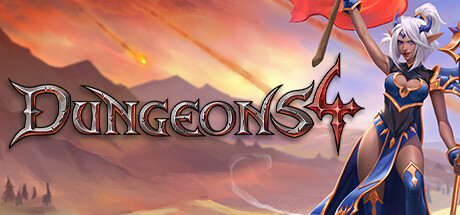
Dungeons 4
The Absolute Evil and its trusted *cough* servant, the Dark Elf Thalya, return in Dungeons 4 after the events of its fabulous predecessor to bring about their triumph over the forces of good once more.
Warrior Kings: Battles
Warrior Kings: Battles maintains the excitement that made Warrior Kings a leading RTS. It is a stand-alone title that adds a new strategic and tactical dimension to the series.

SpellForce 3 Versus Edition
The SpellForce 3: Versus Edition gives you the chance to enter the battlefields of Eo for free, letting you test your RTS skills against AI opponents or even other human players.
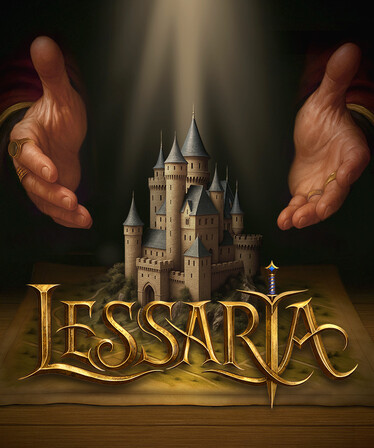
Lessaria: Fantasy Kingdom Sim
Lessaria is an RTS inspired by Majesty 👑 where you guide heroes with indirect control. Play through the campaign or relax in sandbox mode as you build your magical kingdom.
Frequently Asked Questions
SpellForce 3 Fallen God is currently priced at 19.99€ on Steam.
No, SpellForce 3 Fallen God is currently not on sale. You can purchase it for 19.99€ on Steam.
Yes, SpellForce 3 Fallen God received 1,288 positive votes out of a total of 1,465 achieving a rating of 8.37.
😎
SpellForce 3 Fallen God was developed by Grimlore Games and published by THQ Nordic.
Yes, SpellForce 3 Fallen God is playable and fully supported on Windows.
No, SpellForce 3 Fallen God is not playable on MacOS.
No, SpellForce 3 Fallen God is not playable on Linux.
No, SpellForce 3 Fallen God is not playable on Steam Deck.
No, SpellForce 3 Fallen God is not playable on Steam Machine.
No, SpellForce 3 Fallen God does not support VR.
SpellForce 3 Fallen God offers both single-player and multi-player modes.
SpellForce 3 Fallen God offers both Co-op and PvP modes.
Yes, there are 2 DLCs available for SpellForce 3 Fallen God. Explore additional content available for SpellForce 3 Fallen God on Steam.
Yes, SpellForce 3 Fallen God is fully integrated with Steam Workshop. Visit Steam Workshop.
No, SpellForce 3 Fallen God does not support Steam Remote Play.
Yes, SpellForce 3 Fallen God is enabled for Steam Family Sharing. This means you can share the game with authorized users from your Steam Library, allowing them to play it on their own accounts. For more details on how the feature works, you can read the original Steam Family Sharing announcement or visit the Steam Family Sharing user guide and FAQ page.
You can find solutions or submit a support ticket by visiting the Steam Support page for SpellForce 3 Fallen God.
Data sources
The information presented on this page is sourced from reliable APIs to ensure accuracy and relevance. We utilize the Steam API to gather data on game details, including titles, descriptions, prices, and user reviews. This allows us to provide you with the most up-to-date information directly from the Steam platform.
Additionally, we incorporate data from the SteamSpy API, which offers insights into game sales and player statistics. This helps us present a comprehensive view of each game's popularity and performance within the gaming community.
Last Updates| Steam data | 05 October 2026 22:29 UTC |
|---|---|
| SteamSpy data | 26 October 2026 11:13 UTC |
| Steam price | 27 October 2026 03:34 UTC |
| Steam reviews | 19 October 2026 08:00 UTC |
If you'd like to dive deeper into the details about SpellForce 3 Fallen God, we invite you to check out a few dedicated websites that offer extensive information and insights. These platforms provide valuable data, analysis, and user-generated reports to enhance your understanding of the game and its performance.
- SteamDB - A comprehensive database of everything on Steam about SpellForce 3 Fallen God
- SteamCharts - Analysis of SpellForce 3 Fallen God concurrent players on Steam
- ProtonDB - Crowdsourced reports on Linux and Steam Deck SpellForce 3 Fallen God compatibility
Game modes
Multiplayer
Features
Online players
1
Developer
Grimlore Games
Publisher
THQ Nordic
Release
03 Nov 2020
Platforms