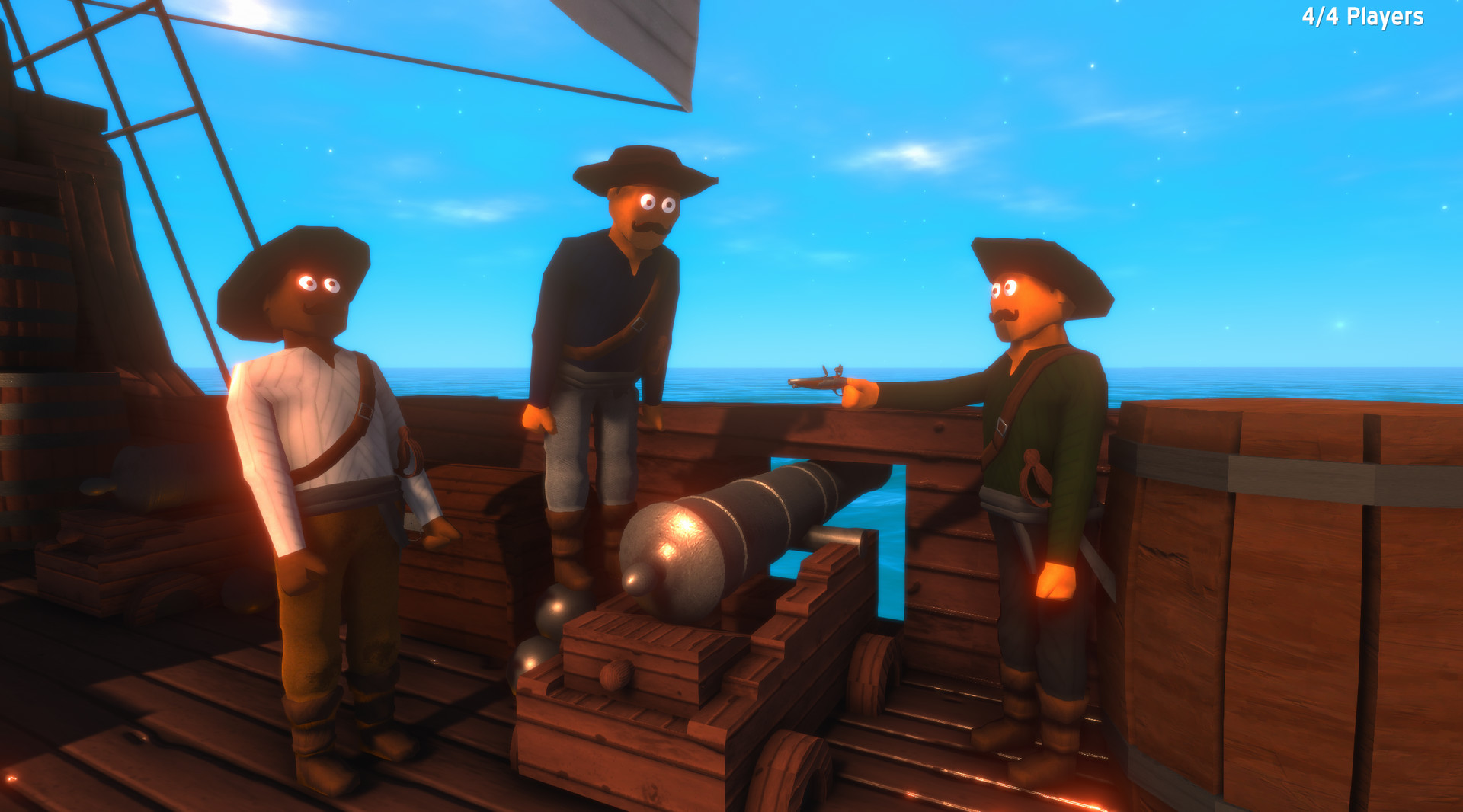
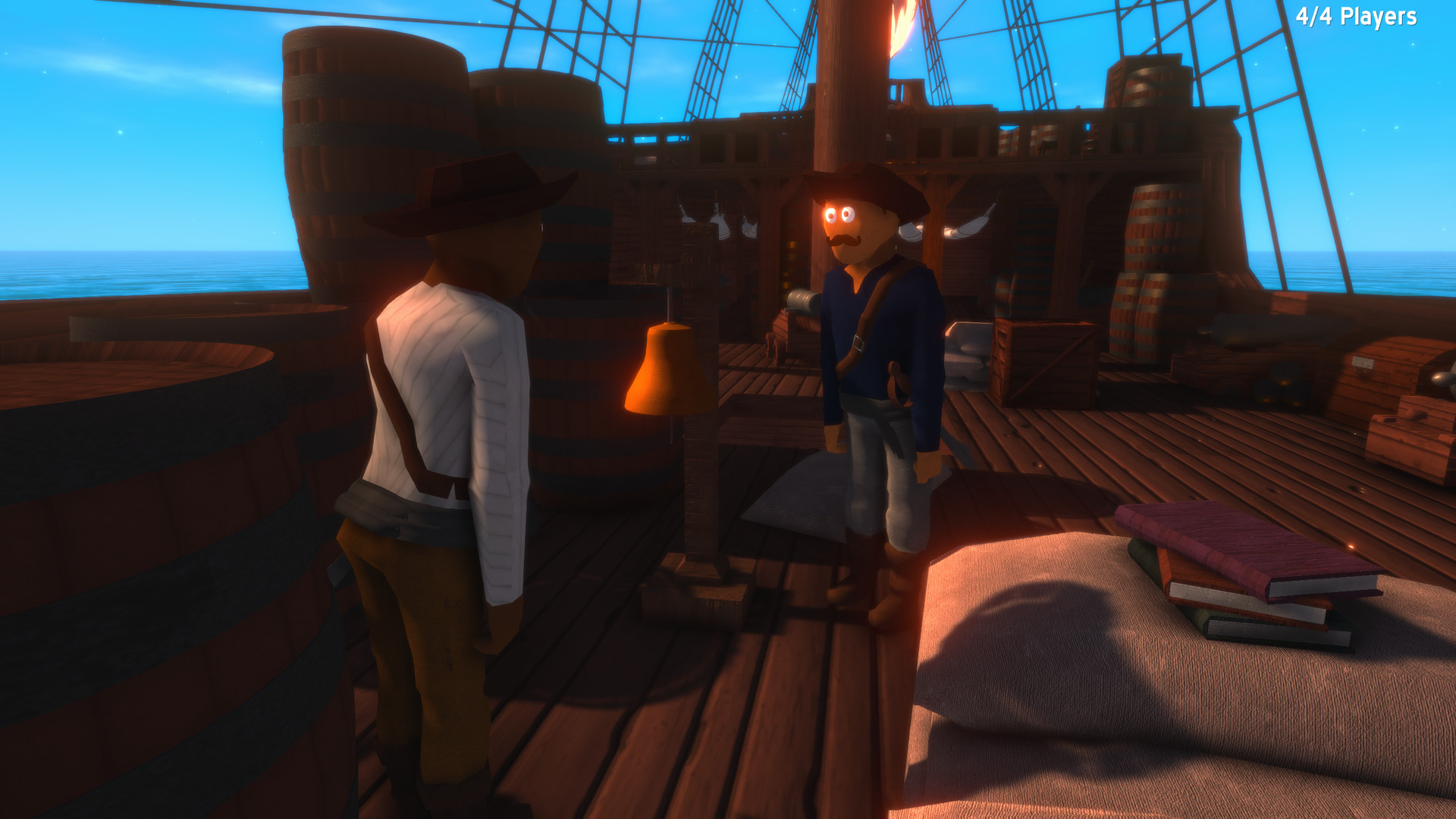
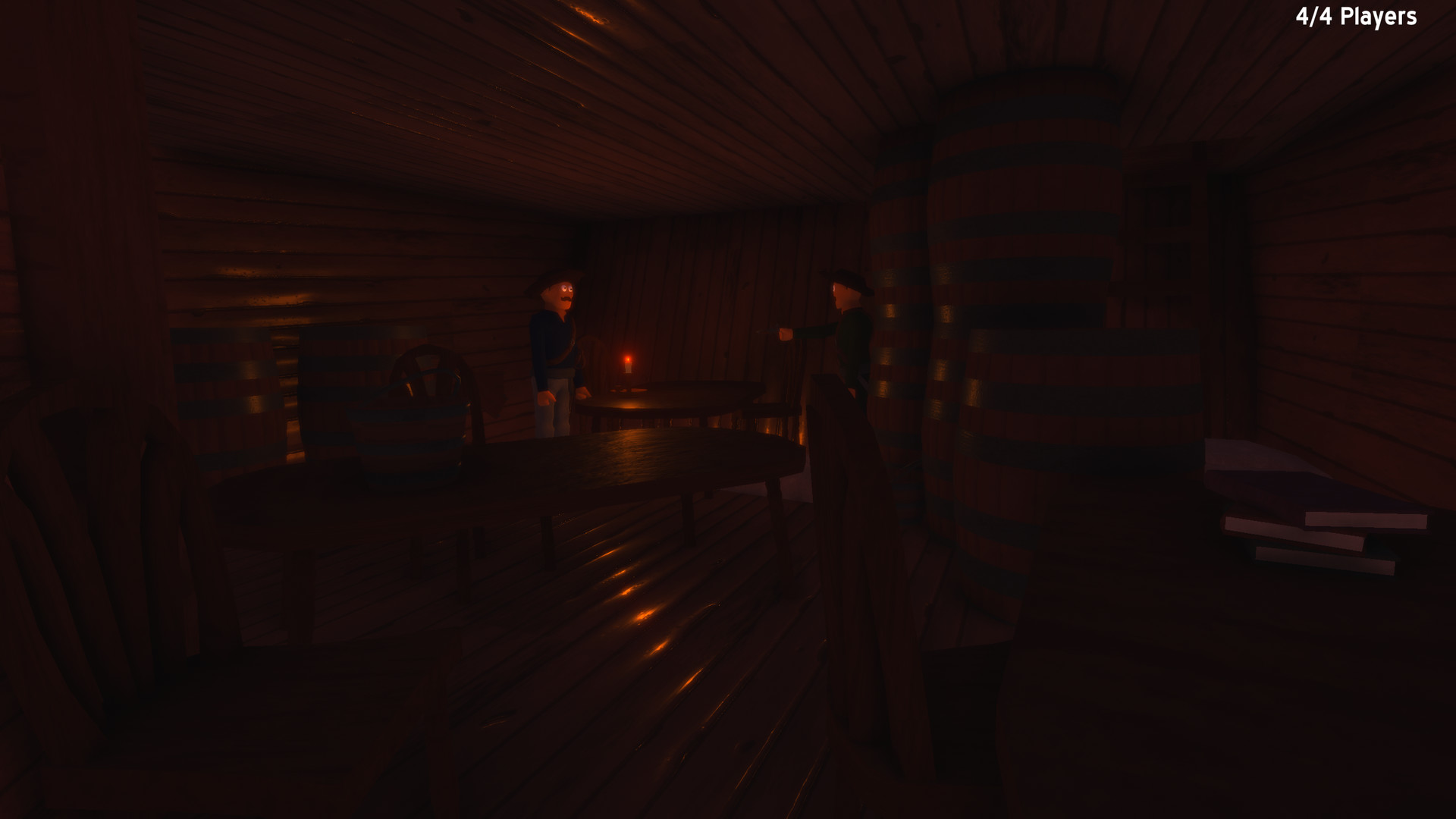
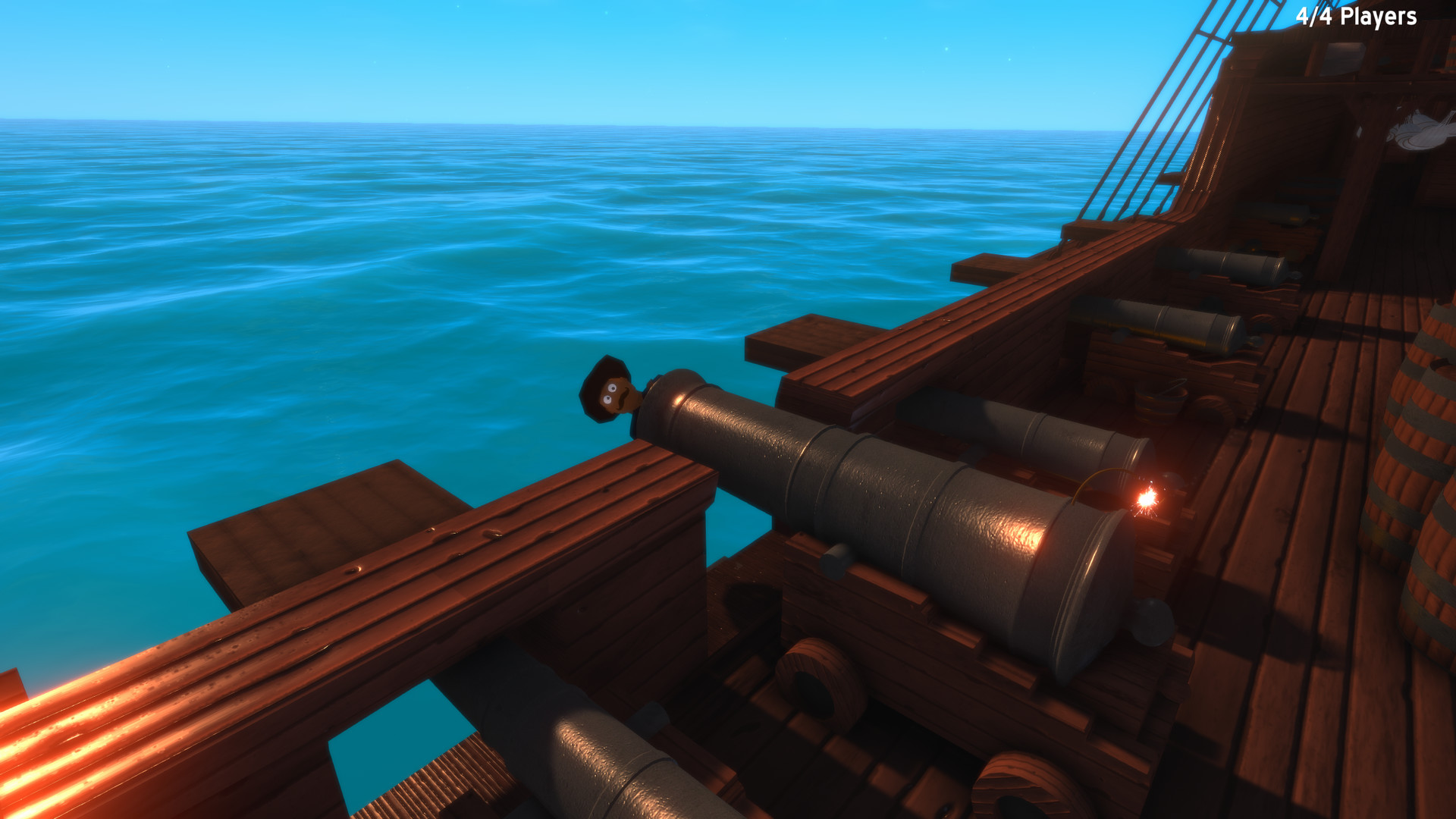
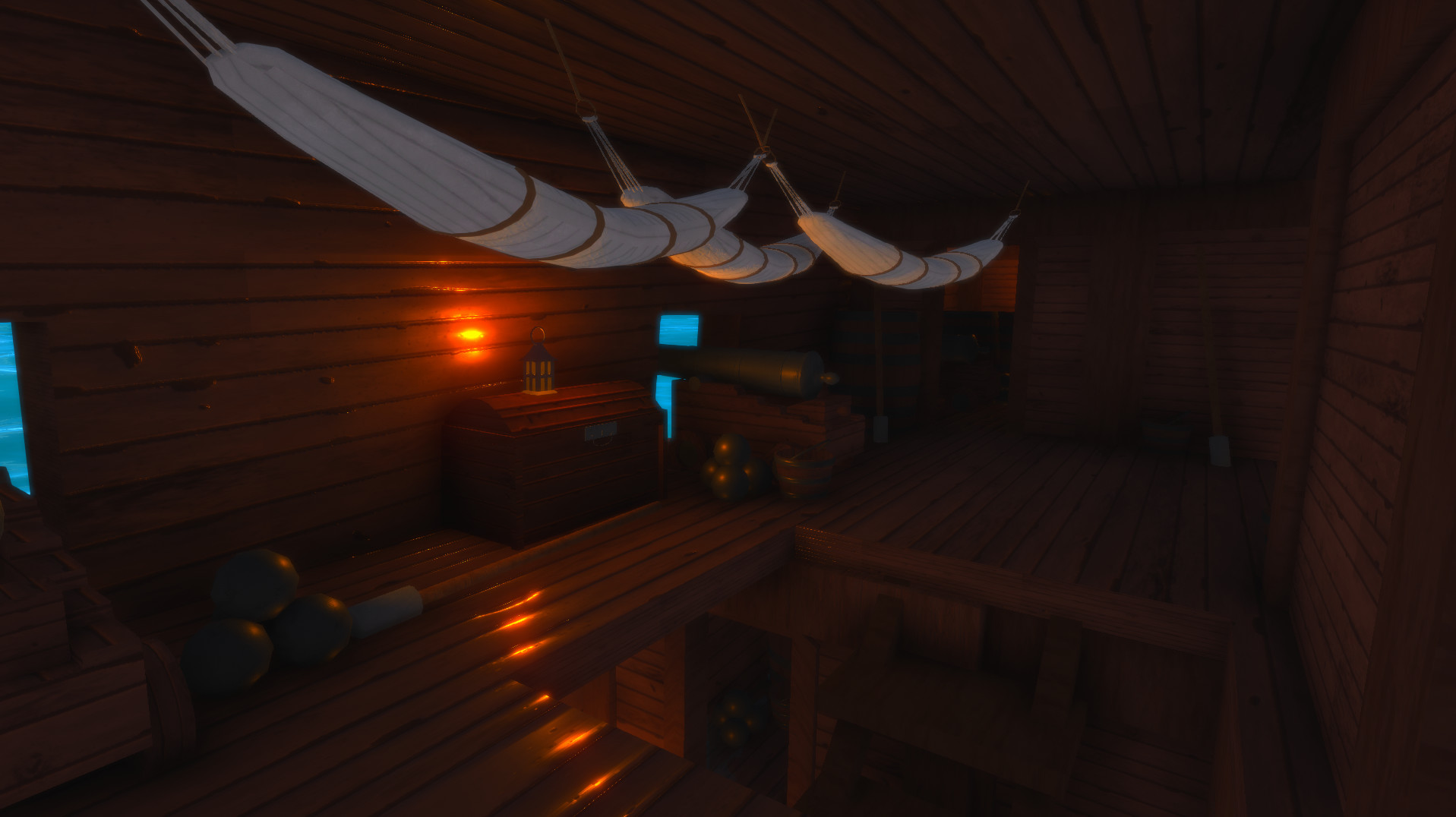
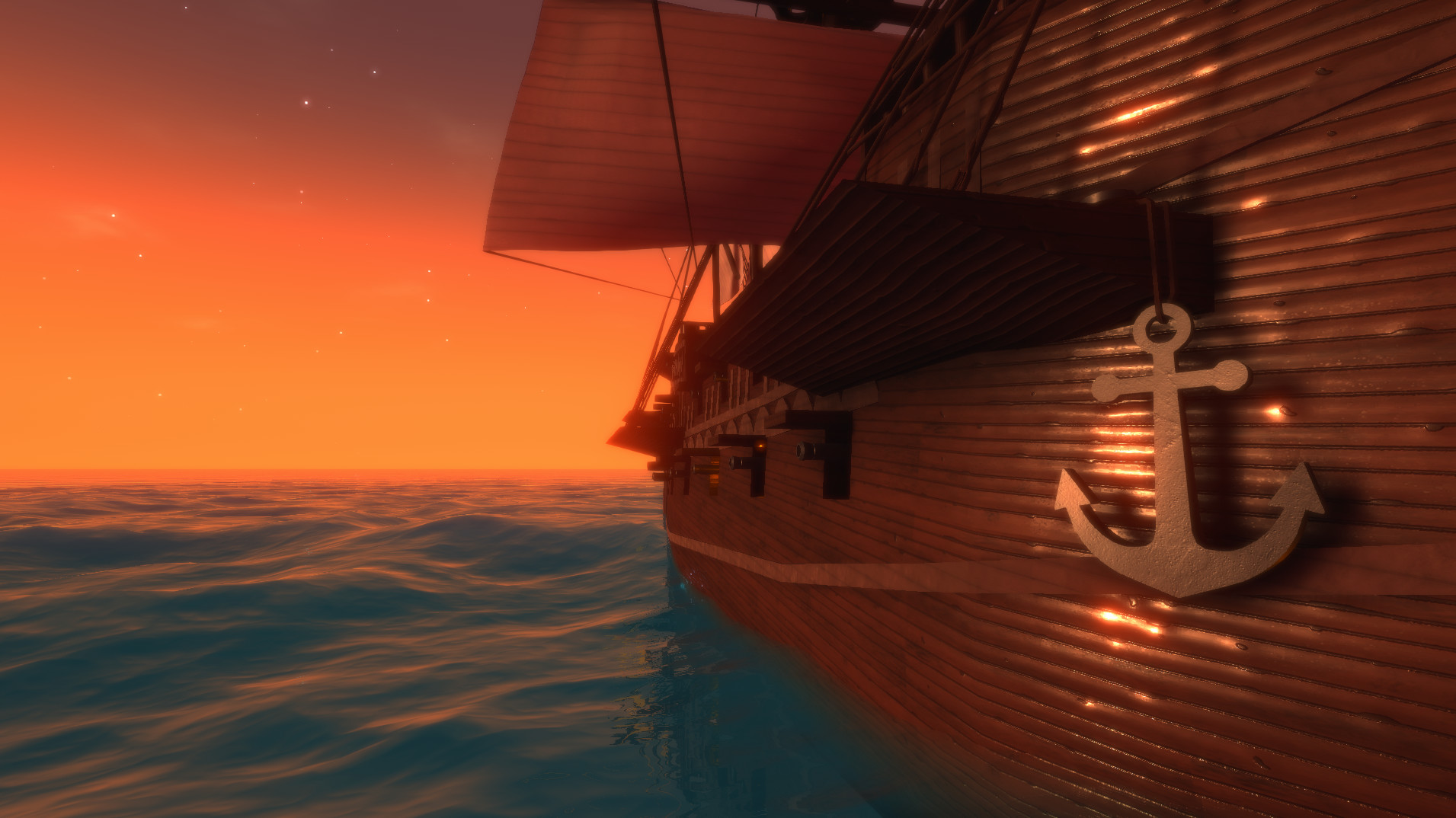
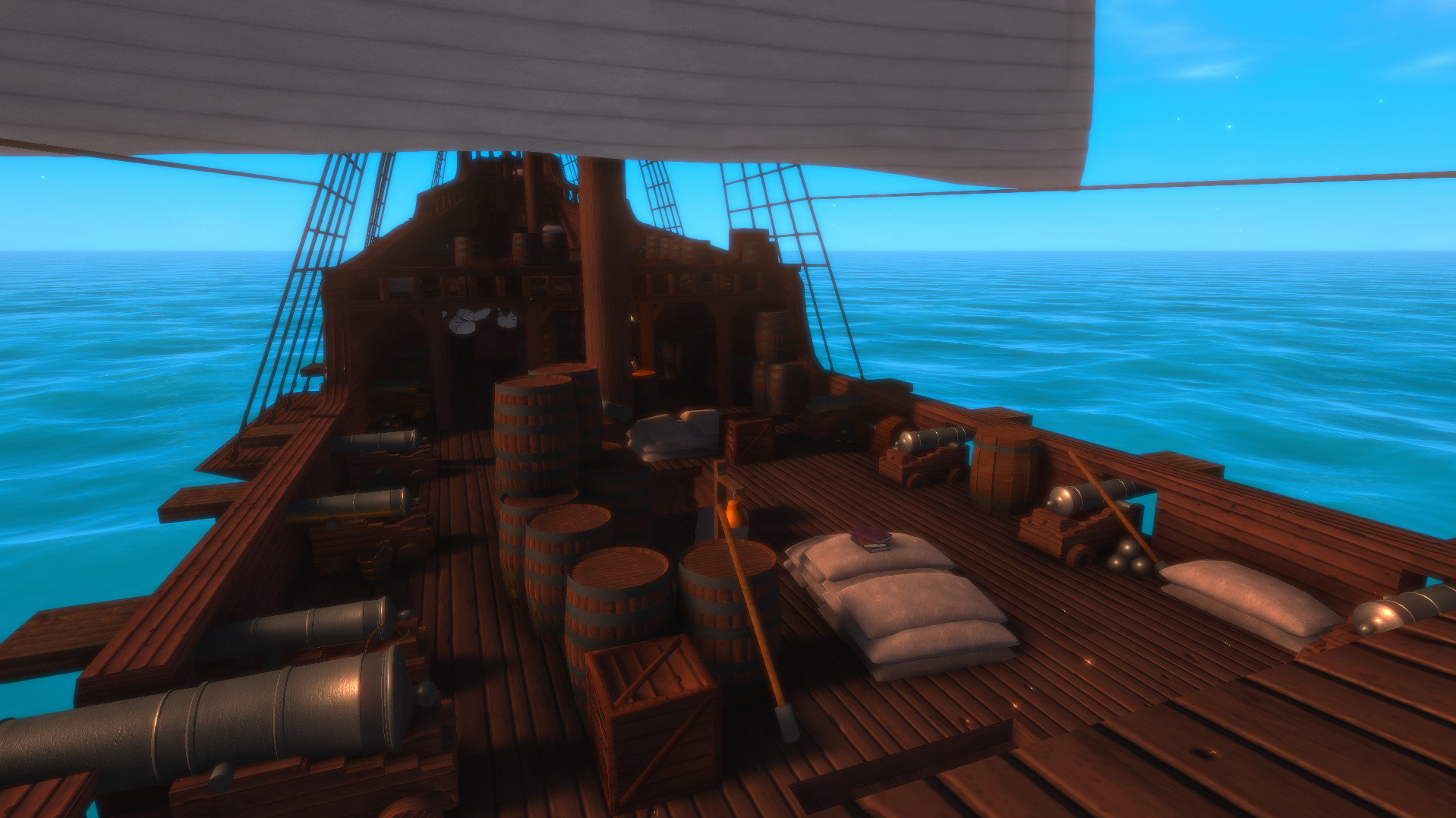
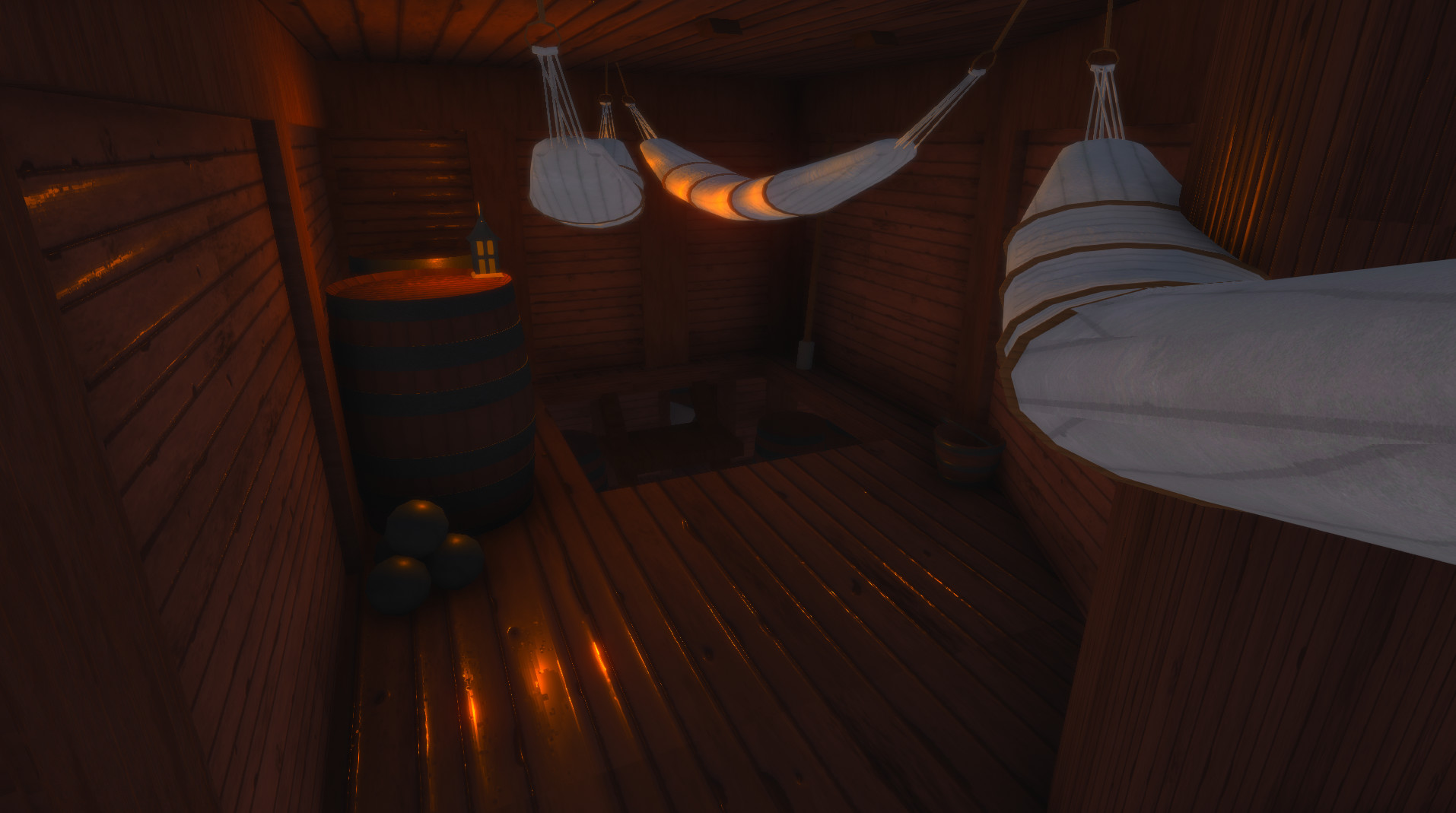
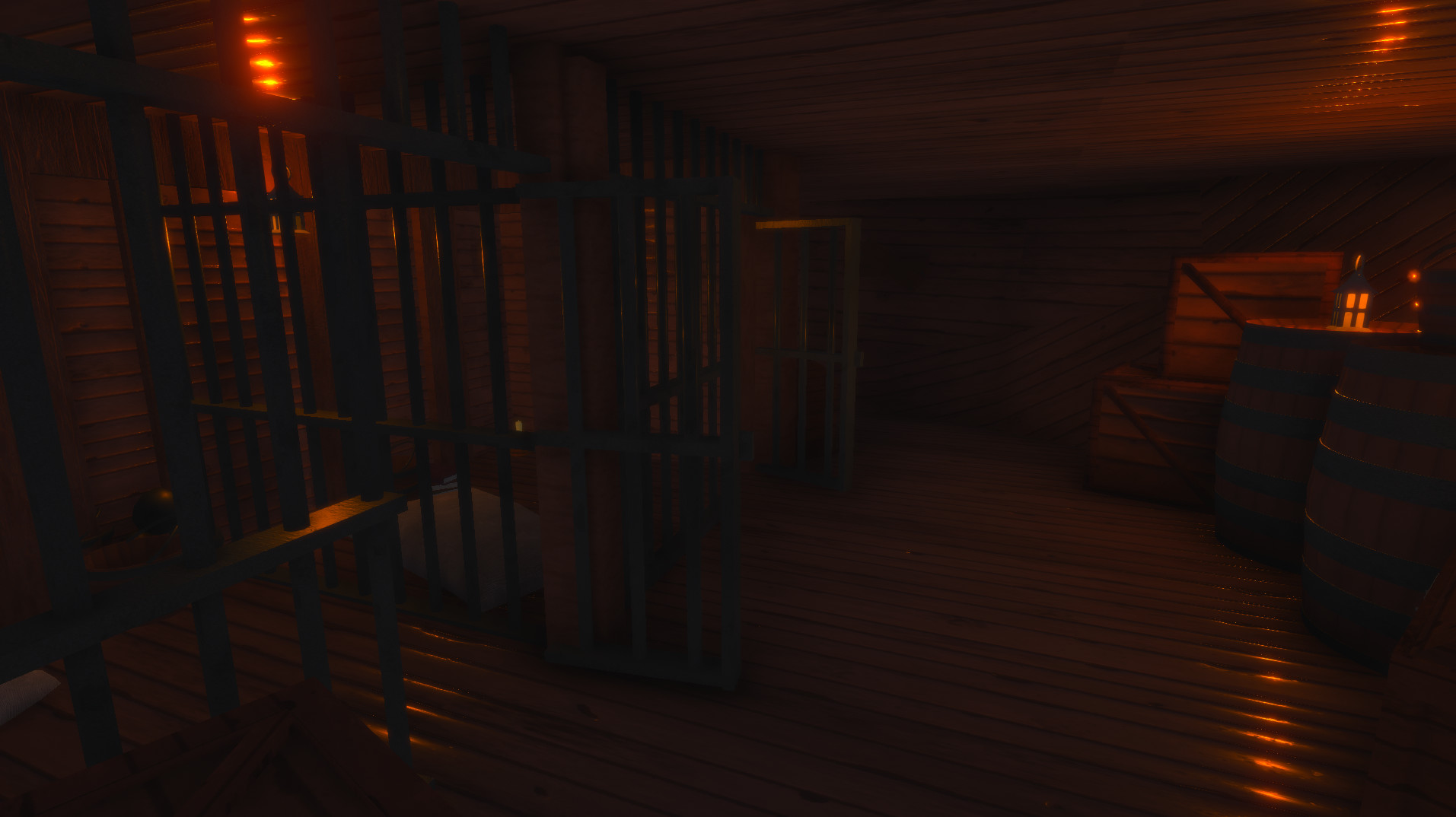
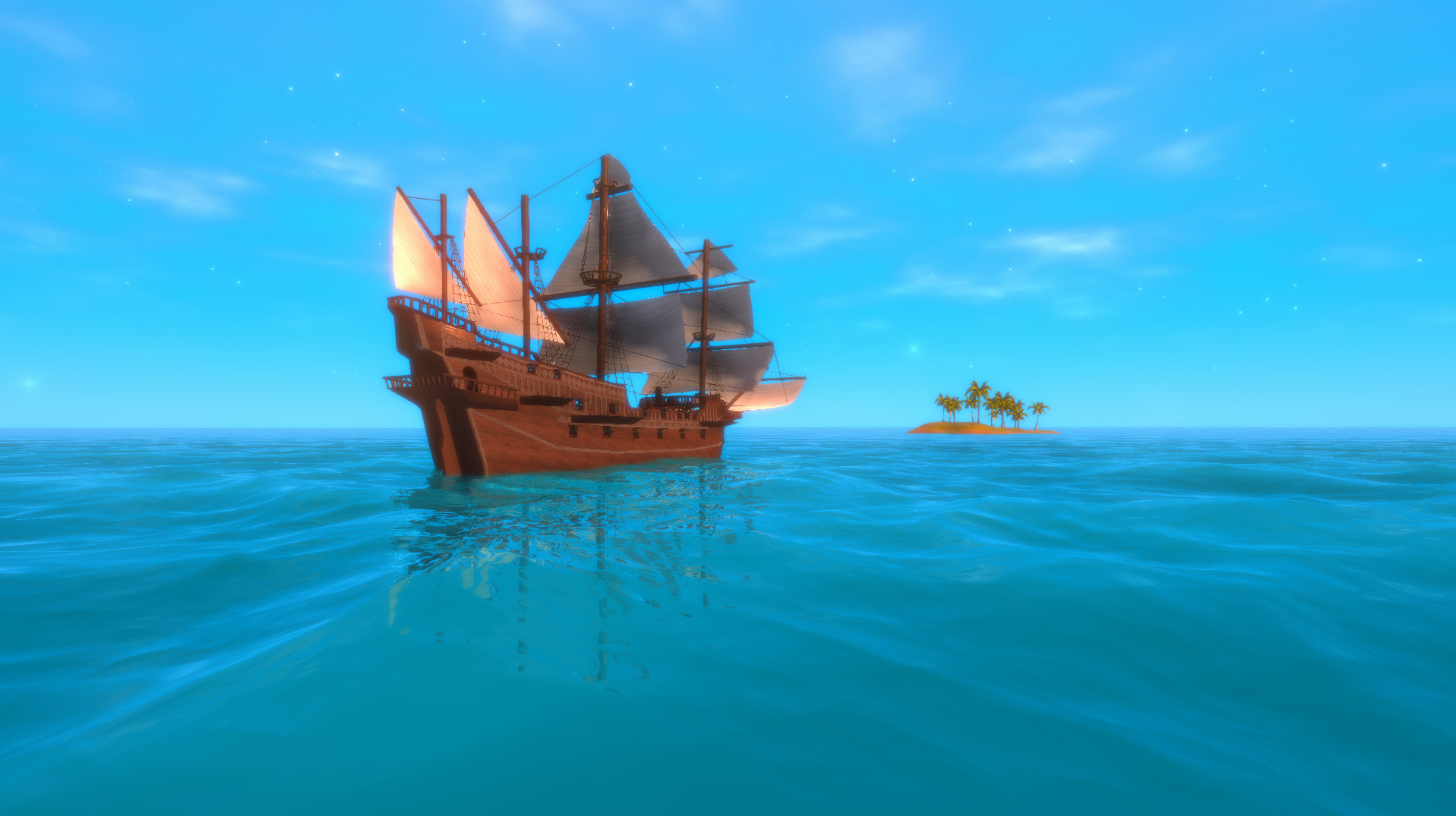
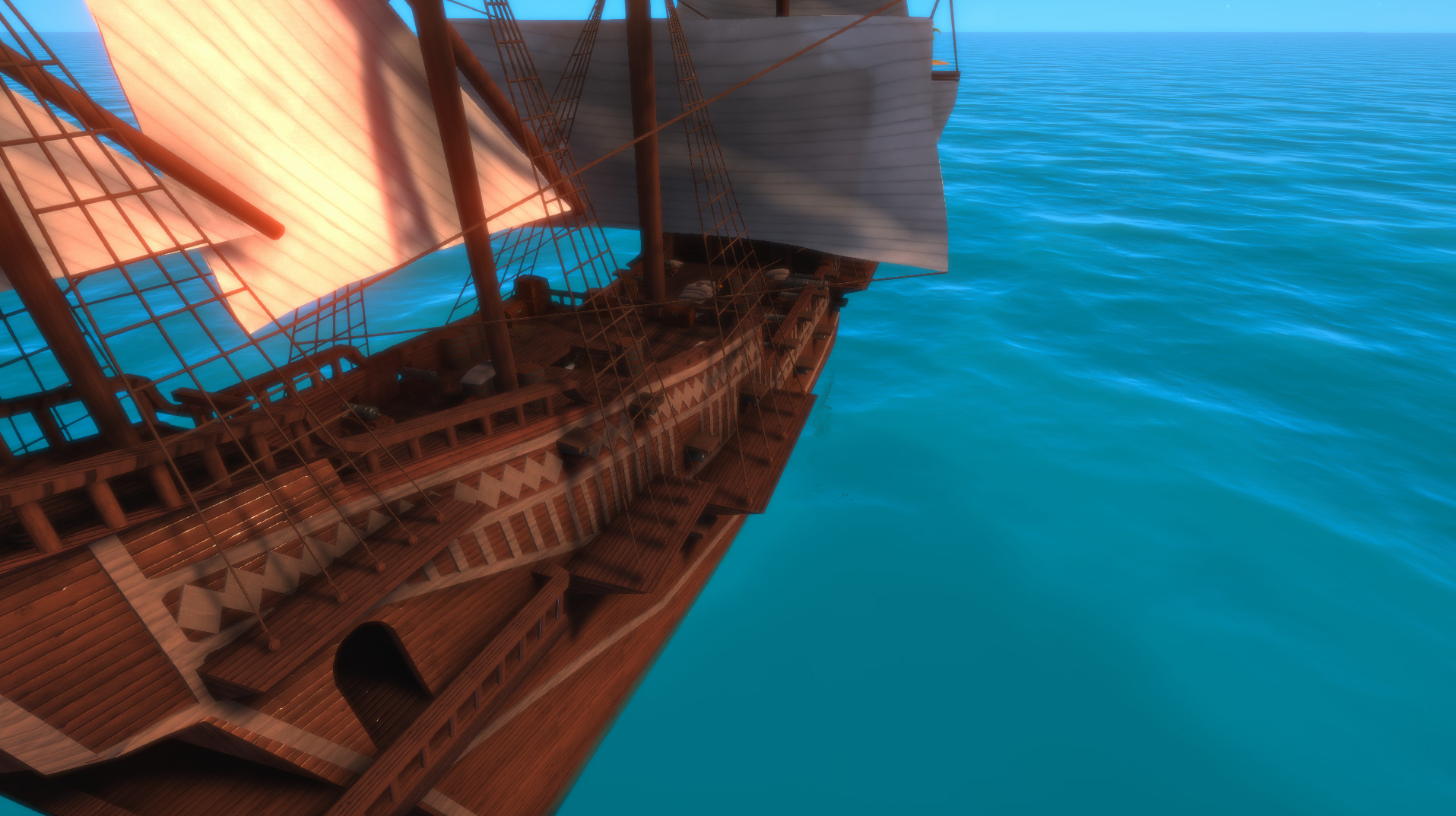
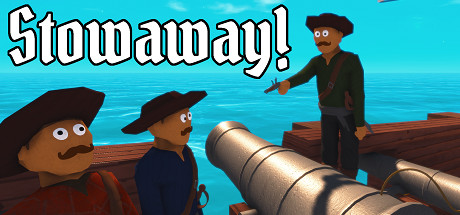
Stowaway, developed and published by Sandstorm Studios Inc., is a multiplayer social deduction game that transports the familiar “impostor” formula into a fully realized 3D pirate ship setting. Designed for groups of players who enjoy deception, teamwork, and unpredictable human behavior, the game builds its core identity around trust and betrayal on the high seas. Rather than relying on abstract maps or simplified overhead perspectives, Stowaway immerses players in a first-person environment inspired by a late-16th-century warship, creating a more intimate and suspenseful atmosphere for its rounds of hidden-role gameplay. Each match divides players into two opposing factions: Sailors and Stowaways. The Sailors are tasked with maintaining the ship, repairing hull breaches, and ensuring that the vessel successfully reaches its destination. The Stowaways, on the other hand, begin the round armed and secretly work to eliminate the crew before the journey ends. This asymmetrical structure fuels the tension that defines every session. Sailors must stay vigilant and collaborate effectively while remaining suspicious of everyone around them, whereas Stowaways must blend in, sabotage efforts strategically, and strike at opportune moments without exposing their identities too early. One of the defining features of Stowaway is its first-person perspective. Unlike many social deduction games that use top-down or stylized views, Stowaway places players directly inside the ship’s narrow corridors, creaking decks, and dimly lit interior spaces. This design choice significantly enhances immersion, making encounters feel more personal and intense. Navigating the multi-level layout—climbing ladders, moving between decks, and exploring tight passageways—adds a layer of spatial awareness to the gameplay. Suspicion often arises not just from dialogue but from physical behavior: who was seen running down a corridor, who disappeared below deck, or who lingered near a repair site. Communication is another core pillar of the experience. The game features proximity-based voice chat, meaning players can only hear others who are within range and line of sight. This mechanic encourages organic conversations and heightens tension, as whispered accusations or urgent warnings can be overheard—or cut off abruptly. The immediacy of voice communication creates dynamic social interactions that feel more spontaneous than text-based discussions. At the same time, it requires players to think carefully about positioning, since conversations held in isolated areas can either build trust or serve as opportunities for betrayal. Visually, Stowaway prioritizes functional immersion over graphical spectacle. The ship environment is detailed enough to convey atmosphere, with wooden textures, nautical props, and period-inspired design elements contributing to the pirate-era theme. While the graphics are not cutting-edge, they effectively support the game’s premise and maintain clarity during fast-paced moments. Character animations and environmental interactions are serviceable, though occasionally rough around the edges, reflecting the game’s early access status. The ship’s confined spaces amplify suspense but can also feel somewhat cramped during chaotic chases or confrontations. In terms of gameplay variety, Stowaway focuses primarily on its central social deduction loop. The tasks available to Sailors—such as repairing damage or managing ship-related duties—are straightforward, ensuring that the spotlight remains on player interaction rather than complex mini-games. While this simplicity makes the game easy to learn, it can also lead to repetition over longer sessions. The depth of each match depends heavily on the creativity and engagement of the player group, as emergent drama and deception are what give the game its replay value. Community reception has highlighted both the game’s potential and its limitations. Many players appreciate the immersive pirate setting and the added intensity of first-person voice-driven gameplay. The concept stands out in a genre often dominated by simpler visual styles, and matches with a full group of friends can produce memorable moments of tension and humor. However, the game’s player base has fluctuated, making it challenging at times to find populated public matches. As with many multiplayer-focused titles, the experience is strongest when played with a dedicated group rather than relying solely on matchmaking. Technical polish and long-term support have also been points of discussion among players. As an early access project, Stowaway has shown promise but has not evolved as rapidly as some may have hoped. Occasional bugs, uneven movement mechanics, and limited content updates have tempered enthusiasm. For players seeking a continuously expanding multiplayer ecosystem, these factors may affect overall satisfaction. Nevertheless, the foundation of the game—its immersive environment and proximity-based voice mechanics—remains compelling. Ultimately, Stowaway offers a distinctive twist on the social deduction genre by grounding its deception-driven gameplay in a tangible, atmospheric pirate ship setting. Its first-person perspective and voice communication system create an engaging and often intense social dynamic that thrives on human unpredictability. While it may lack the extensive content updates or player population of larger genre counterparts, it succeeds in delivering tense, memorable sessions when played with an active and communicative group. For fans of impostor-style games who crave a more immersive and thematic experience, Stowaway stands as an intriguing and ambitious alternative. Rating: 7/10
Expand the review