

Blade Kitten
In Blade Kitten, join Kit Ballard as she explores the mysterious world of Hollow Wish to hunt down rogue mechs and soft targets.
Sync your Steam wishlist to find the lowest game prices instantly. No login required, just paste your Steam profile URL!
⚡ Try Wishlist Radar!
Sync your Steam wishlist to find the lowest game prices instantly. No login required!
⚡ Try Wishlist Radar!
Close

Taimumari: Definitive Edition on Steam
Quick menu
Retro-style platform game in keeping with the best traditions of games of our childhood! Take control of the Himari, the young female wizard travelling across various ages to settle the balance in time across the whole world!
Taimumari: Definitive Edition is a action, indie and adventure game
developed and published by TERNOX.
Released on December 16th 2015 is available on Windows and Linux.
It has received 301 reviews of which 238 were positive and 63 were negative resulting in a rating of 7.4 out of 10. 😊
The game is currently priced at 6.99€ on Steam, but you can find it for 4.53€ on Eneba.
The Steam community has classified Taimumari: Definitive Edition into these genres:
Media & Screenshots
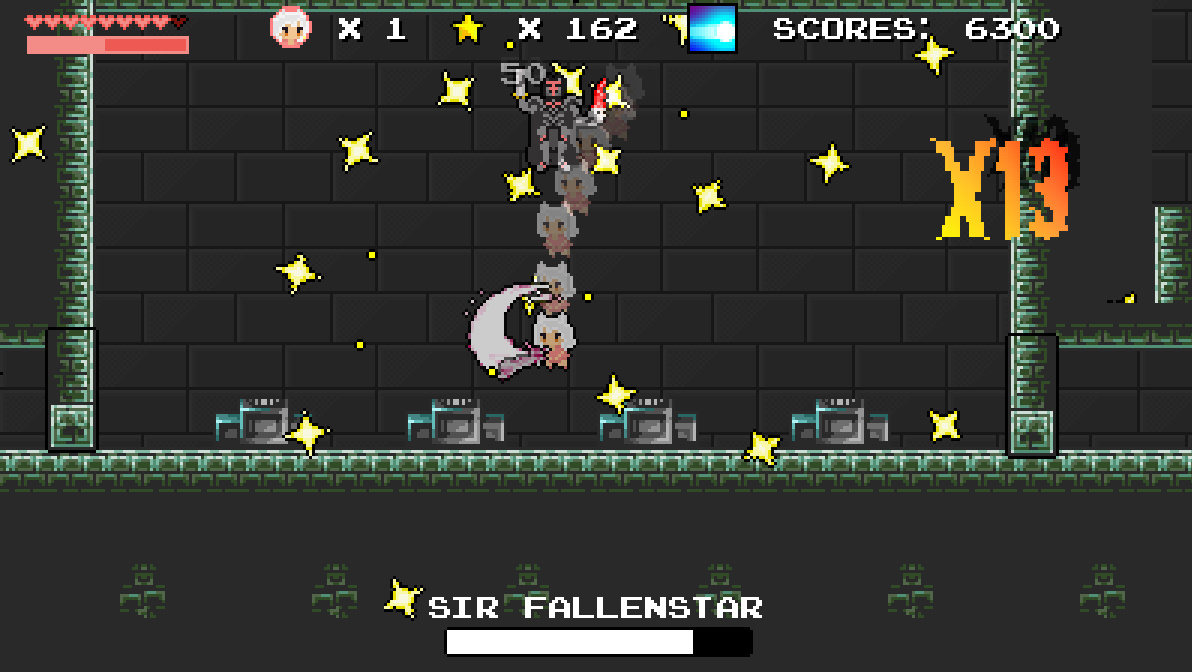
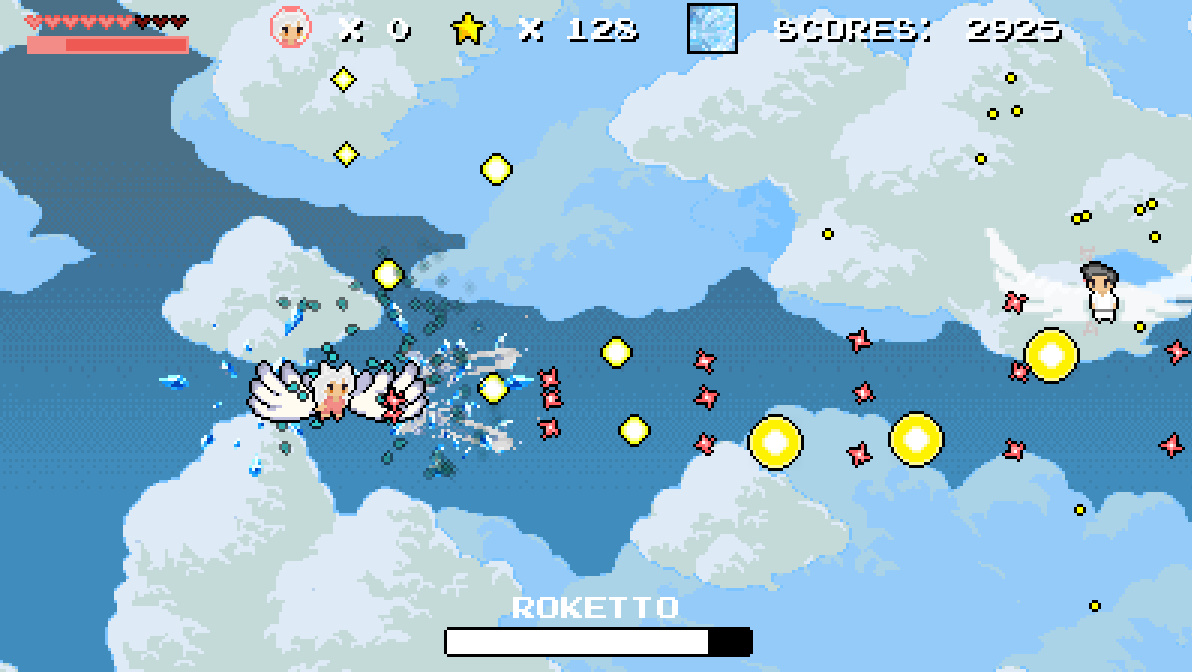
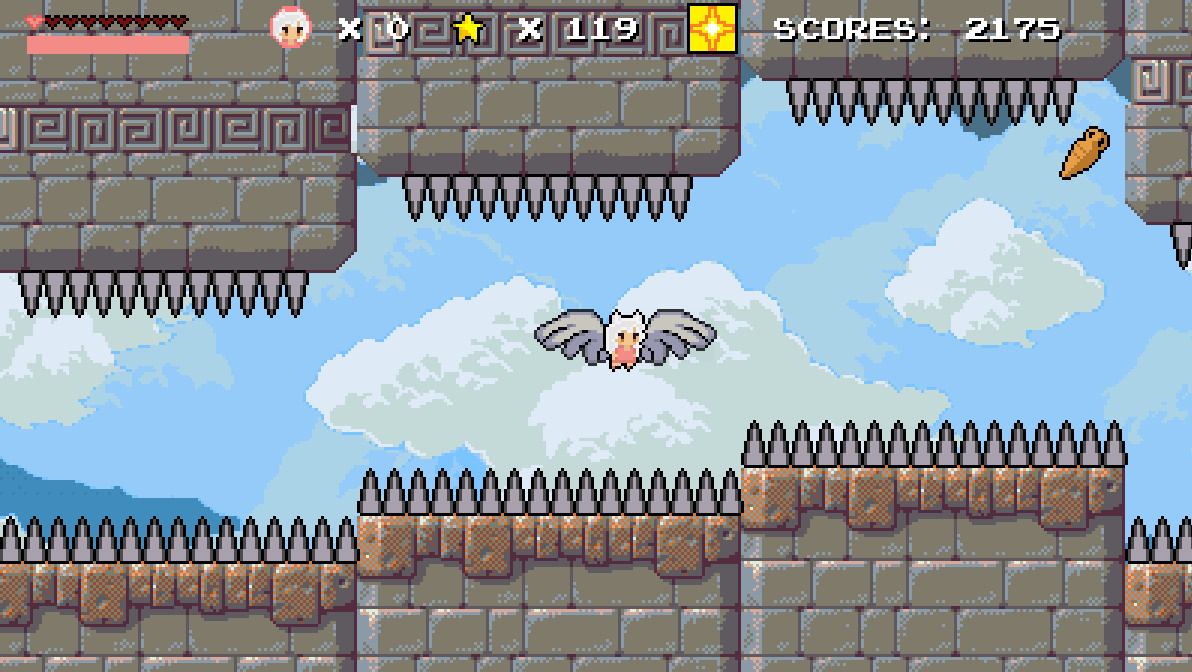
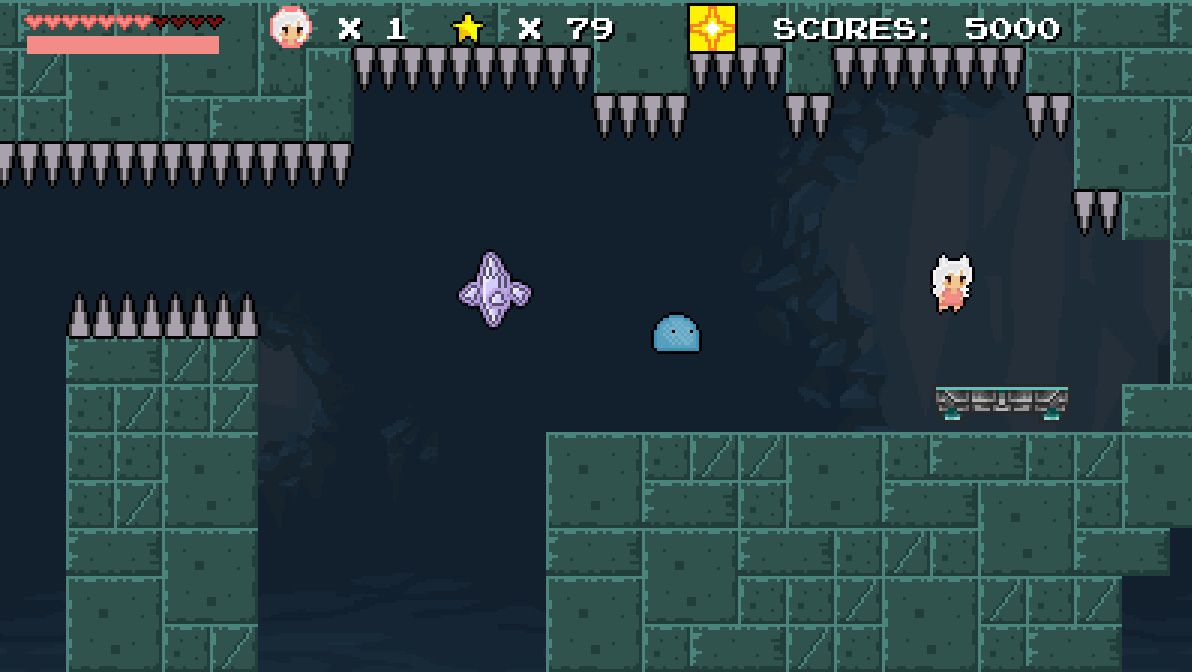
Get an in-depth look at Taimumari: Definitive Edition through various videos and screenshots.


Load More

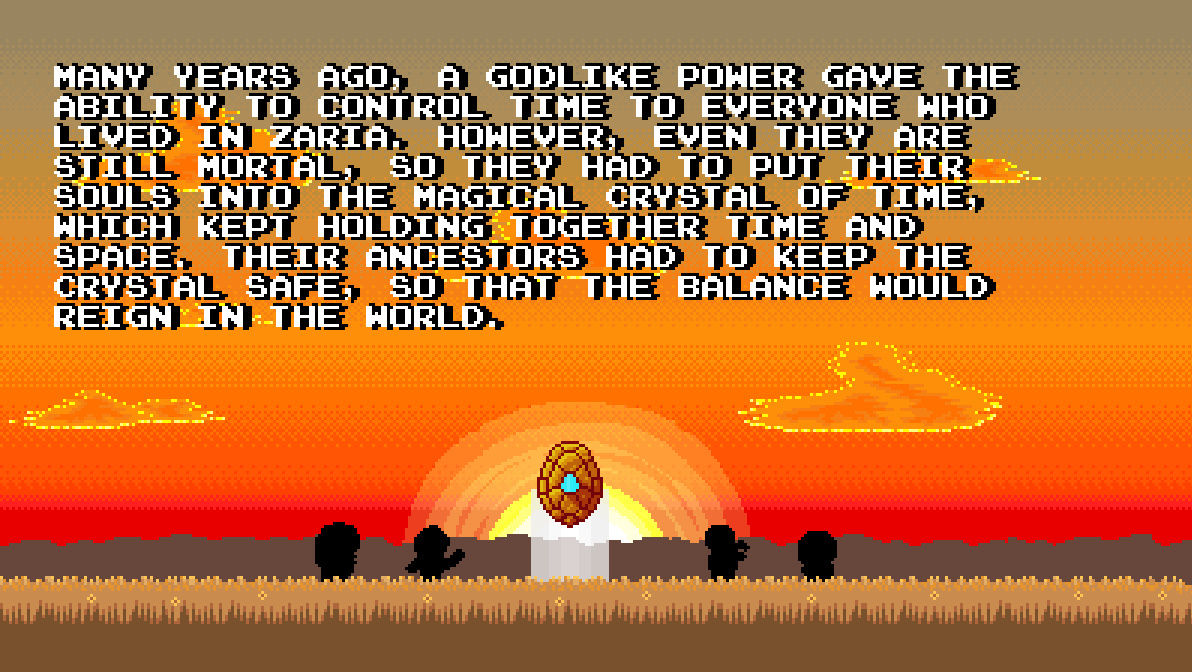
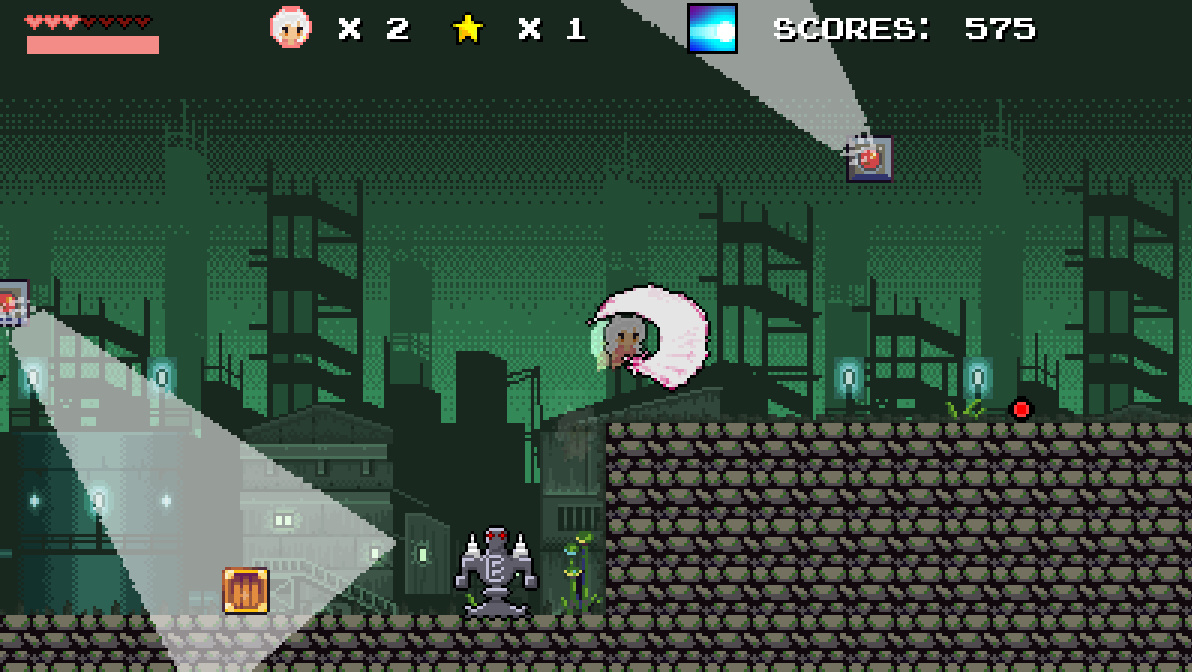
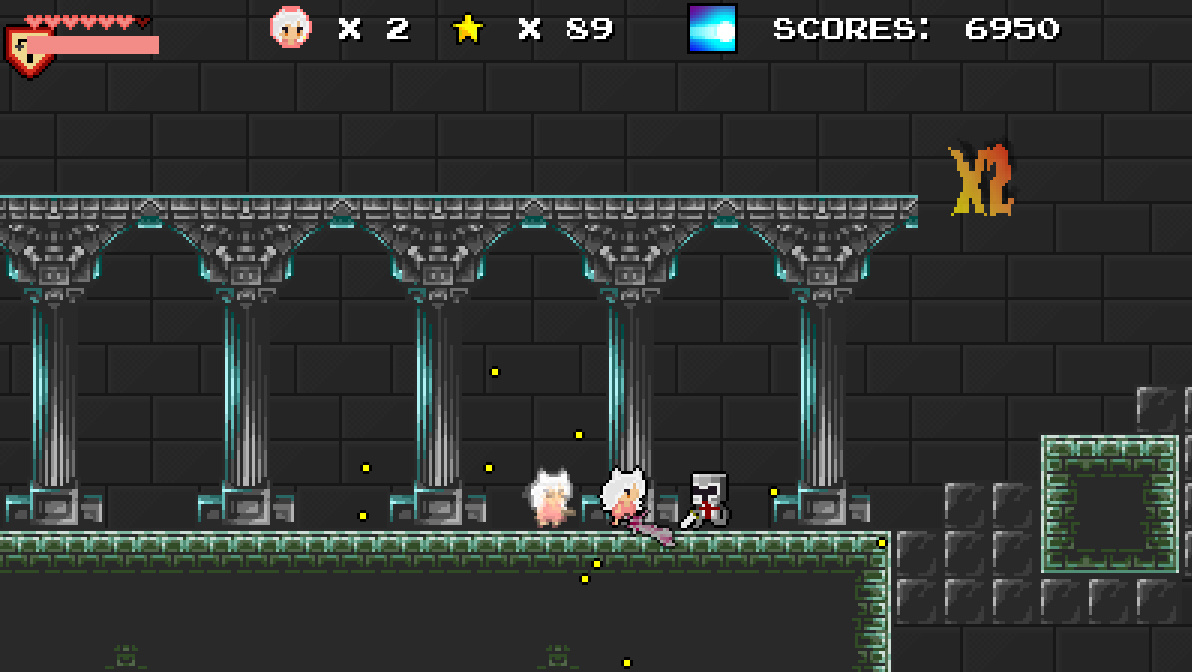
System requirements
These are the minimum specifications needed to play the game. For the best experience, we recommend that you verify them.
Windows
- OS *: Windows XP, Vista, 7, 8, 10
- Processor: Pentium 4 or higher, 2GHz
- Memory: 2 GB RAM
- Graphics: 128MB or higher
- DirectX: Version 9.0
- Storage: 50 MB available space
- Sound Card:
Linux
- OS: Ubuntu, Linux, SteamOS
- Processor: Pentium 4 or higher, 2GHz
- Memory: 2 GB RAM
- Graphics:
- Storage: 130 MB available space
- Sound Card:
Steam Price & Best Deals
User reviews & Ratings
Explore reviews from Steam users sharing their experiences and what they love about the game.
Taimumari: Definitive Edition is a colorful action-platformer built around the traditions of classic 2D adventures, combining straightforward movement and combat with fantasy storytelling, character progression, exploration, and powers connected to time and space. Developed and published by TERNOX, it follows the young wizard Himari as she travels across the floating world of Zaria after the natural flow of time is disrupted. What begins as a relatively simple mission gradually develops into a journey involving powerful keepers, lost abilities, mysterious events, and characters whose motivations are more complicated than they initially appear. The game immediately establishes its retro identity through pixel-art graphics, side-scrolling stages, animated sprites, and environments designed to resemble platformers from an earlier generation. Its presentation is intentionally uncomplicated, but the colorful fantasy setting gives the scenery plenty of personality. Different areas introduce their own enemies, hazards, and visual themes, helping the adventure maintain variety despite its relatively modest production scale. The Definitive Edition also feels more complete and polished than a simple nostalgic experiment, incorporating improvements and additional material that strengthen the overall package. Movement and combat form the foundation of the experience. Himari runs and jumps through stages while fighting enemies and avoiding traps, with increasingly difficult situations requiring players to combine mobility and offensive abilities effectively. The basic controls are approachable enough for newcomers, although later sections demand greater accuracy and better timing. Three difficulty options make the challenge more flexible, which is useful because certain encounters can become considerably more demanding than the game's cheerful presentation might suggest. Himari's supernatural abilities are among the more distinctive parts of the gameplay. Manipulating aspects of time and space gives combat and traversal more personality than a conventional run-and-jump platformer would offer. New powers gradually expand what the protagonist can accomplish, while leveling mechanics provide an additional sense of development. The RPG elements are fairly light and should not be mistaken for a complicated character-building system, but they provide enough progression to make Himari feel increasingly capable as the adventure continues. Boss encounters provide some of the most memorable challenges. Rather than simply placing large enemies at the end of stages, the game connects its important opponents to the broader mystery surrounding Zaria. Learning why certain characters became enemies adds context to the confrontations and gives the story a little more substance. The narrative remains relatively simple, but its themes involving disrupted time, magical powers, the crystal, and the fate of the world's inhabitants create a suitable framework for the action. Exploration is encouraged through secrets, hidden material, memories, spells, and Easter eggs scattered throughout the adventure. Players who thoroughly investigate environments receive more from the game than those who simply rush toward each objective. This optional content adds replay value to an otherwise fairly compact experience. Multiple outcomes and additional discoveries also provide an incentive to return after completing the main journey, especially for players interested in seeing everything rather than treating the campaign as a one-time run. There are noticeable limitations. Some mechanics remain basic compared with more elaborate modern action-platformers, and certain sections can feel less refined than others. Difficulty occasionally fluctuates, while the narrative presentation lacks the sophistication of larger story-driven adventures. Players looking for extensive exploration, complex RPG systems, or an exceptionally long campaign may find the scope rather small. However, the relatively focused design can also be an advantage. It rarely becomes overloaded with unnecessary systems and generally keeps the emphasis on movement, fighting, discovering secrets, and gaining abilities. The soundtrack and retro presentation complement the energetic gameplay well. Pixel graphics make enemies and environmental hazards easy to recognize, while the overall aesthetic suits the game's nostalgic intentions. It does not attempt to disguise its independent origins with excessive visual effects. Instead, it embraces a traditional presentation that feels appropriate for its mechanics. Players with an appreciation for old-school platformers are likely to enjoy this approach more than those expecting elaborate modern graphics or cinematic storytelling. Steam Deck compatibility is a notable strength. Eventhough currently classified as unknown, The game has received specific attention toward Steam Deck support, and its lightweight 2D presentation, controller-friendly mechanics, and native Linux and SteamOS support make it well suited to handheld play. Its relatively short stages and straightforward control scheme are particularly comfortable for portable sessions. Even without relying on demanding hardware, the game retains its visual character and responsive platforming style, making the Steam Deck a sensible way to experience the adventure. Overall, Taimumari: Definitive Edition is an enjoyable retro platformer that succeeds through simplicity rather than scale. Its combination of responsive action, time-related abilities, light character progression, hidden content, boss encounters, and colorful fantasy environments creates a satisfying adventure despite some unevenness and limited mechanical depth. It is especially appealing to players who appreciate compact indie platformers and enjoy searching for secrets while gradually mastering a character's expanding collection of powers. It may not revolutionize the genre, but it offers enough personality and variety to justify the journey. Rating: 7/10
Buy this game. Seriously. This game is so bad that it somehow becomes amazing. I honestly haven’t had this much fun with a game in a long time. It’s simple, and that’s exactly why it works. The dialogues are hilariously terrible — it feels like they were written as a joke, or the developers just knew nobody was going to seriously analyze the completely absurd story that makes absolutely no sense. But then you look at how beautifully the characters are drawn, and you immediately realize the developer is a man of culture. To sum it up: for this price, this game is an absolute must-buy. I haven’t played anything this fun, easygoing, and stress-free in a long time. I’m following the studio now and definitely looking forward to whatever they make next.
This is a very well made jump and run game with charming retro looks and sounds. The music of it's last stages even reminded me of the classic Mega Man games! The main story's fast played through in easy mode (around of 2 hours), but the higher difficulties are way more challenging, multiple endings are able to be unlocked here as well and trying to unlock the best ranks in every level and finding all objects are going to challenge you for even longer (personally I only completed the main story and tried out a bit the free dlc-levels so far). I must admit that the story itself didn't excite me that much, but honestly that's kinda typical for platform-games, right (thank goodness didn't need to save a blond princess...)? Another nice function is the option to play as her red-haired friend, who fights a bit differently. And what I enjoyed the most about this whole game is, how many skill this lady got: different magic spells, swordfighting, climbing on walls, double-jumps, dash, summoning a big shield, in some stages even flying and influencing time itself! That really impressed me a lot, but therefore I would advice to play this game with a controller (not necessary, but would make it easier).
Similar games
View all

Cally's Caves 3
Cally's parents have been abducted, as her arch-enemy Herbert has taken control of the Caves to perform his evil experiments. Join Cally and her friends in this action-packed run and gun platformer, conquering insane bosses, exploring to find secrets, and levelling up EVERYTHING.

Camera Obscura
An ancient tower in a forgotten land. A lone photographer on a desperate search. Facing dangerous animals, crumbling architecture, and perilous pitfalls, can you reach the summit of the Tower, and perhaps, redemption?

Zack Zero
Zack Zero takes you on an action-packed platform adventure with incredible 3D graphics and the playability and entertainment of classic 2D games. Help Zack Zero save his beloved Marlene, kidnapped by the evil Zulrog in an effort to obtain the powerful substance that will allow him to travel back in time.

Momodora III
Momodora III is a classic action platform game with a variety of items and secrets. It's the third installment of the Momodora series, although playing the previous titles is not necessary to enjoy the game!

Rosenkreuzstilette
Rosenkreuzstilette is a mega-action-platformer game in which you step into the shoes of Spiritia Rosenberg, a virtuous young woman caught on the wrong side of a revolution instigated by her closest friends.
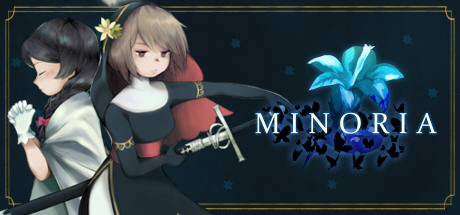
Minoria
Ink and blood stain the streets of Ramezia. Witches must burn and sins must be judged. Venture forth as Sister Semilla to burn down the pillars of heresy in Minoria, an action-platformer by Bombservice, creators of Momodora.
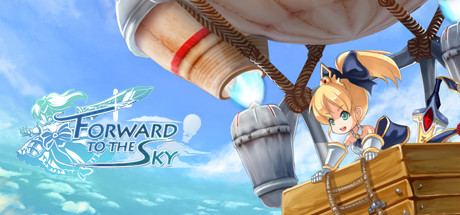
Forward to the Sky
Reveal the story of the sky tower! Forward to the Sky is a third person action adventure game in the sky tower ruin. You are going to collect all the crystal pieces to connect the story and everything will be revealed once Princess reaches the top level.

Tempest of the Heavens and Earth
"Rogue Celestial, seek out your own path to the heavens." An Ecstatic-class Stylish 2D Action Game controlling Tenshi Hinanawi, as she runs all around the realms of Gensokyo! You are the path of righteousness itself! (A derivative game inspired by the Touhou Project universe.)

Metal Unit
Metal Unit is a sprawling side-scrolling platformer with roguelite features. Play as Joanna, a soldier on a mission to capture her treasonous sister. Wear the M-Unit 11 suit and battle against monsters and aliens while uncovering the truth about humanity.

Dead Horizon: Origin
Most people never get a shot at making a difference. If you did... would you miss? -- Dead Horizon is a short and dirty point and click western themed adventure game that's also completely free.
Frequently Asked Questions
Taimumari: Definitive Edition is currently priced at 6.99€ on Steam.
No, Taimumari: Definitive Edition is currently not on sale. You can purchase it for 6.99€ on Steam.
Yes, Taimumari: Definitive Edition received 238 positive votes out of a total of 301 achieving a rating of 7.39.
😊
Taimumari: Definitive Edition was developed and published by TERNOX.
Yes, Taimumari: Definitive Edition is playable and fully supported on Windows.
No, Taimumari: Definitive Edition is not playable on MacOS.
Yes, Taimumari: Definitive Edition is playable and fully supported on Linux.
This information about Taimumari: Definitive Edition is not available yet.
This information about Taimumari: Definitive Edition is not available yet.
No, Taimumari: Definitive Edition does not support VR.
Taimumari: Definitive Edition is a single-player game.
Yes, there is a DLC available for Taimumari: Definitive Edition. Explore additional content available for Taimumari: Definitive Edition on Steam.
No, Taimumari: Definitive Edition does not support mods via Steam Workshop.
No, Taimumari: Definitive Edition does not support Steam Remote Play.
Yes, Taimumari: Definitive Edition is enabled for Steam Family Sharing. This means you can share the game with authorized users from your Steam Library, allowing them to play it on their own accounts. For more details on how the feature works, you can read the original Steam Family Sharing announcement or visit the Steam Family Sharing user guide and FAQ page.
You can find solutions or submit a support ticket by visiting the Steam Support page for Taimumari: Definitive Edition.
Data sources
The information presented on this page is sourced from reliable APIs to ensure accuracy and relevance. We utilize the Steam API to gather data on game details, including titles, descriptions, prices, and user reviews. This allows us to provide you with the most up-to-date information directly from the Steam platform.
Additionally, we incorporate data from the SteamSpy API, which offers insights into game sales and player statistics. This helps us present a comprehensive view of each game's popularity and performance within the gaming community.
Last Updates| Steam data | 20 September 2026 06:29 UTC |
|---|---|
| SteamSpy data | 22 October 2026 11:26 UTC |
| Steam price | 28 October 2026 15:06 UTC |
| Steam reviews | 22 October 2026 18:03 UTC |
If you'd like to dive deeper into the details about Taimumari: Definitive Edition, we invite you to check out a few dedicated websites that offer extensive information and insights. These platforms provide valuable data, analysis, and user-generated reports to enhance your understanding of the game and its performance.
- SteamDB - A comprehensive database of everything on Steam about Taimumari: Definitive Edition
- SteamCharts - Analysis of Taimumari: Definitive Edition concurrent players on Steam
- ProtonDB - Crowdsourced reports on Linux and Steam Deck Taimumari: Definitive Edition compatibility

Game modes
Features
Online players
0
Developer
TERNOX
Publisher
TERNOX
Release
16 Dec 2015
Platforms
Clicking and buying through these links helps us earn a commission to maintain our services.