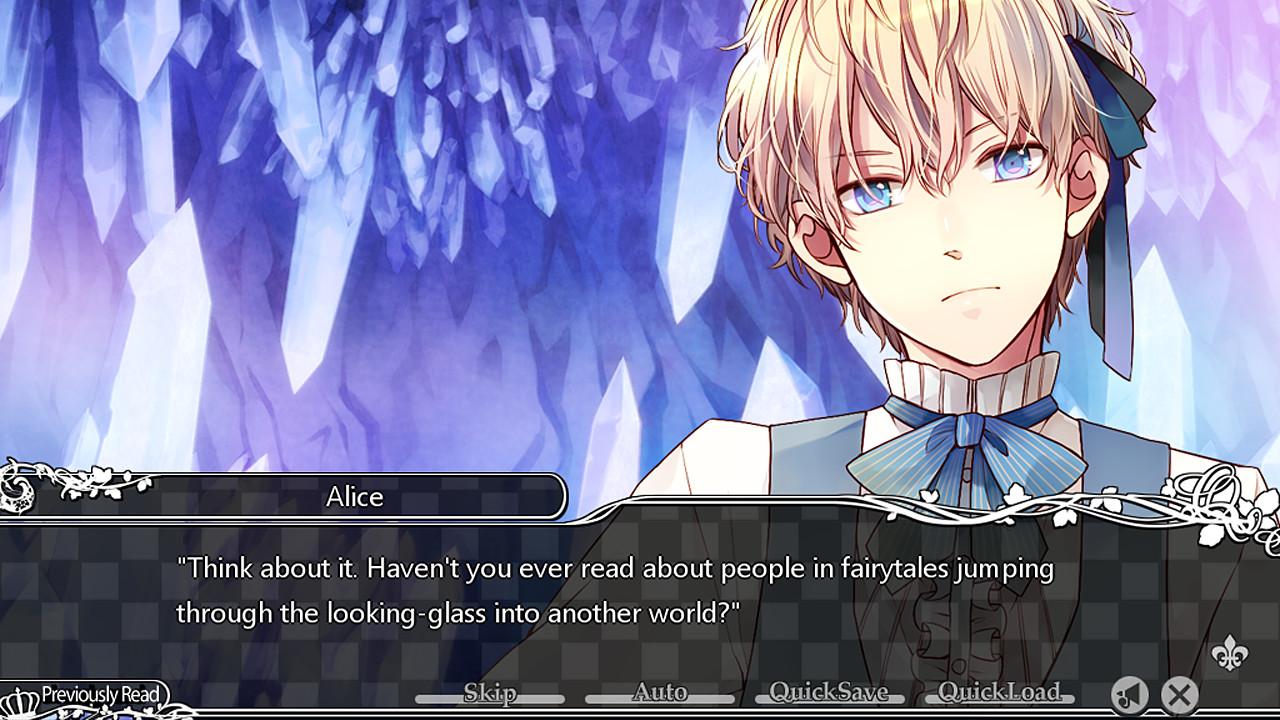
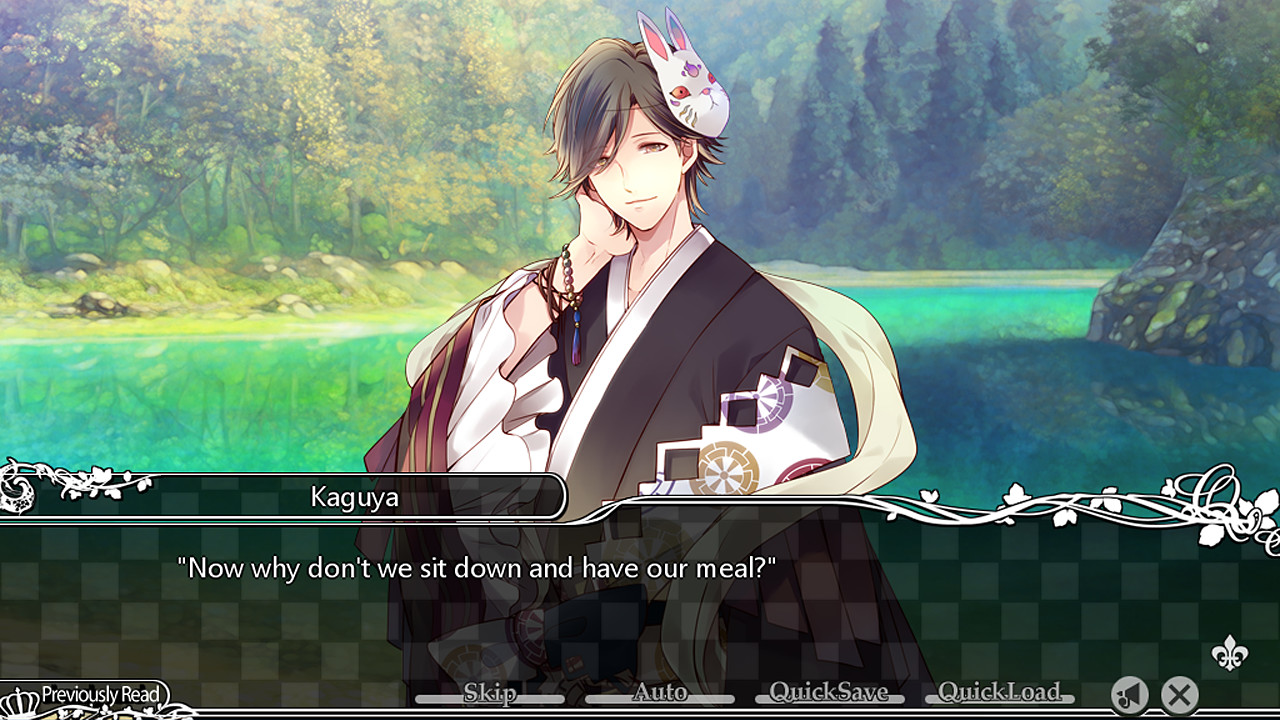
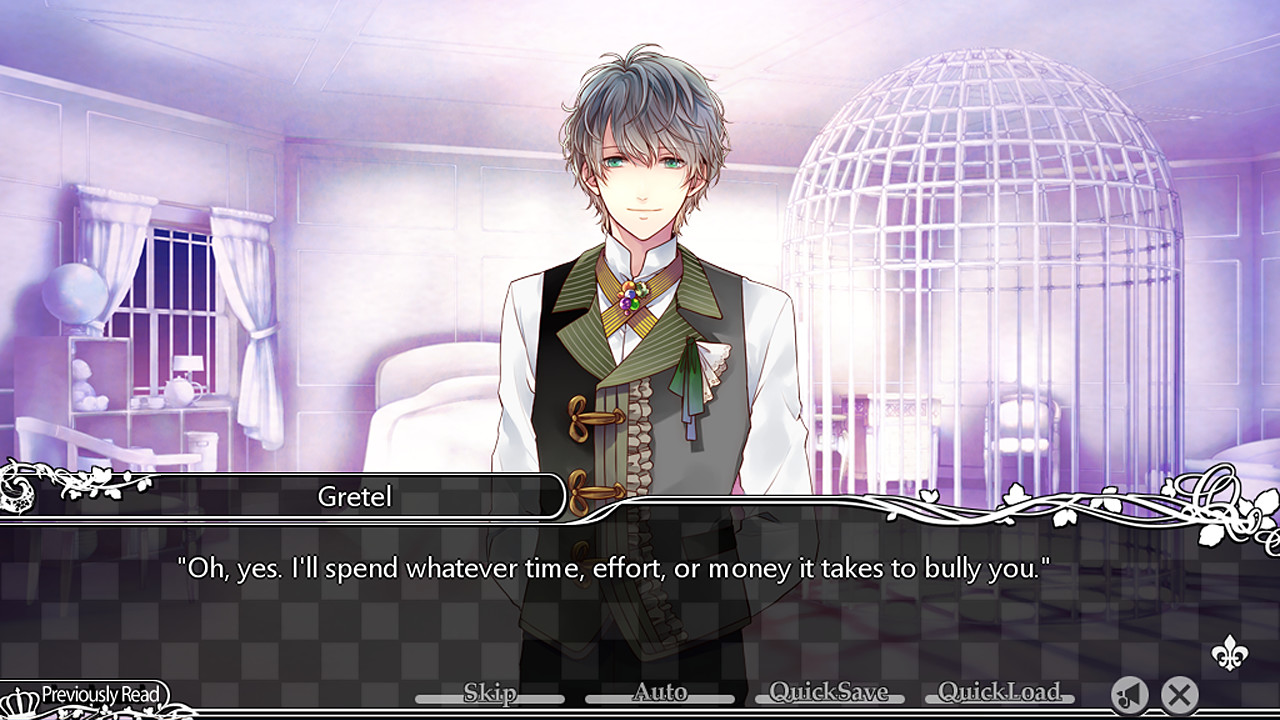
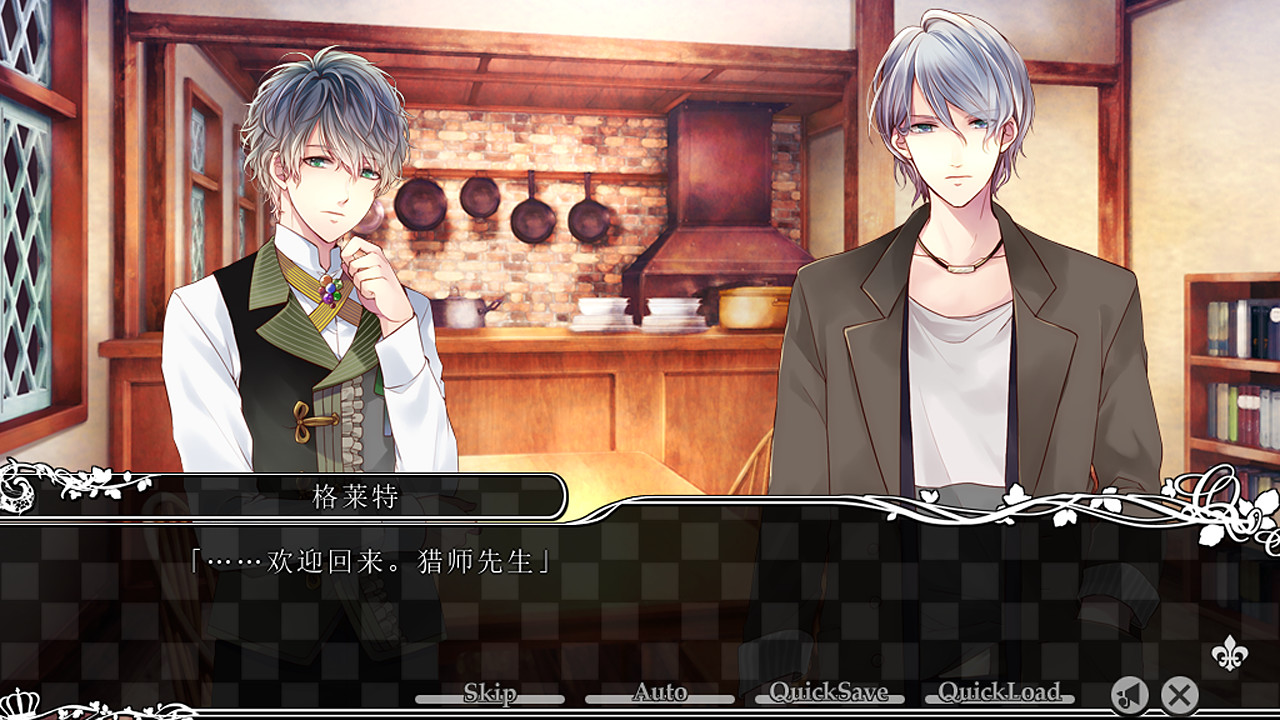
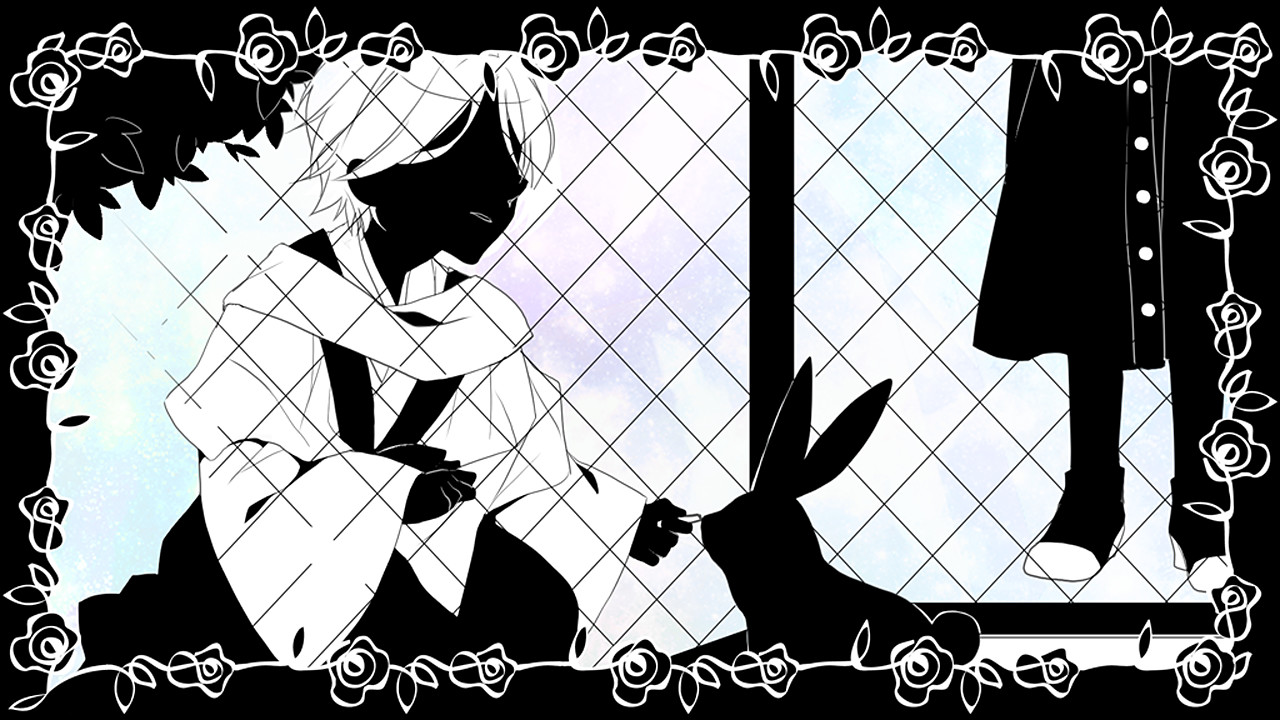
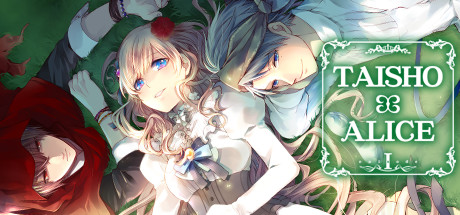
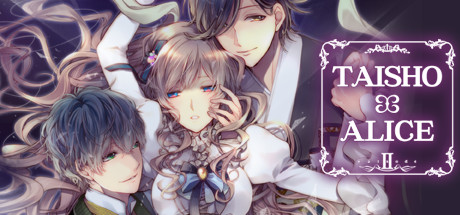
Taisho x Alice Episode 2, developed by Primula and published by Pencil, continues the unique and emotionally charged journey of its predecessor, immersing players once again into the dreamlike mirror world where fairy tales are rewritten, reversed, and reimagined through a distinctly psychological lens. This episode focuses on two new love interests—Gretel and Kaguya—and expands the surreal narrative with greater emotional depth, darker undertones, and a more complex examination of human vulnerability. The game retains the series’ signature mix of whimsical charm and introspection while pushing its themes into more mature territory, exploring the fragility of identity, the pain of memory, and the difficult path toward understanding and self-acceptance. The story continues the concept of a protagonist awakening in a void with no memories before being guided through a mirror into an alternate world where familiar fairy tale characters exist in inverted forms. Here, the player once again assumes the role of Arisu, a heroine who serves not as a damsel to be rescued but as a savior of broken hearts and lost souls. This reversal of roles remains one of the most compelling aspects of the series, positioning the heroine as an active force for compassion and healing rather than a passive object of affection. In Episode 2, the structure allows players to choose between two distinct narrative routes—Gretel and Kaguya—each offering a self-contained story that nonetheless feeds into the larger mystery surrounding the mirror world and Arisu’s true identity. Gretel’s route unfolds as a psychological thriller wrapped in the veneer of a fairy tale. It examines possessiveness, fear, and the blurred line between love and obsession. His story delves into the darkness of dependency and control, casting Gretel as both a victim and a manipulator—a boy haunted by abandonment who seeks comfort in imprisonment. The writing captures his conflicting emotions beautifully, balancing sympathy with unease as Arisu must navigate a relationship that teeters between salvation and self-destruction. The progression of their bond is written with both tenderness and dread, and while Gretel’s behavior can be disturbing, his vulnerability lends him humanity, making his eventual redemption, or downfall, all the more affecting. Kaguya’s route, in contrast, is melancholic and introspective. It centers on themes of memory loss, guilt, and the quiet devastation of living with self-loathing. His story unfolds like a slow-burning tragedy, exploring mental illness, trauma, and the desperate human desire for forgiveness. Kaguya’s charm and gentleness conceal a profound sadness, and his narrative challenges the player to confront the emotional scars that define him. This route is heavy in its portrayal of emotional pain and resilience, and while it doesn’t shy away from uncomfortable topics such as self-harm and the emotional toll of abuse, it handles them with sensitivity and purpose. The writing walks a fine line between despair and hope, ultimately presenting a narrative about compassion’s power to restore broken people, even if healing comes at a cost. The tone of Episode 2 is noticeably darker and more mature than the previous entry, which leaned on humor and light romance to balance its mysteries. Here, the game leans into emotional intensity and psychological realism. It is not afraid to confront taboo or painful subjects, and while this may make it difficult for some players, it also gives the story a striking authenticity that few otome games attempt. The heroine’s character is more assertive and self-aware, often serving as a moral compass in a world full of fractured souls. Her dynamic with each male lead feels grounded in mutual healing rather than fantasy, making the relationships deeply personal. This focus on emotional intimacy rather than conventional romance gives the game its defining strength—it is about love as empathy and understanding, not simple attraction. Visually, Taisho x Alice Episode 2 maintains the same lavish aesthetic that has become the series’ hallmark. The art direction is ornate and fairytale-like, full of soft colors, intricate backgrounds, and elegant character designs that contrast sharply with the darker themes of the narrative. Each scene feels like a painting, and the use of lighting and color—bright pastels during moments of peace and shadowed hues during conflict—serves to enhance the emotional atmosphere. The character sprites are expressive, and the game’s full Japanese voice acting adds further depth, bringing subtle nuances to the dialogue and enhancing the emotional weight of key moments. The soundtrack complements the storytelling perfectly, shifting from haunting piano melodies to gentle orchestral themes that mirror the tension and tenderness of each scene. Mechanically, the game functions as a traditional visual novel with branching dialogue choices that lead to multiple endings. While there are both good and bad conclusions for each route, the overall progression is relatively linear, emphasizing the emotional journey over complex gameplay systems. Choices feel meaningful in shaping tone and relationship development, even if they do not drastically alter the outcome. The game’s pacing is deliberate, allowing the narrative to unfold at a steady rhythm that gives weight to its dramatic moments. This slower tempo might not appeal to those seeking a more fast-paced or lighthearted experience, but it suits the reflective and somber tone of the story perfectly. While Taisho x Alice Episode 2 succeeds in deepening the emotional and thematic complexity of the series, it is not without imperfections. The tonal heaviness can sometimes verge on melodrama, and a few narrative twists rely on familiar otome tropes such as amnesia and symbolic dream sequences. Some players may find certain story beats uncomfortable due to the raw nature of the subject matter. However, these elements rarely feel gratuitous; instead, they contribute to a narrative that is unafraid to explore human fragility and the ways love can both heal and wound. The routes balance pain and tenderness in ways that linger long after completion, leaving a quiet ache that feels earned. In the end, Taisho x Alice Episode 2 is a remarkable continuation of a series that blends fairy tale magic with psychological storytelling. It challenges the conventions of its genre by presenting love stories that are complex, flawed, and achingly human. Beneath its soft pastel visuals and fairytale motifs lies a story of emotional survival, one that asks what it means to truly see and accept another person’s darkness. It is not an easy experience—nor is it meant to be—but it is a deeply rewarding one. For players who appreciate intricate character writing, layered emotional themes, and visual novels that dare to confront pain with sincerity, this episode stands as one of the most memorable entries in modern otome storytelling. Rating: 8/10
Expand the review