
TAISHO x ALICE epilogue
This is the final installment of TAISHO x ALICE, a fairytale visual novel in which YOU must save your Prince Charming! Take on the role of the heroine in order to rehabilitate your chosen love interest and guide him to his "happily ever after" once and for all!
Sync your Steam wishlist to find the lowest game prices instantly. No login required, just paste your Steam profile URL!
⚡ Try Wishlist Radar!
Sync your Steam wishlist to find the lowest game prices instantly. No login required!
⚡ Try Wishlist Radar!
Close

TAISHO x ALICE episode 3 on Steam
Quick menu
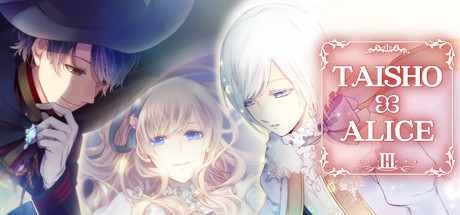
DUALICE(TAISHO x ALICE episode III) is a fairytale visual novel in which YOU must save your Prince Charming! You will take on the role of the fairytale heroine in order to rehabilitate your chosen love interest and guide him to his "happily ever after"!
TAISHO x ALICE episode 3 is a adventure, visual novel and otome game
developed by Primula
and published by pencil.
Released on March 03rd 2021 is available only on Windows.
It has received 363 reviews of which 331 were positive and 32 were negative resulting in a rating of 8.4 out of 10. 😎
The game is currently priced at 16.49€ on Steam.
The Steam community has classified TAISHO x ALICE episode 3 into these genres:
Media & Screenshots
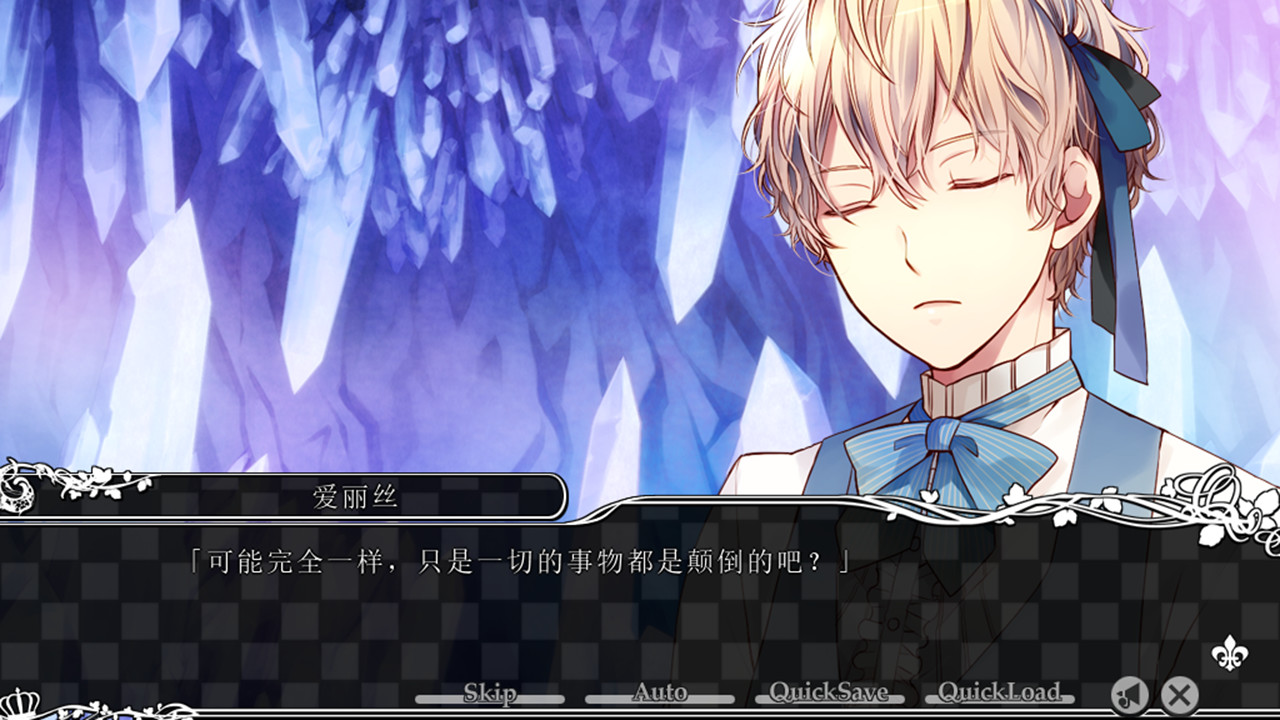
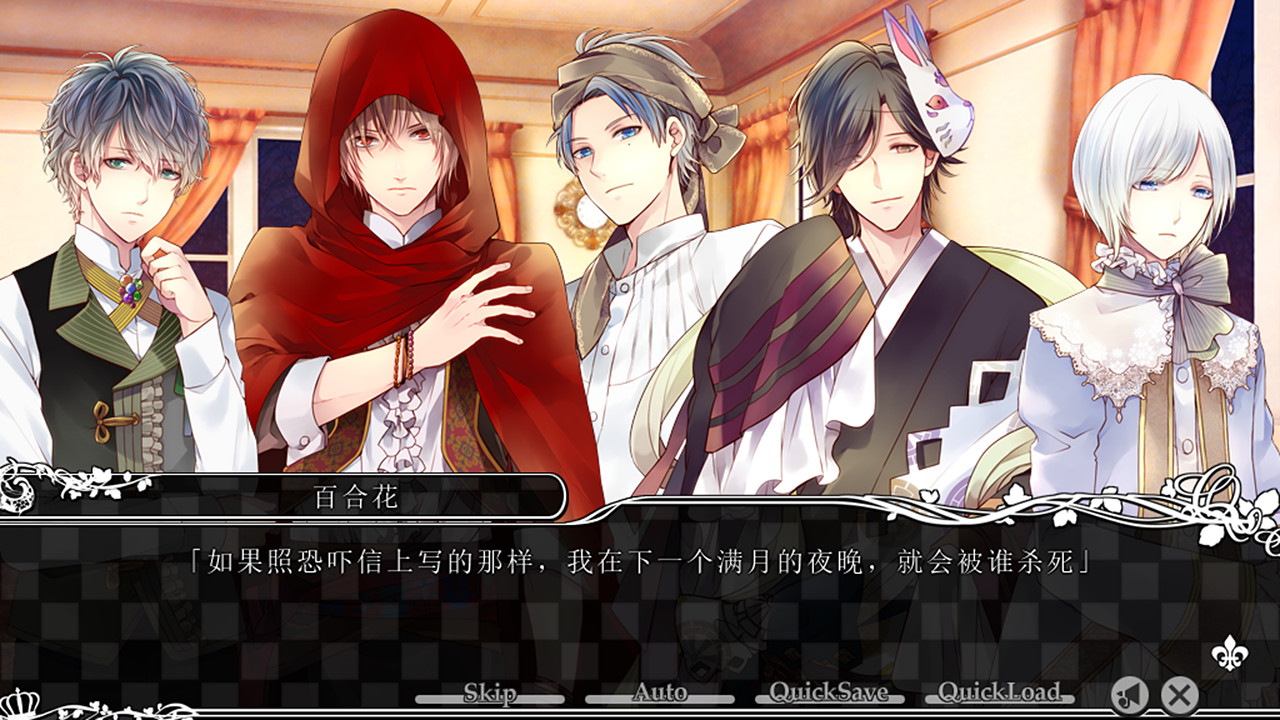
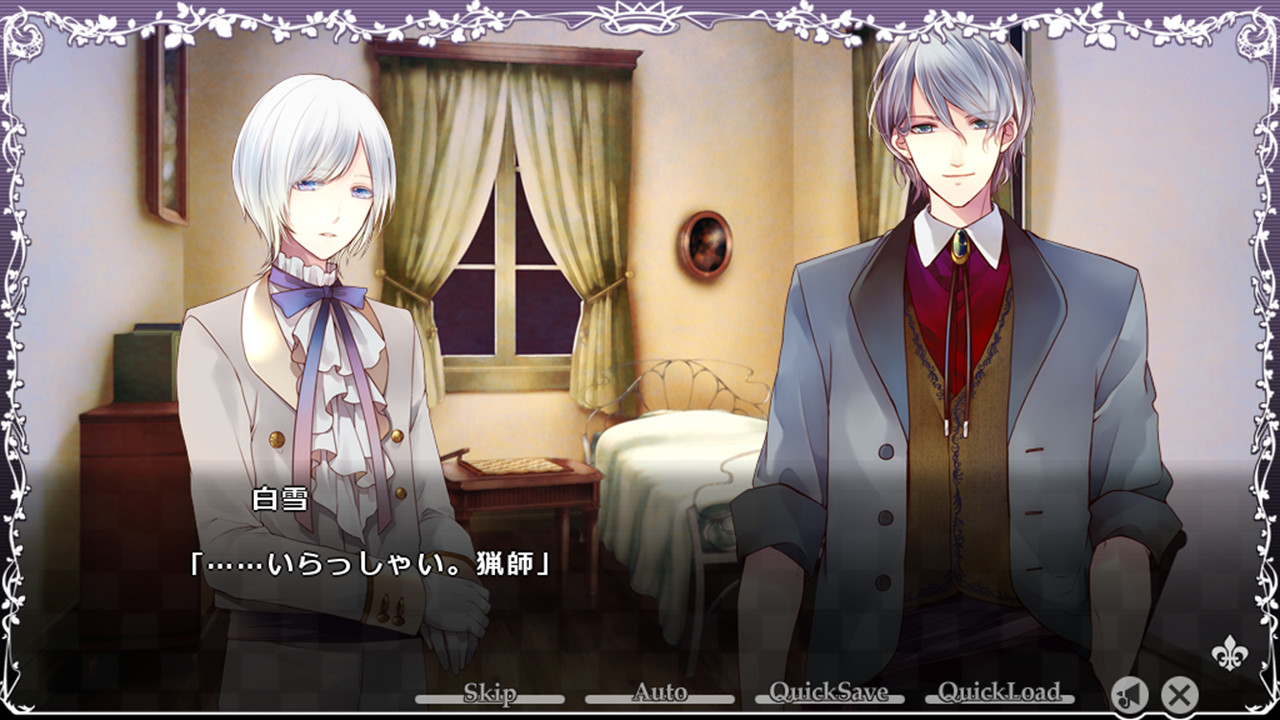
Get an in-depth look at TAISHO x ALICE episode 3 through various videos and screenshots.





Load More
System requirements
These are the minimum specifications needed to play the game. For the best experience, we recommend that you verify them.
Windows
- OS *: windows7,8,10
- Processor: Pentium 4 1.3 GHz
- Memory: 512 MB RAM
- Graphics: VRAM 128MB, 1024x768 Resolution
- DirectX: Version 9.0c
- Storage: 2 GB available space
- Sound Card: DirectSound
Steam Price & Best Deals
User reviews & Ratings
Explore reviews from Steam users sharing their experiences and what they love about the game.
Here, in episode 3, things take a very sharp curve into darkness. Not like they hadn't already; we saw as much in Gretel and Kaguya's routes. But here, things start to connect in ways I never could have thought. Even when I assumed I had it figured out, I was wrong. The plot thickened and the sky crashed down on me each time something new was uncovered. In this episode, we have Snow White, and the Wizard. Their importance is insane. Gone are the fluffy, sweet moments we had in episode 1, or even the comedy we experienced in episode 2 here and there. This one hits you over the head continuously with pain, anguish, sorrow. I honestly thought they had labelled this piece as a psychological horror the way things unravelled. But, by god, was it an amazing experience. I loved it so much. I do wish we had more one on one time with these two love interests as it feels like they were shorted a bit in terms of their own personalities in favor of the main story. Yet, it worked out, because I found myself gasping and freaking out with every piece of lore. This entry into the series clears up a lot of unanswered questions, though not all. A lot changes here, and it gets muddled and a bit terrifying, but overall, what an experience it is. Just as before, the music and art is gorgeous, and the plot leaves you mouth agape and shocked the whole way through. If you're looking for a conventional love story, you will not find it here. Play this. DO NOT SKIP ANYONE. It is so important to play every route, I cannot stress this enough. Onward, to the epilogue... where the final shard is placed in the mirror.
Taisho x Alice Episode 3, developed by Primula and published by Pencil, is the third installment in a uniquely structured visual novel series that combines fairy-tale motifs, romantic storytelling, and psychological depth. Continuing the overarching narrative that began in the first two episodes, this chapter further unravels the mysteries of the mirror world while offering two new routes centered on the reimagined characters of Snow White and the Wizard. As in the previous episodes, the story begins with the heroine awakening in a dark void devoid of memory, encountering the mysterious Alice, and entering the mirror world where familiar fairy-tale characters have been inverted into fresh and sometimes surprising forms. What sets this episode apart is its more mature tone and emotional complexity. While earlier entries leaned heavily into whimsical romance, Episode 3 begins to reveal the darker foundations of the series’ world, transforming what seemed like a simple fairy-tale setting into a layered narrative about trauma, identity, and redemption. The game’s writing and structure reflect a growing sense of cohesion and ambition. Each route feels more purposeful and intricately woven into the overarching mystery that connects all the previous chapters. The Snow White route, in particular, delves into themes of self-perception and personal worth. It transforms the traditional image of Snow White’s purity and passivity into something far more introspective, portraying a character struggling with internalized guilt and emotional vulnerability. The Wizard’s route, by contrast, leans into suspense and mystery, exploring the blurred lines between reality and illusion. These two paths complement each other beautifully, balancing emotional introspection with narrative intrigue. Both routes maintain the series’ trademark charm—romantic storytelling told from a female perspective—but they also expand it, inviting the player to question what lies beneath the surface of these fairy-tale archetypes. The writing strikes a delicate balance between sweetness and melancholy, crafting a narrative that feels both fantastical and grounded in human emotion. Visually, Taisho x Alice Episode 3 continues to impress with its delicate art direction and elegant character designs. The sprites are detailed and expressive, with every subtle movement or change in expression capturing the characters’ emotional states. The backgrounds, inspired by early 20th-century aesthetics, create an atmosphere that fuses the elegance of the Taisho era with the surreal dreamscape of the mirror world. This combination of period style and fantasy gives the game a distinct visual identity that sets it apart from other otome titles. The CG illustrations are particularly beautiful, showcasing moments of intimacy or tension with painterly grace. The soundtrack complements this aesthetic perfectly—it ranges from ethereal melodies to haunting piano themes, enhancing both the romantic and mysterious tones of the story. The Japanese voice acting is top-tier, adding nuance and emotional resonance to every scene, while the localization captures the whimsical humor and dramatic flair of the dialogue, though some players might find certain lines slightly over-stylized or modernized compared to the original tone. In terms of gameplay, the experience remains faithful to the visual novel format. The player primarily reads through text and makes key decisions that influence the branching paths of the story. Each route offers multiple endings, from happy to bittersweet, rewarding players who explore every dialogue choice and replay to discover the full narrative scope. The pacing is measured, taking its time to build atmosphere and character relationships. For players accustomed to more dynamic or interactive visual novels, the deliberate pacing may feel slow, but this approach allows the story’s emotional beats to unfold naturally. The game’s interface is simple and user-friendly, with convenient save and skip options that make route exploration smooth and accessible. It’s not a mechanically complex experience, but like most otome titles, the emphasis lies in immersion and storytelling rather than challenge or interactivity. Where Episode 3 truly excels is in its emotional depth. The relationships between the heroine and her romantic leads feel more developed and genuine than before, moving beyond simple affection into explorations of healing, understanding, and trust. Each route tackles emotional obstacles that resonate with the overarching theme of self-acceptance. The heroine’s role as an active participant in these relationships also feels stronger than in previous episodes; she is not a passive bystander but a character with agency, empathy, and growing awareness. The storytelling interweaves personal growth with romance, resulting in moments that are both touching and thought-provoking. What begins as a fairy-tale rescue story ultimately evolves into something introspective and meaningful, reminding players that the series’ true heart lies not in saving others, but in rediscovering oneself. Despite its many strengths, Taisho x Alice Episode 3 is not without its minor shortcomings. Some players may find the pacing slow or the routes shorter than expected, particularly if they are used to longer visual novels with extensive branching. The dialogue occasionally indulges in melodrama, and while this suits the fairy-tale tone, it might feel exaggerated to those seeking subtlety. Nonetheless, these are small criticisms in a game that otherwise succeeds in its ambition. What makes this episode stand out is how it bridges the lighter, romantic tone of the earlier entries with the deeper, more philosophical revelations that prepare players for the series’ conclusion. It’s a careful balance between closure and anticipation, giving fans both emotional satisfaction and curiosity for what comes next. Taisho x Alice Episode 3 is one of the most polished and emotionally fulfilling chapters in the series. It builds upon everything that came before it—expanding the lore, deepening the character development, and refining the storytelling style. For players who have followed the series from the beginning, this episode serves as a pivotal moment where the pieces begin to fit together and the true scope of the mirror world becomes clear. For newcomers, it remains an accessible entry point that can stand on its own, though the experience is richer when played in sequence. Through its evocative art, enchanting music, and heartfelt writing, the game captures the timeless appeal of fairy tales while grounding them in the complexities of human emotion. It’s a delicate blend of fantasy and introspection, one that reaffirms Taisho x Alice’s reputation as one of the more distinctive and emotionally intelligent series in the otome genre. Rating: 8/10
Similar games
View all

Hakuoki: Edo Blossoms
Continue your journey to Edo in Hakuoki™: Edo Blossoms, where you play as the heroine Chizuru Yukimura. Romance the famous warriors of the Shinsengumi as you enter a fantasy drama of battles and self-discovery. Your narrative choices unlock multiple branching storylines and 30 different endings!

Destiny's Princess: A War Story, A Love Story
It's a game for girls designed with a dramatic storyline with an emphasis on an intriguing plot. You can fall in love with the well-known heroes of the Warring States Period!

Hakuoki: Kyoto Winds
Romance 12 handsome warriors and the samurai of the Shinsengumi, uncover their dark secrets, and conquer your demons in this historical fantasy visual novel! Your narrative choices unlock multiple branching storylines and 30 different endings!
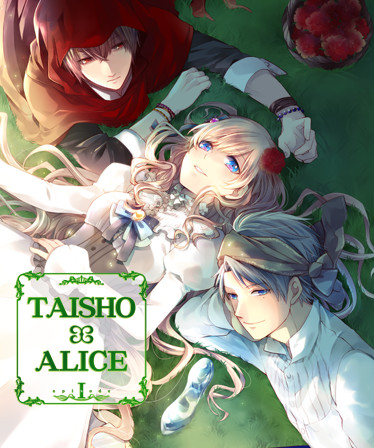
TAISHO x ALICE episode 1
DUALICE(TAISHO x ALICE episodeI) is a fairytale visual novel in which YOU must save your Prince Charming! You will take on the role of the fairytale heroine in order to rehabilitate your chosen love interest and guide him to his "happily ever after"!

Steam Prison
Sentenced for a crime you didn't commit, you're cast out of your utopian home and exiled to the destitute steampunk districts below. As you seek to clear name in this otome visual novel, you'll learn about love, encounter handsome allies in low places, and confront the stigma both societies hold.

7'scarlet
The remote town of Okunezato is shaped like a crescent moon and shrouded in dark myths and legends. Take on the role of a brave young woman journeying into the unknown to uncover dangerous truths and locate her missing brother with her childhood friend.
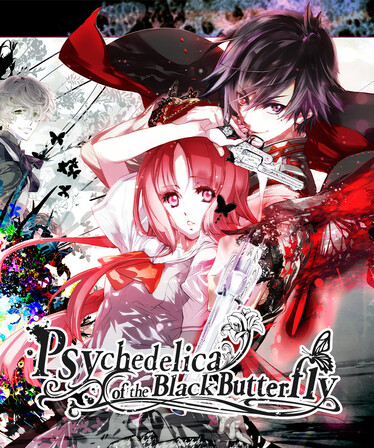
Psychedelica of the Black Butterfly
Awakening in a mysterious mansion, her first, frantic thoughts are: 'Where am I? And more importantly, WHO am I?'
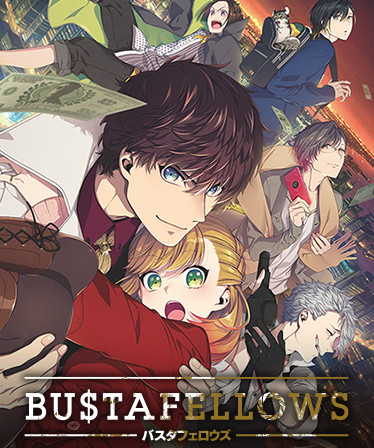
BUSTAFELLOWS
A new visual novel from the legendary eXtend! Mixing dangerous romance with murder mystery, BUSTAFELLOWS is a steamy noir mystery that will make you shiver but ask for more!
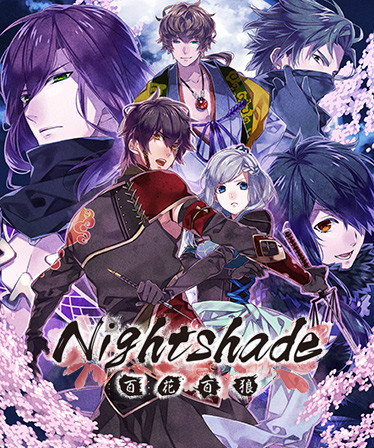
Nightshade/百花百狼
A romance visual novel game made in collaboration with D3P and Red Entertainment.Character design and illustrations are by the popular illustrator Teita. The romance revolves around Ninjas who have lived through the Sengoku Period. This game has published in 2016 as PS Vita in Japan.
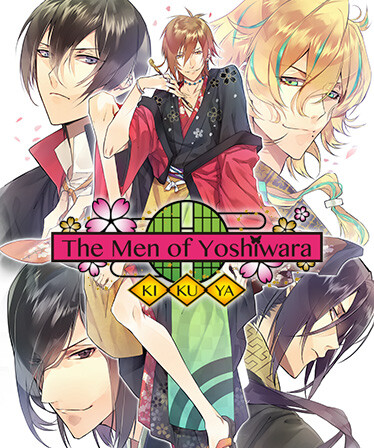
The Men of Yoshiwara: Kikuya
"The Men of Yoshiwara" is a popular romance game for women. At the end, to whom is it that you will be talking of love? Vocal opening song/English text
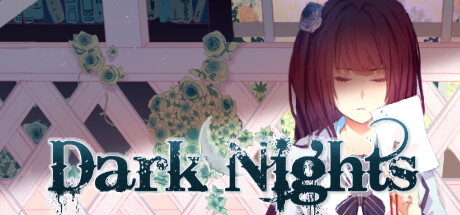
Dark Nights
Nothing is as it seems.
Frequently Asked Questions
TAISHO x ALICE episode 3 is currently priced at 16.49€ on Steam.
No, TAISHO x ALICE episode 3 is currently not on sale. You can purchase it for 16.49€ on Steam.
Yes, TAISHO x ALICE episode 3 received 331 positive votes out of a total of 363 achieving a rating of 8.42.
😎
TAISHO x ALICE episode 3 was developed by Primula and published by pencil.
Yes, TAISHO x ALICE episode 3 is playable and fully supported on Windows.
No, TAISHO x ALICE episode 3 is not playable on MacOS.
No, TAISHO x ALICE episode 3 is not playable on Linux.
No, TAISHO x ALICE episode 3 is not playable on Steam Deck.
No, TAISHO x ALICE episode 3 is not playable on Steam Machine.
No, TAISHO x ALICE episode 3 does not support VR.
TAISHO x ALICE episode 3 is a single-player game.
No, TAISHO x ALICE episode 3 does not currently offer any DLC.
No, TAISHO x ALICE episode 3 does not support mods via Steam Workshop.
No, TAISHO x ALICE episode 3 does not support Steam Remote Play.
Yes, TAISHO x ALICE episode 3 is enabled for Steam Family Sharing. This means you can share the game with authorized users from your Steam Library, allowing them to play it on their own accounts. For more details on how the feature works, you can read the original Steam Family Sharing announcement or visit the Steam Family Sharing user guide and FAQ page.
You can find solutions or submit a support ticket by visiting the Steam Support page for TAISHO x ALICE episode 3.
Data sources
The information presented on this page is sourced from reliable APIs to ensure accuracy and relevance. We utilize the Steam API to gather data on game details, including titles, descriptions, prices, and user reviews. This allows us to provide you with the most up-to-date information directly from the Steam platform.
Additionally, we incorporate data from the SteamSpy API, which offers insights into game sales and player statistics. This helps us present a comprehensive view of each game's popularity and performance within the gaming community.
Last Updates| Steam data | 17 September 2026 21:33 UTC |
|---|---|
| SteamSpy data | 19 October 2026 10:16 UTC |
| Steam price | 27 October 2026 03:46 UTC |
| Steam reviews | 19 October 2026 21:50 UTC |
If you'd like to dive deeper into the details about TAISHO x ALICE episode 3, we invite you to check out a few dedicated websites that offer extensive information and insights. These platforms provide valuable data, analysis, and user-generated reports to enhance your understanding of the game and its performance.
- SteamDB - A comprehensive database of everything on Steam about TAISHO x ALICE episode 3
- SteamCharts - Analysis of TAISHO x ALICE episode 3 concurrent players on Steam
- ProtonDB - Crowdsourced reports on Linux and Steam Deck TAISHO x ALICE episode 3 compatibility
Game modes
Features
Online players
0
Developer
Primula
Publisher
pencil
Release
03 Mar 2021
Platforms