
Fashioning Little Miss Lonesome
When two handsome young men spot the perfect girl to be their first model and help make a name for themselves, they're determined to go for broke and make her shine—but first they'll have to get her out of her house! Can these two really give such an anti-social recluse the makeover she needs to be a star?
Sync your Steam wishlist to find the lowest game prices instantly. No login required, just paste your Steam profile URL!
⚡ Try Wishlist Radar!
Sync your Steam wishlist to find the lowest game prices instantly. No login required!
⚡ Try Wishlist Radar!
Close

The Men of Yoshiwara: Kikuya on Steam
Quick menu
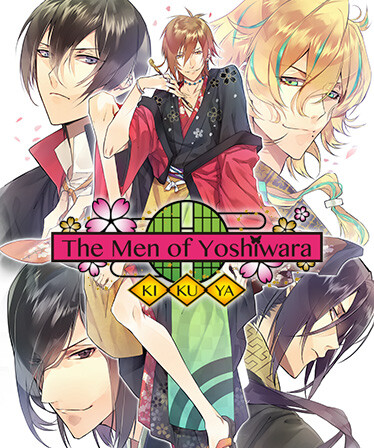
"The Men of Yoshiwara" is a popular romance game for women. At the end, to whom is it that you will be talking of love? Vocal opening song/English text
The Men of Yoshiwara: Kikuya is a otome, visual novel and female protagonist game
developed by Dogenzaka Lab
and published by Dogenzaka Lab and D3PUBLISHER.
Released on October 14th 2015 is available only on Windows
in 3 languages: English, Japanese and Simplified Chinese.
It has received 466 reviews of which 340 were positive and 126 were negative resulting in a rating of 6.9 out of 10. 😐
The game is currently priced at 27.99€ on Steam.
The Steam community has classified The Men of Yoshiwara: Kikuya into these genres:
Here is the detailed breakdown of supported languages for The Men of Yoshiwara: Kikuya:
| UI | Subtitle | Audio | |
|---|---|---|---|
| English | |||
| Simplified Chinese | |||
| Japanese |
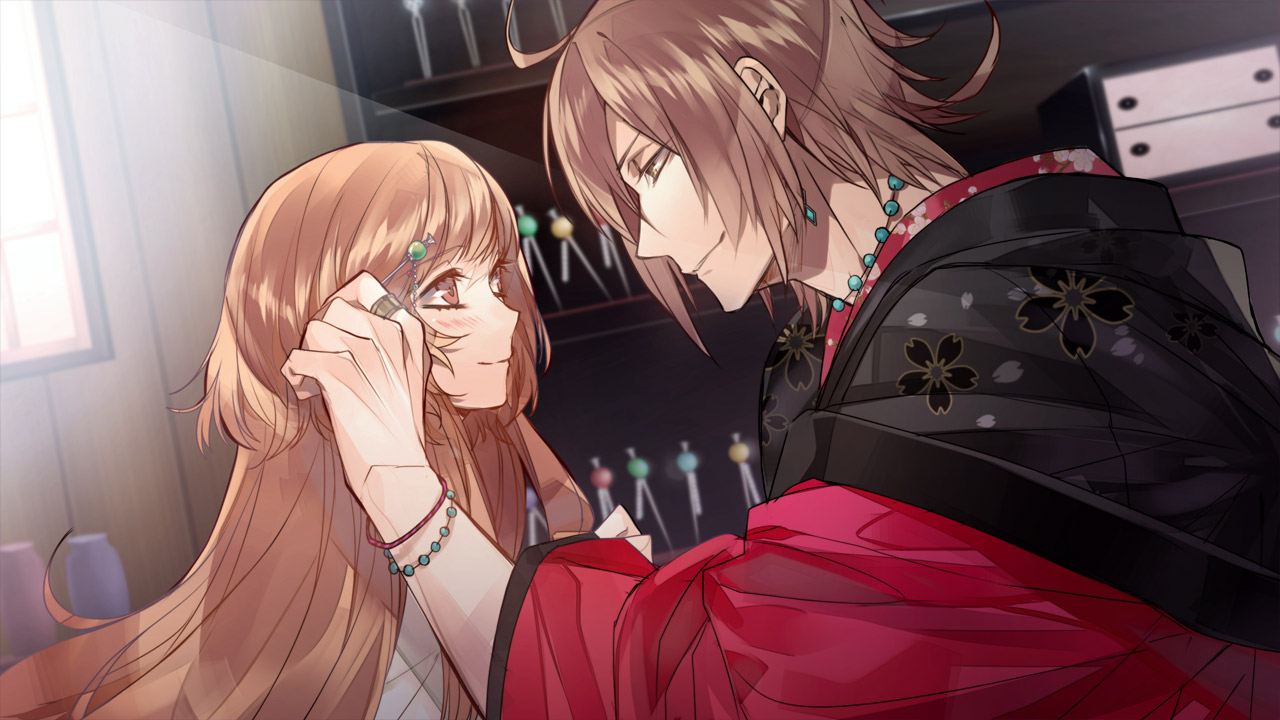
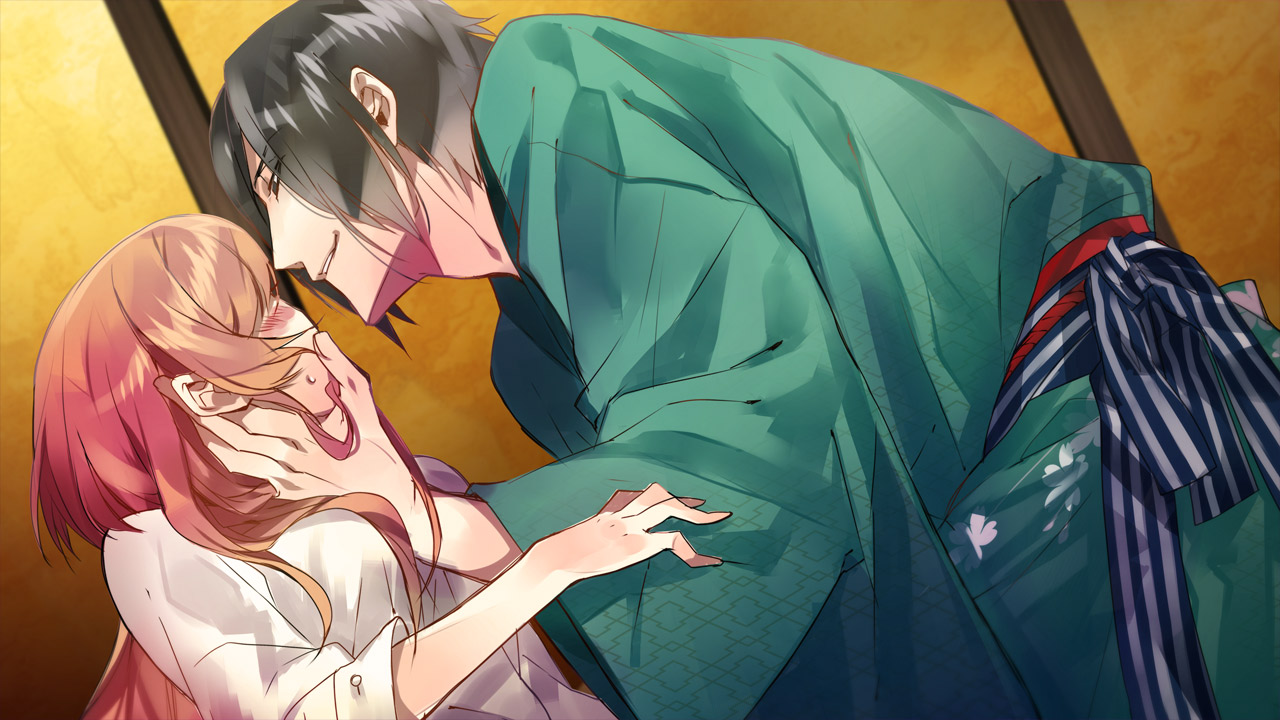
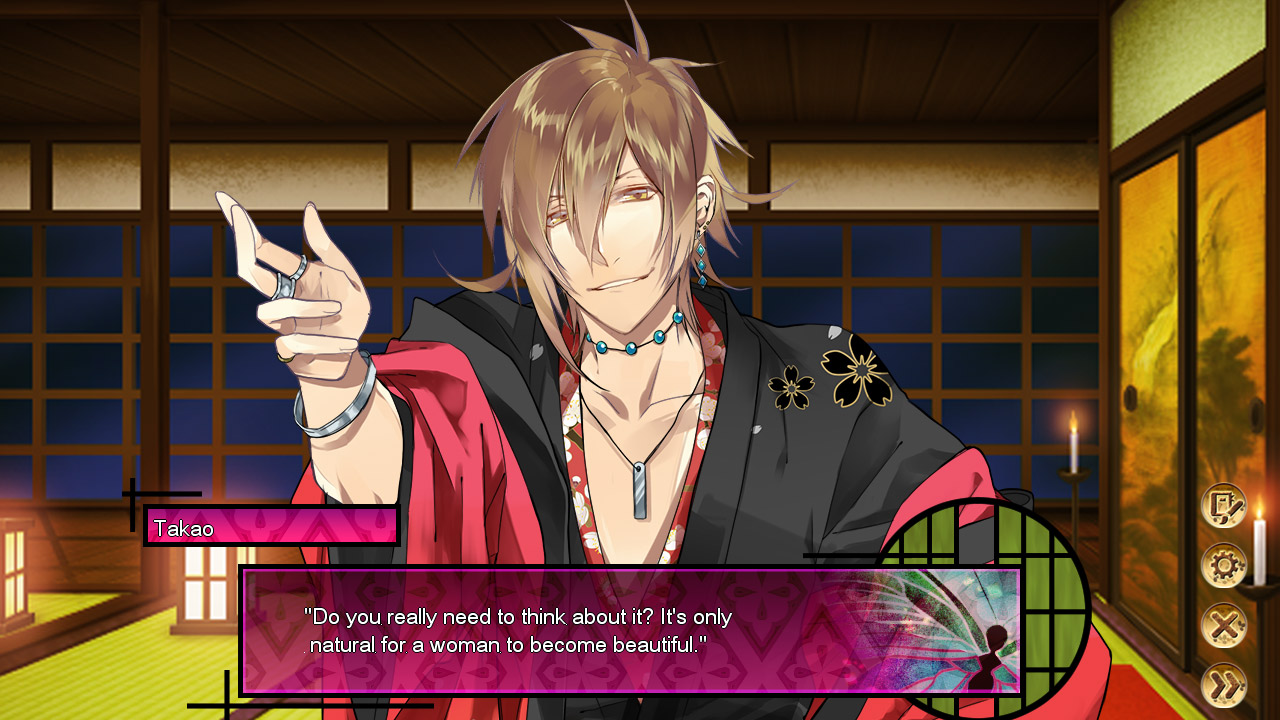
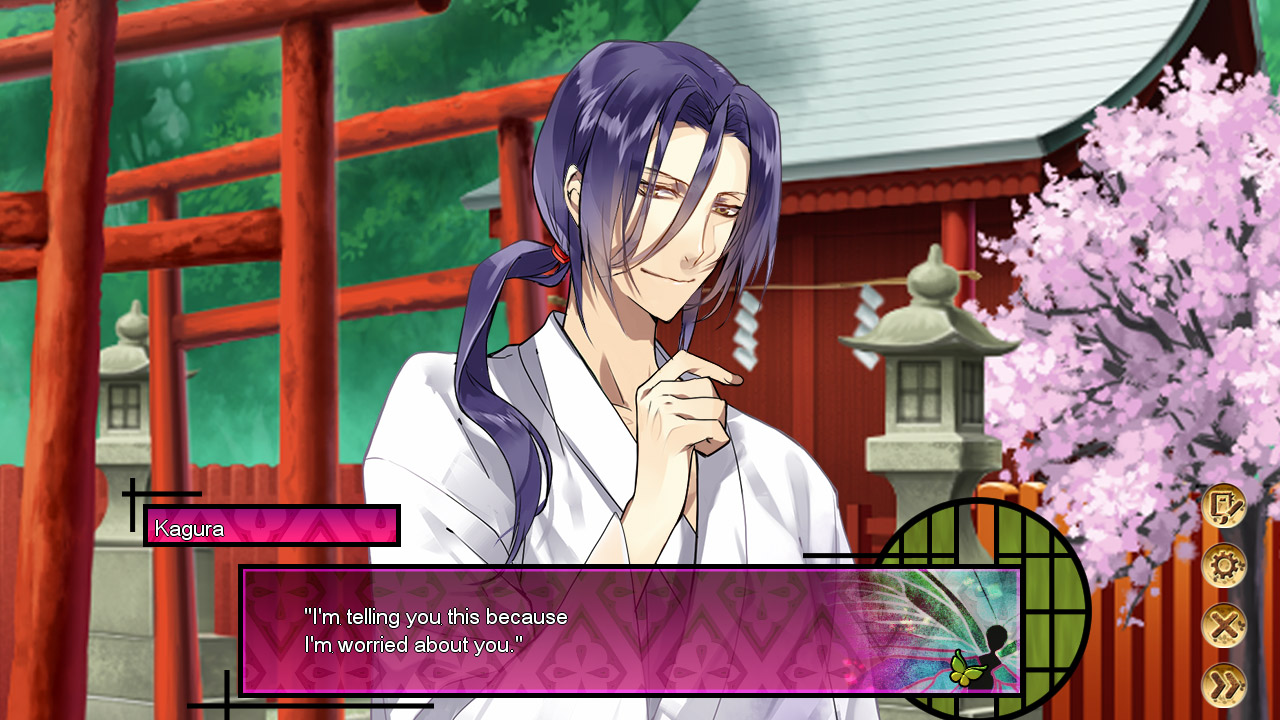
Media & Screenshots
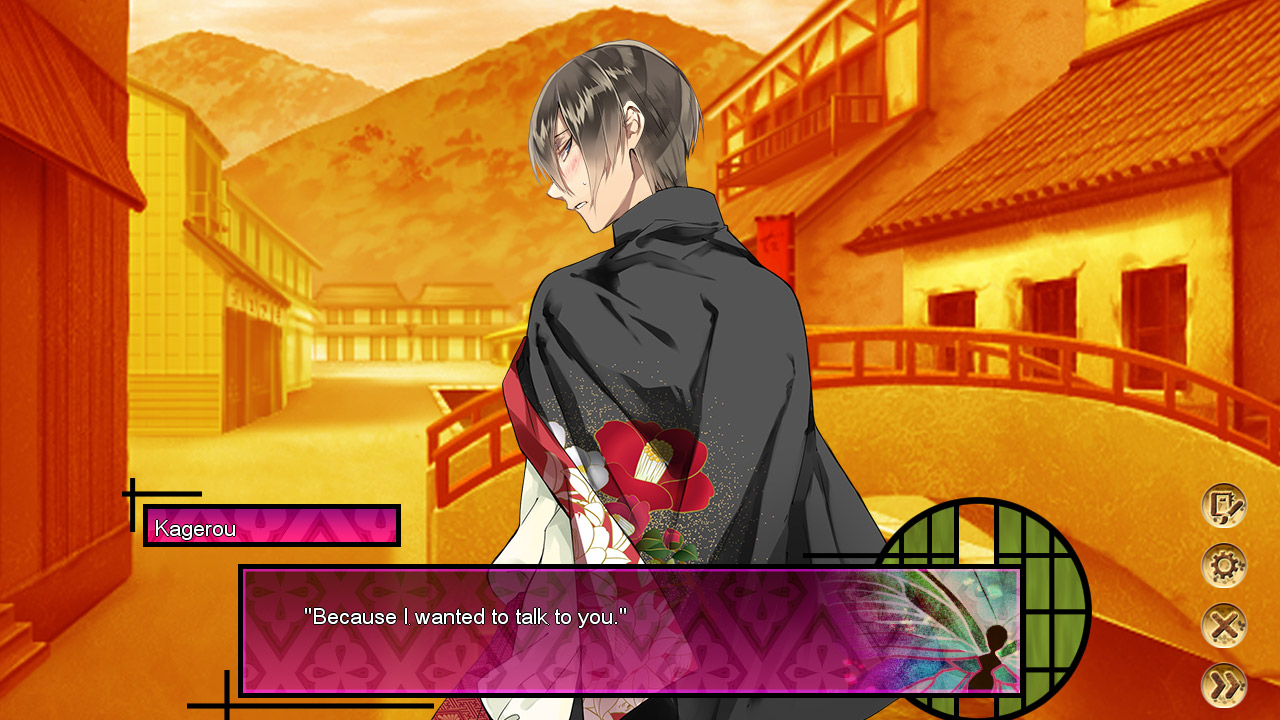
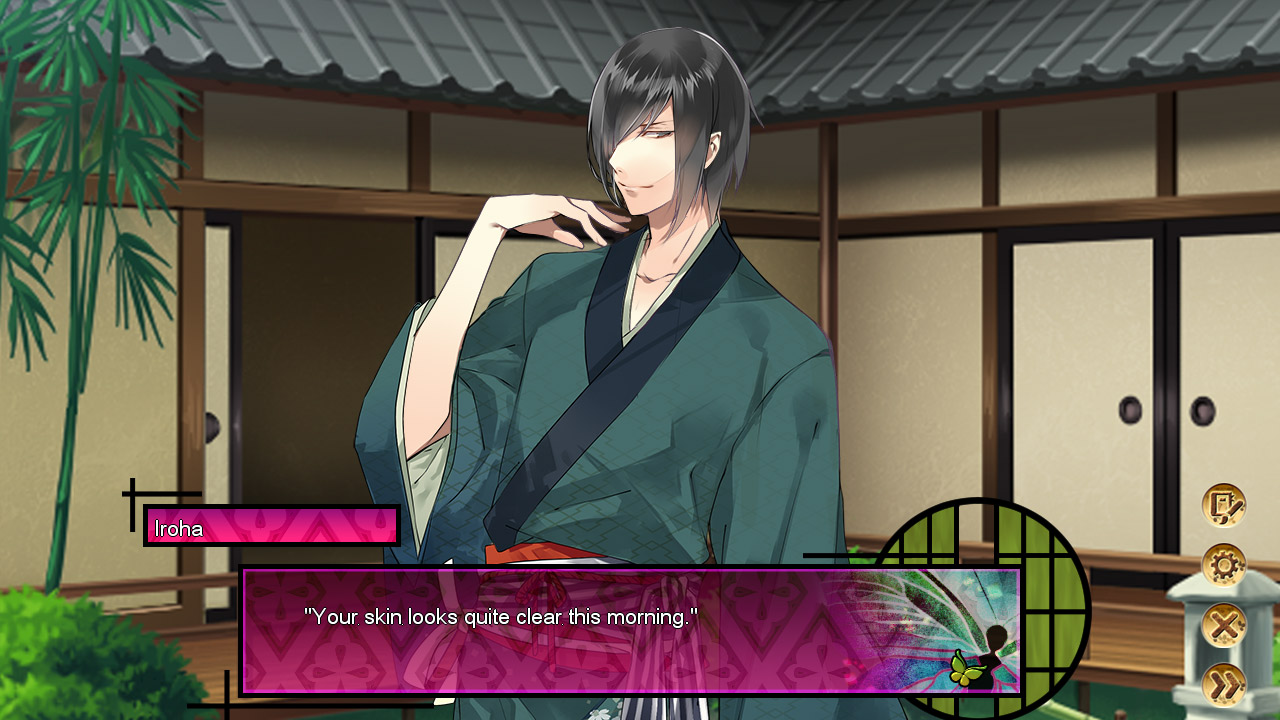
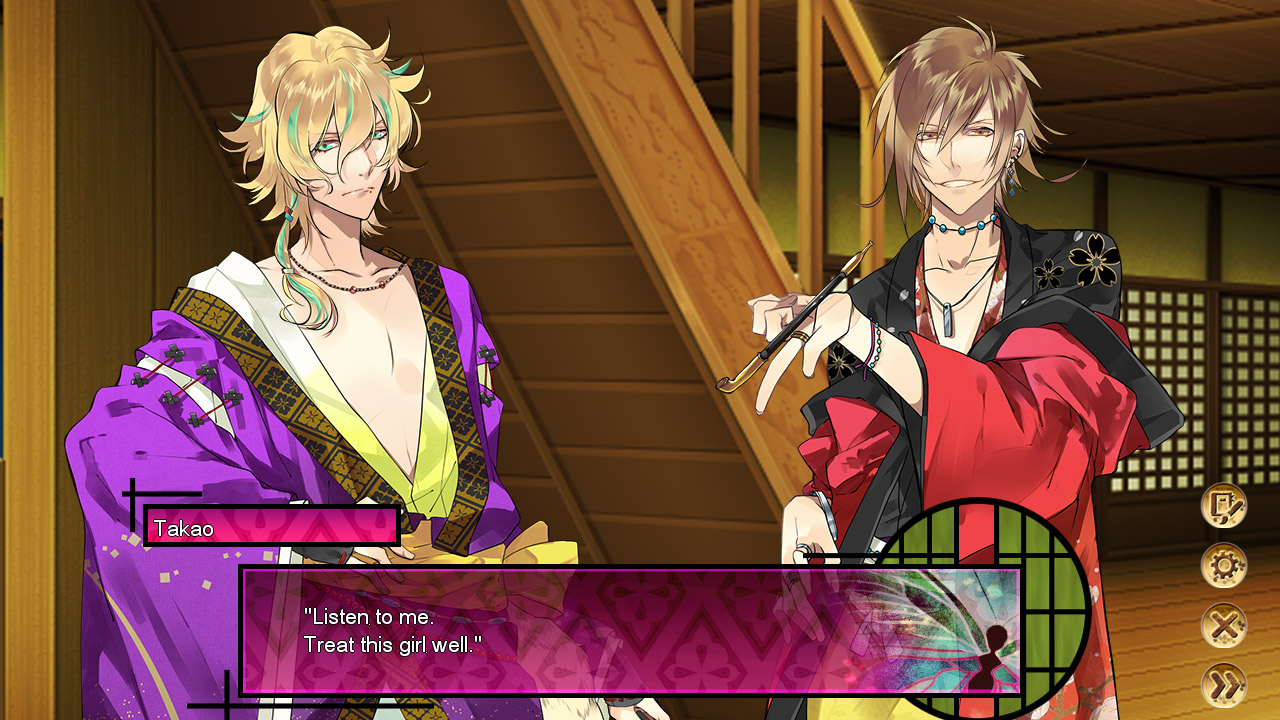
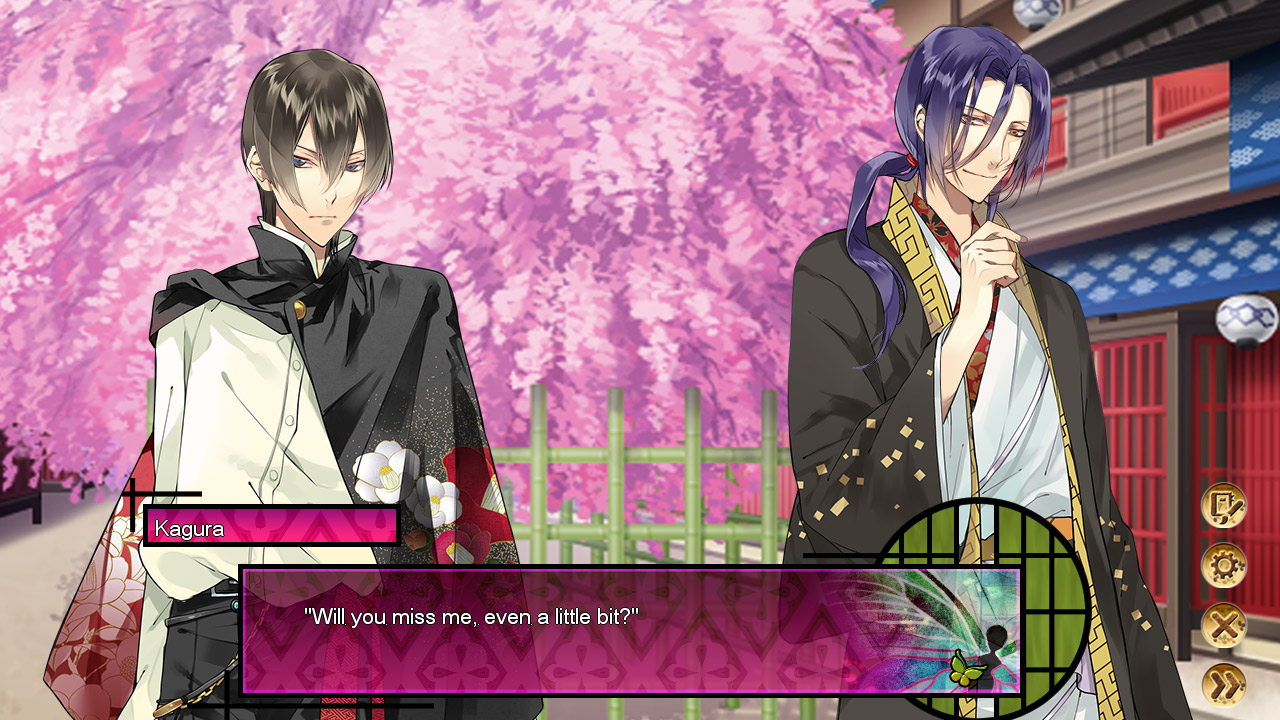
Get an in-depth look at The Men of Yoshiwara: Kikuya through various videos and screenshots.

Load More
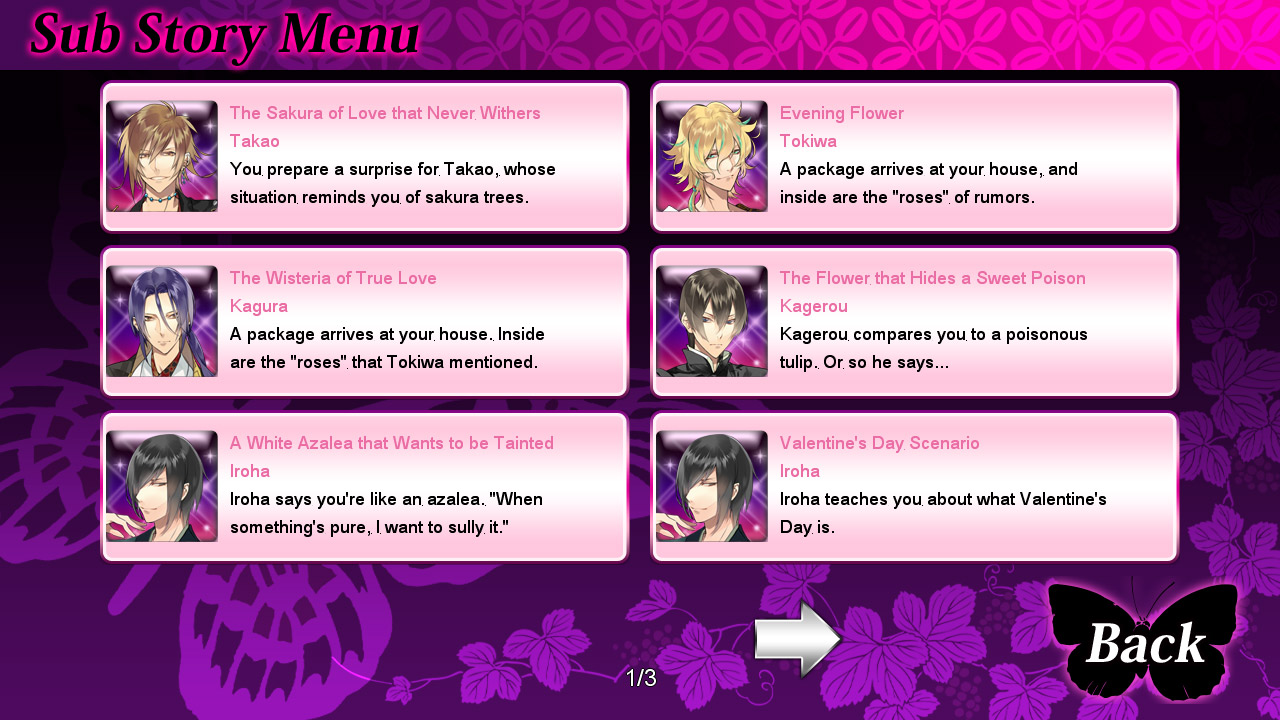
System requirements
These are the minimum specifications needed to play the game. For the best experience, we recommend that you verify them.
Windows
- OS *: Windows 7
- Processor: 1.8 GHz Pentium 4
- Memory: 1 GB RAM
- DirectX: Version 9.0c
- Storage: 1 GB available space
- Additional Notes: Resolution: 1280x720
Steam Price & Best Deals
User reviews & Ratings
Explore reviews from Steam users sharing their experiences and what they love about the game.
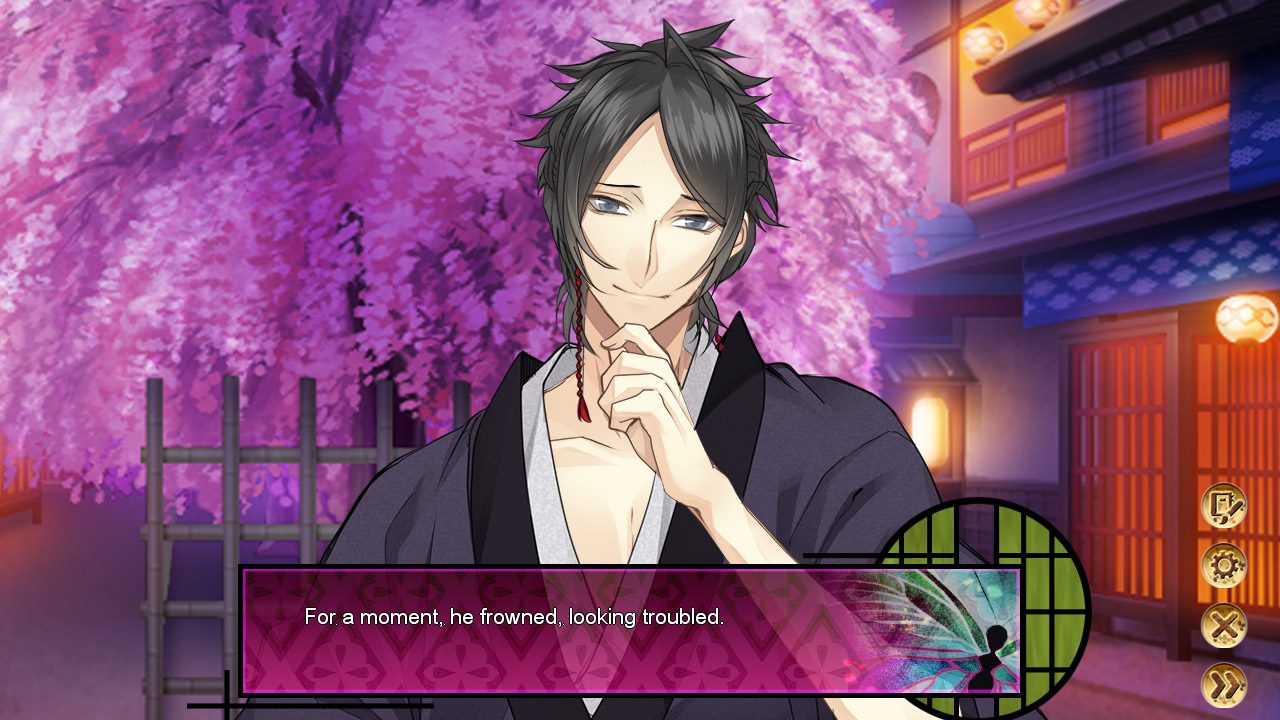
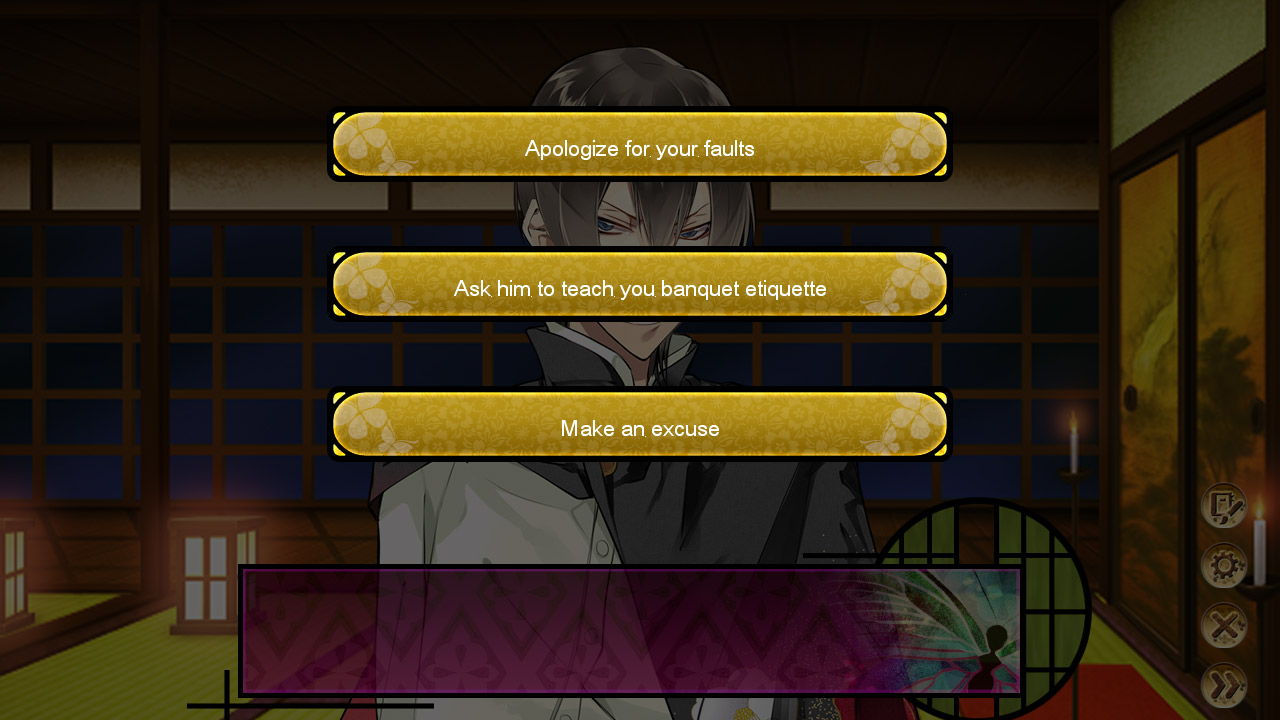
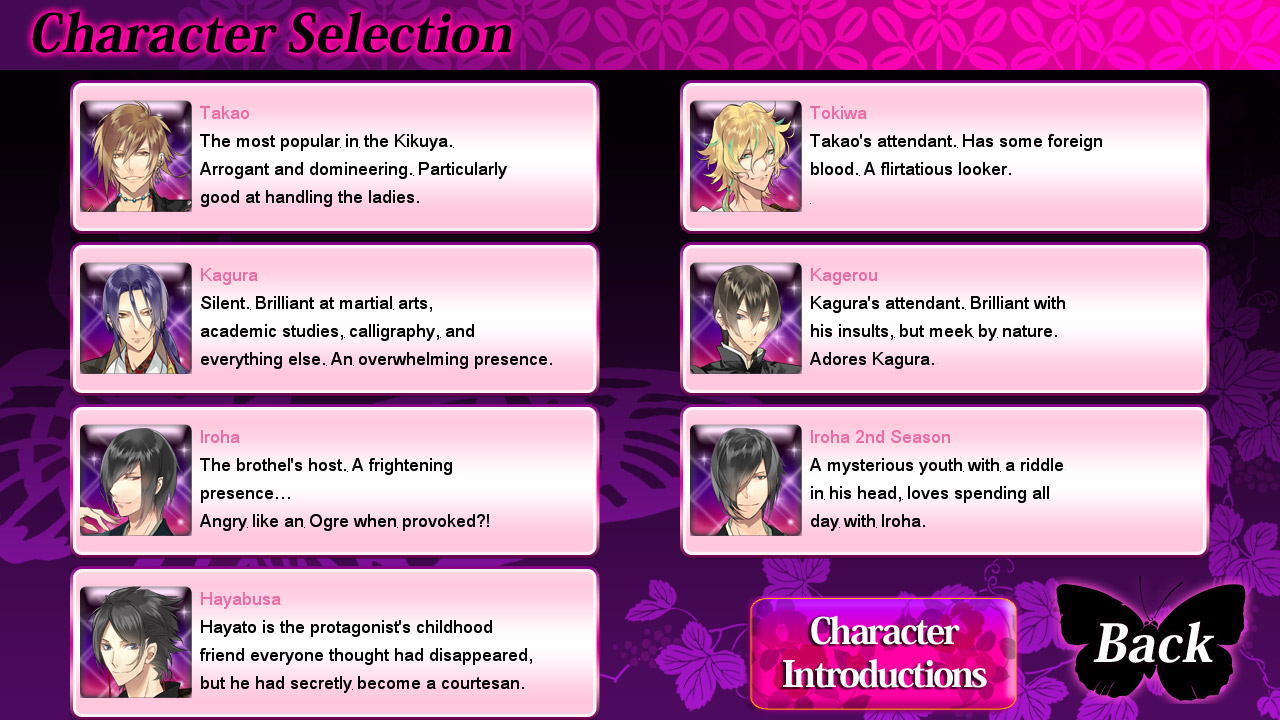
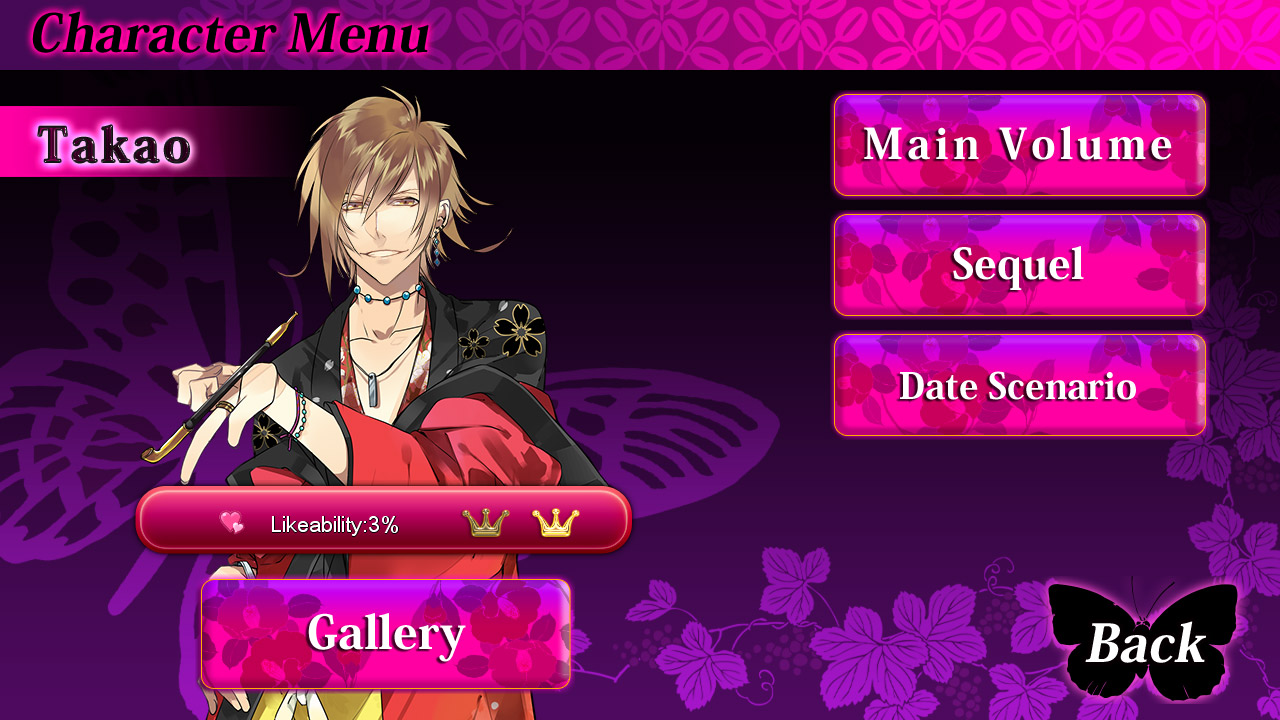
The Men of Yoshiwara: Kikuya is a romance-driven otome visual novel that combines historical fantasy, emotional drama, and mature romantic themes within a fictionalized version of Edo-era Japan. Developed by Dogenzaka Lab, the game presents a world where men are exceptionally rare, leading to the creation of a reversed Yoshiwara district populated by male courtesans who entertain women seeking affection and companionship. This unusual setting immediately separates the game from more traditional otome stories, creating a romantic atmosphere built around emotional loneliness, desire, and the fragile line between genuine love and carefully performed affection. The story follows Misao, a young woman whose life changes after she becomes drawn into the glamorous but emotionally complicated world of Kikuya, one of the district’s famous establishments. There she encounters several courtesans, each carrying different emotional burdens and personal insecurities beneath their polished appearances. While the premise initially appears focused purely on romantic fantasy, the narrative gradually reveals a more melancholic tone as it explores the emotional consequences of living inside a system where affection is treated as both performance and profession. Many of the characters struggle to separate their public personas from their genuine emotions, giving the romance routes more emotional complexity than players might initially expect. One of the strongest aspects of the game is its atmosphere. The world of Yoshiwara feels elegant, isolated, and quietly tragic at the same time. Lantern-lit streets, traditional architecture, elaborate kimonos, and luxurious interiors create a romanticized version of Edo-era Japan that constantly balances beauty with emotional sadness. Beneath the glamorous surface, there is an ongoing sense of loneliness surrounding both the heroine and the courtesans themselves. This bittersweet atmosphere becomes one of the game’s most memorable qualities because it gives emotional weight to even the quieter romantic scenes. The character artwork is especially impressive and remains one of the game’s biggest strengths. Every love interest is visually distinct, with detailed clothing, expressive facial designs, and beautifully illustrated CG scenes that enhance emotional moments throughout the story. The courtesans are intentionally designed to appear graceful and desirable, but the artwork also succeeds at portraying vulnerability and emotional exhaustion during key scenes. Several romantic moments become significantly more impactful because of how effectively the visual presentation captures emotional intimacy. Each romance route offers a different emotional experience depending on the chosen character. Some characters initially appear flirtatious and confident while secretly hiding insecurity and emotional pain, while others are more reserved, emotionally distant, or burdened by past trauma. Although many of the personalities follow familiar otome archetypes, the emotional struggles connected to their roles as courtesans help distinguish the routes from more conventional romance stories. Themes involving sacrifice, loneliness, emotional isolation, and the search for genuine affection appear frequently throughout the narrative. The writing occasionally handles emotional vulnerability surprisingly well. Since many of the male characters spend their lives pretending to love clients as part of their profession, several routes explore the conflict between artificial affection and authentic emotional attachment. This emotional uncertainty becomes one of the game’s most interesting narrative elements because the characters themselves often struggle to understand whether they are capable of experiencing real love. Certain routes lean heavily into this emotional tension and become significantly more memorable because of it. The game also includes additional side stories and post-ending content that expand on the relationships after the main routes conclude. These extra scenes help strengthen attachment to the characters and give players more emotional closure after completing specific endings. Fans who enjoy replaying visual novels to fully explore every romance route will likely appreciate the amount of relationship-focused content available. However, the game suffers from several major flaws that limit its overall impact. One of the most noticeable problems is the lack of voice acting in the Steam version. Emotional scenes occasionally feel less powerful because conversations rely entirely on text and static artwork without vocal performances to strengthen dramatic moments. Considering how heavily the game depends on emotional intimacy, the absence of voice acting noticeably hurts immersion during important scenes. The translation quality is another weakness. Awkward phrasing, grammatical mistakes, typos, and inconsistent dialogue appear regularly throughout the story. While the general meaning remains understandable most of the time, the localization occasionally disrupts emotional scenes or creates unintentionally awkward conversations. Certain lines feel unnatural enough to weaken character interactions, especially during dramatic moments that require emotional subtlety. The pacing can also become repetitive during longer sessions. Much of the gameplay revolves around conversations, romantic tension, and emotional discussions inside the courtesan district with relatively little external conflict or major plot escalation. Players looking for more dramatic story progression or larger historical events may find parts of the narrative too slow-moving or repetitive over time. Misao herself is another mixed aspect of the experience. While she functions adequately as a self-insert heroine for romance-focused storytelling, her personality often feels passive compared to stronger protagonists in more narrative-heavy otome games. Many important emotional developments are driven primarily by the male characters rather than Misao actively shaping the relationships herself. Gameplay depth is also fairly limited. Choices exist throughout the story, but the branching structure remains relatively simple compared to larger visual novels with more complex route systems. The experience depends almost entirely on the player’s emotional attachment to the characters rather than interactive mechanics or strategic decision-making. Despite these flaws, The Men of Yoshiwara: Kikuya remains memorable because of its unusual premise, emotional atmosphere, and attractive cast of characters. The game successfully combines romantic fantasy with themes of emotional isolation and hidden vulnerability, creating a softer but more melancholic tone than many lighter otome titles. While the technical shortcomings and uneven localization prevent it from reaching the highest level of visual novels, the emotional sincerity found within several routes helps the experience stand out. For fans of otome games centered around romance, emotional drama, and historical fantasy settings, The Men of Yoshiwara: Kikuya offers a visually appealing and emotionally engaging experience. Its slower pacing and limited gameplay may not appeal to everyone, but the bittersweet atmosphere, memorable romance routes, and strong visual presentation make it a worthwhile title for players interested in character-driven romantic storytelling. Rating: 7/10
Similar games
View all
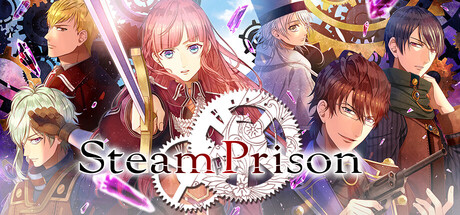
Steam Prison
Sentenced for a crime you didn't commit, you're cast out of your utopian home and exiled to the destitute steampunk districts below. As you seek to clear name in this otome visual novel, you'll learn about love, encounter handsome allies in low places, and confront the stigma both societies hold.
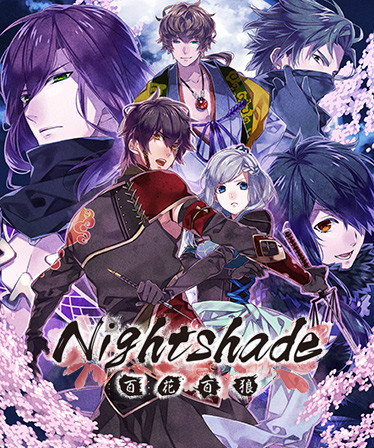
Nightshade/百花百狼
A romance visual novel game made in collaboration with D3P and Red Entertainment.Character design and illustrations are by the popular illustrator Teita. The romance revolves around Ninjas who have lived through the Sengoku Period. This game has published in 2016 as PS Vita in Japan.
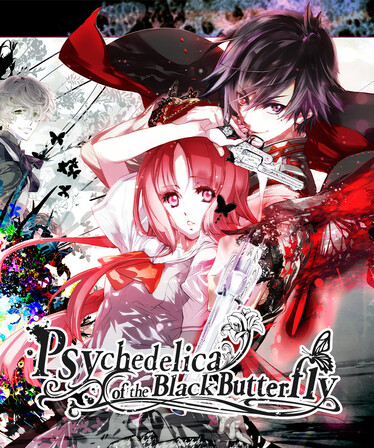
Psychedelica of the Black Butterfly
Awakening in a mysterious mansion, her first, frantic thoughts are: 'Where am I? And more importantly, WHO am I?'

Hakuoki: Kyoto Winds
Romance 12 handsome warriors and the samurai of the Shinsengumi, uncover their dark secrets, and conquer your demons in this historical fantasy visual novel! Your narrative choices unlock multiple branching storylines and 30 different endings!

7'scarlet
The remote town of Okunezato is shaped like a crescent moon and shrouded in dark myths and legends. Take on the role of a brave young woman journeying into the unknown to uncover dangerous truths and locate her missing brother with her childhood friend.

OZMAFIA!!
Enjoy a dramatic romance in this fairytale otome visual novel. Who will you decide to trust and fall in love with in this mysterious town where fairytales have become warring mafia famiglia? Explore this exciting world through a dozen routes and 20+ endings!
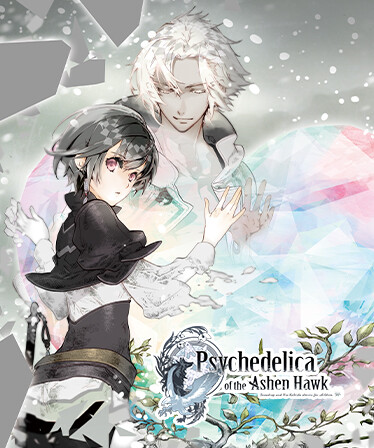
Psychedelica of the Ashen Hawk
Uncover the secret – Unite the clans In a town ruled by opposing clans and overshadowed by superstition and legend, a child is born with the dreaded mark of a witch. She conceals her identity until the theft of a mysterious relic brings to light a series of staggering revelations.
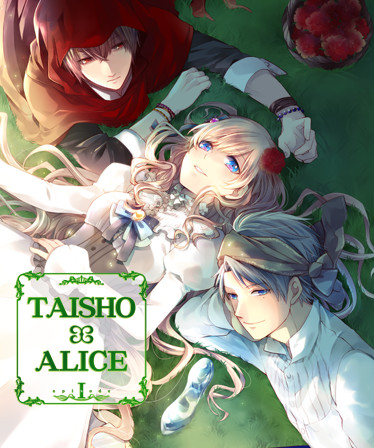
TAISHO x ALICE episode 1
DUALICE(TAISHO x ALICE episodeI) is a fairytale visual novel in which YOU must save your Prince Charming! You will take on the role of the fairytale heroine in order to rehabilitate your chosen love interest and guide him to his "happily ever after"!
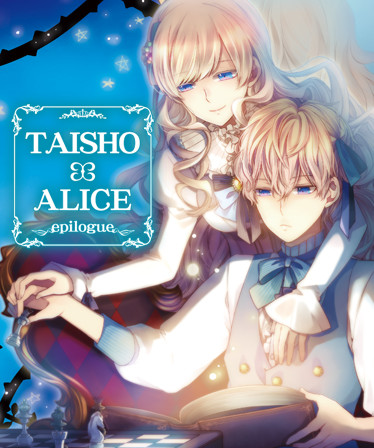
TAISHO x ALICE epilogue
This is the final installment of TAISHO x ALICE, a fairytale visual novel in which YOU must save your Prince Charming! Take on the role of the heroine in order to rehabilitate your chosen love interest and guide him to his "happily ever after" once and for all!
Dark Nights
Nothing is as it seems.

Amnesia : Memories
You awaken to find your memories gone. To learn the truth behind your amnesia, you’ll choose from five romantic paths, each its own world. With 20+ endings, can you write the lasting love story you deserve, or will your love and life come to an end?
Frequently Asked Questions
The Men of Yoshiwara: Kikuya is currently priced at 27.99€ on Steam.
No, The Men of Yoshiwara: Kikuya is currently not on sale. You can purchase it for 27.99€ on Steam.
Yes, The Men of Yoshiwara: Kikuya received 340 positive votes out of a total of 466 achieving a rating of 6.94.
😐
The Men of Yoshiwara: Kikuya was developed by Dogenzaka Lab and published by Dogenzaka Lab and D3PUBLISHER.
Yes, The Men of Yoshiwara: Kikuya is playable and fully supported on Windows.
No, The Men of Yoshiwara: Kikuya is not playable on MacOS.
No, The Men of Yoshiwara: Kikuya is not playable on Linux.
No, The Men of Yoshiwara: Kikuya is not playable on Steam Deck.
No, The Men of Yoshiwara: Kikuya is not playable on Steam Machine.
No, The Men of Yoshiwara: Kikuya does not support VR.
The Men of Yoshiwara: Kikuya is a single-player game.
No, The Men of Yoshiwara: Kikuya does not currently offer any DLC.
No, The Men of Yoshiwara: Kikuya does not support mods via Steam Workshop.
No, The Men of Yoshiwara: Kikuya does not support Steam Remote Play.
Yes, The Men of Yoshiwara: Kikuya is enabled for Steam Family Sharing. This means you can share the game with authorized users from your Steam Library, allowing them to play it on their own accounts. For more details on how the feature works, you can read the original Steam Family Sharing announcement or visit the Steam Family Sharing user guide and FAQ page.
You can find solutions or submit a support ticket by visiting the Steam Support page for The Men of Yoshiwara: Kikuya.
Data sources
The information presented on this page is sourced from reliable APIs to ensure accuracy and relevance. We utilize the Steam API to gather data on game details, including titles, descriptions, prices, and user reviews. This allows us to provide you with the most up-to-date information directly from the Steam platform.
Additionally, we incorporate data from the SteamSpy API, which offers insights into game sales and player statistics. This helps us present a comprehensive view of each game's popularity and performance within the gaming community.
Last Updates| Steam data | 29 September 2026 13:17 UTC |
|---|---|
| SteamSpy data | 15 October 2026 07:36 UTC |
| Steam price | 27 October 2026 04:06 UTC |
| Steam reviews | 22 October 2026 08:07 UTC |
If you'd like to dive deeper into the details about The Men of Yoshiwara: Kikuya, we invite you to check out a few dedicated websites that offer extensive information and insights. These platforms provide valuable data, analysis, and user-generated reports to enhance your understanding of the game and its performance.
- SteamDB - A comprehensive database of everything on Steam about The Men of Yoshiwara: Kikuya
- SteamCharts - Analysis of The Men of Yoshiwara: Kikuya concurrent players on Steam
- ProtonDB - Crowdsourced reports on Linux and Steam Deck The Men of Yoshiwara: Kikuya compatibility
Game modes
Features
Online players
0
Developer
Dogenzaka Lab
Publisher
Dogenzaka Lab,
D3PUBLISHER
Release
14 Oct 2015
Platforms