The Talos Principle
The Talos Principle is a first-person puzzle game in the tradition of philosophical science fiction. Made by Croteam and written by Tom Jubert (FTL, The Swapper) and Jonas Kyratzes (The Sea Will Claim Everything).
Sync your Steam wishlist to track the lowest game prices instantly. No login required, just paste your Steam profile URL!
⚡ Try Wishlist Radar!
Sync your Steam wishlist to track the lowest game prices instantly. No login required!
⚡ Try Wishlist Radar!
Close

The Talos Principle 2 on Steam - User reviews, Price & Information
Quick menu
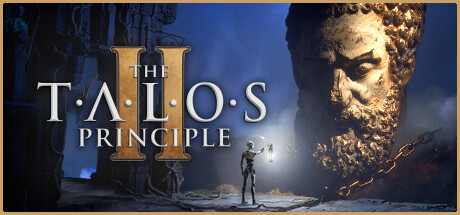
The Talos Principle 2 is a thought-provoking first-person puzzle experience that greatly expands on the first game's philosophical themes and stunning environments with increasingly mind-bending challenges.
The Talos Principle 2 is a puzzle, story rich and first-person game
developed by Croteam
and published by Devolver Digital.
Released on November 02nd 2023 is available only on Windows
in 12 languages: English, French, German, Spanish - Spain, Japanese, Korean, Polish, Portuguese - Brazil, Russian, Simplified Chinese, Traditional Chinese and Turkish.
It has received 11,897 reviews of which 11,357 were positive and 540 were negative resulting in an impressive rating of 9.3 out of 10. 😍
The game is currently priced at 28.99€ on Steam, but you can find it for 7.27€ on Eneba.
The Steam community has classified The Talos Principle 2 into these genres:
Media & Screenshots
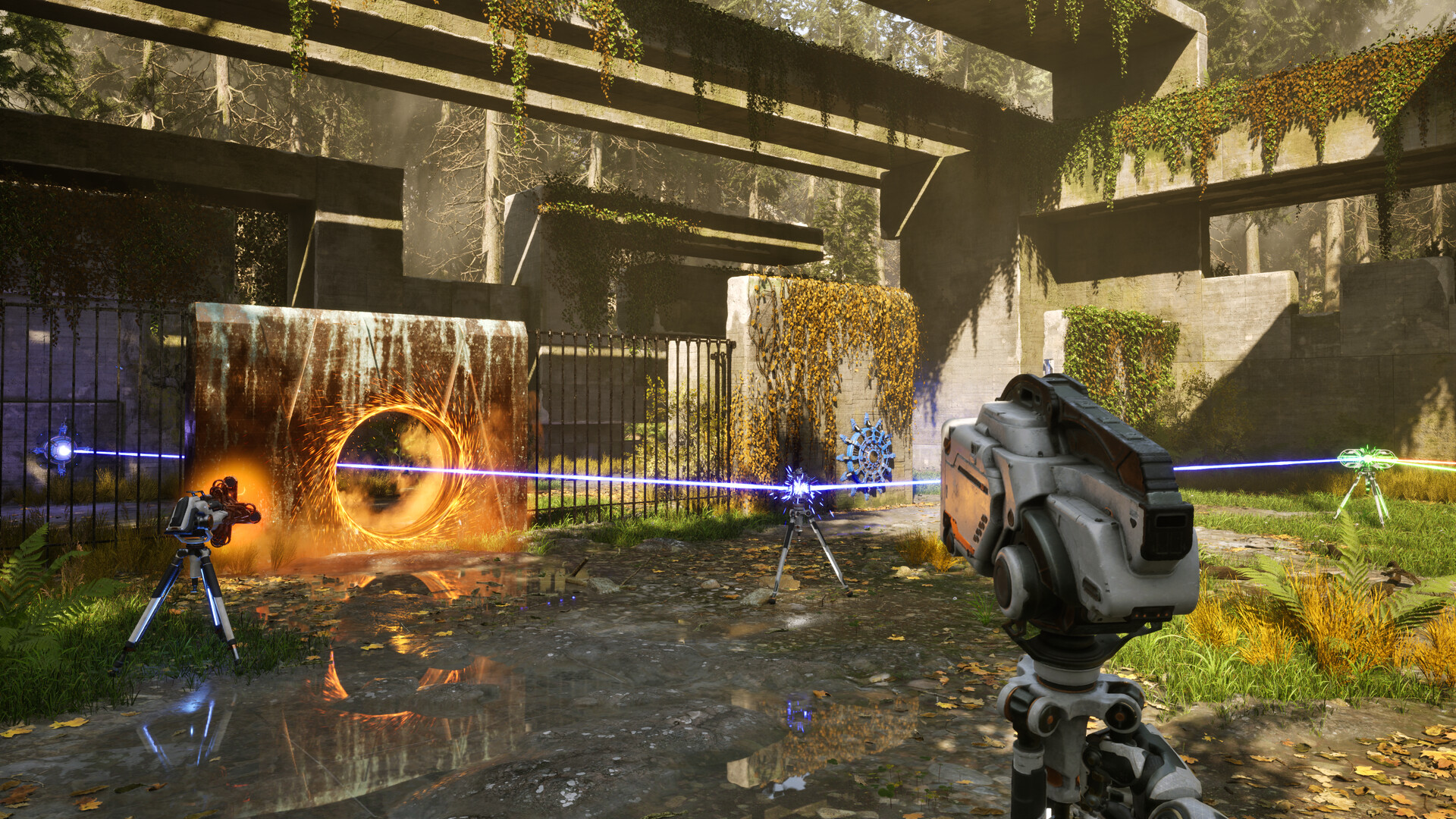
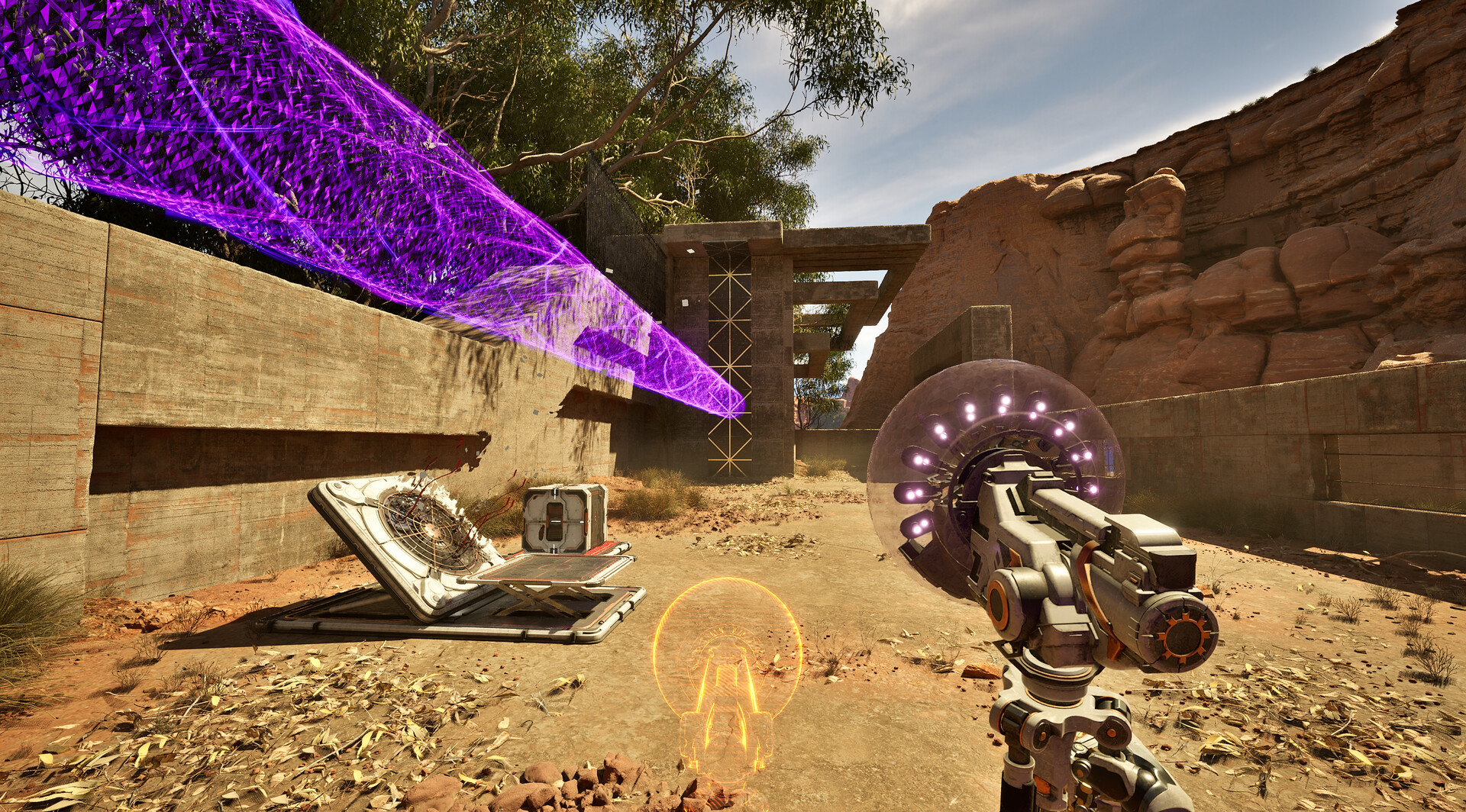
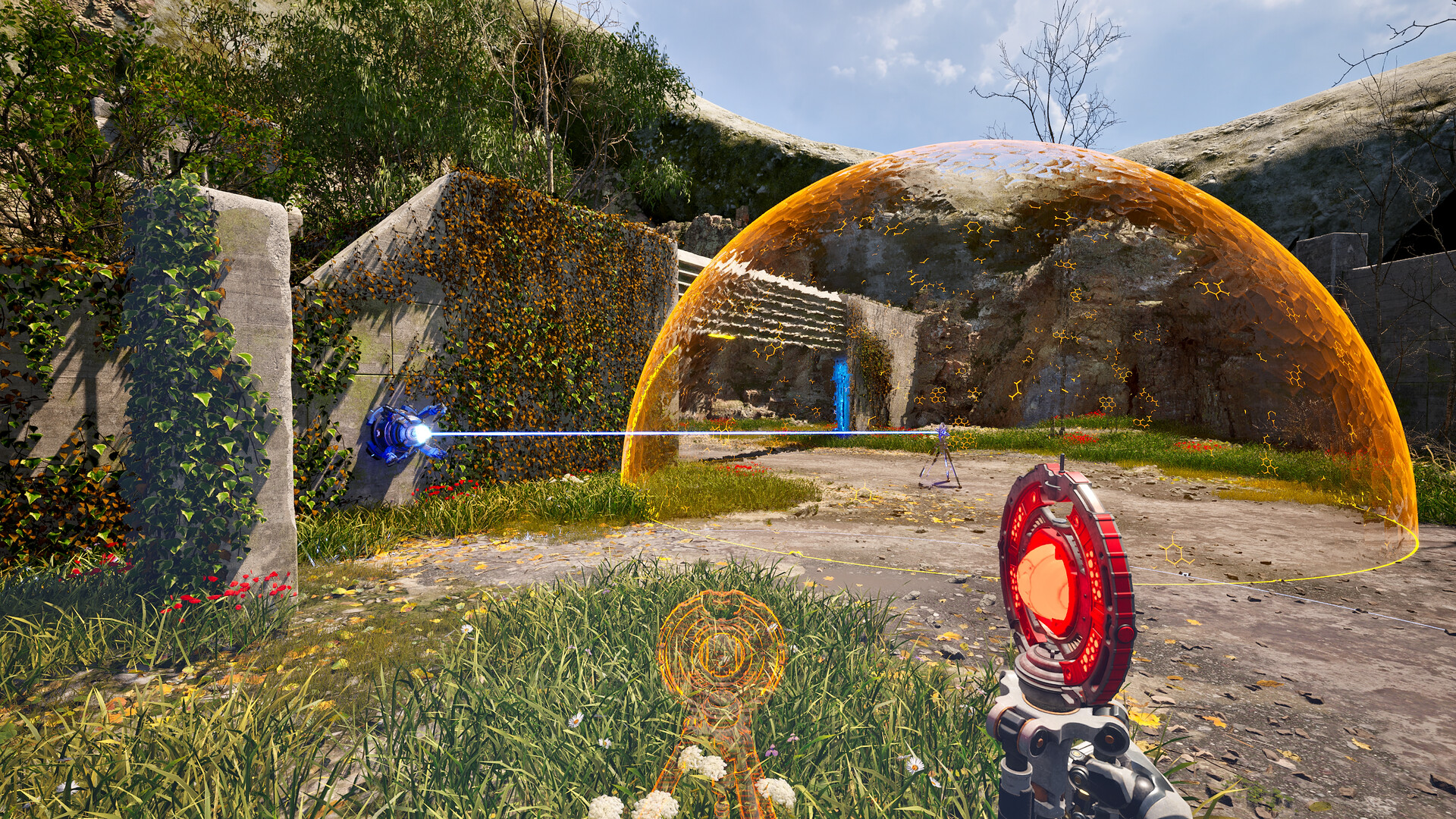
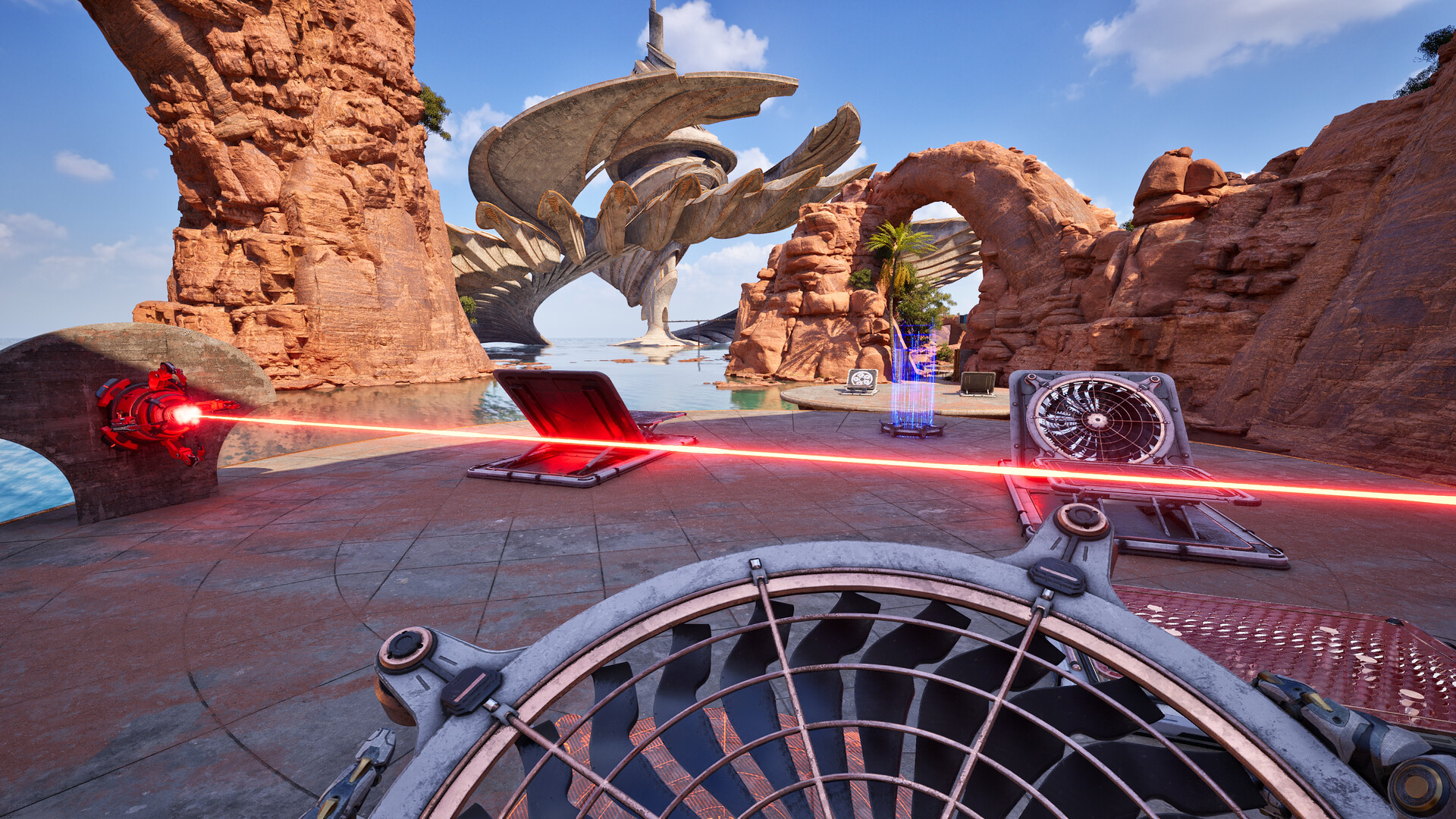
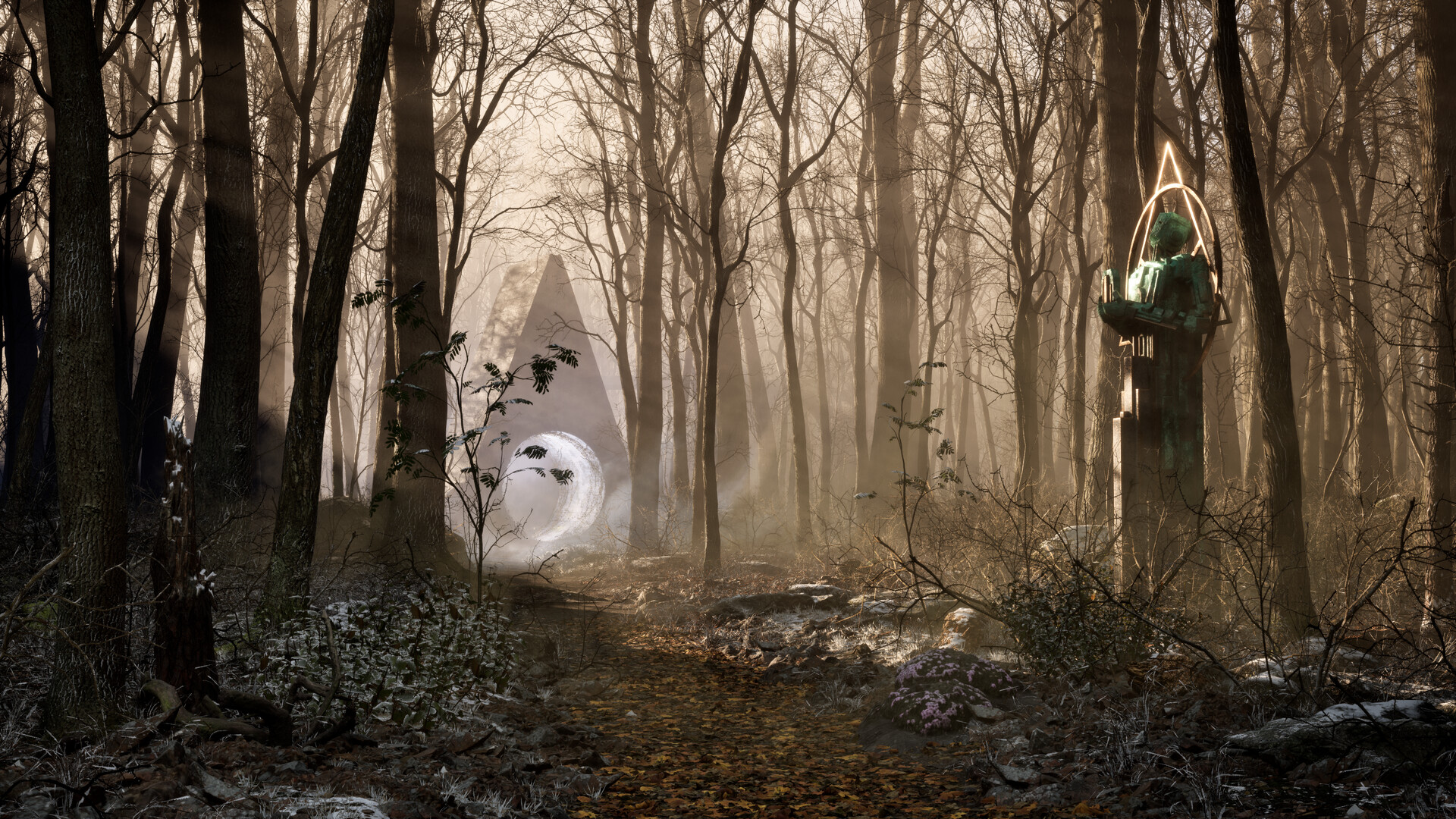
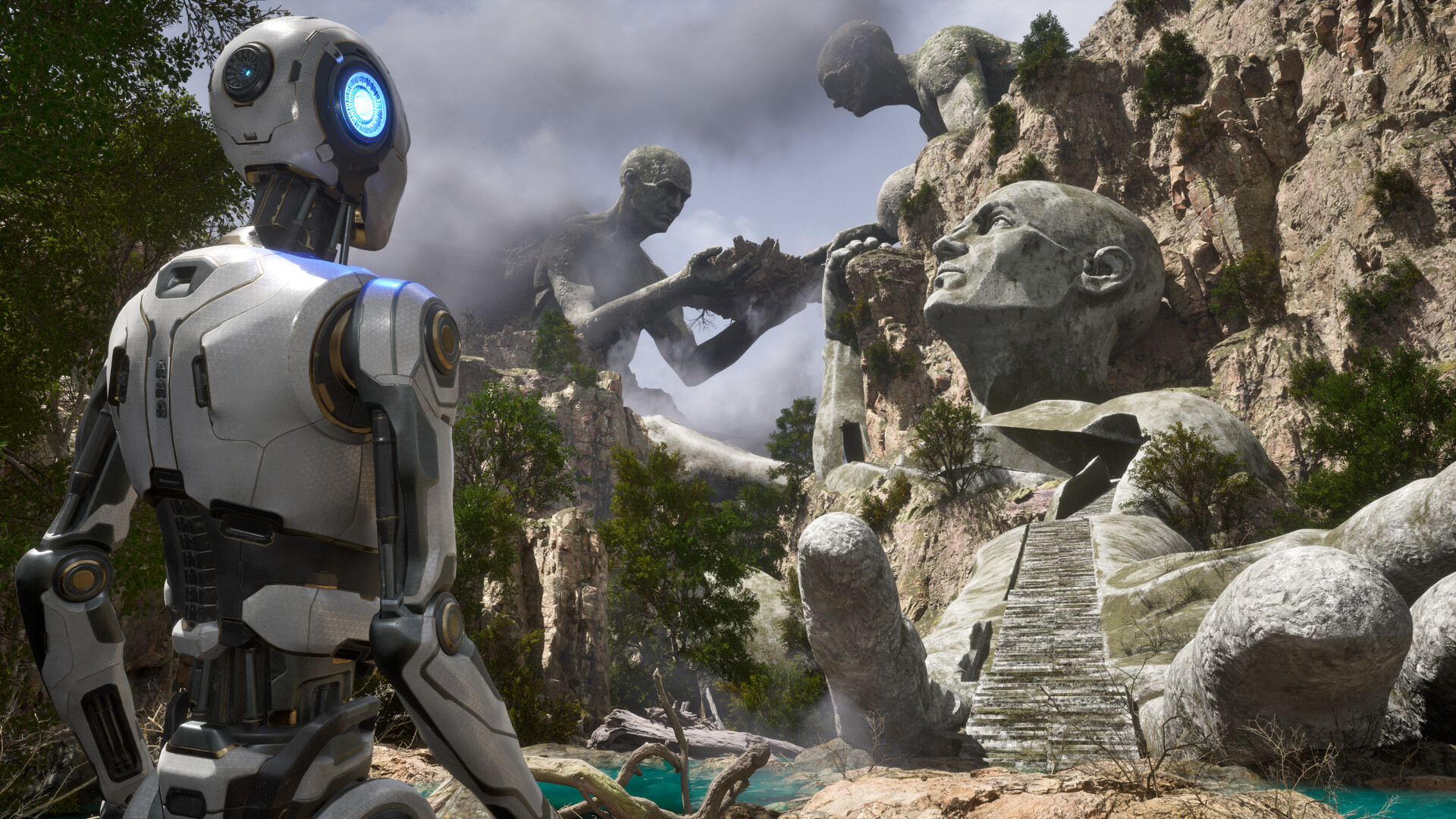
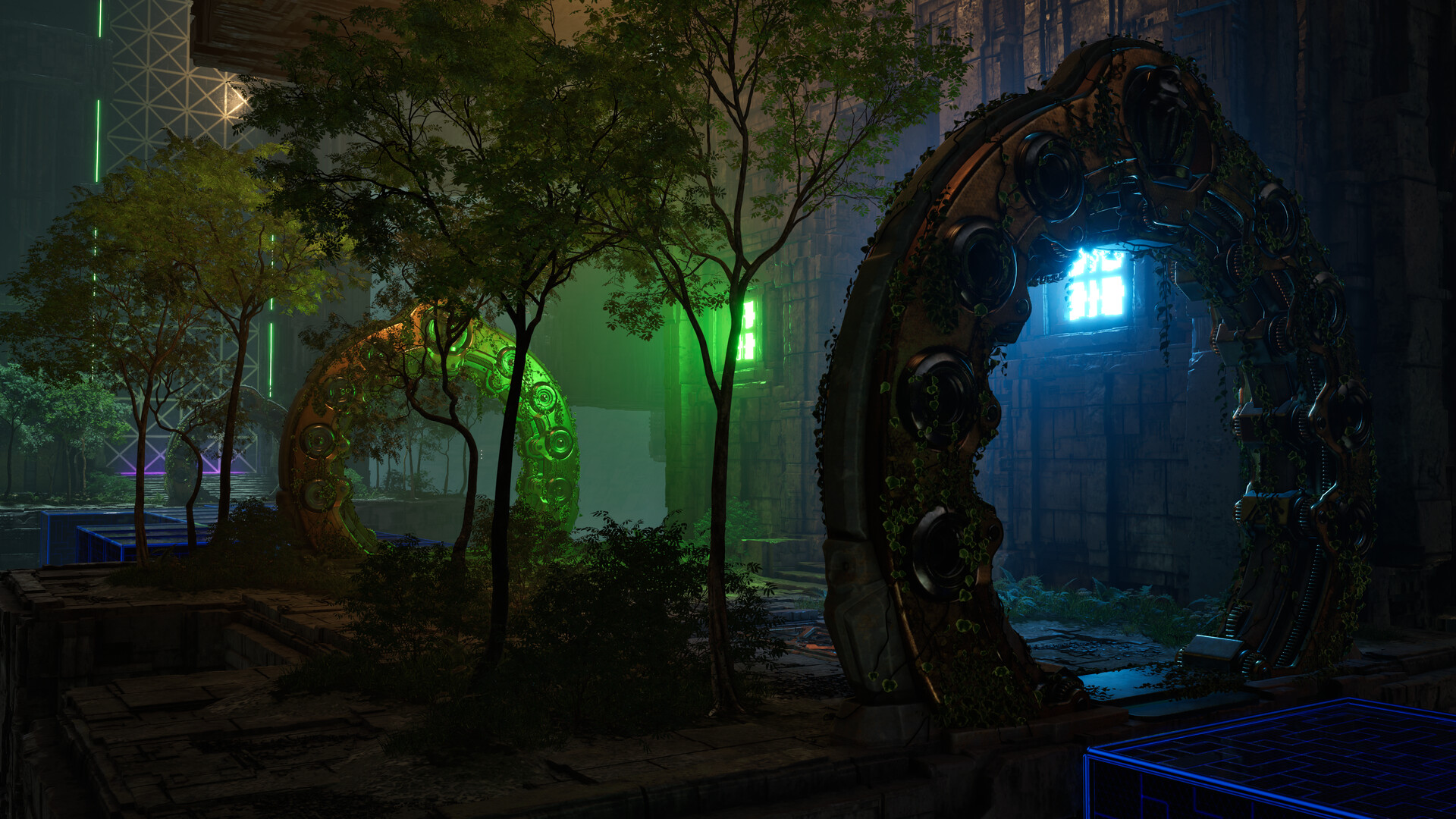
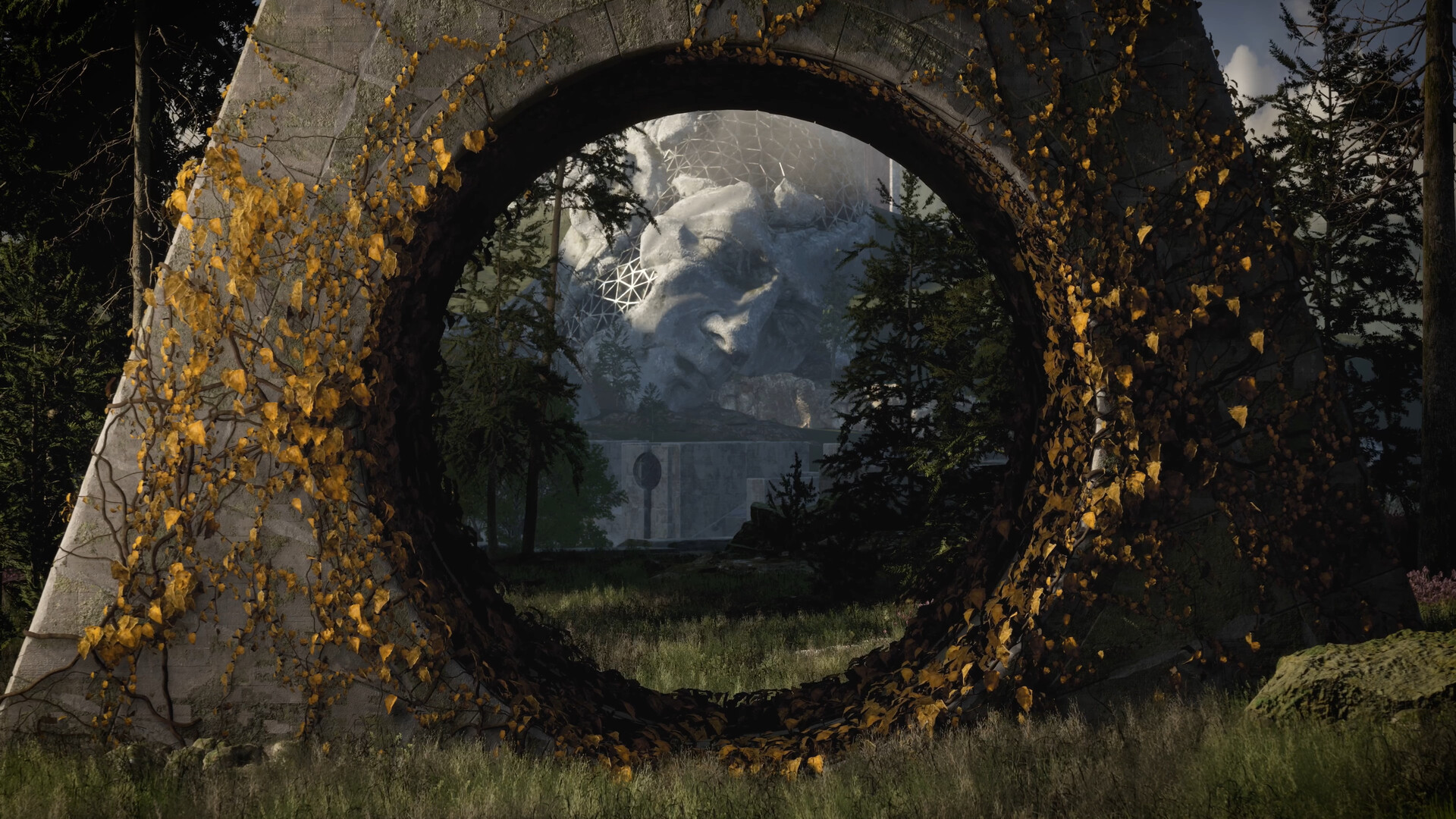
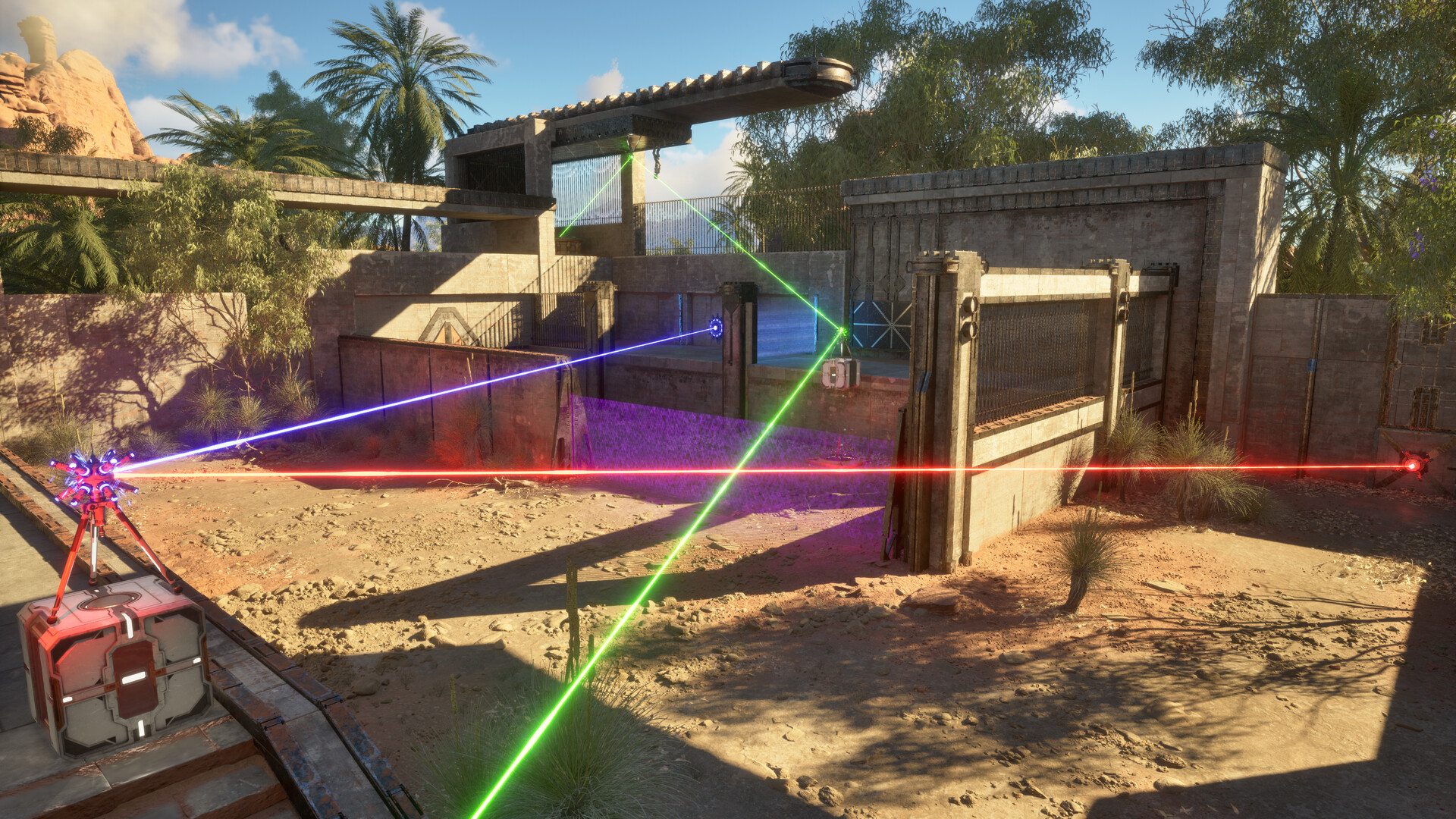
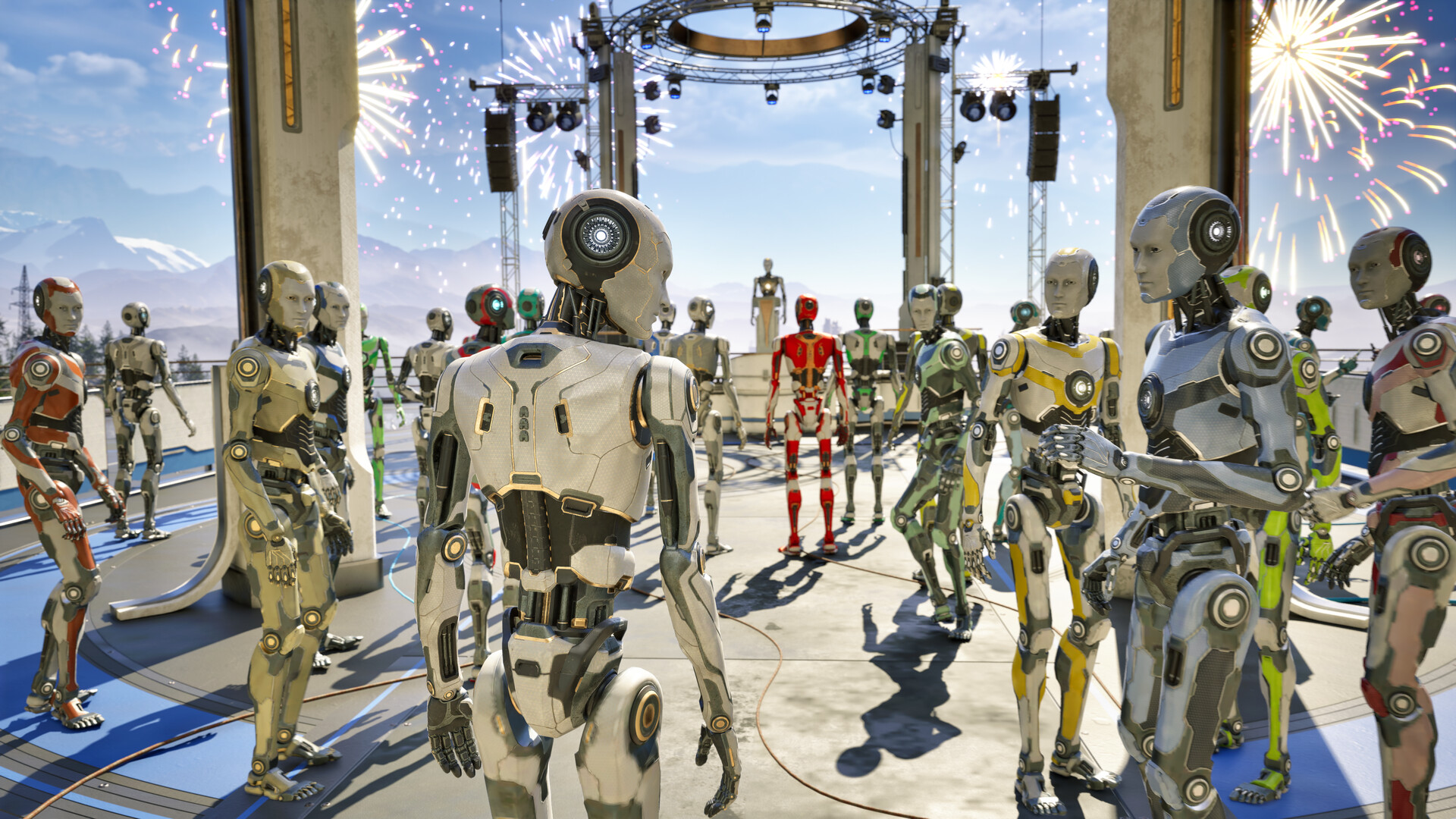
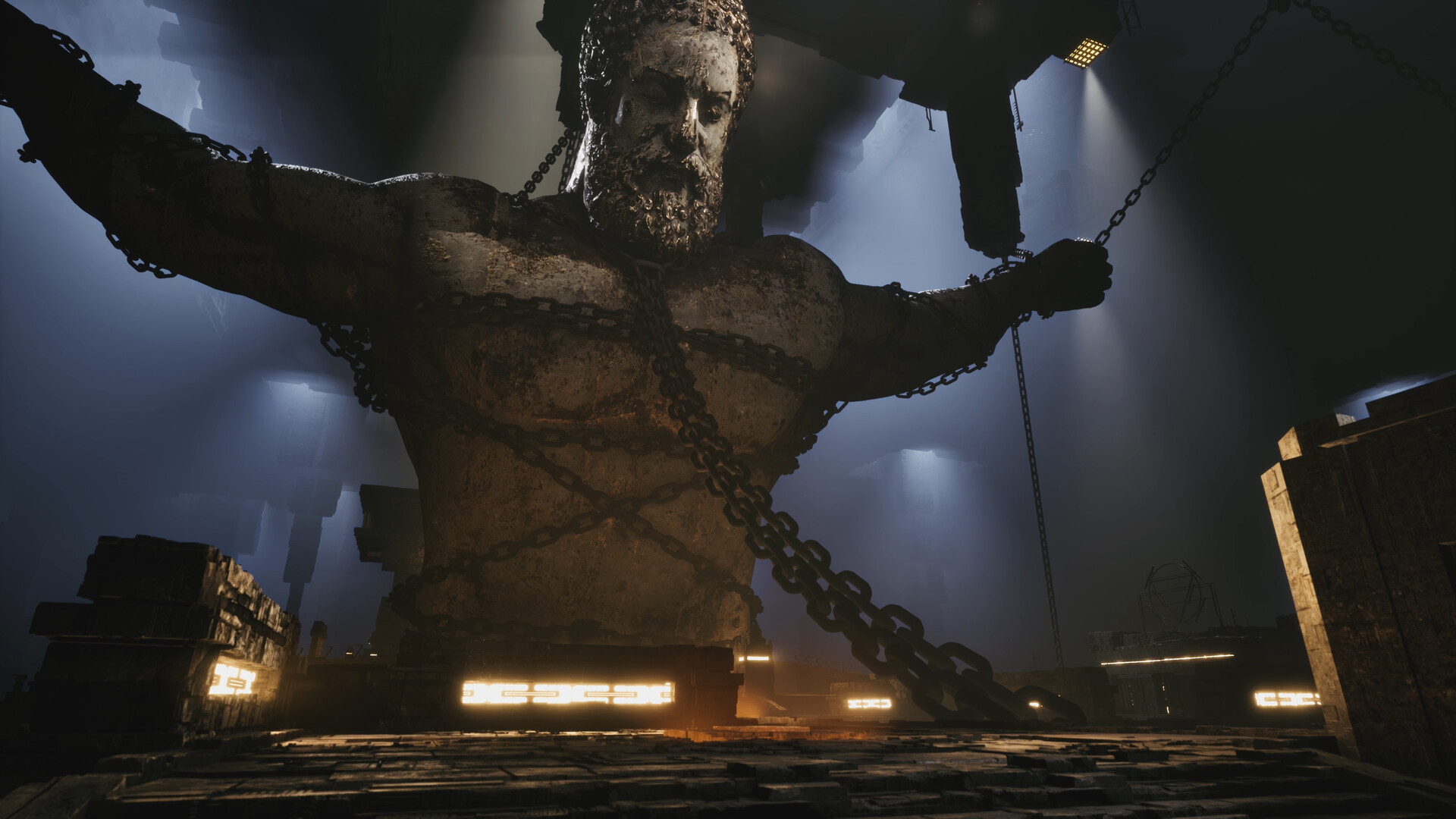
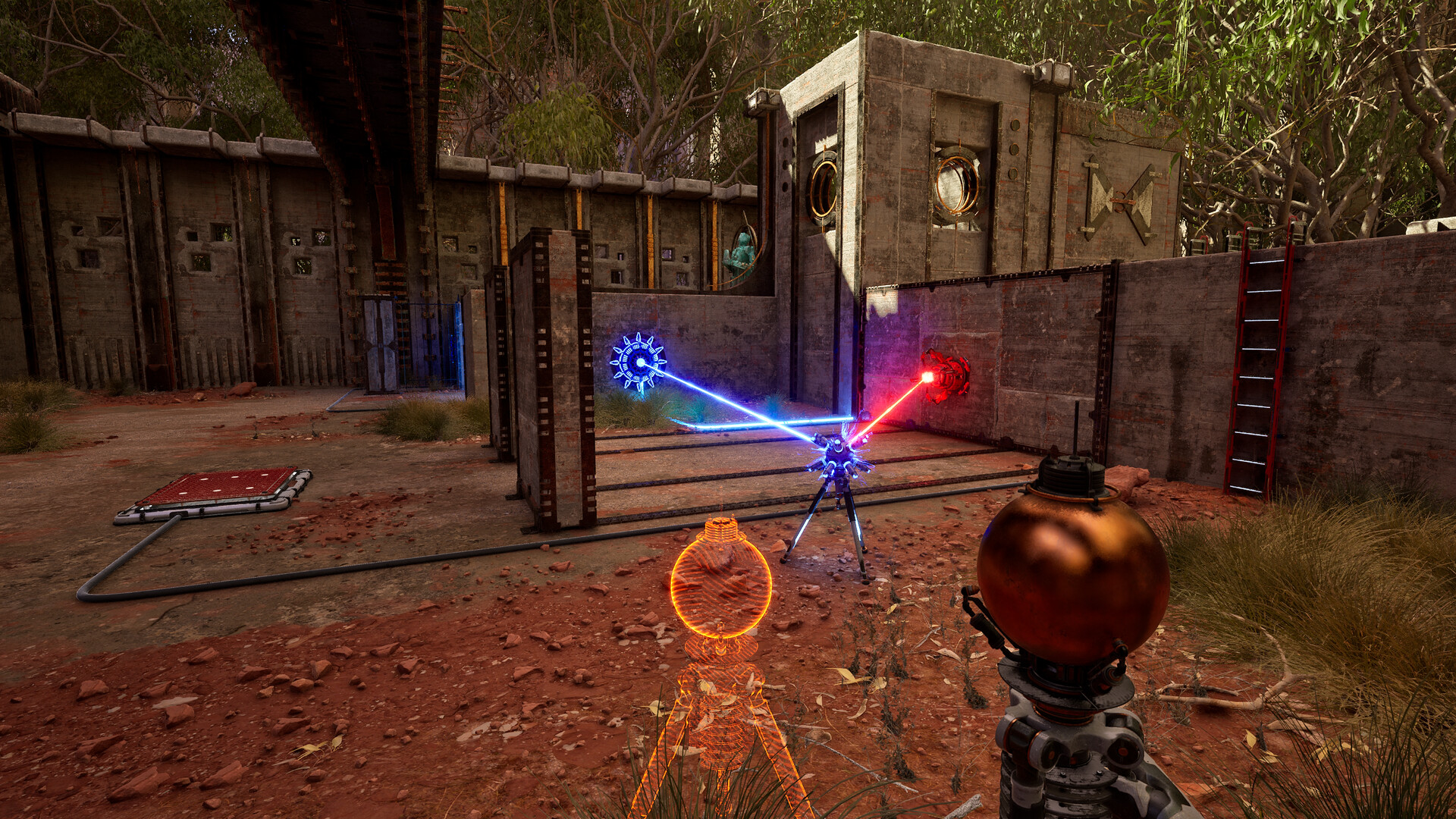
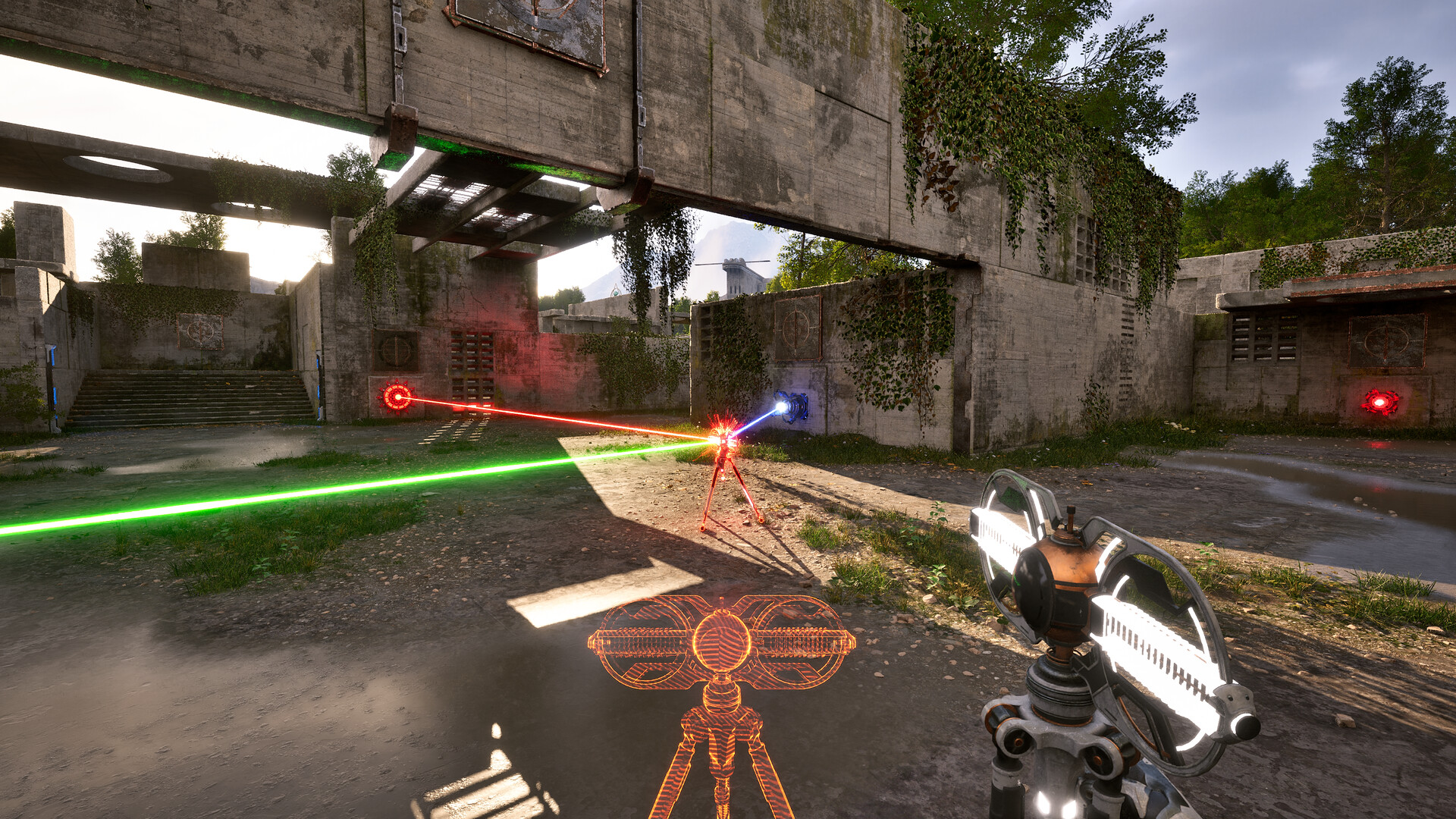
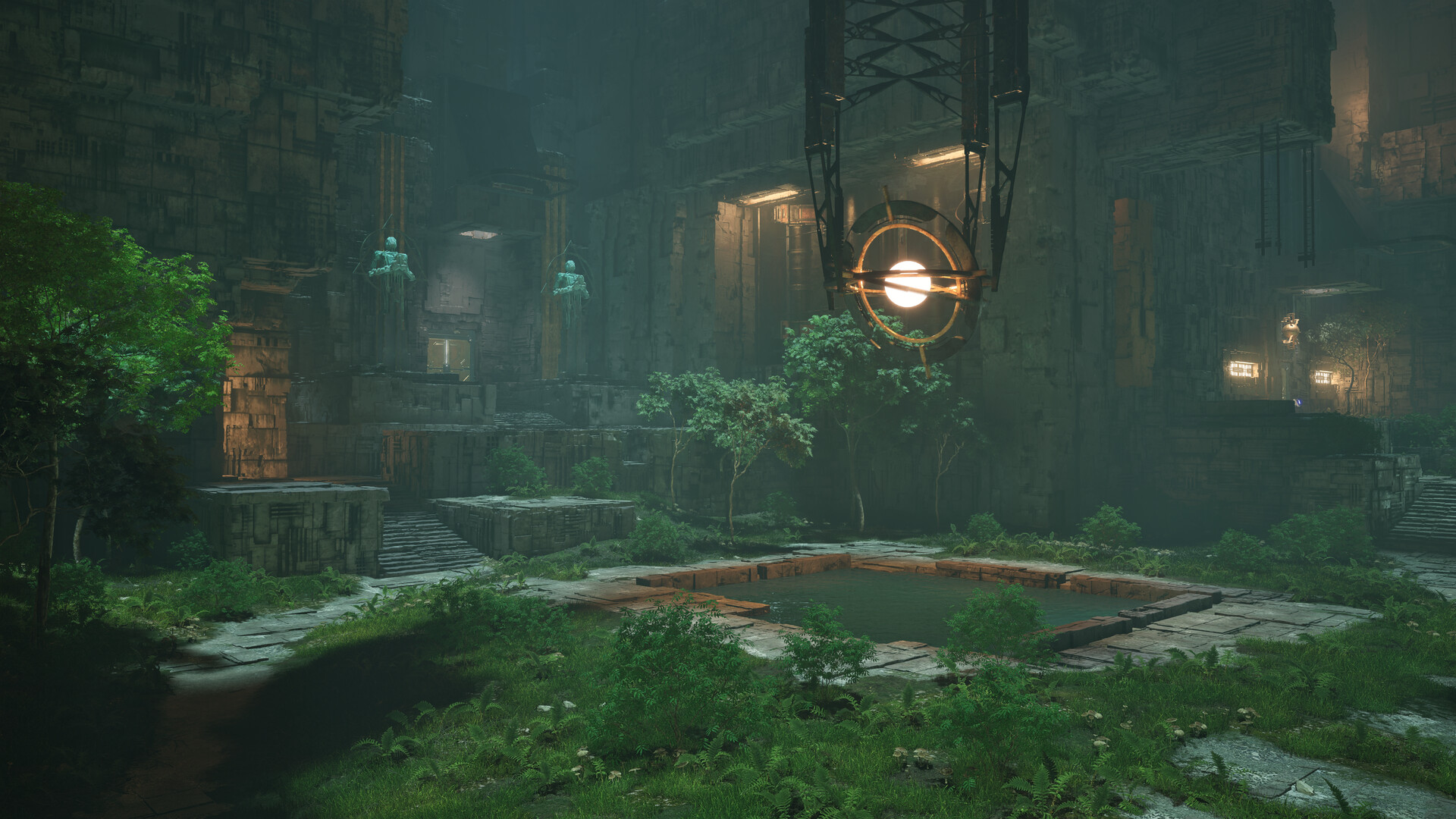
Get an in-depth look at The Talos Principle 2 through various videos and screenshots.
Load More
System requirements
These are the minimum specifications needed to play the game. For the best experience, we recommend that you verify them.
Windows
- Requires a 64-bit processor and operating system
- OS: 64-bit Windows 10 (version 2004 or newer)
- Processor: 4 core CPU @ 2.5 GHz (AMD Ryzen 5, Intel core i3/i5)
- Memory: 8 GB RAM
- Graphics: 4 GB VRAM; Radeon RX 470, GeForce GTX 970, Intel Arc A580
- DirectX: Version 12
- Storage: 75 GB available space
- Additional Notes: Intel integrated GPUs are not supported. SSD recommended.
Steam Price & Best Deals
User reviews & Ratings
Explore reviews from Steam users sharing their experiences and what they love about the game.
The Talos Principle is one of my all-time favourite games, so after almost a decade of waiting, did the sequel live up to the expectations? To touch upon the plot as spoiler-free as possible, I will say that while the first game was borderline science fiction, The Talos Principle 2 was inevitably going to be more speculative in nature, but I still ended up a bit surprised about how much it veered towards being a space opera. The first game could very well have been a perfect stand-alone story, since the ending had unlimited potential and was almost better when left to one's imagination. Though if Croteam wants to provide more gameplay – which is unanimously a good thing – the story must go on as well. While I'm not entirely unhappy with the direction they chose to take the trilogy, it still feels like more of a soft sci-fi approach than what I had been imagining for over ten years, and thus the storyline had near-zero chance of living up to my personal expectations. With all that said, the story is still told well and works excellently if you take off your thickest science goggles. On the other hand, one might look at all of my criticisms and say that I merely have yet to internalise one of the game's core messages. The new story beats and worldbuilding leaks into gameplay via the fact that you spend a large portion of your time in conversation with others. One could argue that it's identical to interacting with the terminals in the first game, and to some extent it is, but it also has a vastly different atmosphere to it and in some parts you keep jumping from conversation to conversation for an extended amount of time. I liked all of the interactions and the reading in itself, but the amount occasionally felt detrimental to the pacing. I expected philosophical dialogue with my puzzle game, but I received more of a conversation simulator with some puzzling elements. As an example, it took me between three and five hours to get through the prologue, which essentially consisted of conversations and exploration. The twelve main areas all contain 8 + 2 + 1 puzzles, one explorable location, two differing challenges, three terminals, three different audio logs and between zero and two of some lesser collectables. On one hand it felt handy to know exactly what to look out for in every new area, on the other hand it was almost detrimental to the exploration aspect, since it made every area feel like a new checklist to go through. This was counterbalanced at least a bit by including a large amount of Easter eggs and other small secrets to discover. The points of interest are mostly spread out in such a way that you organically stumble upon them as you proceed through the eight main puzzles of the area. For some people (me) it can be tempting to systematically check off all the additional items before starting on the puzzles, which is one more nail in the coffin of the pacing. And of course, for those so inclined, it is possible to skip all the fluff and speedrun through the main puzzles in a dozen(ISH) hours. Meanwhile, my first playthrough of the main game took something in the ballpark of 70 hours. The DLC, split into three different parts, added a chunky 4,5 + 9 + 9 hours of content that fleshed out the story nicely. After 580 words it's finally time to talk about the puzzles (which might tell you something). This entry introduces some fresh new puzzle elements to the series, while still keeping the majority of the familiar mechanics from its predecessor. Though especially after playing through the first and third DLC, you'll have laser puzzles coming out of your eyes and ears. The main game's puzzles were generally in the easier half of all puzzles, with many of them taking around five minutes to solve. If I recall correctly, only one short puzzle where I got stuck on the wrong solution took me 40 minutes. Since this game is much, much tougher to run it makes puzzles that can be soft-locked annoying as you might be waiting in the loading screen for a while. Thankfully that was barely ever the case during the main game, unlike during some parts of the DLC... Comparatively, many of the new mechanics were especially at first much less intuitive, and there was a host of puzzles where I had to stop and take another look back while wondering "What did I actually do?!" after successfully solving it. Puzzles that leave you with questions like "Was that how I was actually supposed to solve it? Did I break something? What actually happened?" result in an unsatisfactory feeling instead of "Yes! I finally cracked it!". In total, there was only a handful of puzzles that made me think "Wow, that was super cool!" afterwards. The first DLC introduced some cool new laser mechanics and also featured an annoying puzzle that I stared at for at least 90 minutes until my eyes hurt before finally proceeding to solve it in a minute. The second DLC provided the all-round best experience in the whole game, and I really loved The Hexahedron. The third DLC was by far the hardest, with multiple puzzles taking an hour or two to solve. Still, I managed to solve all puzzles in the game after a bit of grumbling, so not too badly balanced, I suppose. As a more divisive point that's still important to take into account: The Talos Principle 2 looks (in theory) multiple times more impressive and realistic than its predecessor, but at the cost of needing much better hardware to run. If your computer is up to it then no problem here; enjoy the pretty graphics. For me, after having a buttery smooth experience in The Talos Principle, it was a bit jarring to run around with 20–50 FPS with mostly Low-settings enabled and still having major graphical ghosting and flickering textures. Sometimes it would get stuck on 15 FPS for a long while, at which point I'd quit for a while just to have it hopefully cool off a bit. For reference, I'm still running a GTX 1660 Ti from 2019 as my GPU. Achievements were a bit more numerous than in the median game, but you essentially get all of them during a normal, full playthrough. There were only two or three exclusive achievements that had me do a new almost ten hour playthrough, which honestly made for a fun memory game speedrun. All in all, despite suffering from some pacing issues and from how good the first game is, The Talos Principle 2 is nonetheless an extremely solid puzzle game with more sci-fi elements than its predecessor. I can't wait to see how Croteam wraps up the trilogy! (Just kidding – I can wait years for any game! :D) 9,5– / 10
The Talos Principle 2 is probably my favorite puzzle game and the follow up to The Talos Principle. The game starts with a short recap of the first game. Humans are extinct but before they vanished they created a simulation to create an artificial intelligence that has the same mental capacity and potential that humans had. The player solves various puzzles to escape the simulation and start a new civilization. The second game is set centuries later, the original player character, now called Athena, created other robots like herself and built a city called New Jerusalem in which all the human robots live. To honor their creators, they took on the name of humans and live on their legacy. You are the last robot to ever be created calles 1000 or 1k for short. On the day of your creation a holographic being appears and invites the citizens of New Jerusalem to a nerby island to claim something called "the flame". You and a bunch of other humans start an expedition to the island where they find a giant pyramid that they dub the megastructure. They also discover a travel system that connects to several nerby locations and when they explore the first location they realize that the entire island is full of puzzle rooms similiar to the simulation. And this is where the actual game starts, as you can expect, this is a puzzle game just like the first one but it also adds some light adventure elements to the game. But since the meat of the game are the puzzles, let's start there. As in the first game, puzzles are a mix of lasers, pressure plates, jammers and fans to open force fields until you can reach the goal. Almost all the tools from the first game have returned and the first minutes of the game lets the player in fact solve some puzzles of the simulation before leaving it to explore New Jerusalem. The puzzles on the island are an evolved form of the original puzzles. Each region introduces a new element and the puzzles of that location are usually themed after that new element, making good use of it. The first few puzzles are usually there to introoduce players to the new element and understand how it works, afterwards the puzzles become harder when that new element is used in new and interesting ways, often in combination with older elements from other locations. For example, the very first location expands the standard laser puzzles in which you have to redirect lasers to receivers of the same color. TPP1 only had red and blue lasers but TPP2 introduces green as color. But instead of just adding a green colored laser socket, in order to get green you have to combine red and green with the new RGB connector tool. But that tool not only creates green from red and blue, if you combine green (from another RGB connector) with one of the other two colors, you get the color that you didn't use. This creates much more interesting puzzles than the first game in which you have to figure out how to get specific colors exactly where you need them. A good change from the first game is the removal of some of thje more annoying elements, mainly bombs and turrets. These were no fun in my opinion, they were an obstacle created to stop players from solving puzzles and you often had to disable them in order to progress. What made them so annoying was that if you got killed, you had to restart the entire puzzle, so a slight misstep meant you had to do all the steps again until that point. This game has no such issues, you cannot die during puzzles and most puzzles are designed in away that you cannot lock yourself out of the solution if you mess up. There are a few cases where it's still possible and you have to reset, but since the puzzles overall are more compact than the first game you don't receive such big setbacks as before. While the puzzles are overall smaller, the game itself is much bigger. There are 12 explorable regions full of puzzles, each one contaioning 8 main puzzles, 2 hidden "lost puzzles", two star puzzles and a gold puzzle that opens up once yopu finished all the standard puzzles. Each location is massive but they are cleverly interconnected with signs pointing you towards the next puzzle. It will route you through the entire region and eventually loop back to the beginning where you have to create tetromino bridges to reach and activate the tower of each region. You have to solve 8 main puzzles but two can be replaced through one of the lost puzzles if you found them, those are overall harder to solve however. The star puzzles are very different this time. There are two statues on each location that require to solve a unique puzzle unmlike the main puzzles. SPhinx statues require you to find and activate hidden switches with a small picture being the only hint you get. Prometheus statues require you to find a small particle cloud and follow it back to the statue. This requires some platforming and sometimes you have to find a way to reach the cloud in an inaccessible location. The Pandora statues are the hardest, they require you to connect a laser to the statue but these lasers have to come from the main puzzles and you have to find out how. After you solves three regions, you are allowed to enter the megastructure in which you will face more puzzles but this time on a larger scale and inside a large labyrinth. These can be a bit trickier because they don't exactly follow the same rules as the standard puzzles even if they use the same elements. Outside of solving puzzles you can find and talk to your expedition members. They won't solve any puzzles for you or provide tips but they add more to the story of the game and depending on your dialog choices you will influence the story and ending of the game. Like before, this is all very philosophical with questions about what makes us human but more importantly, should we be allowed to expand humanity on the risk of destroying nature. Purpose and growth are big themes of the game. A lot of the story is told through text files, just like before, but you don't have to read them all to advance the story and having actual NPCs you can talk to this time is a refreshing change and makes the game flow much more naturally. A highlight of the game in my opinion is the exploration of New Jerusalem in the beginning, it's a big open city with several structures to explore, many NPCs to talk to and even some fun games to play. All of this is optional but it adds more charme to the game. After finishing every puzzle you unlock golden puzzles that are incredibly hard which is why they only appear at the end of the game. These are optional but unlock a better ending for the game so if you are invested into the story or simply want to challenge yourself with harder puzzles, this is the way to go. Just like the first game, the atmosphere is top notch. Beautiful landscapes and a soothing soundtrack make exploring the regions of the island a fun endavour. However, get used to a lot of walking because some regions are extremely big. I think a quick travel men that lets you move directly to puzzles you have already seen would have been welcome here. Overall I think this is a great game for any puzzle game and a perfect step up from its precedessor. If you liked the first game you will fall in love with the sequel too.
What surprised me most about Talos Principle 2 is that it has one of the best dialogue systems I've seen in a game. No, seriously. There were a couple of times when a character came up to me and said something like: "I've been thinking about when you said , and...". Absolutely trivial to implement something like that in a game, and yet even Baldur's Gate 3 didn't. Apparently some people are saying that the philosophical theme of this one is shallow. Sure, you can say that. Optimism is never "deep", but it's still precious, and all too rare. The puzzles were definitely easier than the first one. There's different kinds of satisfaction to be found in puzzles, and TP2 squarely focuses on only one of those kinds. It gives you a mechanic, challenges you to consider the full ramifications of how that could be used, and then promptly moves on. If you are looking for the other kind of satisfaction, that of untangling a brain-melting incomprehensible mess that turns out, by the power of your mind, to be simplicity itself: you won't find that here. Also, frogs are people.
Similar games
View all

The Entropy Centre
Think in reverse. Outsmart the impossible. A mind-bending first-person adventure where you solve ingenious and complex puzzles by rewinding objects through time.
The Talos Principle: Reawakened
Step back into a world of thought-provoking puzzles, philosophical intrigue, and breathtaking visuals with The Talos Principle: Reawakened - a first-person puzzle masterpiece for both new players and long-time fans alike.
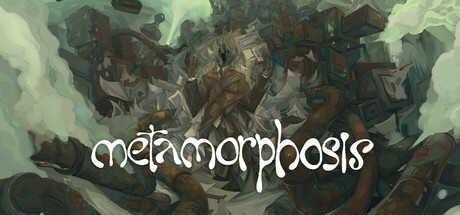
Metamorphosis
Play as Gregor, turned into a tiny bug, and set out on an extraordinary journey to unravel the mystery of your transformation. Metamorphosis is a first person adventure set in a surrealist world where your newfound abilities are your last and only hope for redemption.
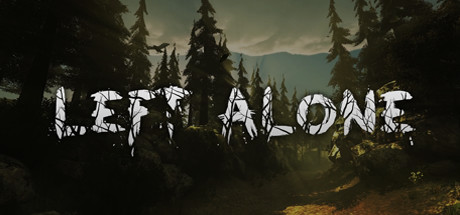
Left Alone
Left Alone plunges you into a first-person psychological horror journey, where darkness and memories intertwine. As secrets emerge from shadows, use your wits to solve puzzles and explore haunting, forgotten locations. Every step echoes with the past; can you face the truths that await?

Portal
Portal™ is a new single player game from Valve. Set in the mysterious Aperture Science Laboratories, Portal has been called one of the most innovative new games on the horizon and will offer gamers hours of unique gameplay.

Riven
Uncover a story of intrigue, betrayal, and a civilization teetering on the brink of collapse as you solve intricate puzzles to unlock the secrets of Riven. Built from the ground-up and expanded from the award-winning original game released in 1997.
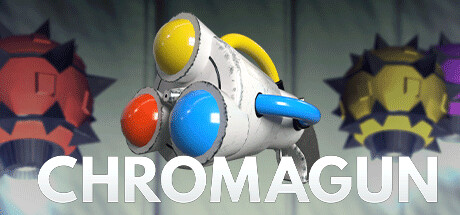
ChromaGun
Welcome to ChromaTec’s test lab! You’re here to test our state-of-the-art military-grade color-technology: The ChromaGun (patent pending)! Use it to solve our meticulously designed test chambers by painting the walls and droids. Remember how to mix colors from pre-school? Then you qualify!

Indiana Jones and the Great Circle
Uncover one of history’s greatest mysteries in a first-person, single-player adventure. The year is 1937, sinister forces are scouring the globe for the secret to an ancient power connected to the Great Circle, and only one person can stop them - Indiana Jones™.

Amnesia: Rebirth
A first-person horror adventure. Uncover your past and survive the Algerian desert. Fear is your enemy; stay calm to not succumb to an illness threatening you and your loved one. Avoid darkness, hide from monsters and solve puzzles. Adventure Mode available for a less scary experience.
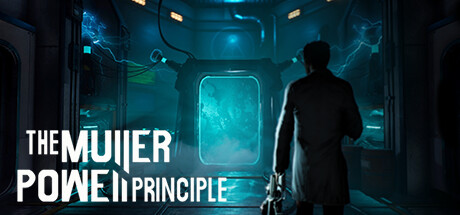
THE MULLER-POWELL PRINCIPLE
Dr. Herman, your sci-fi journey begins. Armed only with your mind and the Manipulator that operates with different types of energy, you'll have to pass through portals, visit parallel worlds, and solve physics-based puzzles.
Frequently Asked Questions
The Talos Principle 2 is currently priced at 28.99€ on Steam.
No, The Talos Principle 2 is currently not on sale. You can purchase it for 28.99€ on Steam.
Yes, The Talos Principle 2 received 11,357 positive votes out of a total of 11,897 achieving an impressive rating of 9.28.
😍
The Talos Principle 2 was developed by Croteam and published by Devolver Digital.
Yes, The Talos Principle 2 is playable and fully supported on Windows.
No, The Talos Principle 2 is not playable on MacOS.
No, The Talos Principle 2 is not playable on Linux.
This information about The Talos Principle 2 is not available yet.
This information about The Talos Principle 2 is not available yet.
No, The Talos Principle 2 does not support VR.
The Talos Principle 2 is a single-player game.
Yes, there are 3 DLCs available for The Talos Principle 2. Explore additional content available for The Talos Principle 2 on Steam.
No, The Talos Principle 2 does not support mods via Steam Workshop.
No, The Talos Principle 2 does not support Steam Remote Play.
Yes, The Talos Principle 2 is enabled for Steam Family Sharing. This means you can share the game with authorized users from your Steam Library, allowing them to play it on their own accounts. For more details on how the feature works, you can read the original Steam Family Sharing announcement or visit the Steam Family Sharing user guide and FAQ page.
You can find solutions or submit a support ticket by visiting the Steam Support page for The Talos Principle 2.
Data sources
The information presented on this page is sourced from reliable APIs to ensure accuracy and relevance. We utilize the Steam API to gather data on game details, including titles, descriptions, prices, and user reviews. This allows us to provide you with the most up-to-date information directly from the Steam platform.
Additionally, we incorporate data from the SteamSpy API, which offers insights into game sales and player statistics. This helps us present a comprehensive view of each game's popularity and performance within the gaming community.
Last Updates| Steam data | 28 August 2026 06:22 UTC |
|---|---|
| SteamSpy data | 07 September 2026 05:11 UTC |
| Steam price | 12 September 2026 10:49 UTC |
| Steam reviews | 12 September 2026 12:00 UTC |
If you'd like to dive deeper into the details about The Talos Principle 2, we invite you to check out a few dedicated websites that offer extensive information and insights. These platforms provide valuable data, analysis, and user-generated reports to enhance your understanding of the game and its performance.
- SteamDB - A comprehensive database of everything on Steam about The Talos Principle 2
- SteamCharts - Analysis of The Talos Principle 2 concurrent players on Steam
- ProtonDB - Crowdsourced reports on Linux and Steam Deck The Talos Principle 2 compatibility
 28.99€
Visit Store
28.99€
Visit Store
 🔥 Deal
-75%
28.99€
7.27€
Buy Now
🔥 Deal
-75%
28.99€
7.27€
Buy Now
 -73%
28.99€
8.02€
Visit Store
-73%
28.99€
8.02€
Visit Store
 -69%
28.99€
9.04€
Visit Store
-69%
28.99€
9.04€
Visit Store
 -62%
28.99€
11.15€
Visit Store
-62%
28.99€
11.15€
Visit Store
Game modes
Features
Online players
110
Developer
Croteam
Publisher
Devolver Digital
Release
02 Nov 2023
Platforms
Clicking and buying through these links helps us earn a commission to maintain our services.