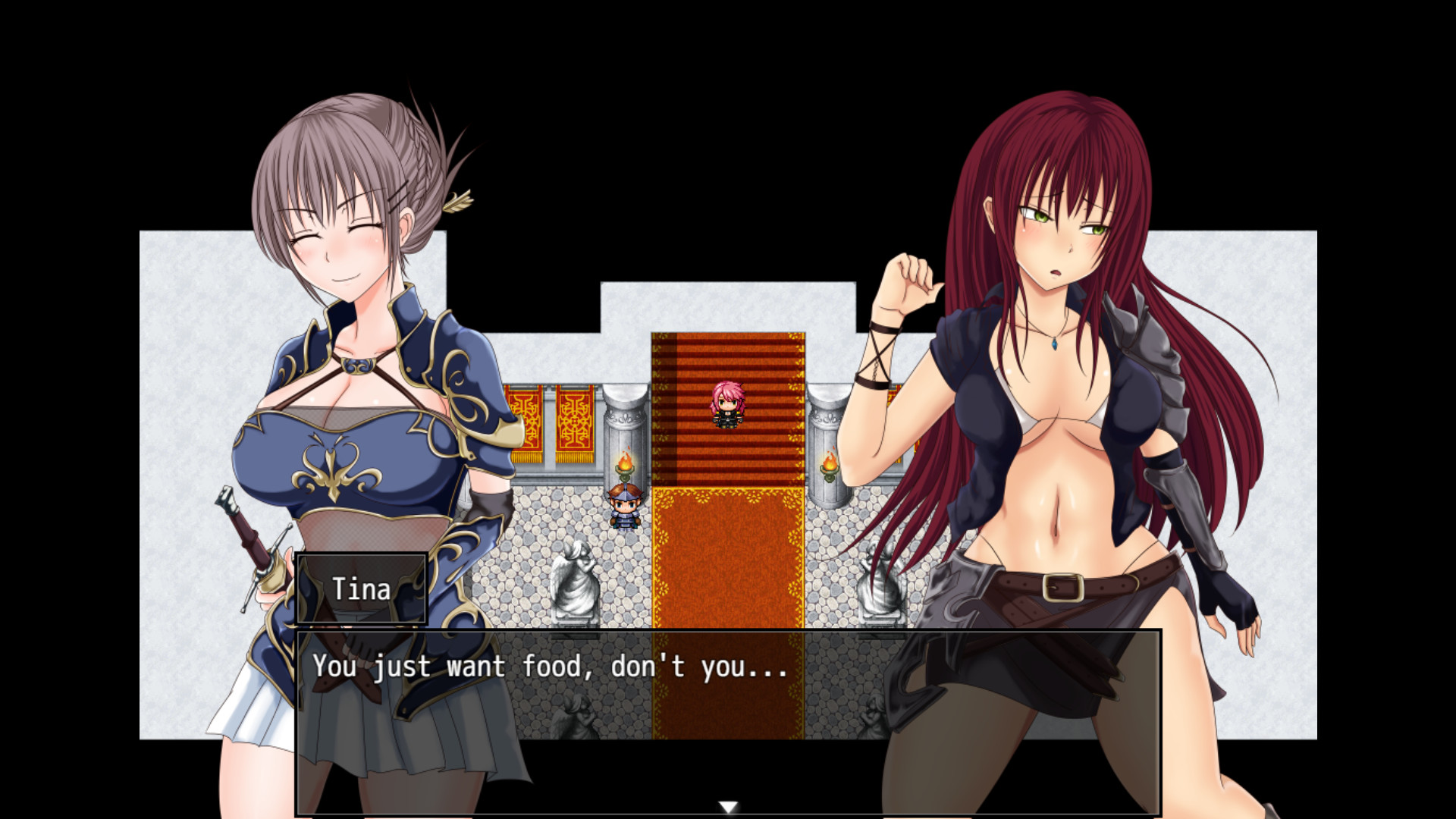
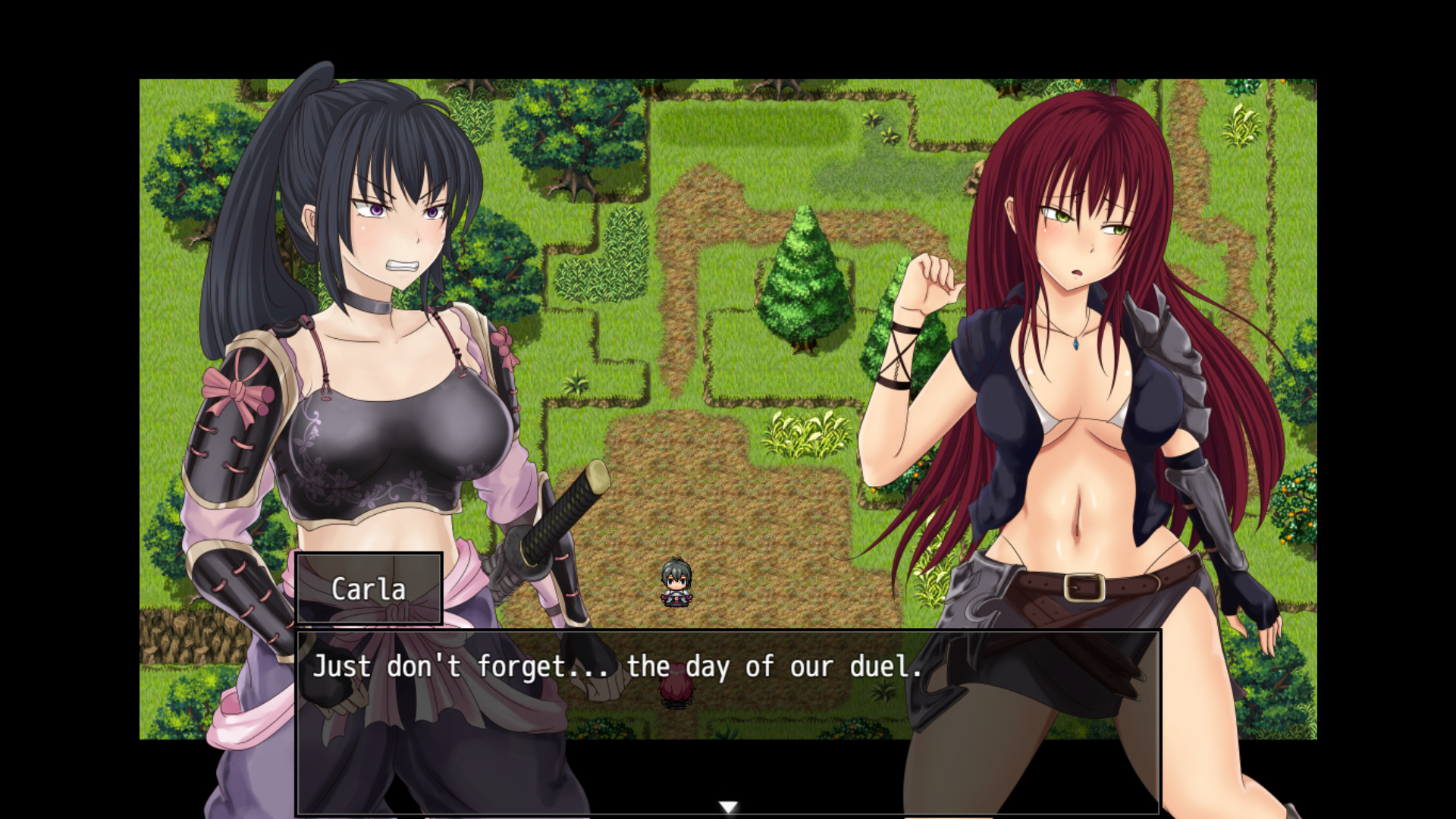
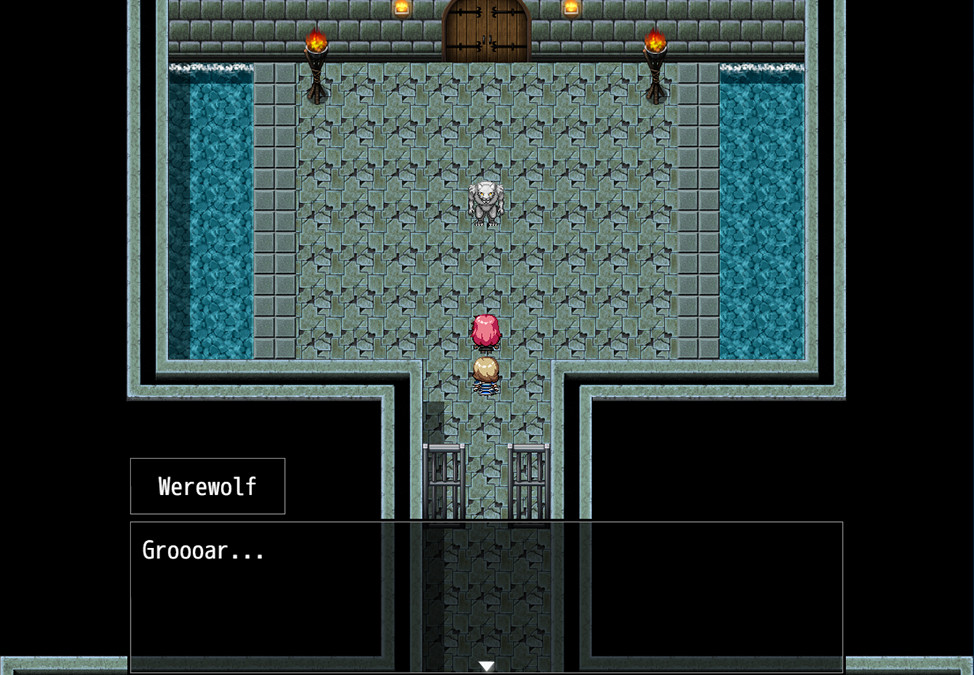
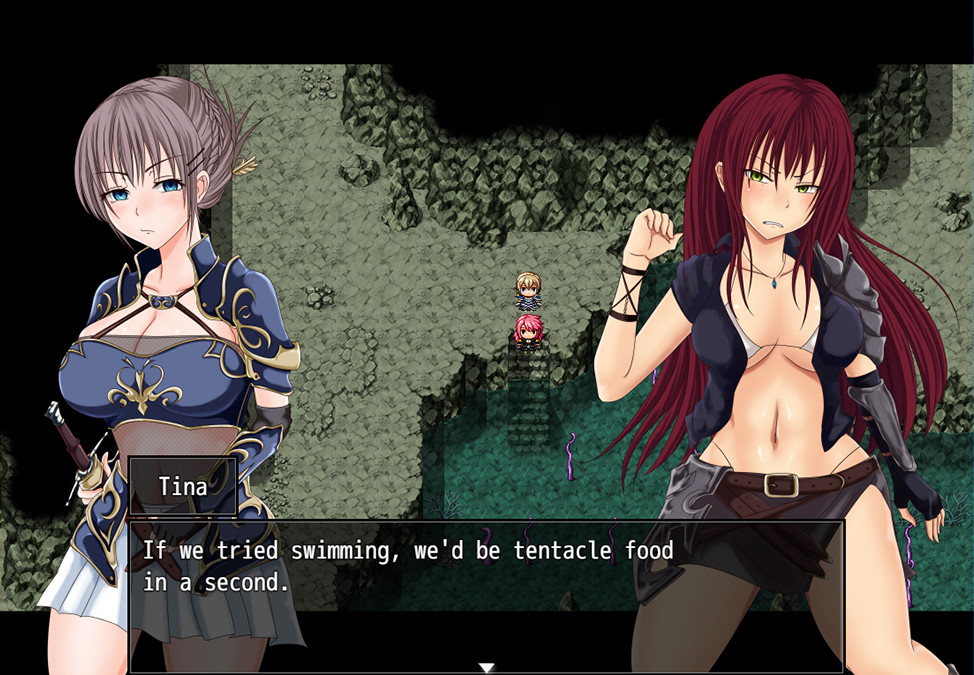
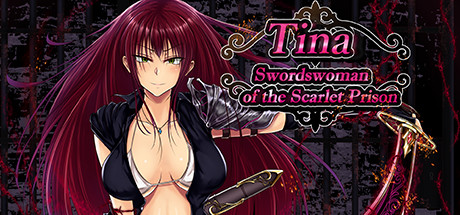
Tina: Swordswoman of the Scarlet Prison is a story-driven Japanese-style role-playing game developed by shinachiku-castella and published by Kagura Games on Steam. Built using the familiar RPG Maker framework, the game combines classic JRPG exploration, turn-based combat, and a mystery-centered narrative that unfolds through dialogue and investigation. While the game follows a structure common to many indie RPG Maker titles, it attempts to distinguish itself through its character dynamics and a story that blends fantasy adventure with elements of crime investigation. The narrative revolves around Tina, a formidable swordswoman known for her combat prowess and strong-willed personality. She serves the kingdom of Durham and is assigned to investigate a series of unusual crimes occurring across the region. Ordinary citizens have begun committing violent acts with no clear explanation, and rumors suggest that something darker may be influencing their behavior. Accompanied by her partner Cecile, a disciplined and thoughtful warrior who balances Tina’s more impulsive nature, the protagonist begins a journey to uncover the cause behind the disturbances. As the investigation unfolds, the pair gradually discovers evidence pointing toward a sinister magical force connected to a powerful witch believed to have been defeated long ago. The story develops steadily as the characters travel between towns, castles, and remote locations while gathering information from local inhabitants. Dialogue sequences play a central role in advancing the narrative, revealing details about the mysterious events affecting the kingdom and providing insight into the personalities of the characters involved. Tina’s blunt confidence and Cecile’s calmer analytical approach create a dynamic partnership that carries much of the story’s emotional weight. As the investigation deepens, the game introduces additional characters who contribute new perspectives on the unfolding crisis and help expand the lore surrounding the witch’s lingering influence. Exploration follows a traditional top-down structure reminiscent of classic console RPGs. Players guide Tina and her companions through towns filled with non-player characters, hidden items, and optional conversations that add depth to the world. Dungeon areas provide more structured challenges, featuring winding corridors, environmental puzzles, and enemy encounters that test the player’s preparation and resource management. While the exploration mechanics remain straightforward, the game encourages players to carefully examine their surroundings and speak with various characters in order to uncover important clues related to the investigation. Combat is presented through a turn-based battle system typical of RPG Maker titles. Players command a party of characters who can perform physical attacks, cast magical abilities, or use supportive skills during encounters with enemies. Each party member fulfills a specific combat role, and strategic decision-making becomes important when facing stronger foes. Tina excels in direct offensive combat, delivering powerful strikes that can quickly eliminate enemies, while other characters offer healing abilities or magical attacks that target enemy weaknesses. Boss encounters in particular require players to carefully manage resources and coordinate abilities to survive challenging battles. Character progression is handled through leveling and equipment upgrades obtained during exploration and combat. As characters gain experience, they unlock new abilities that expand their tactical options in battle. Weapons and armor discovered throughout the adventure further enhance the party’s effectiveness, allowing players to customize their combat approach. Although the progression system remains relatively simple compared to larger RPG titles, it provides enough variety to keep encounters engaging as the difficulty increases. Visually, the game embraces the classic pixel-art aesthetic commonly associated with RPG Maker projects. Character sprites are expressive enough to convey personality during dialogue scenes, while environments depict colorful fantasy landscapes ranging from lively towns to ominous dungeons. The visual style emphasizes nostalgia, echoing the look of role-playing games from earlier generations while maintaining a clean and readable interface that supports exploration and combat. The audio design complements the atmosphere with a collection of fantasy-themed musical tracks. Each environment features background music that reflects its tone, from calm melodies in peaceful villages to more dramatic compositions during battles and story events. While the soundtrack is relatively modest in scale, it effectively reinforces the pacing of the adventure and helps create a consistent mood throughout the game. One aspect that may stand out to players is the game’s relatively focused scope. Compared to expansive RPGs with dozens of hours of content, Tina: Swordswoman of the Scarlet Prison offers a more compact experience that can be completed in a moderate amount of time. This shorter runtime allows the story to progress at a steady pace without becoming overly drawn out, though some players may wish for additional side quests or more varied dungeon designs. Like many RPG Maker titles, the game also inherits certain limitations from its engine. The mechanics may feel familiar to players who have experienced numerous games built with similar tools, and some gameplay sections can become repetitive during extended play sessions. However, the narrative and character interactions help maintain interest by providing context and motivation for the player’s journey. Despite these constraints, the game succeeds in delivering an engaging fantasy adventure centered around a compelling investigation and a pair of memorable protagonists. The relationship between Tina and Cecile adds personality to the narrative, while the gradual uncovering of the witch’s influence keeps the story moving forward. For players who enjoy character-driven RPGs and classic turn-based gameplay, the experience offers a satisfying blend of storytelling and exploration. Overall, Tina: Swordswoman of the Scarlet Prison stands as a solid example of a narrative-focused indie RPG. While its mechanics remain rooted in familiar RPG Maker traditions, its investigative storyline, character chemistry, and steady pacing help create an enjoyable fantasy journey. Players seeking a straightforward RPG with a strong narrative thread and nostalgic presentation will likely appreciate the adventure that unfolds throughout the kingdom of Durham. Rating: 8/10
Expand the review