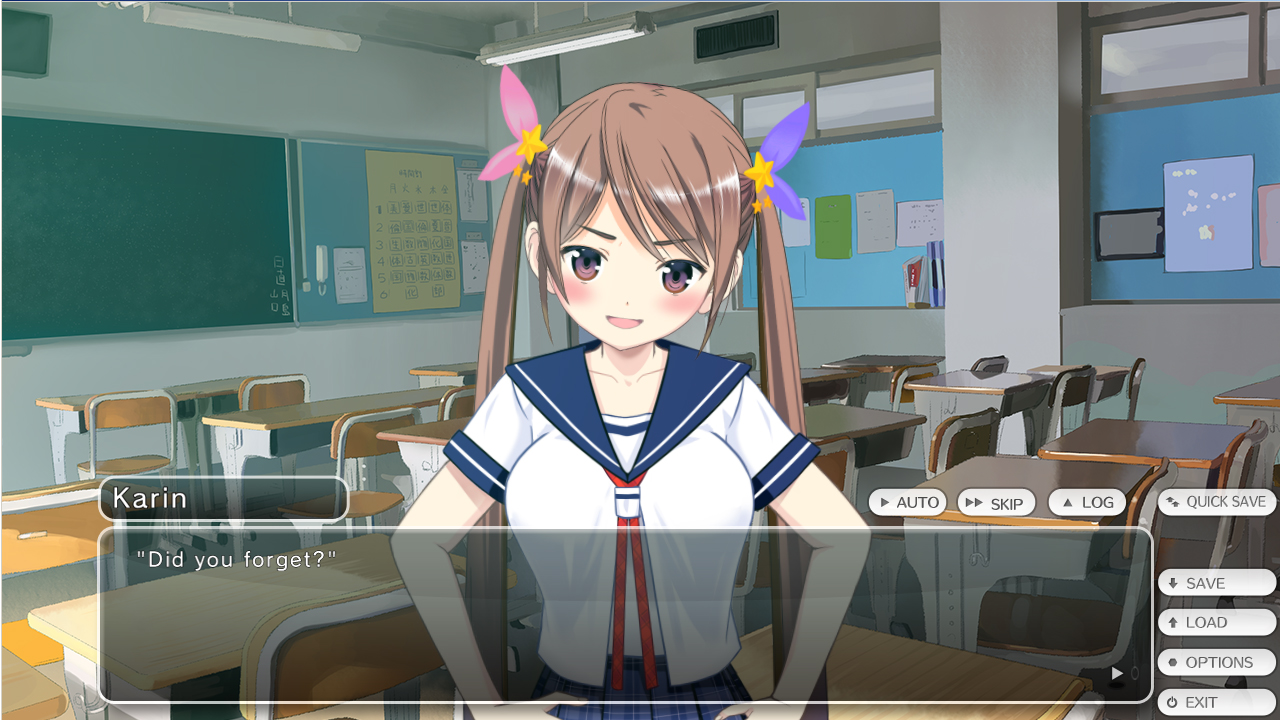
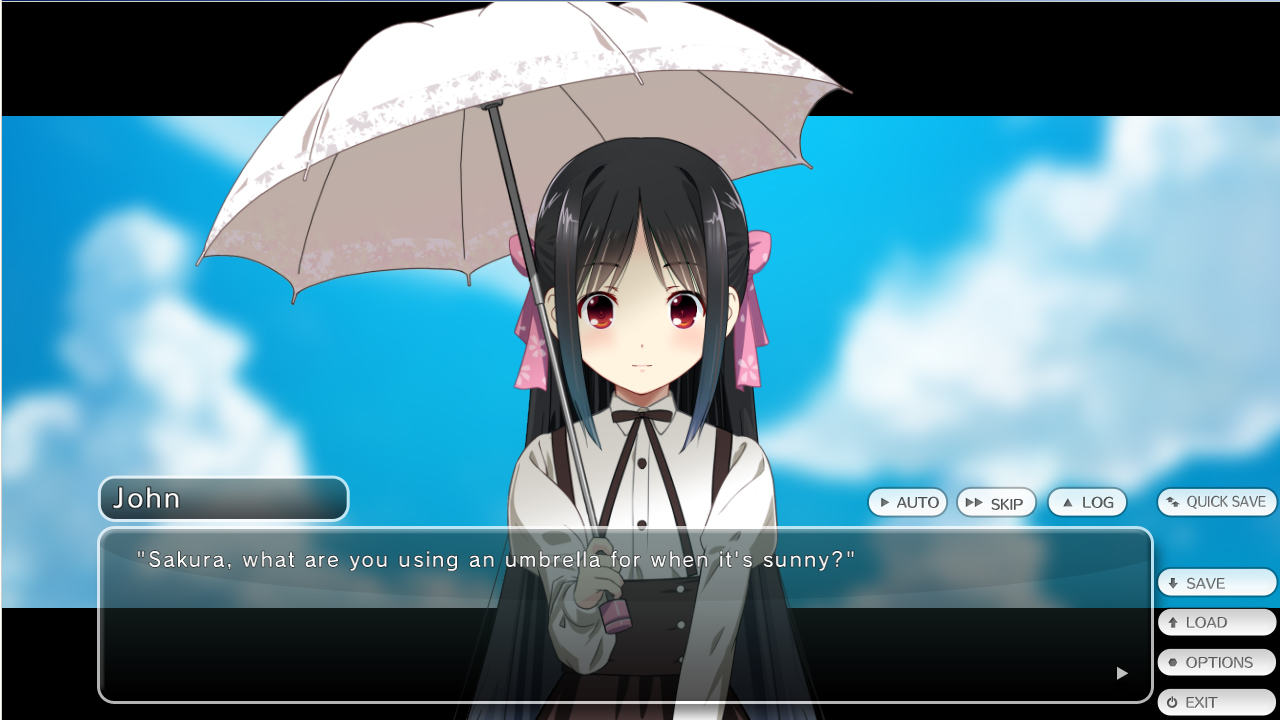
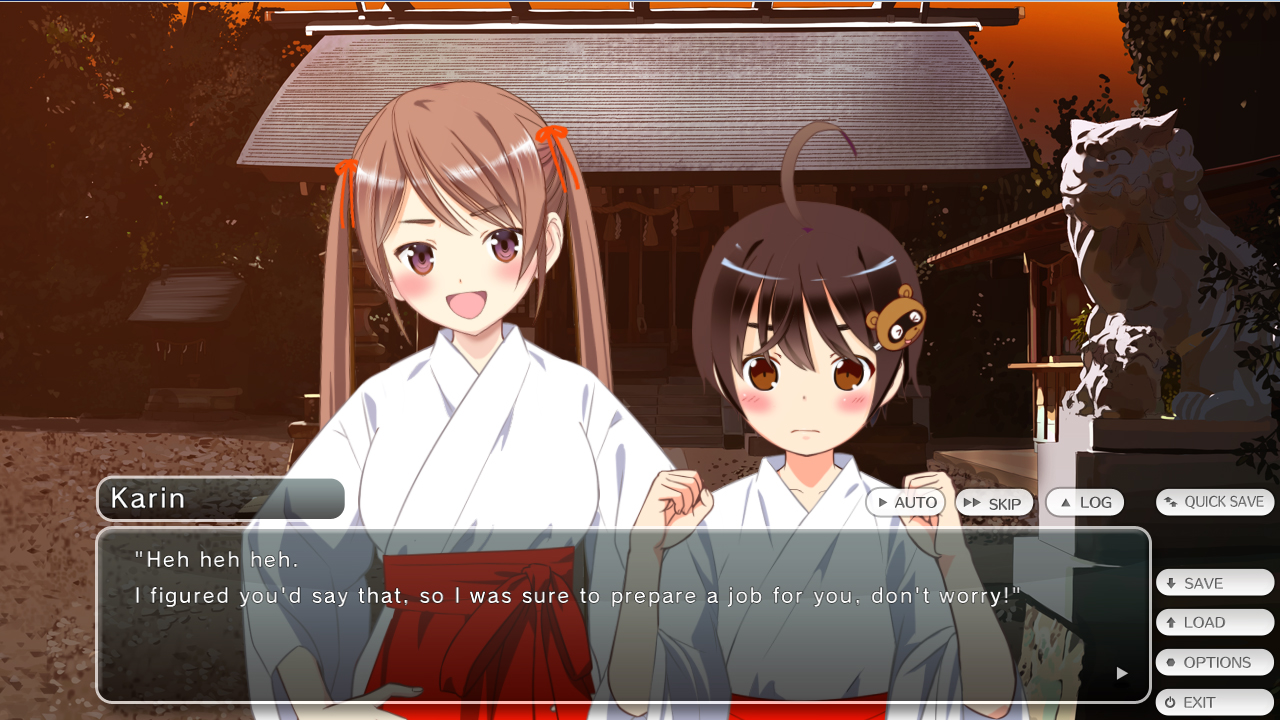
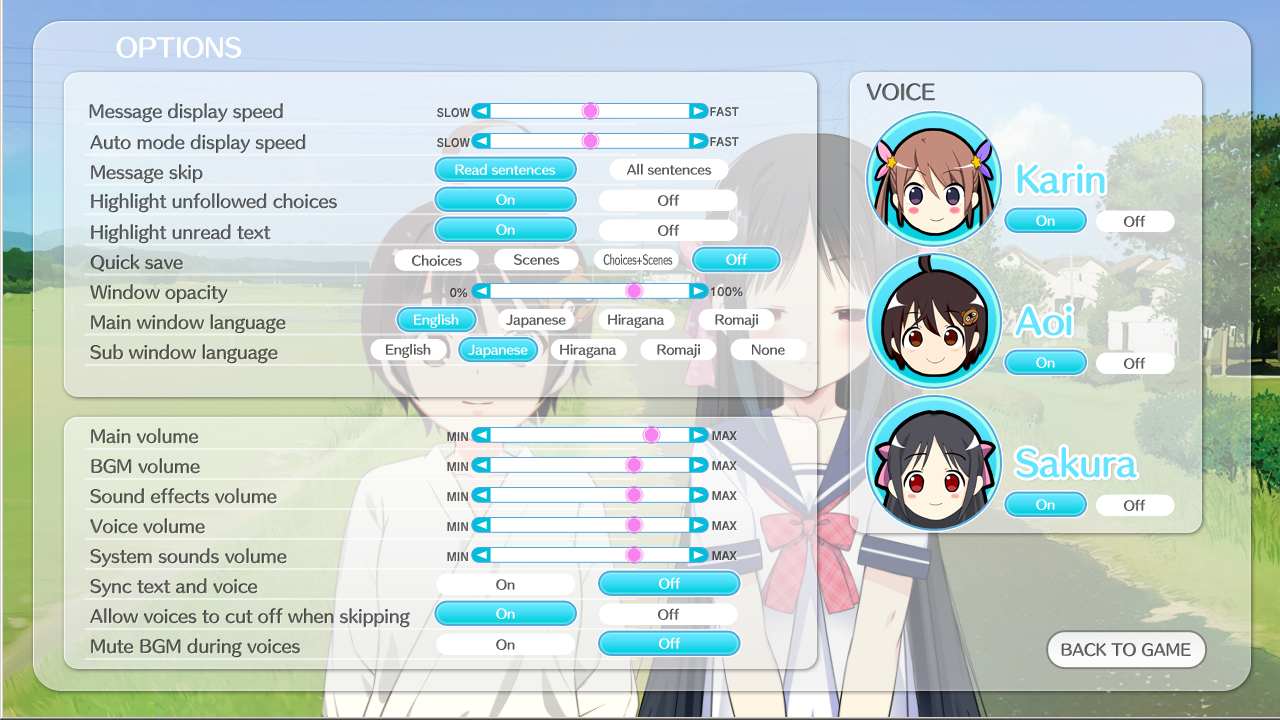
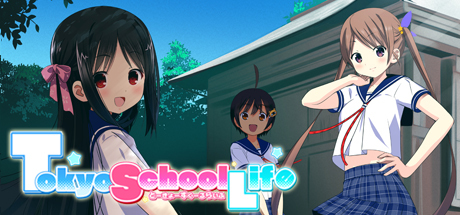
Tokyo School Life, developed by M2 Co., Ltd and published by Dogenzaka Lab, is a charming romantic visual novel that captures the essence of Japanese high school life through the lens of an idealized exchange student experience. The game follows the story of a foreign student spending a semester in Japan, offering a narrative that blends everyday school life, lighthearted comedy, and youthful romance. It is a title designed to appeal to fans of slice-of-life anime and dating sims, combining a relaxed atmosphere with an affectionate portrayal of Japanese culture. Rather than telling a dramatic or complex story, Tokyo School Life focuses on warmth, familiarity, and the gentle rhythms of daily routine, making it an inviting experience for both newcomers to the genre and long-time visual novel enthusiasts. From the very beginning, Tokyo School Life establishes a strong sense of place and tone. The player arrives in Tokyo, wide-eyed and eager to experience the customs, language, and pace of life in a new country. The story unfolds largely from the protagonist’s perspective as he navigates dorm life, club activities, and the joys and awkwardness of building relationships with his new classmates. The game’s three central heroines—Aoi, Karin, and Sakura—represent distinct archetypes common to the genre but are fleshed out through their unique personalities and subtle emotional growth. Aoi embodies the dependable and nurturing type, Karin carries the fiery energy of a tsundere, and Sakura expresses a quiet, artistic kindness. While these character types are familiar to anyone who has played romance visual novels before, Tokyo School Life gives them enough individuality and heart to make their routes enjoyable and distinct. One of the game’s most impressive qualities is its presentation. Unlike many static visual novels, Tokyo School Life uses the E-mote animation system, which gives its 2D character sprites fluid, natural motion. Characters blink, shift posture, and express emotion dynamically, which enhances their sense of presence and makes interactions feel livelier. Combined with the colorful backgrounds and clean interface, the game exudes the look and feel of a high-quality anime production. The Japanese voice acting is another highlight—the cast brings genuine warmth and personality to each heroine, helping to make conversations and emotional moments feel authentic. The soundtrack complements this tone perfectly, mixing gentle melodies for slice-of-life moments with cheerful themes for comedic scenes and sentimental pieces for more intimate ones. The opening song, fully voiced in Japanese, captures the energy and innocence of youth that defines the experience. Narratively, Tokyo School Life keeps things grounded and relatable. The story is not about dramatic twists, fantasy elements, or tragic revelations—it’s about connection and discovery. Each route follows a natural progression as the protagonist grows closer to one of the girls, learning more about her background and personality while also coming to understand his own feelings about his time in Japan. The writing balances humor and sincerity, often leaning into playful banter and comedic misunderstandings before transitioning into more tender or reflective moments. The pacing is measured and comfortable, which suits the tone but can occasionally feel slow for players expecting deeper plot developments. Yet this simplicity is part of the game’s charm—it’s a soothing narrative that evokes nostalgia for the innocence of student life and the excitement of cultural exploration. Beyond its story and presentation, Tokyo School Life offers a few touches that set it apart within the genre. Its bilingual text feature allows players to switch between Japanese and English, making it not only entertaining but also valuable as a learning tool for language enthusiasts. Players can display romaji, hiragana, or kanji alongside English subtitles, which is especially useful for those studying Japanese. This small but thoughtful inclusion broadens the game’s appeal beyond visual novel fans to learners of Japanese culture and language. The interface itself is intuitive, offering an easy-to-navigate menu system, clear save options, and customization for text display and voice volume. It’s designed to be accessible and user-friendly, ensuring that nothing disrupts the immersive flow of the story. Despite its strengths, Tokyo School Life has some limitations. The narrative, while pleasant, rarely pushes beyond the conventions of the genre. It relies heavily on familiar tropes—school festivals, hot springs, shy confessions—and the protagonist, though likable, is deliberately plain so players can project themselves onto him. The brevity of the game also leaves some emotional beats feeling underdeveloped; each heroine’s route concludes just as the romance reaches its most engaging point. The overall experience can be completed in a few hours, which might leave players wishing for more depth or expanded endings. However, these constraints don’t detract from its overall appeal—they simply position the game as a light, approachable story rather than a sprawling epic. What truly makes Tokyo School Life memorable is the sincerity of its tone. It is not a cynical or subversive work; it doesn’t seek to challenge the norms of its genre but instead embraces them with affection and polish. It invites players to experience the warmth of friendship, the awkwardness of first love, and the small joys of daily life in a foreign country. Its optimism and respect for cultural exchange give it a universal appeal, allowing players to appreciate Japanese traditions while empathizing with the feelings of curiosity and belonging that come with new experiences. The game’s heartfelt simplicity, supported by its strong voice acting, expressive visuals, and comforting soundtrack, makes it an ideal choice for anyone seeking an uplifting and aesthetically pleasing story. In the end, Tokyo School Life succeeds not by breaking boundaries but by perfecting the fundamentals of a classic romantic visual novel. It offers an engaging cast, beautiful animation, and a story that feels genuine in its portrayal of youthful emotions and cross-cultural connection. While short and modest in ambition, it delivers exactly what it promises—a heartwarming, slice-of-life romance full of charm, humor, and gentle sentimentality. For players who enjoy relaxing, character-driven stories or wish to experience an idealized version of student life in Tokyo, it stands as a delightful and lovingly crafted experience that captures the joy of discovery and the sweetness of first love. Rating: 9/10
Expand the review