
Allumeria
A classic voxel sandbox combined with in-depth progression through exploration, dungeon crawling and boss battles. Spend every minute discovering new weapons, abilities, resources, enemies, structures, mechanics and tools. With a strong focus on discovery, variety and creativity, the world is yours.
Sync your Steam wishlist to find the lowest game prices instantly. No login required, just paste your Steam profile URL!
⚡ Try Wishlist Radar!
Sync your Steam wishlist to find the lowest game prices instantly. No login required!
⚡ Try Wishlist Radar!
Close

Total Miner on Steam
Quick menu
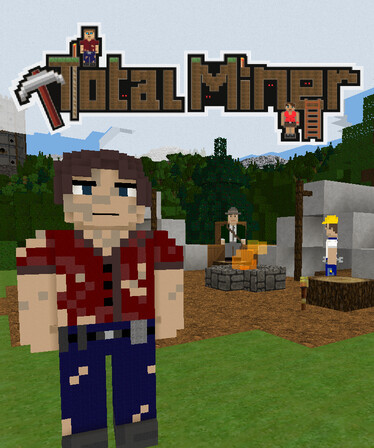
Total Miner is an open world voxel sandbox game. It is primarily designed for creative RPG game builders, but also has two action/adventure style game modes where you can just jump in and play.
Total Miner is a open world survival craft, early access and sandbox game
developed and published by Brandon Moore.
Released on December 23rd 2017 is available only on Windows.
It has received 707 reviews of which 551 were positive and 156 were negative resulting in a rating of 7.4 out of 10. 😊
The game is currently priced at 2.99€ on Steam.
The Steam community has classified Total Miner into these genres:
Open World Survival Craft
Early Access
Sandbox
Multiplayer
Singleplayer
Indie
Action
Exploration
RPG
Adventure
Open World
Programming
Voxel
Building
Survival
First-Person
Replay Value
Crafting
Mining
3D
Here is the detailed breakdown of supported languages for Total Miner:
| UI | Subtitle | Audio | |
|---|---|---|---|
| English |
Media & Screenshots
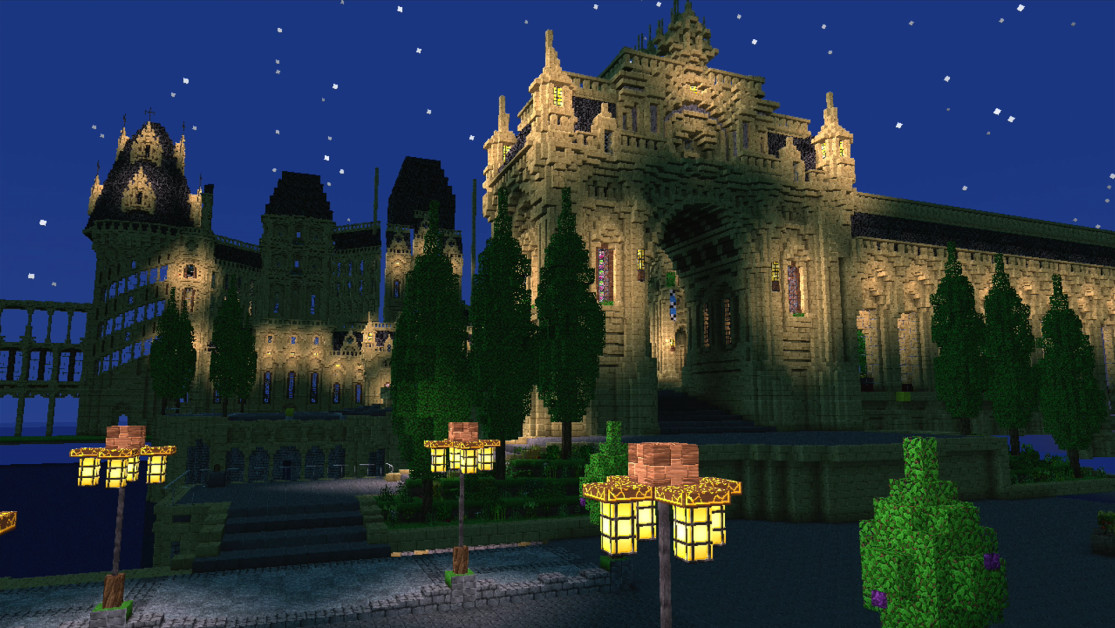
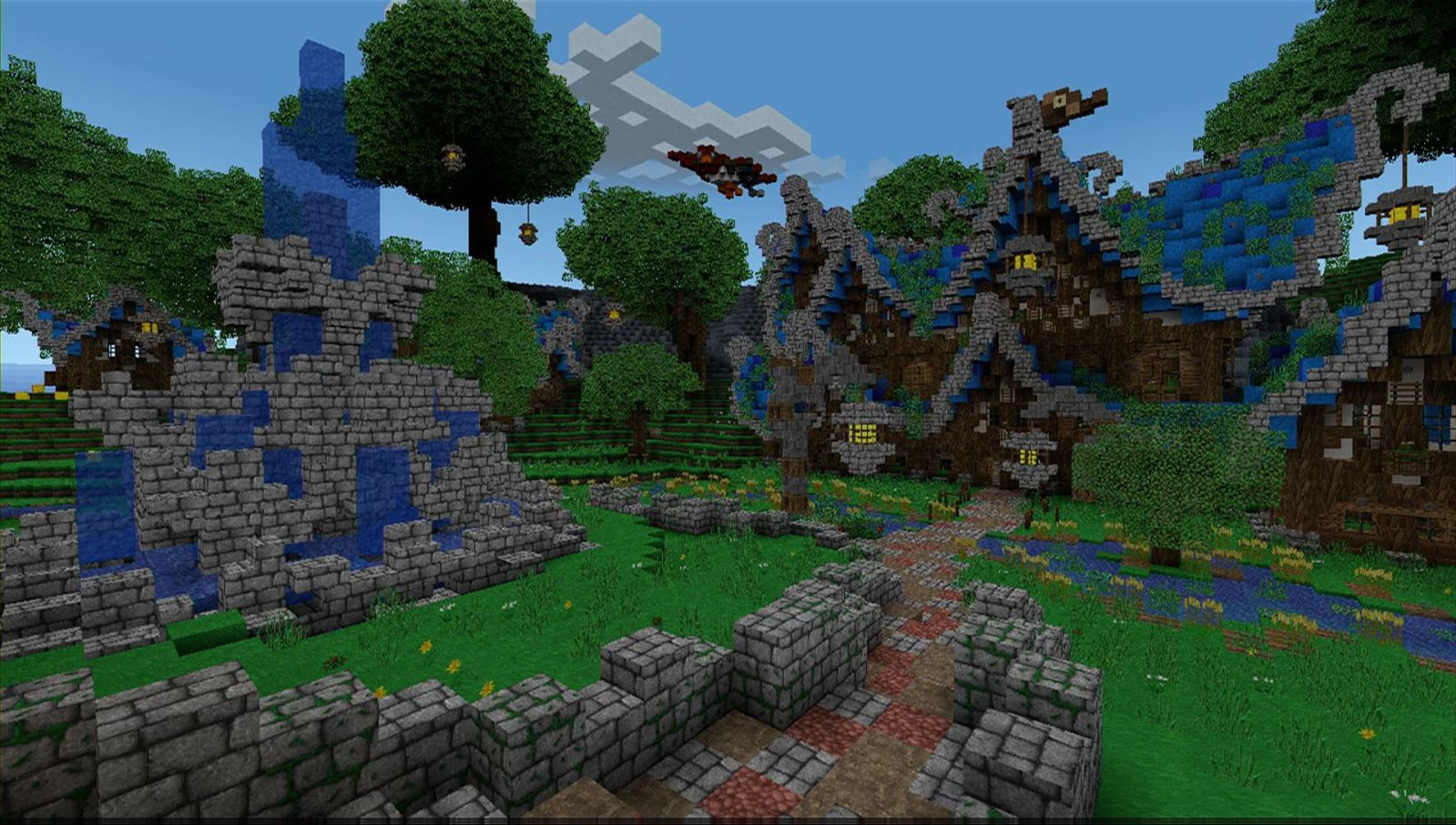
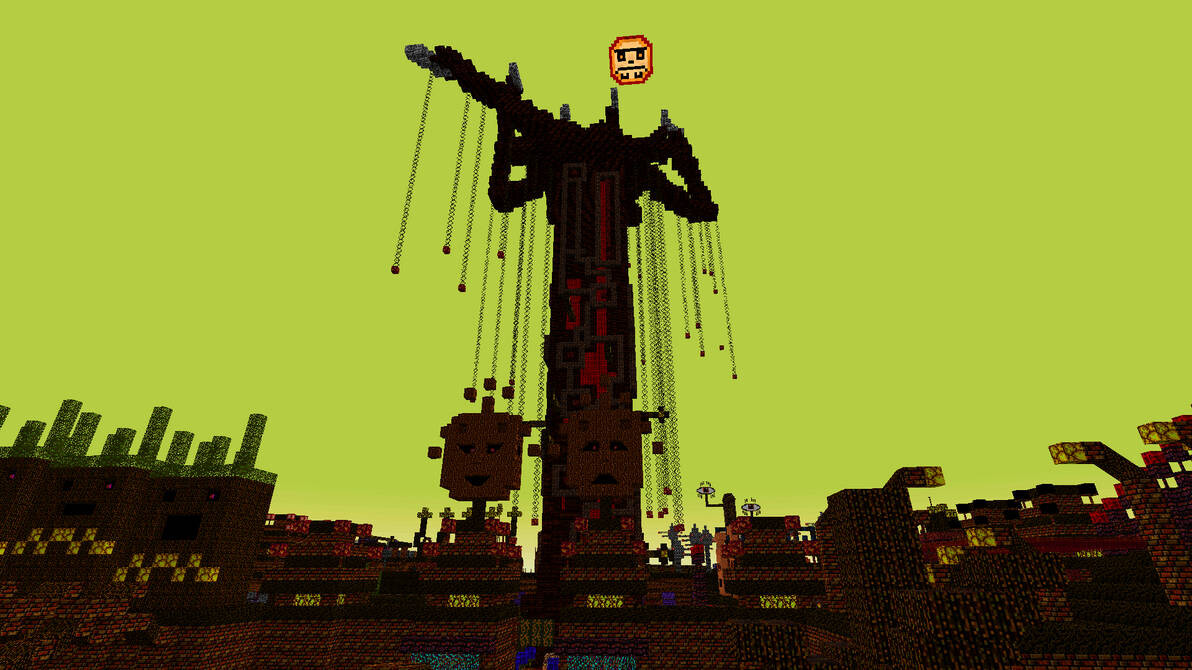
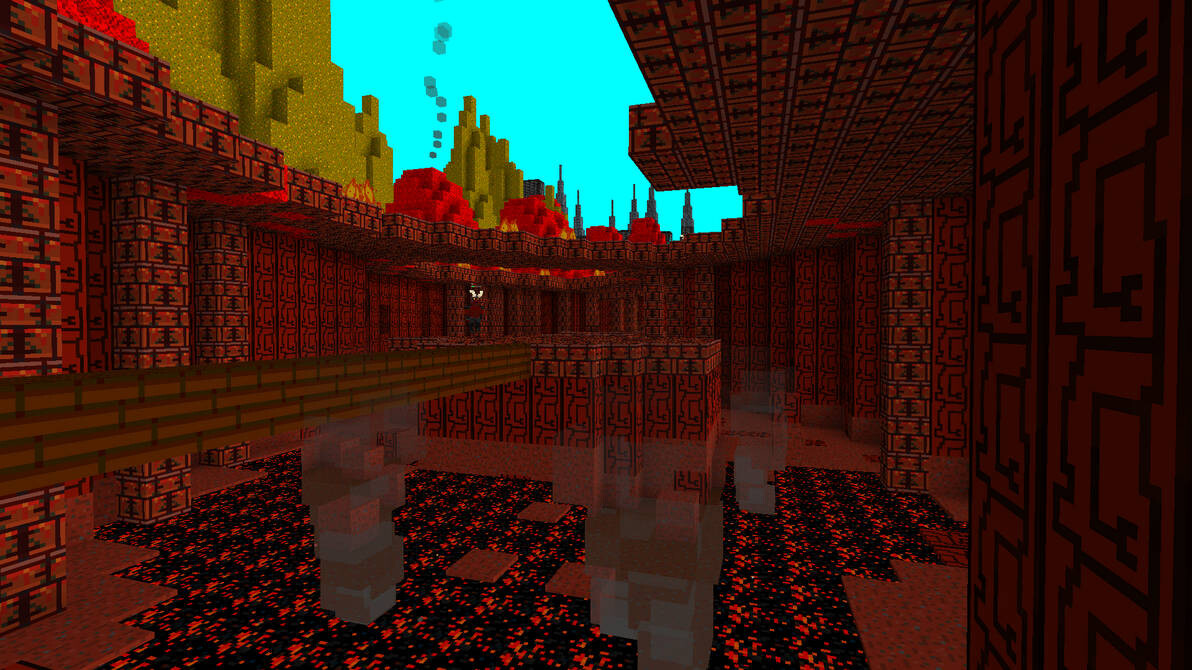
Get an in-depth look at Total Miner through various videos and screenshots.


Load More


System requirements
These are the minimum specifications needed to play the game. For the best experience, we recommend that you verify them.
Windows
- Requires a 64-bit processor and operating system
- OS *: Win XP SP3 / Vista / Windows 7 / Windows 8
- Processor: 2 GHZ Dual Core (4 Threads)
- Memory: 2 GB RAM
- Graphics: 512 MB DirectX 9.0c Compatible (Shader Model 2)
- DirectX: Version 9.0c
- Storage: 1 GB available space
- Sound Card: Any
Steam Price & Best Deals
User reviews & Ratings
Explore reviews from Steam users sharing their experiences and what they love about the game.
Total Miner is a voxel-based sandbox that places unusual emphasis on giving players the tools to create their own adventures rather than simply providing a fixed survival experience. Developed and published by Brandon Moore, it combines mining, building, crafting, exploration, character progression, farming, combat, and creative systems with much deeper RPG-building functionality. Its familiar block-based appearance may suggest a straightforward construction game, but beneath that presentation is a surprisingly flexible collection of tools intended for players who enjoy designing worlds as much as exploring them. The basic sandbox experience revolves around exploring environments, gathering materials, constructing buildings, crafting useful equipment, and gradually expanding what can be accomplished within a world. Players who prefer conventional gameplay can concentrate on these activities without becoming deeply involved in the more technical creation features. An optional progression system adds 16 skills that develop through related activities, providing another incentive to keep exploring and performing different tasks. Better skills can open access to improved items, making character advancement complement the usual progression from basic resources toward increasingly sophisticated creations. Where the game becomes substantially more distinctive is in its RPG creation system. Players can construct worlds that function as customized adventures rather than merely collections of buildings. A built-in scripting system can be used to create quests, dialogue, NPC interactions, mini-games, automated events, boss encounters, and other gameplay sequences. This changes the nature of construction considerably. A castle, dungeon, village, or arena does not have to exist purely as scenery because creators can give locations interactive purposes and build gameplay around them. Lua scripting further extends these possibilities for players comfortable with programming. Combined with the game's other creation features, it provides considerable room for experimentation and makes Total Miner resemble a lightweight game-development playground at its most ambitious. These capabilities inevitably introduce a learning curve, particularly for anyone interested in sophisticated scripted scenarios, but documentation and examples help creators understand how the different systems operate. Players willing to invest the necessary time can produce experiences far beyond ordinary voxel construction. There are also useful environmental and simulation features supporting the sandbox. Farming allows crops to be planted and harvested, while produce can contribute to better food. Day and night progression and seasonal changes make worlds feel less static, and animated vegetation introduces additional movement to environments. Water and lava provide animated liquid elements, while particle emitters can be employed to create visual effects. These details are particularly useful when building atmospheric custom maps because creators have more than static blocks available when establishing a particular mood. Automation is another interesting component. WIFI Power allows the construction of powered logic circuits, complementing the scripting tools and enabling more elaborate interactive creations. Large-scale creative functions for filling and clearing areas also make ambitious projects less tedious than individually modifying every block. A camera feature allows players to photograph their creations and maintain an album, which is a modest addition but one that suits a game where building and documenting personalized worlds can become a major part of the experience. Multiplayer and Steam Workshop integration broaden the concept further. Cooperative and competitive possibilities make custom environments more meaningful because creations can potentially become shared experiences rather than private projects. A carefully constructed dungeon, mini-game, challenge, or RPG scenario naturally becomes more interesting when other players can participate. The community-content aspect also gives the sandbox potential longevity beyond whatever predefined activities are immediately available. The presentation is considerably more functional than spectacular. Its voxel graphics are primarily effective because they clearly communicate the modular nature of the world and accommodate extensive construction. Players looking for visually elaborate environments or highly cinematic presentation may find the graphics basic. The interface and creation systems can similarly feel utilitarian, particularly while learning the more advanced features. The payoff is flexibility rather than visual luxury, and that distinction is important when deciding whether its particular style of sandbox is appealing. Its Early Access status should also influence expectations. The PC version has experienced a lengthy development process, and some systems can exhibit the rough edges associated with an unfinished project. Bugs, incomplete functionality, balance inconsistencies, or technical issues can therefore occasionally interfere with the otherwise impressive creative freedom. Total Miner is easier to recommend to players comfortable experimenting with an evolving sandbox than to those expecting a completely polished and tightly structured experience. Steam Deck compatibility is not officially rated by Valve as either Verified or Playable, so it should be treated as having no official Steam Deck compatibility designation. Since the game is primarily designed around Windows and includes interfaces and advanced creation features that can benefit from traditional mouse-and-keyboard input, handheld users should not assume a completely seamless console-style experience. Proton behavior and control configuration may also vary, making experimentation or customized controls potentially necessary. Ultimately, Total Miner succeeds most strongly as a creation-focused sandbox with enough traditional gameplay to support its more ambitious tools. Mining, crafting, farming, exploration, progression, environmental systems, multiplayer, logic circuits, and construction establish a substantial foundation, while scripting and RPG-building capabilities provide the features that give it a more distinctive identity. Its technical roughness and unfinished nature prevent it from reaching its full potential, but patient players who enjoy building interactive worlds can find considerable depth behind its simple voxel exterior. Rating: 7/10
If you grew up on the Xbox 360 and played this before Minecraft was barely even a couple of years old on PC and nonexistent on consoles, then you know this indie game and how amazing it was. This game is such a hit of nostalgia and comfort for me that I'm biased towards it, even if it was s**t, which it is very much NOT. Total Miner and AOTZH are my two favorite indie games ever made. Thank you for a great childhood and for letting me continue living it on my gaming rig as an adult. <3
Similar games
View all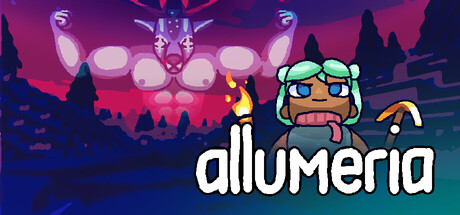

Planet Explorers
Planet Explorers is an open world sandbox adventure RPG game set on a distant planet. The game uses a new OpenCL calculated voxel system to allow players to change the terrain in any way, create new objects such as weapons, vehicles, objects, and do it anywhere.
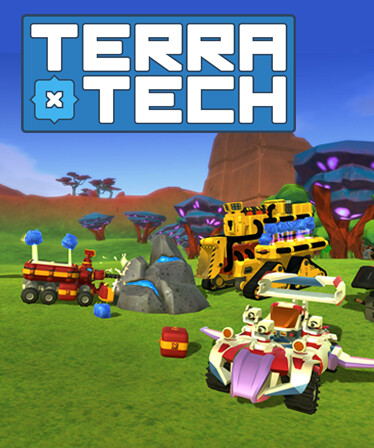
TerraTech
TerraTech is an open-world, sandbox adventure game, where you design and build your own creations through a mix of crafting, combat and discovery. Design vehicles from a huge library of blocks. Scavenge, craft and buy new parts to survive and become the ultimate planetary prospector.
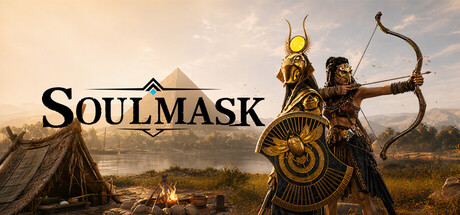
Soulmask
Don the Ancient Mask. Wield the power of gods. Possess any of your tribespeople, recruit followers, and build a thriving automated civilization. Survive, expand, and forge your own legacy across a vast ancient open world — together with friends.

TerraTech Worlds
TerraTech Worlds is an open world, build-craft adventure game, set on an uncharted alien world. Play solo or with friends, explore your surroundings, craft unique vehicles, construct automated bases, and battle your way through hazards and enemies to harness the power of your environment

Junk Jack
Make the world truly yours in Junk Jack, a relaxing sandbox experience focused on building and improving your home. Discover new planets, tame and breed creatures, cook foods, collect animal companions, farm exotic plants, collect fish, grow flowers, play with your friends!

Frozen Flame
A challenging exploration and survival adventure, set in the dying world of Dragons. Only those who harness the power of Frozen Flame have the means to survive the harsh conditions of the realm and able to muster the strength to cleanse it for good.

Block Story
There isn’t much better than a wide open game world in which you have essentially no limits and can alter the very landscape in which you play – that is, unless you add dragons, of course…

Wurm Unlimited
Wurm Unlimited is the standalone version of the fantasy sandbox world Wurm Online, the MMORPG where the players are in charge! A pioneer in the ideas of player influence, crafting and adventure, it is now one of the most deep and feature packed true sandbox experiences available.

Necesse
Build, quest, and conquer across an infinite procedurally generated world. Play alone or with friends as you establish a settlement and explore deep dungeons, fight monsters and bosses, mine rare ores, craft magical equipment, recruit specialists for your colony, and more!

CastleMiner Z
CastleMiner Z is an infinite world filled with deep places to explore, and horrifying monsters to slay. Build structures out of blocks, craft weapons and tools from raw materials, and explore the vast and frightening world around you.

Nighthold: Number 1
Investigate a starship crash, explore a hostile world, build shelters and survive nightly attacks of the Rot. Tear down any structure and experience total freedom of action.
Frequently Asked Questions
Total Miner is currently priced at 2.99€ on Steam.
No, Total Miner is currently not on sale. You can purchase it for 2.99€ on Steam.
Yes, Total Miner received 551 positive votes out of a total of 707 achieving a rating of 7.41.
😊
Total Miner was developed and published by Brandon Moore.
Yes, Total Miner is playable and fully supported on Windows.
No, Total Miner is not playable on MacOS.
No, Total Miner is not playable on Linux.
This information about Total Miner is not available yet.
This information about Total Miner is not available yet.
No, Total Miner does not support VR.
Total Miner offers both single-player and multi-player modes.
Total Miner offers both Co-op and PvP modes.
No, Total Miner does not currently offer any DLC.
Yes, Total Miner is fully integrated with Steam Workshop. Visit Steam Workshop.
No, Total Miner does not support Steam Remote Play.
Yes, Total Miner is enabled for Steam Family Sharing. This means you can share the game with authorized users from your Steam Library, allowing them to play it on their own accounts. For more details on how the feature works, you can read the original Steam Family Sharing announcement or visit the Steam Family Sharing user guide and FAQ page.
You can find solutions or submit a support ticket by visiting the Steam Support page for Total Miner.
Data sources
The information presented on this page is sourced from reliable APIs to ensure accuracy and relevance. We utilize the Steam API to gather data on game details, including titles, descriptions, prices, and user reviews. This allows us to provide you with the most up-to-date information directly from the Steam platform.
Additionally, we incorporate data from the SteamSpy API, which offers insights into game sales and player statistics. This helps us present a comprehensive view of each game's popularity and performance within the gaming community.
Last Updates| Steam data | 13 October 2026 21:07 UTC |
|---|---|
| SteamSpy data | 15 October 2026 17:41 UTC |
| Steam price | 27 October 2026 04:06 UTC |
| Steam reviews | 22 October 2026 10:05 UTC |
If you'd like to dive deeper into the details about Total Miner, we invite you to check out a few dedicated websites that offer extensive information and insights. These platforms provide valuable data, analysis, and user-generated reports to enhance your understanding of the game and its performance.
- SteamDB - A comprehensive database of everything on Steam about Total Miner
- SteamCharts - Analysis of Total Miner concurrent players on Steam
- ProtonDB - Crowdsourced reports on Linux and Steam Deck Total Miner compatibility
Game modes
Multiplayer
Features
Online players
11
Developer
Brandon Moore
Publisher
Brandon Moore
Release
23 Dec 2017
Platforms