


Pineview Drive
A one-of-a-kind horror shocker – a game aware of your fear!Check out the improvements introduced with Update 2.0!
Sync your Steam wishlist to track the lowest game prices instantly. No login required, just paste your Steam profile URL!
⚡ Try Wishlist Radar!
Sync your Steam wishlist to track the lowest game prices instantly. No login required!
⚡ Try Wishlist Radar!
Close

Tsugunohi on Steam - User reviews, Price & Information
Quick menu
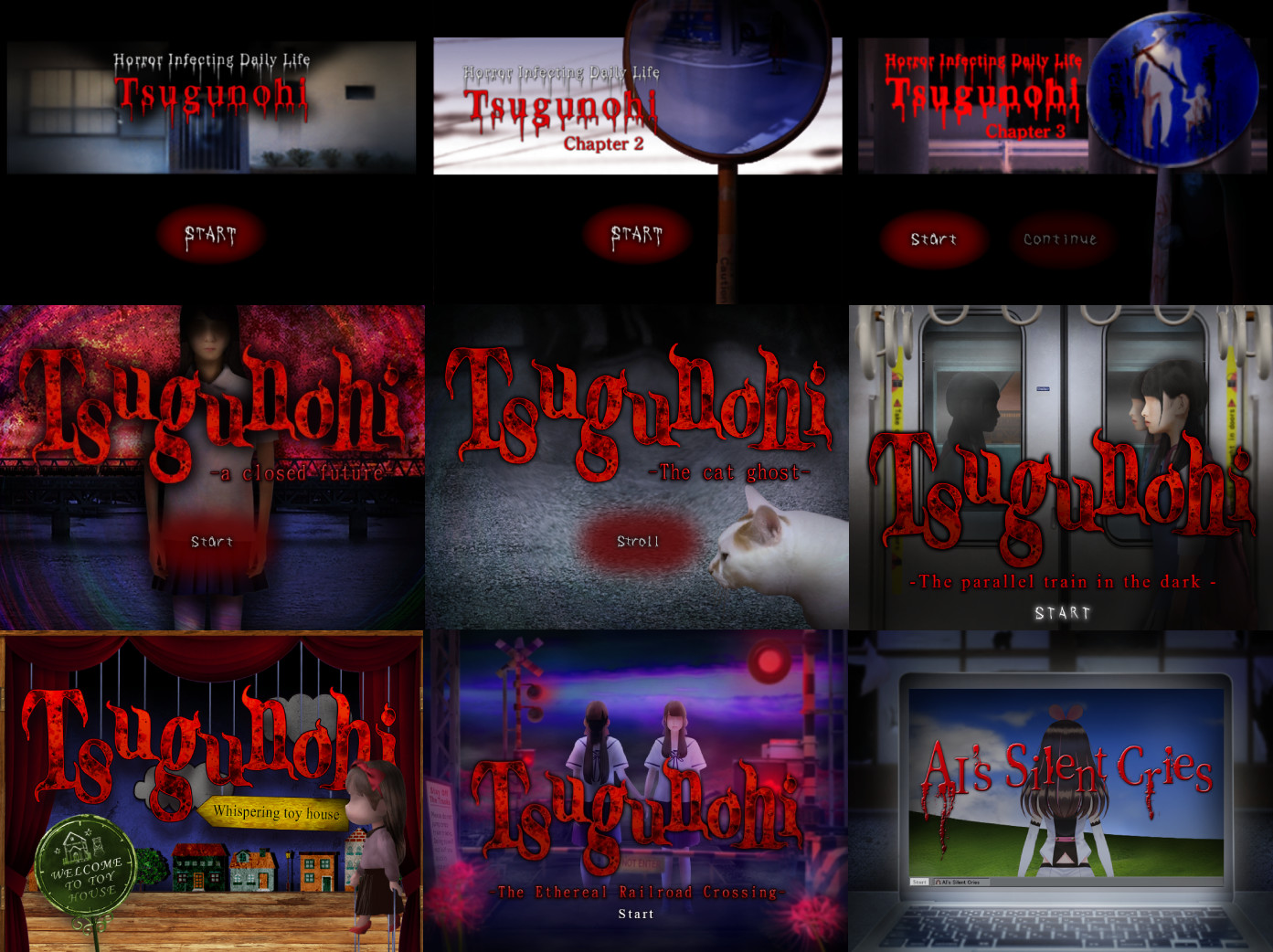
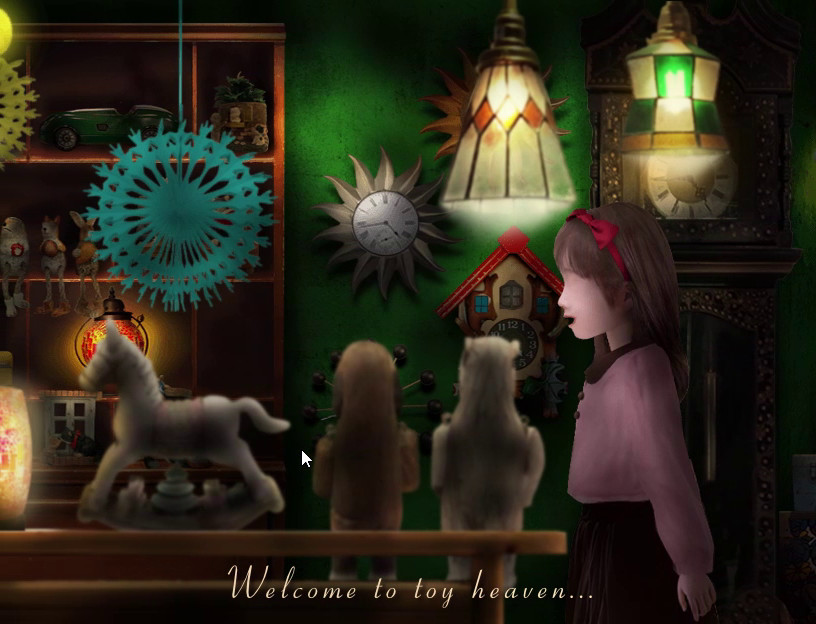
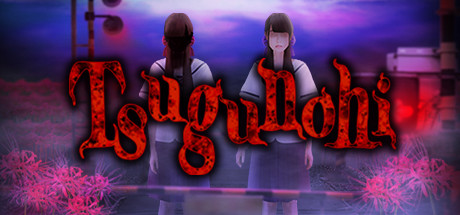
One of the most terrifying J-horror games of all time is coming to Steam at long last. What's more, all you have to do is make the player walk to the left!? This collection includes the seven initial works of the popular Tsugunohi series, as well as an entirely new episode.
Tsugunohi is a indie, adventure and action game
developed by ImCyan
and published by Vaka Game Magazine.
Released on August 12th 2021 is available only on Windows
in 6 languages: English, Japanese, Simplified Chinese, Spanish - Spain, Traditional Chinese and Korean.
It has received 553 reviews of which 400 were positive and 153 were negative resulting in a rating of 6.9 out of 10. 😐
The game is currently priced at 10.79€ on Steam, but you can find it for 2.63€ on Gamivo.
The Steam community has classified Tsugunohi into these genres:
Media & Screenshots
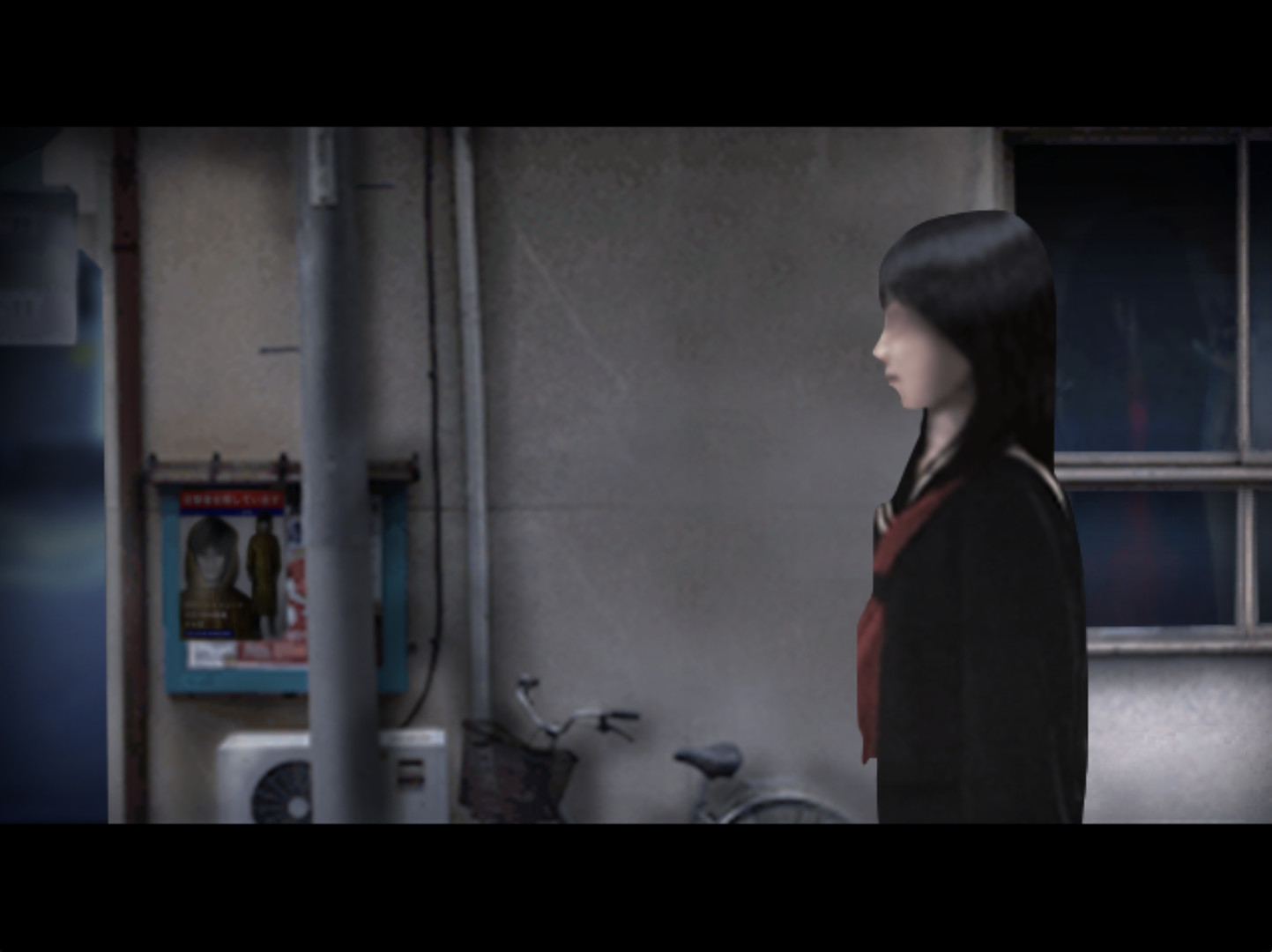
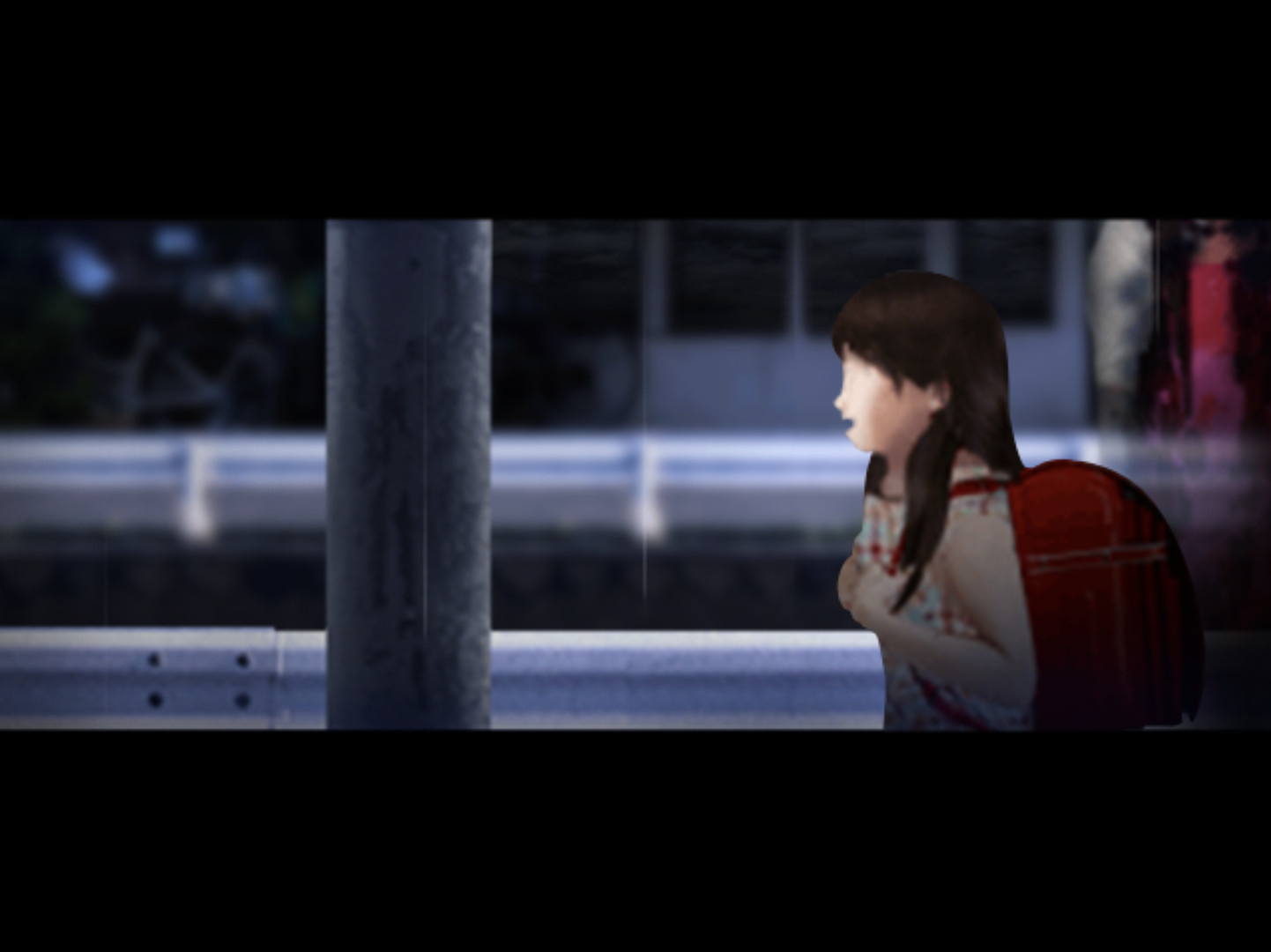
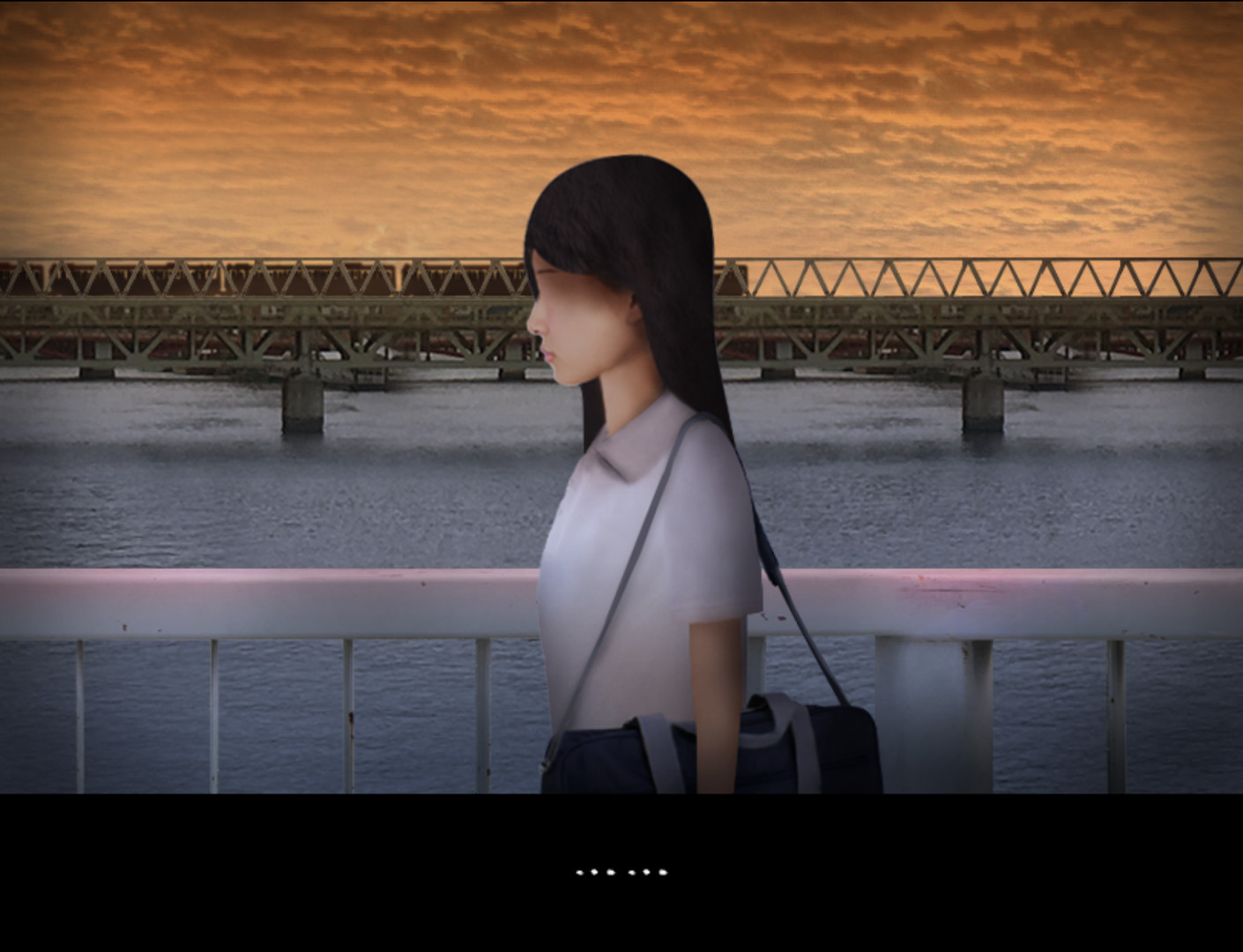
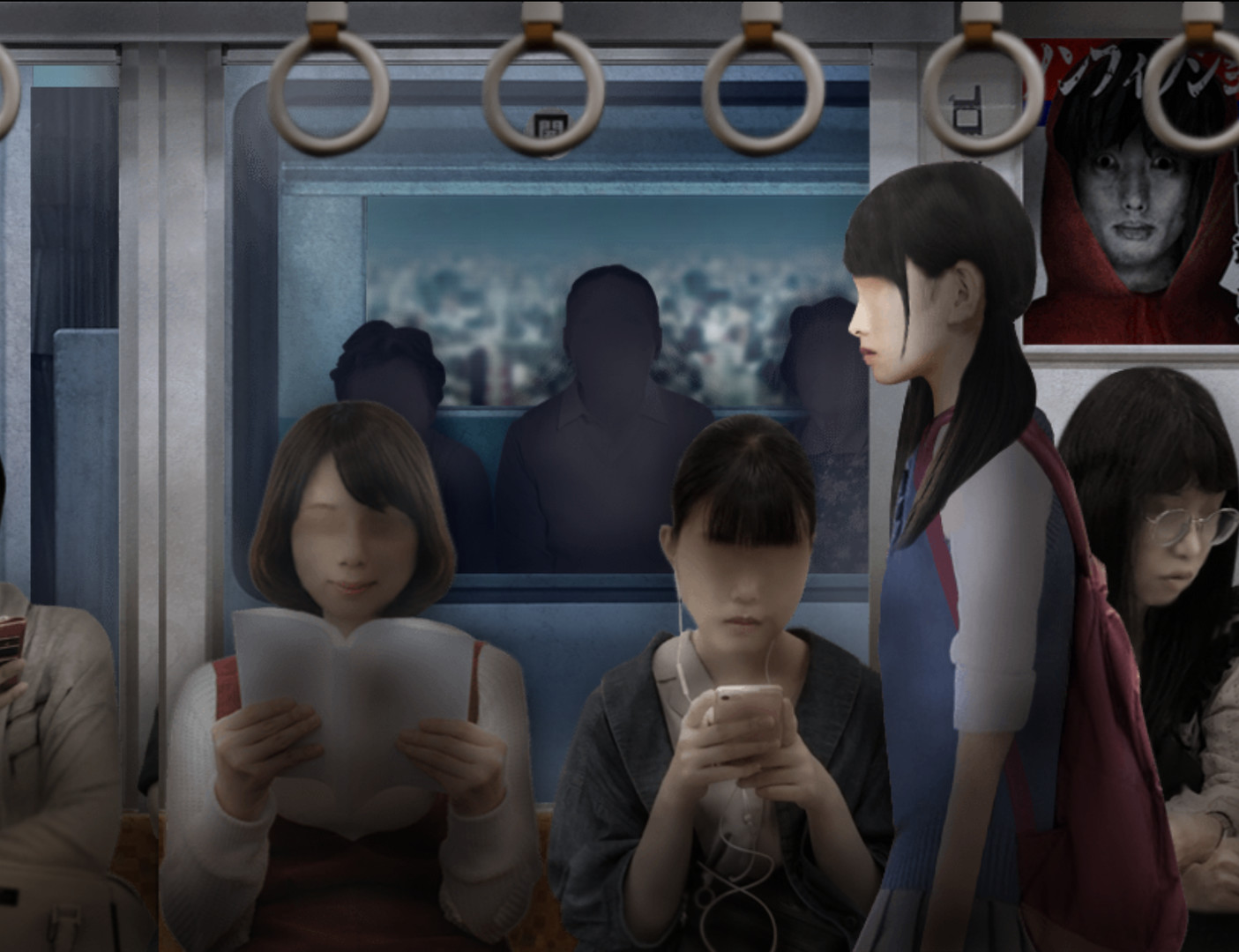
Get an in-depth look at Tsugunohi through various videos and screenshots.
Load More

System requirements
These are the minimum specifications needed to play the game. For the best experience, we recommend that you verify them.
Windows
- OS: Windows 10
- Processor: Intel Core2 Duo or higher
- Memory: 2 GB RAM
- Graphics: Open GL compliant video card
- Storage: 2 GB available space
Steam Price & Best Deals
User reviews & Ratings
Explore reviews from Steam users sharing their experiences and what they love about the game.
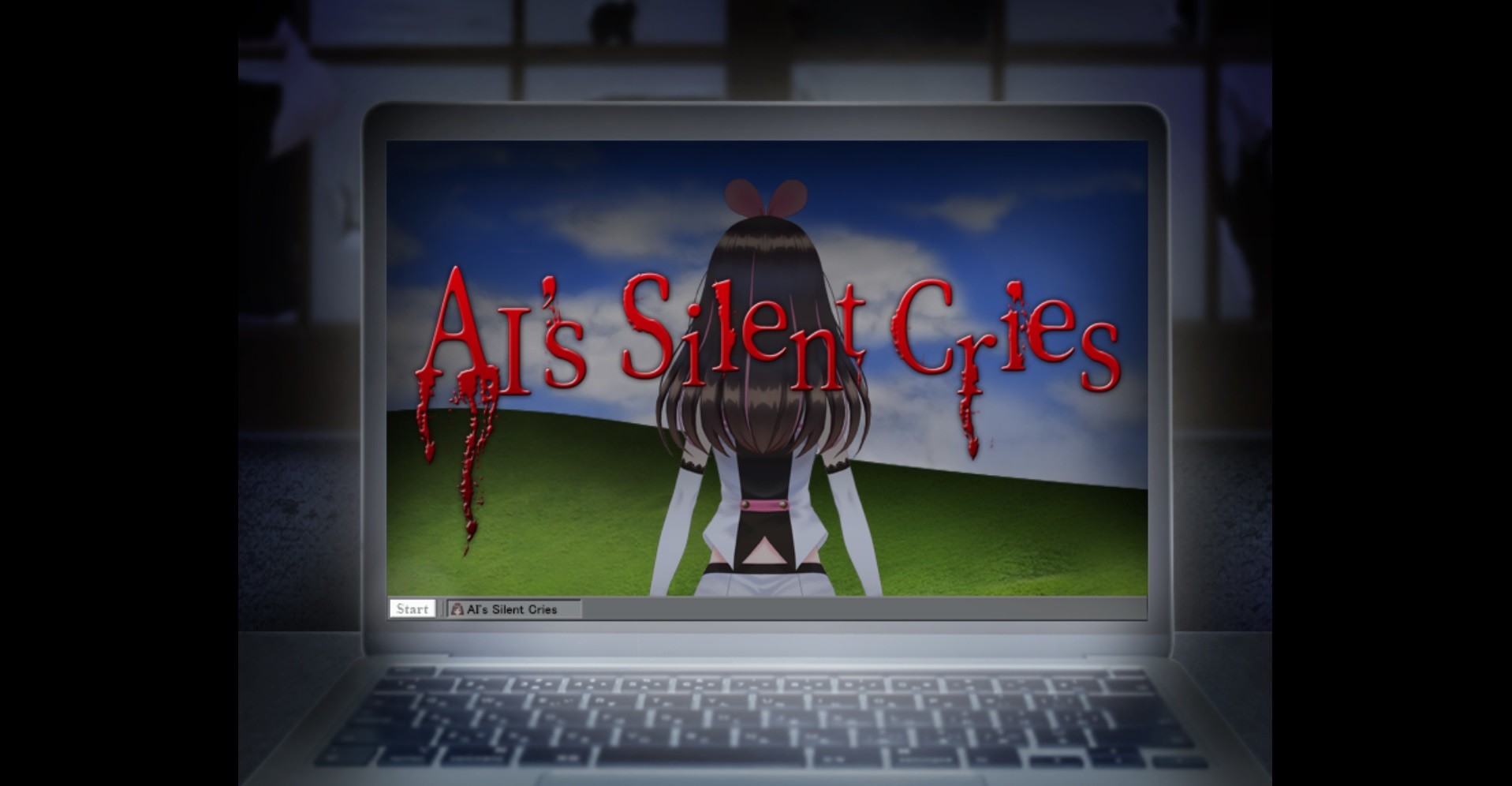
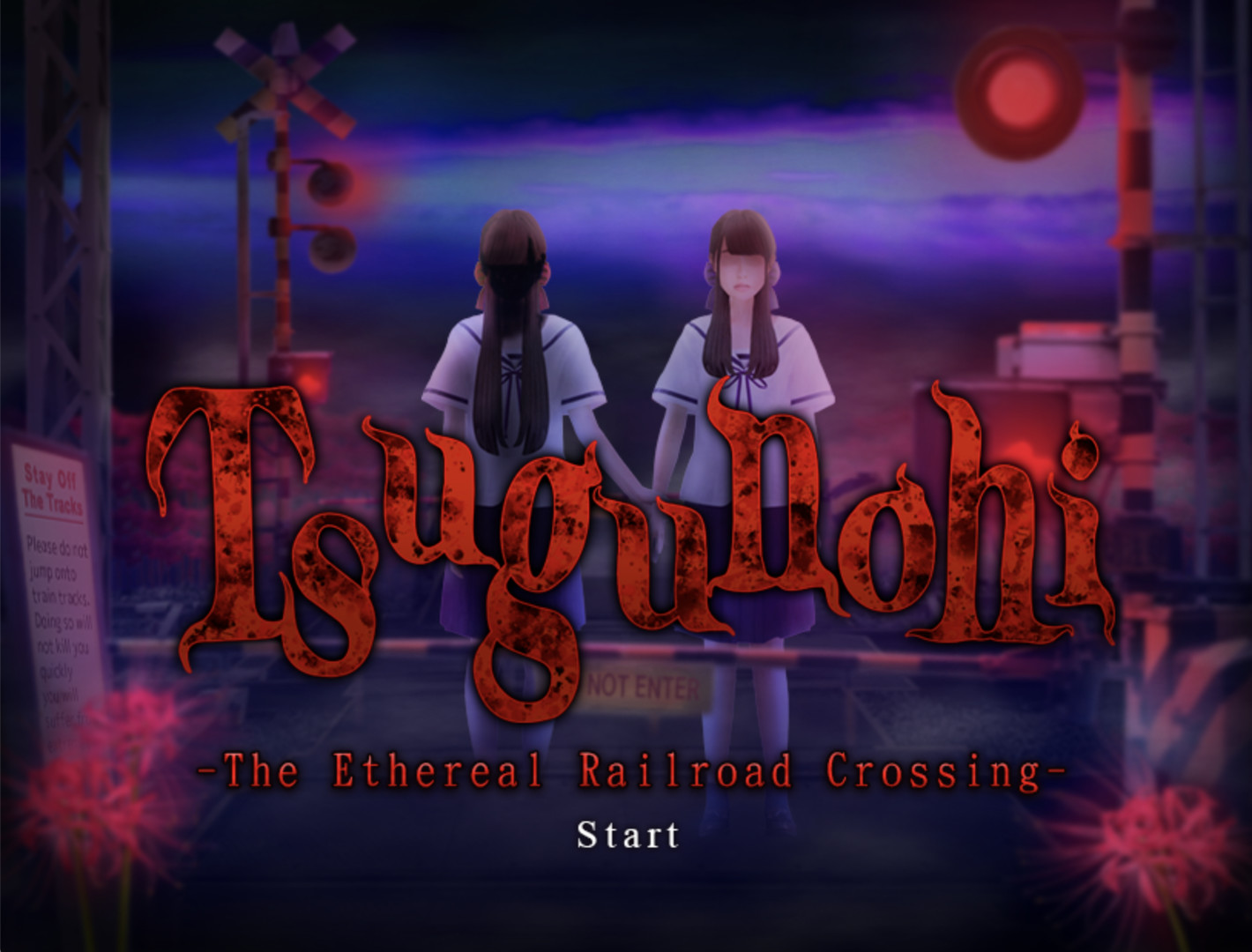
Tsugunohi is an unusual Japanese psychological horror experience that demonstrates how a remarkably limited control scheme can still create substantial tension. Developed by ImCyan and published by Vaka Game Magazine, the game revolves around an almost comically straightforward action: moving toward the left. Instead of relying on combat, elaborate puzzles, inventory management, or large environments, it places the emphasis on observation and anticipation. The result feels closer to an interactive collection of short horror stories, where the simple act of continuing forward becomes progressively more uncomfortable. The central concept works because the environments initially appear mundane. Characters travel home from school, walk through residential neighborhoods, ride trains, visit seemingly ordinary locations, or simply follow their daily routines. The player repeatedly passes through familiar scenery, gradually learning what everything is supposed to look like. Small abnormalities then begin appearing. Background objects change, unsettling figures emerge, expressions become distorted, and once-safe locations slowly transform into places that feel completely hostile. Because players become familiar with each environment before the major scares arrive, subtle changes can be surprisingly effective. The collection offers several different scenarios rather than stretching one premise across an unnecessarily long campaign. Stories involve students encountering supernatural disturbances on their journeys home, a young girl facing a disturbing situation involving her missing mother, a protagonist wishing to start life over, and a commuter experiencing increasingly bizarre events during a familiar train journey. The Cat Ghost provides one of the more unusual perspectives by making an ordinary cat the protagonist, while Whispering Toy House builds its atmosphere around antique toys and a mysterious residence. The Ethereal Railroad Crossing continues the railway-centered supernatural imagery with another disturbing encounter. Ai's Silent Cries also gives the anthology a distinctive crossover-style episode while maintaining the fundamental Tsugunohi formula. What makes these scenarios memorable is the gradual corruption of everyday life. The game understands that something familiar becoming wrong can be more unsettling than immediately placing the player inside an obviously haunted location. Streets and homes are recognizable enough to create a sense of normality before that comfort is systematically removed. The horror eventually becomes much more explicit, featuring grotesque faces, supernatural entities, disturbing transformations, and other unsettling imagery, but the slower buildup is often more effective than the eventual visual payoff. The minimalist gameplay is simultaneously the game's most distinctive strength and its greatest limitation. There is very little freedom in the conventional sense. Players generally cannot explore alternate routes, fight whatever is pursuing them, or meaningfully alter the course of events. Instead, the experience forces them onward. This helplessness complements the horror because the player often realizes that something terrible is approaching yet has essentially no alternative except to continue walking. That creates an interesting relationship between player and character: both are trapped inside a predetermined progression toward increasingly disturbing events. The audiovisual presentation supports this design particularly well. Its 2D environments can transition from ordinary illustrations into deeply unsettling compositions without requiring technically elaborate graphics. Character faces and environmental details become increasingly distorted as supernatural influences intensify. Sound effects and periods of relative quiet are also used to manipulate anticipation. Rather than continuously assaulting the player with noise, the game frequently allows uncomfortable silence to establish expectations before introducing another abnormality. Headphones can consequently make the experience considerably more immersive. There are shortcomings inherent to this approach. Players expecting substantial mechanical depth may find Tsugunohi extremely restrictive. The limited interaction means there are few opportunities for experimentation, strategic decision-making, or exploration. Once several chapters have been completed, the recurring structure also becomes easier to recognize: establish an ordinary routine, repeat the journey, introduce increasingly unnatural details, and eventually escalate into overt supernatural horror. Individual stories provide enough thematic variation to reduce monotony, but they cannot completely disguise the repetitive foundation. Replayability is another limitation. Much of the effectiveness depends upon uncertainty and discovering frightening environmental changes for the first time. Returning to a completed chapter naturally reduces that tension because the player already knows many of the major surprises. This makes Tsugunohi better suited to players who appreciate compact narrative horror experiences than those seeking a game they can continuously replay for mechanical challenges or alternative outcomes. Steam Deck compatibility is officially rated Playable rather than Verified. The game runs successfully on SteamOS, its default controller configuration provides access to its functionality, interface text is considered legible, and the default graphics configuration performs appropriately. The primary compromise is that some prompts may display mouse, keyboard, or non-Steam-Deck controller icons. External controllers can also require manually selecting the appropriate active controller. Given the extremely straightforward nature of the controls, these shortcomings should generally have a limited effect on handheld play, making the Steam Deck a reasonable platform for experiencing the collection. Ultimately, Tsugunohi succeeds because it commits completely to its minimalist philosophy. It understands that horror does not always require complicated mechanics, enormous environments, or constant pursuit sequences. By establishing familiar routines and then methodically corrupting them, it creates an atmosphere in which players begin scrutinizing every background detail and anticipating something terrible whenever they continue forward. Its repetitive structure and limited interactivity prevent it from appealing universally, but those same restrictions contribute significantly to its identity. Tsugunohi is an atmospheric and creatively restrained Japanese horror anthology that turns repetition, inevitability, disturbing imagery, and ordinary environments into its primary sources of fear. Players seeking complex gameplay may find it too passive, but fans of psychological horror and short narrative experiences should find plenty to appreciate in its deceptively simple journey toward the left. Rating: 7/10
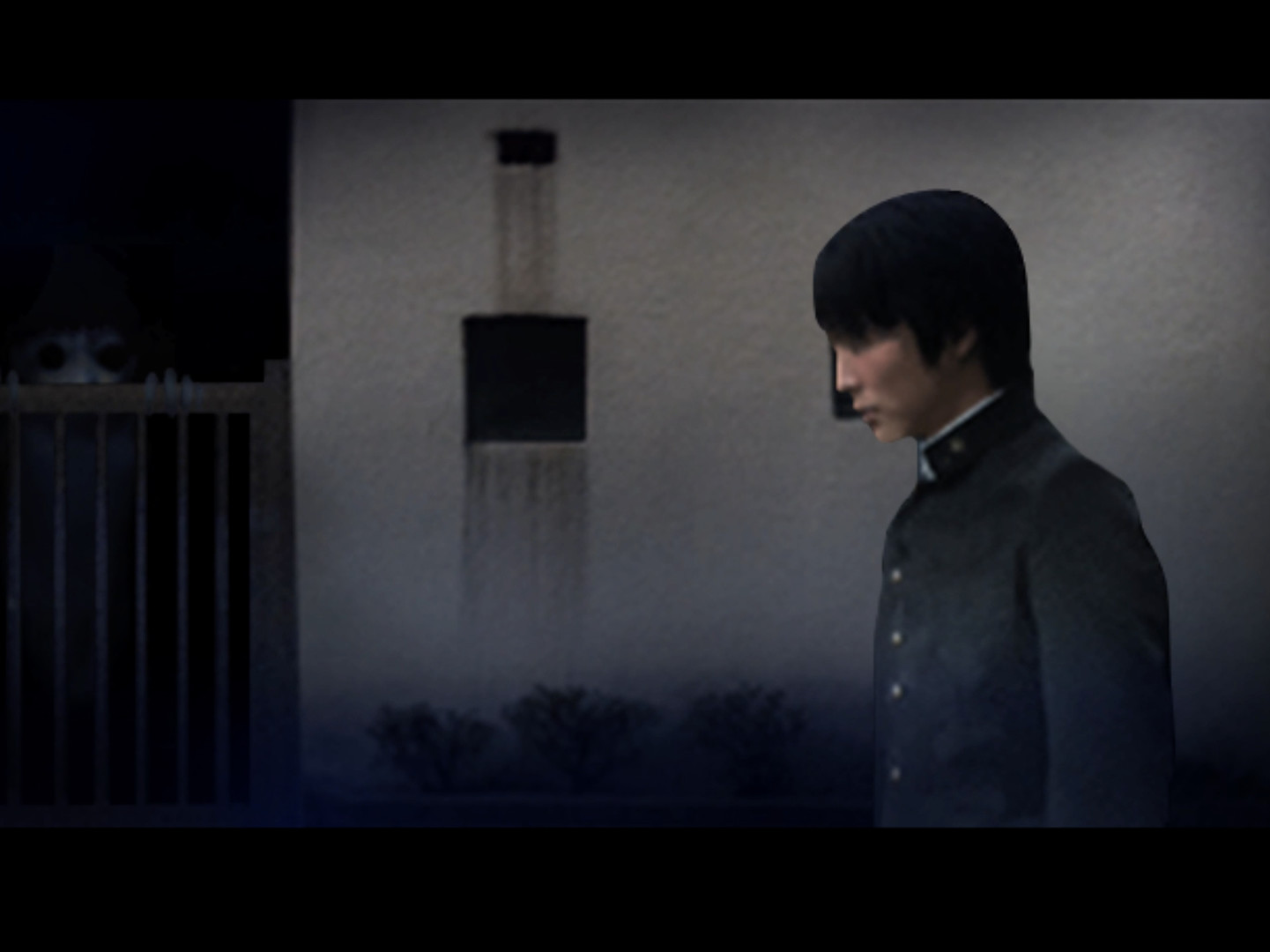
Keep in mind. This is not a game in technical definition. In most cases you just go left and that´s it for a whole Episode. Tsugunohi ... you can imagine it best like an interactive story. Your character walks to the left while a creepy situation unfolds. While the first few episodes give you some nice shivers later episodes become creepy as hell. It´s really sgowing how much better Athor ImCyan gets over the years he created this series. Artwise it´s what you saw in the trailer. A mixture of handdrawn and photo style. The stories are good enough to give you a mild shiver. Each one lasting around 15 minutes. This package contains 9 of such stories. If you like them there are two more available as DLC. The price is okay. But a sale wouldn´t hurt as well. It´s a work of art worth buying,
Similar games
View all

Stairs
STAIRS is a first-person atmospheric psychological horror game, inspired by real-life events, that takes players through the stories of three missing people as seen through the eyes of journalist Christopher Adams. Start preparing yourself now, for to descend down these steps is to descend into madness...
Lethe - Episode One
Lethe is a first person adventure with survival horror elements. Explore an atmospheric and frightening world and uncover the dark secrets of your origins.

Albino Lullaby: Episode 1
Albino Lullaby is a horror adventure game that doesn't rely on jump scares or gore. Escape from a surreal psychological nightmare as the world dynamically twists and contorts around you.

Last Floor
Оne day your life changes dramatically and you become a hostage of your own home. Your task is to survive but to do this you need to get outside.

Intruders: Hide and Seek
Intruders: Hide and Seek is a first-person stealth game, an intense thriller combining intense psychological terror with the point of view of a defenseless boy.
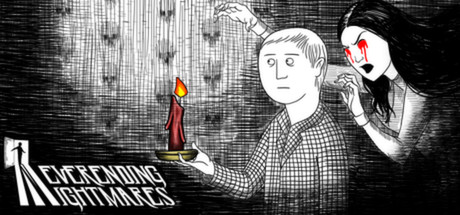
Neverending Nightmares
Experience true psychological horror as you explore nightmares inspired by the creator's struggles with depression and OCD. The defenseless protagonist must avoid monstrous manifestations of what haunts his subconscious in his quest to wake up into reality.
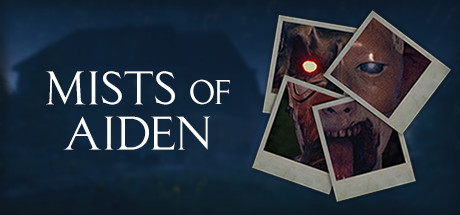
Mists of Aiden
Mists of Aiden is a first-person story driven horror game. You play as a thief trapped in an eerie mansion. Each choice can open a new mystery of the house and lead to a unique walkthrough and ending. Uncover final secret of the house. Uncover your own secrets.

Among the Sleep - Enhanced Edition
Among the Sleep: Enhanced Edition is a new and improved version of the award winning first person horror adventure. In the game you play as a small child trapped in a weird nightmare where you go looking for your mom.
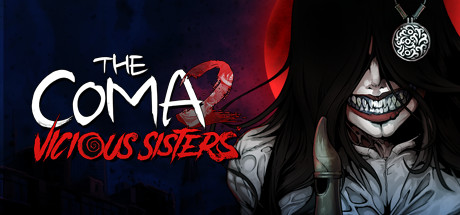
The Coma 2: Vicious Sisters
The Coma 2: Vicious Sisters is a Korean survival horror-adventure. Venture from your deserted school to survive the horrors of the night. Explore the surrounding Sehwa district and uncover the shadow realm's dark secrets. Use everything at your disposal to avoid a demoness hellbent on killing you!
Frequently Asked Questions
Tsugunohi is currently priced at 10.79€ on Steam.
No, Tsugunohi is currently not on sale. You can purchase it for 10.79€ on Steam.
Yes, Tsugunohi received 400 positive votes out of a total of 553 achieving a rating of 6.90.
😐
Tsugunohi was developed by ImCyan and published by Vaka Game Magazine.
Yes, Tsugunohi is playable and fully supported on Windows.
No, Tsugunohi is not playable on MacOS.
No, Tsugunohi is not playable on Linux.
This information about Tsugunohi is not available yet.
This information about Tsugunohi is not available yet.
No, Tsugunohi does not support VR.
Tsugunohi is a single-player game.
No, Tsugunohi does not currently offer any DLC.
No, Tsugunohi does not support mods via Steam Workshop.
No, Tsugunohi does not support Steam Remote Play.
Yes, Tsugunohi is enabled for Steam Family Sharing. This means you can share the game with authorized users from your Steam Library, allowing them to play it on their own accounts. For more details on how the feature works, you can read the original Steam Family Sharing announcement or visit the Steam Family Sharing user guide and FAQ page.
You can find solutions or submit a support ticket by visiting the Steam Support page for Tsugunohi.
Data sources
The information presented on this page is sourced from reliable APIs to ensure accuracy and relevance. We utilize the Steam API to gather data on game details, including titles, descriptions, prices, and user reviews. This allows us to provide you with the most up-to-date information directly from the Steam platform.
Additionally, we incorporate data from the SteamSpy API, which offers insights into game sales and player statistics. This helps us present a comprehensive view of each game's popularity and performance within the gaming community.
Last Updates| Steam data | 29 August 2026 22:35 UTC |
|---|---|
| SteamSpy data | 10 September 2026 14:06 UTC |
| Steam price | 13 September 2026 18:35 UTC |
| Steam reviews | 13 September 2026 21:45 UTC |
If you'd like to dive deeper into the details about Tsugunohi, we invite you to check out a few dedicated websites that offer extensive information and insights. These platforms provide valuable data, analysis, and user-generated reports to enhance your understanding of the game and its performance.
- SteamDB - A comprehensive database of everything on Steam about Tsugunohi
- SteamCharts - Analysis of Tsugunohi concurrent players on Steam
- ProtonDB - Crowdsourced reports on Linux and Steam Deck Tsugunohi compatibility
Game modes
Features
Online players
1
Developer
ImCyan
Publisher
Vaka Game Magazine
Release
12 Aug 2021
Platforms
Clicking and buying through these links helps us earn a commission to maintain our services.