
Those Who Remain
As the lights go out, the embers of darkness are stoked in the sleepy town of Dormont. Confront uncomfortable horrors, keep your sanity in check and survive the night in this story-driven first-person psychological-thriller.
Sync your Steam wishlist to track the lowest game prices instantly. No login required, just paste your Steam profile URL!
⚡ Try Wishlist Radar!
Sync your Steam wishlist to track the lowest game prices instantly. No login required!
⚡ Try Wishlist Radar!
Close

Venge on Steam - User reviews, Price & Information
Quick menu
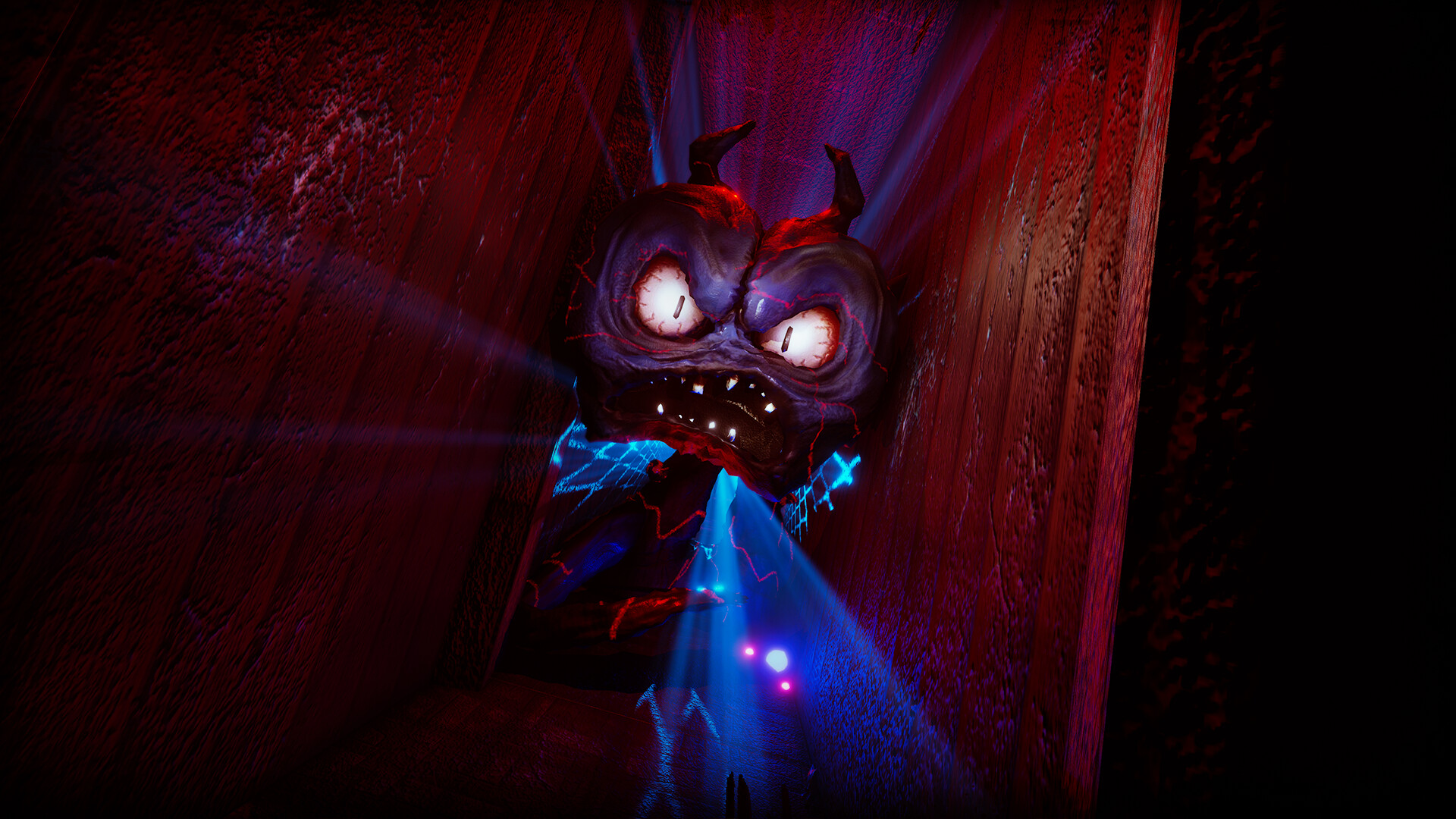
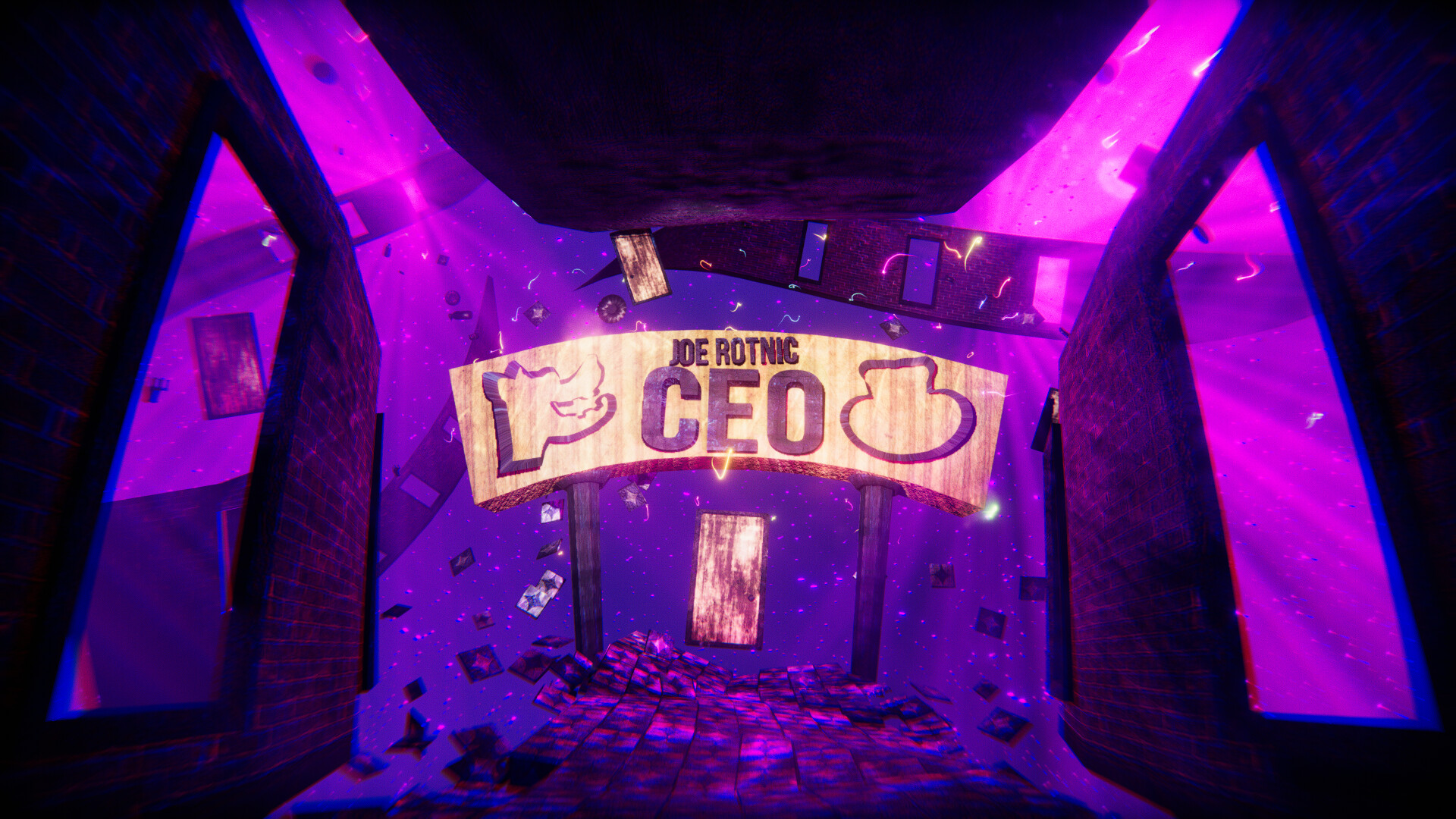
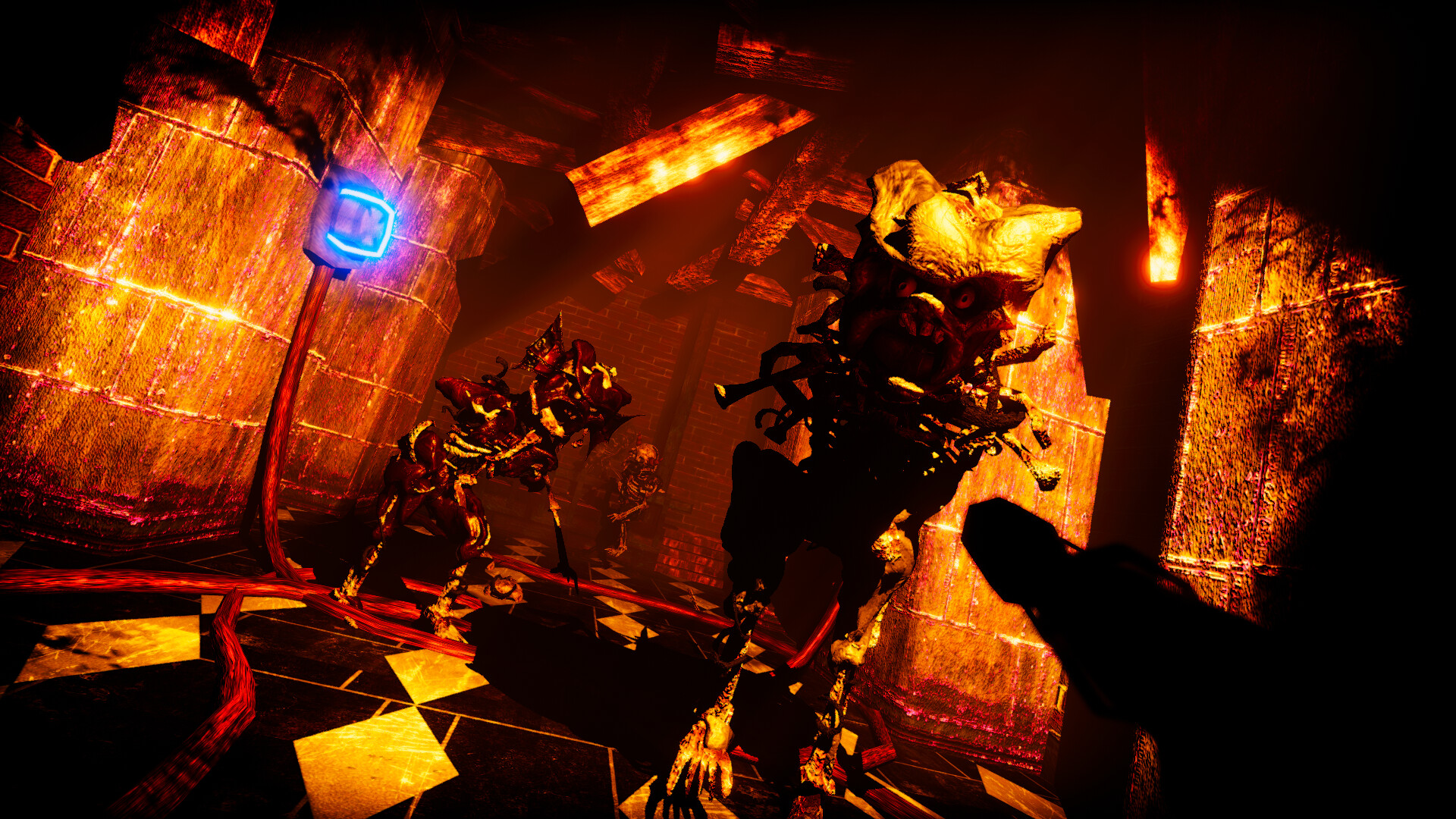
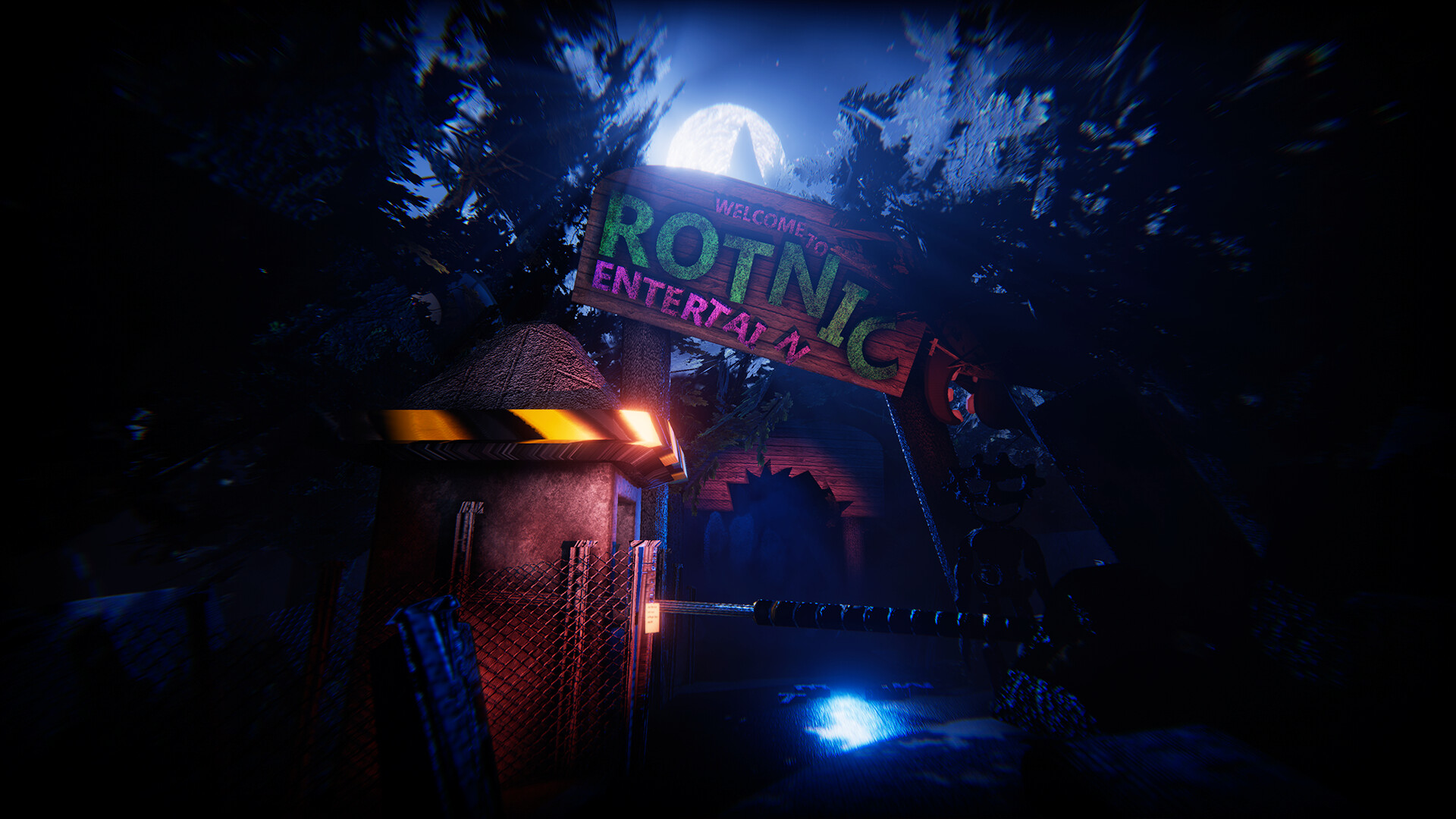
Get ready to explore a movie studio that vanished into thin air, only to find yourself trapped in a twisted, alternate dimension where creatures lurk in the shadows, waiting to ensure you never see the light of day again...
Venge is a horror, survival horror and exploration game
developed and published by Costek Games.
Released on July 28th 2020 is available in English on Windows, MacOS and Linux.
It has received 391 reviews of which 365 were positive and 26 were negative resulting in a rating of 8.6 out of 10. 😎
The game is currently priced at 4.99€ on Steam.
The Steam community has classified Venge into these genres:
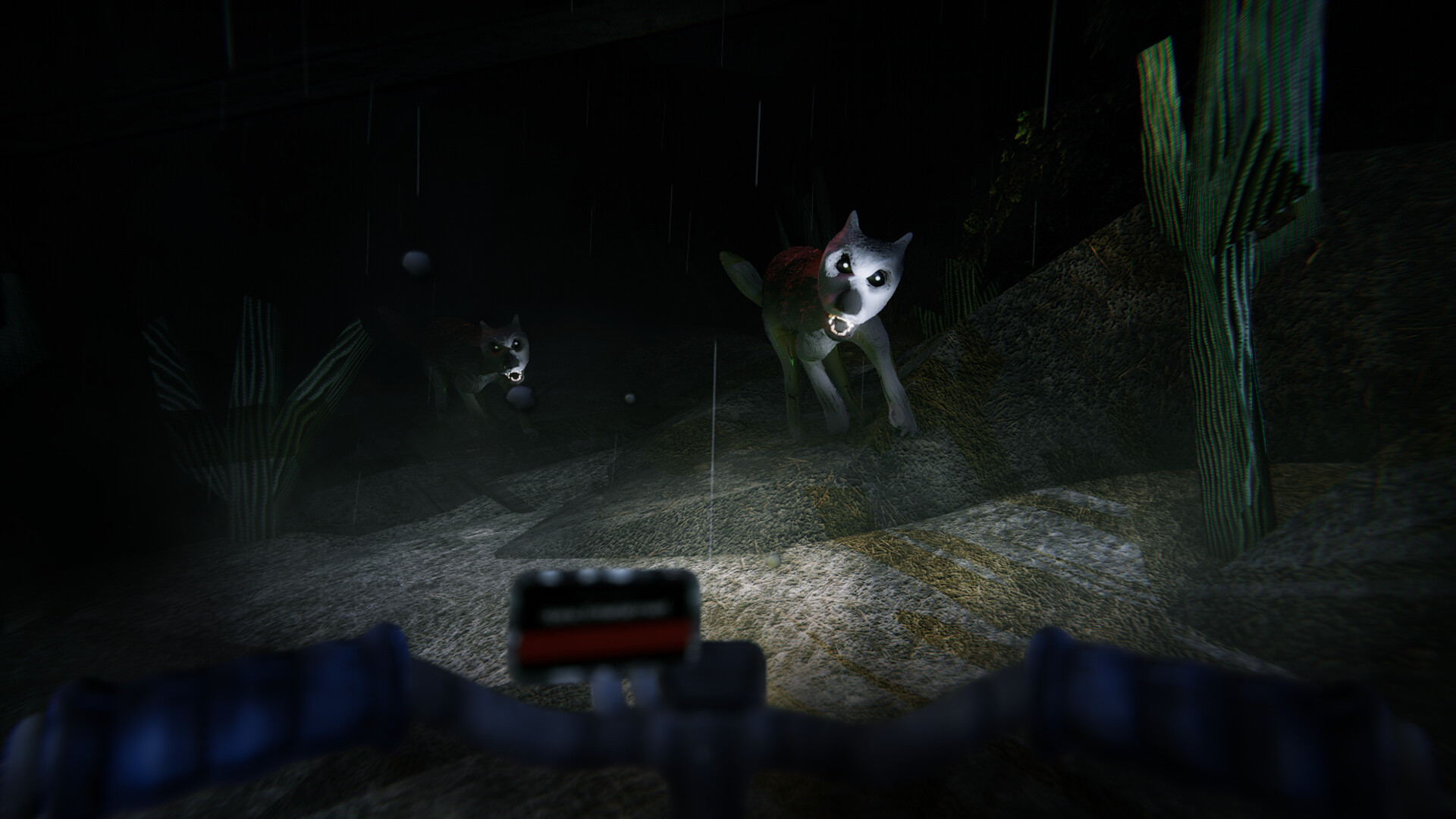
Media & Screenshots
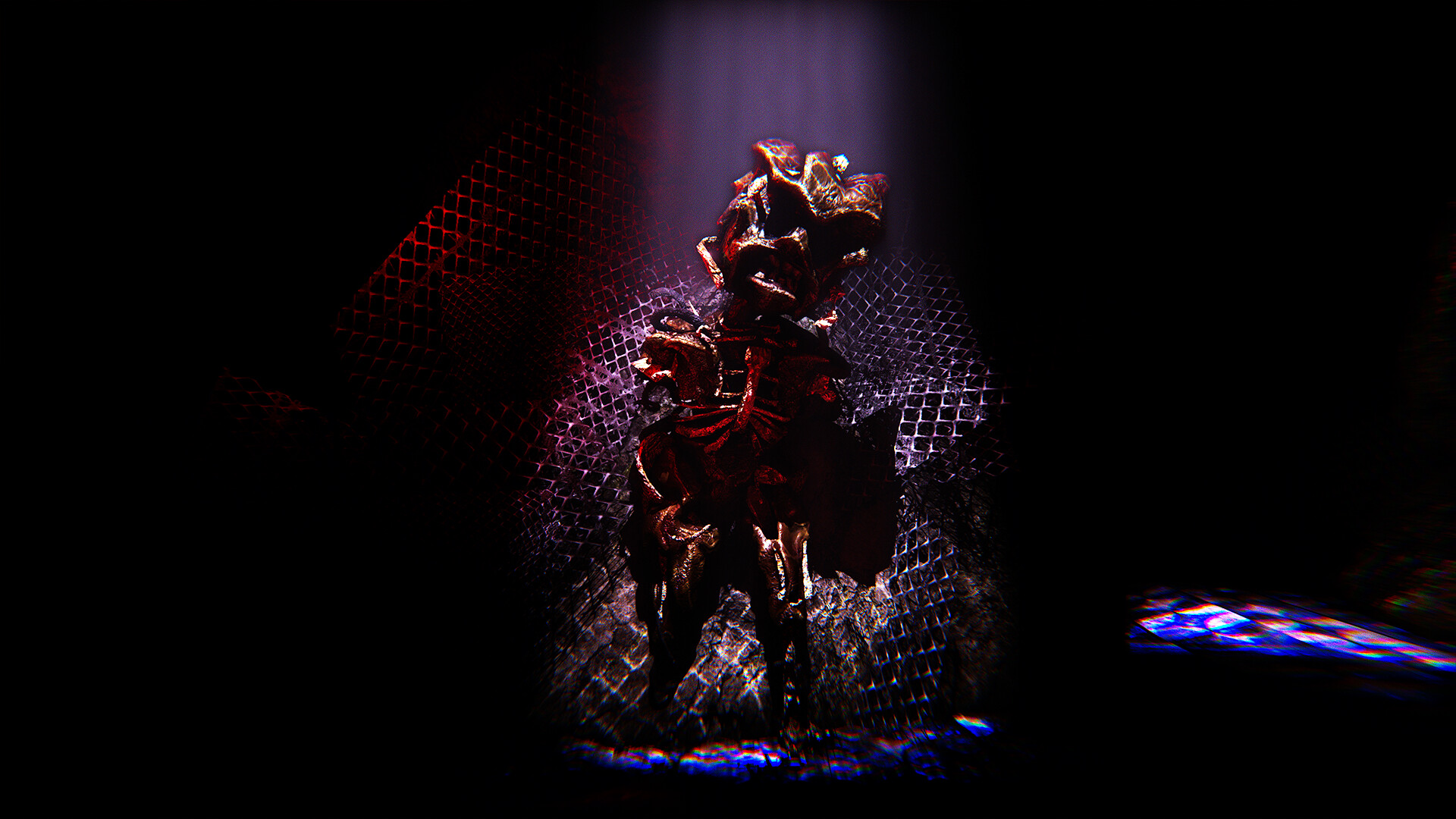
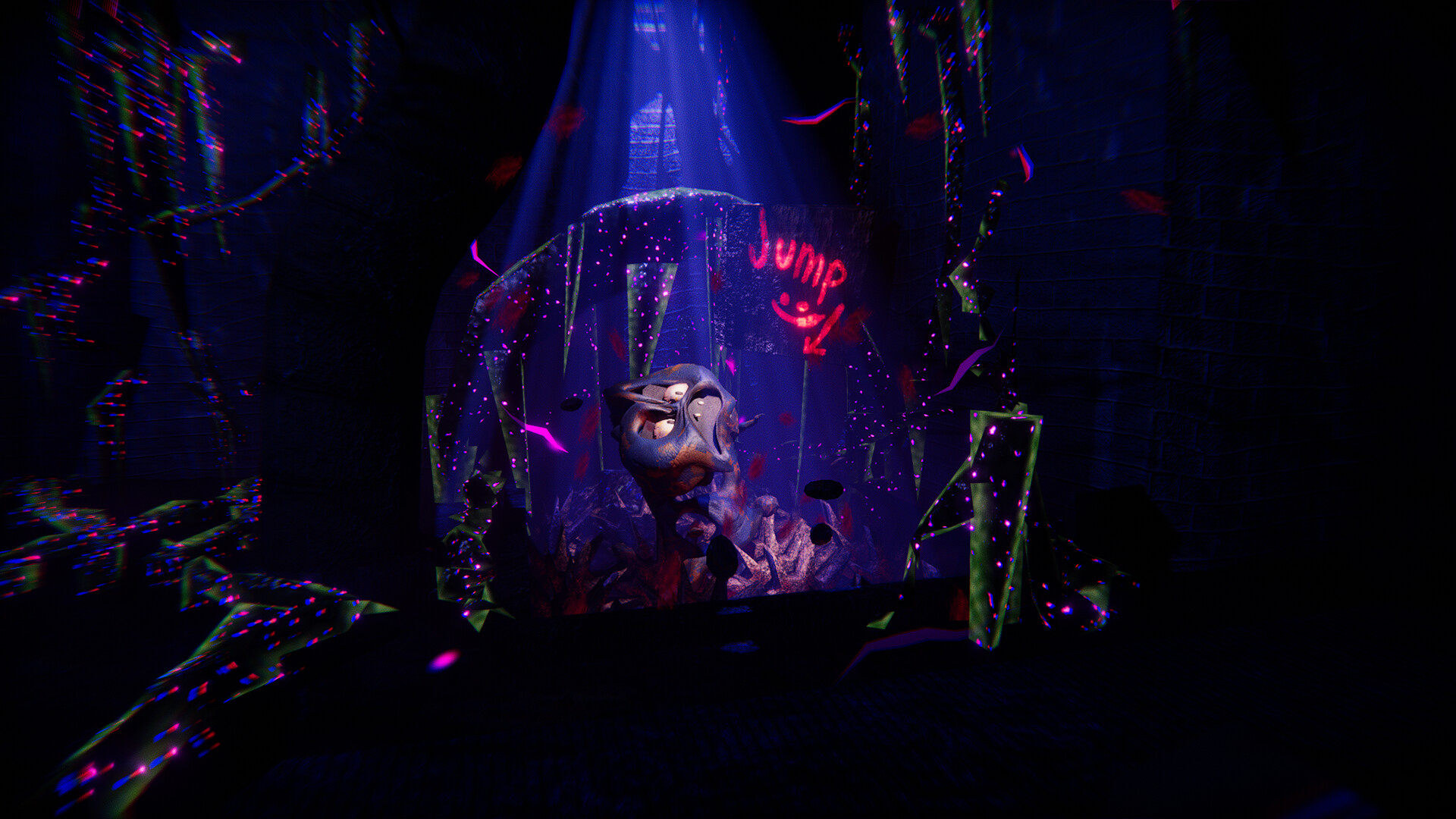
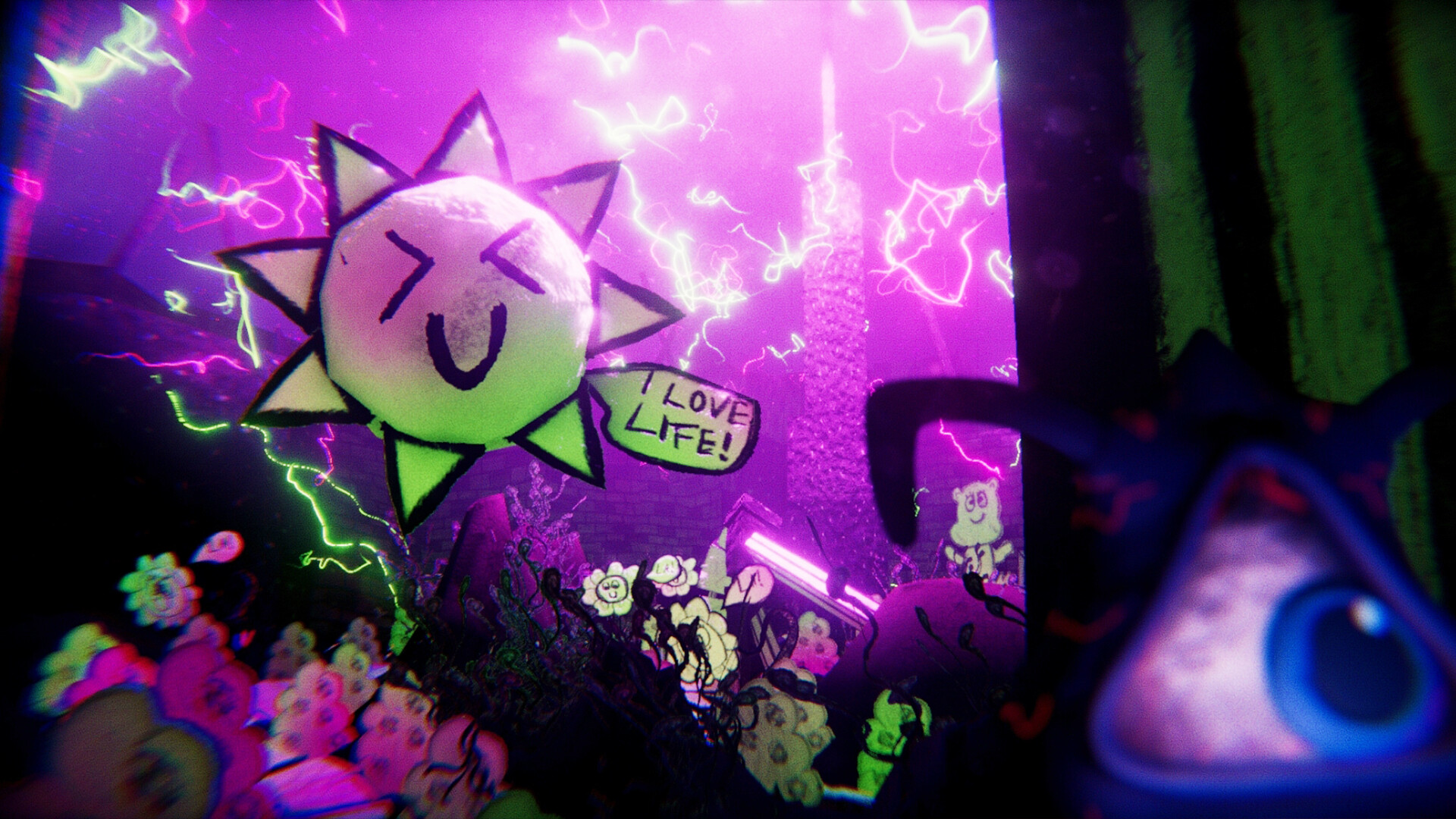
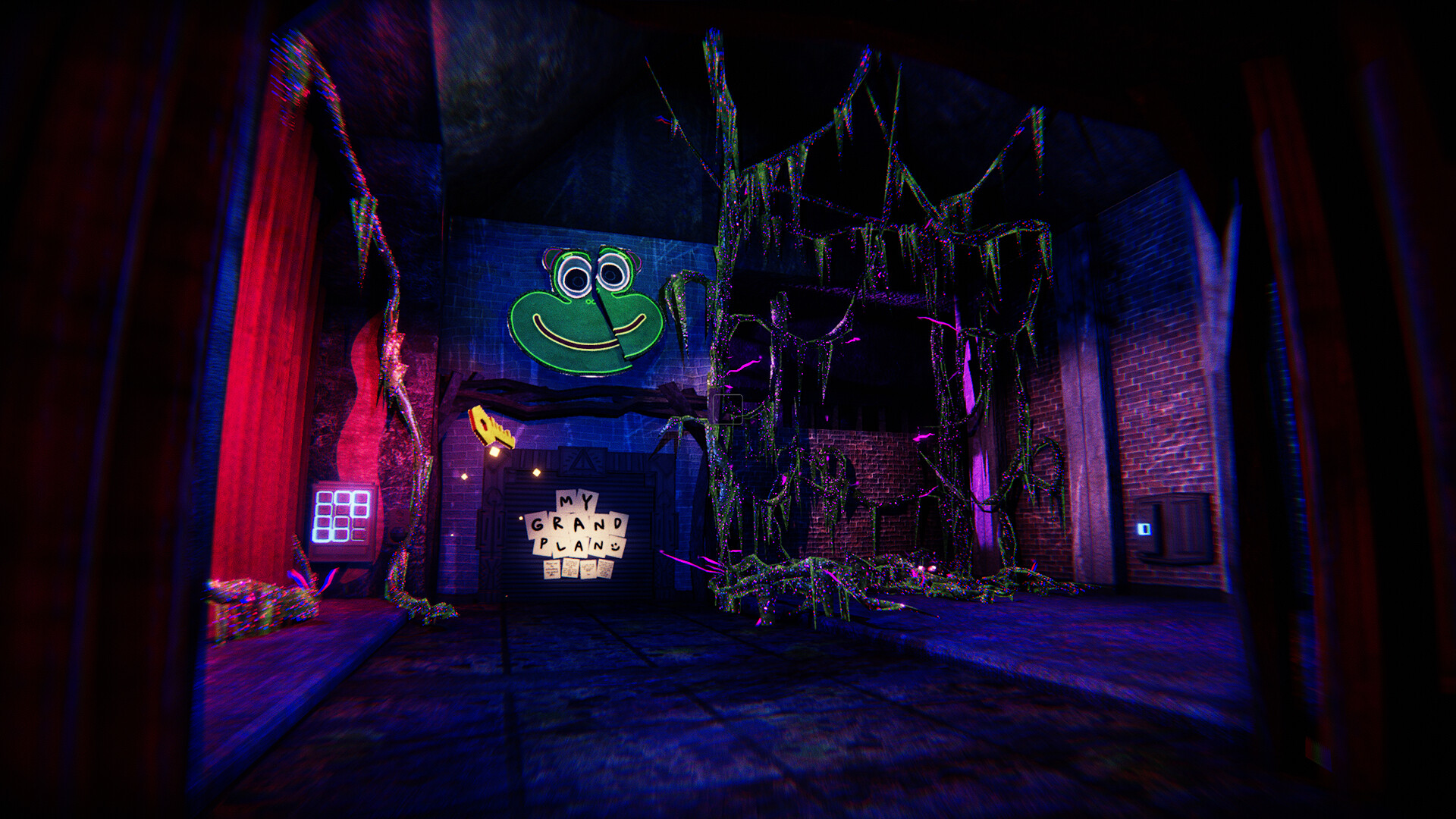
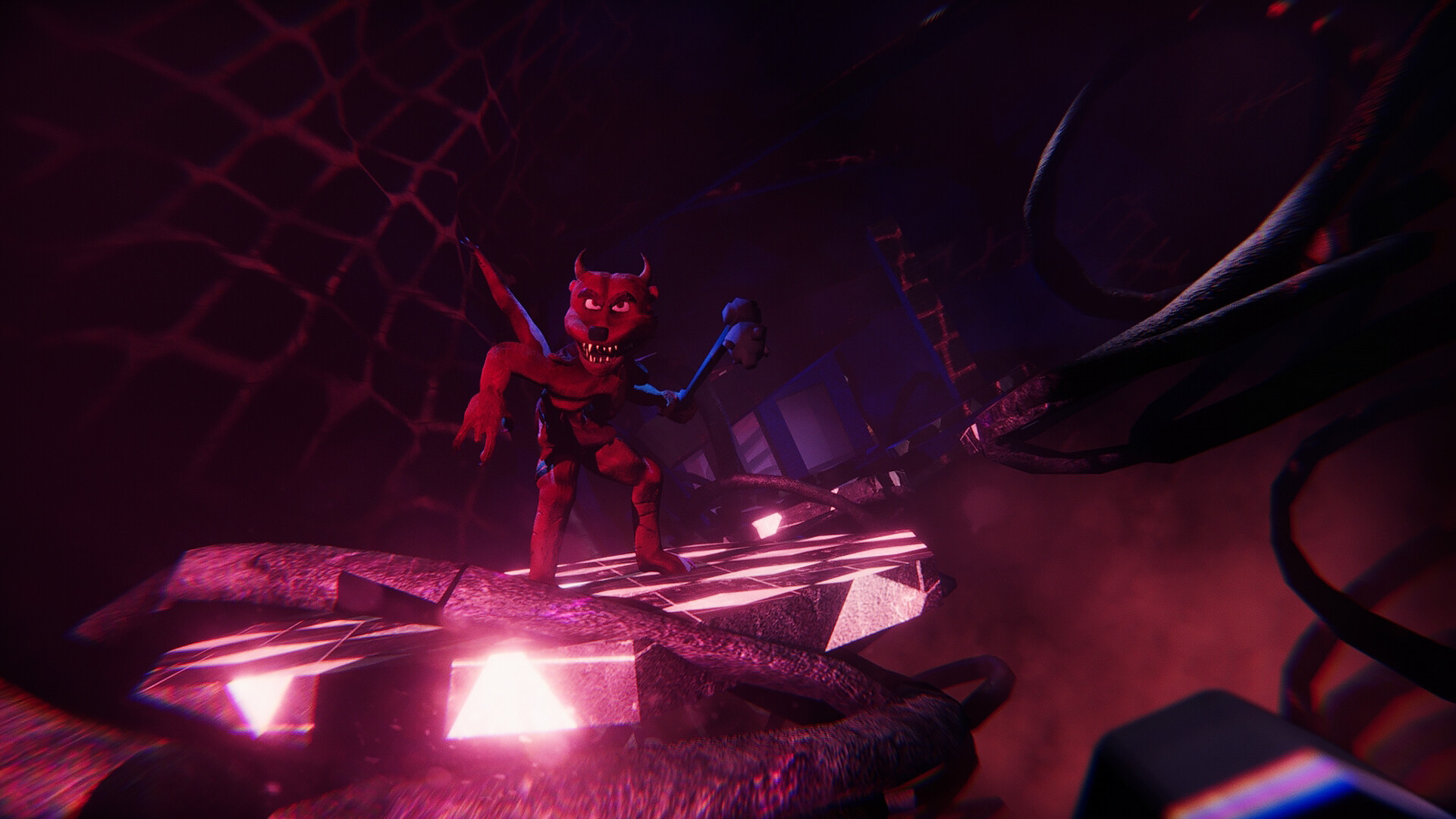
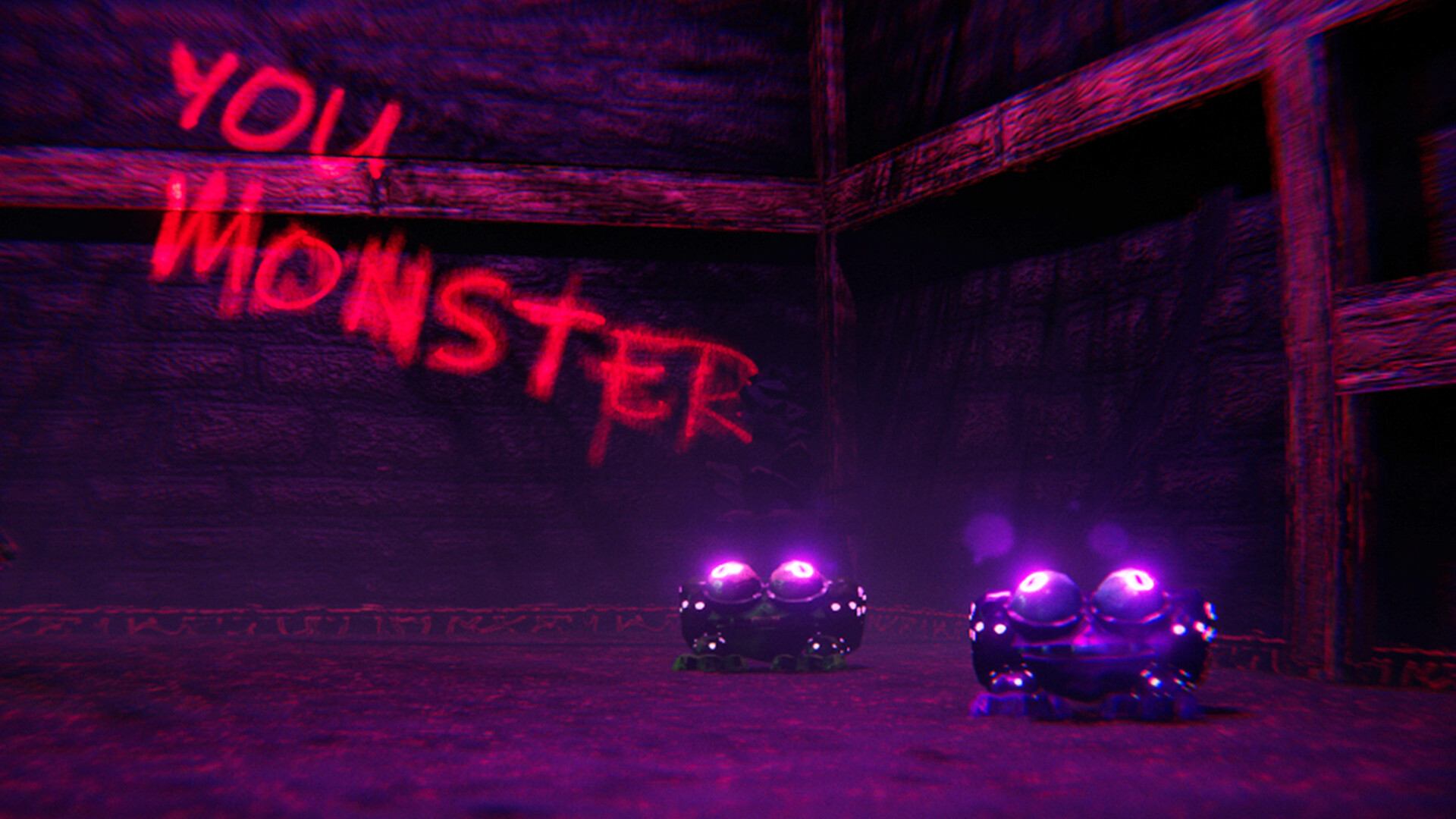
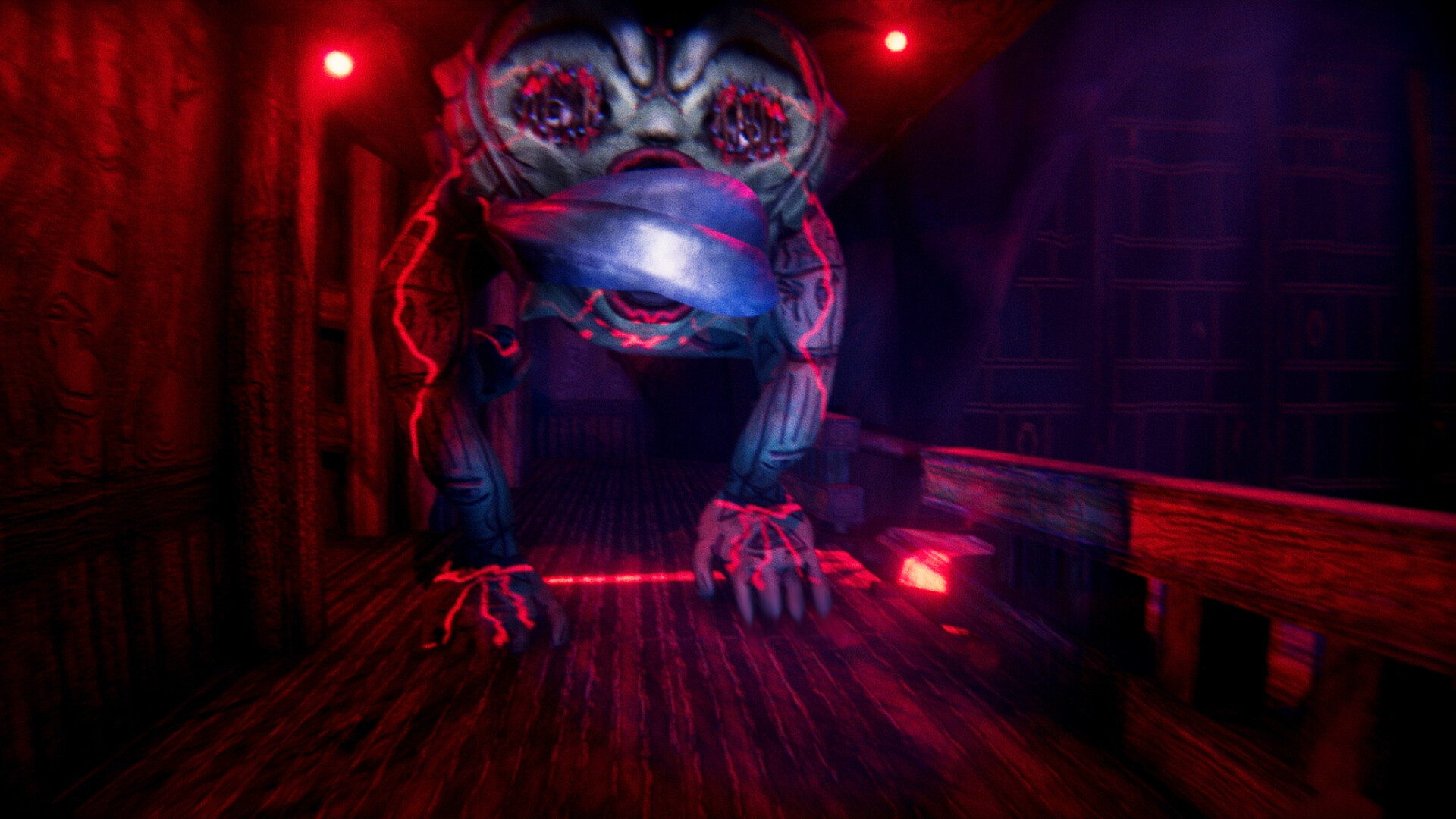
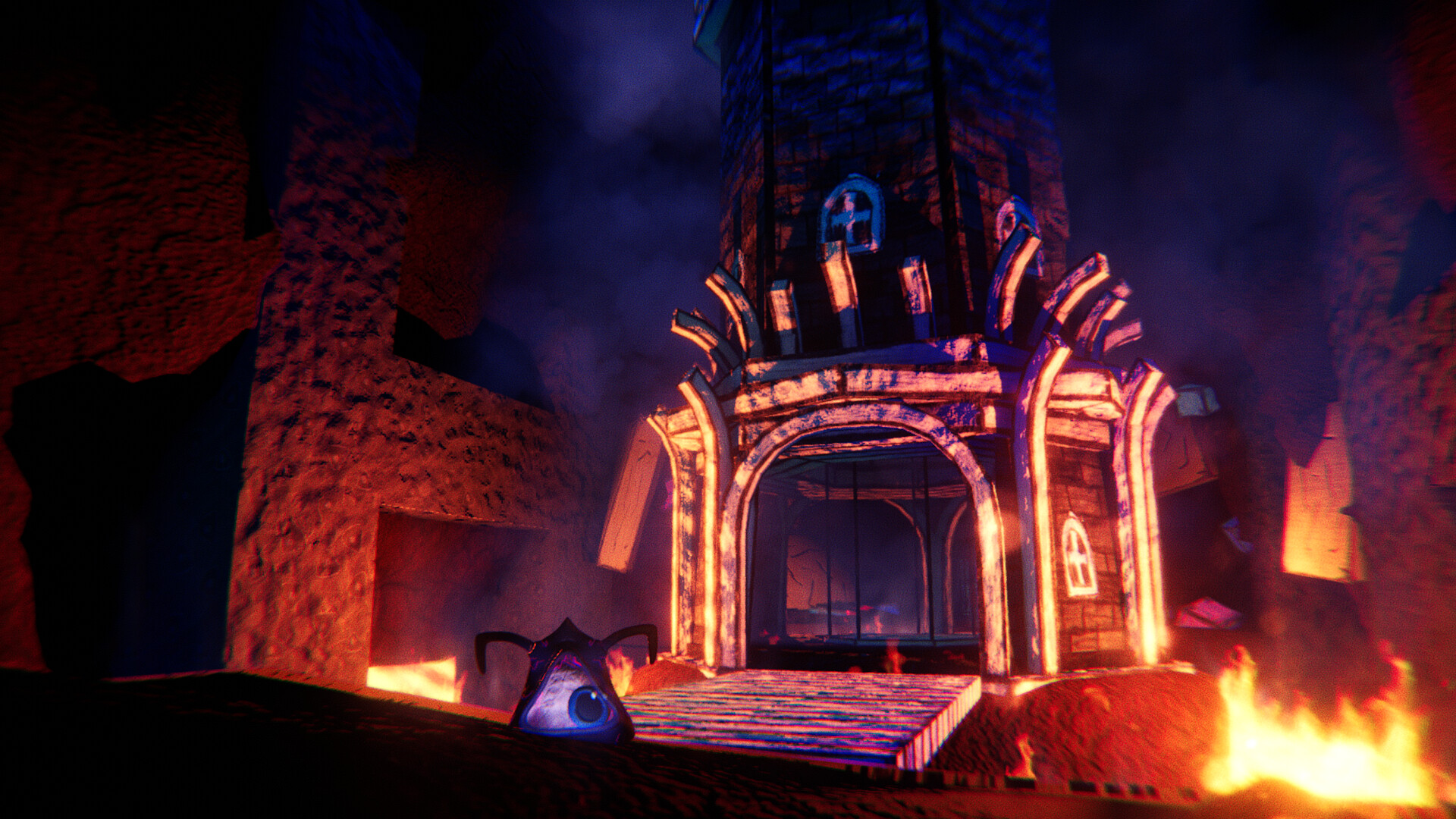
Get an in-depth look at Venge through various videos and screenshots.
Load More

System requirements
These are the minimum specifications needed to play the game. For the best experience, we recommend that you verify them.
Windows
- Requires a 64-bit processor and operating system
- OS *: Windows 7
- Processor: Intel Core i3-6100U
- Memory: 8 GB RAM
- Graphics: GTX 1060 / RX 580 (6 GB VRAM)
MacOS
- OS: MacOS Catalina
- Storage: 64 MB available space
Linux
Steam Price & Best Deals
User reviews & Ratings
Explore reviews from Steam users sharing their experiences and what they love about the game.
I often feel amazed while playing this game. 6h to finish the game once. Amazing controls, the camera, walking speeding matching the map are really good. Amazing gameplay, really intense chase, hide, easy puzzles and many unique interactions always give me surprises. Amazing atmosphere, good graphics, excellent lighting, posters and so on are unified to make a immersive world. Amazing monsters, there are many monsters with different materials, models and animations that leave me impression. Playful music that matches the scene or chases, i really like it. Smooth cutscenes. Many different HUGE scenes. And it is mainly developed by one person with character and cartoon help. I'm really looking forward for their following games.
x-- 9/10 --x A love letter to horror fans! What a fantastic and well crafted game. There is so much love here that it shines around every corner. The horror itself was decent, one or two jumpscares got me. Also, this is a PC killer. My rig was burning up while playing this.
Venge, developed and published by Costek Games, is an atmospheric indie horror adventure that blends surreal world-building, puzzle-solving, and psychological tension into an experience that feels both intimate and unsettling. Rather than relying purely on jump scares or traditional horror mechanics, it constructs its dread through setting, pacing, and tone. The story begins with the player venturing into the abandoned remains of the Rotnic Studio, a once-prominent film facility that has fallen into mystery and ruin. What should be an ordinary exploration quickly spirals into something far stranger, as the player finds themselves trapped in a distorted reality that exists between dimensions—a place where memory, illusion, and fear intertwine. From the opening moments, Venge sets out to create a horror experience that’s as much about atmosphere and discovery as it is about fright. The game’s structure unfolds across multiple acts, each presenting a self-contained area with distinct aesthetics, themes, and mechanics. The first, Act 0, functions as a prologue that introduces the player to the core mechanics and tone, establishing the world’s rules while deliberately leaving its mysteries unanswered. Act 1 expands on these ideas, inviting deeper exploration of the shifting environments of Rotnic and the strange parallel dimension that mirrors and corrupts it. The player’s goal is never as simple as escaping; instead, it becomes a journey to uncover what happened to the studio, why it was sealed away, and what role you truly play in its fate. The game’s pacing is deliberate, alternating between quiet exploration and sudden bursts of tension. There are moments when silence stretches unbearably, only to be broken by whispers, footsteps, or the distant hum of something unseen. The feeling of being watched is constant, even in seemingly safe spaces. Venge’s greatest strength lies in its ability to evoke emotion through environment and sound. Every hallway, room, and open space feels curated to tell a story, even when no dialogue is spoken. The lighting is subdued and often unstable—flickering bulbs, pulsing red corridors, and sudden blackouts heighten the sense of unease. The art direction uses minimalism to great effect, relying on the interplay between emptiness and detail to unsettle the player. It’s a game that understands how to make the ordinary terrifying; a simple desk or film reel can become ominous when framed correctly. The sound design reinforces this immersion, with ambient noise and environmental cues that keep players constantly on edge. Soft hums, distorted radio chatter, echoing voices, and the creak of unseen machinery all contribute to a mood that feels alive and oppressive. Even when nothing is happening, the tension never dissipates—it lingers like a presence just out of view. The gameplay itself mixes exploration, environmental puzzles, and brief moments of survival. Rather than overwhelming the player with complex systems, Venge focuses on intuitive interaction: pulling levers, examining notes, solving spatial riddles, and navigating between the normal and “flipped” dimensions. This dual-world mechanic is one of the game’s defining features, creating a constant push and pull between two realities that reflect each other in distorted ways. Traversing these shifting spaces can reveal new paths or rewrite entire rooms, keeping exploration unpredictable. Occasional chase sequences and encounters with hostile entities punctuate the experience, but combat is minimal; the player’s primary defense is understanding their surroundings and anticipating what’s coming. This design choice gives the game a sense of vulnerability that suits its tone—players are never truly in control, only trying to survive the next distortion of reality. Narratively, Venge takes a fragmented approach to storytelling, preferring implication over exposition. The story unfolds through scattered notes, cryptic dialogue, and environmental hints rather than cutscenes. As the player progresses, they piece together a tale of ambition, loss, and guilt tied to the studio’s downfall. The deeper you go, the more the line between dream and memory blurs. It’s not always clear whether you’re exploring a real location or wandering through the protagonist’s broken psyche. This ambiguity gives the game its psychological edge, encouraging players to interpret its events rather than having them spelled out. The world feels handcrafted, every corridor and note placed with purpose, and while not every mystery receives a definitive answer, the narrative succeeds in leaving a lasting impression of dread and curiosity. Visually, Venge balances abstraction with realism, crafting spaces that feel familiar yet alien. The Rotnic Studio environments are cluttered with remnants of the past—film reels, stage props, and forgotten machinery—but they’re distorted by time and decay. The transition between dimensions amplifies this, turning static sets into surreal, shifting landscapes where geometry bends and gravity becomes uncertain. Some areas almost feel painterly, with color and light used symbolically rather than literally. The presentation evokes a sense of being trapped inside a nightmare where physical laws no longer apply. Despite being developed by a small team, the level of detail and stylistic cohesion is impressive, showing a clear artistic vision behind the world’s design. Though deeply atmospheric, Venge isn’t without imperfections. Some players may find its pacing uneven, with slower exploration sequences occasionally stretching too long or certain puzzles feeling repetitive. Technical hiccups such as collision issues or brief performance dips can occasionally disrupt immersion. The controls, while serviceable, can feel stiff during high-pressure sequences, and the limited guidance can leave some players unsure of how to progress. Yet these flaws are outweighed by the strength of the experience itself. There’s an authenticity to its imperfections—a sense that this is a labor of love rather than a mass-produced horror template. The developer’s attention to detail, commitment to experimentation, and willingness to embrace discomfort make the game stand out in a crowded genre. What ultimately defines Venge is its identity as an emotional, handcrafted horror experience. It doesn’t just aim to scare; it aims to unsettle, to make you question the reality you inhabit within its walls. It’s a game about exploring trauma and memory as much as it is about facing monsters. Every act peels back another layer of its decaying world, drawing you further into a web of existential unease. It’s an experience that rewards patience and curiosity, and while it may frustrate players seeking constant action or clear answers, it captivates those who appreciate atmosphere and mood-driven storytelling. In the end, Venge stands as a testament to the power of indie horror done with conviction. It’s haunting, imperfect, and deeply personal—a game that feels as though it’s been pulled from the subconscious of its creator and placed, trembling, before the player. Its unsettling beauty, emotional weight, and imaginative design make it one of the more memorable psychological horror titles of recent years. Venge lingers long after the credits roll, not because of its scares, but because of the quiet, lingering dread that something in its world—and perhaps in yourself—remains unresolved. Rating: 9/10
I would recommend this game, because for its price, it's insanely long, has quite a story, and is worth finishing. the music is my favorite part of the whole game, too. i will say the voice acting is decent, but Efix's voice really threw me for a loop lol. there were also times when i was so frustrated at constantly dying that i almost gave up (you are being chased quite a bit and the input lag is real). honestly, i recommend experiencing Act 0 and 1 to the fullest. you can really tell the dev has put a ton of heart and soul into their work. can't wait to see what happens in the next part!
Similar games
View all
The Night of the Scissors
Scrap hunting season has gone wrong, VHS slasher survival horror.

Don't Be Afraid
Don't Be Afraid is an adventure horror game, that allows you to personate a boy, kidnapped by a psychopath. You have to survive, escape and find out how you were kidnapped. Exploring the gigantic, mysterious house of your torturer, you will soon reveal many secrets, hidden inside it’s walls…
Understanding, The Game
'Understanding, the game' it's a suspense/investigation horror indie game inspired in classic horror games! Full Game coming as soon we can! Help us grow the game!
Dread X Collection 3
Experience 12 all-new games made exclusively for this unique horror anthology. Explore a mysterious castle that changes as you play. Keep your wits about you as the line between cute and creepy begins to blur. Uncover the next chapter in the ongoing Dread X Collection storyline.

DreadOut 2
A third-person horror adventure that draws inspiration from Indonesian urban legend. Play as Linda, a high school student with the ability to sense and see ghosts. This spine-chilling sequel expands on the cult hit original, making DreadOut 2 another terrifying addition to the horror genre.

Junji Ito Maniac: An Infinite Gaol
Junji Ito Maniac: An Infinite Gaol is a first-person survival horror game inspired by Junji Ito's psychological horror and eerie aesthetics. This work centers on the twisted potential of human nature and fear of the unknown, taking you on a journey of survival where memory and mystery intertwine.

Hello Neighbor
Hello Neighbor is a Stealth Horror Game about sneaking into your neighbor's house and figuring out what he's hiding in the basement. Play against an advanced AI that learns from your actions.

Five Nights at Freddy's: Security Breach
In Five Nights at Freddy’s: Security Breach, play as Gregory, a young boy who’s been trapped overnight inside of Freddy Fazbear’s Mega Pizzaplex. With the help of Freddy himself, Gregory must uncover the secrets of the Pizzaplex, learn the truth, and survive until dawn.

Amnesia: The Bunker
Amnesia: The Bunker is a first-person horror game set in a WW1 bunker. A relentless, AI-driven monster stalks you. Survival depends on finding tools, crafting items, and keeping the lights on.

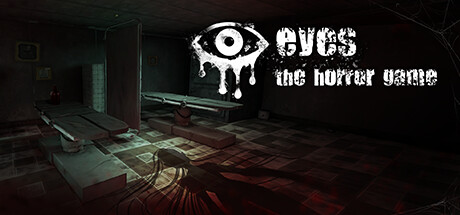
Eyes: The Horror Game
You break into the mansion at night. It’s huge and built like a maze. You're trying to escape, but the monster is after you! The chase begins. RUN!!
Frequently Asked Questions
Venge is currently priced at 4.99€ on Steam.
No, Venge is currently not on sale. You can purchase it for 4.99€ on Steam.
Yes, Venge received 365 positive votes out of a total of 391 achieving a rating of 8.62.
😎
Venge was developed and published by Costek Games.
Yes, Venge is playable and fully supported on Windows.
Yes, Venge is playable and fully supported on MacOS.
Yes, Venge is playable and fully supported on Linux.
This information about Venge is not available yet.
This information about Venge is not available yet.
No, Venge does not support VR.
Venge is a single-player game.
Yes, there are 3 DLCs available for Venge. Explore additional content available for Venge on Steam.
No, Venge does not support mods via Steam Workshop.
No, Venge does not support Steam Remote Play.
Yes, Venge is enabled for Steam Family Sharing. This means you can share the game with authorized users from your Steam Library, allowing them to play it on their own accounts. For more details on how the feature works, you can read the original Steam Family Sharing announcement or visit the Steam Family Sharing user guide and FAQ page.
You can find solutions or submit a support ticket by visiting the Steam Support page for Venge.
Data sources
The information presented on this page is sourced from reliable APIs to ensure accuracy and relevance. We utilize the Steam API to gather data on game details, including titles, descriptions, prices, and user reviews. This allows us to provide you with the most up-to-date information directly from the Steam platform.
Additionally, we incorporate data from the SteamSpy API, which offers insights into game sales and player statistics. This helps us present a comprehensive view of each game's popularity and performance within the gaming community.
Last Updates| Steam data | 29 August 2026 05:19 UTC |
|---|---|
| SteamSpy data | 07 September 2026 07:10 UTC |
| Steam price | 12 September 2026 18:47 UTC |
| Steam reviews | 12 September 2026 17:45 UTC |
If you'd like to dive deeper into the details about Venge, we invite you to check out a few dedicated websites that offer extensive information and insights. These platforms provide valuable data, analysis, and user-generated reports to enhance your understanding of the game and its performance.
- SteamDB - A comprehensive database of everything on Steam about Venge
- SteamCharts - Analysis of Venge concurrent players on Steam
- ProtonDB - Crowdsourced reports on Linux and Steam Deck Venge compatibility

Game modes
Features
Online players
1
Developer
Costek Games
Publisher
Costek Games
Release
28 Jul 2020
Platforms