

Assault Android Cactus+
Assault Android Cactus is an intense arcade style twin stick shooter - pick from one of nine unique synthetic heroines and blast your way through overwhelming robots hordes to save the ship from its own workforce. Supports single player and local co-op game modes.
Sync your Steam wishlist to find the lowest game prices instantly. No login required, just paste your Steam profile URL!
⚡ Try Wishlist Radar!
Sync your Steam wishlist to find the lowest game prices instantly. No login required!
⚡ Try Wishlist Radar!
Close

Waves on Steam
Quick menu
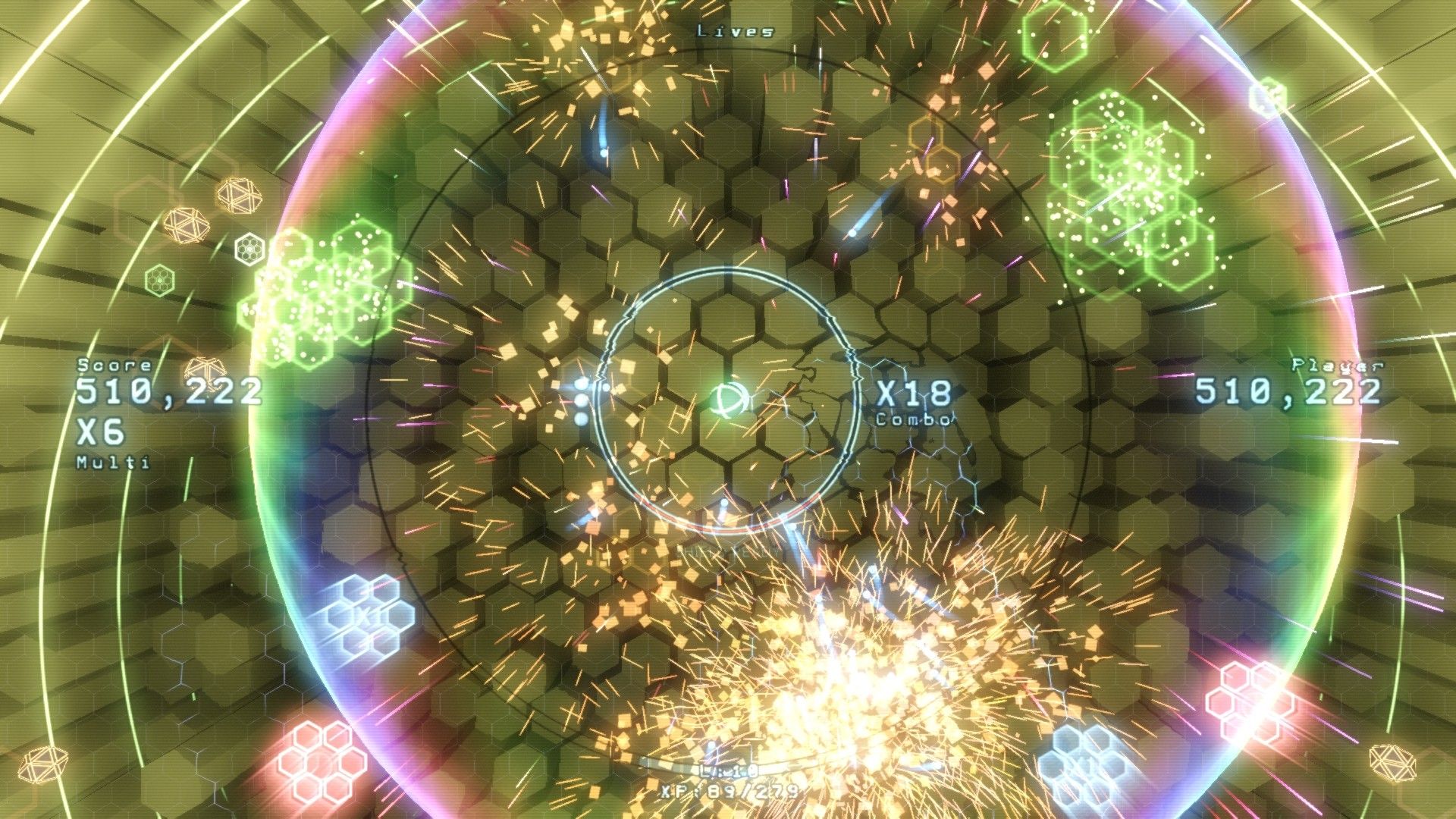
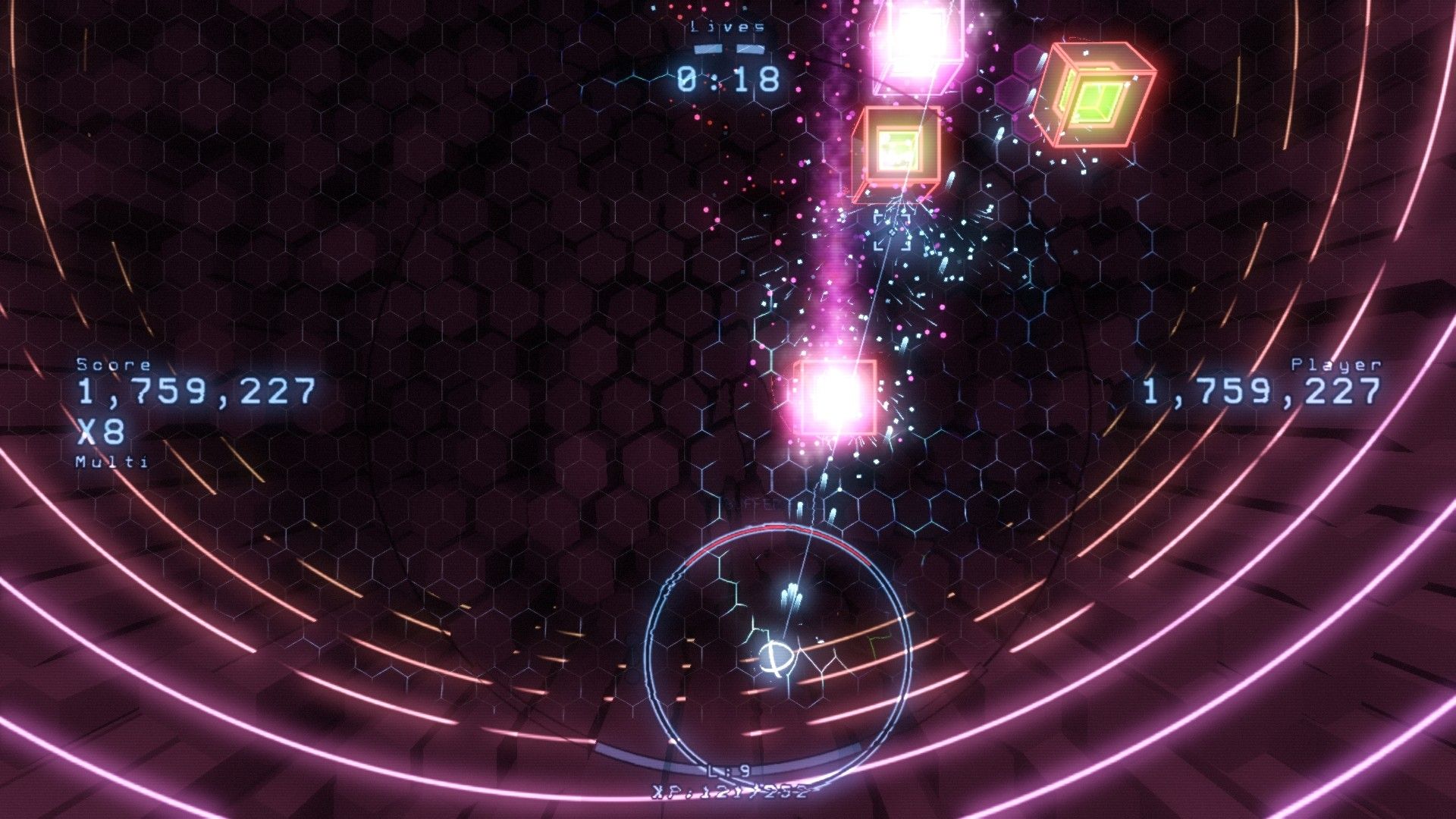
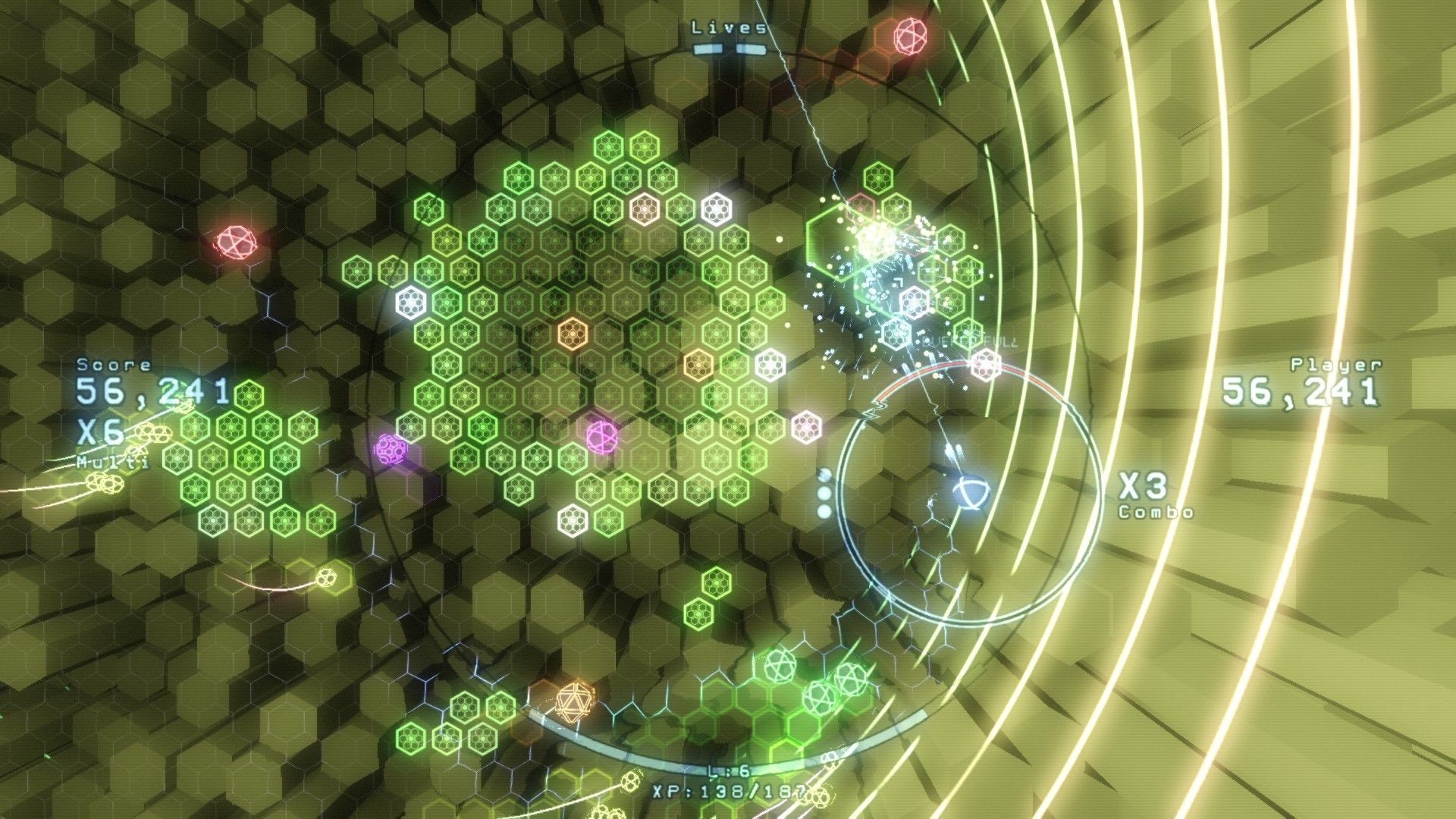
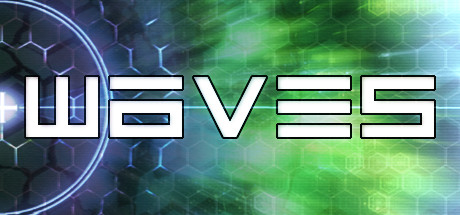
Waves is an Arcade Twin-Stick Shooter that's all about High Scores. Build your combo and drop bombs in pursuit of Leaderboard dominance over seven game-modes!
Waves is a bullet hell, shoot 'em up and twin stick shooter game
developed and published by Squid In A Box Ltd.
Released on November 16th 2011 is available on Windows, Steam Deck and Steam Machine.
It has received 1,510 reviews of which 1,435 were positive and 75 were negative resulting in an impressive rating of 9.0 out of 10. 😍
The game is free to play on Steam.
The Steam community has classified Waves into these genres:
Media & Screenshots
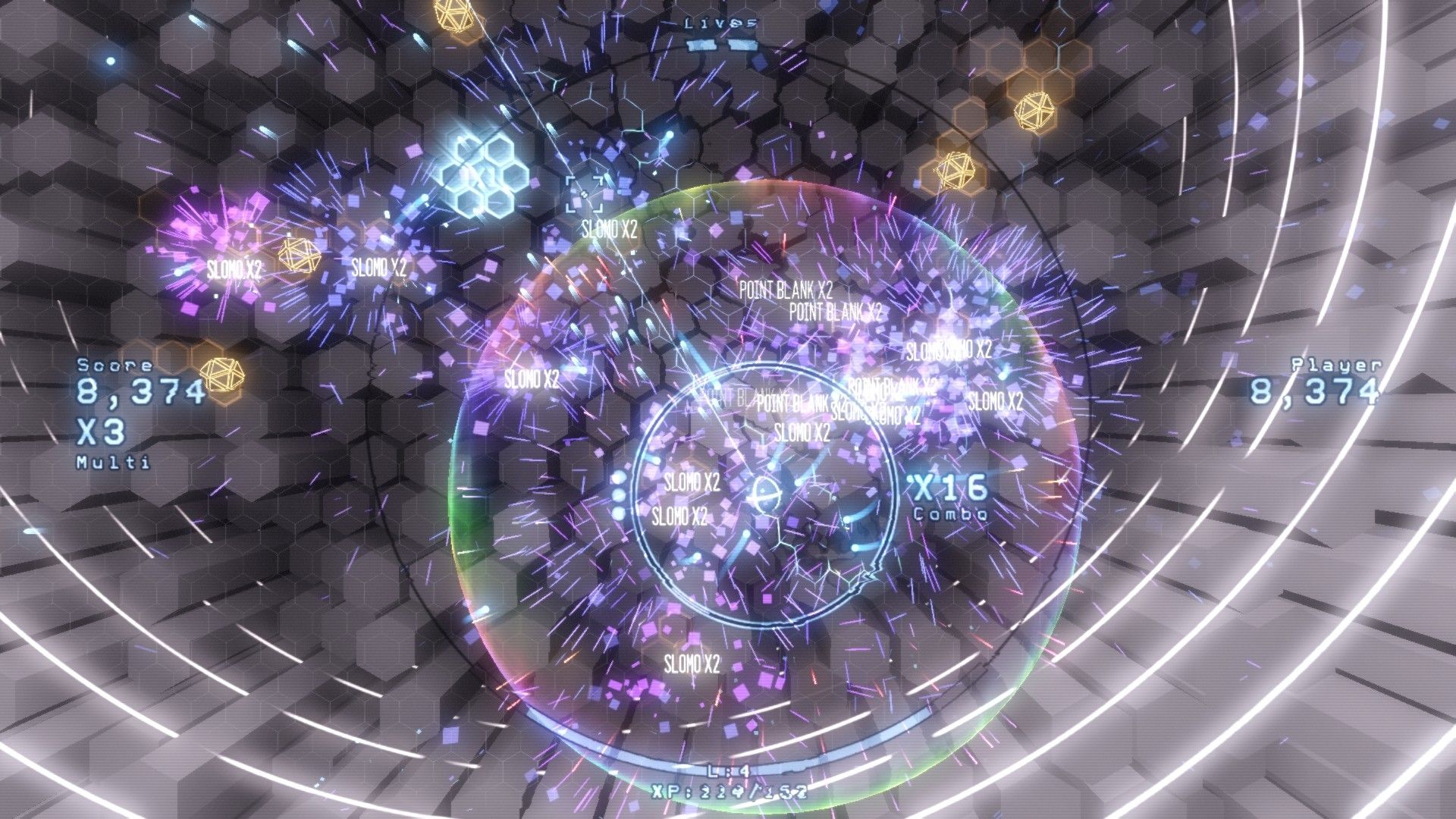
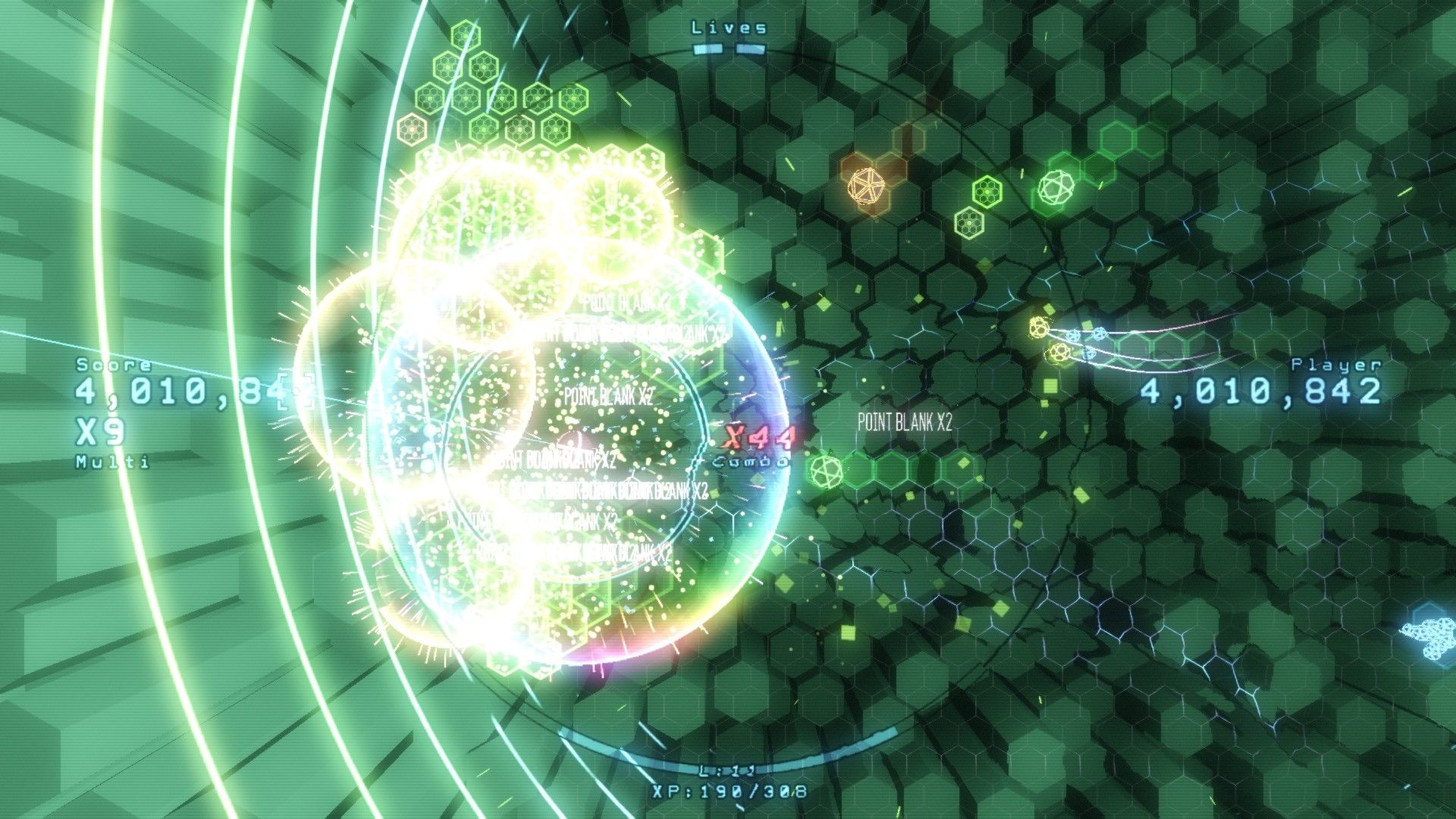
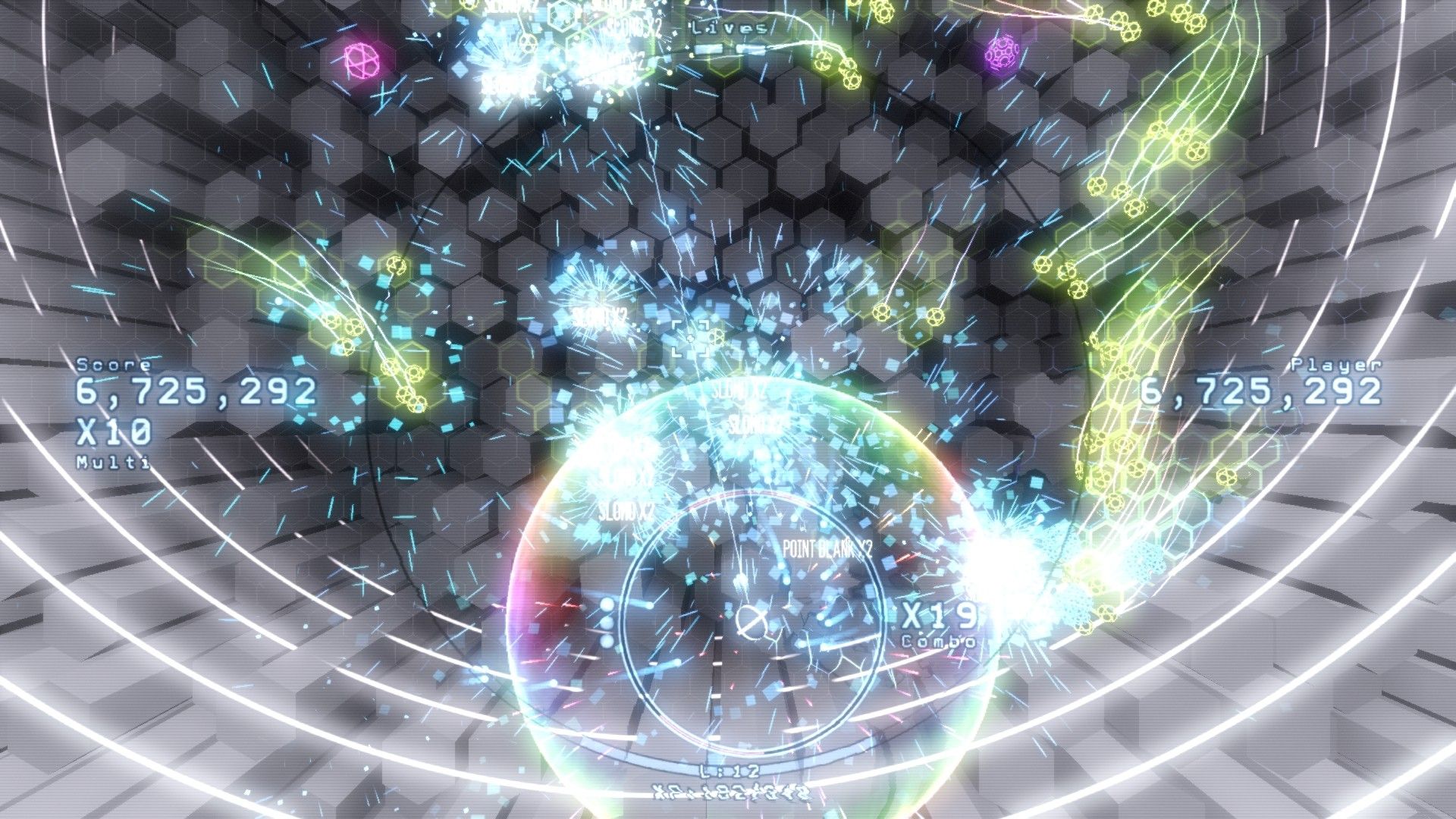
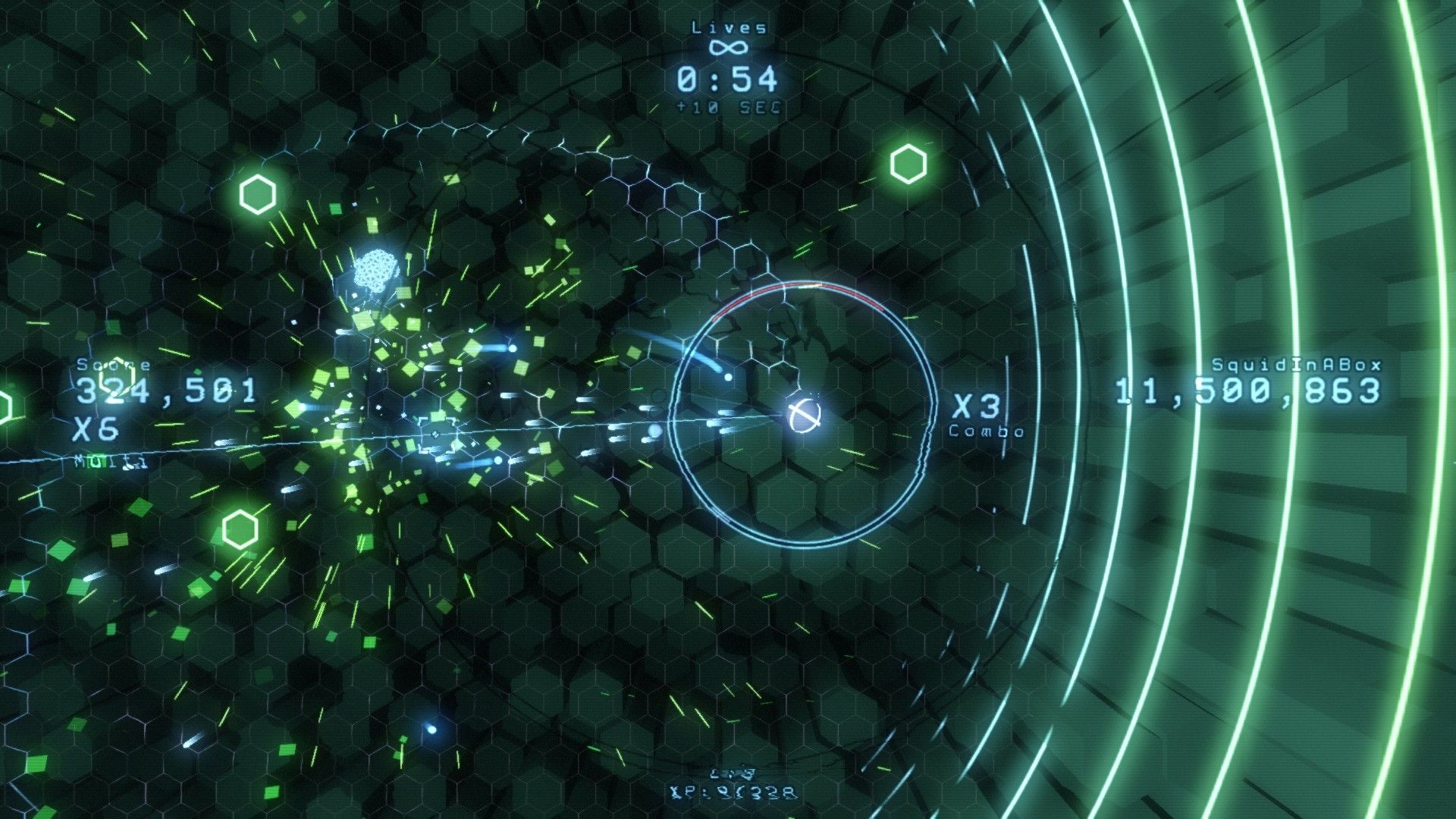
Get an in-depth look at Waves through various videos and screenshots.

Load More
System requirements
These are the minimum specifications needed to play the game. For the best experience, we recommend that you verify them.
Windows
- OS *:Windows XP SP2, Vista, 7
- Processor:2.0+ GHz or better
- Memory:1 GB RAM
- Graphics:Shader Model 3 Compatible video card
- DirectX®:9.0c
- Hard Drive:250 MB HD space
Steam Price & Best Deals
User reviews & Ratings
Explore reviews from Steam users sharing their experiences and what they love about the game.
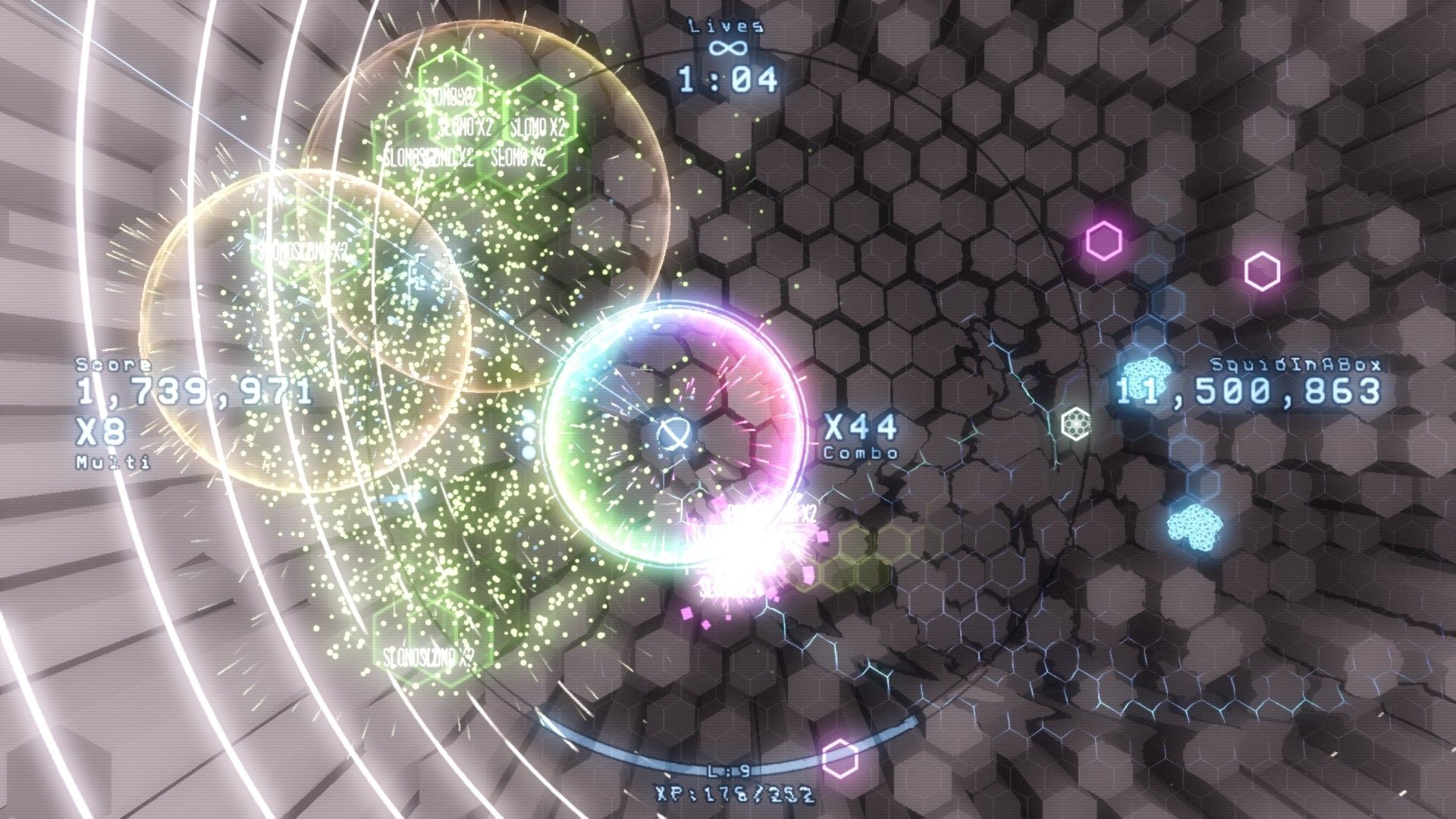
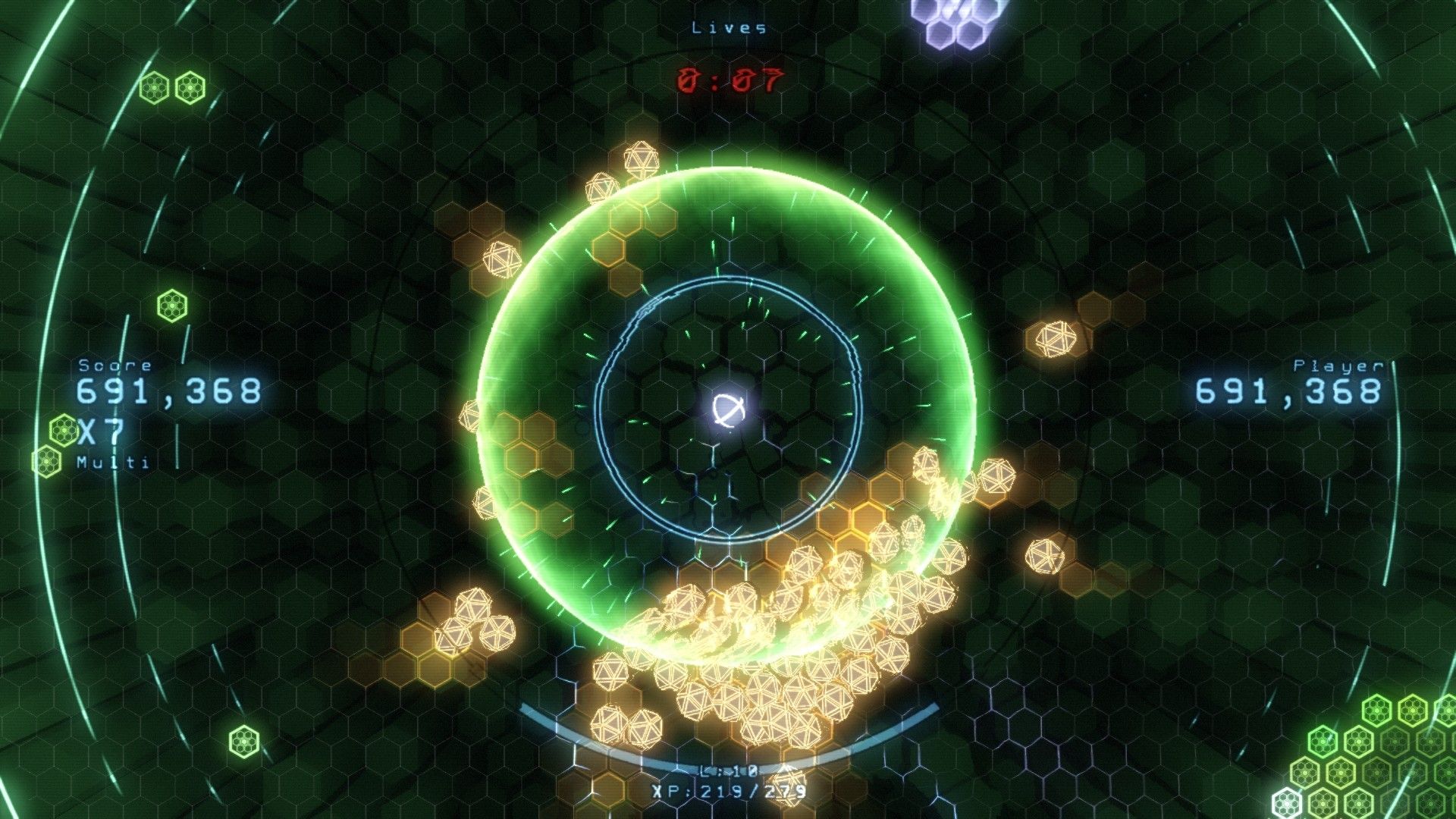
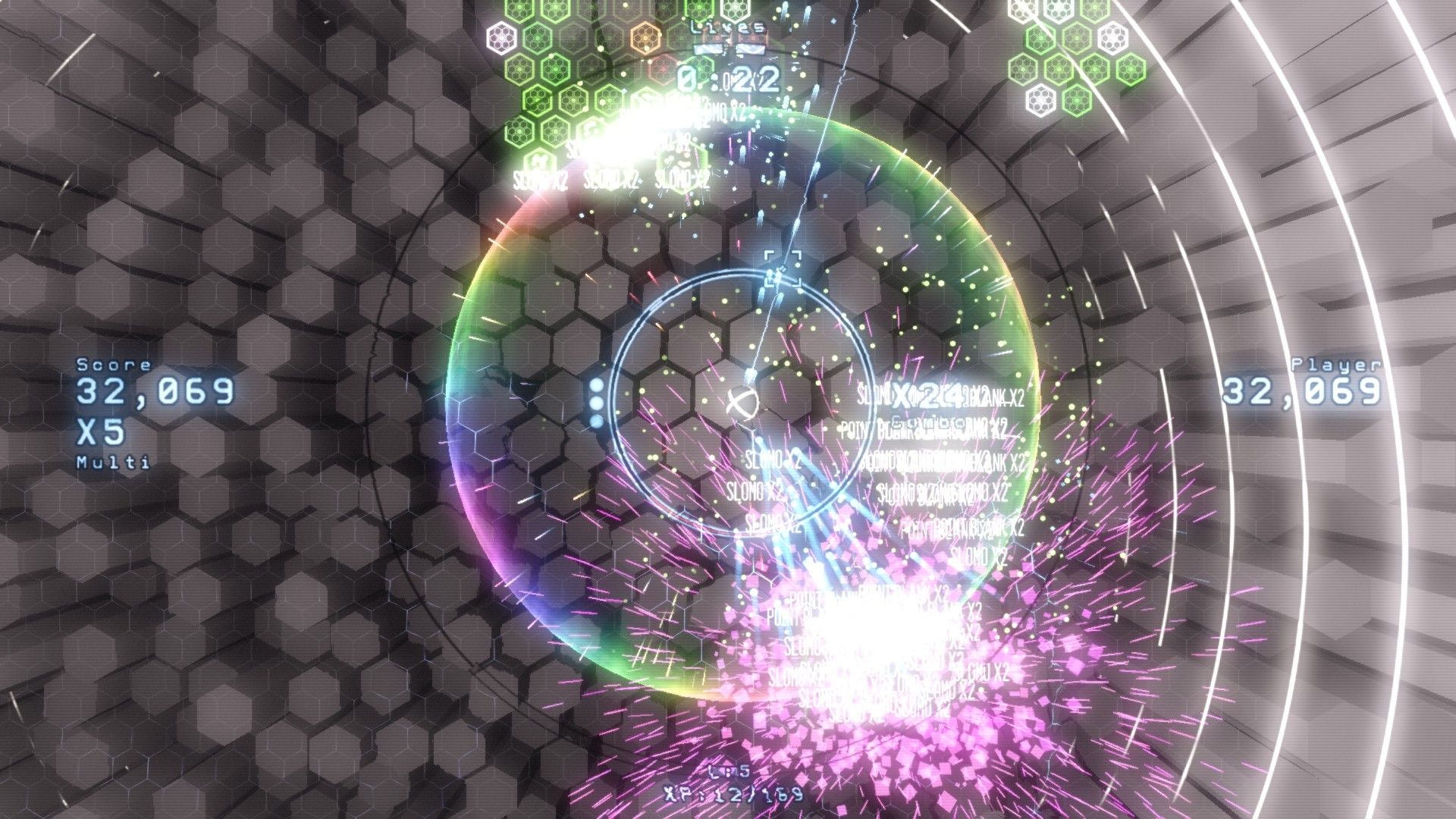
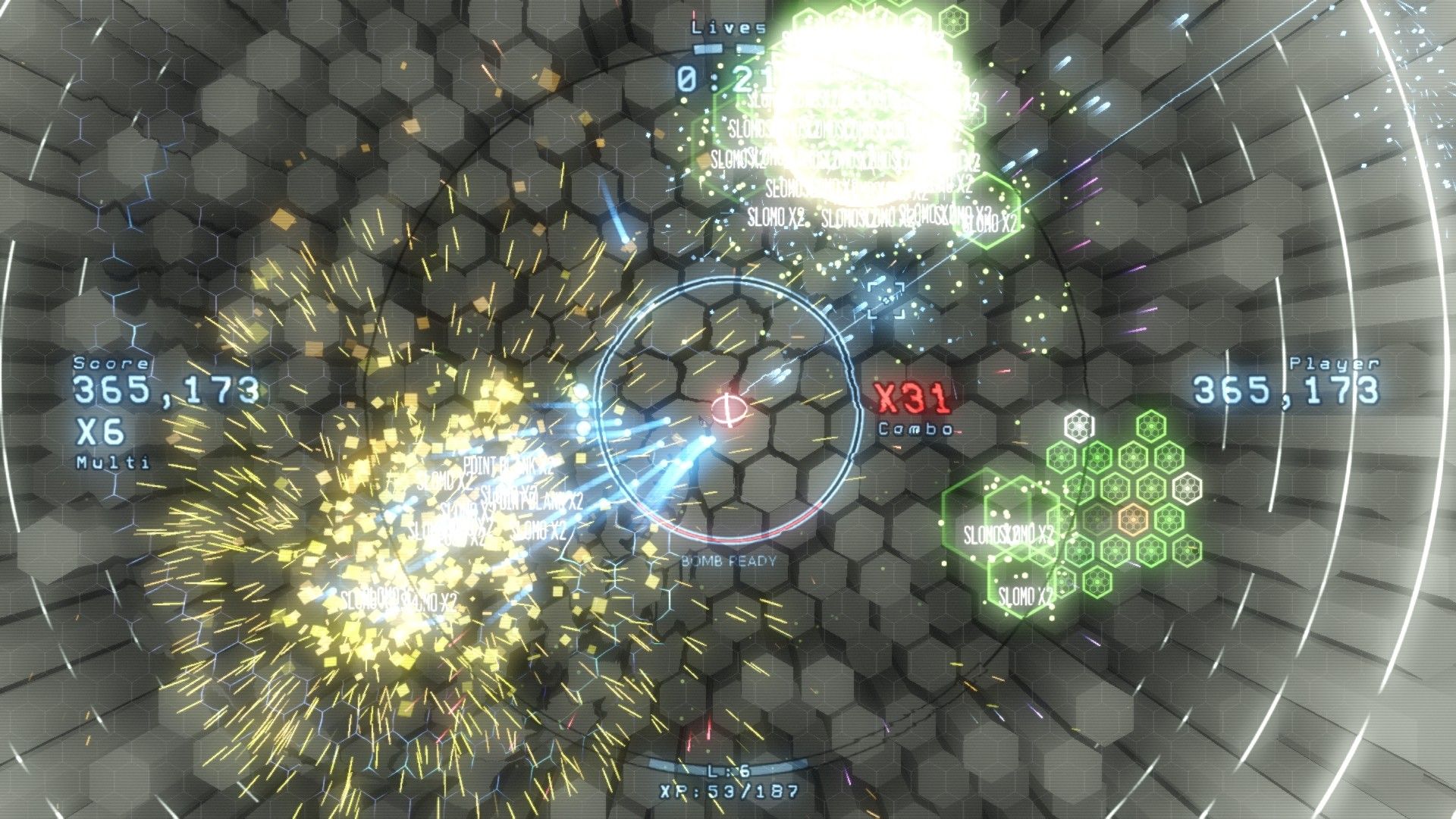
Developed and published by Squid In A Box Ltd, Waves is a visually striking twin-stick shooter that demonstrates how a simple concept can evolve into an exceptionally compelling arcade experience. Set within a glowing digital battlefield filled with geometric enemies and vibrant neon effects, the game focuses entirely on fast reflexes, survival, and score mastery. While it lacks a traditional narrative or expansive progression systems, it succeeds by delivering pure arcade action that rewards skill, concentration, and constant improvement. The premise is intentionally minimalist. Players enter a virtual arena where waves of hostile entities continuously emerge from all directions. The objective is straightforward: survive as long as possible while eliminating enemies and achieving the highest score possible. However, beneath this simple foundation lies a remarkably deep gameplay system that constantly pushes players to balance aggression with caution. The game quickly transforms from a basic shooter into an intense test of awareness, positioning, and split-second decision-making. Movement and combat feel exceptionally fluid. The twin-stick control scheme allows players to move independently from their firing direction, creating a dynamic style of gameplay where evasion and offense occur simultaneously. Every second demands attention as enemy formations flood the arena and projectile patterns fill the screen. Success depends not only on accurate shooting but also on reading threats and navigating through increasingly dangerous situations without losing momentum. One of the most engaging aspects of Waves is its emphasis on score-chasing mechanics. Rather than simply rewarding survival, the game encourages players to eliminate enemies quickly and efficiently in order to build multipliers and maintain combo chains. The scoring system becomes the driving force behind every decision. Players constantly weigh risk against reward, deciding whether to pursue dangerous opportunities for higher scores or play more cautiously to preserve their run. This creates an addictive gameplay loop that remains engaging even after many hours. The combo system deserves particular praise because it fundamentally changes how the game is played. A player focused solely on survival will experience Waves differently from someone chasing leaderboard positions. Maintaining long combo chains requires aggressive play, precise movement, and a willingness to place oneself in danger. The result is a game that encourages mastery rather than passive endurance, making every successful run feel genuinely earned. Adding another layer of strategy is the Time Buffer mechanic, which allows players to temporarily slow down the action. This feature serves as more than just an emergency escape tool. Experienced players learn to use it strategically, preserving it for critical moments where precise positioning can mean the difference between survival and defeat. Managing this resource effectively becomes an important skill and introduces tactical depth that complements the game's otherwise fast-paced nature. Bomb mechanics further expand the decision-making process. Powerful explosive attacks can instantly clear large portions of the battlefield and save players from overwhelming situations. However, because these abilities are tied to performance and scoring opportunities, their use requires careful judgment. Triggering a bomb too early may waste valuable potential, while waiting too long can result in a sudden defeat. These systems work together to create a game where every action carries meaningful consequences. The visual presentation remains one of Waves' defining characteristics. The arena is filled with glowing colors, energetic particle effects, and dazzling explosions that transform every battle into a digital light show. Despite the abundance of visual effects, the game rarely becomes confusing. Enemy designs remain distinct, attacks are readable, and the action retains clarity even during the most chaotic moments. This balance between spectacle and functionality demonstrates a strong understanding of arcade game design. Equally impressive is the soundtrack. The electronic music complements the game's intense pace and amplifies the excitement of every encounter. As enemy numbers increase and score multipliers climb higher, the combination of visuals and music creates an almost trance-like experience. The presentation succeeds in making every session feel energetic and exhilarating, regardless of whether a run lasts a few minutes or much longer. The variety of available modes significantly increases replay value. Beyond standard survival challenges, players can explore alternative modes that introduce unique objectives and gameplay twists. Some modes emphasize endurance, while others focus on specific mechanics or restrictions that force players to adapt their strategies. These variations prevent the experience from becoming repetitive and encourage experimentation with different approaches. Another strength is the game's accessibility. New players can quickly understand the controls and basic objectives, making it easy to jump into the action. At the same time, the skill ceiling remains remarkably high. Mastering movement patterns, optimizing score multipliers, conserving resources, and surviving advanced enemy waves requires dedication and practice. This balance allows the game to appeal to casual players while still providing substantial depth for competitive enthusiasts. What makes Waves particularly memorable is its commitment to arcade purity. There are no lengthy tutorials, elaborate story sequences, or complicated progression trees distracting from the core experience. Every design decision revolves around creating satisfying gameplay and encouraging players to improve through repeated play. The focus remains firmly on skill, precision, and the pursuit of mastery. Waves stands as one of the finest examples of the twin-stick shooter genre. Its responsive controls, intelligent scoring systems, stylish presentation, and exceptional replayability combine to create an experience that remains engaging long after the first play session. For players who enjoy fast-paced arcade action and the satisfaction of steadily improving their performance, Waves delivers an experience that is both challenging and immensely rewarding. Rating: 9/10
Good old Crimsonland used to be my favorite quick twin stick shooter, but I think Waves has since taken its place. It’s a truly great, addictive little game with lots of different modes, and I love pulling it out again and again whenever I’m not in the mood for anything more ambitious. No ♥♥♥♥♥♥♥♥, just plain simple fun.
Cheers! Thank you for leavings this gift! Rest eternally in peace Dev, your legacy is one of a kind, and for all ;) SHMUP, Bullet Hell, survive, combo, ∞ Hold, challenge, bombing runs, there's quite a few! What mode this special: Slowing down time with right click and shooting with left!
Similar games
View all
Nex Machina
Nex Machina is an intense arcade style twin-stick shooter from Housemarque. Taking hints from both Robotron and Smash TV, Nex Machina focuses on pure action, voxel destruction and competition in the distant, cablepunk themed future.
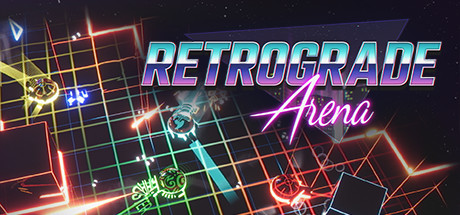
Retrograde Arena
Retrograde Arena is a multiplayer twin stick shooter where bullets don’t kill. Use weapons, physics, and your Drone to push, pull, and blast your foes into deadly surroundings in this skill-based shooter action title that redefines physics-based action.

WOWOWOW KORONE BOX
A hololive fangame featuring Inugami Korone of hololive GAMERS! Collect as many Korone Boxes as possible while contending with an endless onslaught of enemies and bosses using whatever weapons you happen to pick up!

Geometry Wars 3: Dimensions Evolved
Experience the full evolution of the award-winning Geometry Wars franchise and battle through waves of enemies on 3D grids in this frenetic arcade shooter!

Crimzon Clover World EXplosion
Overwhelming bullet patterns. An exhilarating Break System. Timeless gameplay. The definitive bullet hell shooter that continues to captivate shoot-'em-up fans around the world.

AngerForce: Reloaded
AngerForce: Reloaded is an action-packed vertically scrolling shoot'em up game that pays homage to the classics of 90’s arcades. This high octane experience is set against the backdrop of a 19th century human world that has seen the outbreak of a robot rebellion.

Touhou Kinjoukyou ~ Fossilized Wonders.
Team Shanghai Alice presents a bullet hell shooter! The 20th installment of the Touhou Project. Utilize the powers you've acquired to overcome new challenges!

Go Mecha Ball
Load up and roll out, in this twin stick shooter with roguelike progression! Blast your way through arcade-style levels, using pinball-style physics mixed with an arsenal of devastating weapons. Defeat waves of enemy bots, battle big bosses, and upgrade your mech between runs.

State of Anarchy: Master of Mayhem
Prepare for bullet hell action and crazy driving! Your town is on fire, anarchy reigns the streets, aliens rampage in the sky! Grab your gun and join the fun!
Frequently Asked Questions
Yes, Waves is free to play on Steam.
Waves is not on sale because is already free to play on Steam.
Yes, Waves received 1,435 positive votes out of a total of 1,510 achieving an impressive rating of 9.01.
😍
Waves was developed and published by Squid In A Box Ltd.
Yes, Waves is playable and fully supported on Windows.
No, Waves is not playable on MacOS.
No, Waves is not playable on Linux.
Yes, Waves is playable and fully supported on Steam Deck.
Yes, Waves is playable and fully supported on Steam Machine.
No, Waves does not support VR.
Waves is a single-player game.
Yes, there is a DLC available for Waves. Explore additional content available for Waves on Steam.
No, Waves does not support mods via Steam Workshop.
No, Waves does not support Steam Remote Play.
Yes, Waves is enabled for Steam Family Sharing. This means you can share the game with authorized users from your Steam Library, allowing them to play it on their own accounts. For more details on how the feature works, you can read the original Steam Family Sharing announcement or visit the Steam Family Sharing user guide and FAQ page.
You can find solutions or submit a support ticket by visiting the Steam Support page for Waves.
Data sources
The information presented on this page is sourced from reliable APIs to ensure accuracy and relevance. We utilize the Steam API to gather data on game details, including titles, descriptions, prices, and user reviews. This allows us to provide you with the most up-to-date information directly from the Steam platform.
Additionally, we incorporate data from the SteamSpy API, which offers insights into game sales and player statistics. This helps us present a comprehensive view of each game's popularity and performance within the gaming community.
Last Updates| Steam data | 19 September 2026 21:13 UTC |
|---|---|
| SteamSpy data | 14 October 2026 02:06 UTC |
| Steam price | 19 September 2026 21:13 UTC |
| Steam reviews | 21 October 2026 21:52 UTC |
If you'd like to dive deeper into the details about Waves, we invite you to check out a few dedicated websites that offer extensive information and insights. These platforms provide valuable data, analysis, and user-generated reports to enhance your understanding of the game and its performance.
- SteamDB - A comprehensive database of everything on Steam about Waves
- SteamCharts - Analysis of Waves concurrent players on Steam
- ProtonDB - Crowdsourced reports on Linux and Steam Deck Waves compatibility
Game modes
Features
Online players
1
Developer
Squid In A Box Ltd
Publisher
Squid In A Box Ltd
Release
16 Nov 2011
Platforms
Clicking and buying through these links helps us earn a commission to maintain our services.