


Labyrinth of Refrain: Coven of Dusk
Beneath a small town lies an endless maze known as the Labyrinth of Refrain. Dusk Witch Dronya arrives, and with her puppet soldiers, endeavors to find something buried deep within. Embark on an adventure as you discover the secrets underground.
Sync your Steam wishlist to find the lowest game prices instantly. No login required, just paste your Steam profile URL!
⚡ Try Wishlist Radar!
Sync your Steam wishlist to find the lowest game prices instantly. No login required!
⚡ Try Wishlist Radar!
Close

Wizardry: Labyrinth of Lost Souls on Steam
Quick menu
The magic torches are lit, the monsters are ravenous, and the kingdom is waiting for a new hero. Experience the legendary Wizardry series’ modern rebirth as you traverse perilous dungeons and take on hordes of fantastic enemies. Are you up to the challenge?
Wizardry: Labyrinth of Lost Souls is a rpg, dungeon crawler and grid-based movement game
developed by ACQUIRE Corp.
and published by XSEED Games, Marvelous USA and Inc..
Released on January 15th 2020 is available on Windows, Steam Deck and Steam Machine
in 2 languages: English and Japanese.
It has received 445 reviews of which 312 were positive and 133 were negative resulting in a rating of 6.7 out of 10. 😐
The game is currently priced at 14.99€ on Steam, but you can find it for 2.39€ on Eneba.
The Steam community has classified Wizardry: Labyrinth of Lost Souls into these genres:
RPG
Dungeon Crawler
Grid-Based Movement
JRPG
Anime
Party-Based RPG
Loot
First-Person
Retro
Difficult
Turn-Based
Turn-Based Combat
Fantasy
Here is the detailed breakdown of supported languages for Wizardry: Labyrinth of Lost Souls:
| UI | Subtitle | Audio | |
|---|---|---|---|
| English | |||
| Japanese |
Media & Screenshots
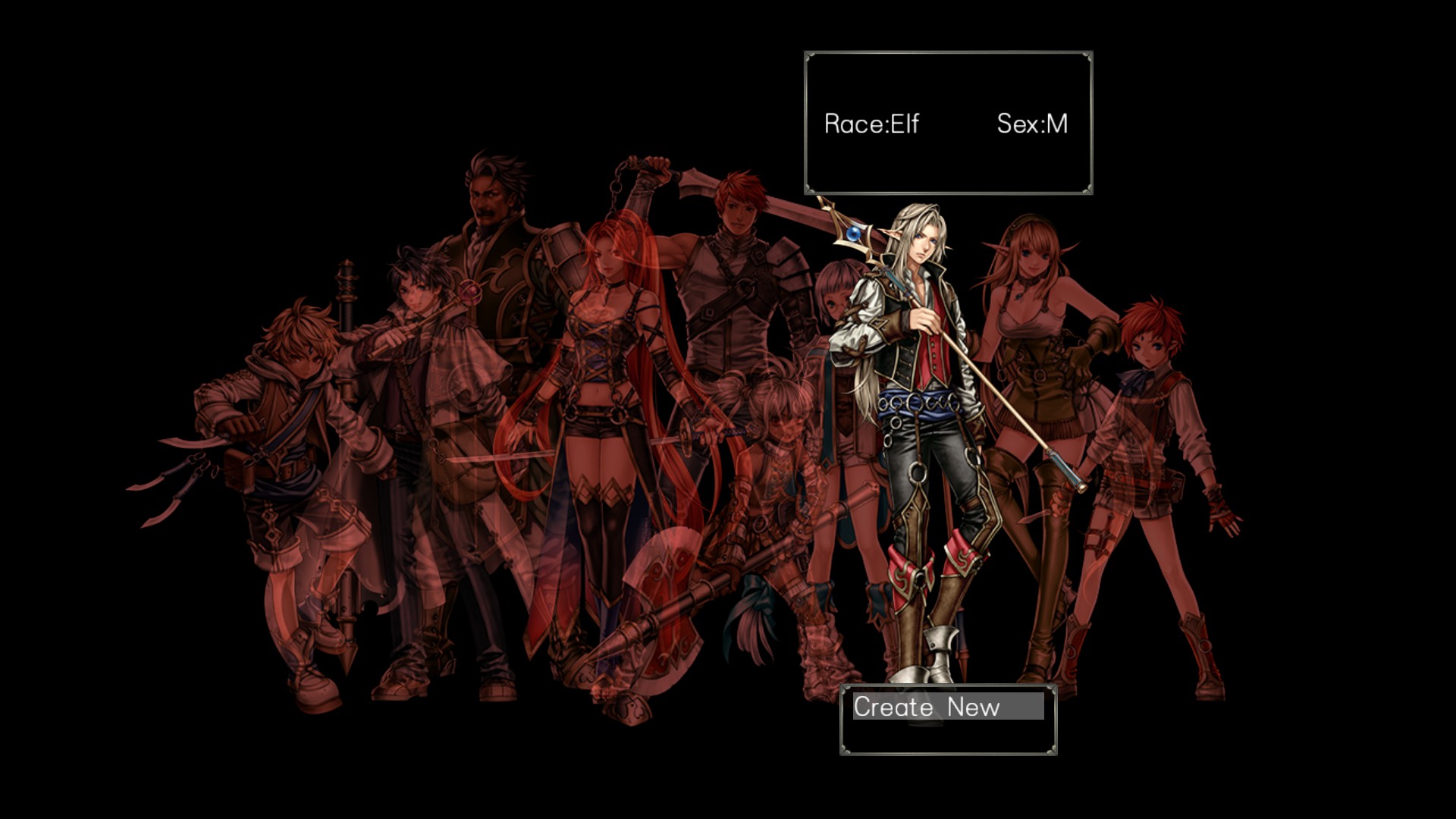
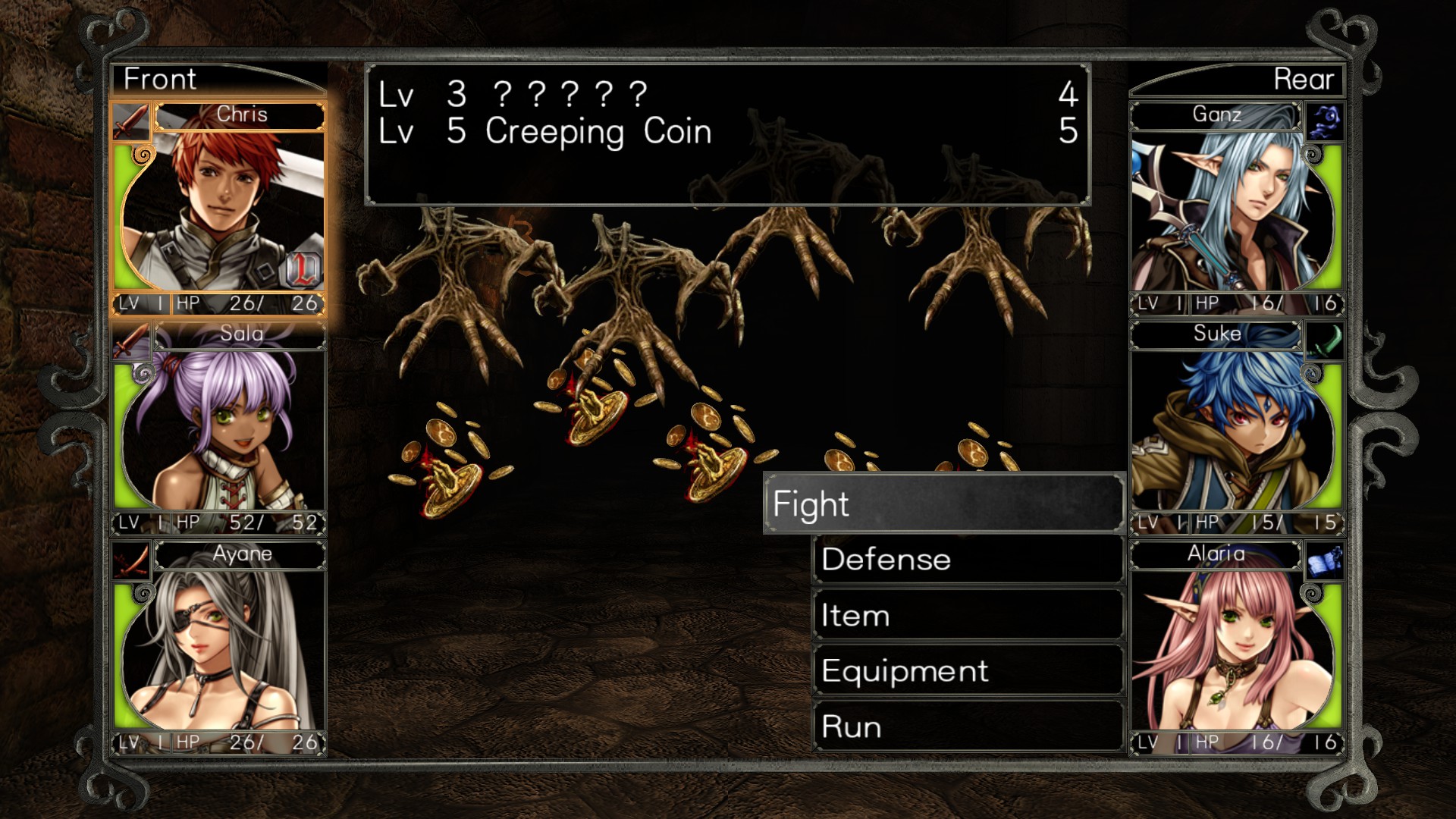
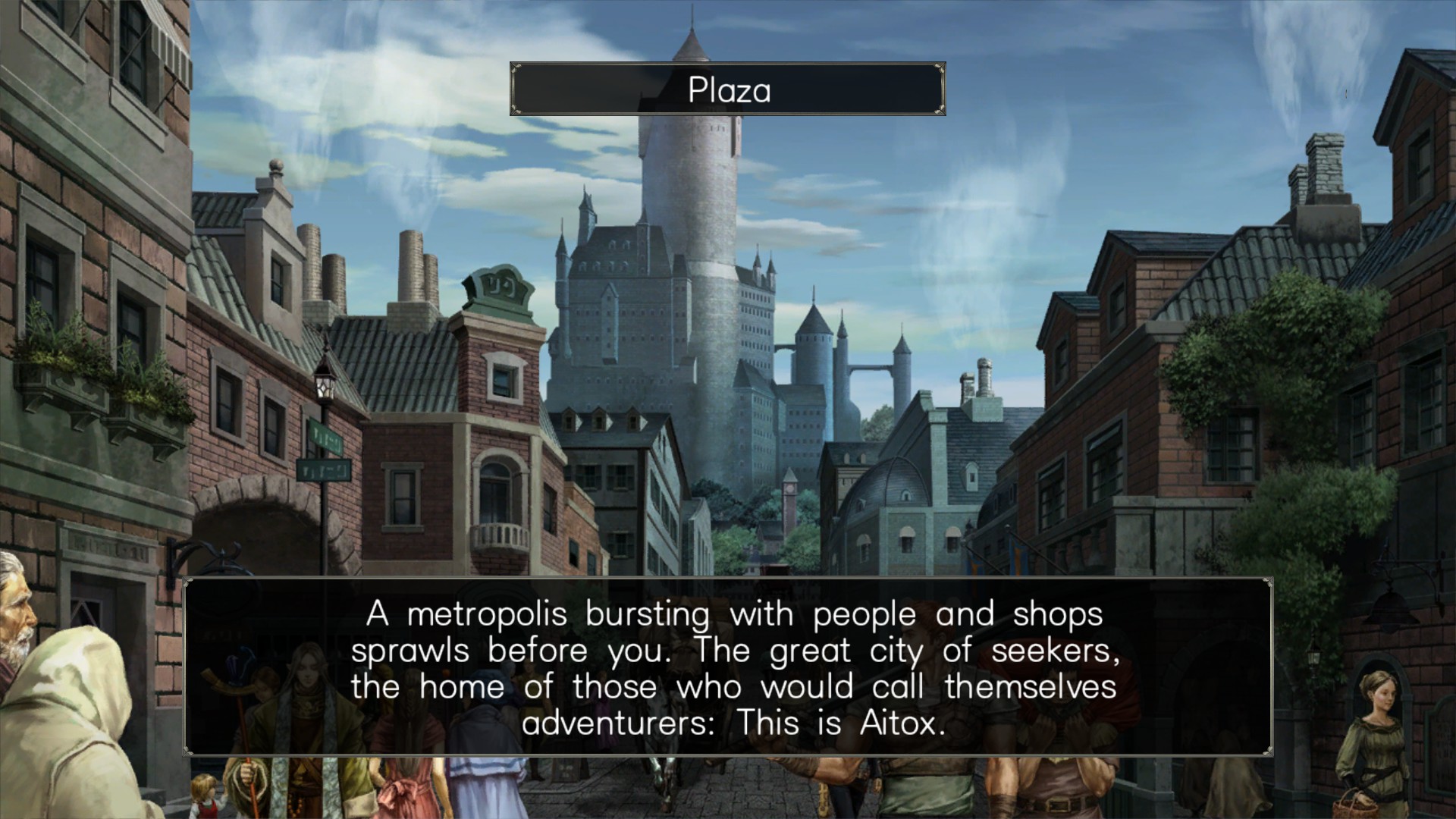
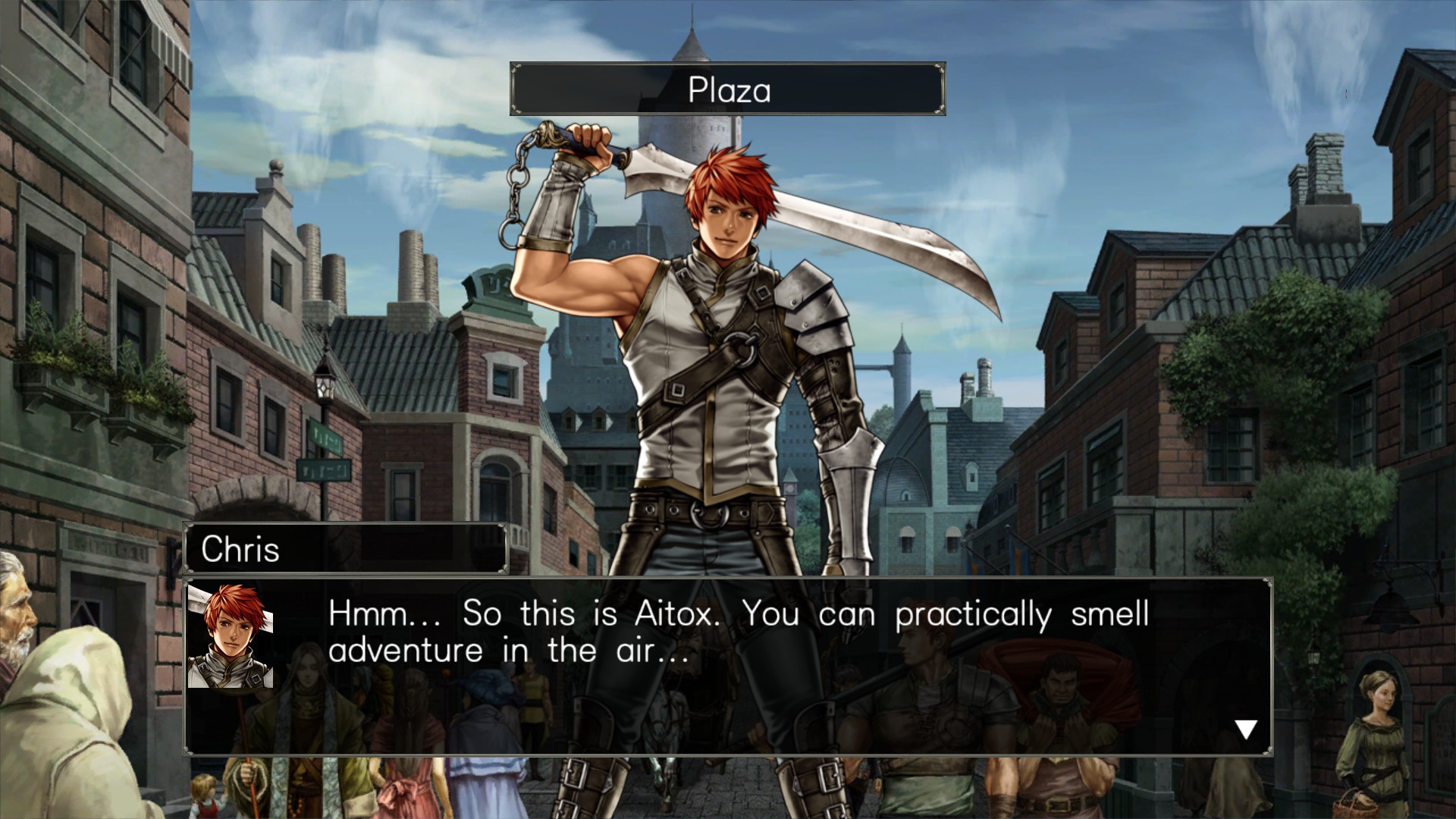
Get an in-depth look at Wizardry: Labyrinth of Lost Souls through various videos and screenshots.
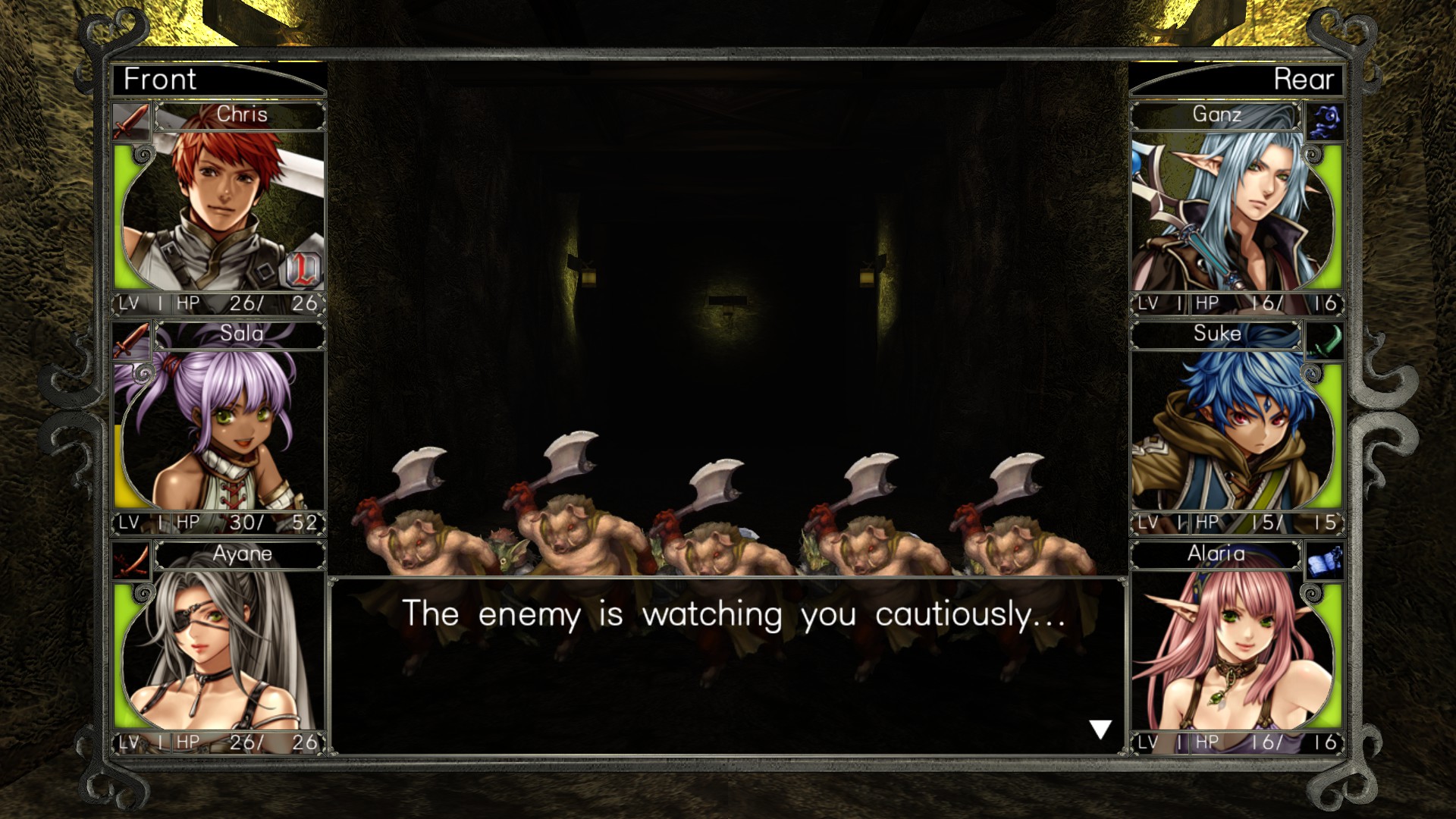
Load More
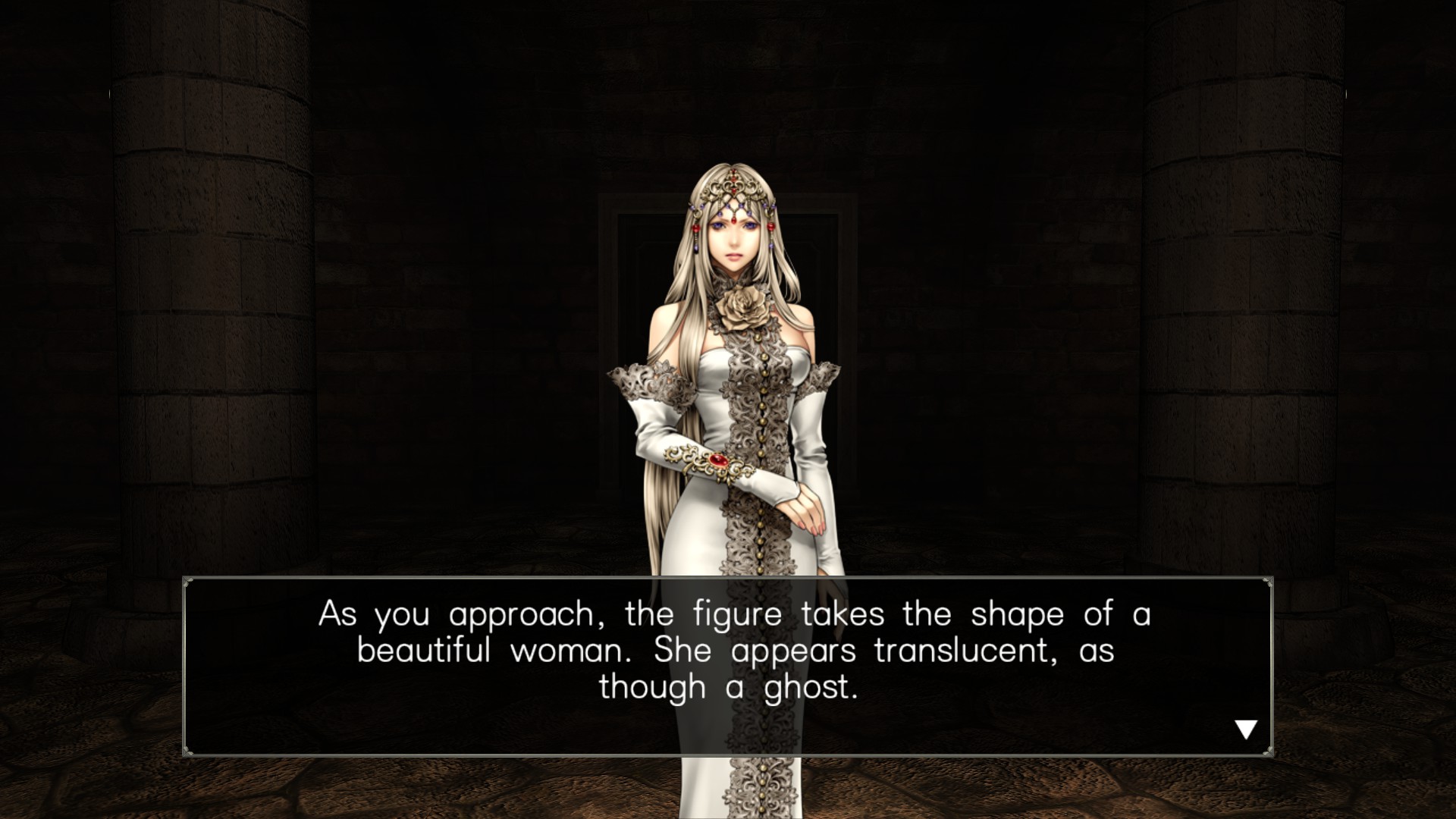
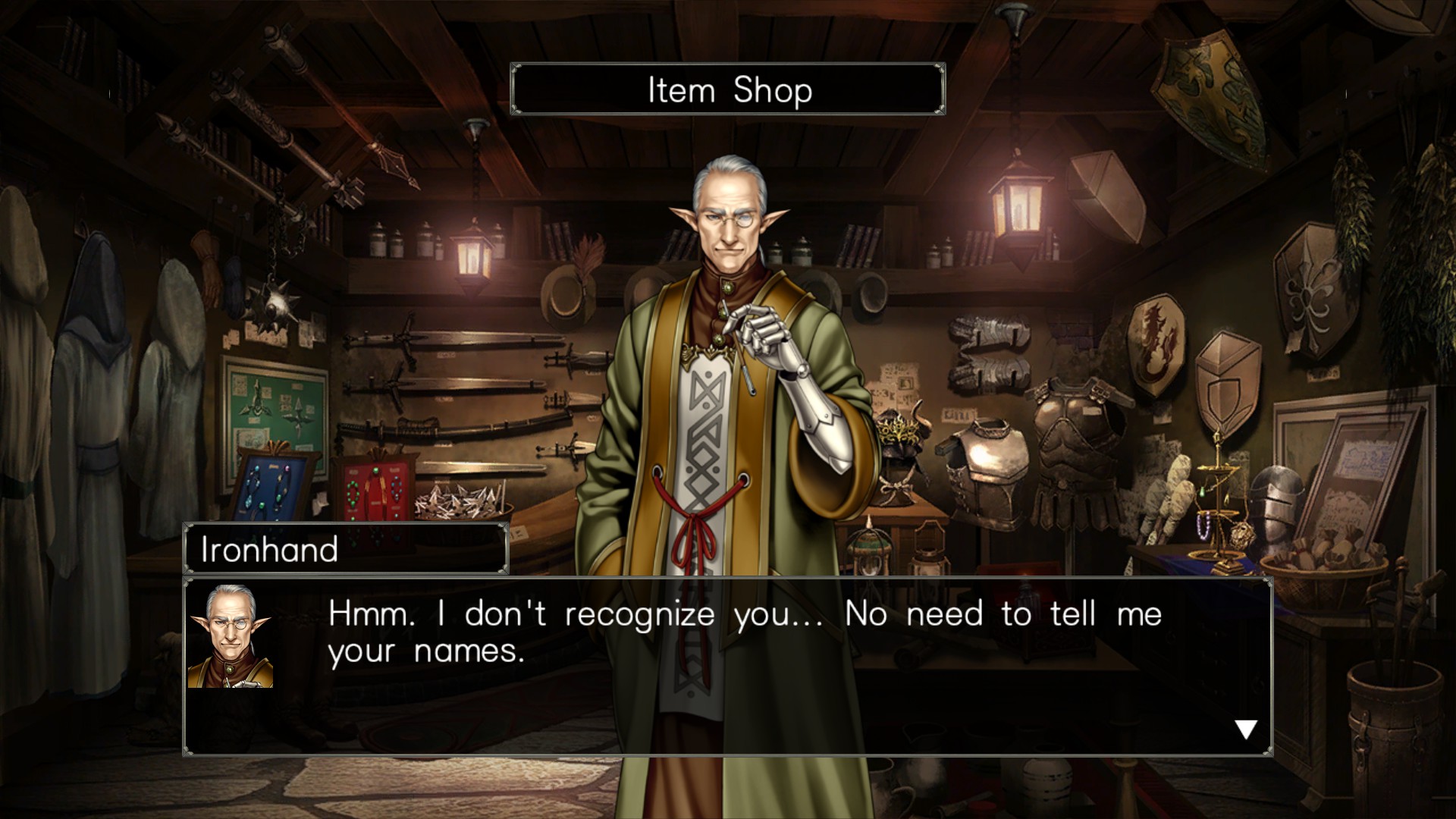
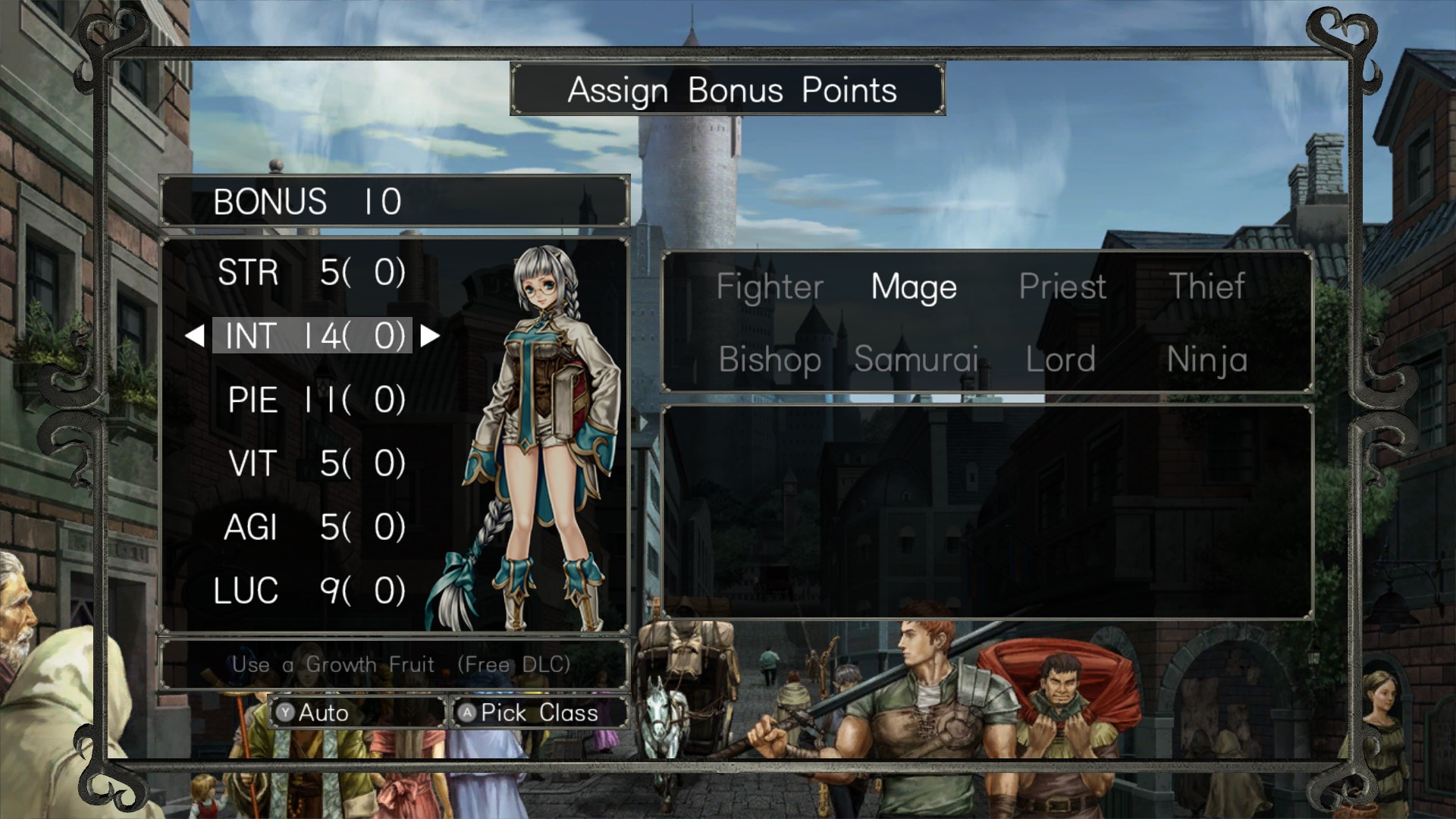
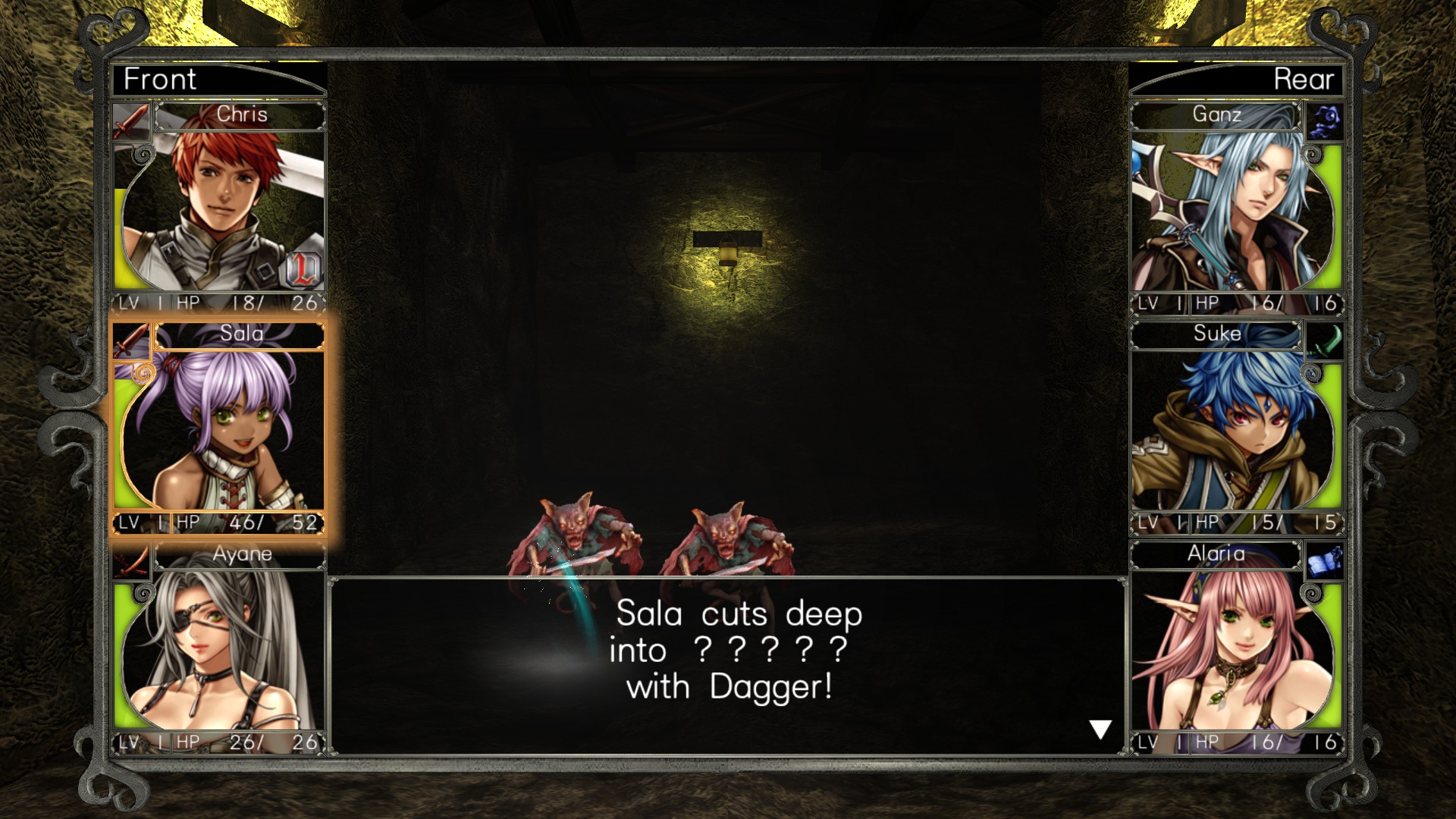
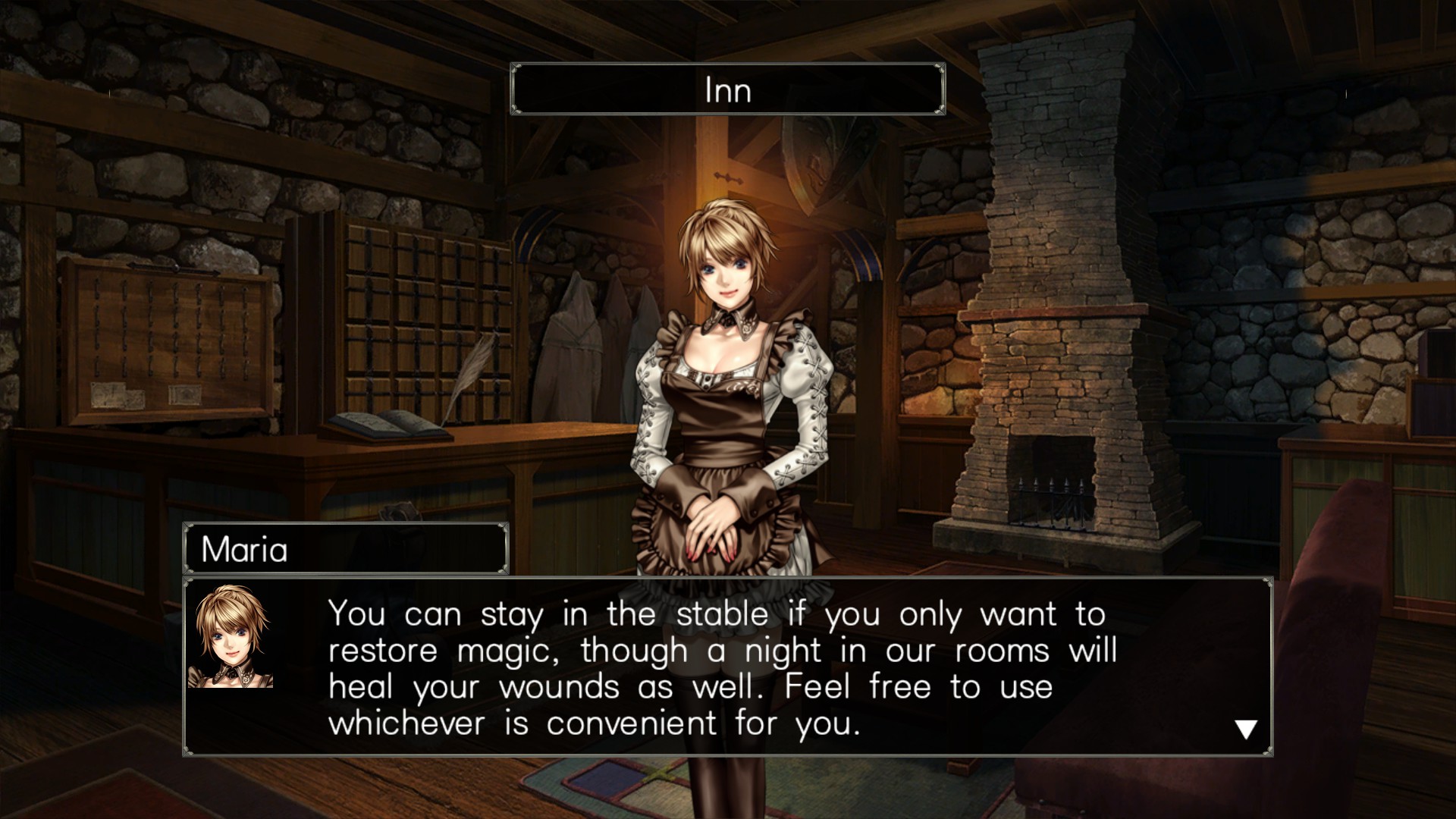
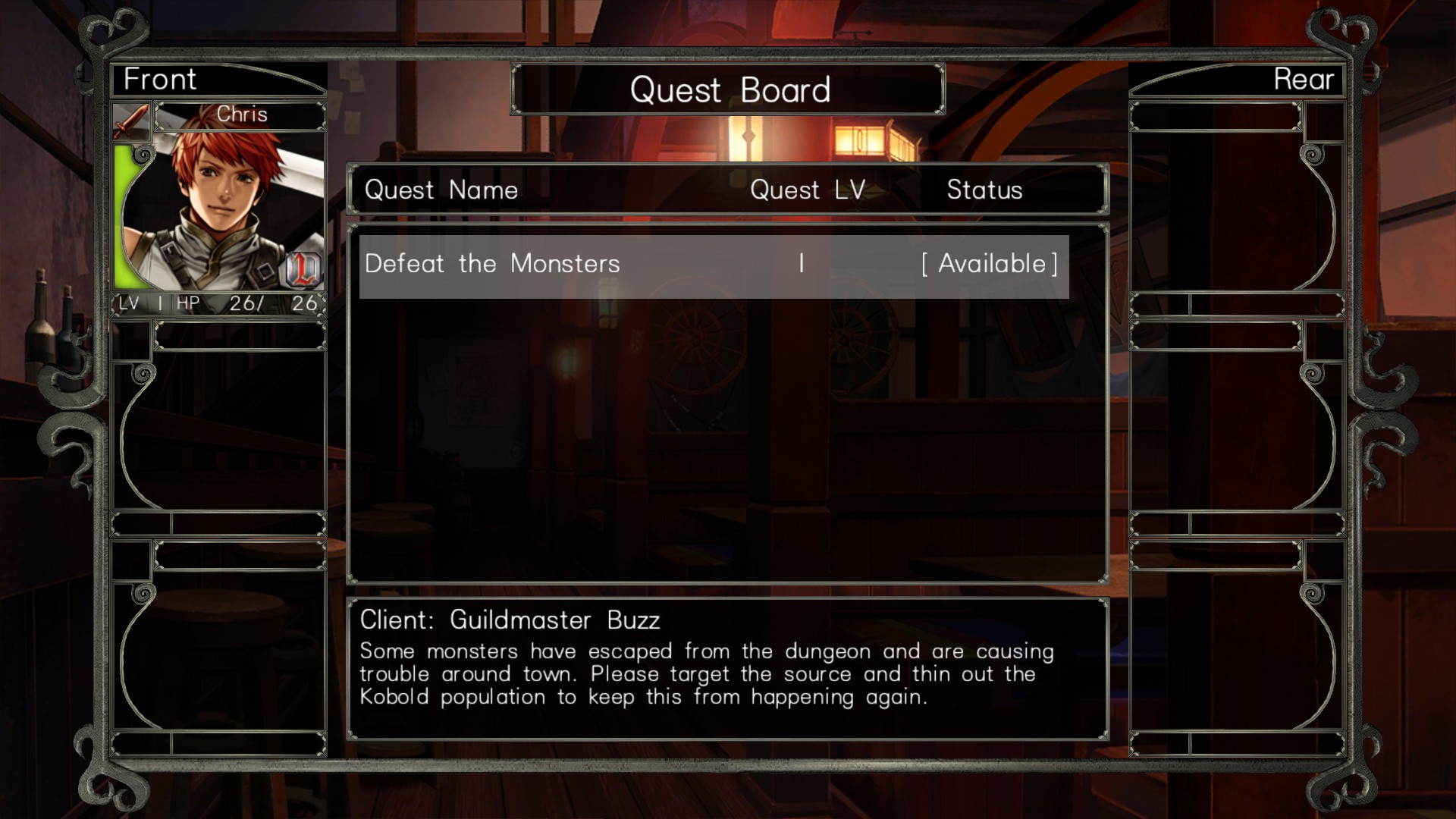
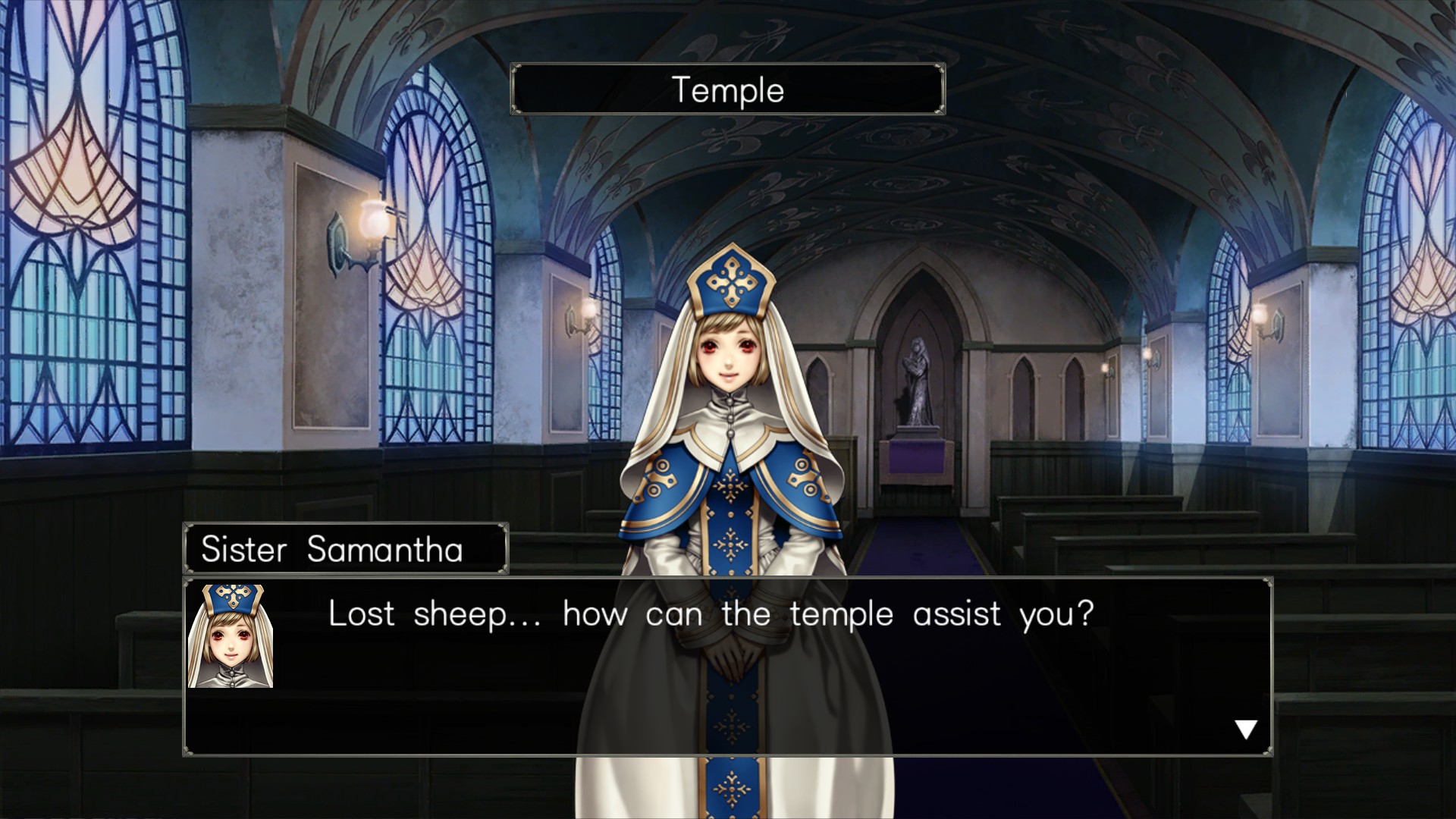
System requirements
These are the minimum specifications needed to play the game. For the best experience, we recommend that you verify them.
Windows
- OS *: Windows 7+
- Processor: Intel(R) Core(TM) i5-3230M CPU @ 2.60GHz
- Memory: 1 GB RAM
- Graphics: Intel(R) HD Graphics 4000
- DirectX: Version 11
- Storage: 1 GB available space
- Sound Card: Compatible with DirectX 11.0
Steam Price & Best Deals
User reviews & Ratings
Explore reviews from Steam users sharing their experiences and what they love about the game.
I am still quite fresh with this game, but I have some thoughts. Many years back I dl'd the demo for this on PS3 and was very turned off from nearly everything about it. Fast forward to now and I have more appreciation and understanding for it. It is a true DRPG and it isn't really here to hold your hand. The map alleviates a lot of the oldschool challenge which I think makes this more accessible than people would like to think. The exploration is fun and (slightly) rewarding. You are here to incrementally make progress, explore as much of the map as you can, and see those numbers go up or those equipment pieces get an upgrade. This is not about cutscenes, story segments, or anything like that. You are a wimpy set of characters that crawl through dungeons and become less wimpy while being kept in check from traps, trapped chests, the RNG of many different factors, and a spell/item system that doesn't really allow you to explore everything you want to per dungeon trip. Err on the side of caution, but also enjoy those wins where you are in a good position to map everything out and maybe step into that new floor with all sorts of new challenges awaiting you. It's a give and take game and I am glad to have come back to it these years later on the Steam Deck. Looking forward to checking out more in the Wizardry and Elminage series
This is my favorite DRPG to this day, and it was the first modern DRPG I played as an adult back on the PS3. It's not perfect, but the atmosphere is top notch, the game mechanics are the classic Wiz 1-3 we all adore (unless you don't ofc). If you're reading this, you probably want to buy this and should.
only get this game if you don't mind grinding for levels. the story quests are kinda broken and you are kind of confused on what to do. for some reason the actual main storyline makes you backtrack to previous floors so playing without a guide will make you feel confused on why do you have to go back to floor 3 when you are already at floor 8. some enemies can instant defeat you. like right now i'm level 25 and the ninjas and rouges on floor 6 can just instant defeat my mage with one shot. i gave up on this game when it was released on PS3 and bought it again when it was release for PC. I wish they fixed the broken quest line but left it as is. There are no much information in english about this game so makes the game mysterious. Even so I am enjoying this game is relaxing to just do while watching a TV show and grind away. You can instant reset the game if you get a party wipe to just restart just L R START SELECT. Save scumming is bad but unfortunately unless you want to go back to town all the time is needed. I hope the keep bringing the renaissance titles. Also plays well on the steamdeck.
Similar games
View all

Stranger of Sword City
Your flight crashes after passing through a mysterious portal. As the sole survivor, you awaken to an unfamiliar land lit by stars you’ve never seen. This land is Escario. Quickly marked as the Chosen One, the Stranger of Sword City, you must defend this place, and choose your allegiances carefully...

Path of the Abyss
Dive deep into the Abyss.
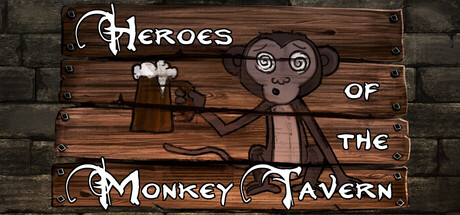
Heroes of the Monkey Tavern
Heroes of the Monkey Tavern is a first-person dungeon-crawling game designed as an introduction to the genre : simplified rules, balanced puzzles and challenges. An independent project developed solo.

Legend of Grimrock 2
Legend of Grimrock 2 is a dungeon crawling role playing game with a modern execution but an oldschool heart. A group of four prisoners have shipwrecked on the secluded Isle of Nex. The island is filled with ancient crumbled ruins, mysterious shrines and a vast underground network of dungeons.

Zanki Zero: Last Beginning
Explore the ruins, dungeons, and islands in this post-apocalyptic world through the POV of eight protagonists as they fight for survival and search for meaning in their never-ending cycles of life and death.
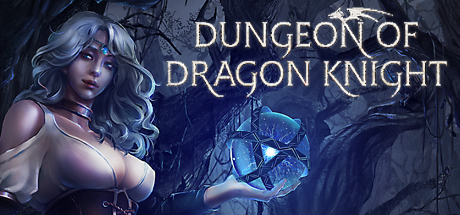
Dungeon Of Dragon Knight
Dungeon of Dragon Knight is a retro dungeon crawler RPG in modern visual design. Pointed by a mysterious witch, your party will descend into a dungeon with traps and monsters in search of the evil Dragon Knight and his treasure weapon. Or, are you fooled by the witch?

Legend of Grimrock
Use the Dungeon Editor to build entirely new adventures and challenges for other players to solve.

Etrian Odyssey III HD
Set sail to an undersea labyrinth in search of the Deep City of Armoroad! Lead a party of adventurers to explore the vast dungeon in search of untold technology, treasure, and lost secrets.

Moero Chronicle
Io is a man who has no luck with the ladies, and now he's tasked with recruiting Monster Girls to save the world in this moe-filled dungeon RPG! Recruit 50 Monster Girls! Combine their Moe Traits! Build relationships with them and find out just how cute a monster can be!

Wizardry: The Five Ordeals
Welcome to the world of dungeon crawling! The classic dungeon crawler released back in 2006, returns to Steam with improved UI and more.
Frequently Asked Questions
Wizardry: Labyrinth of Lost Souls is currently priced at 14.99€ on Steam.
No, Wizardry: Labyrinth of Lost Souls is currently not on sale. You can purchase it for 14.99€ on Steam.
Yes, Wizardry: Labyrinth of Lost Souls received 312 positive votes out of a total of 445 achieving a rating of 6.69.
😐
Wizardry: Labyrinth of Lost Souls was developed by ACQUIRE Corp. and published by XSEED Games, Marvelous USA and Inc..
Yes, Wizardry: Labyrinth of Lost Souls is playable and fully supported on Windows.
No, Wizardry: Labyrinth of Lost Souls is not playable on MacOS.
No, Wizardry: Labyrinth of Lost Souls is not playable on Linux.
Yes, Wizardry: Labyrinth of Lost Souls is playable on Steam Deck, though it might require a few minor tweaks. Make sure to check the Steam store page and community feedback on ProtonDB for exact compatibility details.
Yes, Wizardry: Labyrinth of Lost Souls is playable on Steam Machine, though it might require a few minor tweaks. Make sure to check the Steam store page and community feedback on ProtonDB for exact compatibility details.
No, Wizardry: Labyrinth of Lost Souls does not support VR.
Wizardry: Labyrinth of Lost Souls is a single-player game.
Yes, there is a DLC available for Wizardry: Labyrinth of Lost Souls. Explore additional content available for Wizardry: Labyrinth of Lost Souls on Steam.
No, Wizardry: Labyrinth of Lost Souls does not support mods via Steam Workshop.
No, Wizardry: Labyrinth of Lost Souls does not support Steam Remote Play.
Yes, Wizardry: Labyrinth of Lost Souls is enabled for Steam Family Sharing. This means you can share the game with authorized users from your Steam Library, allowing them to play it on their own accounts. For more details on how the feature works, you can read the original Steam Family Sharing announcement or visit the Steam Family Sharing user guide and FAQ page.
You can find solutions or submit a support ticket by visiting the Steam Support page for Wizardry: Labyrinth of Lost Souls.
Data sources
The information presented on this page is sourced from reliable APIs to ensure accuracy and relevance. We utilize the Steam API to gather data on game details, including titles, descriptions, prices, and user reviews. This allows us to provide you with the most up-to-date information directly from the Steam platform.
Additionally, we incorporate data from the SteamSpy API, which offers insights into game sales and player statistics. This helps us present a comprehensive view of each game's popularity and performance within the gaming community.
Last Updates| Steam data | 19 October 2026 16:51 UTC |
|---|---|
| SteamSpy data | 21 October 2026 16:01 UTC |
| Steam price | 26 October 2026 19:21 UTC |
| Steam reviews | 18 October 2026 17:46 UTC |
If you'd like to dive deeper into the details about Wizardry: Labyrinth of Lost Souls, we invite you to check out a few dedicated websites that offer extensive information and insights. These platforms provide valuable data, analysis, and user-generated reports to enhance your understanding of the game and its performance.
- SteamDB - A comprehensive database of everything on Steam about Wizardry: Labyrinth of Lost Souls
- SteamCharts - Analysis of Wizardry: Labyrinth of Lost Souls concurrent players on Steam
- ProtonDB - Crowdsourced reports on Linux and Steam Deck Wizardry: Labyrinth of Lost Souls compatibility

Game modes
Features
Online players
3
Developer
ACQUIRE Corp.
Publisher
XSEED Games,
Marvelous USA, Inc.
Release
15 Jan 2020
Platforms
Clicking and buying through these links helps us earn a commission to maintain our services.