
Dragon Cliff
Dragon Cliff is a Semi-Idle RPG game with deep and complex itemization/skill systems to support endless character builds. Players are to collect adventurers, kill monsters, advance talent trees, enchant/reforge equipment, discover scrolls and finally assemble the most powerful adventure team!
Sync your Steam wishlist to find the lowest game prices instantly. No login required, just paste your Steam profile URL!
⚡ Try Wishlist Radar!
Sync your Steam wishlist to find the lowest game prices instantly. No login required!
⚡ Try Wishlist Radar!
Close

挂姬恶魔 IDLE DEVILS on Steam
Quick menu
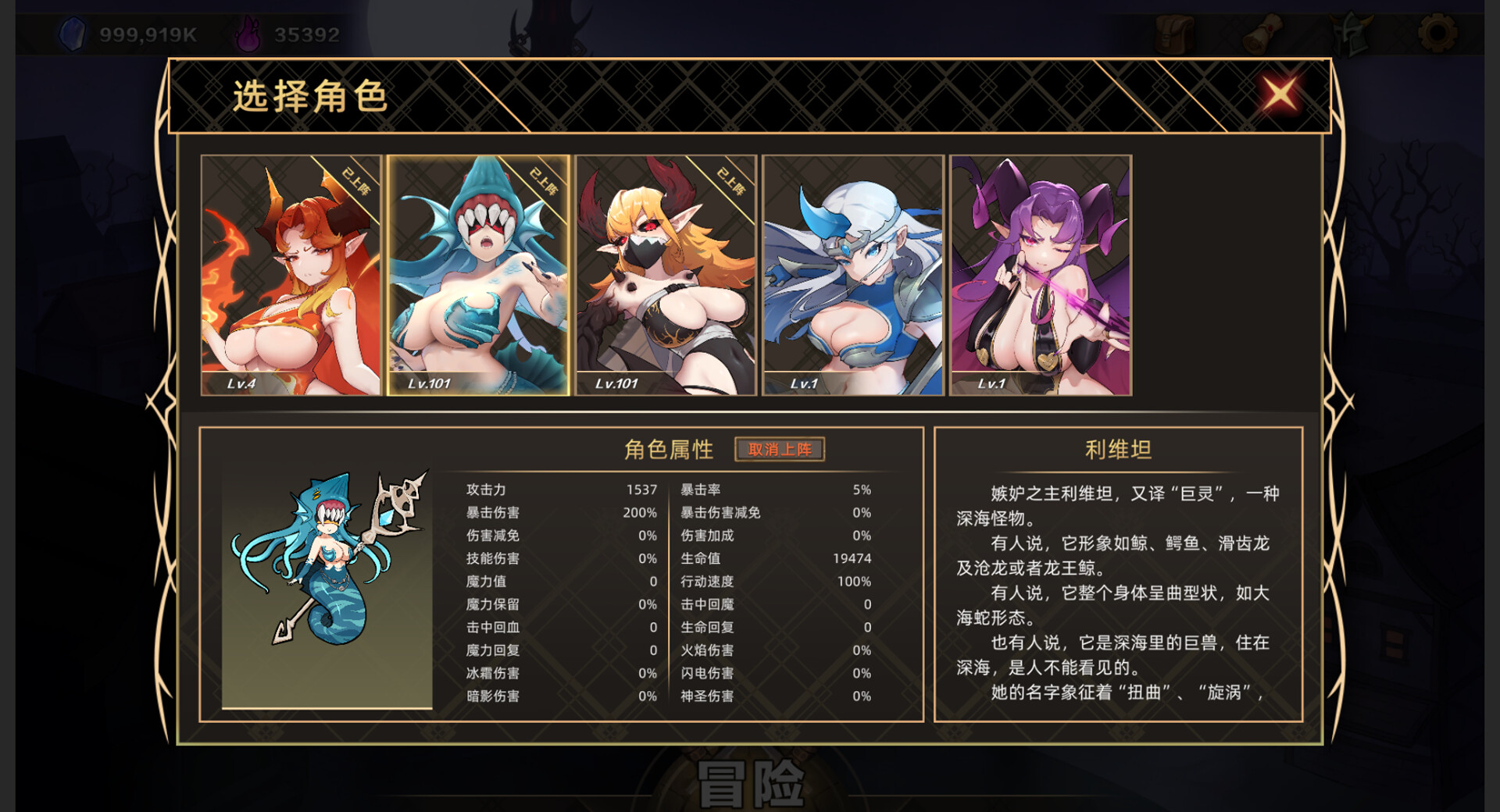
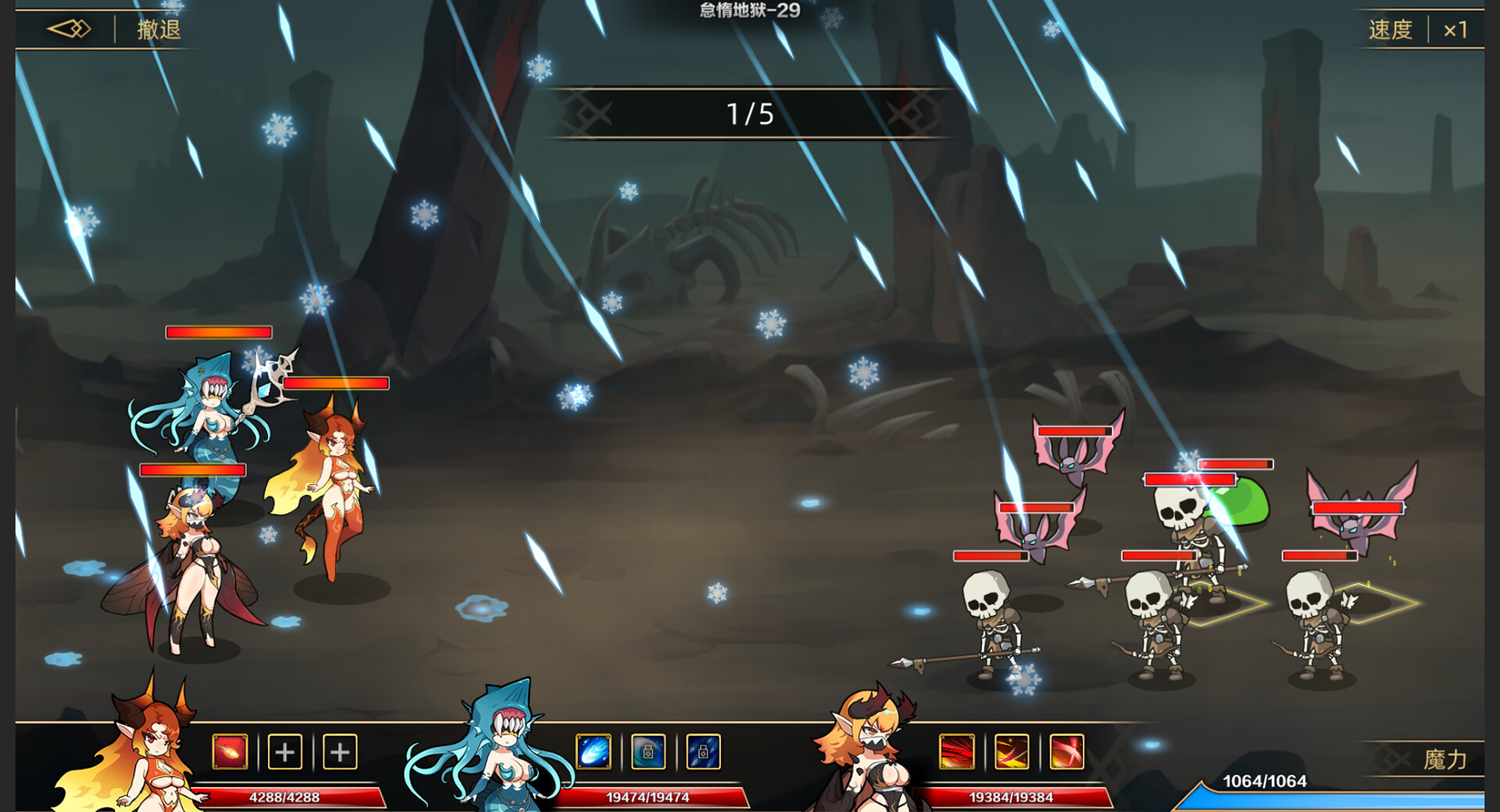
Idle Devils is a leisure strategic placement game. In addition to rich roles, skills and equipment systems, you can also freely choose the devil to cultivate. Through her, you can conquer new female demons, and finally complete the salvation of the Demon World, becoming a real Demon King.
挂姬恶魔 IDLE DEVILS is a loot, rpg and indie game
developed by GOCORE
and published by GOCORE and NPC Entertainment.
Released on January 30th 2024 is available on Windows, Steam Deck and Steam Machine.
It has received 1,182 reviews of which 952 were positive and 230 were negative resulting in a rating of 7.7 out of 10. 😊
The game is currently priced at 3.99€ on Steam.
The Steam community has classified 挂姬恶魔 IDLE DEVILS into these genres:
Media & Screenshots
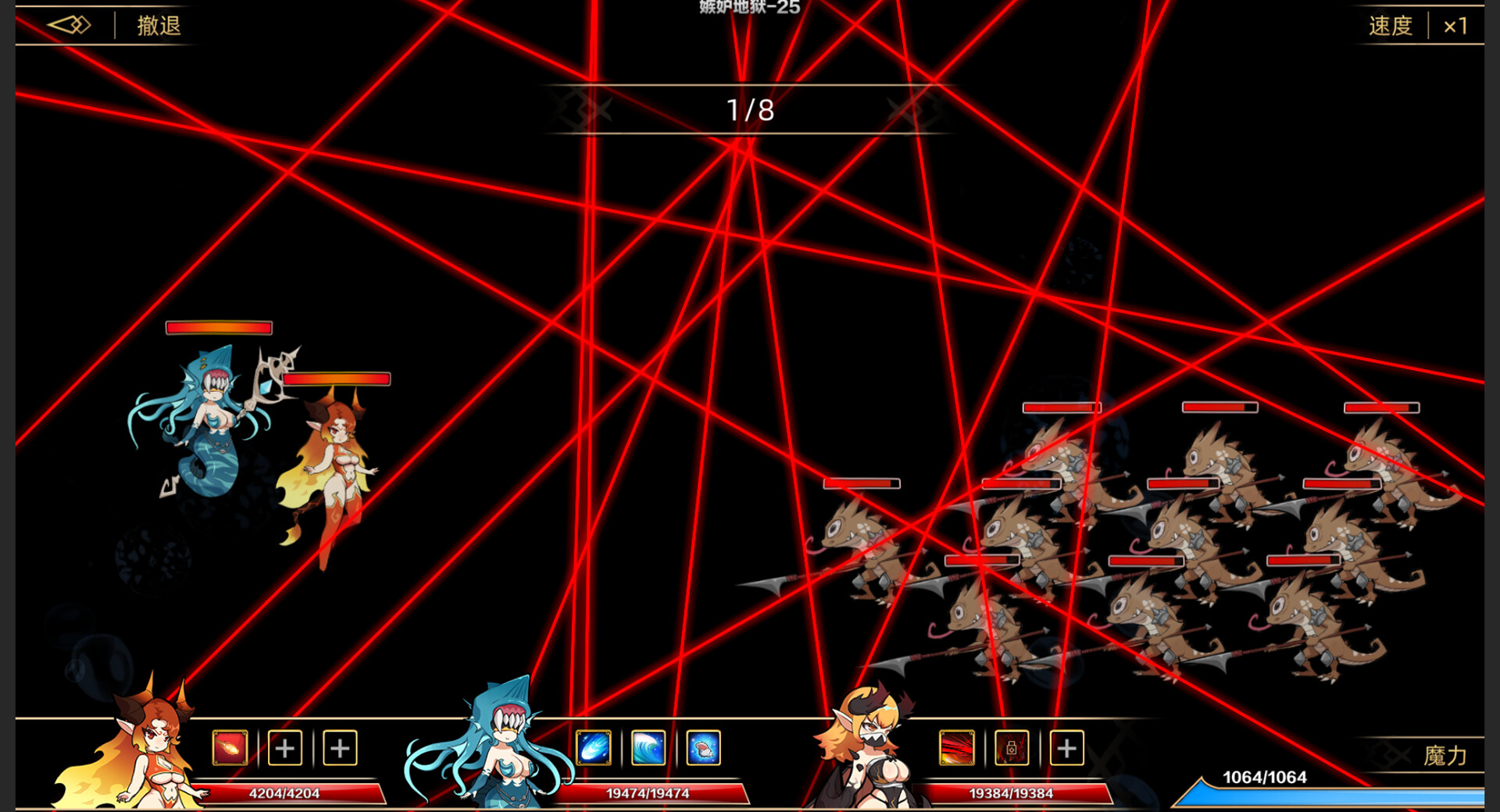
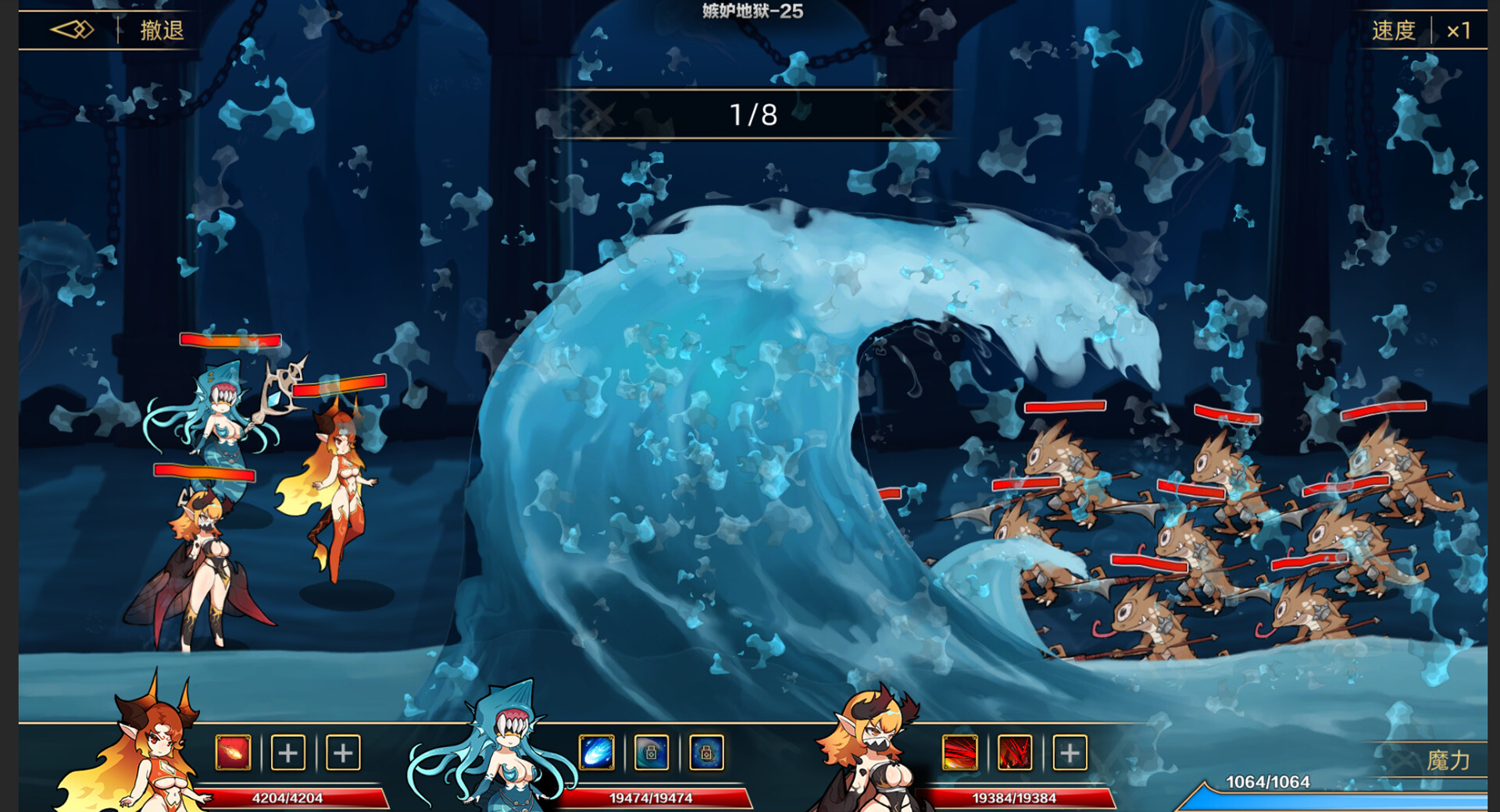
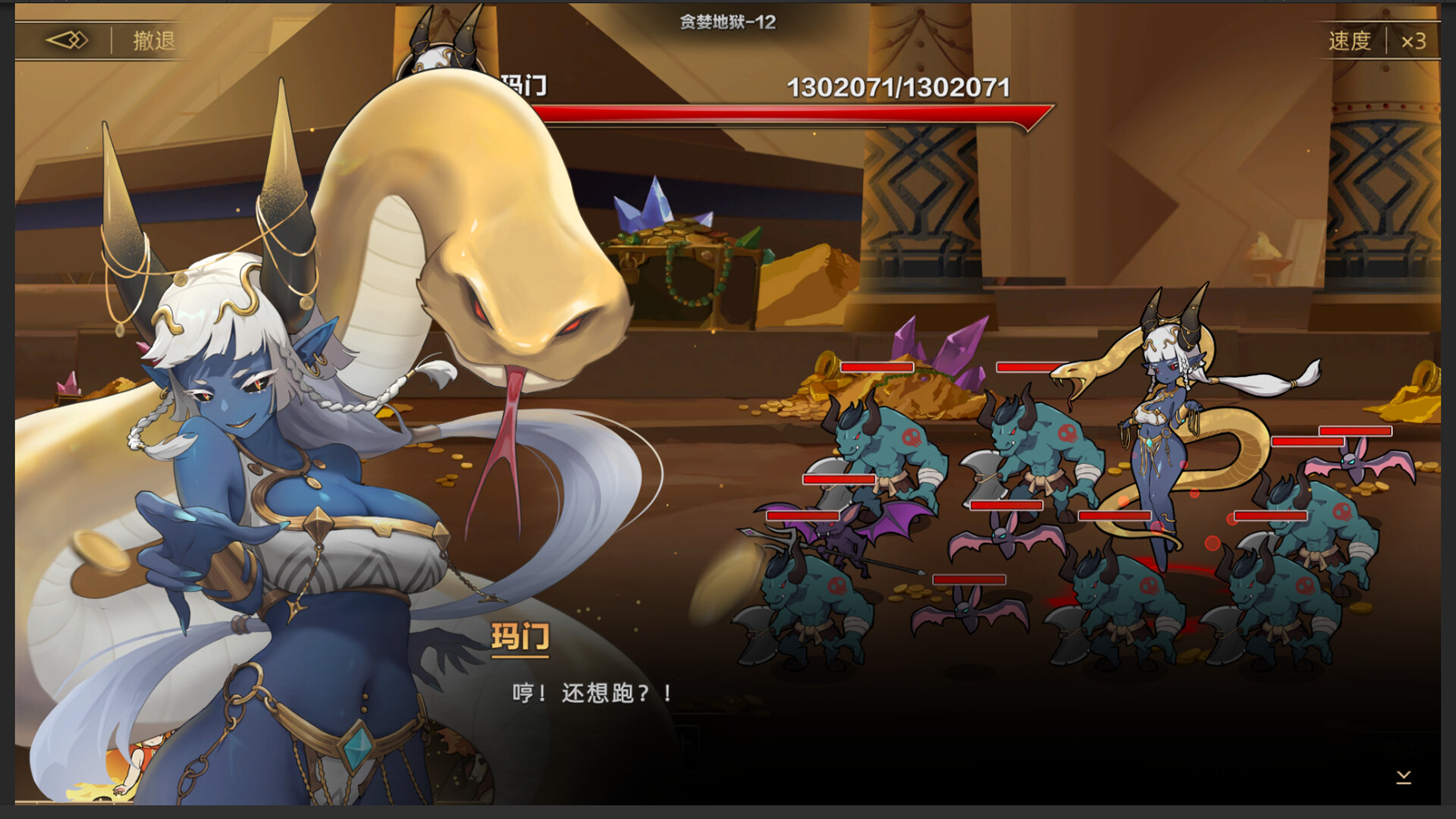
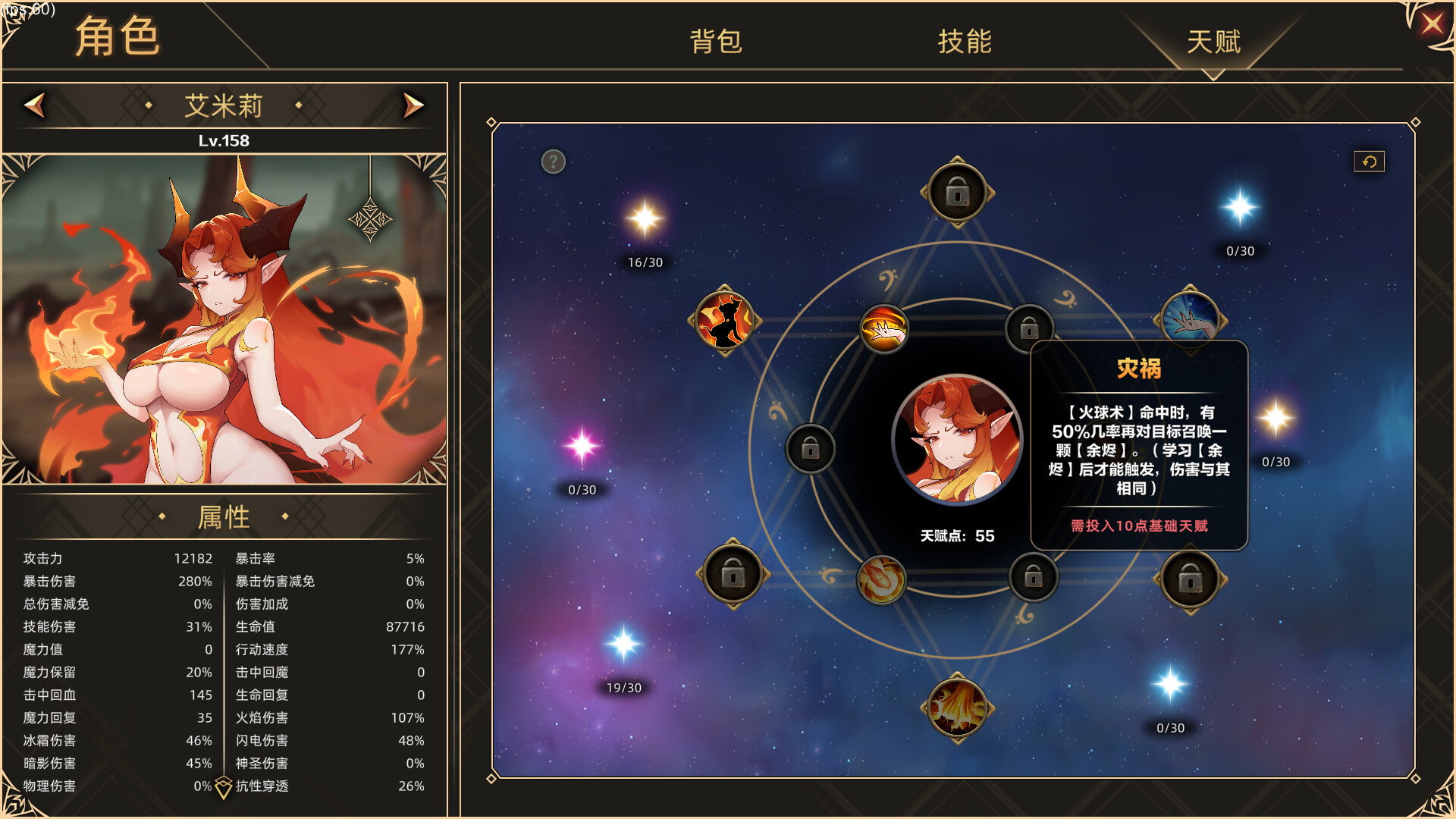
Get an in-depth look at 挂姬恶魔 IDLE DEVILS through various videos and screenshots.



Load More





System requirements
These are the minimum specifications needed to play the game. For the best experience, we recommend that you verify them.
Windows
- OS *: Windows7/8/10
- Processor: Intel Core i5
- Graphics: NVIDIA Gef
- Storage: 500 MB available space
- Sound Card: DirectX 11 Sound Device
Steam Price & Best Deals
User reviews & Ratings
Explore reviews from Steam users sharing their experiences and what they love about the game.
IDLE DEVILS is a relaxed idle RPG that mixes automated combat, character collecting, equipment hunting, incremental growth, and light strategic management within an anime-styled demon world. Rather than demanding constant input, it focuses on the satisfaction of gradually building a stronger party and returning to see the results of previous investments. GOCORE developed the game, with publishing credited to GOCORE and NPC Entertainment. Its structure is especially suited to players who enjoy RPG progression but prefer managing builds and resources over repeatedly controlling every individual attack. The premise provides a suitable backdrop for the progression system. The Demon World has been overwhelmed by a dangerous miasma, with corrupted creatures threatening its stability and the struggle for the position of Demon King providing motivation for the journey. Players ultimately work toward conquering the seven hells and restoring order. The narrative is more of a framework for advancement than a deeply cinematic storyline, but that approach fits an idle game where character development, collecting rewards, and overcoming increasingly difficult encounters are the primary attractions. A major part of the experience revolves around cultivating female demons. Players can choose a character to develop and gradually conquer or recruit additional demons, creating a growing roster with different abilities and developmental possibilities. Skills provide some welcome customization because progression is not restricted to simply watching statistics increase. Deciding which characters deserve resources and determining how their abilities complement a particular approach gives the management side greater purpose. The anime character designs and mature themes, including sexual content and some nudity, are also prominent aspects of the presentation and clearly establish the audience the game is targeting. Equipment adds another important progression layer. Defeated enemies can provide gear of different qualities, while equipment affixes create opportunities to pursue increasingly desirable combinations. Higher-quality items can offer more valuable properties, turning repeated battles into a continuing search for meaningful upgrades. This loot-driven structure works particularly well with automated combat because even relatively passive sessions can produce something worth examining afterward. Finding a useful item, comparing its properties with existing equipment, and adjusting a character accordingly provides a satisfying sense that the player's forces are continuously evolving. Several additional systems keep progression from becoming entirely passive. The tavern offers opportunities related to obtaining equipment, gem merchants contribute to equipment enhancement, and alchemy provides another way to interact with accumulated resources. Individually, these mechanics are relatively straightforward, but together they establish a broader progression economy. Players regularly have decisions to make concerning where resources should go and which improvements will provide the greatest benefit. This helps distinguish the experience from extremely simple idle games where advancement consists almost entirely of purchasing increasingly expensive numerical upgrades. The Demon King's Tower provides a more obvious measure of growing strength. Progressing through tougher enemies creates goals for developed characters and optimized equipment, while special encounters can also contribute to expanding the roster. The tower structure complements the incremental design because encountering an obstacle encourages additional development rather than requiring highly demanding mechanical execution. Improving equipment, strengthening skills, adjusting characters, and returning later with a more powerful party creates the familiar satisfaction of overcoming something that previously seemed impossible. Automated and offline progression are ultimately at the center of the experience. Leaving the game and returning to accumulated resources makes advancement possible without constant supervision, which makes it particularly comfortable for short sessions. Players can collect what has been earned, inspect new equipment, make upgrades, organize characters, and then allow the underlying systems to continue working. The disadvantage is that anyone seeking highly interactive battles may find the action too detached. Much of the enjoyment comes from preparation and optimization rather than direct combat skill, so appreciation of incremental progression is important. Visually, the 2D anime presentation gives the game a recognizable personality, particularly through its demon characters. The overall interface has to communicate numerous statistics, equipment properties, skills, and progression options, meaning the experience is more functional than spectacular. Still, the character artwork complements the collecting aspect effectively, while the mature visual direction distinguishes it from more conventional fantasy idle RPGs. Steam Deck compatibility is officially rated Playable rather than Verified. The game performs well using its default graphics configuration, but portable play comes with several compromises. Some functionality is not fully accessible through the default controller configuration, so the touchscreen or a customized/community control layout may occasionally be necessary. Controller prompts can also display icons intended for a mouse, keyboard, or another controller, and some text may appear relatively small on the Deck's screen. The native display resolution is supported, although it may need to be selected manually. These issues prevent a completely seamless handheld experience, but the underlying game is compatible with SteamOS and its low-intensity idle gameplay is conceptually well suited to portable sessions. Overall, this is a specialized combination of idle progression and RPG customization rather than a traditional action-focused adventure. Its strongest qualities come from the interaction between character cultivation, randomized equipment, skills, recruitment, resource management, tower progression, and automated rewards. Repetition is naturally substantial, and players uninterested in grinding or passive advancement may lose interest quickly. For fans of incremental RPGs, however, there is an appealing rhythm to repeatedly improving a roster and watching those investments translate into greater power. The mature anime presentation gives it a distinct identity, while the multiple progression systems provide enough management to prevent the experience from becoming completely hands-off. Rating: 8/10
Pretty good idle game, especially for its cost. They did many things right for audiences who want a chill AFK grinding RPG (ish). Characters have a decent progression and customisation through skill, talent, and gear. Team comp has a decent variety. Smooth gameplay loop with good QoL. Many idle games don't do those things right and end up clunky. I am looking forward to seeing a sequel or more of this kind of game from the developer.
Similar games
View all

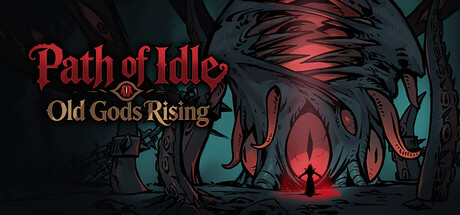
Path of Idle: Old Gods Rising
A Lovecraftian idle RPG with auto-battles, loot farming, chests, team strategy, town building, gear crafting, Runewords, stages, towers, realms, and seasons. Serve the Old Gods, build your town, corrupt the chosen, and fight for their awakening!

Legend Of Mercy 神医魔导
Experience the story of a doctor who performs miracles, and beautiful girls from another world; this is their adventure. With an epic view of the world, compelling stories, high-quality images, and over thirteen chapters telling a long, but thought out, story.
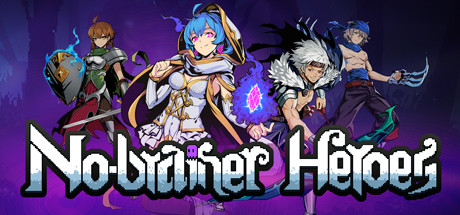
No-brainer Heroes 挂机吧!勇者
No-brainer Heroes is a pixel style semi-idle RPG game. As a lord, you need to run your town, recruit your heroes, defeat level monsters, solve random events, collect powerful treasures, and finally defeat evil dragons.

Home Behind 2
Home Behind 2 is a Roguelike RPG which set in Scaria, a country engulfed in a ten-year civil war. Lead a patchwork group of revolutionary fighters into the depths of the government's territory as you struggle to overthrow a brutal authoritarian regime!

Divine Miko Koyori
As an exorcist who commands powers of the divine, Koyori is sent to a remote village to exorcise the area as part of her training. However, what should have been a simple task soon escalates to unforeseen magnitudes as the dark plot behind the whole incident begins to unfold...


Duck Life 7: Battle
The ducks are back, but this time they're angrier. Forget racing, now it's time to battle! Train your duck's power, health, defence, speed, and special attack abilities in 25 brand new mini games. Explore the world battling other ducks, entering tournaments and completing quests to become the greatest duck battler of all time.


Slave's Sword
Slave's Sword is the story of Luna, a former aristocratic knight of the Empire. Now living peacefully as a mercenary, she quickly becomes involved in a scandal that results in her enslavement. Can Luna recapture her freedom and escape from her predicament?

The Curse of Kubel
An earthquake swallows up the city of Kaldesta and splits it into two. Now many adventurers travel there in search of treasure. However, a curse suddenly appears and starts infecting the adventurers...
Frequently Asked Questions
挂姬恶魔 IDLE DEVILS is currently priced at 3.99€ on Steam.
No, 挂姬恶魔 IDLE DEVILS is currently not on sale. You can purchase it for 3.99€ on Steam.
Yes, 挂姬恶魔 IDLE DEVILS received 952 positive votes out of a total of 1,182 achieving a rating of 7.69.
😊
挂姬恶魔 IDLE DEVILS was developed by GOCORE and published by GOCORE and NPC Entertainment.
Yes, 挂姬恶魔 IDLE DEVILS is playable and fully supported on Windows.
No, 挂姬恶魔 IDLE DEVILS is not playable on MacOS.
No, 挂姬恶魔 IDLE DEVILS is not playable on Linux.
Yes, 挂姬恶魔 IDLE DEVILS is playable on Steam Deck, though it might require a few minor tweaks. Make sure to check the Steam store page and community feedback on ProtonDB for exact compatibility details.
Yes, 挂姬恶魔 IDLE DEVILS is playable on Steam Machine, though it might require a few minor tweaks. Make sure to check the Steam store page and community feedback on ProtonDB for exact compatibility details.
No, 挂姬恶魔 IDLE DEVILS does not support VR.
挂姬恶魔 IDLE DEVILS is a single-player game.
Yes, there are 6 DLCs available for 挂姬恶魔 IDLE DEVILS. Explore additional content available for 挂姬恶魔 IDLE DEVILS on Steam.
No, 挂姬恶魔 IDLE DEVILS does not support mods via Steam Workshop.
No, 挂姬恶魔 IDLE DEVILS does not support Steam Remote Play.
Yes, 挂姬恶魔 IDLE DEVILS is enabled for Steam Family Sharing. This means you can share the game with authorized users from your Steam Library, allowing them to play it on their own accounts. For more details on how the feature works, you can read the original Steam Family Sharing announcement or visit the Steam Family Sharing user guide and FAQ page.
You can find solutions or submit a support ticket by visiting the Steam Support page for 挂姬恶魔 IDLE DEVILS.
Data sources
The information presented on this page is sourced from reliable APIs to ensure accuracy and relevance. We utilize the Steam API to gather data on game details, including titles, descriptions, prices, and user reviews. This allows us to provide you with the most up-to-date information directly from the Steam platform.
Additionally, we incorporate data from the SteamSpy API, which offers insights into game sales and player statistics. This helps us present a comprehensive view of each game's popularity and performance within the gaming community.
Last Updates| Steam data | 19 September 2026 13:23 UTC |
|---|---|
| SteamSpy data | 20 October 2026 11:31 UTC |
| Steam price | 26 October 2026 20:11 UTC |
| Steam reviews | 18 October 2026 09:58 UTC |
If you'd like to dive deeper into the details about 挂姬恶魔 IDLE DEVILS, we invite you to check out a few dedicated websites that offer extensive information and insights. These platforms provide valuable data, analysis, and user-generated reports to enhance your understanding of the game and its performance.
- SteamDB - A comprehensive database of everything on Steam about 挂姬恶魔 IDLE DEVILS
- SteamCharts - Analysis of 挂姬恶魔 IDLE DEVILS concurrent players on Steam
- ProtonDB - Crowdsourced reports on Linux and Steam Deck 挂姬恶魔 IDLE DEVILS compatibility

Game modes
Features
Online players
43
Developer
GOCORE
Publisher
GOCORE,
NPC Entertainment
Release
30 Jan 2024
Platforms