Game of Thrones
Experience an amazing adventure in one of the most fascinating universes! Amidst conspiracy and betrayal, try to survive the orchestrated machinations around the Iron Throne.
Sync your Steam wishlist to track the lowest game prices instantly. No login required, just paste your Steam profile URL!
⚡ Try Wishlist Radar!
Sync your Steam wishlist to track the lowest game prices instantly. No login required!
⚡ Try Wishlist Radar!
Close

Alpha Protocol™ on Steam - User reviews, Price & Information
Quick menu
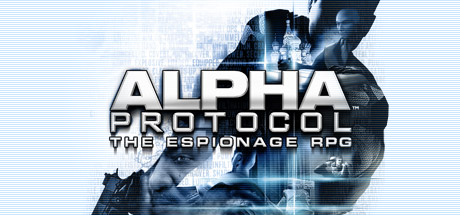
Loyalty carries a price and no one knows this more than agent Michael Thorton. A talented young agent cast out by his government, Thorton is the only one with the information needed to stop an impending international catastrophe.
Alpha Protocol™ is a rpg, stealth and choices matter game
developed by Obsidian Entertainment
and published by SEGA.
Released on May 27th 2010 is available only on Windows
in 8 languages: English, French, German, Italian, Spanish - Spain, Czech, Polish and Russian.
It has received 4,911 reviews of which 3,988 were positive and 923 were negative resulting in a rating of 7.9 out of 10. 😊
The game is currently priced at 19.99€ on Steam, but you can find it for 12.73€ on Gamivo.
The Steam community has classified Alpha Protocol™ into these genres:
Media & Screenshots
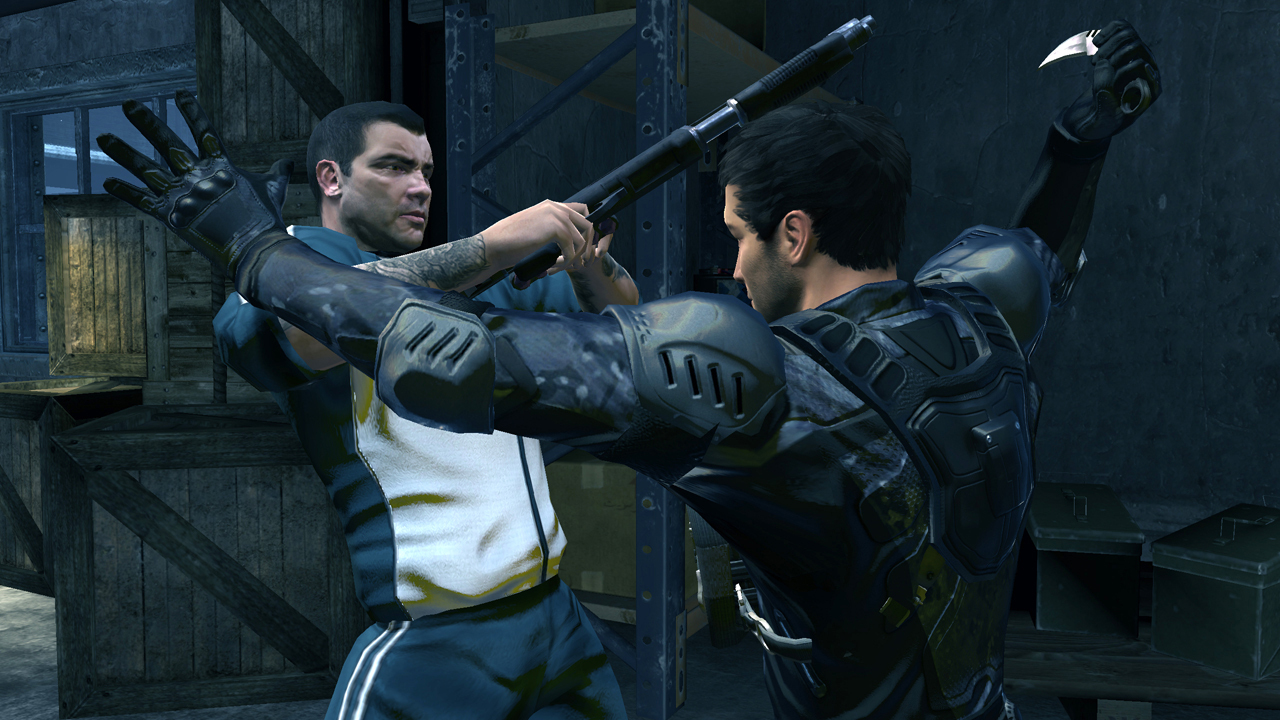
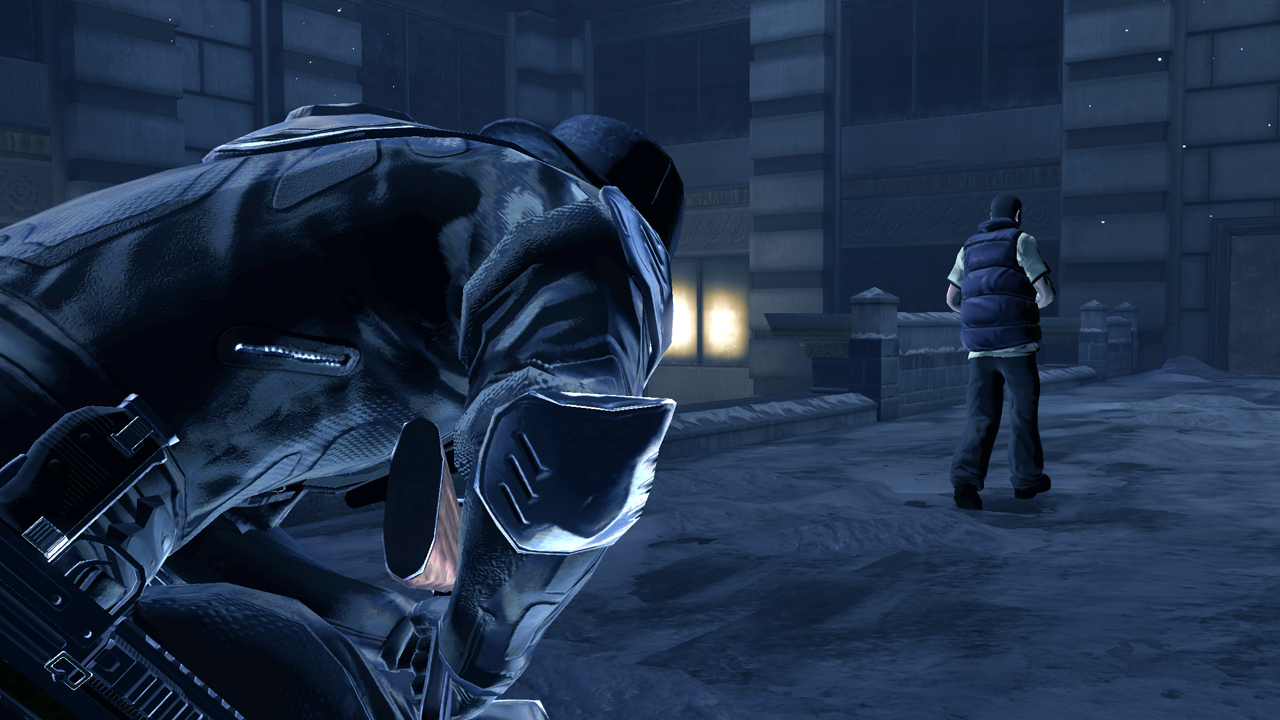
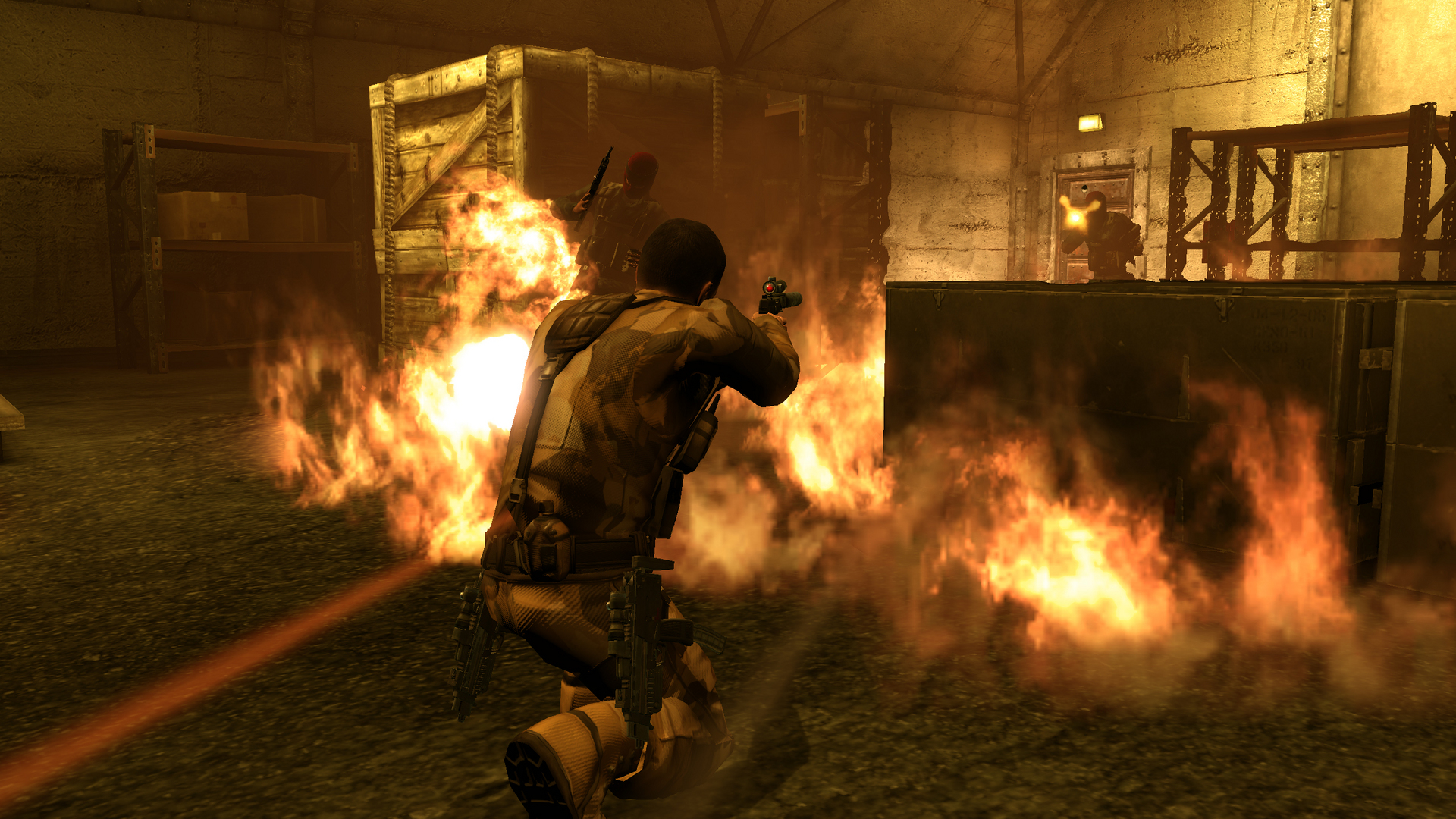
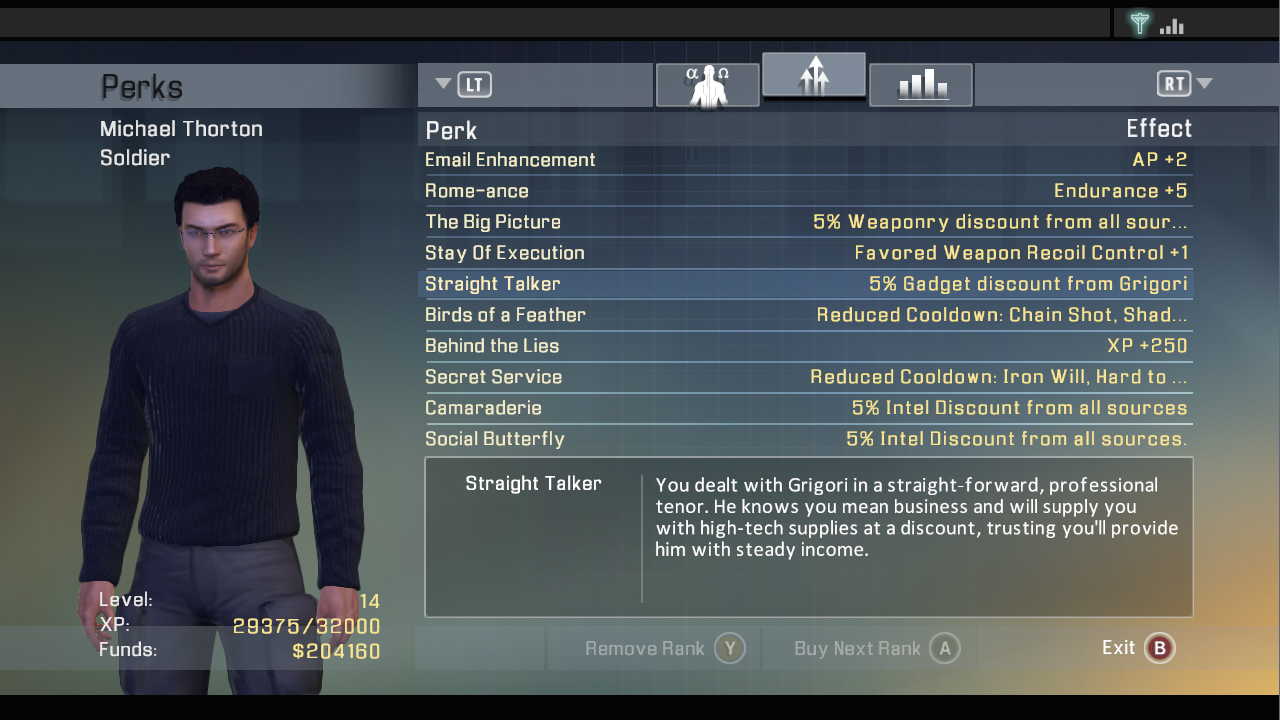
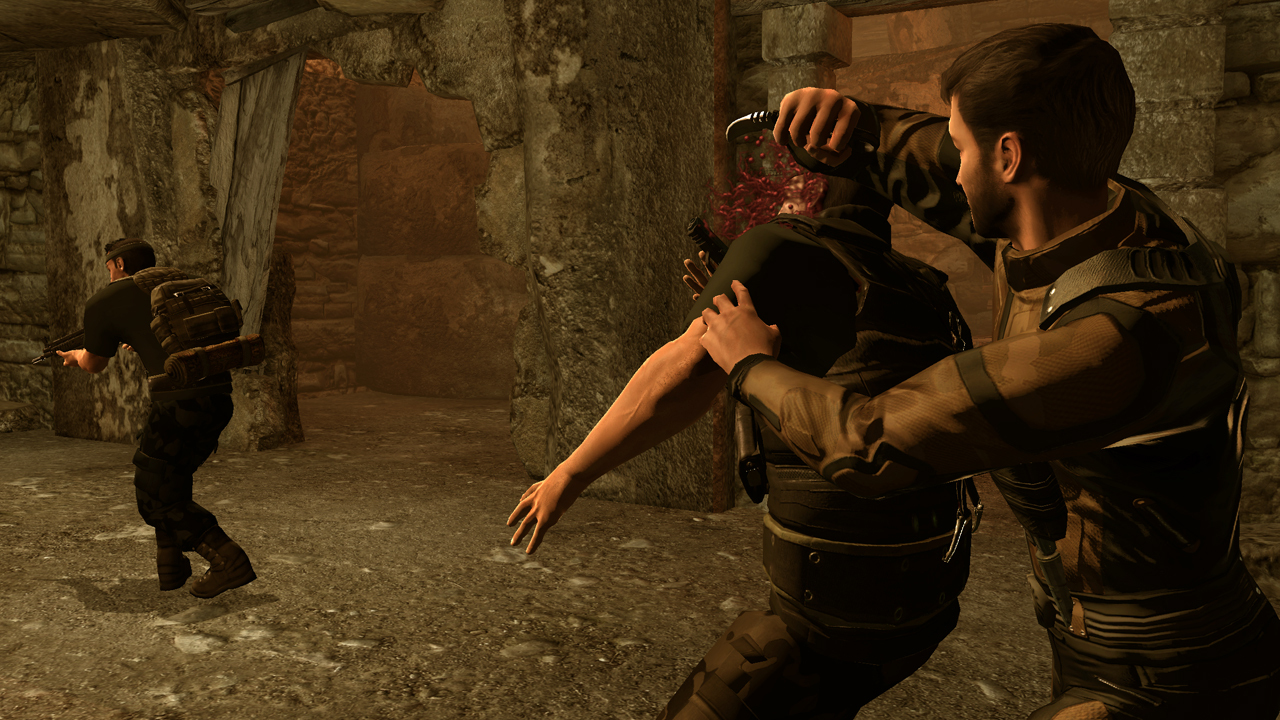
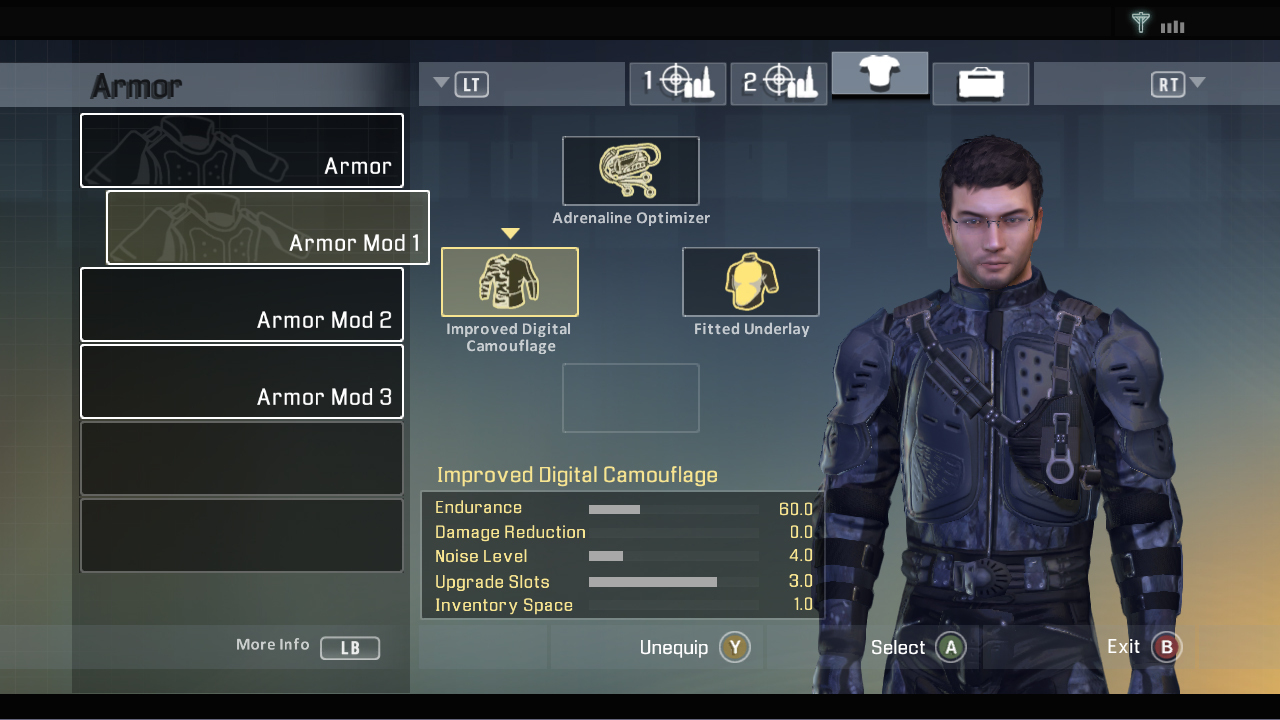
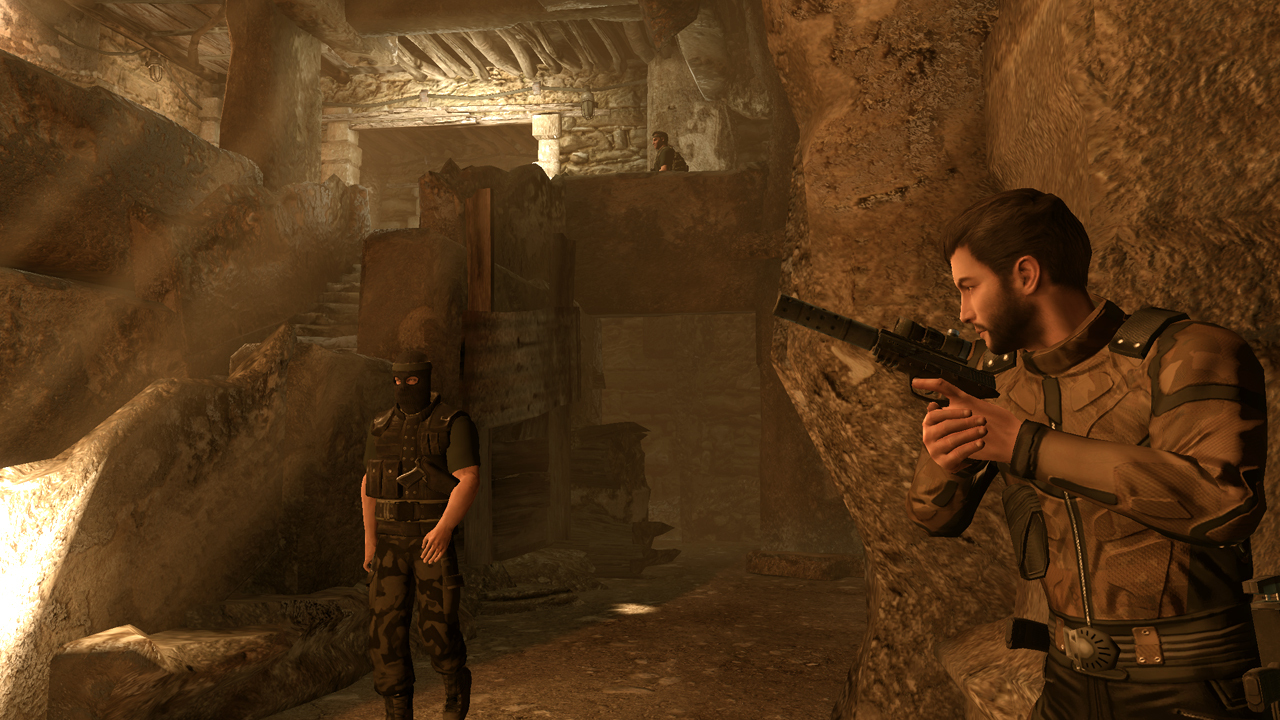
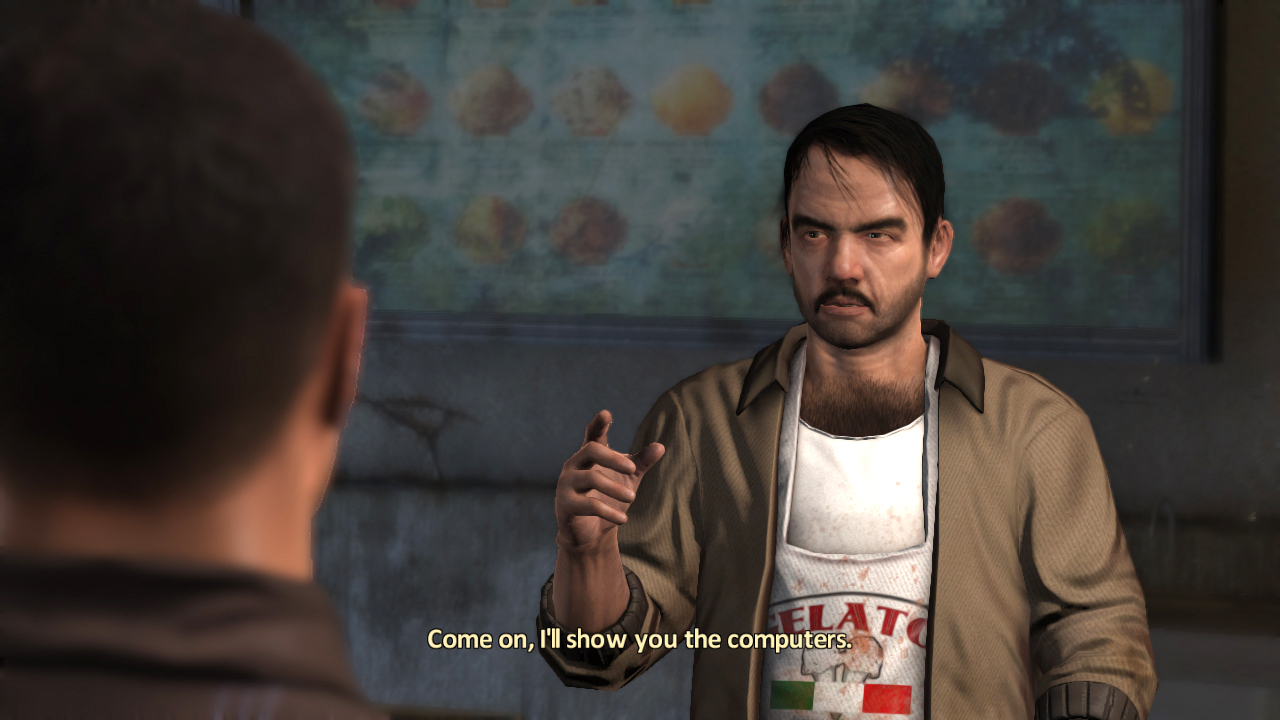
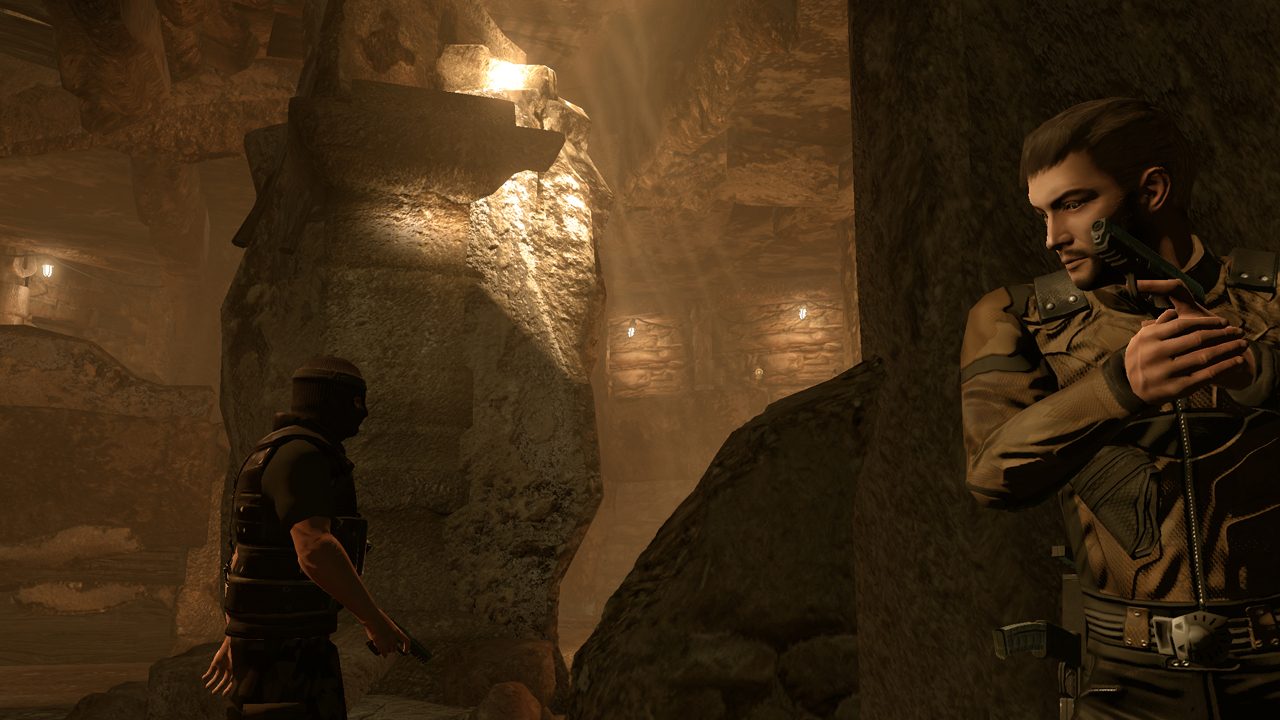
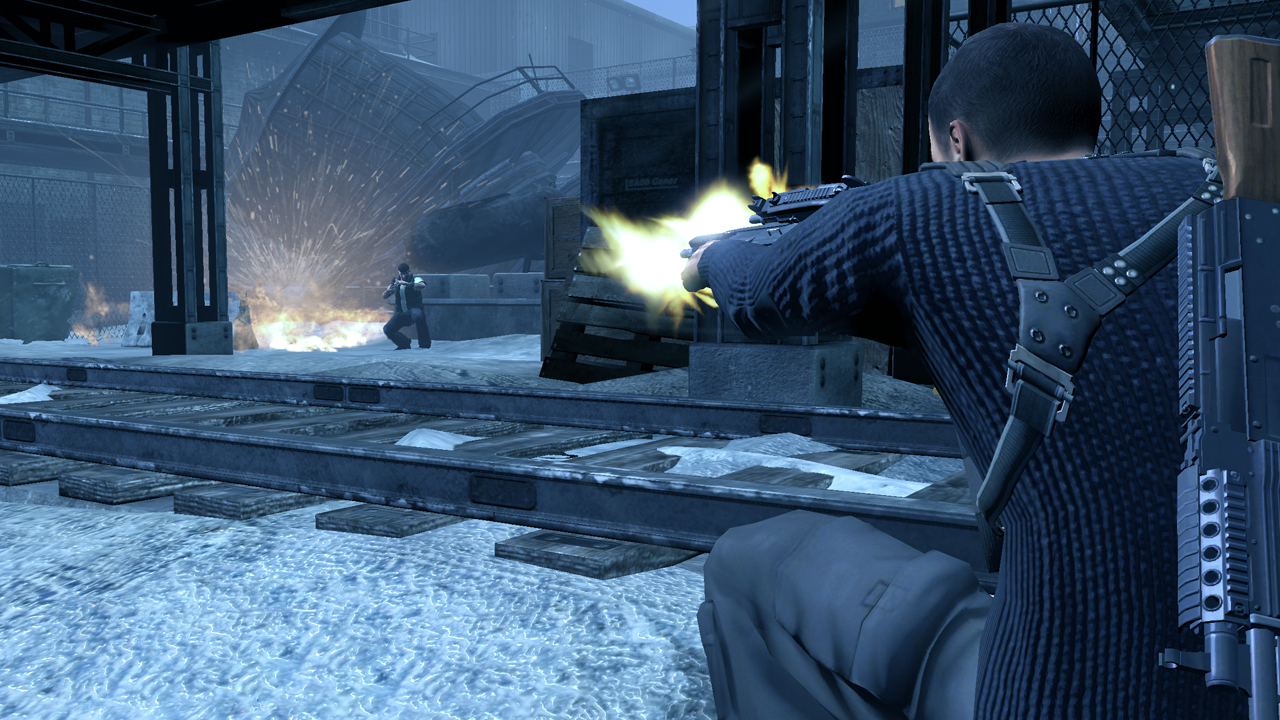
Get an in-depth look at Alpha Protocol™ through various videos and screenshots.
Load More
System requirements
These are the minimum specifications needed to play the game. For the best experience, we recommend that you verify them.
Windows
- OS: Windows 10
- Processor: 2.4+ GHZ Intel® or 2.0+ GHZ AMD™
- Memory: 2 GB RAM
- Graphics: NVIDIA® GeForce 6 series (6800GT or better,) ATI™ 1300XT series or greater (X1550, X1600 Pro and HD2400 are below minimum system requirements)
- DirectX: Version 9.0c
- Storage: 12 GB available space
- Additional Notes: Microsoft no longer supports Windows 10 or older versions
Steam Price & Best Deals
User reviews & Ratings
Explore reviews from Steam users sharing their experiences and what they love about the game.
Fun spy game where a lot of your story choices matter. The dialogue was quite fun and quirky too. Combat or stealthing was straight forward and pistols are overpowered. A lot of people complain about this being a buggy game but I didn't experience any issues except for one boss fight. Simple reload and back into the action fixed it. Wish we could get some more spy type of games now days as they're quite fun. Recommend giving it a try if you can get this game on discount.
Overall: 7/10 Story: The story is easily the best part of Alpha Protocol. While at its core it's a fairly simple, grounded, yet intriguing narrative about a rookie secret agent who must decide who to trust/what kind of operative to become after being betrayed, cut loose by the organization he serves, and left to unravel a sprawling global conspiracy, it's this game's dialogue system and the sheer variety of possibilities within it that truly make the narrative stand out. Rather than relying on obvious good-versus-evil morality choices, A.P. features a complex reputation system populated by morally gray characters whose reactions are shaped by your behavior, personality, and past decisions. Factions and individual characters respond differently depending on how you conduct yourself, remember your actions and dialogue choices, and may even form opinions of you before ever meeting you based on your reputation in previous scenarios. I was genuinely impressed/shocked that a game that originally came out in 2010 had such a deep level of narrative modularity and player agency that felt highly ambitious (in the best way possible) even by today's standards. While you're always going to be Mike Thorton, this game genuinely allows you to role-play and define YOUR version of the protagonist in ways that many modern, high-budget RPGs still struggle to replicate. Conversations feel consequential, relationships can shift dramatically based on seemingly minor decisions, and entire story outcomes can be altered through your interactions. That freedom, combined with the wealth of branching paths and character dynamics, gives A.P. an incredible amount of replay value and makes revisiting the story consistently rewarding, even if the gameplay itself can sometimes be rough around the edges. Gameplay: Speaking of the gameplay, it is, in fact, pretty rough. First things first, although I think Alpha Protocol technically feels better on KB+M, it constantly left me wrestling with UI/control issues that I really just wasn't willing to tolerate, so I switched to a controller pretty early on. Unfortunately, the problems run much deeper than awkward UI. A.P. attempts to be both a third-person shooter and a stealth game, but in my experience it fails to execute either particularly well. Despite being billed as an "espionage thriller" the stealth mechanics feel incredibly dated and frustrating, even for a 2010 game. While I personally didn't mind the hacking/alarm minigames, nearly every other aspect of sneaking around drove me crazy. Enemy awareness felt wildly inconsistent, guards could sometimes spot me or dead bodies from what felt like impossible distances, yet at other times would completely ignore suspicious activity right beside them. Bodies can't be moved after taking enemies down, and instead vanish after a few seconds, removing any strategic consequence from neutralizing guards and making stealth encounters feel artificial. Even the tranquilizer rounds are undermined by a delay before they take effect, often giving enemies enough time to fire off a few shots and alert an entire level before collapsing. The gunplay is somehow even worse. Several missions force you into extended firefights, and even though weapon accuracy does improve if you invest skill points into specific weapon categories, the core shooting mechanics remain deeply unsatisfying. A.P. uses a "Reticle Focus" system that essentially locks accuracy behind a timer, so rather than rewarding quick reactions or precise aim, this game actively punishes you for shooting too quickly, forcing you to wait for your reticle to slowly zoom in before your shots become reliable. The result is combat that feels sluggish, awkward, and completely at odds with the fast-paced spy fantasy that this game is trying to sell. The boss fights are easily the worst offenders and were my least favorite part of the entire game. Regular combat is already mediocre when you're hiding behind cover and picking off standard enemies, but the bosses take every problem with the combat and magnify it. Most of them force run-and-gun, bullet-sponge encounters regardless of whether you've spent the entire game building a character focused on stealth, gadgets, or hacking. This abrupt shift is made even worse by unpredictable AI behavior and arenas that constantly spawn waves of additional enemies, forcing you to spend more time hiding and healing than actually engaging with the bosses themselves. The contrast between the quality of the narrative and the gameplay meant to carry you from one story beat to the next is genuinely staggering. World: I really liked the world and level design for what it is. Even though most missions are fairly short and the environments are generally streamlined/linear to keep the pacing moving quickly, I never found myself getting bored with the locations. What really kept things fresh for me was the strong visual variety from one mission to the next. The level design itself isn't particularly noteworthy, but I appreciated how each mission's setting felt believable within the atmosphere of its respective hub while still offering something distinct. Whether I was in Saudi Arabia, Rome, Taipei, or Moscow, the missions consistently reflected the tone/identity of those locations without feeling repetitive. The environments rarely came across as just another collection of generic corridors, and the different backdrops helped give each operation its own identity. While this game's real strengths lie in the narrative, I found the variety and cohesion of its world design to be an underrated aspect that made progressing through the campaign much more tolerable, given the overall mediocre gameplay. Visuals: The visuals are one aspect that haven't held up nearly as well over time, at least from a technical standpoint. In terms of overall art direction/presentation, A.P. looks on par with most other seventh-generation console titles from its era, which isn't necessarily a bad thing. Character models, environments, and effects are all fairly representative of what you'd expect from a 2010 release, and I never felt that the game's graphics actively detracted from the experience. My biggest issues stem from the technical shortcomings. First, this game starts off locked to 30 FPS, and instead of providing an option to adjust or remove the cap through the in-game settings menu, you're forced to manually edit config files to unlock the frame rate. Next, my second annoyance was the lack of native ultrawide monitor support, which requires a community-made patch to fix. That said, this particular issue is much easier to forgive given that ultrawide displays were far from common back in 2010. Even with these drawbacks, the visuals remain serviceable, but they're definitely one of the areas where the game's age is most apparent. Music/Sound Design: I absolutely love the music, and I think it's the second best aspect of the entire game. The OST has such a unique and distinctive spy-thriller atmosphere that perfectly complements the game's tone, but what also impressed me was the amount of variety throughout the experience. Different countries have their own subtle musical identity within missions, which helps each operation feel memorable and distinct. The general sound design is less impressive by comparison. Explosions, gunfire, and other combat effects sound a little dated by modern standards and never stood out as notable. However, I found the voice acting to be another major bright spot. While there are certainly a few moments of early 2010s cringe scattered throughout the dialogue, the performances are generally believable and engaging. The cast does a good job bringing the characters to life, and I felt the voice acting contributed far more to the narrative, character depth, and overall immersion than it ever detracted from the experience.
Older game from the Glory Days of Obsidian Entertainment. It's a touch dated but honestly not too badly. Amazingly fun story. If you ever wanted to be a spy or just like the genre - this is a classic. Still fun and good in 2026. This is one of those games that EVERYONE should play at least once...
Similar games
View all
Of Orcs And Men
You have been appointed to fulfill an extremely dangerous mission, deep in enemy territory: to kill one man... the Emperor himself. Lead the revolution of the Orcs and Goblins!
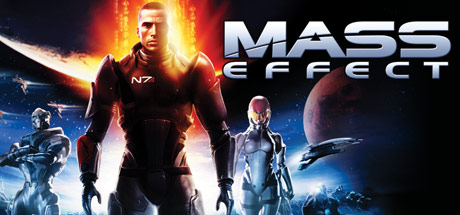
Mass Effect (2007)
As Commander Shepard, you lead an elite squad on a heroic, action-packed adventure throughout the galaxy.
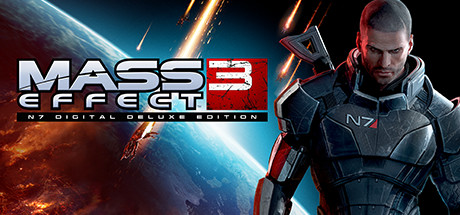
Mass Effect 3 N7 Digital Deluxe Edition (2012)
Earth is burning. The Reapers have taken over and other civilizations are falling like dominoes. Lead the final fight to save humanity and take back Earth from these terrifying machines, Commander Shepard.
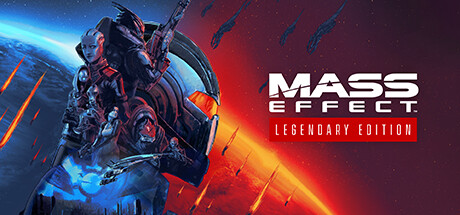
Mass Effect Legendary Edition
The Mass Effect™ Legendary Edition includes single-player base content and over 40 DLC from the highly acclaimed Mass Effect, Mass Effect 2, and Mass Effect 3 games, including promo weapons, armors, and packs — remastered and optimized for 4K Ultra HD.
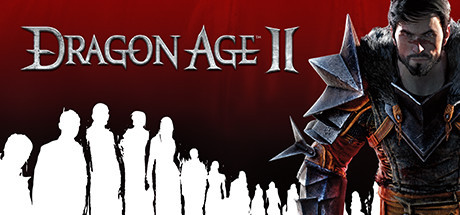
Dragon Age II: Ultimate Edition
You are Hawke, a refugee seeking to escape the darkspawn-plagued land of Ferelden and become Champion of Kirkwall. Rise to power and fight epic battles while making decisions that determine the course of civilization.
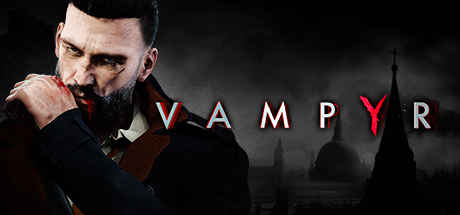
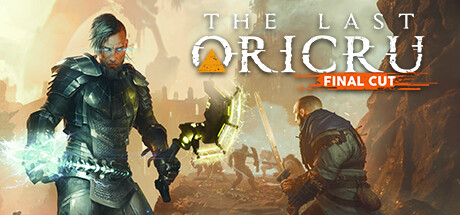
The Last Oricru - Final Cut
Enter a world beyond imagination with The Last Oricru - Final Cut. An action RPG, The Last Oricru - Final Cut unravels in a fantasy world blending sci-fi and medieval elements to deliver an experience like no other. Seize your destiny and take your place in this adventure for single or co-op play.

Stories: The Path of Destinies
Stories: The Path of Destinies is an Action RPG, an enchanted storybook filled with madcap fantasy tales, each told by a zippy narrator attuned to the player’s choices and actions.
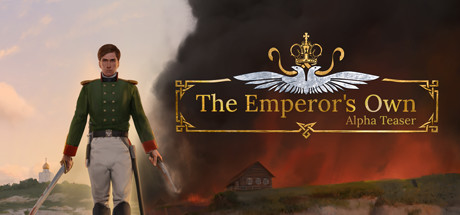
The Emperor's Own: Alpha Teaser
The Emperor’s Own is a story-driven adventure game with RPG elements, set in an alternate universe, inspired by the Russian Empire at the dawn of the 19th century. It features multi-dimensional characters, difficult moral dilemmas, and a mature, branching narrative.
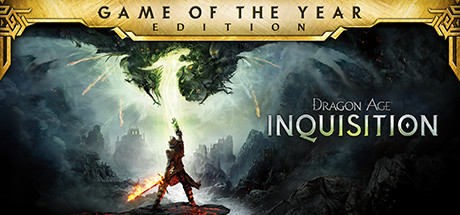
Dragon Age Inquisition
Winner of over 130 Game of the Year awards, discover the definitive Dragon Age: Inquisition experience. The Game of the Year Edition includes the critically acclaimed game, all three official add-ons - Jaws of Hakkon, The Descent, and Trespasser - and more.
Fable - The Lost Chapters
Each person you aid, each flower you crush, and each creature you slay will change this world forever. Fable: Who will you be?
Frequently Asked Questions
Alpha Protocol™ is currently priced at 19.99€ on Steam.
No, Alpha Protocol™ is currently not on sale. You can purchase it for 19.99€ on Steam.
Yes, Alpha Protocol™ received 3,988 positive votes out of a total of 4,911 achieving a rating of 7.88.
😊
Alpha Protocol™ was developed by Obsidian Entertainment and published by SEGA.
Yes, Alpha Protocol™ is playable and fully supported on Windows.
No, Alpha Protocol™ is not playable on MacOS.
No, Alpha Protocol™ is not playable on Linux.
This information about Alpha Protocol™ is not available yet.
This information about Alpha Protocol™ is not available yet.
No, Alpha Protocol™ does not support VR.
Alpha Protocol™ is a single-player game.
No, Alpha Protocol™ does not currently offer any DLC.
No, Alpha Protocol™ does not support mods via Steam Workshop.
No, Alpha Protocol™ does not support Steam Remote Play.
Yes, Alpha Protocol™ is enabled for Steam Family Sharing. This means you can share the game with authorized users from your Steam Library, allowing them to play it on their own accounts. For more details on how the feature works, you can read the original Steam Family Sharing announcement or visit the Steam Family Sharing user guide and FAQ page.
You can find solutions or submit a support ticket by visiting the Steam Support page for Alpha Protocol™.
Data sources
The information presented on this page is sourced from reliable APIs to ensure accuracy and relevance. We utilize the Steam API to gather data on game details, including titles, descriptions, prices, and user reviews. This allows us to provide you with the most up-to-date information directly from the Steam platform.
Additionally, we incorporate data from the SteamSpy API, which offers insights into game sales and player statistics. This helps us present a comprehensive view of each game's popularity and performance within the gaming community.
Last Updates| Steam data | 25 August 2026 05:04 UTC |
|---|---|
| SteamSpy data | 05 September 2026 02:31 UTC |
| Steam price | 13 September 2026 18:43 UTC |
| Steam reviews | 11 September 2026 13:45 UTC |
If you'd like to dive deeper into the details about Alpha Protocol™, we invite you to check out a few dedicated websites that offer extensive information and insights. These platforms provide valuable data, analysis, and user-generated reports to enhance your understanding of the game and its performance.
- SteamDB - A comprehensive database of everything on Steam about Alpha Protocol™
- SteamCharts - Analysis of Alpha Protocol™ concurrent players on Steam
- ProtonDB - Crowdsourced reports on Linux and Steam Deck Alpha Protocol™ compatibility

 19.99€
Visit Store
19.99€
Visit Store
 🔥 Deal
-37%
19.99€
12.73€
Buy Now
🔥 Deal
-37%
19.99€
12.73€
Buy Now
 -21%
19.99€
15.94€
Visit Store
-21%
19.99€
15.94€
Visit Store
 -15%
19.99€
17.07€
Visit Store
-15%
19.99€
17.07€
Visit Store
 -12%
19.99€
17.70€
Visit Store
-12%
19.99€
17.70€
Visit Store
Game modes
Features
Online players
12
Developer
Obsidian Entertainment
Publisher
SEGA
Release
27 May 2010
Platforms
Clicking and buying through these links helps us earn a commission to maintain our services.