Victory At Sea
Engage in epic RTS warfare across 3 huge campaigns as well as other battle modes. Create your own fleet of ships, pick your side and enter into World War II naval combat on a global scale.
Sync your Steam wishlist to find the lowest game prices instantly. No login required, just paste your Steam profile URL!
⚡ Try Wishlist Radar!
Sync your Steam wishlist to find the lowest game prices instantly. No login required!
⚡ Try Wishlist Radar!
Close

Battlestations: Midway on Steam
Quick menu
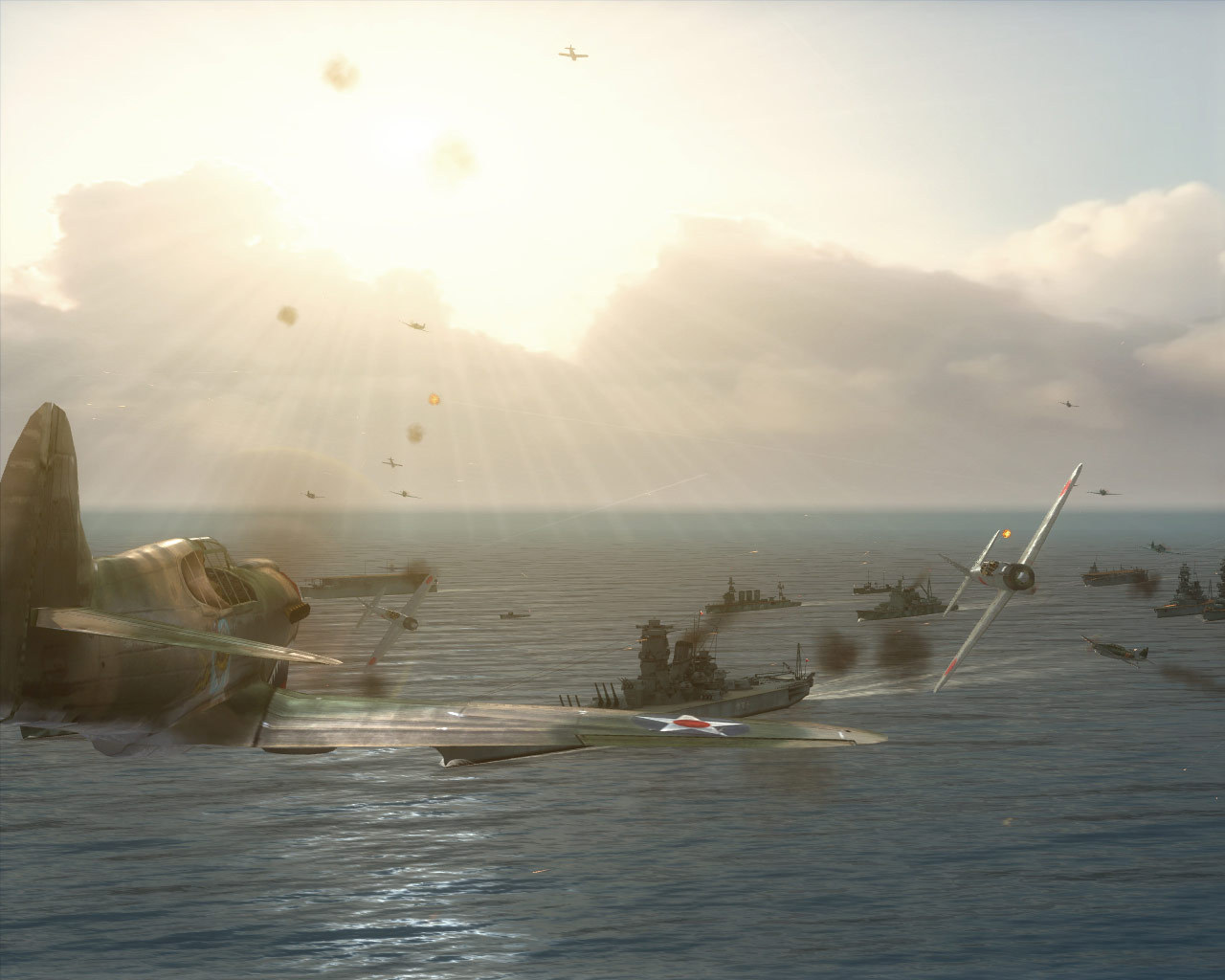
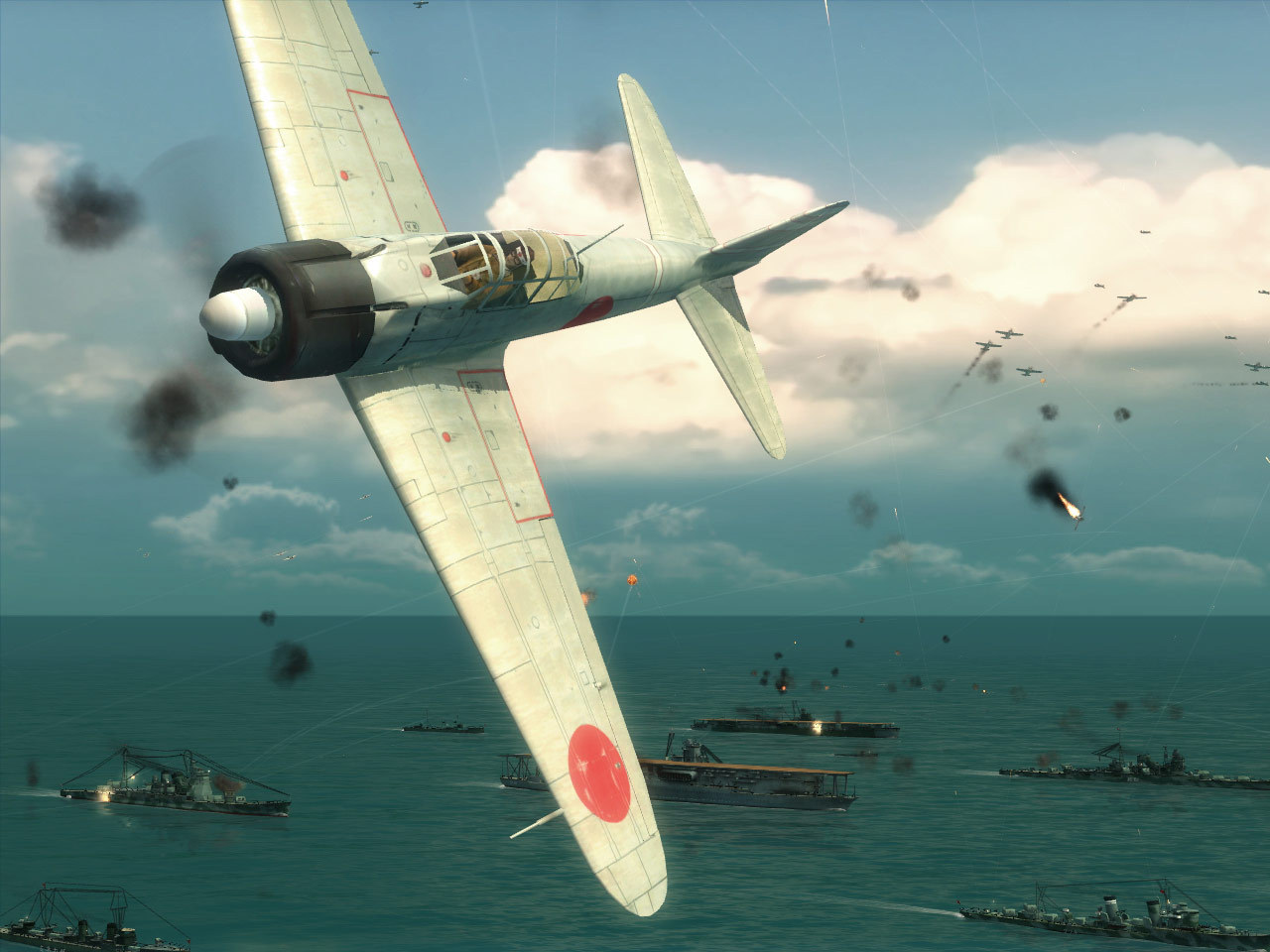
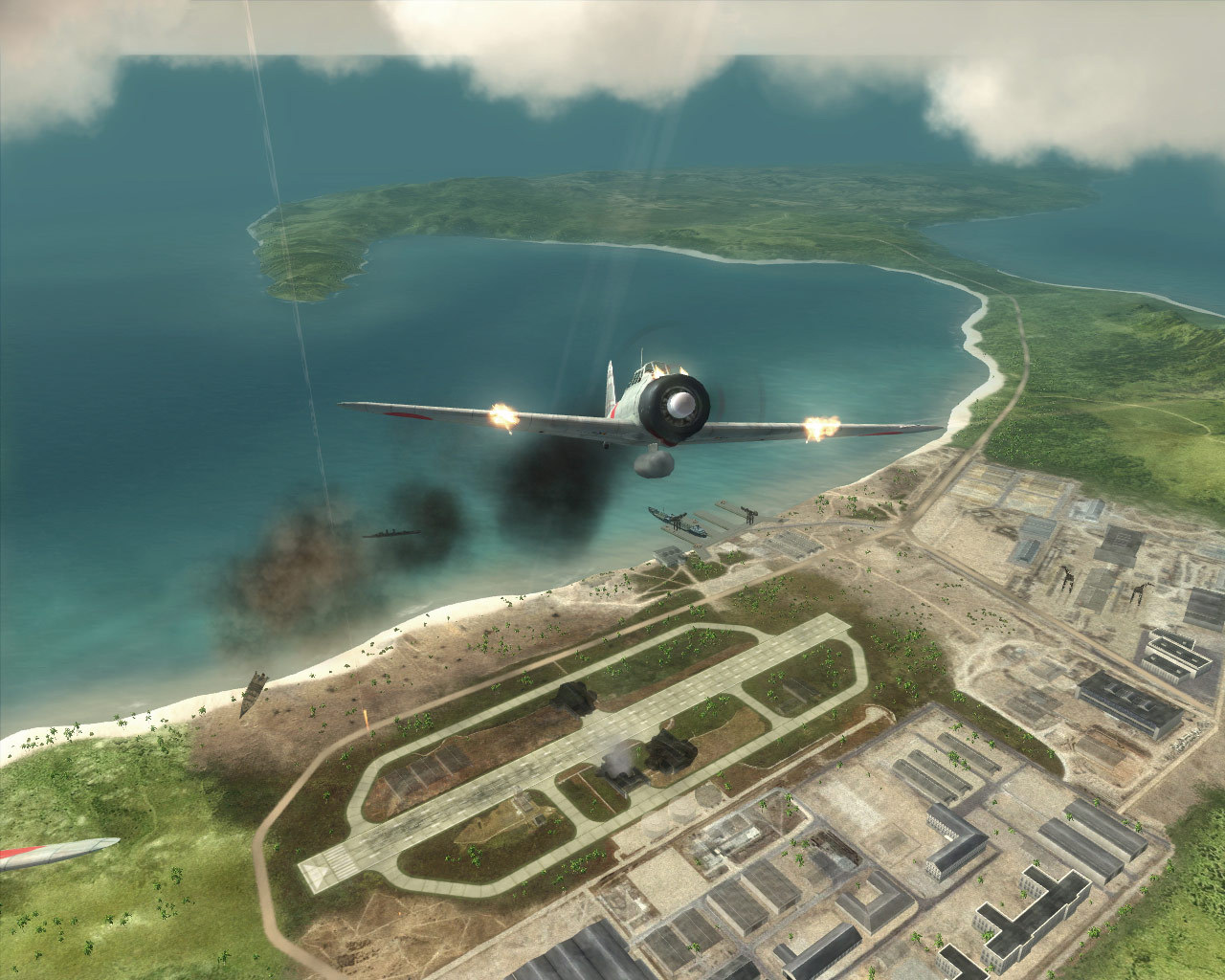
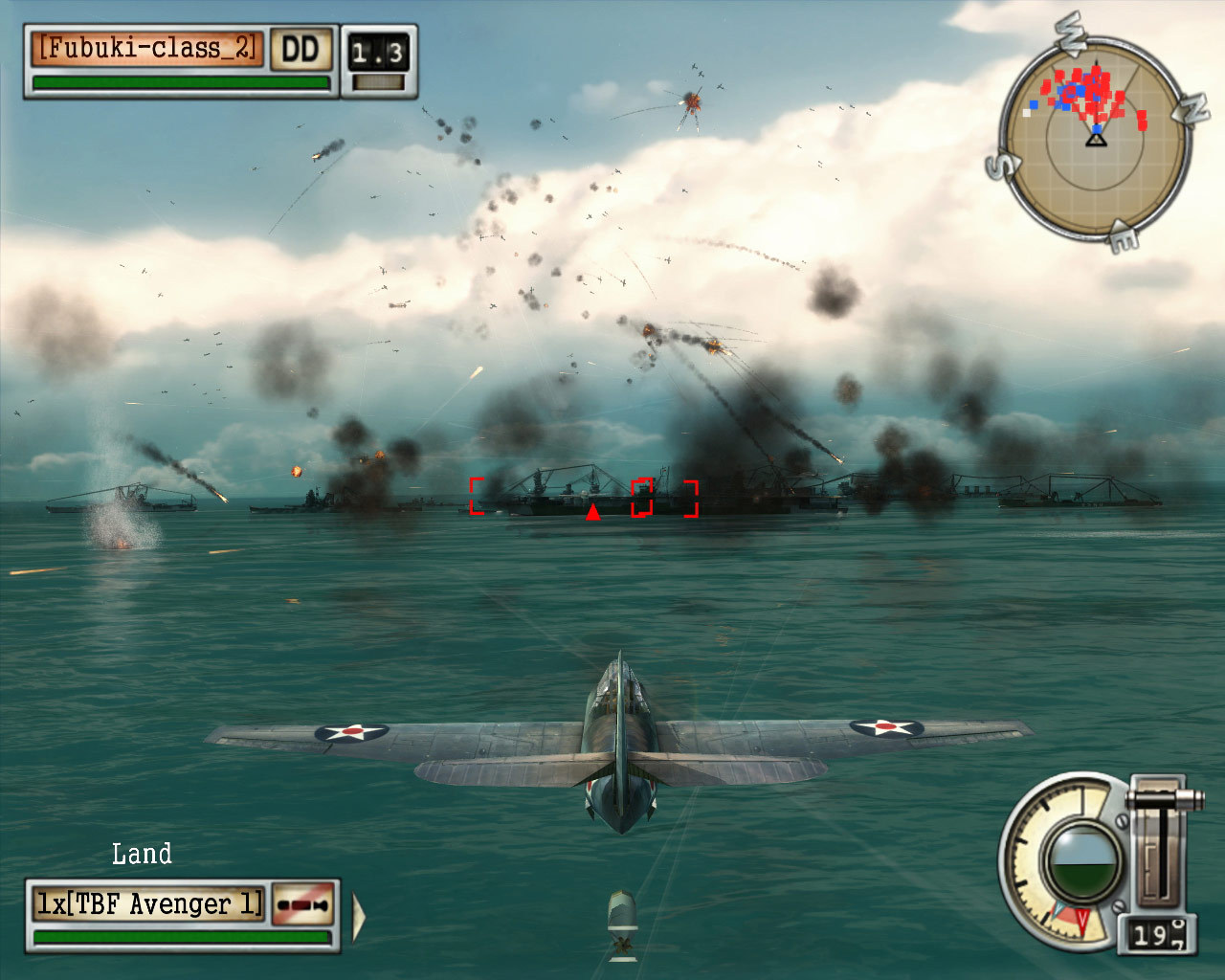
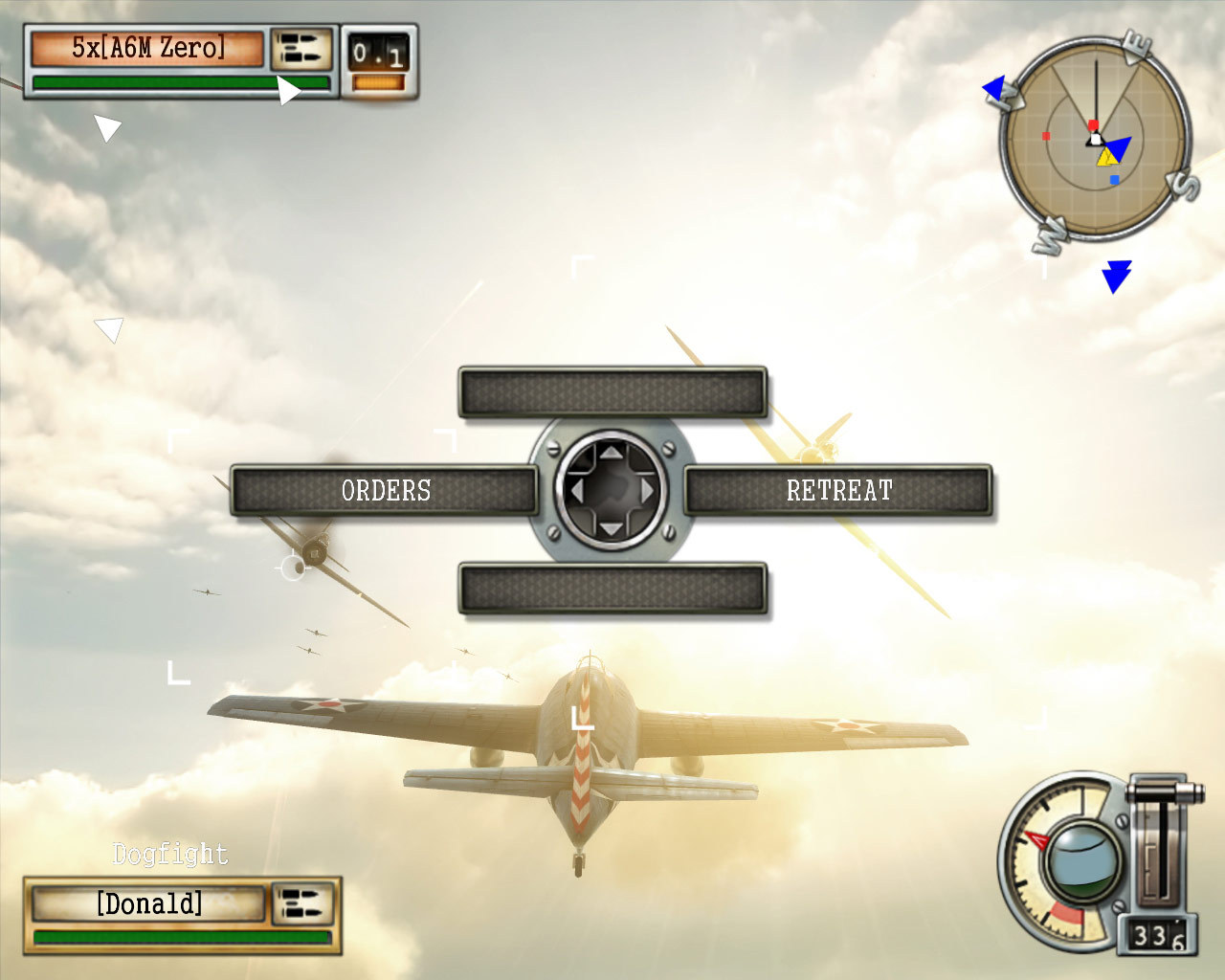
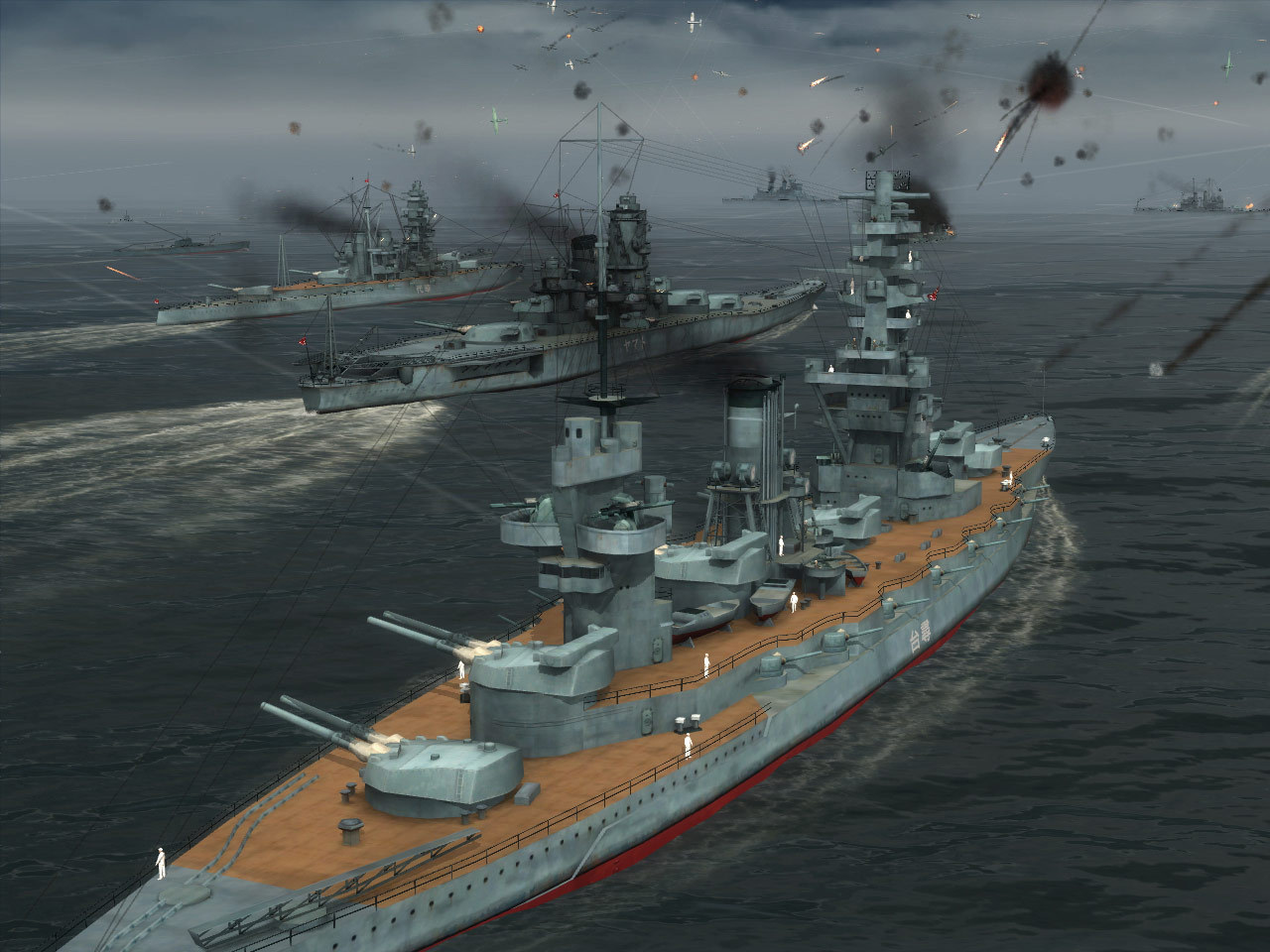
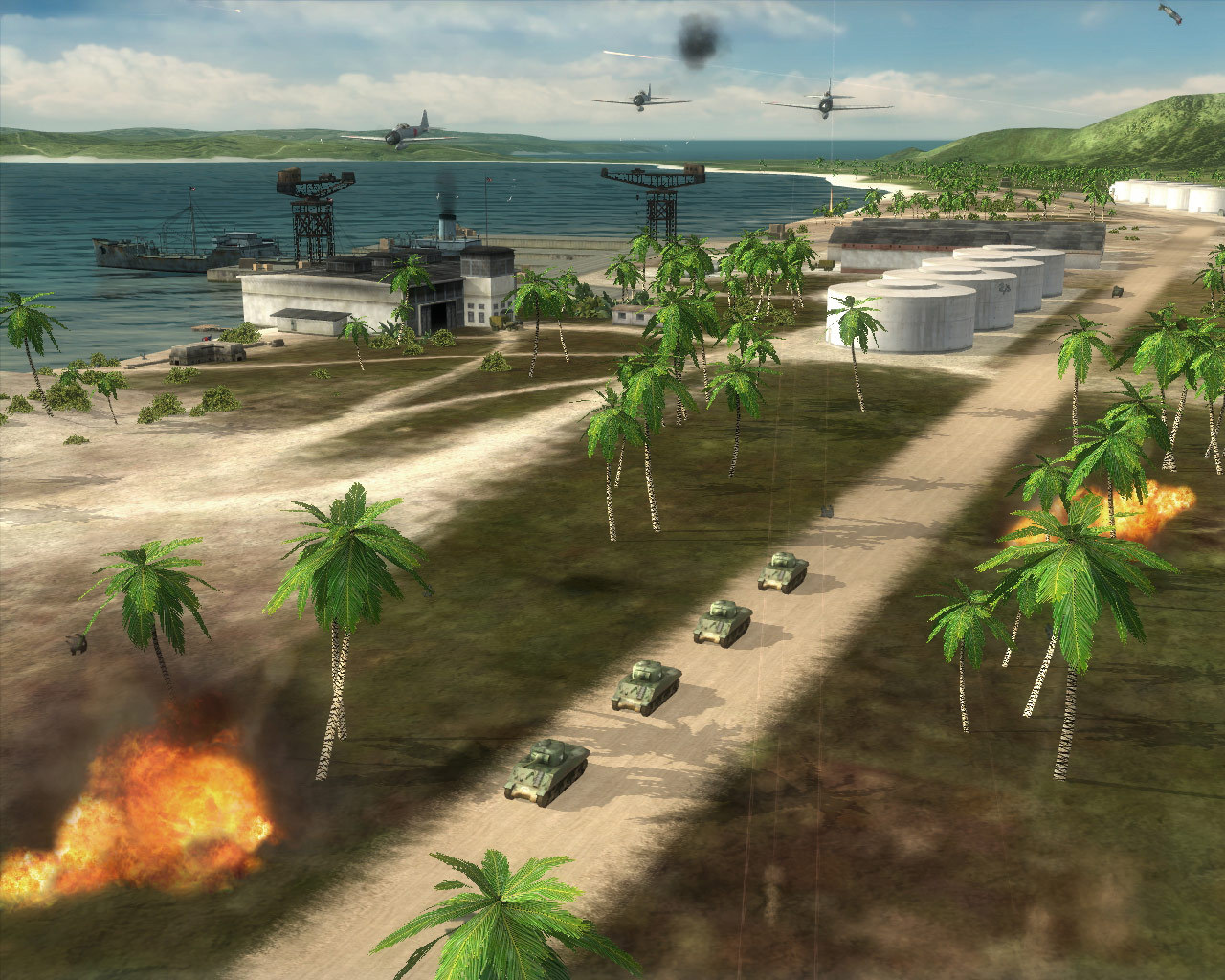
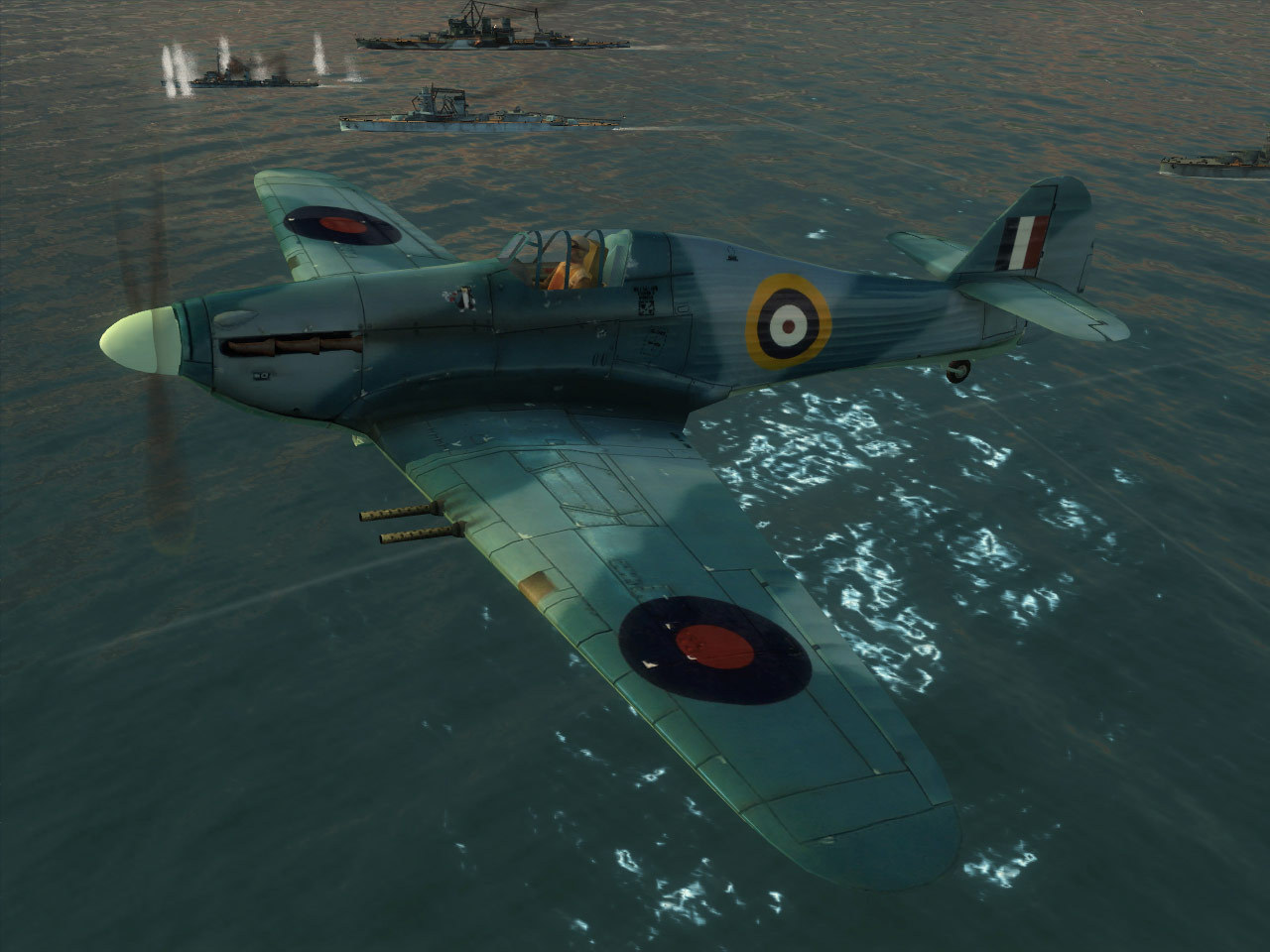
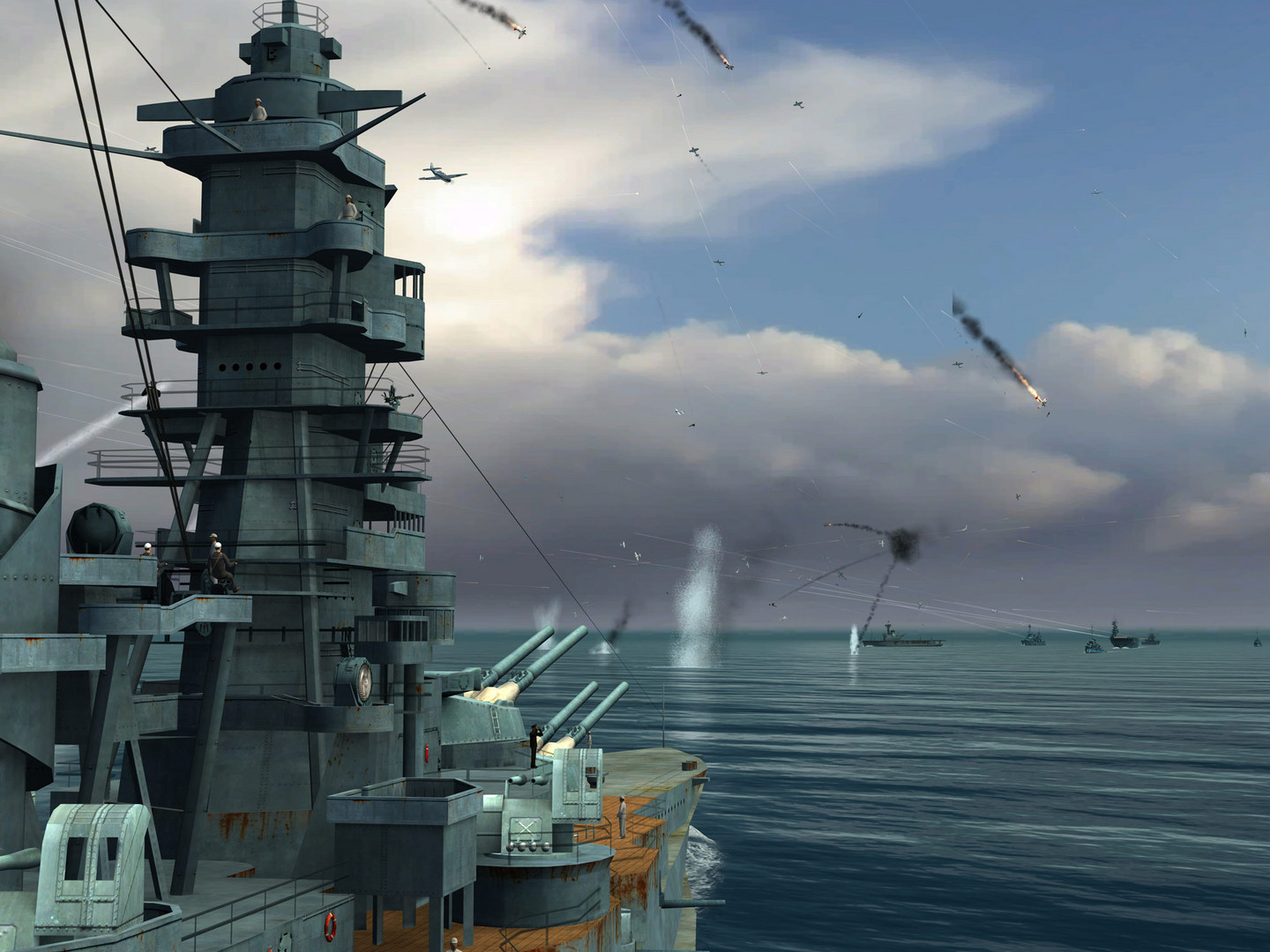
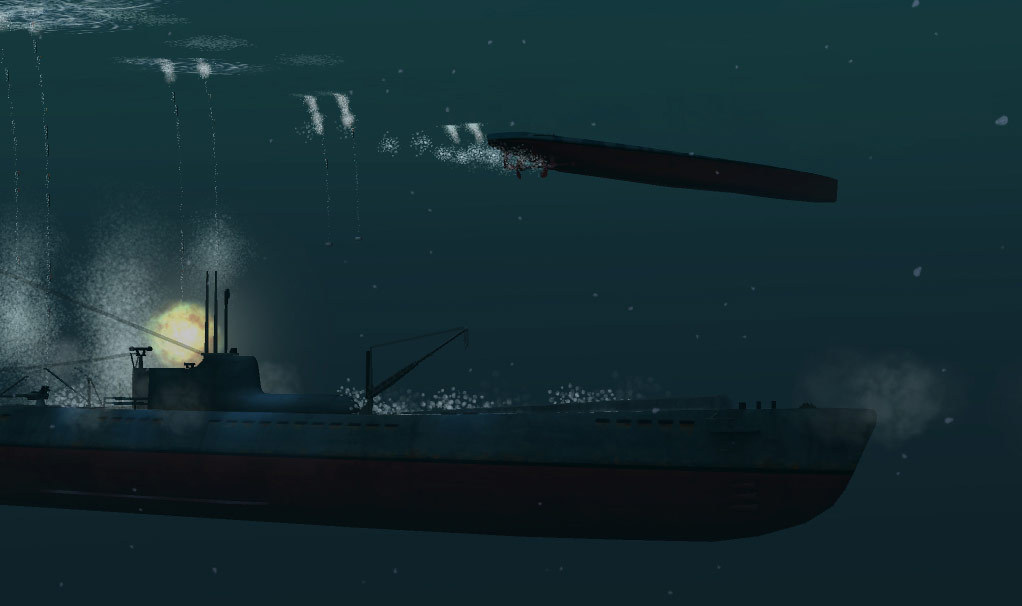
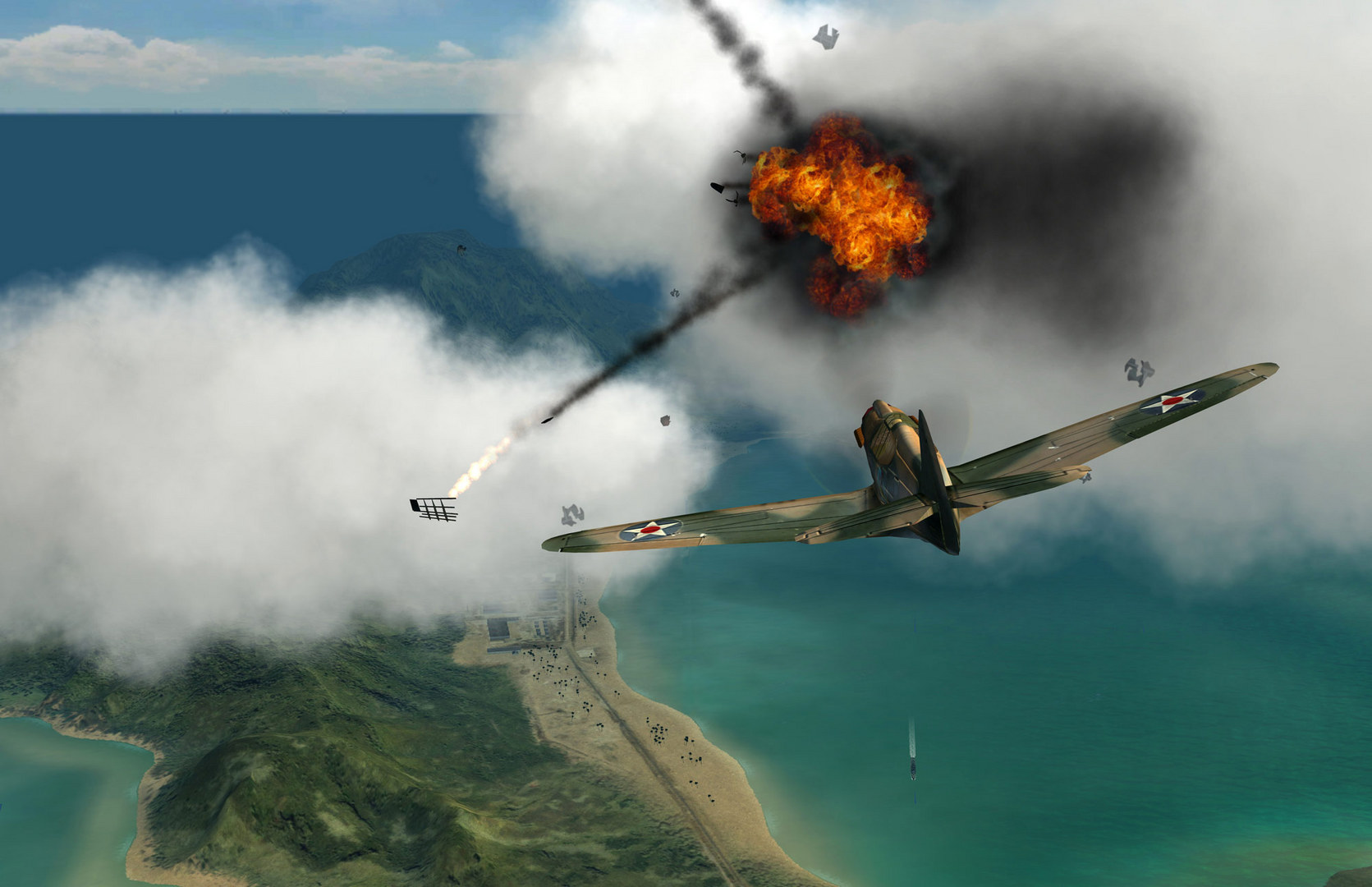
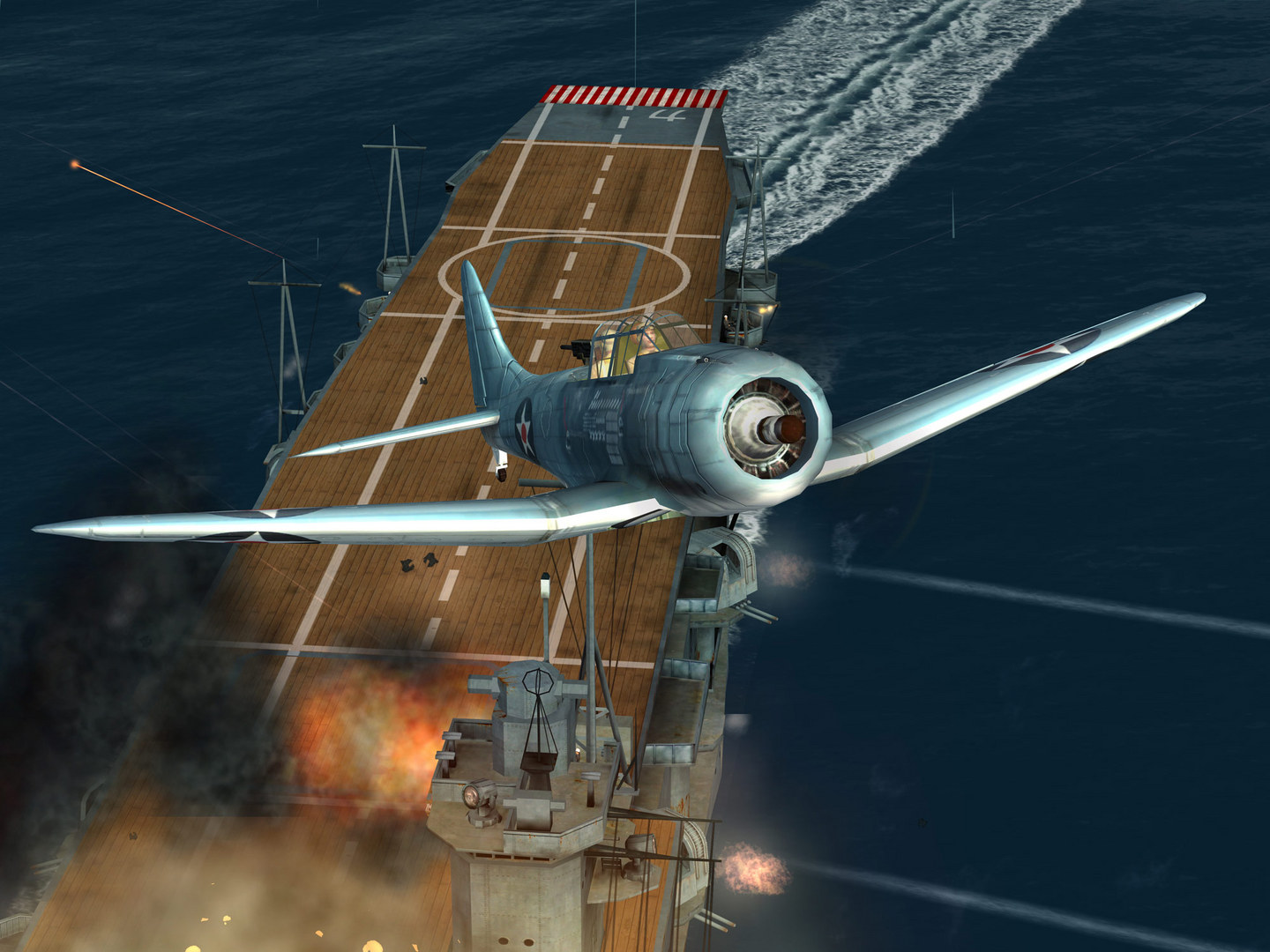
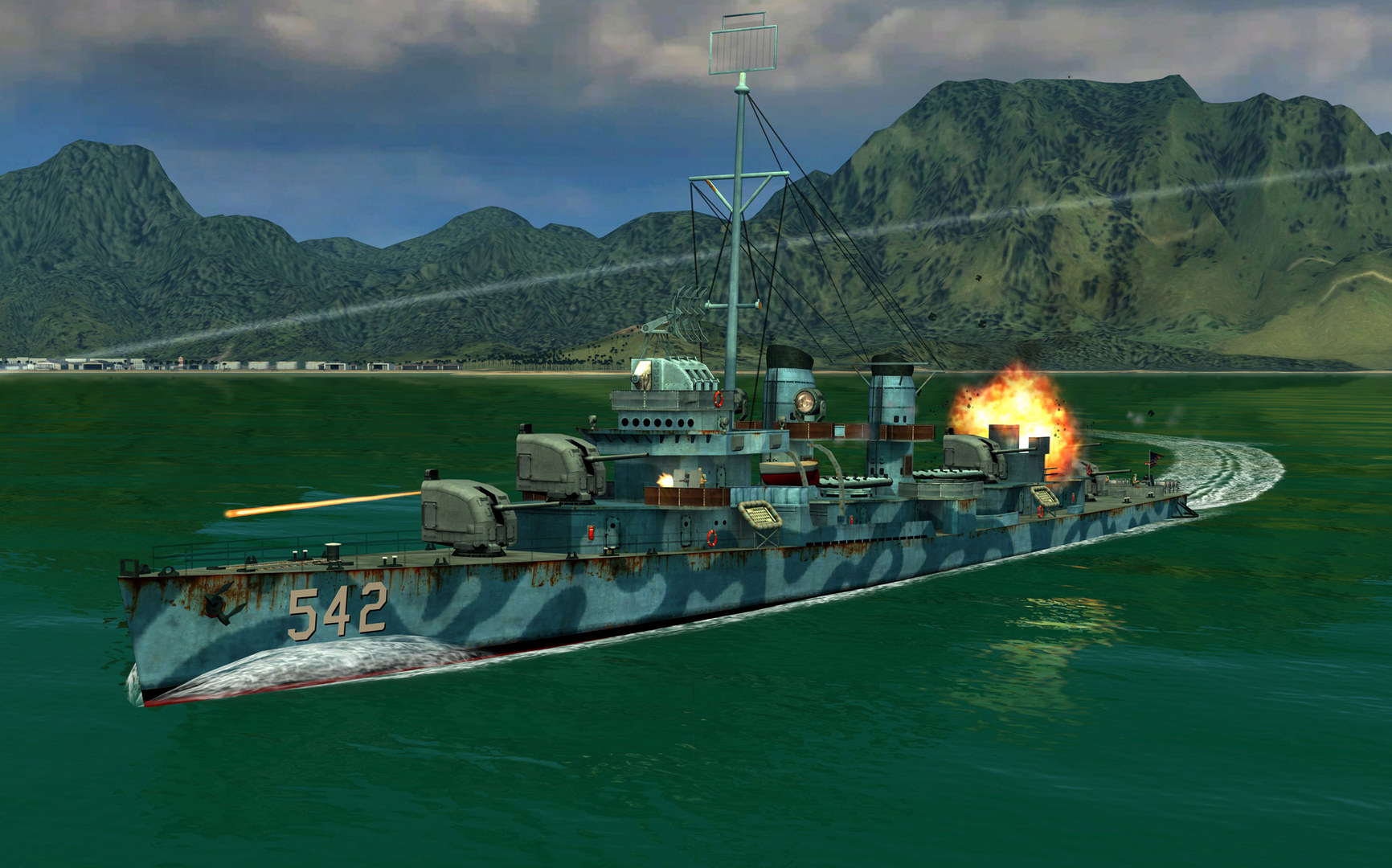
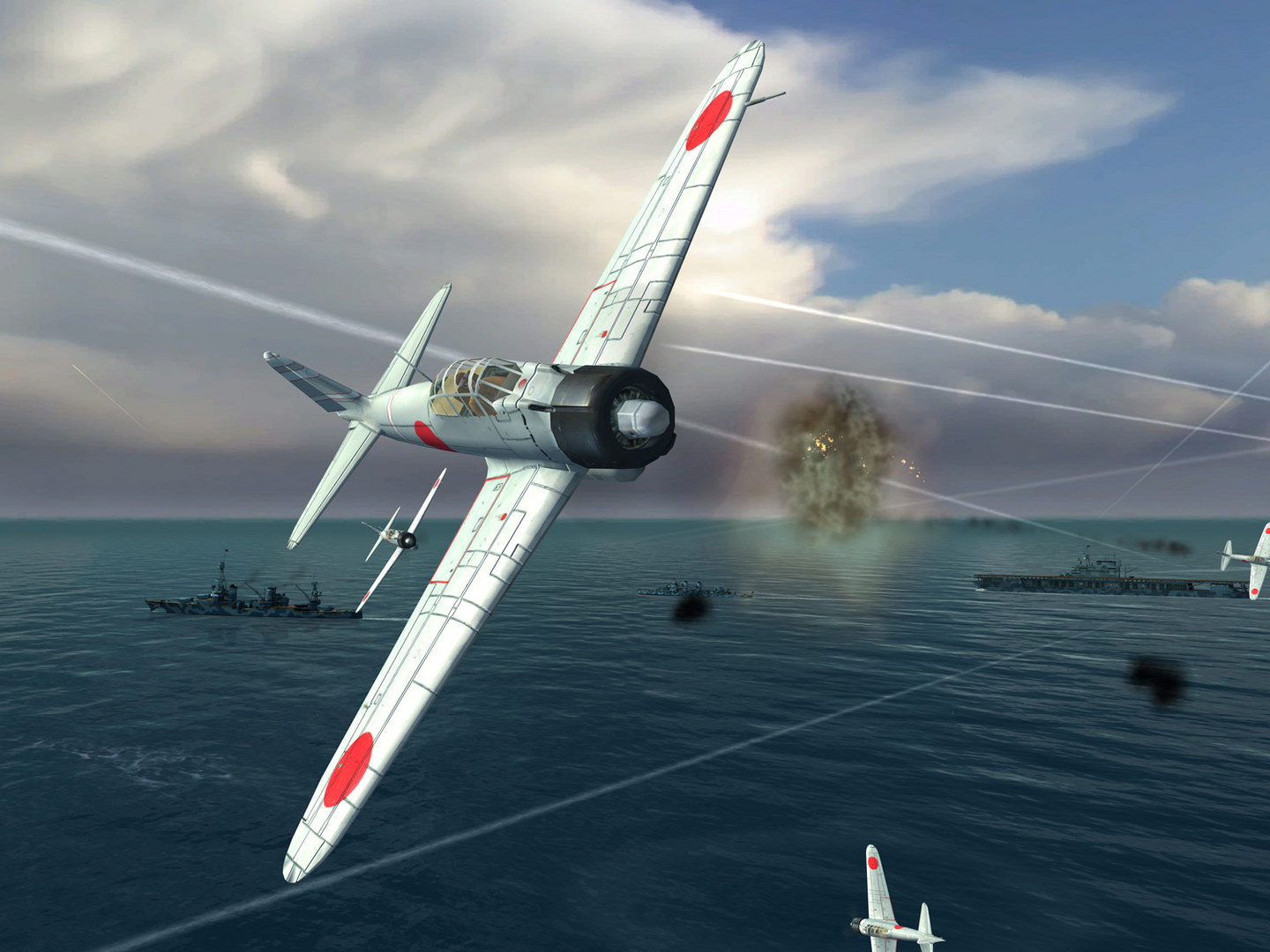
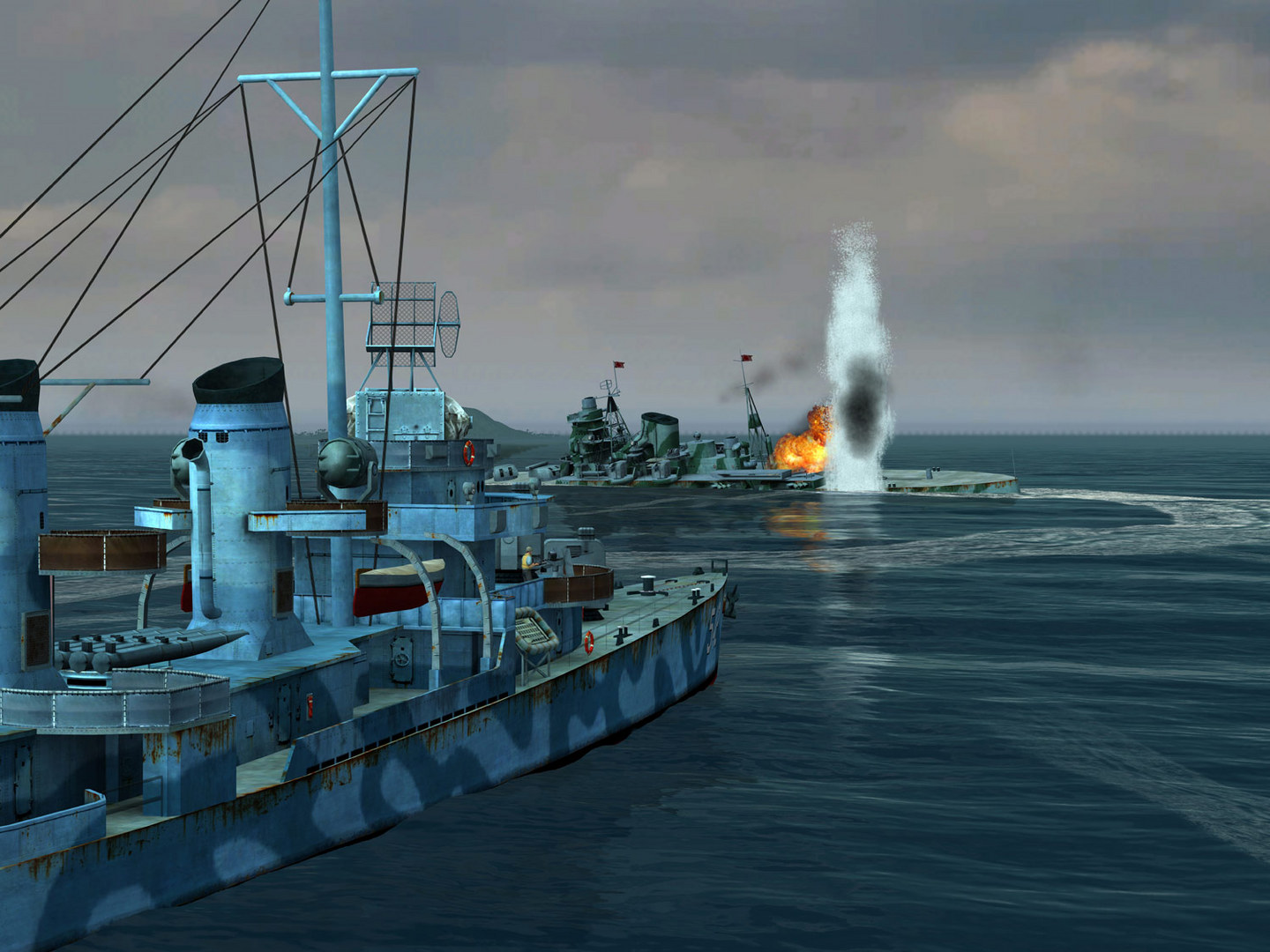
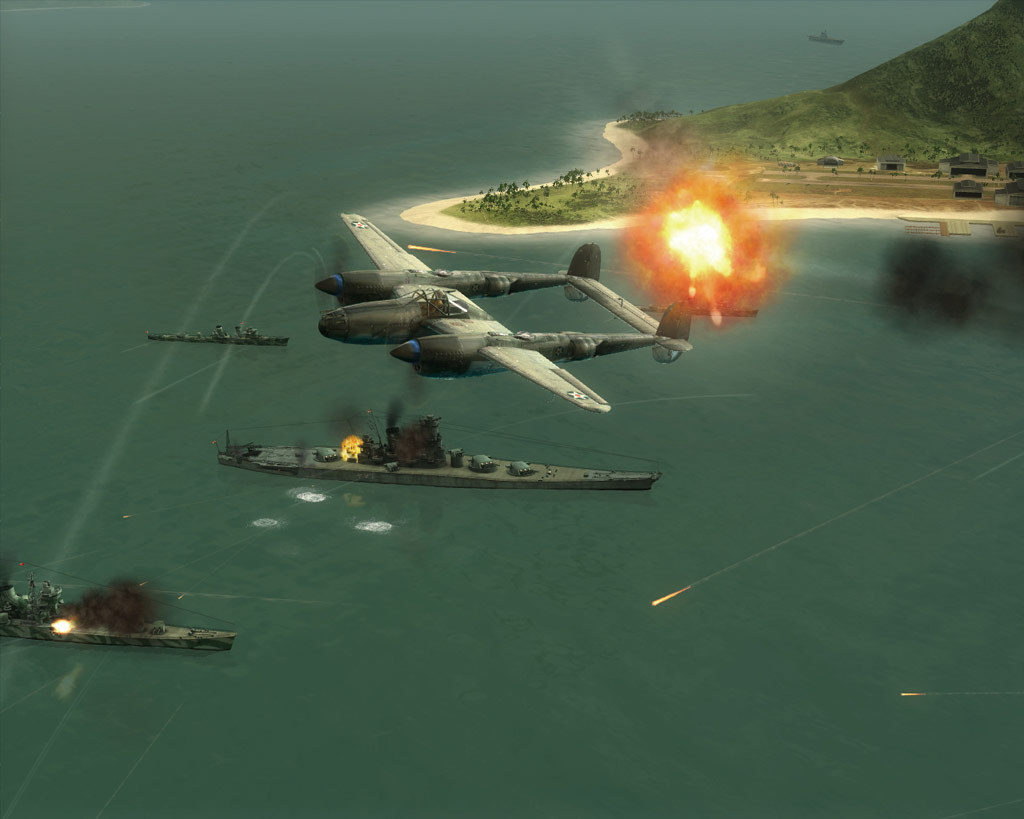
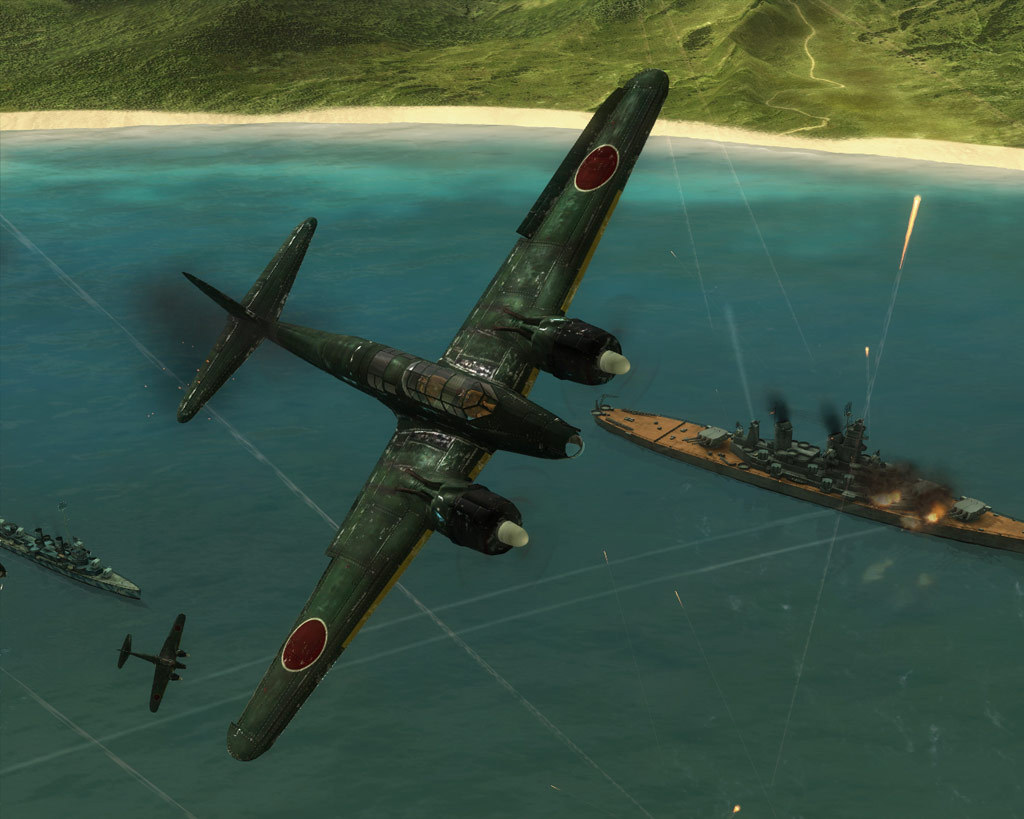
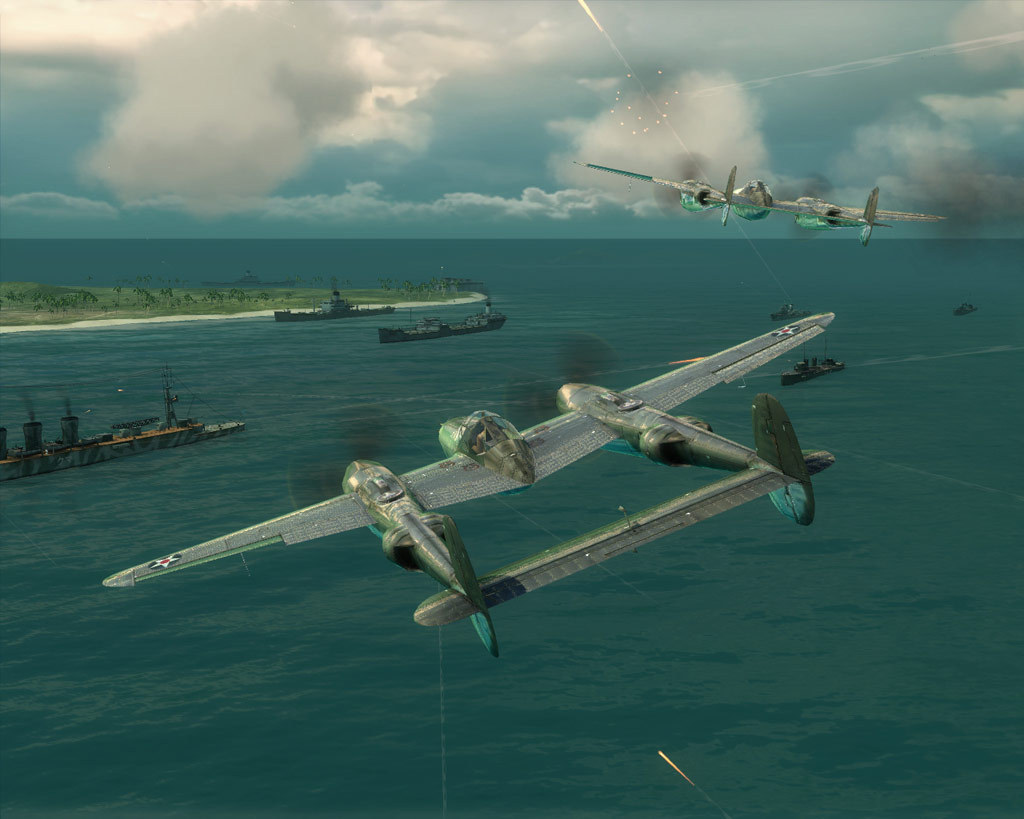
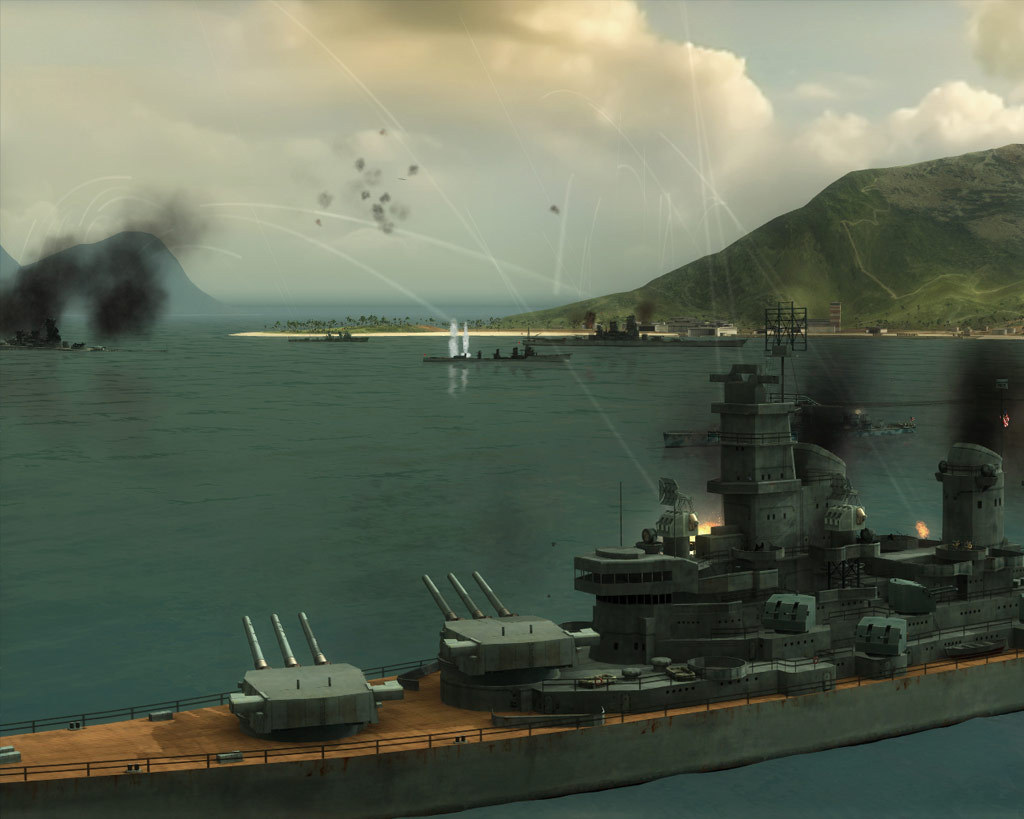
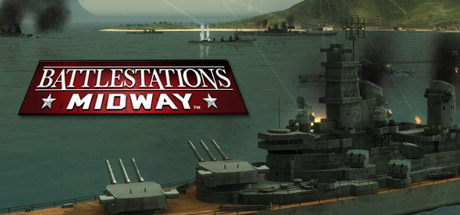
Battlestations: Midway is an immense action game that drops players into massive air, sea, and undersea battles from Pearl Harbor to the Battle of Midway.
Battlestations: Midway is a action, world war ii and naval combat game
developed by Eidos Interactive
and published by Square Enix.
Released on March 15th 2007 is available only on Windows.
It has received 914 reviews of which 712 were positive and 202 were negative resulting in a rating of 7.4 out of 10. 😊
The game is currently priced at 6.99€ on Steam, but you can find it for 1.10€ on K4G.
The Steam community has classified Battlestations: Midway into these genres:
Media & Screenshots
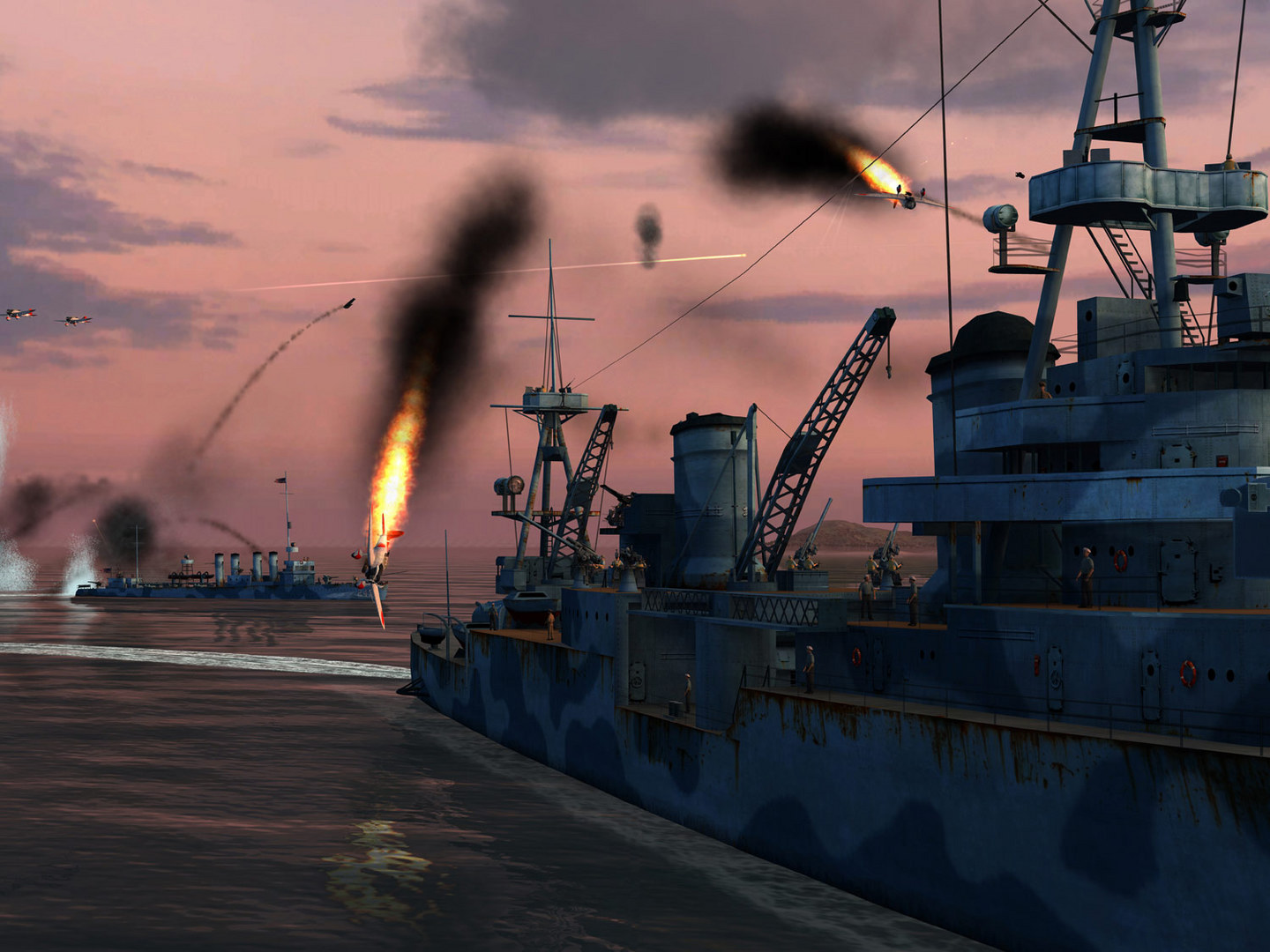
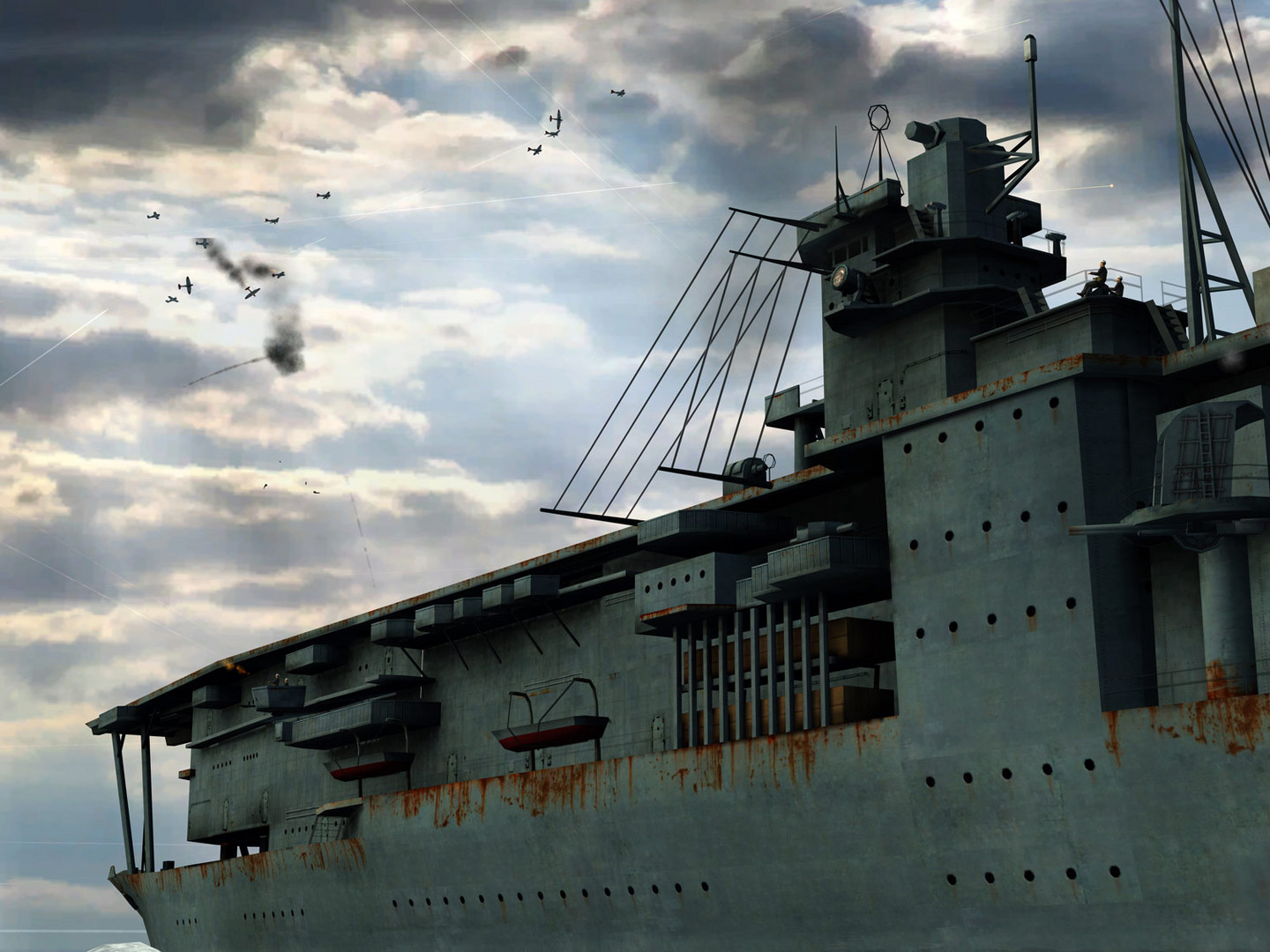
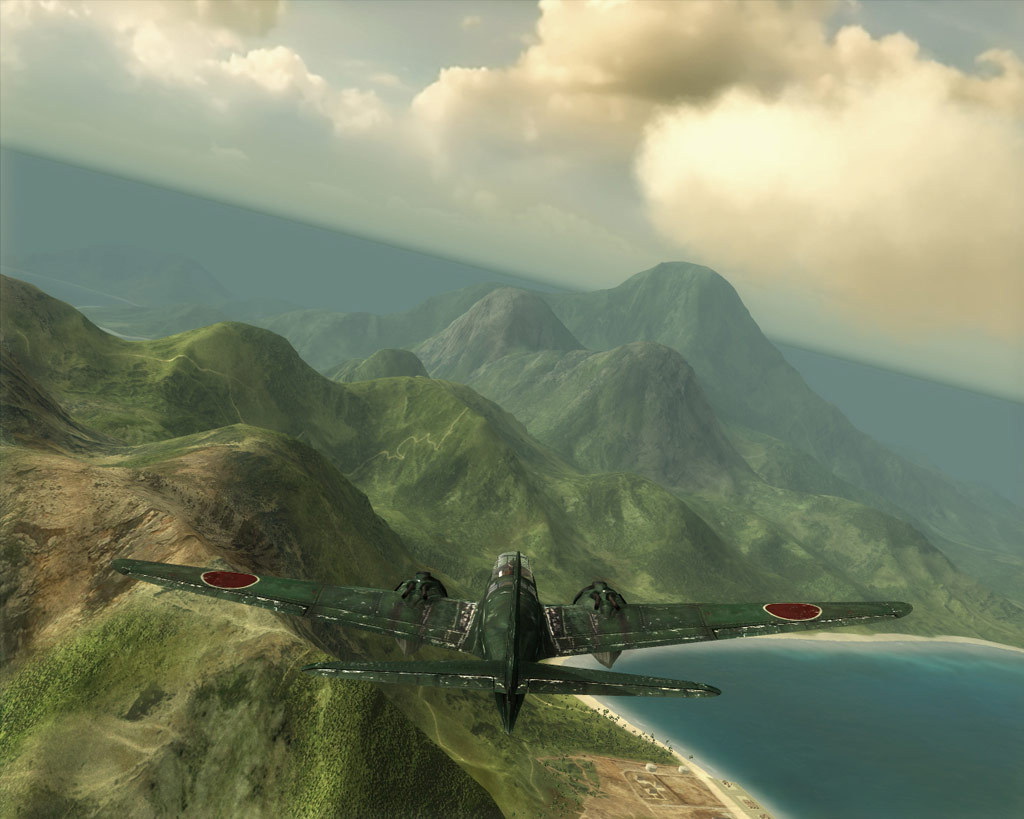
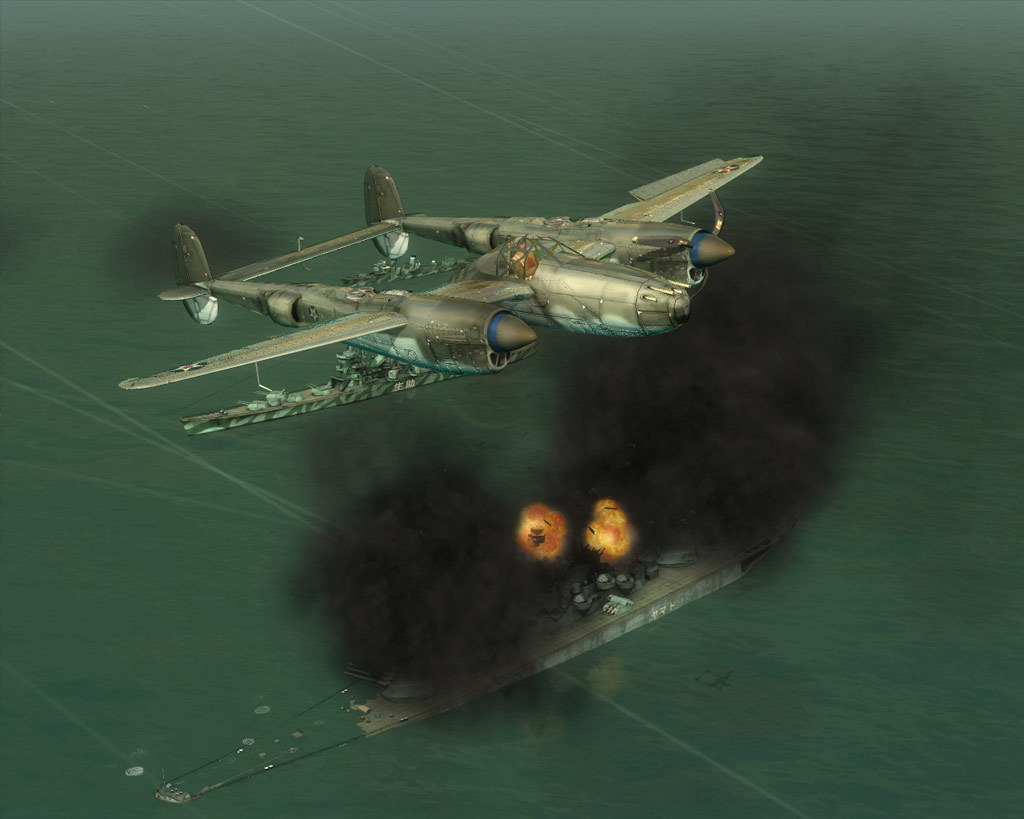
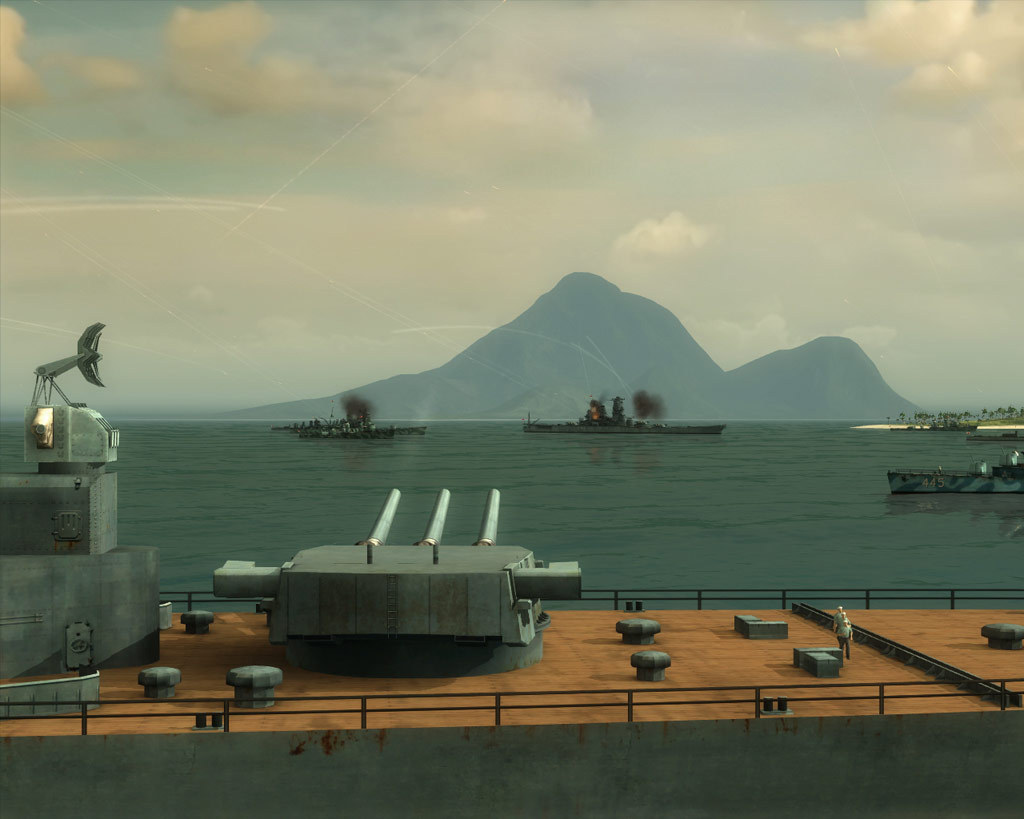
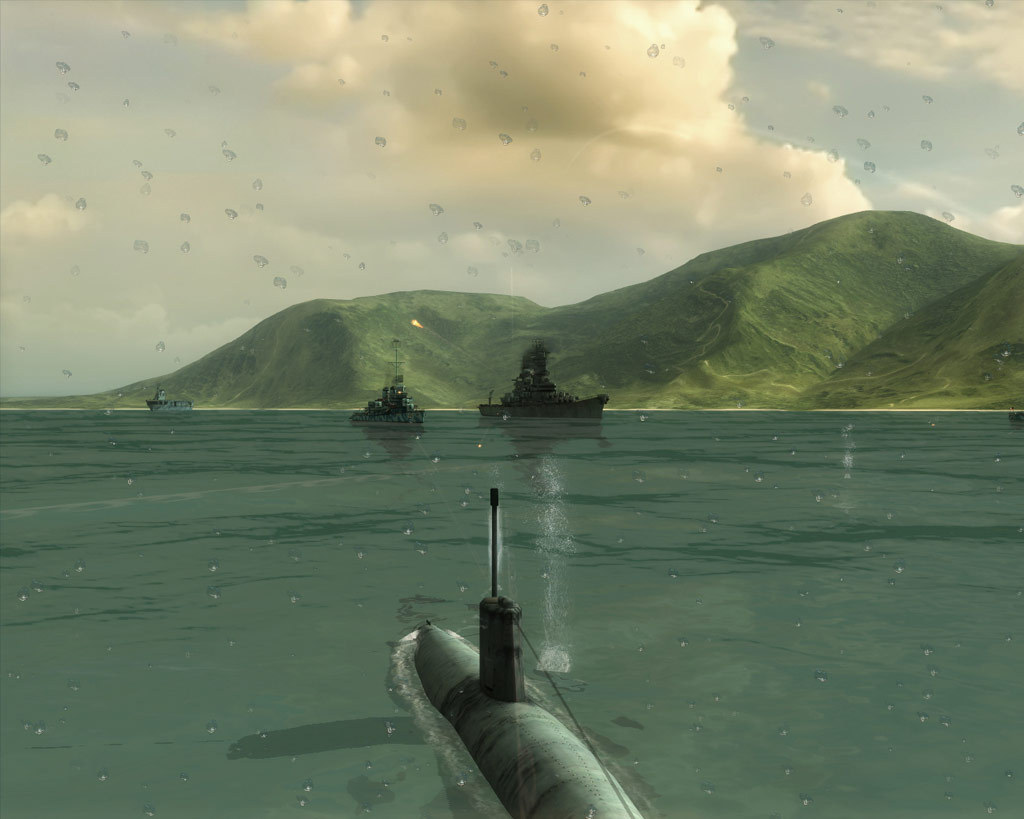
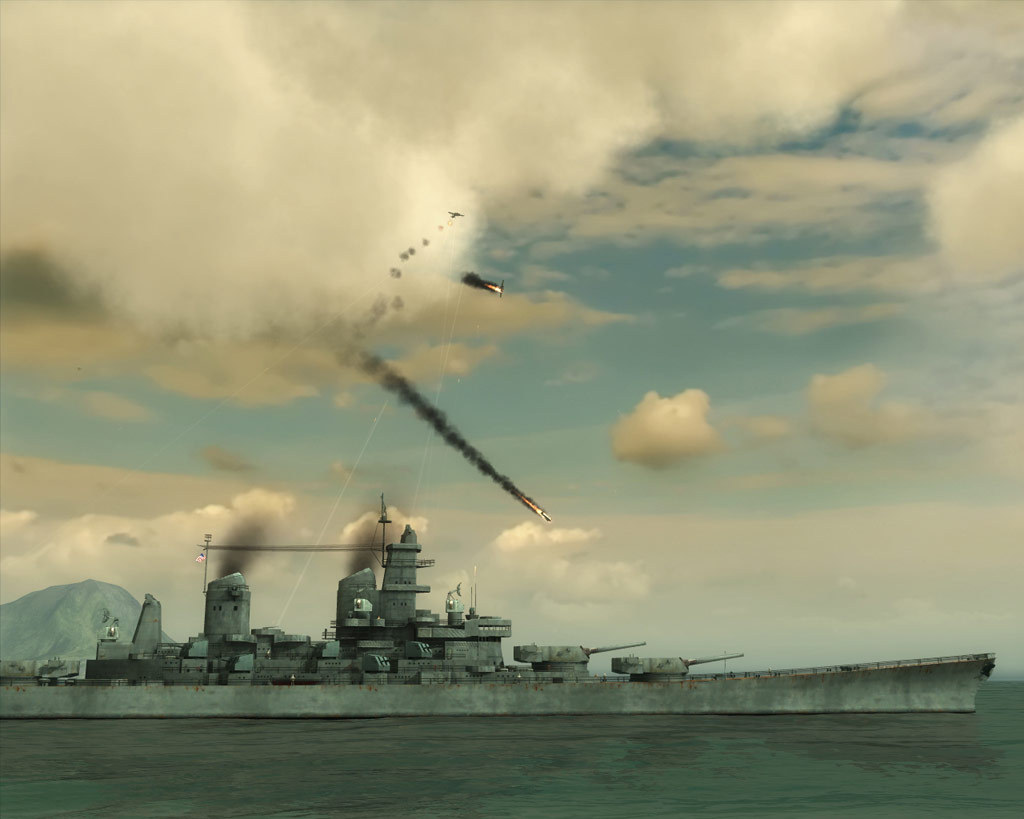
Get an in-depth look at Battlestations: Midway through various videos and screenshots.
Load More


Steam Price & Best Deals
User reviews & Ratings
Explore reviews from Steam users sharing their experiences and what they love about the game.
If I'd bought this full price it'd have cost me £4.99 sterling and it'd still be fairly good value. I bought it for 69 pence in the Steam Summer Sale which means it's probably the cheapest game I will ever buy It's an old game but this isn't necessarily a bad thing because the visuals hold up very well and it's from an era where computer games were simpler and less intricate so you don't have to spend ages on tutorials and manuals which is something of a problem with more recent naval warfare games like War On The Sea and Cold Waters . The only downside to Battlestations Midway is that it's a game marketed for a console so it can be a little bit frustrating if you're using a mouse on a PC but as I said it's ridiculously cheap so even if you end not playing it for any length of time it's still value for money
Battlestations: Midway by Eidos Interactive and Square Enix is a distinctive World War II title that blends real-time strategy with direct action control, creating a hybrid experience that still feels unusual even years after its release. Rather than choosing between commanding from a distance or engaging on the front lines, the game allows you to do both at any moment. You can oversee an entire fleet from a tactical perspective, issuing orders and coordinating movements, then instantly drop into the cockpit of a fighter plane, take control of a submarine, or man the guns of a battleship. This seamless shift between macro-level command and micro-level execution gives the game a unique identity and is easily its most compelling feature. The campaign is structured around key events in the Pacific Theater, starting with Pearl Harbor and progressing toward the Battle of Midway. It follows a group of recurring characters whose personal stories are woven into the larger conflict, adding a human element to the historical backdrop. While the narrative can feel somewhat dramatized and occasionally uneven, it provides enough context to give each mission a sense of purpose. The campaign is relatively concise, which helps maintain focus and pacing, but it also means the experience ends sooner than expected, leaving players wanting more of what the game does well. Gameplay variety is one of the game’s strongest qualities. You are constantly switching between different types of units, each offering a distinct playstyle. Aircraft emphasize speed and positioning, requiring quick reflexes and situational awareness. Naval vessels focus on timing, positioning, and firepower, often demanding a more measured approach. Submarines introduce stealth and patience, encouraging players to think ahead and strike carefully. This diversity ensures that missions rarely feel repetitive, as the game frequently shifts between different forms of combat within a single scenario. The real strength of the game emerges during large-scale battles, where multiple units and systems come together. Coordinating an attack involving aircraft carriers, escort ships, and bomber squadrons creates a sense of scale that few games manage to achieve. Watching an airstrike unfold while anti-aircraft fire fills the sky or maneuvering a fleet into position for a decisive engagement captures the chaos and intensity of naval warfare in a way that feels both cinematic and interactive. These moments are where the game truly excels, delivering a sense of involvement that is both strategic and immediate. Despite its strengths, the game leans more toward accessibility than realism. Its simulation elements are simplified, with controls and mechanics designed to be approachable rather than strictly accurate. While this makes it easier to pick up and play, it can also limit the depth for players looking for a more authentic simulation experience. Certain aspects, such as aircraft handling and AI behavior, can feel basic, and the game occasionally sacrifices nuance in favor of maintaining a smooth pace. Control responsiveness is another area where the game shows its age. Managing units from the strategic map is generally intuitive, but directly controlling vehicles can feel less precise, particularly when switching between different types of units. The transition between strategy and action is conceptually seamless, but in practice it can take time to adjust to the different control schemes. This can create moments where the flow of gameplay is interrupted, especially during more complex engagements. Visually, Battlestations: Midway delivers a solid presentation for its time. Ships, planes, and environments are detailed enough to convey the scale of battles, and effects such as explosions, smoke, and water movement add to the overall spectacle. While it does not match modern graphical standards, the visual design remains effective, particularly during large engagements where the sheer number of units creates a strong sense of immersion. The audio design complements this, with sound effects and music that reinforce the intensity of combat and the atmosphere of the setting. One of the more noticeable limitations of the game is its relatively short campaign and lack of extended single-player content. Once the main missions are completed, there are few additional modes to keep the experience fresh. Multiplayer provides an alternative, allowing players to engage in team-based battles that highlight the game’s strengths, but its longevity depends heavily on player interest in revisiting the same scenarios or engaging with others online. Ultimately, Battlestations: Midway stands out because of its hybrid design and the way it merges two distinct styles of gameplay into a cohesive experience. It offers a level of flexibility and immersion that few games attempt, allowing players to feel both like a strategist directing a war and a participant actively shaping its outcome. While it has its flaws—particularly in terms of depth, control refinement, and content—it succeeds in delivering a unique and memorable take on World War II combat. For players who enjoy strategy games but want a more hands-on experience, or action games that offer a broader tactical perspective, it provides a compelling and often rewarding experience. For those seeking deep simulation or extensive content, it may feel somewhat limited. Even so, its core concept remains strong, and the moments where everything comes together make it a standout title within its genre. Rating: 8/10
Similar games
View all
Atlantic Fleet
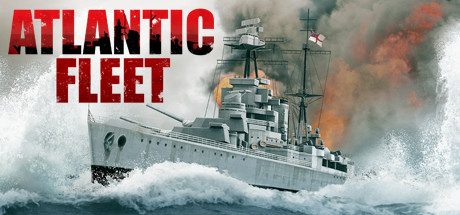
Turn based tactical and strategic naval combat. Atlantic Fleet puts you in command of the Allies or Kriegsmarine (German Navy) in the longest military campaign of WWII, The Battle of the Atlantic.Take command of surface ships, submarines as well as carrier and land based aircraft in the deadly struggle for control of Atlantic shipping...

Battle Fleet 2
Welcome Admiral! Select your fleet, assign weapons, and sink the enemy fleet by controlling each of your ships down to setting the aim and range of each weapon's shot. Features include full open world Pacific & Atlantic campaigns, cross-platform multiplayer and awesome turn-based naval battles.
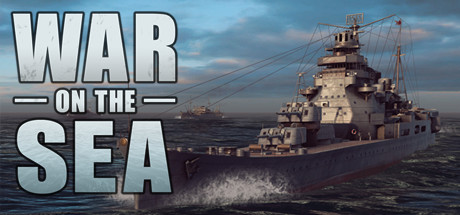
War on the Sea
Command ships, submarines and aircraft in the South Pacific during WWII.
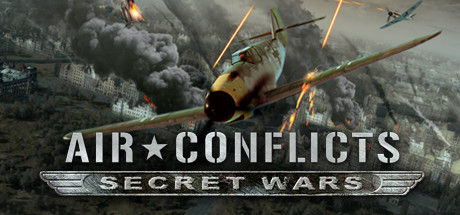
Air Conflicts: Secret Wars
Soar through the unfriendly skies in Air Conflicts: Secret Wars - an arcade flight simulation set in World War I and II era. Buy before July 21st and save!
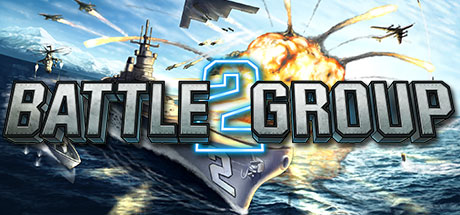
Battle Group 2
Your battleships are fully loaded with the return of Battle Group. Command the war against advanced pirates with brand new Satellite Strikes and upgrades for your state-of-the-art battleships. As the commanding gunner of this advanced armada, it's imperative you stop a terrifying new foe our world has yet to fathom.
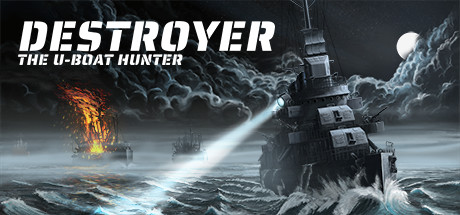
Destroyer: The U-Boat Hunter
Destroyer: The U-Boat Hunter brings you an authentic and historically accurate destroyer simulation along with gripping anti-submarine warfare set in the turmoils of the Atlantic Ocean during World War II.
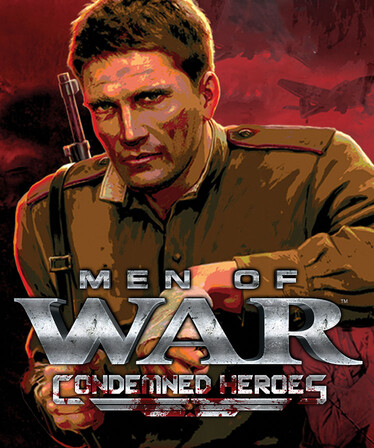
Men of War: Condemned Heroes
Command a Soviet penal battalion in this standalone real-time tactics game from the Men of War series. Based on true events, Condemned Heroes delivers brutal, story-driven missions across the Eastern Front – where every order, bullet, and life matters.
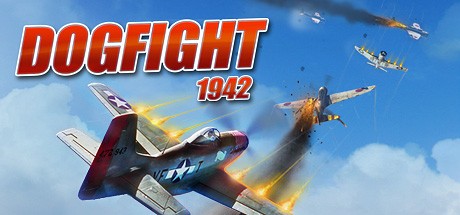
Dogfight 1942
Piloting a wide range of aircraft, players engage in aerial dogfights and dangerous fighter missions across the major theaters of war during WWII.
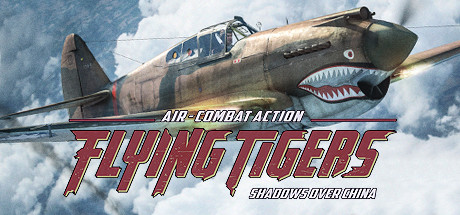
Flying Tigers: Shadows Over China
FLYING TIGERS: SHADOWS OVER CHINA is an air-combat action game based on the historical events of America’s secret volunteer squadrons that defended China against Japan in the China-Burma-India theatre of World War 2.

Frequently Asked Questions
Battlestations: Midway is currently priced at 6.99€ on Steam.
No, Battlestations: Midway is currently not on sale. You can purchase it for 6.99€ on Steam.
Yes, Battlestations: Midway received 712 positive votes out of a total of 914 achieving a rating of 7.43.
😊
Battlestations: Midway was developed by Eidos Interactive and published by Square Enix.
Yes, Battlestations: Midway is playable and fully supported on Windows.
No, Battlestations: Midway is not playable on MacOS.
No, Battlestations: Midway is not playable on Linux.
This information about Battlestations: Midway is not available yet.
This information about Battlestations: Midway is not available yet.
No, Battlestations: Midway does not support VR.
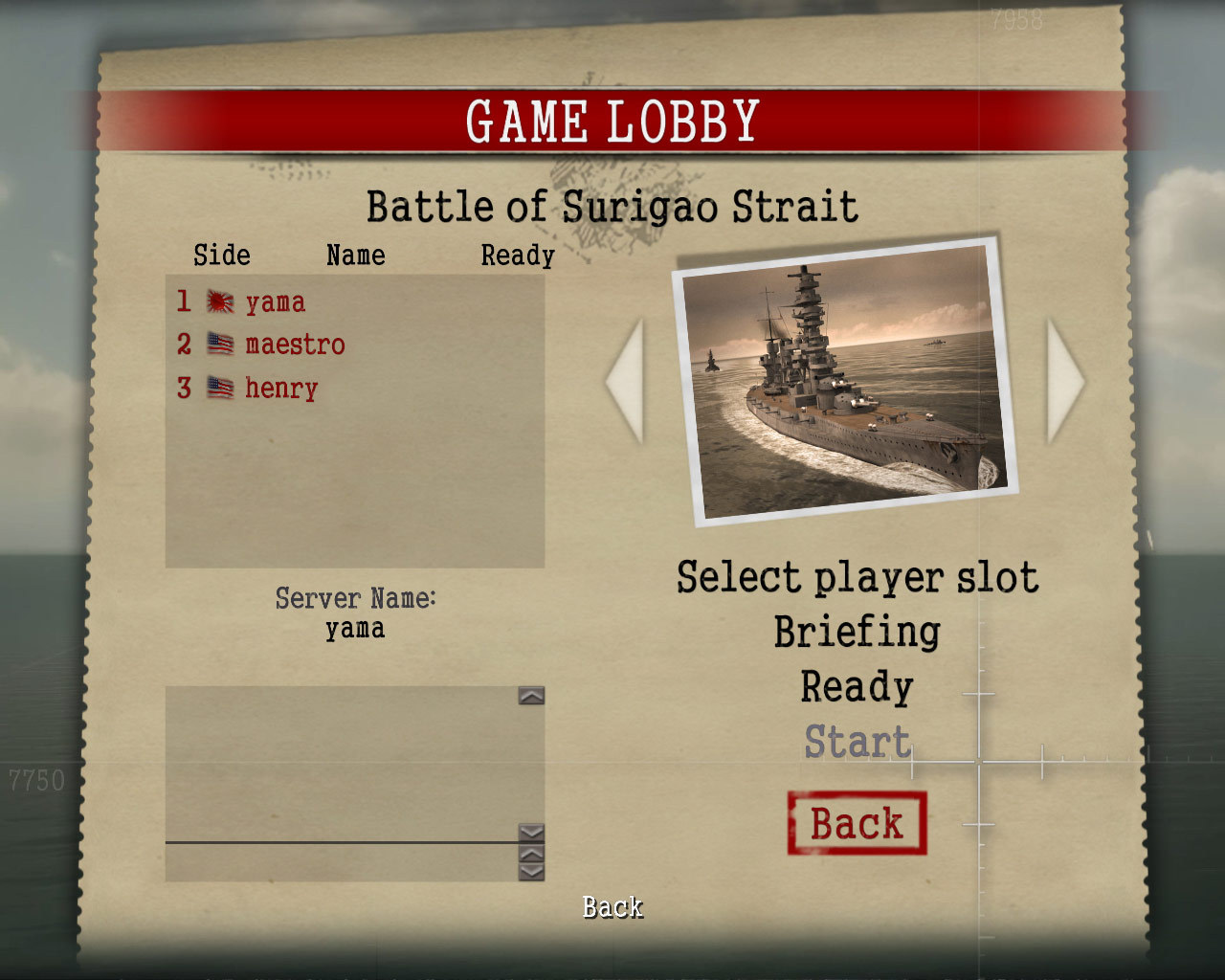
Battlestations: Midway is a single-player game.
No, Battlestations: Midway does not currently offer any DLC.
No, Battlestations: Midway does not support mods via Steam Workshop.
No, Battlestations: Midway does not support Steam Remote Play.
Yes, Battlestations: Midway is enabled for Steam Family Sharing. This means you can share the game with authorized users from your Steam Library, allowing them to play it on their own accounts. For more details on how the feature works, you can read the original Steam Family Sharing announcement or visit the Steam Family Sharing user guide and FAQ page.
You can find solutions or submit a support ticket by visiting the Steam Support page for Battlestations: Midway.
Data sources
The information presented on this page is sourced from reliable APIs to ensure accuracy and relevance. We utilize the Steam API to gather data on game details, including titles, descriptions, prices, and user reviews. This allows us to provide you with the most up-to-date information directly from the Steam platform.
Additionally, we incorporate data from the SteamSpy API, which offers insights into game sales and player statistics. This helps us present a comprehensive view of each game's popularity and performance within the gaming community.
Last Updates| Steam data | 23 September 2026 13:26 UTC |
|---|---|
| SteamSpy data | 14 October 2026 20:13 UTC |
| Steam price | 26 October 2026 20:04 UTC |
| Steam reviews | 21 October 2026 22:07 UTC |
If you'd like to dive deeper into the details about Battlestations: Midway, we invite you to check out a few dedicated websites that offer extensive information and insights. These platforms provide valuable data, analysis, and user-generated reports to enhance your understanding of the game and its performance.
- SteamDB - A comprehensive database of everything on Steam about Battlestations: Midway
- SteamCharts - Analysis of Battlestations: Midway concurrent players on Steam
- ProtonDB - Crowdsourced reports on Linux and Steam Deck Battlestations: Midway compatibility

 6.99€
Visit Store
6.99€
Visit Store
 🔥 Deal
-85%
6.99€
1.10€
Buy Now
🔥 Deal
-85%
6.99€
1.10€
Buy Now
 -82%
6.99€
1.27€
Visit Store
-82%
6.99€
1.27€
Visit Store
 -75%
6.99€
1.75€
Visit Store
-75%
6.99€
1.75€
Visit Store
Game modes
Features
Online players
2
Developer
Eidos Interactive
Publisher
Square Enix
Release
15 Mar 2007
Platforms
Clicking and buying through these links helps us earn a commission to maintain our services.