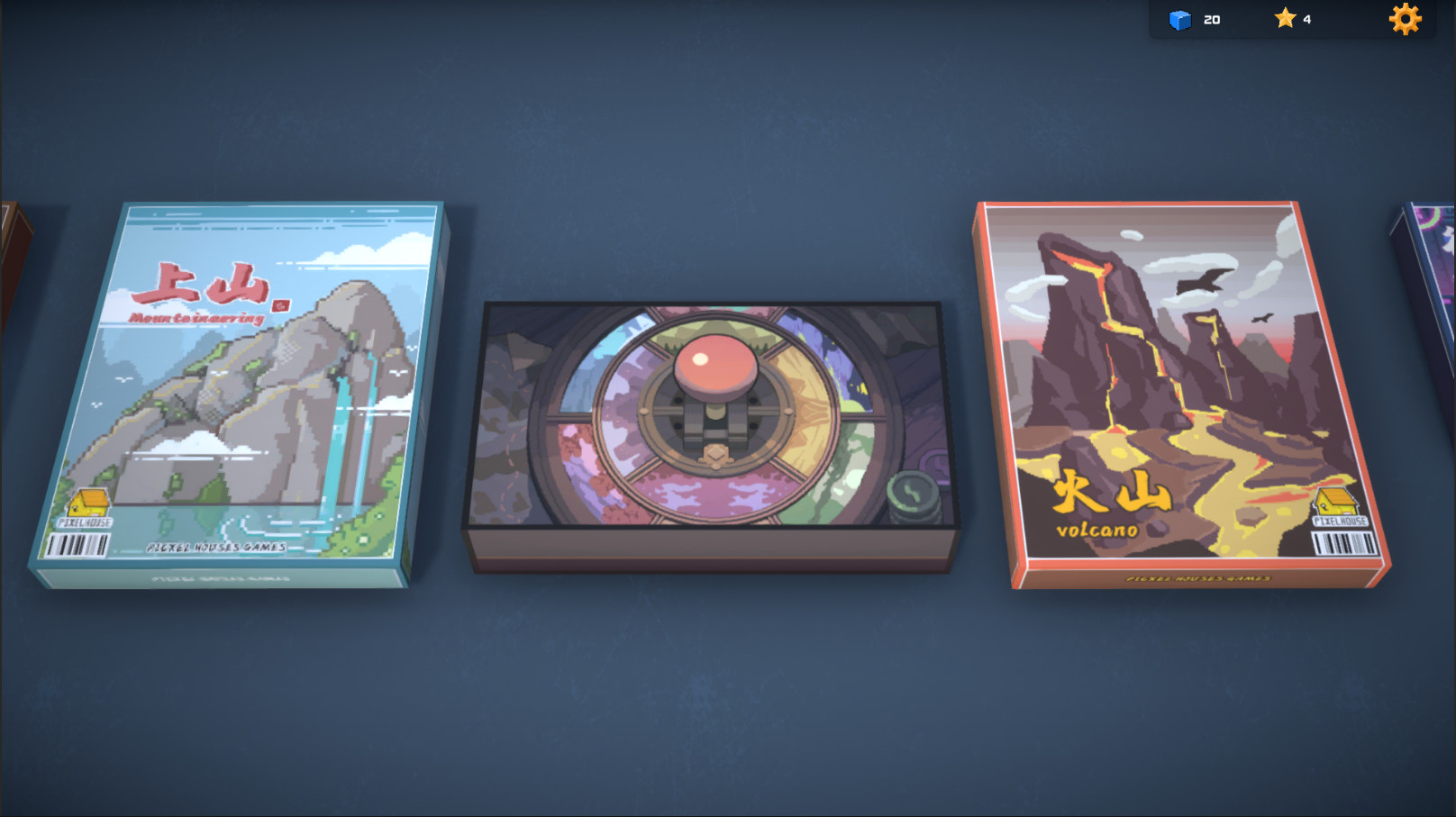
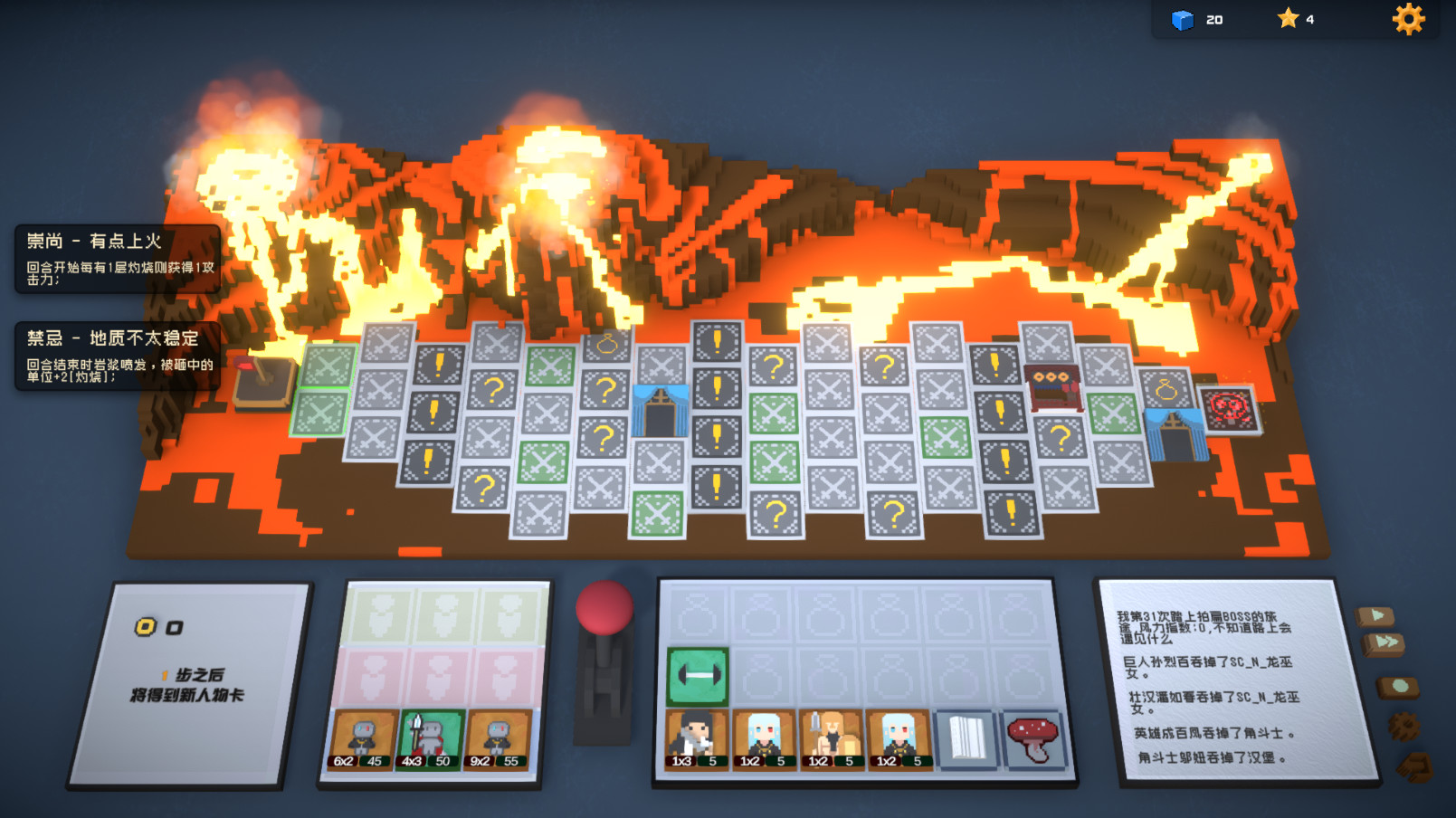
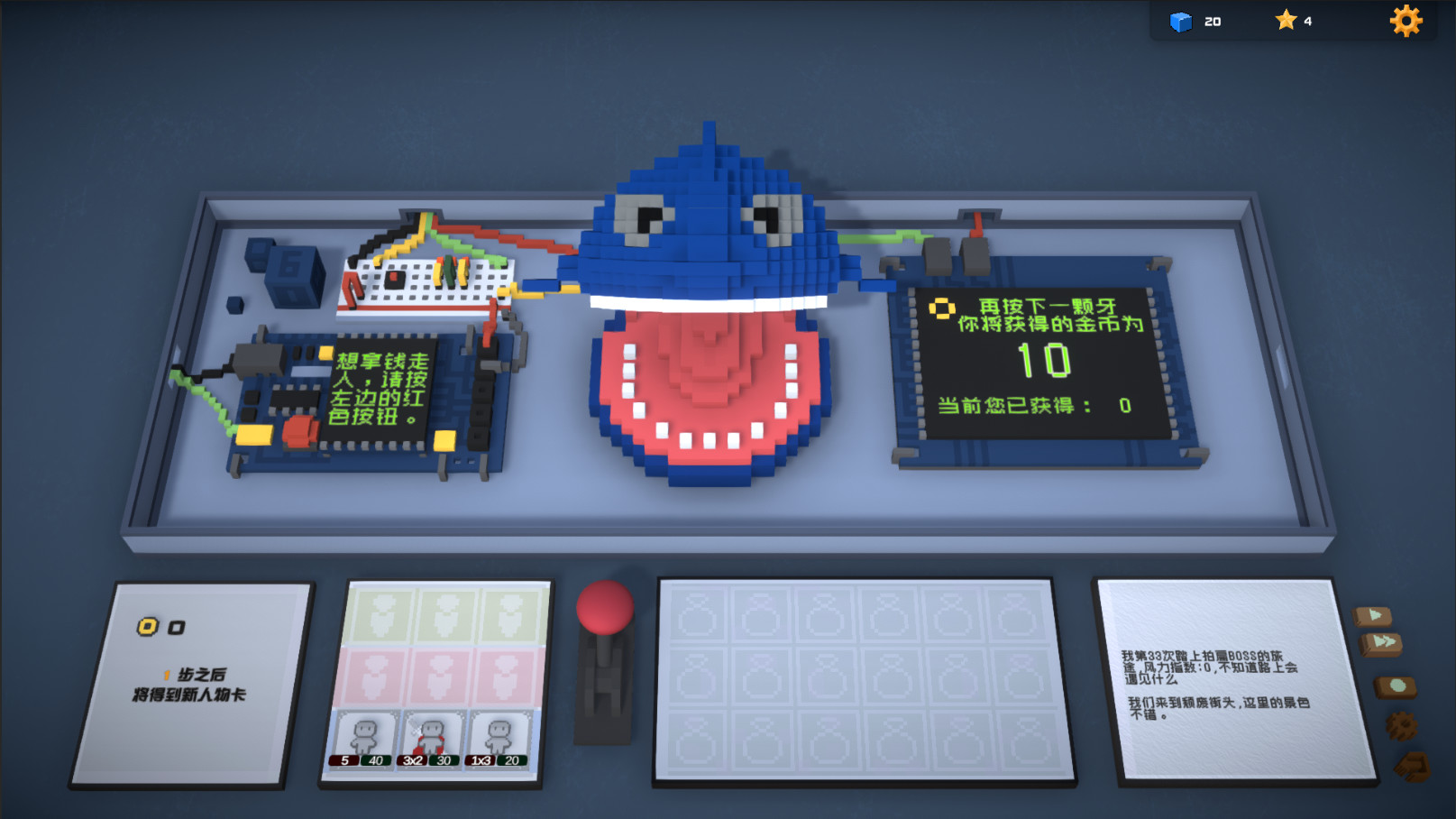
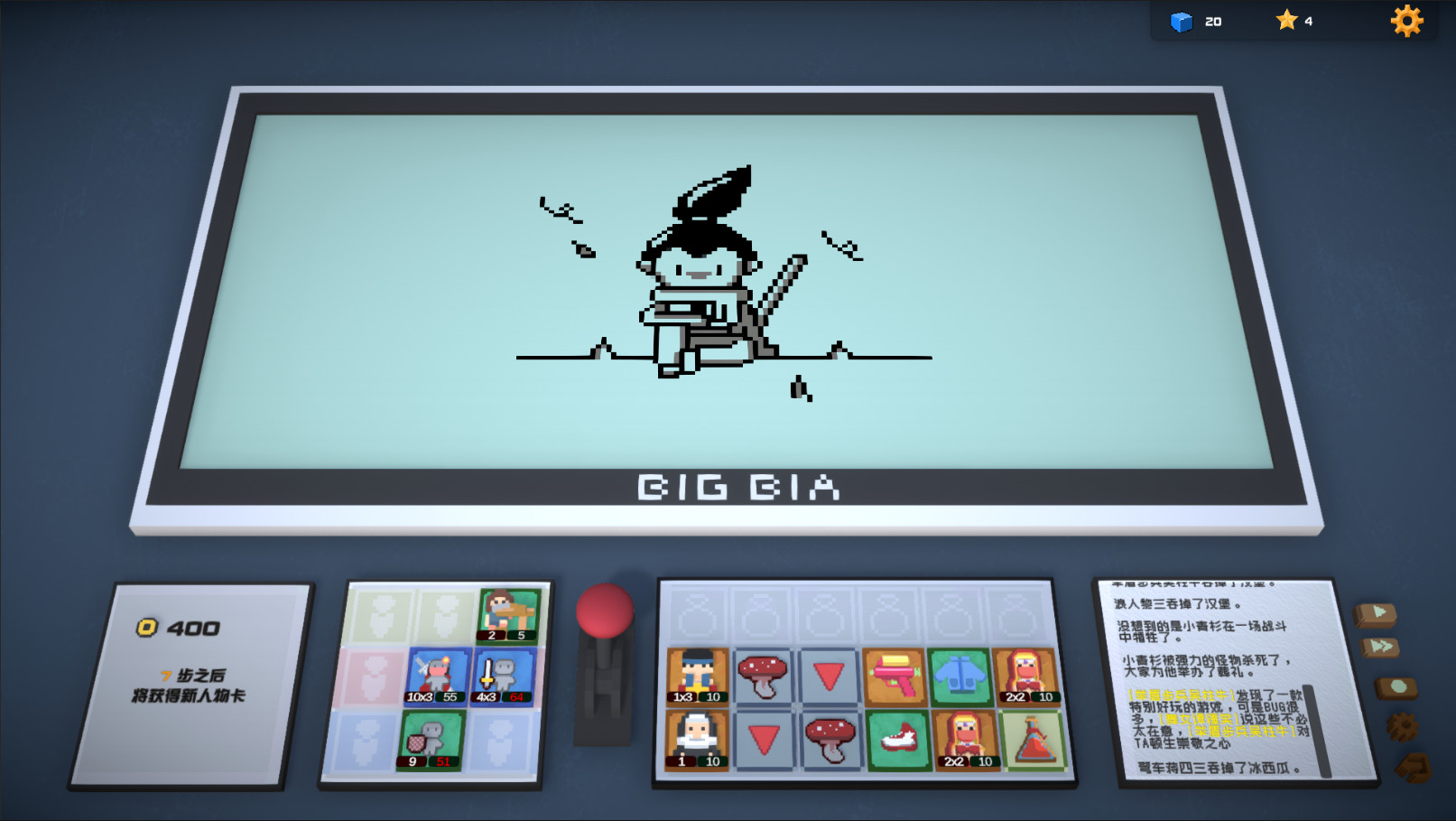
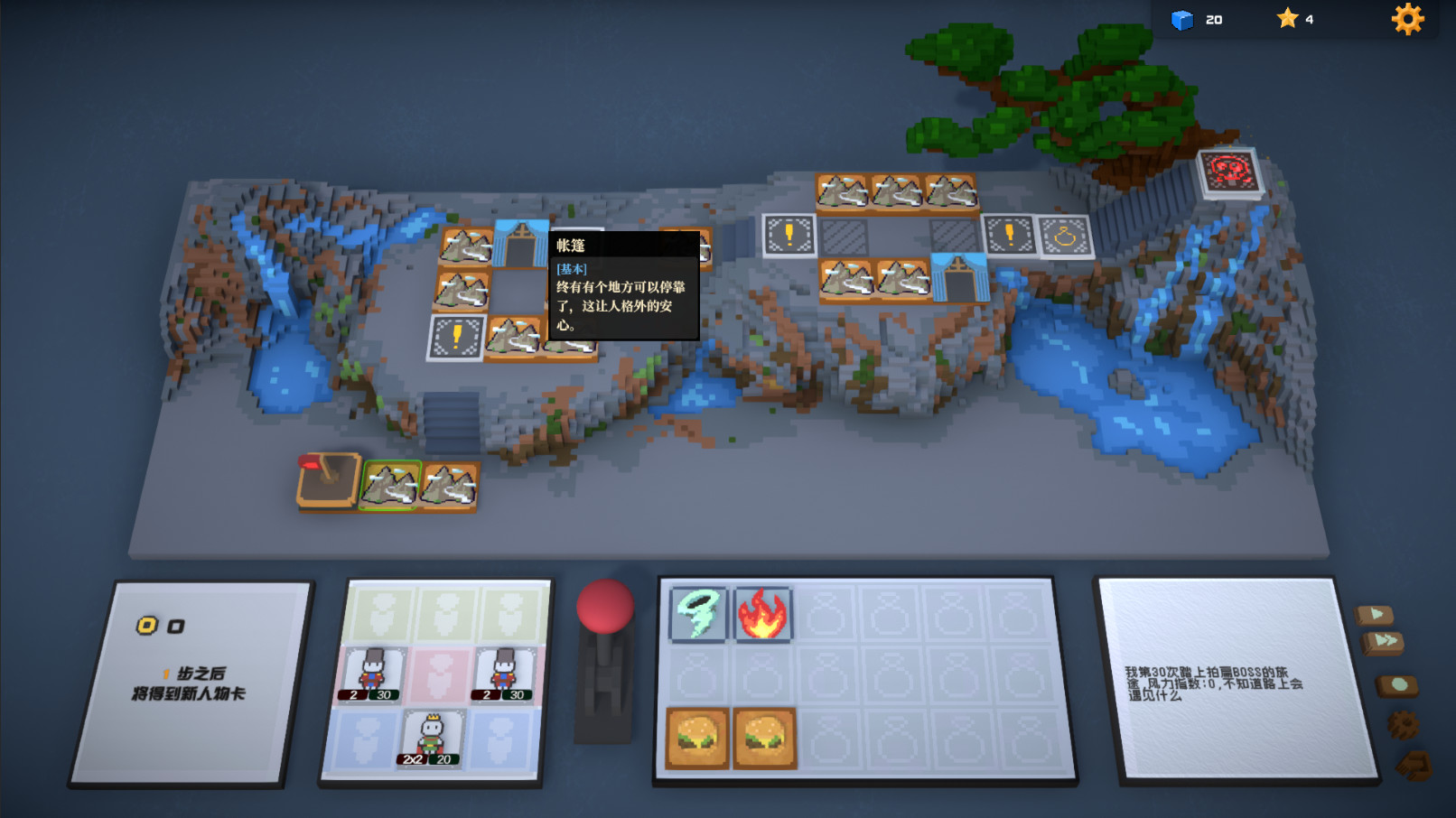
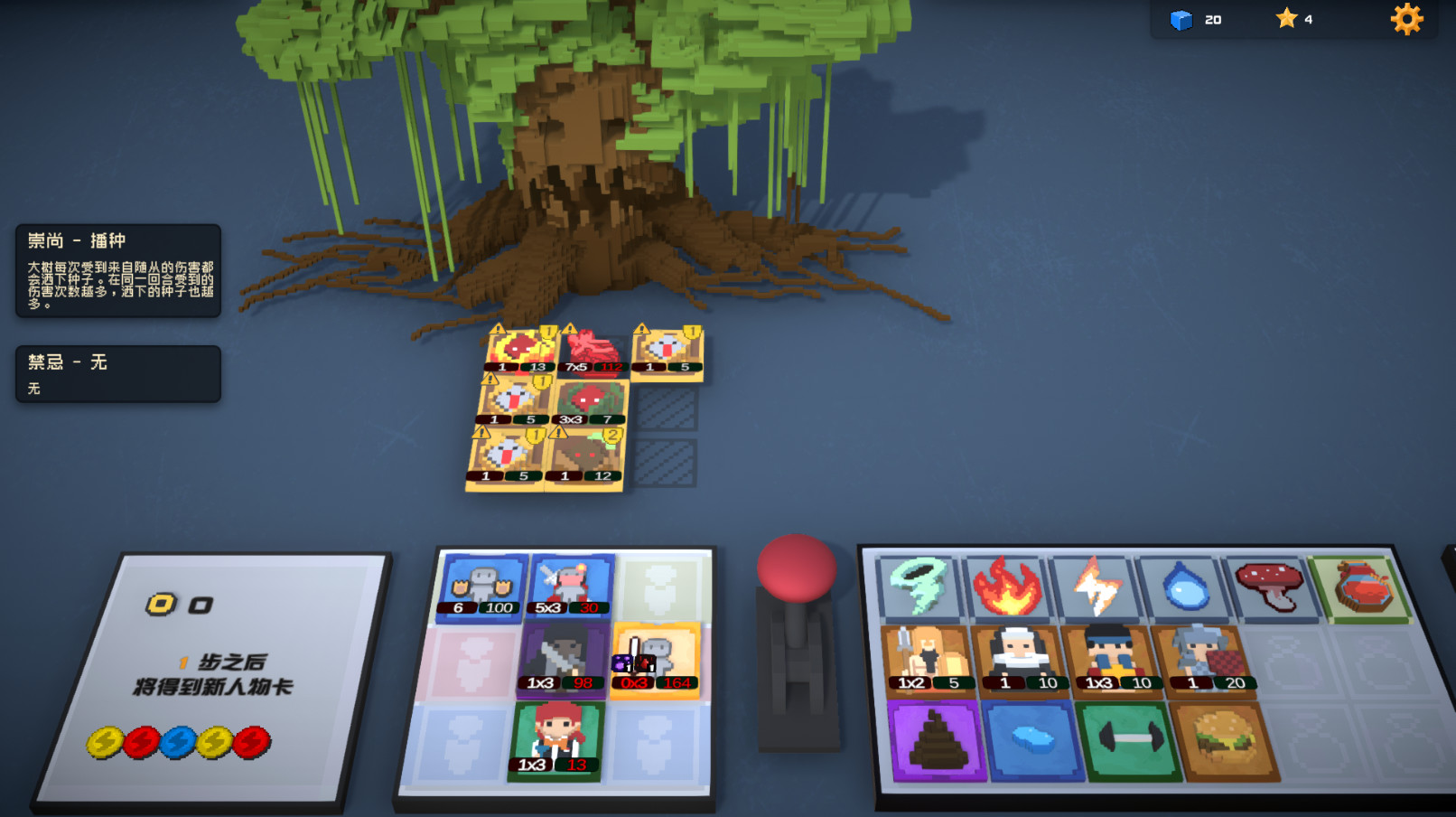
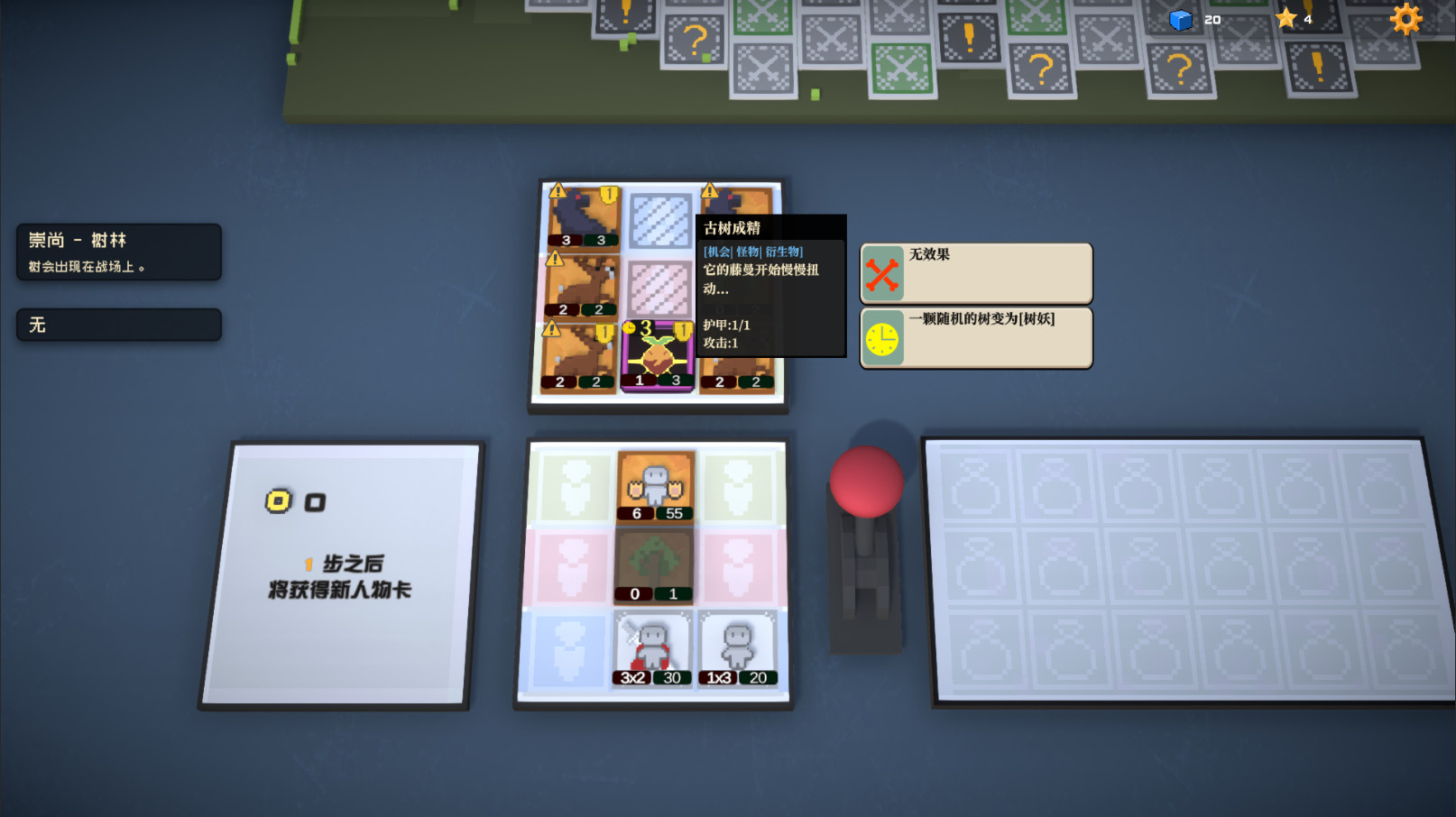
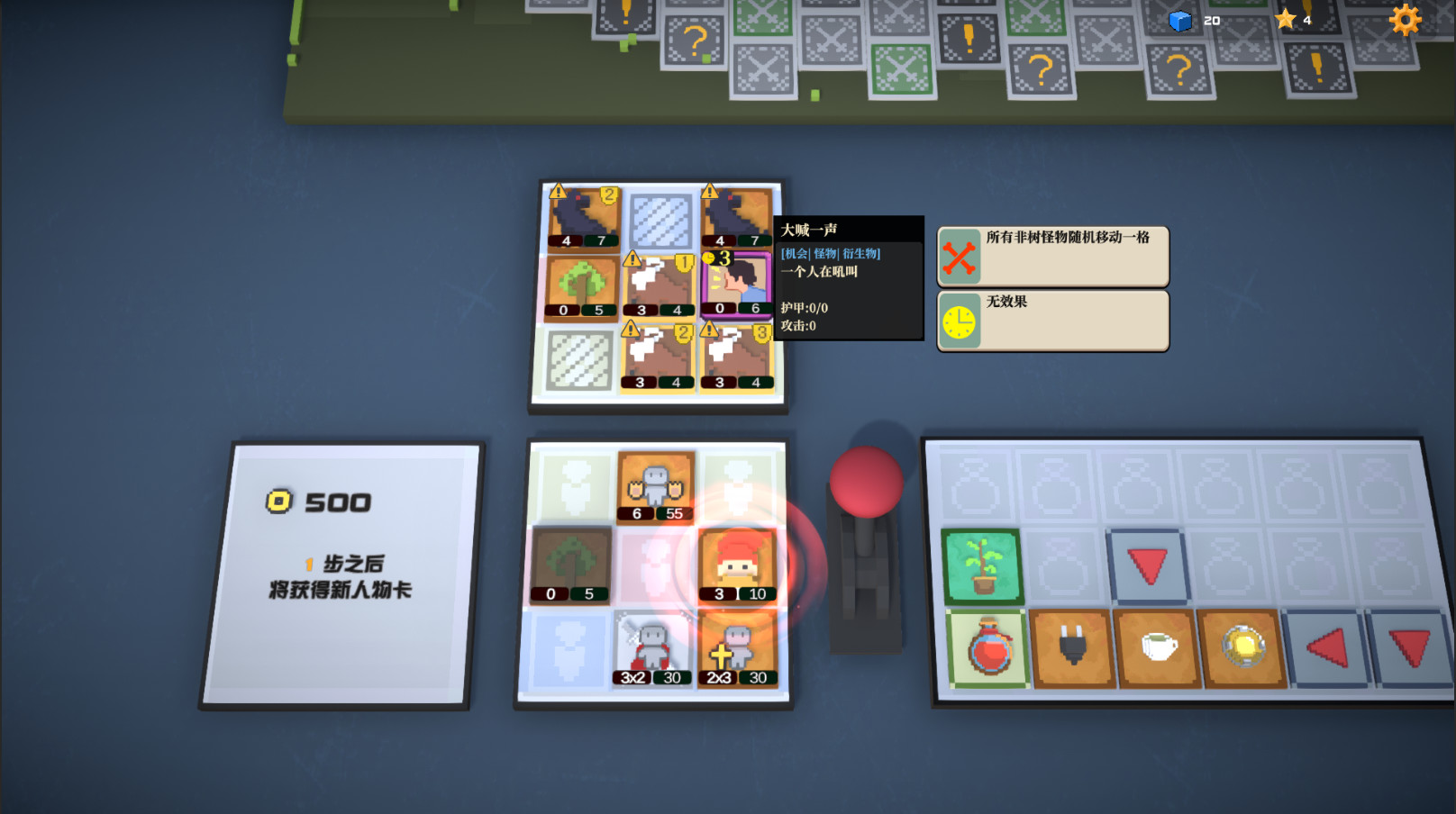
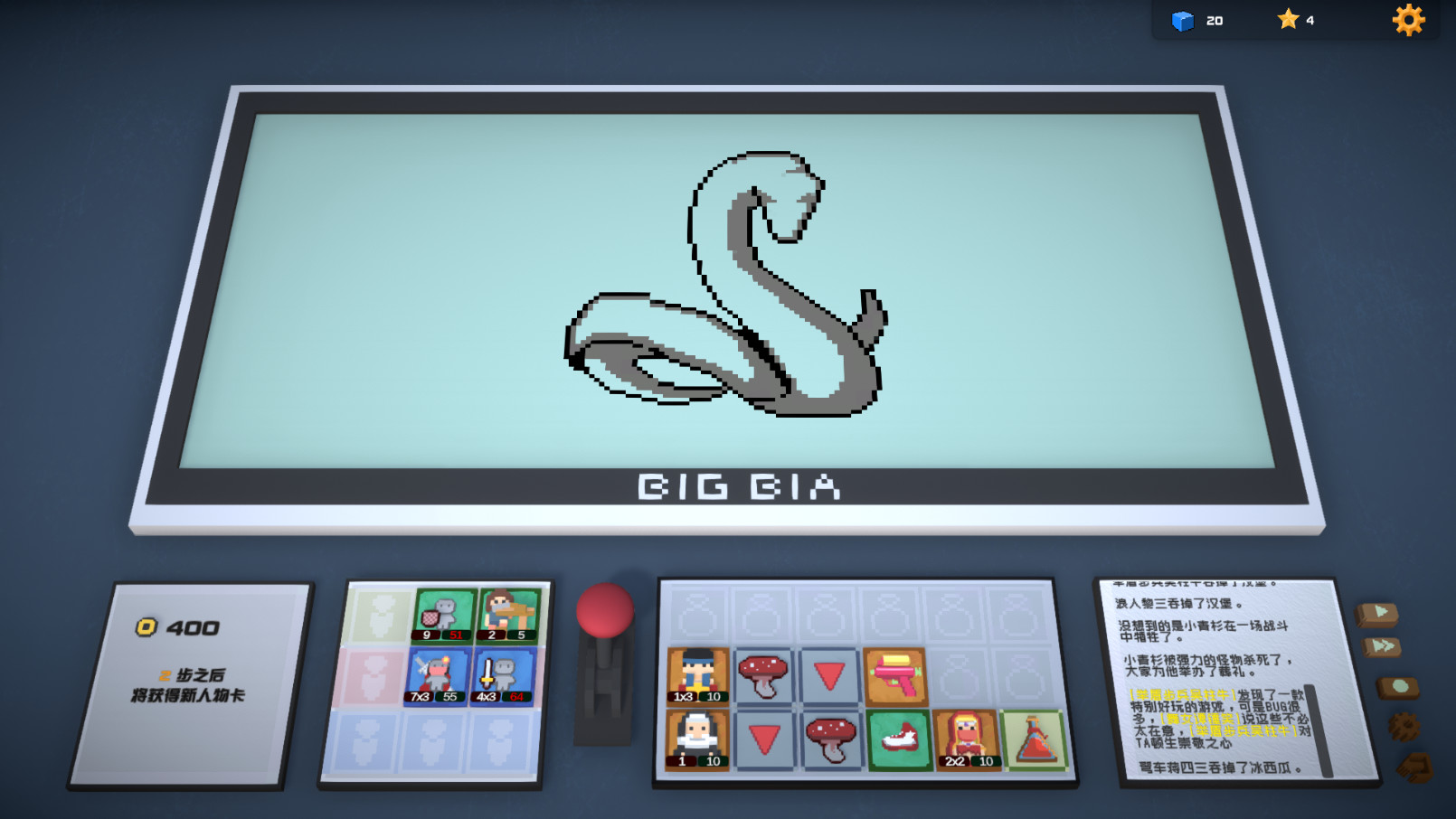
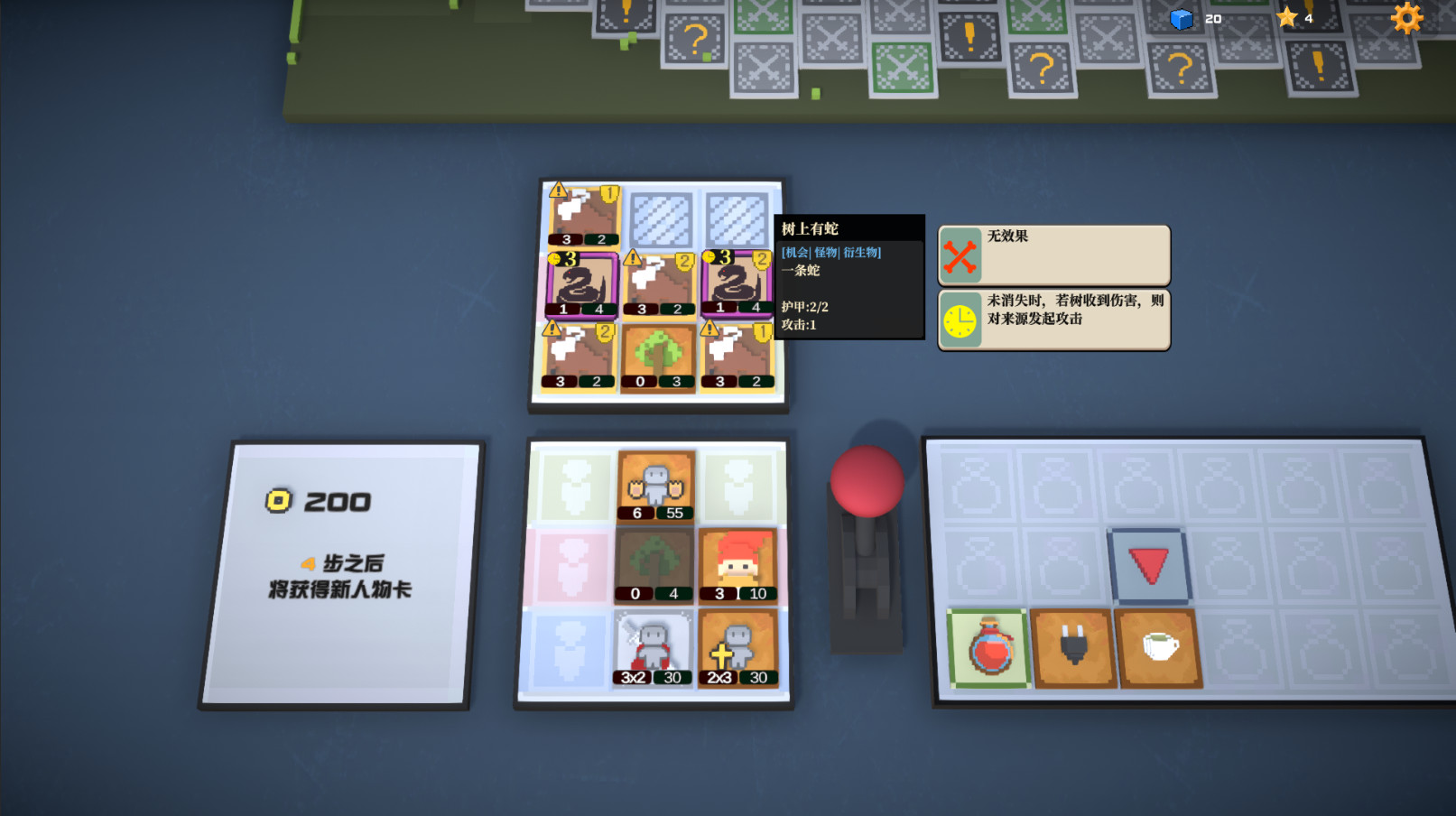
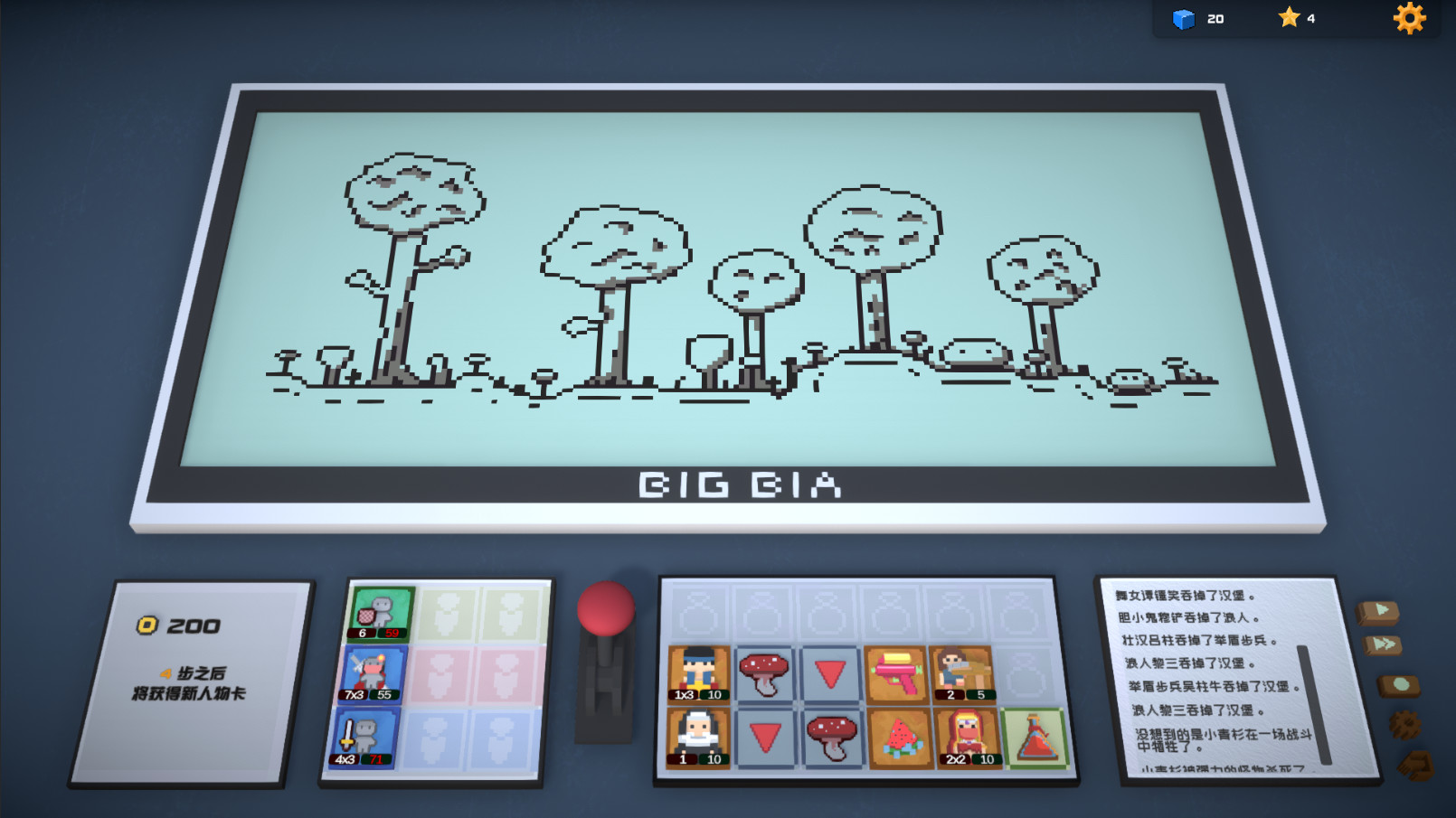
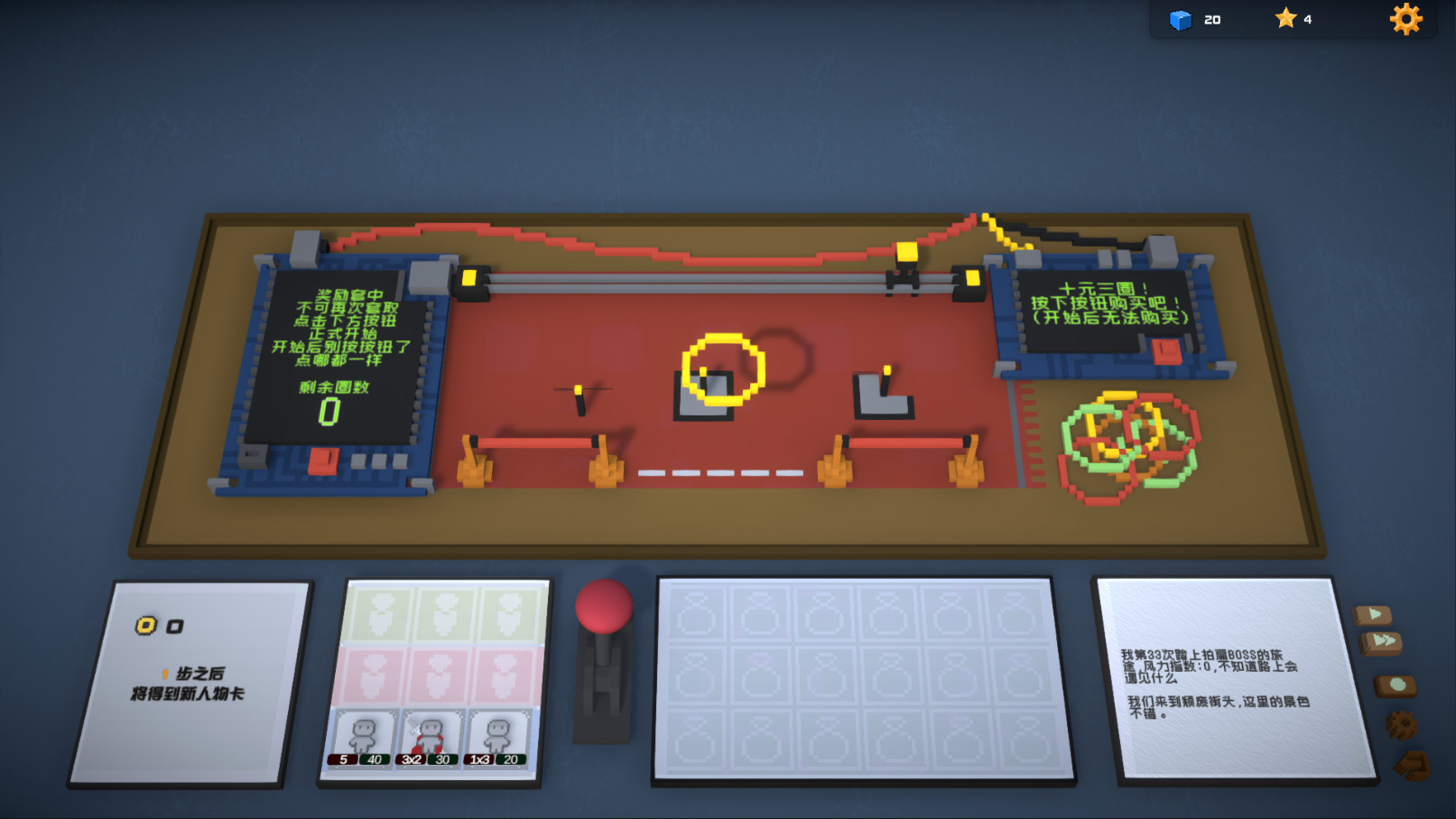
Big Bia, developed by Pixel House Games and published by INDIECN, is a quirky and ambitious indie roguelite that combines pixel art charm with strategic, turn-based dungeon crawling and card-based mechanics. It’s a game that thrives on experimentation, constantly trying to blend multiple genres into a cohesive whole—part strategy, part deck-builder, part dungeon adventure, and part sandbox for creative tinkering. At its heart, Big Bia is about discovery, letting players dive into procedurally generated worlds filled with strange characters, odd humor, and unpredictable encounters. It doesn’t follow the conventional formulas of its genre, instead offering a free-form and sometimes chaotic approach that reflects the spirit of independent design. The first impression of Big Bia is defined by its playful art direction. The game embraces a voxel-pixel hybrid aesthetic that gives its environments a tactile sense of depth while retaining the nostalgic warmth of retro visuals. The dungeons are colorful and whimsical rather than oppressive, full of bizarre monsters and objects that feel more like the creations of an eccentric artist than the denizens of a typical roguelite. The tone leans toward the humorous and absurd, with quirky dialogue and item descriptions that don’t take themselves too seriously. Despite the low-fi presentation, there’s a charm to its handcrafted look, from the blocky heroes to the vividly chaotic enemy designs. The mix of old-school visuals with modern lighting effects and interface design creates a style that feels both familiar and fresh. Gameplay in Big Bia centers on turn-based combat and deck-building strategy layered within a roguelike framework. Each run begins with a team of characters who explore procedurally generated dungeons, uncovering loot, battling enemies, and gradually building a deck of cards that represent abilities, attacks, and items. Every decision matters: the choice of cards, the order of their use, and the timing of your attacks can mean the difference between survival and defeat. Combat is slow and deliberate, emphasizing careful planning and tactical foresight rather than reflexes. Between battles, you’ll manage resources, upgrade heroes, and make strategic choices about which cards to keep or discard. There’s an addictive rhythm to this loop of exploration, combat, and customization, with each run offering new combinations to experiment with. One of the most distinctive features of Big Bia is its dungeon-building system. Beyond simply delving into randomly generated labyrinths, players can construct their own dungeons to challenge others or test personal strategies. This creative mode gives the game a unique twist—turning players from explorers into architects. You can design layouts, place traps, and control the flow of enemies to create encounters that are as punishing or inventive as you wish. This element extends the game’s replayability considerably, providing an outlet for creativity and strategic experimentation. It also reinforces the game’s personality as something more open-ended than traditional roguelites, encouraging players to engage with its mechanics on multiple levels. However, Big Bia’s ambition can sometimes be its weakness. With so many systems at play—cards, heroes, dungeon design, procedural exploration—the balance isn’t always consistent. Some cards or strategies can feel overpowered, while others seem underdeveloped or situational. The procedural generation, while competent, can occasionally lead to uneven pacing, with some runs offering engaging variety and others feeling repetitive or aimless. The learning curve can also be steep at first, especially for players unfamiliar with deck-building mechanics, as the game does little hand-holding in explaining how its systems interconnect. It’s a title that rewards persistence and curiosity but can frustrate players looking for a smoother or more guided experience. Despite these imperfections, there’s something undeniably captivating about Big Bia’s sense of freedom. It captures the joy of experimentation that defines many great indie games, inviting players to find their own fun within its chaotic framework. Its combat system, though occasionally rough around the edges, delivers moments of genuine satisfaction when strategies click into place or when an unexpected card combo turns the tide of battle. The act of building and conquering dungeons gives the game a sandbox quality, turning what could have been a straightforward roguelite into something more dynamic and expressive. It’s the kind of game that feels alive with creativity, even if that creativity sometimes spills over into messiness. Technically, Big Bia performs well for an indie release. Load times are short, controls are responsive, and the interface is functional, if a bit cluttered at times. The soundtrack complements the action with upbeat, chiptune-inspired tracks that reinforce the game’s lighthearted energy. The writing, while not deeply narrative-driven, adds personality to the world, and the humor helps keep the tone balanced even during difficult runs. The developers clearly poured effort into creating a universe that doesn’t take itself too seriously, which makes it easy to forgive the occasional imbalance or bug. It’s an experience best approached with an experimental mindset rather than one of perfectionism. In the end, Big Bia is a fascinating and imperfect gem—an indie game that embraces creativity over convention. It may not have the polish or precision of larger titles in the roguelite genre, but it compensates with enthusiasm, originality, and replay value. Its mix of card-based combat, dungeon creation, and procedural exploration ensures that no two runs feel quite the same, even if the systems occasionally clash. For players who appreciate games that dare to be unconventional and who enjoy uncovering layers of mechanics through play, Big Bia offers a rewarding and distinctive experience. It’s messy, imaginative, and undeniably full of character—a true reflection of the indie spirit that values bold ideas over safe execution. Rating: 7/10
Expand the review