

WARSAW RISING: City of Heroes
WARSAW RISING: City of Heroes is a challenging turn-based tactical RPG set in an occupied capital during WWII. Pick your heroes. Navigate historic streets. Confront occupiers. And try to survive the 63 days of hell in this historically accurate portrayal of Poles fighting for their city.
Sync your Steam wishlist to find the lowest game prices instantly. No login required, just paste your Steam profile URL!
⚡ Try Wishlist Radar!
Sync your Steam wishlist to find the lowest game prices instantly. No login required!
⚡ Try Wishlist Radar!
Close

Burden of Command™ on Steam
Quick menu
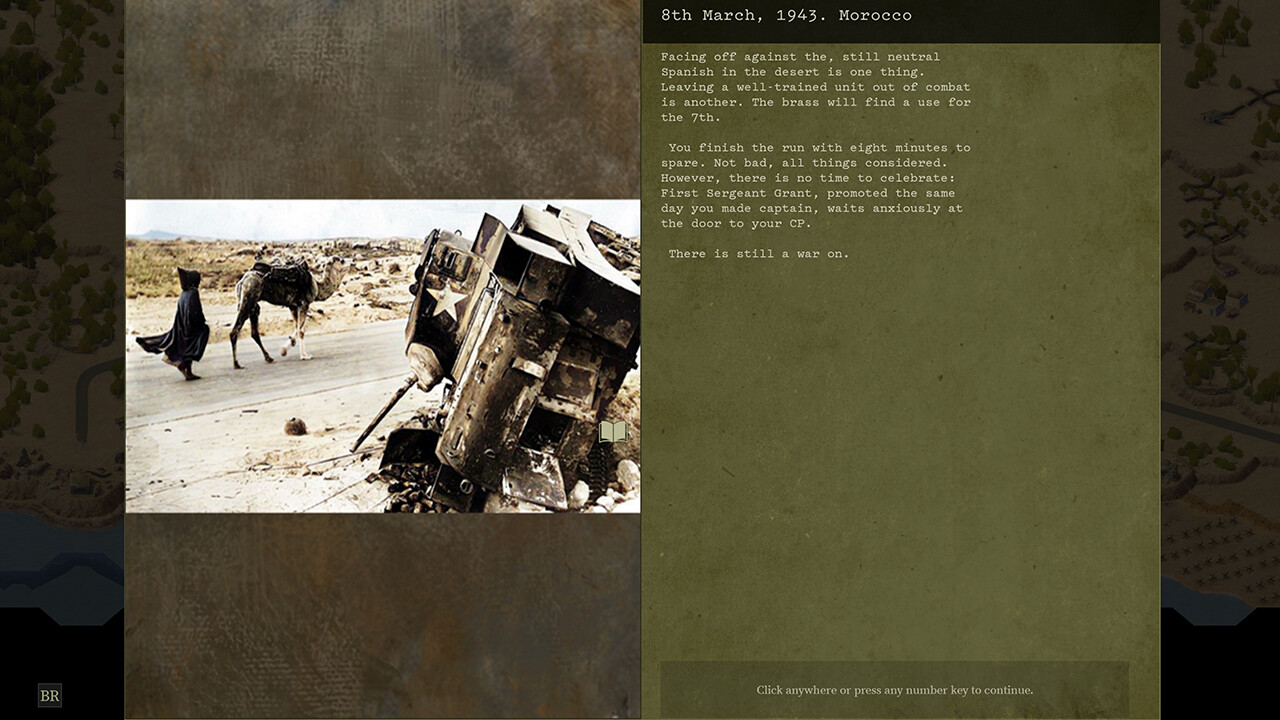
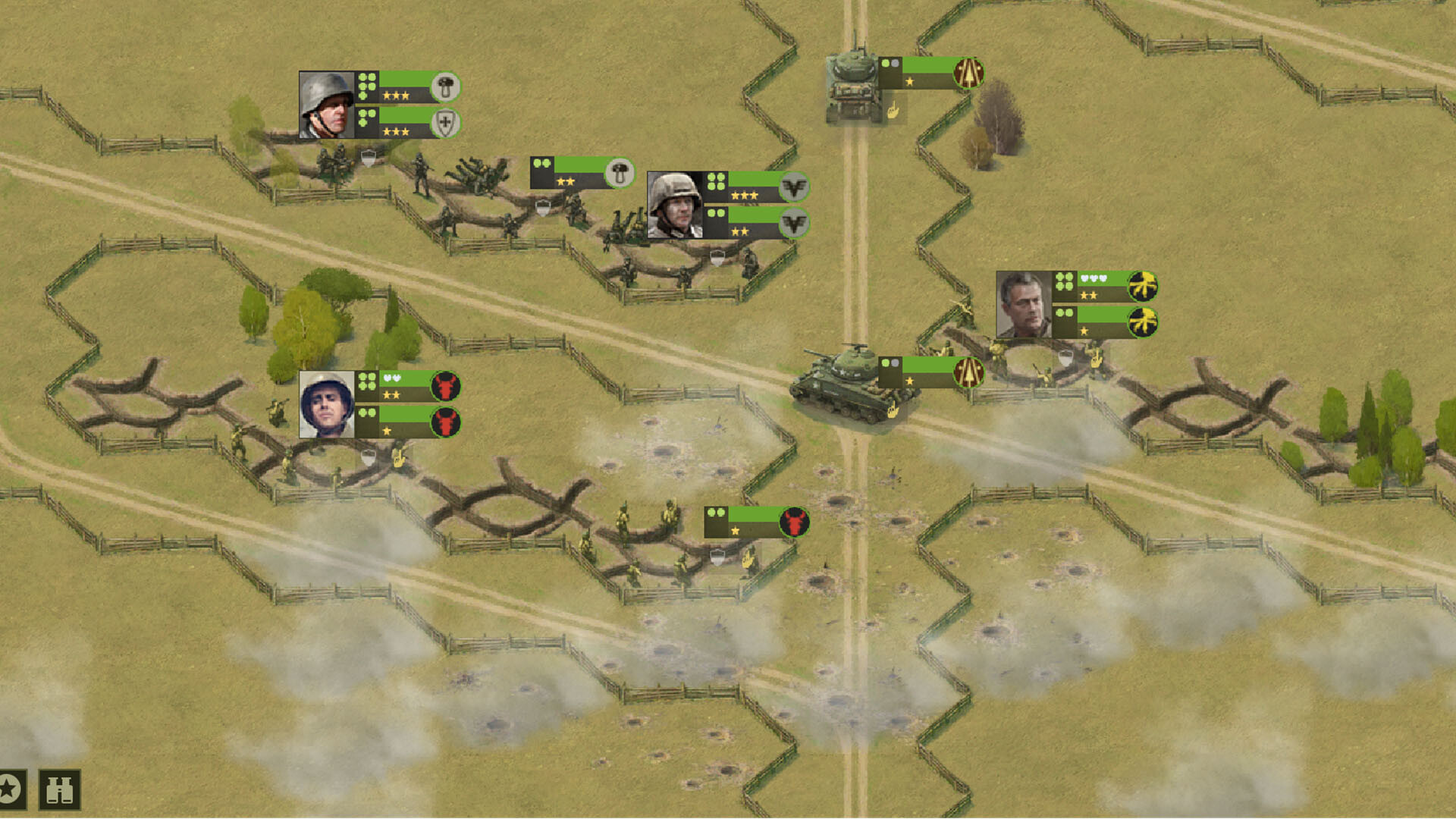
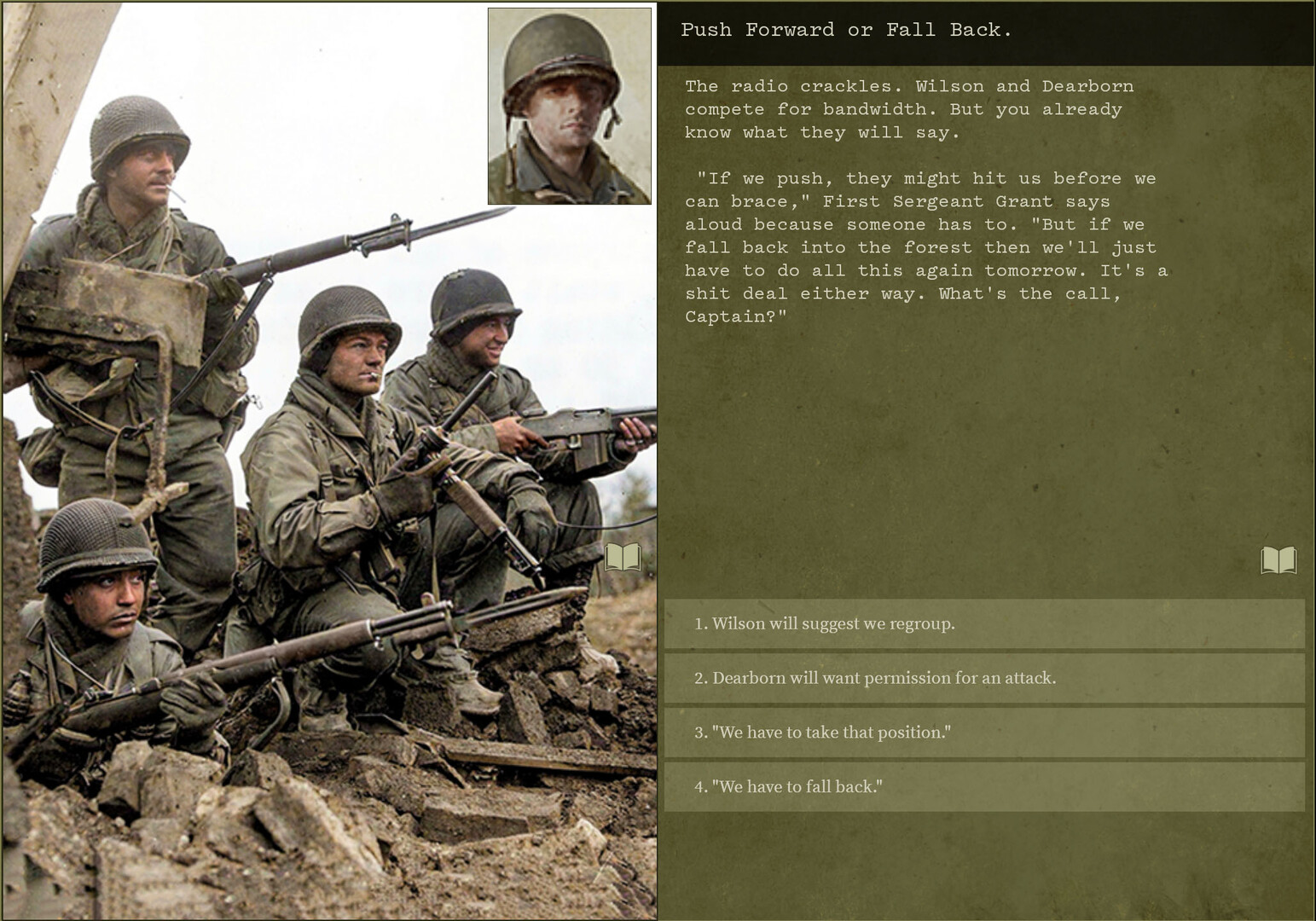
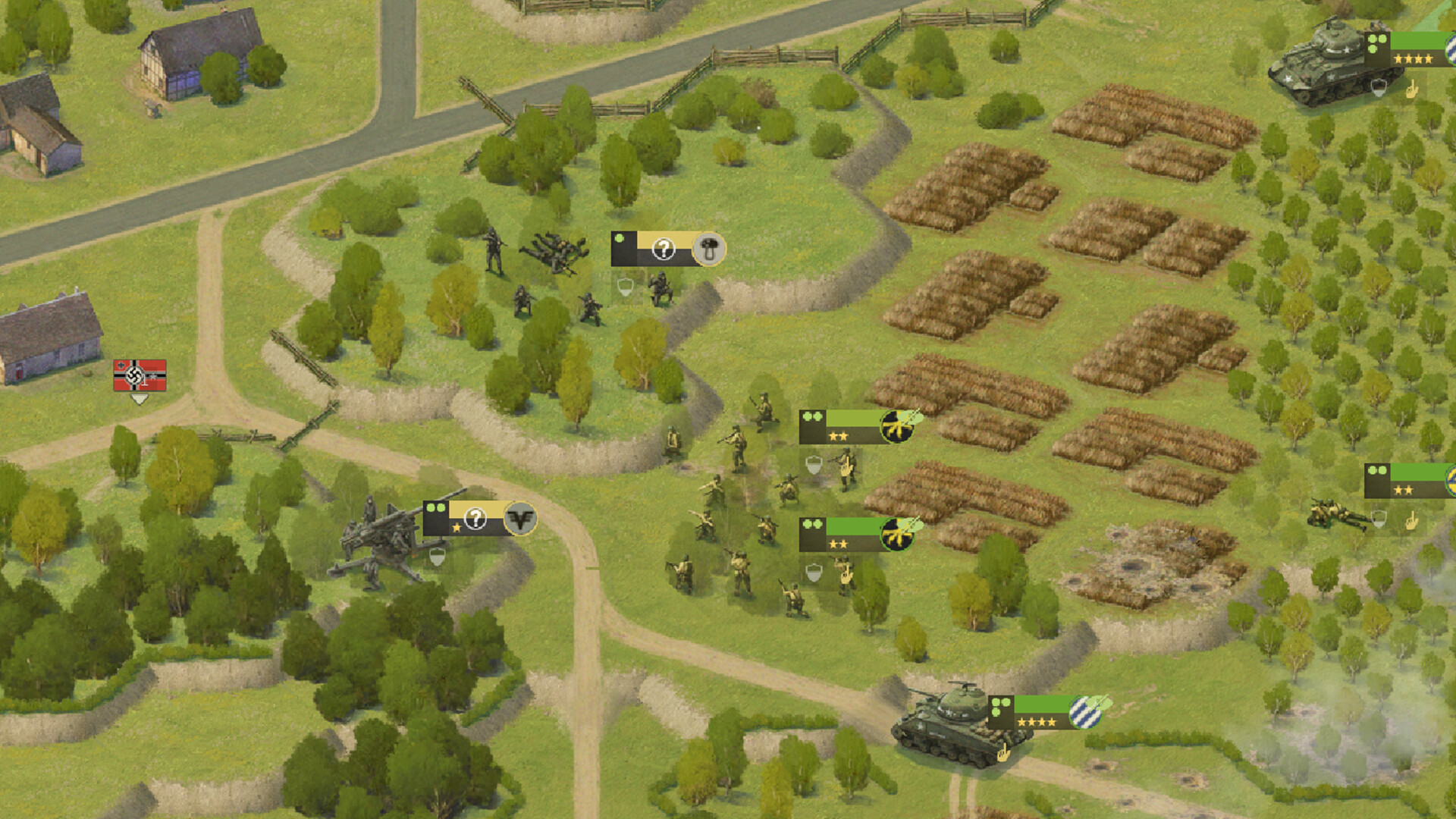
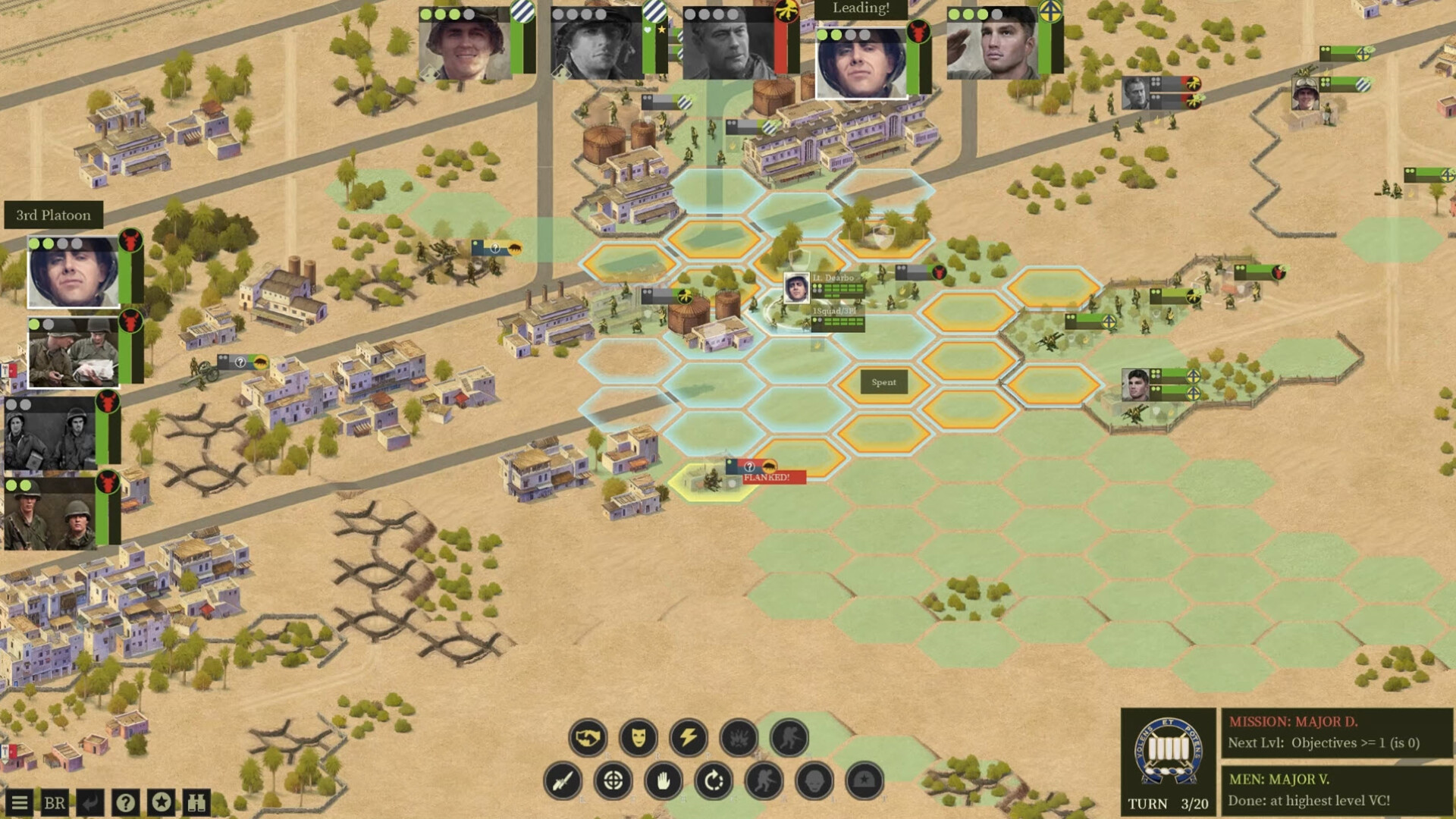
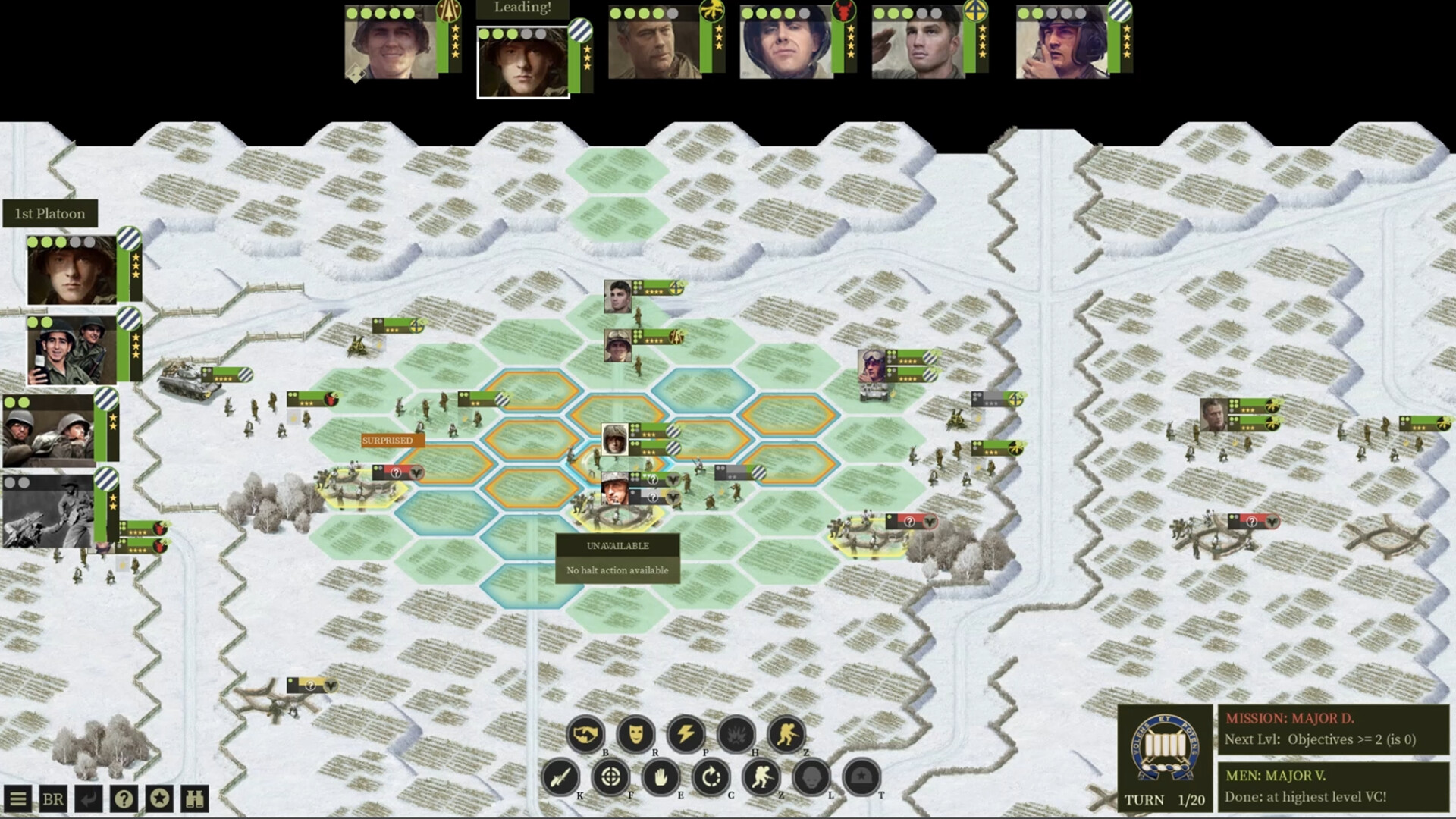
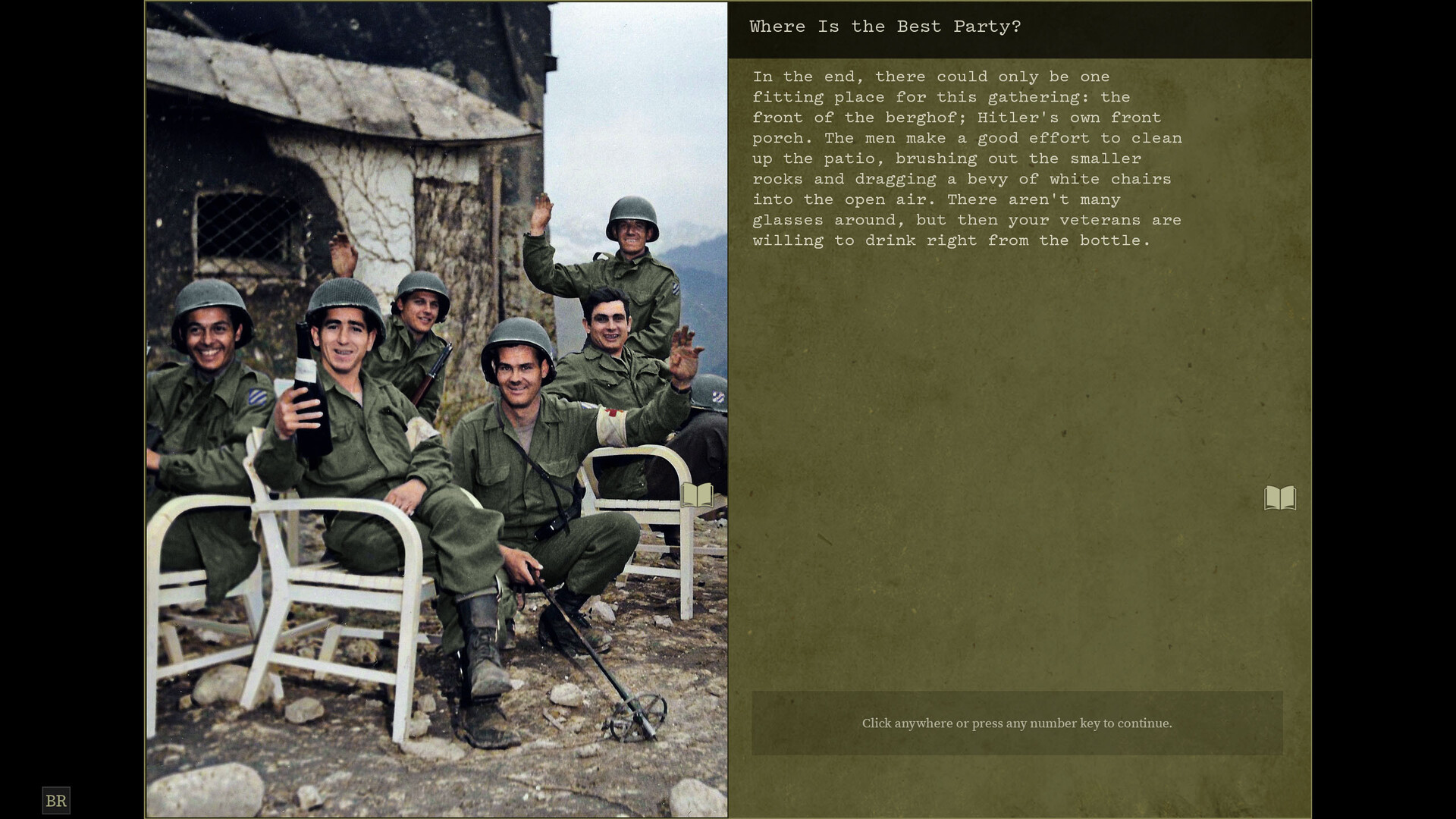
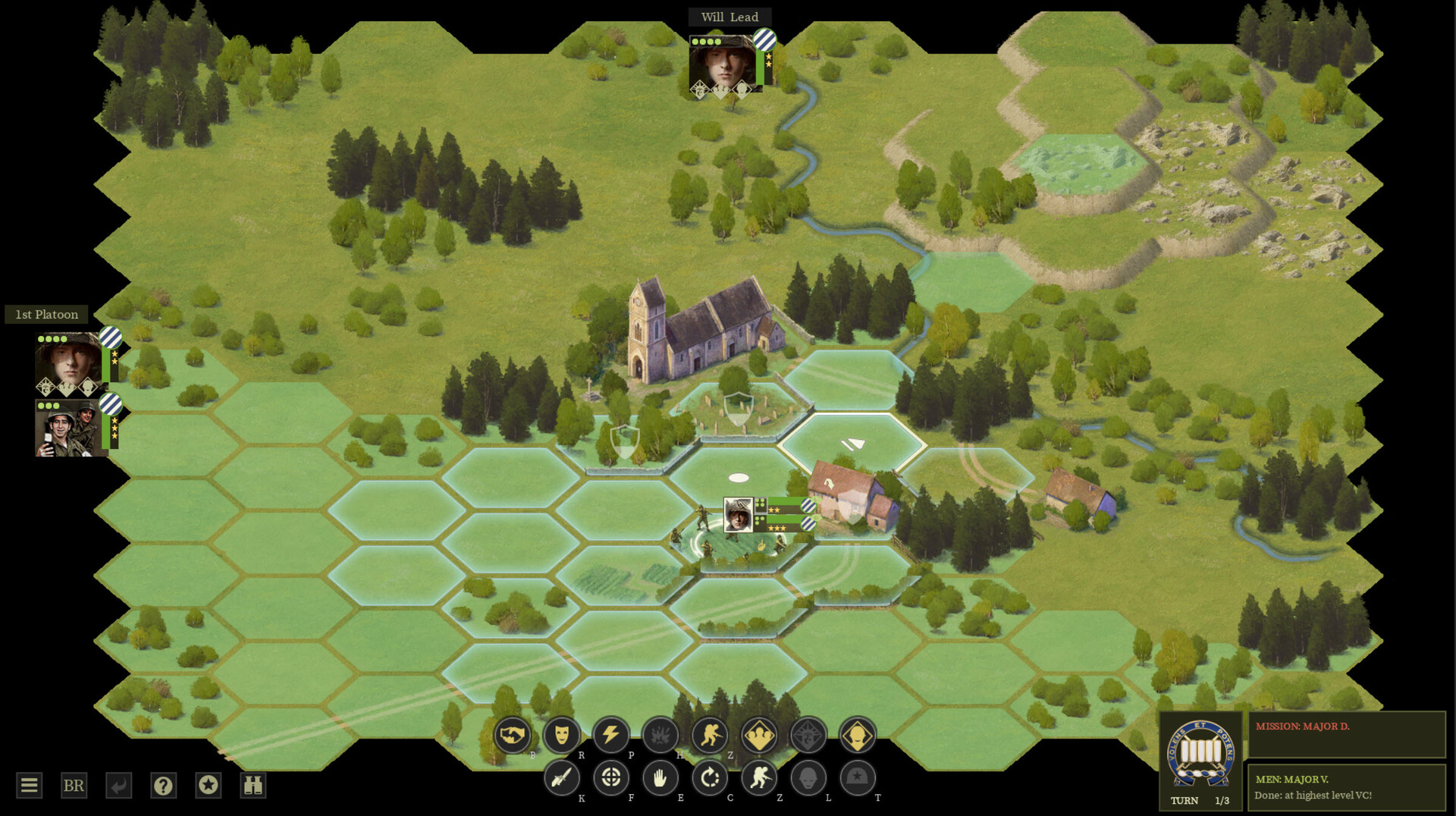
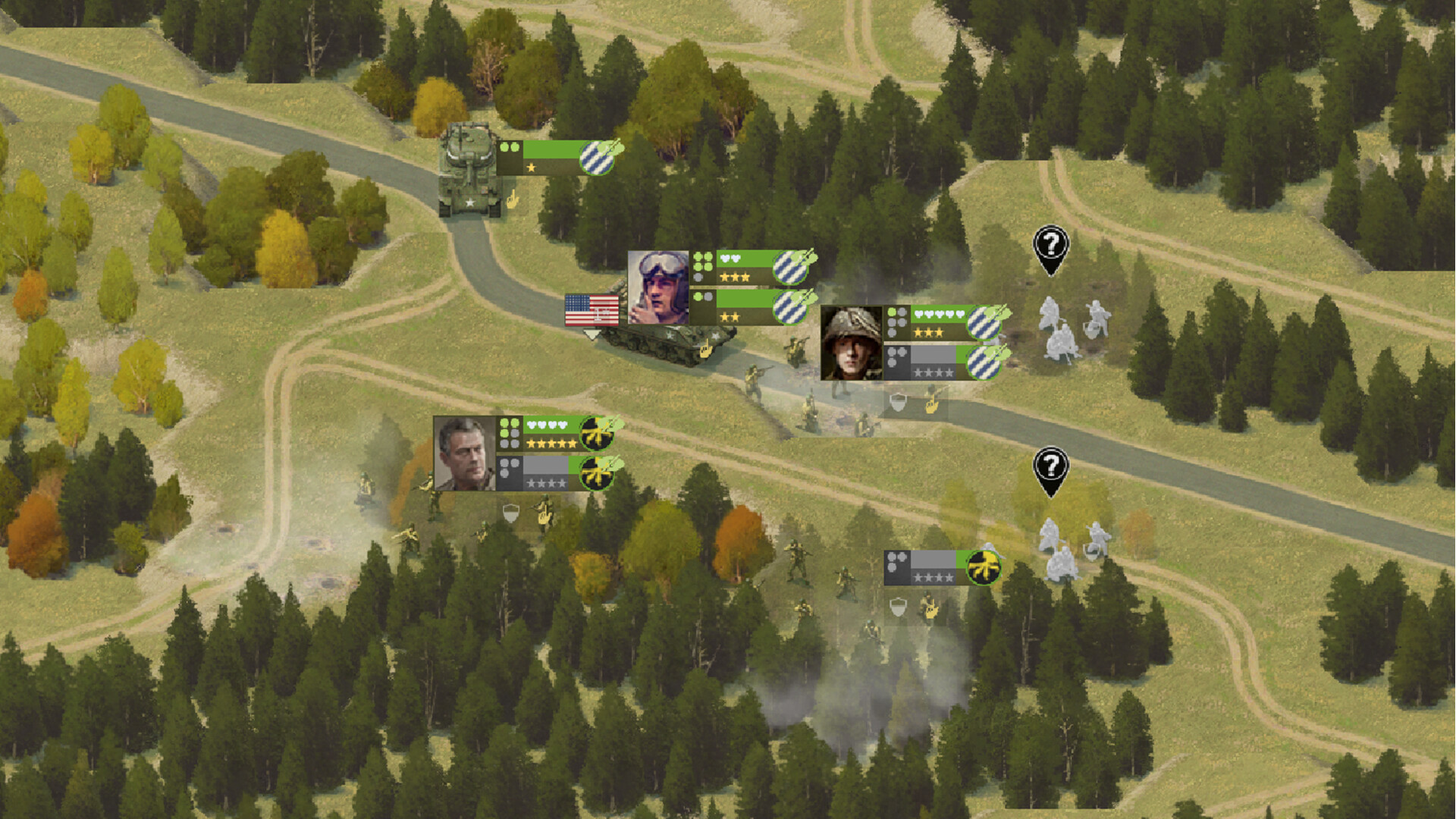
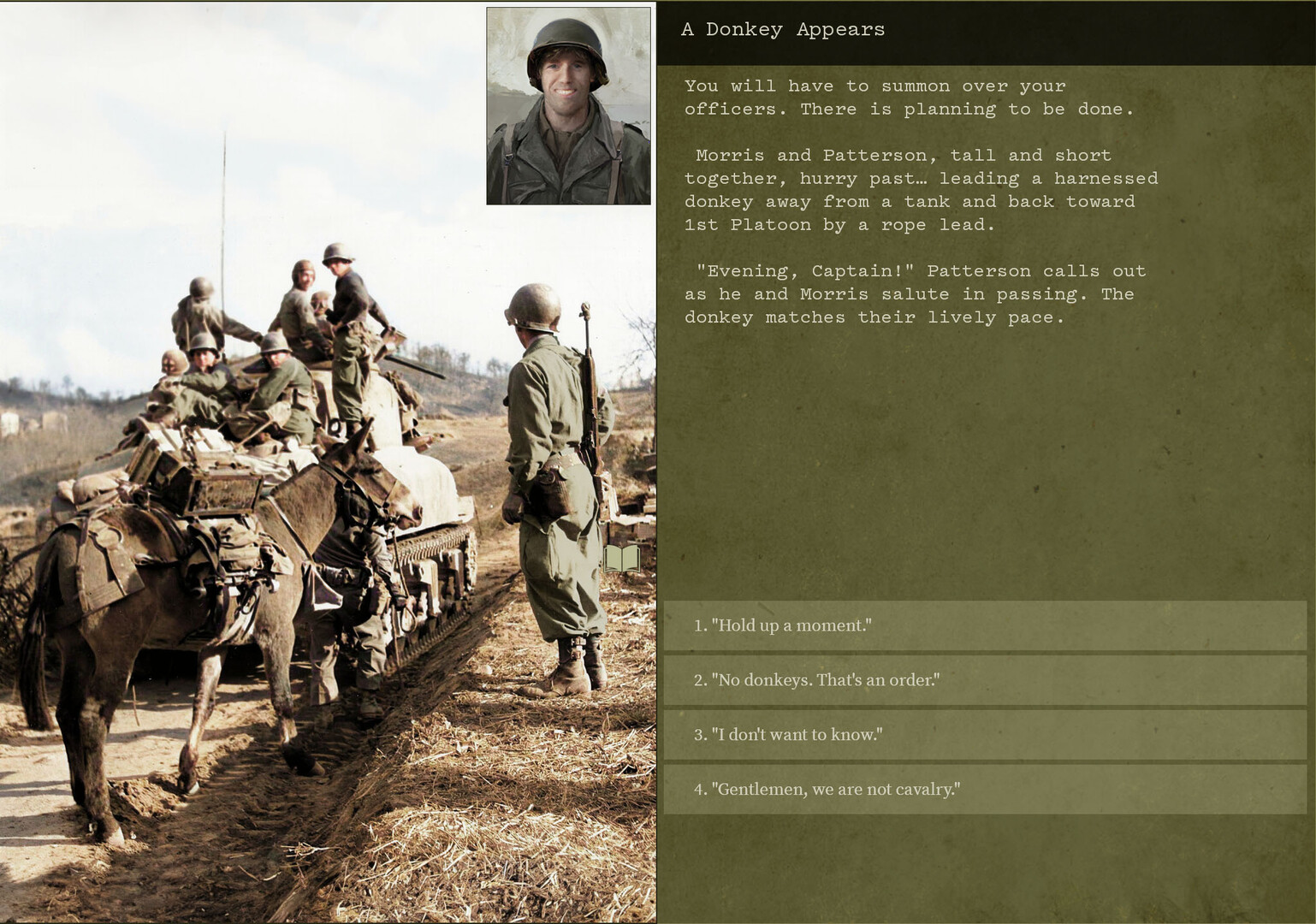
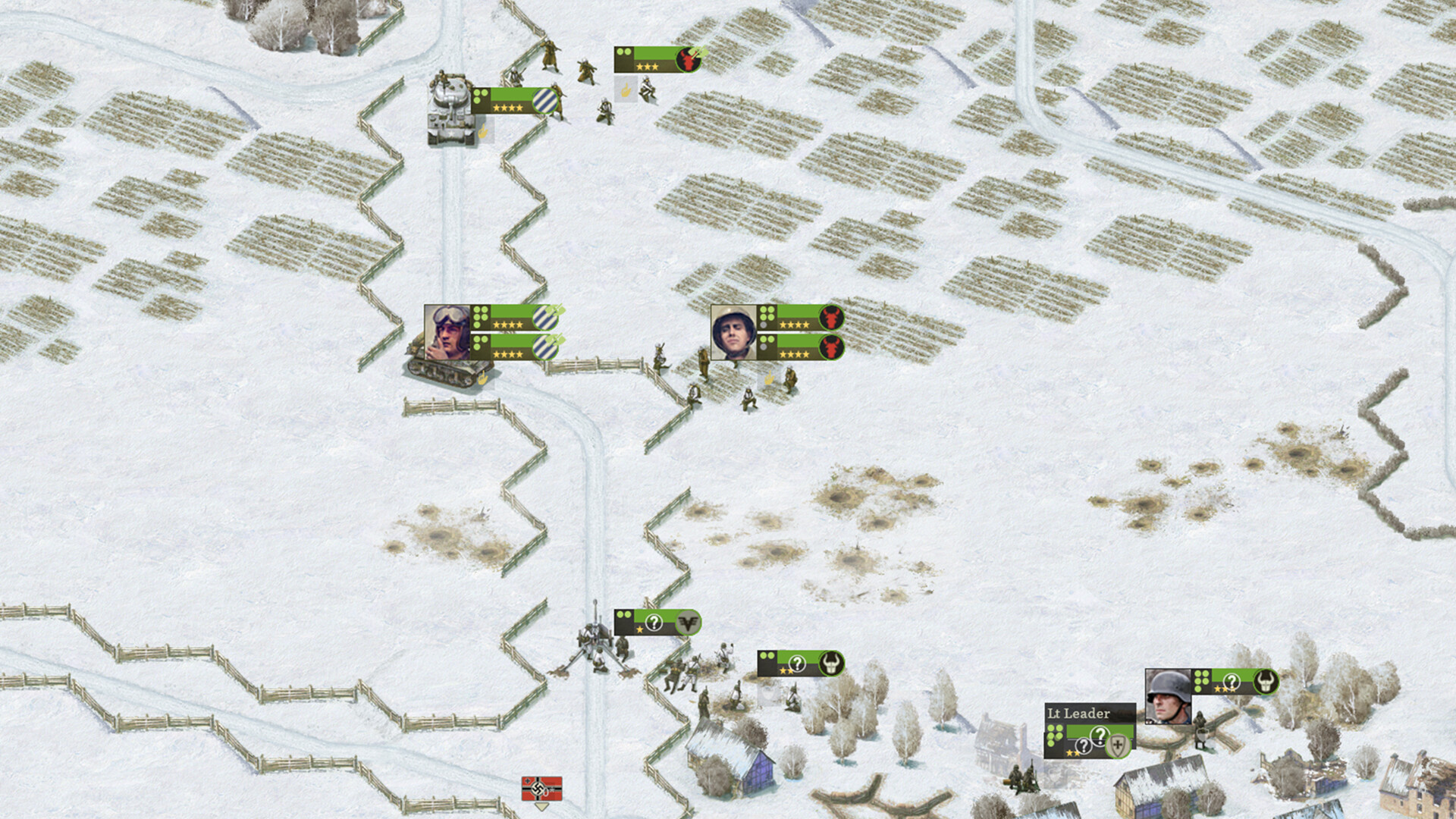
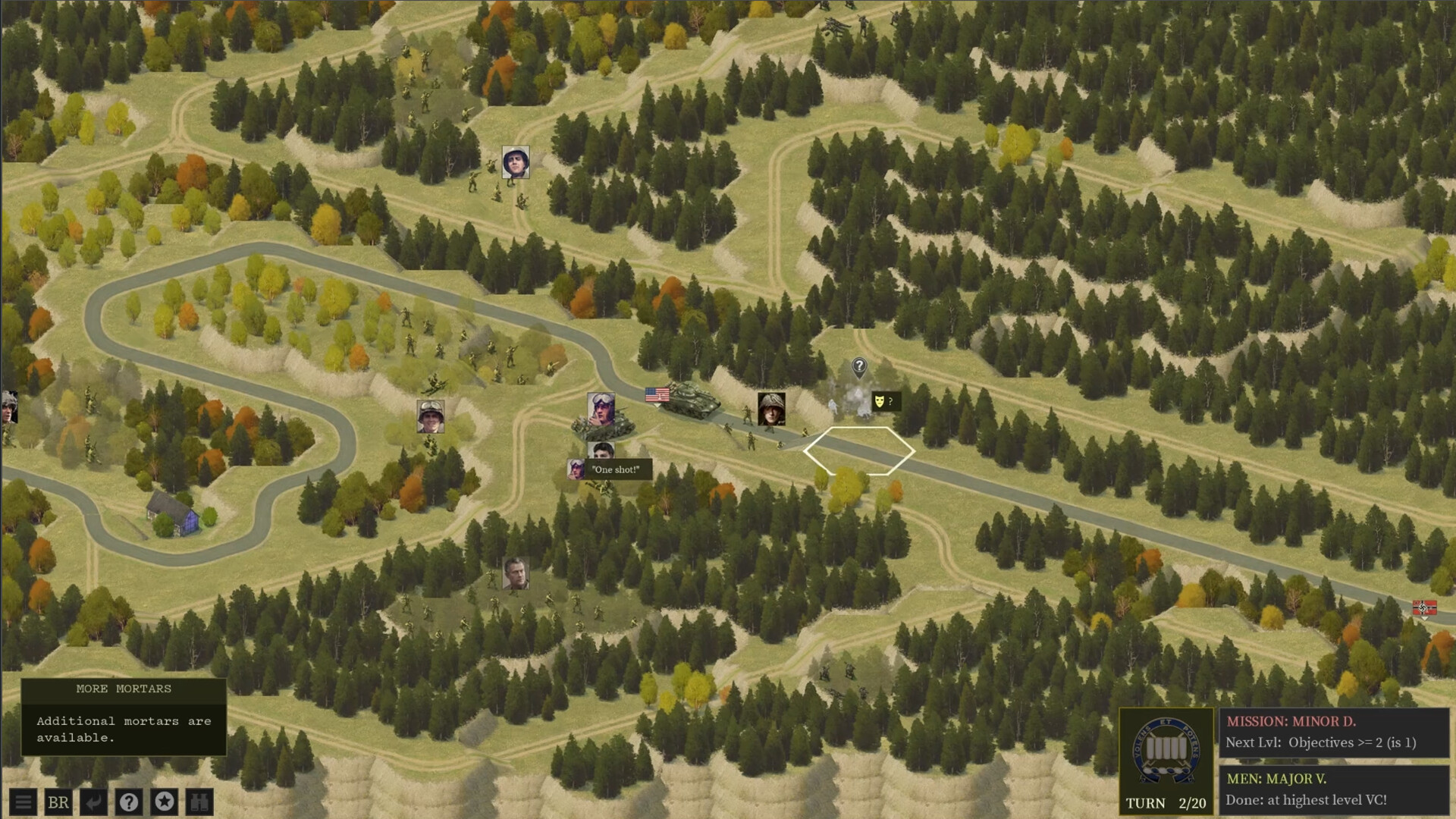
Can you lead? Burden of Command is an emotionally authentic tactical leadership RPG. You’re a company Captain in the historical Cottonbalers. Fighting psychology as much as bullets, you must build respect, trust, and battlefield experience to bring your brothers safely home.
Burden of Command™ is a tactical rpg, strategy rpg and world war ii game
developed and published by Green Tree Games LLC.
Released on April 08th 2025 is available on Windows, Steam Deck and Steam Machine.
It has received 381 reviews of which 314 were positive and 67 were negative resulting in a rating of 7.7 out of 10. 😊
The game is currently priced at 24.50€ on Steam.
The Steam community has classified Burden of Command™ into these genres:
Media & Screenshots
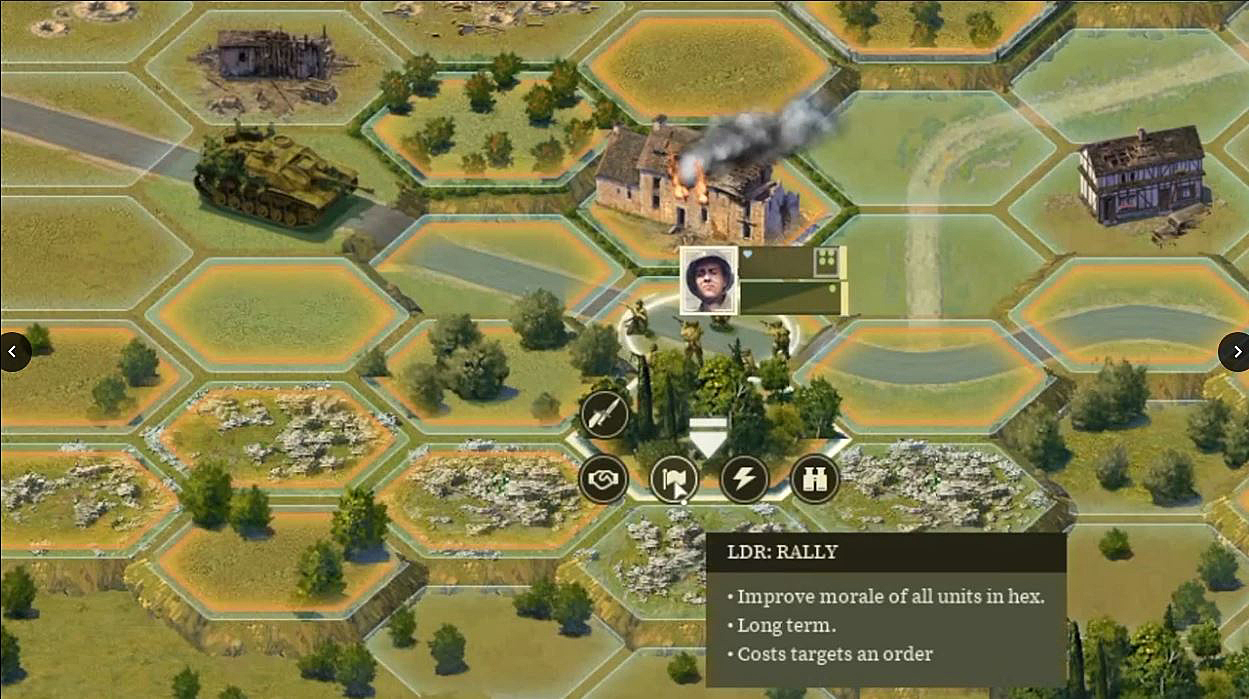
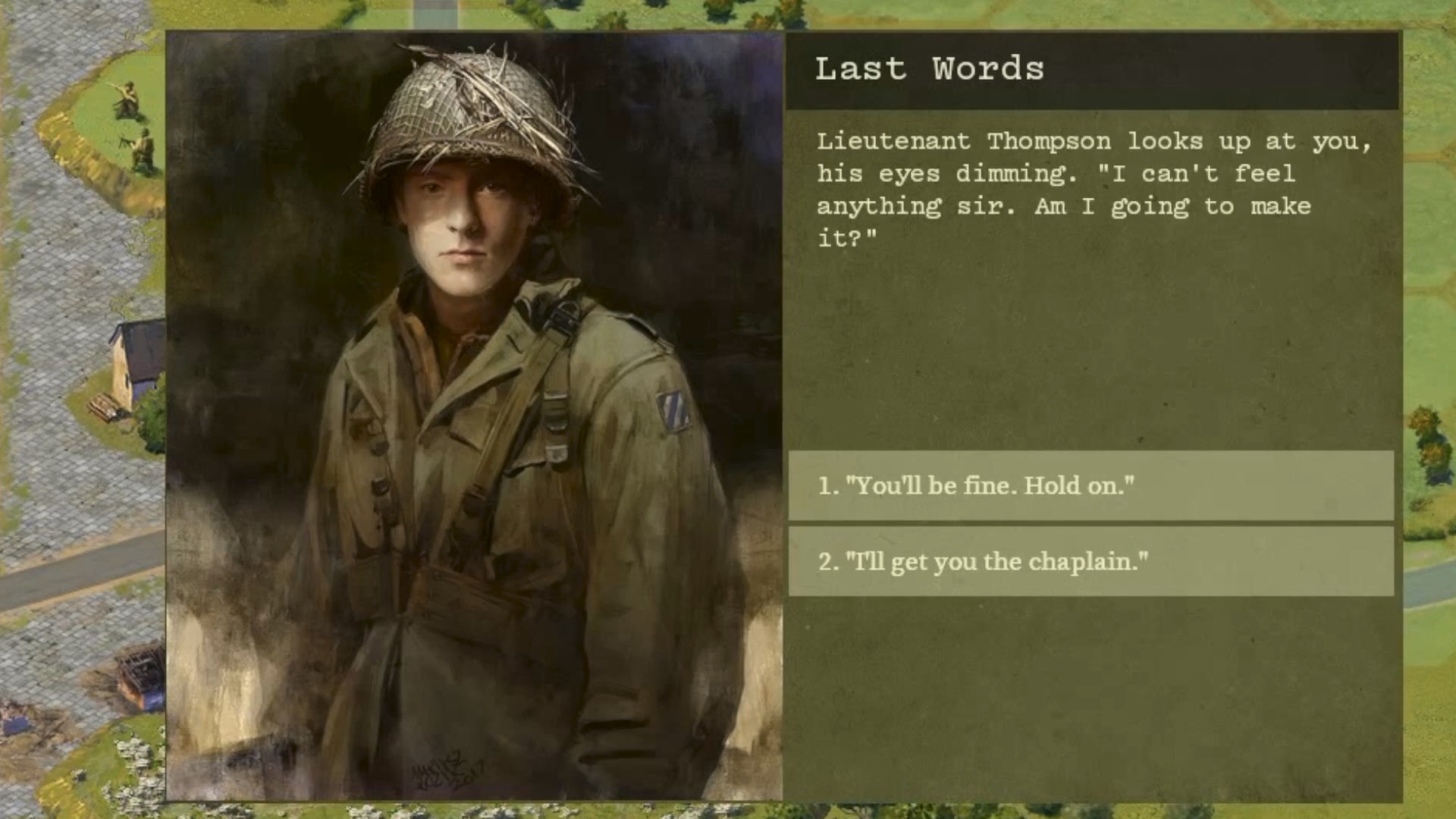
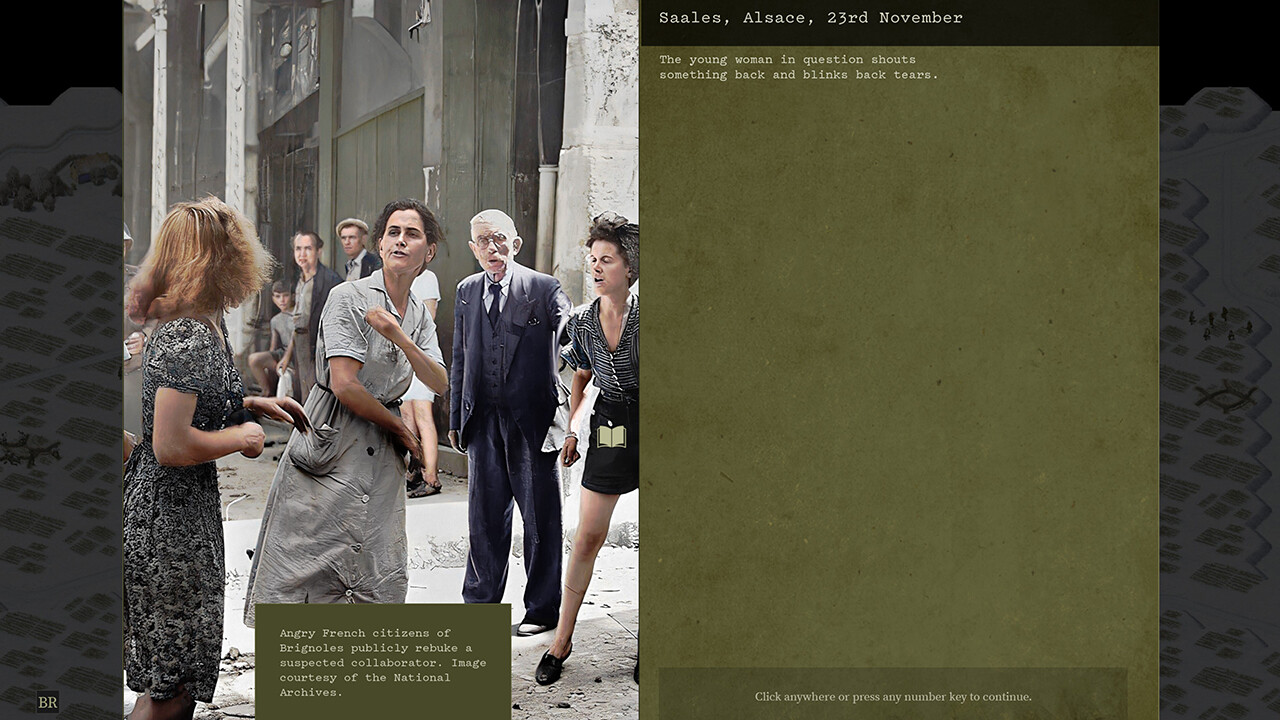
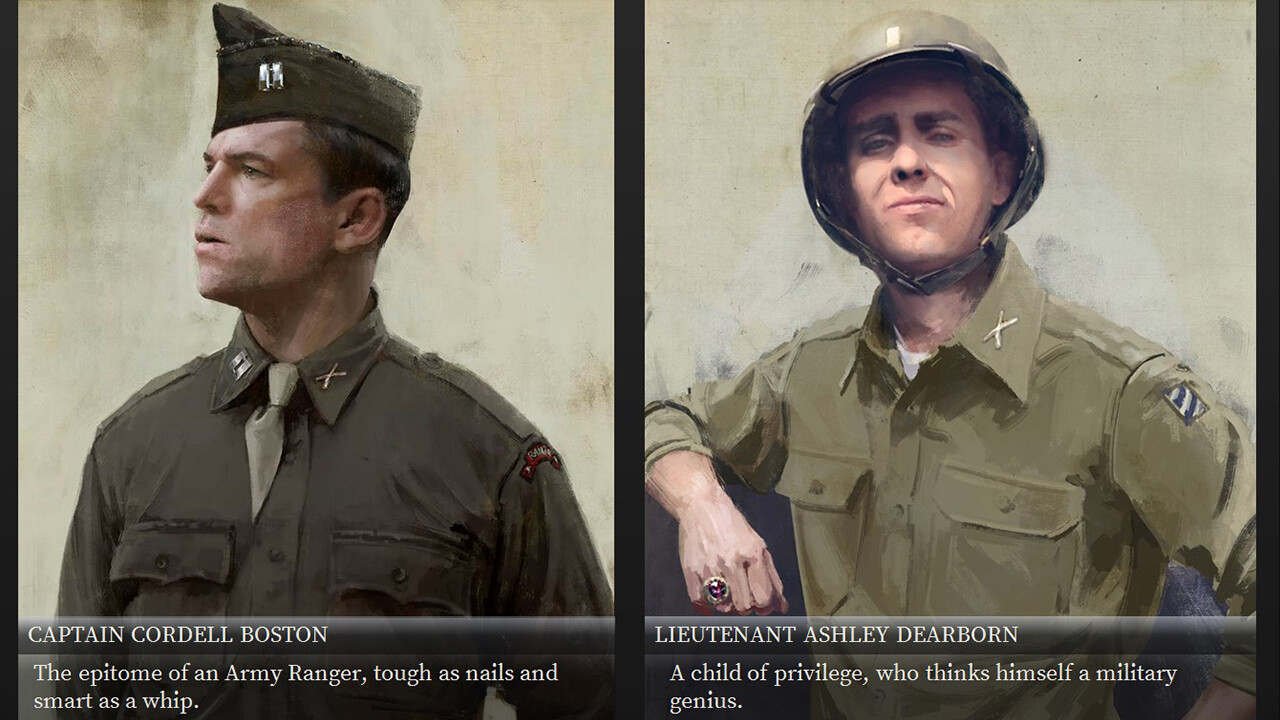
Get an in-depth look at Burden of Command™ through various videos and screenshots.
Load More
System requirements
These are the minimum specifications needed to play the game. For the best experience, we recommend that you verify them.
Windows
- OS: Windows 10+
- Processor: 2 GHz
- Memory: 1 GB RAM
- Graphics: 1200x800 (1920x1080 or more recommended)
- Storage: 11 GB available space
- Additional Notes: Some integrated Intel HD graphics cards have been known to work but are not officially supported.
Steam Price & Best Deals
User reviews & Ratings
Explore reviews from Steam users sharing their experiences and what they love about the game.
This is a wonderful game, unlike any I've ever played. It's turn-based, and a real pleasure. It's well-balanced, challenging without being frustrating, and a brilliant combination of tactics and RPG. The tactical situations are challenging and fun, but what gives the game depth is the role-playing element: you can't help taking your responsibility for your men seriously, and that weights every decision in a way typical games don't. And as the story develops there are, of course, surprises -- as in any good story -- which adds drama in the best sense. The beauty of this game is how it makes you think and even feel as a commander of men in battle -- men about whose fates you are made to care. It's not about blowing things up, it's about the human experience of combat, of trying to take care of your men while completing the mission as determined by the higher-ups and required by the war effort. Processing all that is what the game is about, and because it's turn-based, the implications of each decision have time to sink in, while the evolving plot throws plenty of surprises punches that keep it interesting. Keep it coming!
Simple, People whine and whine (My old gamer self included) for something truly different, engaging, and challenging.... and with old school immersion, depth and fun.... this might just be it! I am really enjoying the tutorial and early campaigns, I don't love linear campaigns, but the designer give you a lot of impactful freedom here, and truly open ended outcomes. You are living a story, a rich, old school, honourable story, that will captivate you if you were ever into World War 2. Don´t ignore the cutscenes and text, the reading, its all high quality, and it all delivers if you commit your mind to letting yourself immerse in this great and orignal game. There is something brilliant about this game, as differently paced as it is, the pacing captures war and gives immersion, ¨long periods of waiting followed by nightmare seconds of dread that seem like years." Bravo, and well done! Highly recommend.
I love how this game actually leaned into the realism side of things, even if that can't be perfectly replicated 100% in a video game, especially since the arcade-y route has been done to death a million times over in the WW2 genre. The subject matter was treated with the utmost respect, while at the same time, doesn't shy away from dark subject matter, which is difficult to pull off successfully. It also features a couple genuinely surprising moments that can hit pretty hard. Fans of the John Tiller games will find themselves well at home with the gameplay, though it's far less punishing and obviously more focused on storytelling. It doesn't take long to figure out the basic gameplay loop. Strategizing the best way to suppress and ultimately flank the enemy is what players will spend most of their time doing outside of the narrative. Locating enemy positions without getting filled with lead in the process is also key, which makes the "Creep" order meaningful. There's definitely a satisfying sense of accomplishment when you're able to roll up an enemy's defensive line after identifying and penetrating a weak point. Using the Mindset perks and deciding when to employ the Captain's extra orders before passing the round will also make the player think about the order in which they do things, which is pretty engaging. As for cons, I think the difficulty could have been upped a bit more, since you usually have plenty of time to meet objectives. I was able to achieve Major/Minor victories for both the missions and the men on my first blind playthrough. Some of the stats and how they affect narrative choices could also be explained a bit better, like Directness, Verbosity, Realism, etc. They didn't seem crucial to a particular gameplay build but are rather there just for flavor and roleplay. Overall, I'm glad I bought it and thought it was a breath of fresh air. I'm excited for what else this developer could do in the WW2 genre once some of the rough edges are ironed out.
First game I've played that managed to really capture the spirit of a war epic. The mix of text based narration with top down strategy creates a lot of neat emergent storytelling (although this is often more scripted than it first appears). That said, the writing does not manage to communicate anything new about WWII beyond what has already been done hundreds of times elsewhere. While it is neat to play out the (pleasantly) exhausting scope of the war, I think the format they managed has room to move beyond Band of Brothers' cliches. With so many recent incredible text heavy indie games like Disco Elysium or Perfect Tides: Station to Station, Burden of Command's storytelling left me wanting.
TL;DR: A great WWII Tactical RPG with tremendous writing, I would recommend. If you like military RPGs (Like Legionaries Life or Never Second in Rome) combined with tile-based combat (like Memoir '44 or Battle cry) then you will love Burden of Command. The writing in this game is 9.5/10 [you will genuinely feel the "burden" of your choices]. The music is ok - nothing to write home about. The graphics are a bit low, but this does not in any way detract from the experience. The gameplay itself is a bit hard to learn, but you pick up on it overtime. The DLC that you can buy is well priced for 3 new missions that are just as good as the base campaign battles My 3 biggest critics are: (1) it can be buggy at times in the battle maps (especially when there are a lot of enemy vehicles) and in the preparation menus (clicking between screens does not go well); (2) it is not always clear when you are "resolving" an issue with your skill set and when you are advancing your skills; (3) it only has 1 main campaign to chose from. Would I buy the game again knowing these critiques - yes. Hopefully the developer(s) will add a second campaign (the pacific, Barbarossa, etc.). But it is still a 60+ game as it currently stands so you will get your money's worth
Similar games
View all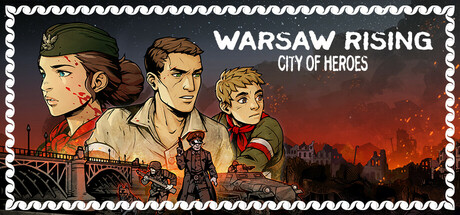
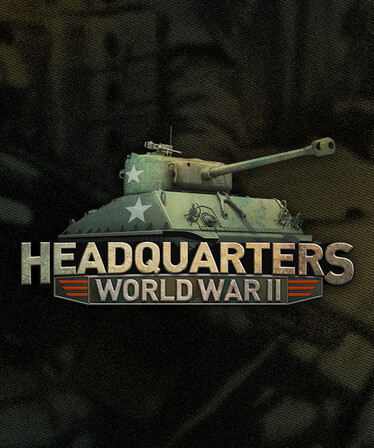
Headquarters: World War II
Headquarters: World War II is a fast-paced turn-based strategy game where your battlefield tactics are as important as your army management skills. Experience both sides of the war, battling in Europe as the USA, the UK, or Germany. Storm bunkers, occupy houses, win tank duels.

Strategic Mind: Blitzkrieg
Strategic Mind: Blitzkrieg is a turn-based strategy set in the period of WW2. It brings a modern look and new features to a good old wargame genre. You are to lead the German Armed forces overcoming unthinkable odds and claiming the ultimate bittersweet victory in Europe. Blitzkrieg is the way!

Eiyu*Senki Gold A New Conquest
A young man takes up his sword and leads an army in search of his missing past. Carefully plan strategic turn-based battles against adorable portrayals of historical and mythical world heroes, as you conquer the globe... for not well explained reasons!
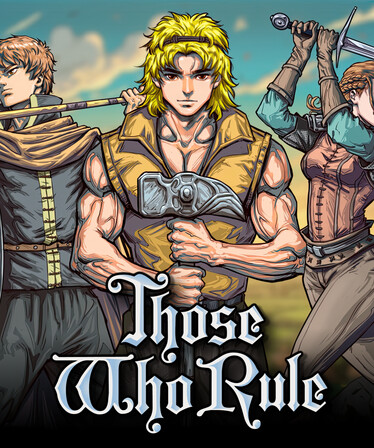
Those Who Rule
Join three fresh recruits caught in a web of betrayal as war looms over the land. Lead your band of heroes through tactical turn-based battles, master unique abilities, and forge powerful gear to turn the tide of battle. Will you unravel the conspiracy driving the conflict—or be consumed by it?

The Three Kingdoms: The Tales of Jian An
This is a historical strategy game set in the Three Kingdoms era, told from Liu Bei's perspective. It covers the Yellow Turban Rebellion to early Three Kingdoms. Featuring classic turn-based gameplay, it reinterprets historical events, offering both engaging battles and rich cultural insights.

Age of Fear: The Undead King
Play as either Sir Edward, a noble Knight defending the Human Kingdom, or Krill, a wicked Necromancer with an unearthly lust for power! The Age of Fear series is a deep and complex turn-based strategy (full of humour!) that fuses a tabletop wargame with RPG elements.
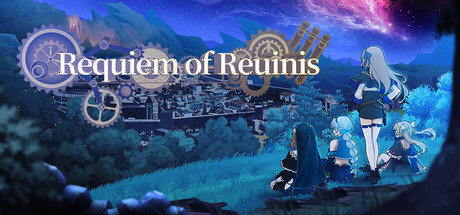
Requiem of Reuinis
A Magic Tower-style Strategy RPG with alchemy and progression. Play as Tasia and explore lost ruins with your companions. No unwinnable dead ends — plan your days freely, build your loadout, gather resources, and uncover the truth behind the [Calamity].
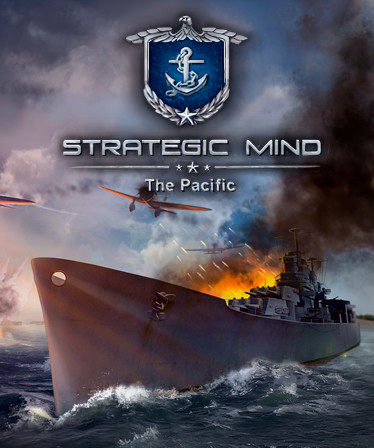
Strategic Mind: The Pacific
Strategic Mind: The Pacific is a turn-based strategy set in the WW2 period depicting the war between the USA and the Empire of Japan waged in the Pacific Ocean with mindblowing historical accuracy and attention to detail. Two Sides. Two Commanders. Two Destinies.
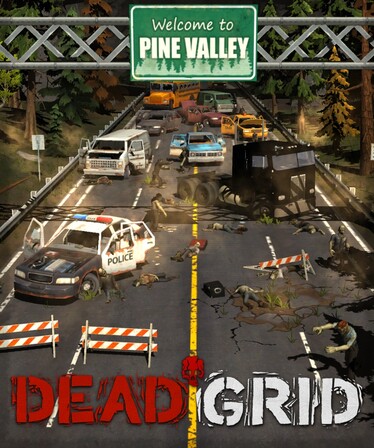
Dead Grid
Dead Grid is a turn-based strategy game set in a post-apocalyptic world overrun by zombies, infused with an 80s retro vibe. Lead a squad of elite mercenaries, fight relentless hordes, discover survivors, and build up your camp with hundreds of scavenged upgrades.
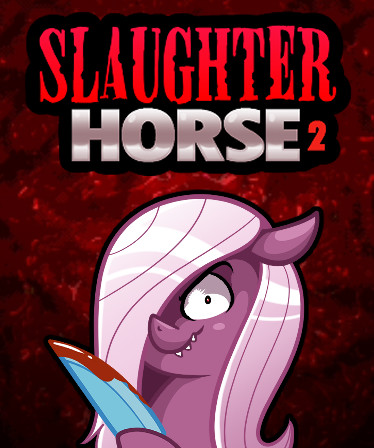
Slaughter Horse 2
Use deduction, murder and trust your luck to eliminate the town council and rule over the helpless cartoon horses in a twisted strategy RPG.

Broken Lines
Broken Lines is a story-driven tactical RPG set in an alternate-history version of WWII. Lead a squad of soldiers and face the horrors of war. In the included expansion, 'The Dead and the Drunk', guide your troops through fights against both the living and the undead.
Frequently Asked Questions
Burden of Command™ is currently priced at 24.50€ on Steam.
No, Burden of Command™ is currently not on sale. You can purchase it for 24.50€ on Steam.
Yes, Burden of Command™ received 314 positive votes out of a total of 381 achieving a rating of 7.70.
😊
Burden of Command™ was developed and published by Green Tree Games LLC.
Yes, Burden of Command™ is playable and fully supported on Windows.
No, Burden of Command™ is not playable on MacOS.
No, Burden of Command™ is not playable on Linux.
Yes, Burden of Command™ is playable on Steam Deck, though it might require a few minor tweaks. Make sure to check the Steam store page and community feedback on ProtonDB for exact compatibility details.
Yes, Burden of Command™ is playable on Steam Machine, though it might require a few minor tweaks. Make sure to check the Steam store page and community feedback on ProtonDB for exact compatibility details.
No, Burden of Command™ does not support VR.
Burden of Command™ is a single-player game.
Yes, there are 2 DLCs available for Burden of Command™. Explore additional content available for Burden of Command™ on Steam.
No, Burden of Command™ does not support mods via Steam Workshop.
No, Burden of Command™ does not support Steam Remote Play.
Yes, Burden of Command™ is enabled for Steam Family Sharing. This means you can share the game with authorized users from your Steam Library, allowing them to play it on their own accounts. For more details on how the feature works, you can read the original Steam Family Sharing announcement or visit the Steam Family Sharing user guide and FAQ page.
You can find solutions or submit a support ticket by visiting the Steam Support page for Burden of Command™.
Data sources
The information presented on this page is sourced from reliable APIs to ensure accuracy and relevance. We utilize the Steam API to gather data on game details, including titles, descriptions, prices, and user reviews. This allows us to provide you with the most up-to-date information directly from the Steam platform.
Additionally, we incorporate data from the SteamSpy API, which offers insights into game sales and player statistics. This helps us present a comprehensive view of each game's popularity and performance within the gaming community.
Last Updates| Steam data | 17 September 2026 20:07 UTC |
|---|---|
| SteamSpy data | 15 October 2026 01:08 UTC |
| Steam price | 26 October 2026 20:11 UTC |
| Steam reviews | 19 October 2026 17:48 UTC |
If you'd like to dive deeper into the details about Burden of Command™, we invite you to check out a few dedicated websites that offer extensive information and insights. These platforms provide valuable data, analysis, and user-generated reports to enhance your understanding of the game and its performance.
- SteamDB - A comprehensive database of everything on Steam about Burden of Command™
- SteamCharts - Analysis of Burden of Command™ concurrent players on Steam
- ProtonDB - Crowdsourced reports on Linux and Steam Deck Burden of Command™ compatibility

Game modes
Features
Online players
3
Developer
Green Tree Games LLC
Publisher
Green Tree Games LLC
Release
08 Apr 2025
Platforms
Clicking and buying through these links helps us earn a commission to maintain our services.