
Casino Simulator
Build and run your own casino empire — alone or in 1-4 player online co-op. Deal blackjack, poker and roulette yourself, spin real slot games, hire staff, expand your building, buy houses and cars in a living city… and outsmart every cheater who walks in.
Sync your Steam wishlist to find the lowest game prices instantly. No login required, just paste your Steam profile URL!
⚡ Try Wishlist Radar!
Sync your Steam wishlist to find the lowest game prices instantly. No login required!
⚡ Try Wishlist Radar!
Close

Cargo Simulator on Steam
Quick menu
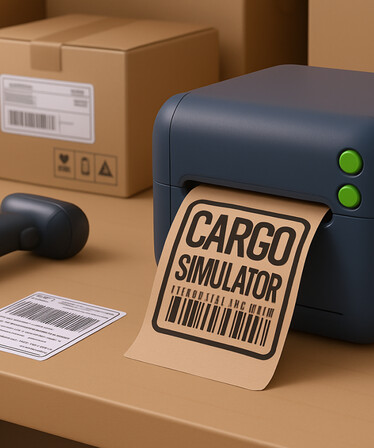
Build and manage your own delivery company! Pack orders, organize your warehouse, and deliver packages on time. Hire employees, manage your fleet, sign contracts with companies, and expand your business into a thriving logistics empire!
Cargo Simulator is a casual, simulation and life sim game
developed and published by Sincapp Games.
Released on September 30th 2025 is available on Windows, Steam Deck and Steam Machine
in 13 languages: English, Turkish, French, Italian, German, Spanish - Spain, Dutch, Japanese, Polish, Portuguese - Portugal, Russian, Simplified Chinese and Korean.
It has received 321 reviews of which 225 were positive and 96 were negative resulting in a rating of 6.7 out of 10. 😐
The game is currently priced at 11.79€ on Steam.
The Steam community has classified Cargo Simulator into these genres:
Here is the detailed breakdown of supported languages for Cargo Simulator:
| UI | Subtitle | Audio | |
|---|---|---|---|
| English | |||
| German | |||
| French | |||
| Italian | |||
| Korean | |||
| Spanish - Spain | |||
| Simplified Chinese | |||
| Russian | |||
| Japanese | |||
| Portuguese - Portugal | |||
| Polish | |||
| Dutch | |||
| Turkish |
Media & Screenshots
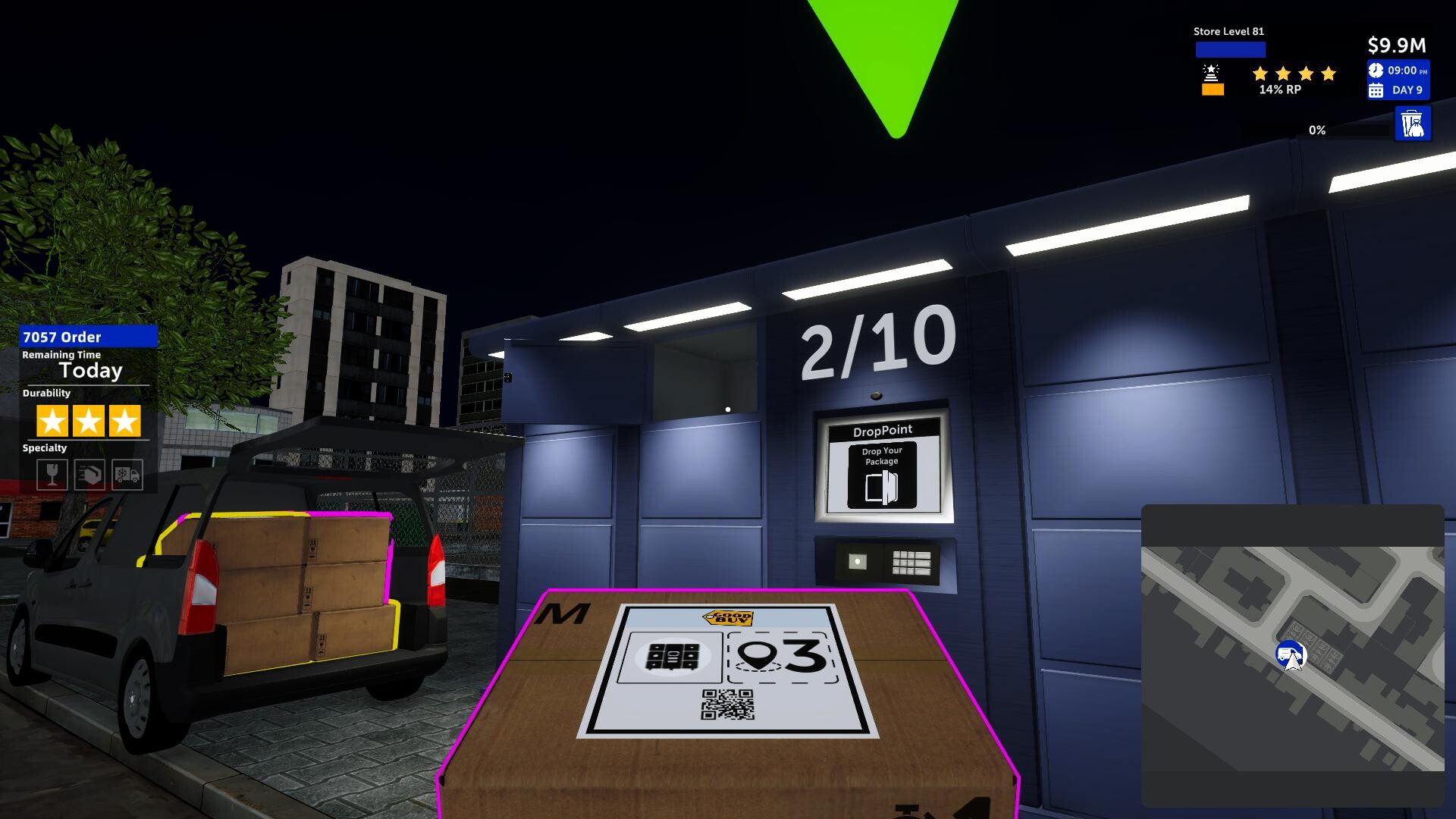
Get an in-depth look at Cargo Simulator through various videos and screenshots.


Load More



System requirements
These are the minimum specifications needed to play the game. For the best experience, we recommend that you verify them.
Windows
- OS: Windows (64-bit) 10
- Processor: i5 3550 / RYZEN 5 2500X
- Memory: 4 GB RAM
- Graphics: NVIDIA GTX 1050 / AMD R9 270X
- DirectX: Version 11
- Storage: 5 GB available space
Steam Price & Best Deals
User reviews & Ratings
Explore reviews from Steam users sharing their experiences and what they love about the game.
Cargo Simulator delivers an enjoyable blend of warehouse operations, package handling, transportation, and business management, turning the routine responsibilities of a logistics company into a rewarding simulation experience. Developed and published by Sincapp Games, the game challenges players to establish a small shipping business and gradually transform it into a thriving distribution network. Its appeal comes from the satisfaction of completing everyday tasks, improving workplace efficiency, and watching a modest operation develop into something considerably larger. Rather than relying on complicated mechanics or intense competition, it emphasizes steady progression, practical decision-making, and the rewarding feeling of building a business through consistent effort. The central gameplay revolves around receiving customer orders, selecting appropriate packaging, organizing shipments, and ensuring that products reach their intended destinations. Choosing the correct box according to an item's dimensions, shape, and fragility introduces a welcome degree of consideration into what might otherwise become a repetitive activity. Every completed package contributes to the broader business operation, creating an enjoyable connection between individual tasks and long-term progress. The physical involvement in handling merchandise makes the experience more engaging than a conventional management game controlled entirely through menus. However, players expecting substantial variety in every assignment may eventually find the repeated packing procedures somewhat monotonous. Warehouse management provides another satisfying layer of gameplay. Maintaining supplies, arranging shelves, organizing stock, and transporting merchandise require players to establish an efficient working environment. Equipment such as handcarts, pallet jacks, and hand trucks makes the process feel more grounded in actual logistics work. Expanding the warehouse, office, and store facilities introduces meaningful progression opportunities, while customization allows players to develop a workplace that reflects their preferred business identity. These features create a pleasant sense of ownership, although the organizational mechanics would benefit from additional complexity and more varied challenges as operations expand. Delivering packages introduces a welcome change of pace from warehouse activities. Players can operate four different delivery vehicles, transporting shipments to residential properties, commercial establishments, delivery points, and other branches throughout the city. Navigating streets, managing cargo capacity, and reaching destinations efficiently provide a practical extension of the warehouse systems. The driving component is not designed to compete with highly specialized vehicle simulators, but it successfully connects package preparation with the final stage of the logistics process. Having direct responsibility for both packing and delivery makes completed orders feel more meaningful. Additional destinations, transportation options, and environmental challenges could further strengthen this aspect of the experience. Business expansion is arguably the game's most compelling long-term motivation. Successful deliveries improve customer satisfaction and reputation, creating opportunities to secure partnerships with larger logistics companies. Players must also consider operational expenses, purchase supplies, and invest in improvements that support increasing demand. Hiring carriers, cashiers, and drivers introduces an important transition from performing every task personally to managing a growing workforce. Delegating responsibilities can make the business feel increasingly established, although the financial systems remain relatively accessible rather than deeply sophisticated. This straightforward approach benefits newcomers to management simulations but may leave experienced strategy enthusiasts wanting more demanding economic decisions. The presentation favors functional three-dimensional environments over elaborate visual spectacle. Warehouses, delivery vehicles, and city locations establish an appropriate atmosphere for a practical workplace simulation. The first-person perspective strengthens the sense of participating directly in daily operations, while opportunities to explore entertainment areas provide occasional breaks from business responsibilities. Nevertheless, the overall presentation could benefit from greater environmental diversity, smoother interactions, and additional visual polish. Its greatest appeal lies in the gameplay routine rather than exceptional graphics or cinematic storytelling. One important consideration is the game's Early Access status. Although its principal systems are already available, the experience remains subject to further refinement, and occasional technical problems or balancing inconsistencies are possible. Planned improvements include additional merchandise varieties, more packaging options, expanded transportation equipment, new vehicles, improved interfaces, additional city routes, and special events. These proposed additions could address some of the existing limitations, particularly the potential repetition of everyday tasks. However, prospective players should evaluate the game based on its current features rather than assuming every planned improvement will eventually materialize. Steam Deck compatibility is officially rated Playable, meaning the game is supported on Valve's handheld device but has not received the fully Verified classification. Its combination of first-person movement, inventory handling, warehouse interactions, and vehicle controls may require some adjustment when played using handheld inputs. Players accustomed to keyboard and mouse controls may find certain management activities more comfortable on a desktop computer. Nevertheless, the Playable designation makes portable logistics management a viable option for those willing to accommodate potential control inconveniences. Overall, Cargo Simulator presents a promising interpretation of the logistics management genre by combining practical warehouse work with delivery operations and gradual business expansion. Its strongest qualities are its satisfying progression, interconnected activities, accessible management systems, and the freedom to develop a personalized shipping enterprise. Repetitive assignments, relatively simple economic mechanics, and Early Access imperfections prevent it from achieving its full potential, but the existing foundation remains entertaining for players who appreciate structured routines and incremental accomplishments. With continued improvements and greater gameplay variety, it could become an even more engaging business simulation. For enthusiasts of warehouse management and transportation games, it offers a worthwhile experience built around the simple satisfaction of turning hard work into commercial success. Rating: 7/10
Similar games
View all

Car Dealership Simulator
Car Dealership Simulator is an extremely comprehensive and detailed car dealership business simulation game.

Car Dealership Simulator 2
Take charge of the car trade with Car Dealership Simulator 2! Buy, modify, and grow your dealership with strategic sales. Every opportunity will take you closer to the top of the automotive market!

Streamer Life Simulator
Streamer Life Simulator is a very comprehensive streamer life simulation game. Be the most popular streamer in the world.

Accident: The Pilot
Become a journalist who researches old car accident cases. Help victims and perform first aid, obtain evidence and reconstruct the events to discover what really happened.

Pumping Simulator 2
A gas station management game, start by selling a car to raise funds and invest in an abandoned plot of land. Build, expand, and upgrade your gas station, diversify services, customize and manage time efficiently during peak hours. And maybe you will become rich
Computer Repair Shop
Become a dishonest computer repairman, steal rams. Burn the motherboards!

Pawnbroker Simulator
Enter Pawnbroker Simulator, where every deal, appraisal, and choice forges your path to pawn shop greatness. Sharpen your instincts, unlock new talents, craft a storefront that turns heads, offer high-stakes loans, and stay one step ahead of cunning thieves.

Exotica: Petshop Simulator
Exotica is a simulation game where you run an exotic pet shop in the city.

Beff Jezos Simulator
Build Your Online Empire! Create and manage your store in Beff Jezos Simulator. Customize your shop, source products, set prices, hire employees and grow your business. Face realistic challenges with addictive gameplay, perfect for all gamers. Don’t forget to ask yourself—what would Beff Jezos do?

Prison Escape Simulator: Dig Out
Too long in this prison, time to get out of here. Pull the carpet and start digging with a teaspoon. Watch out for the guard, sell him the junk you find. Trade toilet paper with the prisoners. Get better items and improve your stats. Expand the tunnel, use glow sticks and dynamite. Will you escape?
Seafarer: The Ship Sim
Build your maritime career solo or with up to 4 players. Take on contracts across diverse harbors, command different ships, and tackle cargo runs, patrols, rescues, firefighting, and unexpected events in a vast Northern European open world.
Frequently Asked Questions
Cargo Simulator is currently priced at 11.79€ on Steam.
No, Cargo Simulator is currently not on sale. You can purchase it for 11.79€ on Steam.
Yes, Cargo Simulator received 225 positive votes out of a total of 321 achieving a rating of 6.66.
😐
Cargo Simulator was developed and published by Sincapp Games.
Yes, Cargo Simulator is playable and fully supported on Windows.
No, Cargo Simulator is not playable on MacOS.
No, Cargo Simulator is not playable on Linux.
Yes, Cargo Simulator is playable on Steam Deck, though it might require a few minor tweaks. Make sure to check the Steam store page and community feedback on ProtonDB for exact compatibility details.
Yes, Cargo Simulator is playable on Steam Machine, though it might require a few minor tweaks. Make sure to check the Steam store page and community feedback on ProtonDB for exact compatibility details.
No, Cargo Simulator does not support VR.
Cargo Simulator is a single-player game.
No, Cargo Simulator does not currently offer any DLC.
No, Cargo Simulator does not support mods via Steam Workshop.
No, Cargo Simulator does not support Steam Remote Play.
Yes, Cargo Simulator is enabled for Steam Family Sharing. This means you can share the game with authorized users from your Steam Library, allowing them to play it on their own accounts. For more details on how the feature works, you can read the original Steam Family Sharing announcement or visit the Steam Family Sharing user guide and FAQ page.
You can find solutions or submit a support ticket by visiting the Steam Support page for Cargo Simulator.
Data sources
The information presented on this page is sourced from reliable APIs to ensure accuracy and relevance. We utilize the Steam API to gather data on game details, including titles, descriptions, prices, and user reviews. This allows us to provide you with the most up-to-date information directly from the Steam platform.
Additionally, we incorporate data from the SteamSpy API, which offers insights into game sales and player statistics. This helps us present a comprehensive view of each game's popularity and performance within the gaming community.
Last Updates| Steam data | 22 October 2026 00:28 UTC |
|---|---|
| SteamSpy data | 08 November 2026 12:02 UTC |
| Steam price | 19 November 2026 15:30 UTC |
| Steam reviews | 19 November 2026 07:08 UTC |
If you'd like to dive deeper into the details about Cargo Simulator, we invite you to check out a few dedicated websites that offer extensive information and insights. These platforms provide valuable data, analysis, and user-generated reports to enhance your understanding of the game and its performance.
- SteamDB - A comprehensive database of everything on Steam about Cargo Simulator
- SteamCharts - Analysis of Cargo Simulator concurrent players on Steam
- ProtonDB - Crowdsourced reports on Linux and Steam Deck Cargo Simulator compatibility
Game modes
Features
Online players
15
Developer
Sincapp Games
Publisher
Sincapp Games
Release
30 Sep 2025
Platforms