


Pumping Simulator 2
A gas station management game, start by selling a car to raise funds and invest in an abandoned plot of land. Build, expand, and upgrade your gas station, diversify services, customize and manage time efficiently during peak hours. And maybe you will become rich
Sync your Steam wishlist to find the lowest game prices instantly. No login required, just paste your Steam profile URL!
⚡ Try Wishlist Radar!
Sync your Steam wishlist to find the lowest game prices instantly. No login required!
⚡ Try Wishlist Radar!
Close

Pawnbroker Simulator on Steam
Quick menu
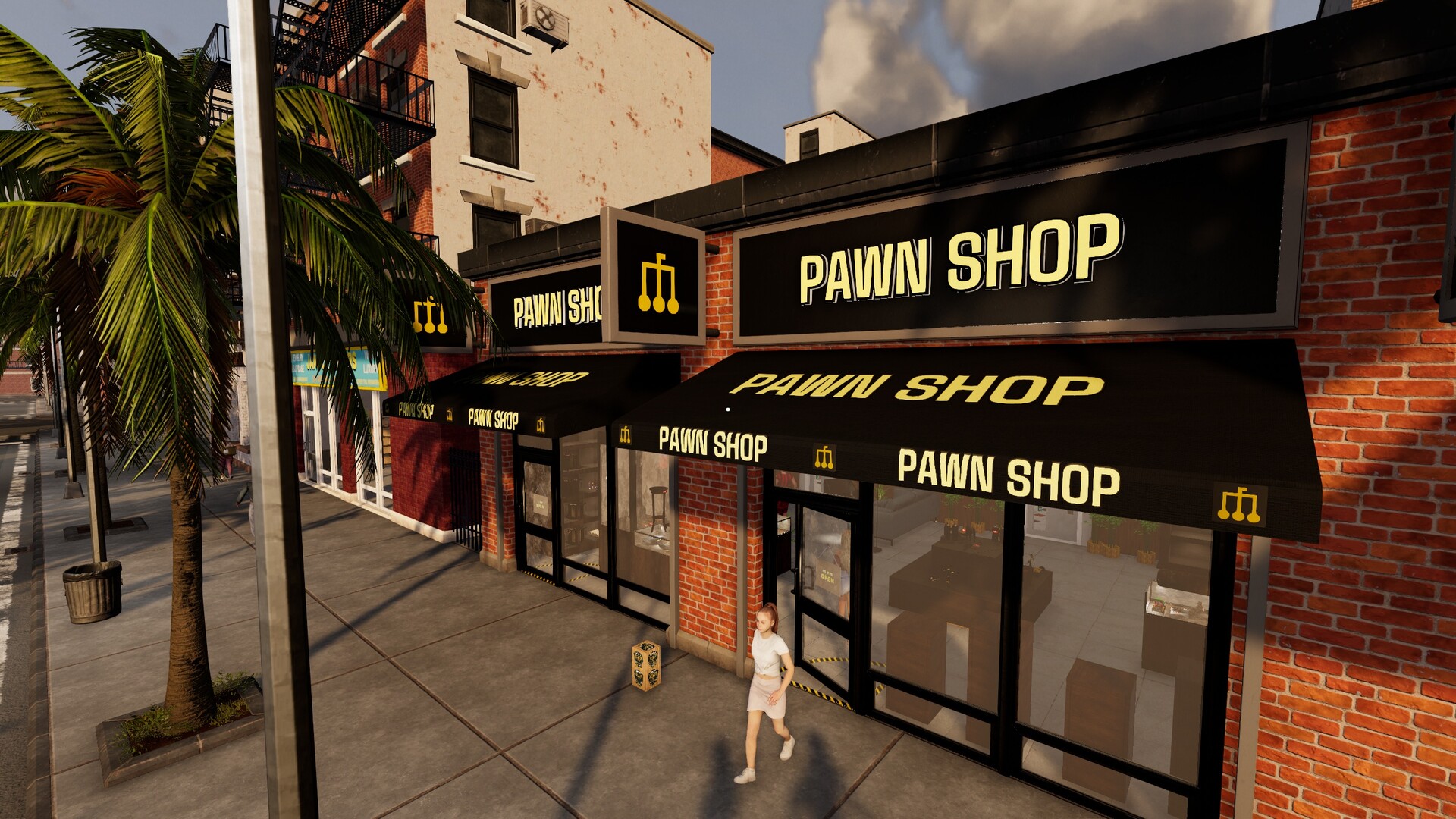
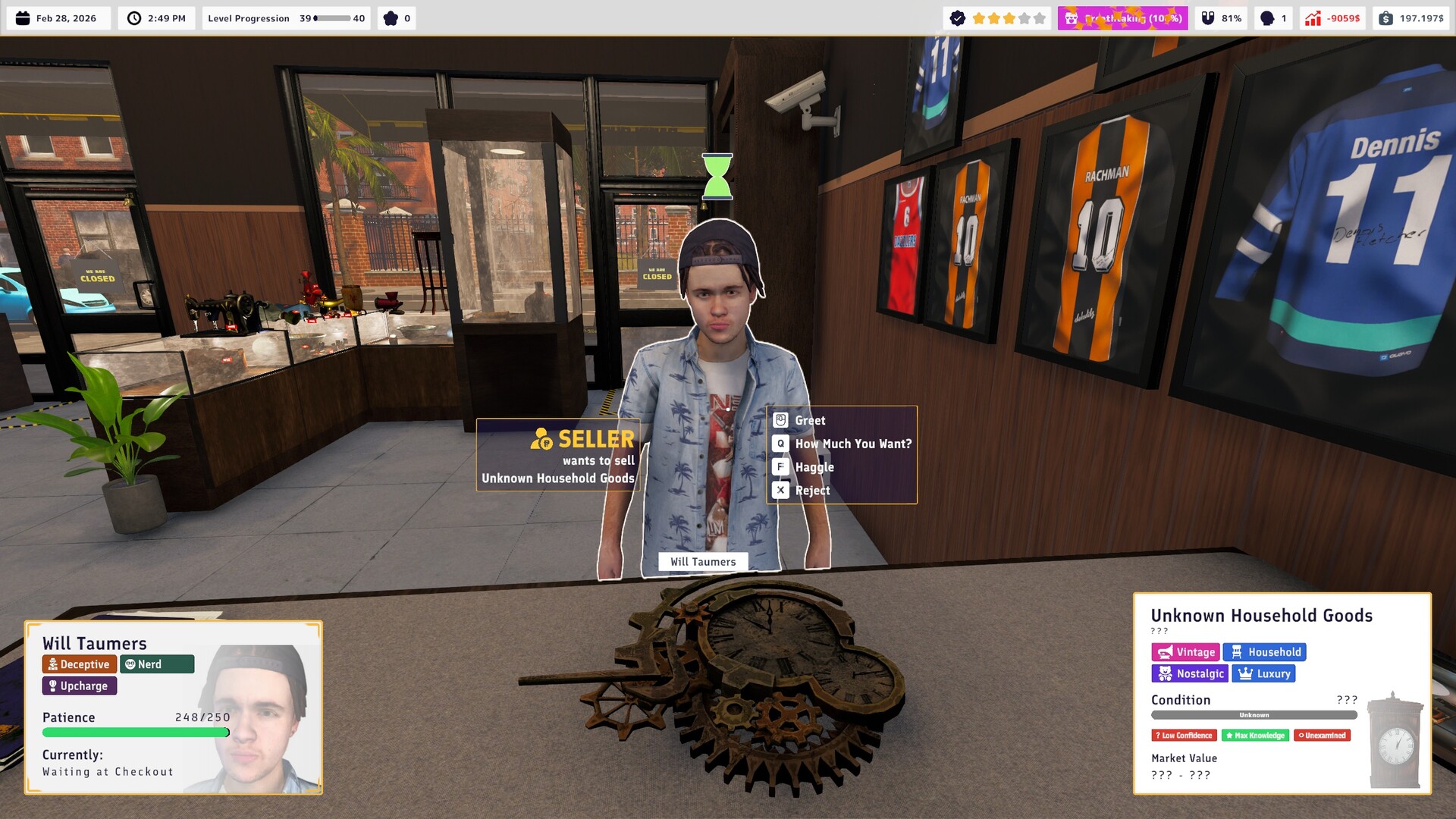
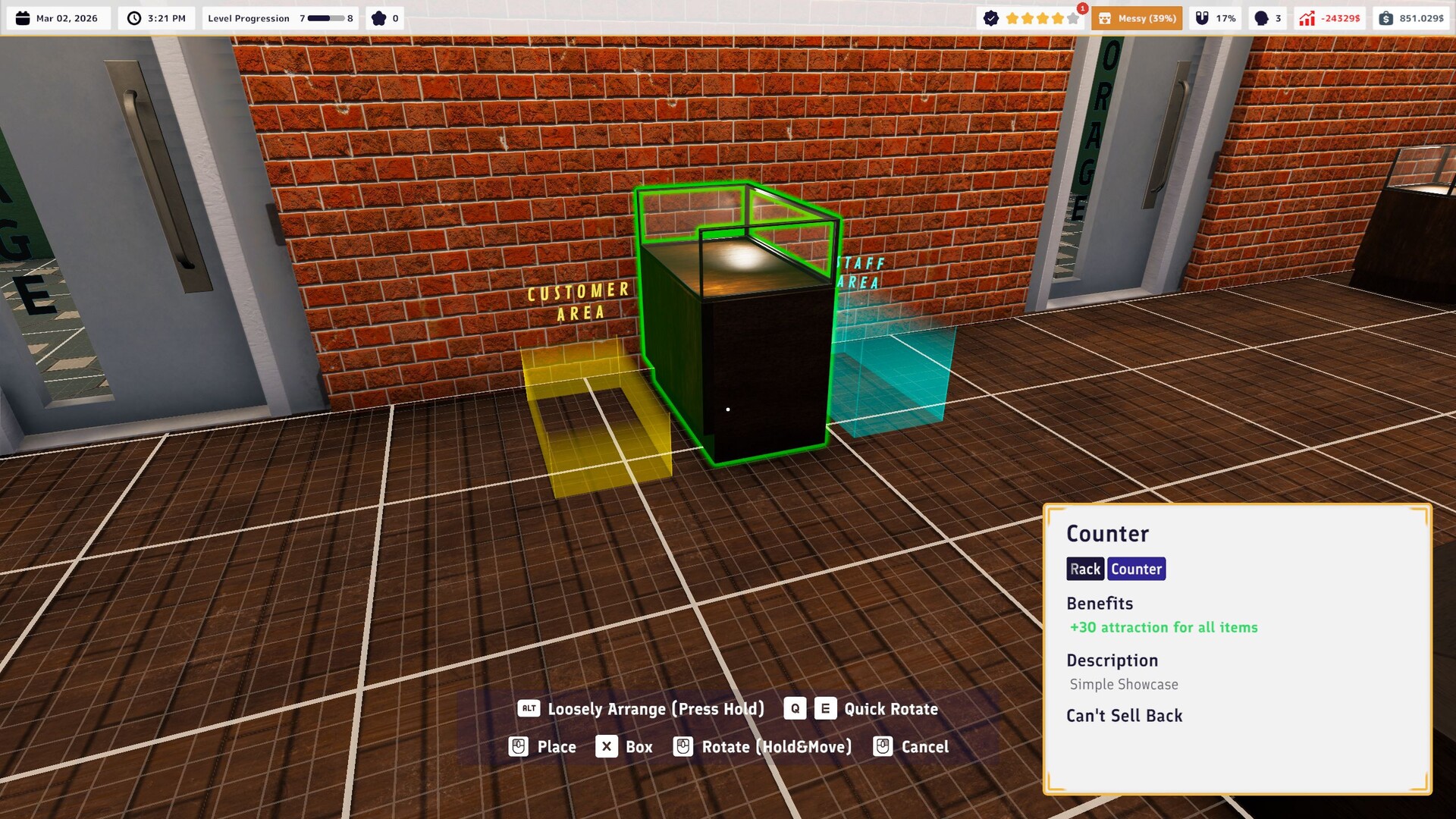
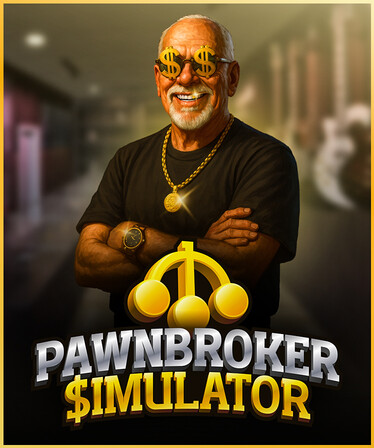
Enter Pawnbroker Simulator, where every deal, appraisal, and choice forges your path to pawn shop greatness. Sharpen your instincts, unlock new talents, craft a storefront that turns heads, offer high-stakes loans, and stay one step ahead of cunning thieves.
Pawnbroker Simulator is a casual, simulation and life sim game
developed by Next Sky Games
and published by Ultimate Publishing, Ultimate Games S.A. and PlayWay S.A..
Released on March 11th 2026 is available on Windows, Steam Deck and Steam Machine
in 12 languages: English, French, Italian, German, Spanish - Spain, Japanese, Korean, Polish, Portuguese - Brazil, Russian, Simplified Chinese and Turkish.
It has received 360 reviews of which 248 were positive and 112 were negative resulting in a rating of 6.6 out of 10. 😐
The game is currently priced at 14.99€ on Steam, but you can find it for 11.12€ on Eneba.
The Steam community has classified Pawnbroker Simulator into these genres:
Casual
Simulation
Life Sim
Sandbox
Immersive Sim
Time Management
3D
First-Person
Realistic
Building
Comedy
Economy
Management
Modern
Indie
Old School
Artificial Intelligence
Choices Matter
Dialogue Heavy
Resource Management
Here is the detailed breakdown of supported languages for Pawnbroker Simulator:
| UI | Subtitle | Audio | |
|---|---|---|---|
| English | |||
| German | |||
| French | |||
| Italian | |||
| Korean | |||
| Spanish - Spain | |||
| Simplified Chinese | |||
| Russian | |||
| Japanese | |||
| Polish | |||
| Turkish | |||
| Portuguese - Brazil |
Media & Screenshots
Get an in-depth look at Pawnbroker Simulator through various videos and screenshots.


Load More


System requirements
These are the minimum specifications needed to play the game. For the best experience, we recommend that you verify them.
Windows
- Requires a 64-bit processor and operating system
- OS: Windows 10 64-bit
- Processor: Intel Core i5-9400F / AMD Ryzen 5 1600
- Memory: 12 GB RAM
- Graphics: NVIDIA GeForce GTX 960 / AMD Radeon RX 560
- DirectX: Version 9.0c
- Storage: 3 GB available space
- Sound Card: DirectX Compatible
Steam Price & Best Deals
User reviews & Ratings
Explore reviews from Steam users sharing their experiences and what they love about the game.
I am really enjoying this game i must say, i do admit, the large influx of customers when you first play is overwhelming, and you decline majority of things that come through, but now ive unlocked an expansion for the shop and it's honestly great. definitely cant wait to see what else will be added. love the fact that you can scavenge items outside the shop etc. definitely more items need to be added, cant wait for auctions and such as per the roadmap. i hope this game doesnt get abandoned. i can see myself putting in some serious hours on this game
This is a very fun game. Is it perfect? No, not at all. It has some balancing issues. But the bones are good and the gameplay can be immersive if you let it. As every simulation game, you start off with a shop from your late father. A family member is guiding you through the first steps, which is the typical tutorial. After that, it is up to you how to manage your business. The game is a shop simulator disguised as a pawnshop. Instead of ordering your stock from a supplier, your customers are your suppliers, and the trash if you run out to search the trash bins around the block for some low tier items. If you're lucky, you'll get a mid tier item which is worth a couple hundred dollars. To get the most out of your shop, you need to upgrade your shop appeal, your shop and item attraction or synergy and your character. Shop appeal goes up by decorating and having better items in your showcases. The synergy or attraction of your items are a bit more difficult to manage. It will give a boost in shop appeal too. The difficulty lies in having the correct items showcased together, which is mostly tied to the categories of the respective items. If you mismatch your showcases, the attraction goes down and with that your appeal too. Cleanliness is also part of the game, you start off with a simple manual cleaning mechanic but this part can luckily be replaced by automated vacuum bots. your character can be upgraded by unlocking upgrade stars, which can be spend in four skills that each give you bonusses for running your shop. The best skills help you with appraisal and pricing your items. You'll get skill points by levelling up. My current level is 50 or 51 and I have one more thing to unlock, which costs 5 skill points. Each item has categories, for which you need to get better knowledge. Increasing your knowledge is automatically done when you investigate items that cross your counter or that you find in the trash. Better knowledge seem to add to better appraisals. The shop can be upgraded two times, which will enlarge your shop area and storage area. There is not much customizing in the area. You can't build walls or change the shopfront. You'll end up with three identical shop fronts with each a door, and three doors to your storage area. Basically, each expansion is a copy of the first shop area. The last upgrade section is based on unlocking licenses. With these licenses you are able to get better items or get other perks that can help you with running your business. Shop interior is important too, the game has a theft mechanic. Thieves will get in our store and take stuff, usually the expensive items. The fun part is to attack the thieves with a slipper to get your item back. This mechanic can be disabled in the options, it can also be countered with blocking off your items from the customers. My shop is divided in half with counters and showcases. Customers can't reach any item but will "look" around and buy items from every showcase. To optimize the pawning mechanic, I have my counter in front of one of the storage doors. I run in and out to store or get pawned items easily. Because items aren't accessible to customers, I also run around getting each item they buy or put each bought item away to keep the attraction high. The unbalanced part of the game lies mostly in the end game. Each customer has traits, and each customer negotiates in the same way. I usually automatically reject certain customers because I know they don't come below the top price of the item(s) if they want to sell them. With buying there seems to be a bit more randomness to how far they want to stretch what they are willing to pay. High ticket items usually loose money when negotiating. I found that at least 50$ with single items is not counted while haggling. In bundles it is more random but it can go up to a 100$. I.e. an item is listed for 24587 dollars, while haggling the max price you can ask the customer could be 24550. It automatically makes you loose money. But to be honest, in my current game this doesn't matter if the daily profit is about 100k. The pawning system is not balanced well. I receive a storage rack full of pawned items for each Monday. The amount of items lies between 50 and 80 packages. Tuesdays usually get about 30 pawned items and Wednesdays to Fridays usually less than 20. This makes the Monday a very busy day. This is where my setup is useful because I can organise the Monday packages on Sunday, making it easy pickings when Monday business hours start. Customers always start haggling around the top price of the item. Most customers will accept offers well below the market prices, at least in my game. I started a couple new games to see how RNG works. In one game I got every customer with bad traits, that lead to them not willing to haggle and making me unable to get new items at reasonable prices. Another game, customers came in with items that are well worth over the amount of money that I had. I am talking about items well above the 20k price tag. I think the RNG could be handled better, to balance the game out more. The RNG for offered items needs work too. In my current game, what the customers offer me consist mostly of items like swords, shields, jewels, ancient knives, masks and statues. Less frequent are treasure maps and pendants. Very rarely I get other items. There are supposed to be firearms too, in my 40+ hours, I've seen 5 rifles past the ones that you get to unlock a license, but all as pawned items. I just don't get many items that exist in the game. In some other games I found that there are many items that I didn't see in my main game. Like tools, pillows, guitars and more. I would like to see more customers. Sometimes the same customer is twice or three times in the shop. The game is great already and it can be even better, especially with some balancing. A bigger store, or even a way to customize your store with walls, would be amazing too. If you love simulation games, this could be for you. I've seen many of the negative reviews too and I understand that the pacing can be a struggle. All I can say is that, for me, it all came down to shop interior and easy access to the storage area. I play without stamina, because I dislike that in a simulation game, so I can run around 24 hours per day. With stamina, it is surely more demanding. The hard part is to get through the first couple phases of the game. Unlocking the correct skills early give you a boost in appraising and pricing your items.
8/10 This game struggled on launch, but not even really technical issues; just simple things like lack of variety of items. They've now added over 70 new items, polished off some bugs and it is not a representation of the first few hundred votes. This is very much a comfort game, stakes aren't high; the game isn't really challenging at all. You spend a majority of your day throwing chanclas at thieves, decorating, negotiating prices, refurbishing items, etc. Even tho it lacks challenge it makes up for it in gameplay diversity. Hands down the best "pawn" sim game on steam right now.
The game is fun and definitely has potential, but it’s missing variety in several areas. First, there isn’t much décor or customization for the store. It would be nice to have more options to make your shop feel unique Customers and items also start to feel repetitive. After a while you keep seeing the same types of people bringing in the same items. This becomes very noticeable in the endgame. I currently have over **600k and everything maxed out**, and at that point progression basically stops. The **certificate progression** was enjoyable, but once you complete them all there’s not much left to work toward. I also ran into a bug where the **Media certificate never completed** because I never had a customer come in with a media item. Another issue is the offers you get in the late game. Even with a fully upgraded shop, customers still come in trying to sell **low-value items like shovels, bracelets, and toys**. At this stage of the game, those deals feel pointless. I end up denying almost everyone unless they bring in **treasure maps**, which are the only items that really make good money. The game would really benefit from: * **Workers or employees** to help run the shop * **More customer variety** * **More interesting and valuable items** appearing in late game * **Better scaling offers** as your shop becomes more successful Right now, running the shop solo gets repetitive. You make a deal, put the item on the shelf, and a minute later it sells. That part feels satisfying, but you can’t really fill your shop with items just for decoration because if you price them normally they sell almost immediately. The only way to keep things on display is to **overprice them**, which feels a bit awkward. Overall, I’d say the game is **very enjoyable for about 10 hours**, but after that it starts to feel repetitive once you reach the endgame. That said, the core gameplay is solid and the game has **a lot of potential** if more content, variety, and systems are added.
Similar games
View all
Exotica: Petshop Simulator
Exotica is a simulation game where you run an exotic pet shop in the city.
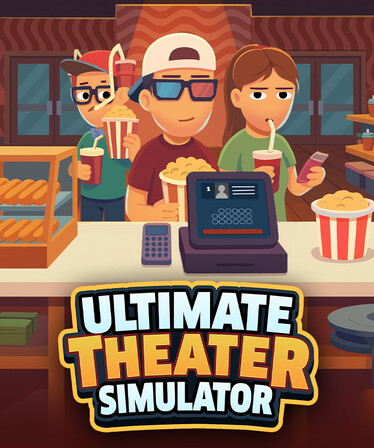
Ultimate Theater Simulator
Ultimate Theater Simulator is a first-person cinema management game where you screen movies, serve snacks, hire staff, handle chaos, and grow your dream theater from the ground up.

Vivaland: Dream House
Dream House is the build mode of the life simulation game called Vivaland, where you can construct and furnish your dream home. Play solo or with friends in co-op mode.
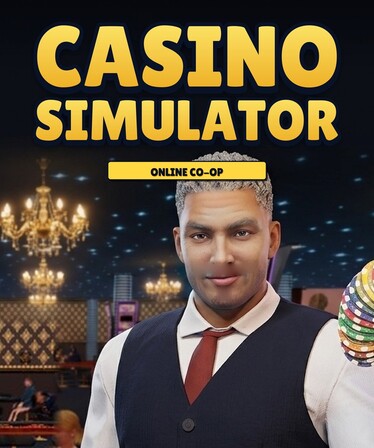
Casino Simulator
Build and run your own casino empire — alone or in 1-4 player online co-op. Deal blackjack, poker and roulette yourself, spin real slot games, hire staff, expand your building, buy houses and cars in a living city… and outsmart every cheater who walks in.
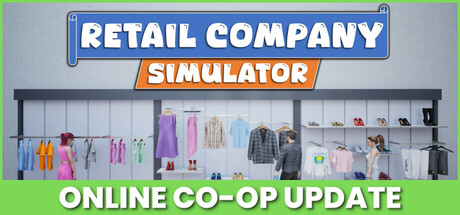
Retail Company Simulator
Run your retail company. Sign contracts with leading brands, order products, hire workers, expand your store, and never let your customers leave the store empty-handed. Play with friends or go solo, and enjoy the growth of your shop.

The Sims Legacy Collection
The original game you know and love. For Windows 10/11. Create a neighborhood of Sims and guide their lives through careers and romance. Or create chaos with open-ended gameplay that lets you shape their destinies.
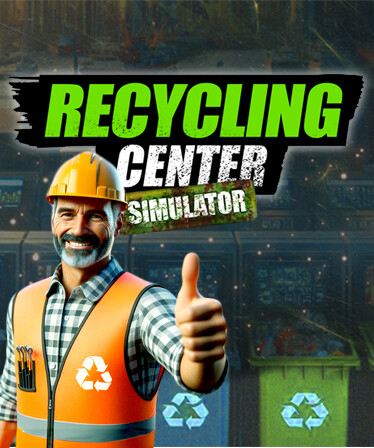
Recycling Center Simulator
Recycling Center Simulator is a business simulator game with a first person view. Make money from garbage, collect raw materials for your recycling center from different locations, recycle them, make money by producing new products and improve your factory.
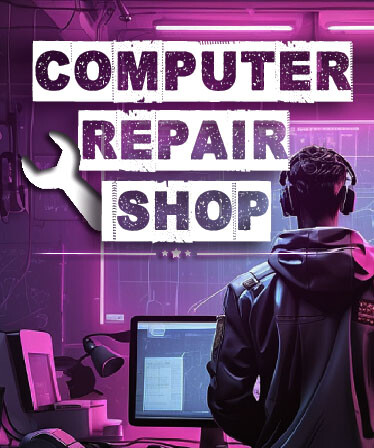
Computer Repair Shop
Become a dishonest computer repairman, steal rams. Burn the motherboards!
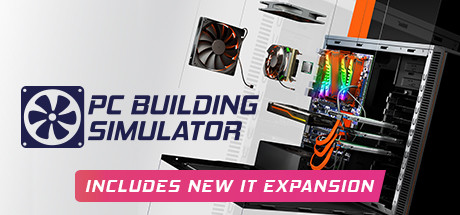
PC Building Simulator
Build and grow your very own computer repair enterprise as you learn to diagnose, fix and build PCs. With real-world licensed components and comprehensive hardware and software simulation, you can plan and bring your ultimate PC to life.

Car Dealership Simulator
Car Dealership Simulator is an extremely comprehensive and detailed car dealership business simulation game.
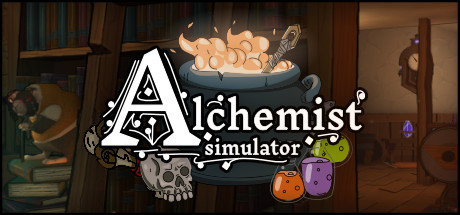
Alchemist Simulator
Become the mystical alchemist, choose your contracts wisely as they will shape the world around you, discover the long forgotten magical recipes, upgrade your lab and become the most powerful alchemist of all times.
Frequently Asked Questions
Pawnbroker Simulator is currently priced at 14.99€ on Steam.
No, Pawnbroker Simulator is currently not on sale. You can purchase it for 14.99€ on Steam.
Yes, Pawnbroker Simulator received 248 positive votes out of a total of 360 achieving a rating of 6.57.
😐
Pawnbroker Simulator was developed by Next Sky Games and published by Ultimate Publishing, Ultimate Games S.A. and PlayWay S.A..
Yes, Pawnbroker Simulator is playable and fully supported on Windows.
No, Pawnbroker Simulator is not playable on MacOS.
No, Pawnbroker Simulator is not playable on Linux.
Yes, Pawnbroker Simulator is playable on Steam Deck, though it might require a few minor tweaks. Make sure to check the Steam store page and community feedback on ProtonDB for exact compatibility details.
Yes, Pawnbroker Simulator is playable on Steam Machine, though it might require a few minor tweaks. Make sure to check the Steam store page and community feedback on ProtonDB for exact compatibility details.
No, Pawnbroker Simulator does not support VR.
Pawnbroker Simulator is a single-player game.
No, Pawnbroker Simulator does not currently offer any DLC.
No, Pawnbroker Simulator does not support mods via Steam Workshop.
No, Pawnbroker Simulator does not support Steam Remote Play.
Yes, Pawnbroker Simulator is enabled for Steam Family Sharing. This means you can share the game with authorized users from your Steam Library, allowing them to play it on their own accounts. For more details on how the feature works, you can read the original Steam Family Sharing announcement or visit the Steam Family Sharing user guide and FAQ page.
You can find solutions or submit a support ticket by visiting the Steam Support page for Pawnbroker Simulator.
Data sources
The information presented on this page is sourced from reliable APIs to ensure accuracy and relevance. We utilize the Steam API to gather data on game details, including titles, descriptions, prices, and user reviews. This allows us to provide you with the most up-to-date information directly from the Steam platform.
Additionally, we incorporate data from the SteamSpy API, which offers insights into game sales and player statistics. This helps us present a comprehensive view of each game's popularity and performance within the gaming community.
Last Updates| Steam data | 22 October 2026 12:40 UTC |
|---|---|
| SteamSpy data | 18 October 2026 08:06 UTC |
| Steam price | 26 October 2026 15:35 UTC |
| Steam reviews | 22 October 2026 07:58 UTC |
If you'd like to dive deeper into the details about Pawnbroker Simulator, we invite you to check out a few dedicated websites that offer extensive information and insights. These platforms provide valuable data, analysis, and user-generated reports to enhance your understanding of the game and its performance.
- SteamDB - A comprehensive database of everything on Steam about Pawnbroker Simulator
- SteamCharts - Analysis of Pawnbroker Simulator concurrent players on Steam
- ProtonDB - Crowdsourced reports on Linux and Steam Deck Pawnbroker Simulator compatibility
Game modes
Features
Online players
16
Developer
Next Sky Games
Publisher
Ultimate Publishing,
Ultimate Games S.A.,
PlayWay S.A.
Release
11 Mar 2026
Platforms
Clicking and buying through these links helps us earn a commission to maintain our services.