


Seafarer: The Ship Sim
Build your maritime career solo or with up to 4 players. Take on contracts across diverse harbors, command different ships, and tackle cargo runs, patrols, rescues, firefighting, and unexpected events in a vast Northern European open world.
Sync your Steam wishlist to find the lowest game prices instantly. No login required, just paste your Steam profile URL!
⚡ Try Wishlist Radar!
Sync your Steam wishlist to find the lowest game prices instantly. No login required!
⚡ Try Wishlist Radar!
Close

Computer Repair Shop on Steam
Quick menu
Become a dishonest computer repairman, steal rams. Burn the motherboards!
Computer Repair Shop is a simulation, casual and life sim game
developed and published by Cheesecake Dev.
Released on January 12th 2024 is available only on Windows
in 11 languages: English, French, German, Spanish - Spain, Simplified Chinese, Japanese, Korean, Polish, Portuguese - Portugal, Russian and Turkish.
It has received 564 reviews of which 372 were positive and 192 were negative resulting in a rating of 6.4 out of 10. 😐
The game is currently priced at 2.43€ on Steam with a 75% discount.
The Steam community has classified Computer Repair Shop into these genres:
Simulation
Casual
Life Sim
Arcade
Exploration
First-Person
3D
Immersive Sim
Realistic
Sci-fi
Indie
Violent
Hacking
Mystery
Dark
Singleplayer
Multiple Endings
Here is the detailed breakdown of supported languages for Computer Repair Shop:
| UI | Subtitle | Audio | |
|---|---|---|---|
| English | |||
| German | |||
| French | |||
| Korean | |||
| Spanish - Spain | |||
| Simplified Chinese | |||
| Russian | |||
| Japanese | |||
| Portuguese - Portugal | |||
| Polish | |||
| Turkish |
Media & Screenshots
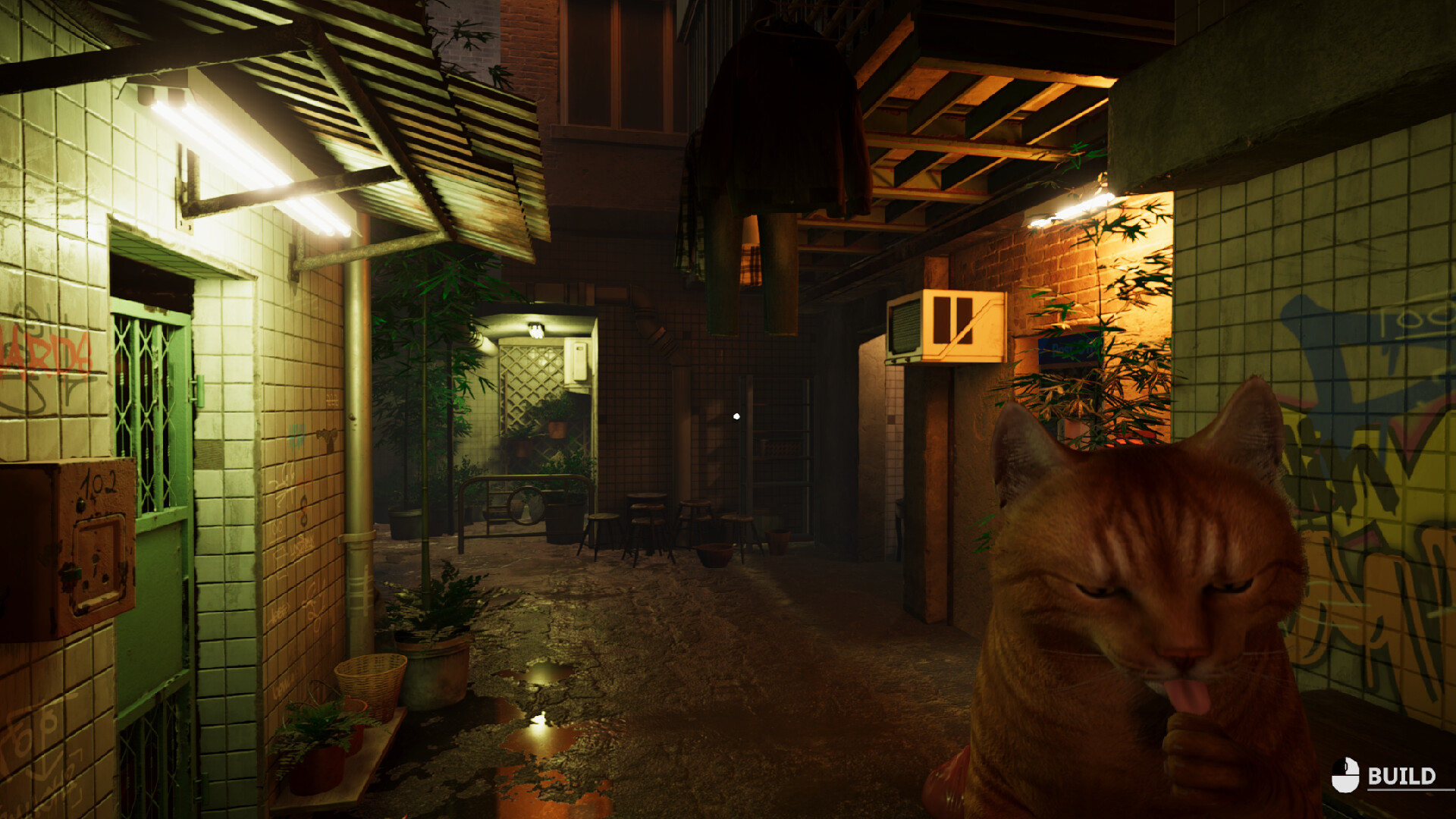
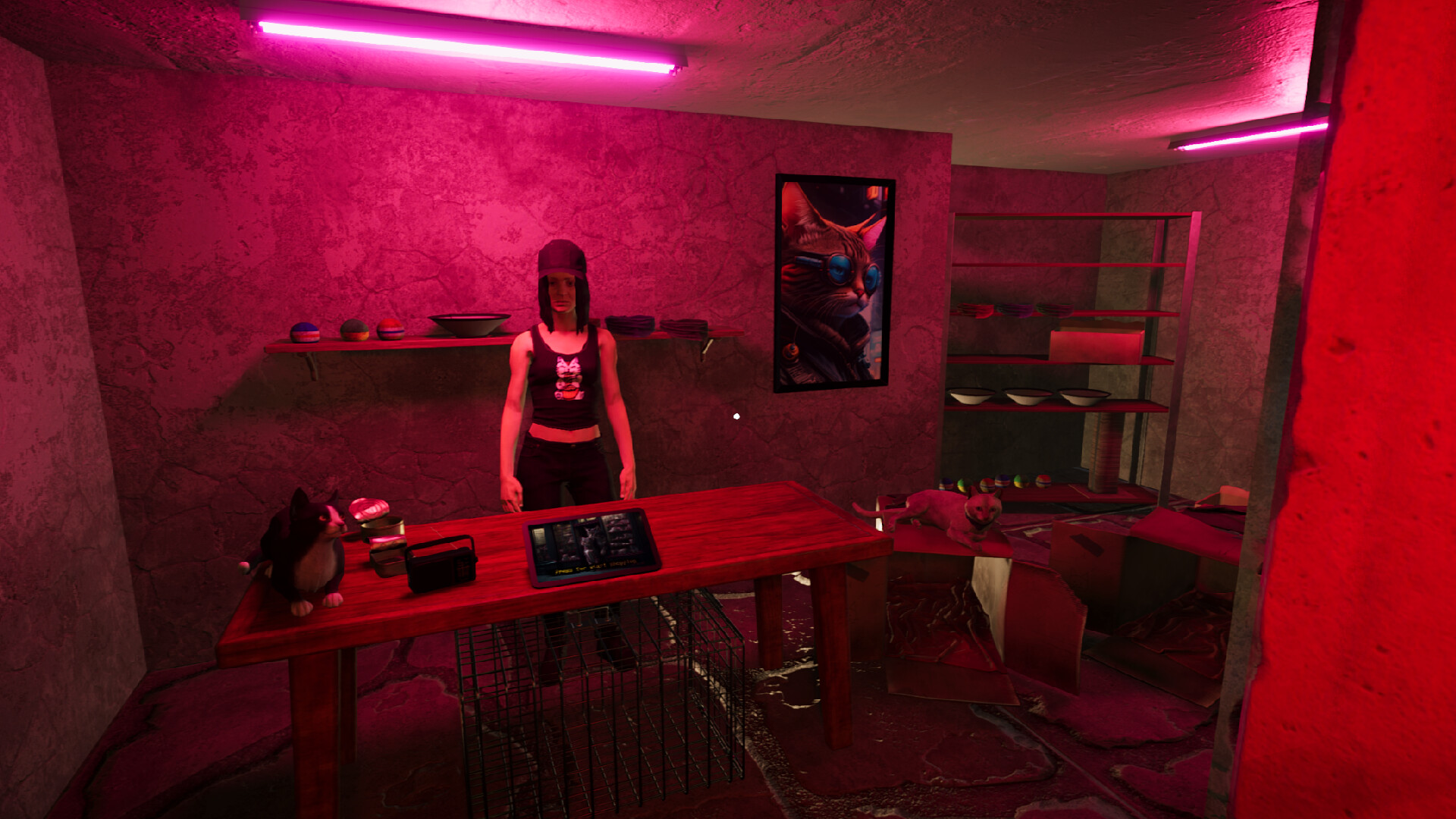
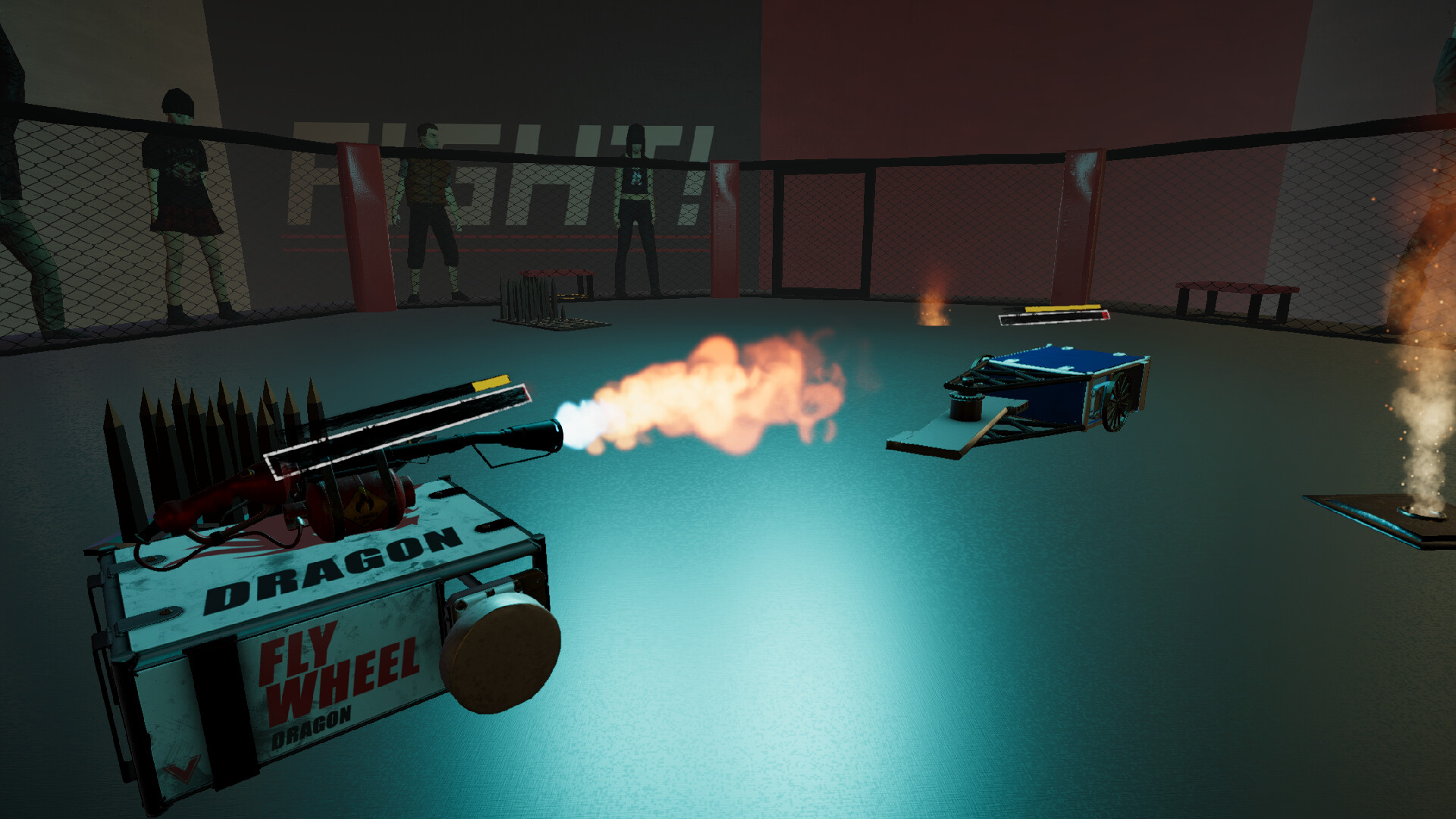
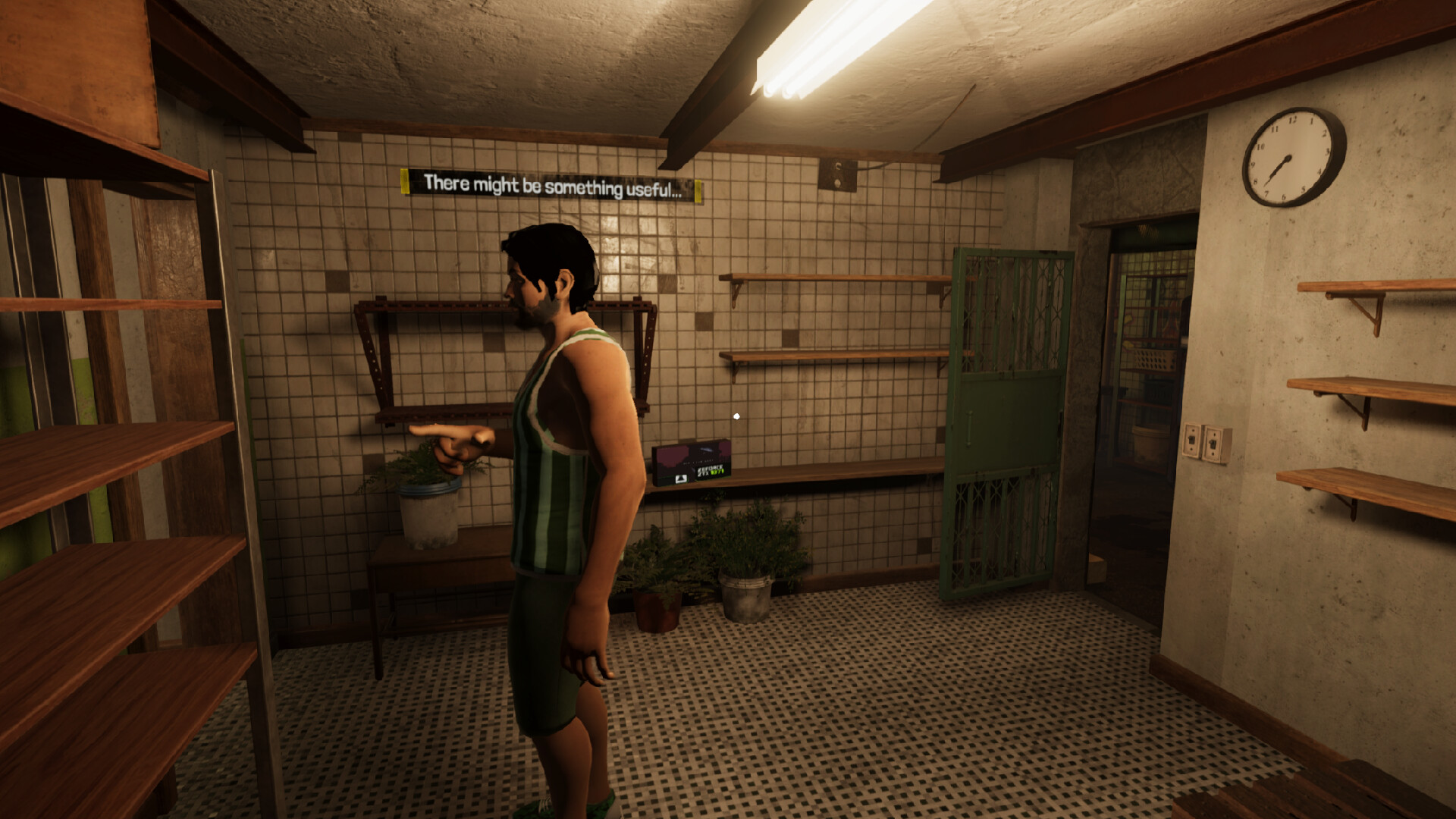
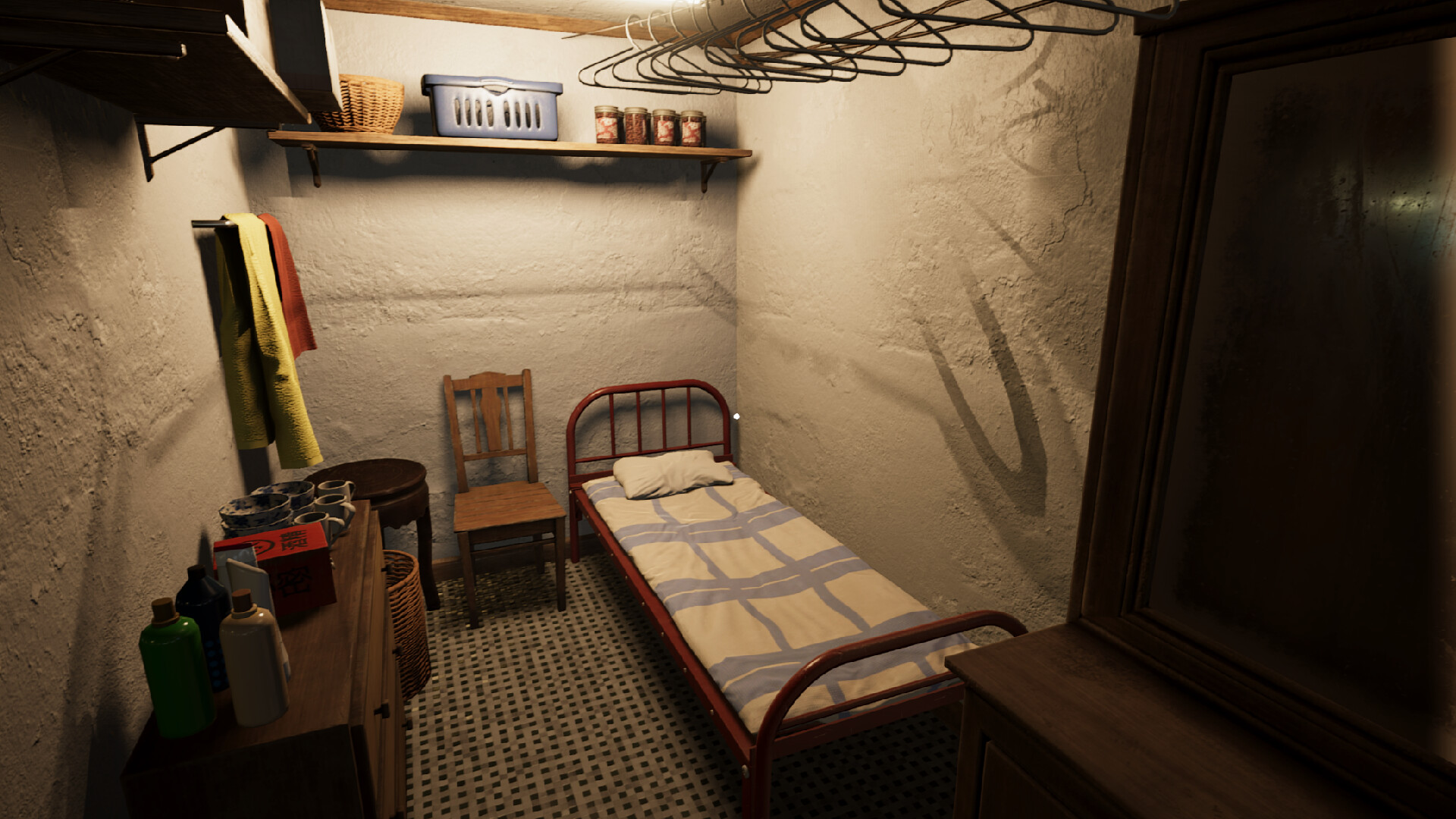
Get an in-depth look at Computer Repair Shop through various videos and screenshots.
Load More

System requirements
These are the minimum specifications needed to play the game. For the best experience, we recommend that you verify them.
Windows
- OS *: Windows 7
- Processor: 2 GHz Dual Core CPU
- Memory: 4 GB RAM
- Graphics: Intel HD Graphics 4000 or better
- Storage: 8 GB available space
Steam Price & Best Deals
User reviews & Ratings
Explore reviews from Steam users sharing their experiences and what they love about the game.
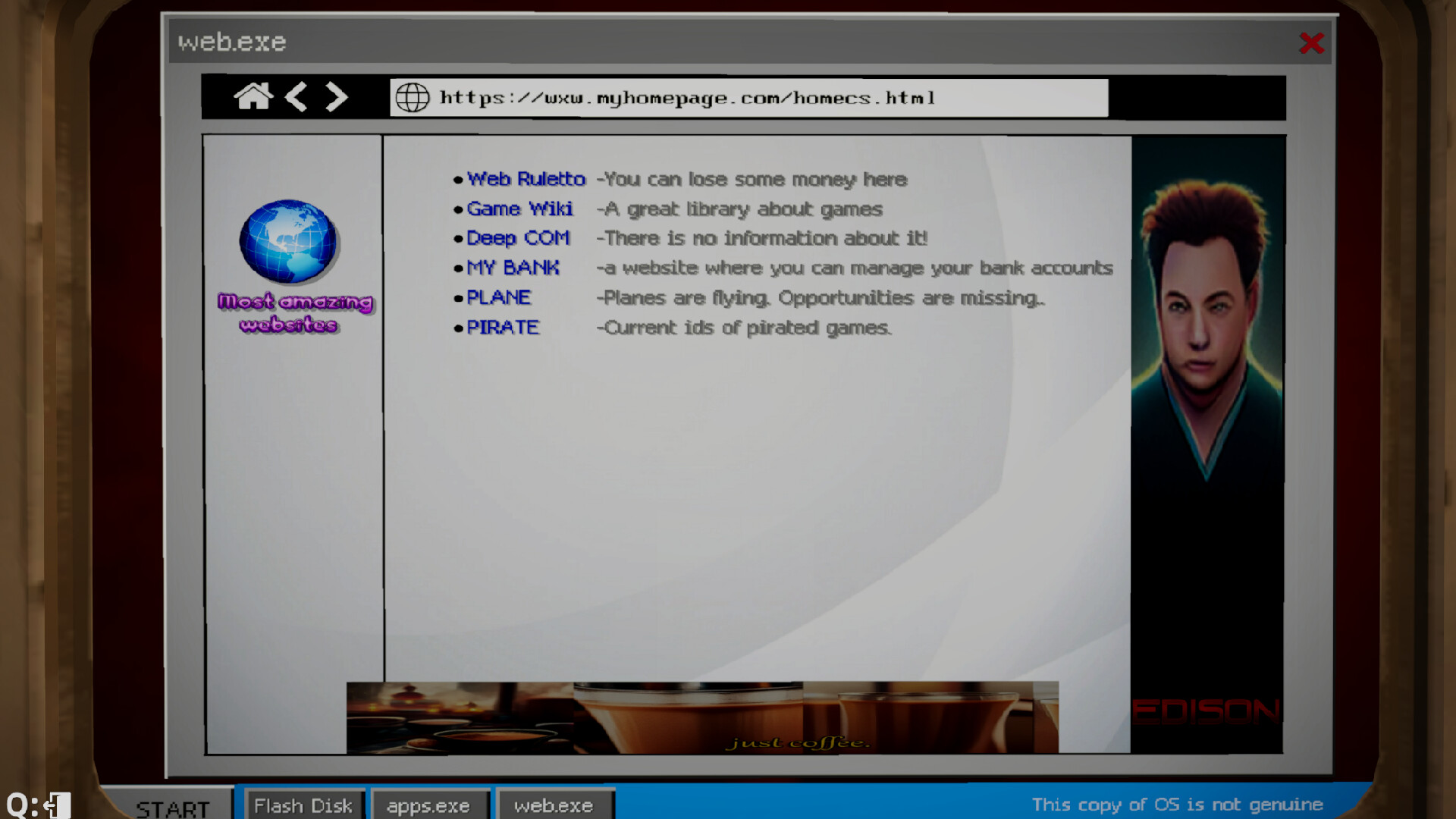
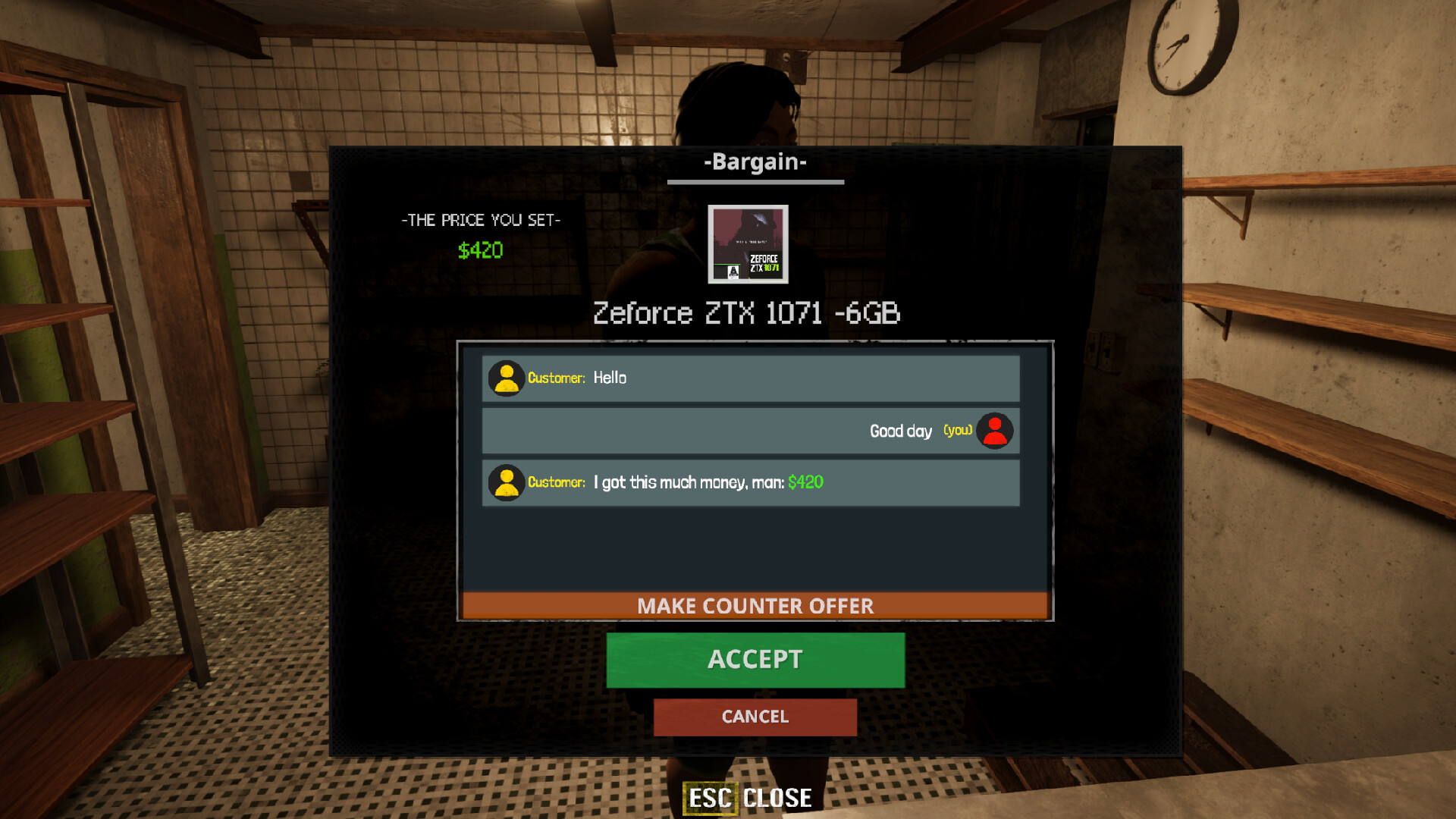
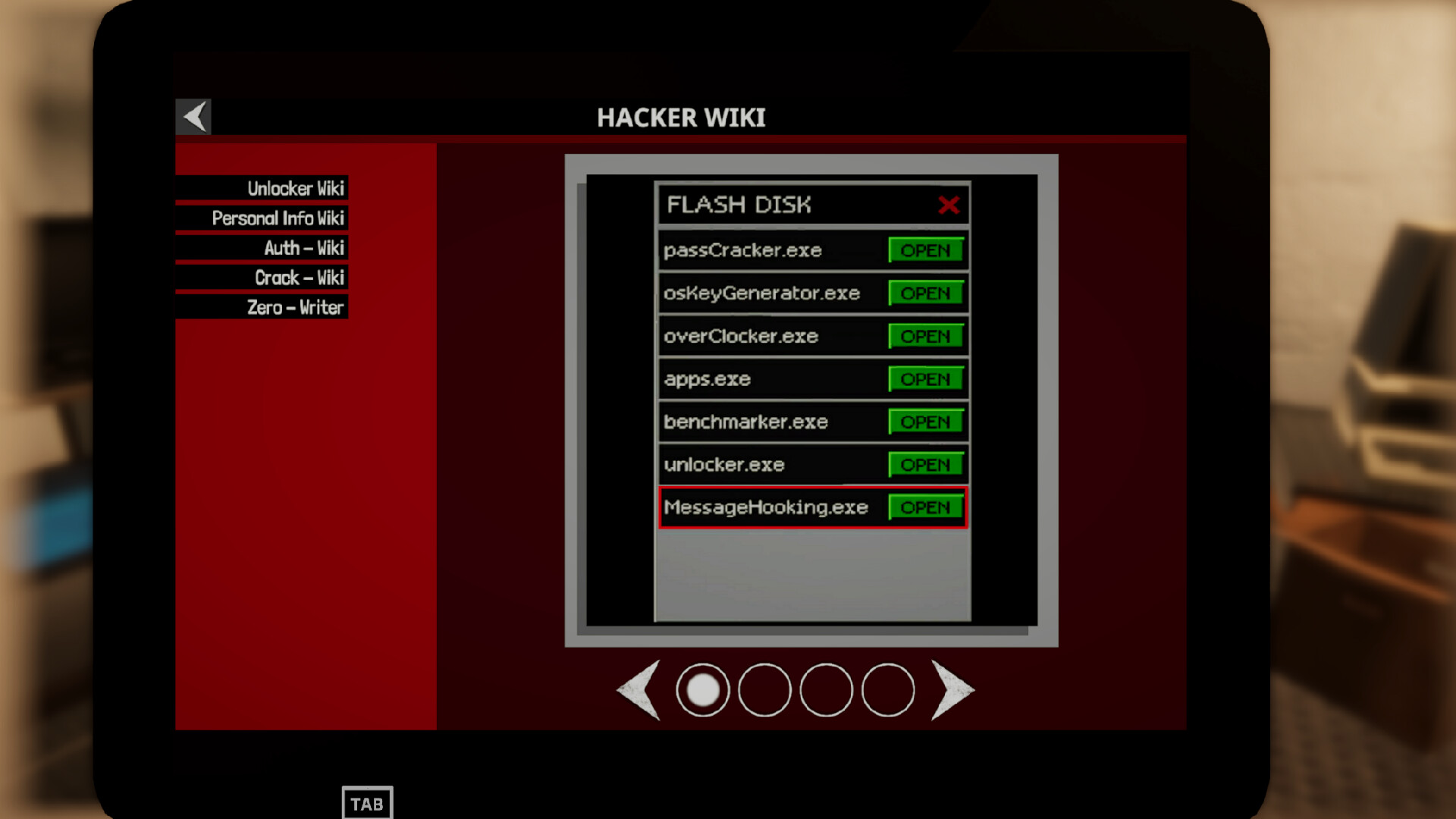
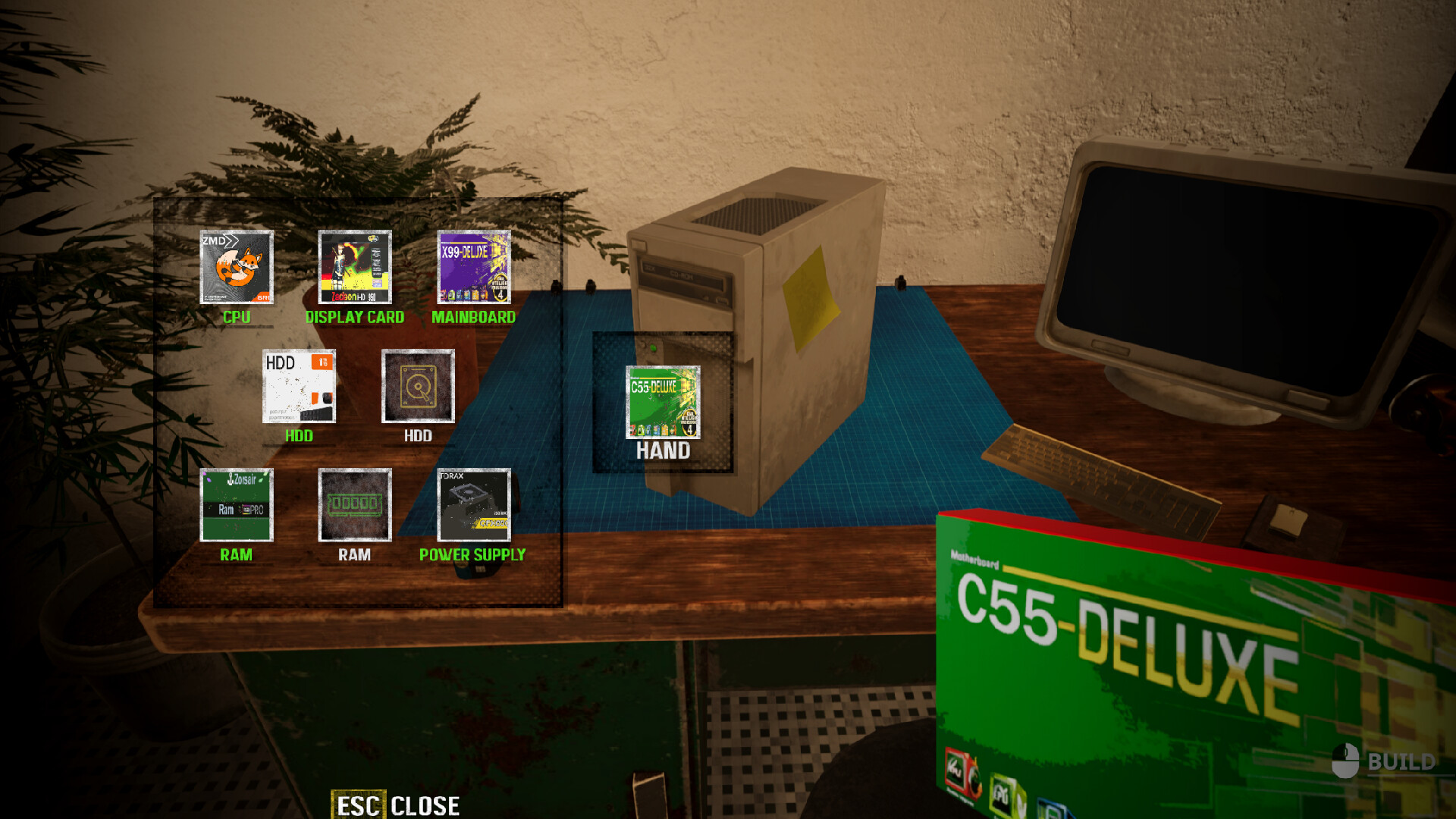
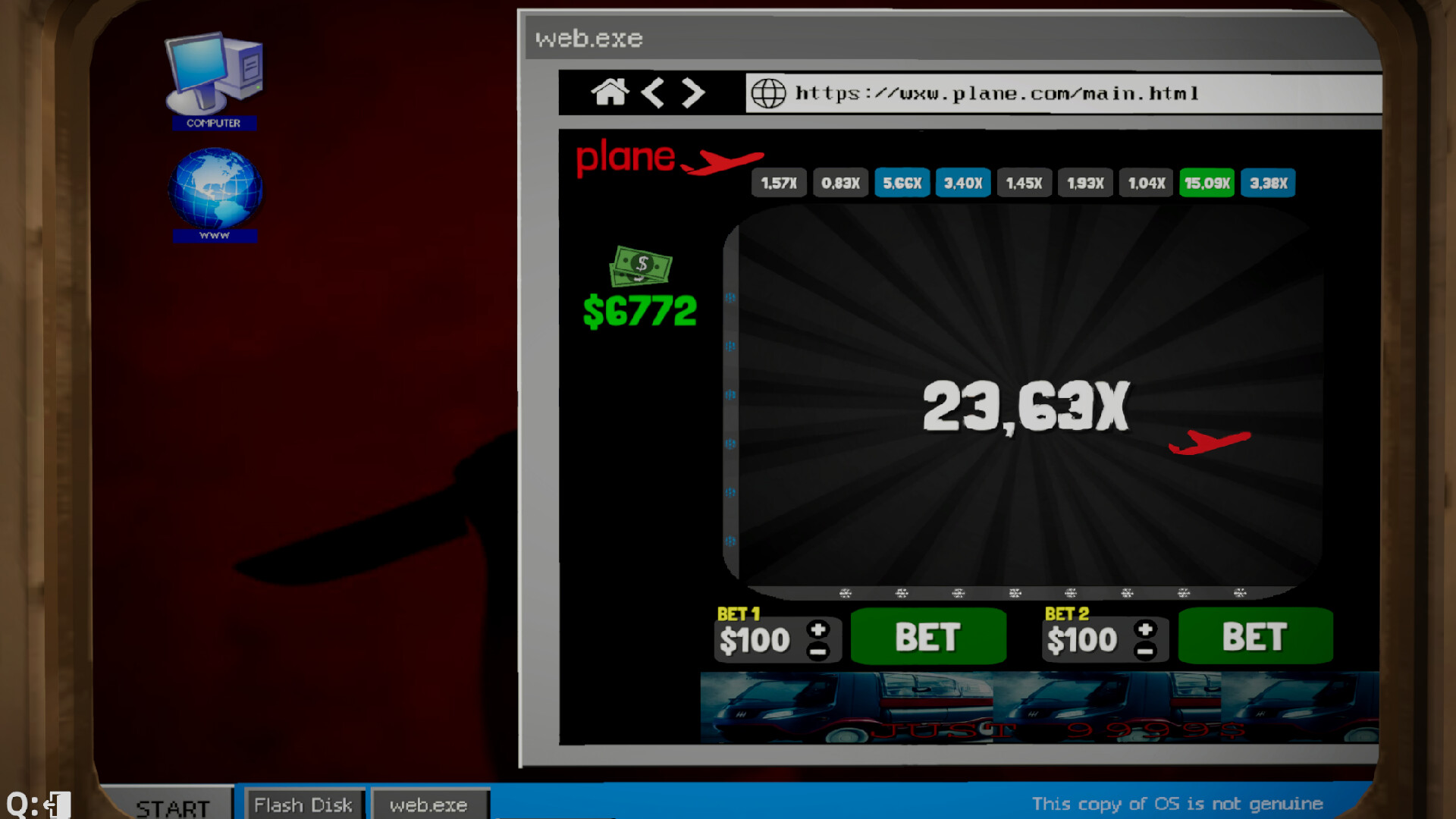
Computer Repair Shop takes the seemingly ordinary job of fixing computers and turns it into a deliberately strange first-person business simulation filled with questionable decisions, unusual opportunities, and increasingly absurd activities. Developed and published by Cheesecake Dev, it begins with a recognizable repair-shop premise but quickly establishes that technical realism is not its primary ambition. Instead, the game combines computer maintenance, buying and selling, exploration, hacking-themed activities, bargaining, and unconventional side objectives into a sandbox that rewards experimentation. The foundation of the experience is repairing customers' computers. Machines arrive with problems that need to be diagnosed, after which components can be examined, replaced, or otherwise dealt with before the computer is returned. There is an enjoyable sense of routine in accepting work, identifying what needs attention, completing the repair, and collecting payment. Hardware enthusiasts will recognize many of the concepts involved, but the process is streamlined enough that players do not need professional knowledge to understand what they are doing. This makes the game accessible, although anyone expecting an exceptionally detailed or educational PC technician simulator should expect a much more playful interpretation. One of its more distinctive ideas is that the player does not have to behave like an honorable repair technician. Valuable components can become opportunities for profit, and the game allows dishonest behavior such as replacing good hardware with inferior parts. Components acquired along the way can also contribute to building computers that can later be sold. Selling introduces bargaining into the economic loop, encouraging players to squeeze additional value from their creations. This intentionally shady approach gives the shop management a comedic personality that separates it from straightforward repair simulators. The game becomes even more unusual through its hacking and virus-related activities. Customer computers are not simply objects waiting for repairs; they can potentially contain useful information that opens the door to less legitimate ways of earning money. These mechanics are presented as exaggerated sandbox activities rather than serious cybersecurity systems. They reinforce the central idea that the player is running a business where almost every situation can become another opportunity, regardless of how ethically questionable that opportunity might be. Progression eventually moves well beyond repairing PCs. Strange websites, potentially dangerous locations, and robot-related activities broaden the scope considerably. Developing a robot is particularly indicative of how far the game is willing to wander from its original premise. These additions create an unpredictable progression where earning money and expanding your activities can lead to situations that would feel completely out of place in a conventional repair simulator. Multiple endings also provide some incentive to investigate what the broader experience has to offer rather than simply repeating standard customer jobs indefinitely. The first-person perspective works well with this style of simulation because the player physically moves through the environment and interacts with equipment instead of managing everything through menus. Handling computers and navigating the workplace gives the business a tangible quality. Visually, the presentation is functional rather than spectacular, with the emphasis placed on making objects and interactive elements readable. The graphics accomplish what the gameplay requires, although visual polish is unlikely to be the main reason anyone chooses to play. Variety is simultaneously one of the game's greatest strengths and one of its weaknesses. There are enough activities beyond basic repairs to prevent the entire experience from depending on a single repetitive mechanic. Repairing hardware, assembling computers, selling machines, negotiating prices, investigating suspicious opportunities, and pursuing stranger objectives provide different ways to spend time and make money. However, spreading the experience across so many ideas means that individual systems do not always reach the level of depth found in more focused simulation games. The overall tone also deserves consideration. Computer Repair Shop is much more interested in absurdity and dark humor than accurately portraying the responsibilities of a professional technician. Players looking for meticulous troubleshooting procedures, highly realistic diagnostics, or an exhaustive representation of computer engineering may find its systems too simplified. Those who enjoy slightly chaotic sandbox simulators, on the other hand, are more likely to appreciate the freedom to approach the business in unconventional ways. Steam Deck compatibility is officially listed as Unsupported. Players primarily interested in experiencing it on Valve's handheld should keep this limitation in mind rather than assuming that the simple controls automatically guarantee full compatibility. Its design may appear ideal for portable play, but the official Deck classification does not currently provide that assurance. Despite some roughness and limited depth within individual mechanics, the game possesses a recognizable identity. Its willingness to transform a mundane computer repair business into a playground involving dubious entrepreneurship, hacking-themed activities, exploration, hardware trading, and robots gives it a personality that more serious simulators often lack. The experience works particularly well for players who value freedom and humorous situations more than strict realism. Computer Repair Shop ultimately delivers an entertaining, eccentric interpretation of the repair-shop concept. Its conventional computer servicing provides a solid starting loop, while its increasingly bizarre side activities prevent the premise from remaining predictable. The uneven refinement and simplified technical systems hold it back from being an outstanding simulation, but the unusual combination of legitimate work and questionable schemes creates plenty of memorable situations. For players willing to embrace its intentionally strange personality and sandbox-oriented structure, there is an enjoyable little business adventure underneath the rough edges. Rating: 7/10
Computer Repair Shop is a really great game with cool mechanics and a lot of fun gameplay. I’d love to see the developer add more content in the future, such as the ability to buy a house, more events, a larger map, and more things to do. However, after two years without any updates, I’m starting to feel like those additions may never happen. Still, considering the price of the game, it’s a really cool and enjoyable experience, and I’ve had a lot of fun with it.
Similar games
View all

Pawnbroker Simulator
Enter Pawnbroker Simulator, where every deal, appraisal, and choice forges your path to pawn shop greatness. Sharpen your instincts, unlock new talents, craft a storefront that turns heads, offer high-stakes loans, and stay one step ahead of cunning thieves.

Exotica: Petshop Simulator
Exotica is a simulation game where you run an exotic pet shop in the city.

The Coin Game
A collection of ticket redemption arcades with realistic physics, a carnival, goofy robots, open world design, a global ranking system and silly prizes. Featuring 50+ modern inspired arcade machines and a pawn shop to keep money in your pocket. The Coin Game is made by a solo developer.

Casino Simulator
Build and run your own casino empire — alone or in 1-4 player online co-op. Deal blackjack, poker and roulette yourself, spin real slot games, hire staff, expand your building, buy houses and cars in a living city… and outsmart every cheater who walks in.

Car Dealership Simulator
Car Dealership Simulator is an extremely comprehensive and detailed car dealership business simulation game.

Chinese Driving Test Simulator
Are you ready to take on the challenge of the Chinese driving test? For which it will test your skill of driving, knowledge of vehicle and traffic rules. The Chinese Driving Test Simulator will show you a complete, realistic Chinese driving test experience.
Cargo Simulator
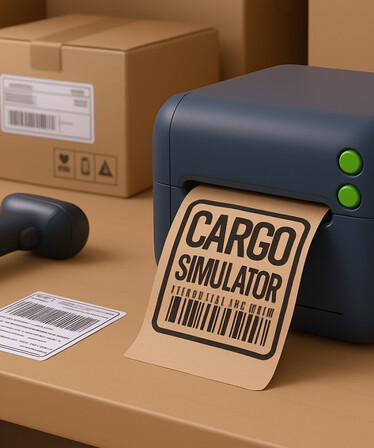
Build and manage your own delivery company! Pack orders, organize your warehouse, and deliver packages on time. Hire employees, manage your fleet, sign contracts with companies, and expand your business into a thriving logistics empire!

Streamer Life Simulator 2
In the second game of the series, competition has increased and now everyone wants to be a streamer. Are you ready to stream until your cpu burns out?

Pumping Simulator 2
A gas station management game, start by selling a car to raise funds and invest in an abandoned plot of land. Build, expand, and upgrade your gas station, diversify services, customize and manage time efficiently during peak hours. And maybe you will become rich

Rock Simulator 2
Unwind together in a peaceful idle adventure. Become a rock in a serene world, relax with friends in co-op, and watch nature unfold around you. Discover secrets and shape your environment at a soothing, idle pace.

Cabin Crew Life Simulator
Have you ever wondered what flight attendants do on each flight? Let's find out with Cabin Crew Life Simulator, the pioneering flight attendant simulator with variety of aircraft, airports, passenger services, handling emergency situations, in-flight business, teamwork and much more.
Frequently Asked Questions
Computer Repair Shop is currently priced at 2.43€ on Steam.
Yes, Computer Repair Shop is currently available at a 75% discount. You can purchase it for 2.43€ on Steam.
Yes, Computer Repair Shop received 372 positive votes out of a total of 564 achieving a rating of 6.36.
😐
Computer Repair Shop was developed and published by Cheesecake Dev.
Yes, Computer Repair Shop is playable and fully supported on Windows.
No, Computer Repair Shop is not playable on MacOS.
No, Computer Repair Shop is not playable on Linux.
No, Computer Repair Shop is not playable on Steam Deck.
This information about Computer Repair Shop is not available yet.
No, Computer Repair Shop does not support VR.
Computer Repair Shop is a single-player game.
No, Computer Repair Shop does not currently offer any DLC.
No, Computer Repair Shop does not support mods via Steam Workshop.
No, Computer Repair Shop does not support Steam Remote Play.
Yes, Computer Repair Shop is enabled for Steam Family Sharing. This means you can share the game with authorized users from your Steam Library, allowing them to play it on their own accounts. For more details on how the feature works, you can read the original Steam Family Sharing announcement or visit the Steam Family Sharing user guide and FAQ page.
You can find solutions or submit a support ticket by visiting the Steam Support page for Computer Repair Shop.
Data sources
The information presented on this page is sourced from reliable APIs to ensure accuracy and relevance. We utilize the Steam API to gather data on game details, including titles, descriptions, prices, and user reviews. This allows us to provide you with the most up-to-date information directly from the Steam platform.
Additionally, we incorporate data from the SteamSpy API, which offers insights into game sales and player statistics. This helps us present a comprehensive view of each game's popularity and performance within the gaming community.
Last Updates| Steam data | 24 September 2026 05:25 UTC |
|---|---|
| SteamSpy data | 21 October 2026 01:28 UTC |
| Steam price | 27 October 2026 03:20 UTC |
| Steam reviews | 18 October 2026 16:11 UTC |
If you'd like to dive deeper into the details about Computer Repair Shop, we invite you to check out a few dedicated websites that offer extensive information and insights. These platforms provide valuable data, analysis, and user-generated reports to enhance your understanding of the game and its performance.
- SteamDB - A comprehensive database of everything on Steam about Computer Repair Shop
- SteamCharts - Analysis of Computer Repair Shop concurrent players on Steam
- ProtonDB - Crowdsourced reports on Linux and Steam Deck Computer Repair Shop compatibility
Game modes
Features
Online players
0
Developer
Cheesecake Dev
Publisher
Cheesecake Dev
Release
12 Jan 2024
Platforms
Clicking and buying through these links helps us earn a commission to maintain our services.