
The Witch's House MV
A young girl, Viola, is drawn inexorably to a mysterious manor that seems to change behind her back. It is a place of pain, turmoil and death. Plumb its detestable depths and abominable history. Untangle riddles that bar your perilous path. And flee the hellish halls of The Witch’s House.
Sync your Steam wishlist to track the lowest game prices instantly. No login required, just paste your Steam profile URL!
⚡ Try Wishlist Radar!
Sync your Steam wishlist to track the lowest game prices instantly. No login required!
⚡ Try Wishlist Radar!
Close

Cat in the Box on Steam - User reviews, Price & Information
Quick menu
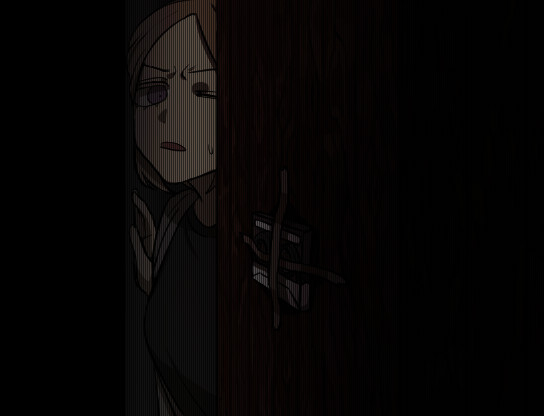
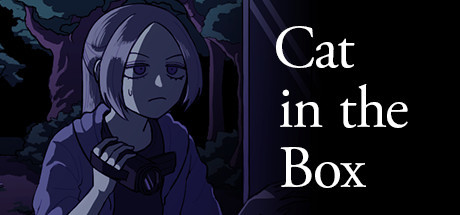
Cat in the Box is a horror adventure game. Help the poor girl explore the mansion and escape from unknown entities that are pursuing her. Use a variety of tools and your wits to overcome any challenges you face. At times, you'll even have to wake yourself from nightmares to survive.
Cat in the Box is a horror, rpgmaker and adventure game
developed and published by Gustav.
Released on May 01st 2020 is available only on Windows
in 7 languages: Korean, English, Simplified Chinese, Japanese, Thai, Russian and Spanish - Spain.
It has received 1,373 reviews of which 1,294 were positive and 79 were negative resulting in a rating of 8.9 out of 10. 😎
The game is currently priced at 6.89€ on Steam.
The Steam community has classified Cat in the Box into these genres:
Media & Screenshots
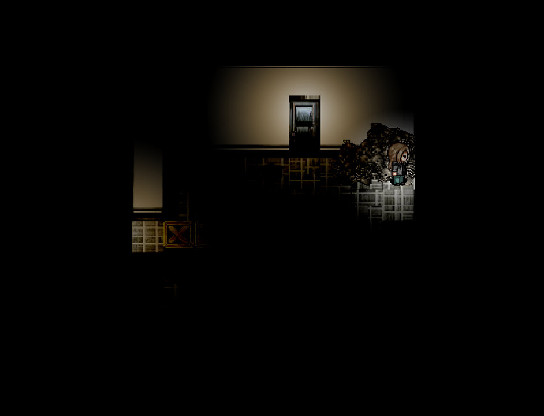
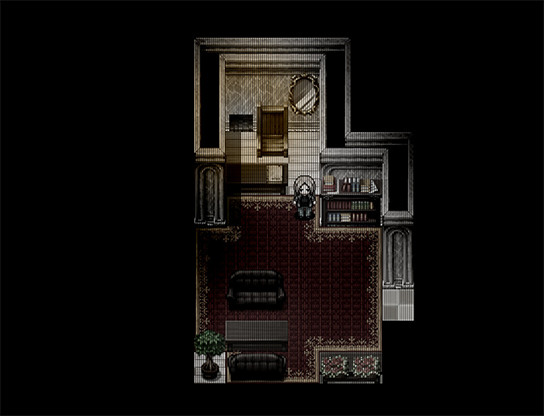
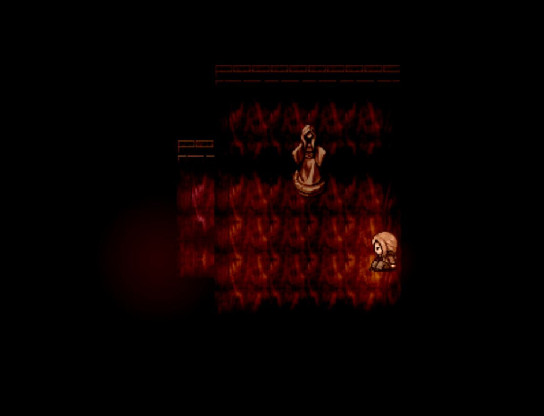
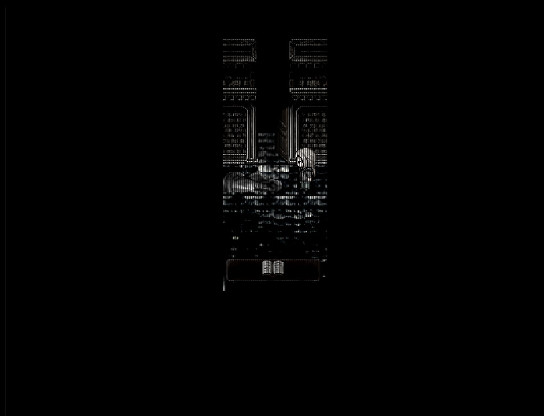
Get an in-depth look at Cat in the Box through various videos and screenshots.
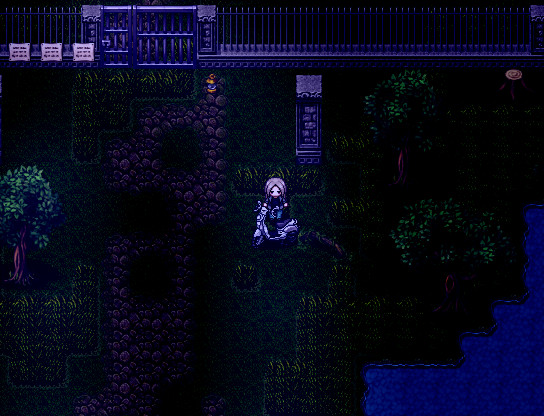
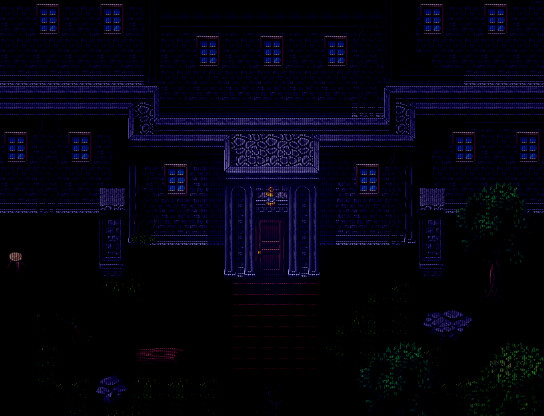
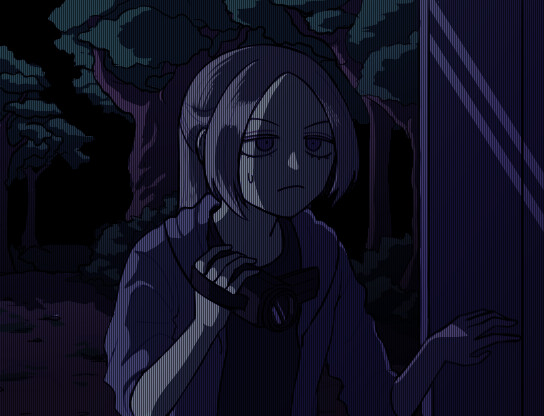
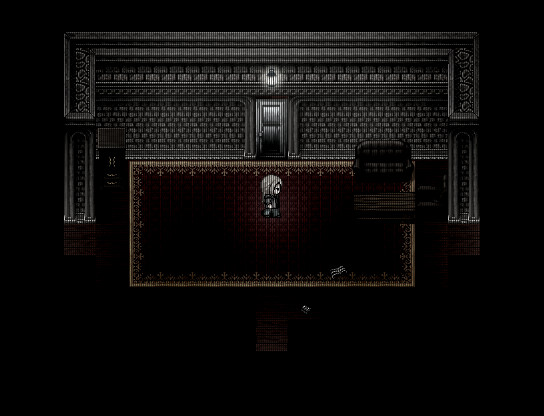
Load More
System requirements
These are the minimum specifications needed to play the game. For the best experience, we recommend that you verify them.
Windows
- OS *: Windows 7 / 8 / 8.1 / 10
- Processor: Any processor w/ a clock rate of 2 GHz
- Memory: 1 GB RAM
- Graphics: CPU-integrated or on-board graphics
- Storage: 250 MB available space
Steam Price & Best Deals
User reviews & Ratings
Explore reviews from Steam users sharing their experiences and what they love about the game.
A decent horror game with the classic cliché of a YouTuber entering an abandoned mansion. The game has some pretty creepy moments and I enjoyed the overall atmosphere, but the controls felt a bit clunky at times. This was especially noticeable during some of the chase sequences, where the timing felt pretty tight and I ended up dying a few times because of it
I've always had a soft spot for RPG Maker games, especially horror-based ones that know how to pace themselves with a limited runtime that doesn't overly frustrate the player with an egregious amount of jank and unnecessary mechanics and puzzles that have absolutely no logic behind them due to a lack of testing and an overinflated ego. That said, as one can imagine, this filters out a good portion of the general genre, and I'm happy to say that Cat in the Box is one of the good ones that stands out in the ever-growing sea Horror RPG Maker releases. Cat in the Box does a fantastic job with its atmosphere as you traverse through an abandoned mansion looking to create ghostly content for your channel. Once you arrive, however, things quickly get out of control, and it becomes a deep psychological rollercoaster of hide-and-seek, exploration, and survival. Cat in the Box continues to surprise with its story beats, use of sound, and clever weaving of the rooms that you find yourself in either through basic unlocks, keys, side-entrances, or outright brute force. However you end up in these rooms, everything seamlessly connects to create a cohesive trek through a mansion of regrets and evil apparitions. For a RPG Maker game, Cat in the Box does better than most to instill that sense of discomfort under your skin and ensure that, by the time your roughly 2-3 hours of torment are up, you walk away with a memorable experience that causes you to feel as relieved(?) as the main character (this ultimately depends on the ending you get, and even then...). Kudos to the dev on a job well done here. Excited for other works that more or less share the same format. I'll be playing Tide Up next to experience more horror RPG Maker goodness. Definitely worth it for the $3.99 I paid for it on sale, and truthfully I think its original asking price is actually fair as well if you enjoy these sort of games. A lot here that also had me thinking of other greats like Mad Father, Misao, Paper Lily, and The Witch's House to name a few.
A great short horror RPG Maker game with good story with a theme of Schrödinger's cat. + Good story + Good horror element + Great plot twist + Some hidden secrets that's hard to find but made me excited more to the game - Limited save time - Some area are so dark even when you already have a flashlight, making finding the videotapes harder - No option to lower the game volume (but I can still lower the volume from the Windows' volume mixer) My personal score: 8.5/10
Cat in the Box is a psychological horror experience that begins with a familiar premise but gradually transforms into something far more unsettling and introspective. Developed by Gustav, it places you in the role of a young content creator investigating an abandoned mansion tied to a mysterious cult, but what unfolds is less about uncovering external threats and more about navigating a fractured, looping reality that steadily erodes any sense of certainty. It operates within the recognizable framework of RPG Maker horror, yet distinguishes itself through its tone, narrative structure, and willingness to embrace ambiguity. The story initially presents itself in a straightforward way: you enter a decrepit mansion in search of material, expecting a conventional haunted-house scenario. However, the narrative quickly destabilizes, introducing repetitions, alternate outcomes, and distorted reflections of the protagonist. Time does not progress linearly, and events seem to loop or reset with subtle variations, creating a sense that you are trapped not just in a physical location but in a recurring psychological pattern. The game leans heavily into themes of identity, consequence, and inevitability, though it rarely explains itself directly. Instead, it asks players to interpret fragmented clues, scattered notes, and shifting environments to piece together meaning. This approach can be compelling, but it also means that clarity is often sacrificed in favor of atmosphere and interpretation. Gameplay follows the traditional structure of exploration-based horror. You move through interconnected rooms, searching for keys and items while solving environmental puzzles to unlock new areas. These puzzles are generally simple in isolation, relying on observation and basic logic rather than complex mechanics. What gives them weight is the context in which they occur. The environment is unstable, and the constant possibility of interruption—whether through chase sequences or sudden environmental changes—adds tension to otherwise straightforward tasks. The game does not rely on mechanical complexity, but rather on how those mechanics are framed within its unsettling world. Chase sequences are a recurring element, designed to inject urgency and break the slower pace of exploration. These moments force you to react quickly, navigating tight corridors and unfamiliar layouts while being pursued. While they succeed in creating bursts of intensity, their execution can feel uneven. Movement can be slightly awkward, and repeated encounters may reduce their impact over time, shifting them from moments of fear to moments of trial and error. The tension is present, but it does not always translate into satisfying gameplay, particularly when failure feels abrupt or difficult to anticipate. Where Cat in the Box excels most consistently is in its atmosphere. The visual design uses a muted, desaturated palette combined with heavy shadows and subtle distortions, creating an environment that feels oppressive and unstable. The mansion itself is not a fixed space; rooms change, layouts shift, and familiar areas become unfamiliar, reinforcing the sense that you are navigating something more psychological than physical. Sound design plays a crucial role in maintaining this unease, using ambient noise, silence, and sudden audio cues to keep you on edge. The horror is not built on spectacle, but on discomfort—the feeling that something is wrong, even when nothing is happening. The game also experiments with meta elements, occasionally breaking its own presentation through visual glitches or unexpected interruptions. These moments blur the boundary between the game and the player, adding another layer of unease. While not always fully integrated into the gameplay, they contribute to the overall tone, reinforcing the idea that the experience itself is unstable and unpredictable. Despite its strengths, the game struggles with cohesion. Its narrative ideas are intriguing, but they are not always developed in a way that feels complete. Certain elements appear briefly and are never fully explored, leaving gaps that may feel intentional to some players and unfinished to others. The gameplay, while effective in short bursts, becomes repetitive over time, particularly as puzzles and chase sequences follow similar patterns. This repetition can weaken the impact of the story, as the focus shifts from interpretation to progression. The relatively short length works in the game’s favor, preventing its mechanics from becoming overly drawn out, but it also limits how far its ideas can be developed. Multiple endings encourage replayability, offering different perspectives on the narrative, though revisiting the same sequences can make the experience feel more mechanical than mysterious. The game leaves a strong impression, but it does so through moments rather than a fully cohesive whole. Ultimately, Cat in the Box is defined by its atmosphere and its willingness to explore psychological horror through abstraction and repetition. It does not aim to provide clear answers or polished systems, but rather to create a mood and let players interpret its meaning. This approach makes it stand out within its genre, even if it occasionally feels uneven in execution. For players who appreciate narrative ambiguity and atmospheric horror, it offers a distinctive and memorable experience that lingers beyond its runtime. For those who prefer tighter mechanics or clearer storytelling, it may feel inconsistent and occasionally frustrating. It is a game that reaches for something more conceptual than mechanical, and while it does not fully realize every idea it introduces, it succeeds in creating an experience that is difficult to forget. Rating: 8/10
Similar games
View all

The Mirror Lied
This isn't a horror game. Nothing will jump out at you.

Stray Cat Crossing
Stray Cat Crossing is an indie pixel horror game about an encounter with a mysterious little girl named Cat. Explore a surreal world filled with colorful characters, challenging riddles, and dark secrets.

The Sand Man
“I’ll tell you a scary story. It’s so scary you might not be able to take it. It’s the story of the Sand Man...” This is the second title in the Strange Man series, developed by Uri Games. Unable to sleep and exhausted, Sophie wanders into a town where everything sleeps. That is where the terror begins...

Fausts Alptraum
Fausts Alptraum is an single player, puzzle game created by LabORat Studio, an indie game team from Taiwan. The story based on Goethe's Faust. Players will play as a troubled girl wandering around in a crayon-drawn world. Players will have to find the relevance between dreams and reality by collecting clues.

My Big Sister
My name is Luzia...and this story isn't about me, it’s about my sister. Do you still wish to hear it?

DISTRAINT: Deluxe Edition
DISTRAINT is a 2D psychological horror adventure game for PC. In order to secure a partnership in a famous company, Price seizes the property of an elderly woman. In that very moment, he finds out the price of his humanity.

Tales of the Black Forest
In a world filled with yōkai, a surging dark power has overshadowed a Japanese town. A group of 2 developers have produced a Japanese pixel adventure game to tell a tale that dates back to the Heisei era...In the name of dreams and passion.

The Charnel House Trilogy
Witness The Charnel House Trilogy, the chronicle of one fateful night aboard a train bound for Augur Peak. Three thrilling, horrifying adventure games in one, from the depths of the Sepulchre, starring Madeleine Roux, Peter Willington, Jonathan Grier, Jim Sterling, and Ben Chandler as Grub.

Viviette
Exploration, puzzles and a touch of classic horror awaits you! Uncover the secrets and mysteries of Neuville's Mansion. Test your logic against diverse puzzles, locate and use a variety of items, and don't lose your sense of direction, as navigation itself becomes an obstacle in your path!

Nevermind
Nevermind ushers you into dark and surreal worlds within the minds of trauma patients. When played with supported biofeedback technology, Nevermind picks up on indications of fear—lashing out if you allow your feelings of anxiety to get the better of you.
Frequently Asked Questions
Cat in the Box is currently priced at 6.89€ on Steam.
No, Cat in the Box is currently not on sale. You can purchase it for 6.89€ on Steam.
Yes, Cat in the Box received 1,294 positive votes out of a total of 1,373 achieving a rating of 8.92.
😎
Cat in the Box was developed and published by Gustav.
Yes, Cat in the Box is playable and fully supported on Windows.
No, Cat in the Box is not playable on MacOS.
No, Cat in the Box is not playable on Linux.
This information about Cat in the Box is not available yet.
This information about Cat in the Box is not available yet.
No, Cat in the Box does not support VR.
Cat in the Box is a single-player game.
Yes, there is a DLC available for Cat in the Box. Explore additional content available for Cat in the Box on Steam.
No, Cat in the Box does not support mods via Steam Workshop.
No, Cat in the Box does not support Steam Remote Play.
Yes, Cat in the Box is enabled for Steam Family Sharing. This means you can share the game with authorized users from your Steam Library, allowing them to play it on their own accounts. For more details on how the feature works, you can read the original Steam Family Sharing announcement or visit the Steam Family Sharing user guide and FAQ page.
You can find solutions or submit a support ticket by visiting the Steam Support page for Cat in the Box.
Data sources
The information presented on this page is sourced from reliable APIs to ensure accuracy and relevance. We utilize the Steam API to gather data on game details, including titles, descriptions, prices, and user reviews. This allows us to provide you with the most up-to-date information directly from the Steam platform.
Additionally, we incorporate data from the SteamSpy API, which offers insights into game sales and player statistics. This helps us present a comprehensive view of each game's popularity and performance within the gaming community.
Last Updates| Steam data | 07 September 2026 21:04 UTC |
|---|---|
| SteamSpy data | 12 September 2026 19:48 UTC |
| Steam price | 12 September 2026 18:24 UTC |
| Steam reviews | 09 September 2026 14:00 UTC |
If you'd like to dive deeper into the details about Cat in the Box, we invite you to check out a few dedicated websites that offer extensive information and insights. These platforms provide valuable data, analysis, and user-generated reports to enhance your understanding of the game and its performance.
- SteamDB - A comprehensive database of everything on Steam about Cat in the Box
- SteamCharts - Analysis of Cat in the Box concurrent players on Steam
- ProtonDB - Crowdsourced reports on Linux and Steam Deck Cat in the Box compatibility
Game modes
Features
Online players
3
Developer
Gustav
Publisher
Gustav
Release
01 May 2020
Platforms