
[Chilla's Art] The Convenience Store | 夜勤事件
The Convenience Store | 夜勤事件 is a J-horror game about a college girl on a night shift.
Sync your Steam wishlist to track the lowest game prices instantly. No login required, just paste your Steam profile URL!
⚡ Try Wishlist Radar!
Sync your Steam wishlist to track the lowest game prices instantly. No login required!
⚡ Try Wishlist Radar!
Close

[Chilla's Art] Night Delivery | 例外配達 on Steam - User reviews, Price & Information
Quick menu
Night Delivery | 例外配達 is a psychological Japanese horror adventure game.
[Chilla's Art] Night Delivery | 例外配達 is a indie, horror and adventure game
developed and published by Chilla's Art.
Released on June 04th 2021 is available only on Windows
in 5 languages: English, Japanese, Korean, Vietnamese and Simplified Chinese.
It has received 1,215 reviews of which 966 were positive and 249 were negative resulting in a rating of 7.6 out of 10. 😊
The game is currently priced at 2.99€ on Steam.
The Steam community has classified [Chilla's Art] Night Delivery | 例外配達 into these genres:
Media & Screenshots
Get an in-depth look at [Chilla's Art] Night Delivery | 例外配達 through various videos and screenshots.
![[Chilla's Art] Night Delivery | 例外配達 screenshot](https://shared.cloudflare.steamstatic.com/store_item_assets/steam/apps/1611490/ss_23d6da32f2f5bef0a5f0d5d91be68631f589ca68.1920x1080.jpg)
![[Chilla's Art] Night Delivery | 例外配達 screenshot](https://shared.cloudflare.steamstatic.com/store_item_assets/steam/apps/1611490/ss_6adb00e9959d4c0644ef7318e12e0d51c072887e.1920x1080.jpg)
![[Chilla's Art] Night Delivery | 例外配達 screenshot](https://shared.cloudflare.steamstatic.com/store_item_assets/steam/apps/1611490/ss_565b6f8f4efdae524e86c6639012381391b8acef.1920x1080.jpg)
![[Chilla's Art] Night Delivery | 例外配達 screenshot](https://shared.cloudflare.steamstatic.com/store_item_assets/steam/apps/1611490/ss_e1313fd8d2300055189f7d6a0f9fc39d303f7cf3.1920x1080.jpg)
![[Chilla's Art] Night Delivery | 例外配達 screenshot](https://shared.cloudflare.steamstatic.com/store_item_assets/steam/apps/1611490/ss_d8e4c980817a2634f752b1545445602cf7c2da7f.1920x1080.jpg)
![[Chilla's Art] Night Delivery | 例外配達 screenshot](https://shared.cloudflare.steamstatic.com/store_item_assets/steam/apps/1611490/ss_23b450be7e45b2632f2b7e00792717116edd7ce9.1920x1080.jpg)
System requirements
These are the minimum specifications needed to play the game. For the best experience, we recommend that you verify them.
Windows
- OS *: Windows 7 SP1+ x64
- Processor: Intel/Amd
- Memory: 4 GB RAM
- Graphics: Nvidia/Amd
- DirectX: Version 11
- Storage: 4 GB available space
- Sound Card: Yes
- Additional Notes: Wear headphones and play in the dark.
Steam Price & Best Deals
User reviews & Ratings
Explore reviews from Steam users sharing their experiences and what they love about the game.
I enjoy the concept of a delivery man horror game, going around apartment complexes - and so far, this has been a good rendition to that very concept. The atmosphere is genuinely unsettling, with disturbing imagery sprinkled throughout without trying too hard. Overall, this was a super enjoyable experience and definitely one of the stronger Chilla's Art titles I’ve played IMO.
Night Delivery is a psychological horror title created and published by Chilla’s Art, a studio that has built a reputation around crafting unsettling experiences inspired by Japanese horror traditions and realistic urban environments. Rather than focusing on combat or overwhelming players with nonstop jump scares, Night Delivery takes a slower and more deliberate approach to fear. It transforms a simple everyday profession into something deeply unnerving, proving that horror can emerge from familiar places and ordinary routines when atmosphere and tension are handled effectively. The game places players in the role of a delivery worker assigned to deliver packages to tenants living inside an aging apartment complex. The premise initially feels grounded and mundane, which becomes one of the title’s greatest strengths. Delivering packages from floor to floor sounds harmless at first, but subtle details slowly create discomfort. Residents behave strangely. Hallways feel empty in an unnatural way. The environment carries an oppressive mood that gradually becomes more intense as players continue deeper into the building and uncover disturbing events hidden beneath the surface. Chilla’s Art excels at environmental storytelling, and Night Delivery benefits heavily from that design philosophy. The apartment complex becomes the centerpiece of the experience. Narrow corridors, flickering lights, aging furniture, dim stairwells, and cramped spaces create a setting that feels believable rather than exaggerated. The realism works in the game’s favor because players can easily imagine themselves in a similar location. Horror becomes more effective when the environment feels authentic, and Night Delivery consistently uses that realism to maintain tension. The visual presentation contributes heavily to the unsettling atmosphere. The game uses a VHS-inspired filter designed to resemble older videotape recordings, creating a gritty and slightly distorted appearance. The effect gives the experience a found-footage quality that strengthens immersion and makes unsettling moments feel more believable. While players can adjust visual options to their preference, the default presentation complements the horror exceptionally well. The grainy aesthetic does more than create style; it enhances uncertainty and encourages players to question what they think they see. The pacing is intentionally measured, which may divide audiences depending on their horror preferences. Players expecting constant chases or endless jump scares may find the progression slower than anticipated. Night Delivery prioritizes anticipation over immediate payoff. Fear builds through repetition and atmosphere. Returning to the same hallways repeatedly becomes increasingly stressful because the environment slowly changes and the sense of safety gradually disappears. Chilla’s Art demonstrates a strong understanding of psychological horror by recognizing that tension often becomes more effective when players are given time to absorb their surroundings. Audio design deserves considerable praise because it carries much of the game’s emotional weight. Silence becomes uncomfortable rather than peaceful. Small environmental sounds stand out dramatically against quiet moments. Footsteps echo through empty hallways with unsettling impact. Background noises create uncertainty and constantly encourage players to remain alert. The sound design rarely overwhelms players, but it consistently contributes to anxiety. Using headphones significantly improves immersion and allows the carefully crafted audio work to have its intended effect. Narrative progression unfolds naturally through exploration and observation instead of lengthy dialogue sequences or heavy exposition. The game trusts players to piece together information themselves. Strange encounters with apartment residents, environmental details, and small story fragments slowly reveal darker truths hidden within the building. The mystery remains compelling because Night Delivery avoids explaining everything immediately. The uncertainty surrounding events strengthens the horror and keeps players engaged throughout the relatively short experience. Despite its simple gameplay systems, the title remains engaging because its mechanics support the atmosphere rather than distract from it. Movement, package delivery, and exploration form the foundation of progression. The lack of mechanical complexity allows players to focus entirely on the environment and the growing tension. Chilla’s Art understands that horror does not always require complicated systems to remain effective. Sometimes simplicity creates stronger immersion. The game also benefits from replay value thanks to multiple endings, encouraging players to revisit the experience and discover details they may have missed. Although Night Delivery is not an especially lengthy game, it uses its runtime efficiently. The shorter format prevents tension from losing effectiveness and allows the story to maintain momentum without unnecessary filler. One of Night Delivery’s strongest qualities is how effectively it creates discomfort through ordinary situations. Apartment buildings represent familiar environments for many people, and the game weaponizes that familiarity exceptionally well. Everyday spaces slowly become hostile. Routine tasks become stressful. Familiarity transforms into fear. This approach gives the horror lasting impact because players may find themselves thinking differently about ordinary environments long after finishing the game. Night Delivery demonstrates why Chilla’s Art has become one of the most recognizable names in independent psychological horror. The game combines atmosphere, environmental storytelling, visual identity, and carefully controlled pacing into a memorable experience that understands how to create fear without relying entirely on spectacle. It may not satisfy players seeking action-heavy horror experiences, but fans of psychological tension and immersive storytelling will likely appreciate what it accomplishes. For players who enjoy Japanese horror influences, atmospheric exploration, and slow-building suspense, Night Delivery delivers an experience that remains effective from beginning to end. Its simplicity ultimately becomes one of its greatest strengths, allowing the horror elements to take center stage without distraction. Few independent horror titles manage to create such persistent discomfort from something as ordinary as delivering packages, and Night Delivery turns that concept into one of its most memorable accomplishments. Rating: 8/10
This game was horrible in the best possible way. Nothing feels right. The people feel off, the atmosphere is deeply unsettling, and the story slowly pulls you deeper into the nightmare without letting go. I got scared so many times while playing this. Absolutely amazing horror experience. https://www.youtube.com/watch?v=cIhU6RyJyDY
It's fine. There's some jank, especially with the menus. Optimization is a little iffy. My PC isn't a toaster, yet the fans were spooling up with this more than some AAA titles. Also, the content felt a little padded out. Still, the atmosphere has that unnerving vibe you'd expect from a Chilla's Art game. I'd recommend turning the brightness up a smidge once you get into the game. For whatever reason, changing options at the title screen seems to do nothing.
I'm a big fan of the Fears to Fathom games, which is why Chilla's Art was recommended to me. I chose Night Delivery, and I was more than surprised by how good it is. The atmosphere is unnerving, and the scares are well-thought-out. It took me just under two hours to complete my first playthrough and collect all the cans. I'll definitely check out Chilla's other stuff! I didn't experience any crashes or other technical issues like other reviewers. My favorite moment was the elevator baby.
Similar games
View all![[Chilla's Art] The Convenience Store | 夜勤事件](https://shared.cloudflare.steamstatic.com/store_item_assets/steam/apps/1228520/header.jpg)
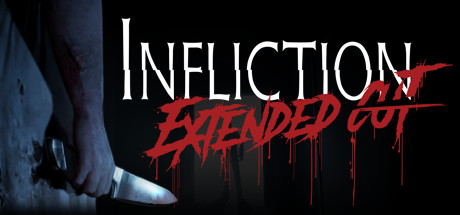
Infliction
Wander through an interactive nightmare set within the confines of a once-happy household. Piece together the mystery behind a harrowing series of events while struggling to survive encounters with an entity that relentlessly stands in the way of finding absolution.
![[Chilla's Art] Stigmatized Property | 事故物件](https://shared.cloudflare.steamstatic.com/store_item_assets/steam/apps/1162680/61ca5478f8c016e013357e6445198bf9305da3d1/header.jpg)
[Chilla's Art] Stigmatized Property | 事故物件
Stigmatized Property, 事故物件 (Jiko bukken) is a horror game inspired by haunted apartment rooms in Japan. These properties are known to have cheap rents and you play to find out the exact reason why.
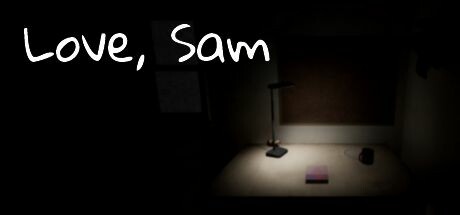
Love, Sam
Alone in your room, you see a diary sitting on your desk. It wants to tell you a story: a story about a high school crush. A story about small town romance. A story about how everyone is against you and nobody will ever love you again.
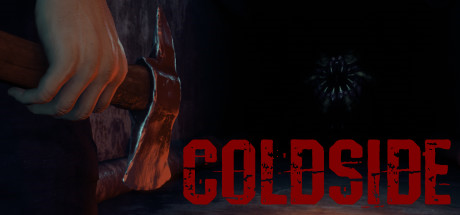

Root Of Evil: The Tailor
You will play a telepath named James. He has the ability to connect with the soul thus he can understand their past. He was hired to explore what happened in the previous 20 years in a haunted house This is the puzzle game!
![[Chilla's Art] Inunaki Tunnel | 犬鳴トンネル](https://shared.cloudflare.steamstatic.com/store_item_assets/steam/apps/1185160/header.jpg)
[Chilla's Art] Inunaki Tunnel | 犬鳴トンネル
Inunaki tunnel (or Inunaki village) is a famous Japanese horror spot where people have been killed or burnt to death.
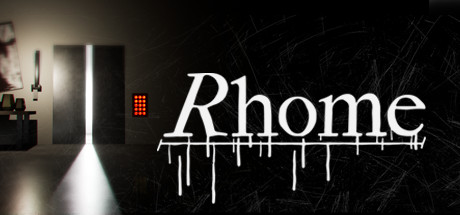
Rhome
Rhome is a first-person dark atmospheric exploration game made by students at SMU Guildhall. Players navigate an increasingly chaotic and psychologically unnerving environment to reveal the fate of Hailey Rhome. Proceeds from your purchase on Steam go to support student development.

Blair Witch
A first-person, story-driven psychological horror game based on the cinematic lore of the Blair Witch. Explore the haunted grounds of the Black Hills Forest in a harrowing investigation that forces you to confront the evil that resides deep in the woods.
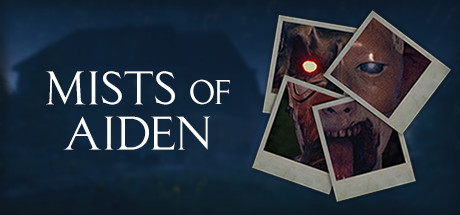
Mists of Aiden
Mists of Aiden is a first-person story driven horror game. You play as a thief trapped in an eerie mansion. Each choice can open a new mystery of the house and lead to a unique walkthrough and ending. Uncover final secret of the house. Uncover your own secrets.
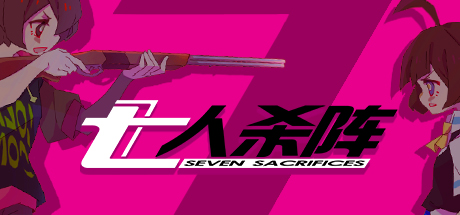
七人杀阵 - Seven Sacrifices
Seven girls came to a mountain villa on the outskirts to attend a party. Suddenly they were struck by a storm. They were trapped and lost contact with the outside world.Everyone was caught unawares by the accident, but the conspiracy has just begun.
Frequently Asked Questions
[Chilla's Art] Night Delivery | 例外配達 is currently priced at 2.99€ on Steam.
No, [Chilla's Art] Night Delivery | 例外配達 is currently not on sale. You can purchase it for 2.99€ on Steam.
Yes, [Chilla's Art] Night Delivery | 例外配達 received 966 positive votes out of a total of 1,215 achieving a rating of 7.60.
😊
[Chilla's Art] Night Delivery | 例外配達 was developed and published by Chilla's Art.
Yes, [Chilla's Art] Night Delivery | 例外配達 is playable and fully supported on Windows.
No, [Chilla's Art] Night Delivery | 例外配達 is not playable on MacOS.
No, [Chilla's Art] Night Delivery | 例外配達 is not playable on Linux.
This information about [Chilla's Art] Night Delivery | 例外配達 is not available yet.
This information about [Chilla's Art] Night Delivery | 例外配達 is not available yet.
No, [Chilla's Art] Night Delivery | 例外配達 does not support VR.
[Chilla's Art] Night Delivery | 例外配達 is a single-player game.
No, [Chilla's Art] Night Delivery | 例外配達 does not currently offer any DLC.
No, [Chilla's Art] Night Delivery | 例外配達 does not support mods via Steam Workshop.
No, [Chilla's Art] Night Delivery | 例外配達 does not support Steam Remote Play.
Yes, [Chilla's Art] Night Delivery | 例外配達 is enabled for Steam Family Sharing. This means you can share the game with authorized users from your Steam Library, allowing them to play it on their own accounts. For more details on how the feature works, you can read the original Steam Family Sharing announcement or visit the Steam Family Sharing user guide and FAQ page.
You can find solutions or submit a support ticket by visiting the Steam Support page for [Chilla's Art] Night Delivery | 例外配達.
Data sources
The information presented on this page is sourced from reliable APIs to ensure accuracy and relevance. We utilize the Steam API to gather data on game details, including titles, descriptions, prices, and user reviews. This allows us to provide you with the most up-to-date information directly from the Steam platform.
Additionally, we incorporate data from the SteamSpy API, which offers insights into game sales and player statistics. This helps us present a comprehensive view of each game's popularity and performance within the gaming community.
Last Updates| Steam data | 12 September 2026 02:01 UTC |
|---|---|
| SteamSpy data | 07 September 2026 20:48 UTC |
| Steam price | 12 September 2026 18:31 UTC |
| Steam reviews | 10 September 2026 02:01 UTC |
If you'd like to dive deeper into the details about [Chilla's Art] Night Delivery | 例外配達, we invite you to check out a few dedicated websites that offer extensive information and insights. These platforms provide valuable data, analysis, and user-generated reports to enhance your understanding of the game and its performance.
- SteamDB - A comprehensive database of everything on Steam about [Chilla's Art] Night Delivery | 例外配達
- SteamCharts - Analysis of [Chilla's Art] Night Delivery | 例外配達 concurrent players on Steam
- ProtonDB - Crowdsourced reports on Linux and Steam Deck [Chilla's Art] Night Delivery | 例外配達 compatibility
![[Chilla's Art] Night Delivery | 例外配達](https://shared.cloudflare.steamstatic.com/store_item_assets/steam/apps/1611490/header.jpg)
Game modes
Features
Online players
2
Developer
Chilla's Art
Publisher
Chilla's Art
Release
04 Jun 2021
Platforms