
Remothered: Broken Porcelain
Broken Porcelain brings an abundance of welcome changes to the series, introducing new gameplay and storytelling elements that breathe new life into the characters and an unprecedented level of immersion in this haunting adventure – perfect for both new and returning fans to the series.
Sync your Steam wishlist to find the lowest game prices instantly. No login required, just paste your Steam profile URL!
⚡ Try Wishlist Radar!
Sync your Steam wishlist to find the lowest game prices instantly. No login required!
⚡ Try Wishlist Radar!
Close

Christmas Massacre on Steam
Quick menu
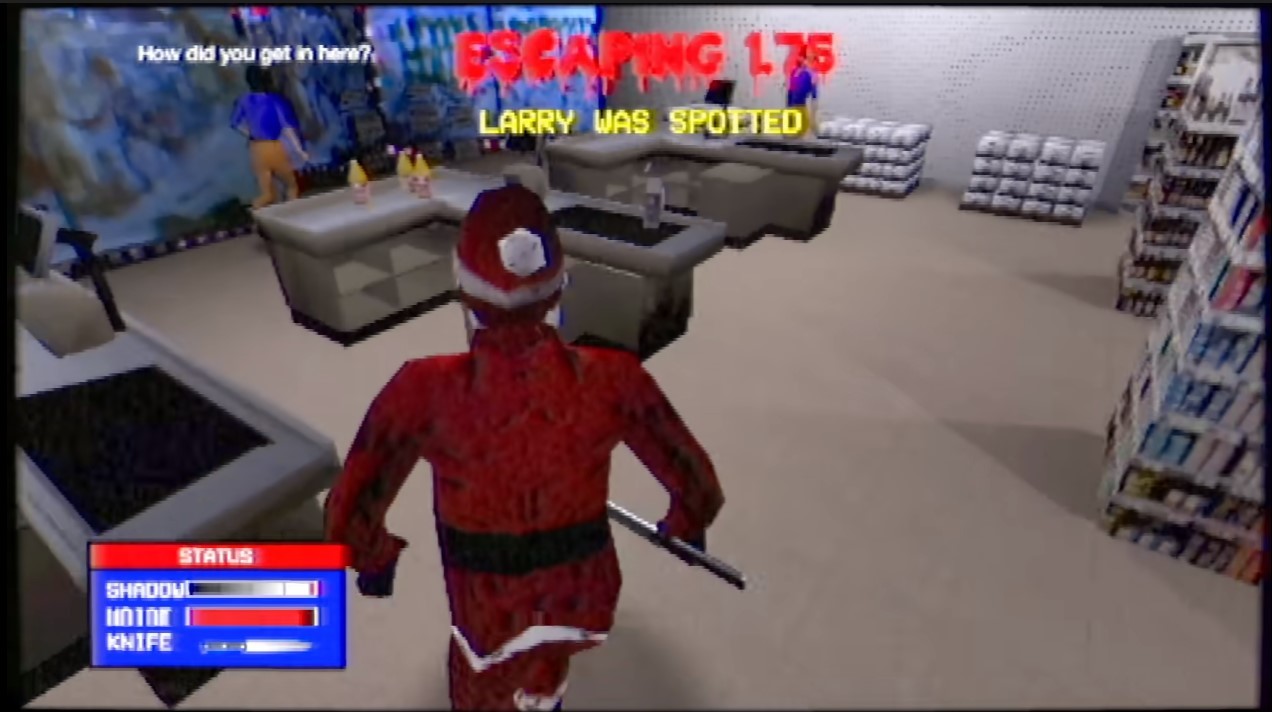
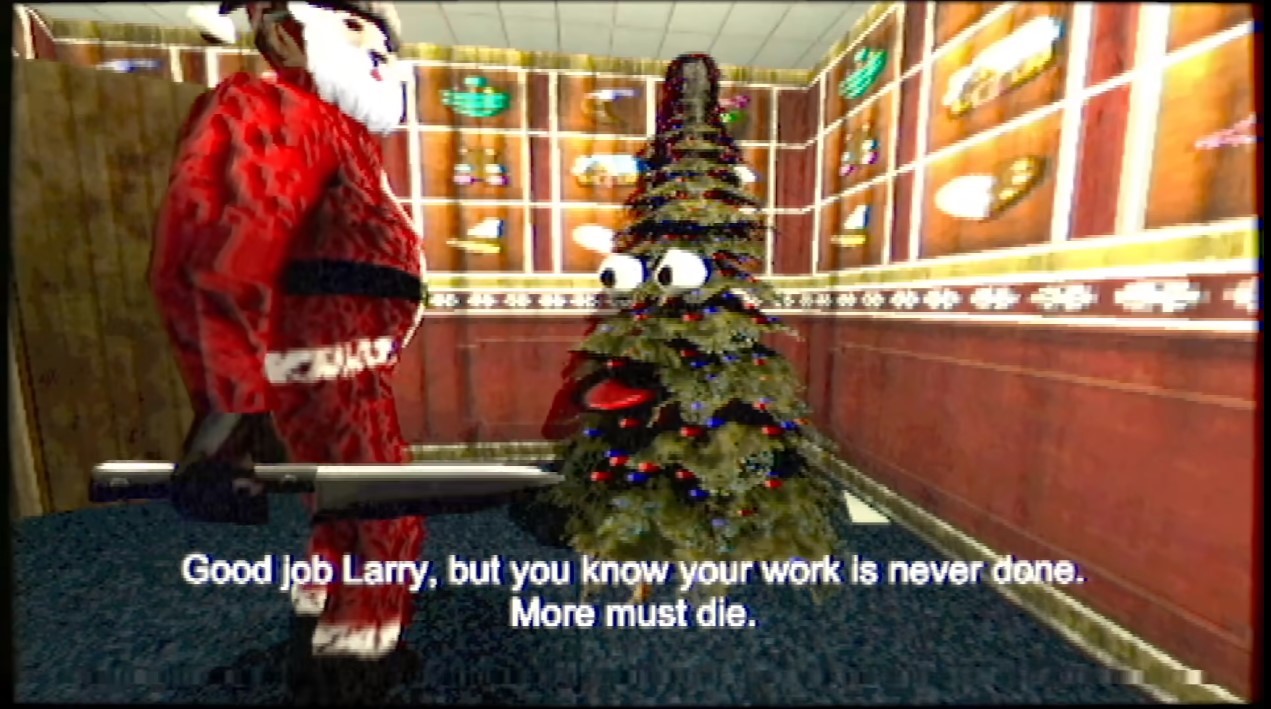
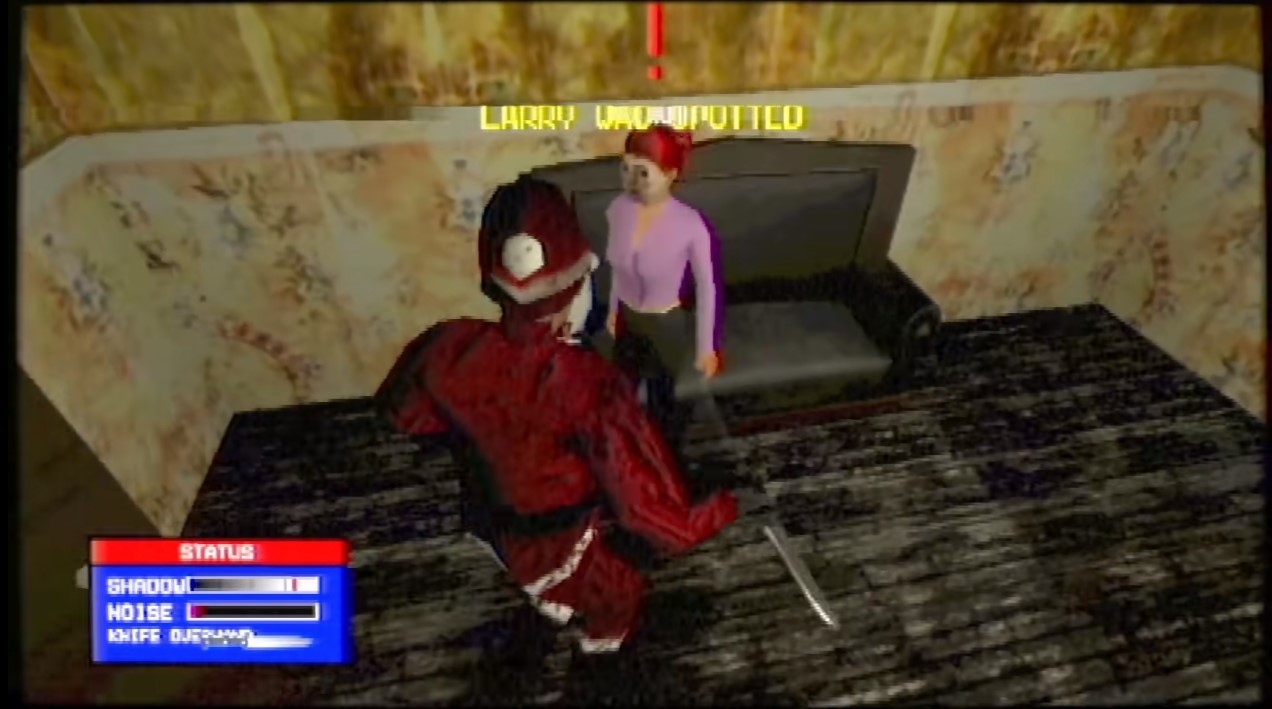
Christmas is coming and Larry's got a big problem - his Christmas tree is telling him to KILL! Lead him through his murder rampage.
Christmas Massacre is a horror, violent and action game
developed and published by Puppet Combo.
Released on December 17th 2021 is available on Windows, Steam Deck and Steam Machine.
It has received 1,015 reviews of which 924 were positive and 91 were negative resulting in a rating of 8.6 out of 10. 😎
The game is currently priced at 6.59€ on Steam.
The Steam community has classified Christmas Massacre into these genres:
Horror
Violent
Action
1980s
Fast-Paced
Difficult
Gore
Stealth
Dark Comedy
Arcade
Puzzle
Surreal
Thriller
Indie
Dark Humor
Psychedelic
Retro
3D
Third Person
Survival Horror
Here is the detailed breakdown of supported languages for Christmas Massacre:
| UI | Subtitle | Audio | |
|---|---|---|---|
| English |
Media & Screenshots
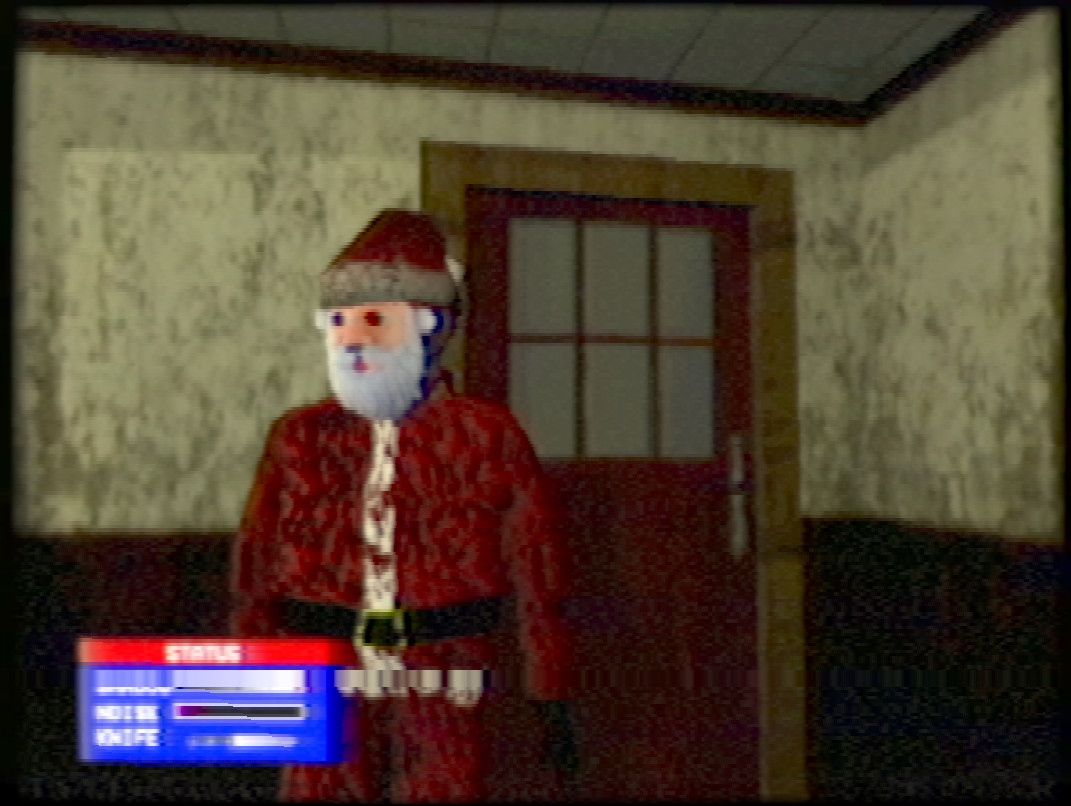
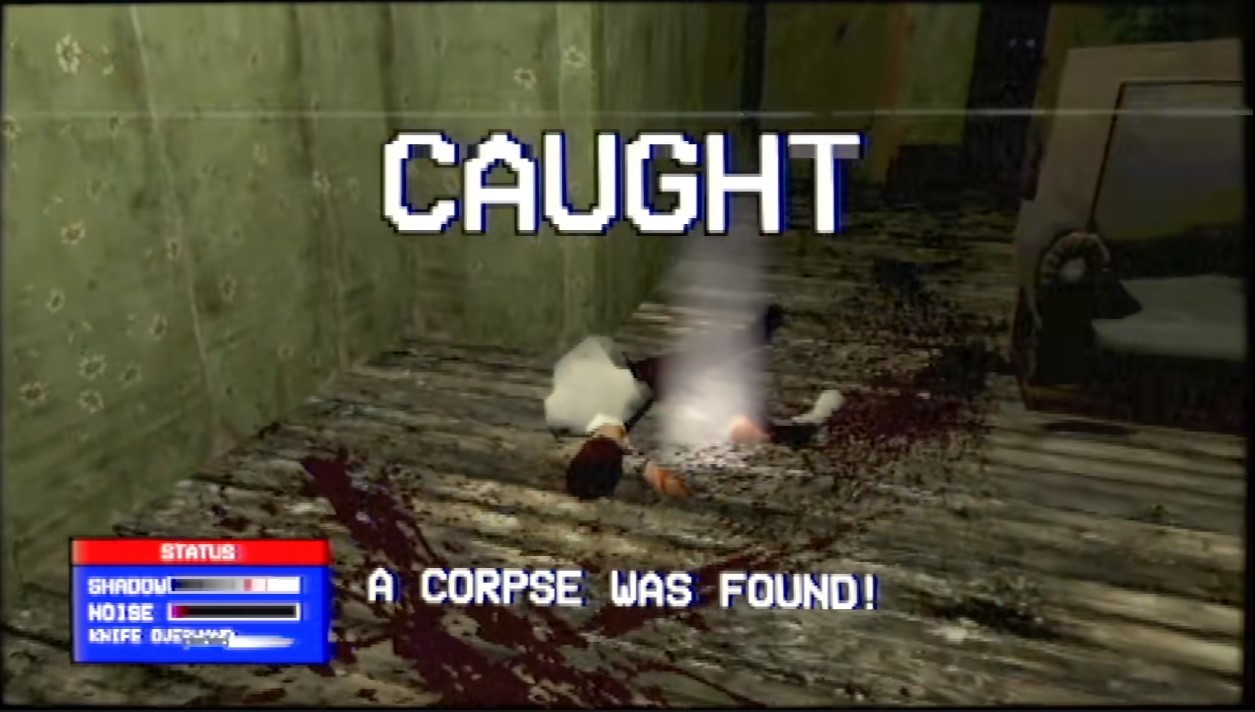
Get an in-depth look at Christmas Massacre through various videos and screenshots.

Load More
System requirements
These are the minimum specifications needed to play the game. For the best experience, we recommend that you verify them.
Windows
- OS *: Windows 7+
- Memory: 2 GB RAM
- Storage: 600 MB available space
Steam Price & Best Deals
User reviews & Ratings
Explore reviews from Steam users sharing their experiences and what they love about the game.
Both CoreyXKenshin and this game are what got me into the Puppet Combo franchise and frankly I don't regret it I love this franchise I remember watching Corey Kenshin playing this game when it dropped and when I saw it I just knew I had to get it, please keep making more bangers Puppet Combo.
its a neat game. could've been an awesome game but not quite there for me. the emphasis on stealth mechanics are peculiar in their execution and i wish the game woulda just been a straight slasher (something closer to the original Postal or Hatred). that being said, i can see the appeal for other games and the blood-splatter is worth the price of admission. not a bad game by any measure.
Similar games
View all
The Dark Occult
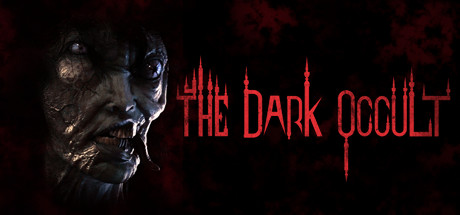
The Dark Occult is a psychological driven horror game that puts players in a constant state of anxiety that crescendos into raw panic and terror. You will encounter grotesque creatures, who will take your life at any moment.Your only goal -- survive.

Sniper Killer
Eliminate your victims as a serial killer dubbed ‘The Sniper Killer’. Terrorize the city with your keen eye and thirst for blood while staying one step ahead of a detective hell bent on bringing you to justice.

Roots of Insanity
As Dr. Riley McClein, you have to figure out what is real and what is not as you try to uncover the mysterious happenings at the hospital, while also trying to deal with your epileptic attacks that have haunted you all your life.

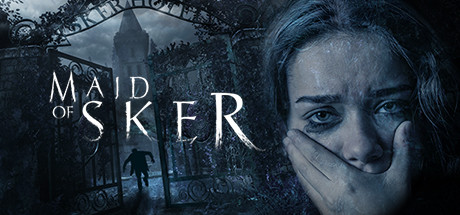
Maid of Sker
Maid of Sker is a first-person survival horror, set in a remote hotel with a gory and macabre history from Welsh folklore. Brave the nightmares of the Quiet Ones. Do not panic…don’t even breathe!

Cruel Arena
Cruel Arena is a classic arena survival zombie game. Face endless hordes and survive as much as you can, Through The Doodles and The Frames!! Will you do the best record among your friends?

Hotel Remorse
Wander long creepy corridors in search for answers in this short and jumpscare filled game.
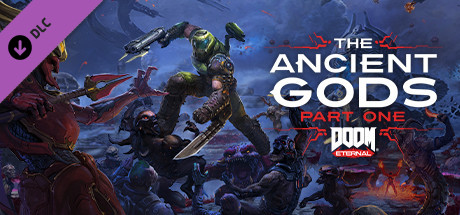
DOOM Eternal: The Ancient Gods - Part One
The Ancient Gods – Part One is the first campaign expansion for the critically acclaimed DOOM Eternal.

Hotline Miami 2: Wrong Number
Hotline Miami 2: Wrong Number is the brutal conclusion to the Hotline Miami saga, set against a backdrop of escalating violence and retribution over spilled blood in the original game.
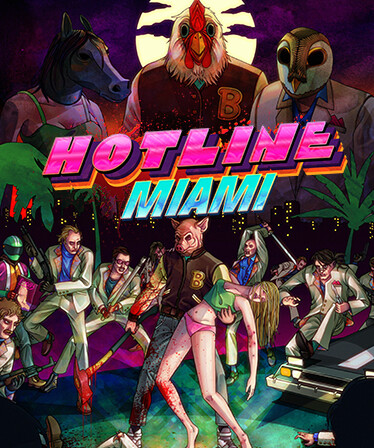
Hotline Miami
Hotline Miami is a high-octane action game overflowing with raw brutality, hard-boiled gunplay and skull crushing close combat.
Frequently Asked Questions
Christmas Massacre is currently priced at 6.59€ on Steam.
No, Christmas Massacre is currently not on sale. You can purchase it for 6.59€ on Steam.
Yes, Christmas Massacre received 924 positive votes out of a total of 1,015 achieving a rating of 8.59.
😎
Christmas Massacre was developed and published by Puppet Combo.
Yes, Christmas Massacre is playable and fully supported on Windows.
No, Christmas Massacre is not playable on MacOS.
No, Christmas Massacre is not playable on Linux.
Yes, Christmas Massacre is playable on Steam Deck, though it might require a few minor tweaks. Make sure to check the Steam store page and community feedback on ProtonDB for exact compatibility details.
Yes, Christmas Massacre is playable on Steam Machine, though it might require a few minor tweaks. Make sure to check the Steam store page and community feedback on ProtonDB for exact compatibility details.
No, Christmas Massacre does not support VR.
Christmas Massacre is a single-player game.
No, Christmas Massacre does not currently offer any DLC.
No, Christmas Massacre does not support mods via Steam Workshop.
No, Christmas Massacre does not support Steam Remote Play.
Yes, Christmas Massacre is enabled for Steam Family Sharing. This means you can share the game with authorized users from your Steam Library, allowing them to play it on their own accounts. For more details on how the feature works, you can read the original Steam Family Sharing announcement or visit the Steam Family Sharing user guide and FAQ page.
You can find solutions or submit a support ticket by visiting the Steam Support page for Christmas Massacre.
Data sources
The information presented on this page is sourced from reliable APIs to ensure accuracy and relevance. We utilize the Steam API to gather data on game details, including titles, descriptions, prices, and user reviews. This allows us to provide you with the most up-to-date information directly from the Steam platform.
Additionally, we incorporate data from the SteamSpy API, which offers insights into game sales and player statistics. This helps us present a comprehensive view of each game's popularity and performance within the gaming community.
Last Updates| Steam data | 25 September 2026 21:08 UTC |
|---|---|
| SteamSpy data | 17 October 2026 14:32 UTC |
| Steam price | 27 October 2026 03:27 UTC |
| Steam reviews | 18 October 2026 21:59 UTC |
If you'd like to dive deeper into the details about Christmas Massacre, we invite you to check out a few dedicated websites that offer extensive information and insights. These platforms provide valuable data, analysis, and user-generated reports to enhance your understanding of the game and its performance.
- SteamDB - A comprehensive database of everything on Steam about Christmas Massacre
- SteamCharts - Analysis of Christmas Massacre concurrent players on Steam
- ProtonDB - Crowdsourced reports on Linux and Steam Deck Christmas Massacre compatibility

Game modes
Features
Online players
4
Developer
Puppet Combo
Publisher
Puppet Combo
Release
17 Dec 2021
Platforms