
Maid of Sker
Maid of Sker is a first-person survival horror, set in a remote hotel with a gory and macabre history from Welsh folklore. Brave the nightmares of the Quiet Ones. Do not panic…don’t even breathe!
Sync your Steam wishlist to find the lowest game prices instantly. No login required, just paste your Steam profile URL!
⚡ Try Wishlist Radar!
Sync your Steam wishlist to find the lowest game prices instantly. No login required!
⚡ Try Wishlist Radar!
Close

Abasralsa on Steam
Quick menu
Find out the story of a simple crazy Vlad who lies on his bed imagines a crazy journey.
Abasralsa is a violent, gore and action game
developed by Green-eyed Taxi
and published by Narko Games.
Released on January 12th 2018 is available only on Windows.
It has received 538 reviews of which 398 were positive and 140 were negative resulting in a rating of 7.0 out of 10. 😊
The game is currently priced at 0.49€ on Steam with a 51% discount.
The Steam community has classified Abasralsa into these genres:
Media & Screenshots
Get an in-depth look at Abasralsa through various videos and screenshots.


System requirements
These are the minimum specifications needed to play the game. For the best experience, we recommend that you verify them.
Windows
- OS: XP, Vista, 7, 8, 10
- Processor: Intel Dual-Core 2GHz or AMD Dual-Core 2GHz
- Memory: 4 GB RAM
- Graphics: NVIDIA GeForce 400 series or AMD Radeon HD 6000 series, 1GB Video Card (Minimum Shader Model 2.0)
- DirectX: Version 11
- Storage: 2 GB available space
- Sound Card: DirectX Compatible Sound Card with latest drivers
Steam Price & Best Deals
User reviews & Ratings
Explore reviews from Steam users sharing their experiences and what they love about the game.
Но при том я гастарбайтер почти что Ведь я гострайтер для Кравца с Батиштой Я отыграл сотни пьес, в том числе «Венецианский купец» Я принял ислам — вот те крест Я опять курить крэк стал Я прошёл кастинг на вестерн: ожидайте трансфер на Black Star Владею тайнами оккульта и карманной катапультой Я писал это под пальмой в Акапулько Тебя снова обманут все, Кеннинг Таун? Мюнхгаузен! Я живу у дяди в пентхаусе Примерный семьянин, стопроцентный славянин Под известным псевдонимом был до рэпа знаменит Ты занял деньги в ломбарде, зачем? Один-два-три-девять — PIN-код к моей дебетной карте
Developed by Green-eyed Taxi and published by Narko Games, Abasralsa is an independent psychological horror adventure that embraces surrealism instead of relying on conventional storytelling. The game places players in the role of Vlad, a man confined to a psychiatric institution after committing horrific crimes. Rather than presenting events through a clear sequence of narrative beats, the game immerses players in a distorted world shaped by Vlad's damaged mind. Reality, hallucination, and symbolism intertwine throughout the experience, creating an unsettling atmosphere that constantly leaves players questioning what is genuine and what exists only within the protagonist's fractured psyche. This unusual premise immediately sets the game apart from many traditional horror titles that focus more heavily on jump scares or predictable supernatural plots. The game's greatest strength lies in its ability to create an oppressive and uncomfortable atmosphere. Every environment is designed to reinforce feelings of isolation and uncertainty, from gloomy forests and abandoned structures to strange dreamlike locations that appear disconnected from reality. The use of ambient audio, eerie lighting, and unsettling visual effects contributes significantly to the sense of dread. Instead of overwhelming players with nonstop action, the game allows tension to build gradually as they explore unfamiliar surroundings and uncover fragments of Vlad's disturbing journey. This slow-burning approach makes exploration feel meaningful while maintaining a persistent sense of vulnerability. Gameplay combines first-person exploration with light survival horror mechanics. Players must search environments for items, unlock new areas, and confront grotesque creatures that inhabit the nightmare world. A selection of weapons provides methods of defending against enemies, although combat is intentionally straightforward and serves more as a tool for maintaining suspense than as the centerpiece of the experience. Resource management and navigation encourage players to move carefully through each location, while enemy encounters interrupt exploration often enough to prevent the pacing from becoming repetitive. Although the gameplay systems are relatively simple compared to larger horror releases, they effectively support the game's focus on atmosphere and psychological tension. The creature designs deserve particular recognition because they reinforce the game's unsettling themes. Rather than featuring familiar horror monsters, Abasralsa introduces bizarre enemies that appear as twisted manifestations of fear and madness. Their disturbing appearances fit naturally within the surreal environments, making each encounter feel like another piece of Vlad's fractured consciousness. While enemy behavior is fairly basic from a mechanical standpoint, their visual presentation successfully contributes to the game's overall sense of discomfort and unpredictability. Visually, Abasralsa delivers mixed results. Its artistic direction is imaginative, with surreal landscapes and eerie environmental details helping to establish a memorable identity. However, the technical quality reflects its independent origins. Character models, textures, and animations occasionally appear rough, and some environments lack the level of detail expected from more polished productions. Fortunately, the game's dreamlike aesthetic often compensates for these shortcomings, allowing the atmosphere to remain engaging even when the presentation shows its limitations. Players who prioritize artistic vision over graphical fidelity will likely appreciate what the developers were attempting to achieve. Narrative interpretation plays a major role throughout the experience. Rather than explaining every event through dialogue or lengthy cutscenes, the game encourages players to piece together meaning from environmental clues, symbolism, and the bizarre situations they encounter. This ambiguous storytelling style may not appeal to everyone, particularly those who prefer clear objectives and definitive explanations, but it complements the psychological premise remarkably well. The uncertainty surrounding Vlad's perceptions becomes part of the horror itself, leaving many moments open to personal interpretation long after the game concludes. Abasralsa is not without flaws. Its combat mechanics lack depth, objectives can occasionally feel repetitive, and the rough production values are difficult to ignore at times. Some players may also find the intentionally cryptic narrative frustrating instead of intriguing. Nevertheless, the game succeeds in offering an experience that feels genuinely different from mainstream horror titles by prioritizing mood, symbolism, and psychological discomfort over spectacle and action. For fans of experimental indie horror games, Abasralsa offers an intriguing journey into a surreal nightmare that values atmosphere above all else. Its combination of disturbing imagery, mysterious storytelling, and oppressive environments creates an experience that remains memorable despite its technical imperfections. While it may not satisfy players looking for refined mechanics or a tightly structured narrative, those willing to embrace its strange vision will discover a horror adventure with a distinctive personality and an unsettling world worth exploring. Rating: 7/10
КРОВАВЫЙ ПОНОС ПО КАФЕЛЮ / 10 Ты просыпаешься в гниющей утробе заброшенной лечебницы, где каждый закоулок пропитан запахом формальдегида, отчаяния и дешевого борща из столовой для смертников. Но, черт возьми, самое страшное - собаки с человеческими головами (они с хрустом перемалывают твой хрящ). Но собаки — это лишь разминка дьявола. Некроморфы здесь — это эталон мерзости, превзошедший даже шедевры Карпентера. Эти твари, со сломанными ключицами которые даже в учебнике анатомии подписаны как «ошибка эволюции», не просто бегают, они будут преследовать твое гнилое тело даже в реальности (ее нет, я уже 4-ые сутки боюсь закрывать глаза). И...конечно же Ангел-Демон-Мразь. Этот демон не просто атакует. Он искушает тебя. Он предлагает тебе выход из игры в обмен на один год твоей реальной жизни. Спасибо нарко-пен...нарко-петух за возобновление походов к психиатору.
Similar games
View all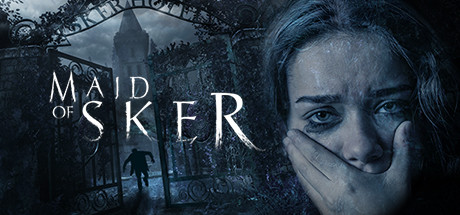
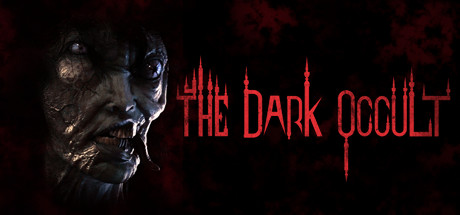
The Dark Occult
The Dark Occult is a psychological driven horror game that puts players in a constant state of anxiety that crescendos into raw panic and terror. You will encounter grotesque creatures, who will take your life at any moment.Your only goal -- survive.

Roots of Insanity
As Dr. Riley McClein, you have to figure out what is real and what is not as you try to uncover the mysterious happenings at the hospital, while also trying to deal with your epileptic attacks that have haunted you all your life.
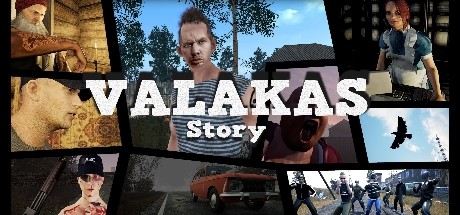
Valakas Story
Explore locations, fight with different enemies and bosses, communicate with residents, complete their tasks. Play as a village streamer from Russia named Valakas. All this adventure takes place in the beautiful far reaches of Russia.

Cruel Arena
Cruel Arena is a classic arena survival zombie game. Face endless hordes and survive as much as you can, Through The Doodles and The Frames!! Will you do the best record among your friends?

Mists of Aiden
Mists of Aiden is a first-person story driven horror game. You play as a thief trapped in an eerie mansion. Each choice can open a new mystery of the house and lead to a unique walkthrough and ending. Uncover final secret of the house. Uncover your own secrets.
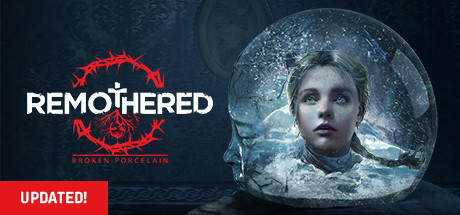
Remothered: Broken Porcelain
Broken Porcelain brings an abundance of welcome changes to the series, introducing new gameplay and storytelling elements that breathe new life into the characters and an unprecedented level of immersion in this haunting adventure – perfect for both new and returning fans to the series.
![NINJA GAIDEN 3: Razor's Edge [NINJA GAIDEN: Master Collection]](https://shared.fastly.steamstatic.com/store_item_assets/steam/apps/1369760/hero_capsule.jpg?t=1760595589)
NINJA GAIDEN 3: Razor's Edge [NINJA GAIDEN: Master Collection]
3 high speed ninja action titles are now available in one package!

Welcome to Princeland
You are a part of the rebellion against the prince who exploit his people with taxes. Gather the best weapons, vehicles and followers to crush his army. By upgrading your skills, challenge him at different difficulty mods.
![[Chilla's Art] Aka Manto | 赤マント](https://shared.fastly.steamstatic.com/store_item_assets/steam/apps/1130620/header.jpg)
[Chilla's Art] Aka Manto | 赤マント
Aka Manto (赤マント Red Cloak), aka Red Cape or Red Mantle, is a Japanese urban legend about a masked spirit who wears a red cloak, and who appears to people using public or school restrooms.
Infliction
Wander through an interactive nightmare set within the confines of a once-happy household. Piece together the mystery behind a harrowing series of events while struggling to survive encounters with an entity that relentlessly stands in the way of finding absolution.
Remothered: Tormented Fathers
Remothered: Tormented Fathers is the pure and realistic survival horror videogame
Frequently Asked Questions
Abasralsa is currently priced at 0.49€ on Steam.
Yes, Abasralsa is currently available at a 51% discount. You can purchase it for 0.49€ on Steam.
Yes, Abasralsa received 398 positive votes out of a total of 538 achieving a rating of 7.04.
😊
Abasralsa was developed by Green-eyed Taxi and published by Narko Games.
Yes, Abasralsa is playable and fully supported on Windows.
No, Abasralsa is not playable on MacOS.
No, Abasralsa is not playable on Linux.
This information about Abasralsa is not available yet.
This information about Abasralsa is not available yet.
No, Abasralsa does not support VR.
Abasralsa is a single-player game.
No, Abasralsa does not currently offer any DLC.
No, Abasralsa does not support mods via Steam Workshop.
No, Abasralsa does not support Steam Remote Play.
Yes, Abasralsa is enabled for Steam Family Sharing. This means you can share the game with authorized users from your Steam Library, allowing them to play it on their own accounts. For more details on how the feature works, you can read the original Steam Family Sharing announcement or visit the Steam Family Sharing user guide and FAQ page.
You can find solutions or submit a support ticket by visiting the Steam Support page for Abasralsa.
Data sources
The information presented on this page is sourced from reliable APIs to ensure accuracy and relevance. We utilize the Steam API to gather data on game details, including titles, descriptions, prices, and user reviews. This allows us to provide you with the most up-to-date information directly from the Steam platform.
Additionally, we incorporate data from the SteamSpy API, which offers insights into game sales and player statistics. This helps us present a comprehensive view of each game's popularity and performance within the gaming community.
Last Updates| Steam data | 17 September 2026 14:11 UTC |
|---|---|
| SteamSpy data | 22 October 2026 09:51 UTC |
| Steam price | 26 October 2026 19:57 UTC |
| Steam reviews | 20 October 2026 09:49 UTC |
If you'd like to dive deeper into the details about Abasralsa, we invite you to check out a few dedicated websites that offer extensive information and insights. These platforms provide valuable data, analysis, and user-generated reports to enhance your understanding of the game and its performance.
- SteamDB - A comprehensive database of everything on Steam about Abasralsa
- SteamCharts - Analysis of Abasralsa concurrent players on Steam
- ProtonDB - Crowdsourced reports on Linux and Steam Deck Abasralsa compatibility

Game modes
Features
Online players
0
Developer
Green-eyed Taxi
Publisher
Narko Games
Release
12 Jan 2018
Platforms