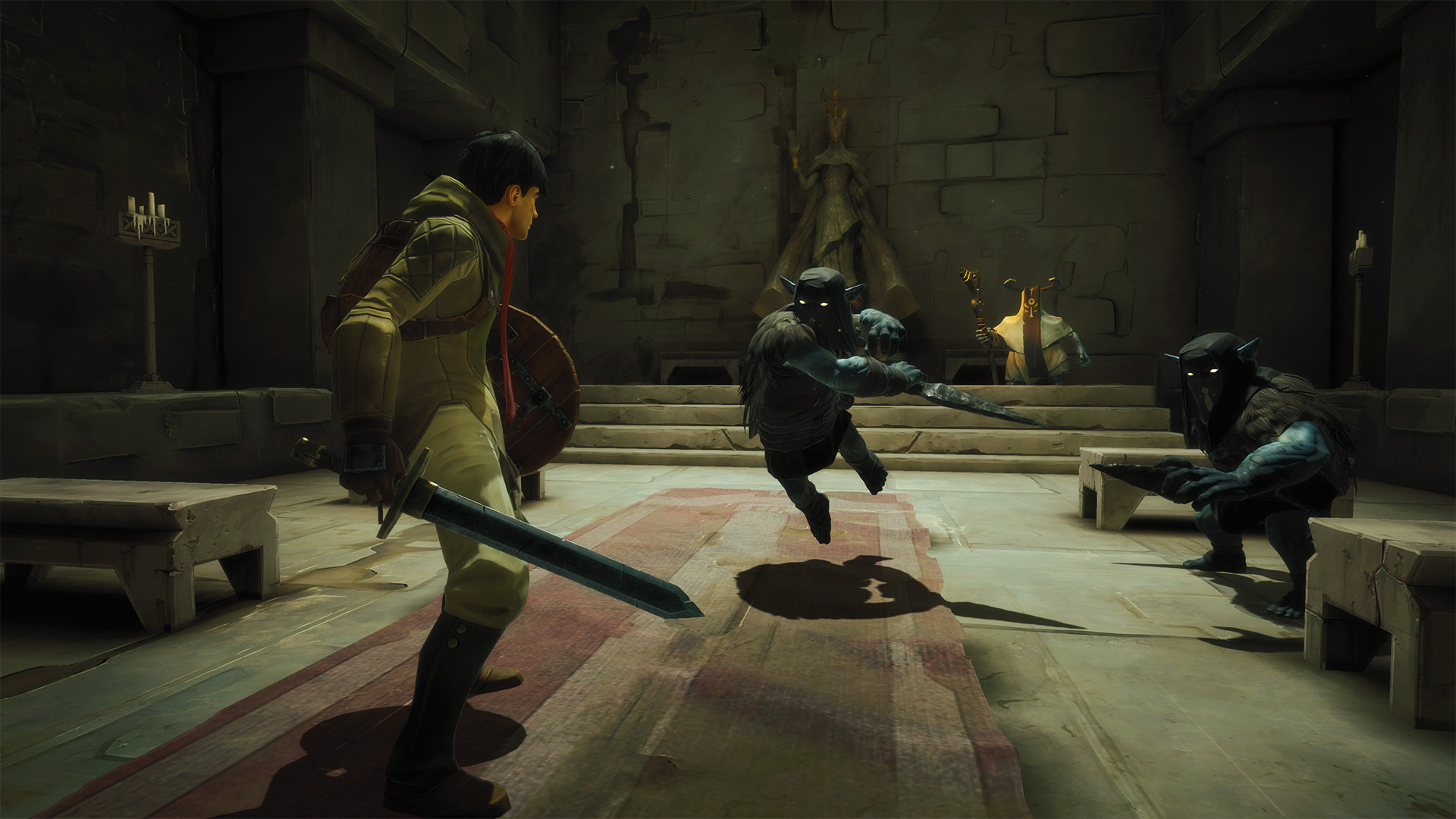
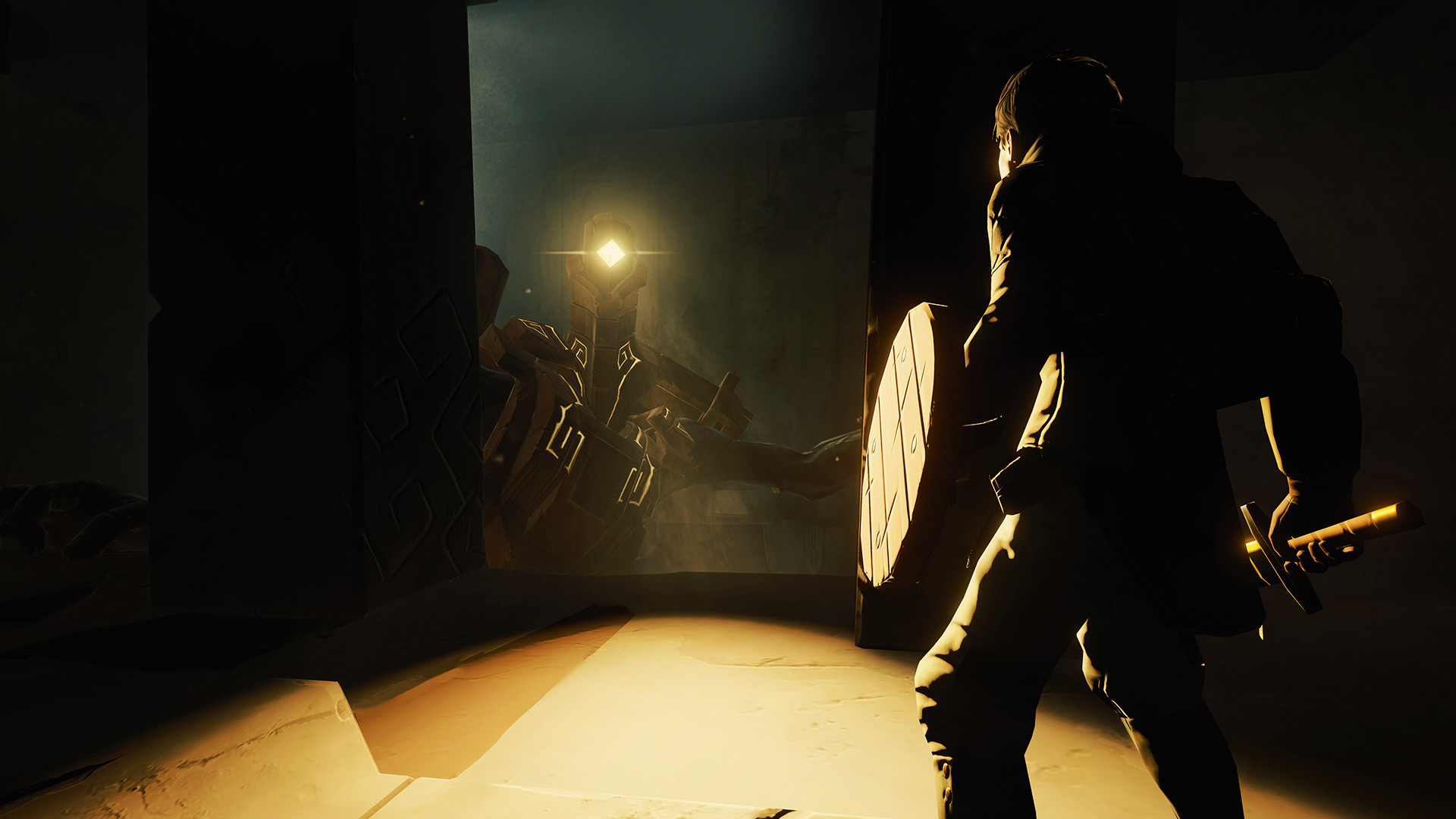
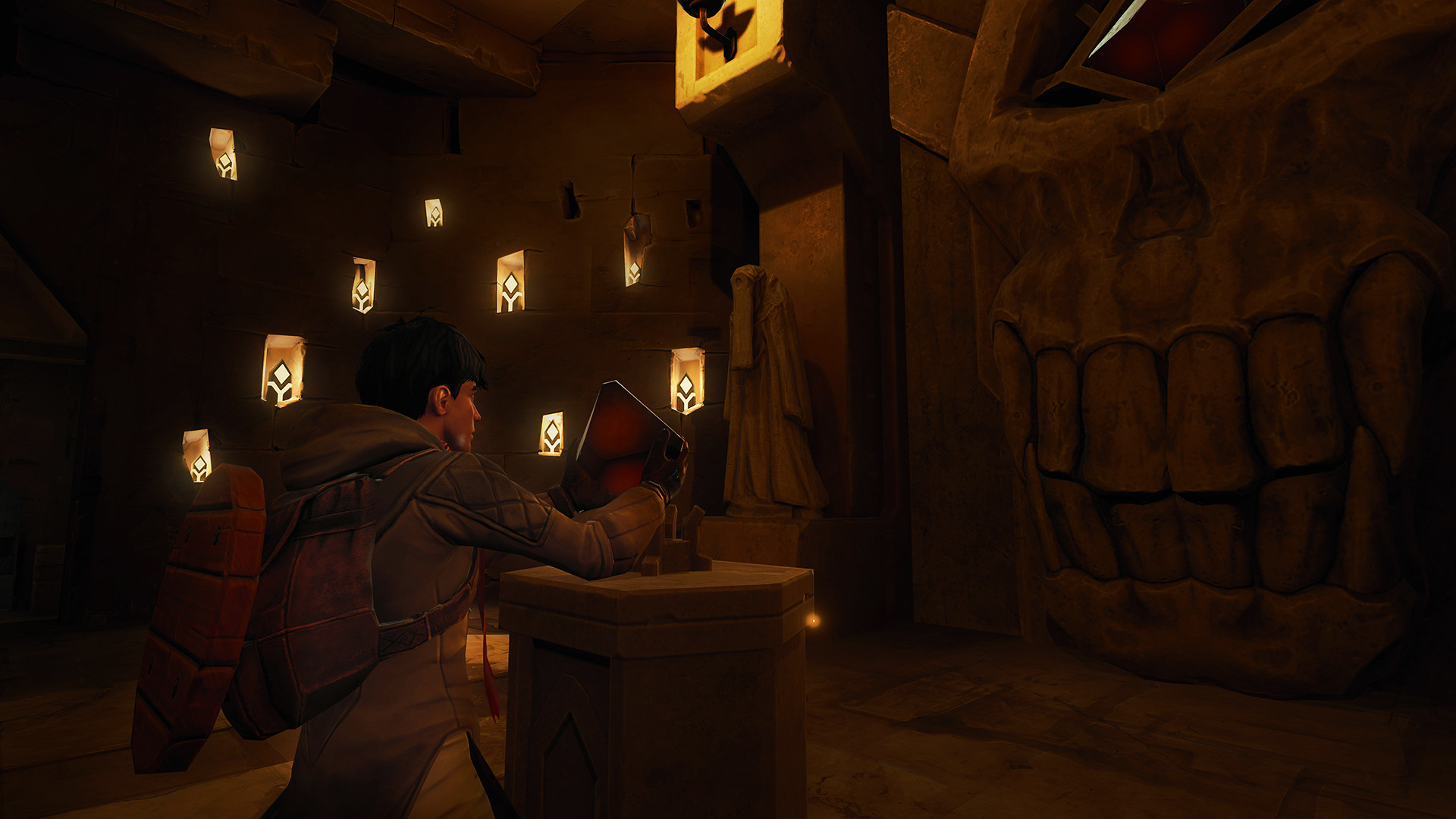
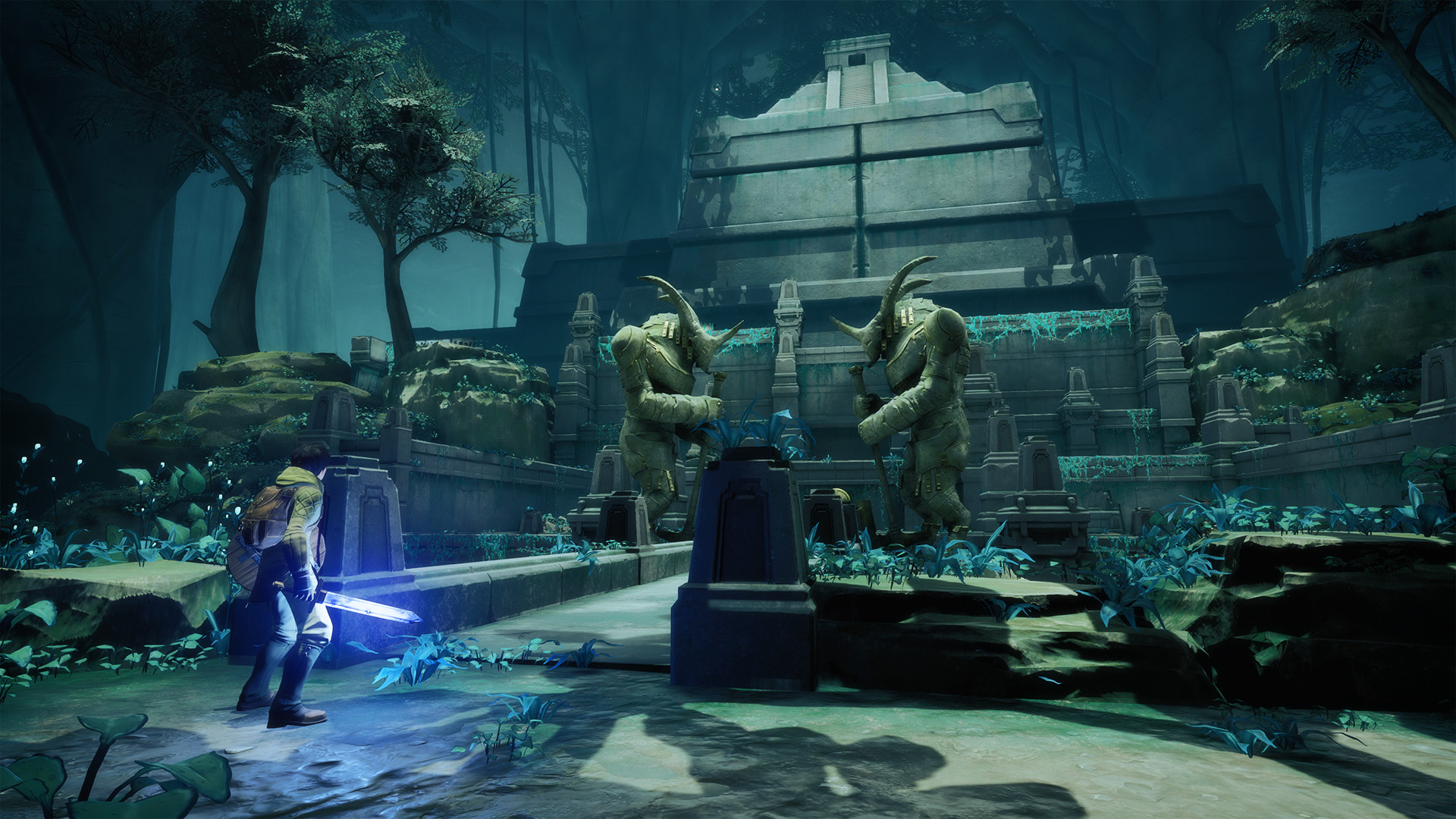
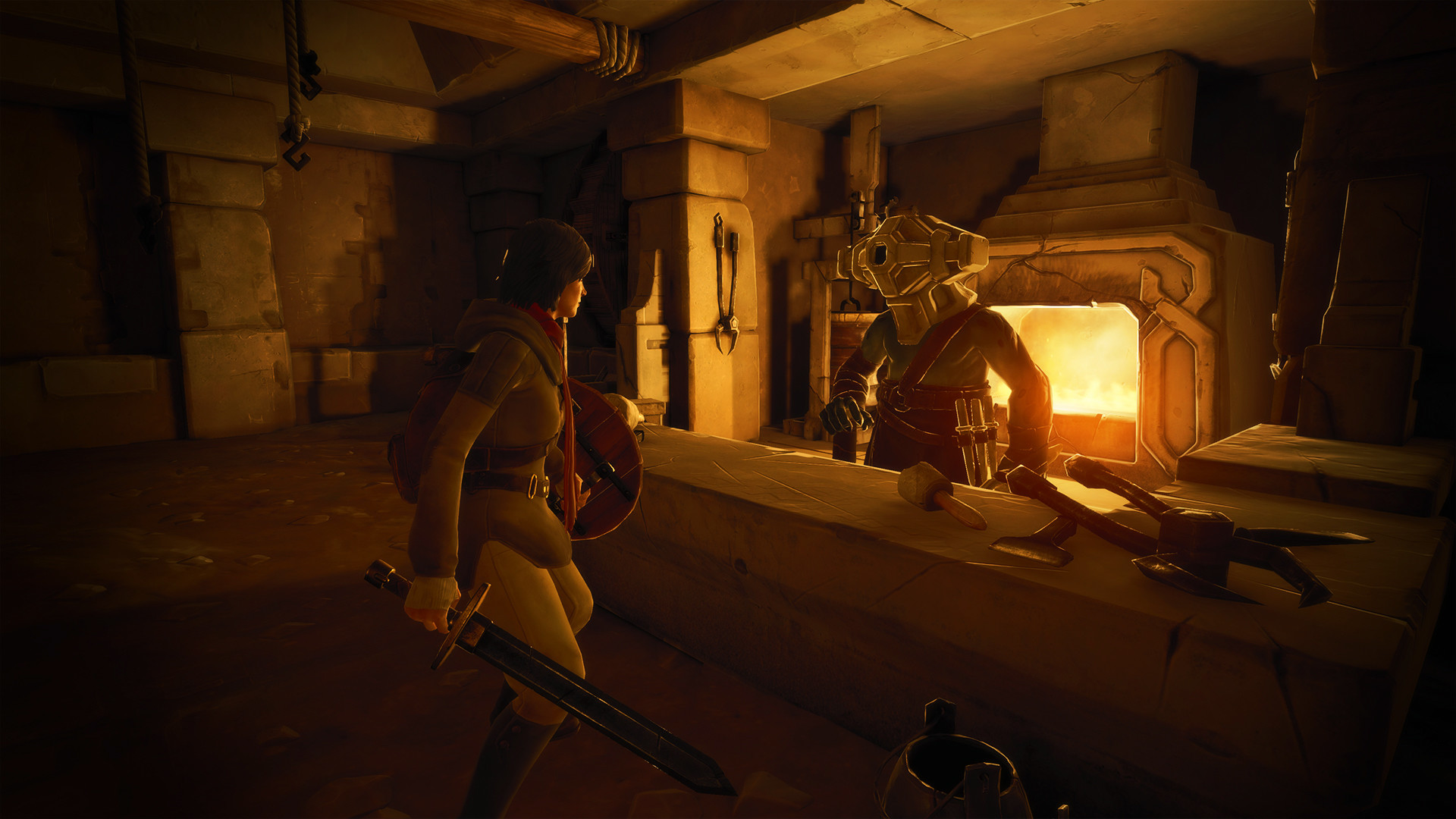
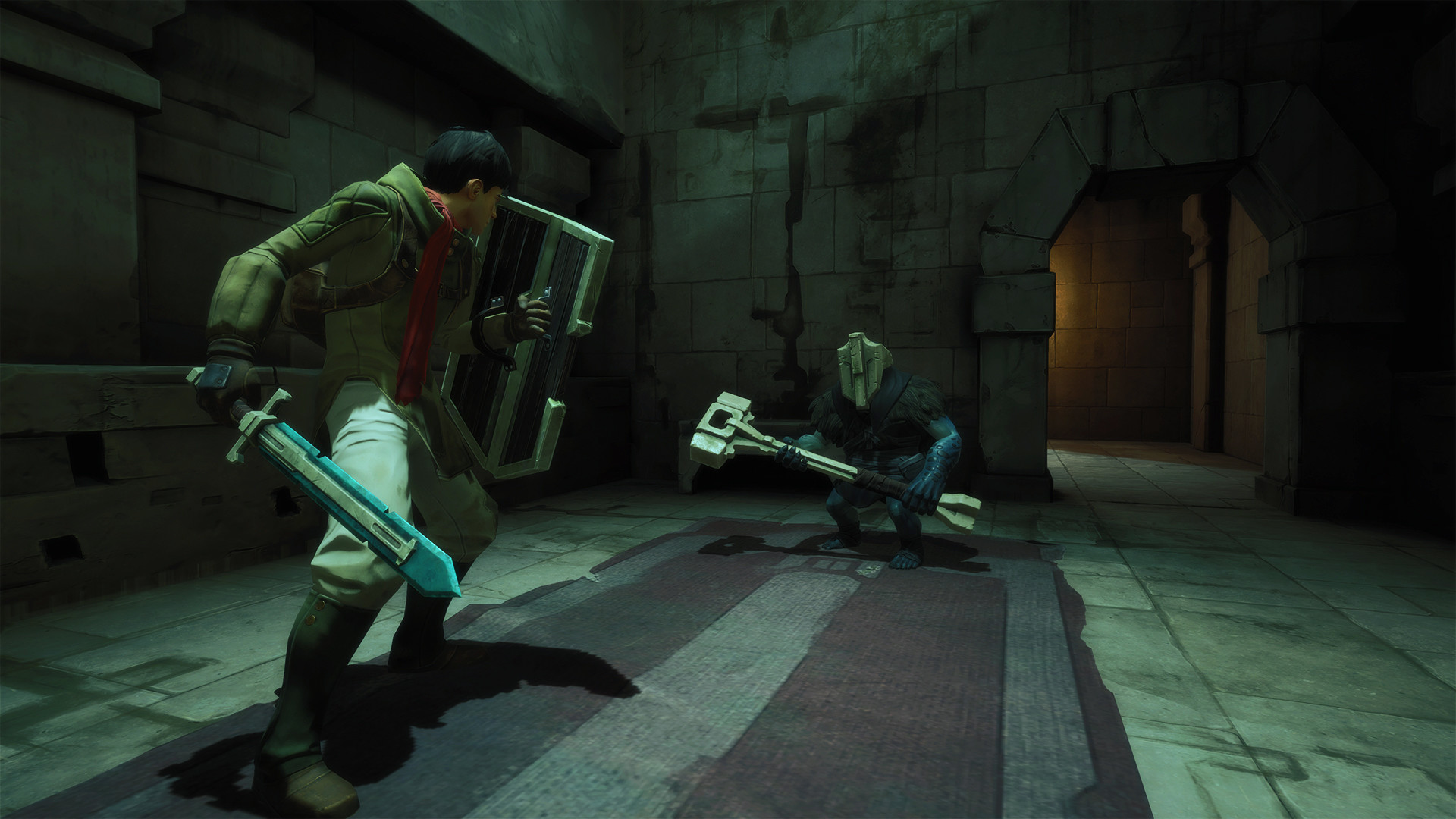
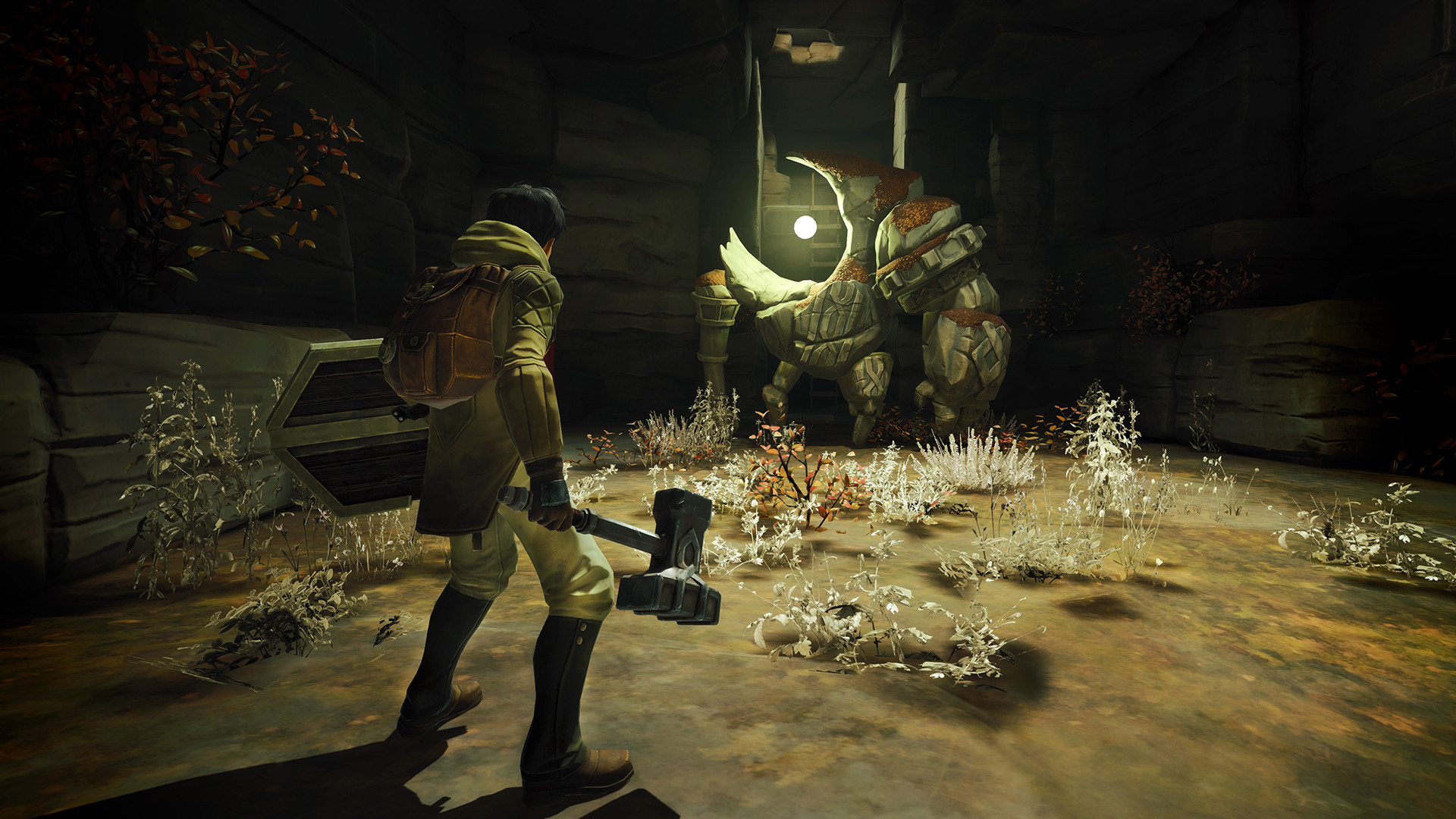
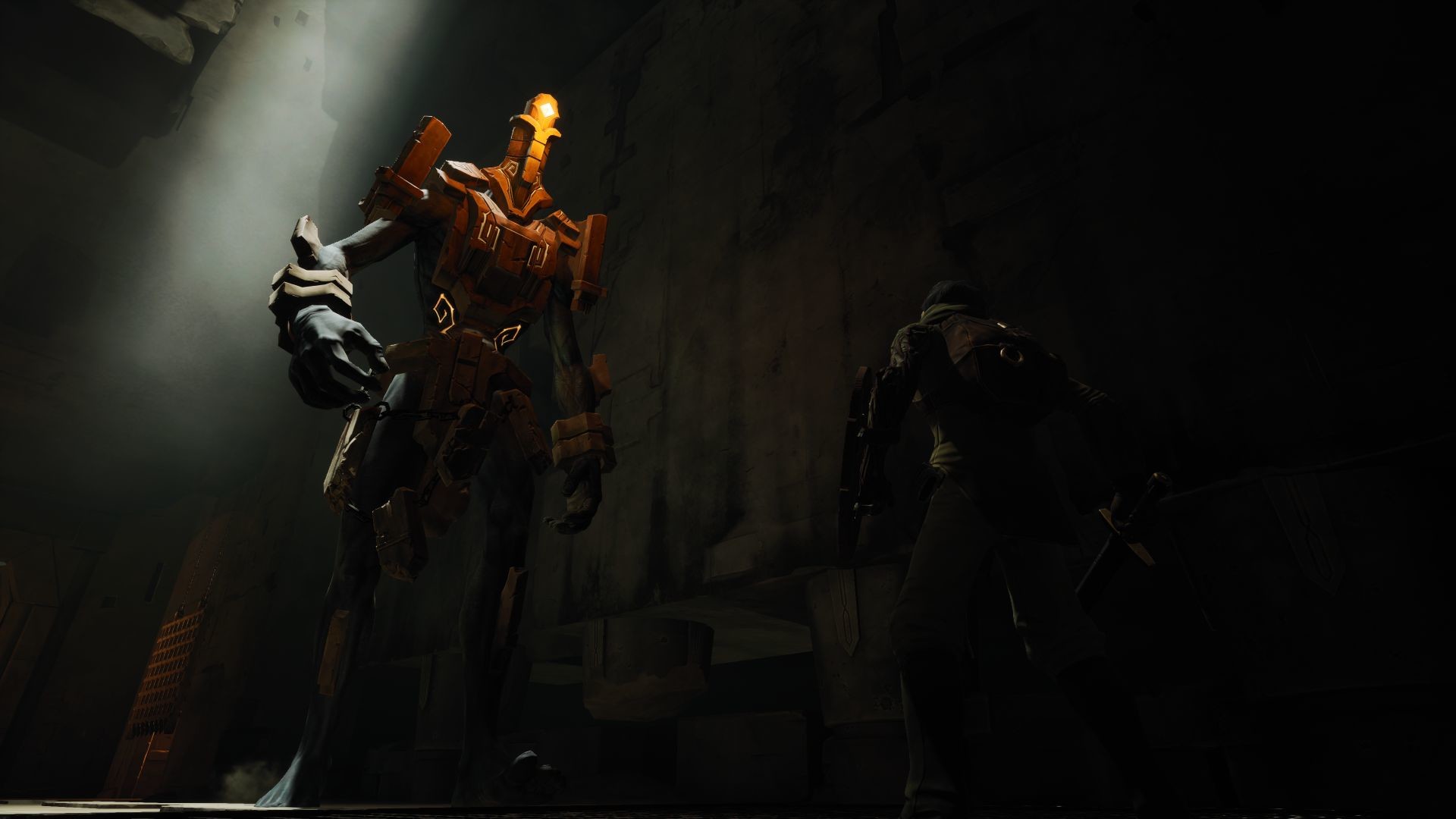
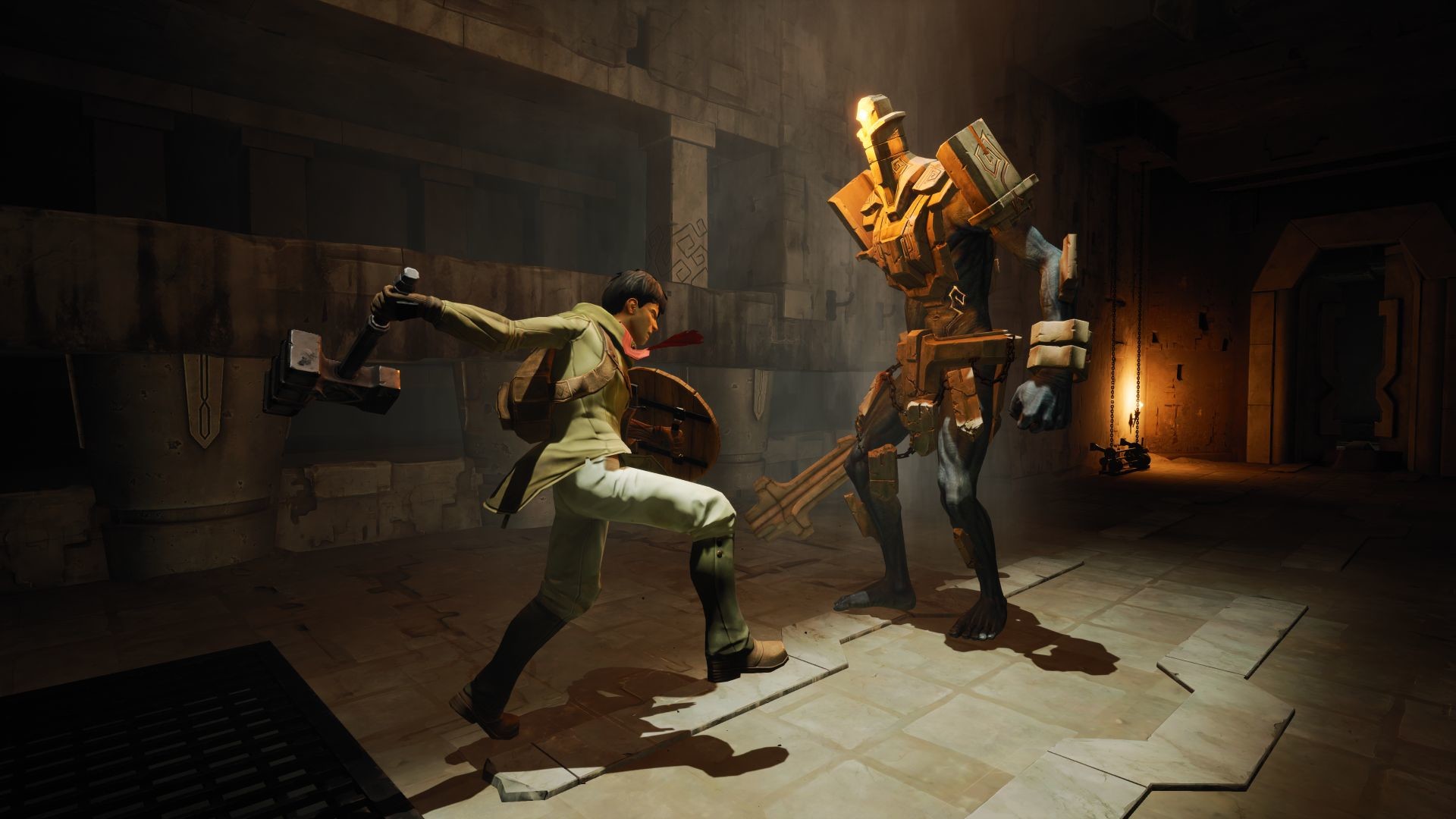
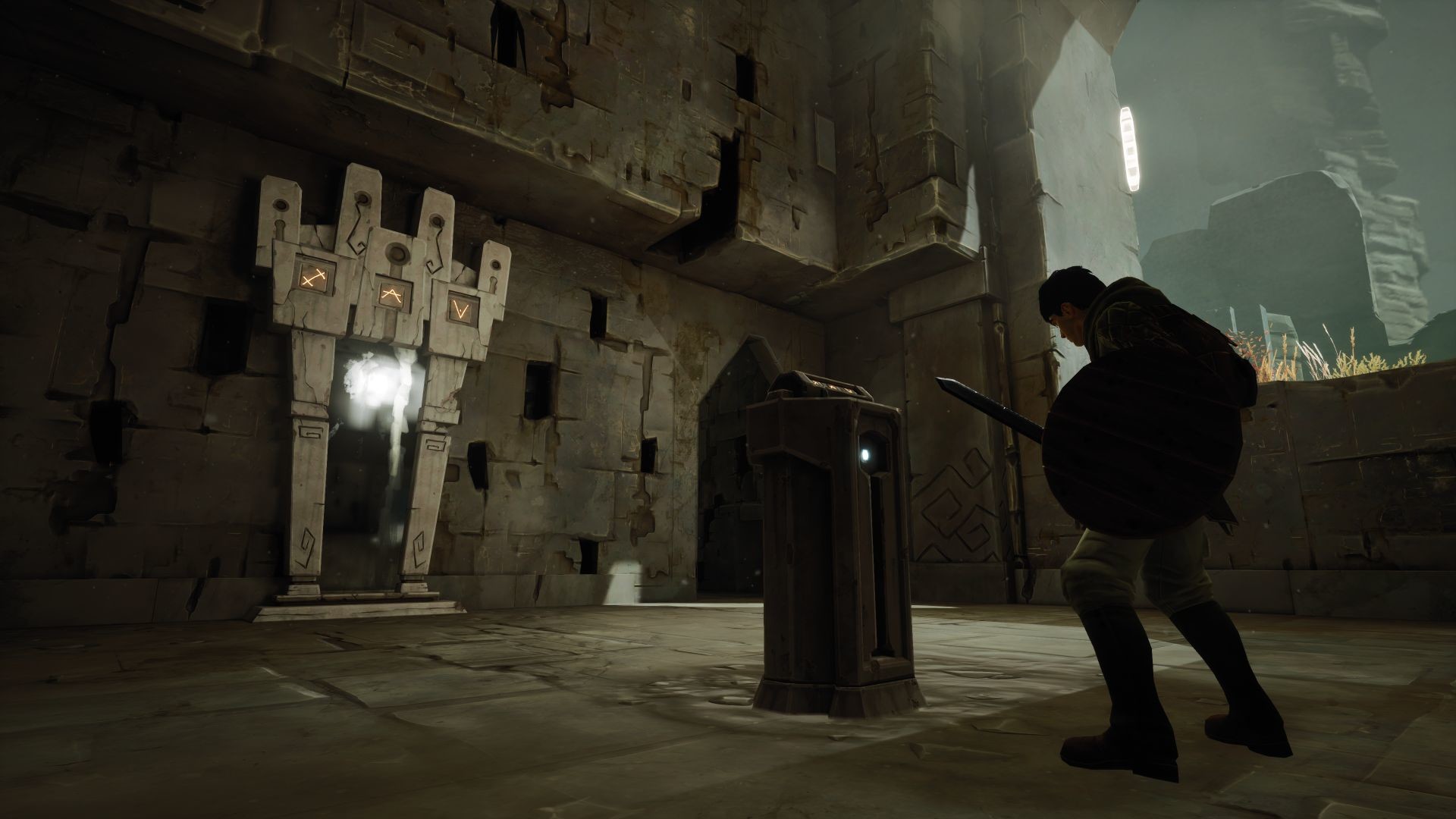
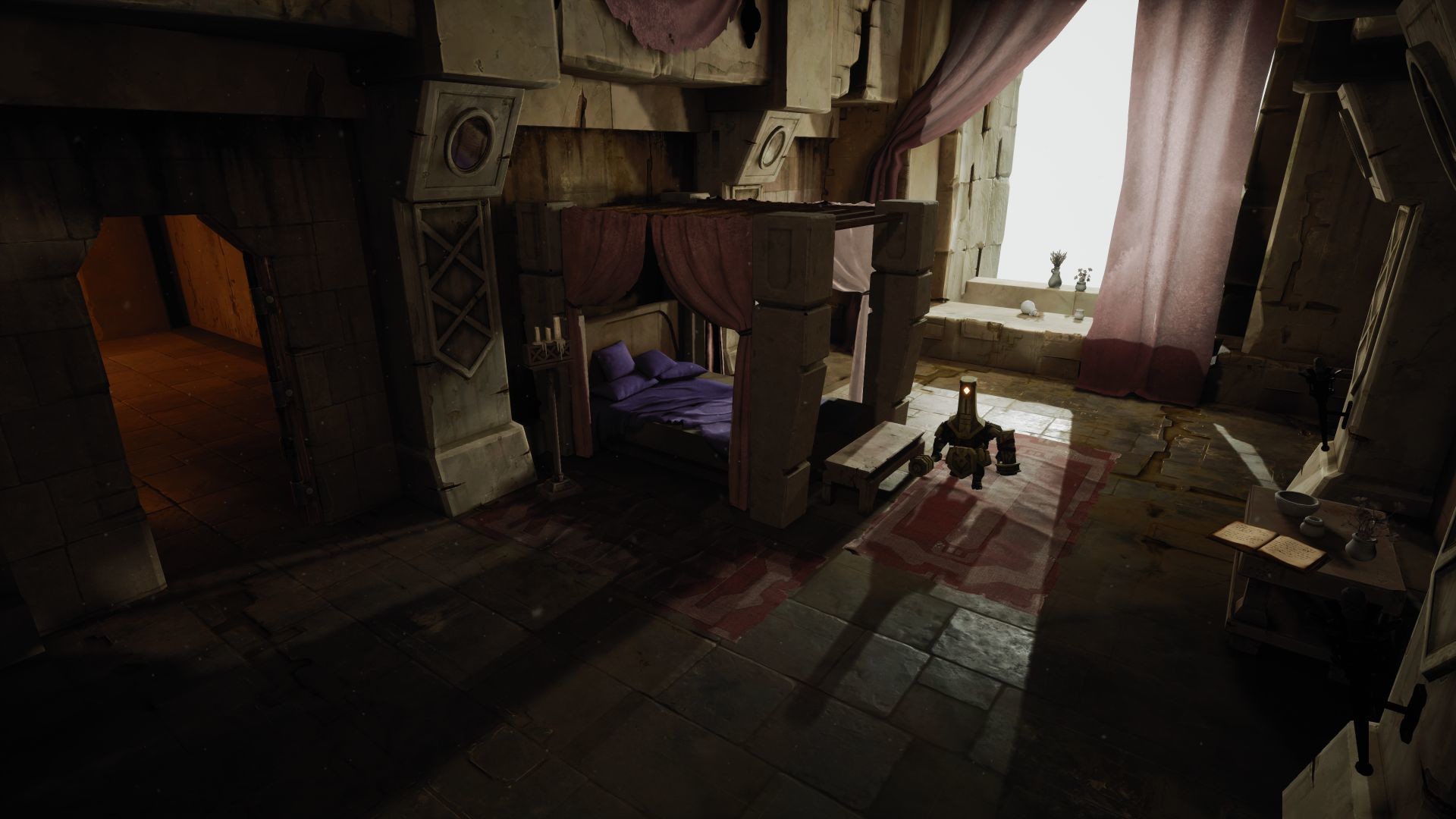
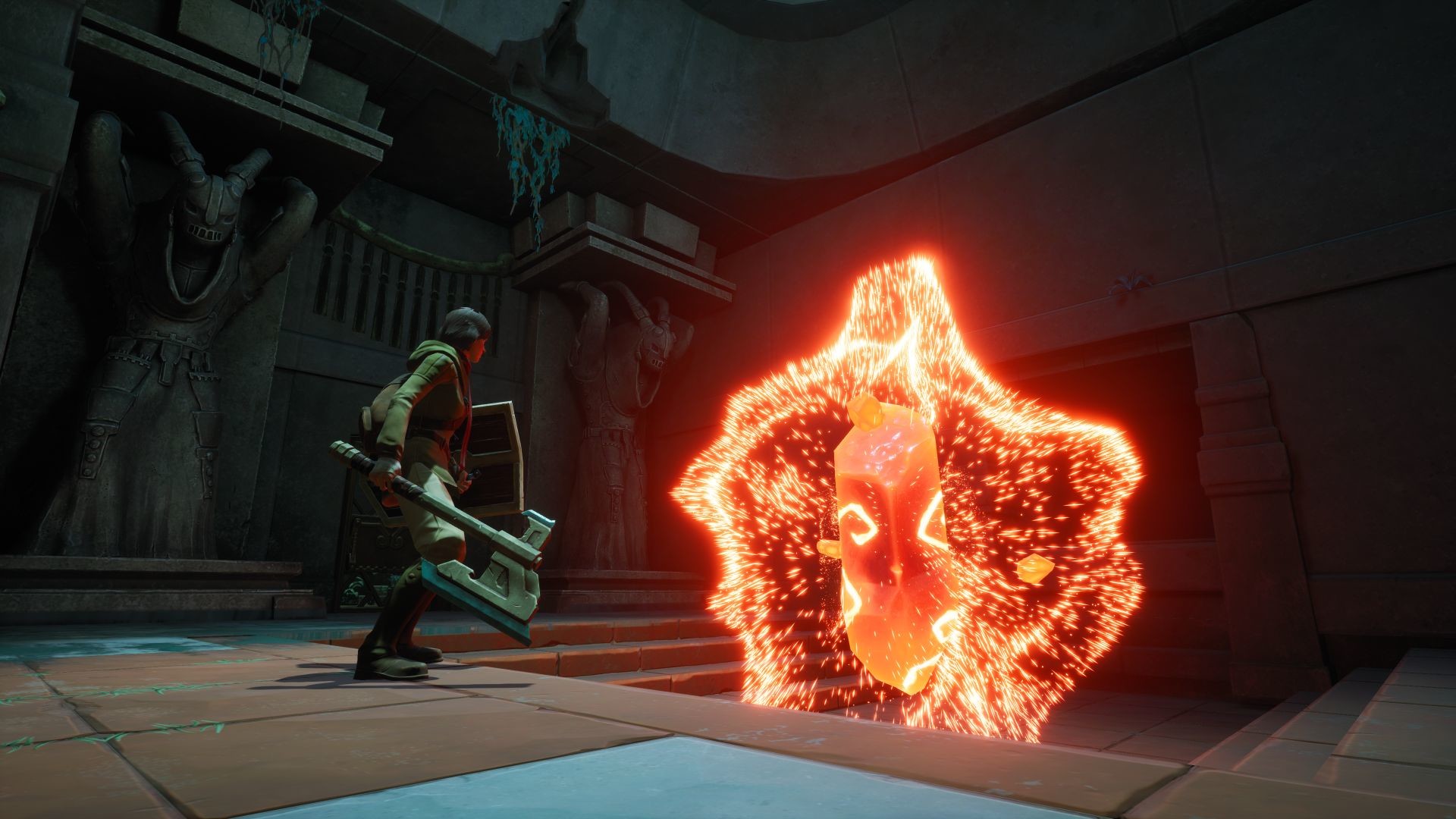
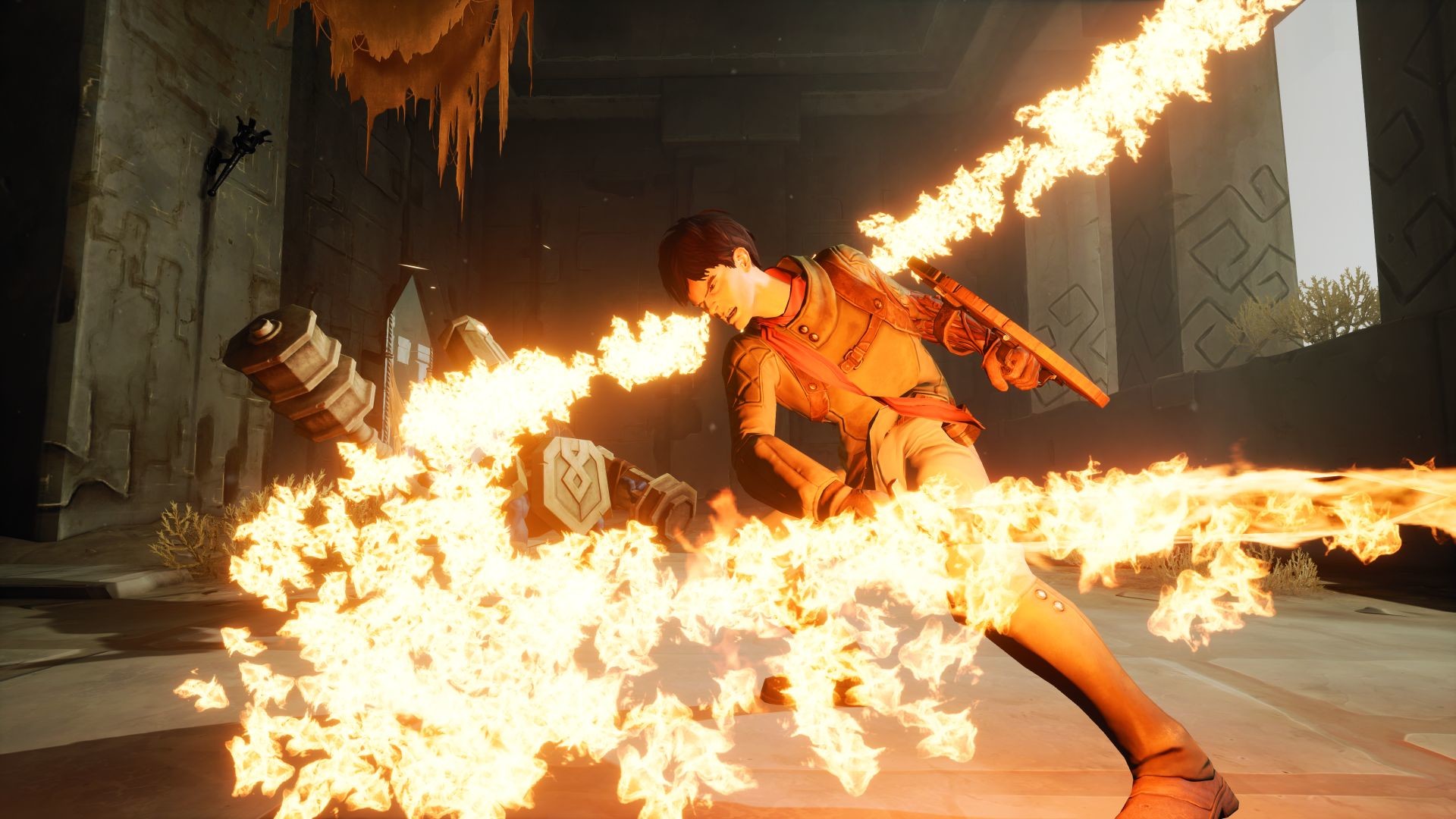
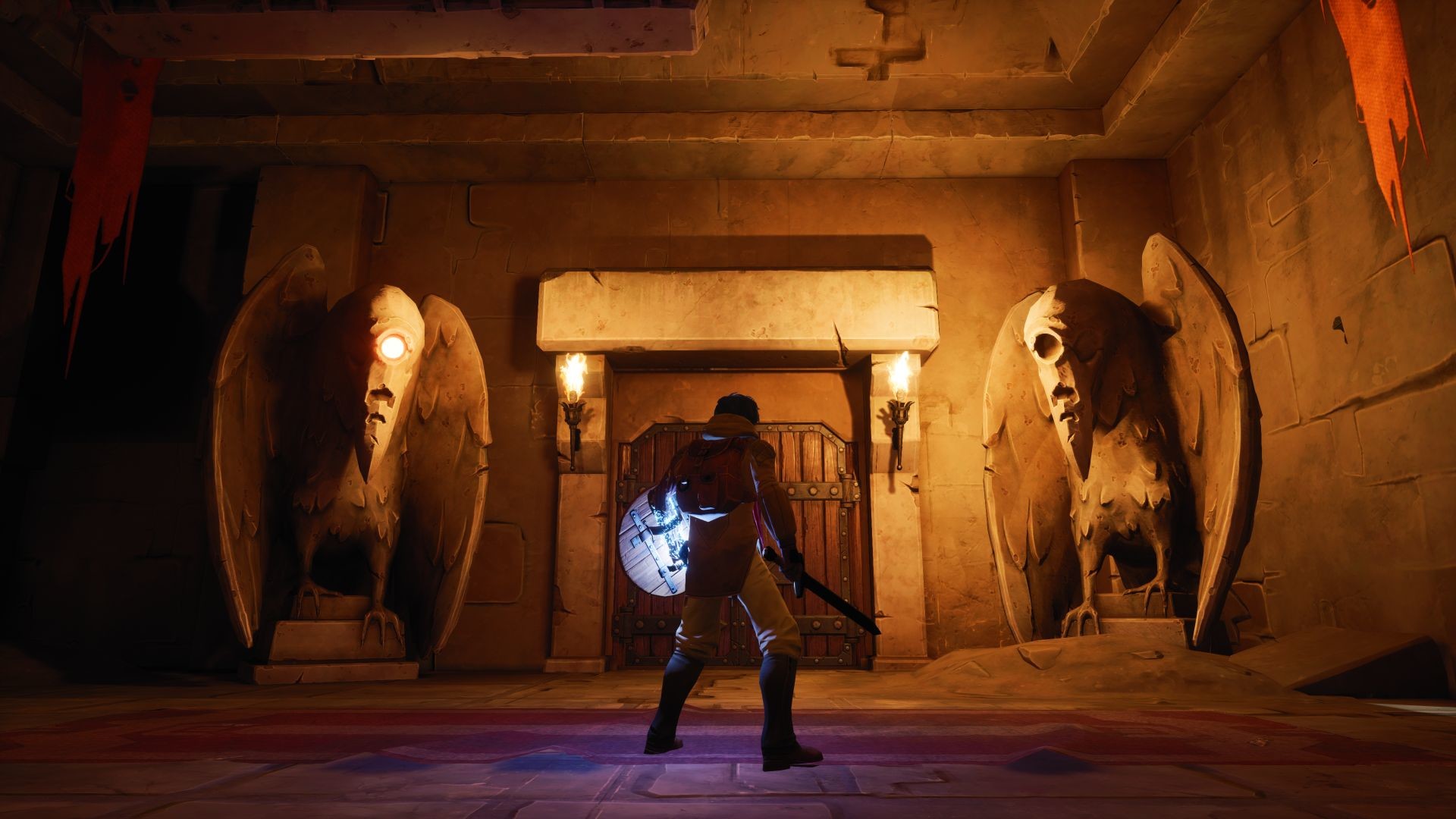
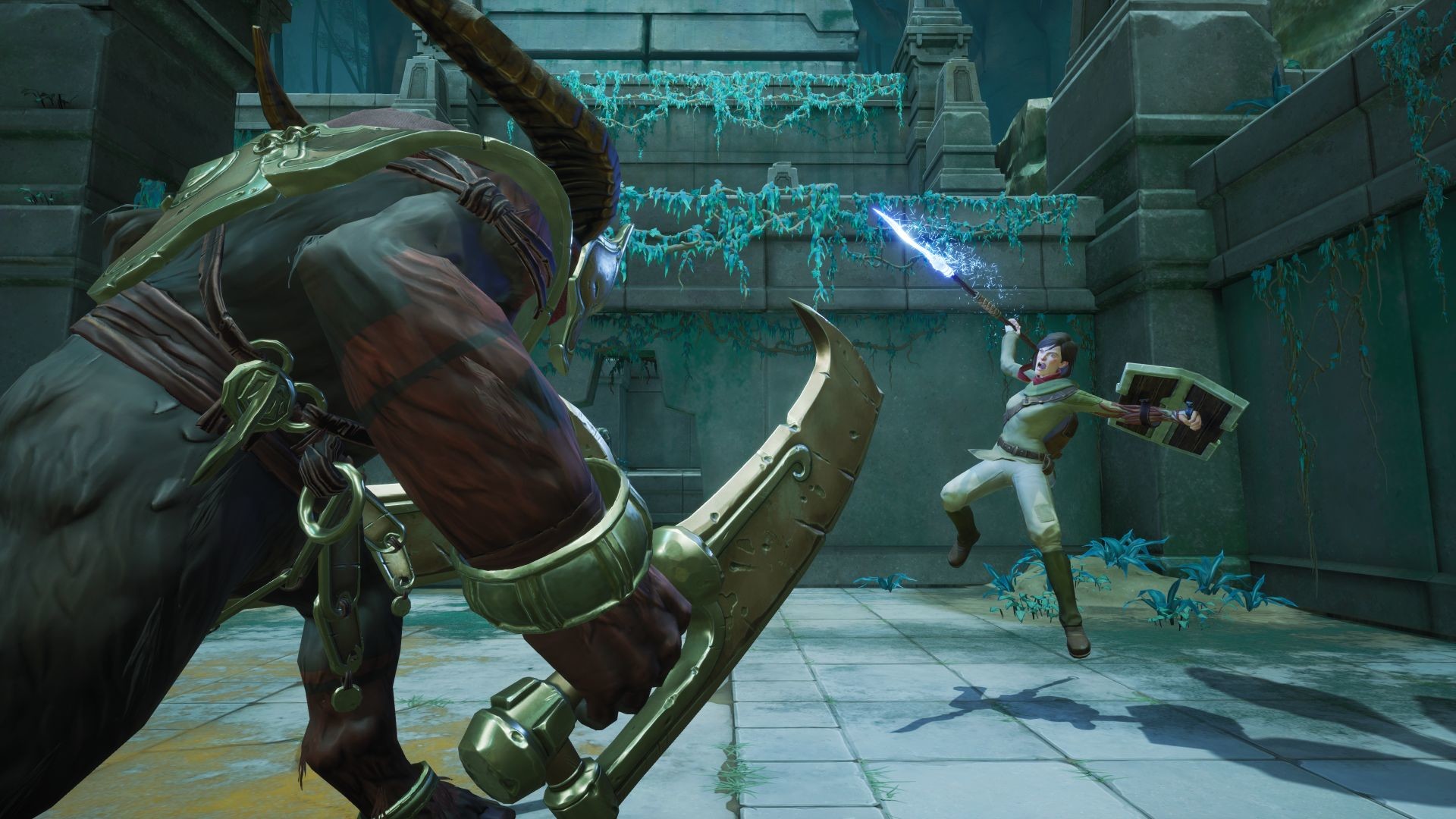
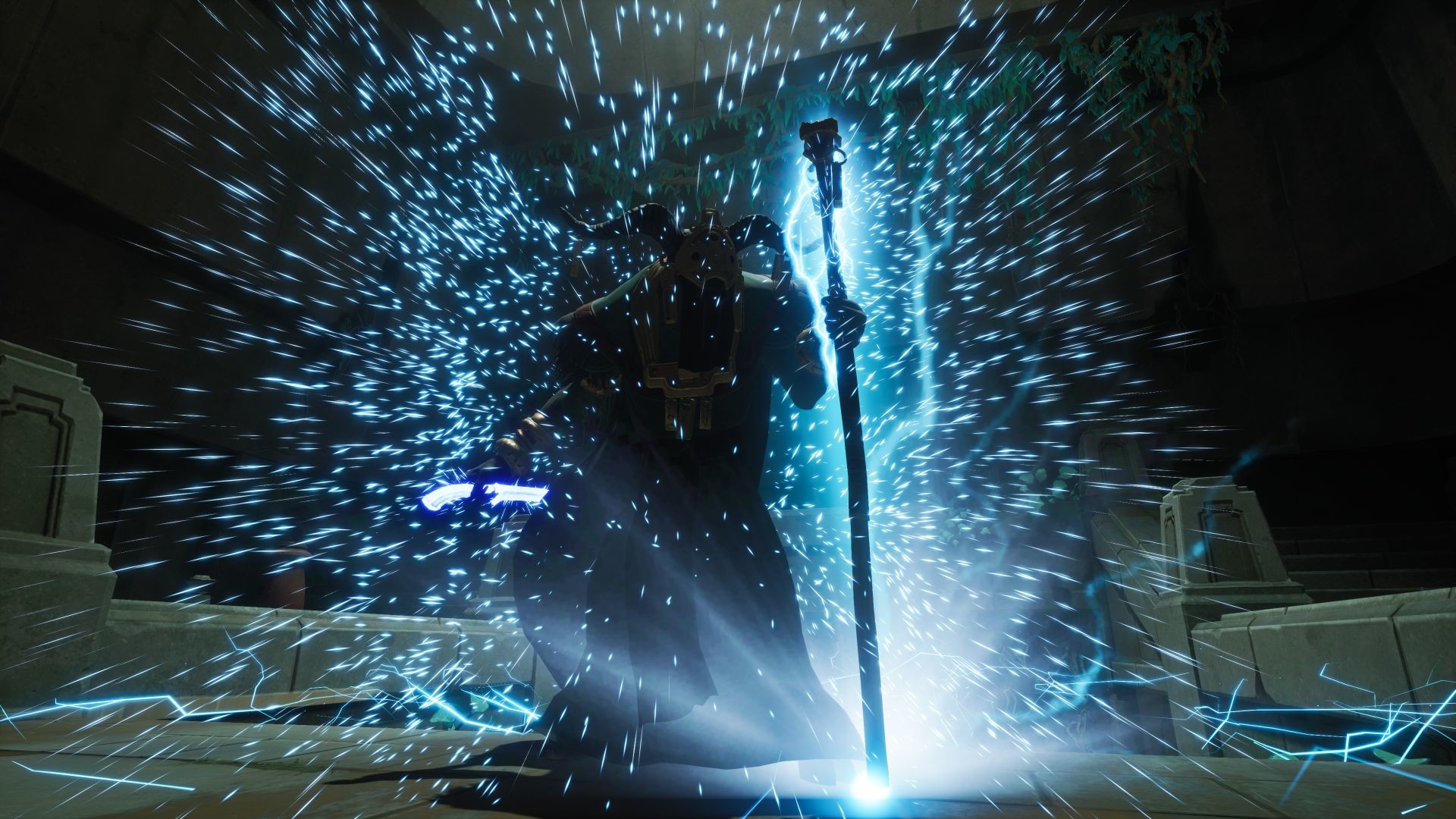
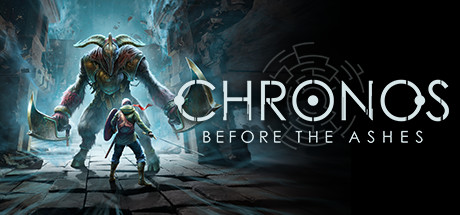
Chronos: Before the Ashes, developed by Gunfire Games and THQ Nordic, is an atmospheric action RPG that serves as both a reimagining of the original 2016 VR title and a narrative prequel to Remnant: From the Ashes. Removed from its virtual reality roots, the game presents a more traditional third-person adventure, where deliberate combat, methodical exploration, and a unique aging mechanic form the backbone of its identity. Rather than a grand open-world experience, it offers a focused, labyrinthine journey through mysterious ruins, mythical creatures, and shifting dimensions, wrapped in a melancholic tone that captures the feeling of a hero’s long, solitary struggle against time. The story follows a young hero who enters an ancient labyrinth to slay a dragon that has cursed their homeland. This seemingly simple premise unfolds through fragmented environmental storytelling rather than lengthy exposition, leaving much of the world’s history and meaning to the player’s interpretation. As the protagonist ventures deeper, the labyrinth becomes a living metaphor—a space that constantly reshapes itself, representing both external challenge and inner transformation. What sets Chronos apart is its intriguing twist on failure: every time the hero dies, a year passes, and they age. Youth is associated with physical power and agility, while age brings diminishing strength but greater wisdom and affinity for magic. This mechanic transforms death from mere punishment into a subtle form of progression, giving each mistake narrative and mechanical weight. The passage of time becomes a part of the experience, reflecting the persistence and toll of a lifelong quest. Combat in Chronos: Before the Ashes takes cues from the Soulslike genre but delivers its own rhythm and philosophy. Battles are slow, deliberate, and grounded in precision. Every encounter demands patience—attacks must be timed carefully, stamina must be managed, and learning enemy patterns is essential. Shields, dodges, and parries form the foundation of survival, and though the system never reaches the fluidity or depth of its genre inspirations, it carries a sense of weight and purpose. The protagonist’s strikes feel heavy, and every victory feels earned through discipline rather than speed. Some players might find the controls slightly stiff, especially during crowded fights or encounters with faster enemies, but this deliberate pacing complements the game’s introspective tone. Over time, combat evolves subtly as you invest points into strength, agility, or arcane attributes, shaping your approach according to how old your character has become. Younger versions rely on reflexes and melee proficiency, while older versions harness magical power and intelligence, mirroring the inevitable shift from physical prowess to wisdom. Exploration is equally central to the experience. The labyrinth is not a single sprawling maze but a collection of interconnected realms, each with its own distinct architecture and mood. These spaces—ranging from ancient stone corridors and mechanical ruins to dreamlike dimensions—reward curiosity and patience. Puzzles are woven naturally into the environment, often involving the discovery of hidden pathways, cryptic devices, or symbolic keys. The level design carries a sense of mystery that evokes early 2000s adventure games, where observation and memory matter more than hints or markers. There is no map to guide you, which can occasionally make navigation frustrating, but it also enhances the feeling of immersion. Each shortcut unlocked and puzzle solved feels like a personal discovery, grounding the player in the labyrinth’s eerie, self-contained world. The aging mechanic adds a fascinating, if imperfect, layer to this exploration. With every death, the world remains static, yet your character changes, both visually and statistically. Hair greys, posture shifts, and your affinity for certain abilities alters. While the idea holds enormous narrative and symbolic potential, it never fully transforms the experience beyond stat redistribution. The labyrinth itself does not reflect your passage through time—its monsters remain frozen, its puzzles unchanged, and the world largely indifferent to your aging. Still, the concept is compelling, lending a subtle poignancy to the player’s journey. By the time your hero reaches middle or old age, you feel the weight of their endurance, as if decades of perseverance have shaped them into something greater than mere adventurer—a mythic figure sustained by purpose rather than youth. Visually, Chronos: Before the Ashes carries the understated elegance that Gunfire Games is known for. The art direction favors stylization over realism, using soft lighting, moody palettes, and clean geometry to evoke a dreamlike quality. Its worlds feel ancient and lonely, touched by both decay and divinity. Though not technically impressive by modern standards, the presentation supports the game’s atmosphere beautifully. The sound design enhances this sense of quiet reverence—ambient echoes, faint music, and the distant hum of unseen mechanisms lend the labyrinth a haunting presence. The soundtrack, subdued yet emotional, underscores both the triumphs and tragedies of your long passage through time. Each death and rebirth feels accompanied by a melancholic note, reinforcing the introspective tone that defines the experience. As a prequel to Remnant: From the Ashes, Chronos establishes important thematic and narrative groundwork for that universe without relying on explicit connections. The two games share a sense of desolation, mystery, and cyclical struggle, yet Chronos feels more intimate and meditative. It replaces Remnant’s gunfire and chaos with swordplay and silence. The lore hints at the metaphysical origins of certain ideas seen in Remnant, but this is not a story about saving the world so much as understanding it. The sparse dialogue and environmental clues invite reflection rather than spectacle, encouraging the player to find meaning in persistence itself. It’s a smaller story told with restraint, which gives it a distinct personality within its shared universe. Chronos: Before the Ashes succeeds most when appreciated as a quiet, contemplative adventure rather than a punishing action game. Its slower pace, measured combat, and cyclical structure create a rhythm that rewards observation and endurance over aggression. It can at times feel repetitive, and the aging system’s narrative potential goes underutilized, but the strength of its concept and world design sustain it. The feeling of gradually mastering its labyrinth—both as a player and as a character growing older—gives the experience a satisfying sense of continuity and growth. It is a meditation on time, struggle, and the quiet dignity of persistence, presented through the language of combat and exploration. For those willing to embrace its deliberate pace and understated storytelling, Chronos: Before the Ashes offers a memorable and soulful journey through the twilight of youth and the wisdom of age. Rating: 7/10
Expand the review