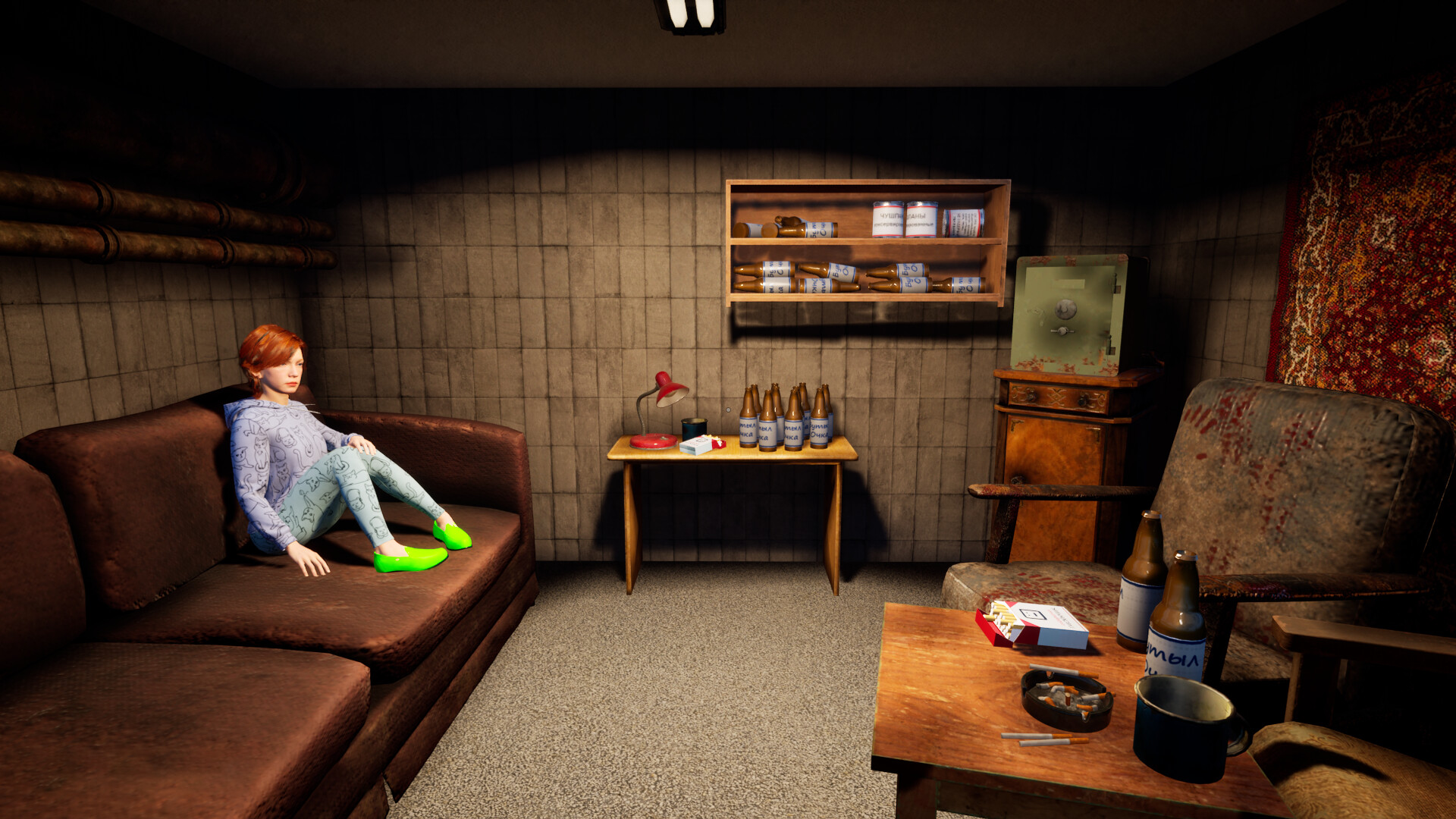
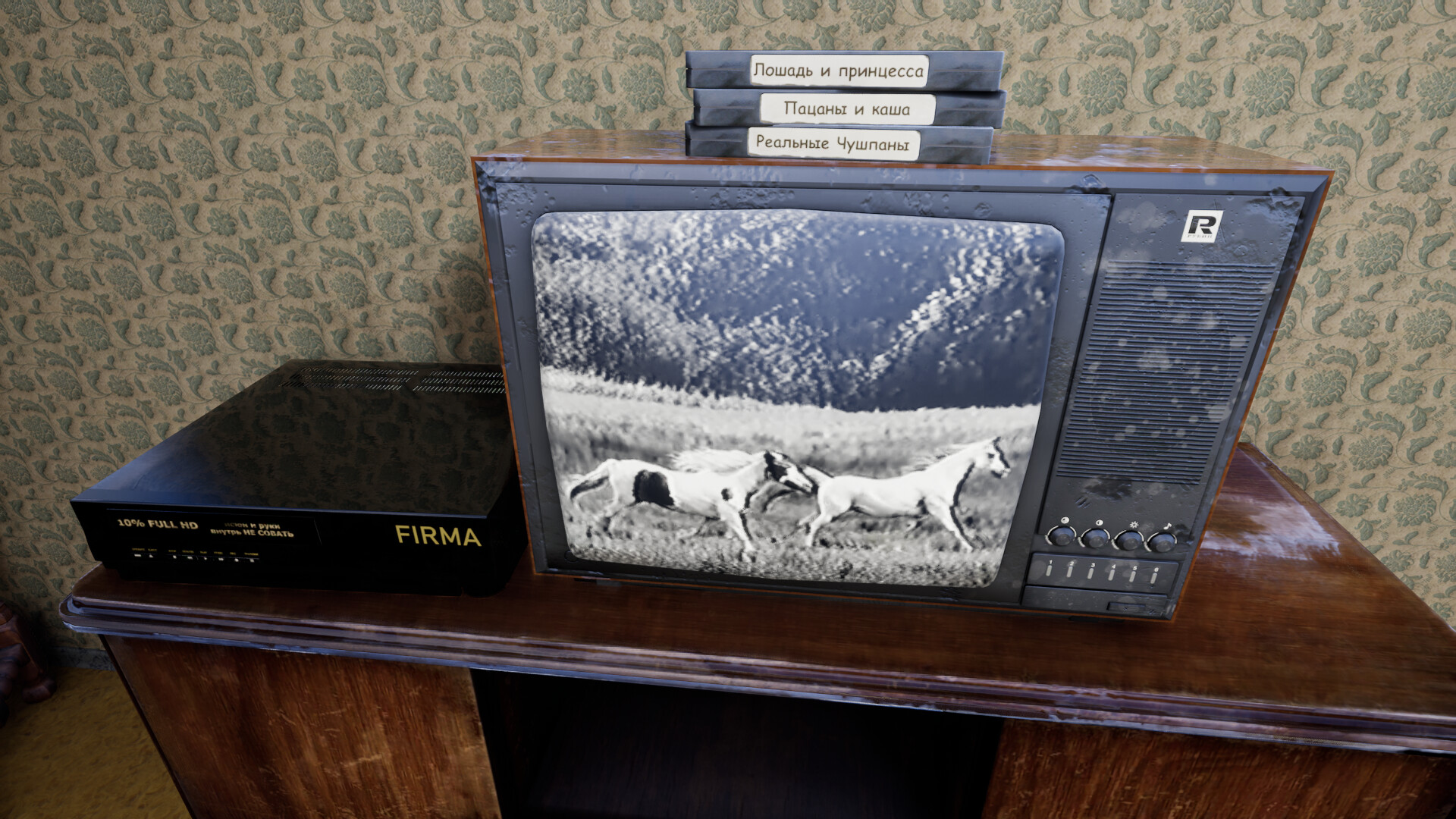
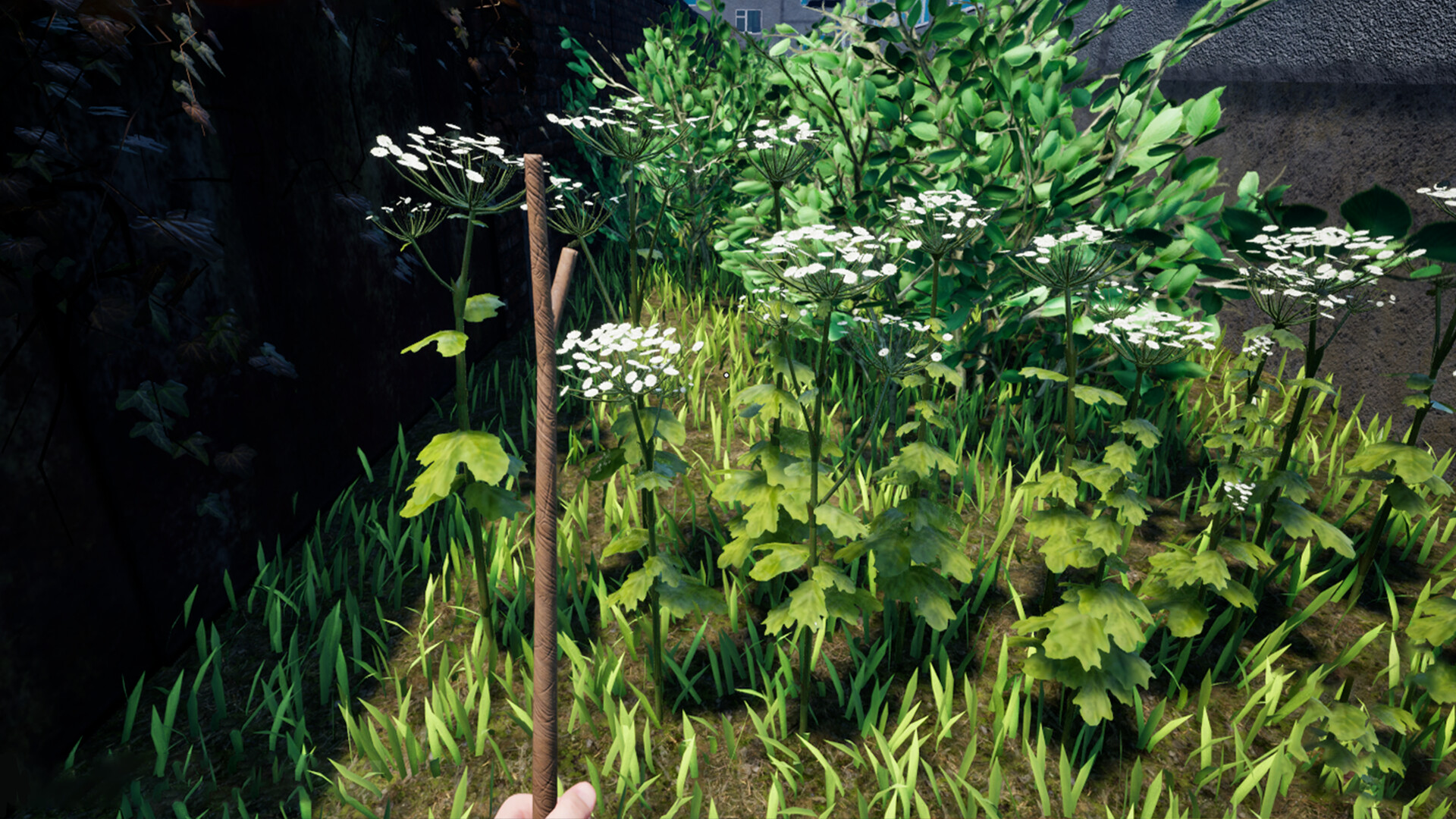
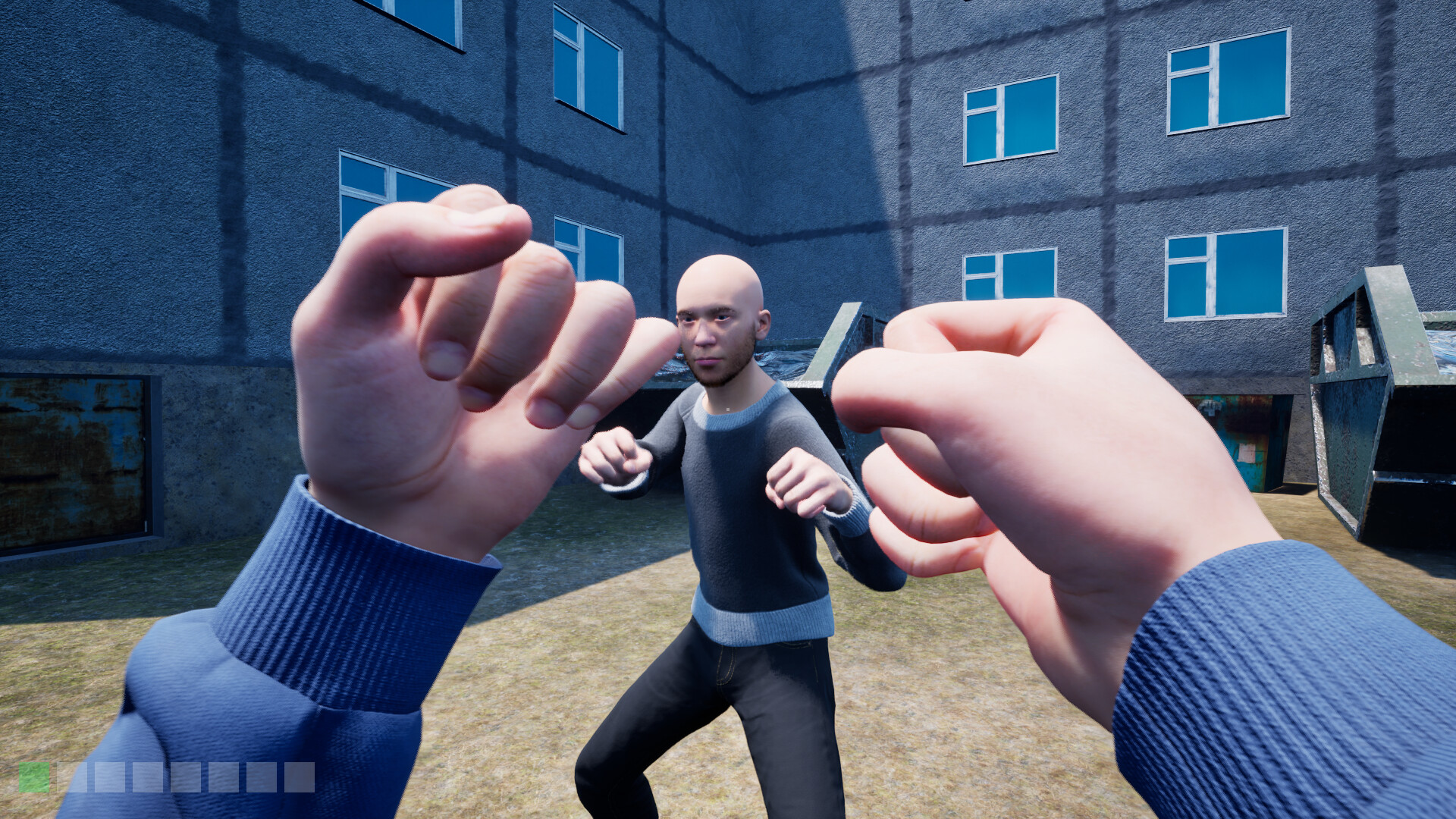
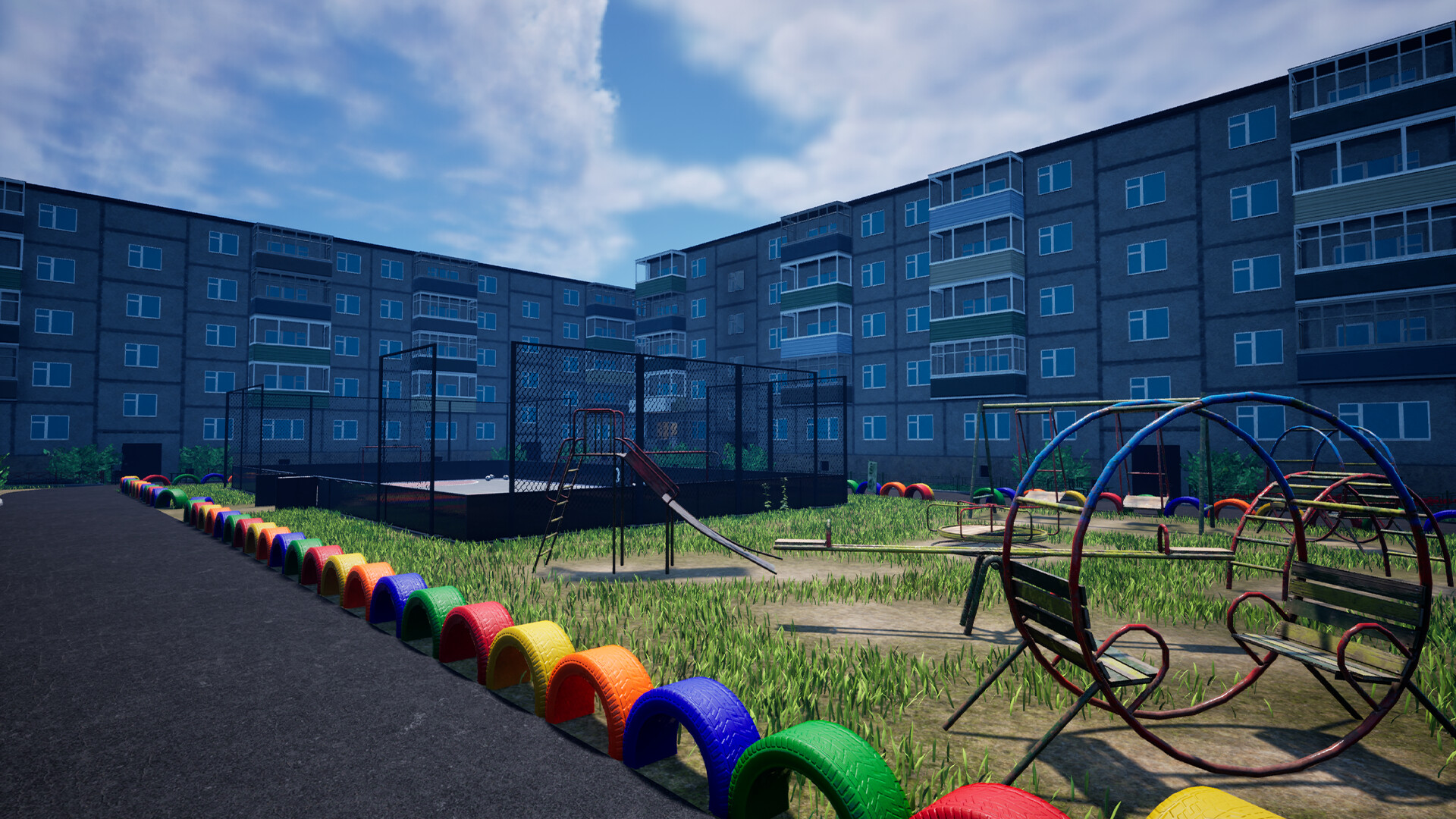
Chushpan Simulator, developed and published by Sebasa Games, is an eccentric, darkly comedic life simulation that throws players into a chaotic journey from destitution to absurd greatness. The game begins with you at rock bottom, living in a grimy apartment with nothing to your name but ambition. From there, it’s up to you to decide how to climb the social ladder—whether through honest labor, fighting on the streets, or diving headfirst into a life of crime. It’s a premise that blends the structure of a life simulator with the outlandish energy of a meme-driven satire, turning an otherwise bleak concept into a tongue-in-cheek parody of ambition, greed, and survival. Beneath its rough edges, Chushpan Simulator captures something universal about starting with nothing and clawing your way toward power, even if it’s through questionable means. At its core, the gameplay revolves around a loop of progression and moral choice. You begin by collecting garbage, scavenging bottles, and performing odd jobs just to scrape together enough money to survive. Slowly, opportunities open up—you can work as a security guard, enter illegal street fights, or take the path of petty theft and black-market dealings. Each decision pushes you down a different moral and economic trajectory, though none of them are particularly glamorous. The systems themselves are simple and repetitive, but the appeal lies in how the game frames these activities. Everything is exaggerated to the point of parody; the grind becomes part of the joke. The player isn’t meant to take this rise to power seriously—it’s a send-up of both life simulators and the capitalist dream of self-made success, filtered through a lens of Eastern European absurdism. The tone of Chushpan Simulator is its defining feature. The word “chushpan,” a piece of Russian slang referring to an unremarkable or socially low-status person, sets the stage for the game’s humor. Every interaction and character oozes with crude charm, self-deprecation, and mock sincerity. The writing leans heavily into internet meme culture, satirizing everything from rags-to-riches fantasies to the hollow promises of motivational self-help. The humor is sometimes dark, sometimes childish, but always self-aware. There’s a kind of gleeful irony in watching your protagonist go from rummaging through dumpsters to running shady enterprises, and the game revels in that absurdity. While it’s not particularly deep in narrative terms, the atmosphere it creates is unique—equal parts bleak comedy and social commentary on how desperation drives people to reinvent themselves in strange, often unethical ways. Visually, the game matches its chaotic spirit with a rough but expressive art style. The graphics are serviceable at best, with low-detail environments and stiff animations that clearly mark its indie status, yet this lack of polish somehow complements the game’s tone. The world is meant to look worn-out and trash-strewn; every flickering light and dirty alley adds to the sense of hopeless hilarity that defines the experience. The soundtrack, too, fits the mood—gritty street beats, dark synths, and cheap sound effects reinforce the feeling that you’re living on the margins of society. Technically, the game runs adequately for what it is, though it suffers from occasional bugs and awkward physics. Still, its charm lies in its rawness, as if the game itself is part of the satire—a scrappy, unrefined creation that mirrors the protagonist’s own desperate rise from nothing. Where Chushpan Simulator surprises most is in its sheer commitment to its concept. There’s a certain satisfaction in seeing your character evolve, even if the mechanics behind that evolution are simplistic. The feeling of gradual progression, of going from a nobody to someone of power—however absurd the circumstances—keeps players engaged. It’s a sandbox of questionable morality, where you can either play the part of a law-abiding striver or embrace corruption and chaos. The choices are rarely meaningful in a traditional sense, but they serve to underline the game’s central idea: that success in a broken system often requires a little madness. This cynical worldview is wrapped in slapstick humor and ludicrous scenarios, making it less a moral lesson and more a comedic reflection of how ambition can twist anyone given the wrong circumstances. That said, Chushpan Simulator is far from flawless. The mechanics, while functional, lack depth, and after several hours, the repetition begins to dull the humor. Tasks loop back on themselves, and progression can feel grindy without much reward beyond novelty. The combat and job systems are simplistic, and the open-world interactions sometimes feel empty. Yet, for all its shortcomings, the game compensates with personality. It doesn’t aspire to realism or complexity—it’s content to be an oddball experience that thrives on its weirdness. The satire works because it never tries to hide its rough edges; instead, it leans into them, making the player complicit in the absurdity of the climb to success. In the end, Chushpan Simulator is a strange, scrappy, and oddly endearing simulation of survival and ambition. It’s as much a parody as it is a game, poking fun at both life-sim conventions and the idea of meritocratic success. The gameplay may be shallow and repetitive, but its humor, atmosphere, and offbeat tone make it memorable. For players who enjoy games that don’t take themselves seriously, or who find charm in the rawness of indie experimentation, it’s an oddly rewarding experience. It’s not a polished gem, but it doesn’t need to be—it’s a messy reflection of the human desire to rise, no matter how ridiculous the climb becomes. Chushpan Simulator is ultimately about laughing at the struggle while recognizing a bit of yourself in it, and that makes it one of the more unique curiosities in the indie simulation space. Rating: 8/10
Expand the review