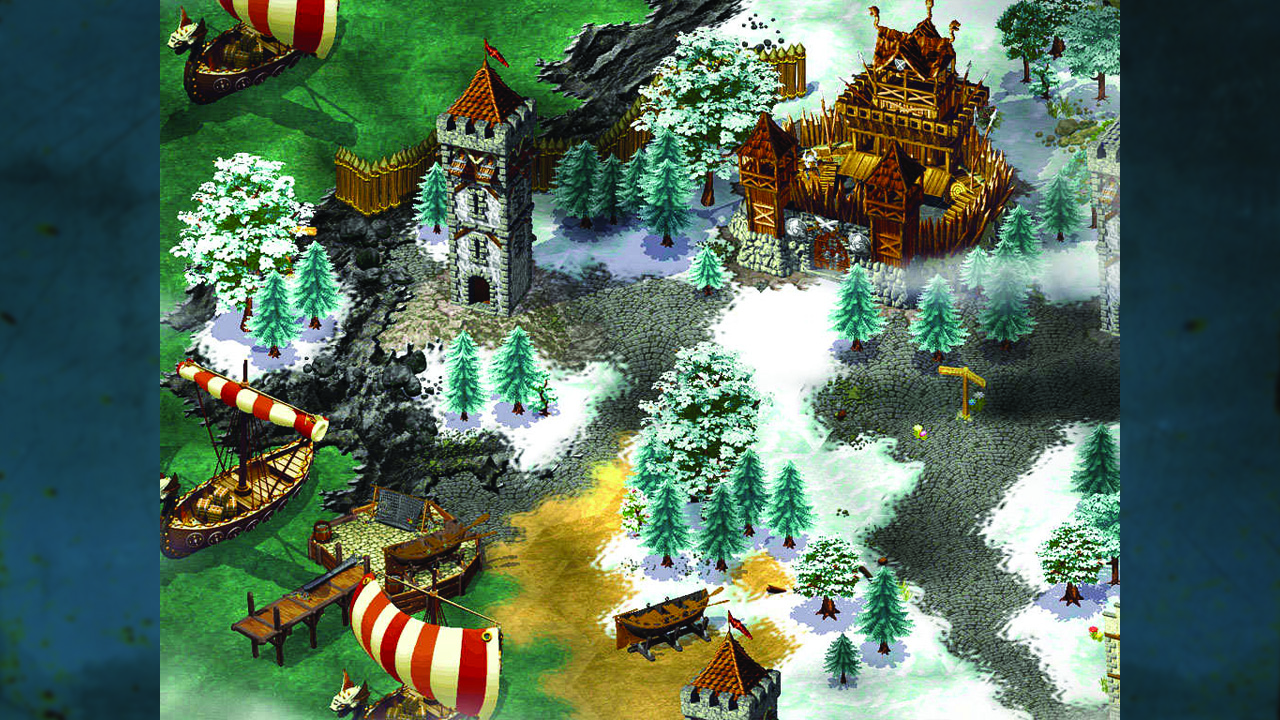
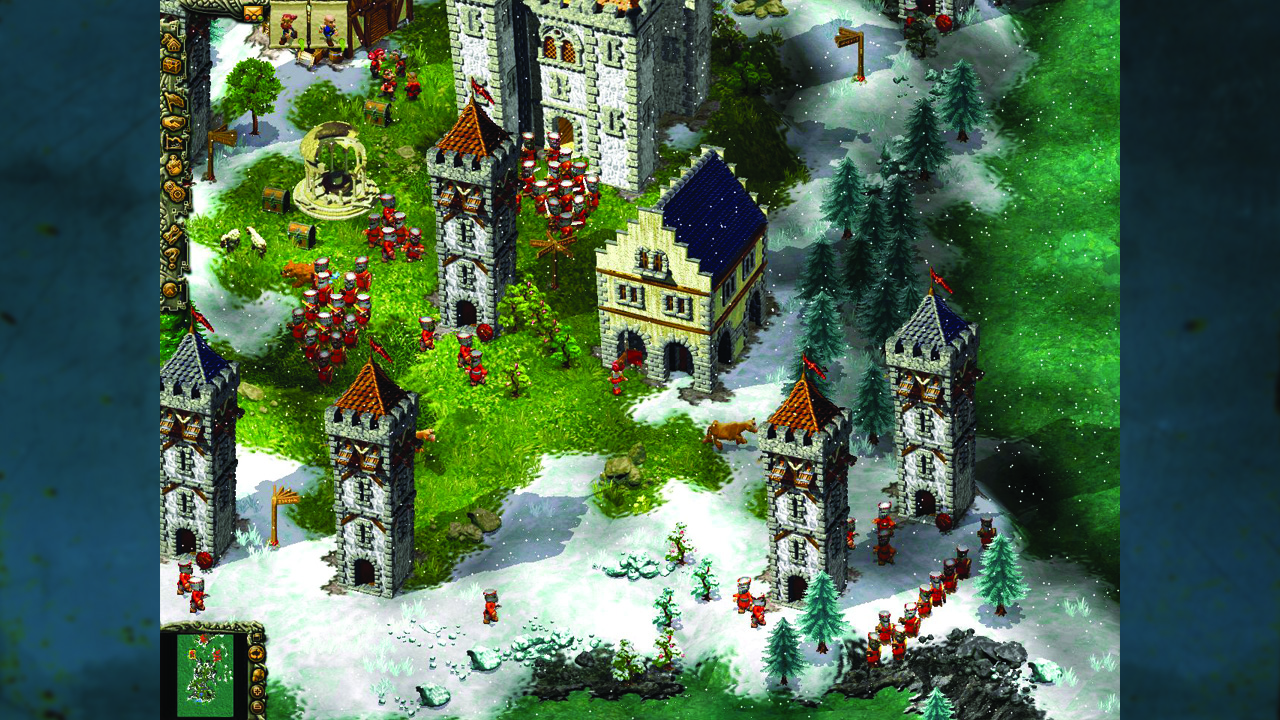
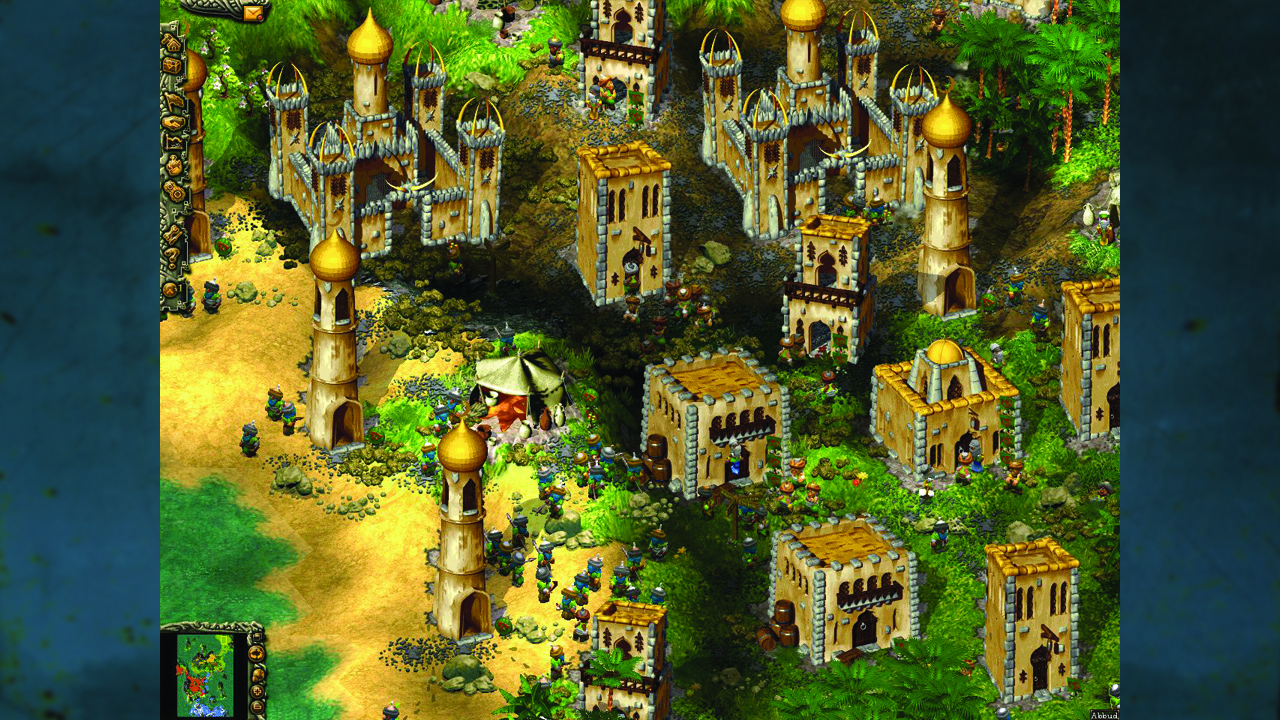
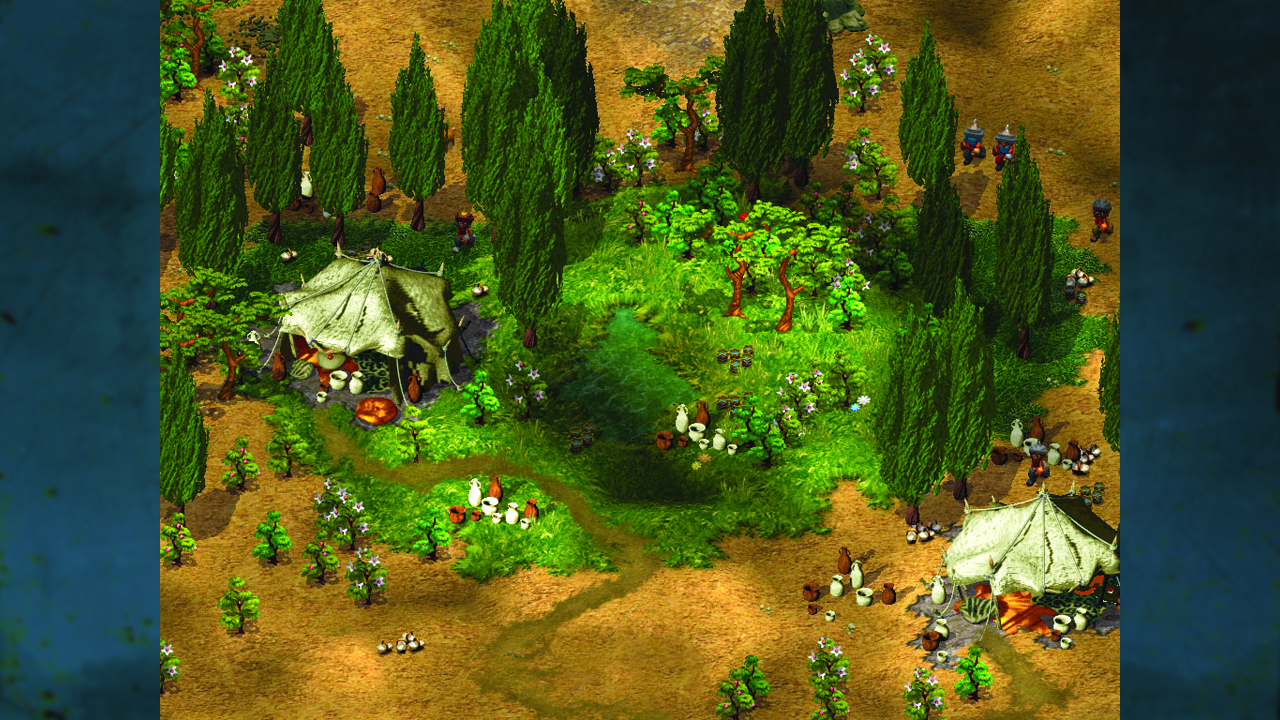
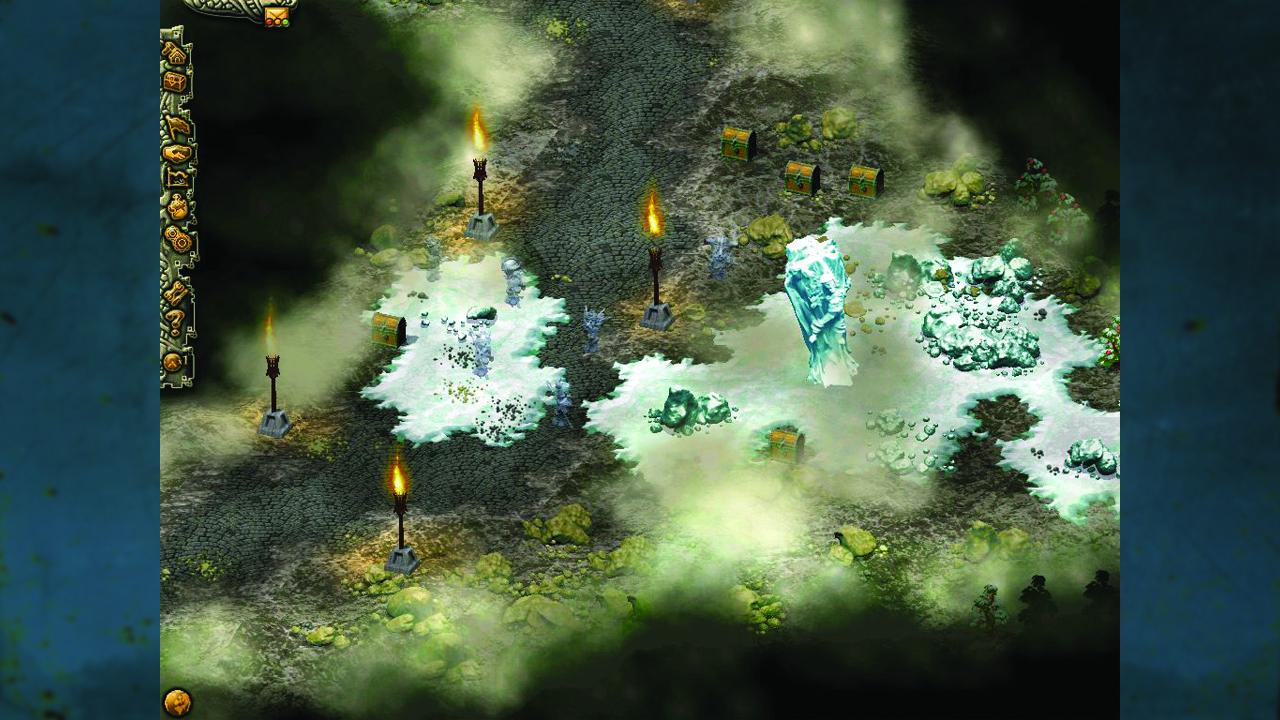
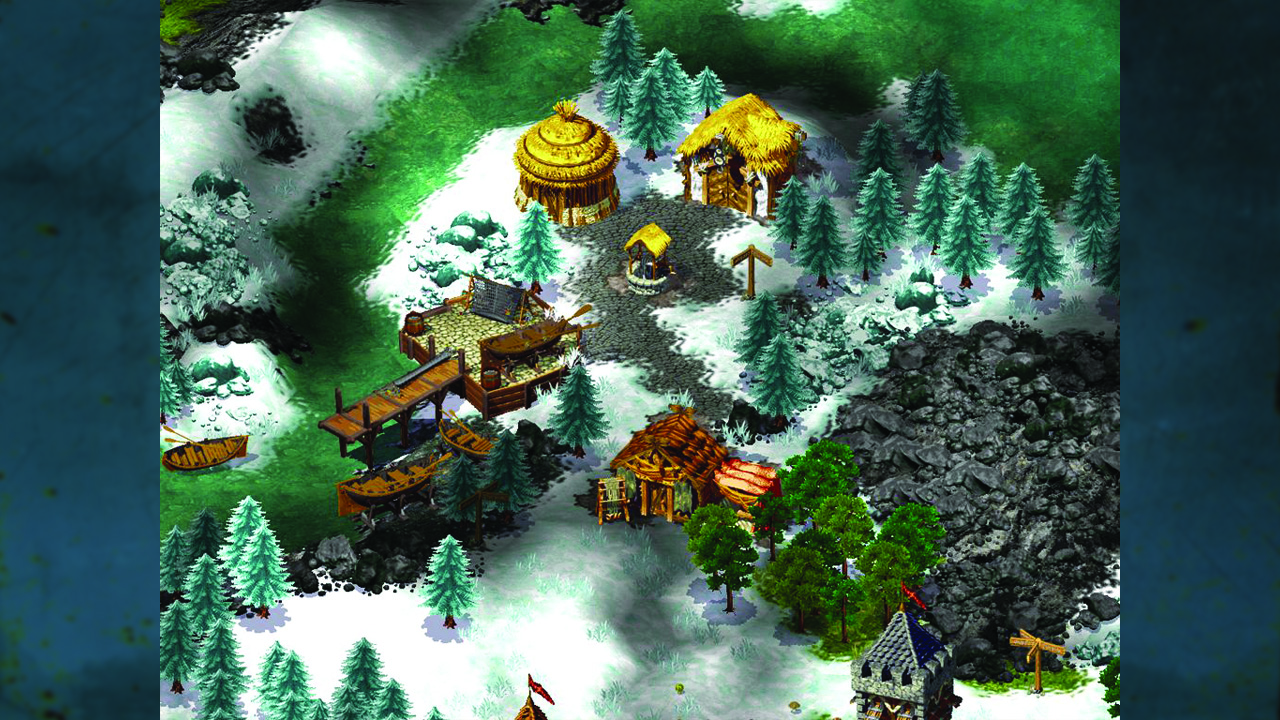
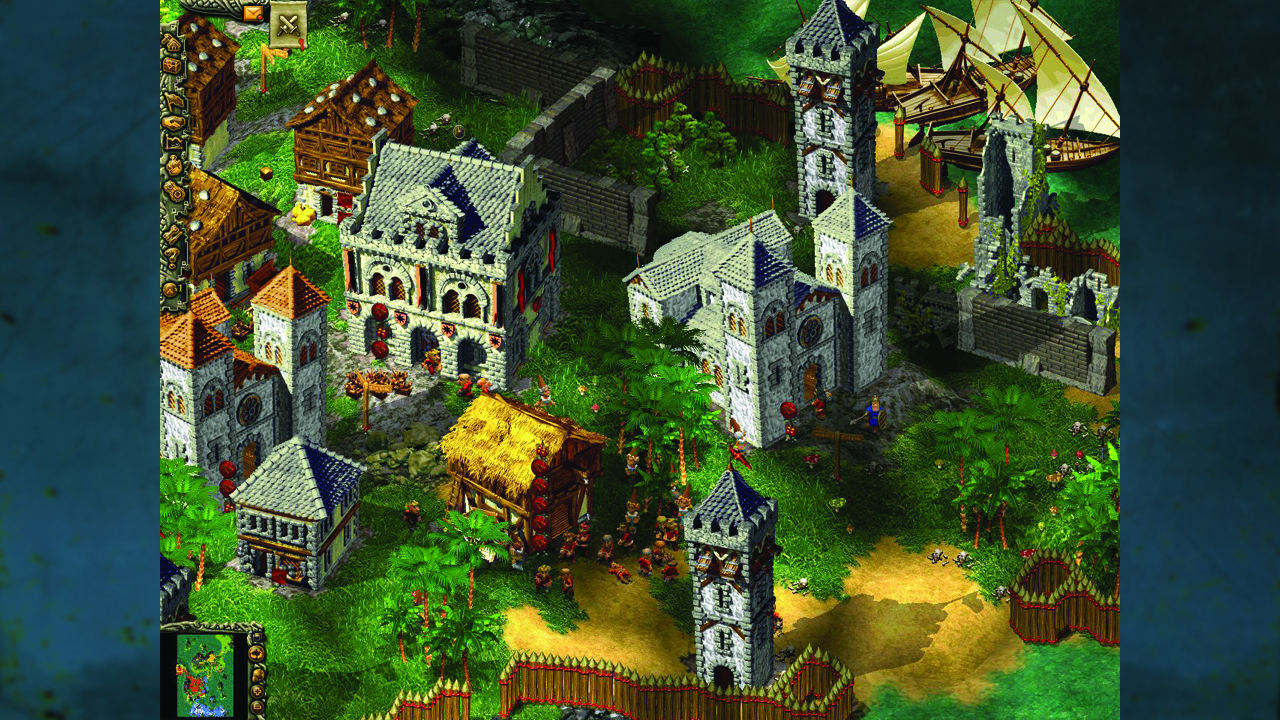
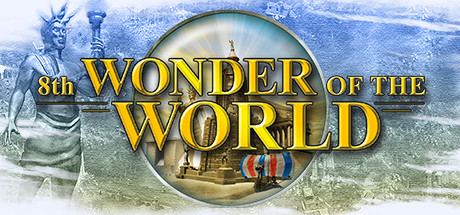
Cultures – 8th Wonder of the World, developed by Funatics Software and published by Daedalic Entertainment, is a charming and intricate blend of city-building, resource management, and light real-time strategy wrapped in a mythological Viking setting. Originally released in the early 2000s and later reintroduced to modern audiences through Steam, it stands as both a continuation and a culmination of the Cultures series, following directly in the footsteps of Cultures: Northland. The game follows the saga of Bjarni, the adventurous Norse hero who, along with his loyal followers, must once again build settlements, manage resources, and face the forces of darkness that threaten to engulf the world. The central narrative centers on the discovery of the fabled “Eighth Wonder of the World,” a mythical construct that has the power to contain the spreading corruption—serving as both the narrative goal and symbolic representation of human ingenuity and perseverance. At its core, the game thrives on the rhythm of construction and expansion. Every settlement begins humbly, with a handful of villagers and limited tools, but soon grows into a bustling community powered by intricate production chains and human interdependence. Unlike many modern strategy titles where populations are abstract or easily replenished, Cultures grounds its world in a living simulation: villagers must marry, have children, and raise them into adults who can then work and learn professions. This approach fosters an organic sense of community and continuity, as each villager feels like a unique part of the ecosystem rather than a disposable resource. Watching a child grow into a craftsman or soldier adds a surprising emotional weight to the act of expansion, turning what might otherwise be a detached management experience into something deeply personal. Every decision—whether to build another bakery, train more warriors, or send scouts into unknown lands—carries a tangible ripple effect across the colony. The economic system is the true heart of the experience. The interlocking production chains require careful planning and foresight, as each resource is dependent on another. Woodcutters feed carpenters, who in turn provide tools for other professions; farmers supply food to sustain miners and builders; potters, blacksmiths, and tailors all depend on a steady flow of raw materials. It is a living, breathing economy that rewards patience and efficiency rather than brute force. Success in Cultures comes from understanding the flow of goods and the rhythm of your people’s daily lives, not from rapid expansion or conquest. While there are occasional combat scenarios and defensive skirmishes, they play a secondary role to the simulation itself. This focus on economic harmony gives the game a distinct personality—it is as much about nurturing and sustaining as it is about conquering and exploring. Visually, Cultures – 8th Wonder of the World embraces a warm, storybook aesthetic that has aged remarkably well. Its hand-painted textures and bright color palette evoke a world of optimism and craftsmanship rather than cold efficiency. The animations are full of small, endearing details—workers hauling goods, farmers tending fields, and children running through the village. The soundtrack complements this tone with gentle Nordic-inspired melodies that evoke both adventure and tranquility. Despite its age, the presentation remains appealing precisely because it emphasizes charm and clarity over technical spectacle. Each settlement feels alive, with activity in every corner, and even the smallest cottage has purpose and personality. The overall atmosphere is one of rustic vitality, and it invites the player to become invested in the prosperity of their people. While the game’s systems are rewarding, its pacing and structure can feel dated by modern standards. The micromanagement, while detailed, can occasionally become overwhelming, especially as your population grows and tasks multiply. The interface, though functional, reflects the design conventions of its era and can feel clunky when compared to contemporary strategy titles. The absence of faster movement or automation means that many tasks require direct oversight, which can slow down momentum. Additionally, while the campaign offers a variety of objectives and environments, its missions often follow a familiar formula of expansion, production optimization, and incremental conquest. These repetitions do not detract from the satisfaction of the gameplay loop, but they do highlight the game’s age and the limitations of early 2000s design philosophy. Despite these minor shortcomings, Cultures – 8th Wonder of the World remains a remarkably rewarding experience for players who appreciate depth and immersion in management games. It offers a slower, more deliberate approach to civilization-building that prioritizes the human element of strategy. Each villager is part of a larger tapestry of productivity and survival, and that sense of interconnectedness makes every success feel meaningful. The game captures the essence of what made the classic European strategy genre so beloved: attention to detail, balanced pacing, and a genuine affection for the player’s creation. There is a serenity in its methodical structure, a sense of satisfaction in watching your tiny settlement evolve into a thriving, self-sustaining world. In the end, Cultures – 8th Wonder of the World stands as both a nostalgic relic and a timeless lesson in the art of careful planning and community building. Its gentle pace and richly interwoven systems encourage thoughtful engagement rather than impulsive play, rewarding patience and observation. It’s a game that values craftsmanship—both in its design and in the way it asks players to build, nurture, and lead. For those who enjoy simulation-based strategy that leans toward the poetic rather than the competitive, it remains an enduring gem from a bygone era. Even decades later, its charm, depth, and sense of purpose continue to remind players that the truest wonders of the world are those we build with care, one villager at a time. Rating: 8/10
Expand the review