
WorldBox - God Simulator
WorldBox is the ULTIMATE god simulator and sandbox game. A petri dish for your fantasy civilizations. Create your own world or destroy it using many powers. Watch civilizations grow, form kingdoms, colonize new lands, sail to far continents, wars to ignite, empires to fall and towns to burn!
Sync your Steam wishlist to track the lowest game prices instantly. No login required, just paste your Steam profile URL!
⚡ Try Wishlist Radar!
Sync your Steam wishlist to track the lowest game prices instantly. No login required!
⚡ Try Wishlist Radar!
Close

Deisim on Steam - User reviews, Price & Information
Quick menu
Live the experience of being a powerful god and create the world to see the growth of mankind.
Deisim is a god game, sandbox and building game
developed and published by Myron Games.
Released on September 01st 2022 is available on Windows, MacOS and VR
in 17 languages: English, French, Italian, German, Spanish - Spain, Swedish, Simplified Chinese, Korean, Japanese, Polish, Russian, Turkish, Dutch, Portuguese - Brazil, Thai, Traditional Chinese and Spanish - Latin America.
It has received 762 reviews of which 705 were positive and 57 were negative resulting in a rating of 8.7 out of 10. 😎
The game is currently priced at 14.99€ on Steam.
The Steam community has classified Deisim into these genres:
Media & Screenshots
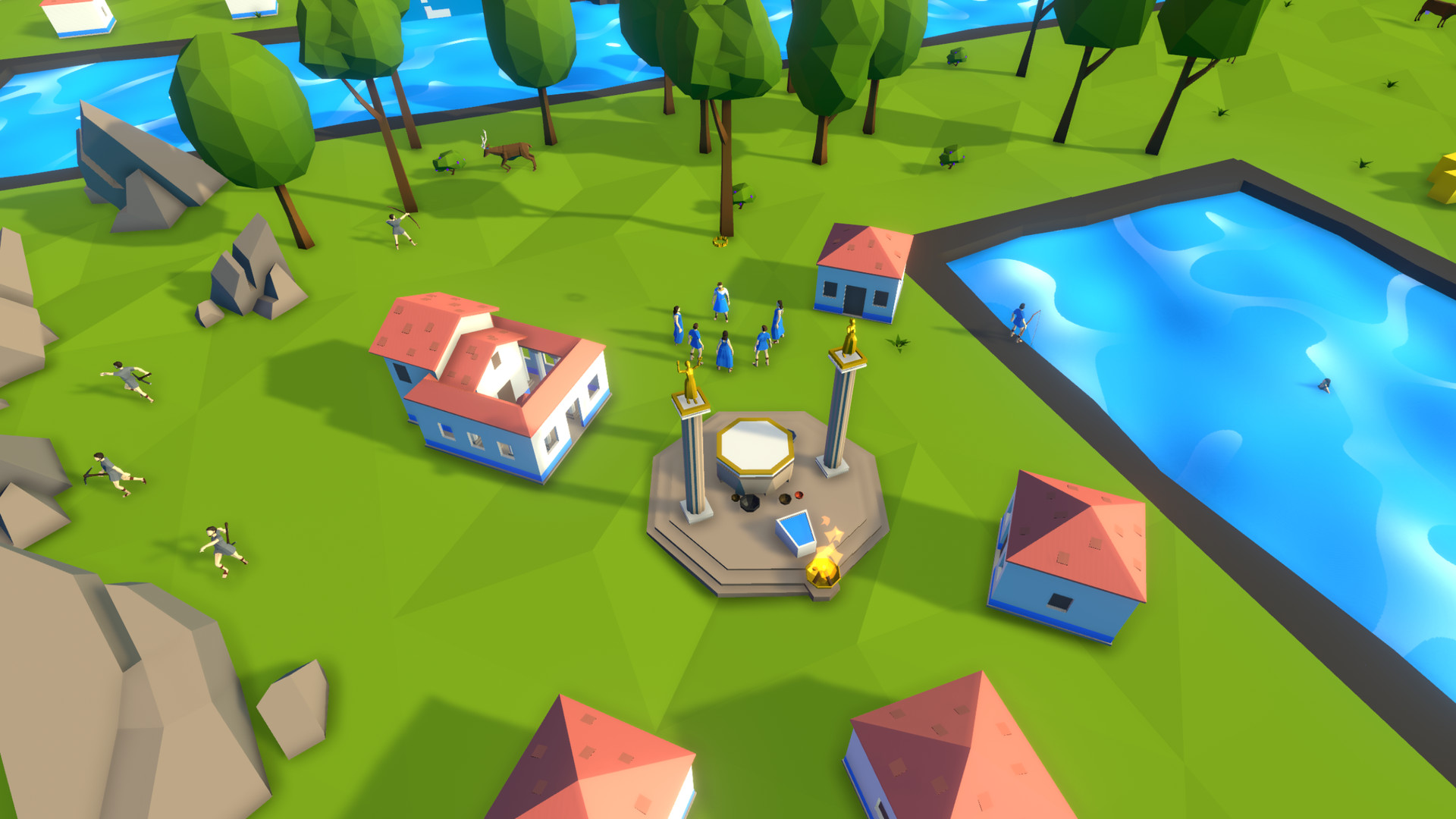
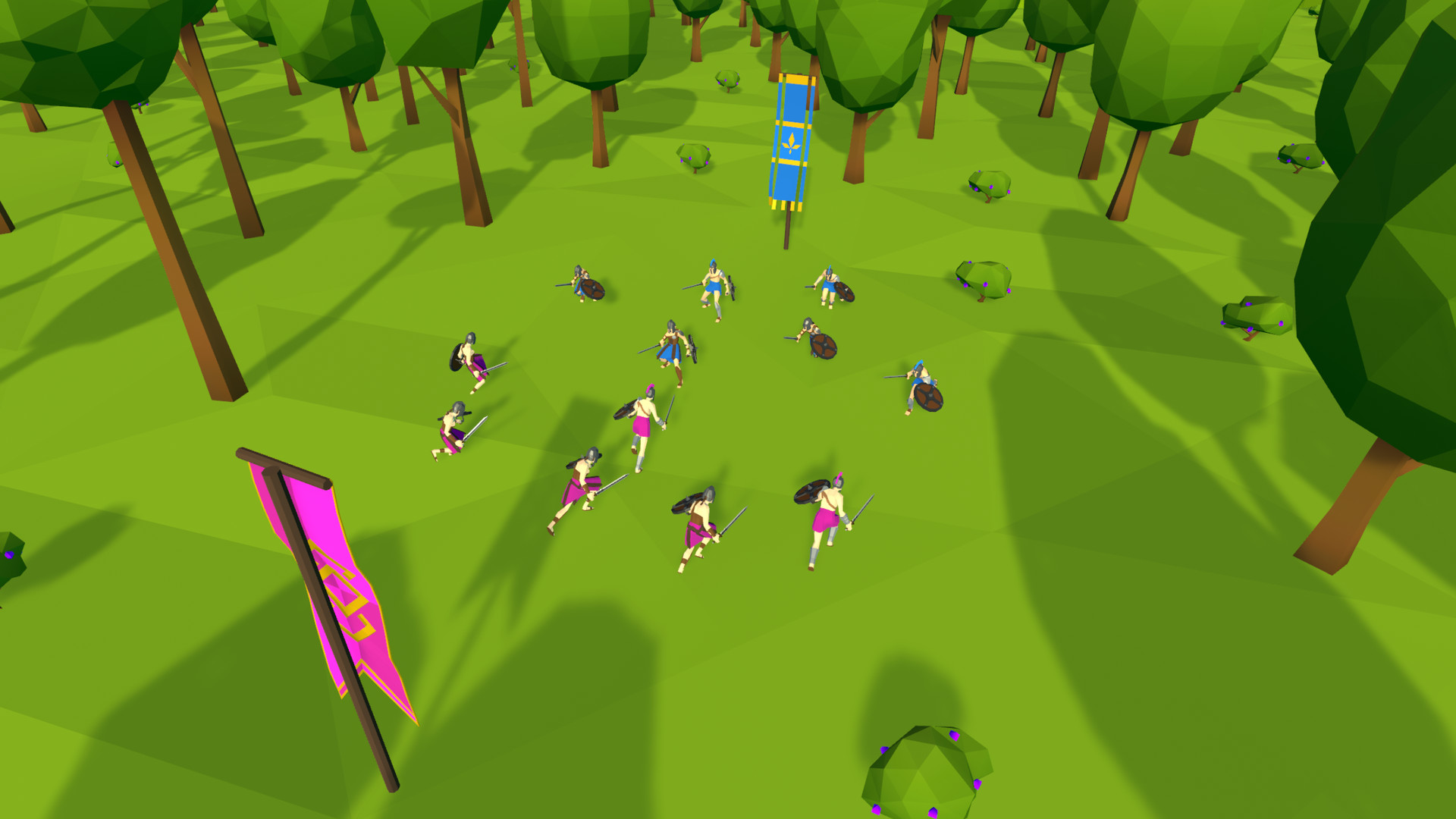
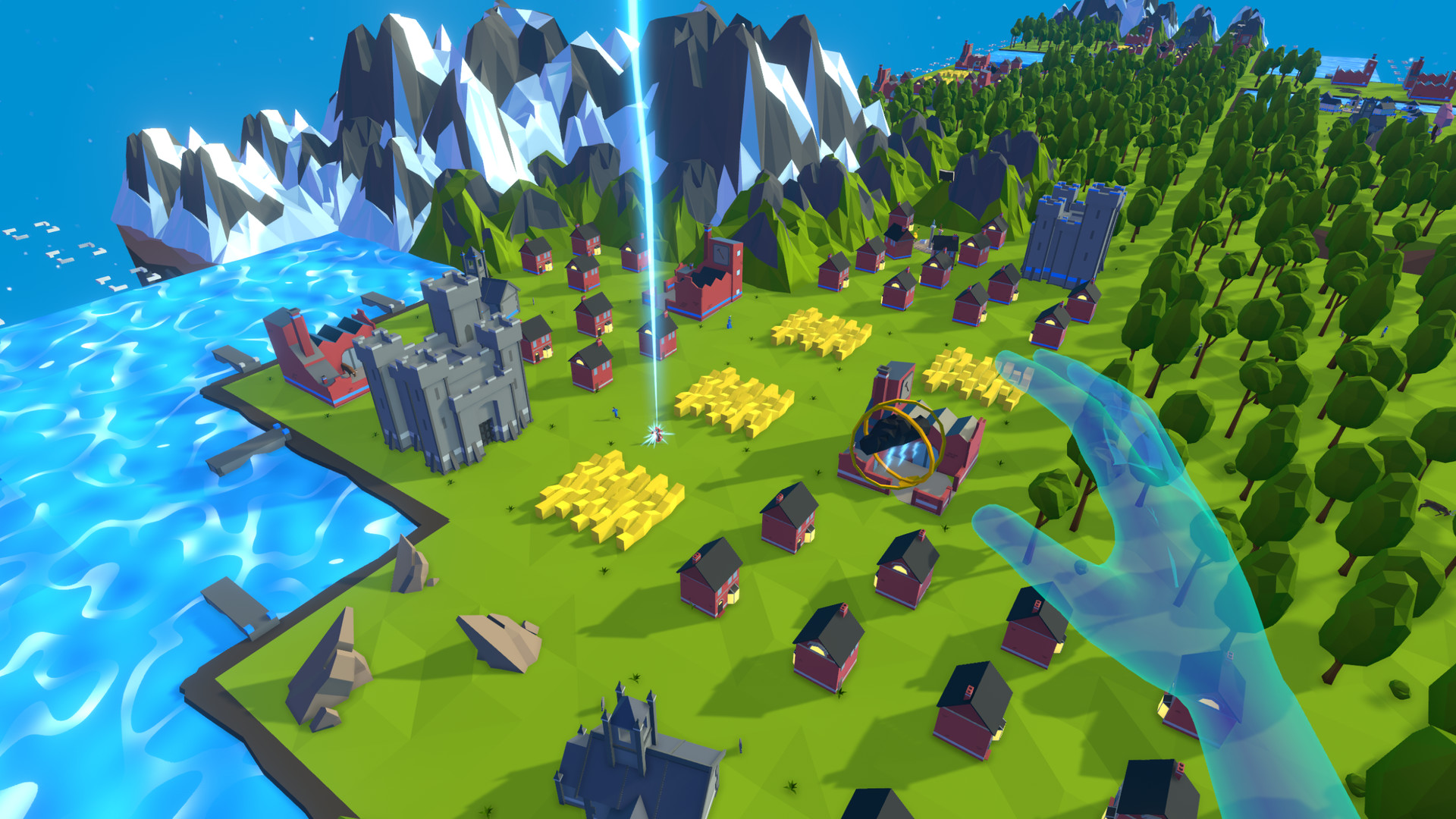
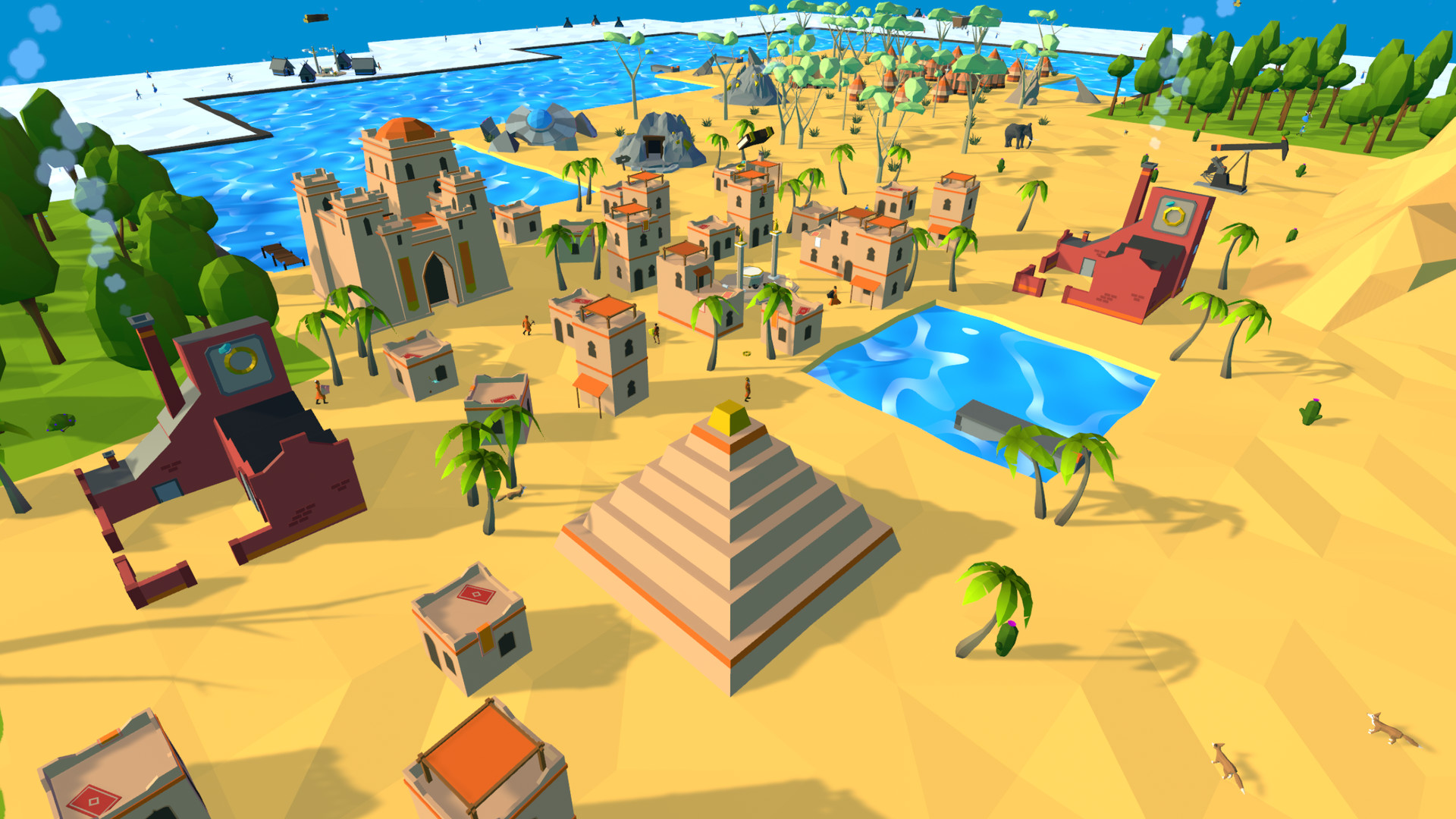
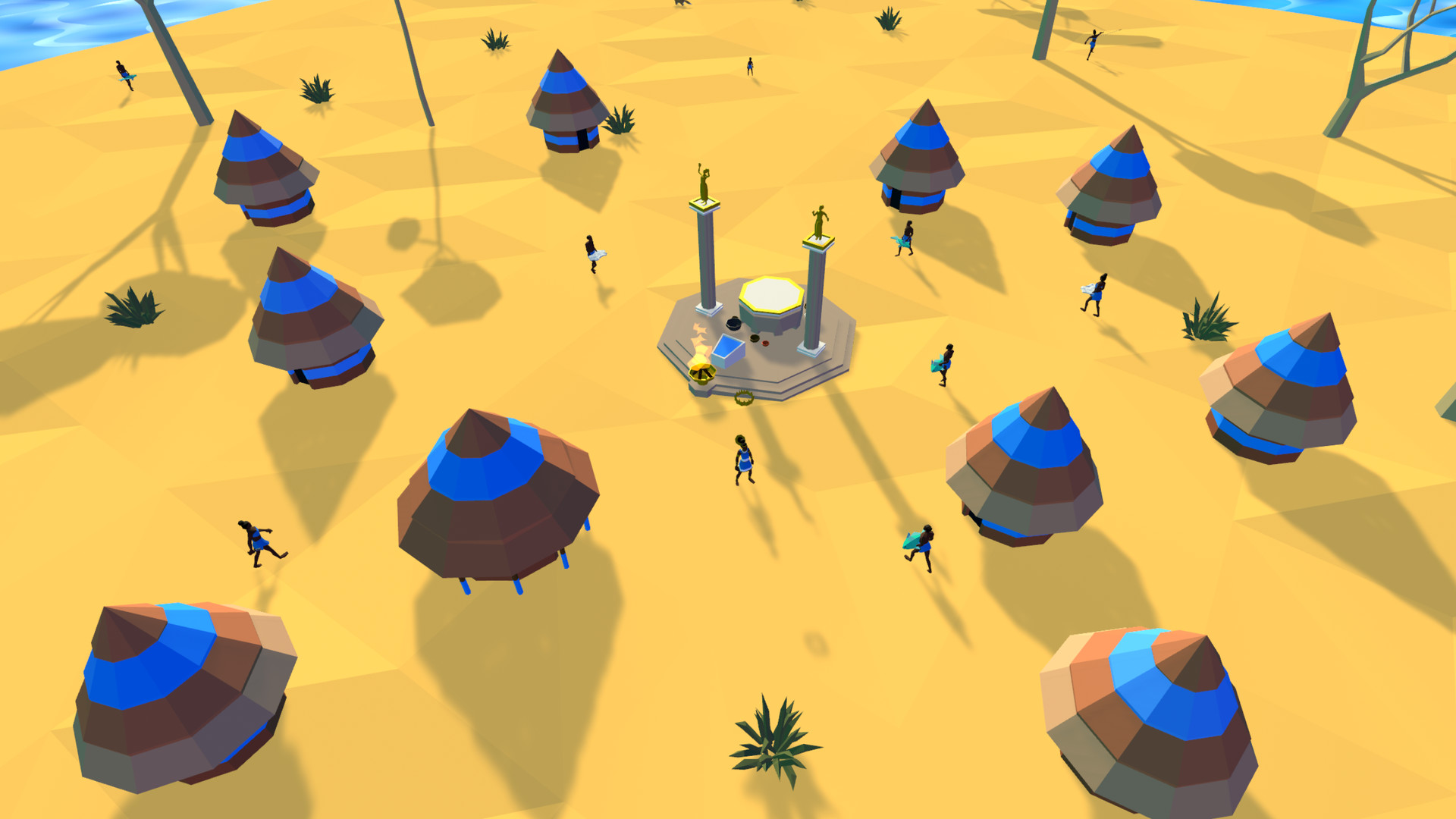
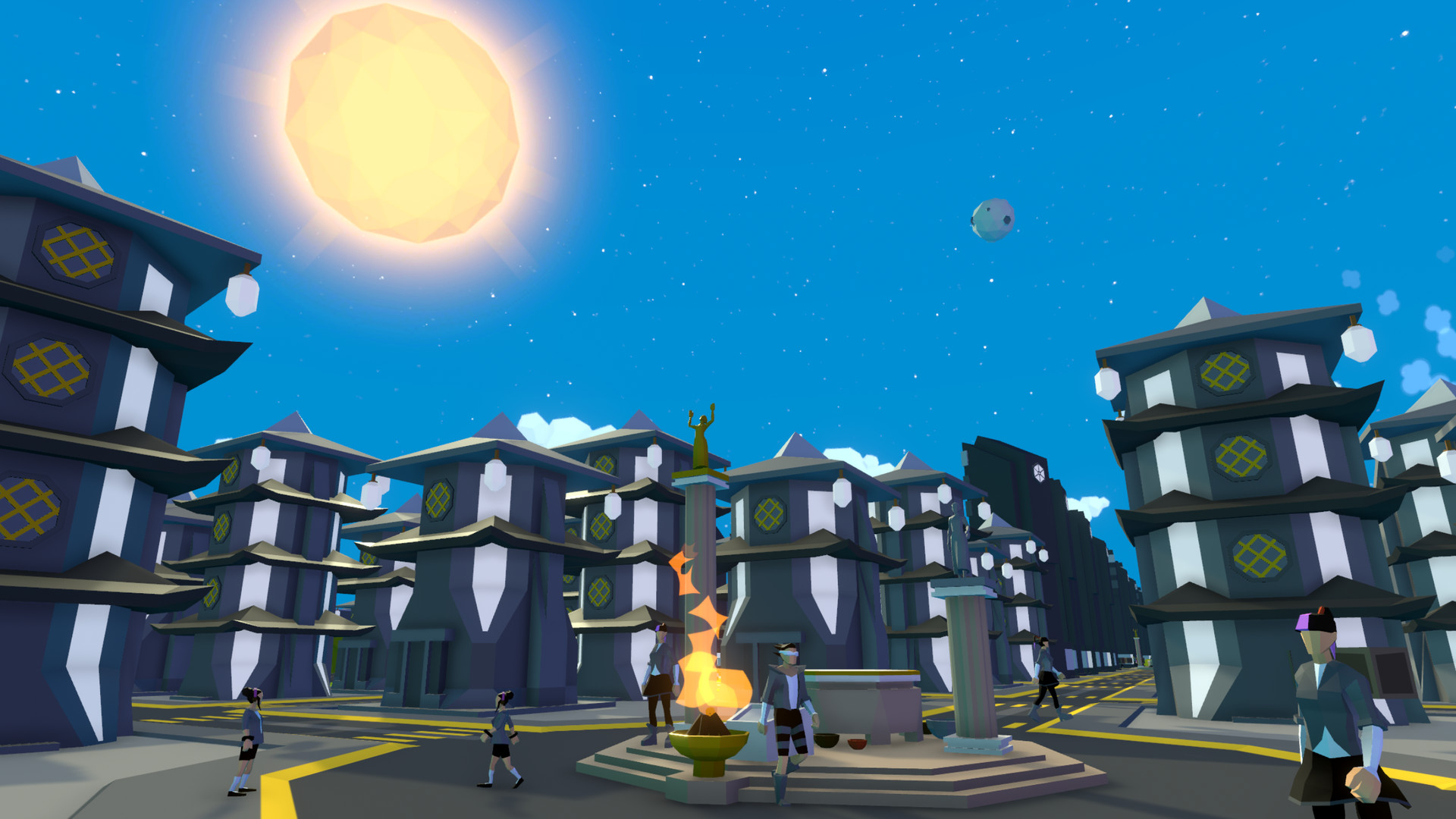
Get an in-depth look at Deisim through various videos and screenshots.
Load More

System requirements
These are the minimum specifications needed to play the game. For the best experience, we recommend that you verify them.
Windows
- Requires a 64-bit processor and operating system
- OS: Windows 10
- Processor: Core i5 2500k
- Memory: 4 GB RAM
- Graphics: Geforce GTX 970 or equivalent
- DirectX: Version 11
- Storage: 2 GB available space
- VR Support: SteamVR
- Additional Notes: Oculus Quest, Valve Index or equivalent
MacOS
- Requires an Apple processor
- Processor: Apple M1 or superior
- Memory: 8 GB RAM
- Additional Notes: Apple Silicon required. The intel version is provided for convenience only.
Steam Price & Best Deals
User reviews & Ratings
Explore reviews from Steam users sharing their experiences and what they love about the game.
👍 Recommended ⭐ Rating: 4 / 5 Deisim is a minimalist god-sim where you shape the world at your own pace. Create land, guide civilizations, manage resources, and influence humanity as it grows. The game focuses on relaxing gameplay, strategic decisions, and experimentation rather than challenge or combat. Watching civilizations evolve based on your actions is genuinely satisfying. ✔ Calm and atmospheric god-sim ✔ Simple mechanics with depth ✔ Creative freedom and replay value ✖ Can feel repetitive over long sessions ✖ Limited late-game complexity 🏆 Verdict: A great choice for players who enjoy creative, slow-paced god games and sandbox experiences. ⭐ Recommended for fans of god-sim and simulation games. ---------------------------------- 👍 Рекомендую ⭐ Оценка: 4 / 5 Deisim — минималистичный god-sim, где игрок постепенно формирует мир и наблюдает за развитием цивилизаций. Вы создаёте ландшафт, управляете ресурсами и влияете на человечество, не торопясь и без лишнего давления. Игра делает упор на спокойный геймплей, эксперименты и стратегические решения, а не на сложность или сражения. Особенно приятно наблюдать, как мир меняется в зависимости от ваших действий. ✔ Атмосферный и расслабляющий геймплей ✔ Простые, но глубокие механики ✔ Свобода творчества и реиграбельность ✖ Со временем может показаться однообразной ✖ Ограниченная глубина в поздней стадии игры 🏆 Итог: Отличный выбор для любителей спокойных god-sim и песочниц. ⭐ Рекомендую тем, кто ценит медитативный геймплей и свободу действий.
Although it says ive played for only a while, I had this same game onmy quest 3. After playing the new updates since then, and also replaying the space ending, I can say this is THE BEST god sim game ive ever seen. its fun, and never annoying when it comes to resources, and you can take the game at your own pace. 10/10!
Deisim is a contemplative sandbox god game that invites players to slow down, create, and observe rather than conquer or optimize. Developed and published by Myron Games, it places you in the role of an unseen deity shaping a world from nothing, one tile at a time, and then watching as humanity adapts to the conditions you set. Instead of presenting rigid objectives or competitive systems, the game emphasizes freedom, experimentation, and emergent behavior, making it feel more like a living terrarium than a traditional strategy title. The experience begins with a blank world and a limited set of divine tools. You sculpt land, water, forests, mountains, and other biomes to form a habitable environment, and once conditions are right, humans begin to appear on their own. These early settlements are fragile and reactive, relying heavily on nearby terrain for survival and growth. Over time, villages evolve into towns and cities, advancing through different technological and cultural eras without direct micromanagement. Your role is not to command individuals, but to influence outcomes indirectly by reshaping the world around them or intervening through miracles and disasters. What makes Deisim particularly compelling is how much it trusts simple systems to generate complexity. Civilizations behave autonomously, responding logically to geography, resources, and threats. Fertile land near water promotes growth, harsh terrain slows expansion, and poorly placed cities may collapse without divine assistance. This cause-and-effect relationship creates a strong sense of authenticity, as successes and failures feel earned rather than scripted. You can choose to be a benevolent god who nurtures balance and prosperity, or an unpredictable force who tests humanity’s resilience through floods, fires, and other calamities. The miracle system adds another layer of engagement. As your influence grows, you unlock new powers that allow you to heal land, grant resources, or unleash destruction. These tools are not framed as right or wrong choices, but as experiments in how societies respond to adversity or abundance. Sometimes a well-timed intervention saves a civilization from extinction; other times, a disaster sparks adaptation and unexpected progress. The joy comes from observing these long-term consequences rather than chasing immediate rewards. Visually, the game adopts a minimalist, tile-based aesthetic that favors clarity and calm over spectacle. Biomes are clearly distinguished by color and shape, and the evolving architecture of civilizations provides subtle visual feedback on progress. This simplicity works in the game’s favor, keeping the focus on systems and outcomes rather than overwhelming the player with detail. The sound design and music reinforce this meditative tone, creating an atmosphere that feels almost therapeutic as you watch the world unfold at your chosen pace. Progression in Deisim is deliberately gentle. New ages, biomes, and miracles unlock gradually, expanding your creative palette without dramatically changing the core loop. There are no fail states or pressure to “win,” which allows players to experiment freely and reset worlds without frustration. This design philosophy makes the game especially welcoming to players who enjoy sandbox creativity or passive observation, though it may feel aimless to those who prefer structured challenges or explicit goals. That said, the game’s strengths are also its limitations. Once most tools and ages are unlocked, the experience can begin to feel repetitive, as the fundamental interactions remain largely unchanged. The simulation depth, while elegant, is relatively light compared to more complex god games or grand strategy titles. Players seeking deep political systems, intricate AI diplomacy, or heavy management mechanics may find the experience too restrained to sustain long-term engagement. Ultimately, Deisim succeeds by offering a calm, reflective take on the god game genre. It captures the pleasure of creation and the curiosity of watching systems evolve without demanding constant input or optimization. Rather than testing reflexes or strategic dominance, it rewards patience, experimentation, and imagination. For players who enjoy shaping worlds, influencing life indirectly, and simply observing the quiet drama of civilizations rising and falling, Deisim provides a uniquely soothing and thoughtfully designed sandbox experience. Rating: 9/10
If you ever played the game World box and have fun creating civilizations and enjoy watching them build lore. This game is the game for you. Also this game supports non VR too so you can even check in on your world without putting on your headset. Cool game and I hope to maybe even see a 2nd game come out like this by you guys in the future.
Similar games
View all

Pandora's Toybox
Become a God, build a civilization. In this dynamic Roguelite God Simulator, guide human civilization on a procedurally generated pixel world. Watch your people grow, defend them against heretics, and build an immortal legacy.

The Universim
Jump straight into managing your own planets as you guide a civilization through the ages. Build the ultimate empire in The Universim, a new breed of God Game in development by Crytivo.

Rogue AI Simulator
Play as a Rogue Artificial Intelligence, in the sequel to the hit Flash game "I'm an Insane Rogue AI", played more than 4 million times! Your Prime Directive is simple: design a facility & manage human Test Subjects for the Dept of Science. But be careful: they NEVER stop being suspicious of you...

Planet Coaster 2
Build and customise thrilling roller coasters and incredible water slides, manage the ultimate theme park experience, and share your epic creations. Are you ready to ride the wave?

Prison Architect
Only the world’s most ruthless Warden can contain the world’s most ruthless inmates. Design and develop your personalized penitentiary in Prison Architect.

Catizens
Inspired by RimWorld and The Sims, Catizens is a colony management simulation game where you watch over unique cats with quirky personalities, as you help them build and grow their settlement while exploring new lands, facing off against wildlife and overcoming the challenges of each environment.
Stonehearth
Pioneer a living world full of warmth, heroism, and mystery. Help a small group of settlers build a home for themselves in a forgotten land. Establish a food supply, build shelter, defend your people, monitor their moods, and find a way to grow and expand, facing challenges at every step.
Ecosystem
Create virtual lifeforms whose development is shaped by a deep simulation of evolution. Guide them as they fight, mate, and adapt to the environment you have built. All the creatures in the trailer evolved on their own in the game!

Life is Feudal: Forest Village
LiF:Forest Village is a city builder with survival aspects in a realistic harsh medieval world. Shape, build and expand your settlement, grow various food to prevent your villagers from avitaminosis and starvation. Possess them for additional micromanagement or simply to wander around.

Terra Firma
Play god and create your own world in this complex simulation. Plate tectonics, wind and water erosion and plant life all develop and interact to produce a world that is viewable from a single tree to kilometres across.
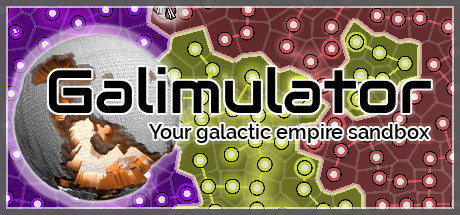
Galimulator
Galimulator is a galactic empire simulation and sandbox game. See how Empires rise and fall, and how the people in them climb through the ranks to bring prestige to their Dynasty. Then throw in an invasion of self replicating Smatter monsters if you want to spice things up.
Frequently Asked Questions
Deisim is currently priced at 14.99€ on Steam.
No, Deisim is currently not on sale. You can purchase it for 14.99€ on Steam.
Yes, Deisim received 705 positive votes out of a total of 762 achieving a rating of 8.68.
😎
Deisim was developed and published by Myron Games.
Yes, Deisim is playable and fully supported on Windows.
Yes, Deisim is playable and fully supported on MacOS.
No, Deisim is not playable on Linux.
This information about Deisim is not available yet.
This information about Deisim is not available yet.
Yes, Deisim supports VR. You can play it using a compatible VR headset.
Deisim is a single-player game.
No, Deisim does not currently offer any DLC.
No, Deisim does not support mods via Steam Workshop.
No, Deisim does not support Steam Remote Play.
Yes, Deisim is enabled for Steam Family Sharing. This means you can share the game with authorized users from your Steam Library, allowing them to play it on their own accounts. For more details on how the feature works, you can read the original Steam Family Sharing announcement or visit the Steam Family Sharing user guide and FAQ page.
You can find solutions or submit a support ticket by visiting the Steam Support page for Deisim.
Data sources
The information presented on this page is sourced from reliable APIs to ensure accuracy and relevance. We utilize the Steam API to gather data on game details, including titles, descriptions, prices, and user reviews. This allows us to provide you with the most up-to-date information directly from the Steam platform.
Additionally, we incorporate data from the SteamSpy API, which offers insights into game sales and player statistics. This helps us present a comprehensive view of each game's popularity and performance within the gaming community.
Last Updates| Steam data | 25 August 2026 22:36 UTC |
|---|---|
| SteamSpy data | 04 September 2026 08:10 UTC |
| Steam price | 13 September 2026 02:42 UTC |
| Steam reviews | 11 September 2026 05:50 UTC |
If you'd like to dive deeper into the details about Deisim, we invite you to check out a few dedicated websites that offer extensive information and insights. These platforms provide valuable data, analysis, and user-generated reports to enhance your understanding of the game and its performance.
- SteamDB - A comprehensive database of everything on Steam about Deisim
- SteamCharts - Analysis of Deisim concurrent players on Steam
- ProtonDB - Crowdsourced reports on Linux and Steam Deck Deisim compatibility

Game modes
Features
Online players
2
Developer
Myron Games
Publisher
Myron Games
Release
01 Sep 2022
Platforms