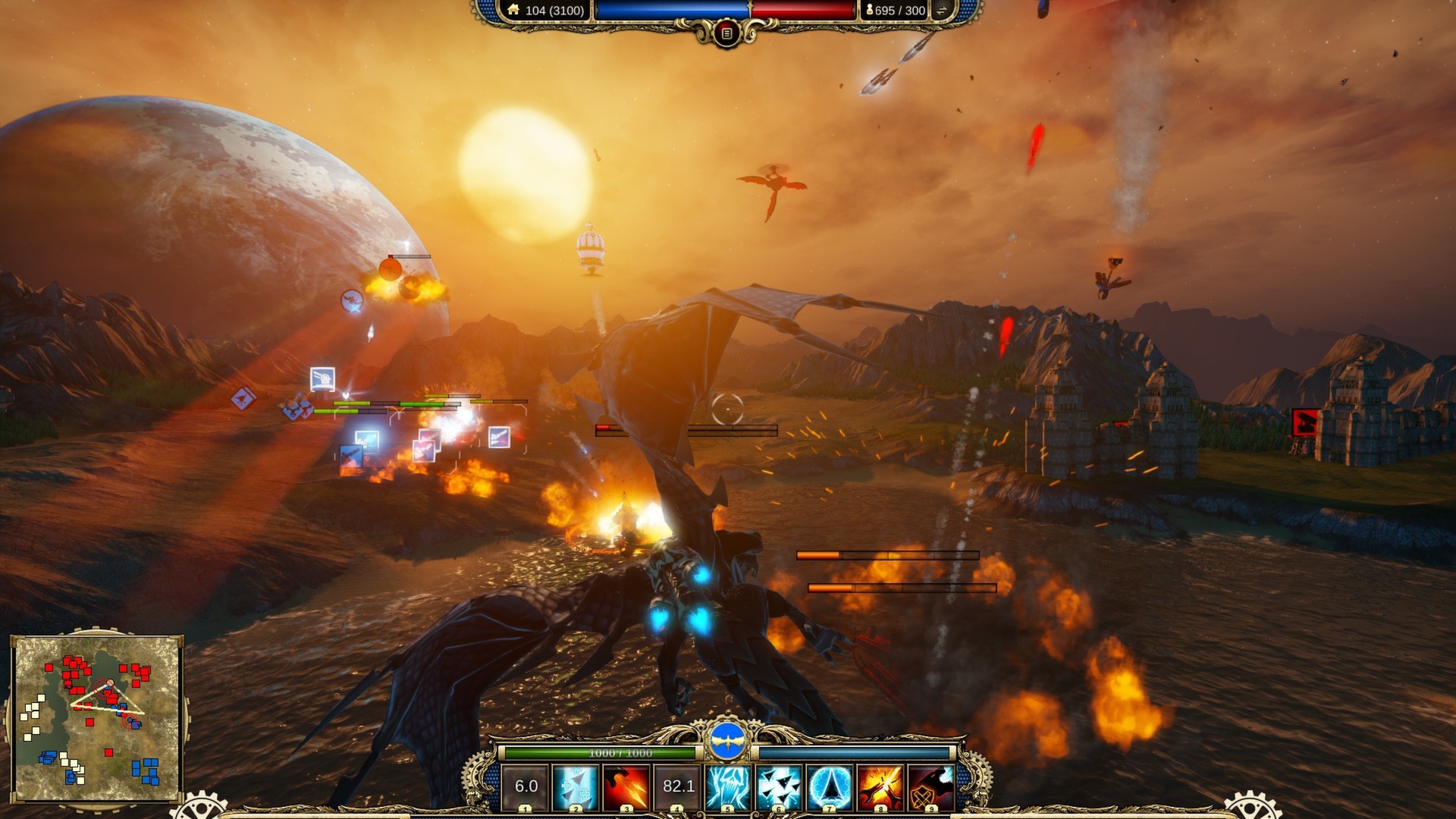
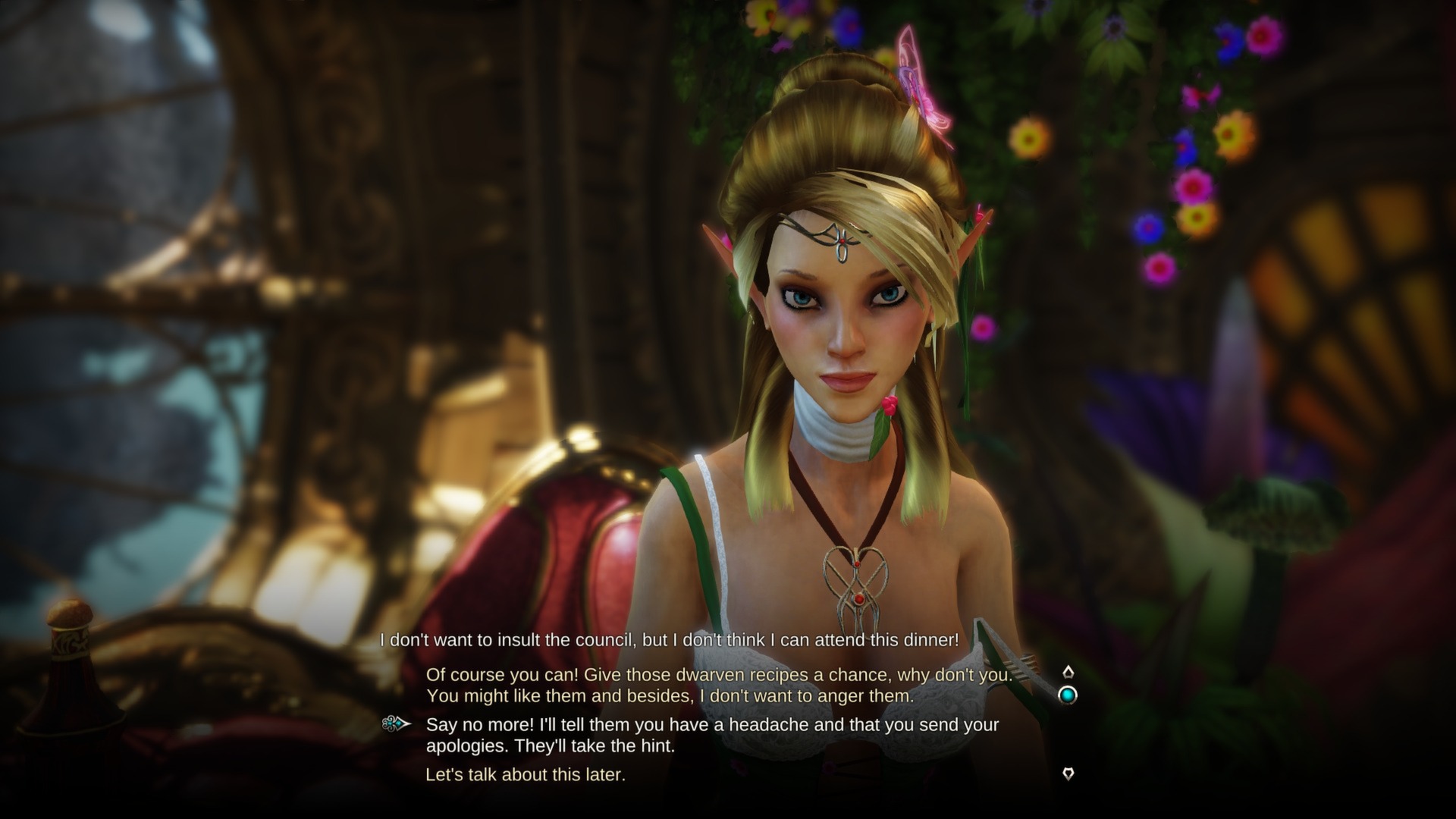
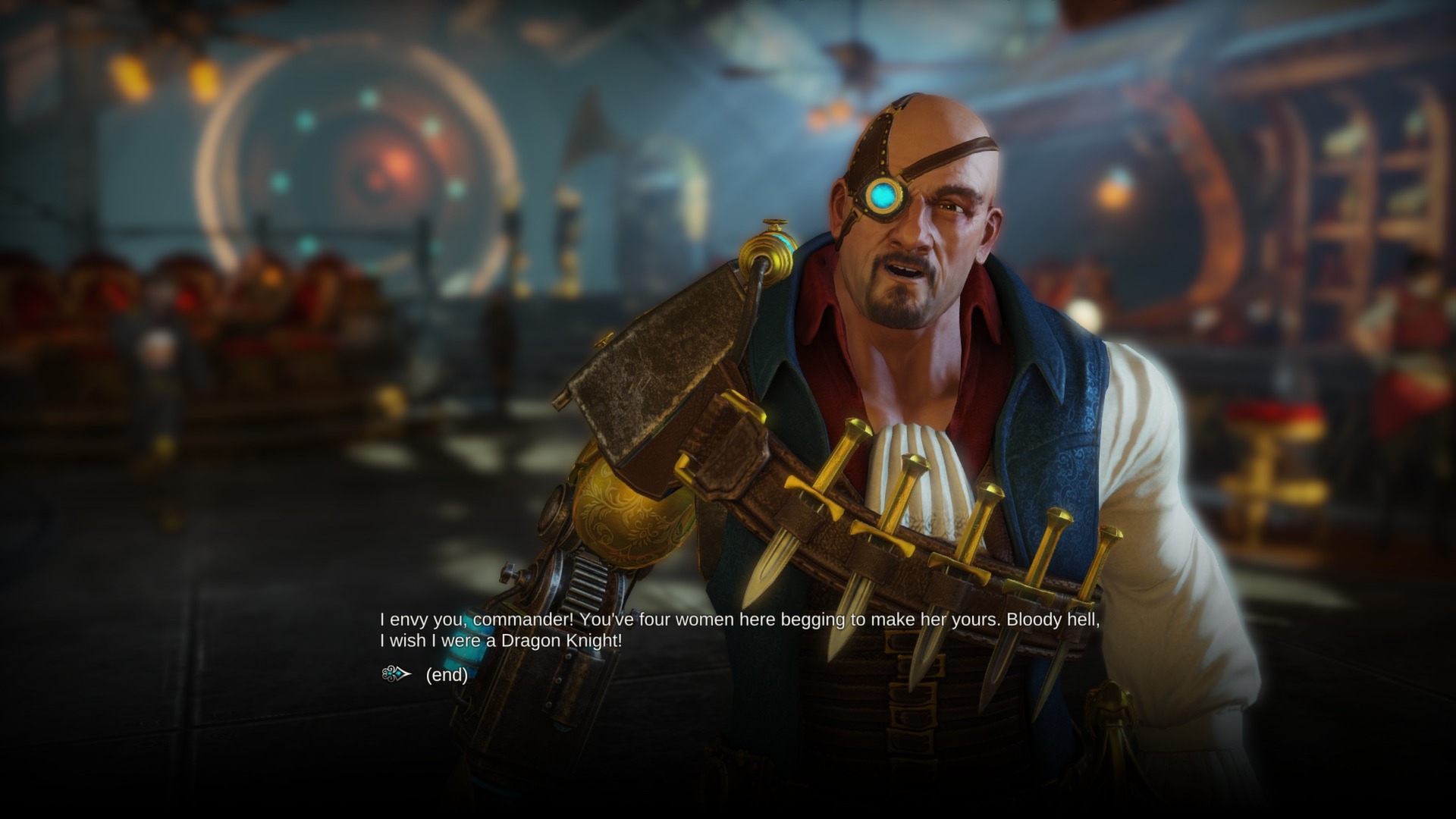
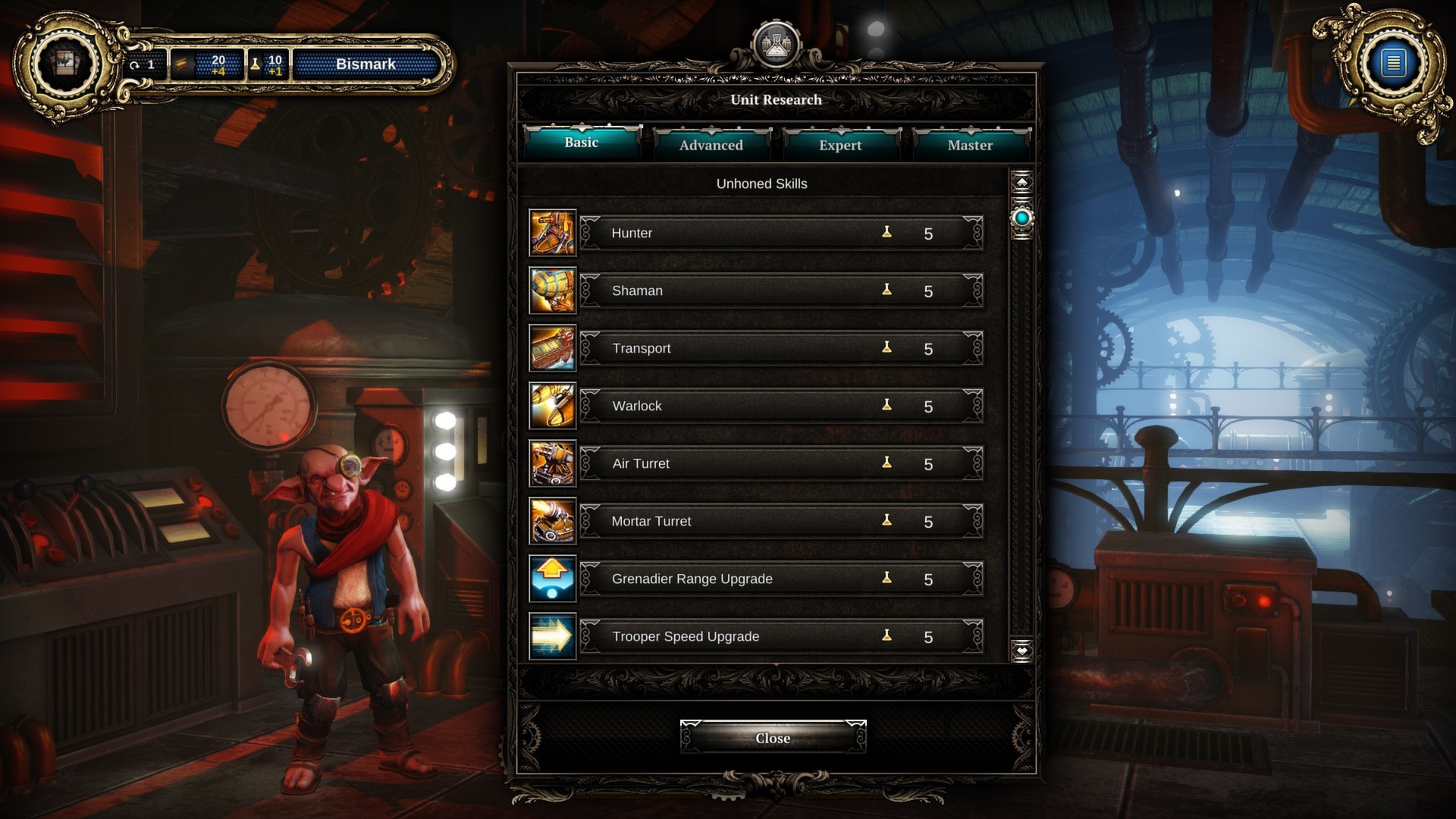
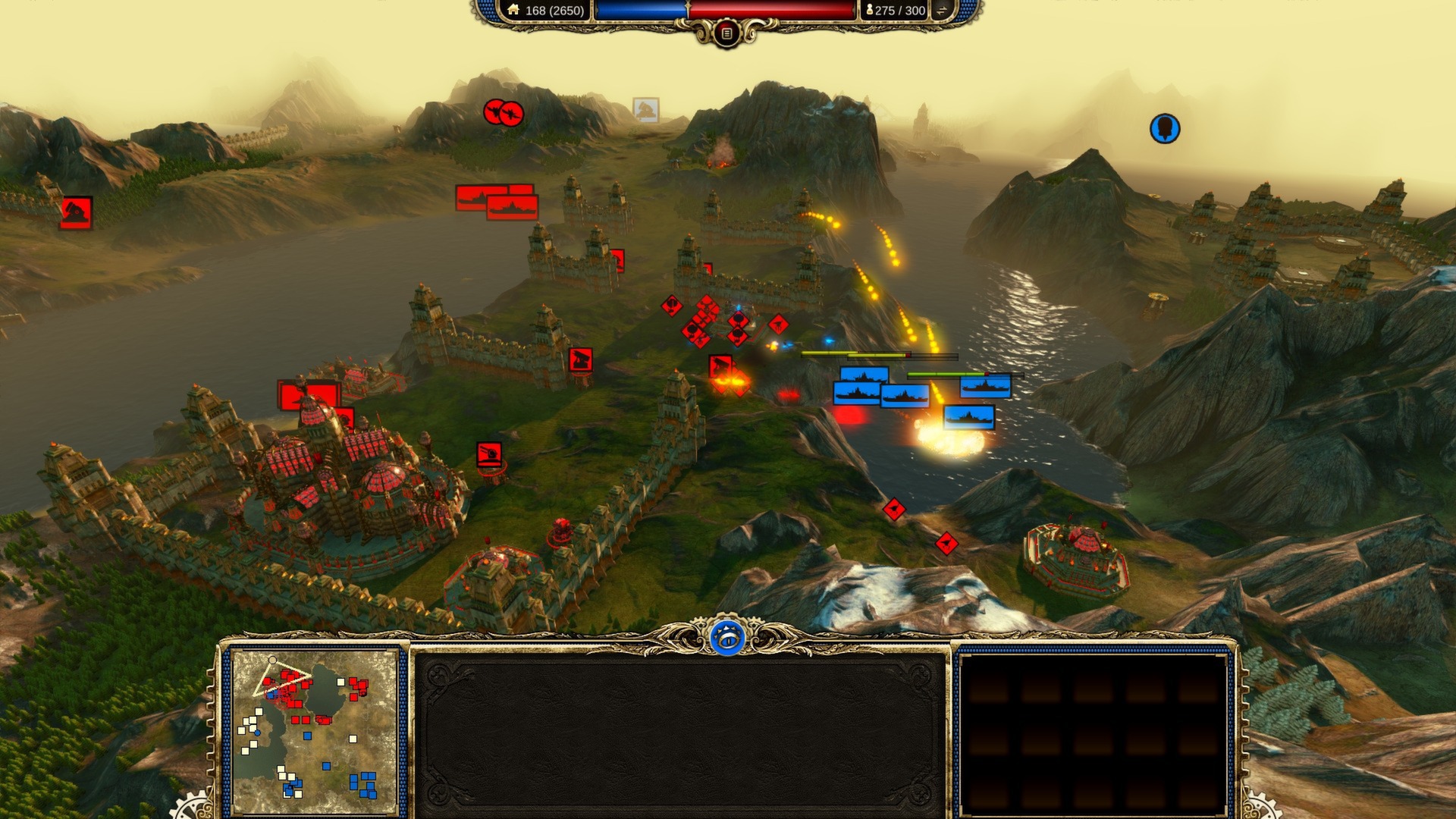
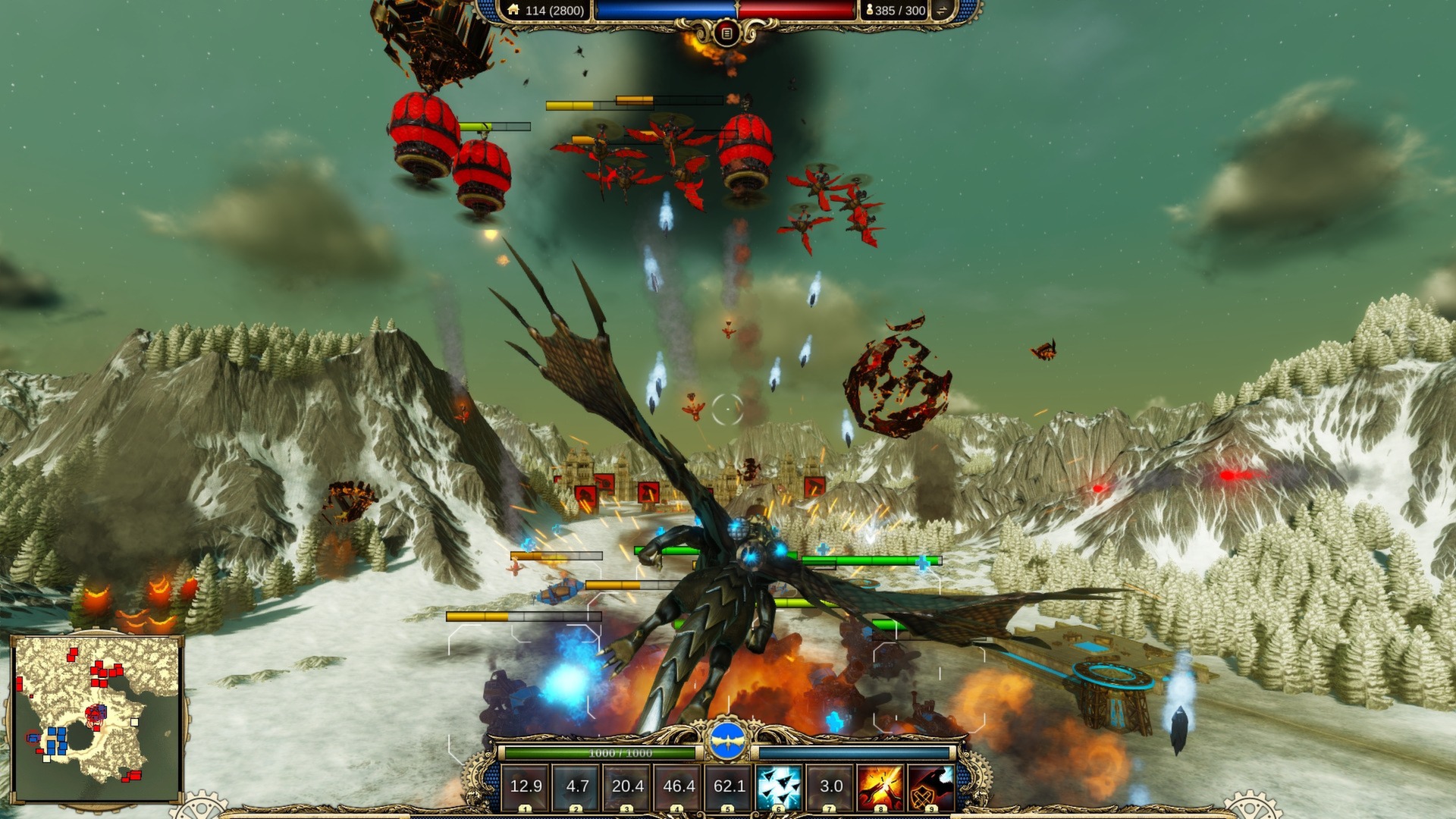
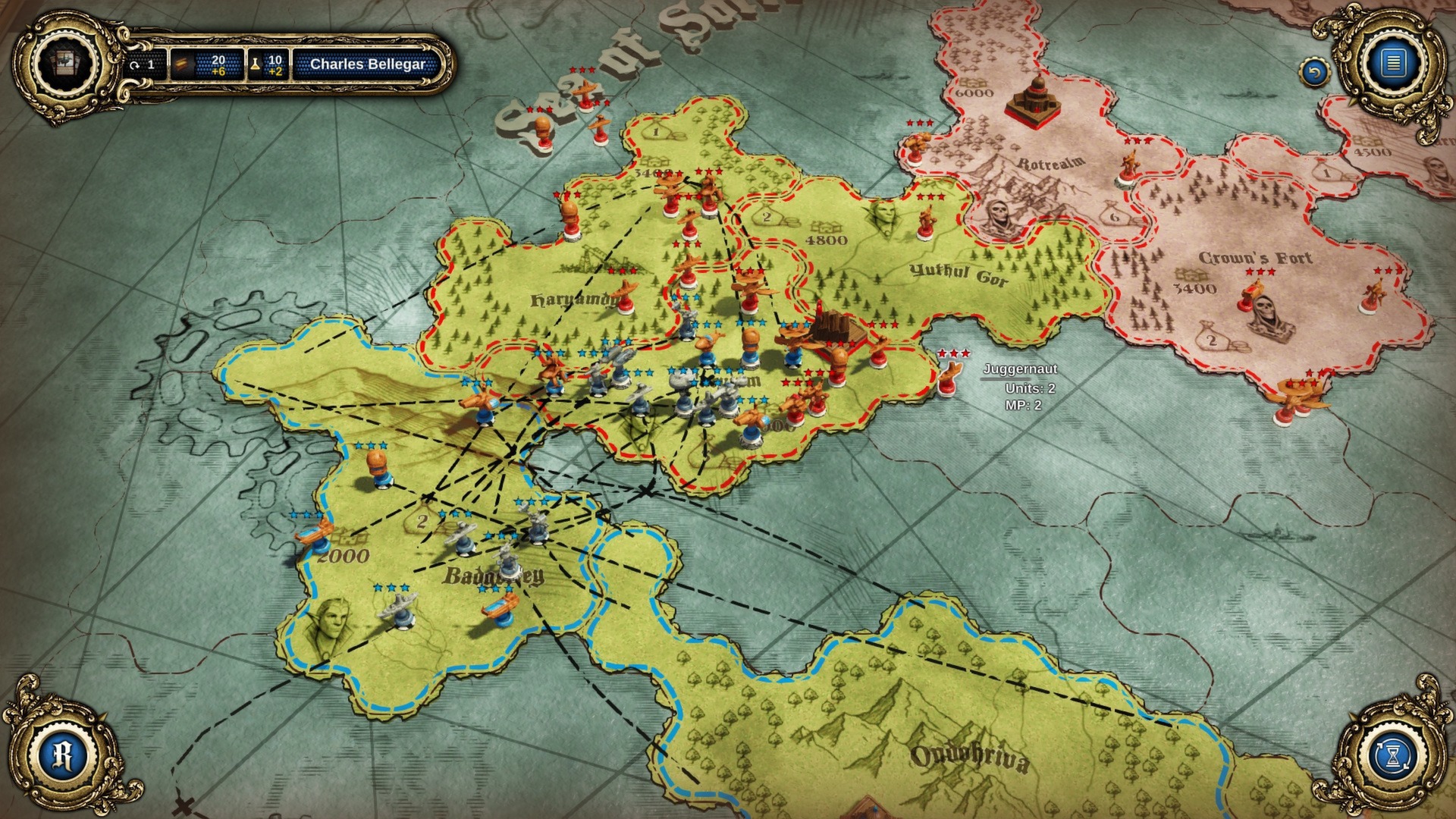
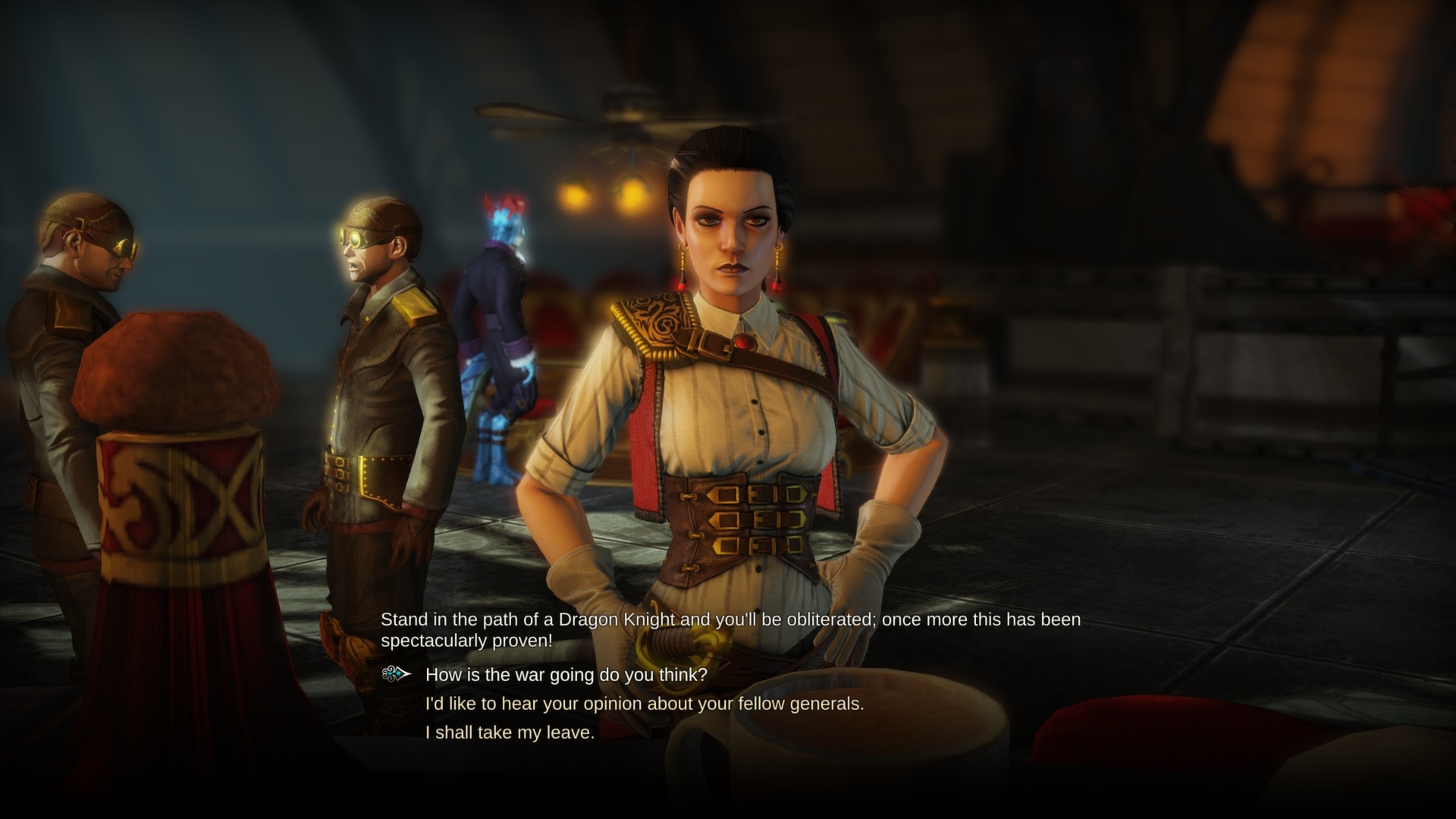
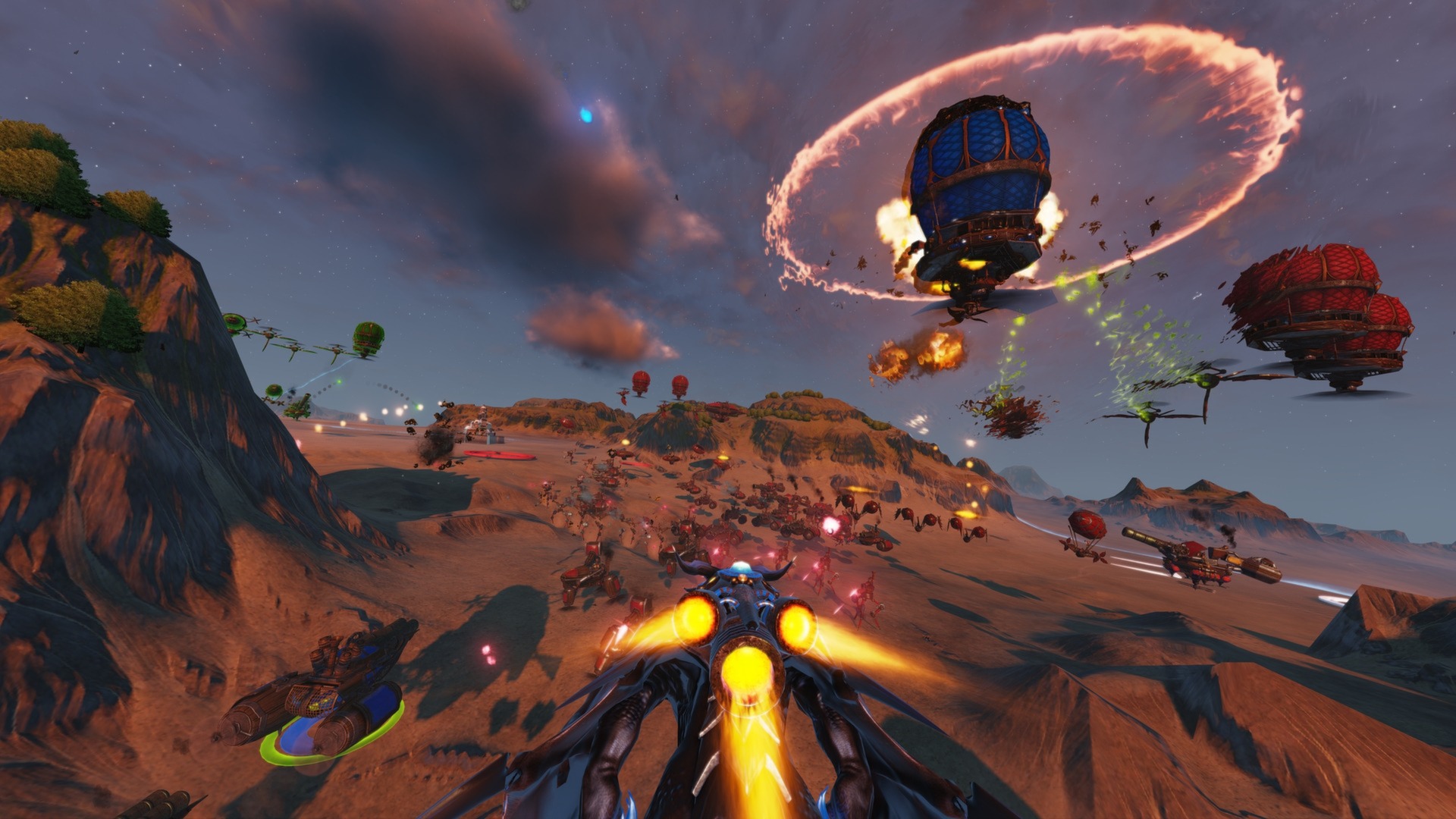
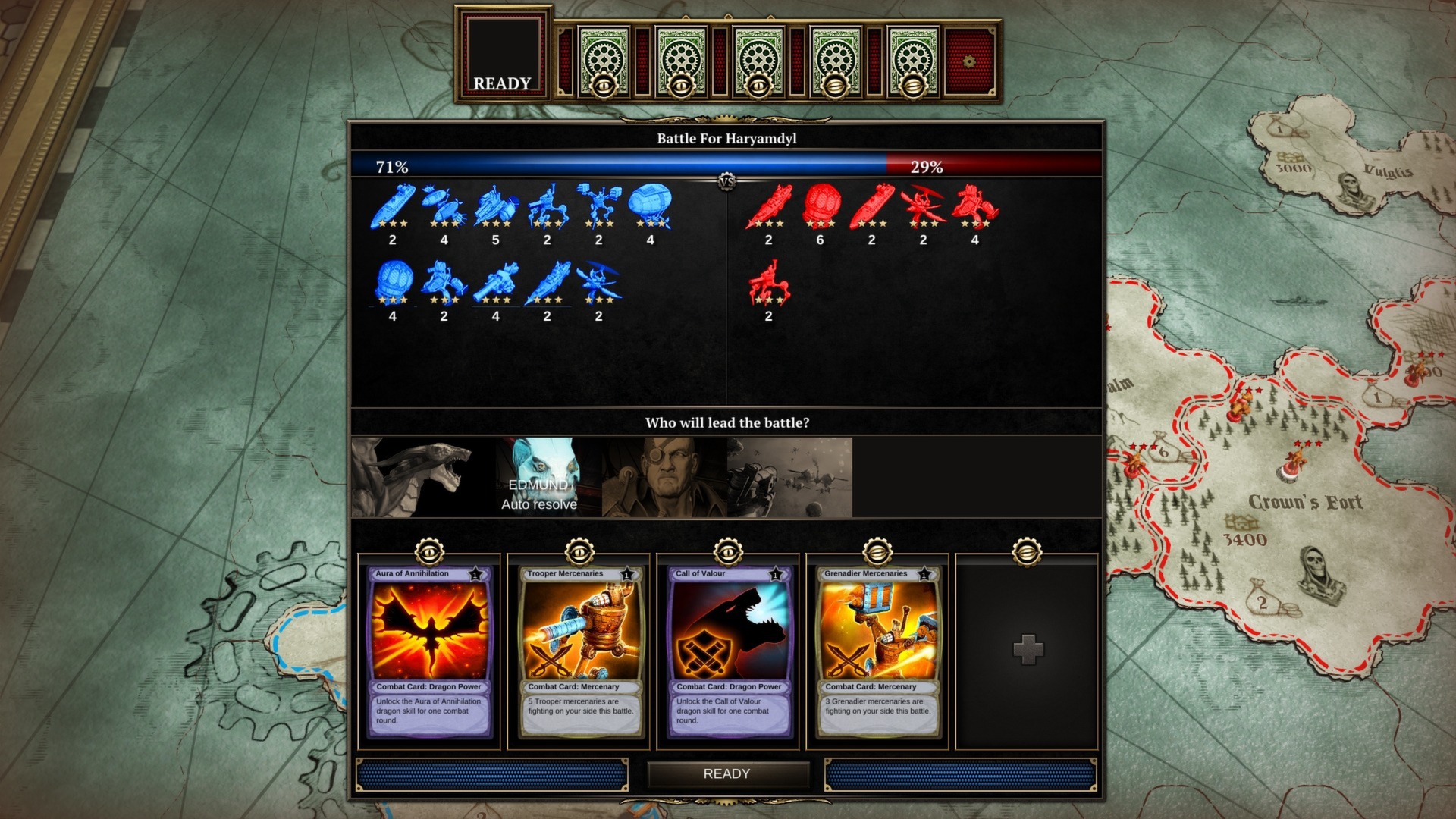
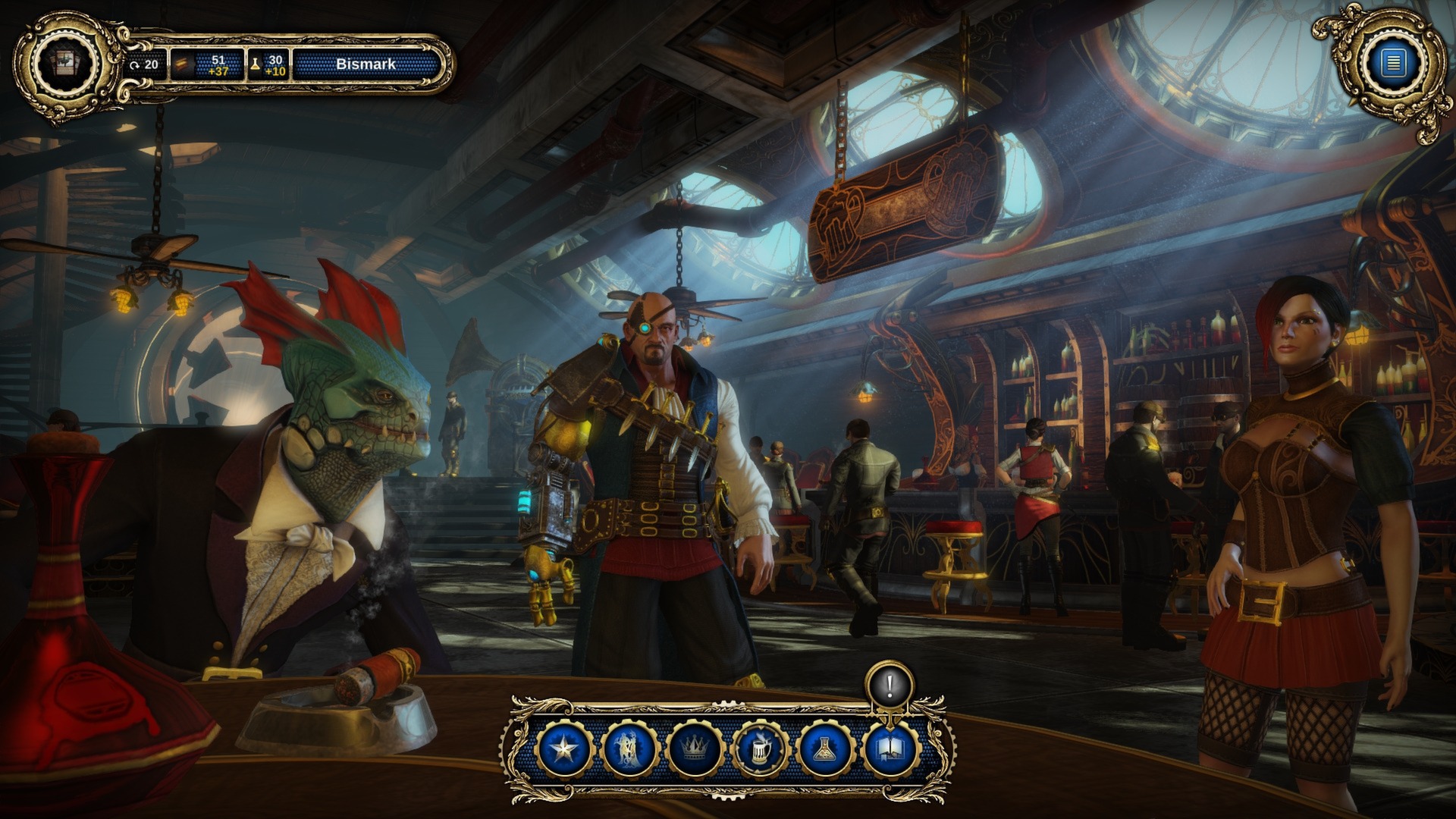
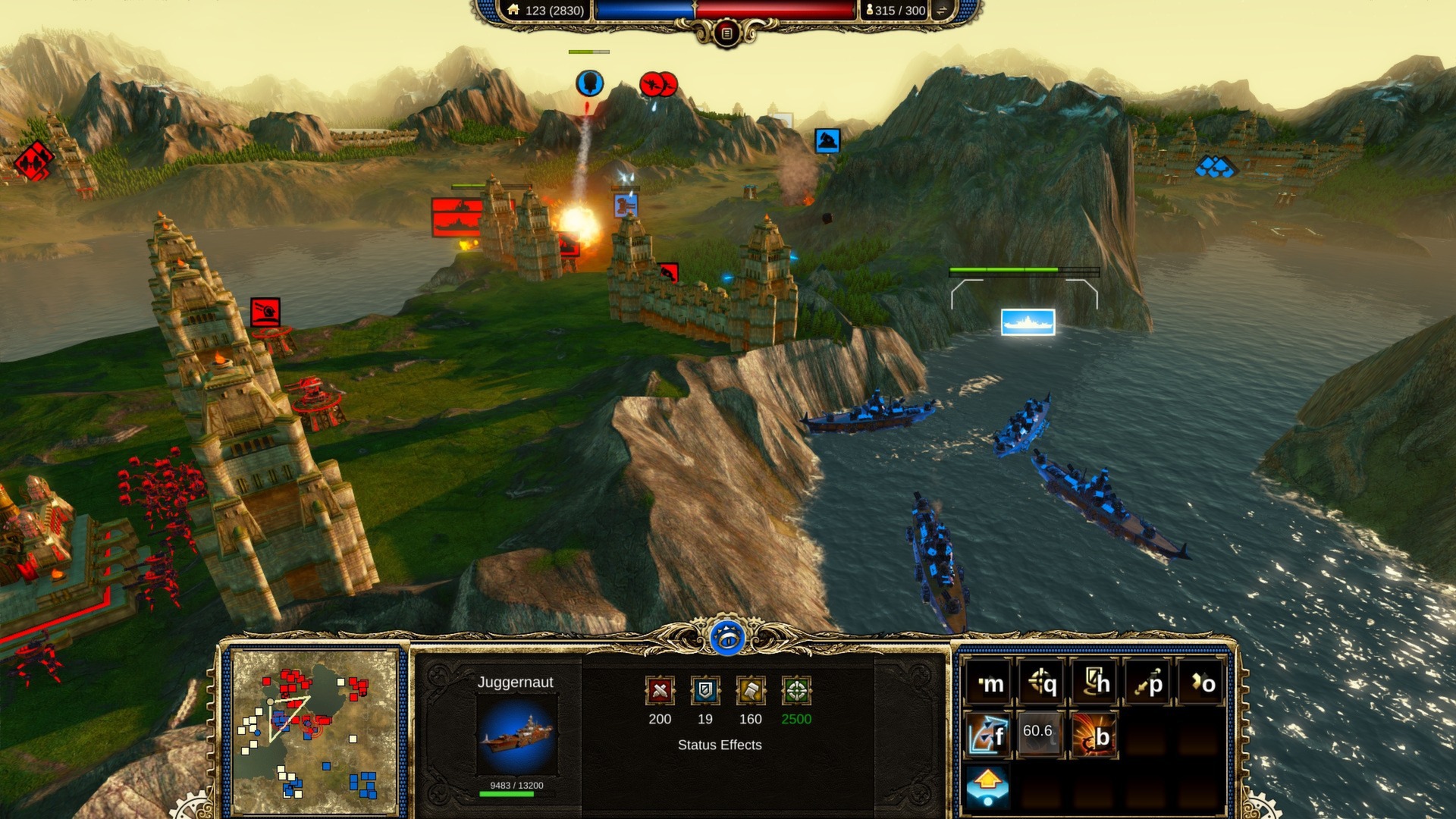
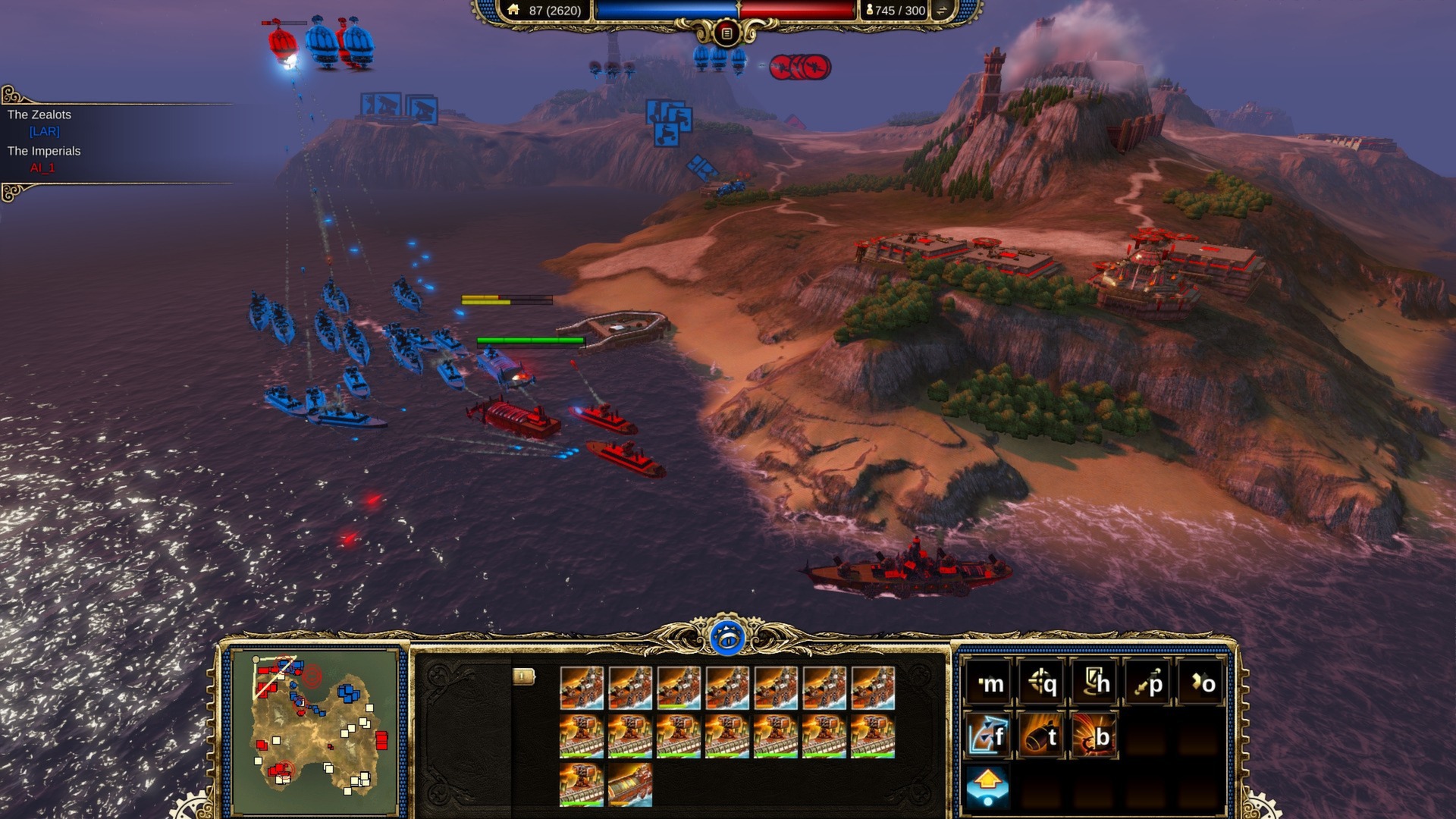
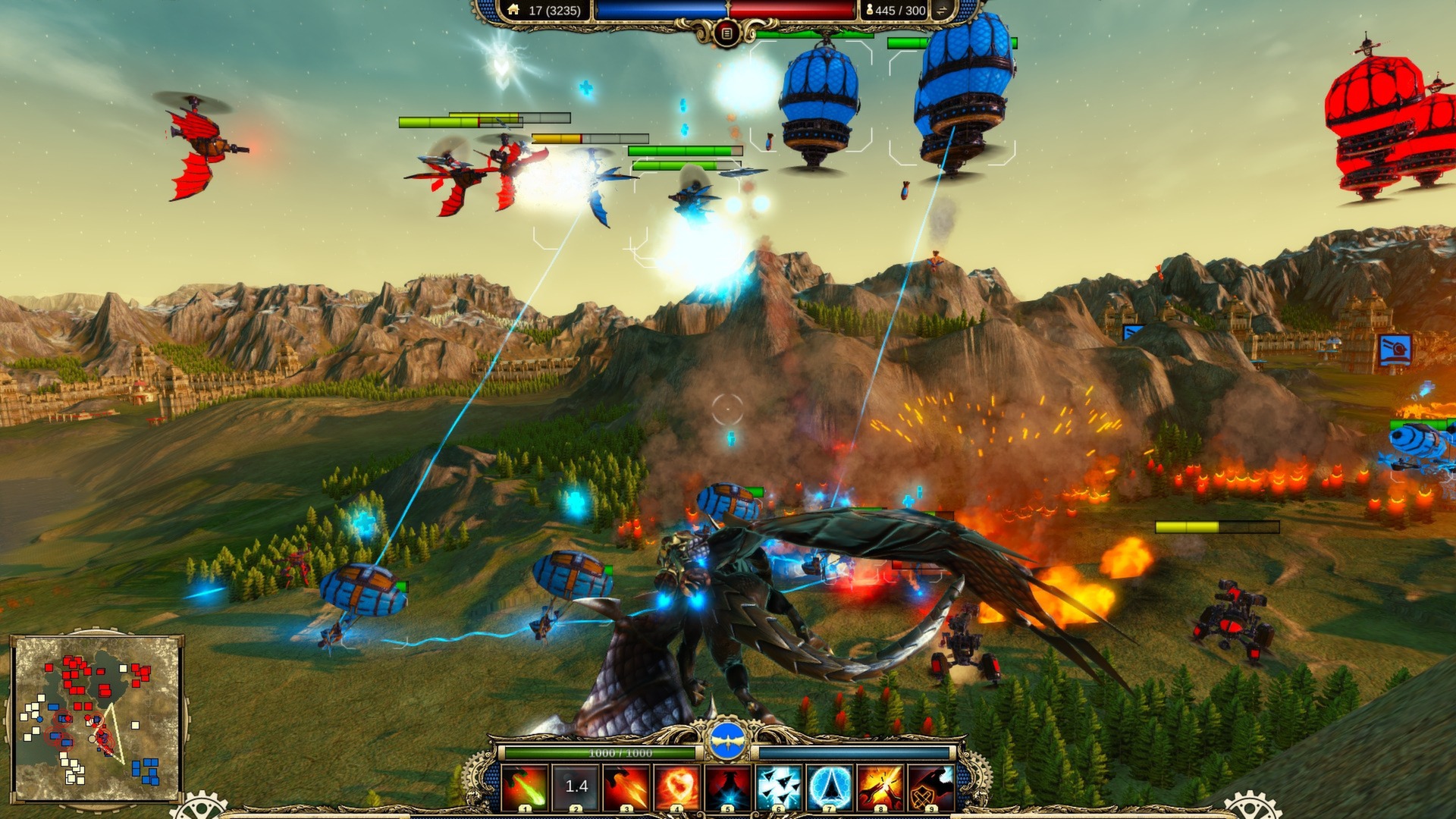
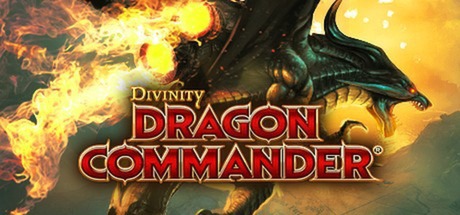
Divinity: Dragon Commander, developed and published by Larian Studios, is one of the most unusual and ambitious strategy games of its generation. Set in the same universe as the Divinity role-playing series, it boldly combines grand strategy, real-time strategy, political simulation, and third-person dragon combat into a single experience. Rather than following conventional genre formulas, it experiments with structure, mechanics, and storytelling, resulting in a hybrid that feels unlike anything else. The game places you in the role of the Dragon Commander, the half-human, half-dragon offspring of a fallen emperor, tasked with uniting a divided empire under your banner. From the start, it’s clear that this is not a typical strategy title—the tone mixes humor, moral choices, and high fantasy with a dose of steampunk absurdity that only Larian could deliver. The game’s core structure is split into three distinct but interconnected layers: political management, grand strategy, and real-time battle. Aboard your flying command ship, the Raven, you hold council with a collection of advisers representing the empire’s various factions, each embodying the ideals and prejudices of their races. The elves campaign for environmentalism and social equality, the dwarves favor industrial progress and greed, the undead represent strict religiosity, and the imps serve as mad scientists of chaos. Between missions, you’re asked to make decisions on issues such as same-sex marriage, universal healthcare, censorship, or the rights of workers—each choice affects your relationships with these factions and alters the empire’s support for your rule. It’s a surprisingly clever narrative device that blends political satire with fantasy storytelling, presenting moral dilemmas with no clean answers. The writing, full of wit and personality, gives the game a unique flavor that’s both funny and surprisingly insightful. When the time comes to expand your empire, the game shifts into a board game-like strategic layer. The campaign map is divided into provinces that you conquer, fortify, or defend, deploying units and managing resources to strengthen your position. Each turn, you construct buildings, recruit troops, and decide which territories to invade or protect. The system evokes classics like Risk or Total War but operates with a lighter touch—fewer mechanics but enough depth to make each decision meaningful. The rhythm between politics and strategy feels natural; the choices you make aboard the Raven influence your resources and alliances on the map, while your success on the battlefield determines how long your political goodwill lasts. The synergy between these layers creates a satisfying sense of continuity, as if every part of the empire is connected to your leadership style. Combat is where Divinity: Dragon Commander fully embraces its eccentricity. When a conflict arises, you can either auto-resolve the battle or take command personally in real-time strategy mode. Here, you manage units, capture resource points, and construct factories and recruitment centers to maintain your army’s presence. The twist is your ability to transform into a dragon mid-battle, soaring above the field and raining destruction on enemy forces. Armed with a jetpack and breath weapons, your dragon form gives you both power and vulnerability—you can sway a fight dramatically, but poor positioning or reckless use of abilities can cost you dearly. This mechanic is exhilarating at first, giving battles a cinematic sense of chaos and scale, though over time it can feel more like spectacle than strategy. The RTS mechanics, while serviceable, lack the tactical complexity of genre heavyweights, but the thrill of taking direct control as a dragon compensates for some of that simplicity. Aesthetically, the game is a feast for the senses. The art direction merges fantasy and steampunk influences, presenting ornate airships, mechanical dragons, and glittering cities against vividly painted backdrops. The character designs are colorful and exaggerated, fitting the satirical tone of the story, while the voice acting is consistently strong, bringing personality to even minor characters. The soundtrack, composed by Kirill Pokrovsky, enhances the atmosphere with a mix of orchestral grandeur and whimsical flair, perfectly matching the game’s blend of humor and heroism. The presentation makes every interaction aboard the Raven feel alive, and even when the strategic mechanics show their limits, the charm of the world keeps the experience engaging. Despite its creativity, Divinity: Dragon Commander isn’t without flaws. The RTS combat, while fun in short bursts, can feel shallow after repeated encounters, relying on simple unit compositions and brute force rather than nuanced tactics. The campaign’s length is also relatively short, and once the novelty of its multi-genre approach wears off, the repetition becomes noticeable. Some players may find that the political and strategic layers overshadow the battles, while others might wish for more depth in those very systems. Yet even with these shortcomings, the game’s ambition and personality make it hard to dismiss. It’s the kind of title that dares to take risks, even if not all of them pay off, and that daring spirit defines its identity. In the end, Divinity: Dragon Commander stands as a testament to Larian Studios’ willingness to defy convention and experiment with form. It’s a game that embraces contradiction—a political simulator where you play as a dragon, a war epic with comedy and heart, and a strategy title as much about conversation as conquest. While it doesn’t reach the mechanical refinement of genre giants, its creative vision and distinctive personality make it unforgettable. For players willing to look past its unevenness and embrace its quirks, it offers an experience that’s as daring as it is entertaining, proving that sometimes the most memorable games are those that fly furthest from the norm—on wings of fire and imagination. Rating: 7/10
Expand the review