
Abandoned Souls
Abandoned Souls is a horror game, shown through a GoPro lens. You play as a vlogger who specializes in urban exploration.
Sync your Steam wishlist to find the lowest game prices instantly. No login required, just paste your Steam profile URL!
⚡ Try Wishlist Radar!
Sync your Steam wishlist to find the lowest game prices instantly. No login required!
⚡ Try Wishlist Radar!
Close

Exit From on Steam
Quick menu
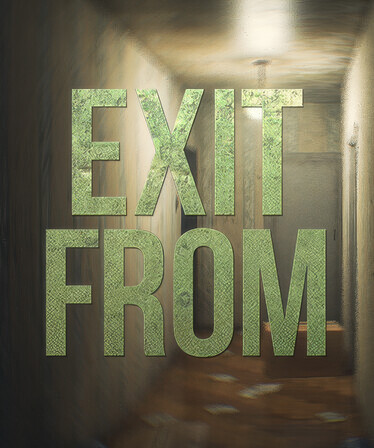
Exit From - is a first-person horror-stealth game with quest and procedural generation elements where you have to get out of the old Soviet house, which changes every new game.
Exit From is a horror, psychological horror and atmospheric game
developed by Elendely and White Box
and published by White Box.
Released on April 16th 2021 is available only on Windows
in 11 languages: English, Russian, French, Italian, German, Spanish - Spain, Simplified Chinese, Korean, Japanese, Greek and Ukrainian.
It has received 490 reviews of which 407 were positive and 83 were negative resulting in a rating of 7.8 out of 10. 😊
The game is currently priced at 0.97€ on Steam with a 90% discount.
The Steam community has classified Exit From into these genres:
Horror
Psychological Horror
Atmospheric
Mystery
Realistic
Physics
Stealth
First-Person
3D
Exploration
Walking Simulator
Puzzle
Multiple Endings
Action-Adventure
Procedural Generation
Story Rich
Linear
Action
Thriller
Adventure
Here is the detailed breakdown of supported languages for Exit From:
| UI | Subtitle | Audio | |
|---|---|---|---|
| English | |||
| German | |||
| French | |||
| Italian | |||
| Korean | |||
| Spanish - Spain | |||
| Simplified Chinese | |||
| Russian | |||
| Japanese | |||
| Greek | |||
| Ukrainian |
Media & Screenshots
Get an in-depth look at Exit From through various videos and screenshots.



Load More


System requirements
These are the minimum specifications needed to play the game. For the best experience, we recommend that you verify them.
Windows
- Requires a 64-bit processor and operating system
- OS *: Windows Vista/7/8.1/10 (64-bit version)
- Processor: Intel Core i5-2400/AMD FX-8320 or better
- Memory: 4 GB RAM
- Graphics: NVIDIA GTX 750 2GB / AMD Radeon HD 7870 2GB or better
- DirectX: Version 11
- Storage: 3 GB available space
- Additional Notes: Also available dx12
Steam Price & Best Deals
User reviews & Ratings
Explore reviews from Steam users sharing their experiences and what they love about the game.
🎮 EXIT FROM [quote=Wendrex] 🏢 Developer: White Box, Elendely 📦 Publisher: White Box ⏱️ Playtime: 1.0 hour 💻 Platform: PC / Steam ⭐ Verdict: 👍 RECOMMENDED ━━━━━━━━━━━━━━━━━━━━━━━━━━━━━━━━━━ A first-person horror game that understands that fear works best when the environment itself feels like it is working against you. 🌑 When the House Becomes the Enemy Exit From doesn't need constant jump scares to create tension. Its premise is more interesting than that: place the player inside an abandoned Soviet house, turn it into an exploration space, and make its layout capable of changing between runs. With only one hour played, it would be premature to judge the entire experience, but the game's main strength is already clear: atmosphere isn't just decoration here — it is part of the gameplay. The result is a horror experience built more around anticipation, exploration and vulnerability than simply throwing monsters at the player. 🎮 GAMEPLAY The core loop is straightforward: explore → search for information and resources → understand the environment → avoid threats → find a way out. What makes it work is the way the game turns a seemingly familiar space into something unpredictable. The first-person perspective helps considerably because it limits how much information the player has at any given moment. You don't have a third-person overview of the character or the room. You have to inspect corridors, doors, shadows and objects directly. That naturally creates tension. The stealth and shadow-hiding mechanics reinforce the feeling of vulnerability. Rather than turning the player into a combat machine, the game encourages caution. And that is exactly the right choice for this type of horror. When a survival-horror game gives the player too many reliable tools for dealing with every threat, fear quickly disappears. Exit From works better when you have to think twice before moving forward. 🏚️ THE ENVIRONMENT AS A GAME MECHANIC The house is the most interesting part of the experience. According to the official Steam description, the house layout and object placement can change with each new game. That isn't merely a visual decision. In an exploration-focused horror game, completely memorizing the map can destroy part of the tension. Once you know exactly where every door, object and threat is located, the experience can turn into a checklist. Procedural variation attempts to prevent that. You have to observe the environment again, interpret what you're seeing and mentally reconstruct the situation. It's a smart way to create uncertainty without relying entirely on scripted jump scares. 🔦 STEALTH, SHADOWS & VULNERABILITY One of the mechanics that contributes most to the atmosphere is the ability to hide in the shadows. It's a simple idea, but it fits the game's design. The player isn't encouraged to confront everything directly. Survival depends more on awareness and positioning. That works especially well in first person because it creates an interesting relationship between: what you can see and what you fear might be outside your field of view. The matchstick system reinforces that vulnerability as well, and the developers specifically list it among the game's features. It's much more consistent with psychological horror than simply giving the player an extremely powerful flashlight and removing any concern about darkness. 🔁 GAMEPLAY LOOP & REPLAYABILITY This is where I want to be careful. With only one hour played, I don't think it's fair to claim that the game's replayability has been fully evaluated. What can be evaluated is the potential of the loop. The procedural structure is the key element that could extend the experience: if the house layout and object placement change between runs, repeating a playthrough doesn't necessarily mean repeating the exact same route. That is particularly interesting for a game built around escaping a hostile environment. Repetition can become less about: “I'm doing everything again.” and more about: “I need to figure out this new layout.” That said, I'd consider the replayability promising rather than fully proven at this point. 🎨 GRAPHICS & ART DIRECTION Exit From doesn't depend on an extravagant visual style. Its presentation is primarily designed around realism and atmosphere. The old Soviet setting is an effective choice because it avoids the generic visual language of many modern horror games. It's not simply a dark house. It's a house with a specific visual identity. The worn-down interiors, limited lighting and oppressive spaces create the feeling of exploring somewhere that should be familiar, but clearly isn't functioning normally. Here, art direction and atmosphere reinforce each other. 🔊 AUDIO & IMMERSION In first-person horror, audio is part of the gameplay. Unexpected noises, distant sounds and changes in ambience can be more effective than a soundtrack constantly telling the player: “You should be scared now.” Exit From benefits from a more atmospheric approach. The idea of being alone in a house during a thunderstorm already creates an uncomfortable situation, and the soundscape helps reinforce that feeling of isolation. The experience works best when you're actually listening to your surroundings. Silence can be part of the design too. 📈 DIFFICULTY & BALANCE The difficulty seems to be driven more by information and vulnerability than traditional numerical difficulty. You don't necessarily need exceptional mechanical skill to progress. You need to pay attention. That's a good fit for the genre. A good survival-horror game should be able to punish poor decisions without turning every encounter into a pure reflex test. That said, one hour isn't enough to make a definitive judgment about the full difficulty curve or any later balance spikes. That requires more playtime. ⚙️ PERFORMANCE & OPTIMIZATION I'm not going to invent FPS figures, frame-pacing data, CPU/GPU usage or stability issues. There isn't enough recorded experience here to make those claims responsibly. What can be confirmed is that Exit From uses Unreal Engine 4, according to PCGamingWiki. So my technical score remains deliberately conservative. Provisional score: 8/10. 🆚 COMPARISONS 🏚️ P.T. The comparison mainly works because both games use a domestic environment as a tool for psychological tension. The difference is that Exit From leans more toward exploration and procedural variation, while P.T. relies on a much more controlled and scripted structure. 👁️ Amnesia There is a similar philosophy of keeping the player vulnerable and encouraging avoidance rather than direct confrontation. Exit From, however, adds another layer through its changing environment. 🌲 Visage Both games rely heavily on atmosphere, vulnerability and familiar environments becoming threatening spaces. Exit From is more compact and places greater emphasis on exploration and escape. 💎 WHAT MAKES EXIT FROM STAND OUT? 1. The house changes The changing layout and object placement between runs is arguably the game's most important distinguishing feature. It increases uncertainty and reduces predictability. 2. Stealth instead of power The game understands that a vulnerable player can be more interesting than an overpowered one. Hiding, observing and deciding when to move forward are all part of the tension. 3. Atmosphere over spectacle Exit From doesn't need to turn every minute into a jump-scare festival. The environment itself can create enough discomfort. ⭐ SCORE 🎮 Gameplay: 8/10 🎨 Graphics: 8/10 🔊 Audio: 8/10 ⚙️ Optimization: 8/10* 🔁 Replayability: 8/10* 🏆 FINAL SCORE: 8/10 * Provisional scores, given the limited one-hour playtime. I'm not artificially rating systems highly when there hasn't been enough time to properly evaluate them. ✅ PROS ✔️ Strong and consistent horror atmosphere. ✔️ Distinctive Soviet-house setting
Exit From is a first-person psychological horror game that turns an ordinary apartment building into a disorienting maze of darkness, uncertainty, and lurking danger. Developed by White Box and Elendely and published by White Box, it focuses on exploration, stealth, environmental puzzles, and procedural elements rather than action-heavy combat. Its strongest quality is the way it takes a familiar residential environment and gradually makes every hallway, doorway, and poorly illuminated room feel unsafe. The game begins with the protagonist awakening during a thunderstorm with little understanding of the circumstances. The building appears abandoned, and the immediate goal is simple: find an exit. That straightforward objective allows the horror to develop naturally through exploration instead of overwhelming the player with exposition. As the search continues, it becomes apparent that something dangerous is present within the building. The feeling of being watched or pursued makes even routine exploration increasingly stressful. A major feature is procedural generation. Elements of the environment and the placement of important objects can change, meaning repeated attempts are not necessarily identical. This unpredictability fits the psychological horror concept particularly well because complete memorization cannot always eliminate the tension. A location that seemed safe during one attempt may not provide exactly the same circumstances during another. It also gives the game more replay value than a completely linear horror experience, although randomized design can occasionally produce uneven pacing. Stealth is central to surviving the building. Darkness is not merely decorative because shadows can be used to conceal the player from threats. This creates an interesting relationship between exploration and visibility. Players naturally want enough light to understand their surroundings, but remaining exposed can make movement more dangerous. Instead of encouraging aggressive confrontation, the game rewards patience, observation, listening, and knowing when hiding is preferable to advancing. Matches reinforce this vulnerability by functioning as a practical source of illumination. They provide only temporary comfort against the darkness and fit the bleak environment more effectively than an unlimited source of light would. Entering a dark room becomes a small decision involving risk because seeing more clearly can also make the player feel exposed. The lighting mechanics work especially well alongside stealth, turning darkness into both a source of fear and a potentially useful form of protection. Environmental interaction is another important part of the experience. Doors and surrounding objects are more than static scenery, while exploration involves searching apartments and other areas for useful items and clues. Puzzle and quest elements provide structure to the player's attempts to escape. Progress often depends on paying attention to the environment rather than simply moving toward an obvious objective marker. Players who enjoy carefully investigating horror environments should find this more appealing than those who prefer constant action. The Soviet apartment-building aesthetic is one of the game's defining characteristics. Its aging residential interiors, narrow passages, gloomy rooms, staircases, and generally oppressive architecture create a distinctive atmosphere. The setting feels grounded enough to be recognizable while becoming increasingly unnatural as the horror develops. Sound also contributes substantially to the experience, with the storm and noises throughout the building encouraging players to wonder whether a sound is harmless ambience or an indication that danger is nearby. There is more replay incentive than simply reaching an ending. The game contains a substantial collection of achievements, with certain accomplishments providing special rewards that can affect later attempts. Steam Inventory support and trading cards add another layer for completion-oriented players. These systems are not the main attraction, but they give players additional reasons to explore the mechanics, pursue challenges, and return after successfully escaping once. The visual technology is surprisingly ambitious for an indie horror title. Support for features such as RTX and DLSS can enhance lighting and image presentation on suitable hardware, which is particularly relevant in a game built around darkness, shadows, and enclosed interiors. The overall presentation remains relatively modest compared with major-budget horror productions, however, and occasional roughness should be expected. Its appeal comes more from atmosphere and mechanical ideas than cinematic spectacle. Procedural generation can also be a weakness. Randomization improves uncertainty, but it cannot always reproduce the deliberate pacing of a carefully scripted horror campaign. Searching similar residential spaces can become repetitive, particularly when the player is unsure which object or route will advance an objective. Some players may also find the intentionally limited guidance frustrating. The experience is consequently better suited to people who enjoy experimentation and environmental investigation than those wanting a tightly directed narrative adventure. Steam Deck compatibility deserves some qualification. The game does not have an official Steam Deck compatibility rating confirming it as Verified or Playable. Since it is primarily a Windows PC release, Steam Deck users would generally need to rely on Proton, and functionality should therefore be considered unofficial rather than guaranteed. Controller support is beneficial for handheld play, but the absence of an official Deck rating means potential compatibility issues, interface quirks, performance differences, or configuration requirements should be expected. It is best described as having unverified Steam Deck compatibility rather than being officially supported. Exit From ultimately works because most of its systems reinforce the same feeling of vulnerability. The changing environment prevents complete familiarity, darkness simultaneously threatens and protects the player, matches provide temporary reassurance, and stealth makes encounters something to fear rather than seek out. The apartment setting is particularly effective because it transforms mundane architecture into something oppressive and unpredictable. It will appeal most strongly to fans of independent psychological horror who enjoy slow exploration, hiding from threats, environmental puzzles, randomized elements, and unsettling atmosphere. Its procedural structure and modest production values prevent it from reaching the refinement of the strongest games in the genre, but its unusual setting and interconnected horror mechanics give it a recognizable identity. As a compact, replay-oriented escape horror experience, it offers enough tension and experimentation to justify several journeys through its disturbing apartment complex. Rating: 8/10
A cool horror game with procedural generation, so every time you play it's different (or enter a world code and re-play the exact scenario). It's like a dynamic escape room, very cool idea (and it's in the name 'Exit From', totally reminds me of an escape room experience. The game features Steam inventory items which I think are really cool, and you can use the items to decorate your apartment or accessorize yourself or even the customize what your enemy looks like. Graphics are really good and it's got a very creepy vibe --- I have not spent a ton of time in the game yet but I like the general idea of the procedural horror and the cosmetics system is executed very well!
Similar games
View all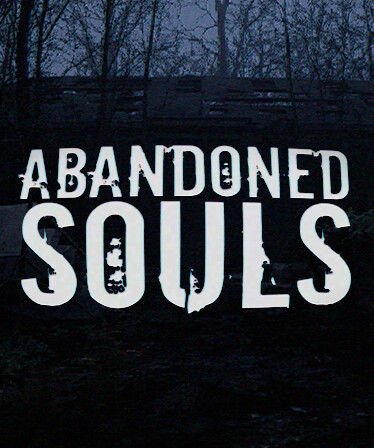

Anemoiapolis: Chapter 1
The most relaxing horror game you'll ever play. Anemoiapolis exists in the uncanny valley of American architecture -- endless carpeted floors and lonely malls. Escape for your life, and enjoy the scenery.

The Survey
In the end, everybody gets what they deserve. The sins of the past always manifest within the minds of the sinners. An eternity of suffering awaits, welcome to The Survey.

Subliminal
Subliminal is a psychological horror game inspired by the urban legend of The Backrooms. Bleeding edge lighting and rendering, handcrafted open-ended levels, light and perspective-based puzzles, nostalgic spaces, unfamiliar faces, and a rotting feeling that something is not quite right.

The Exit 8
You are trapped in an endless underground passageway. Observe your surroundings carefully to reach "The Exit 8".
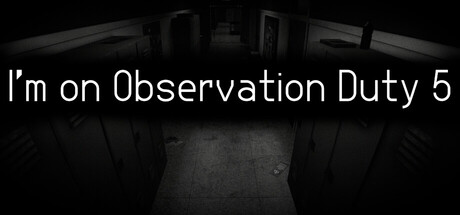
I'm on Observation Duty 5
As an employee of a mysterious organization your job is to monitor live surveillance camera footage and spot anomalies using your sharp eyes and good memory. Can you survive the entire night shift or will you succumb into paranoia?

Psalm 5:9-13
"Psalm 5:9-13" is a first-person psychological horror game with VHS effect. Be careful and attentive, there is something hiding in these rooms, something is watching from the darkness.

DREAM LOGIC
DREAM LOGIC is a story driven first-person atmospheric horror game which takes place in liminal spaces. Explore various nostalgic, dreamlike, uncanny environments. But don't feel too safe, there's a sneaky creature watching your every move.

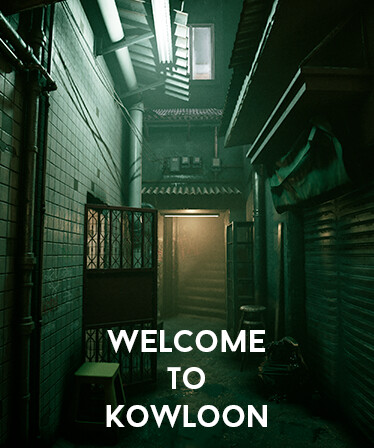
Welcome to Kowloon
This is an indie horror from the first person, in which you find yourself in an area called Kowloon in search of cheap housing. The inhabitants of this place only at first glance seem to be ordinary people, but if we dig deeper, we will see their real faces.
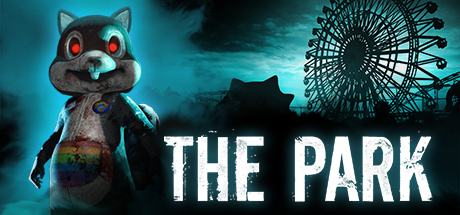

SHE WAS 98
“SHE WAS 98” - you play as a grandson who returns to his elderly grandmother's home to care for her.....
Frequently Asked Questions
Exit From is currently priced at 0.97€ on Steam.
Yes, Exit From is currently available at a 90% discount. You can purchase it for 0.97€ on Steam.
Yes, Exit From received 407 positive votes out of a total of 490 achieving a rating of 7.79.
😊
Exit From was developed by Elendely and White Box and published by White Box.
Yes, Exit From is playable and fully supported on Windows.
No, Exit From is not playable on MacOS.
No, Exit From is not playable on Linux.
This information about Exit From is not available yet.
This information about Exit From is not available yet.
No, Exit From does not support VR.
Exit From is a single-player game.
No, Exit From does not currently offer any DLC.
No, Exit From does not support mods via Steam Workshop.
Yes, Exit From supports Remote Play on TV. Discover more about Steam Remote Play.
Yes, Exit From is enabled for Steam Family Sharing. This means you can share the game with authorized users from your Steam Library, allowing them to play it on their own accounts. For more details on how the feature works, you can read the original Steam Family Sharing announcement or visit the Steam Family Sharing user guide and FAQ page.
You can find solutions or submit a support ticket by visiting the Steam Support page for Exit From.
Data sources
The information presented on this page is sourced from reliable APIs to ensure accuracy and relevance. We utilize the Steam API to gather data on game details, including titles, descriptions, prices, and user reviews. This allows us to provide you with the most up-to-date information directly from the Steam platform.
Additionally, we incorporate data from the SteamSpy API, which offers insights into game sales and player statistics. This helps us present a comprehensive view of each game's popularity and performance within the gaming community.
Last Updates| Steam data | 04 October 2026 05:35 UTC |
|---|---|
| SteamSpy data | 13 October 2026 16:43 UTC |
| Steam price | 26 October 2026 19:35 UTC |
| Steam reviews | 19 October 2026 09:49 UTC |
If you'd like to dive deeper into the details about Exit From, we invite you to check out a few dedicated websites that offer extensive information and insights. These platforms provide valuable data, analysis, and user-generated reports to enhance your understanding of the game and its performance.
- SteamDB - A comprehensive database of everything on Steam about Exit From
- SteamCharts - Analysis of Exit From concurrent players on Steam
- ProtonDB - Crowdsourced reports on Linux and Steam Deck Exit From compatibility
Game modes
Features
Online players
0
Developer
Elendely,
White Box
Publisher
White Box
Release
16 Apr 2021
Platforms
Remote Play