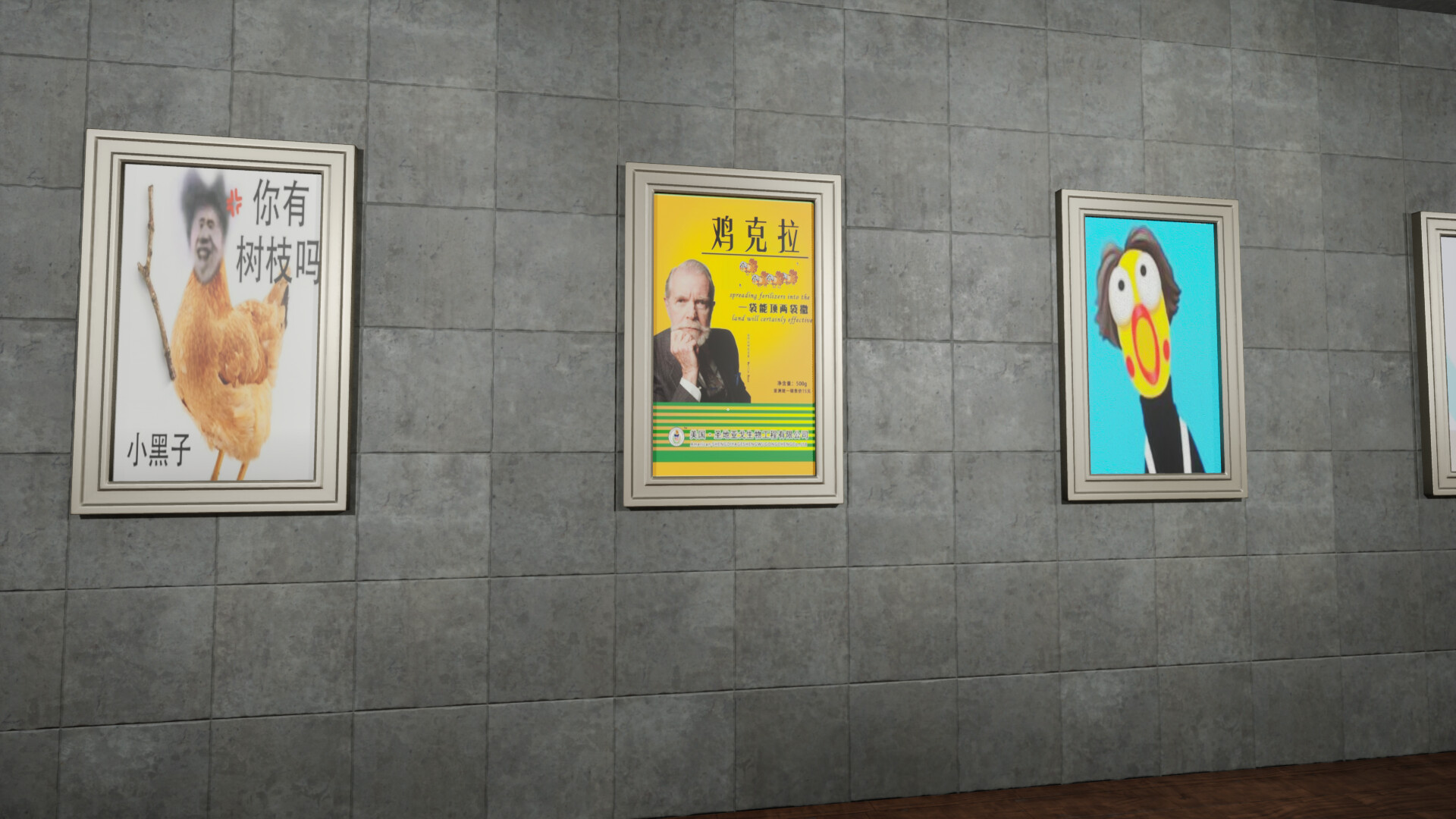
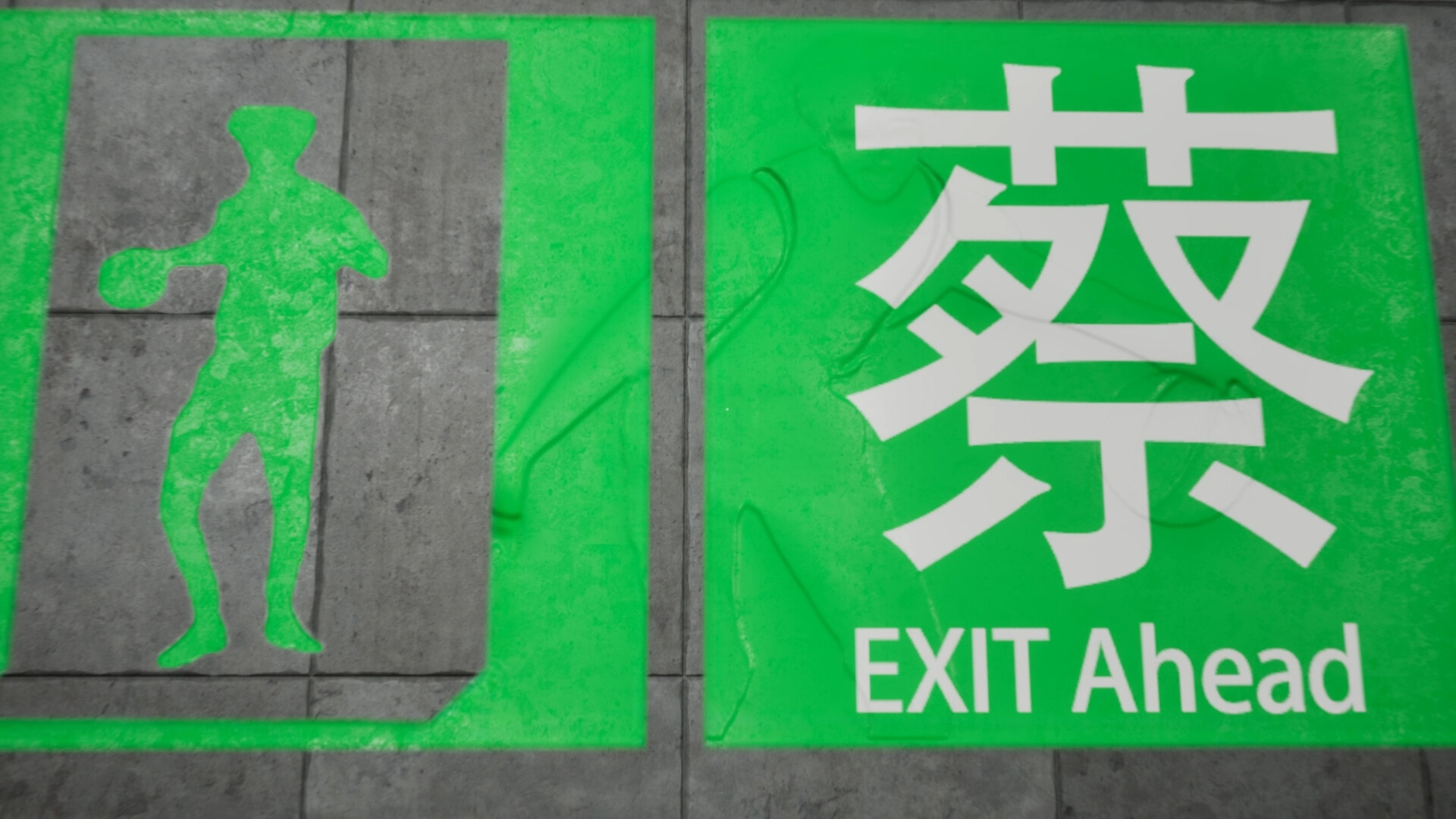
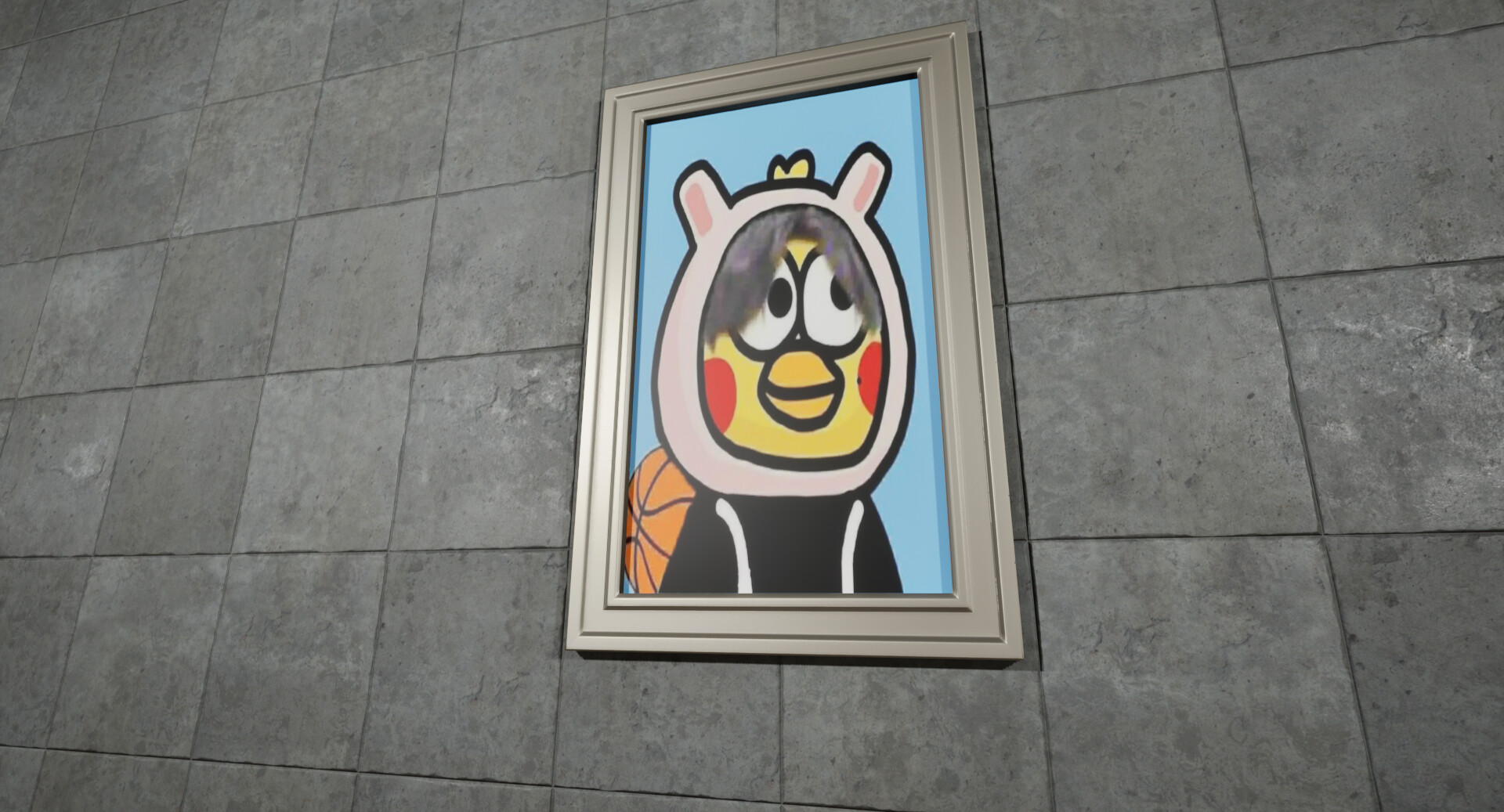
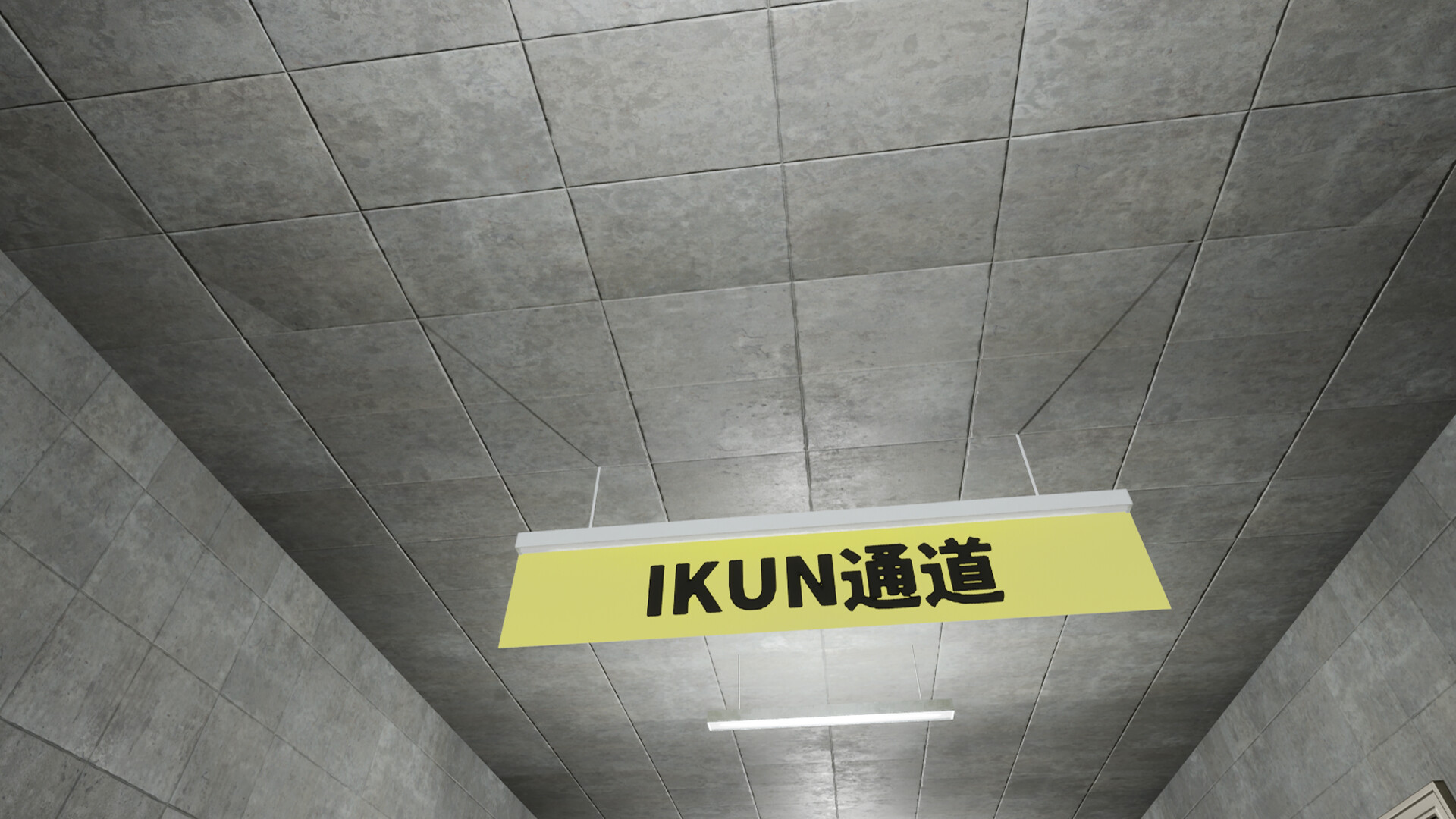
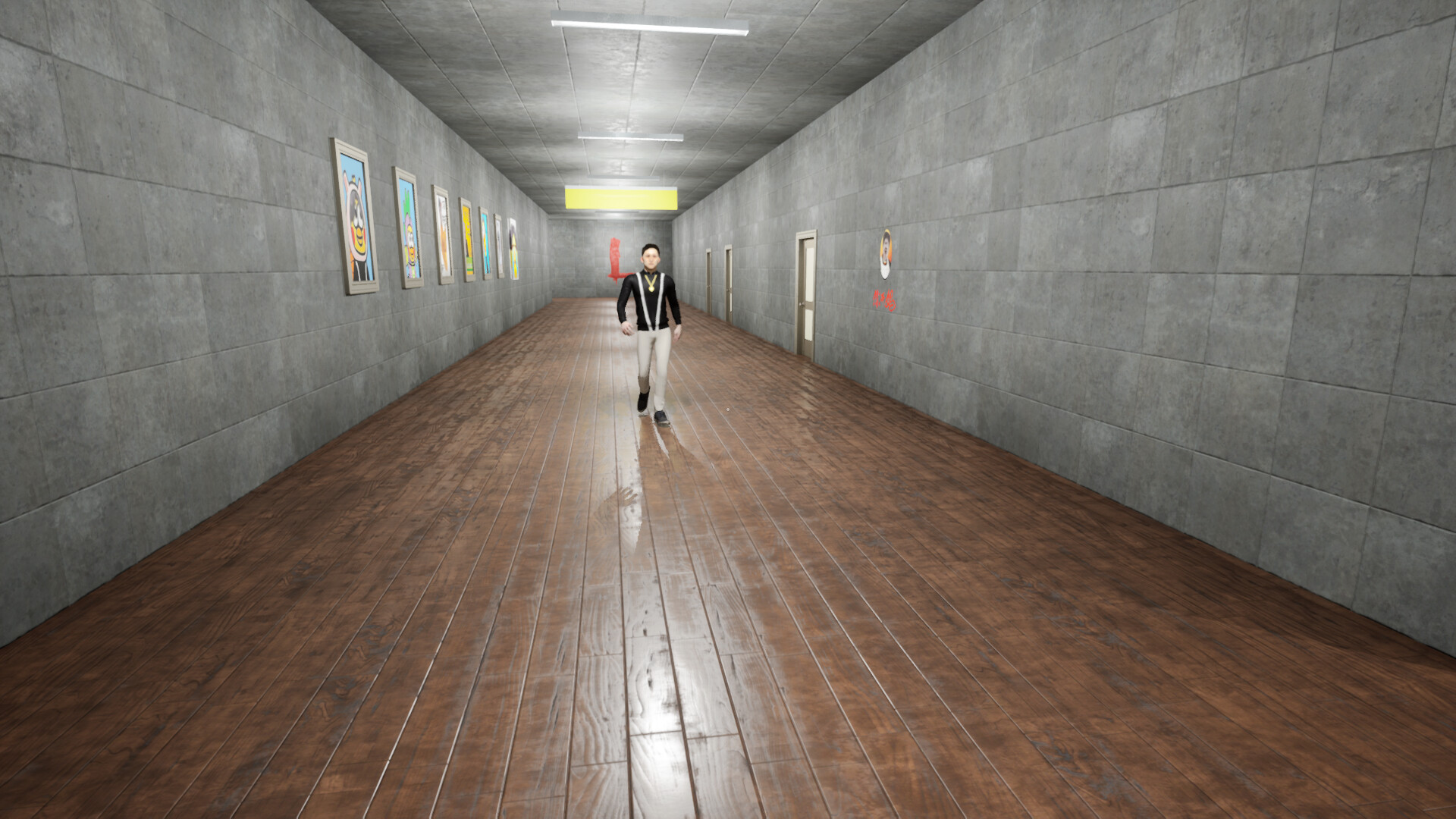
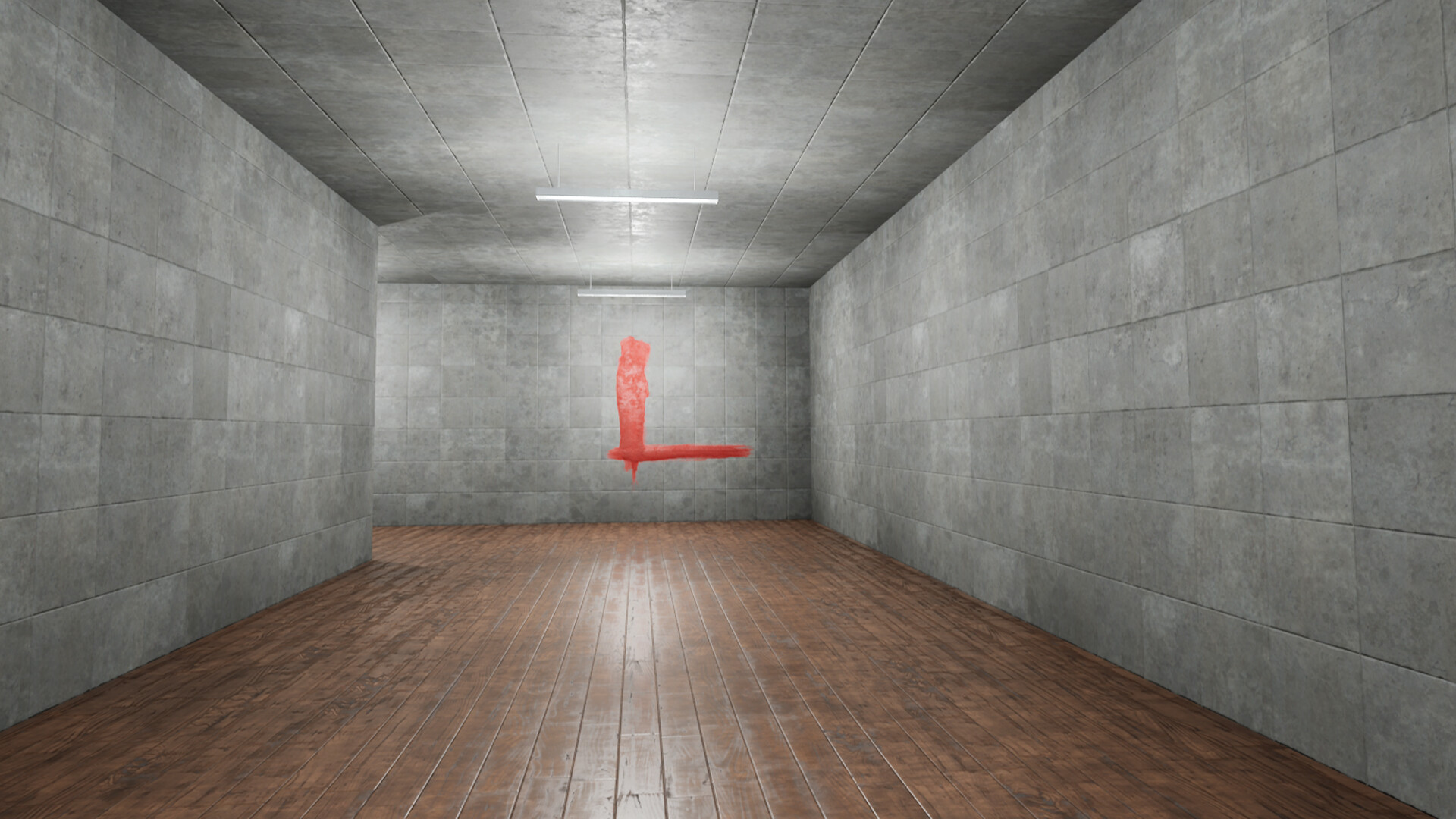
EXIT KUN, developed by IKUN&KUN and AIKUN and published by AIKUN, is a short and surreal indie title that thrives on absurdity, meme culture, and minimalist gameplay. Inspired by games like *Exit 8*, it reimagines the idea of an endless corridor exploration game through the lens of modern internet humor, particularly the “IKUN” phenomenon—a viral Chinese meme community centered around exaggerated devotion to pop idols, complete with themes of singing, dancing, rap, and basketball. What emerges from this odd foundation is not a traditional puzzle game or horror experience, but a self-aware parody of both, designed to confuse, amuse, and intrigue players who are willing to embrace its eccentric humor and offbeat presentation. The premise is deliberately bizarre and minimal. You find yourself trapped in the so-called “IKUN passage,” a looping, dimly lit corridor that stretches endlessly in front of you. There are no enemies, no explicit objectives, and no dialogue to guide you—only a sense of disorientation and a cryptic instruction to “observe carefully.” Each time you walk through the corridor, subtle changes appear in your surroundings, whether it’s a misplaced object, an unnatural movement, or an unsettling sound. The key mechanic is observation: you must notice anomalies and decide whether to move forward or turn back. If you miss an anomaly, the loop resets, forcing you to repeat your journey until you find the correct pattern. This deceptively simple structure forms the basis of the entire experience, blending psychological tension and humor in equal measure. Visually, EXIT KUN is both intentionally plain and subtly clever. The corridor’s repetitive design reinforces a sense of monotony and claustrophobia, much like walking through an infinite subway tunnel or an abandoned underground passage. The game’s lighting is subdued, with flickering lamps and shadows that lend the space a slightly eerie atmosphere without veering into outright horror. Occasionally, the sterile environment is broken by absurd and unexpected moments—posters referencing idol culture, random text flashes, or meme-inspired imagery that feels completely out of place in such a bleak setting. These touches create a surreal contrast that reflects the game’s identity: it’s not trying to frighten the player but rather to surprise them with moments of absurd humor disguised as suspense. The combination of eerie ambience and meme absurdity gives the experience a strange charm, as if the game is constantly winking at the player while maintaining a straight face. The audio design contributes significantly to the game’s peculiar tone. The looping background hum and occasional bursts of music or voice lines evoke unease while reminding players that the game never takes itself too seriously. The sudden shifts between silence, comedic cues, and distorted sound effects serve as both tension builders and punchlines, playing with the player’s expectations in unpredictable ways. It’s not just about detecting differences visually; the audio itself sometimes acts as an anomaly to be noticed. This clever blending of sensory cues adds depth to an otherwise simple formula and makes every new loop slightly more engaging than the last. The soundscape captures that uncanny feeling of being both inside a joke and trapped within it. Mechanically, EXIT KUN is straightforward and accessible. You walk, observe, and react. When you spot an anomaly, you turn back; when everything appears normal, you continue forward. Success depends entirely on attention to detail and memory. The challenge lies not in complexity but in subtlety—the game intentionally hides differences that can be minute or contextually absurd, encouraging players to stay hyperaware. The satisfaction comes from recognizing patterns and escaping the cycle through observation rather than brute force. However, for some players, the simplicity might become tedious after repeated loops. The minimalist design ensures a short playtime, with most players completing the game in under an hour, but the pacing and humor ensure that it rarely feels like wasted time. It’s more of an interactive joke than a traditional puzzle, where the punchline lies in the experience itself. Where EXIT KUN stands out most is in its personality. It embraces meme culture unapologetically, incorporating humor that relies on irony, internet references, and cultural in-jokes. The absurdity of the setting—the “IKUN passage” tied to idol fandom tropes—isn’t just decoration; it’s the essence of the game’s identity. The developers clearly understand their audience: those familiar with online subcultures, viral humor, and the kind of games that blur the line between art and parody. For players outside that niche, much of the game’s humor might feel strange or meaningless, but that’s part of its allure. It’s not trying to appeal to everyone. Instead, it invites curiosity, offering a glimpse into a specific pocket of internet absurdity wrapped in minimalist game design. Critically, EXIT KUN occupies a unique space in the indie landscape. It doesn’t offer traditional rewards, narrative arcs, or progression systems. Its appeal lies in its experimental nature—a small, contained project that explores how atmosphere and humor can coexist within a single loop. The balance between the eerie and the ridiculous gives it a charm that transcends its simplicity. Yet, it’s easy to see how players expecting a more conventional or polished experience might feel let down. There’s little replay value once you’ve completed the loop, and the game’s humor can lose its impact if the player isn’t tuned into its references. Still, within its brief runtime, it manages to leave an impression through sheer weirdness and creativity. Ultimately, EXIT KUN is an example of how indie developers can use humor, repetition, and simplicity to craft something memorable from minimal ingredients. It’s not a game built around challenge or story but rather an experience designed to evoke confusion, laughter, and fascination in equal measure. Its reliance on observation, looping structure, and meme-driven context gives it a distinctive flavor that sets it apart from other experimental titles. While short and niche, it fulfills its purpose as a piece of interactive absurdism—a parody of modern gaming tropes and internet culture disguised as a mystery game. For players who enjoy experimental indies and appreciate humor that borders on surreal performance art, EXIT KUN is a brief but entertaining dive into the strange corners of digital creativity. Rating: 8/10
Expand the review