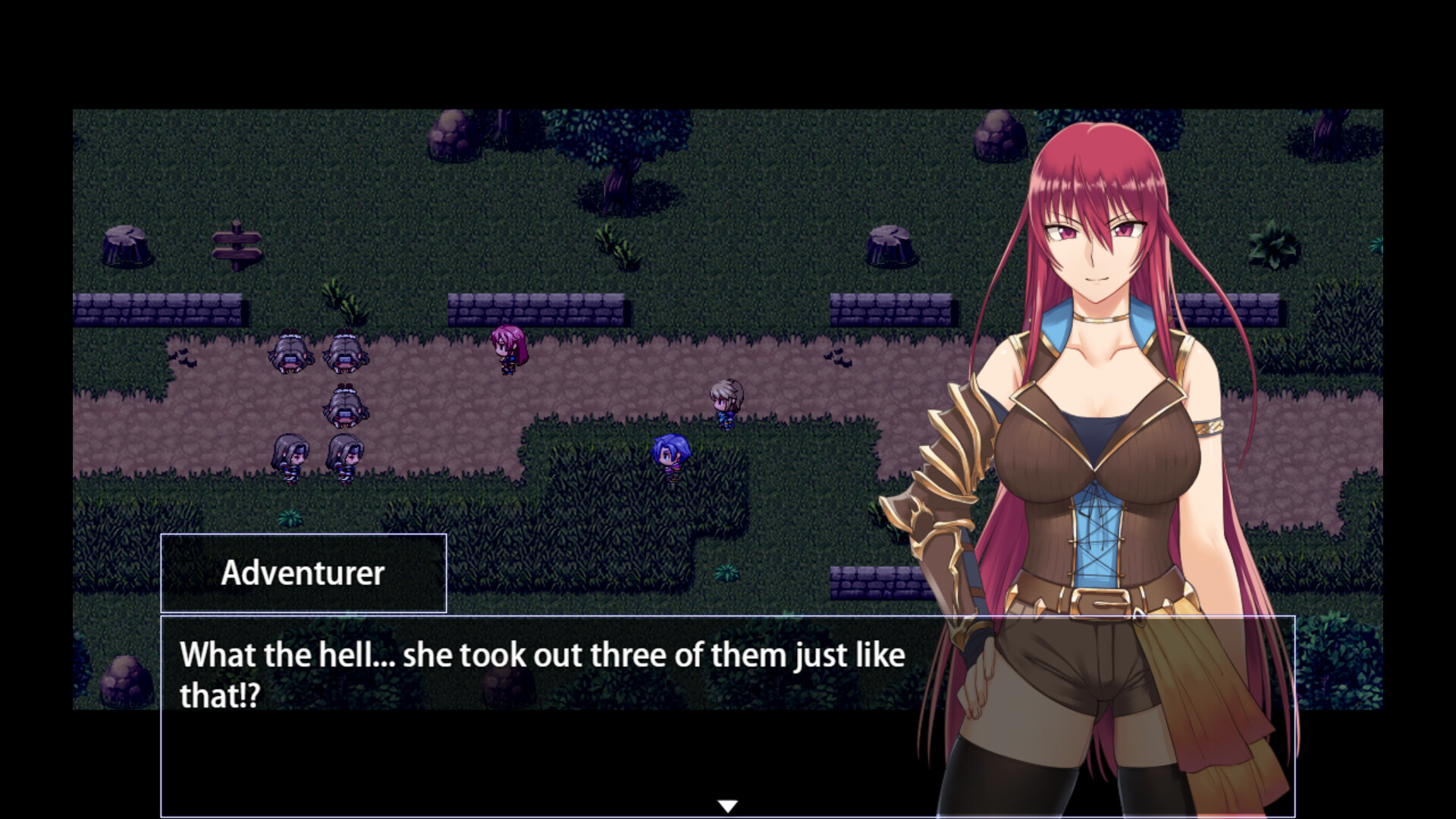
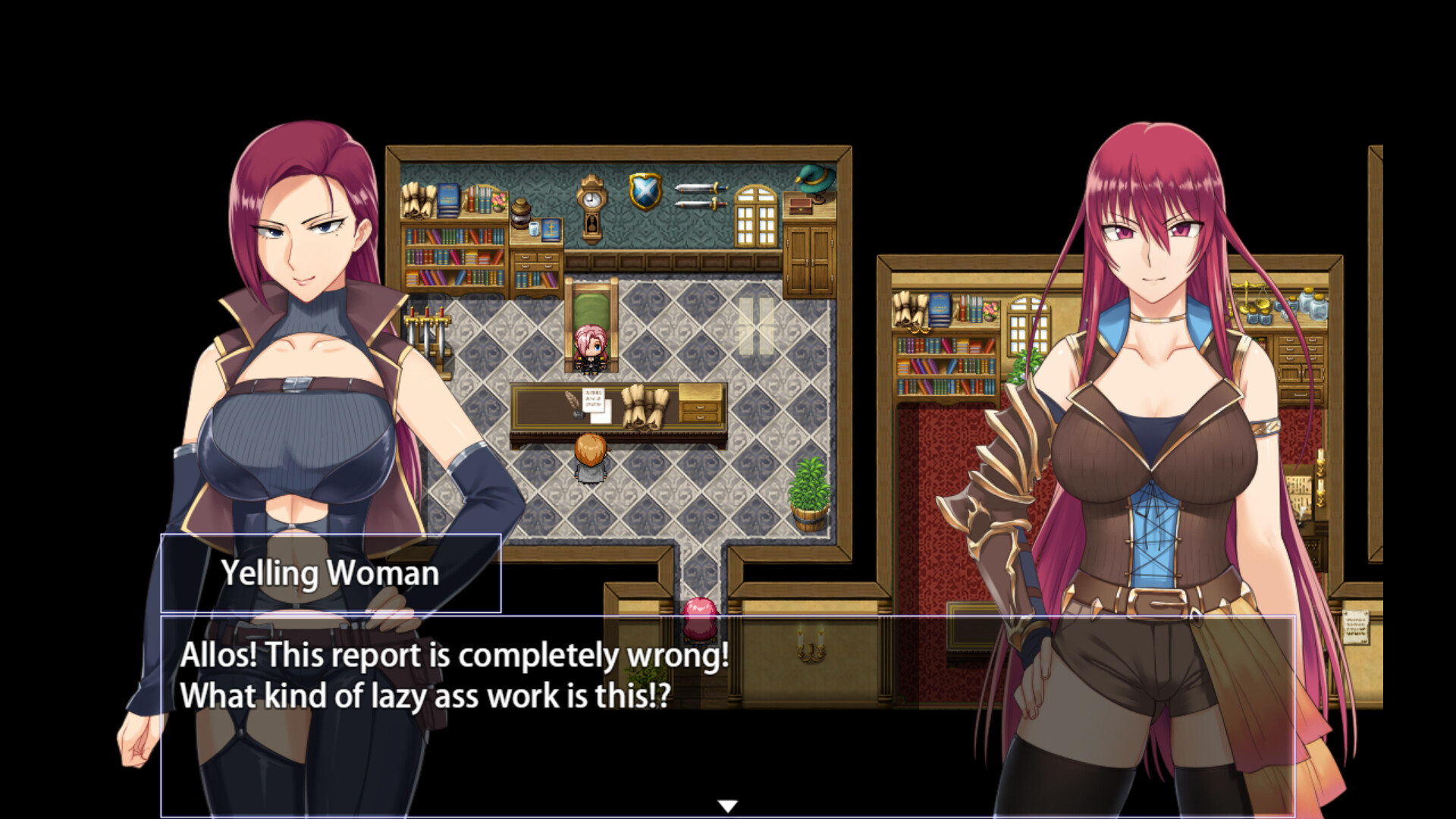
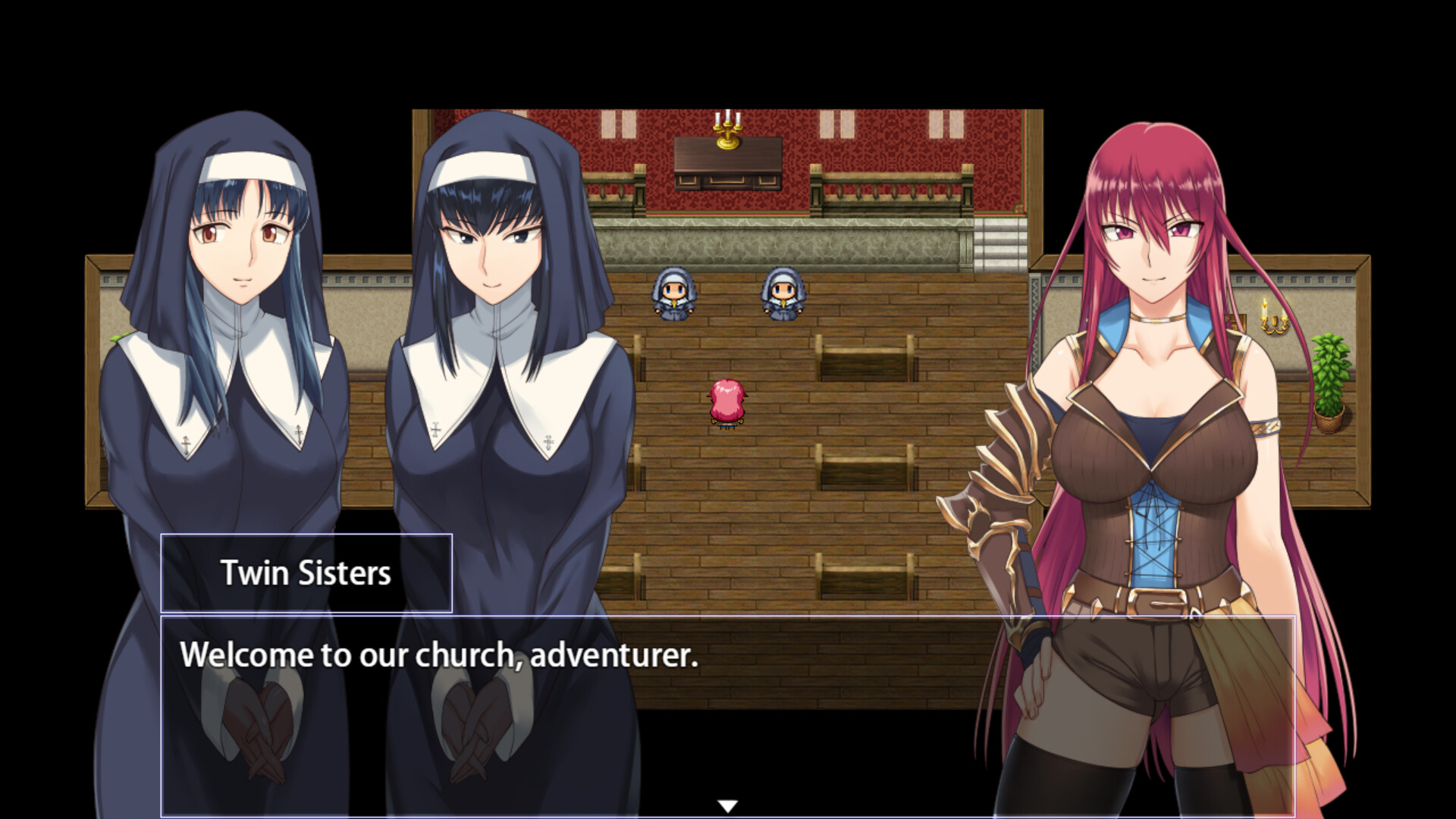
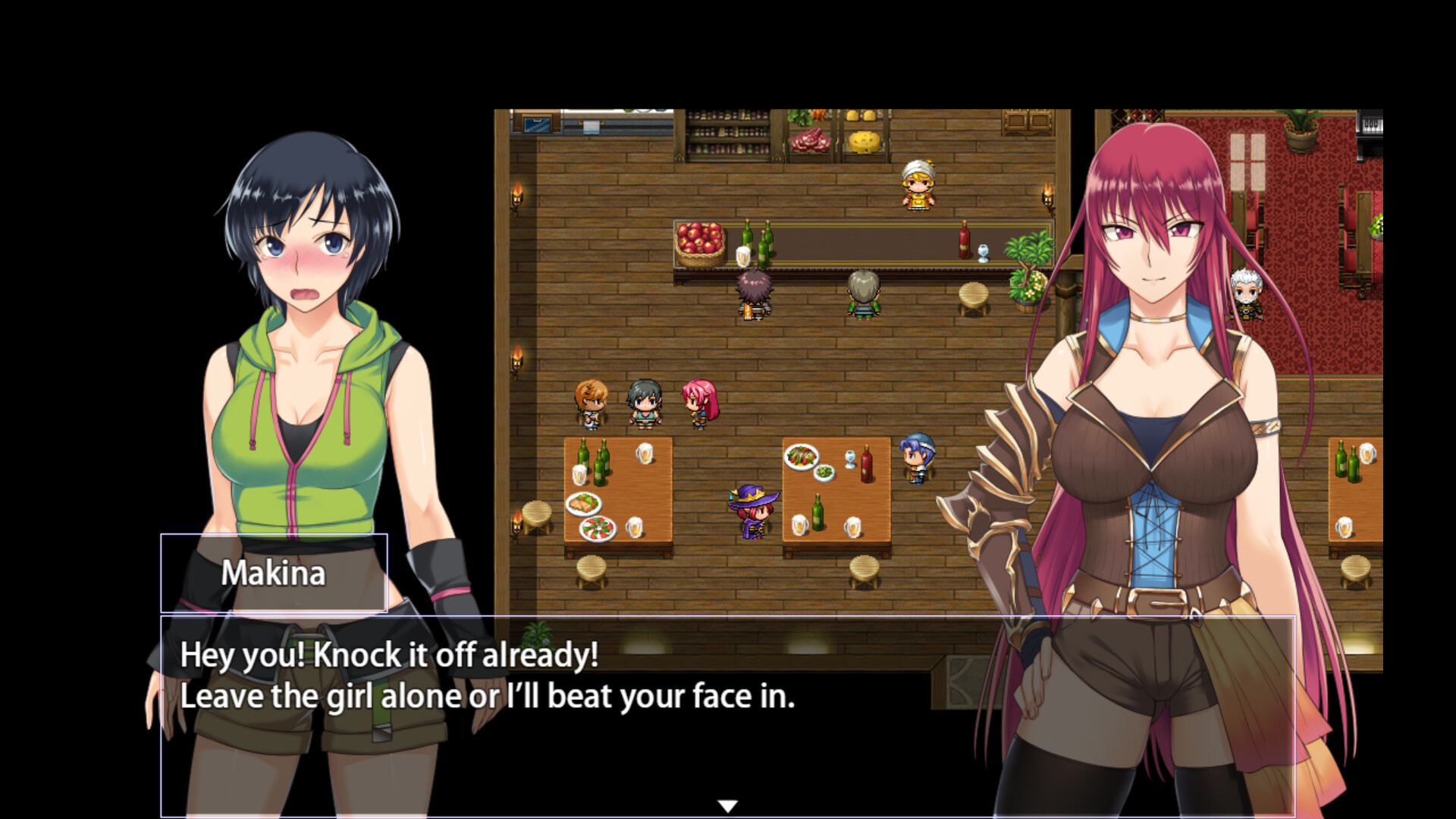
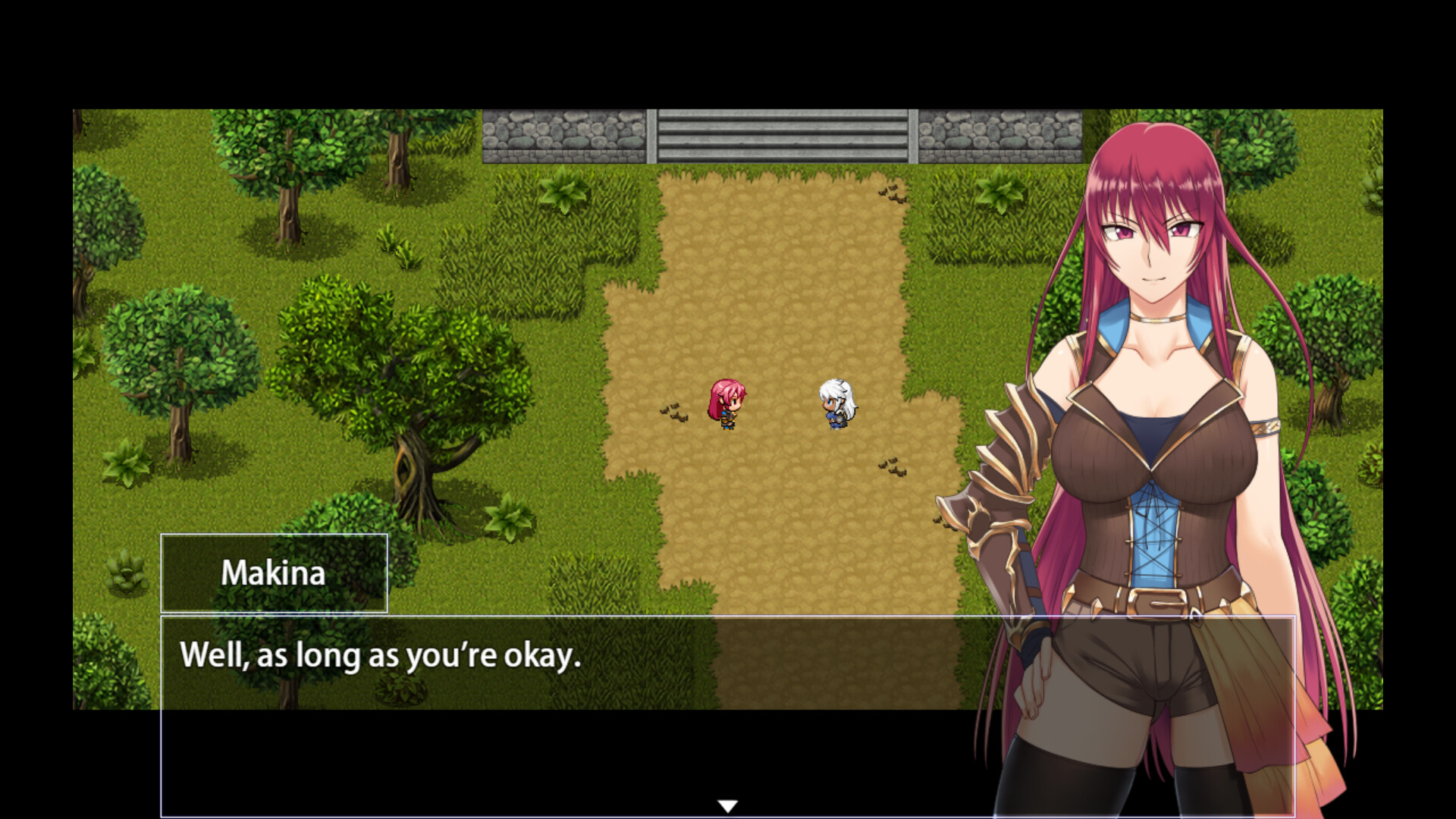
Fallen ~Makina and the City of Ruins~, developed by Another Story and published by Kagura Games, is a dark fantasy dungeon-crawling RPG that mixes traditional role-playing structure with adult themes and an atmosphere of decay. Set in the ruined city of Gardona, the game follows Makina, a skilled warrior who ventures into the labyrinth beneath the city to investigate a growing corruption that has consumed its people and environment. What begins as a straightforward expedition into a subterranean maze becomes a struggle for survival and self-preservation in a world that is crumbling under its own sins. Beneath its surface-level simplicity, the game reflects on ambition, desire, and the cost of survival in a city where morality is as fragile as the ruins themselves. Gameplay-wise, Fallen builds itself on a familiar yet satisfying JRPG foundation. Exploration and combat alternate between the upper city—where Makina interacts with merchants, townsfolk, and fellow adventurers—and the lower ruins, a multi-layered dungeon teeming with monsters, traps, and cursed relics. Each floor introduces new challenges, from environmental hazards to more complex enemy formations. The turn-based combat system is traditional but functional: attacks, skills, and item use are mapped to simple commands, and the game allows for quick levelling options and shortcuts that keep the flow brisk. Kagura Games has localized the title with accessibility in mind, ensuring that even players new to RPGMaker-style games can navigate the systems easily. The inclusion of teleport points, adjustable difficulty, and auto-leveling mechanics means the game respects the player’s time without removing all challenge. It’s a practical design philosophy that prioritizes story progression and atmosphere over endless grinding. The visual presentation captures the decayed beauty of Gardona’s world. The city above feels grimy but alive, filled with flickering lanterns, damp cobblestones, and citizens caught between despair and denial. In contrast, the ruins below are oppressive and almost alien—ancient corridors, forgotten machinery, and shadow-drenched halls that stretch endlessly into darkness. Despite the RPGMaker engine’s technical limitations, the game uses its assets effectively, with muted color palettes and subtle lighting that communicate the sense of ruin and corruption. The character designs, particularly Makina’s, are striking, conveying both vulnerability and resilience. The enemies, while drawn from standard fantasy archetypes, fit the grim aesthetic of the world and reinforce the game’s sense of moral decay. The soundtrack adds to the atmosphere with low, echoing melodies that hover between melancholy and tension, enhancing both exploration and battle sequences. Narratively, Fallen ~Makina and the City of Ruins~ offers more than its adult content might initially suggest. The game explores the degradation of a hero and the moral compromises one makes when surrounded by corruption. Makina herself begins as an archetypal warrior—proud, righteous, and capable—but as the story progresses, she becomes a reflection of Gardona’s downfall. Each encounter, whether with monsters or people, tests her will, and the player’s choices throughout the game influence how far she succumbs to or resists the temptations of despair. There are multiple endings that hinge on these moral crossroads, rewarding those who pay attention to dialogue and side events. While the story can lean heavily on familiar fantasy tropes—ruins, curses, and hidden conspiracies—it is elevated by the strength of its pacing and tone. Beneath the surface of its adult themes lies a narrative about redemption, pride, and the fragility of the human spirit. Combat progression mirrors the story’s thematic decline. As Makina delves deeper into the ruins, enemies grow stronger, and resources scarcer, but the real threat comes from the choices the player makes. Corruption doesn’t just exist in the world; it begins to seep into Makina herself, represented through story sequences and changing interactions in town. This subtle interplay between gameplay and narrative is where Fallen shines. It uses its limited mechanics to reinforce the sense of degradation and consequence. The dungeons themselves are designed with enough variety to sustain the game’s runtime, though their repetitive structure occasionally wears thin during longer sessions. Boss battles, however, stand out for their tension and scale, requiring resource management and tactical awareness that give the game its challenge. The adult elements of Fallen are woven into the narrative rather than functioning as mere fanservice. The erotic scenes are explicit, but they exist to illustrate Makina’s psychological vulnerability and the world’s moral decay rather than to serve as detached rewards. The developers take risks in exploring darker aspects of fantasy storytelling—coercion, obsession, and survival through submission—but the result is uneven. At times, the narrative handles these subjects with surprising maturity, using them to heighten the tragedy of the setting; at others, it indulges in them without sufficient narrative justification, which may alienate some players. Kagura Games’ localization treats the content with care, maintaining tone and intent while clarifying context for Western audiences. From a structural standpoint, Fallen’s rhythm between town life and ruin exploration is well executed. The city above acts as a reprieve, a place to rest, trade, and gather quests before diving back into the chaos below. NPCs change their dialogue as the story progresses, reflecting the slow collapse of Gardona and the spreading despair. This small but effective detail adds immersion and continuity, grounding the player in the world’s decline. The writing, though concise, manages to convey both menace and humanity. Conversations with townspeople reveal glimpses of hope, greed, and resignation—emotions that parallel Makina’s own internal conflict. Despite its accomplishments, the game is not without flaws. The translation, while mostly solid, occasionally falters with awkward phrasing or uneven tone. The dungeon design, though atmospheric, can become repetitive toward the end, with limited environmental variation. Some players may also find the balance between gameplay and adult content uneven, as narrative momentum sometimes slows to accommodate explicit scenes. Yet, even with these shortcomings, Fallen maintains a strong sense of identity. It knows what kind of story it wants to tell and does so without compromise, even if that means alienating part of its audience. Ultimately, Fallen ~Makina and the City of Ruins~ succeeds as a dark, atmospheric RPG that blends traditional mechanics with narrative ambition. It’s not a game that relies on innovation or flash, but one that evokes emotion through tone, texture, and theme. Its world feels lived-in and scarred, its heroine both strong and tragically human. Beneath the mature veneer lies a story about endurance in the face of corruption, and the price one pays for seeking truth in a fallen world. For fans of adult fantasy RPGs with narrative focus and moral weight, it stands as one of Kagura Games’ more memorable offerings—a tale of ruin, redemption, and the faint, flickering light that persists even in darkness. Rating: 8/10
Expand the review