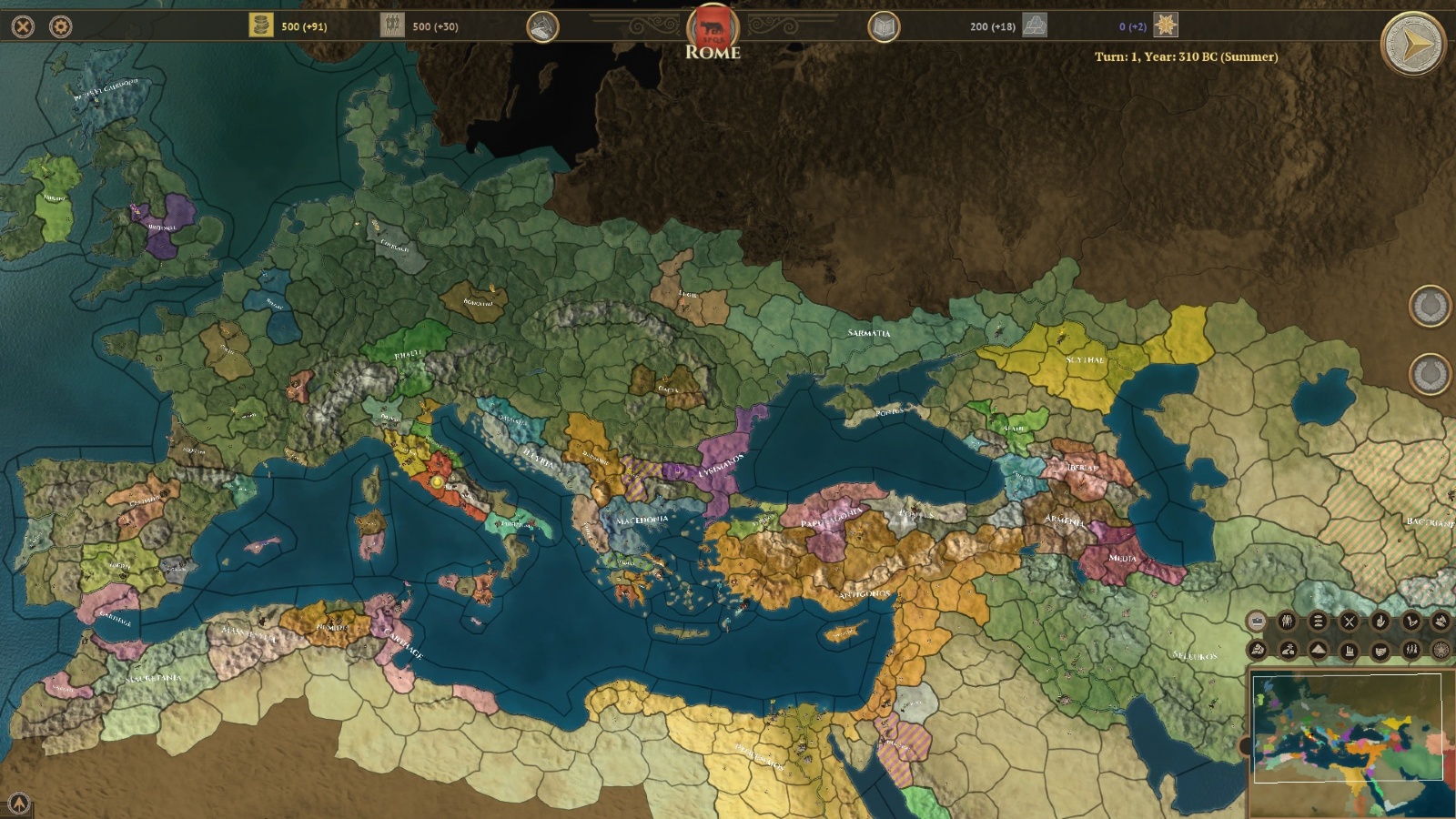
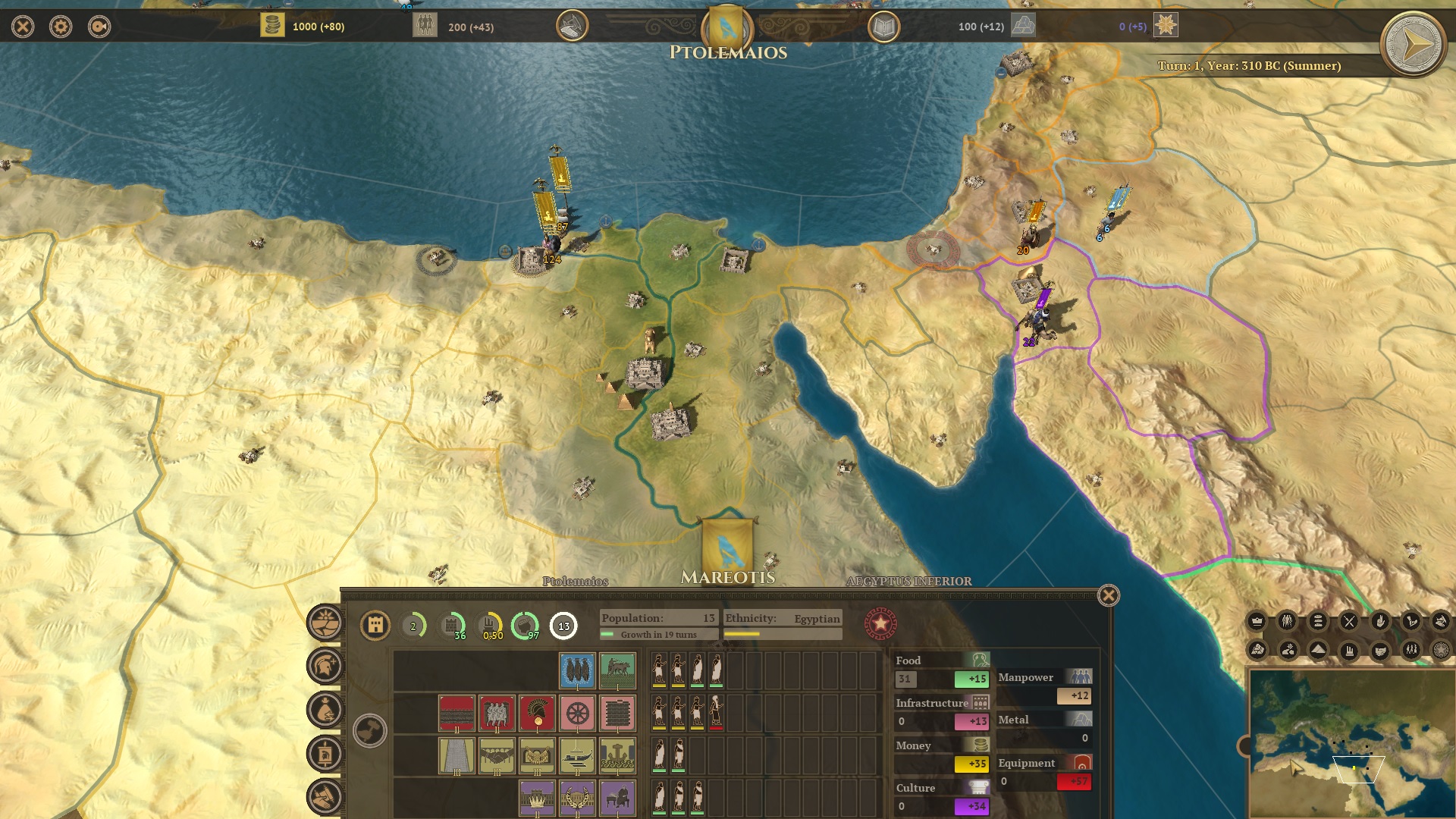
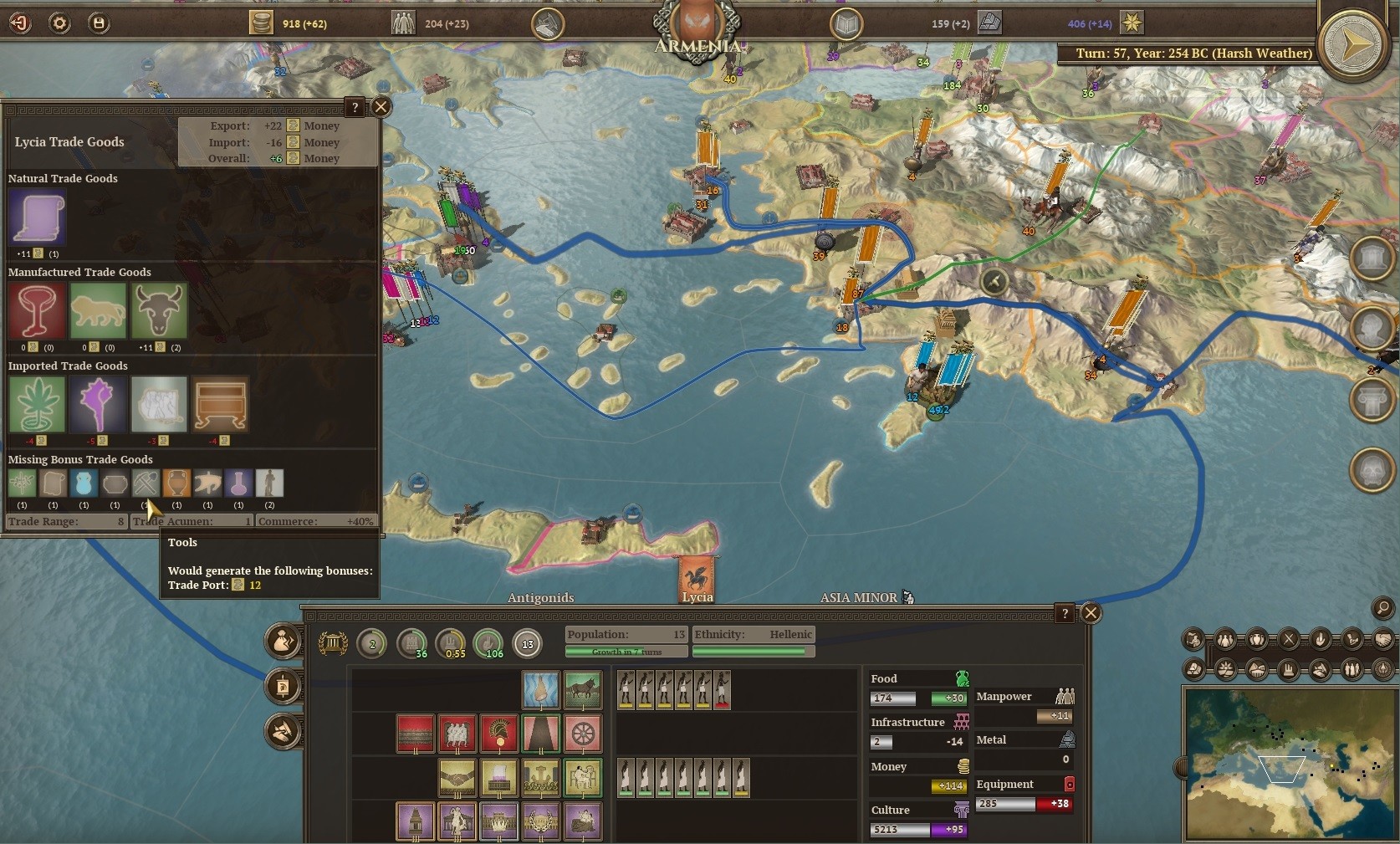
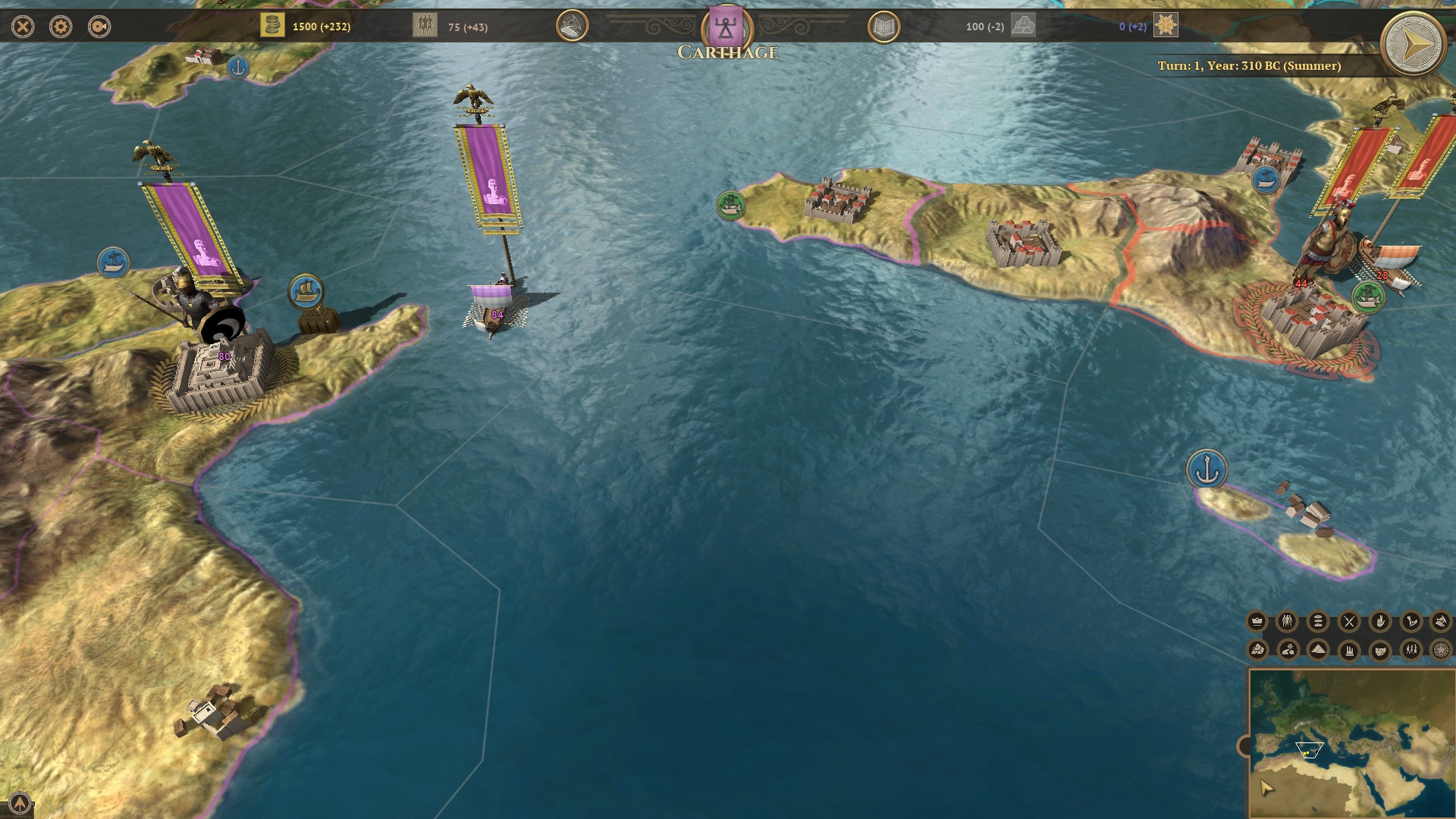
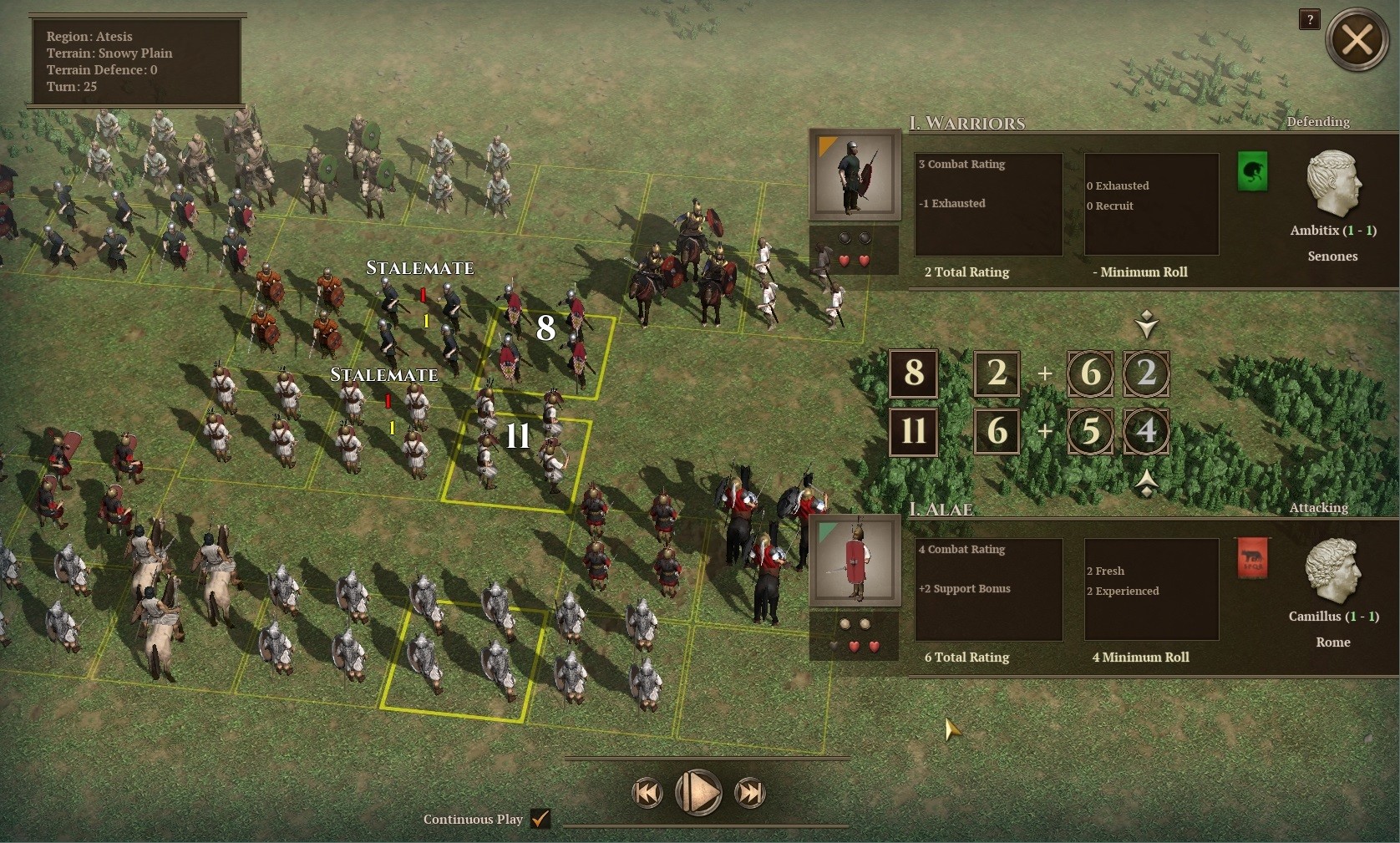
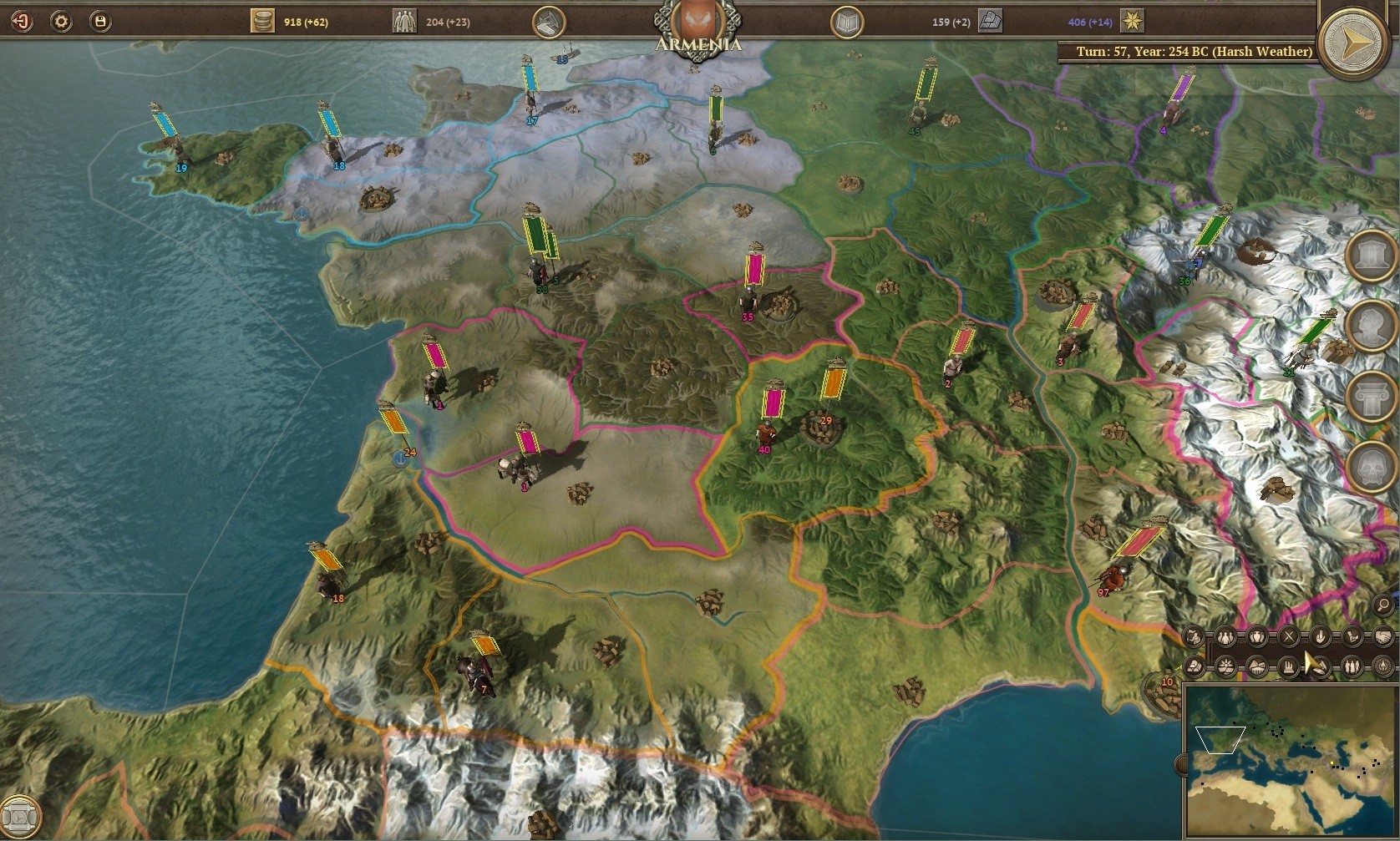
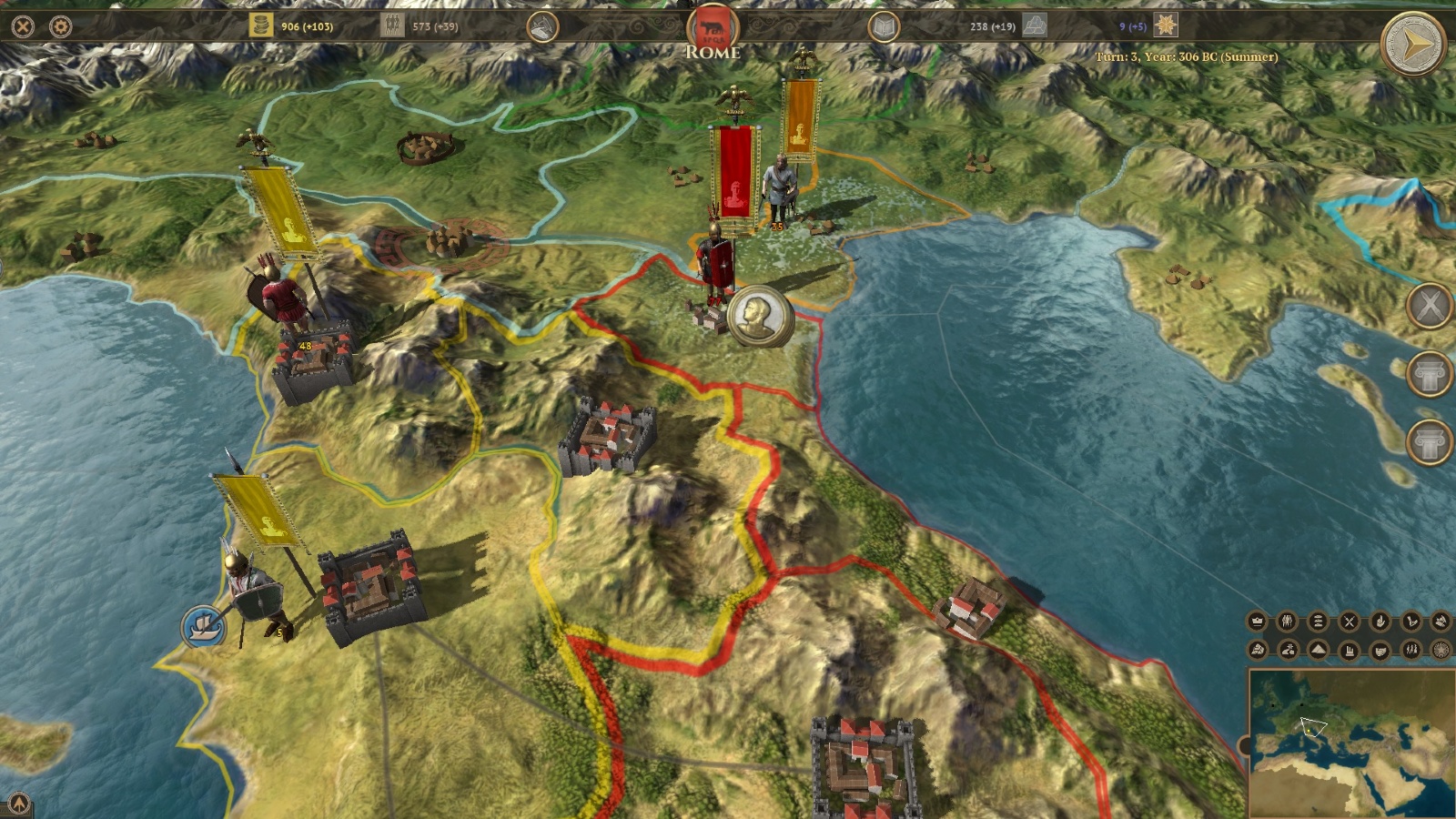
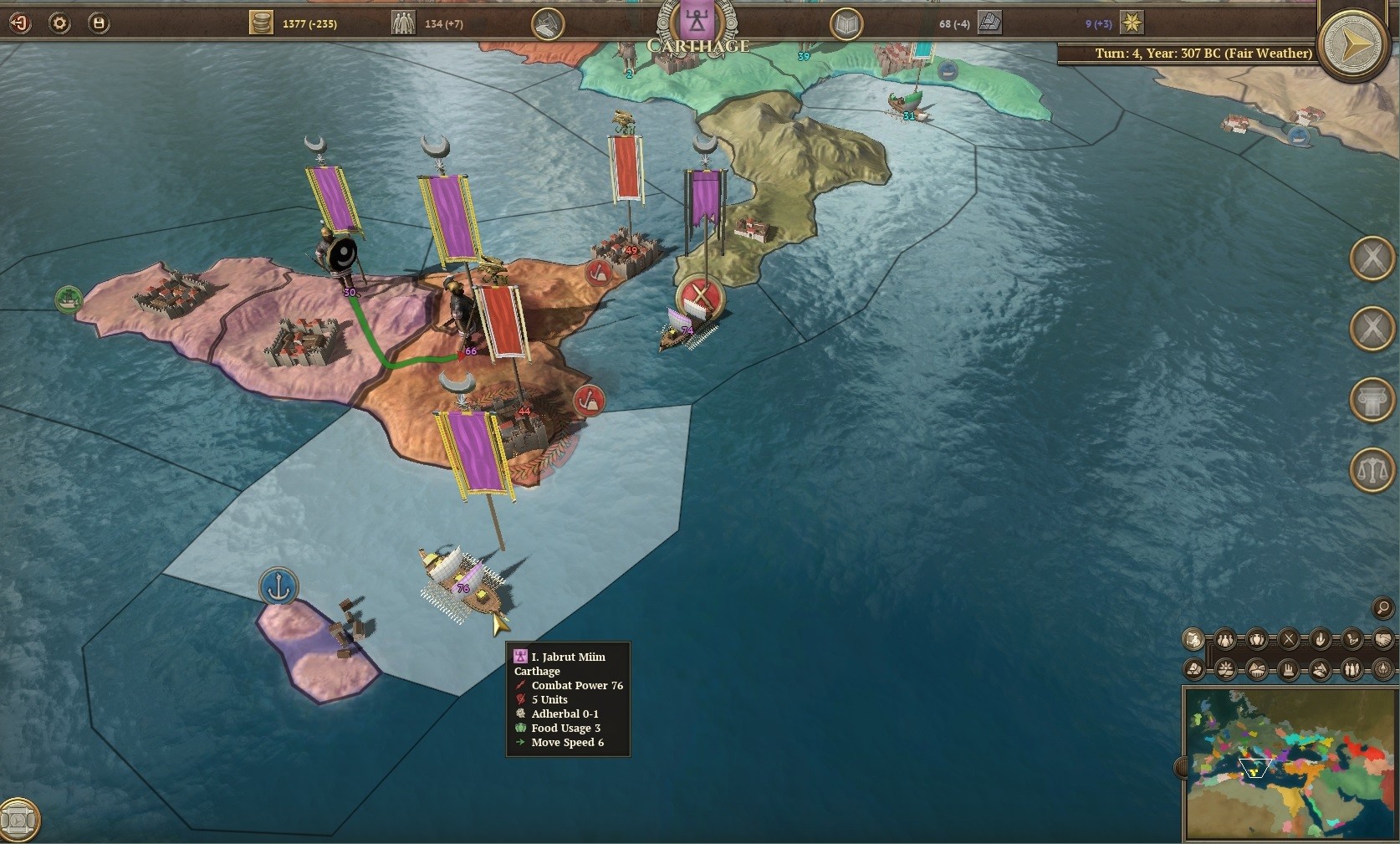
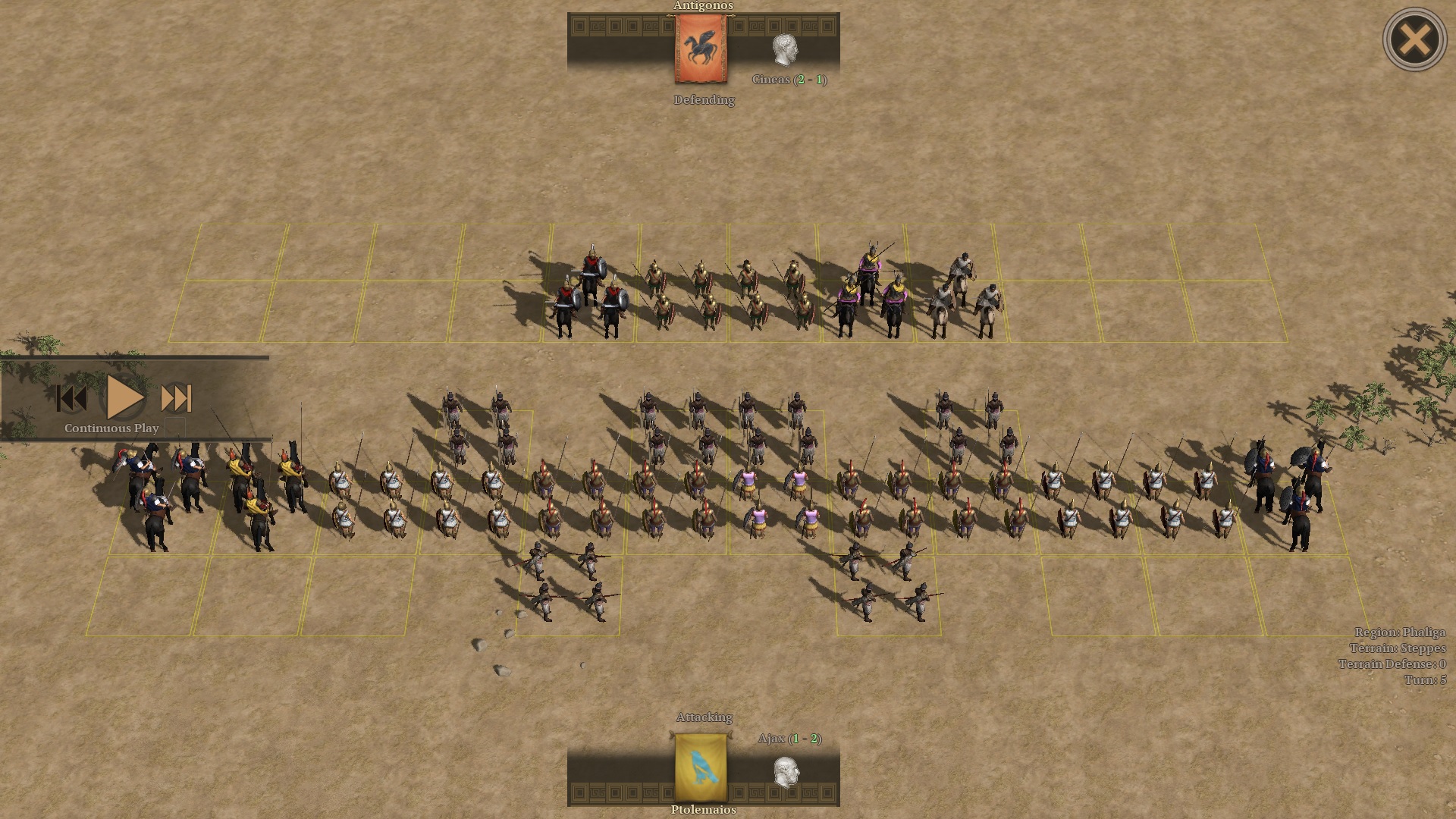
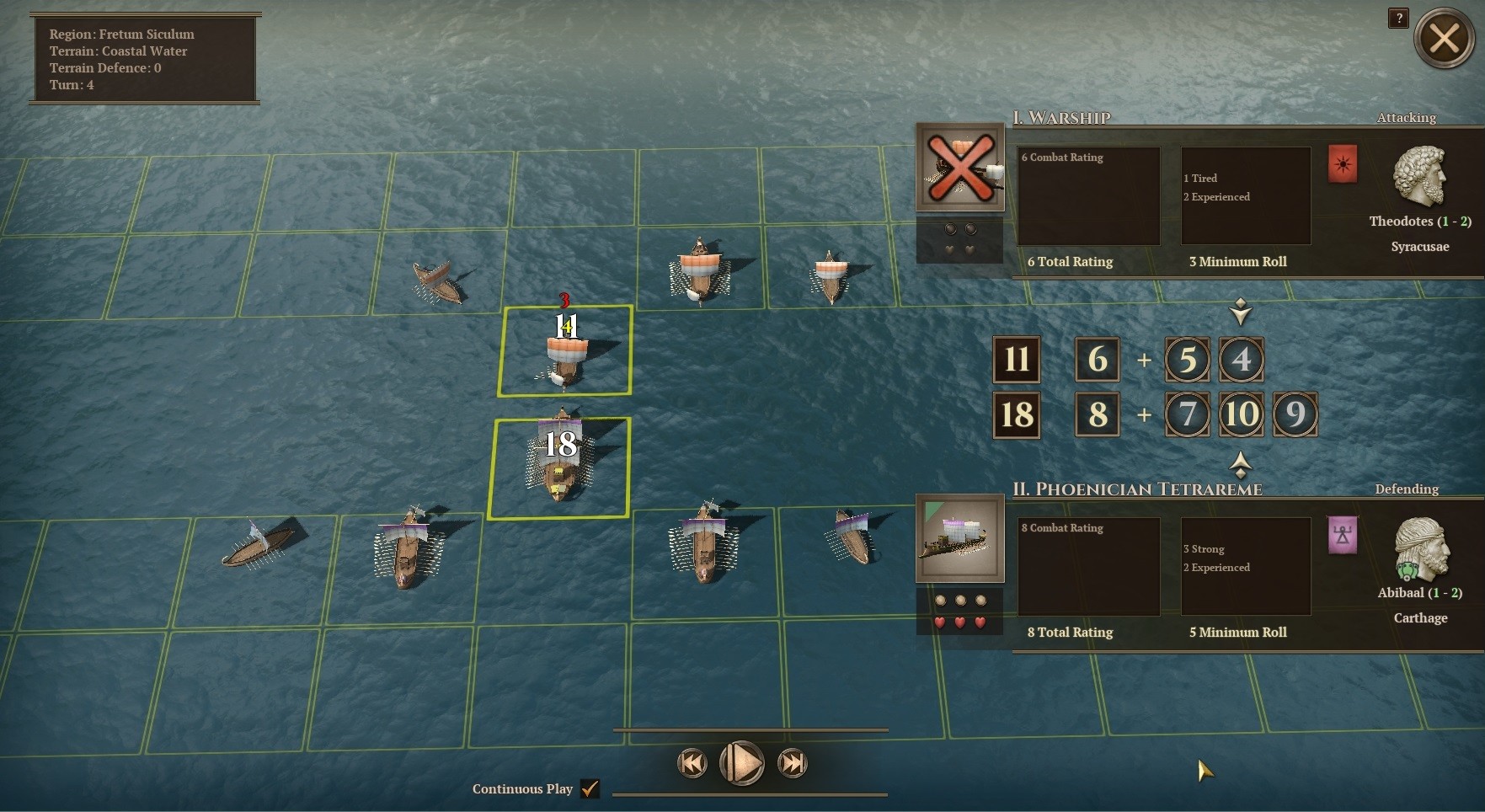
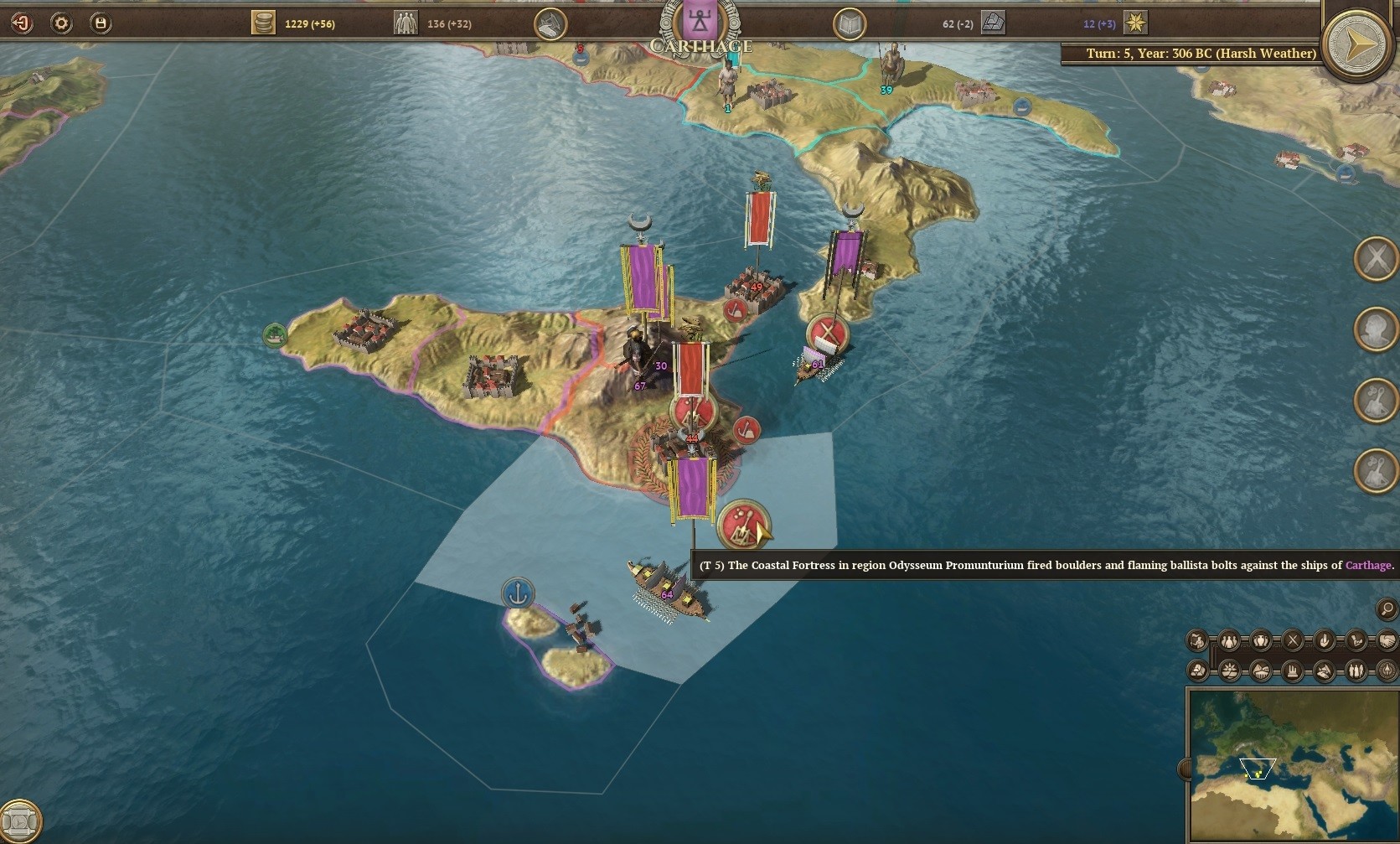
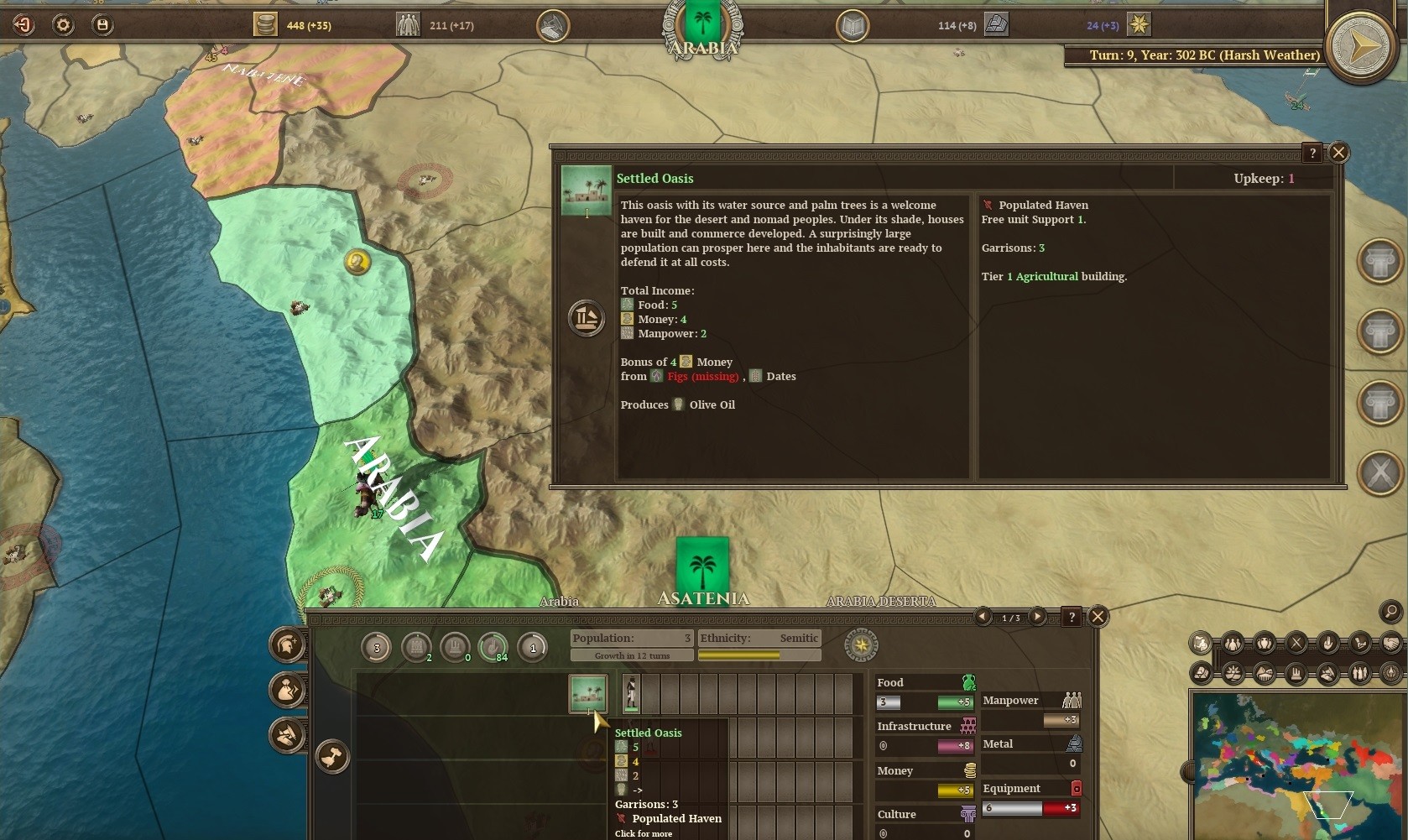
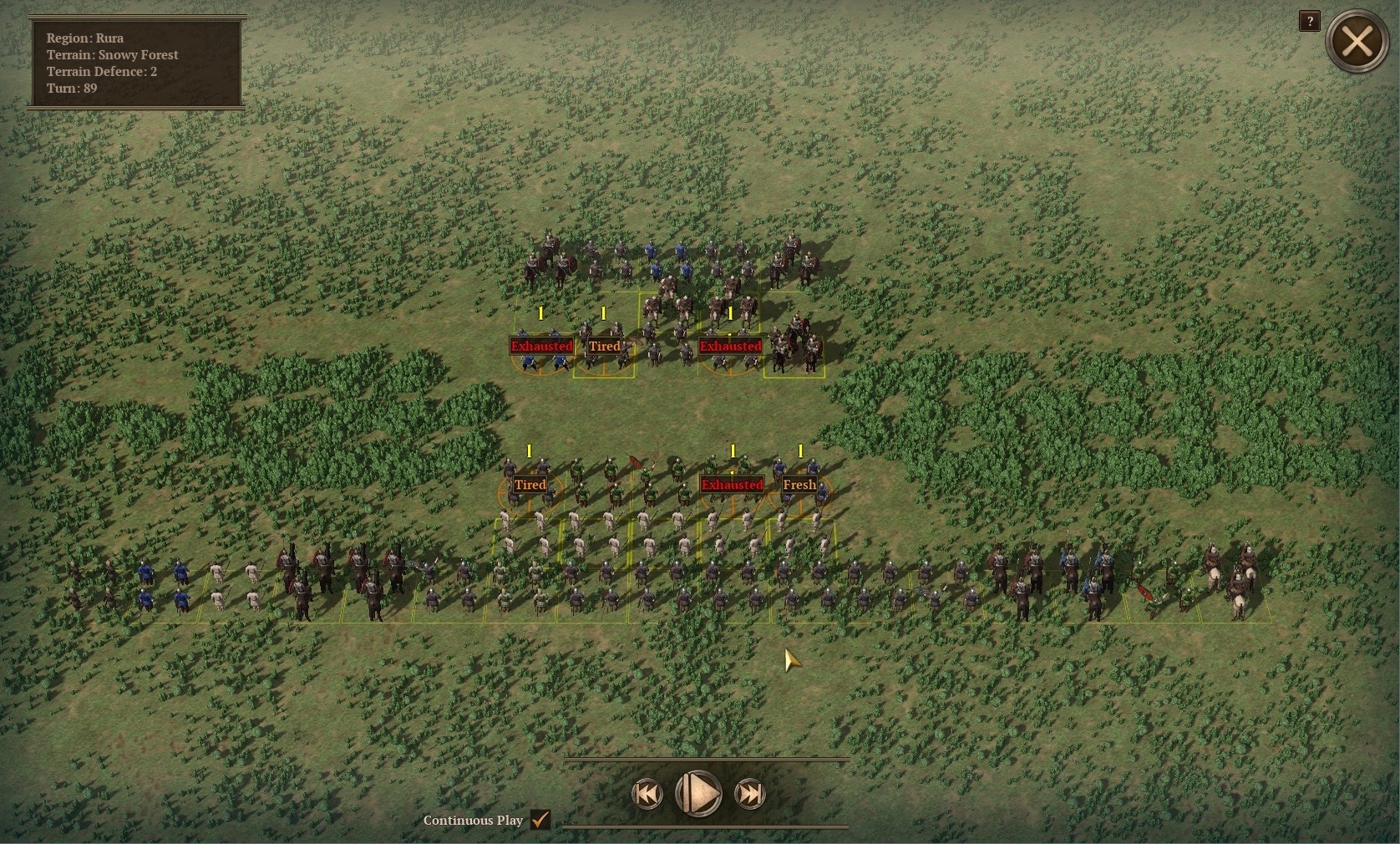
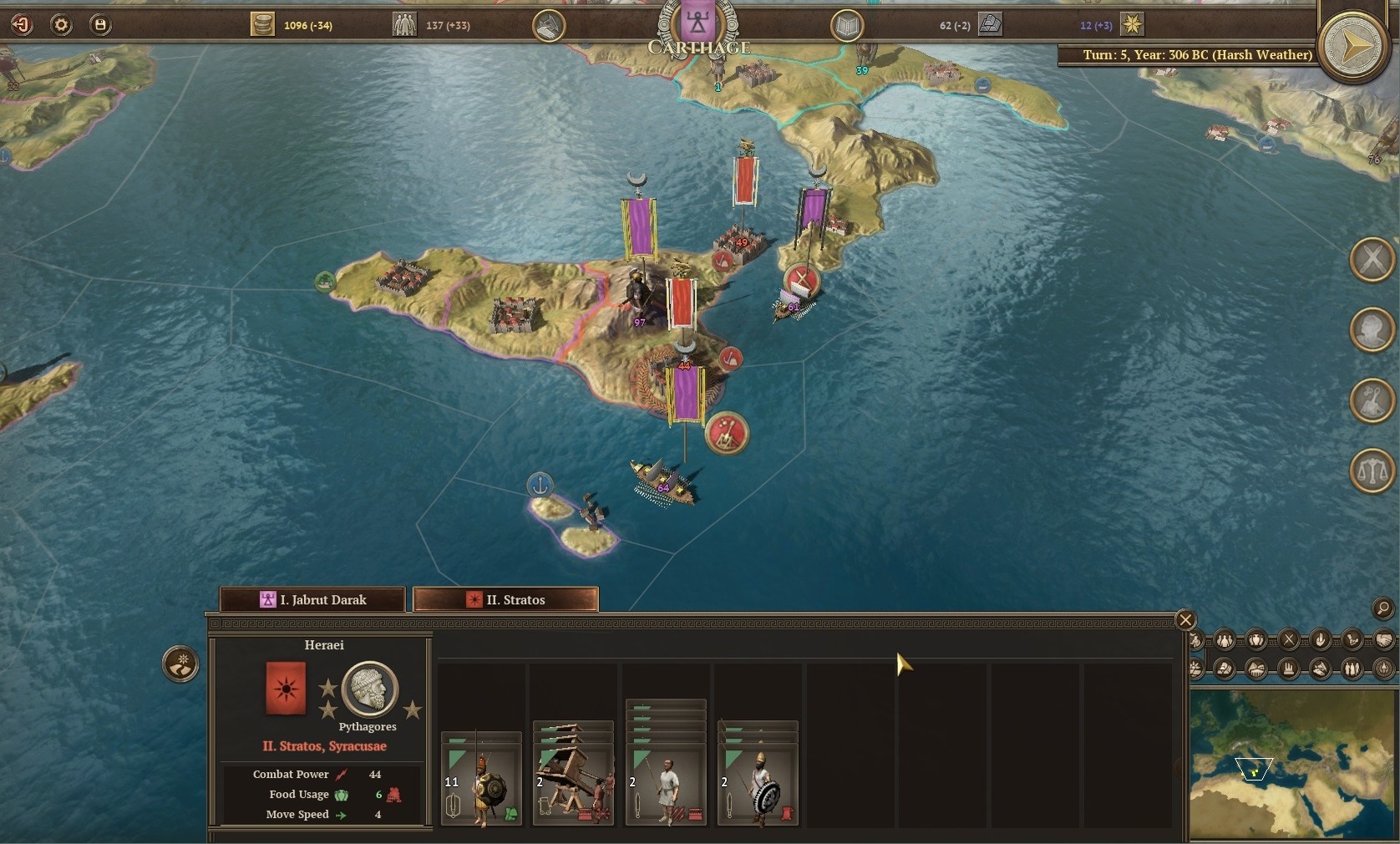
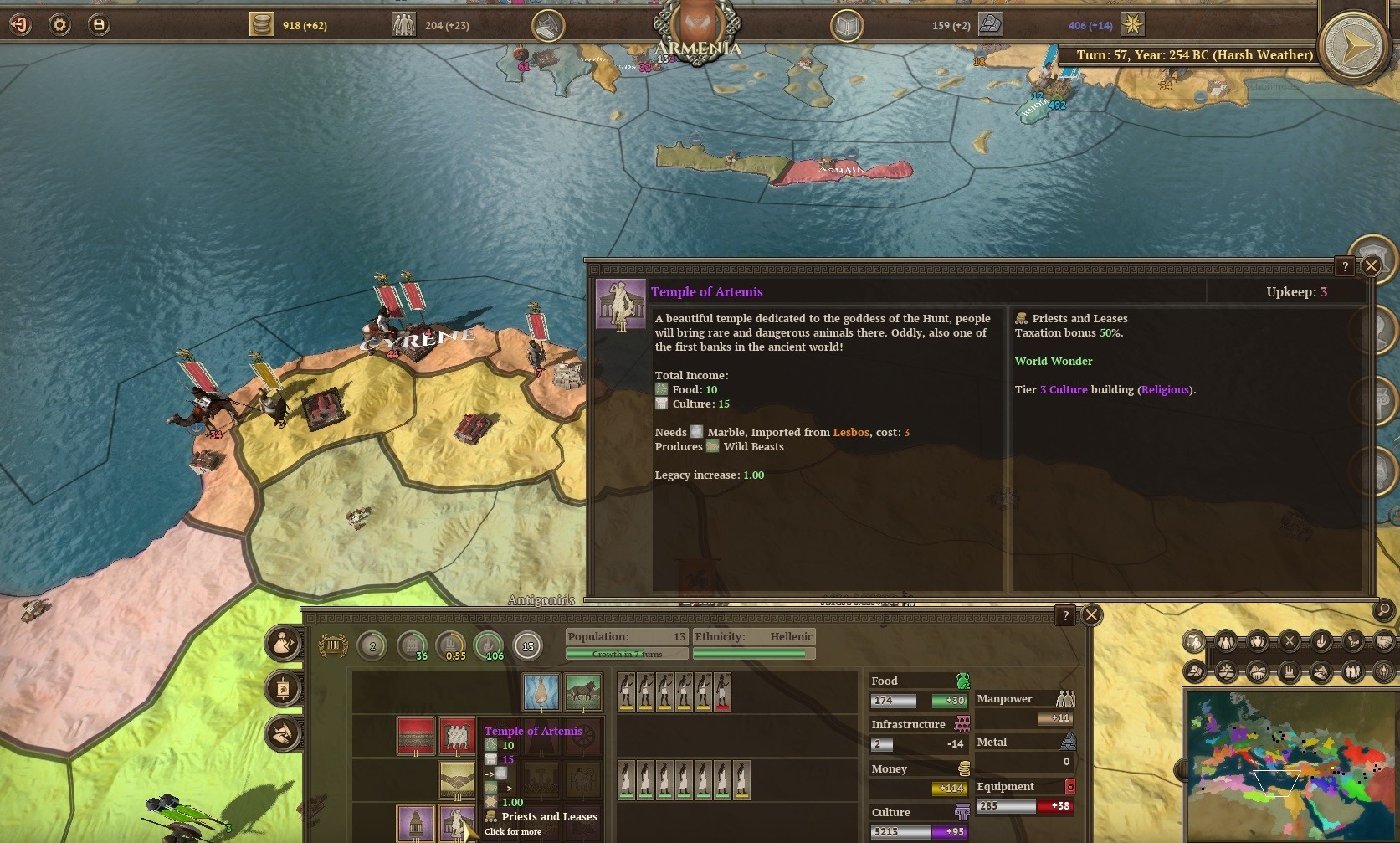
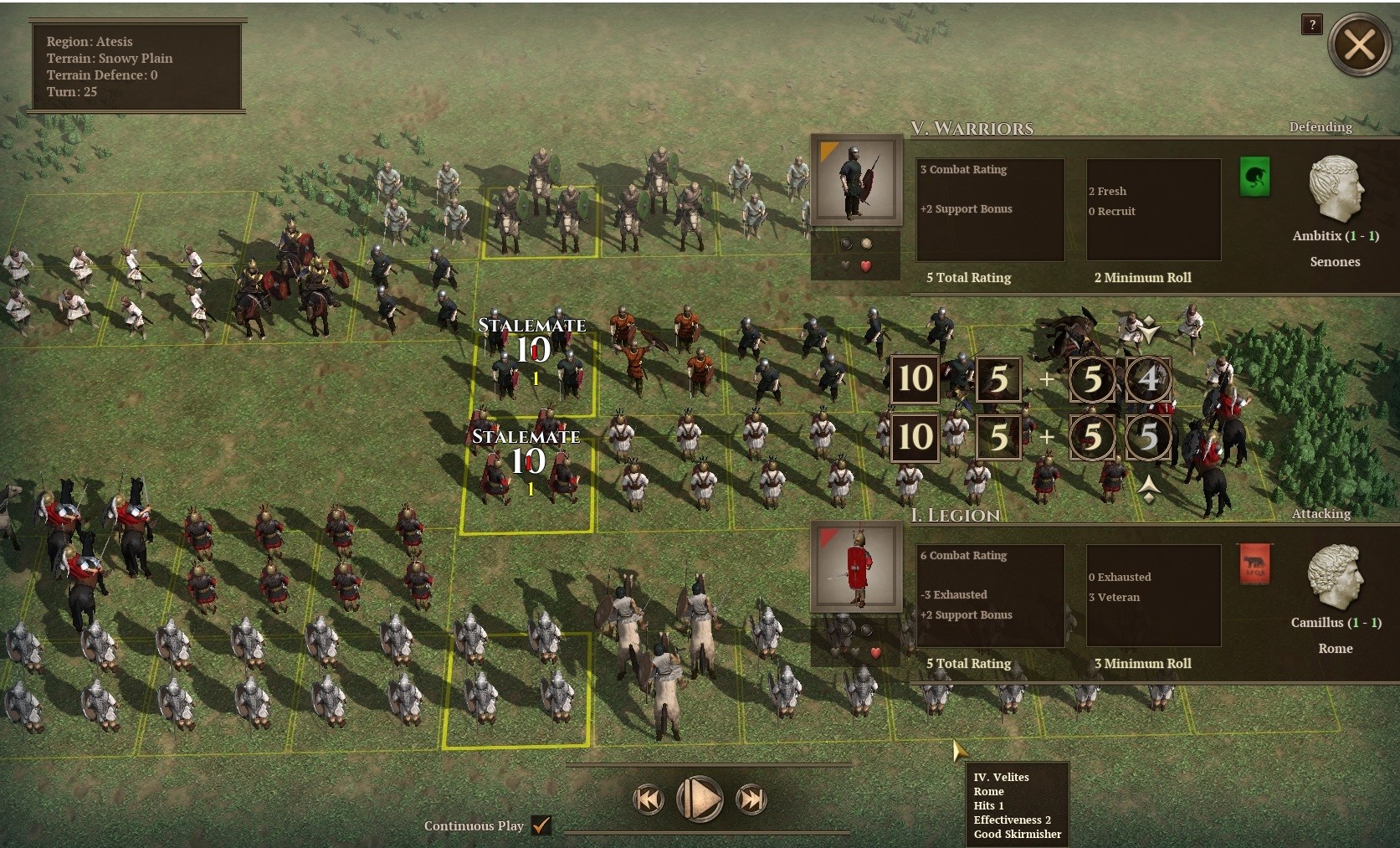
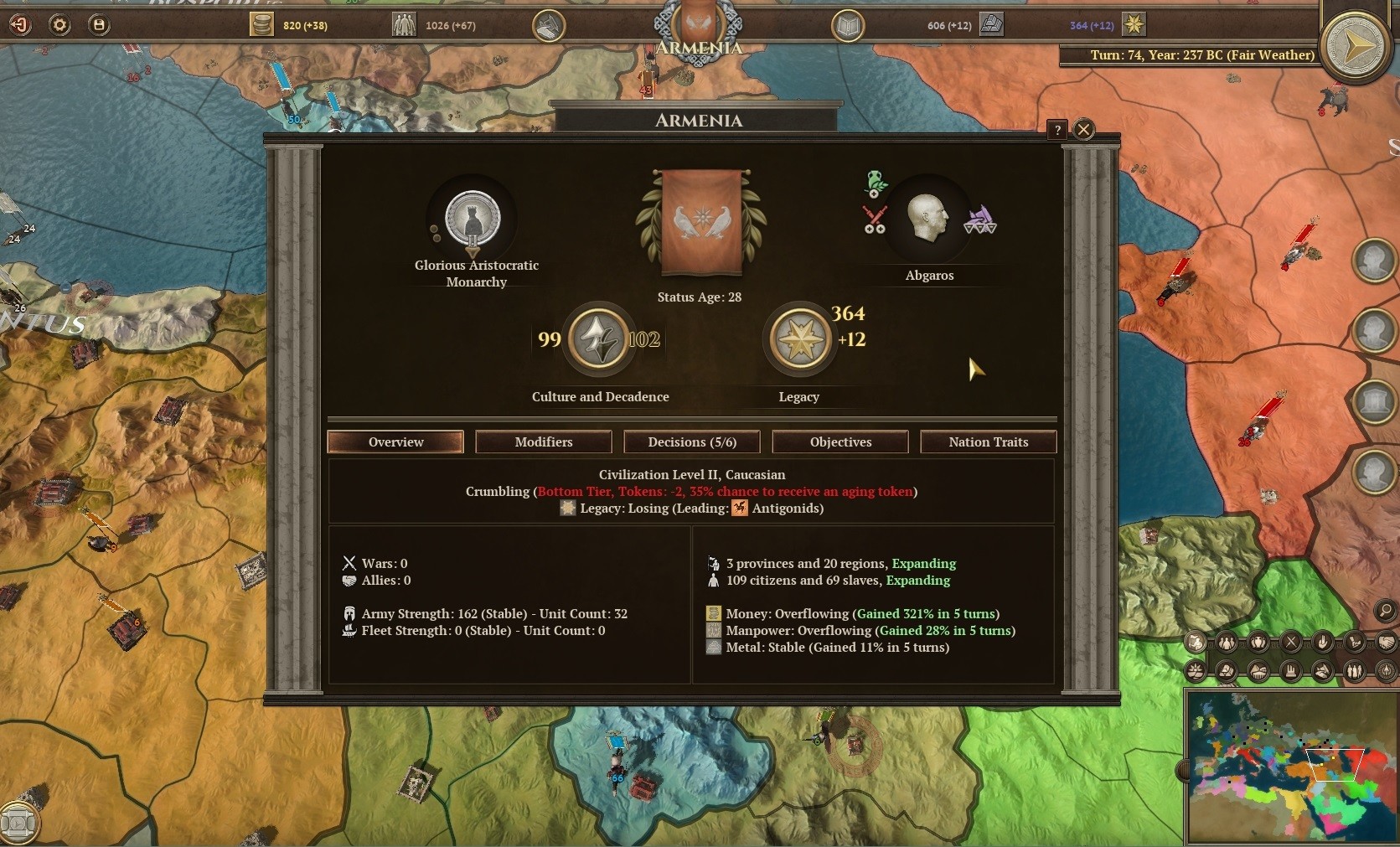
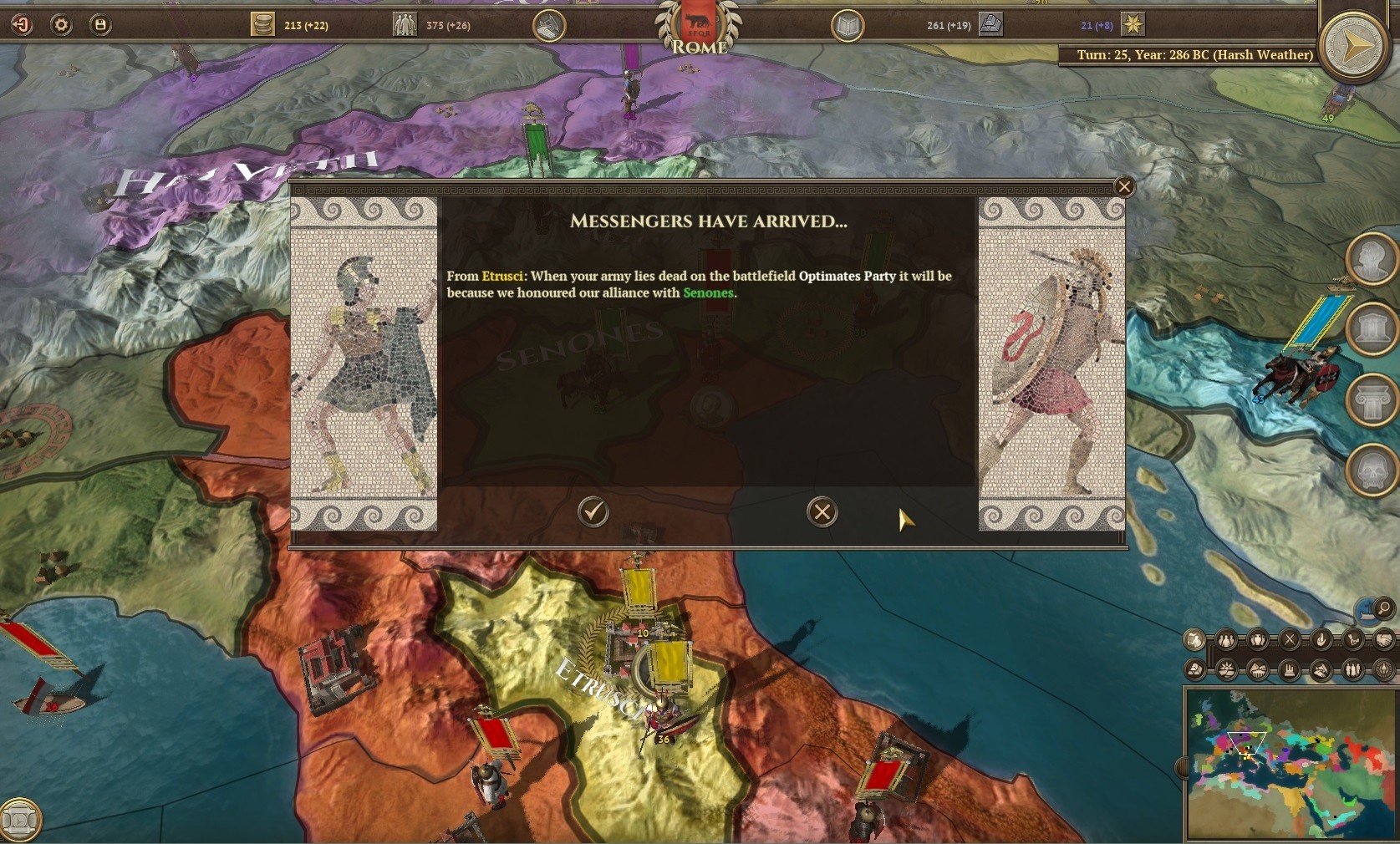
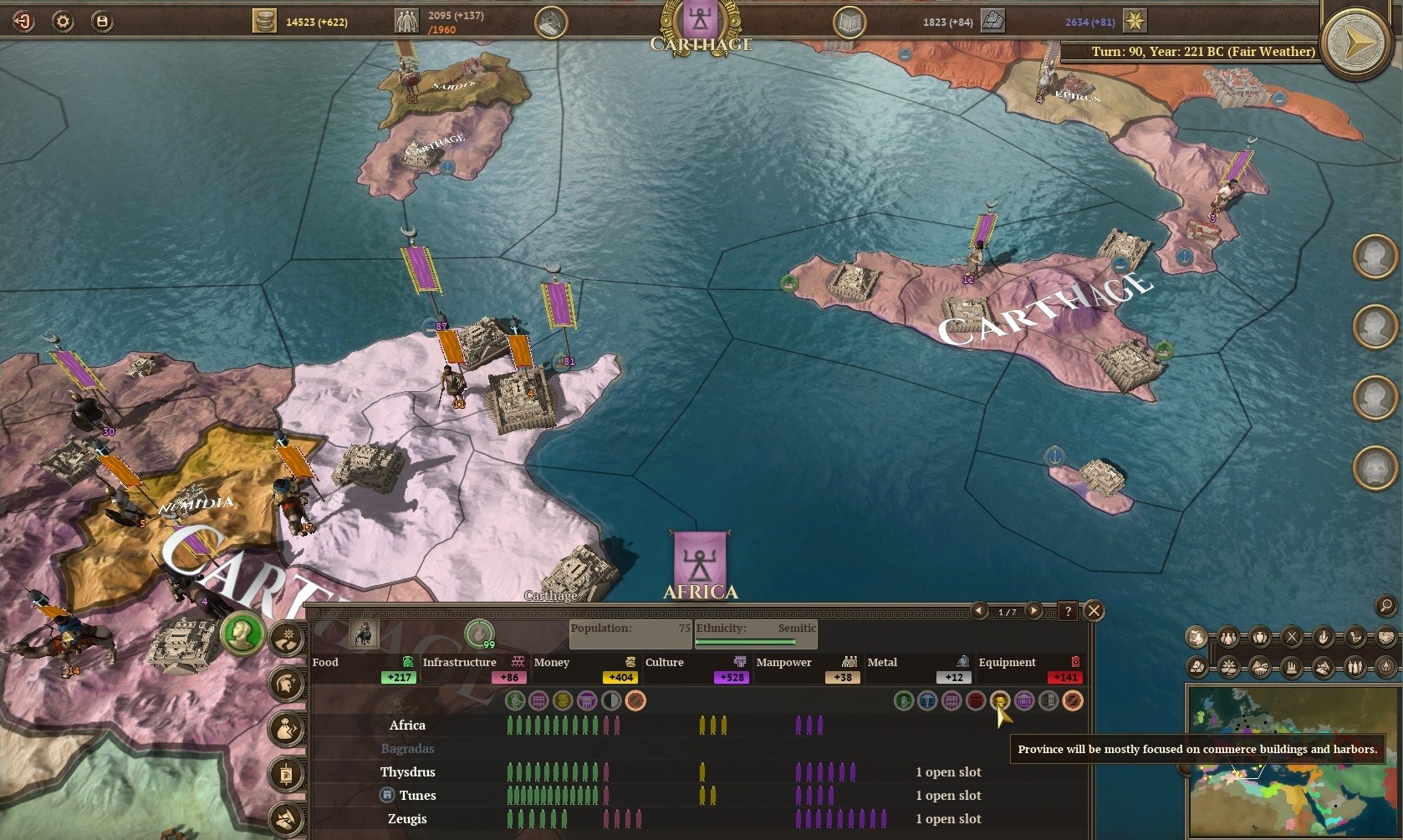
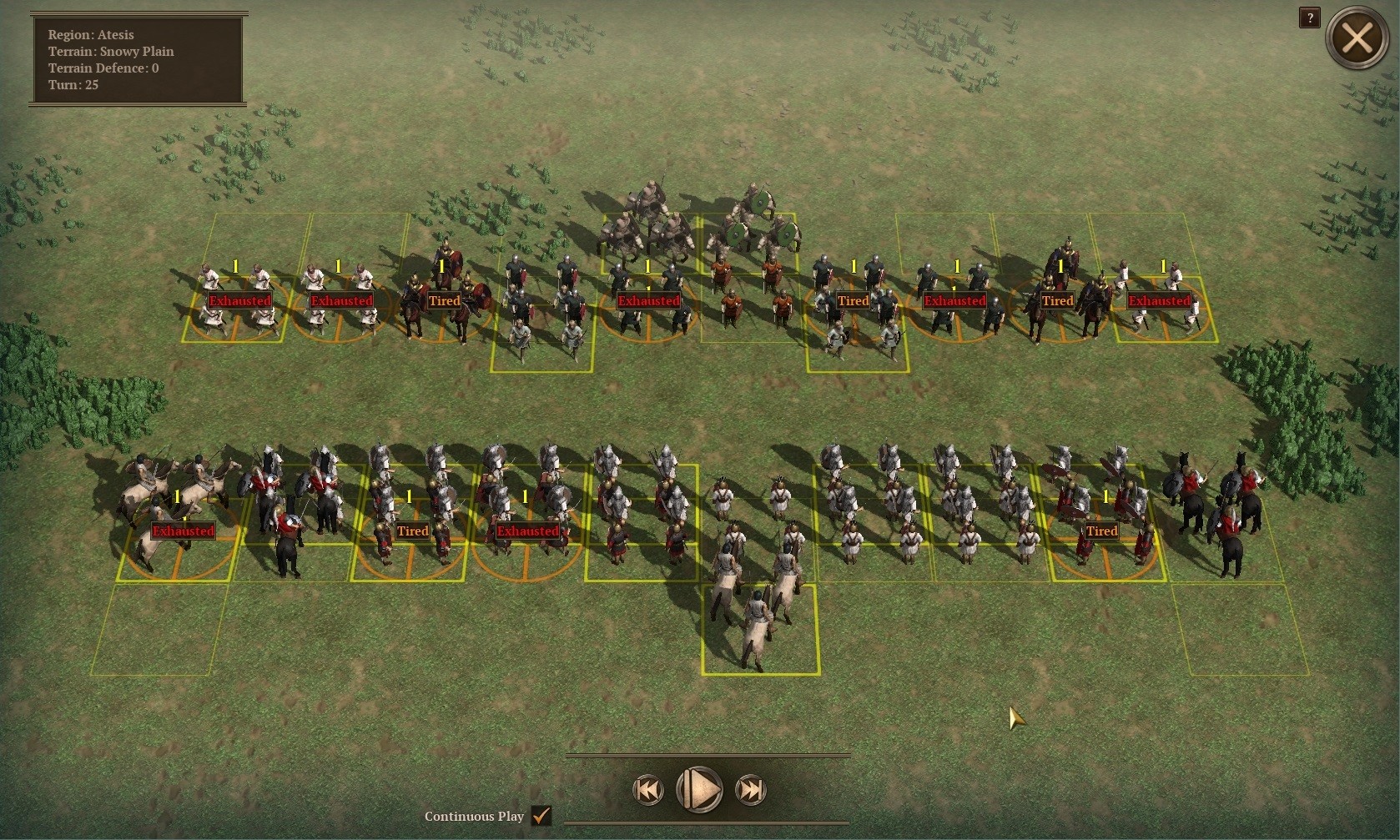
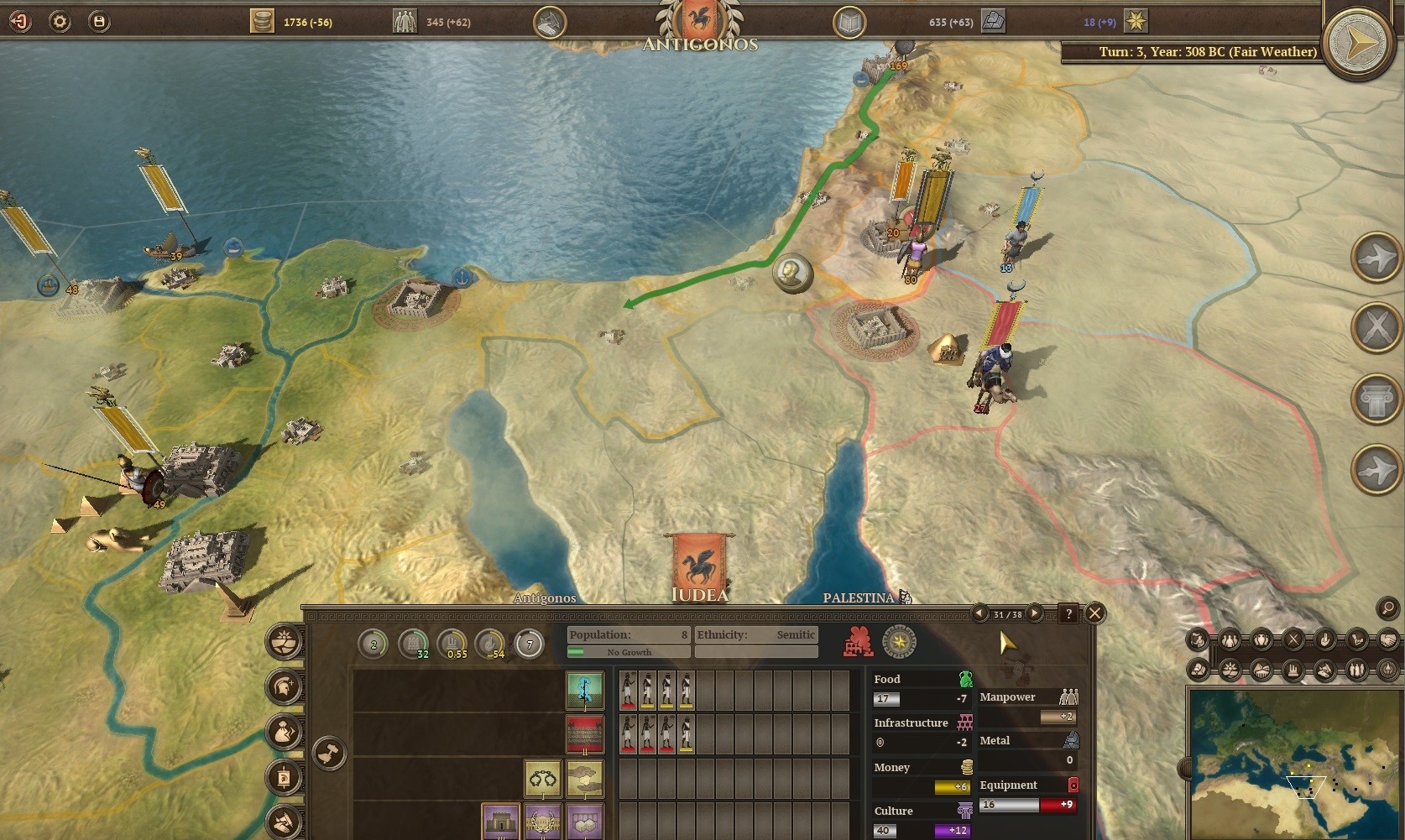
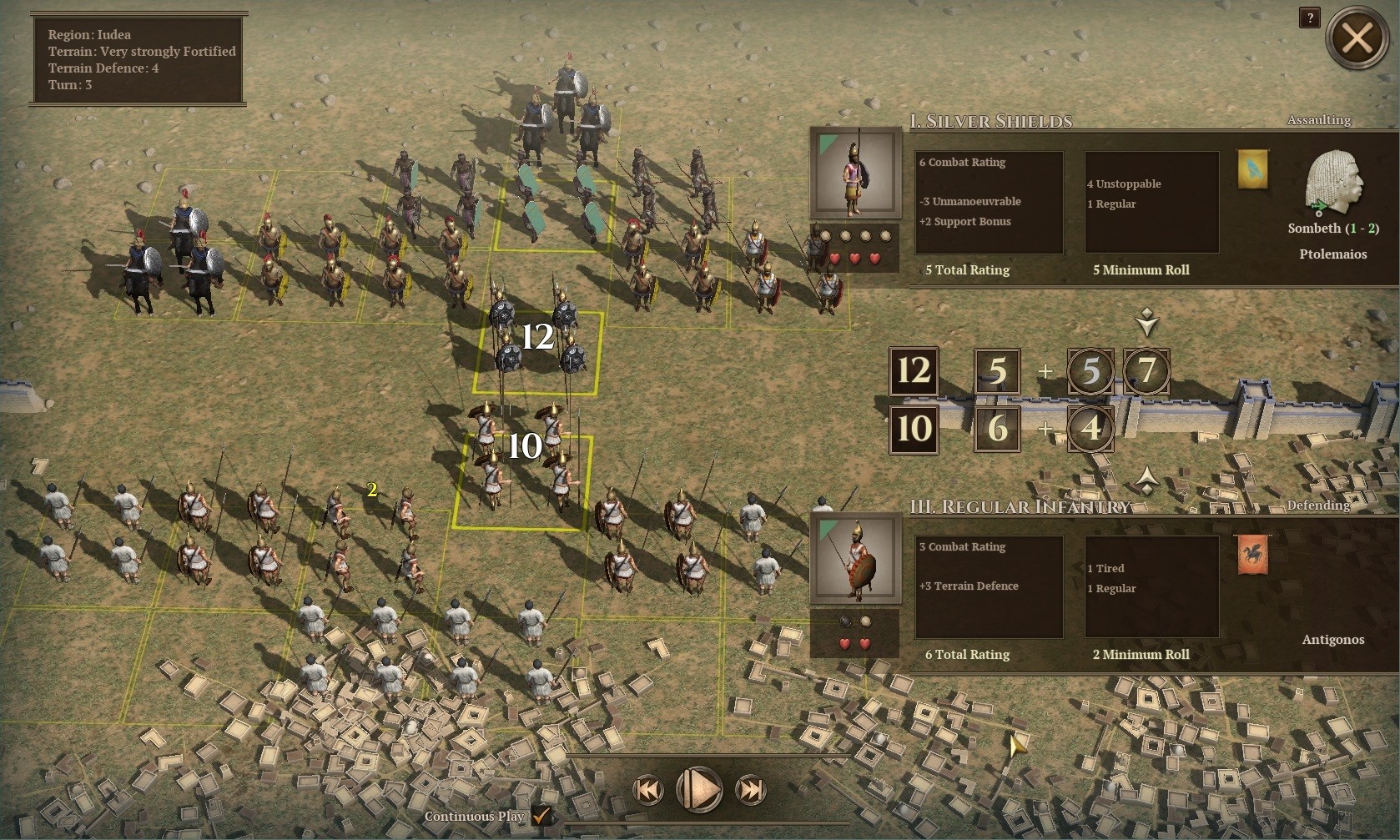
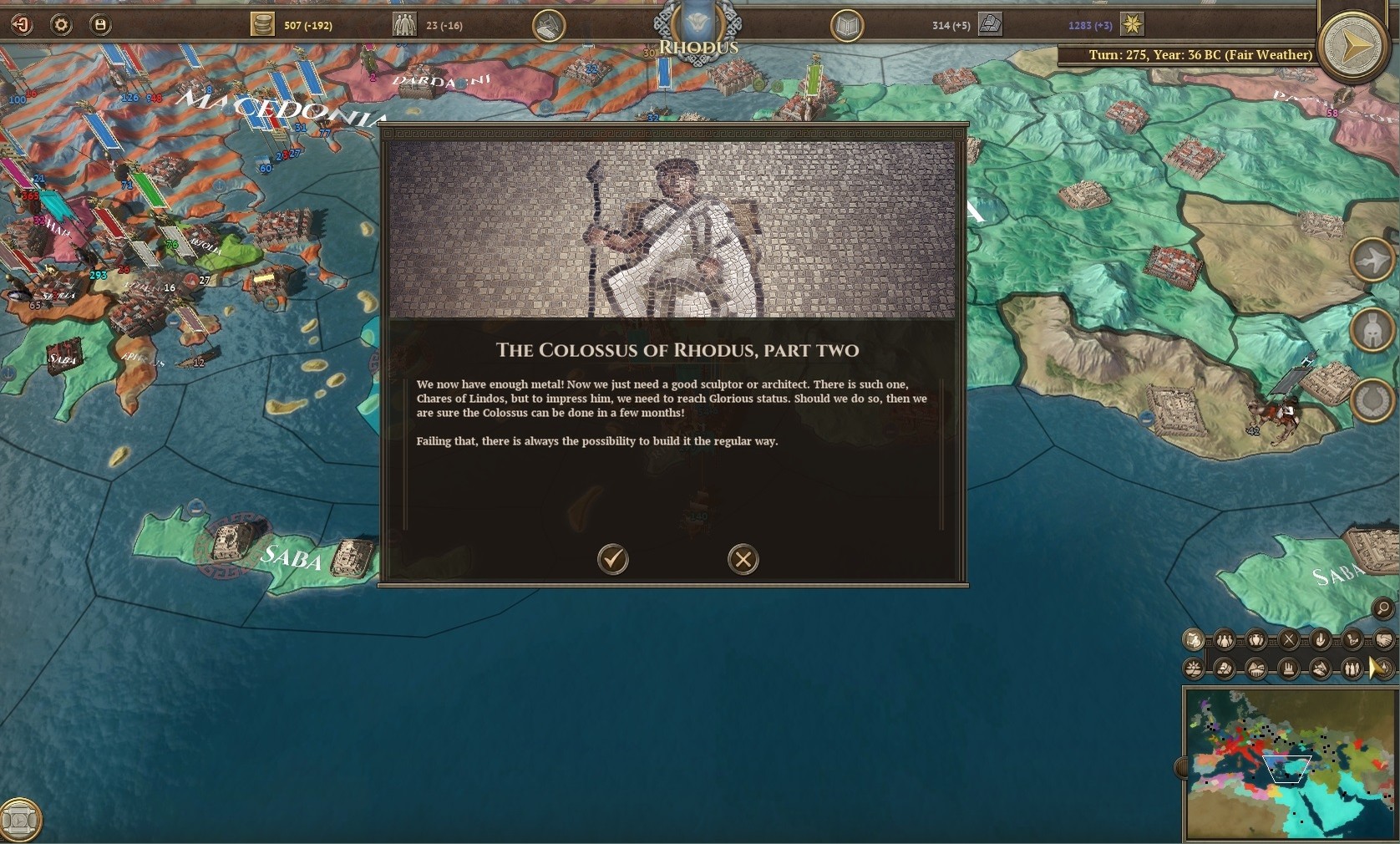
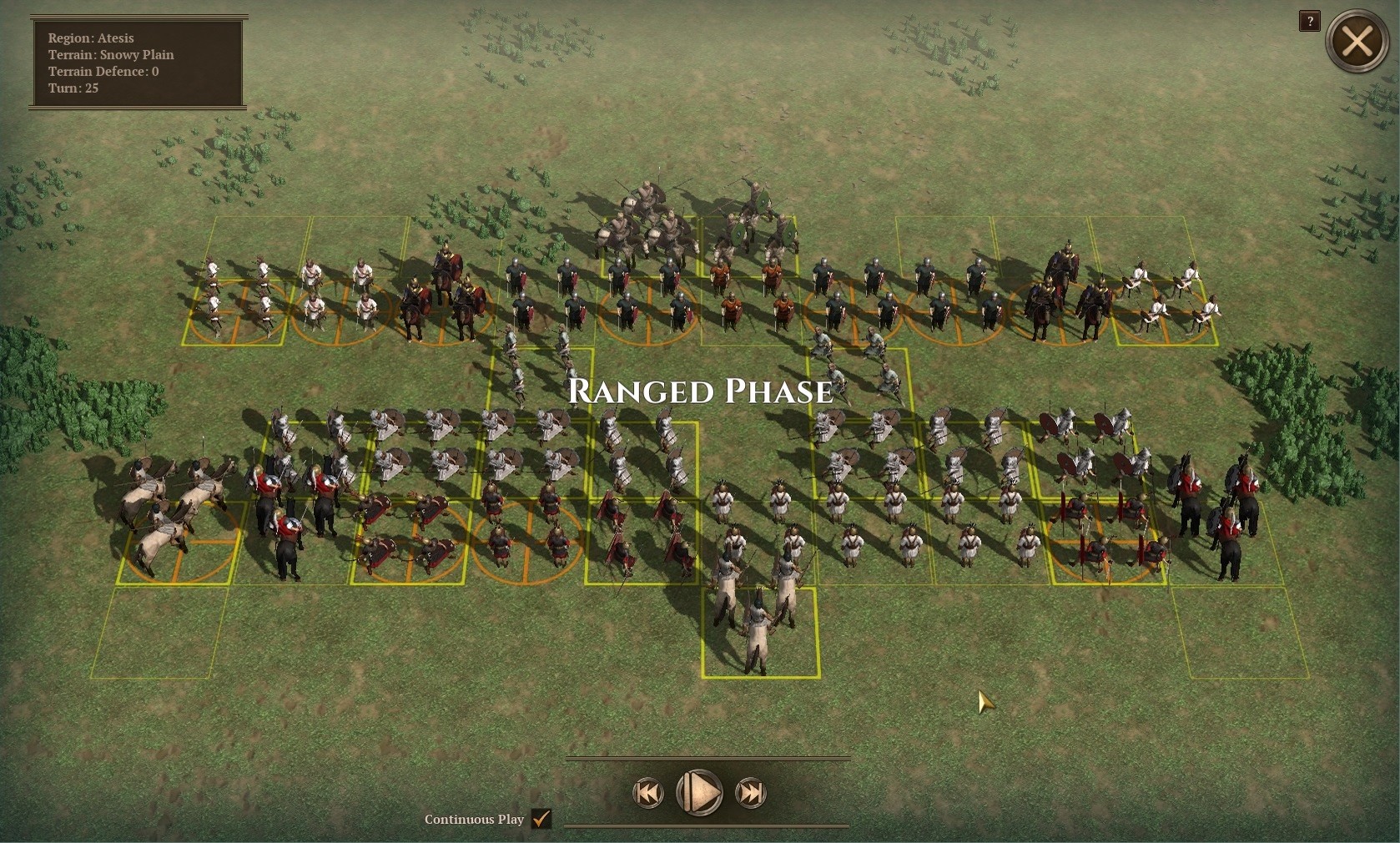
Field of Glory: Empires is an ambitious, slow-burning grand-strategy game that invites players to guide a civilization through centuries of political tension, territorial ambition, cultural evolution, and military struggle across the classical Mediterranean world. Developed by AGEod and published by Slitherine Ltd., the game stands apart from more streamlined 4X titles by embracing a deep, historically grounded simulation that demands patience, foresight, and an appreciation for long-term statecraft. Rather than offering quick conquests or rapid expansion, it asks players to think like ancient rulers—balancing growth with stability, wealth with war, and ambition with the inevitable decline that threatens all empires. It is a dense, cerebral experience, rewarding those who take the time to master its interconnected systems and penalizing those who treat ancient empire-building as a simple matter of painting the map one color. The foundation of the game lies in its detailed economic and administrative framework. Provinces produce resources, populations grow and migrate, trade routes form, and infrastructure develops according to your strategic choices. Each region has natural strengths—fertile plains, mineral-rich hills, or coastal access—that influence how it should be developed. Over time, you must decide whether to specialize your provinces for agriculture, commerce, industry, or military support. This micromanagement is never superficial: resource shortages can cripple your expansion, cultural stagnation can slow your political influence, and poor infrastructure can leave your armies overextended and vulnerable. More than simply collecting numbers, the system paints a picture of a living, breathing realm shaped by your decisions and the natural rhythm of history. One of Field of Glory: Empires’ most distinctive mechanics is its Culture–Decadence–Legacy system, which transforms empire-building into a long-term balancing act. As your civilization grows, decadence naturally accumulates—reflecting corruption, stagnation, and the societal strain of rapid expansion. If decadence outweighs cultural advancement, your empire risks slipping into decline, fragmentation, or outright collapse. Meanwhile, Legacy serves as your overall measure of long-term impact and historical significance, rewarding thoughtful governance rather than reckless aggression. This triad of systems ensures that even dominant empires cannot simply steamroll weaker neighbors without consequence. The game effectively captures the historical reality that great powers rise and fall not only through war but through internal pressures, cultural resilience, and the ability to adapt. It creates a strategic landscape where restraint can be just as powerful as conquest. Military operations operate on a strategic map and are shaped by logistics, terrain, army composition, and the abilities of your generals. Battles are resolved through a statistically driven system that emphasizes planning over spectacle; however, players who desire direct control can export any battle into Field of Glory II, Slitherine’s tactical wargame, fight it manually, and import the results back into the campaign. This feature offers a remarkable degree of customization, allowing players to choose whether to let grand strategy remain abstract or engage in the tactile thrill of battlefield command. Armies must be carefully composed, as elephants, cavalry, skirmishers, and heavy infantry each bring specific advantages and vulnerabilities. Leadership also matters enormously: a brilliant commander can elevate an otherwise average force, while a poor one can doom even a large army. Though battles play out quickly on the campaign layer, their consequences echo across years of gameplay as provinces shift hands, borders change, and power structures evolve. Diplomacy and internal politics form the third pillar of the experience. Peace is often more advantageous than war, especially when trade deals and alliances can offer long-term stability. Mismanaging loyalty in newly conquered regions can lead to revolts, while ignoring diplomatic relationships can result in multi-front conflicts that your economy cannot sustain. The game does not coddle the player: it expects you to take an active role in balancing military strength with diplomatic finesse, all while maintaining domestic satisfaction. This multifaceted approach mirrors the real-world complexities of ancient governance much more authentically than many strategy games dare to attempt. Yet this depth has a price. Field of Glory: Empires presents a steep learning curve, and its interface—though functional—is densely packed with information that can overwhelm newcomers. The pacing is deliberate, even slow, with turns representing full years and major shifts unfolding gradually. Players accustomed to flashy graphics, frequent battles, or clearly guided objectives may find the game demanding or even austere. But this is not a game designed around spectacle; it is built around contemplation, planning, and watching the slow churn of history unfold according to your choices. Some will find this engrossing, others tedious, and the divide between the two rarely narrows. For those willing to commit, however, the game becomes a uniquely rewarding experience—more simulation than conquest fantasy. It offers a sense of historical immersion that is hard to find elsewhere, capturing the fragility and grandeur of ancient civilizations with remarkable fidelity. Managing prosperity, preventing collapse, steering cultural advancement, and leaving a meaningful legacy all feel significant, and victories—whether diplomatic, economic, or military—carry weight because they emerge from a complex web of interconnected systems. In the end, Field of Glory: Empires is a thoughtful, challenging, and deeply layered grand-strategy game that aims to simulate the dynamics of ancient empire management rather than simply entertain through conquest. It excels at creating a world where every decision carries consequences, where internal politics matter just as much as territorial gain, and where the passage of centuries feels genuinely transformative. For strategy enthusiasts who appreciate depth, historical authenticity, and long-term planning, it stands as one of AGEod and Slitherine’s most compelling achievements. For players seeking something lighter or faster, it will feel too dense—but for the devoted strategist, it is a rewarding and memorable journey through the rise and fall of ancient powers. Rating: 8/10
Expand the review