
The Bazaar
The Bazaar is a fast-paced multiplayer Roguelike where every run is a new puzzle. Choose from unique heroes, uncover powerful combos, and outwit your opponents in a dynamic, ever-changing marketplace. Play at your own pace while discovering endless ways to win.
Sync your Steam wishlist to find the lowest game prices instantly. No login required, just paste your Steam profile URL!
⚡ Try Wishlist Radar!
Sync your Steam wishlist to find the lowest game prices instantly. No login required!
⚡ Try Wishlist Radar!
Close

Grail on Steam
Quick menu
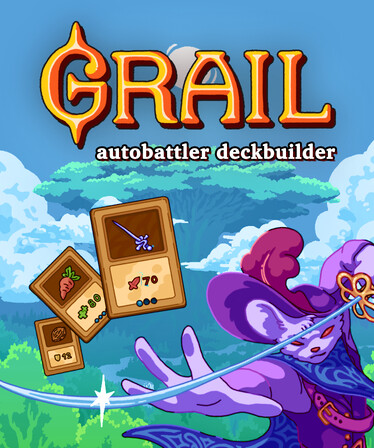
In this deckbuilder your deck plays automatically. Upgrade, enchant and stickerize your cards to create clever cascading effects that defeat monsters and other players. Can you reach the Grail?
Grail is a auto battler, deckbuilding and strategy game
developed and published by Sokpop Collective.
Released on September 01st 2026 is available on Windows, MacOS, Steam Deck and Steam Machine
in 11 languages: English, French, Italian, German, Spanish - Spain, Dutch, Japanese, Korean, Portuguese - Brazil, Simplified Chinese and Traditional Chinese.
It has received 389 reviews of which 335 were positive and 54 were negative resulting in a rating of 8.0 out of 10. 😎
The game is currently priced at 9.75€ on Steam.
The Steam community has classified Grail into these genres:
Auto Battler
Deckbuilding
Strategy
Card Battler
PvP
Roguelite
Card Game
Roguelike
Fantasy
Lore-Rich
Colorful
Cute
Indie
Pixel Graphics
Asynchronous Multiplayer
Medieval
Character Customization
PvE
Singleplayer
Automation
Here is the detailed breakdown of supported languages for Grail:
| UI | Subtitle | Audio | |
|---|---|---|---|
| English | |||
| German | |||
| French | |||
| Italian | |||
| Korean | |||
| Spanish - Spain | |||
| Simplified Chinese | |||
| Traditional Chinese | |||
| Japanese | |||
| Dutch | |||
| Portuguese - Brazil |
Media & Screenshots
Get an in-depth look at Grail through various videos and screenshots.


Load More

System requirements
These are the minimum specifications needed to play the game. For the best experience, we recommend that you verify them.
Windows
- OS: Windows 10
- Processor: Dual Core 2 GHz
- Memory: 4 GB RAM
- Graphics: DirectX9 compatible with at least 500MB of memory
- DirectX: Version 9.0
- Network: Broadband Internet connection
- Storage: 500 MB available space
- Sound Card: DirectX 9 compatible sound card or integrated sound chip
MacOS
- OS: OSX 10.9
- Processor: Intel Only
- Memory: 4 GB RAM
- Graphics: Intel HD4600
- Network: Broadband Internet connection
- Storage: 500 MB available space
Steam Price & Best Deals
User reviews & Ratings
Explore reviews from Steam users sharing their experiences and what they love about the game.
Brilliant game so far. It obviously takes a lot of inspiration from the Bazaar which is absolutely fine for me as someone who liked the Bazaar but didn't like the dev team's choices. The main USP of the game is that it is a deck builder where your cards are drawn and played automatically. I was a bit skeptical of this at first but it works really well. The energy system that they have created is unique and there are lots of options to refine your draw order. It has some work to do with the events as they are quite repetitive, but that is the only minor negative. The theme and art style is fun and well executed. Music and SFX are great too. Would be a good £15 game so for less than half that it is a steal.
You've meticulously crafted your deck to deal as much damage as possible? Each card perfectly sequenced? That's cute. It's no match for my cheese build. Sit down and admire as I stuff my face with amounts of fromage so egregious a lactose intolerant person would faint at the sight. Your attacks simply bounce off of my rotund figure. Just like the universe, my stomach is constantly expanding. Gouda gang. Good game.
I put, quite frankly, too much time into the demo of this game so I feel the need to buy it and give a review. I don't usually play auto-battlers, but the strategic depth of what you can build a deck into is very deep and very clever. The devs put a lot of thought into how the different elements, cards and parts might all interact that there's seemingly limitless deckbuilding opportunities. I think some examples work better than vague gesturing so here we go: Some runs I go for heavy Heal builds, I pack what I consider to be good heal cards into my deck, but then I get a trait that makes my heal cards empower my Poison cards so I feel the need to put a few poison cards in my deck and all of a sudden I've got a very strong hybrid Poison/Heal deck. Similarly I might go for a heavy Attack deck, but then I find a card that grants me more Poison per Attack I play and then I find a trait that makes my Attacks do damage based on the Poison I've dealt and it makes me feel smart for putting all this together. These kinds of synergies exist across all different types of cards, there's Attack, Block, Heal, Burn, Shock, Poison, Bleed, Discard, high cost, low cost and seemingly combinations of each of them, or you can just go for a pure one type deck, anything seems to work, as long as you build it right. And what I think is a simple but effective decision they have made is that each run you have 4 lives and to "win" you need 6 Victories versus other players. This helps the issue with a lot of deck builders where you might not want to take the "cool" card early because it might be weak on its own, but with 4 lives I can theoretically stomach losing a couple of matches while I get some stronger cards to support that big payoff card I took early. All in all I think this game is so well designed, I could go on about how the different damage types are all really distinct instead of just different flavours of damage over time like can often happen in deck builders or rpgs leading to interesting deckbuilding strategies but I'll refrain and just say; try the demo or just buy the game if you like deckbuilders and strategy. It's top notch and it's also pretty cheap.
Similar games
View all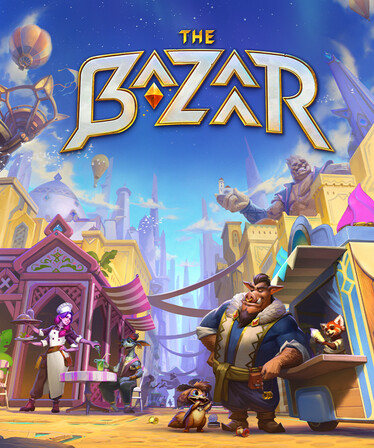
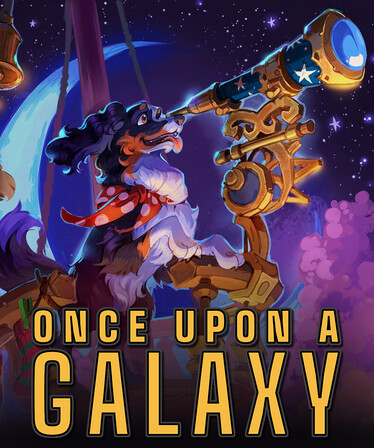
Once Upon a Galaxy
ONCE UPON A GALAXY is an easy to learn Card Battler with incredible strategic depth and near infinite fun! Which of your favorite characters from myth and fairy tale will you choose?
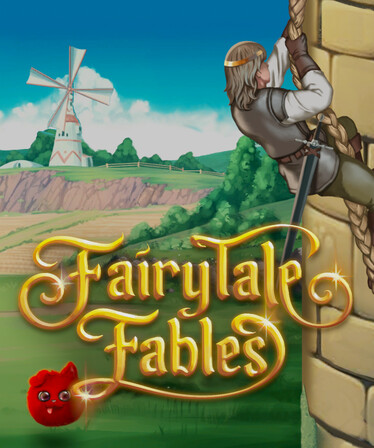
Fairytale Fables
Dive into a fantastical autobattler where fairytales and legends collide! Choose your hero and assemble your team of characters, items and treasures to outwit opponents in strategic battles where positioning matters. Will you be the last one standing in this enchanted PvP arena?
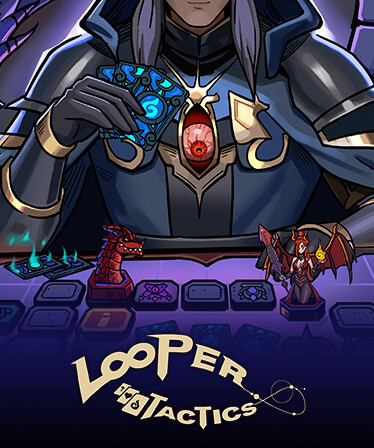
Looper Tactics
Welcome again, wandering soul. Will this be the time of your success? Watch your steps as you advance in this roguelike-deck builder and engage in auto-battler card encounters of increasing difficulty. Get stronger in each battle, rise from the ashes, and break free from endless reincarnation!
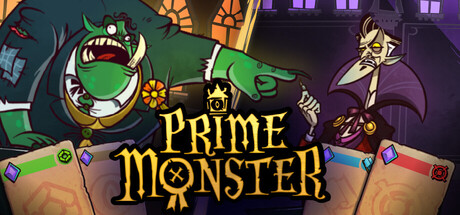
Prime Monster
A card-based political roguelike about surviving in a parliament of literal monsters. Fight for votes, break rules, weather scandals and force through absurd laws to keep the top job in this democratic dystopia of truly monstrous proportions.

Skill Legends Royale
This is a free multiplayer PvP strategy game that incorporates rogue-like and auto chess elements, players need to equip their auto-battling heroes with the right treasures and skills to ultimately defeat all other players and become the champion.
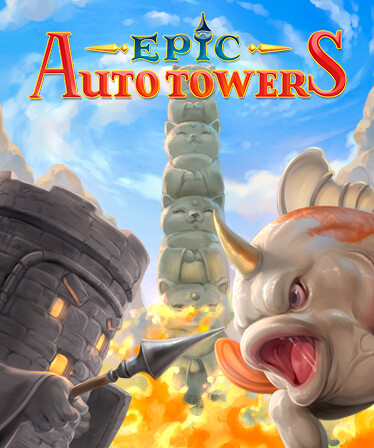
Epic Auto Towers
Epic Auto Towers is a turn-based strategy game combining elements of autobattler, deckbuilder and roguelike. Purchase uncommon and rare Towers and build the strongest combo to withstand the monster assault! Discover unusual new Tower combinations as you come back for more.
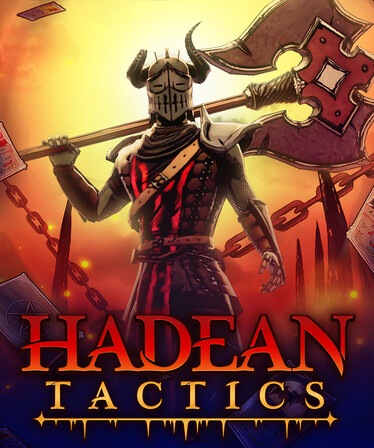
Hadean Tactics
Hadean Tactics is a roguelike deckbuilding game fused with autobattler elements to create a unique strategy experience. Use your cards to influence the actions of your units and help your Hero defeat the Six Wings of Hell!
Auto Chess
Original Auto Chess
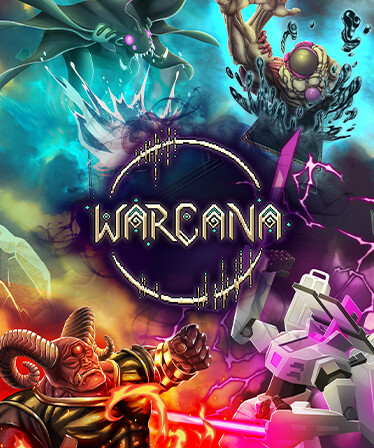
WARCANA
WARCANA is a fantasy inspired base defence, RTS game with a deck-building mechanic. Face hundreds of thousands of unrelenting monsters in a battle royale between 30 other mighty magicians. Build your deck. Prepare your defences. Summon your armies. Survive the onslaught. Be the last one standing.

Blood Card 2: Dark Mist
Dark Mist is a card game that combines elements of the roguelike deckbuilder genre with enemies that appear in waves. Defeat monsters and level up during battle to keep yourself going.

Spellstone
Spellstone is a fantasy card game with beautiful hand-drawn art and rich lore! Collect hundreds of striking cards to battle through a compelling story and unravel the mystery of the Void.
Frequently Asked Questions
Grail is currently priced at 9.75€ on Steam.
No, Grail is currently not on sale. You can purchase it for 9.75€ on Steam.
Yes, Grail received 335 positive votes out of a total of 389 achieving a rating of 8.01.
😎
Grail was developed and published by Sokpop Collective.
Yes, Grail is playable and fully supported on Windows.
Yes, Grail is playable and fully supported on MacOS.
No, Grail is not playable on Linux.
Yes, Grail is playable on Steam Deck, though it might require a few minor tweaks. Make sure to check the Steam store page and community feedback on ProtonDB for exact compatibility details.
Yes, Grail is playable on Steam Machine, though it might require a few minor tweaks. Make sure to check the Steam store page and community feedback on ProtonDB for exact compatibility details.
No, Grail does not support VR.
Grail offers both single-player and multi-player modes.
Grail offers both Co-op and PvP modes.
No, Grail does not currently offer any DLC.
No, Grail does not support mods via Steam Workshop.
No, Grail does not support Steam Remote Play.
Yes, Grail is enabled for Steam Family Sharing. This means you can share the game with authorized users from your Steam Library, allowing them to play it on their own accounts. For more details on how the feature works, you can read the original Steam Family Sharing announcement or visit the Steam Family Sharing user guide and FAQ page.
You can find solutions or submit a support ticket by visiting the Steam Support page for Grail.
Data sources
The information presented on this page is sourced from reliable APIs to ensure accuracy and relevance. We utilize the Steam API to gather data on game details, including titles, descriptions, prices, and user reviews. This allows us to provide you with the most up-to-date information directly from the Steam platform.
Additionally, we incorporate data from the SteamSpy API, which offers insights into game sales and player statistics. This helps us present a comprehensive view of each game's popularity and performance within the gaming community.
Last Updates| Steam data | 28 September 2026 20:33 UTC |
|---|---|
| SteamSpy data | 13 October 2026 10:15 UTC |
| Steam price | 26 October 2026 15:39 UTC |
| Steam reviews | 21 October 2026 09:55 UTC |
If you'd like to dive deeper into the details about Grail, we invite you to check out a few dedicated websites that offer extensive information and insights. These platforms provide valuable data, analysis, and user-generated reports to enhance your understanding of the game and its performance.
- SteamDB - A comprehensive database of everything on Steam about Grail
- SteamCharts - Analysis of Grail concurrent players on Steam
- ProtonDB - Crowdsourced reports on Linux and Steam Deck Grail compatibility
Game modes
Multiplayer
Features
Online players
107
Developer
Sokpop Collective
Publisher
Sokpop Collective
Release
01 Sep 2026
Platforms