
Graviteam Tactics: Operation Star
Graviteam Tactics: Operation Star is a sequel to Achtung Panzer: Kharkov 1943. It’s an Eastern Front war game with solid graphics and sprawling battlefields that really emphasizes the scope of WWII tank combat.Want to step into the role of a commander in the very heart of Kharkov’s defense?
Sync your Steam wishlist to find the lowest game prices instantly. No login required, just paste your Steam profile URL!
⚡ Try Wishlist Radar!
Sync your Steam wishlist to find the lowest game prices instantly. No login required!
⚡ Try Wishlist Radar!
Close

Graviteam Tactics: Mius-Front on Steam
Quick menu
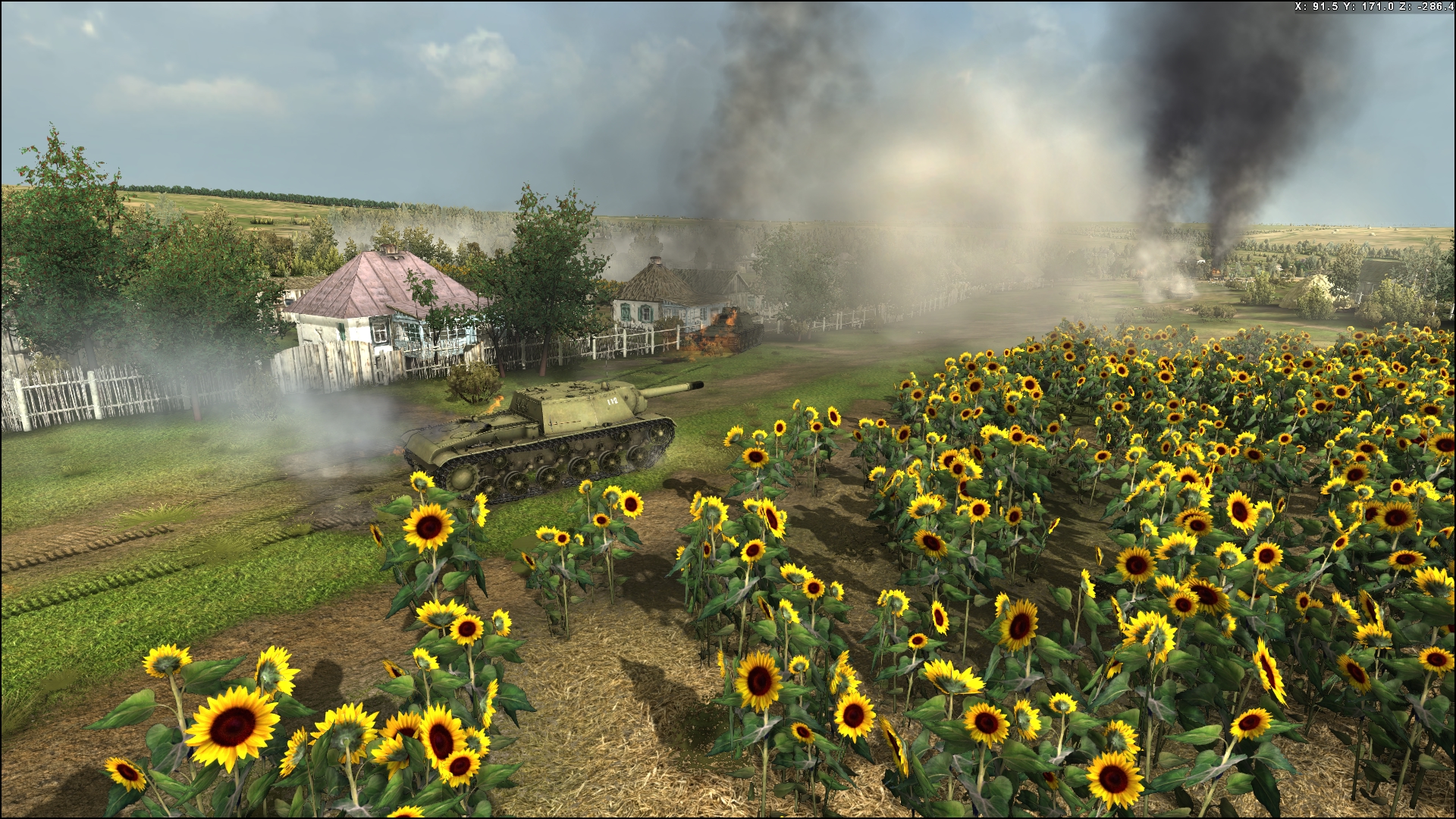
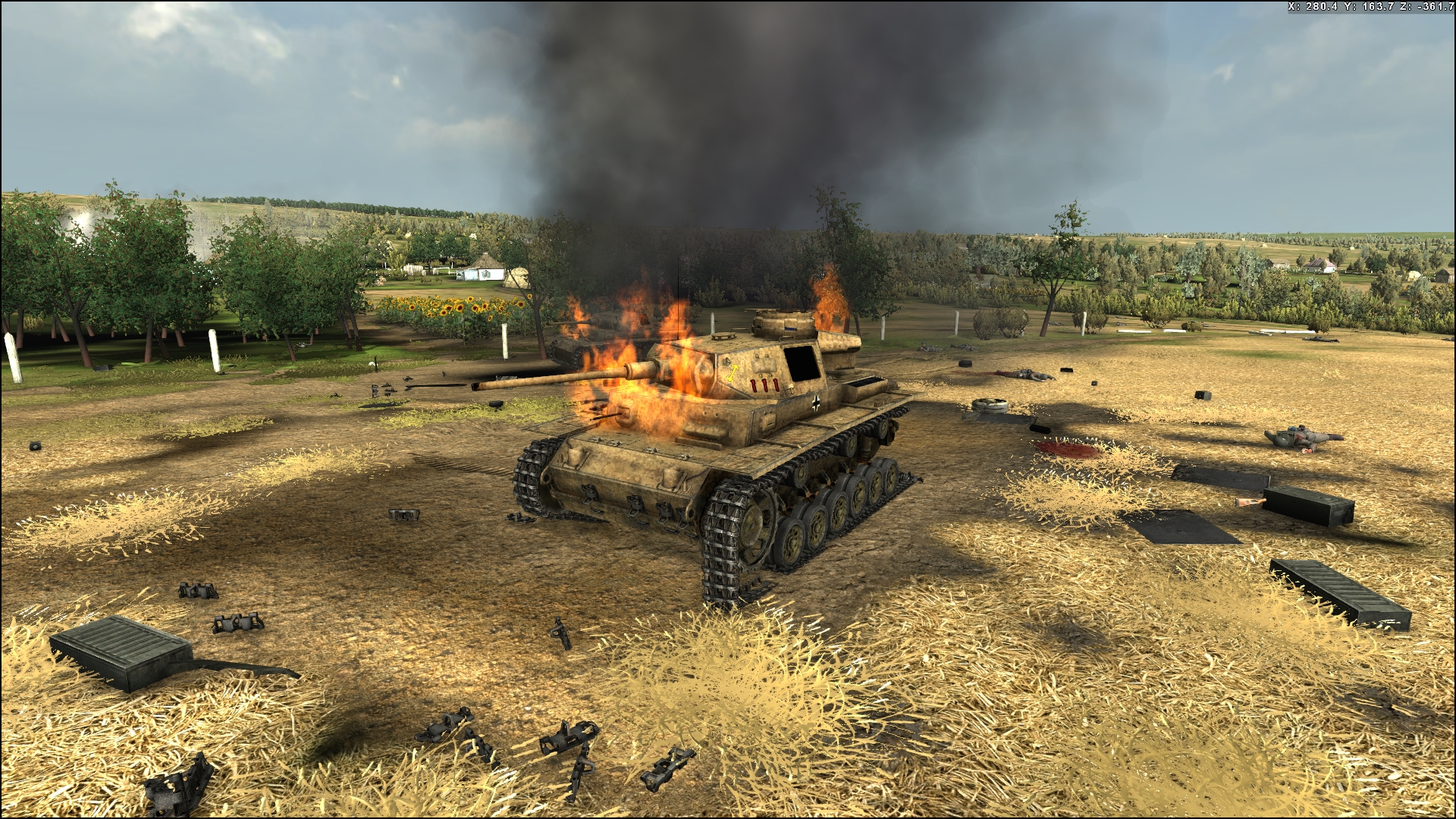
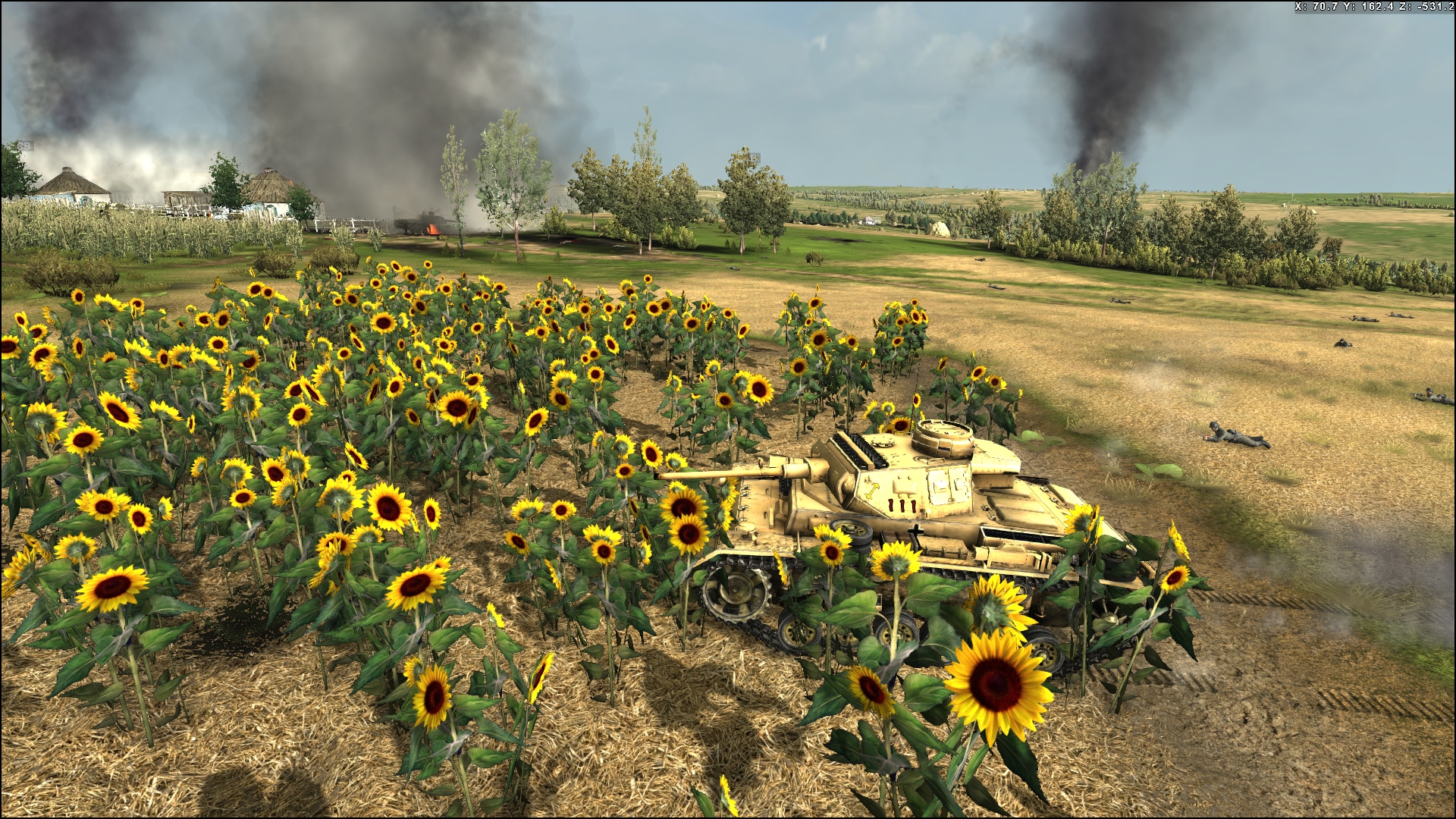
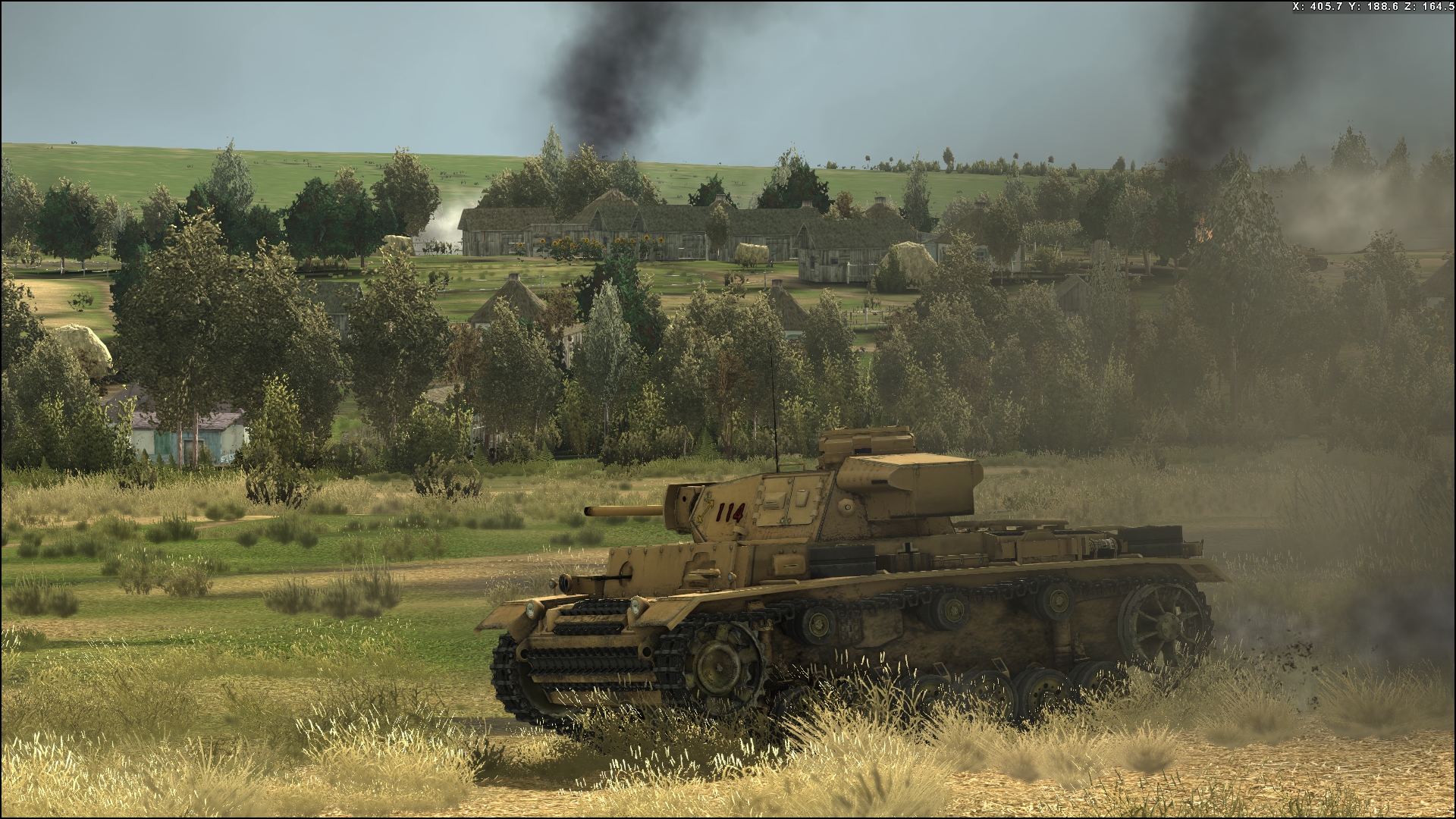
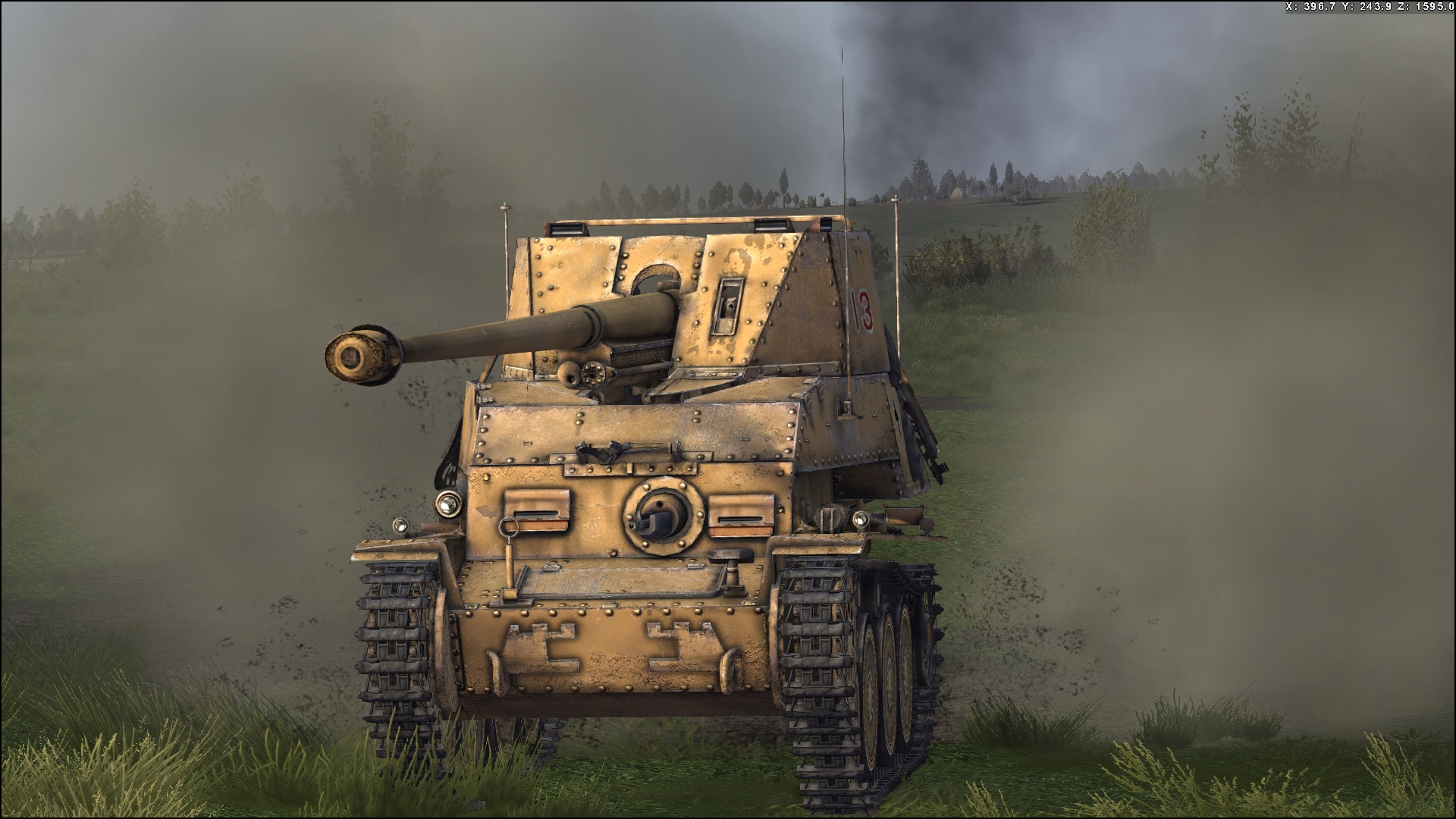
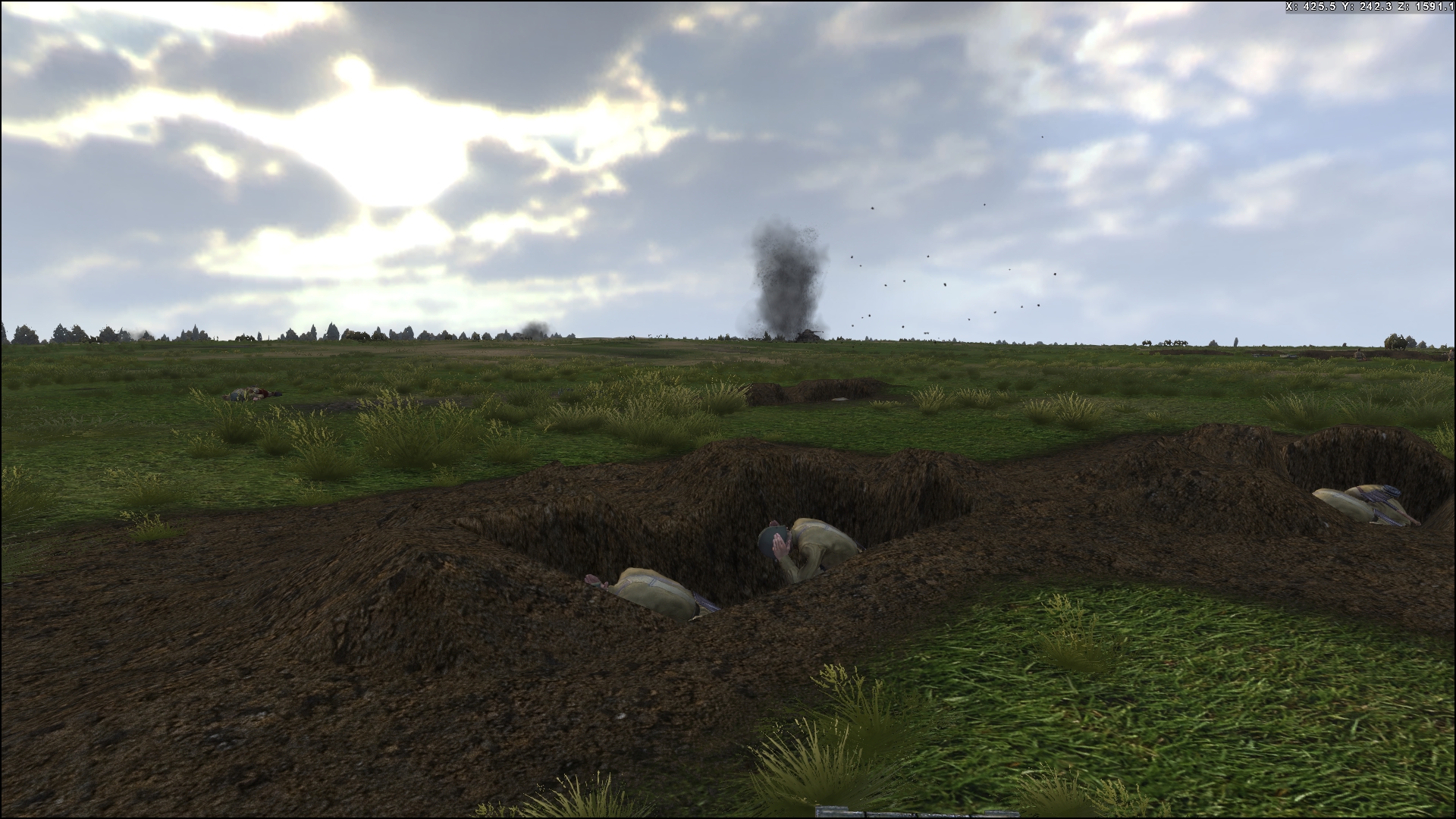
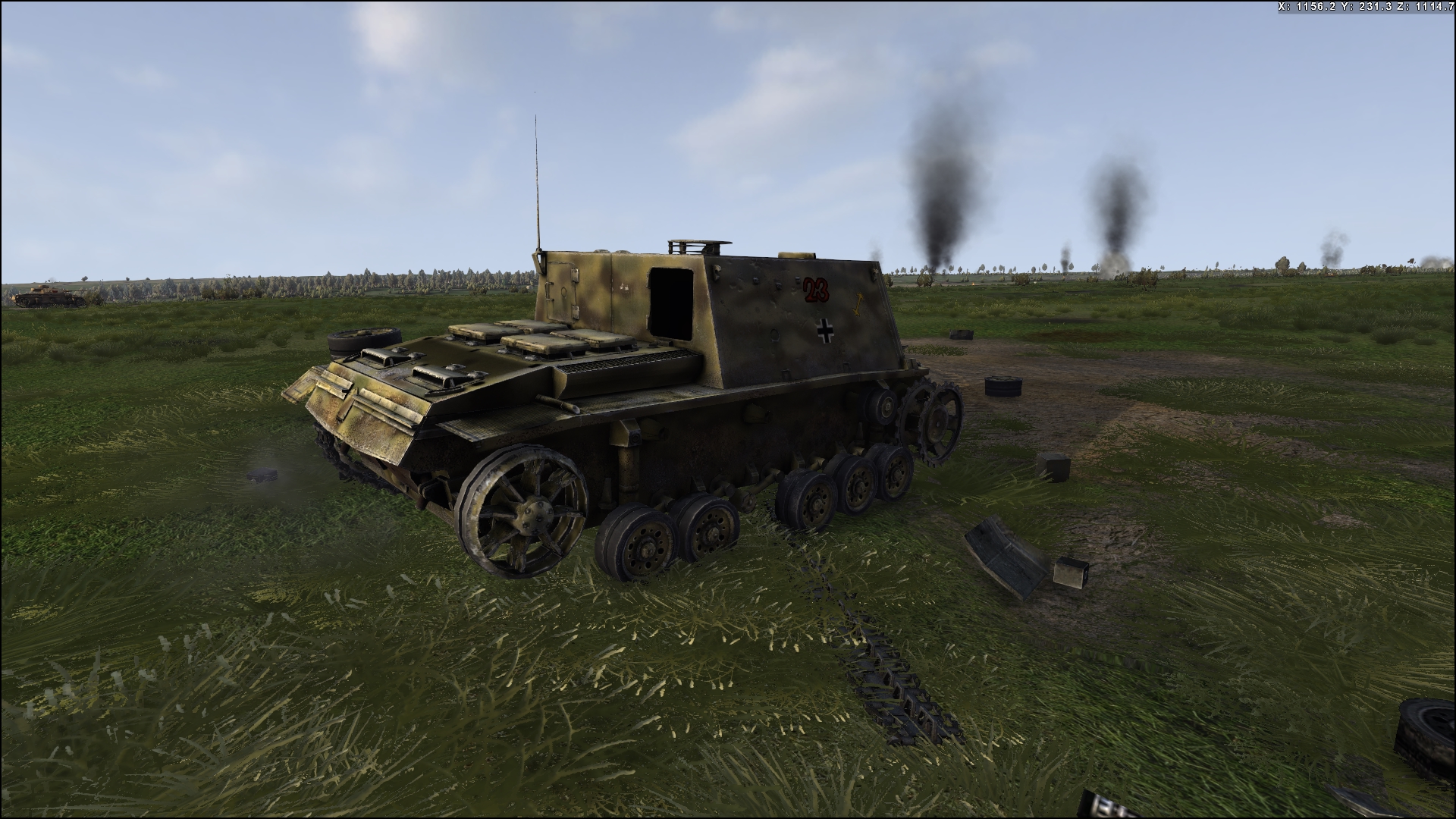
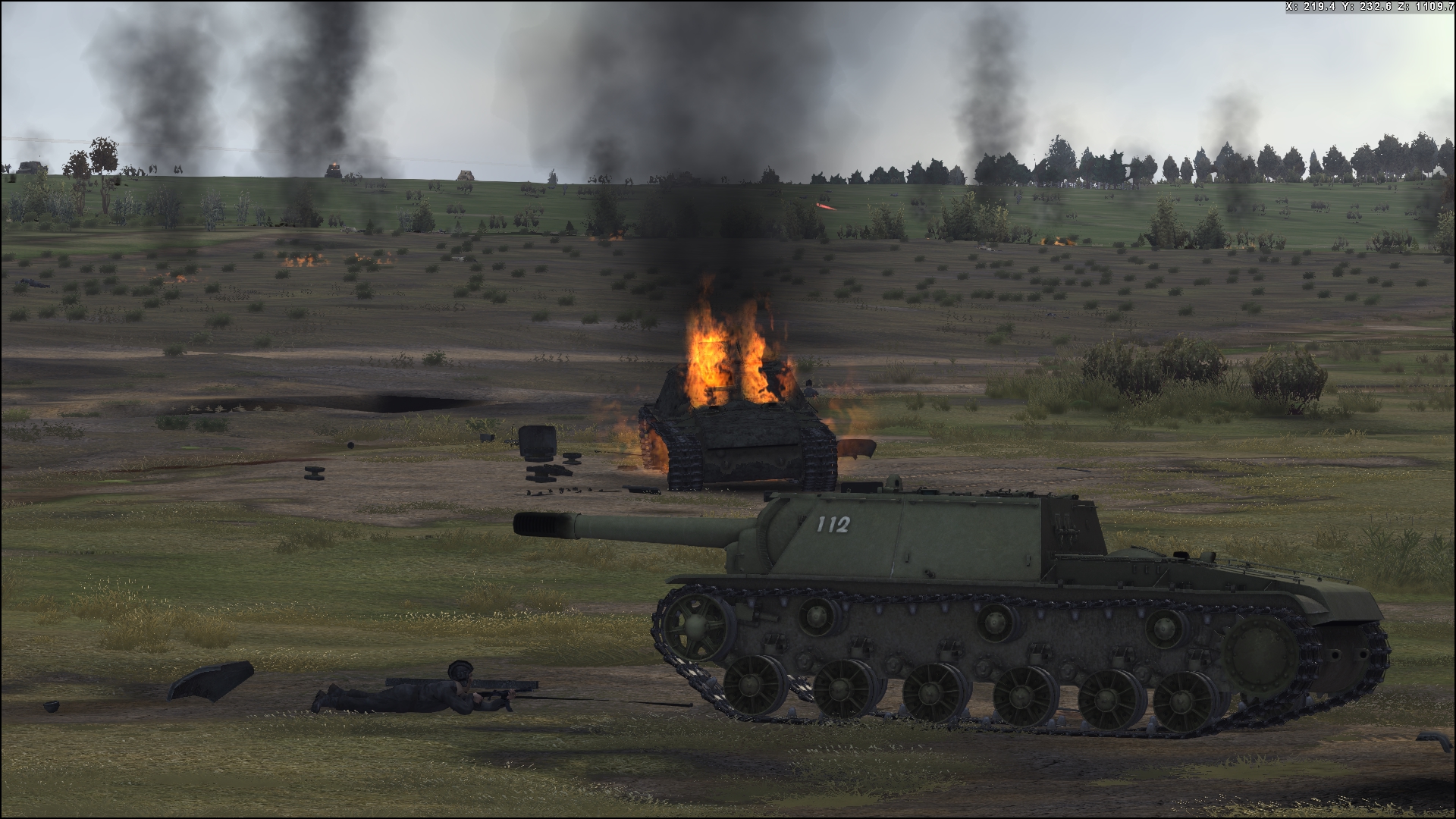
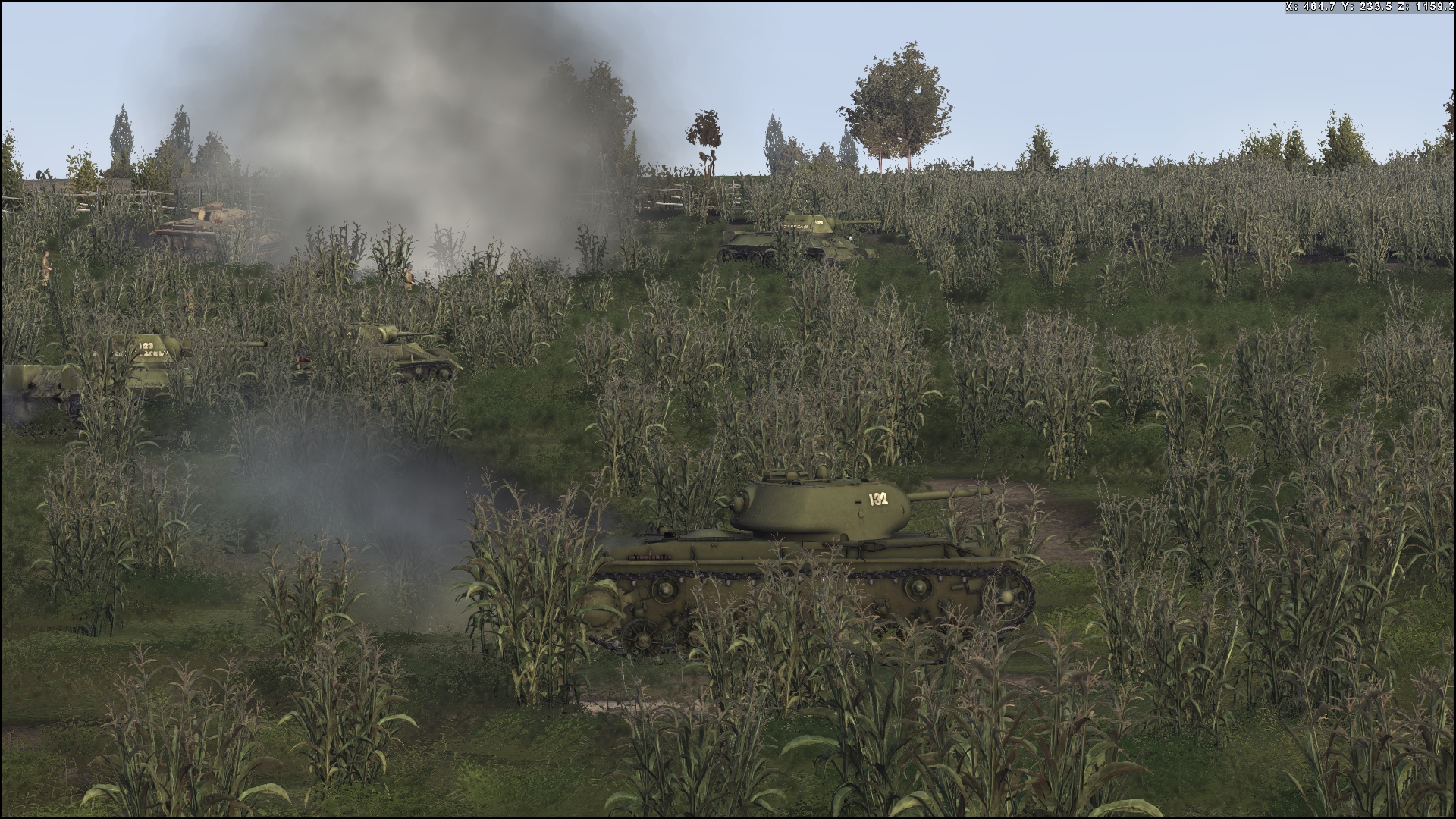
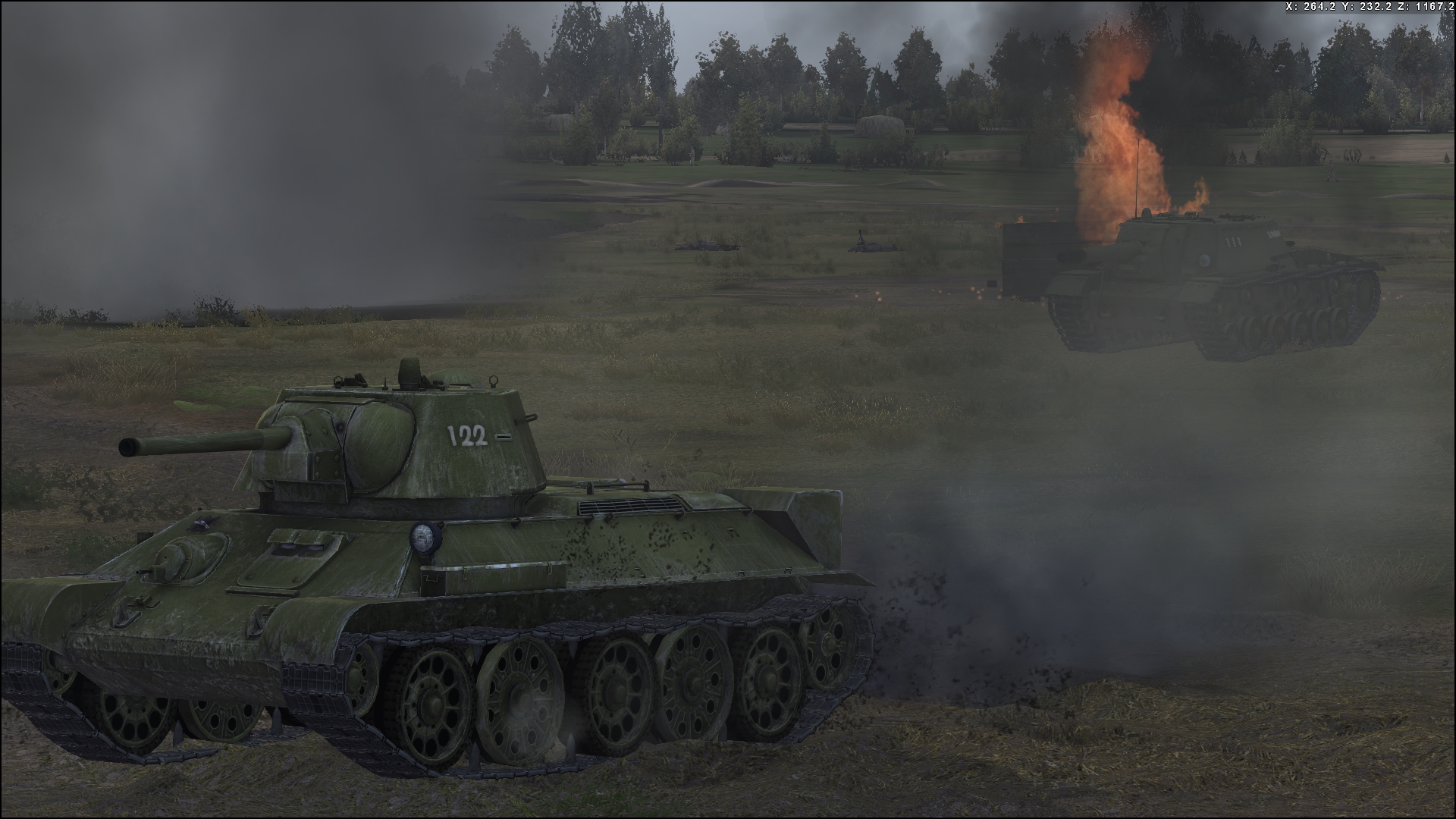
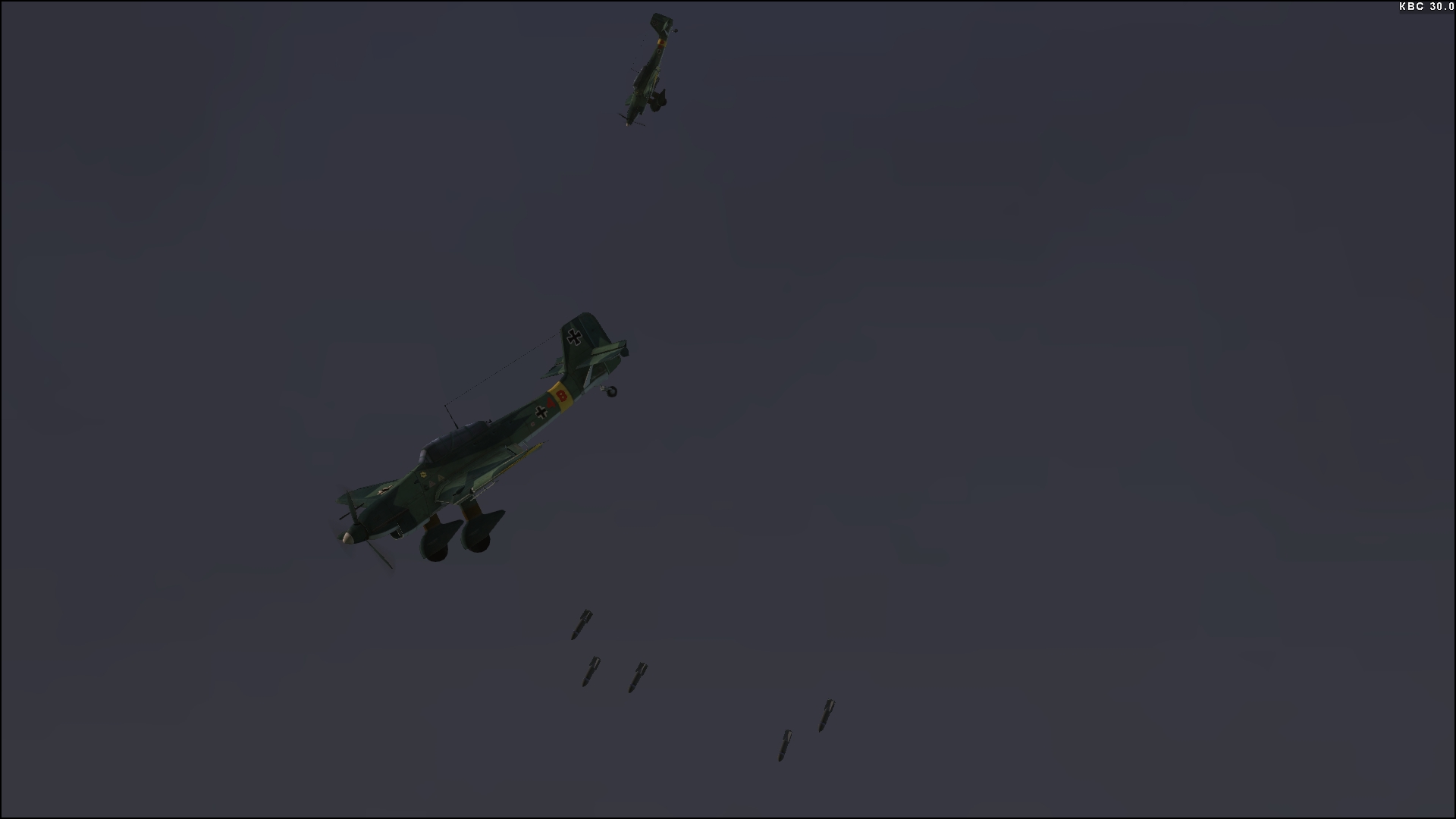
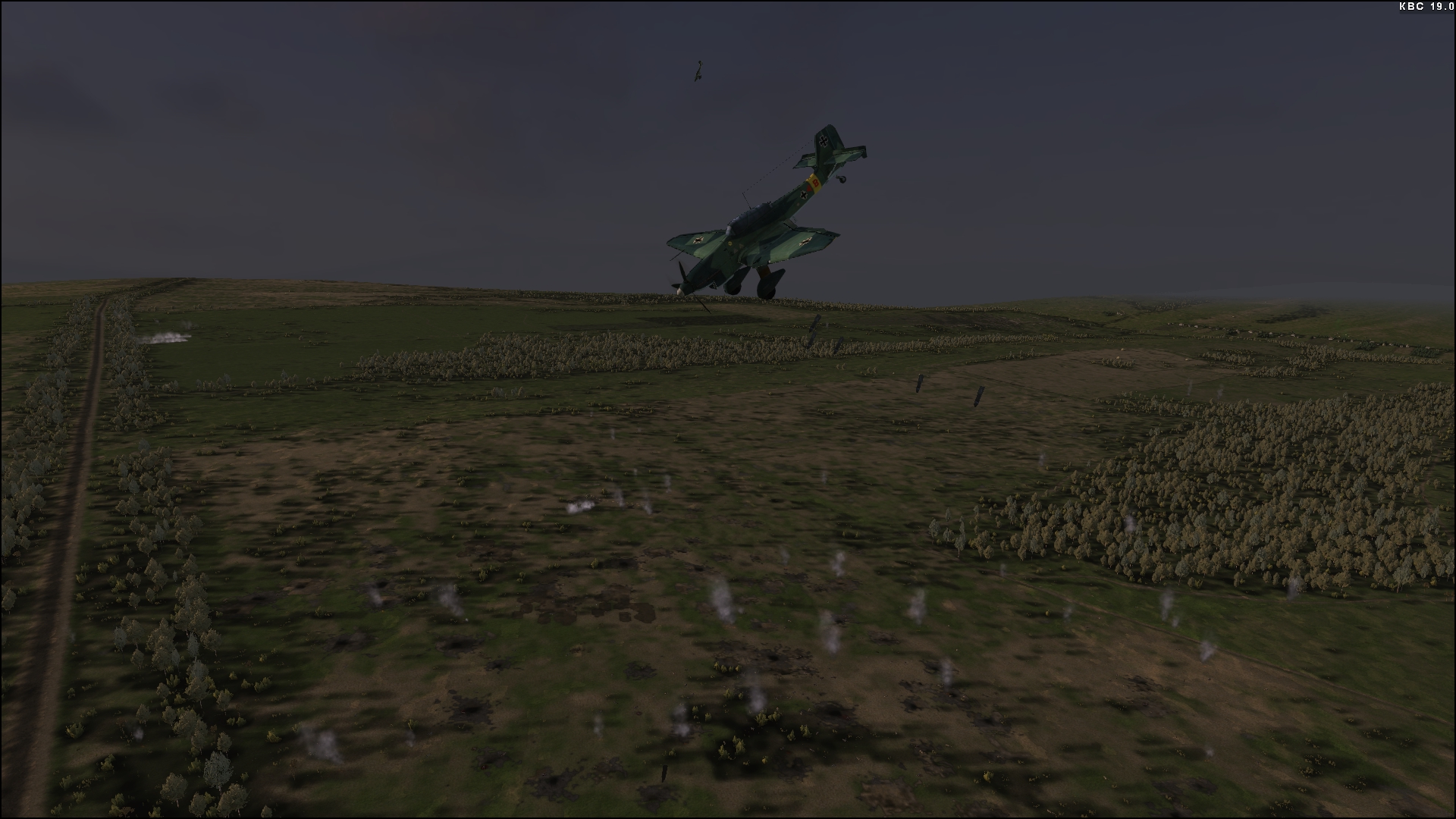
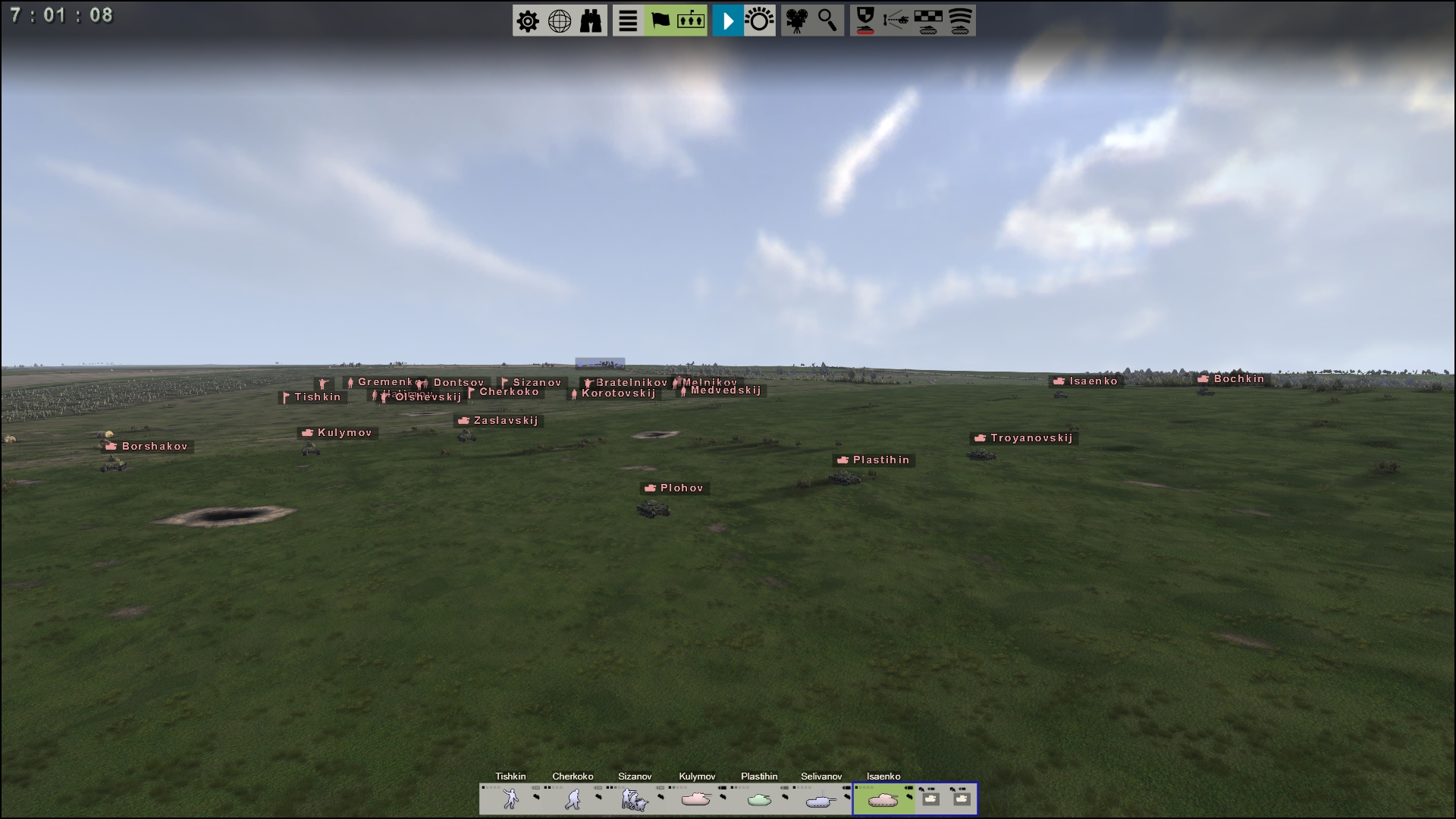
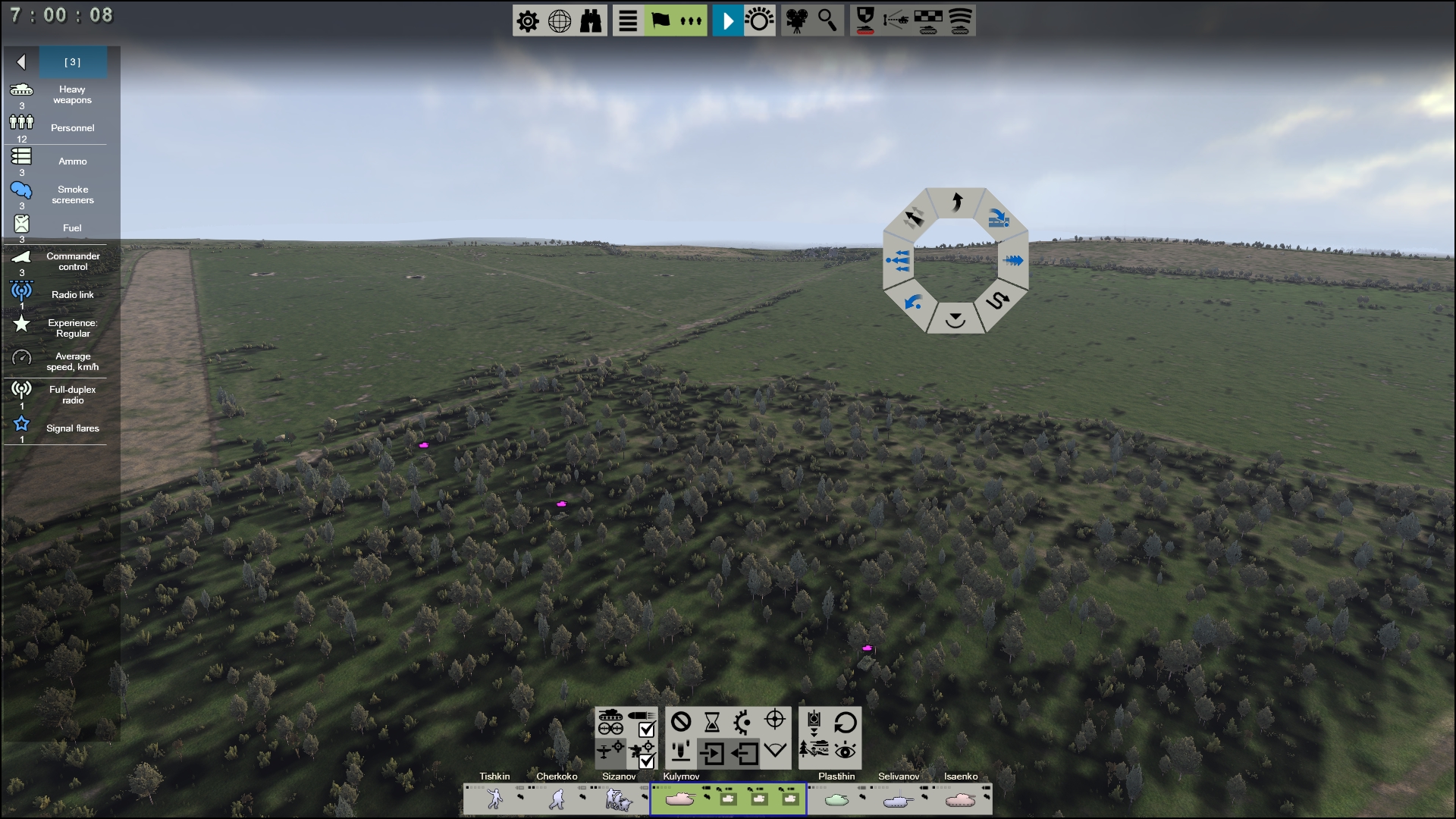
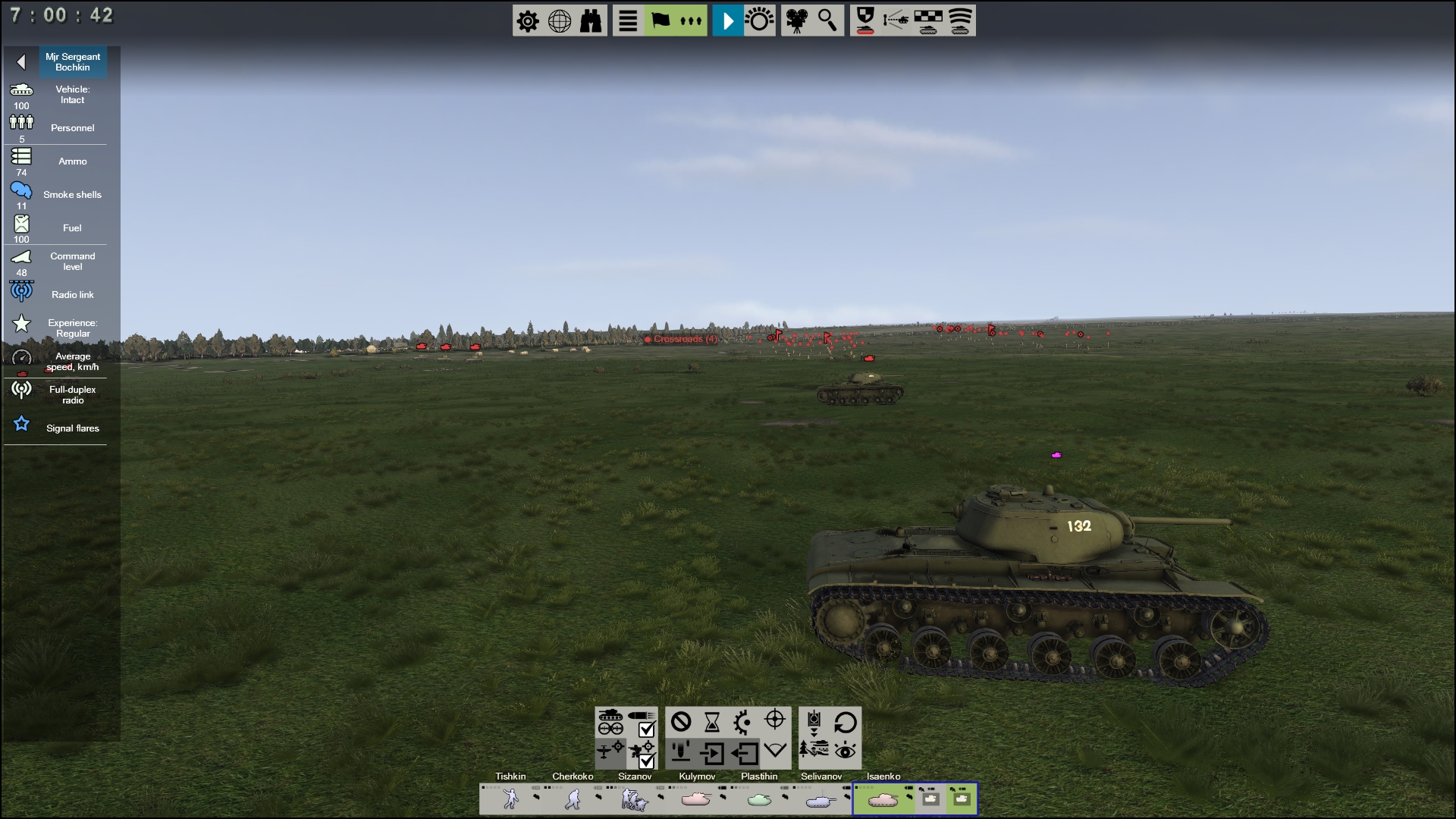
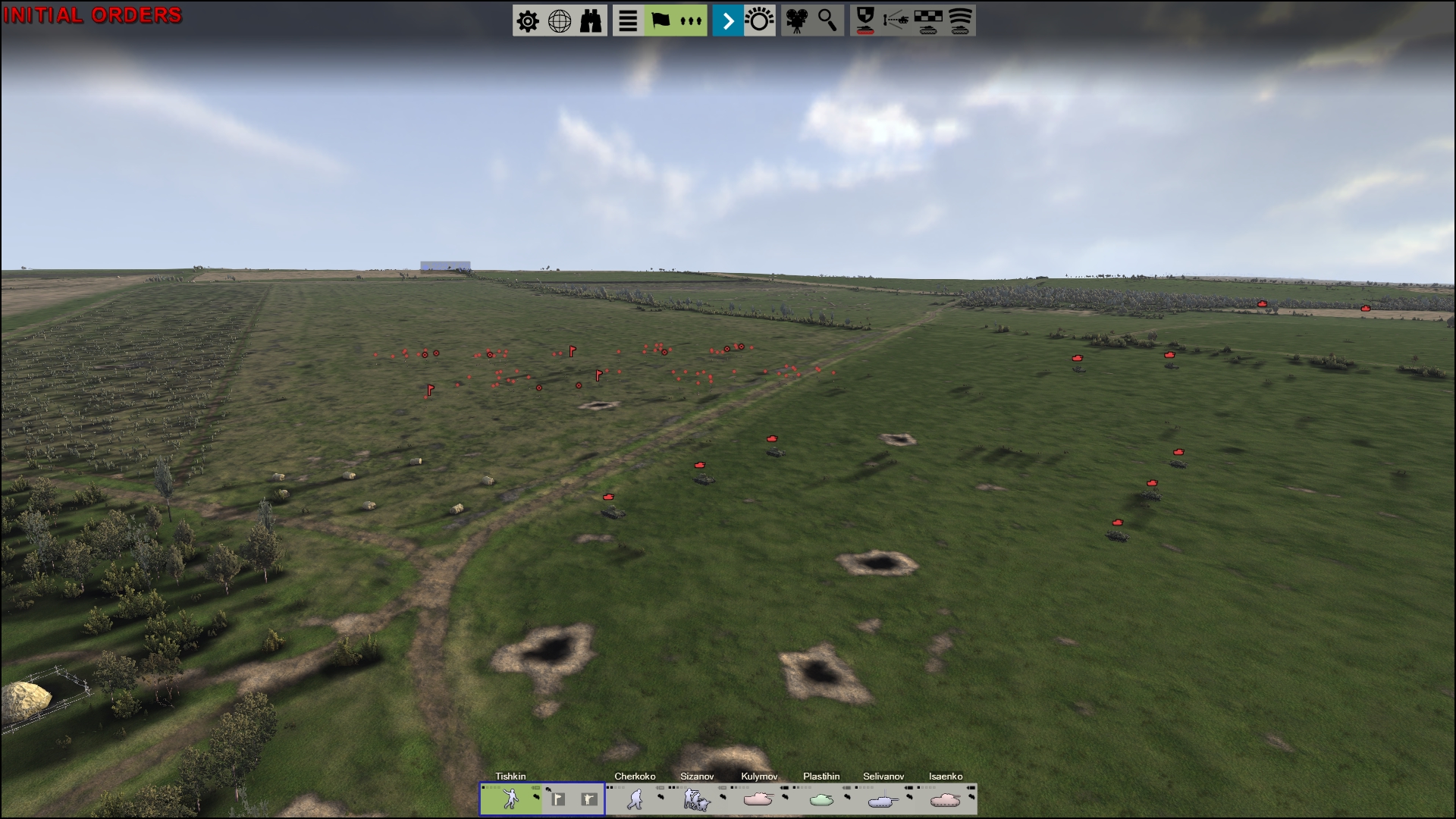
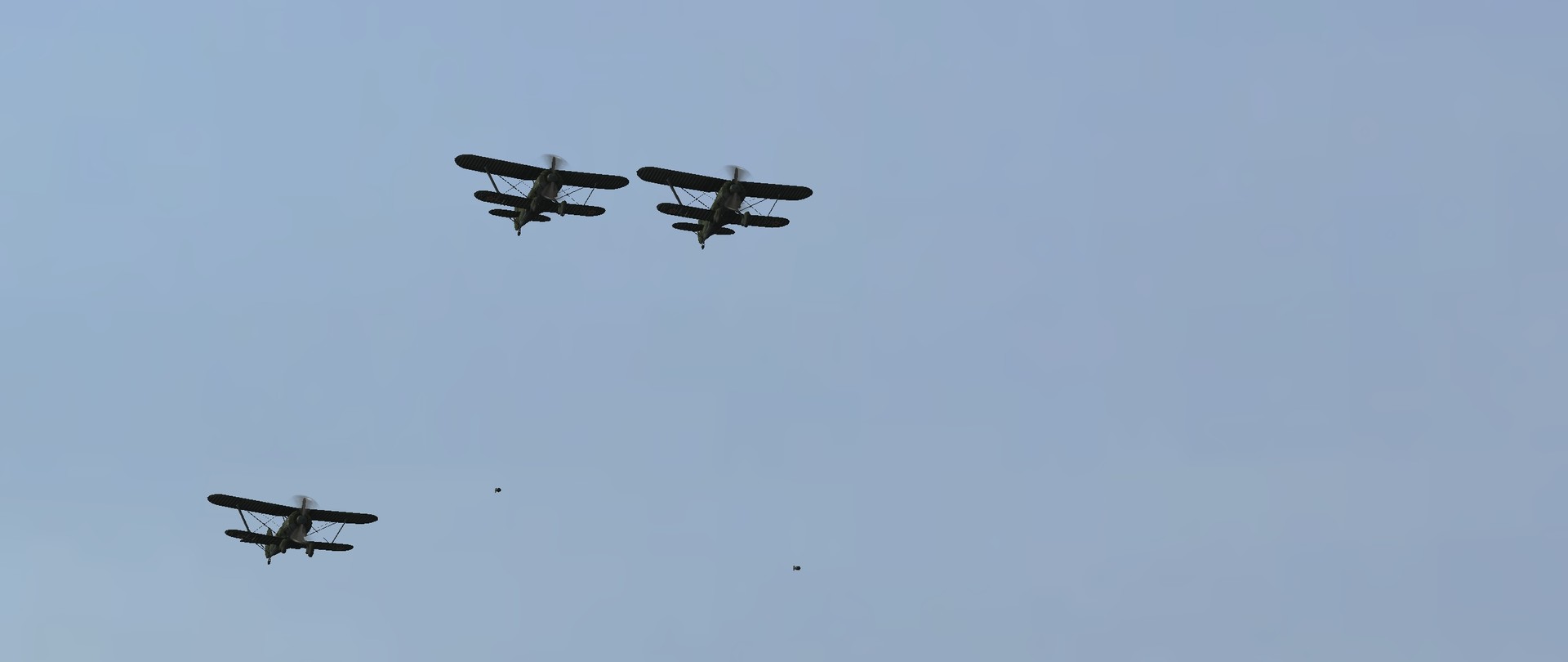
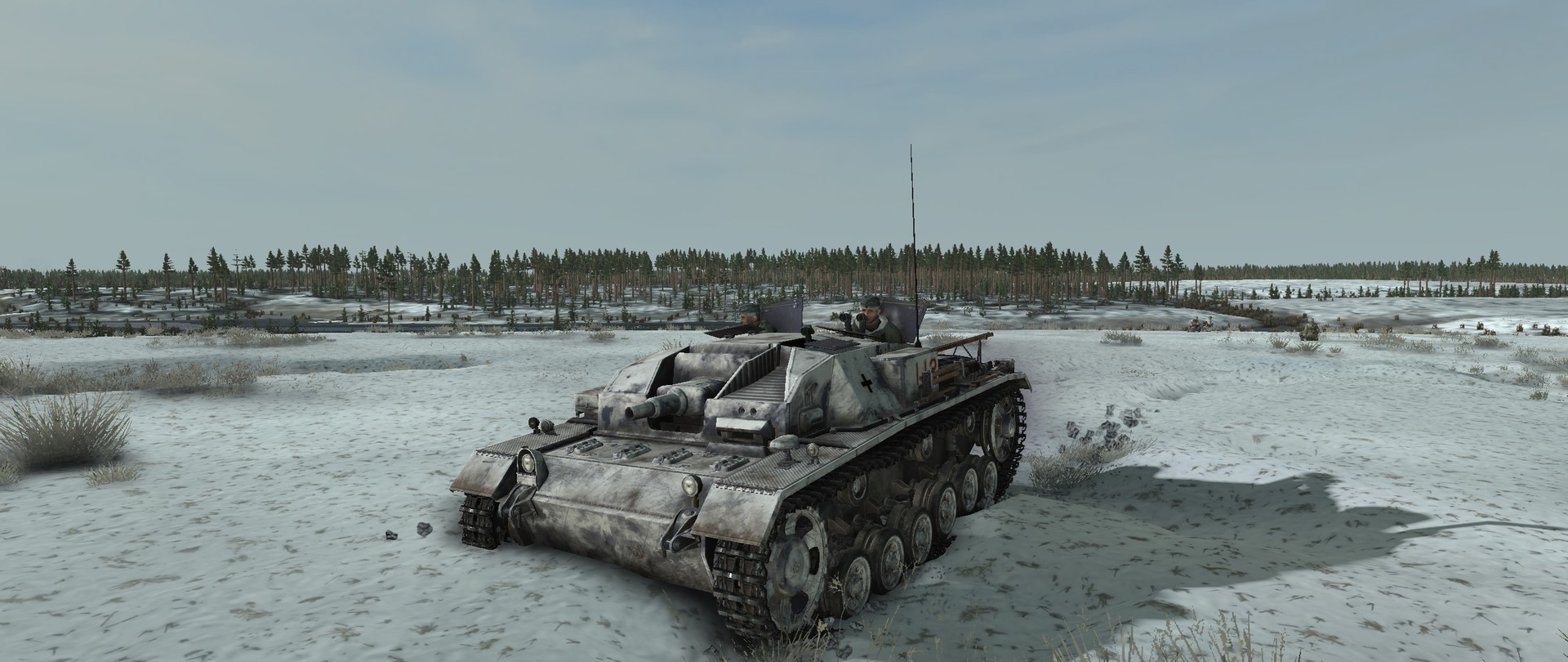
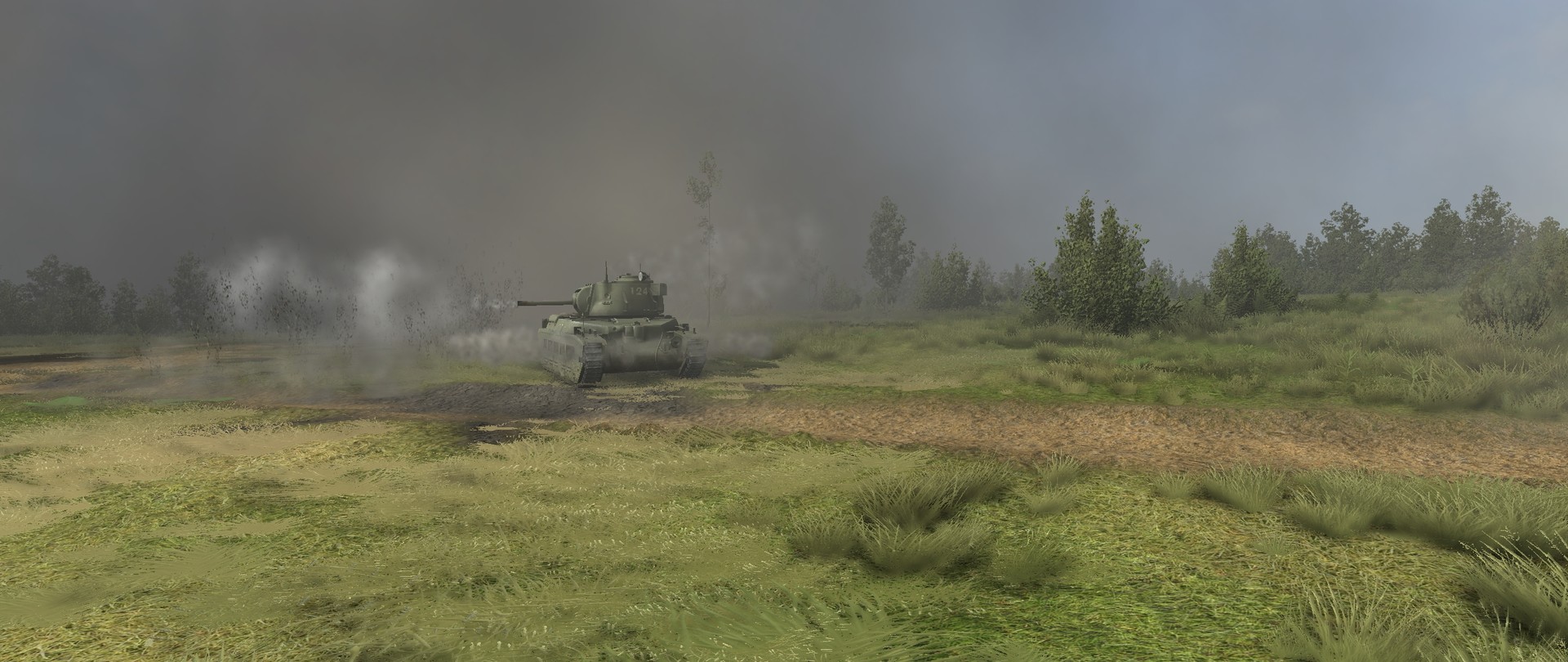
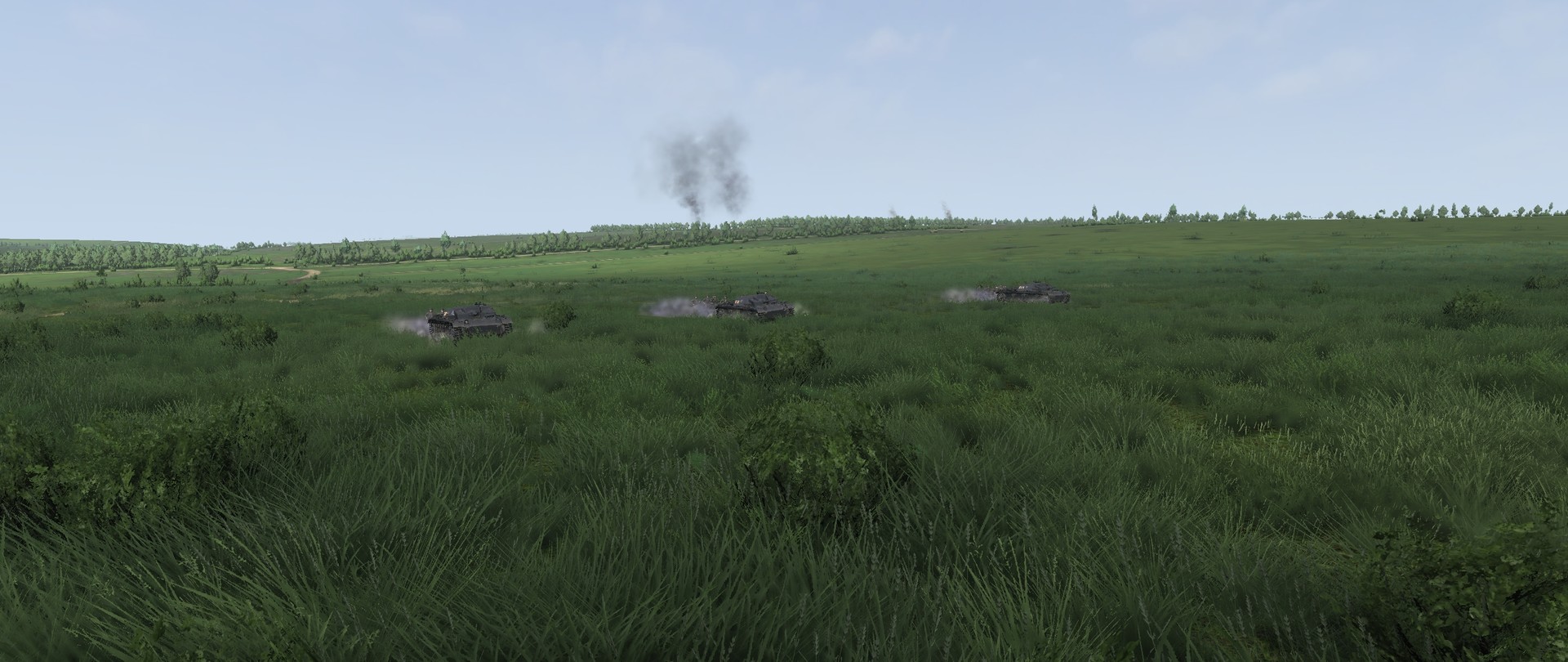
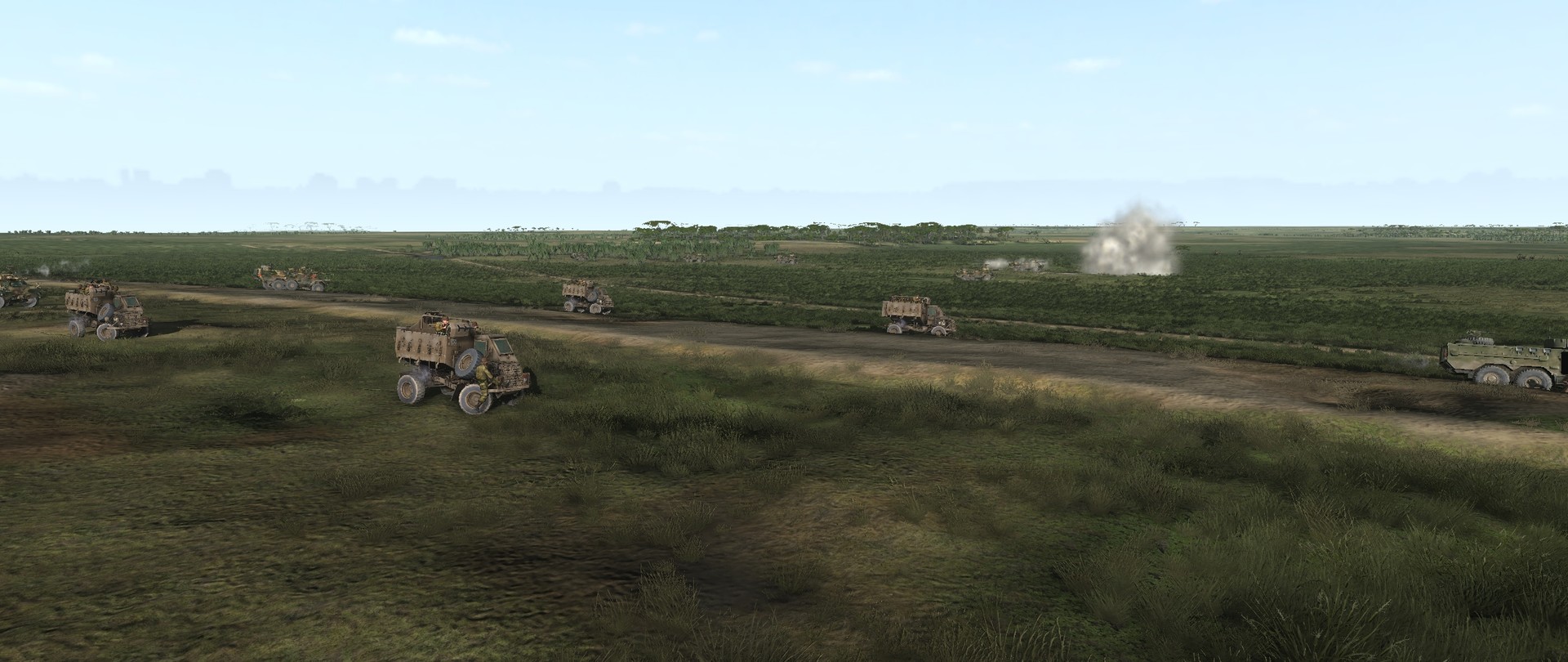
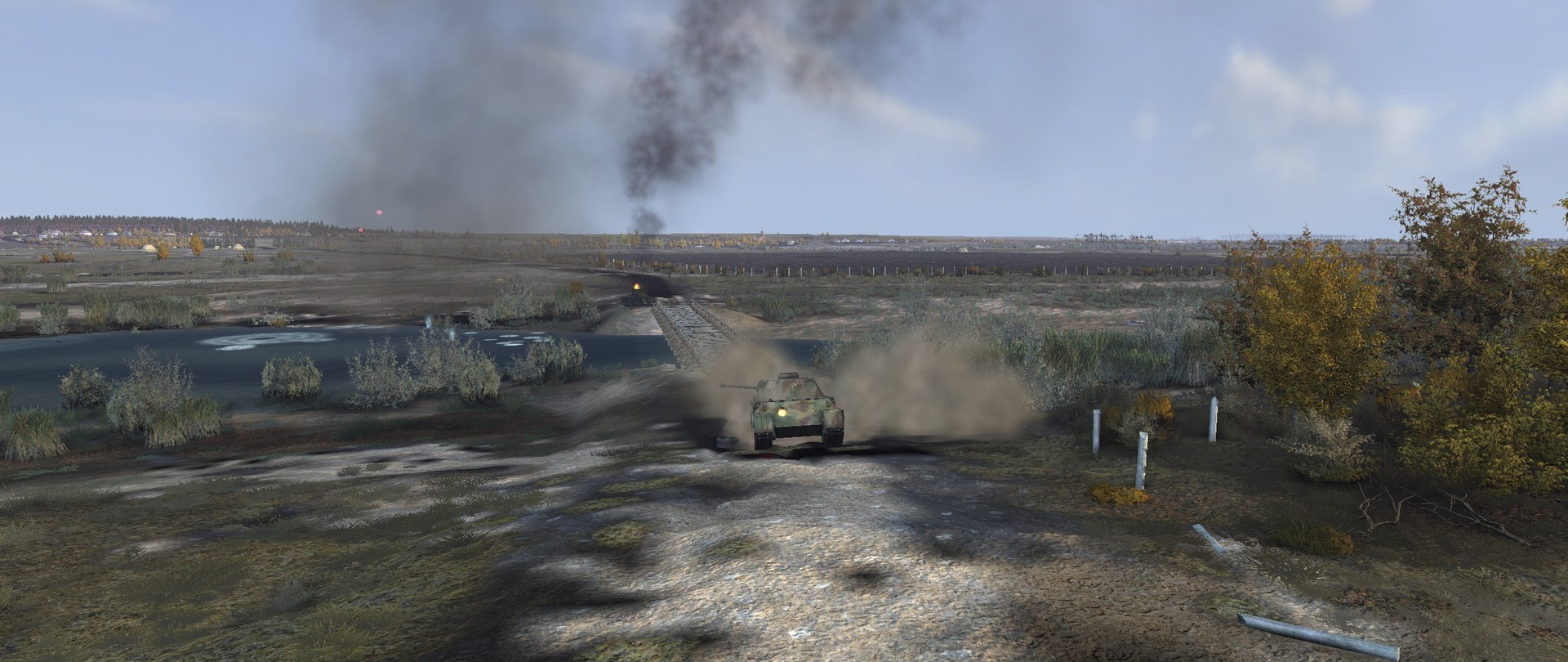
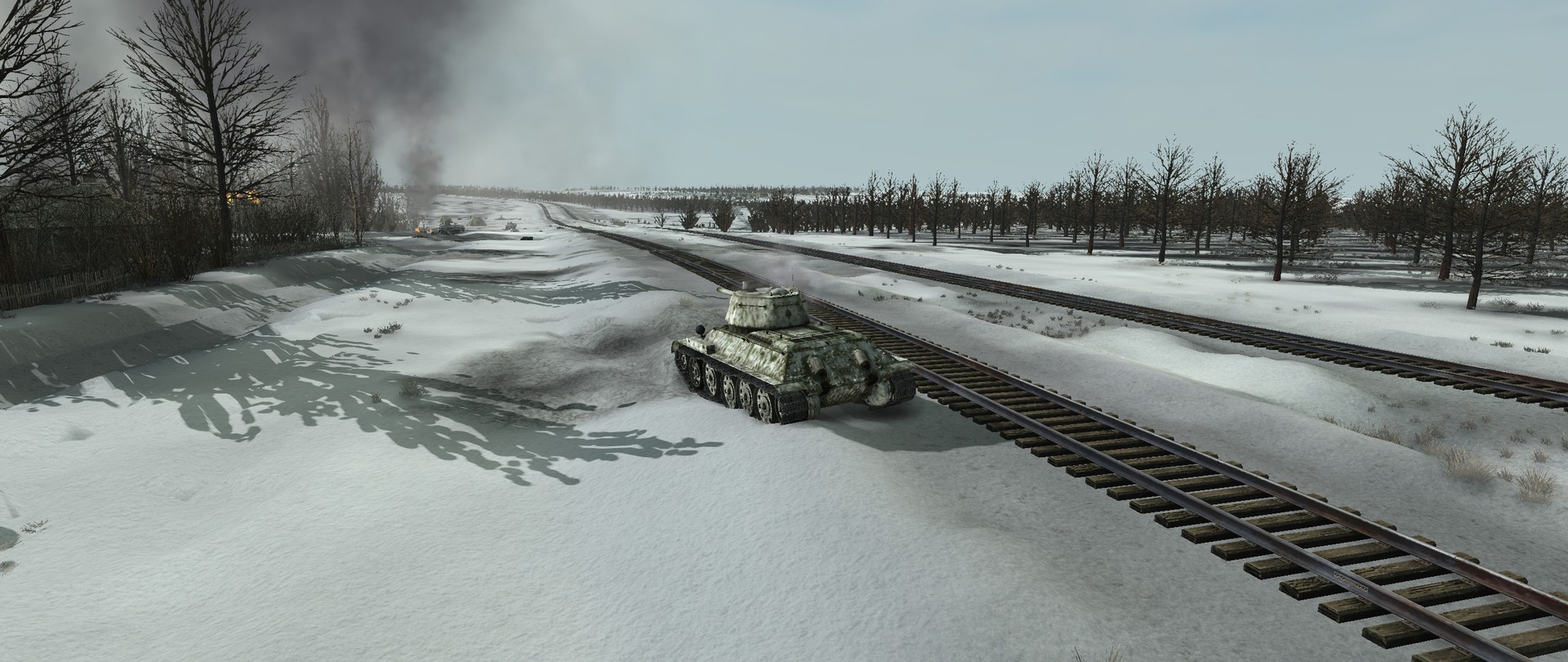
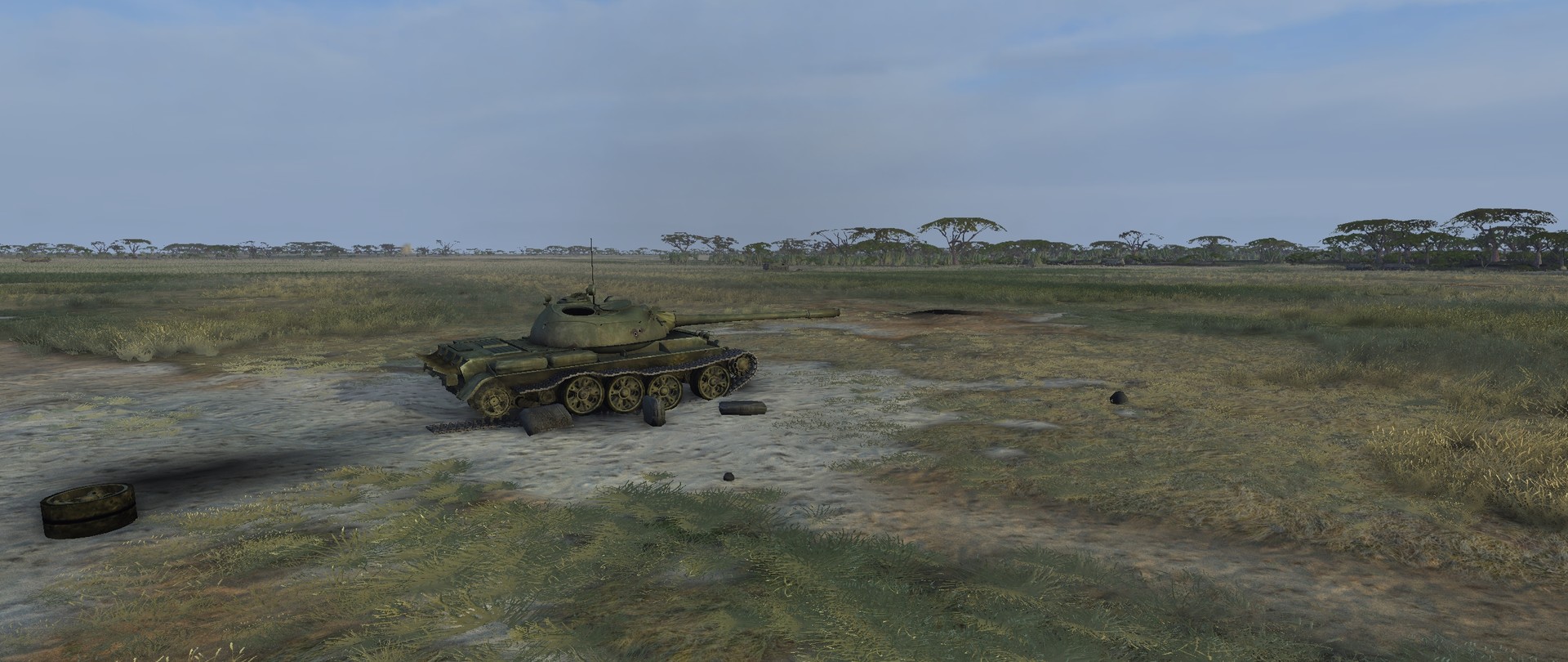
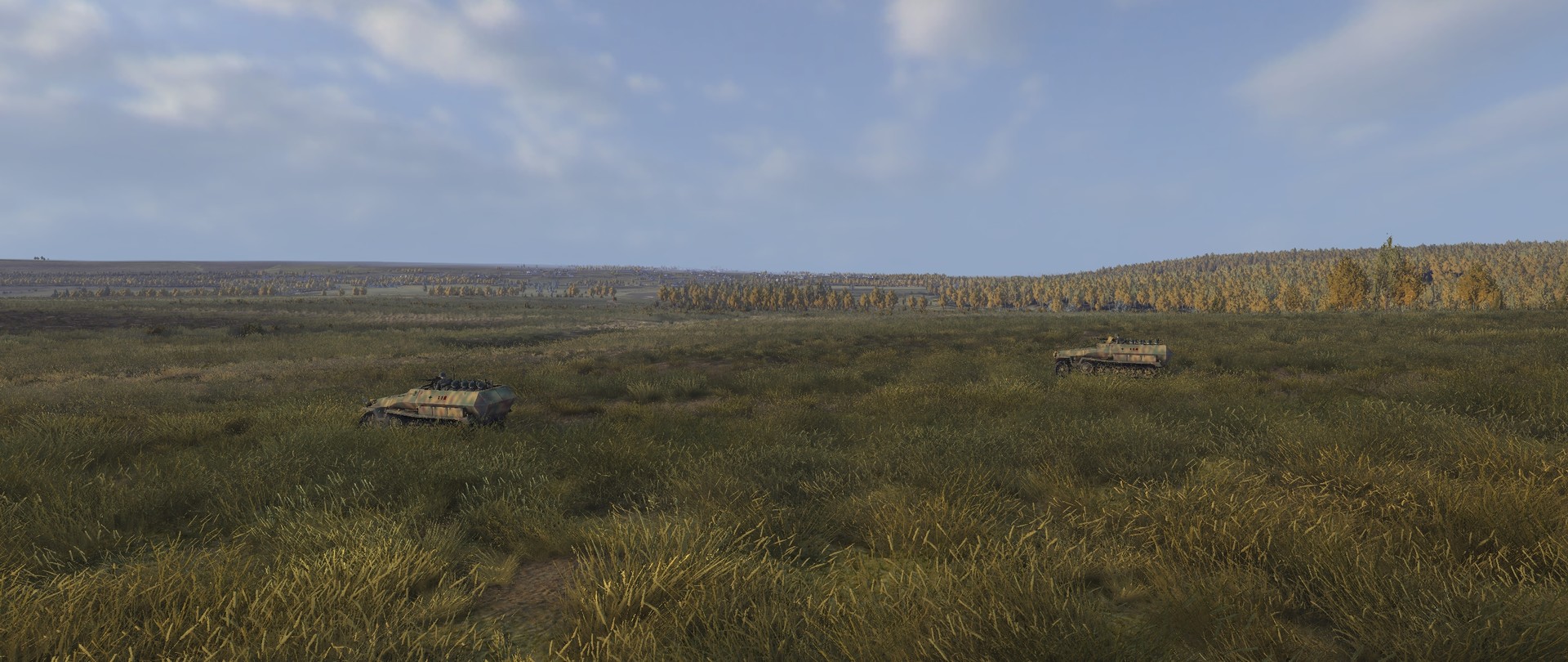
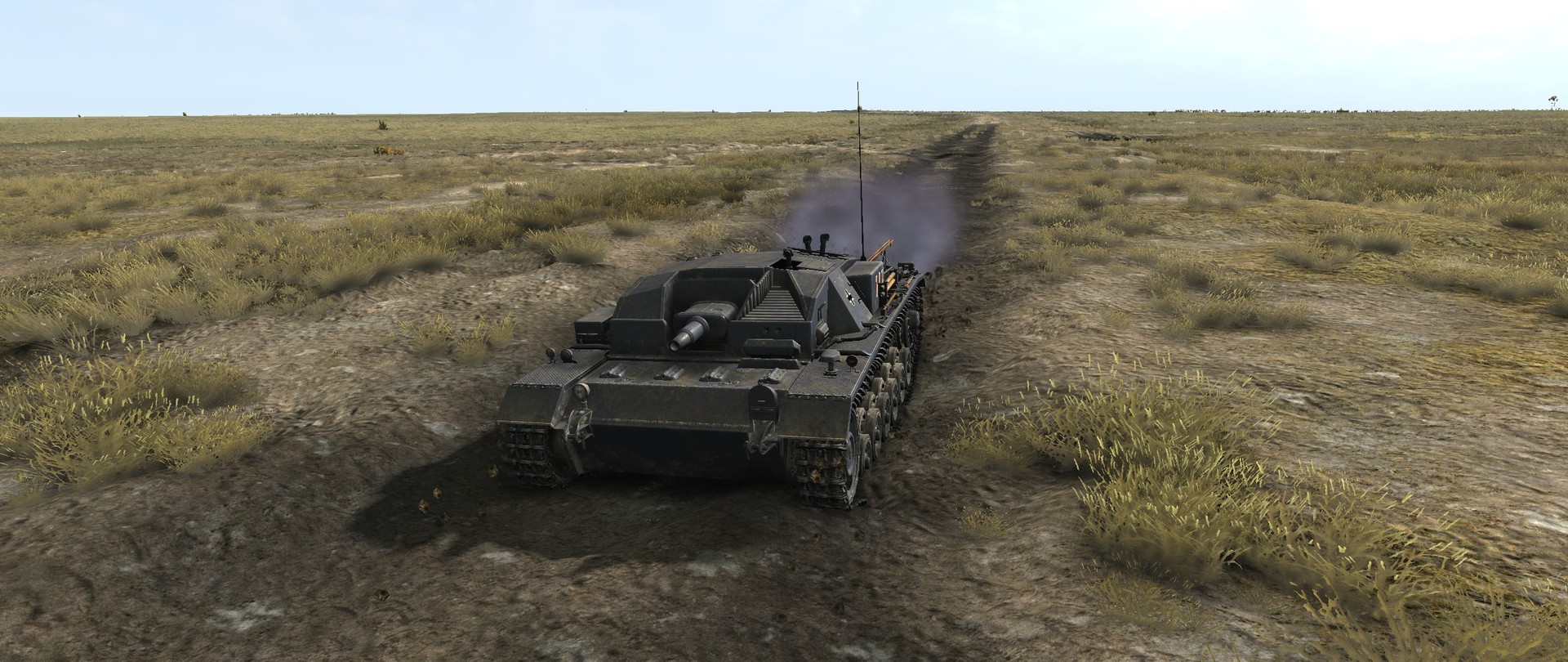
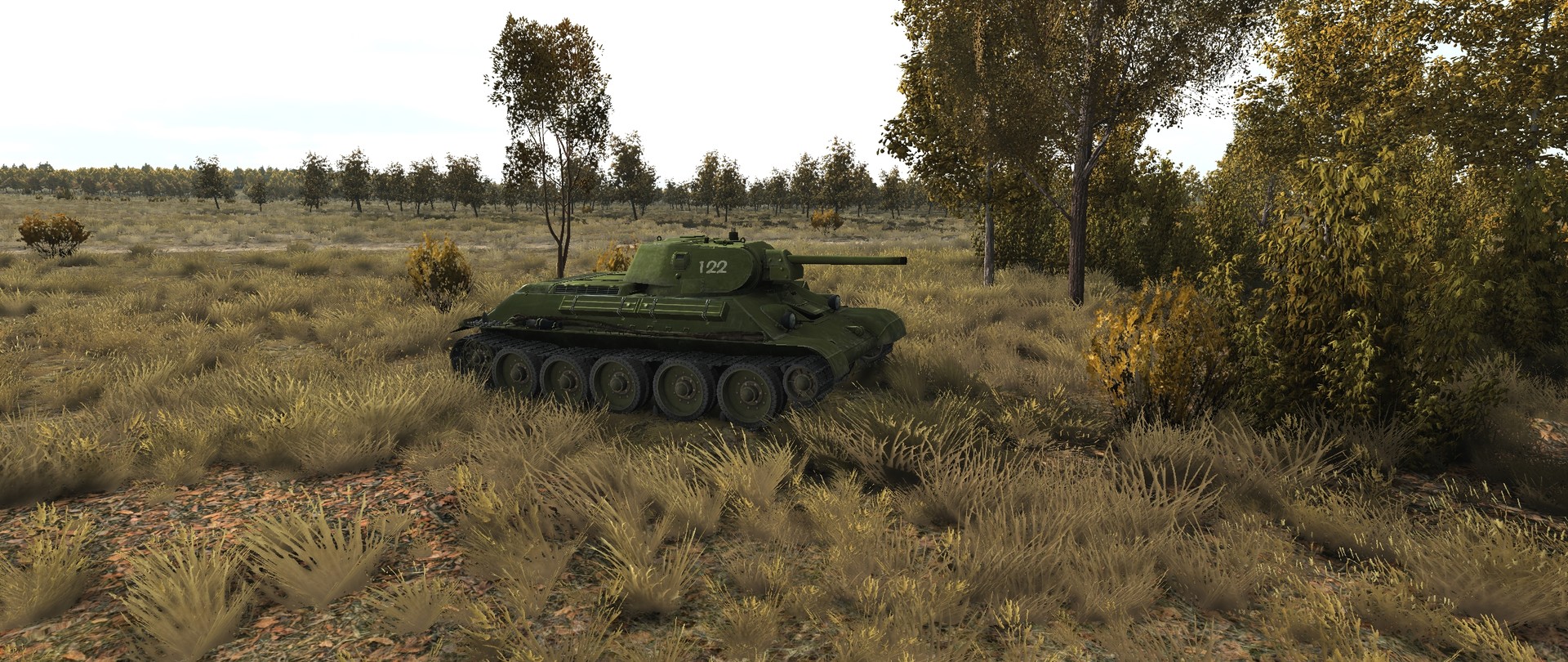
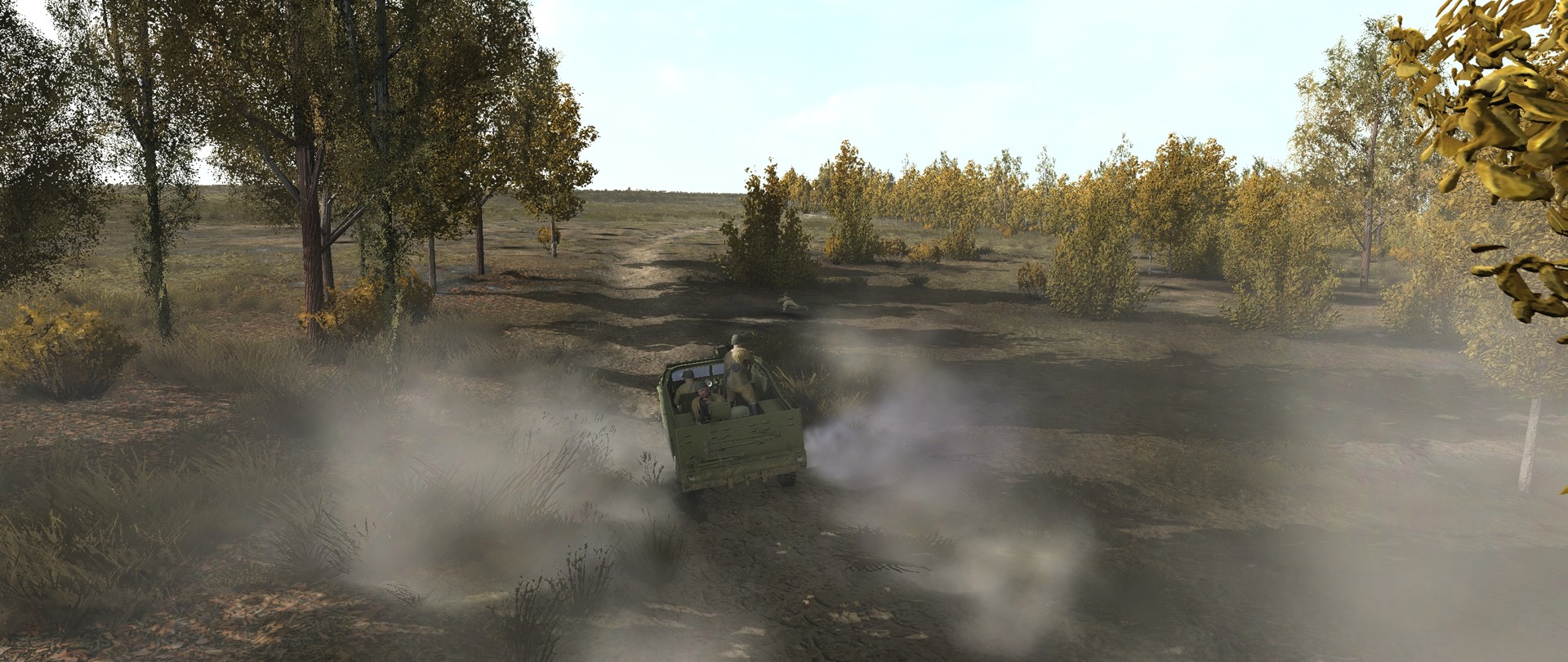
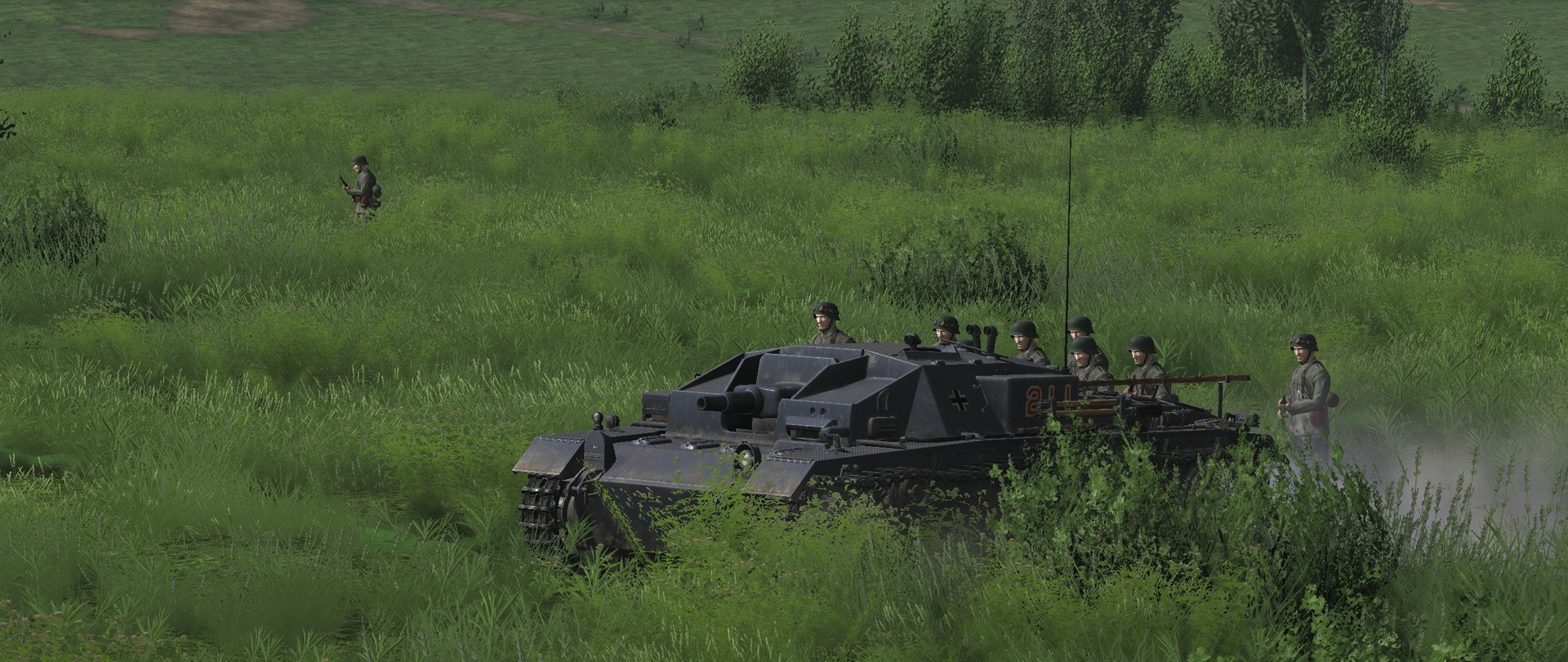
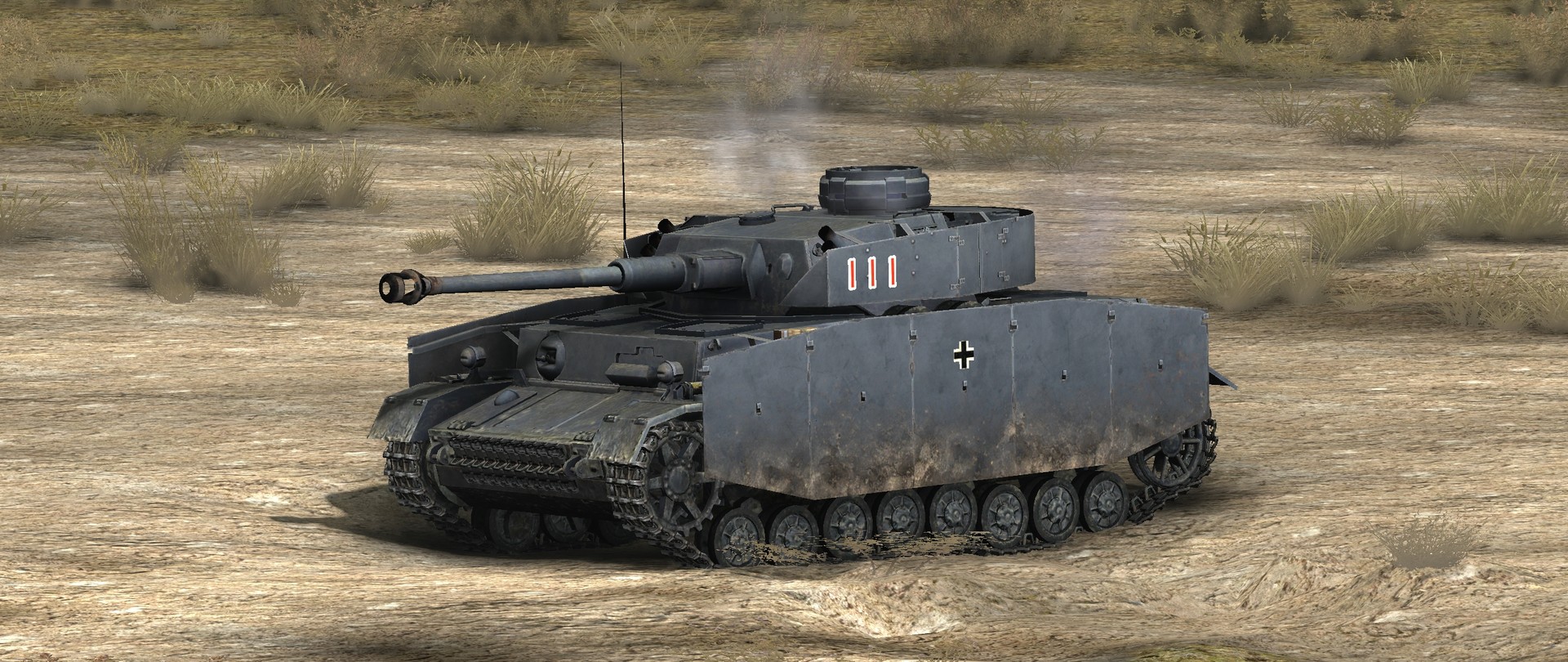
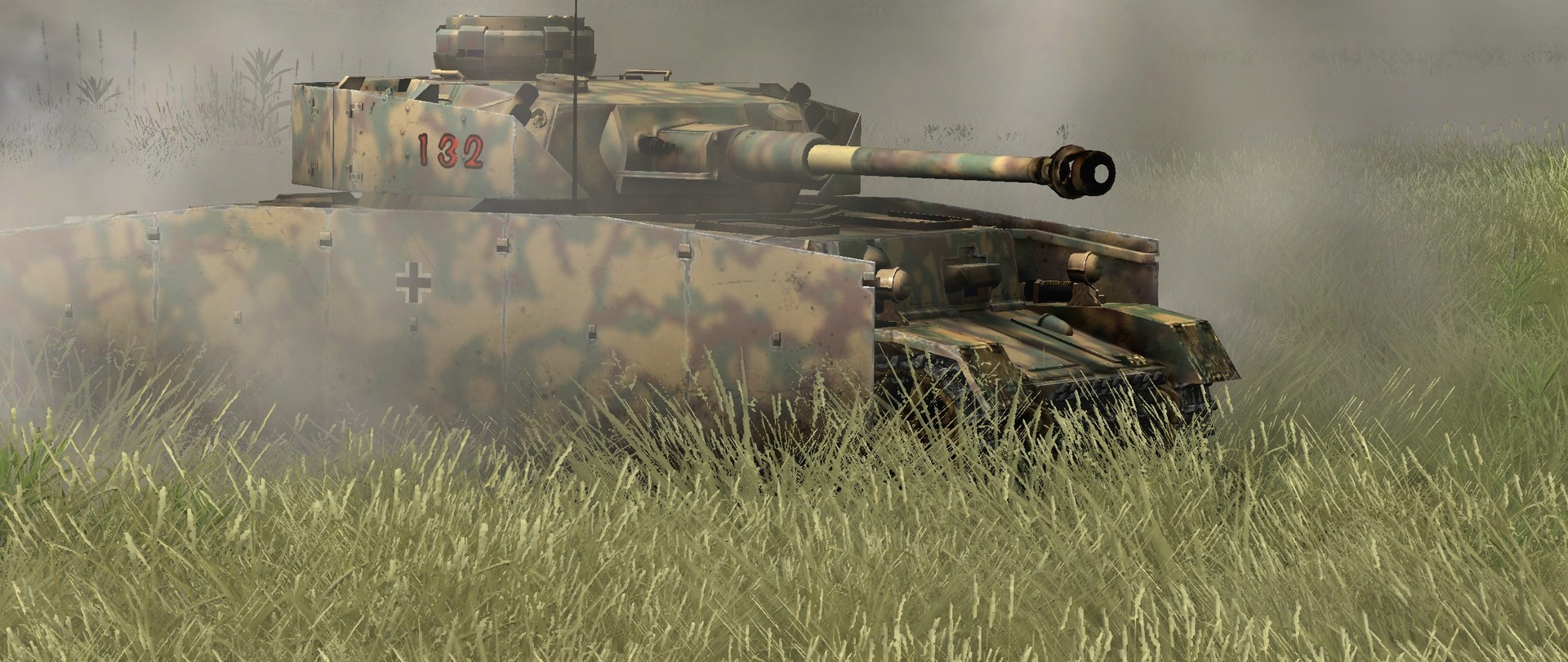
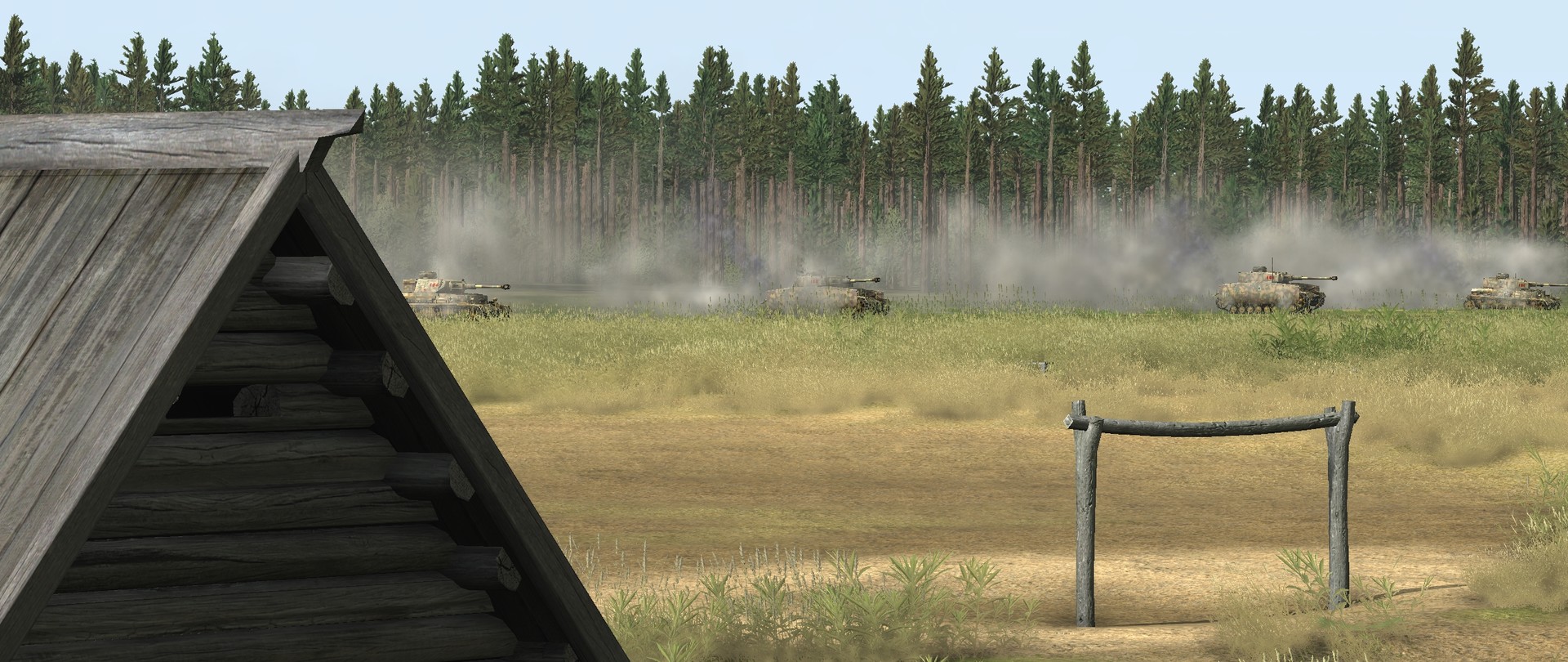
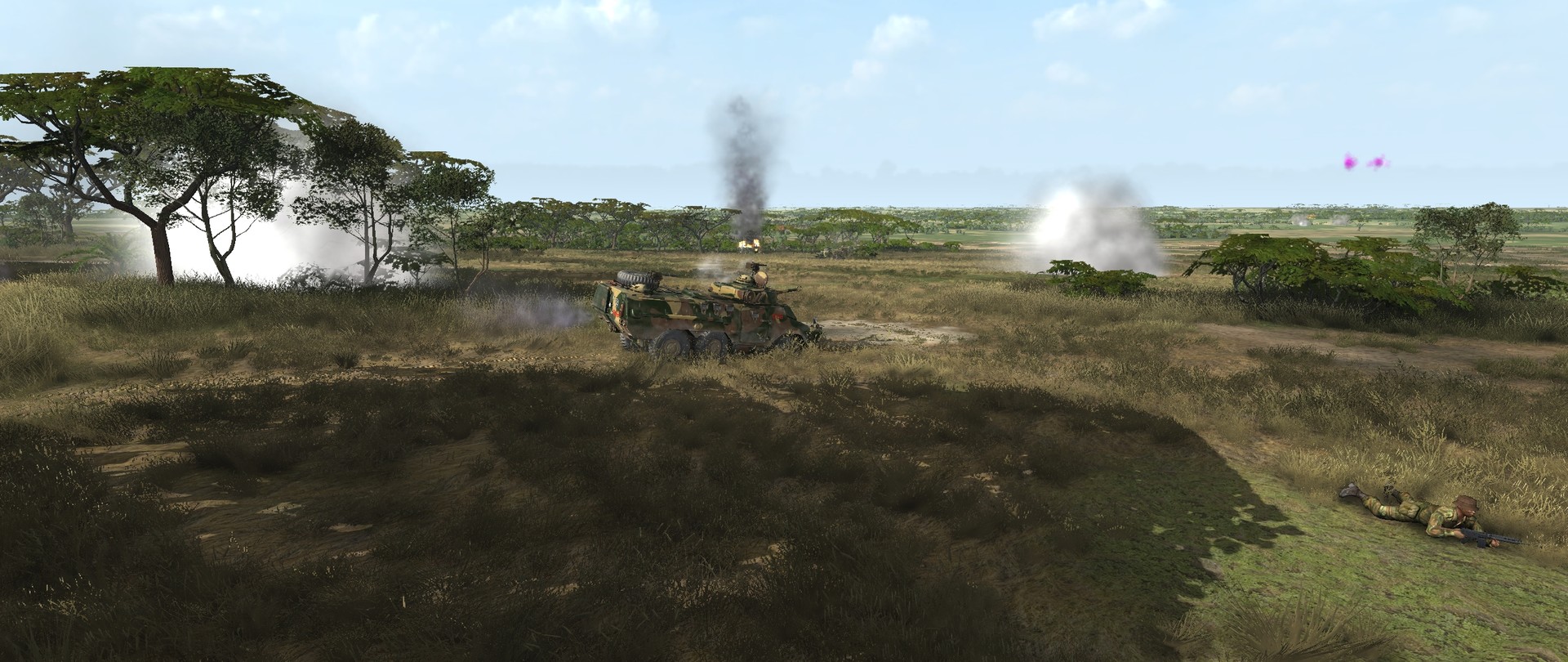
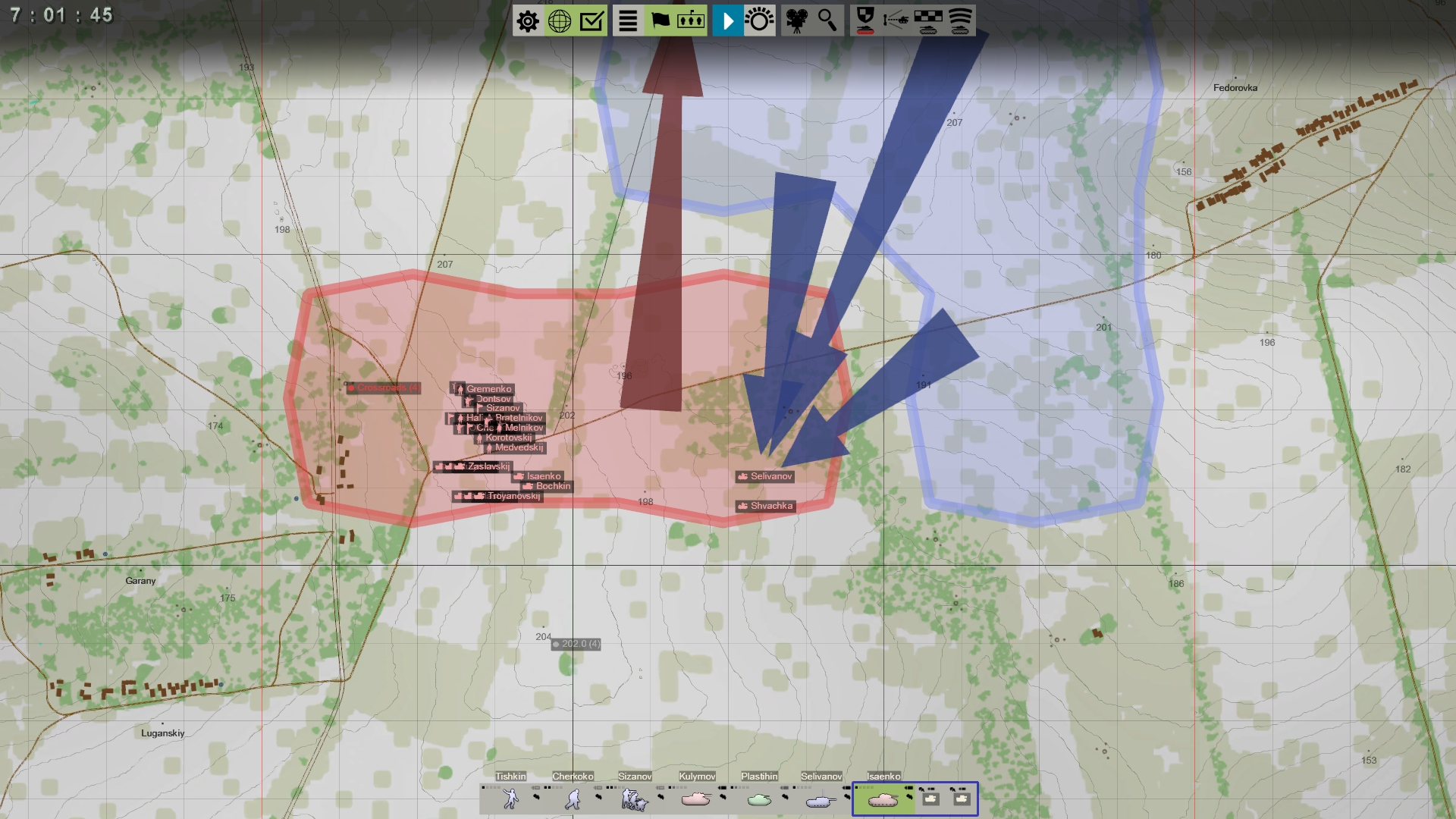
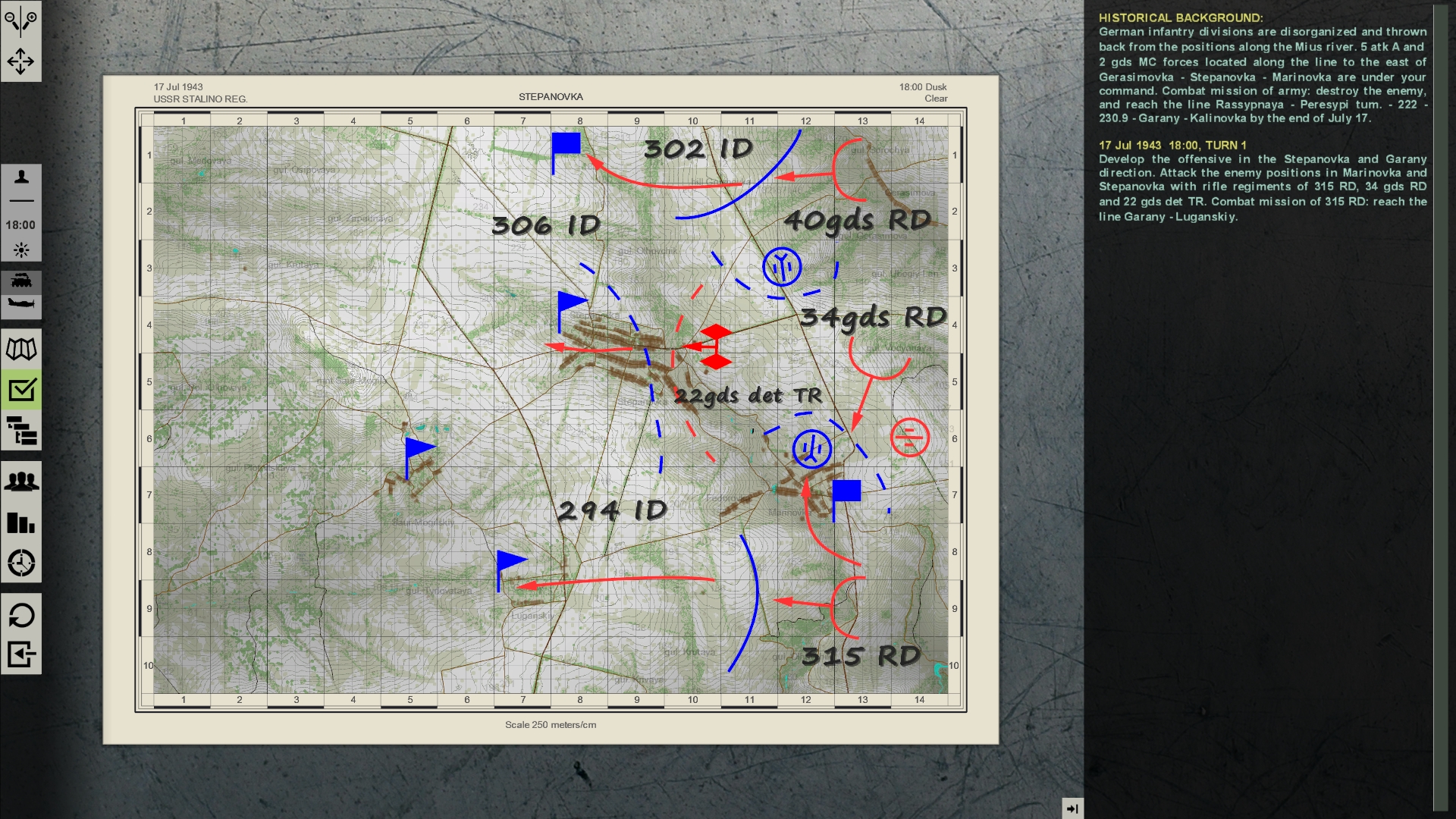
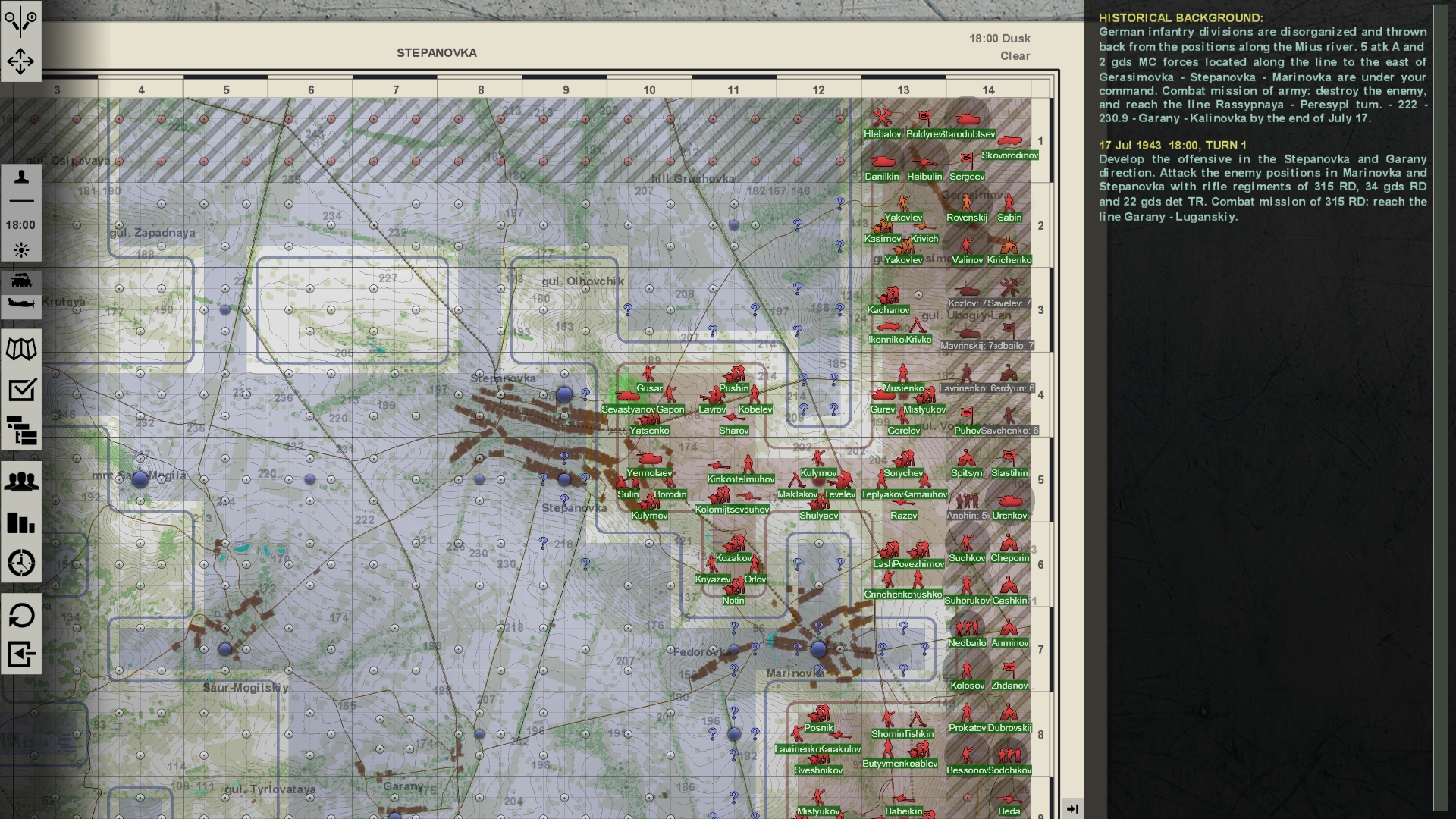
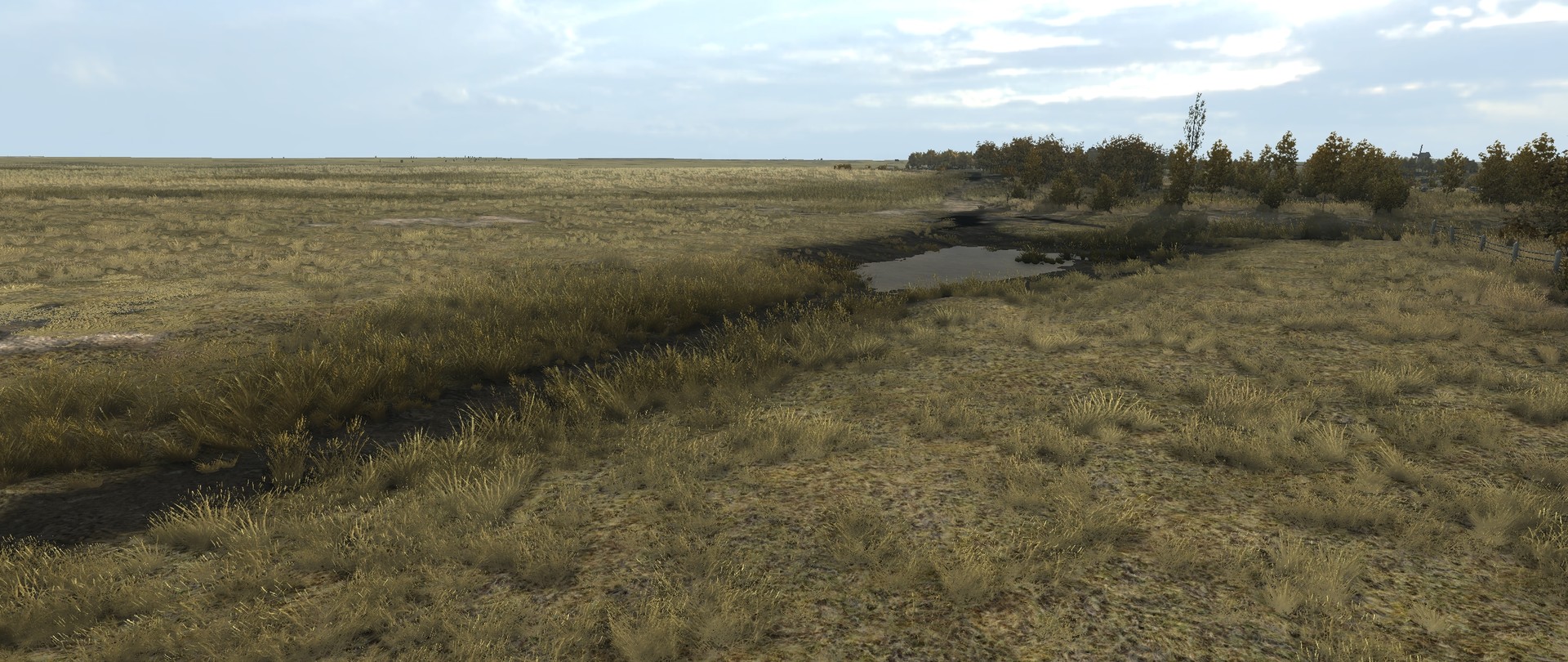
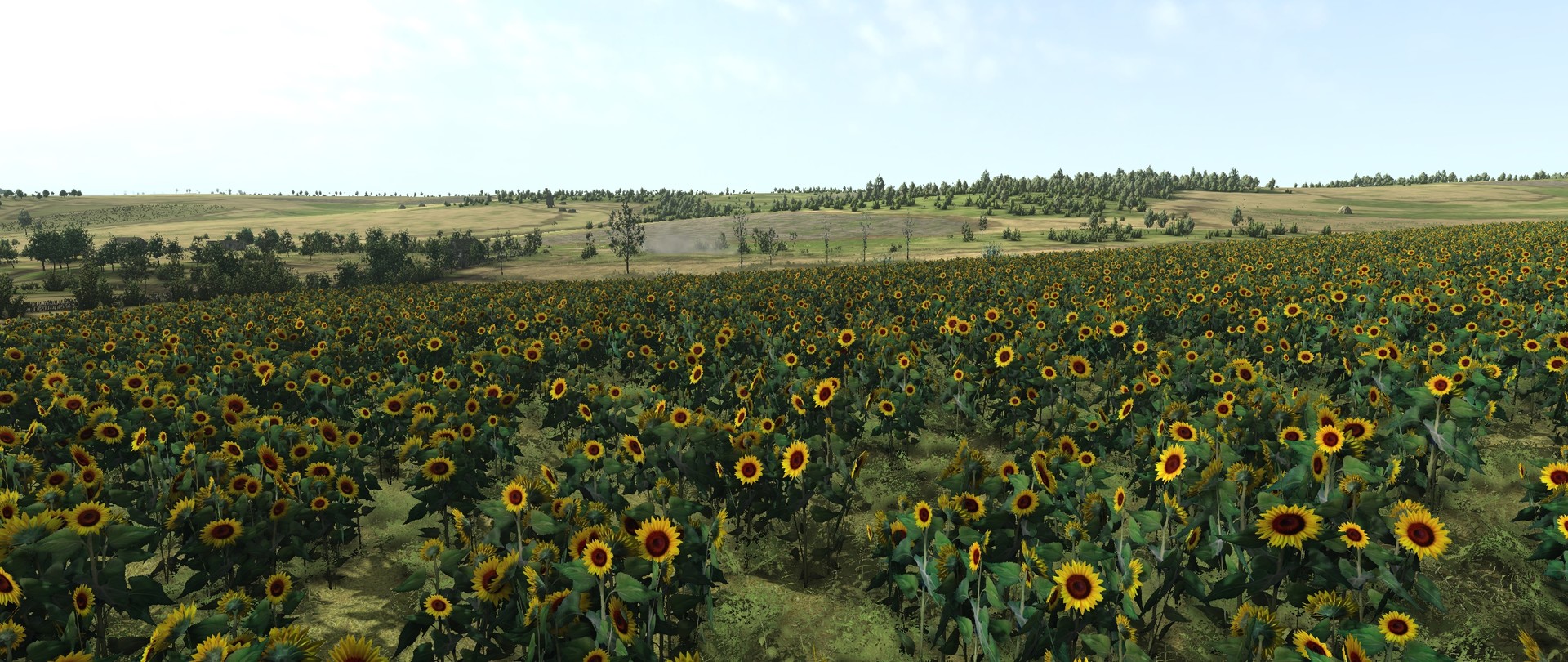
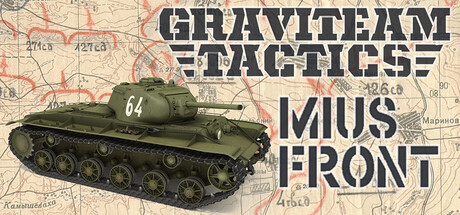
Graviteam Tactics: Mius-Front - tactical battalion level combat simulation. Action takes place in the summer of 1943 at Mius river and Saur-Mogila tumulus area of over 140 sq. km. Four large-scale operations for the Red Army and Wehrmacht.
Graviteam Tactics: Mius-Front is a simulation, strategy and world war ii game
developed and published by Graviteam.
Released on March 04th 2016 is available on Windows, Steam Deck and Steam Machine.
It has received 1,040 reviews of which 927 were positive and 113 were negative resulting in a rating of 8.4 out of 10. 😎
The game is currently priced at 31.99€ on Steam.
The Steam community has classified Graviteam Tactics: Mius-Front into these genres:
Media & Screenshots
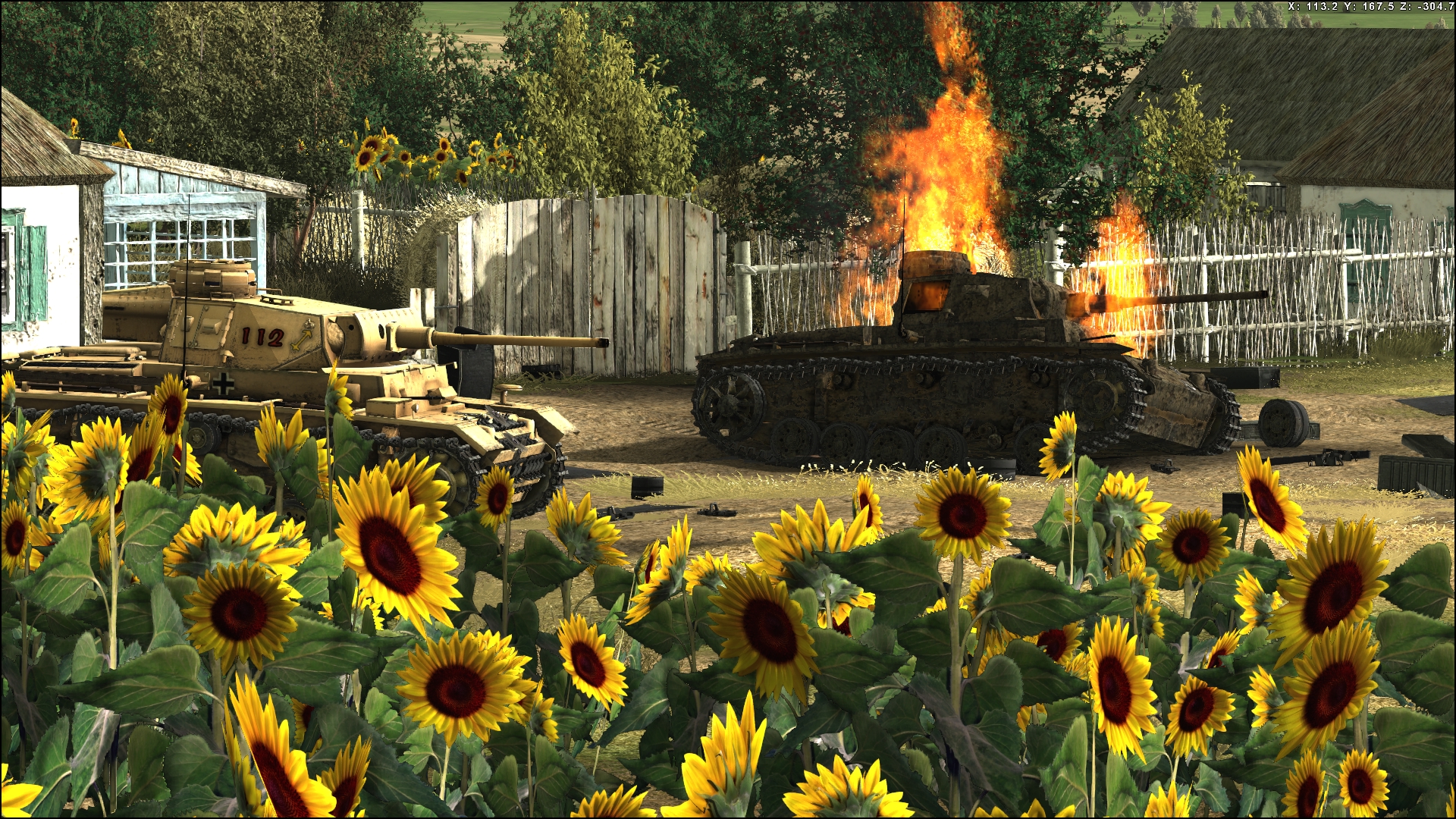
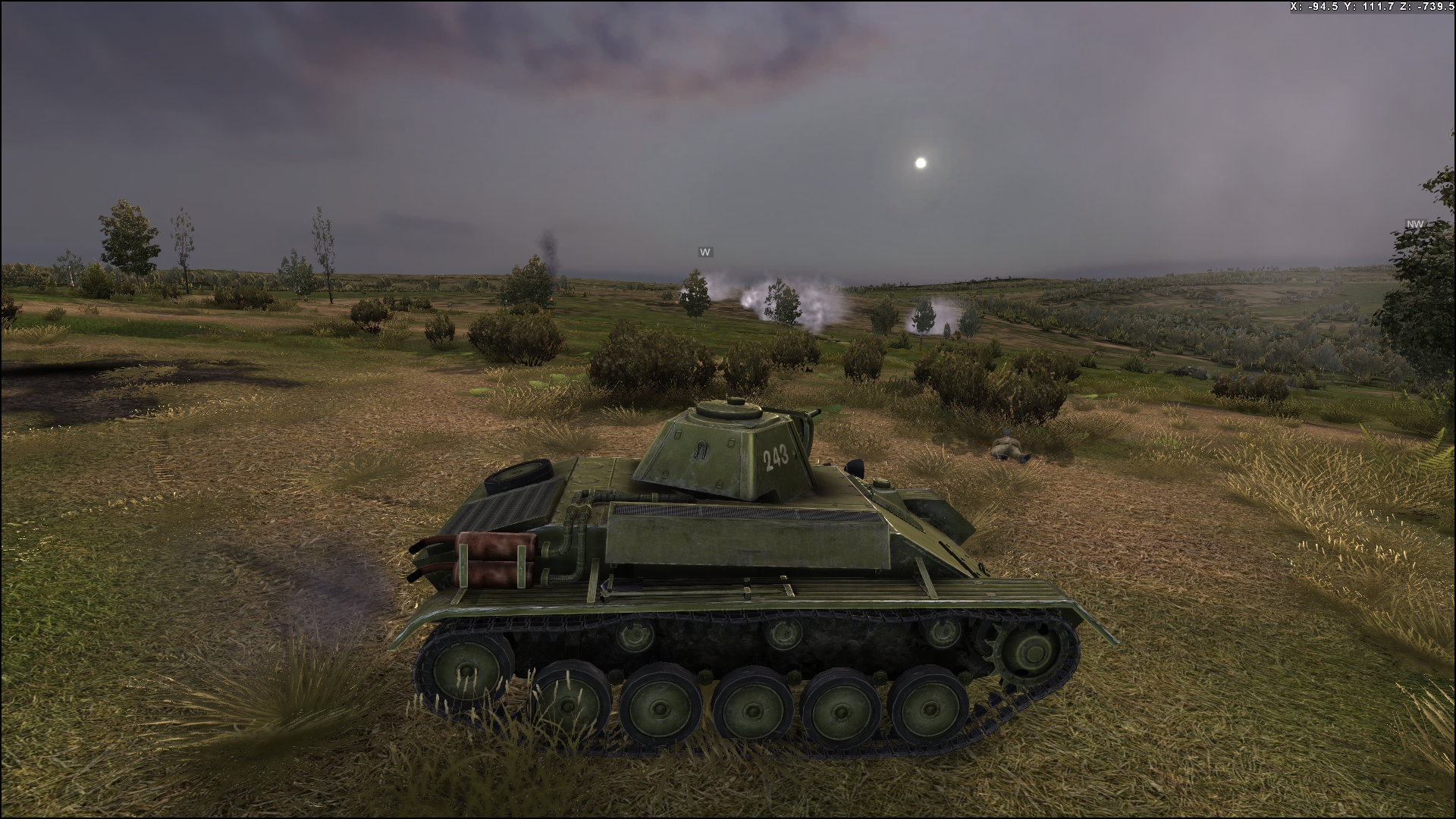
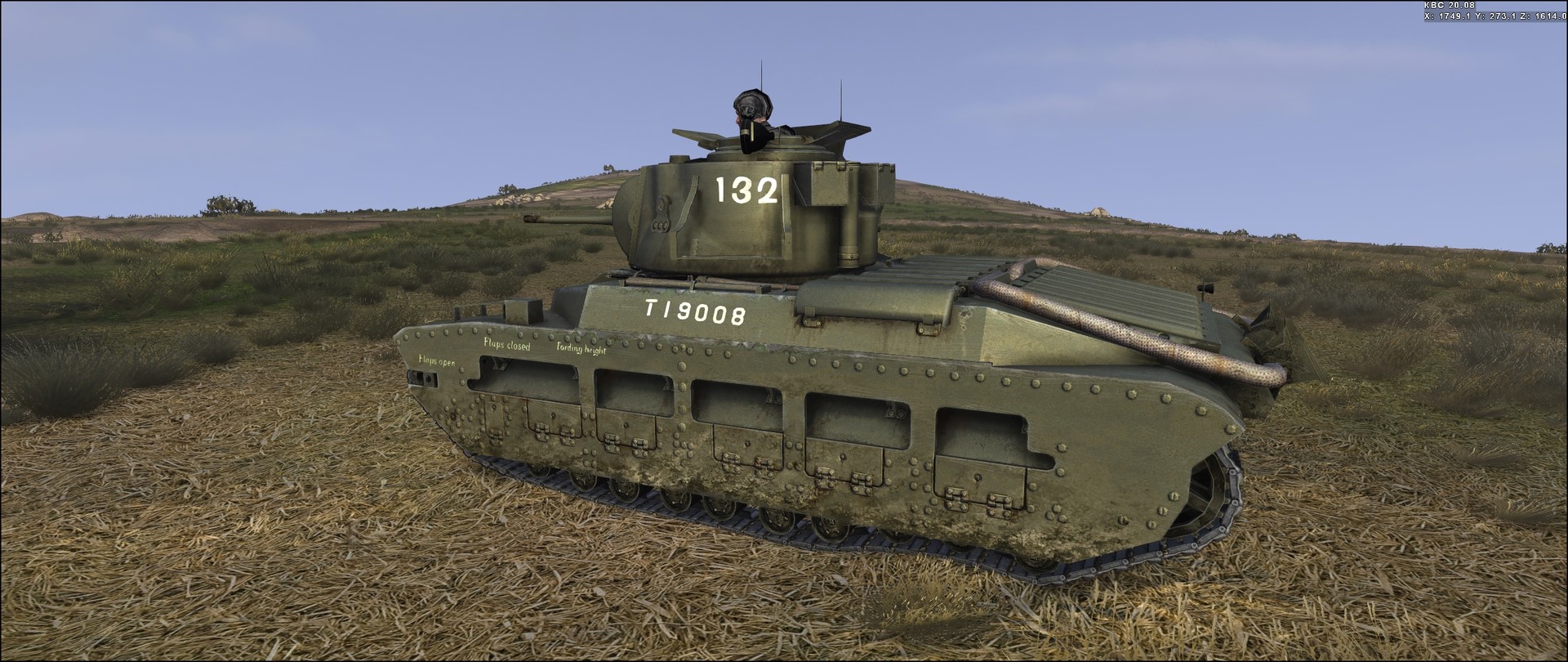
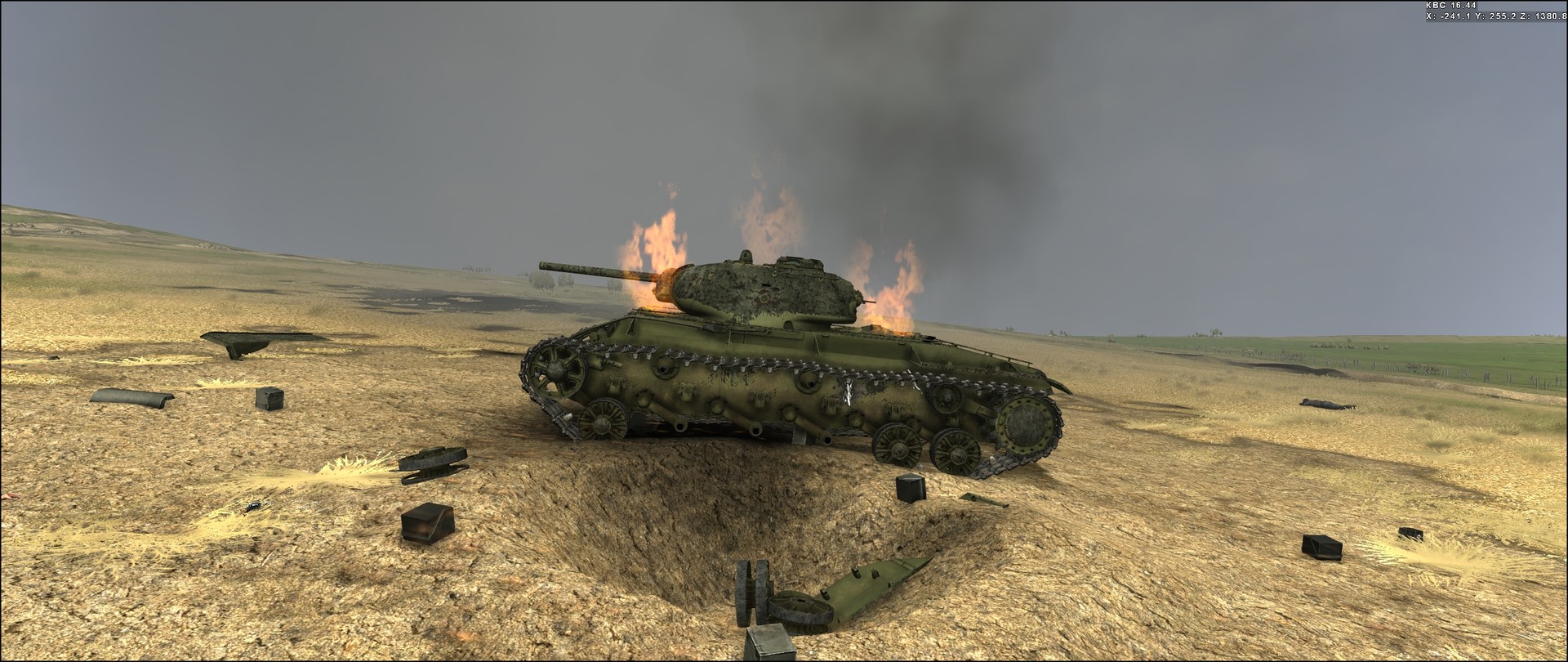
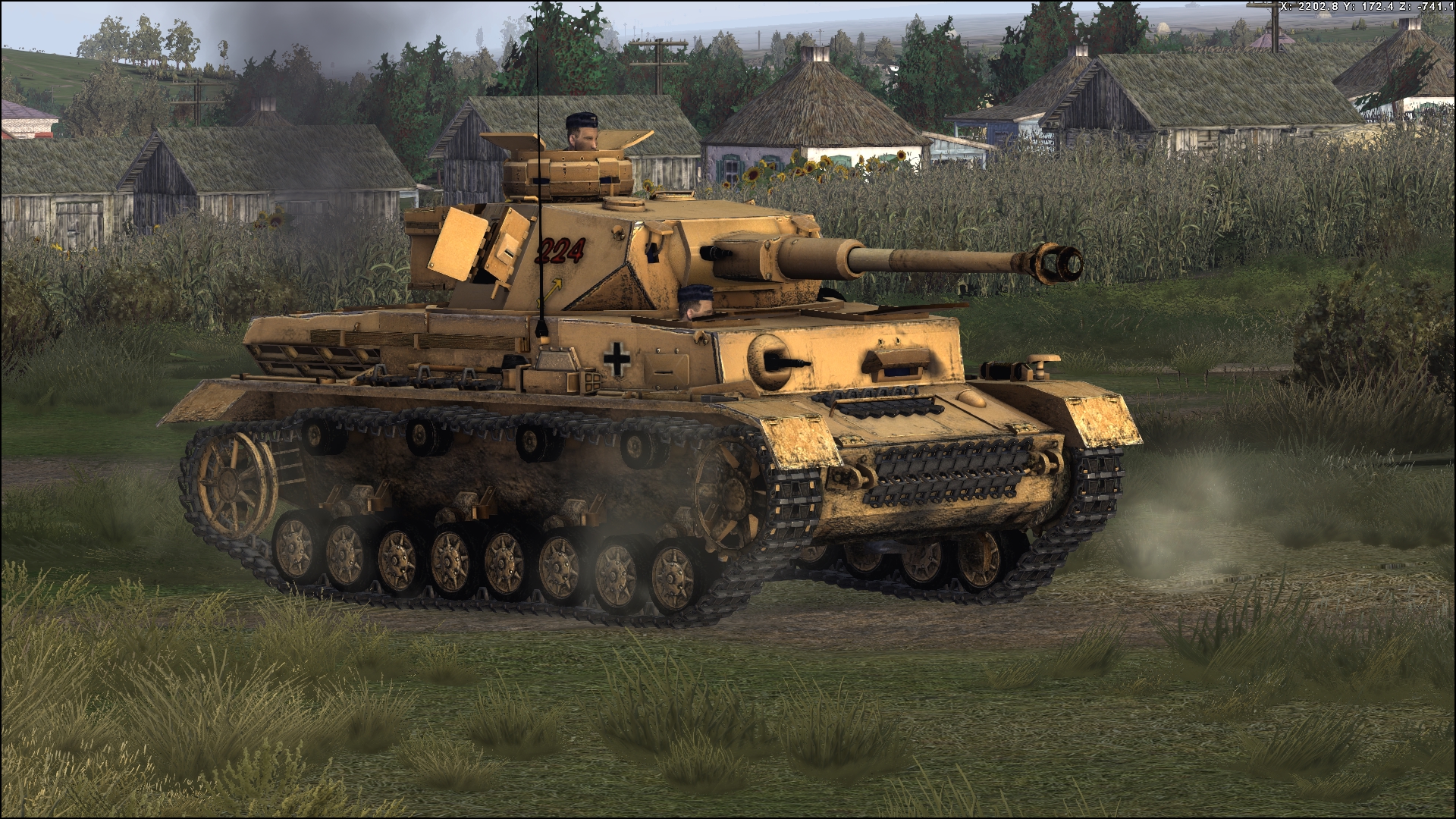
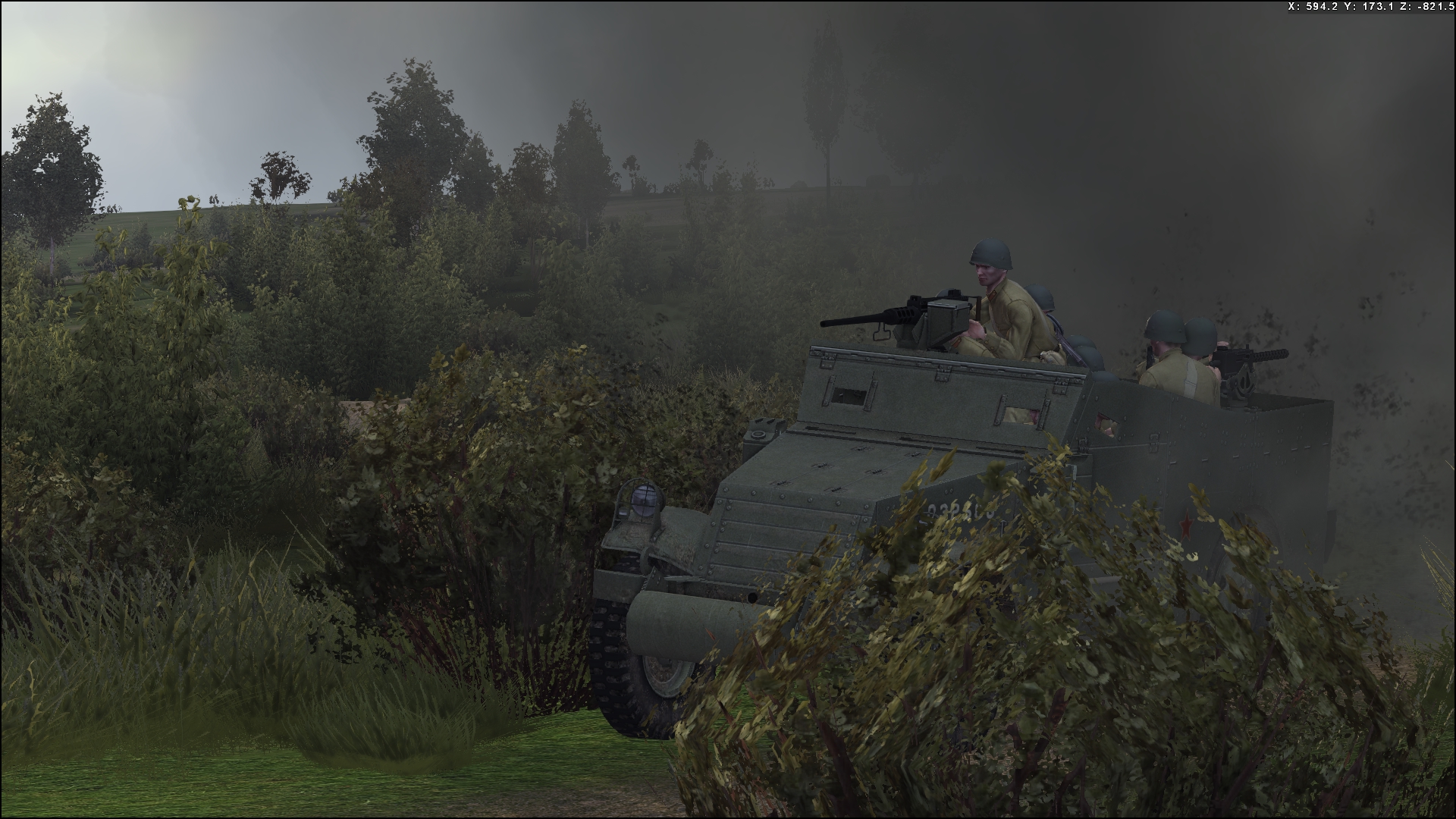
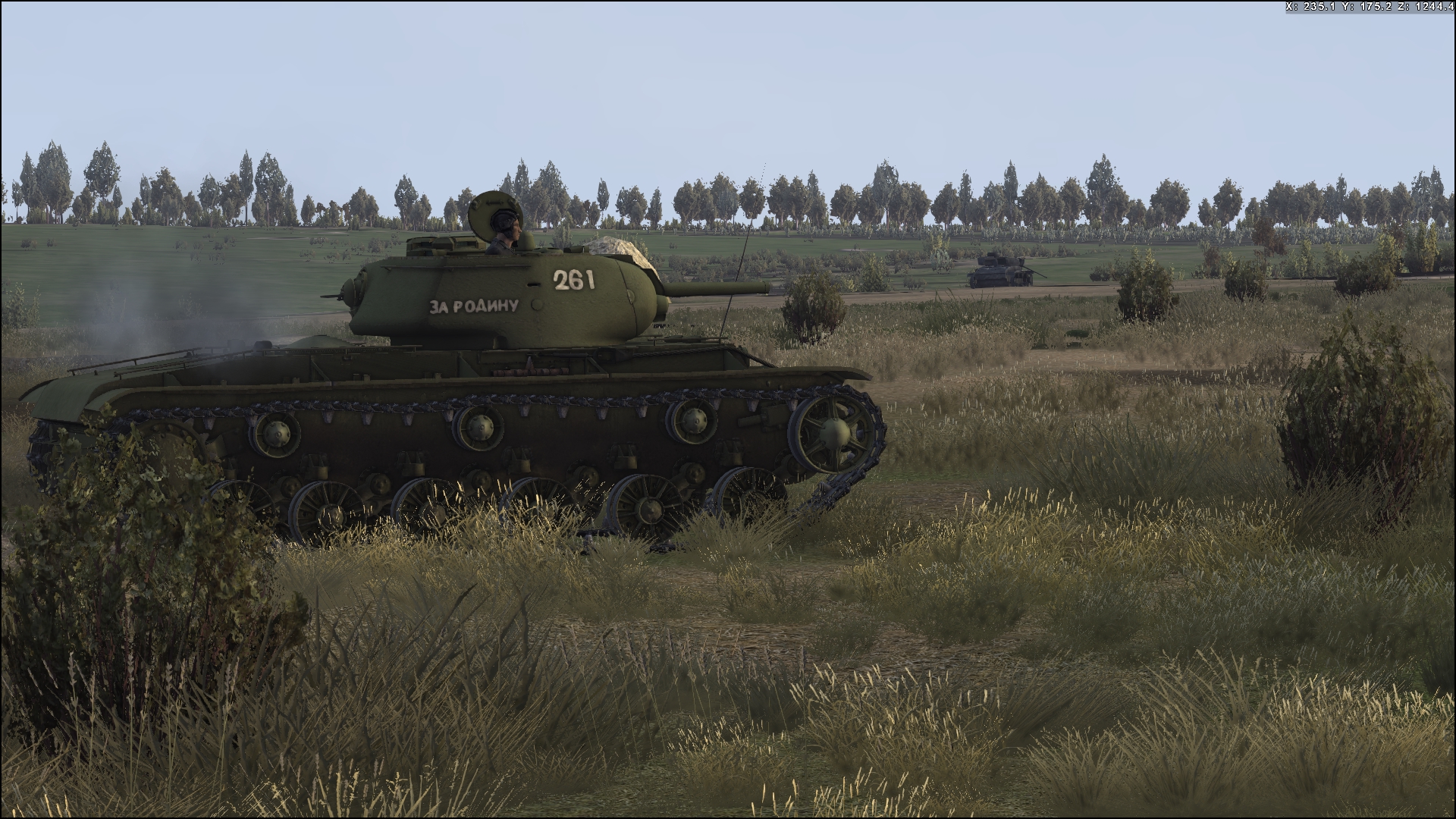
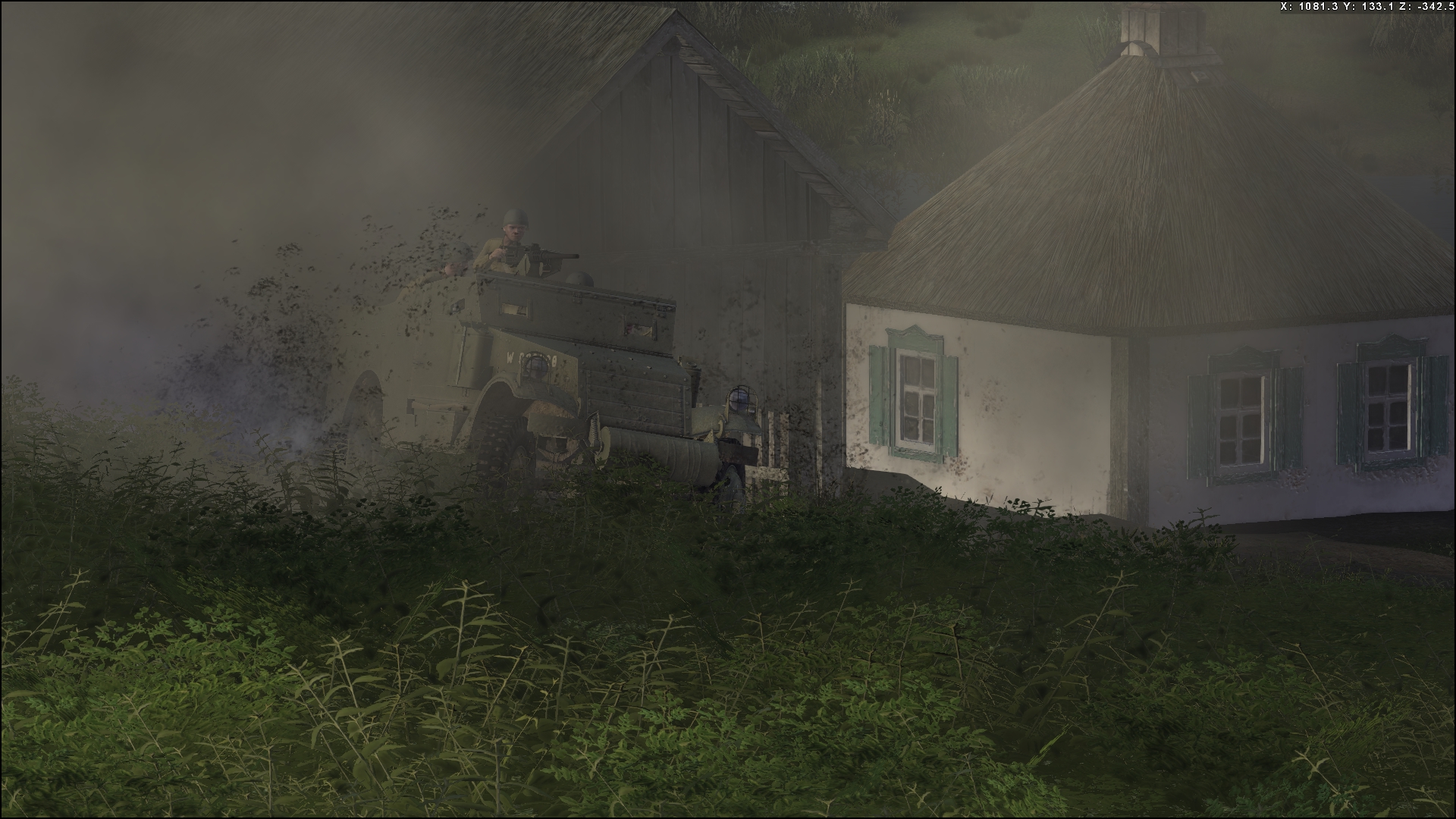
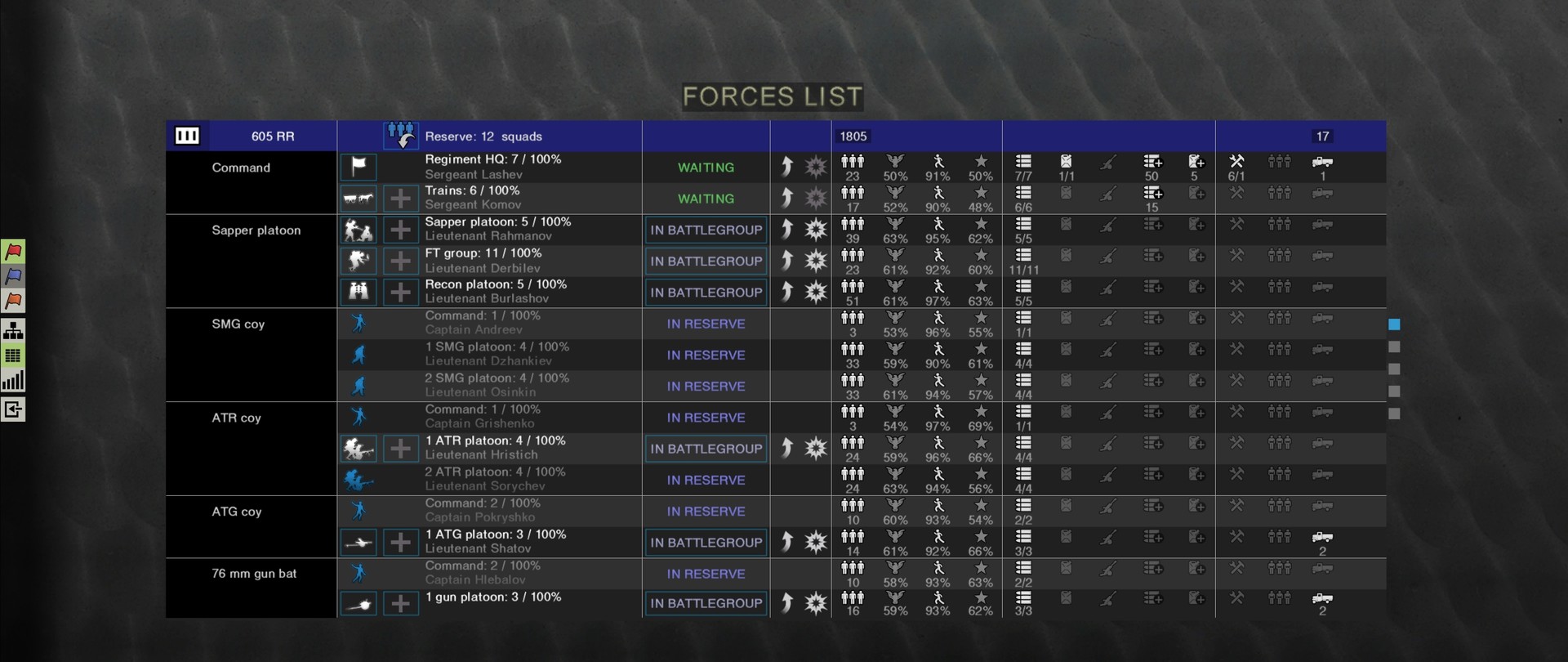
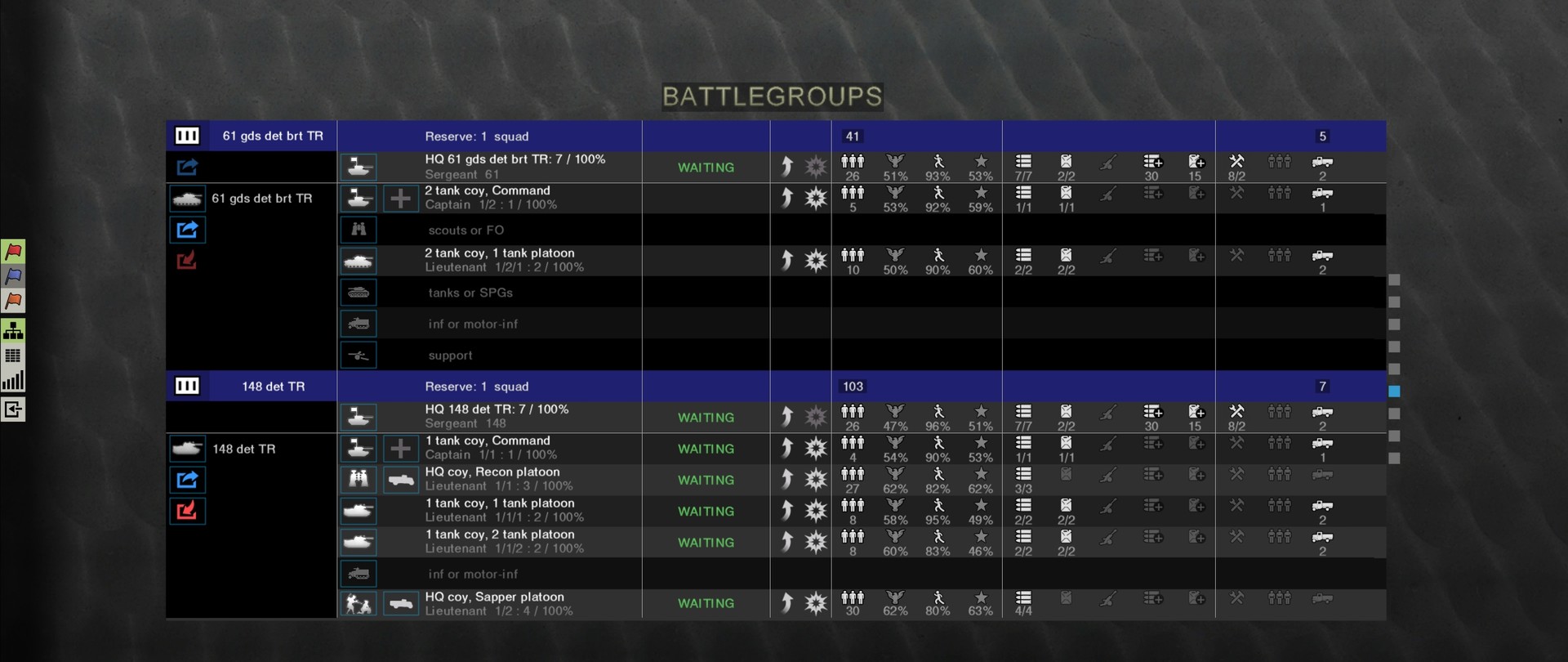
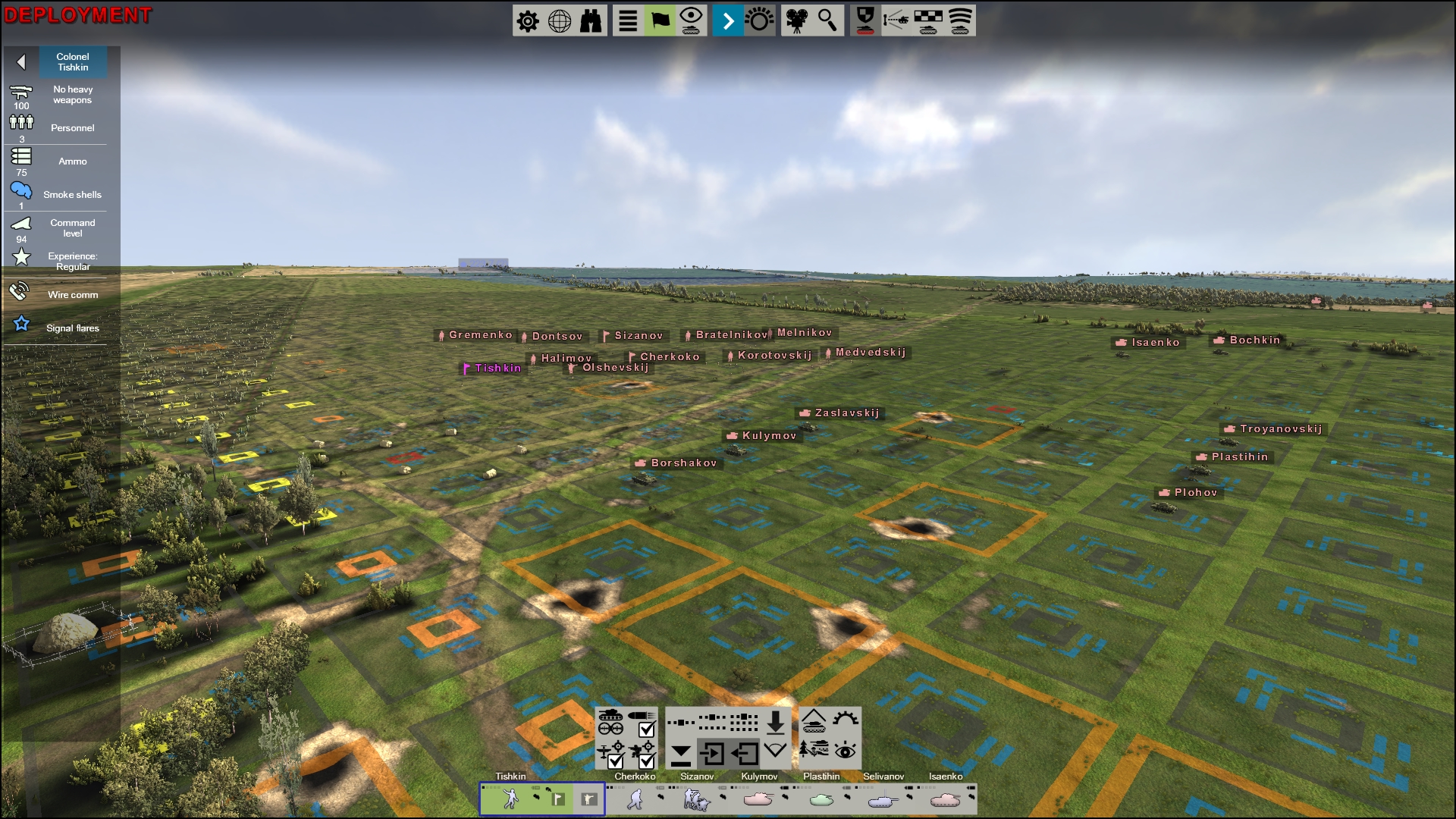
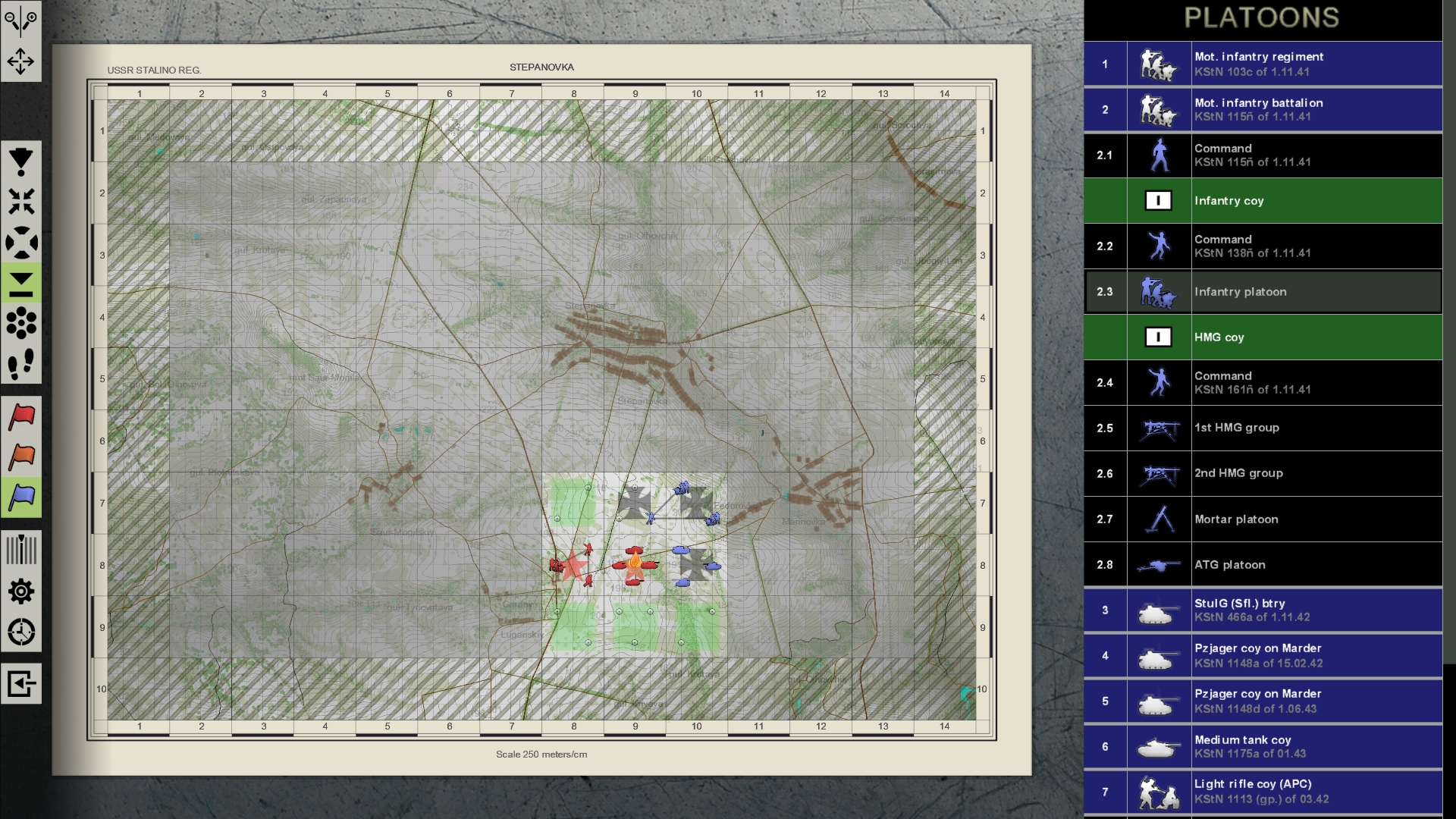
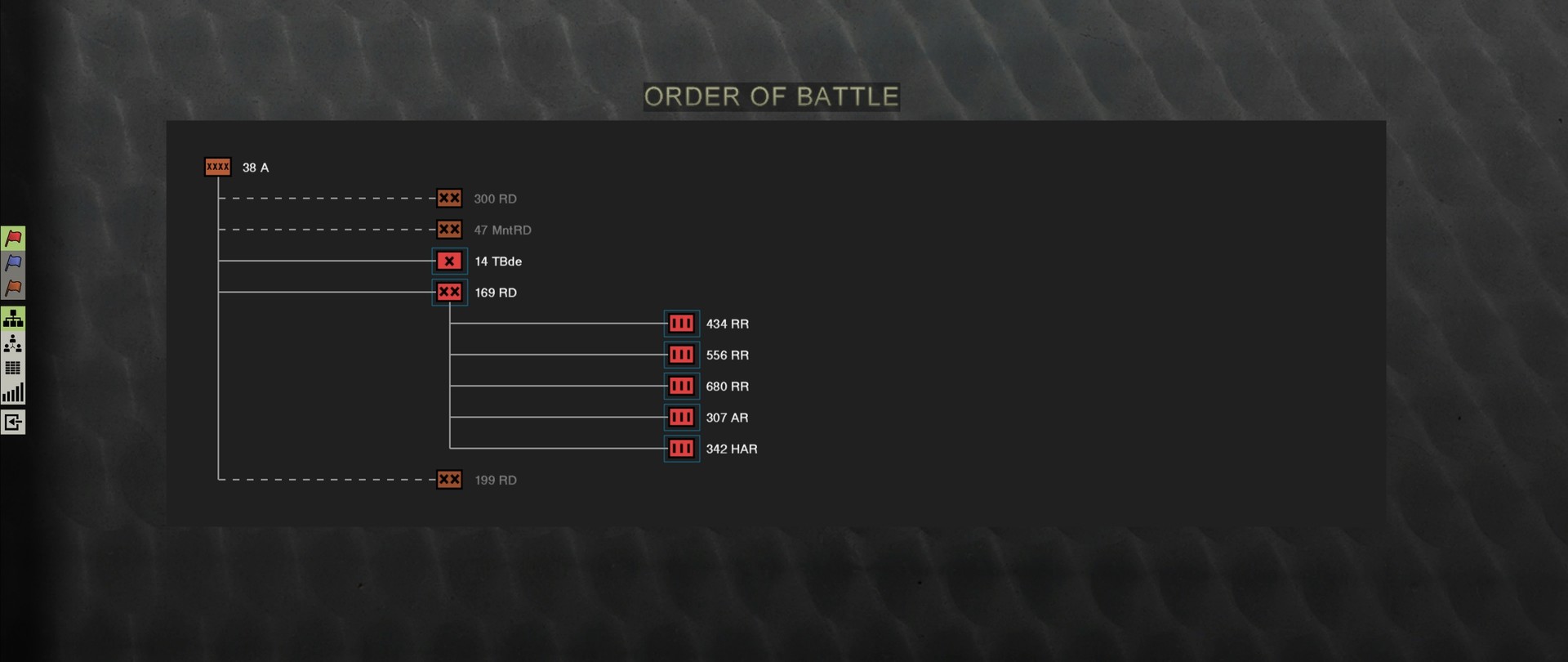
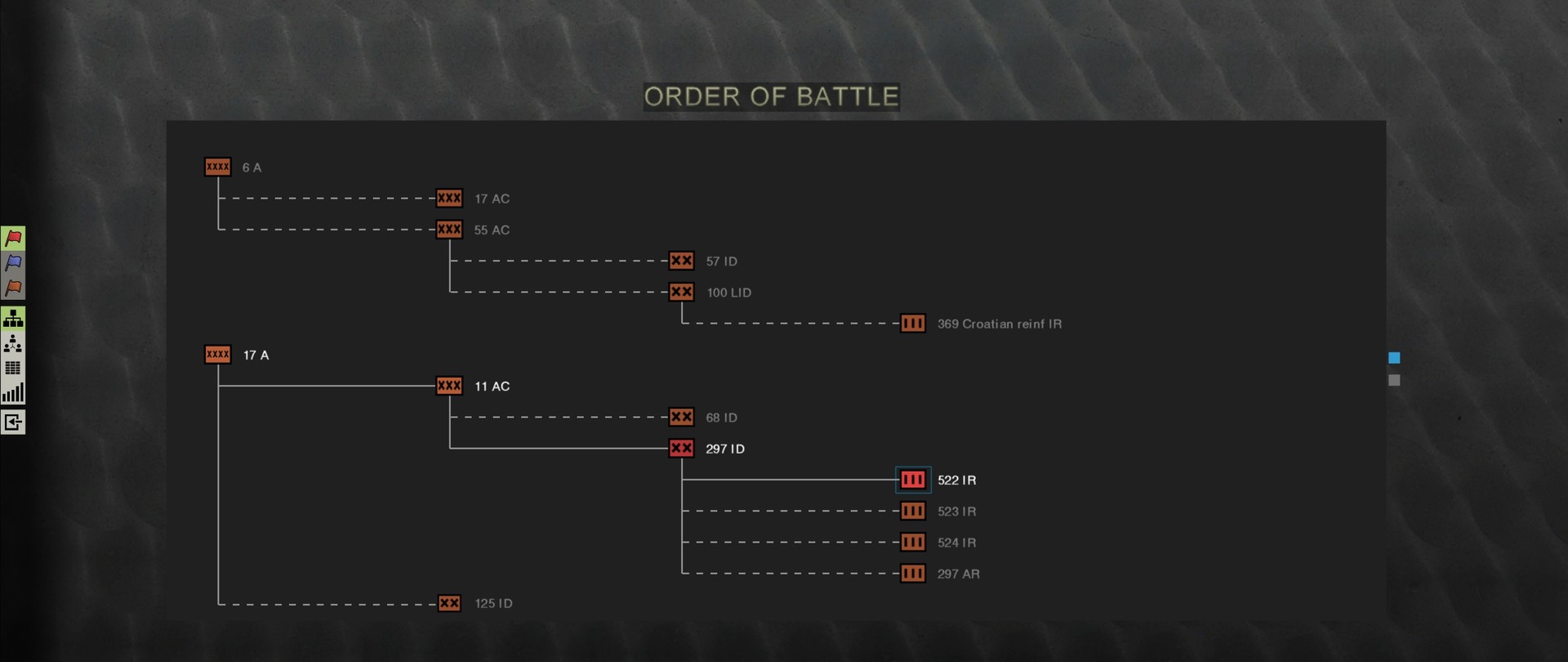
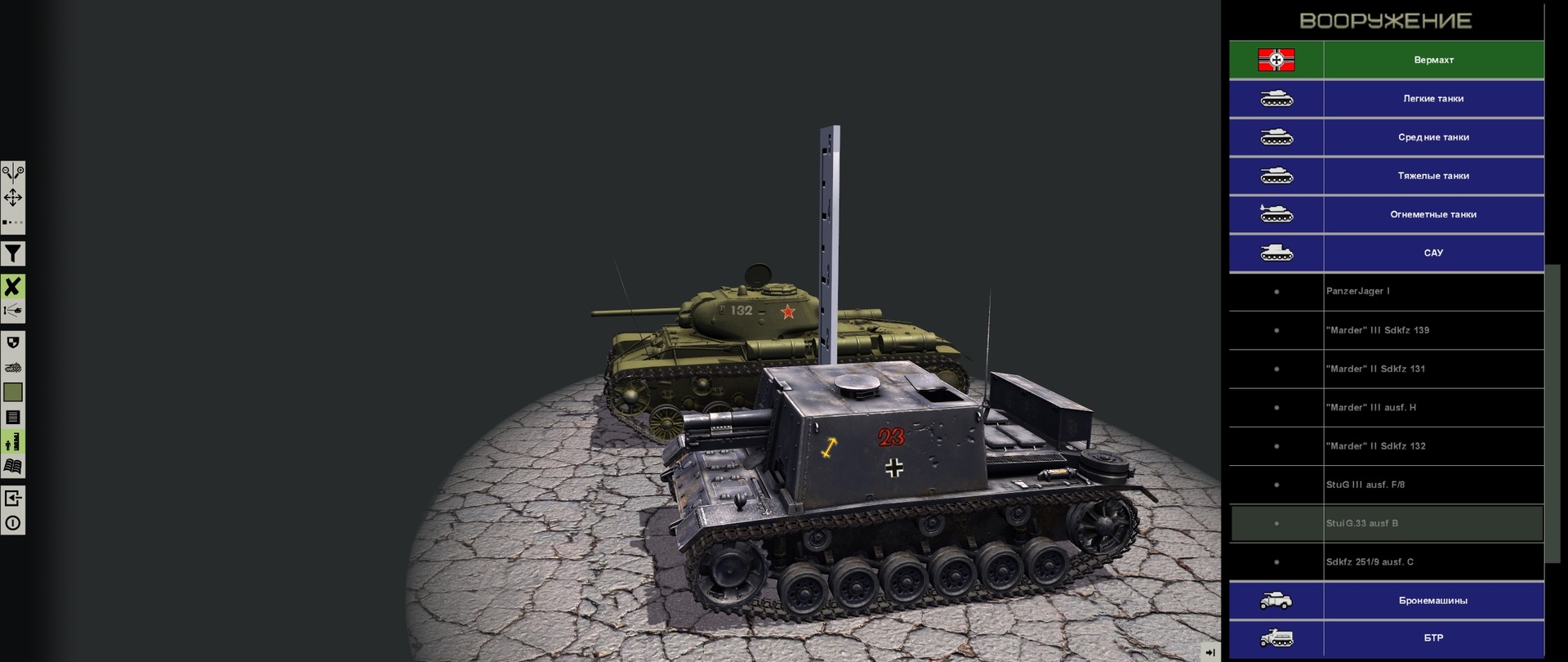
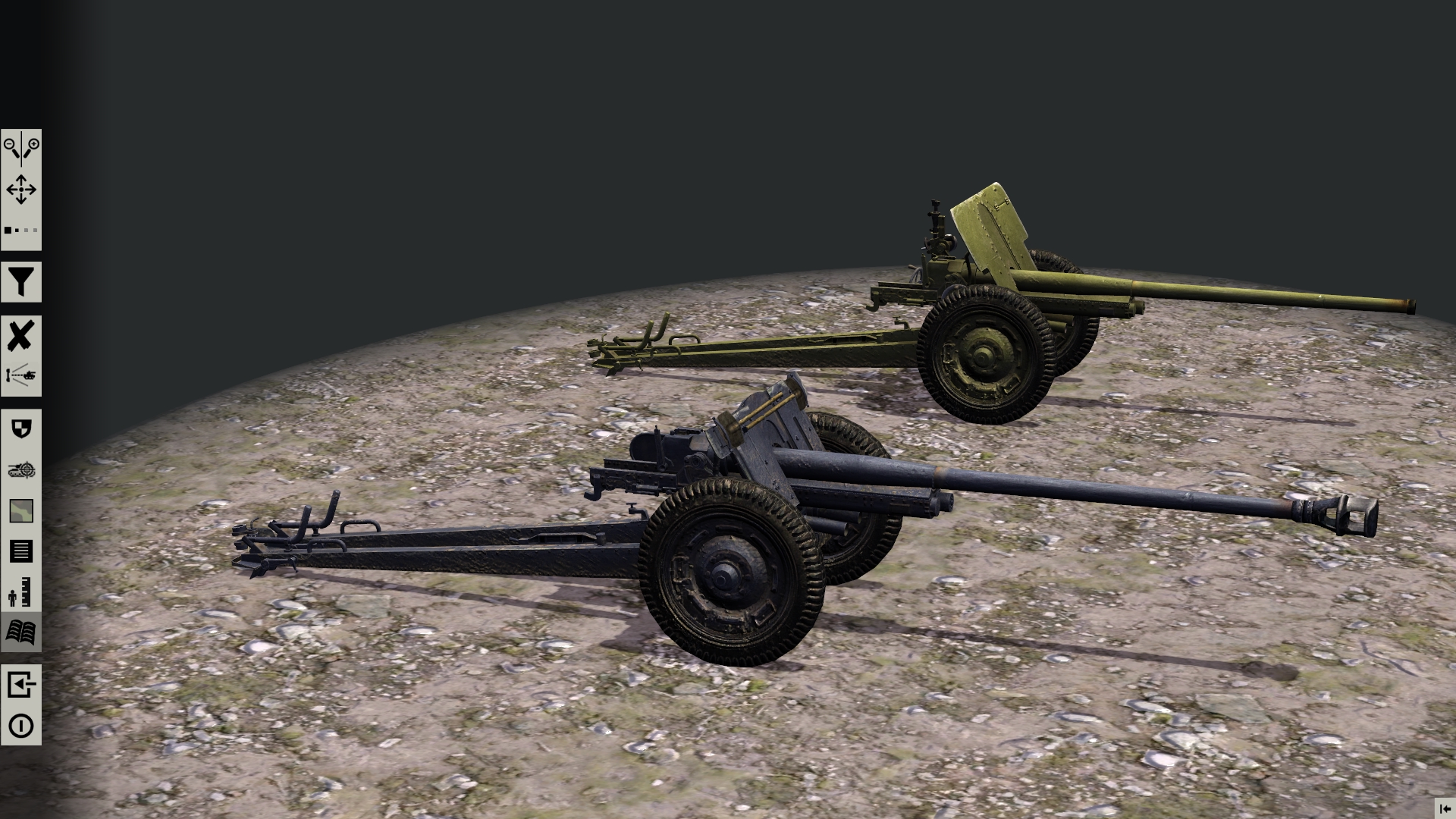
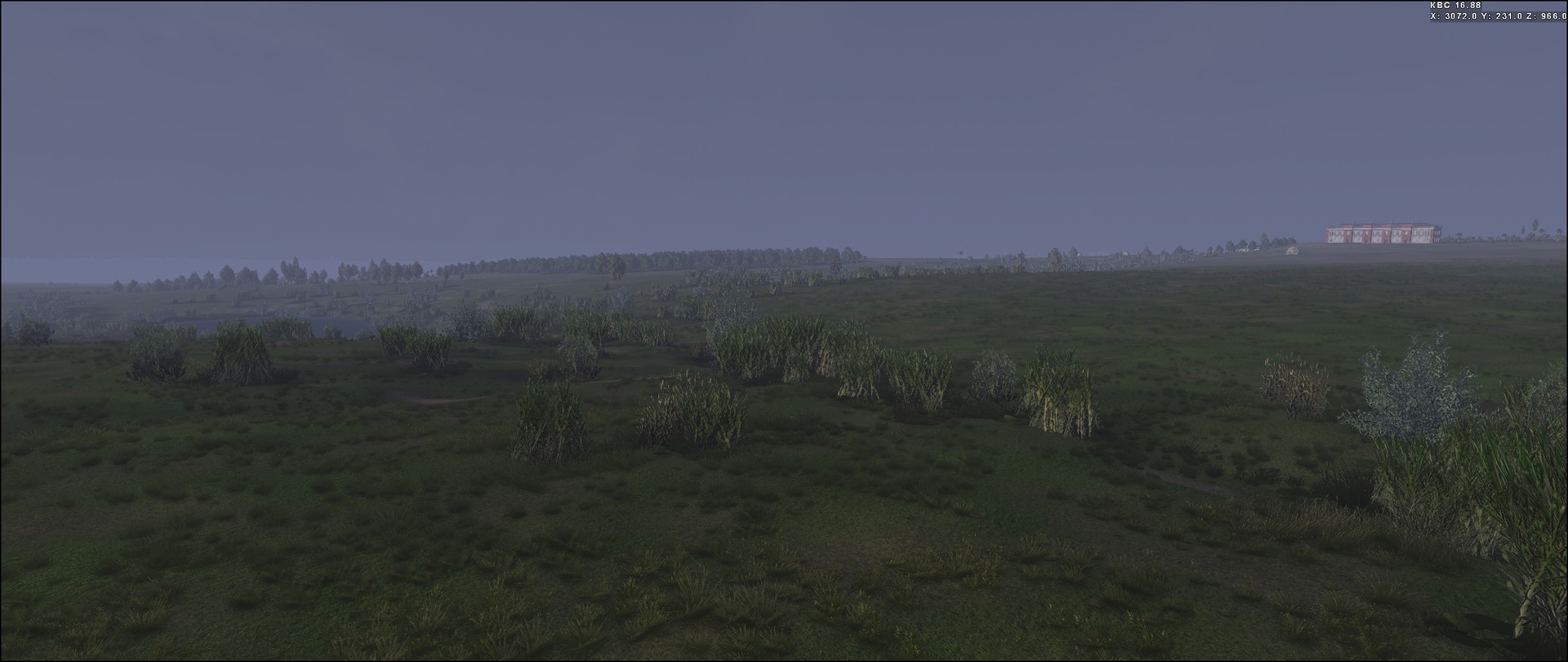
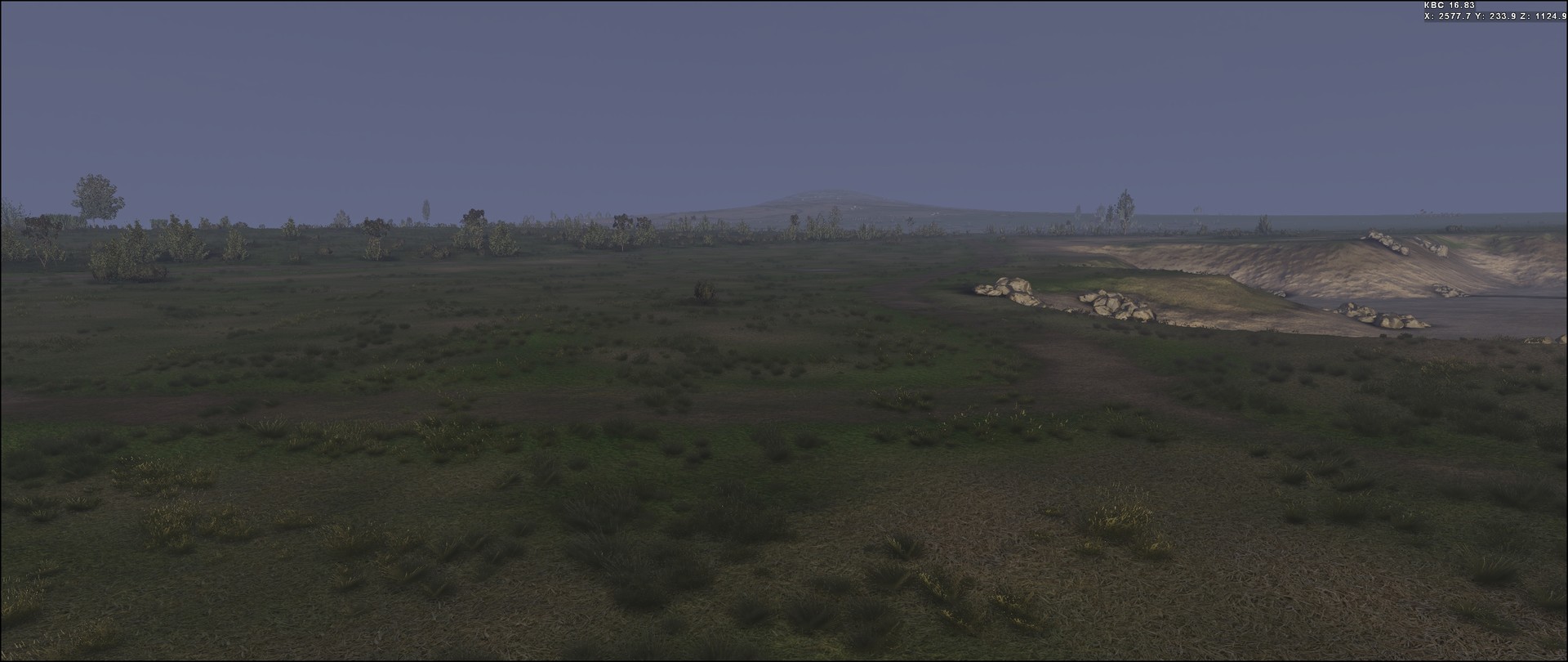
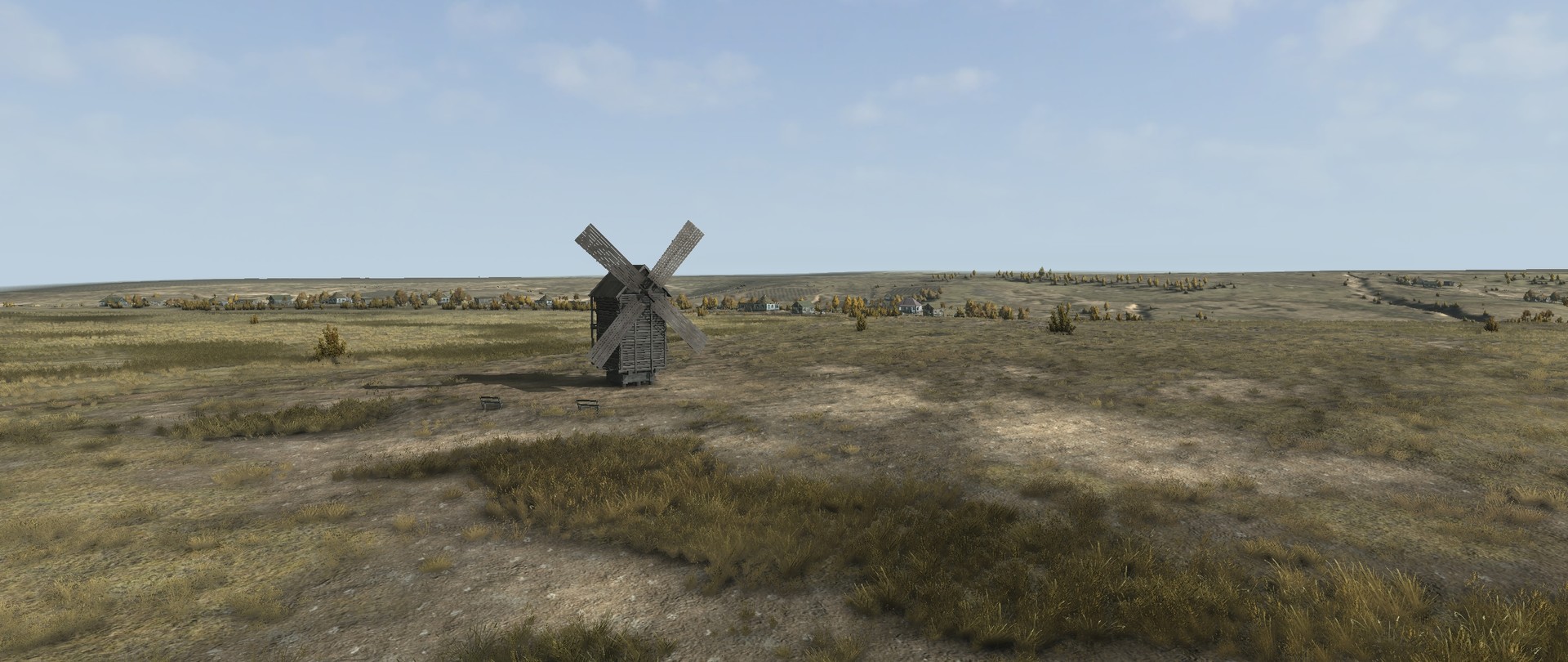
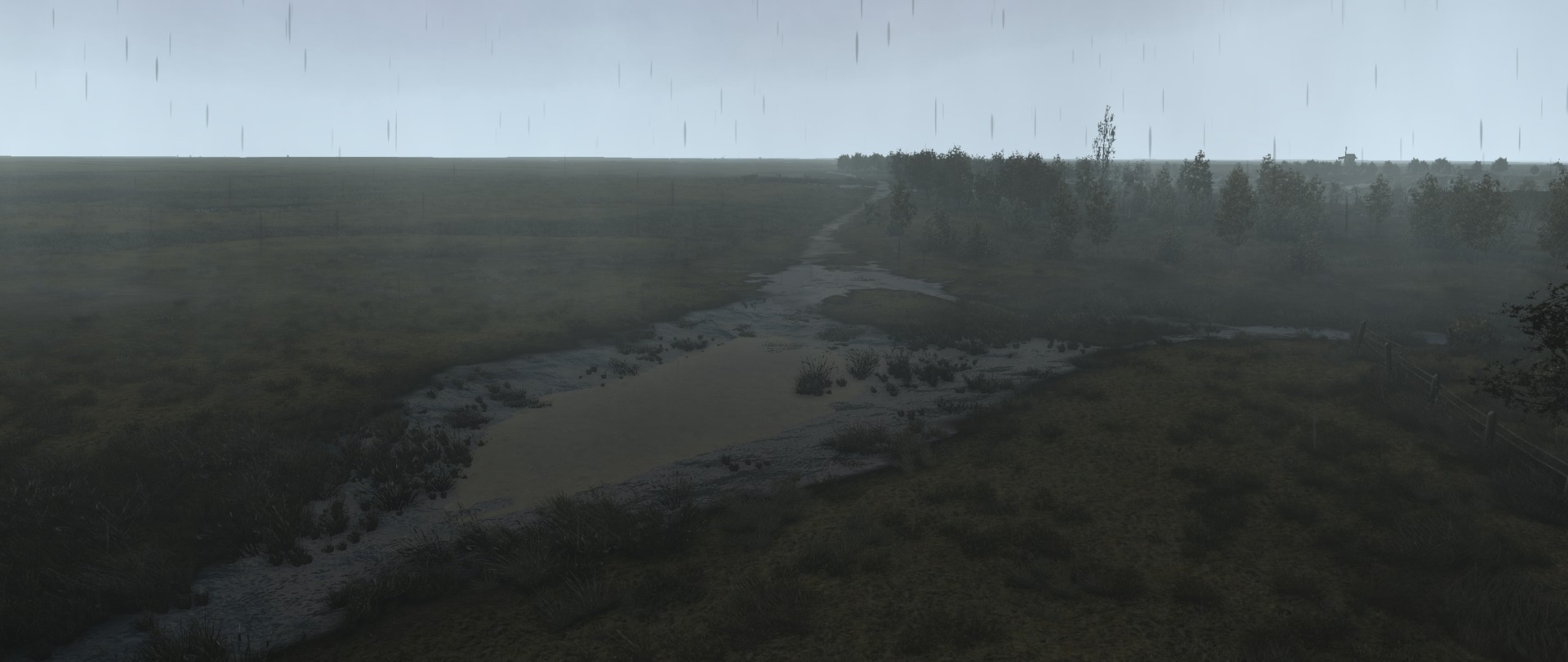
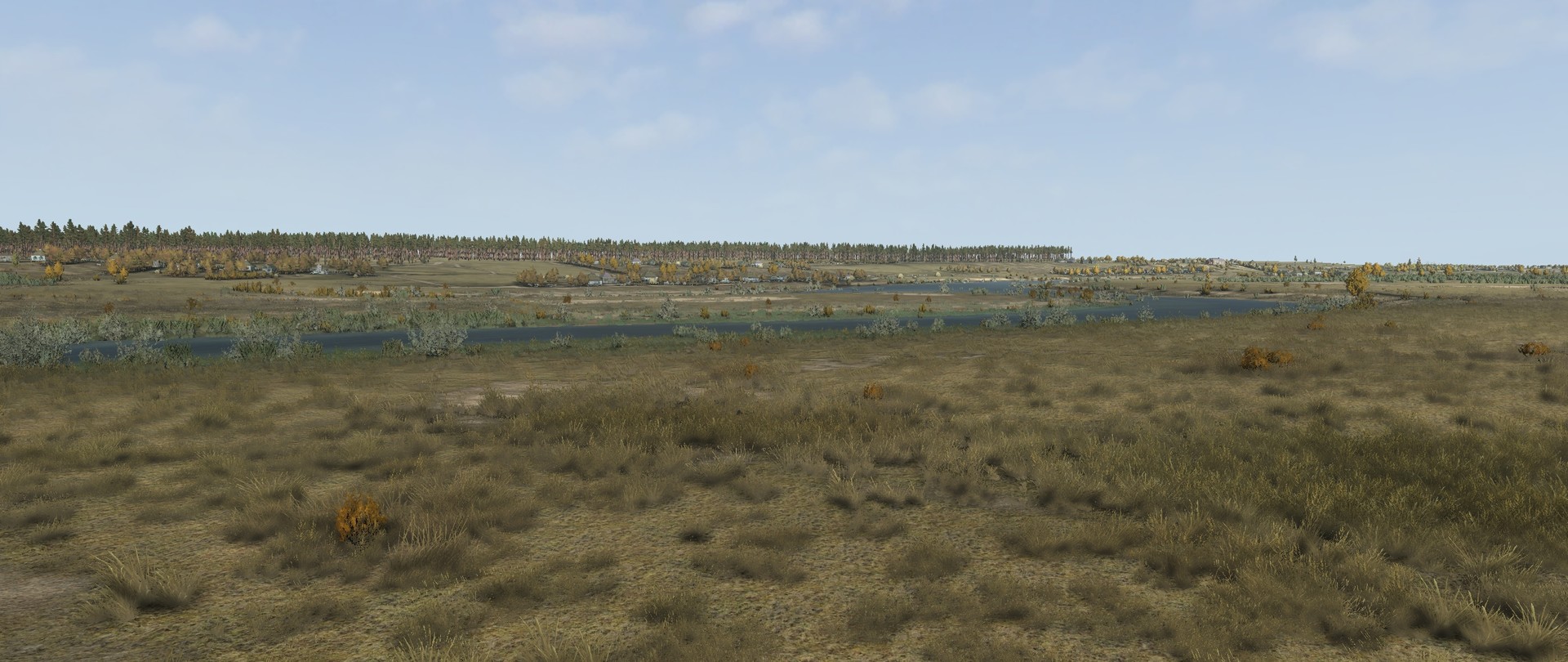
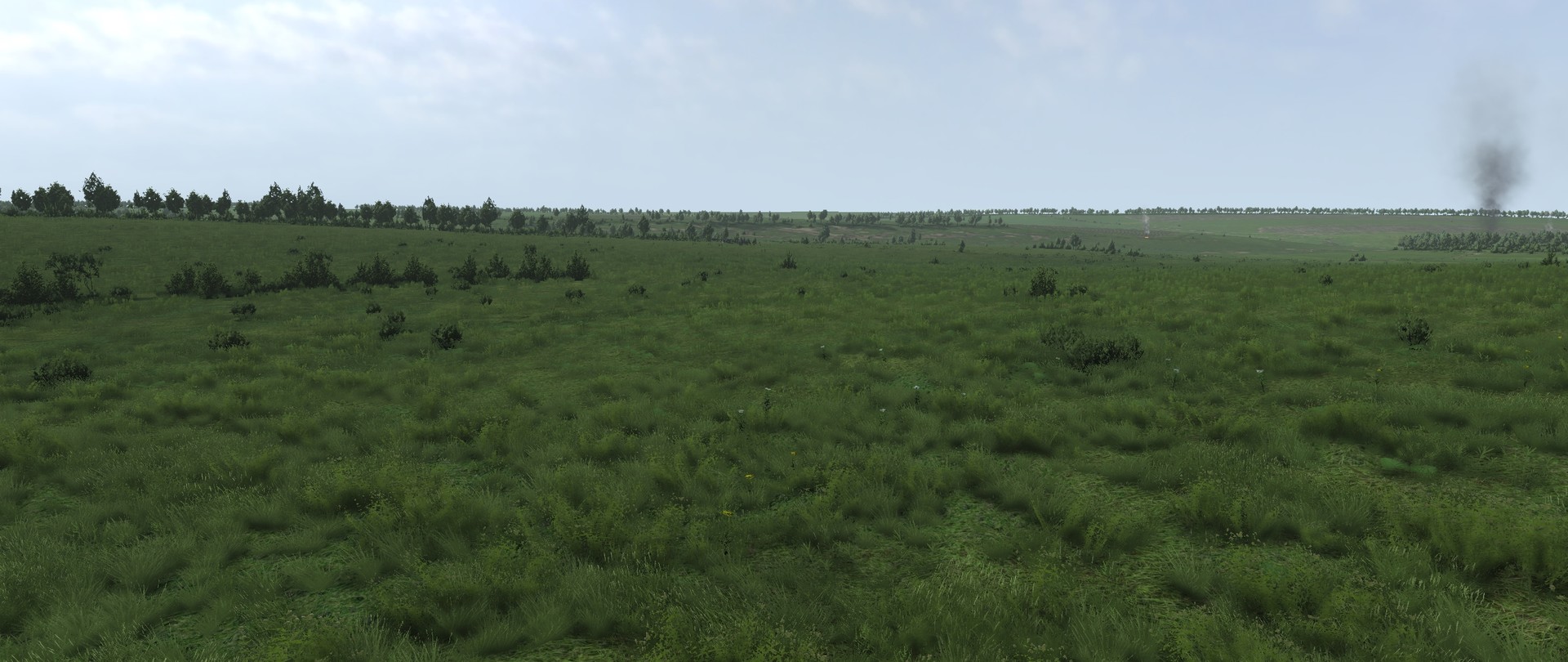
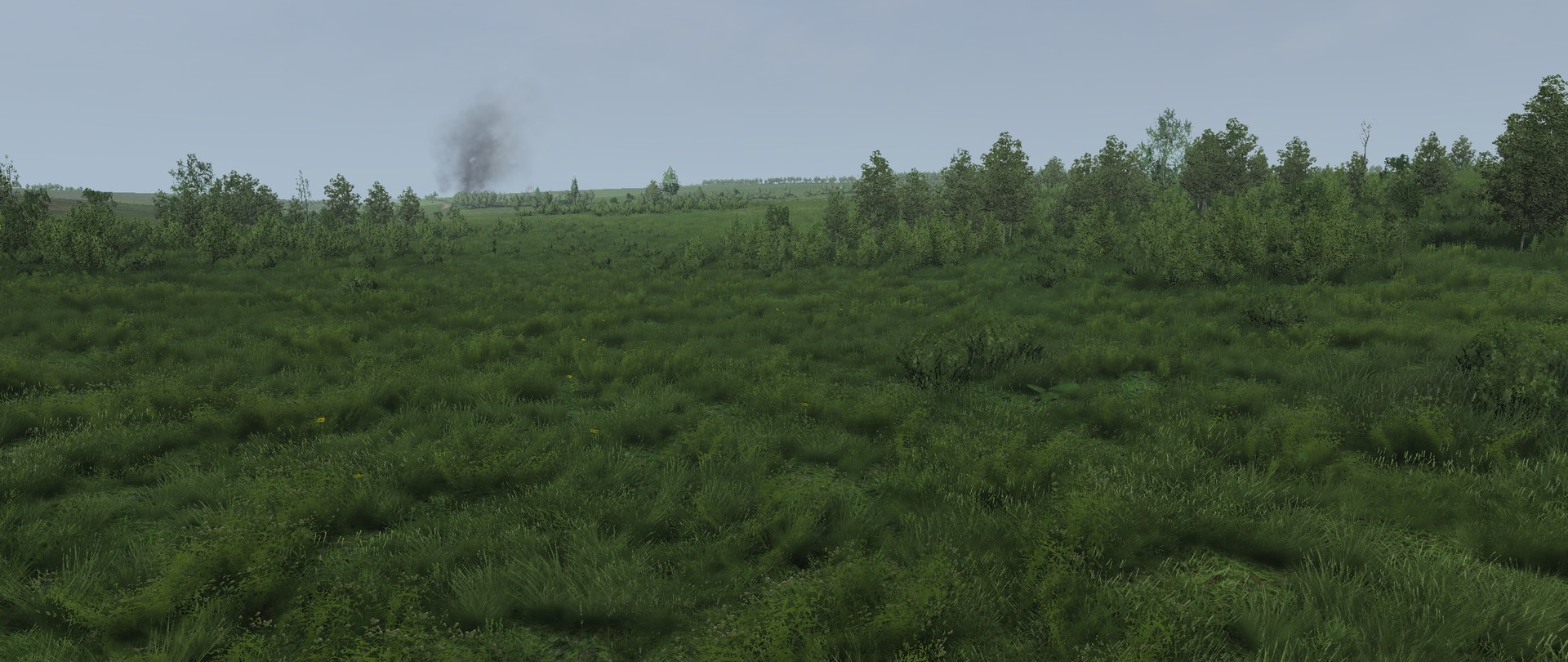
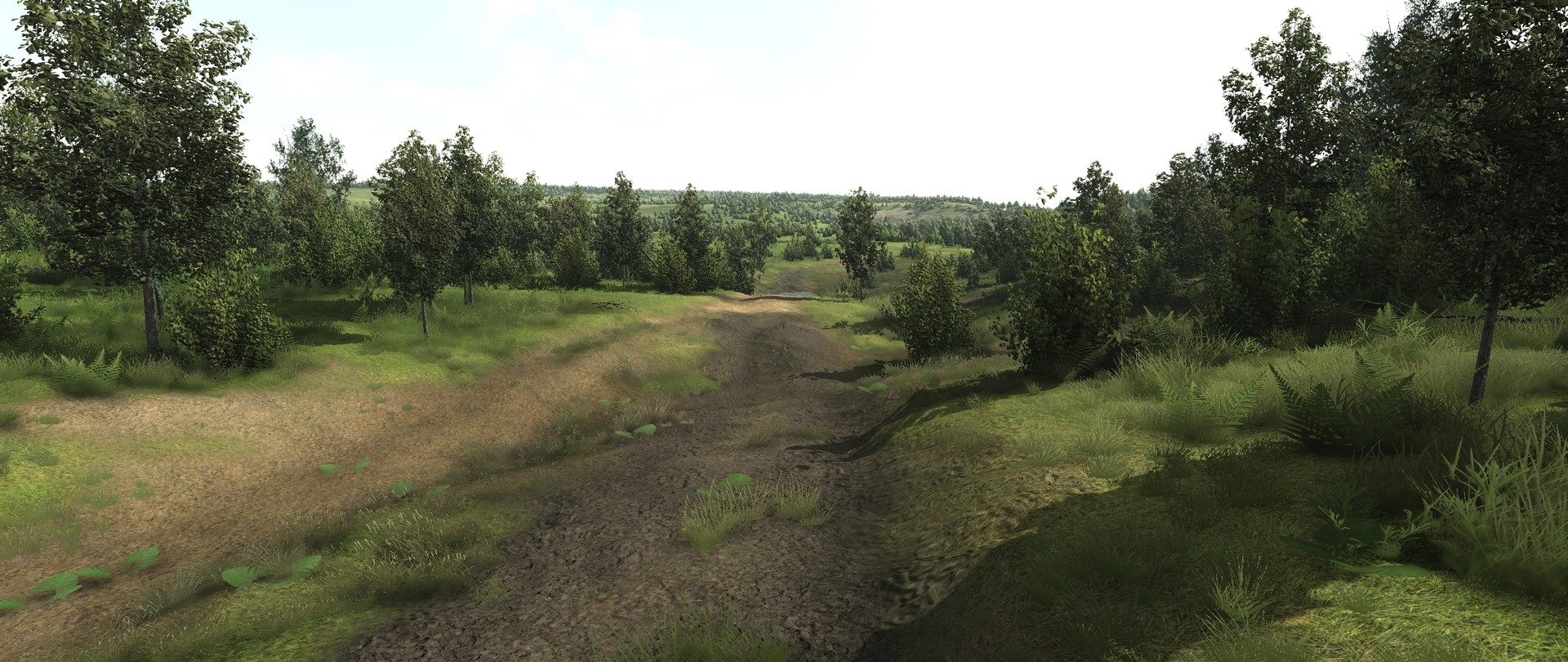
Get an in-depth look at Graviteam Tactics: Mius-Front through various videos and screenshots.
Load More

System requirements
These are the minimum specifications needed to play the game. For the best experience, we recommend that you verify them.
Windows
- Requires a 64-bit processor and operating system
- OS *: Windows 7 SP1
- Processor: AMD Athlon 2000/Intel Pentium 2.4 GHz
- Memory: 2 GB RAM
- Graphics: AMD Radeon 9500/nVidia GeForce 6600 256 MB
- DirectX: Version 9.0c
- Storage: 3 GB available space
Steam Price & Best Deals
User reviews & Ratings
Explore reviews from Steam users sharing their experiences and what they love about the game.
Great game, would recommend. The common sentiment is that the game is a pain in the ass to learn. Learning the ins and outs will take me much longer then the time I've spent now, obviously. However, it only took about 10 hours for me to learn enough to win the first Stepanovka operation as the Germans. I also find the battle setups/micro to be less mentally taxing then more casual rts games. I can actually play this when I'm tired or got out of work unlike SD2.
This game is certainly a challenge to get into, but after 30 hours or so, you will start to understand, not master, understand majority of the functions. It is a 10/10 in realism from what ive seen and experienced, so if you are looking for something more arcadey like the company of heros or call to arms series, this game may not be for you. However, if you are a WW2 buff like myself, looking for a realistic, authentic strategy/command game, I highly recommend. However it has its shortcomings. The main one that I have noticed is the lack of active development, the cause seems to be the fact that the studio is based in ukraine however i am not fully sure that is the reason why.
Probably the only WW2 game where you have to actually use realistic military tactics to succeed. The game has built in mechanics preventing your from micromanaging units meaning you are the general giving orders to entire platoons who then act according to what they see best. This is the most realistic simulation of WW2 game that I have ever played. The hud, tutorial and sound are quite bad and the campaign menu is very wonky but other then that the game is very good
Similar games
View all
Men of War: Assault Squad 2
Men of War: Assault Squad 2 expands the real-time tactics series with new skirmish missions, massive multiplayer battles, enhanced visuals, improved AI, and full Direct Control. Command five factions across 65 maps, 250 vehicles, and 200 soldiers in one of the most detailed WWII RTS experiences.
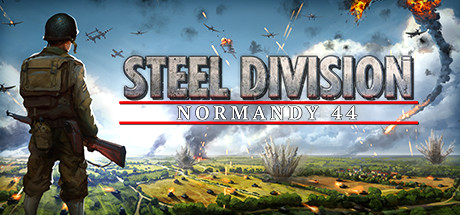
Steel Division: Normandy 44
Steel Division: Normandy is a tactical real-time strategy (RTS) game that pits players against AI enemies in a single-player campaign -- or against several opponents in massive 10-on-10 multiplayer battles.
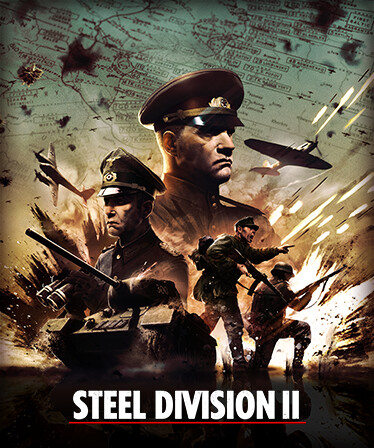
Steel Division 2
Steel Division 2 is a historically-accurate WW2 real-time strategy game set on the Eastern Front. Features 1:1-scale turn-based army management and real-time tactical battles with thousands of men at your order.
Codename: Panzers, Phase One
Codename: Panzers is an incredible real-time strategy thrill ride. Nerves of steel are required when you're a tank driver. One direct hit and you're done for, but you must throw yourself into the battle, because without your support, many will die. You are the tank commander - make the hard decisions that win wars!
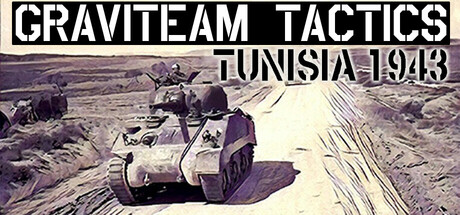
Graviteam Tactics: Tunisia 1943
Graviteam Tactics: Tunisia 1943 - tactical battalion level combat simulation. During the Tunisian Campaign in winter 1943 German Panzer battlegroups launch a counteroffensive against the Allied forces to drive them out of Eastern Dorsal.
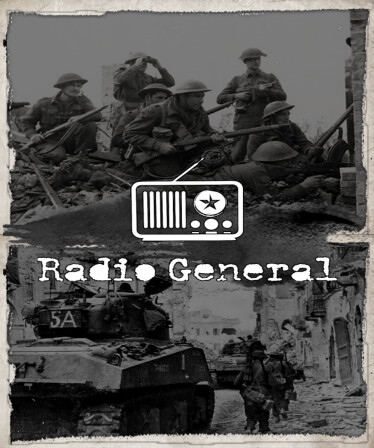
Radio General
It's WWII. You're a general sitting in a tent. All you have is a map, and a radio. Can you win the battle? Radio General is a unique strategy game where you interact with your units over the radio using speech recognition. Test your mettle and relive famous battles as a WWII general.

The Operational Art of War IV
The Operational Art of War IV is the new generation of operational wargames. With more flexibility than before and with a new array of exciting features, it will make you relive the most iconic battles from the dawn of the 20th Century to modern day, including the ones that never occurred!
Steel Armor: Blaze of War
Steel Armor: Blaze of War is realistic tank simulator with tactical elements. The game models Soviet T-62 tank and US M60A1 tank in detail. Each tank has interactive cockpit with crew. Player controls a tank, and commands a tank platoon and attached forces in 4 large scale dynamic campaigns.
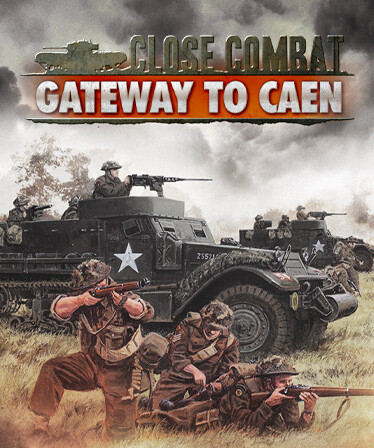
Close Combat - Gateway to Caen
Close Combat: Gateway to Caen is a great release in the critically-acclaimed Close Combat series. Gateway to Caen focuses on the largest, concentrated British offensive since the Normandy landings in an attempt to penetrate the German lines west of Caen and cross the Odon River to get the stalled advance moving again.
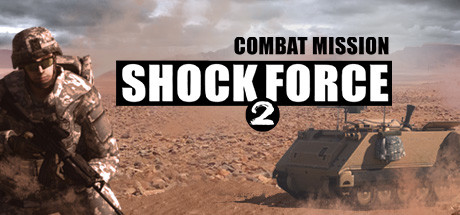
Combat Mission Shock Force 2
The latest title in the famous Combat Mission franchise of wargames, now on Steam. Shock Force 2 brings you to a hypothetical conflict in Syria between the forces of NATO and the Syrian Army. Play either on WeGo or Real Time in an incredibly detailed and realistic 1:1 tactical simulation.

Gary Grigsby's War in the East 2
War in the East 2 is the most comprehensive, most realistic, and most advanced wargame modeling Eastern Front warfare in World War Two.
Frequently Asked Questions
Graviteam Tactics: Mius-Front is currently priced at 31.99€ on Steam.
No, Graviteam Tactics: Mius-Front is currently not on sale. You can purchase it for 31.99€ on Steam.
Yes, Graviteam Tactics: Mius-Front received 927 positive votes out of a total of 1,040 achieving a rating of 8.43.
😎
Graviteam Tactics: Mius-Front was developed and published by Graviteam.
Yes, Graviteam Tactics: Mius-Front is playable and fully supported on Windows.
No, Graviteam Tactics: Mius-Front is not playable on MacOS.
No, Graviteam Tactics: Mius-Front is not playable on Linux.
Yes, Graviteam Tactics: Mius-Front is playable on Steam Deck, though it might require a few minor tweaks. Make sure to check the Steam store page and community feedback on ProtonDB for exact compatibility details.
Yes, Graviteam Tactics: Mius-Front is playable on Steam Machine, though it might require a few minor tweaks. Make sure to check the Steam store page and community feedback on ProtonDB for exact compatibility details.
No, Graviteam Tactics: Mius-Front does not support VR.
Graviteam Tactics: Mius-Front is a single-player game.
Yes, there are 30 DLCs available for Graviteam Tactics: Mius-Front. Explore additional content available for Graviteam Tactics: Mius-Front on Steam.
No, Graviteam Tactics: Mius-Front does not support mods via Steam Workshop.
No, Graviteam Tactics: Mius-Front does not support Steam Remote Play.
Yes, Graviteam Tactics: Mius-Front is enabled for Steam Family Sharing. This means you can share the game with authorized users from your Steam Library, allowing them to play it on their own accounts. For more details on how the feature works, you can read the original Steam Family Sharing announcement or visit the Steam Family Sharing user guide and FAQ page.
You can find solutions or submit a support ticket by visiting the Steam Support page for Graviteam Tactics: Mius-Front.
Data sources
The information presented on this page is sourced from reliable APIs to ensure accuracy and relevance. We utilize the Steam API to gather data on game details, including titles, descriptions, prices, and user reviews. This allows us to provide you with the most up-to-date information directly from the Steam platform.
Additionally, we incorporate data from the SteamSpy API, which offers insights into game sales and player statistics. This helps us present a comprehensive view of each game's popularity and performance within the gaming community.
Last Updates| Steam data | 20 September 2026 05:04 UTC |
|---|---|
| SteamSpy data | 15 October 2026 10:02 UTC |
| Steam price | 26 October 2026 20:09 UTC |
| Steam reviews | 22 October 2026 17:58 UTC |
If you'd like to dive deeper into the details about Graviteam Tactics: Mius-Front, we invite you to check out a few dedicated websites that offer extensive information and insights. These platforms provide valuable data, analysis, and user-generated reports to enhance your understanding of the game and its performance.
- SteamDB - A comprehensive database of everything on Steam about Graviteam Tactics: Mius-Front
- SteamCharts - Analysis of Graviteam Tactics: Mius-Front concurrent players on Steam
- ProtonDB - Crowdsourced reports on Linux and Steam Deck Graviteam Tactics: Mius-Front compatibility
Game modes
Features
Online players
13
Developer
Graviteam
Publisher
Graviteam
Release
04 Mar 2016
Platforms