
Gary Grigsby's War in the East
War on an Epic scale from Moscow to Berlin – this is War in the East!
Sync your Steam wishlist to find the lowest game prices instantly. No login required, just paste your Steam profile URL!
⚡ Try Wishlist Radar!
Sync your Steam wishlist to find the lowest game prices instantly. No login required!
⚡ Try Wishlist Radar!
Close

The Operational Art of War IV on Steam
Quick menu
The Operational Art of War IV is the new generation of operational wargames. With more flexibility than before and with a new array of exciting features, it will make you relive the most iconic battles from the dawn of the 20th Century to modern day, including the ones that never occurred!
The Operational Art of War IV is a strategy, simulation and wargame game
developed by TrickeySoft LLC
and published by Matrix Games.
Released on October 15th 2018 is available only on Windows.
It has received 342 reviews of which 277 were positive and 65 were negative resulting in a rating of 7.6 out of 10. 😊
The game is currently priced at 38.99€ on Steam.
The Steam community has classified The Operational Art of War IV into these genres:
Media & Screenshots
Get an in-depth look at The Operational Art of War IV through various videos and screenshots.


System requirements
These are the minimum specifications needed to play the game. For the best experience, we recommend that you verify them.
Windows
- OS *: Windows 7 / 8 / 10
- Processor: Pentium 4 or better
- Memory: 512 MB RAM
- Graphics: Video/Graphics: DirectX 9.0c compatible video card with 16 MB RAM
- Storage: 650 MB available space
- Sound Card: Any Windows compatible
- Additional Notes: Microsoft .Net 4.0
Steam Price & Best Deals
User reviews & Ratings
Explore reviews from Steam users sharing their experiences and what they love about the game.
Almost beat Wellington and the Prussians in Waterloo, but I was a turn away from capturing Ligny and the cities near Waterloo so it turned out to be a draw.....still a fantastic game - 10/10. https://forums.matrixgames.com/viewtopic.php?p=4360528#p4360528 here is the list of difficulty for scenarios btw
The Operational Art of War IV, developed by TrickeySoft LLC and published by Matrix Games, is a strategy simulation designed for players who want military planning on a massive scale. Rather than focusing on quick battles or simplified warfare systems, the game dives deep into operational-level command, challenging players to think like military planners responsible for entire campaigns instead of isolated battlefield encounters. It is a title built around patience, analysis, and careful execution, delivering an experience that rewards long-term thinking more than immediate action. The game covers an enormous range of military conflicts stretching across multiple eras of warfare. Historical campaigns serve as the foundation, giving players opportunities to command forces in famous twentieth-century conflicts while also exploring hypothetical scenarios that ask compelling strategic questions. The sheer amount of content available immediately stands out. Hundreds of scenarios ensure players have an extraordinary amount of material to explore, and each campaign introduces different military challenges that demand unique solutions. What makes The Operational Art of War IV particularly compelling is its focus on operational command rather than traditional tactical combat. Success is rarely determined by brute force alone. Supply lines, transportation networks, terrain advantages, unit readiness, and timing become essential considerations. A poorly supplied army can collapse despite numerical superiority, while careful planning and efficient logistics can allow smaller forces to achieve surprising victories. The game constantly reinforces the idea that warfare extends far beyond direct combat. The logistics systems provide some of the experience’s strongest moments. Every offensive operation requires preparation. Reinforcements need coordination. Advancing too aggressively without maintaining infrastructure can create devastating consequences. Players must balance ambition with practicality, creating a rewarding strategic tension that remains present throughout nearly every campaign. Victory often feels earned because success depends upon preparation rather than simple battlefield dominance. Terrain also plays a critical role in military planning. Rivers become obstacles that require careful consideration. Defensive positions create opportunities for smaller forces to hold against superior enemies. Open terrain encourages mobility while forests and difficult environments can completely alter operational priorities. The battlefield evolves into more than a visual map; it becomes an active strategic element that influences every major decision. The title further expands its depth through extensive scenario variety. Some campaigns focus on concentrated operations requiring efficient resource allocation across smaller fronts. Others place players in enormous conflicts where military coordination spans vast regions and countless units. This variety keeps the experience engaging because no single strategy guarantees success. Players constantly adapt to different circumstances, reinforcing the game’s emphasis on operational flexibility. Naval warfare improvements contribute additional complexity. Maritime operations receive meaningful attention through more sophisticated systems involving fleet management, ship characteristics, and combined military coordination. Naval forces operate as important strategic assets rather than secondary features, creating scenarios where sea control becomes just as important as land superiority. Another standout feature is customization. The scenario editor offers substantial creative freedom, allowing dedicated players to design campaigns and shape operational experiences according to their interests. Community-created content further extends longevity, ensuring experienced players continue discovering fresh challenges long after completing official scenarios. Combined with multiplayer support, the game creates opportunities for long-term strategic engagement beyond solo play. Artificial intelligence enhancements also improve accessibility without reducing depth. Large-scale operations can become overwhelming, especially for newcomers entering the world of detailed military simulations. Automation options help reduce management pressure while preserving meaningful strategic control, making the experience easier to approach without sacrificing complexity. Visually, The Operational Art of War IV prioritizes functionality above presentation. Unit icons, maps, and interface systems emphasize information delivery rather than graphical spectacle. Players accustomed to modern visual polish may initially find the presentation dated. The interface can appear intimidating during early hours, particularly when learning mechanics and understanding military terminology. The learning curve remains substantial, requiring patience before the game fully reveals its strengths. That complexity ultimately defines the experience. This is not a strategy title designed for instant accessibility. It demands focus, experimentation, and a willingness to learn detailed systems that operate beneath every military decision. Players seeking immediate action or streamlined gameplay may struggle with its deliberate pace. Those willing to commit, however, will discover exceptional strategic depth rarely found elsewhere. The Operational Art of War IV succeeds because it remains committed to its identity. It does not compromise its complexity for wider appeal, instead embracing its role as a serious operational warfare simulation for dedicated strategy enthusiasts. TrickeySoft LLC created a game that values thoughtful planning, military realism, and long-term mastery above spectacle. For players fascinated by military history, large-scale operations, and deeply layered strategy systems, The Operational Art of War IV delivers a rewarding experience capable of providing hundreds of hours of meaningful decision-making. It stands as an impressive example of operational wargaming done with ambition and precision. Rating: 7/10
Similar games
View all

Unity of Command II
Unity of Command II is the sequel to one of the most critically acclaimed strategy games of all time; a game critics called 'the perfect gateway' into computer war games.

Strategic Command WWII: World at War
Strategic Command WWII: World At War is your chance to re-fight the 20th century’s greatest conflict, from Poland to China, Normandy to the Pacific, on a map encompassing the globe.

Order of Battle: World War II
Order of Battle: World War II is a breath of fresh air for all strategy fans. It is a game that takes wargaming to a new level by upgrading every single game element and rebooting the genre for a new generation of players.
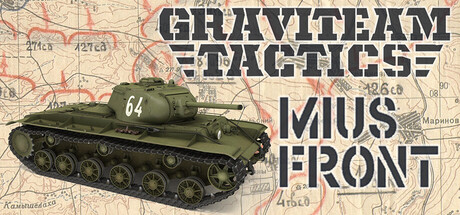
Graviteam Tactics: Mius-Front
Graviteam Tactics: Mius-Front - tactical battalion level combat simulation. Action takes place in the summer of 1943 at Mius river and Saur-Mogila tumulus area of over 140 sq. km. Four large-scale operations for the Red Army and Wehrmacht.

Gary Grigsby's War in the East 2
War in the East 2 is the most comprehensive, most realistic, and most advanced wargame modeling Eastern Front warfare in World War Two.

Strategic Command WWII: War in Europe
Strategic Command WWII: War in Europe is a deeply immersive turn based strategy game covering the greatest conflict in modern history!

Command Ops 2 Core Game
Command Ops 2 is a wargame engine that lets you assess, plan, order and react at the operational level just like a real Corps, Division and Brigade commander. What sets Command Ops 2 apart from the competition is the most advanced and realistic model of command decision-making.
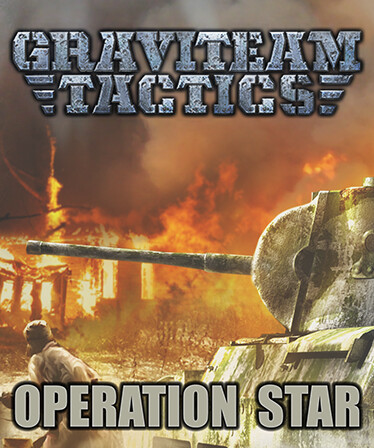
Graviteam Tactics: Operation Star
Graviteam Tactics: Operation Star is a sequel to Achtung Panzer: Kharkov 1943. It’s an Eastern Front war game with solid graphics and sprawling battlefields that really emphasizes the scope of WWII tank combat.Want to step into the role of a commander in the very heart of Kharkov’s defense?

Darkest Hour: A Hearts of Iron Game
Developed by a team of experienced modders from the Paradox forum, Darkest Hour is a stand-alone Hearts of Iron game. The game features a mixture of short and in-depth campaigns set across the darkest chapters of the 20th century. Play from the outbreak of the Great War up until the onset of the Cold War.
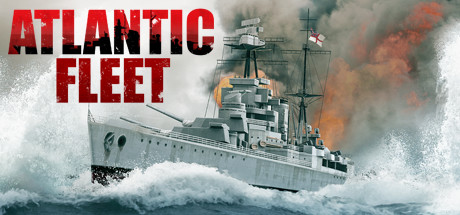
Atlantic Fleet
Turn based tactical and strategic naval combat. Atlantic Fleet puts you in command of the Allies or Kriegsmarine (German Navy) in the longest military campaign of WWII, The Battle of the Atlantic.Take command of surface ships, submarines as well as carrier and land based aircraft in the deadly struggle for control of Atlantic shipping...
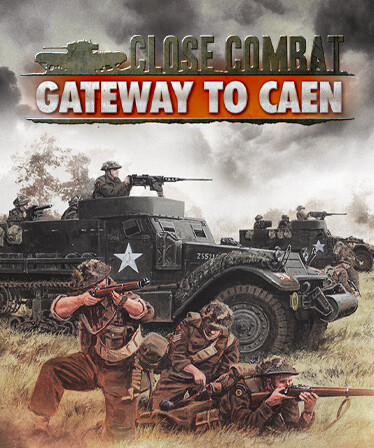
Close Combat - Gateway to Caen
Close Combat: Gateway to Caen is a great release in the critically-acclaimed Close Combat series. Gateway to Caen focuses on the largest, concentrated British offensive since the Normandy landings in an attempt to penetrate the German lines west of Caen and cross the Odon River to get the stalled advance moving again.
Frequently Asked Questions
The Operational Art of War IV is currently priced at 38.99€ on Steam.
No, The Operational Art of War IV is currently not on sale. You can purchase it for 38.99€ on Steam.
Yes, The Operational Art of War IV received 277 positive votes out of a total of 342 achieving a rating of 7.56.
😊
The Operational Art of War IV was developed by TrickeySoft LLC and published by Matrix Games.
Yes, The Operational Art of War IV is playable and fully supported on Windows.
No, The Operational Art of War IV is not playable on MacOS.
No, The Operational Art of War IV is not playable on Linux.
No, The Operational Art of War IV is not playable on Steam Deck.
No, The Operational Art of War IV is not playable on Steam Machine.
No, The Operational Art of War IV does not support VR.
The Operational Art of War IV offers both single-player and multi-player modes.
The Operational Art of War IV offers both Co-op and PvP modes.
No, The Operational Art of War IV does not currently offer any DLC.
Yes, The Operational Art of War IV is fully integrated with Steam Workshop. Visit Steam Workshop.
Yes, The Operational Art of War IV supports Remote Play Together. Discover more about Steam Remote Play.
Yes, The Operational Art of War IV is enabled for Steam Family Sharing. This means you can share the game with authorized users from your Steam Library, allowing them to play it on their own accounts. For more details on how the feature works, you can read the original Steam Family Sharing announcement or visit the Steam Family Sharing user guide and FAQ page.
You can find solutions or submit a support ticket by visiting the Steam Support page for The Operational Art of War IV.
Data sources
The information presented on this page is sourced from reliable APIs to ensure accuracy and relevance. We utilize the Steam API to gather data on game details, including titles, descriptions, prices, and user reviews. This allows us to provide you with the most up-to-date information directly from the Steam platform.
Additionally, we incorporate data from the SteamSpy API, which offers insights into game sales and player statistics. This helps us present a comprehensive view of each game's popularity and performance within the gaming community.
Last Updates| Steam data | 18 September 2026 05:14 UTC |
|---|---|
| SteamSpy data | 22 October 2026 17:14 UTC |
| Steam price | 27 October 2026 03:57 UTC |
| Steam reviews | 20 October 2026 09:45 UTC |
If you'd like to dive deeper into the details about The Operational Art of War IV, we invite you to check out a few dedicated websites that offer extensive information and insights. These platforms provide valuable data, analysis, and user-generated reports to enhance your understanding of the game and its performance.
- SteamDB - A comprehensive database of everything on Steam about The Operational Art of War IV
- SteamCharts - Analysis of The Operational Art of War IV concurrent players on Steam
- ProtonDB - Crowdsourced reports on Linux and Steam Deck The Operational Art of War IV compatibility

Game modes
Features
Online players
23
Developer
TrickeySoft LLC
Publisher
Matrix Games
Release
15 Oct 2018
Platforms
Remote Play