


Deponia Doomsday
Can you change Deponia's fate? Do you have what it takes to change Rufus' past, present and future without accidently destroying the whole planet? Fight time itself in this action-packed, platypus-tastic and insanely hilarious story.
Sync your Steam wishlist to track the lowest game prices instantly. No login required, just paste your Steam profile URL!
⚡ Try Wishlist Radar!
Sync your Steam wishlist to track the lowest game prices instantly. No login required!
⚡ Try Wishlist Radar!
Close

Kelvin and the Infamous Machine on Steam - User reviews, Price & Information
Quick menu
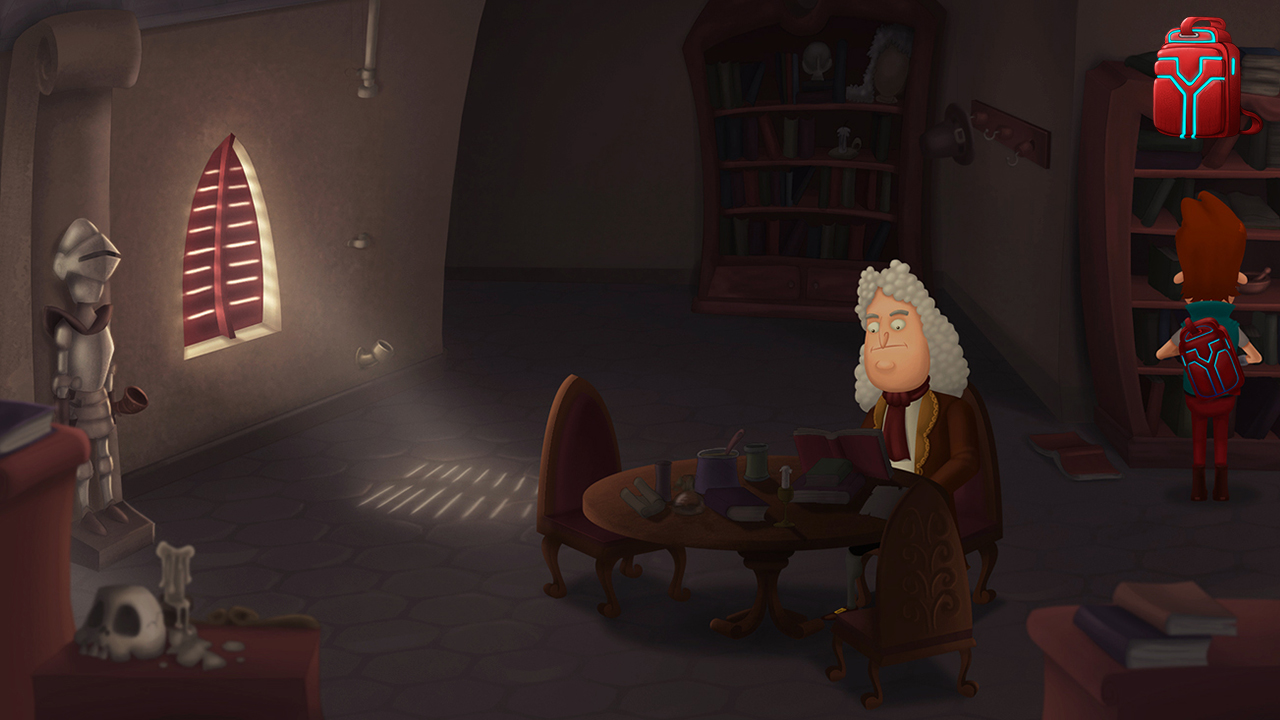
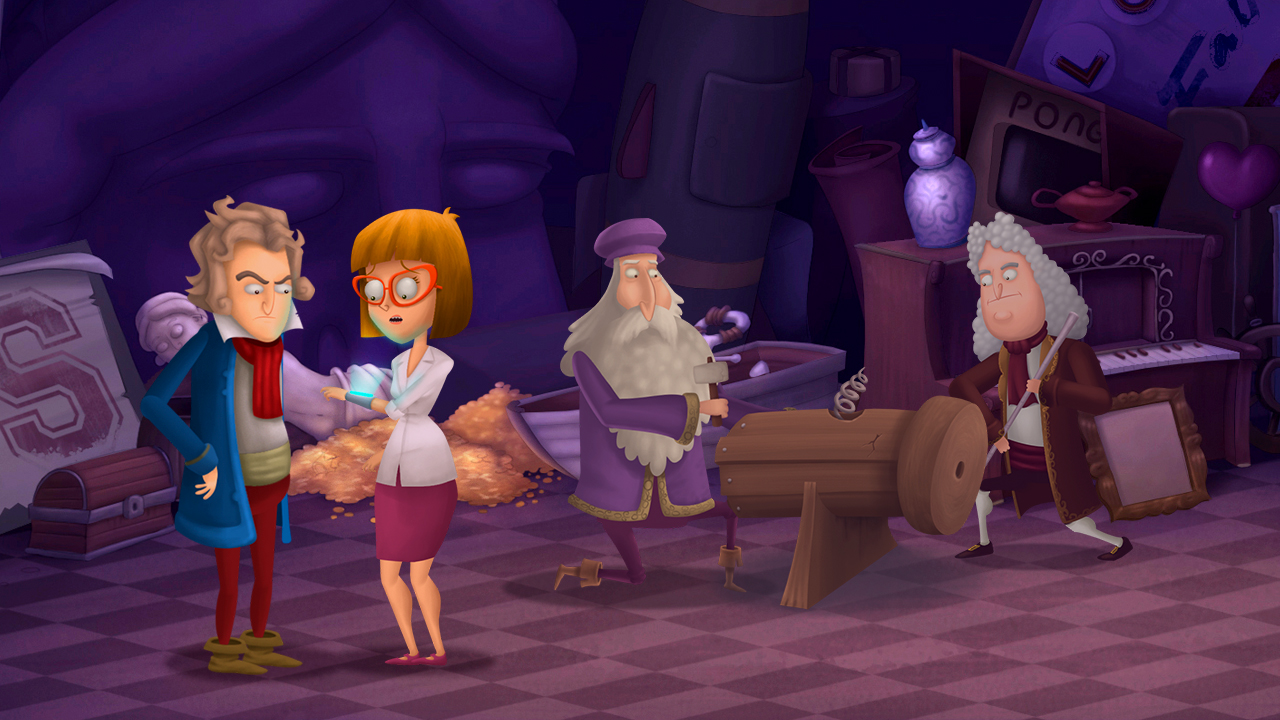
Kelvin and the Infamous Machine is a hilarious point-and-click adventure in which you stumble irresponsibly through history to help legendary geniuses complete their masterworks!
Kelvin and the Infamous Machine is a adventure, indie and point & click game
developed and published by Blyts.
Released on July 21st 2016 is available on Windows, MacOS and Linux
in 5 languages: English, French, German, Spanish - Spain and Italian.
It has received 957 reviews of which 866 were positive and 91 were negative resulting in a rating of 8.5 out of 10. 😎
The game is currently priced at 9.75€ on Steam, but you can find it for 0.82€ on Eneba.
The Steam community has classified Kelvin and the Infamous Machine into these genres:
Media & Screenshots
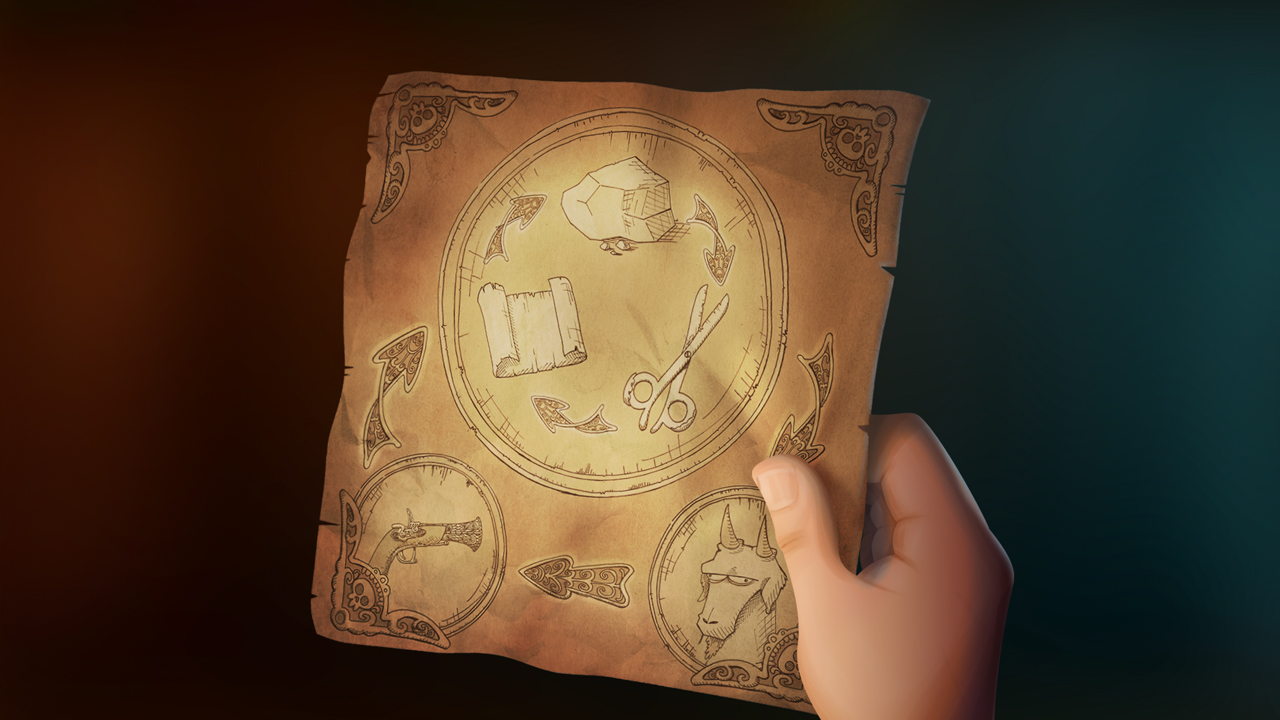
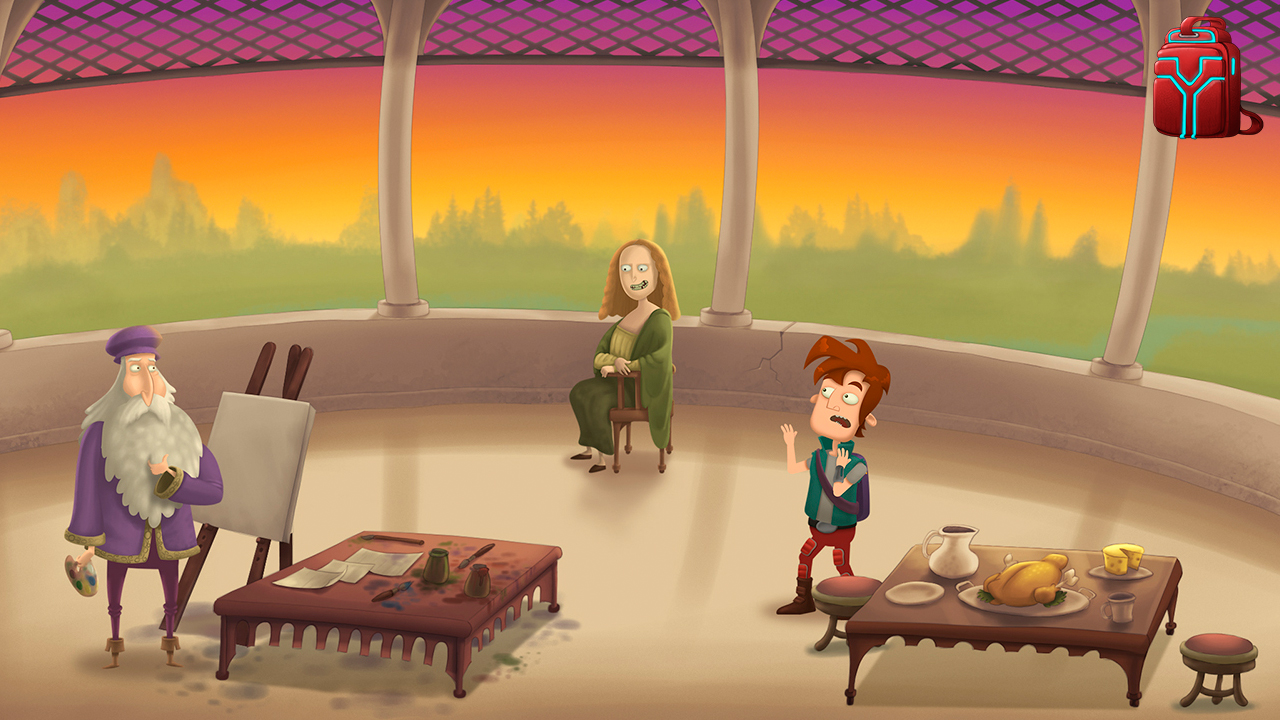
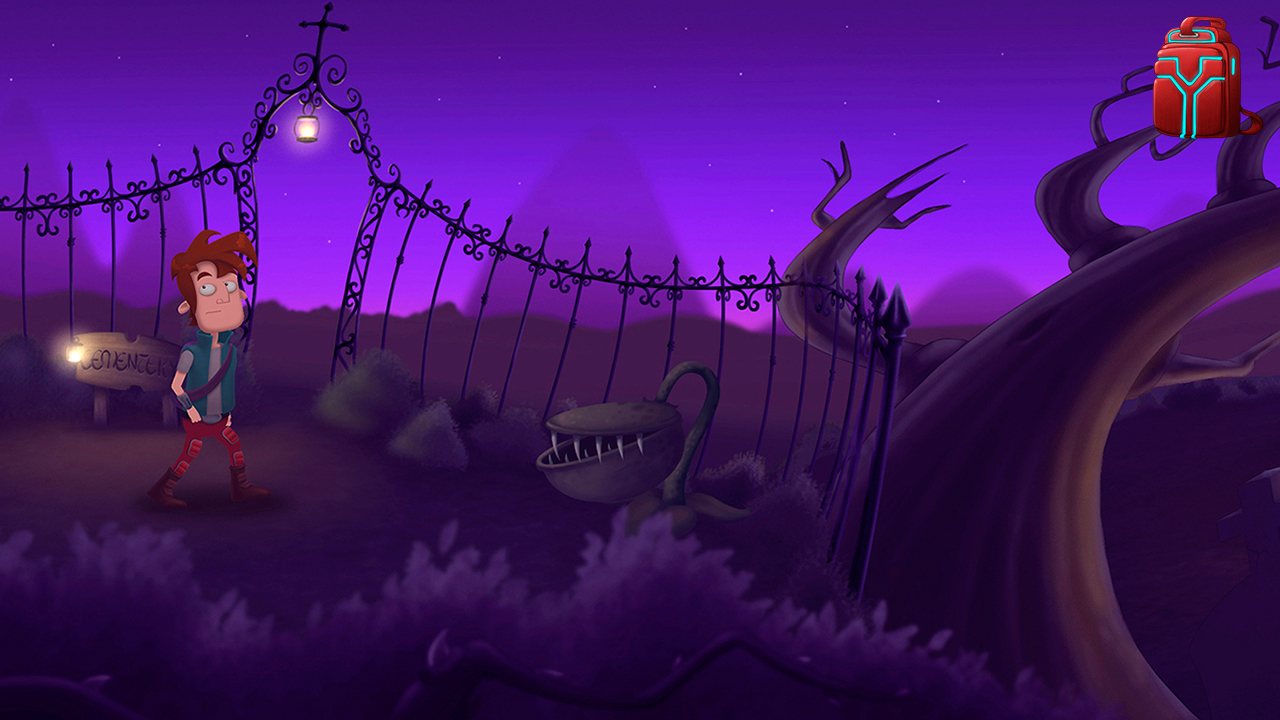
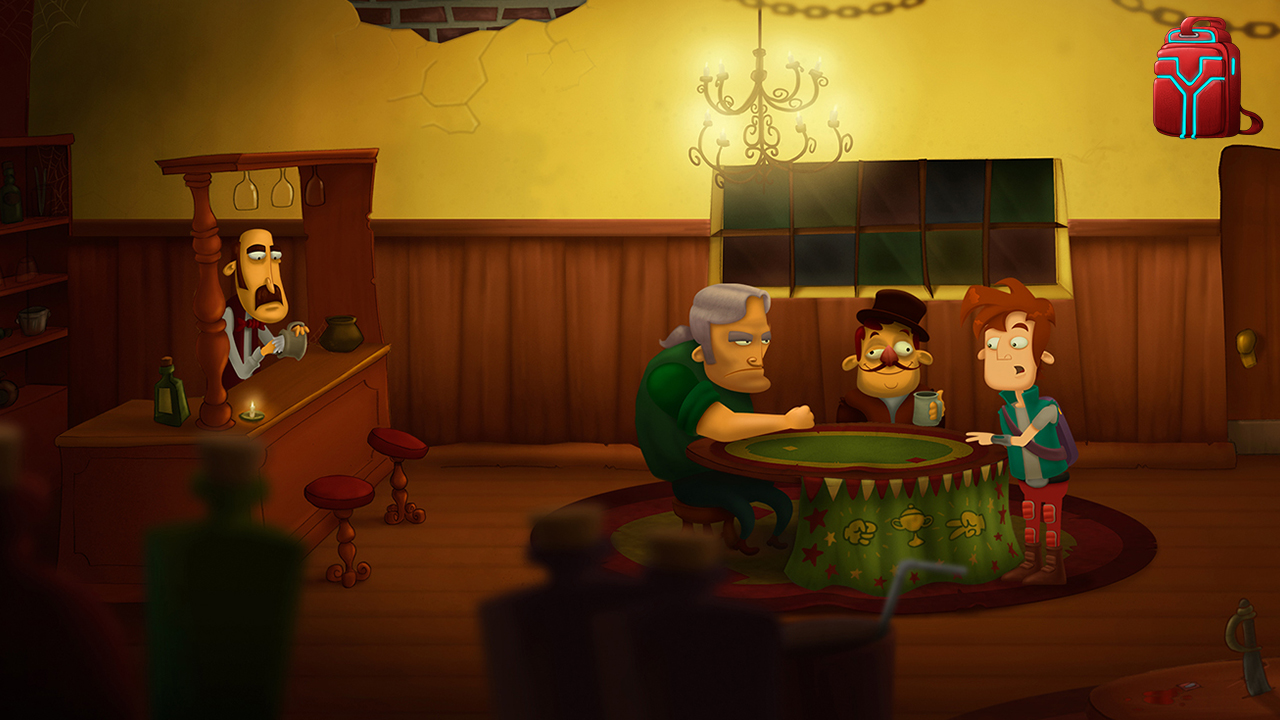
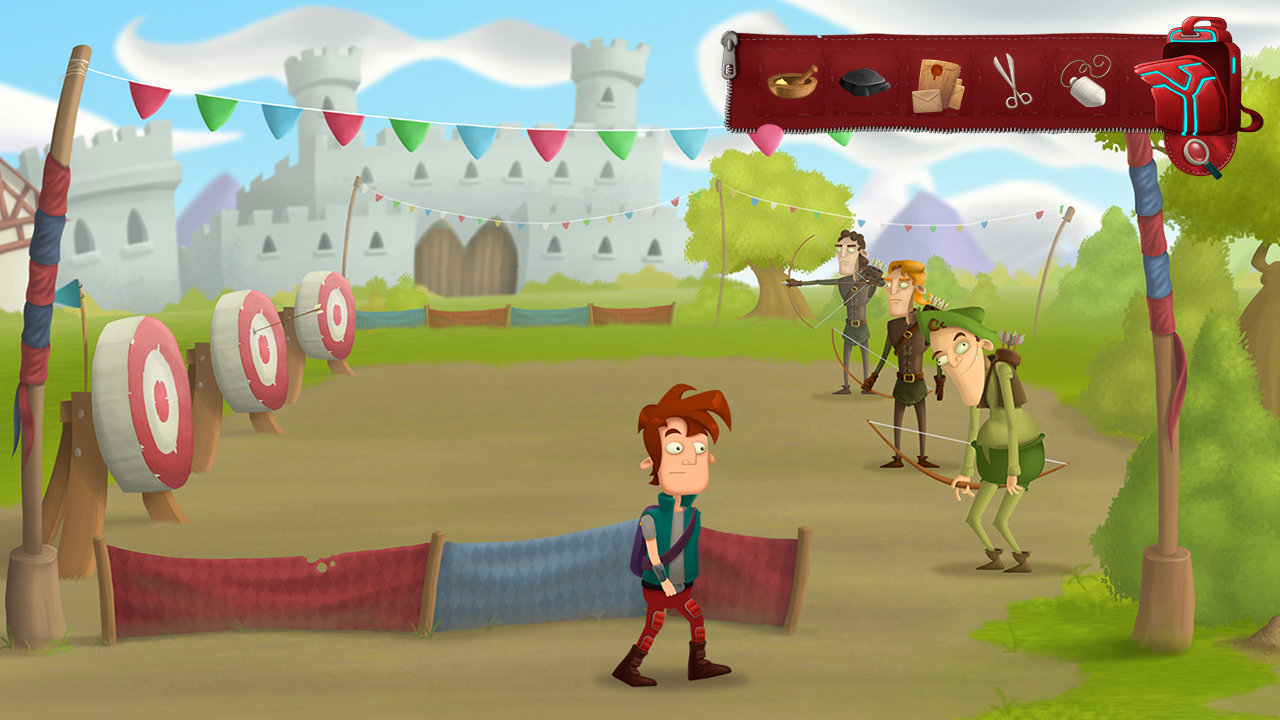
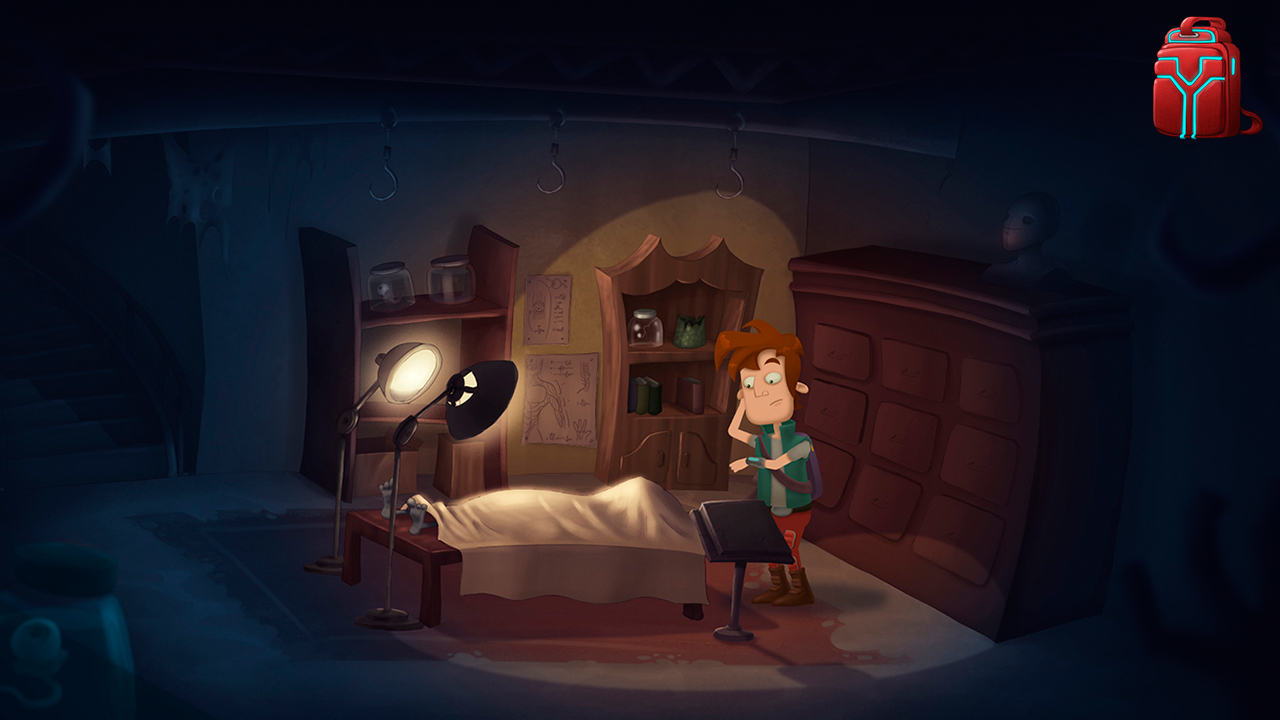
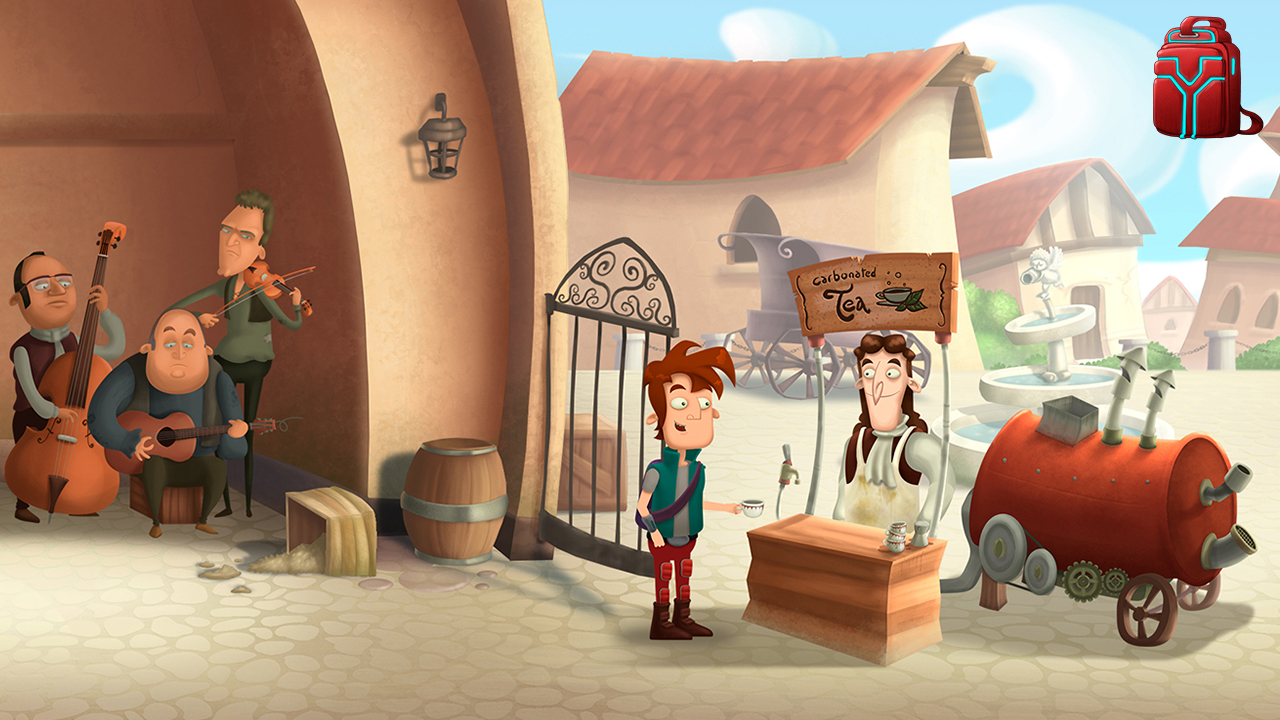
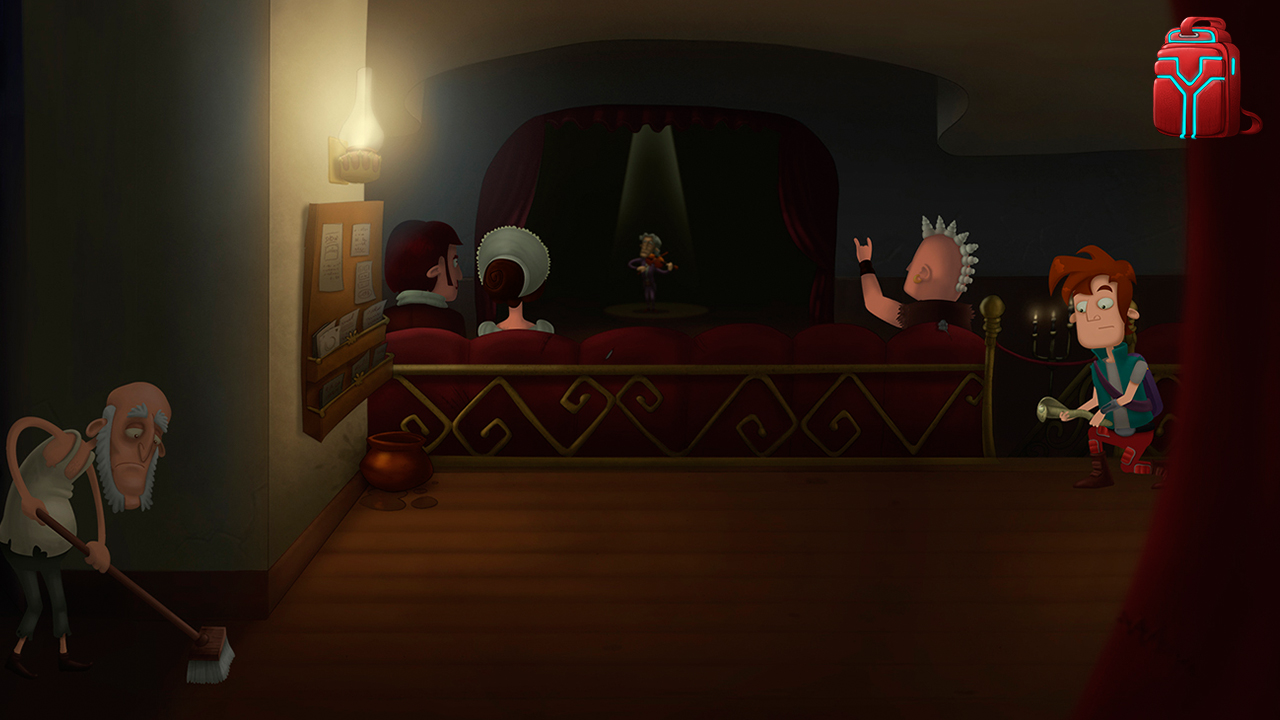
Get an in-depth look at Kelvin and the Infamous Machine through various videos and screenshots.


Load More

System requirements
These are the minimum specifications needed to play the game. For the best experience, we recommend that you verify them.
Windows
- OS *: Windows 7
- Processor: 1.7 GHz Dual Core
- Memory: 2 GB RAM
- Graphics: NVIDIA GeForce GTX 260, ATI Radeon 4870 HD, or equivalent card with at least 512 MB VRAM
- Storage: 500 MB available space
- Additional Notes: Must have OpenGL
MacOS
- OS: Mavericks 10.9 or later
- Processor: Intel Core Duo
- Memory: 2 GB RAM
- Graphics: NVIDIA GeForce GTX 260, ATI Radeon 4870 HD, or equivalent card with at least 512 MB VRAM
- Storage: 500 MB available space
- Additional Notes: Must have OpenGL
Linux
- OS: Ubuntu 12.04 LTS
- Processor: 1.7 GHz Dual Core
- Memory: 2 GB RAM
- Graphics: NVIDIA GeForce GTX 260, ATI Radeon 4870 HD, or equivalent card with at least 512 MB VRAM
- Storage: 500 MB available space
- Additional Notes: Must have OpenGL and Java 8+
Steam Price & Best Deals
User reviews & Ratings
Explore reviews from Steam users sharing their experiences and what they love about the game.
Kelvin and the Infamous Machine is a point-and-click adventure game developed and published by Blyts that successfully captures the charm of classic adventure gaming while introducing its own humorous take on time travel and historical mischief. Inspired by the golden era of narrative-driven adventures, the game combines clever puzzle design, colorful visuals, memorable characters, and a lighthearted storyline into an experience that feels both nostalgic and accessible. It embraces the traditions established by genre classics while maintaining enough originality to stand comfortably on its own. The story follows Kelvin, a young and somewhat inexperienced laboratory assistant who works alongside the brilliant scientist Dr. Edwin Lupin and fellow researcher Lise. What begins as a celebration of a groundbreaking invention quickly turns into chaos when Lupin unveils a functioning time machine and receives ridicule instead of praise from the scientific community. Frustrated and humiliated, he decides to use his invention to travel through history and claim credit for humanity's greatest discoveries and achievements. His actions threaten the integrity of the timeline, forcing Kelvin and Lise to chase him across different eras in an effort to repair the damage before history is permanently altered. The narrative immediately benefits from its entertaining premise. Time travel has long been a popular theme in adventure games, but Kelvin and the Infamous Machine uses it primarily as a vehicle for comedy. Historical events become playgrounds for absurd situations, allowing players to witness famous figures and moments from entirely new perspectives. The game frequently turns familiar historical concepts upside down, creating humorous scenarios that keep the story engaging from beginning to end. One of the strongest aspects of the experience is its writing. Dialogue is consistently witty, with characters exchanging humorous observations and playful banter throughout the adventure. The humor relies on clever situations and character interactions rather than constant jokes, allowing the comedy to feel natural. Kelvin serves as an effective protagonist because he is relatable, curious, and often overwhelmed by the increasingly ridiculous circumstances surrounding him. His interactions with both allies and historical figures help maintain the game's cheerful atmosphere. The time-travel concept provides the foundation for many of the game's most creative puzzles. Rather than simply collecting items and combining objects, players frequently manipulate events across different points in history. Actions performed in one era can have consequences in another, encouraging players to think about cause and effect in inventive ways. This approach gives the puzzle design a unique identity and helps distinguish the game from more traditional point-and-click adventures. The puzzles generally strike a comfortable balance between challenge and accessibility. Most solutions rely on logic and observation rather than obscure leaps in reasoning. Players are encouraged to experiment with their surroundings, speak to characters, and pay attention to environmental details. While some puzzles require careful thought, the game avoids the frustrating trial-and-error design that occasionally plagued older adventure titles. This makes the experience approachable for newcomers while still providing satisfying moments of discovery. The historical settings are another major highlight. Throughout the adventure, players visit different time periods and encounter famous individuals whose achievements have been disrupted by Lupin's interference. The game cleverly incorporates these figures into its puzzle structure and narrative progression, allowing players to interact with them in humorous and unexpected ways. These encounters help bring the various eras to life and provide a strong sense of variety as the story unfolds. Visually, Kelvin and the Infamous Machine embraces a bright and expressive cartoon art style. Every environment is filled with personality, and each historical location possesses its own distinct appearance. Character designs are colorful and exaggerated, complementing the comedic tone of the narrative. The hand-drawn aesthetic gives the game a timeless quality while helping it stand apart from more realistic adventure games. Character animation contributes significantly to the presentation. Facial expressions, body language, and exaggerated reactions add energy to conversations and comedic moments. Even simple exchanges become more entertaining thanks to the visual personality displayed by the cast. This attention to animation helps maintain engagement during dialogue-heavy sections and reinforces the game's overall charm. The soundtrack complements the adventure nicely by adapting to the different locations and historical periods. Music helps establish atmosphere without becoming intrusive, supporting both exploration and storytelling. The audio design enhances the sense of travel and discovery while maintaining the playful tone that defines the entire experience. Another notable strength is the game's pacing. New locations, characters, and puzzle concepts are introduced regularly, ensuring that the adventure never feels stagnant. The narrative moves steadily forward without unnecessary detours, and each chapter contributes something meaningful to the overall story. This structure allows the game to remain entertaining throughout its relatively concise runtime. The supporting cast further enriches the experience. Lise provides intelligence and determination, helping balance Kelvin's occasional uncertainty, while Dr. Lupin serves as a particularly entertaining antagonist. His motivations stem from wounded pride rather than genuine malice, making him both humorous and surprisingly relatable. The dynamic between the three main characters gives the story a strong emotional core beneath its comedic surface. Although the game draws clear inspiration from beloved classics such as Day of the Tentacle and other comedic point-and-click adventures, it never feels like a direct imitation. Its emphasis on historical manipulation, original cast, and time-travel-based puzzle solving allows it to establish its own identity. The developers clearly understand what made classic adventure games memorable while also introducing enough fresh ideas to keep the experience feeling modern. The game's primary weakness is that experienced adventure game veterans may find some puzzles relatively straightforward. The overall challenge level is moderate, and the story can be completed without becoming excessively demanding. However, this accessibility is also one of the reasons the game appeals to a broader audience. Players unfamiliar with the genre can enjoy the adventure without becoming overwhelmed by overly complicated puzzle chains. Kelvin and the Infamous Machine ultimately succeeds as a delightful adventure filled with humor, creativity, and charm. Its engaging story, intelligent puzzle design, memorable characters, and imaginative use of time travel combine to create an experience that remains entertaining throughout its entire journey. While it may not revolutionize the genre, it demonstrates a deep appreciation for classic adventure design and delivers a polished experience that fans of narrative-driven games are likely to appreciate. Rating: 9/10
Kelvin and the Infamous Machine is a funny old school point 'n click time travel adventure. Gfx and animations are fine. The setting is ridiculous, in a good way, including humorous references and easter eggs to other franchises. The game is split in four short few-screen chapters with puzzles ranging from easy to the sometimes ridiculous you often see in these types of games. I had some good laughs with this one. Spent about three evenings to 100% it.
Good point and click puzzle game in the spirit of older point and click classics. The voice acting is entertaining, especially the guy who plays "The Shuffler", and the gags are fun. I audibly laughed out loud numerous times, or at least gave an earnestly loud snort. The puzzles are fair, and the story is a fun little journey to meet irl geniuses in a fictional setting and you as the protagonist gives them the nudge they need to overcome "writers block" so to speak on their groundbreaking invention, but get caught up in having to go through silly antics and hoops to do so (the puzzles). Overall for the price tag I'd say it's worth it. I actually wish they made it twice as long and charged like 19.99 or something because I was enjoying it and was sad for the game to end.
This game is both funny and fun. I like it! I don't really know what to say. If you're not for the funny or kinda stupid stuff, I don't think you would like this game. However, if you do, I think this game is for you. It's the most amusing (hilarious) game I have currently in my library.
Similar games
View all

Time Gentlemen, Please! and Ben There, Dan That! Special Edition Double Pack
Ben There, Dan That! and Time Gentlemen, Please! are a couple of rip-roaring point-and-click adventure games . With tongue firmly in cheek, sit back, relax, and put your mind to work solving puzzles, and reading some very funny dialogue. It's like a book, only good!
Goodbye Deponia
More chaos, more destruction, more Rufus. Not one, not two, but three Rufuses cause all kinds of crazy mayhem in the long-awaited adventure comedy Goodbye Deponia!

Chaos on Deponia
With this long-expected sequel to the critically highly acclaimed and lavishly praised Deponia, the player enters round two. Chaos on Deponia turns out to be even wackier than its predecessor and instantly puts the player under its spell.

The Wardrobe - Even Better Edition
Inspired by the great ‘90s classics such as 'Monkey Island', 'Day of the Tentacle', 'Tony Tough' and 'Sam & Max: Hit the Road', "The Wardrobe" has a strong sense of humour, but isn't shy about dealing with mature and non-politically correct themes.

Thimbleweed Park
In Thimbleweed Park, a dead body is the least of your problems. Switch between five playable characters to uncover the surreal secrets of this strange town in a modern mystery adventure game from the creators of Monkey Island and Maniac Mansion. The deeper you go, the weirder it gets.

Randal's Monday
A kleptomaniac, a sociopath and a horrible friend. Randal is potentially one of the most scurrile protagonists since the invention of the hoverboard. Randal's Monday is a crazy space-time odyssey in classic adventure design, spiced up with countless geek culture references of the last 30 years.
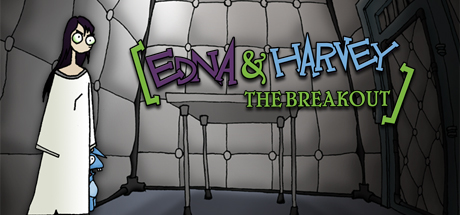
Edna & Harvey: The Breakout
The award-winning debut adventure game from the creators of Deponia and The Whispered World now on Steam. Accompany young Edna and her talking stuffed bunny Harvey on a whacky attempt to escape from her padded cell. Experience a bizarre journey all across the insane asylum and far beyond its brick walls.

Journey of a Roach
Nuclear war, post apocalypse, barren and lifeless wastelands.Lifeless? Not so much!Mutated insects have made their home in a bomb shelter and they're set on exploring the world.Let this point&click adventure welcome you to a hilariously bizarre end time world and join the roaches Jim and Bud on their journey to the surface.

There Is No Game: Wrong Dimension
There is no game. So don't go messing things up by clicking everywhere. You don’t want to be kicked out of your video game world, do you? Of course not!
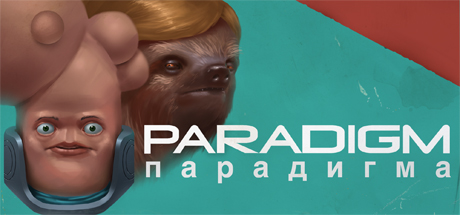
Paradigm
Paradigm is a surreal adventure game set in the strange and post apocalyptic Eastern European country of Krusz. Play as the handsome mutant, Paradigm, whose past comes back to haunt him in the form of a genetically engineered sloth that vomits candy.
Frequently Asked Questions
Kelvin and the Infamous Machine is currently priced at 9.75€ on Steam.
No, Kelvin and the Infamous Machine is currently not on sale. You can purchase it for 9.75€ on Steam.
Yes, Kelvin and the Infamous Machine received 866 positive votes out of a total of 957 achieving a rating of 8.54.
😎
Kelvin and the Infamous Machine was developed and published by Blyts.
Yes, Kelvin and the Infamous Machine is playable and fully supported on Windows.
Yes, Kelvin and the Infamous Machine is playable and fully supported on MacOS.
Yes, Kelvin and the Infamous Machine is playable and fully supported on Linux.
This information about Kelvin and the Infamous Machine is not available yet.
This information about Kelvin and the Infamous Machine is not available yet.
No, Kelvin and the Infamous Machine does not support VR.
Kelvin and the Infamous Machine is a single-player game.
Yes, there is a DLC available for Kelvin and the Infamous Machine. Explore additional content available for Kelvin and the Infamous Machine on Steam.
No, Kelvin and the Infamous Machine does not support mods via Steam Workshop.
No, Kelvin and the Infamous Machine does not support Steam Remote Play.
Yes, Kelvin and the Infamous Machine is enabled for Steam Family Sharing. This means you can share the game with authorized users from your Steam Library, allowing them to play it on their own accounts. For more details on how the feature works, you can read the original Steam Family Sharing announcement or visit the Steam Family Sharing user guide and FAQ page.
You can find solutions or submit a support ticket by visiting the Steam Support page for Kelvin and the Infamous Machine.
Data sources
The information presented on this page is sourced from reliable APIs to ensure accuracy and relevance. We utilize the Steam API to gather data on game details, including titles, descriptions, prices, and user reviews. This allows us to provide you with the most up-to-date information directly from the Steam platform.
Additionally, we incorporate data from the SteamSpy API, which offers insights into game sales and player statistics. This helps us present a comprehensive view of each game's popularity and performance within the gaming community.
Last Updates| Steam data | 03 September 2026 04:13 UTC |
|---|---|
| SteamSpy data | 06 September 2026 06:41 UTC |
| Steam price | 13 September 2026 10:45 UTC |
| Steam reviews | 11 September 2026 19:57 UTC |
If you'd like to dive deeper into the details about Kelvin and the Infamous Machine, we invite you to check out a few dedicated websites that offer extensive information and insights. These platforms provide valuable data, analysis, and user-generated reports to enhance your understanding of the game and its performance.
- SteamDB - A comprehensive database of everything on Steam about Kelvin and the Infamous Machine
- SteamCharts - Analysis of Kelvin and the Infamous Machine concurrent players on Steam
- ProtonDB - Crowdsourced reports on Linux and Steam Deck Kelvin and the Infamous Machine compatibility

Game modes
Features
Online players
0
Developer
Blyts
Publisher
Blyts
Release
21 Jul 2016
Platforms
Clicking and buying through these links helps us earn a commission to maintain our services.