Project AURA
Project Aura is a micro management game where you lead a Colony of Climate Disaster Survivors. You have been assigned the mission to build an habitat capable of survival in this new unknown world.
Sync your Steam wishlist to find the lowest game prices instantly. No login required, just paste your Steam profile URL!
⚡ Try Wishlist Radar!
Sync your Steam wishlist to find the lowest game prices instantly. No login required!
⚡ Try Wishlist Radar!
Close

Lethis - Path of Progress on Steam
Quick menu
Lethis - Path of Progress is a city-builder in a victorian steampunk setting.
Lethis - Path of Progress is a city builder, strategy and steampunk game
developed and published by Triskell Interactive.
Released on June 25th 2015 is available only on Windows.
It has received 1,186 reviews of which 810 were positive and 376 were negative resulting in a rating of 6.6 out of 10. 😐
The game is currently priced at 19.99€ on Steam, but you can find it for 0.84€ on K4G.
The Steam community has classified Lethis - Path of Progress into these genres:
Media & Screenshots
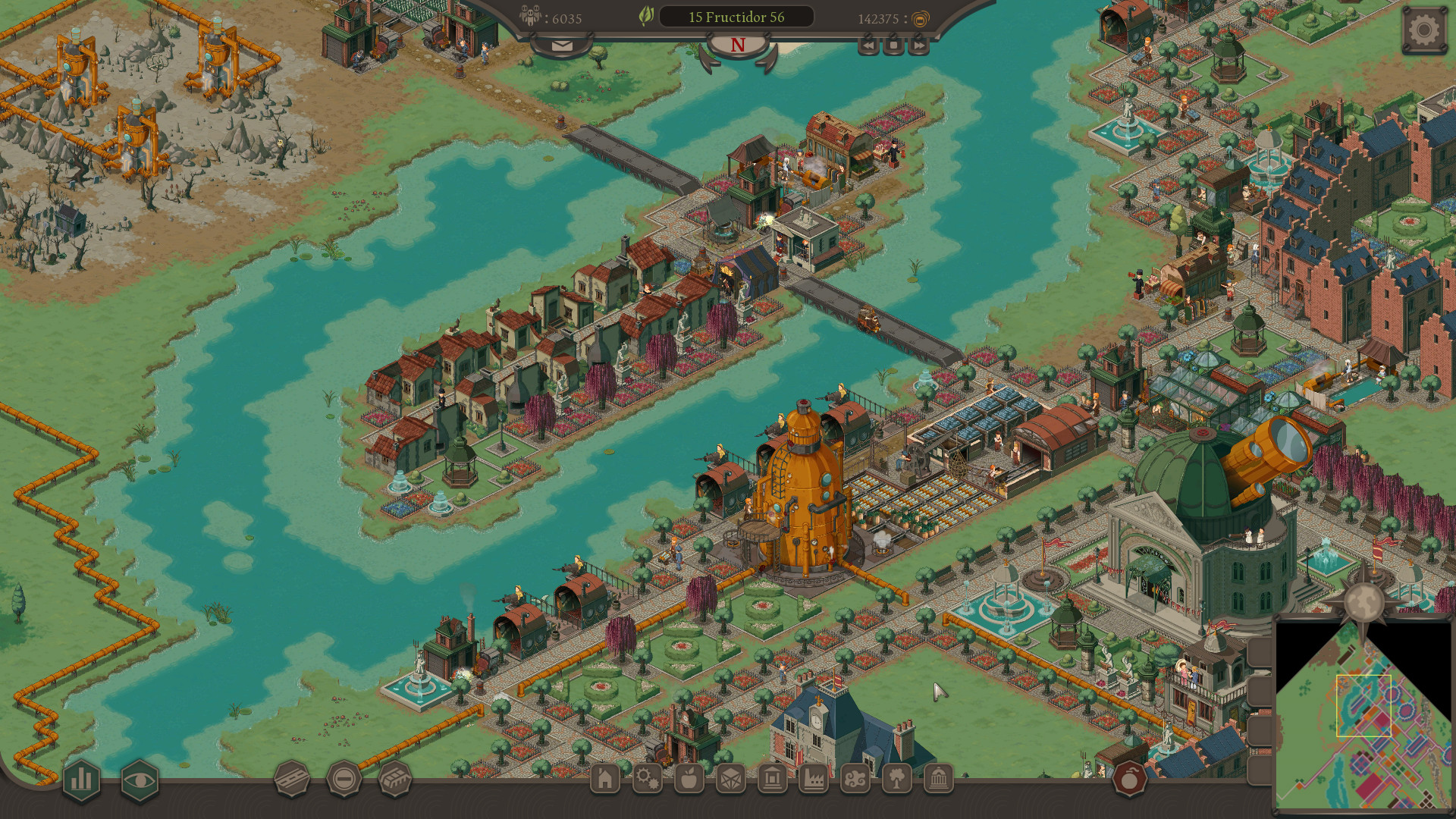
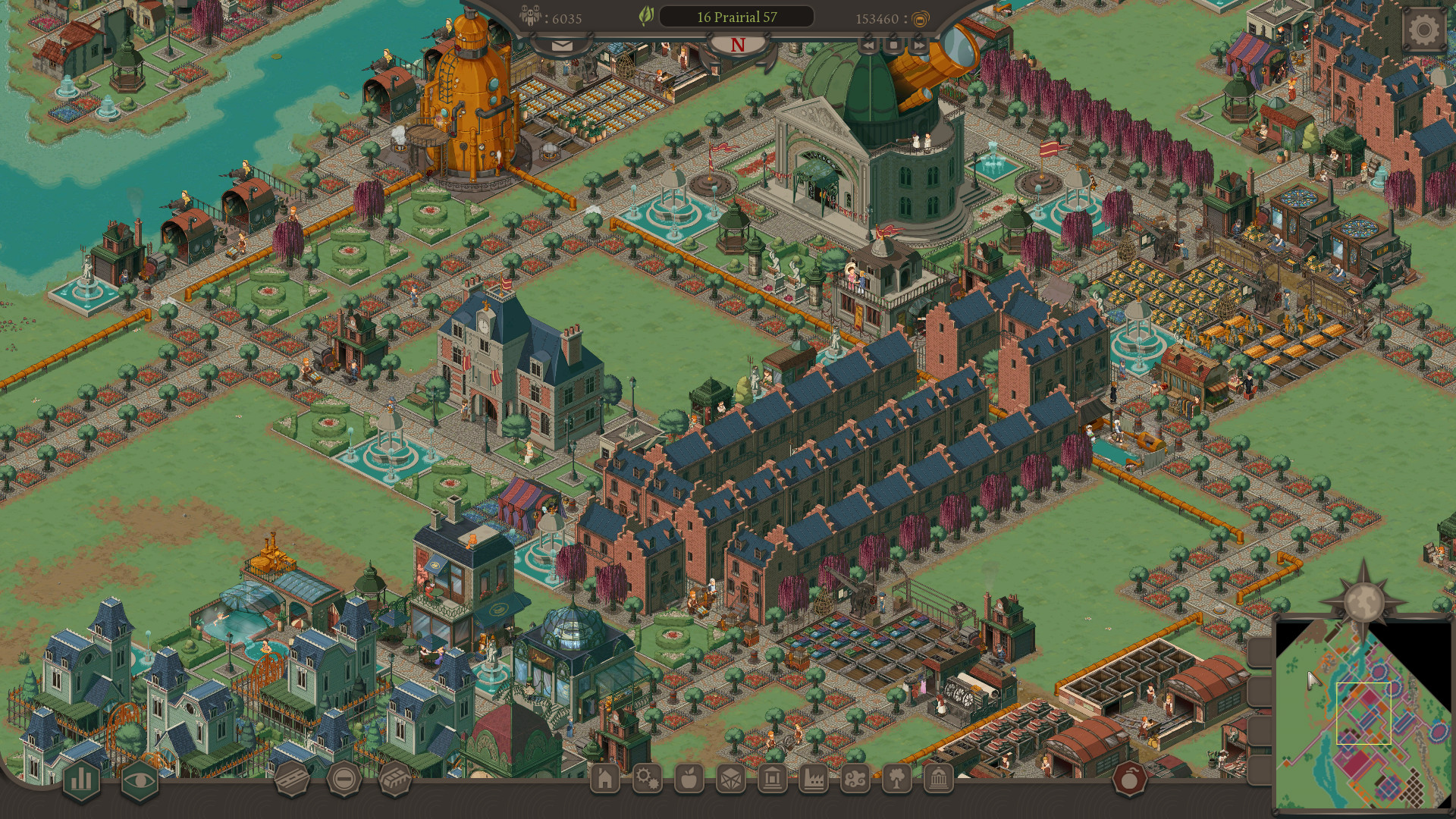
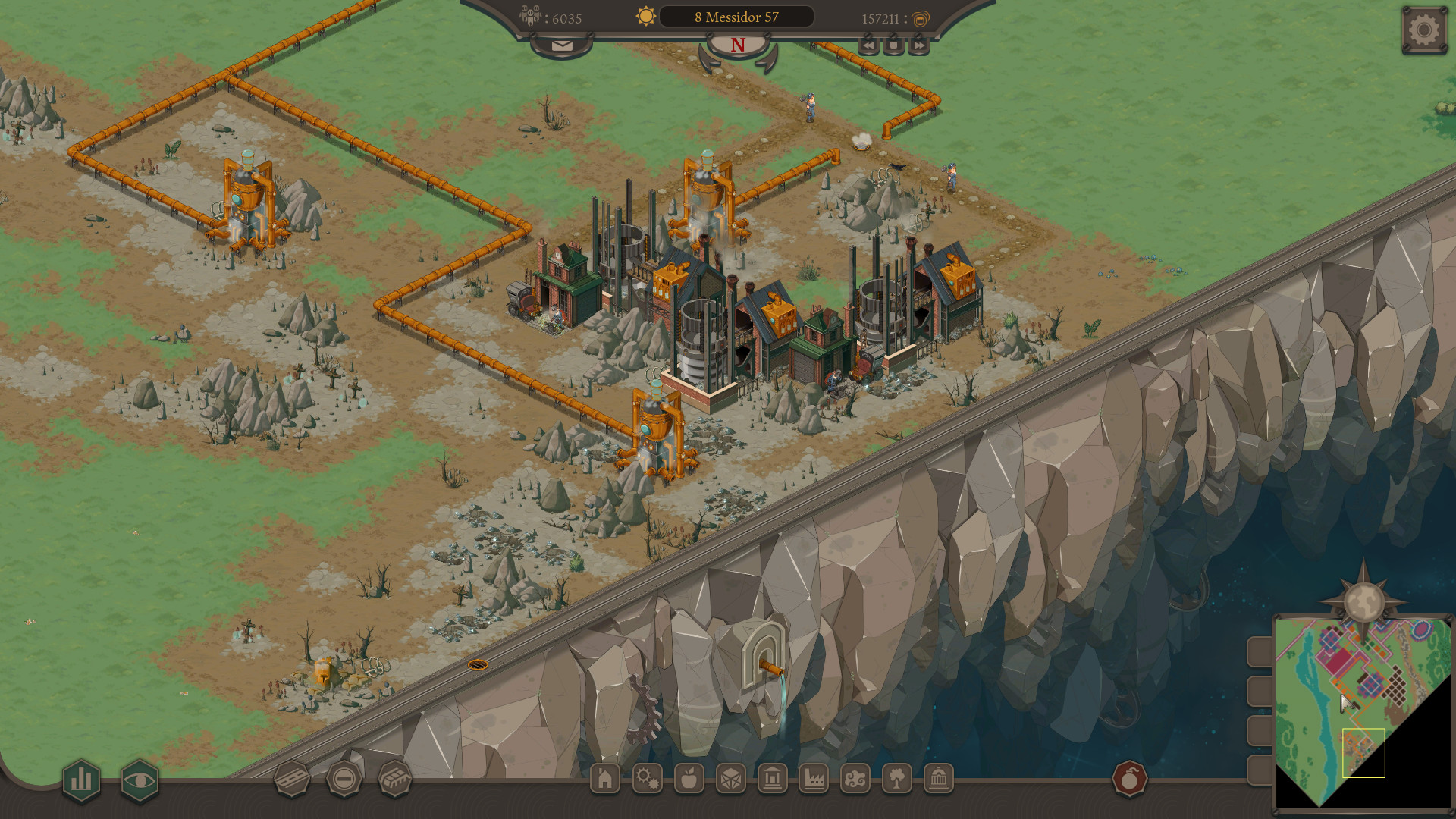
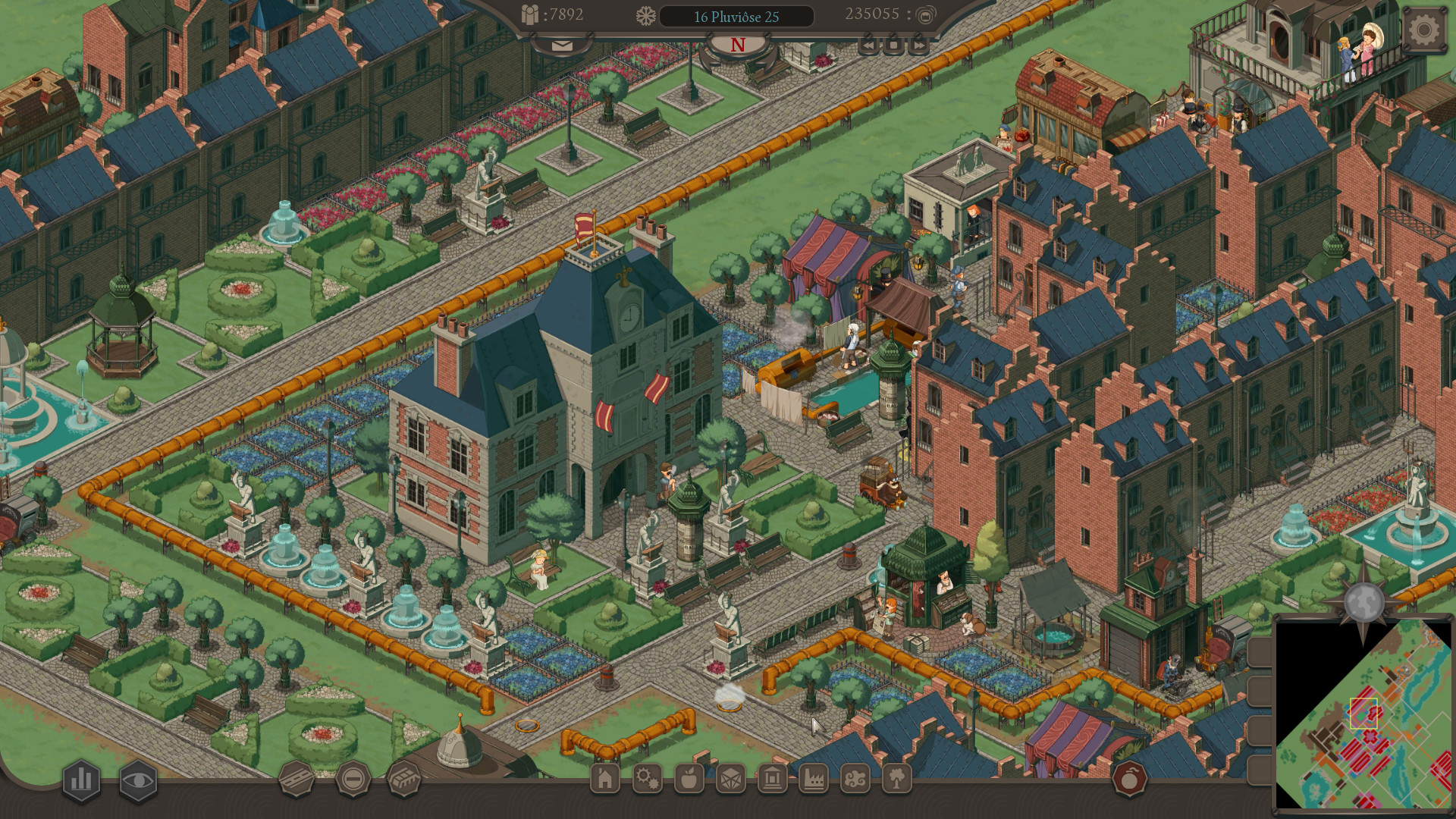
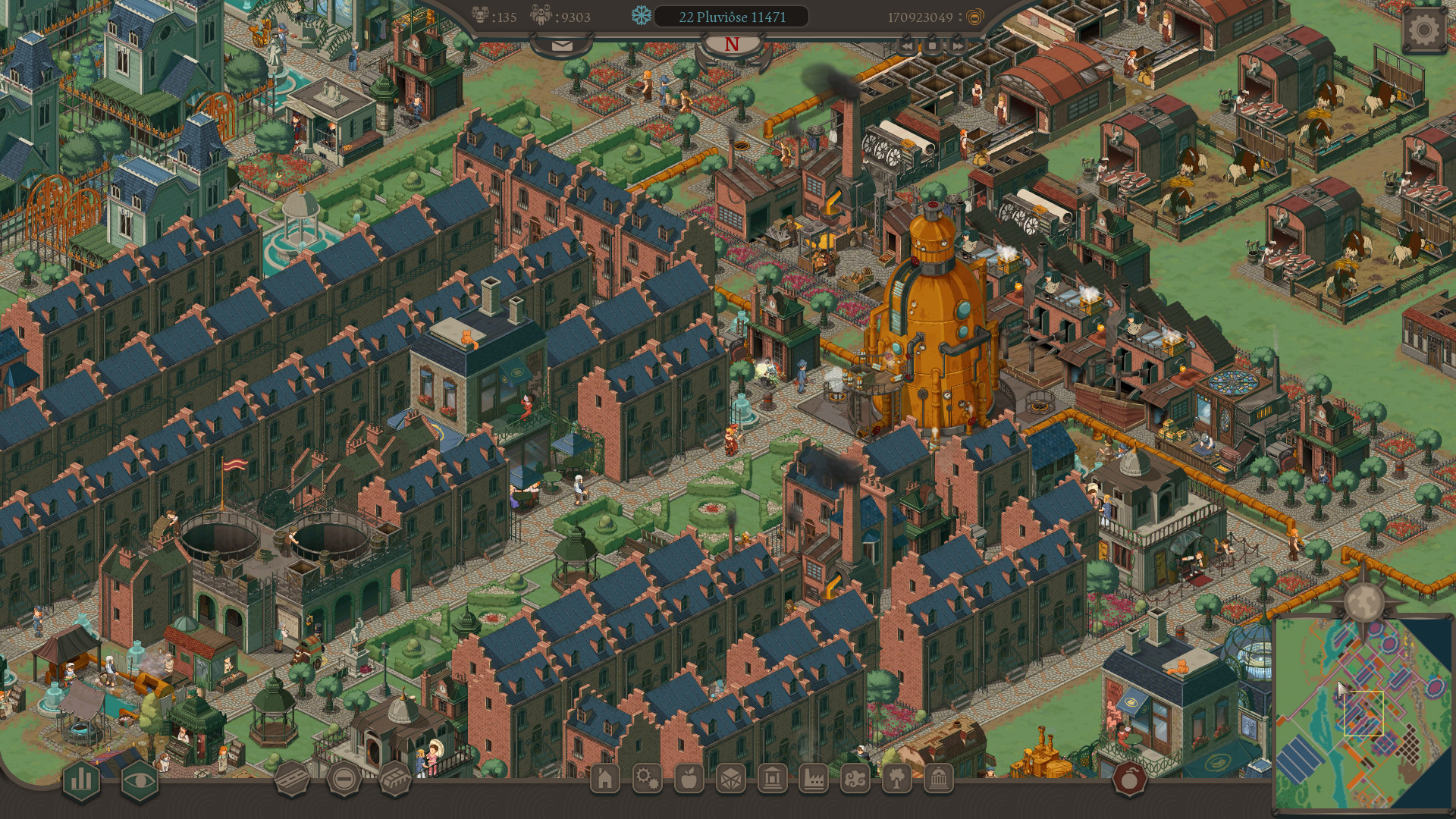
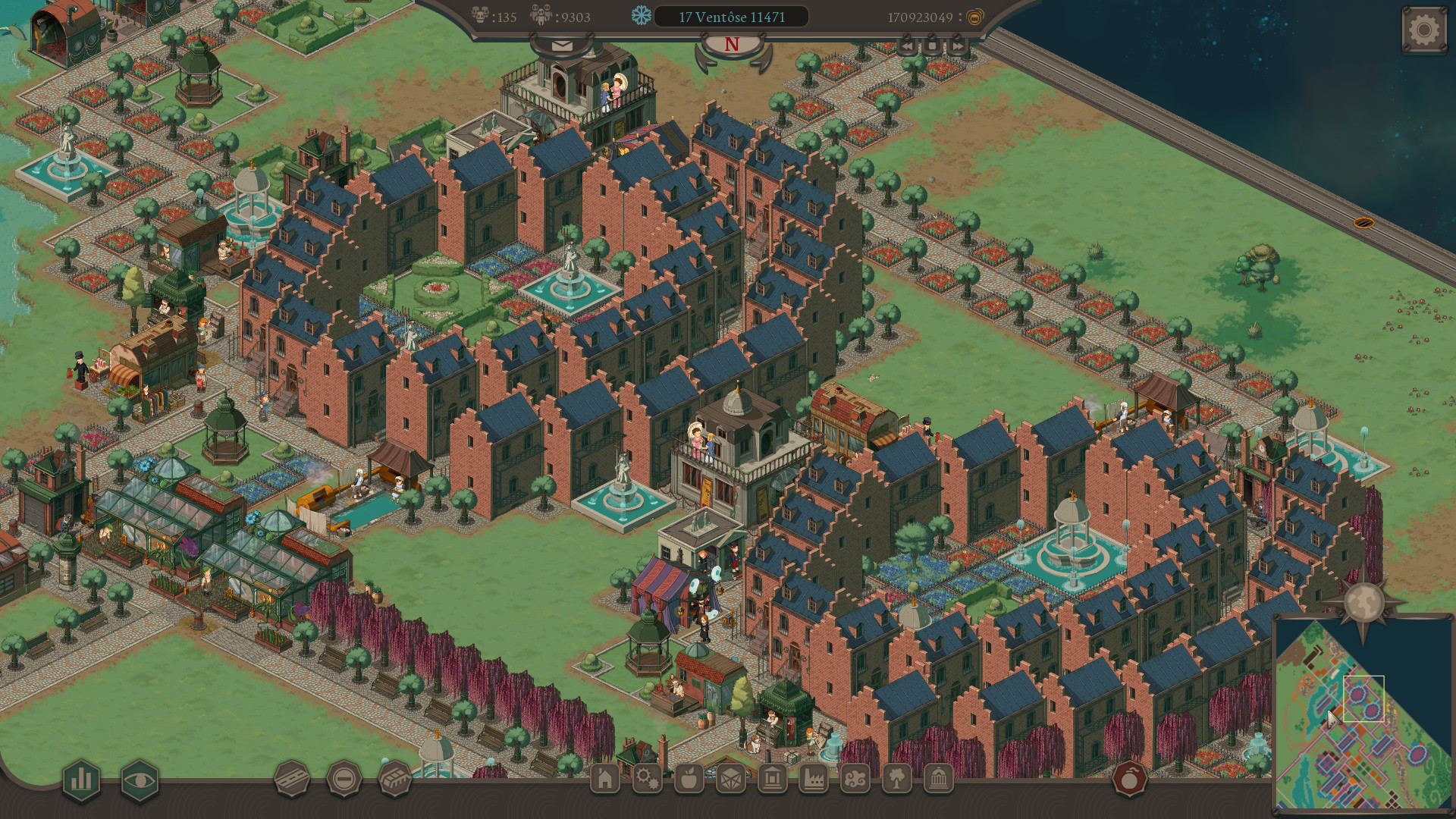
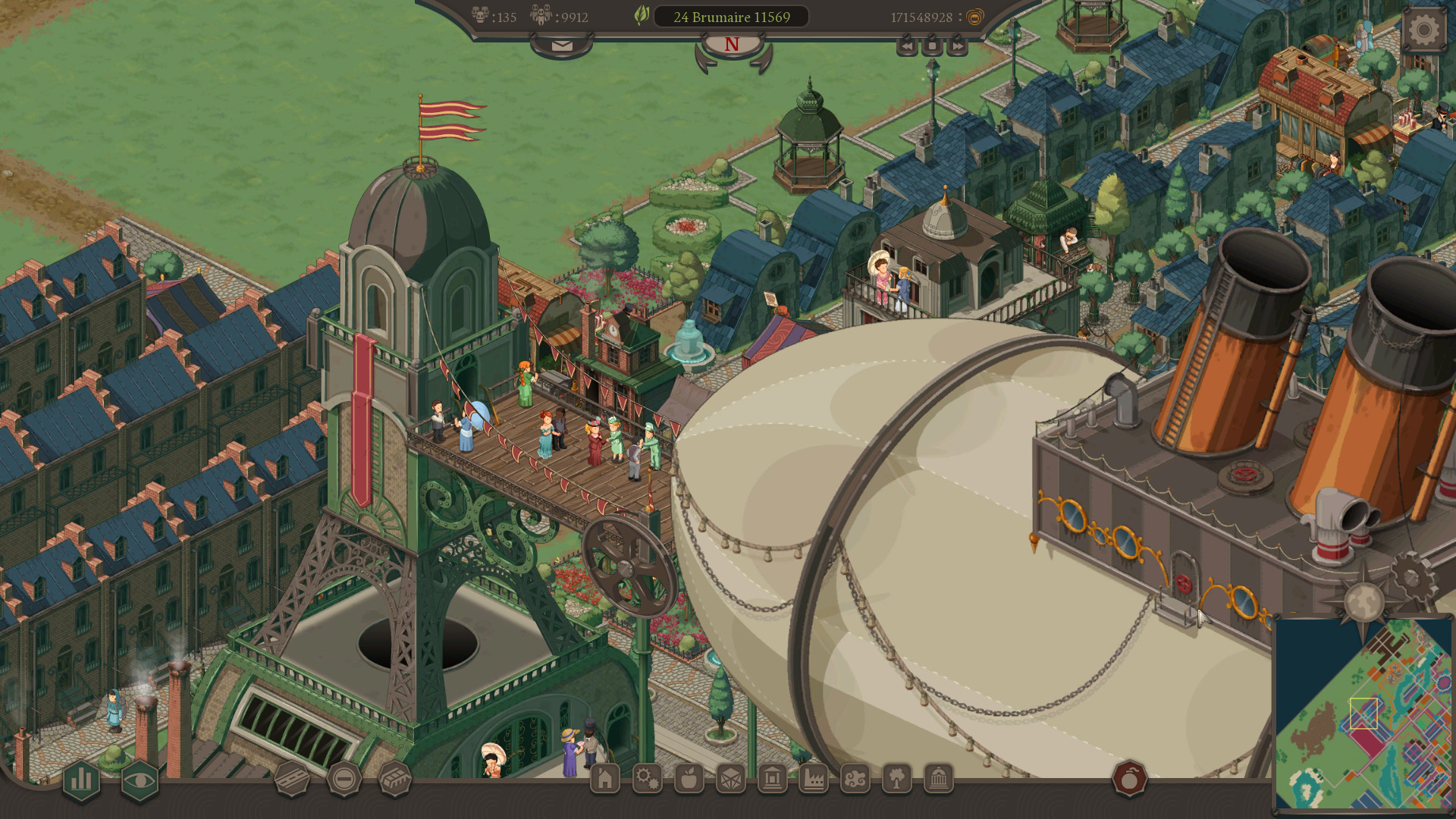
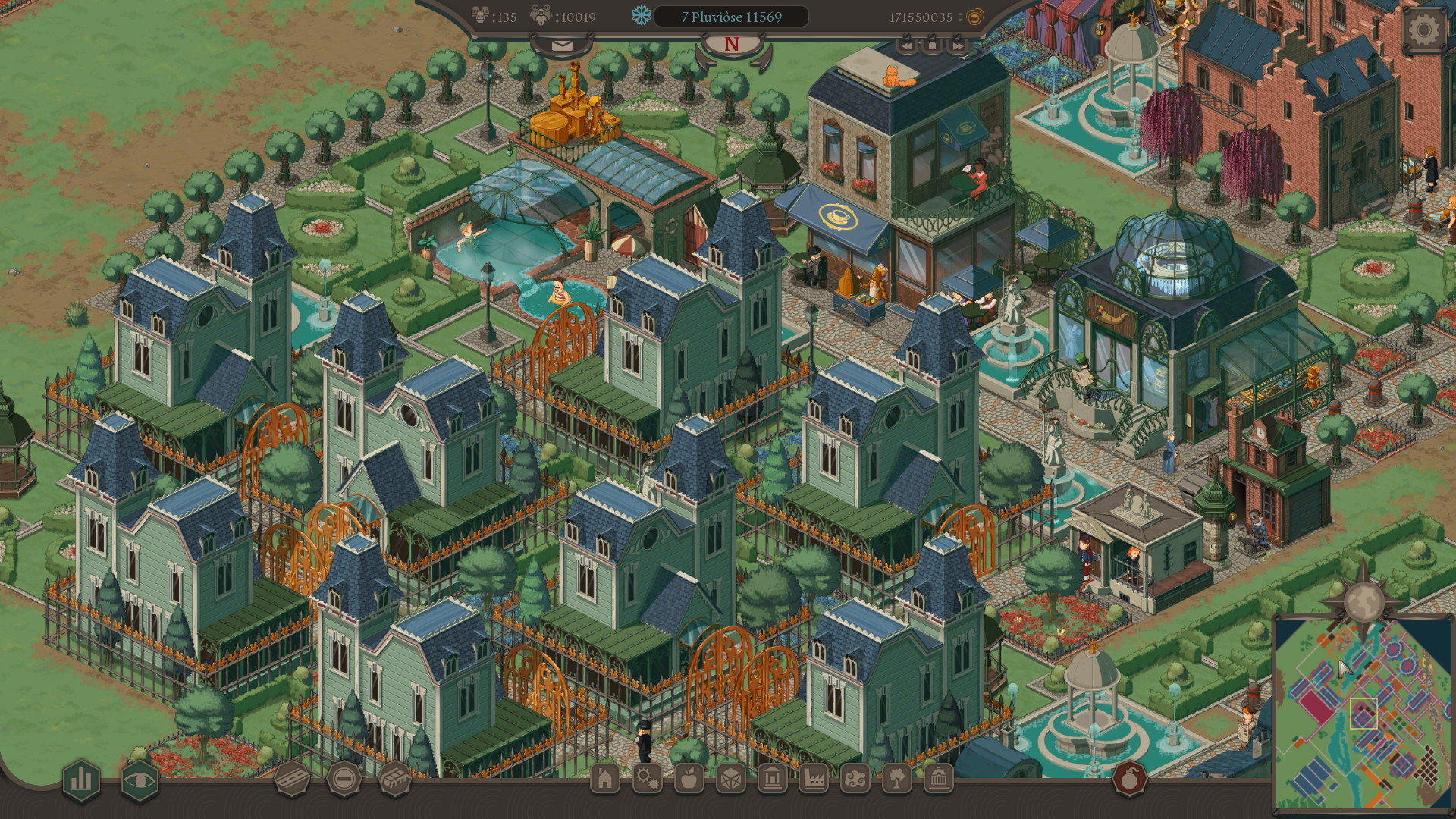
Get an in-depth look at Lethis - Path of Progress through various videos and screenshots.
Load More
System requirements
These are the minimum specifications needed to play the game. For the best experience, we recommend that you verify them.
Windows
- OS *: Windows 7/8/8.1/10
- Processor: Intel core 2 duo
- Memory: 2 GB RAM
- Graphics: GPU compatible with openGL 3.1
- Storage: 2 GB available space
- Sound Card: Any
Steam Price & Best Deals
User reviews & Ratings
Explore reviews from Steam users sharing their experiences and what they love about the game.
- raczej mieszane niż pół na pół, bo ogólnie gra nie jest zła, ale nic specjalnego i brakuje w niej sporo rzeczy, a część z nich jest irytująca - na przykład nie można szybko spłaszczyć budynków, żeby zobaczyć, jak pobudowane są drogi i tak dalej - ani wybrać jednego layoutu/widoku dla poszczególnych sekcji, żeby łatwo się do niego dostać - budowanie dróg jest męczące, bo jakoś dziwnie zaprogramowane jest ich tworzenie, jest niewygodne bardzo - grafika jest ładna, postaci fajnie narysowane, cały vibe steampunkowy też jest super; graficznie zdecydowanie na plus - chociaż mogłaby być ta gra nieco bardziej kolorowa, bo się wydaje wszystko takie poblakłe i stonowane - brak voice actingu jakiegokolwiek, a szkoda - nieciekawa muzyka, to im zdecydowanie tutaj nie wyszło; reszta dźwięków jest okej - kampania ma całkiem fajne zadania i mapki są ładnie zrobione w większości - logistycznie ujdzie, walkerzy mogą pójść na drugi koniec mapy po piwsko, żeby sprzedać je na bazarze xD - handel ujdzie, szkoda, że jest tylko jeden port/punkt handlowy, ale fajnie wlatują do i wylatują z niego balony, bardzo mi się to podoba - łańcuchy produkcyjne całkiem spoko, mega fajnie wyglądają robale tworzące jedwab z jęczmienia (???); natomiast np. w trzeciej misji kampanii można wybudować piekarnie, pomimo że nie ma możliwości tworzenia lub zaimportowania zboża/mąki, dziwne to - BEZNADZIEJNIE zrobione zarządzanie siłą roboczą: trzeba na bieżąco wszystko powolutku dodawać, bo brak nawet kilku pracowników sprawia, że cały sektor się wykrzacza, a potem pół miasta się ewakuuje; nie ma możliwości mothballowania całej gałęzi przemysłu, trzeba po kolei wyłączać poszczególne budynki - do tego brak opcji zwiększania podatków (albo nie znalazłem takiej?), statystyki nie wiem, po co są, ogólnie pałac/administracja jest beznadziejna - ładne opcje upiększania okolicy - wyciskanie fae, żeby robić absynt bardzo mi się podoba xD - tak samo wytwarzanie pary jest ciekawym pomysłem (ale nie rozumiem możliwości jej składowania w jakichś tubach? jak to ma działać niby? xD chyba że to tuby pod ciśnieniem albo coś), ale za szybko się ją tworzy i nigdy jej nie brakuje - strasznie grzeje kompa, mimo że nie ma nie wiadomo jakich wymagań, źle zoptymalizowana - no takie nic specjalnego ogółem, można trochę pograć, ale nie urywa niczego niestety :( była zapowiadana dwójka i liczyłem, że z nią coś zrobią fajnego, ale chyba anulowali ten projekt, a nie było tragicznie
Once you beat the campaign, there's nothing else to do really, and I did that in 7 hours. There's no replayability. Increased difficulties don't offer anything, nor does the sandbox mode. Which is such a shame because with 30% more content, properly designed, this could be a great game. As it stands, it's just "meh". Everything clicks and builds up to a conclusion that you never really get. It just...ends. I will recommend it, though. Those 7 hours were fun, albeit with a lackluster conclusion. I got it on sale for a couple bucks. It was worth it, but maybe just barely. 5/10.
Lethis – Path of Progress is a charming and thoughtful city-building game that rewards careful planning and attention to detail. The hand-painted art style gives the game a warm, storybook feel, while the underlying systems offer plenty of depth. Managing resources, balancing citizen needs, and expanding your city feels meaningful, and watching your settlement slowly evolve is extremely satisfying. The game doesn’t shy away from challenge, though. Things can quickly go pear-shaped in an instant if something is overlooked, and small mistakes can snowball into bigger problems. Some sections can be genuinely challenging, especially as the city grows and demands increase, but that difficulty adds to the sense of accomplishment when everything finally clicks into place. Overall, Lethis – Path of Progress is a rewarding city builder that blends charm with strategic depth, perfect for players who enjoy a game that keeps them on their toes.
Lethis – Path of Progress, developed and published by Triskell Interactive, is a charming and ambitious city-building game that aims to revive the spirit of classic management titles such as Caesar III, Pharaoh, and Zeus: Master of Olympus. What distinguishes it immediately is its unique setting—an alternate steampunk world where progress is powered by condensed steam rather than electricity. As the player, you assume the role of an imperial city planner responsible for expanding the industrial and cultural frontier of the Lethis Empire. What unfolds is a blend of nostalgic design and modern aesthetic sensibility, a tribute to the classic 2D builders of the late 1990s wrapped in the visual language of hand-drawn artistry. Lethis is a game that strives to combine beauty, logic, and difficulty, and while it doesn’t always reach the heights of its inspirations, it offers a fascinating journey through a world defined by both elegance and constraint. Visually, the game is captivating. Every frame feels like a living illustration, rich with color and texture. The cities you build are bustling with life—tiny citizens stroll along cobblestone streets, steam-powered contraptions puff and churn in the background, and ornate Victorian-style buildings rise elegantly from the grid. Triskell Interactive’s hand-drawn art direction is meticulous and full of personality, evoking a world that feels simultaneously whimsical and industrial. The steampunk aesthetic is not just a cosmetic overlay but a defining part of the world’s identity; factories hum with energy, airships float lazily above the skyline, and monuments exude an atmosphere of mechanical grandeur. The soundtrack deserves equal praise: its orchestral score swells with warmth and nostalgia, and each track seems designed to evoke the slow, satisfying rhythm of building and sustaining a city. The visual and auditory presentation together create a serene yet bustling tone, one that captures the joy of creation even as the gameplay demands constant vigilance. The structure of Lethis – Path of Progress follows the traditional blueprint of classic city-builders: construct housing, provide amenities, establish industry, and balance the intricate chains of production that keep your citizens content. Each mission introduces a new city to develop, with its own terrain and objectives, ranging from simple economic targets to complex industrial goals. The campaign spans over two dozen scenarios, and each one feels like a standalone challenge that builds upon the knowledge gained from previous attempts. The player must oversee not just resource gathering but also manufacturing, logistics, and trade, ensuring that each component of the urban machine functions in harmony. The introduction of roadblocks and patrolling worker mechanics adds a distinct strategic layer. Citizens and workers move through the streets rather than teleporting between structures, which means that city design and traffic flow have direct consequences on productivity. This small detail gives Lethis a tactile sense of realism; every road, intersection, and layout decision matters. Yet this same attention to logistics can be both a strength and a source of frustration. The game’s systems, while faithful to its classic influences, are not always transparent. Workers may fail to reach their destinations for reasons that are not immediately clear, and the user interface, though serviceable, doesn’t always provide the clarity needed to diagnose problems efficiently. A single misplaced roadblock or bottleneck can lead to cascading failures across your economy—food stops reaching houses, factories run out of materials, and entire neighborhoods collapse into ruin. This can make the experience feel punishing, especially for players who are used to modern city-builders that emphasize accessibility and flexibility. The learning curve is steep, and the game often assumes familiarity with old-school logic, which can be daunting for newcomers. Those who persevere, however, will find satisfaction in mastering the delicate balance between chaos and order that defines a functioning steampunk city. Another area where Lethis struggles is in its sense of progression. While the premise of managing a steam-powered empire suggests a grand narrative of technological advancement, the game’s time period remains static. Each mission exists within roughly the same era, and there’s little visual or mechanical evolution as the campaign advances. You never truly feel the empire changing or innovating, which limits the sense of achievement beyond completing each map’s objectives. This lack of evolution makes the long campaign feel repetitive, as you often rebuild the same city structures with only minor variations. The economy, while well-designed in its chain dependencies, eventually becomes predictable. Once you learn the optimal production patterns, the challenge shifts from creative problem-solving to rigid optimization. The sandbox mode provides freedom from objectives, but the same limitations carry over, meaning that replayability depends largely on how much you enjoy the process of building for its own sake. Despite these flaws, Lethis has an undeniable charm that makes it hard to dismiss. The sheer artistry of its presentation, combined with its faithful recreation of classic design philosophies, makes it feel like a love letter to a bygone era of city-building games. The developers’ respect for those older titles is evident in every detail—from the subtle animations of workers hauling goods to the careful pacing that forces you to plan instead of rush. There’s also a quiet philosophical quality to the game’s pacing. Lethis is not about expansion for its own sake but about maintaining equilibrium. You’re not building an empire of infinite growth but nurturing a complex machine whose parts must be in perfect harmony. In this way, the game captures the spirit of the industrial age it depicts: progress comes at a cost, and efficiency often clashes with beauty. For players drawn to management games that reward patience and observation, Lethis – Path of Progress offers a deeply satisfying, if occasionally exasperating, experience. It invites you to slow down, to think spatially and systematically, and to appreciate the interconnectedness of urban design. The game doesn’t hold your hand, and that independence can feel refreshing in an era of overly guided experiences. At the same time, its insistence on old-school difficulty and its lack of evolution keep it from achieving greatness. It is a game of exquisite style and admirable ambition, yet one that sometimes feels trapped by the very nostalgia it celebrates. Ultimately, Lethis – Path of Progress is a work of passion and craft, a visually stunning ode to the city-builders of the past that both honors and inherits their quirks. It succeeds most in creating atmosphere and evoking wonder, and even when its mechanics falter, its world remains a joy to inhabit. Triskell Interactive’s creation reminds players that progress is not always linear—it is a balance between beauty, control, and imperfection. For those willing to embrace its deliberate pace and occasional opacity, Lethis offers a rewarding glimpse into a lovingly imagined industrial dreamscape, one powered as much by nostalgia as by steam. Rating: 6/10
Similar games
View all

Constructor Plus
Constructor Plus is the definitive building simulation for the modern day tycoon. Build your dream town full of crackpot undesirables, businesses, and quirky tenants whilst fending off your rivals in the eagerly awaited sequel to Constructor HD. With almost 3 times more content, building just got bigger!

Builders of Greece
Immerse yourself in the beautifully recreated golden age of Hellenic city-states. Builders of Greece is a city management game that lets you display your strategic and economic mastery. Build your Polis from scratch, make meaningful decisions, trade, fight and expand to become the ultimate ruler.
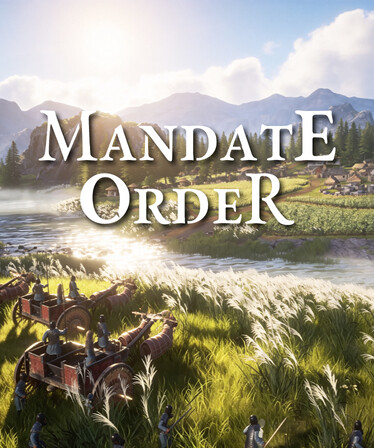
Mandate Order
Mandate Order is a Warring States war city-builder set in ancient China. Build a stronghold, manage industries and logistics, recruit scholars from the Hundred Schools of Thought, raise armies, and command real-time tactical battles with thousands of soldiers.
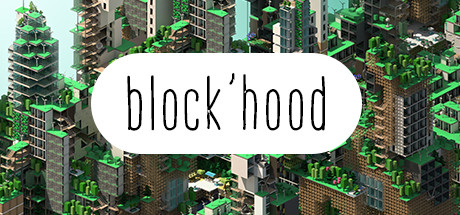
Block'hood
Block’hood is a neighborhood-building simulator that celebrates the diversity and experimentation of cities and the unique ecosystems within them. Budding city planners will have access to 200+ building blocks to combine and to create unique neighborhoods and discover the implications of their designs.

Overcrowd: A Commute 'Em Up
Design and build the most efficient metro stations known to man! Excavate. Expand. Set staff priorities. And manage the commuter flow. Overcrowd is a 2.5D management/tycoon/simulator set below the bustling city of Lubdon Town.

Foundation
Foundation is a grid-less, laidback medieval city-building game with a focus on organic development, monument construction and resource management.
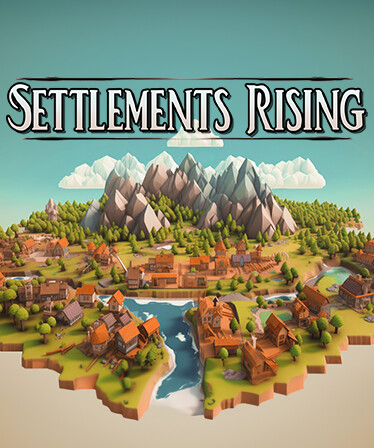
Settlements Rising
Settlements Rising is a medieval city building and colony management game. It offers a lively colony experience with simulated villagers, dozens of professions and resources, natural disasters, and raids, while providing full control over the colony through trade, production chains and datas.
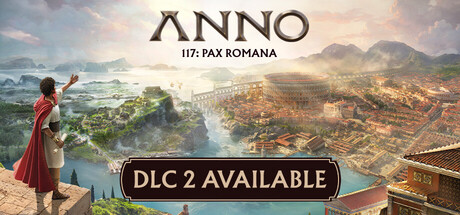
Anno 117: Pax Romana
In Anno 117: Pax Romana, the genre-defining builder franchise returns with its most ambitious installment yet.

Celestial Empire
Forge an empire under the watchful eyes of the gods! Take care of your people, develop efficient production chains and trade with other landlords. Ensure their survival through harsh winters and disasters.

Sumerians
Sumerians is a city building game set in ancient Mesopotamia. Attract new citizens and grow by expanding your irrigation system, building walls, palaces, temples and ziggurats. Research new technologies, manage your production, hire workers, and trade.
Frequently Asked Questions
Lethis - Path of Progress is currently priced at 19.99€ on Steam.
No, Lethis - Path of Progress is currently not on sale. You can purchase it for 19.99€ on Steam.
Yes, Lethis - Path of Progress received 810 positive votes out of a total of 1,186 achieving a rating of 6.61.
😐
Lethis - Path of Progress was developed and published by Triskell Interactive.
Yes, Lethis - Path of Progress is playable and fully supported on Windows.
No, Lethis - Path of Progress is not playable on MacOS.
No, Lethis - Path of Progress is not playable on Linux.
This information about Lethis - Path of Progress is not available yet.
This information about Lethis - Path of Progress is not available yet.
No, Lethis - Path of Progress does not support VR.
Lethis - Path of Progress is a single-player game.
No, Lethis - Path of Progress does not currently offer any DLC.
No, Lethis - Path of Progress does not support mods via Steam Workshop.
No, Lethis - Path of Progress does not support Steam Remote Play.
Yes, Lethis - Path of Progress is enabled for Steam Family Sharing. This means you can share the game with authorized users from your Steam Library, allowing them to play it on their own accounts. For more details on how the feature works, you can read the original Steam Family Sharing announcement or visit the Steam Family Sharing user guide and FAQ page.
You can find solutions or submit a support ticket by visiting the Steam Support page for Lethis - Path of Progress.
Data sources
The information presented on this page is sourced from reliable APIs to ensure accuracy and relevance. We utilize the Steam API to gather data on game details, including titles, descriptions, prices, and user reviews. This allows us to provide you with the most up-to-date information directly from the Steam platform.
Additionally, we incorporate data from the SteamSpy API, which offers insights into game sales and player statistics. This helps us present a comprehensive view of each game's popularity and performance within the gaming community.
Last Updates| Steam data | 22 September 2026 06:08 UTC |
|---|---|
| SteamSpy data | 15 October 2026 04:05 UTC |
| Steam price | 26 October 2026 20:07 UTC |
| Steam reviews | 22 October 2026 15:49 UTC |
If you'd like to dive deeper into the details about Lethis - Path of Progress, we invite you to check out a few dedicated websites that offer extensive information and insights. These platforms provide valuable data, analysis, and user-generated reports to enhance your understanding of the game and its performance.
- SteamDB - A comprehensive database of everything on Steam about Lethis - Path of Progress
- SteamCharts - Analysis of Lethis - Path of Progress concurrent players on Steam
- ProtonDB - Crowdsourced reports on Linux and Steam Deck Lethis - Path of Progress compatibility

 19.99€
Visit Store
19.99€
Visit Store
 🔥 Deal
-96%
19.99€
0.84€
Buy Now
🔥 Deal
-96%
19.99€
0.84€
Buy Now
 -96%
19.99€
0.97€
Visit Store
-96%
19.99€
0.97€
Visit Store
 -94%
19.99€
1.24€
Visit Store
-94%
19.99€
1.24€
Visit Store
 -92%
19.99€
1.69€
Visit Store
-92%
19.99€
1.69€
Visit Store
Game modes
Features
Online players
2
Developer
Triskell Interactive
Publisher
Triskell Interactive
Release
25 Jun 2015
Platforms
Clicking and buying through these links helps us earn a commission to maintain our services.