
Cat Museum
Immerse yourself in the bizarre art style and the surreal world of Cat Museum, a 2D side-scrolling puzzle-adventure game. Solve the strange puzzles with your mischievous cat, and unveil the truth behind the mysterious museum.
Sync your Steam wishlist to find the lowest game prices instantly. No login required, just paste your Steam profile URL!
⚡ Try Wishlist Radar!
Sync your Steam wishlist to find the lowest game prices instantly. No login required!
⚡ Try Wishlist Radar!
Close

Life Gallery on Steam
Quick menu
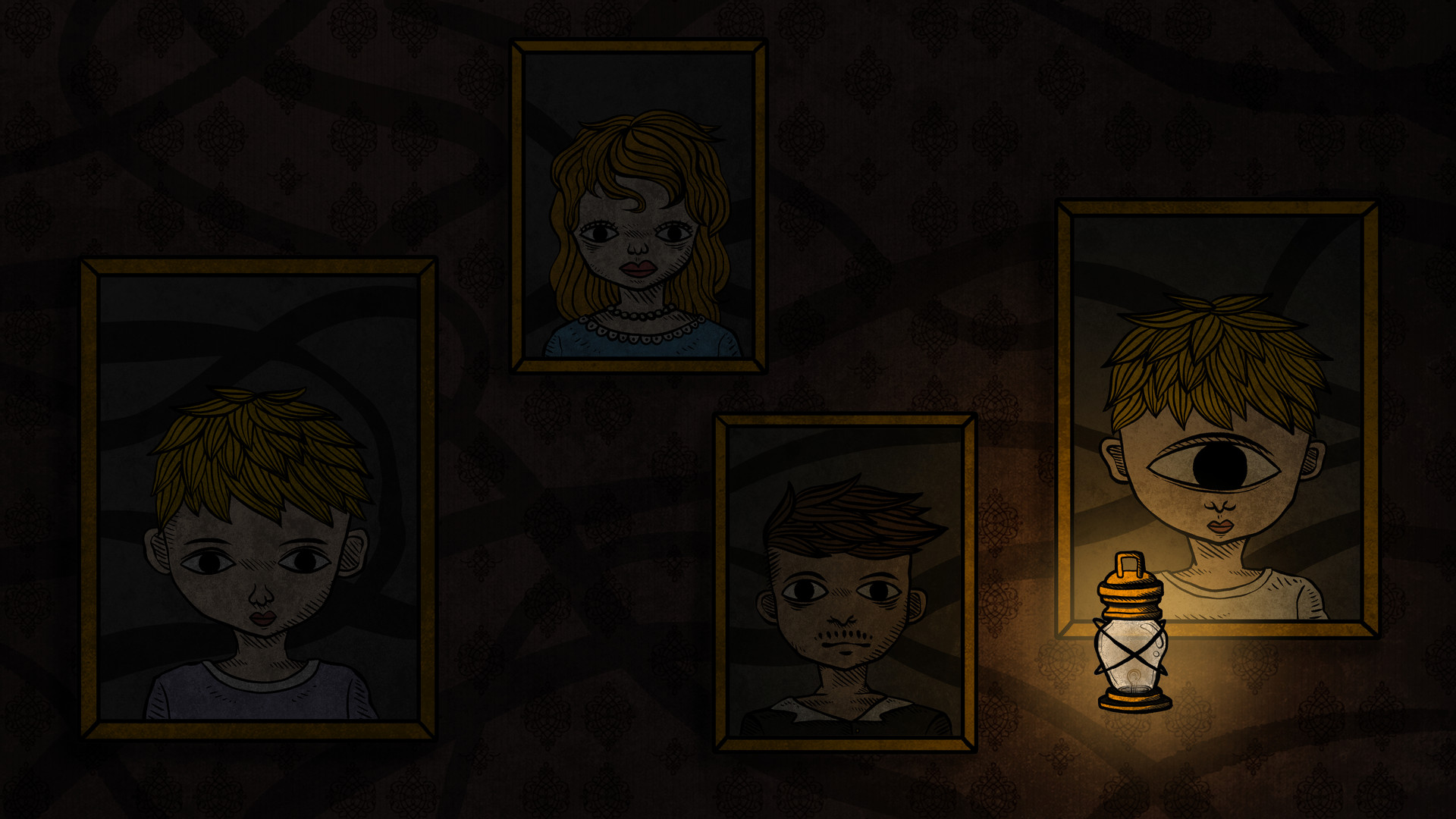
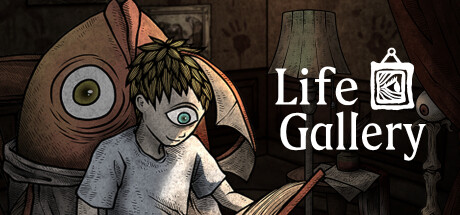
Life Gallery is a puzzle game with a unique, illustration-style art design that leads the players into a world of profound horror.
Life Gallery is a surreal, puzzle and psychological horror game
developed and published by 751 Games.
Released on January 12th 2023 is available on Windows, Steam Deck and Steam Machine.
It has received 368 reviews of which 303 were positive and 65 were negative resulting in a rating of 7.7 out of 10. 😊
The game is currently priced at 0.89€ on Steam with a 70% discount.
The Steam community has classified Life Gallery into these genres:
Media & Screenshots
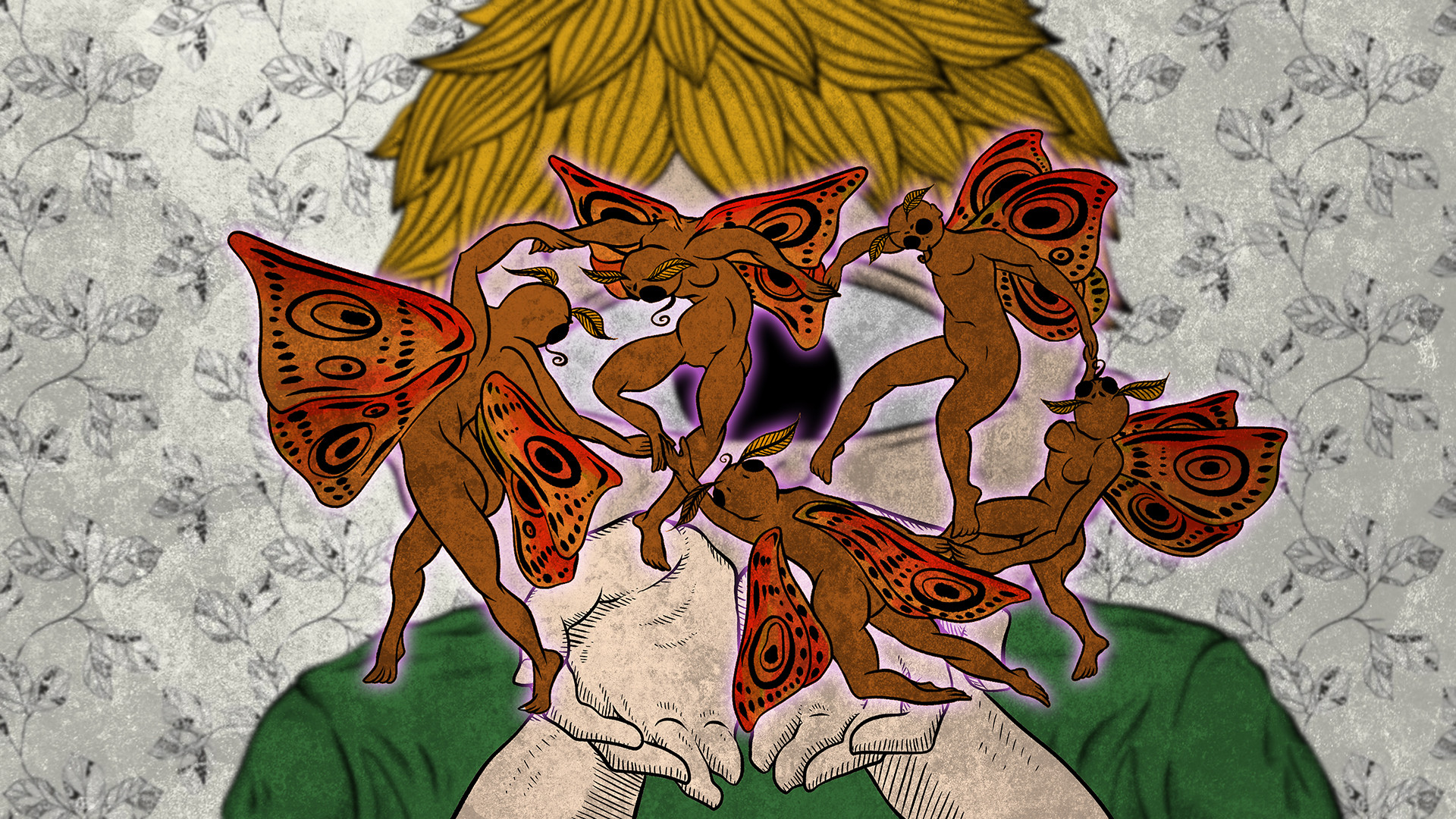
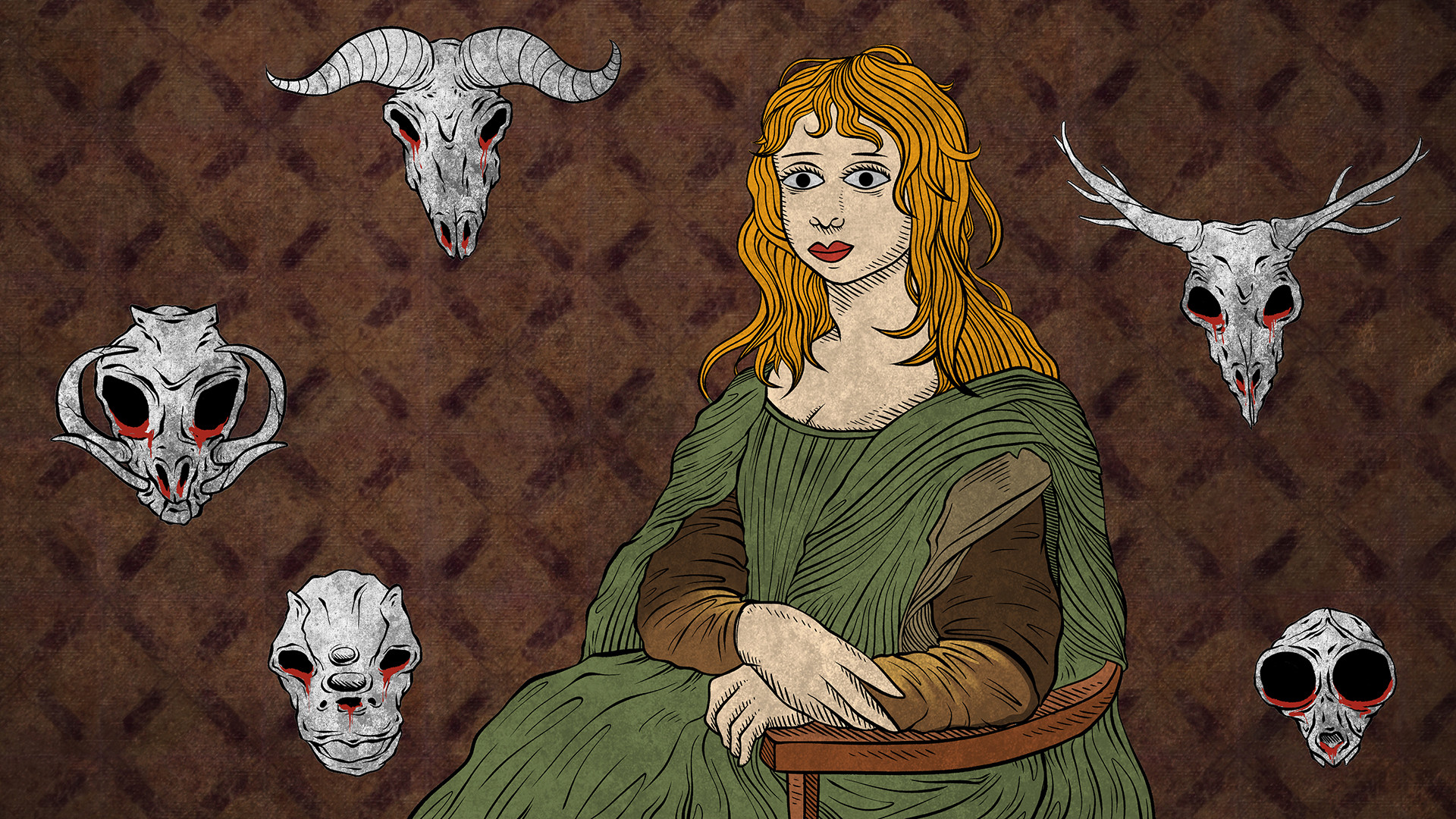
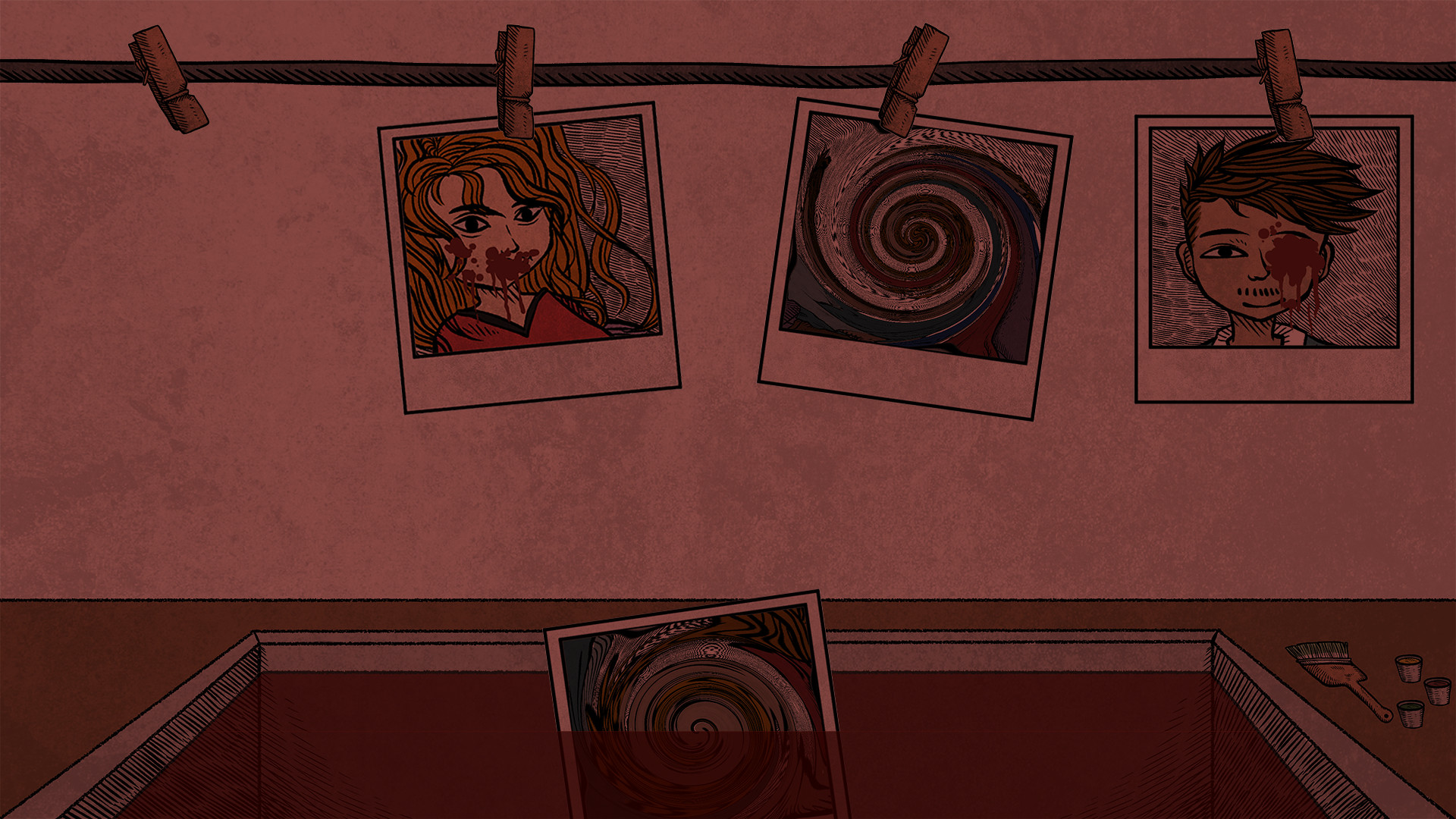
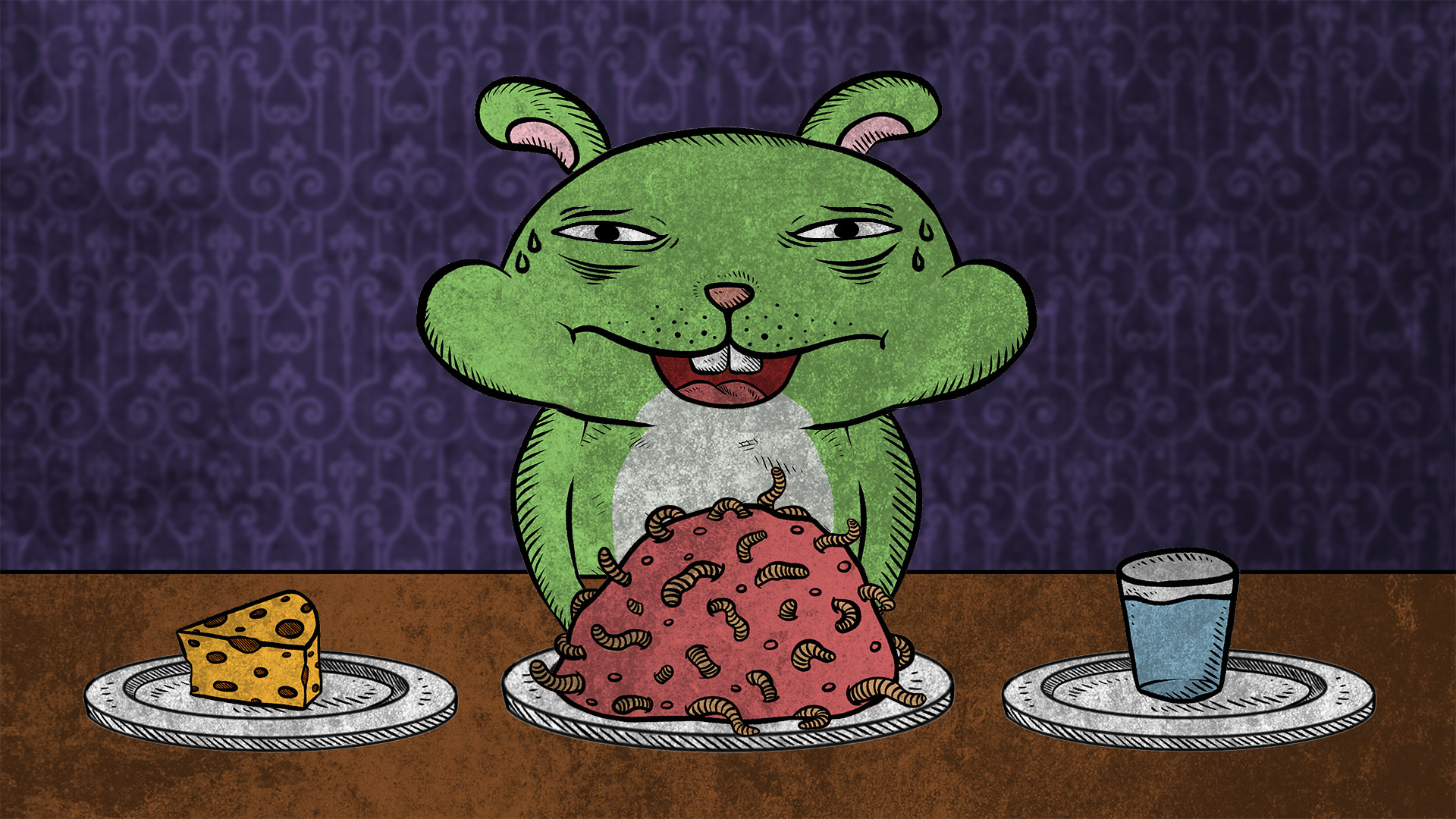
Get an in-depth look at Life Gallery through various videos and screenshots.


Load More


System requirements
These are the minimum specifications needed to play the game. For the best experience, we recommend that you verify them.
Windows
- OS *: Windows 7
- Processor: Dual Core 1.8 GHz
- Memory: 4 GB RAM
- Graphics: GeForce 6 or Radeon X1000
- Storage: 1 GB available space
Steam Price & Best Deals
User reviews & Ratings
Explore reviews from Steam users sharing their experiences and what they love about the game.
Once again, Steam needs a middle ground. Life Gallery feels like wandering through a nightmare surrealist sketchbook that a quintessential 90’s movie art gurl left forgotten in a museum on Interstate 60. The art is easily its strongest feature, transforming a story about twins, family tragedy, and cult obsession into something surreal, unsettling, and strangely beautiful. Yet, for all its visual imagination, I found it lacking. The game became epilogeous before it even reached its ending. I would have much rather experienced this as an exhibit at a local gallery than as a game I needed to finish, once started.
Life Gallery is a psychological horror puzzle game developed and published by 751 Games that stands apart through its haunting artistic vision and emotionally layered storytelling. Instead of relying on fast-paced action or conventional horror tropes, it invites players into a disturbing world where every illustration conceals another piece of a tragic family history. The game revolves around twin brothers marked by physical disabilities, whose lives become entangled with grief, sacrifice, and the influence of a mysterious fish-headed cult. From the beginning, the experience creates an atmosphere filled with uncertainty, encouraging players to search for meaning within every unsettling image rather than providing straightforward answers. The game's most striking feature is its presentation. Every chapter unfolds through beautifully hand-drawn illustrations that resemble pages torn from a surreal horror art collection. These images are far more than decorative backgrounds, serving instead as fully interactive puzzle spaces that blend narrative and gameplay into a seamless experience. The visual style combines grotesque body horror, symbolic religious imagery, and dreamlike landscapes that constantly challenge the player's perception. Rather than chasing realism, the artwork embraces abstraction, allowing disturbing concepts and emotional themes to leave a lasting impression through creativity instead of graphic violence alone. Life Gallery tells its story with remarkable confidence, trusting players to interpret events through environmental details and symbolic scenes instead of lengthy dialogue. As the journey progresses, fragments of the family's painful history slowly come together, revealing themes of jealousy, parental expectations, manipulation, devotion, and sacrifice. Every completed puzzle uncovers another layer of the mystery, rewarding careful observation and thoughtful interpretation. The narrative deliberately leaves room for personal conclusions, making the overall experience feel more like unraveling an unsettling piece of interactive art than following a traditional horror storyline. Those who appreciate stories that invite discussion and multiple interpretations will likely find the game's approach especially rewarding. Puzzle design remains consistently engaging because every challenge feels connected to the world itself. Rather than presenting isolated logic exercises, the game integrates its puzzles directly into each illustration, requiring players to manipulate objects, decipher visual clues, and recognize symbolic relationships hidden throughout the artwork. Observation often proves more valuable than experimentation, although certain puzzles become intentionally cryptic and may require patience before their solutions become clear. The increasing complexity maintains a satisfying sense of progression while reinforcing the eerie atmosphere that defines the entire adventure. A particularly memorable aspect of Life Gallery is the way it transforms famous works of classical art into interactive horror sequences. Familiar paintings are reimagined with grotesque twists that fit naturally within the game's disturbing universe. These reinterpretations are not simple visual references but meaningful gameplay moments that strengthen the game's themes while demonstrating the developers' creativity. By blending recognizable masterpieces with psychological horror, the game creates moments that are simultaneously fascinating, unsettling, and artistically impressive. The audio design plays an equally important role in sustaining tension. Rather than relying on loud musical cues or constant scares, the soundtrack uses eerie ambient sounds, unsettling melodies, and carefully placed moments of silence to heighten emotional discomfort. Every sound effect feels deliberate, reinforcing the loneliness and uncertainty surrounding the characters. The restrained approach allows the disturbing visuals to remain the primary focus while ensuring that every chapter carries an underlying sense of dread that never completely disappears. Although the overall experience is highly memorable, it does have a few shortcomings. The relatively short playtime means most players can complete the adventure within only a few hours, leaving some wishing for additional chapters or deeper exploration of its fascinating world. Certain puzzles also lean heavily into abstract logic, occasionally making progression feel more dependent on experimentation than deduction. However, these frustrations are relatively minor compared to the originality and artistic ambition displayed throughout the game. Life Gallery also contains mature content that includes disturbing imagery, body horror, violence, cult rituals, murder, organ-related themes, and depictions of alcohol and tobacco use. These elements exist to reinforce the emotional weight of the narrative rather than simply shock the player. The horror comes primarily from psychological discomfort, symbolic storytelling, and tragic human relationships instead of frequent jump scares, making it especially appealing to fans of atmospheric horror experiences that value narrative depth and artistic expression. Overall, Life Gallery succeeds as one of the most original indie horror puzzle games in recent years. Its unforgettable hand-drawn artwork, emotionally charged storytelling, imaginative puzzle design, and immersive atmosphere combine to create an experience that feels unlike anything else in the genre. While its brief length and occasionally obscure puzzles may not appeal to everyone, players willing to embrace its surreal style will discover a haunting and thought-provoking journey that remains memorable long after it ends. 751 Games deserves considerable recognition for delivering a title that successfully merges fine art, psychological horror, and interactive storytelling into a remarkably cohesive experience. Rating: 8/10
The game is about a family with twin boys and a creepy fish-head cult, and you slowly discover what happened to them by solving each scene. The gameplay is mainly point-and-click, where you interact with objects in the images to solve puzzles and progress through the story. Early puzzles are simple and easy to figure out, but later ones become more confusing and experimental, since there are no hints and you often have to rely on trial and error and careful observation. The game has a surreal and unsettling atmosphere, with imagery such as body parts and insects that adds to the horror tone. It is also quite short, making it suitable for achievement hunters who want a quick 100% completion and do not mind replaying a few scenes or clicking around to unlock everything.
Similar games
View all

Rusty Lake Hotel
Are you ready to serve the guests in the Rusty Lake Hotel? Solve all mysteries in this dark and eerie puzzle game. Rusty Lake Hotel is a point-and-click adventure by the creators of the Rusty Lake & Cube Escape series.
My Beautiful Paper Smile
Welcome, child, to your new home. Here you shall learn the art of perfection. Here you shall learn to smile. Be sure that smile doesn’t fade into sadness, or you will need to run and hide…

HER TREES : PUZZLE DREAM
HER TREES : PUZZLE DREAM is a unique point-and-click puzzle game where you move and combine objects to solve puzzles. Unravel the strange puzzles hidden in your dreams.

The Dream Machine: Chapter 1 & 2
The Dream Machine is an award-winning point & click adventure game about exploring other people's dreams. It's built by hand using materials such as clay, cardboard and broccoli.
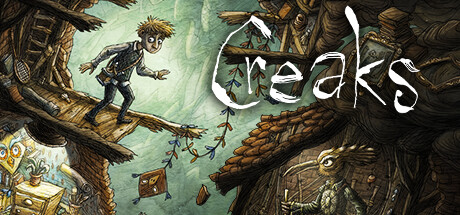
Creaks
The ground starts shaking, light bulbs are breaking - and something rather unusual is happening right behind the walls of your very room. Equipped with nothing but wit and courage, you slowly descend into a world inhabited by avian folk and seemingly deadly furniture monsters.


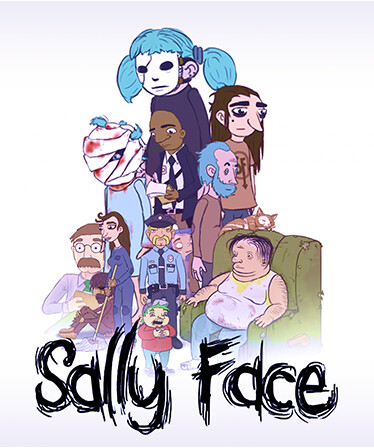
Sally Face - Episode One
An unsettling adventure following a boy with a prosthetic face. After a string of mysterious murders, Sal and his three friends discover something truly sinister casting shadows over their small town.

Midnight Snack
A short first-person horror game where you wander through an eerie forest using the dials of a microwave.
Frequently Asked Questions
Life Gallery is currently priced at 0.89€ on Steam.
Yes, Life Gallery is currently available at a 70% discount. You can purchase it for 0.89€ on Steam.
Yes, Life Gallery received 303 positive votes out of a total of 368 achieving a rating of 7.69.
😊
Life Gallery was developed and published by 751 Games.
Yes, Life Gallery is playable and fully supported on Windows.
No, Life Gallery is not playable on MacOS.
No, Life Gallery is not playable on Linux.
Yes, Life Gallery is playable and fully supported on Steam Deck.
Yes, Life Gallery is playable and fully supported on Steam Machine.
No, Life Gallery does not support VR.
Life Gallery is a single-player game.
No, Life Gallery does not currently offer any DLC.
No, Life Gallery does not support mods via Steam Workshop.
No, Life Gallery does not support Steam Remote Play.
Yes, Life Gallery is enabled for Steam Family Sharing. This means you can share the game with authorized users from your Steam Library, allowing them to play it on their own accounts. For more details on how the feature works, you can read the original Steam Family Sharing announcement or visit the Steam Family Sharing user guide and FAQ page.
You can find solutions or submit a support ticket by visiting the Steam Support page for Life Gallery.
Data sources
The information presented on this page is sourced from reliable APIs to ensure accuracy and relevance. We utilize the Steam API to gather data on game details, including titles, descriptions, prices, and user reviews. This allows us to provide you with the most up-to-date information directly from the Steam platform.
Additionally, we incorporate data from the SteamSpy API, which offers insights into game sales and player statistics. This helps us present a comprehensive view of each game's popularity and performance within the gaming community.
Last Updates| Steam data | 23 September 2026 04:17 UTC |
|---|---|
| SteamSpy data | 17 October 2026 01:43 UTC |
| Steam price | 26 October 2026 19:40 UTC |
| Steam reviews | 19 October 2026 16:08 UTC |
If you'd like to dive deeper into the details about Life Gallery, we invite you to check out a few dedicated websites that offer extensive information and insights. These platforms provide valuable data, analysis, and user-generated reports to enhance your understanding of the game and its performance.
- SteamDB - A comprehensive database of everything on Steam about Life Gallery
- SteamCharts - Analysis of Life Gallery concurrent players on Steam
- ProtonDB - Crowdsourced reports on Linux and Steam Deck Life Gallery compatibility
Game modes
Features
Online players
1
Developer
751 Games
Publisher
751 Games
Release
12 Jan 2023
Platforms