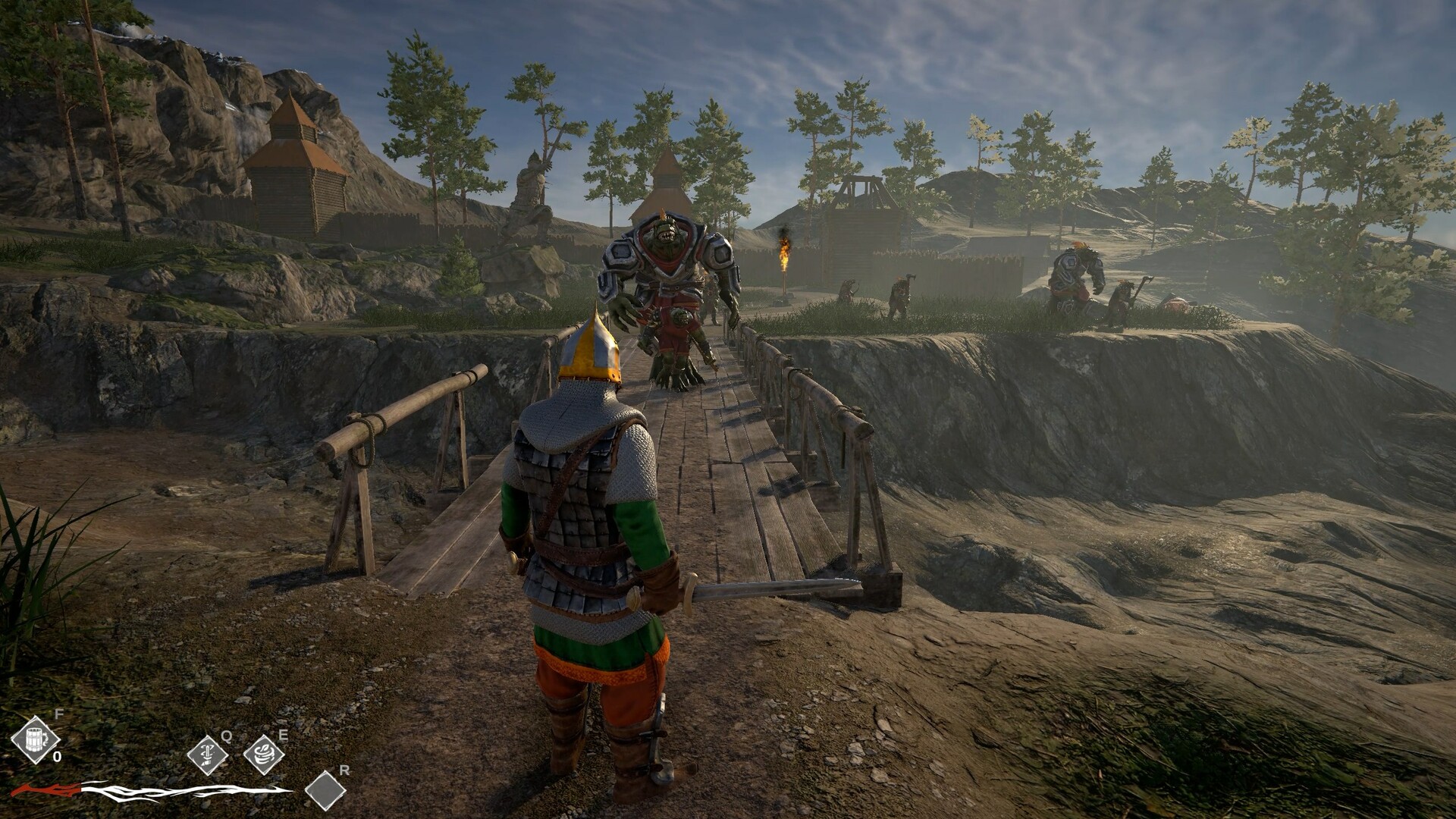
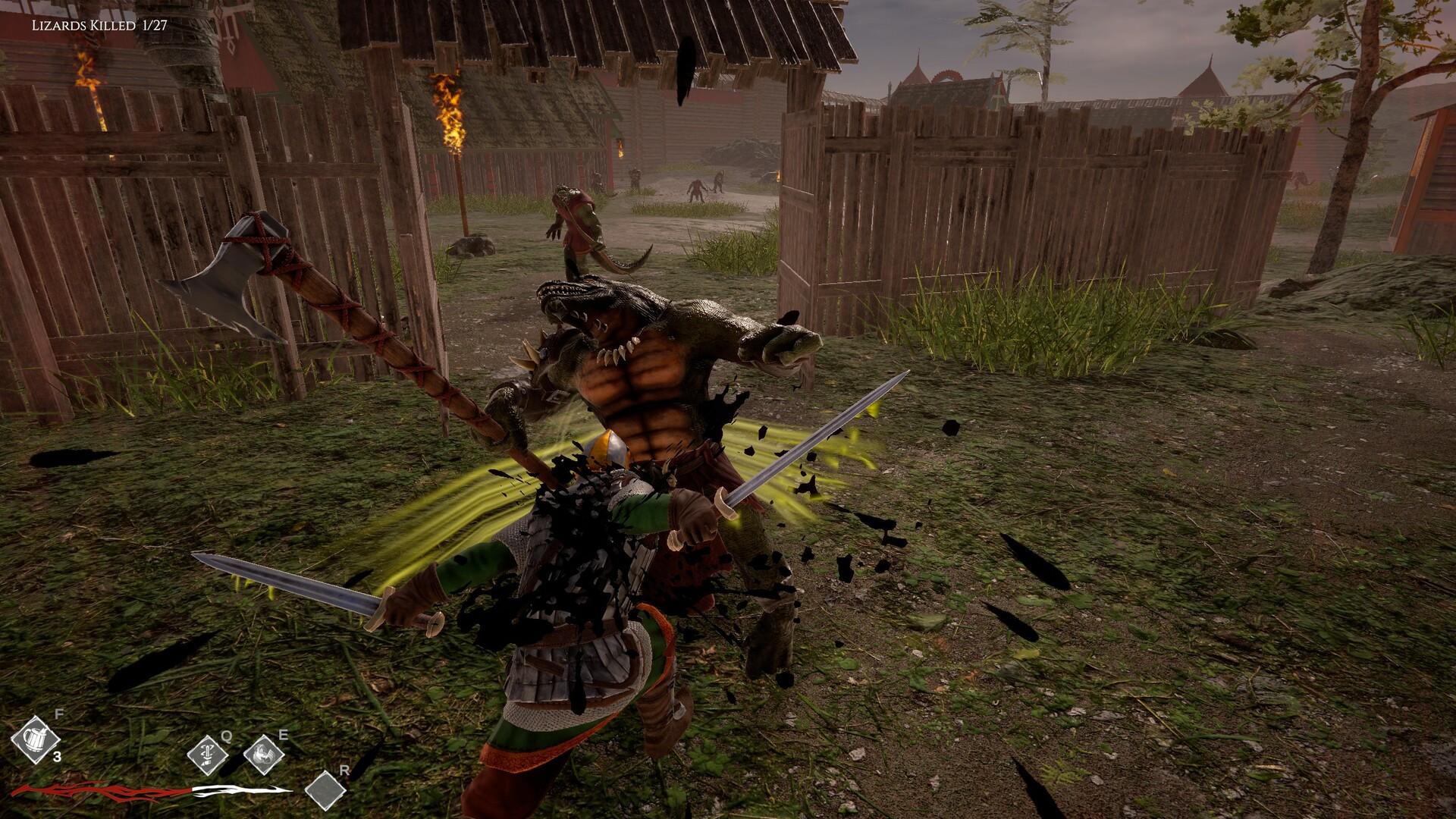
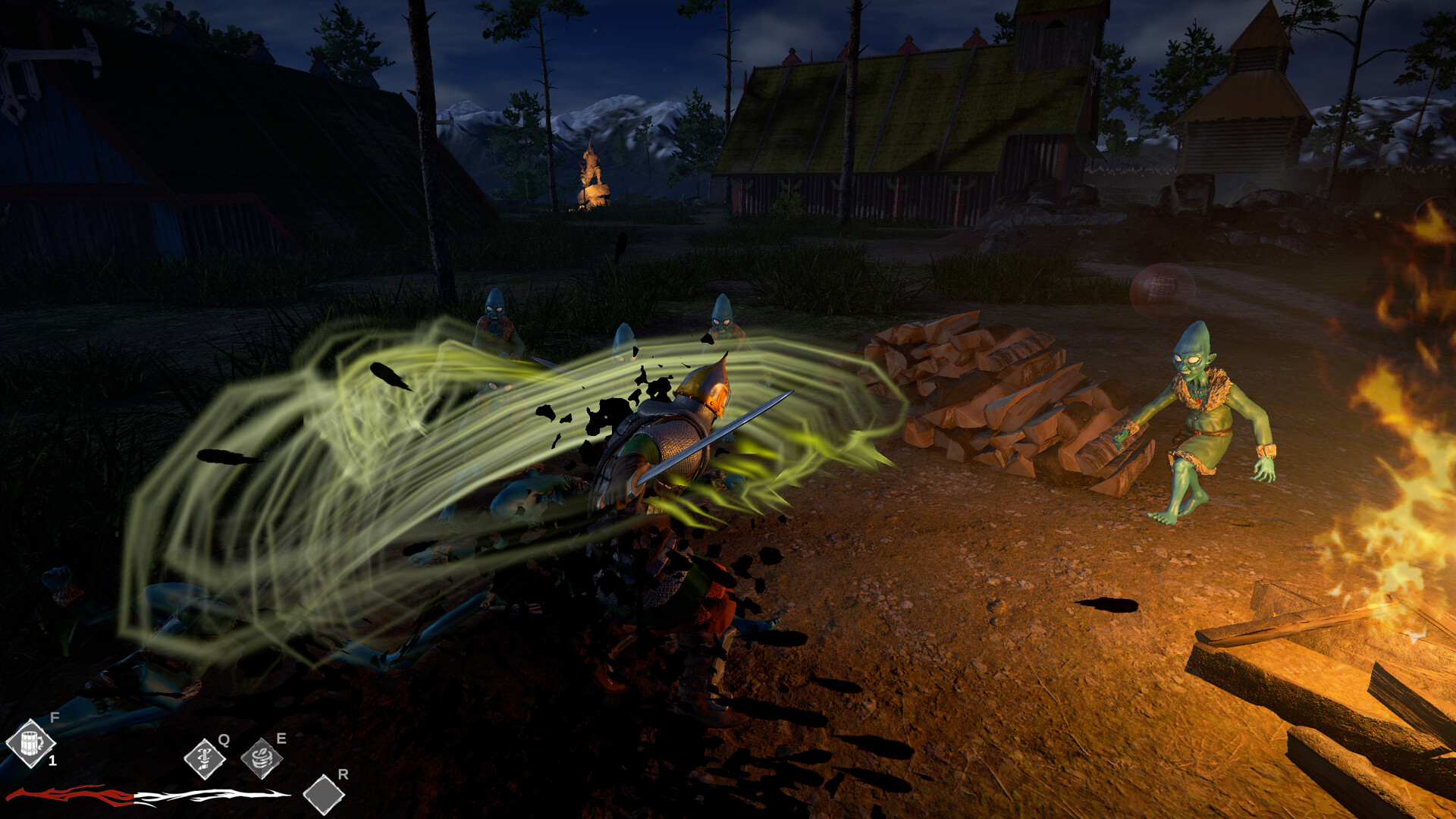
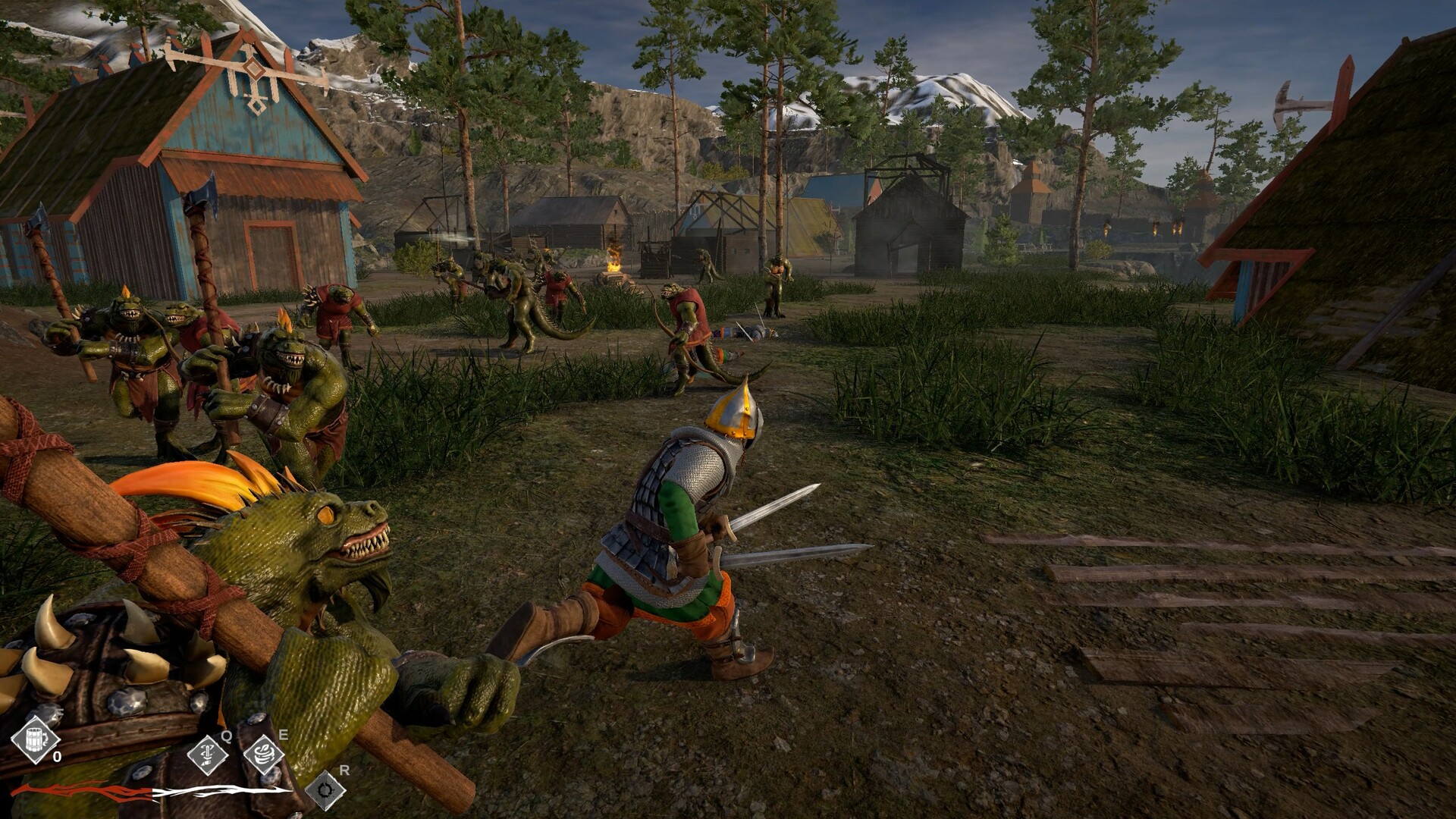
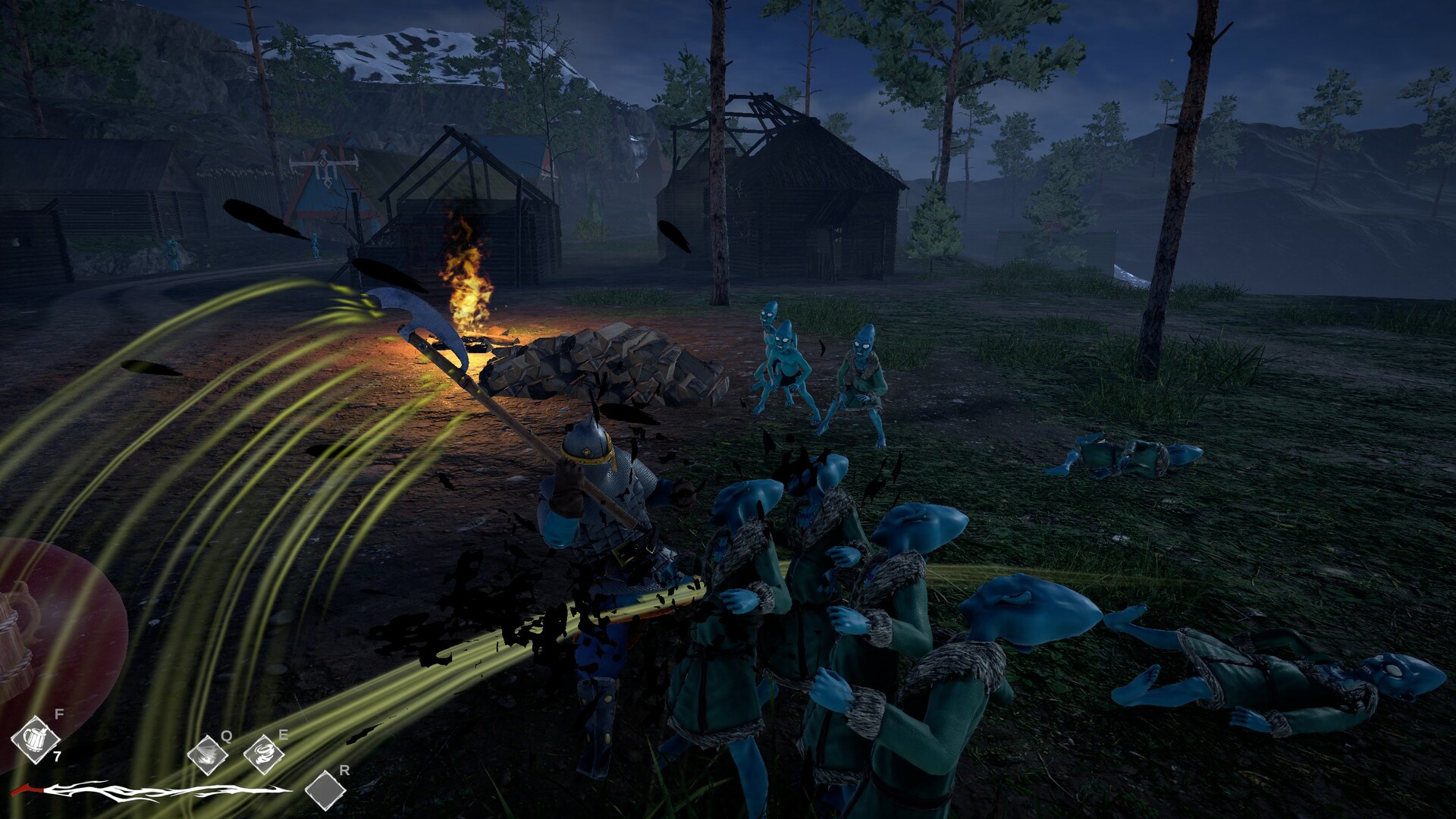
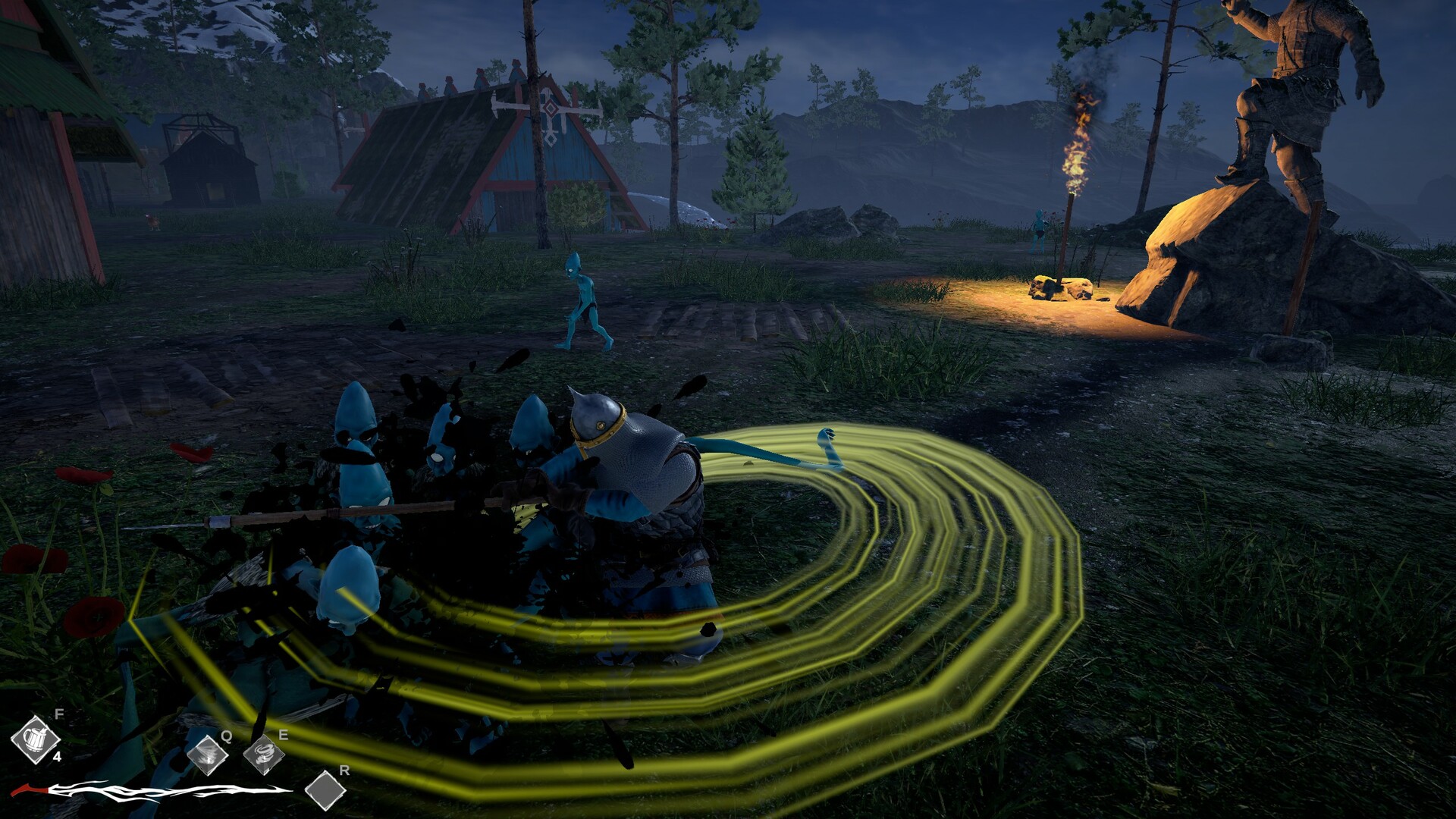
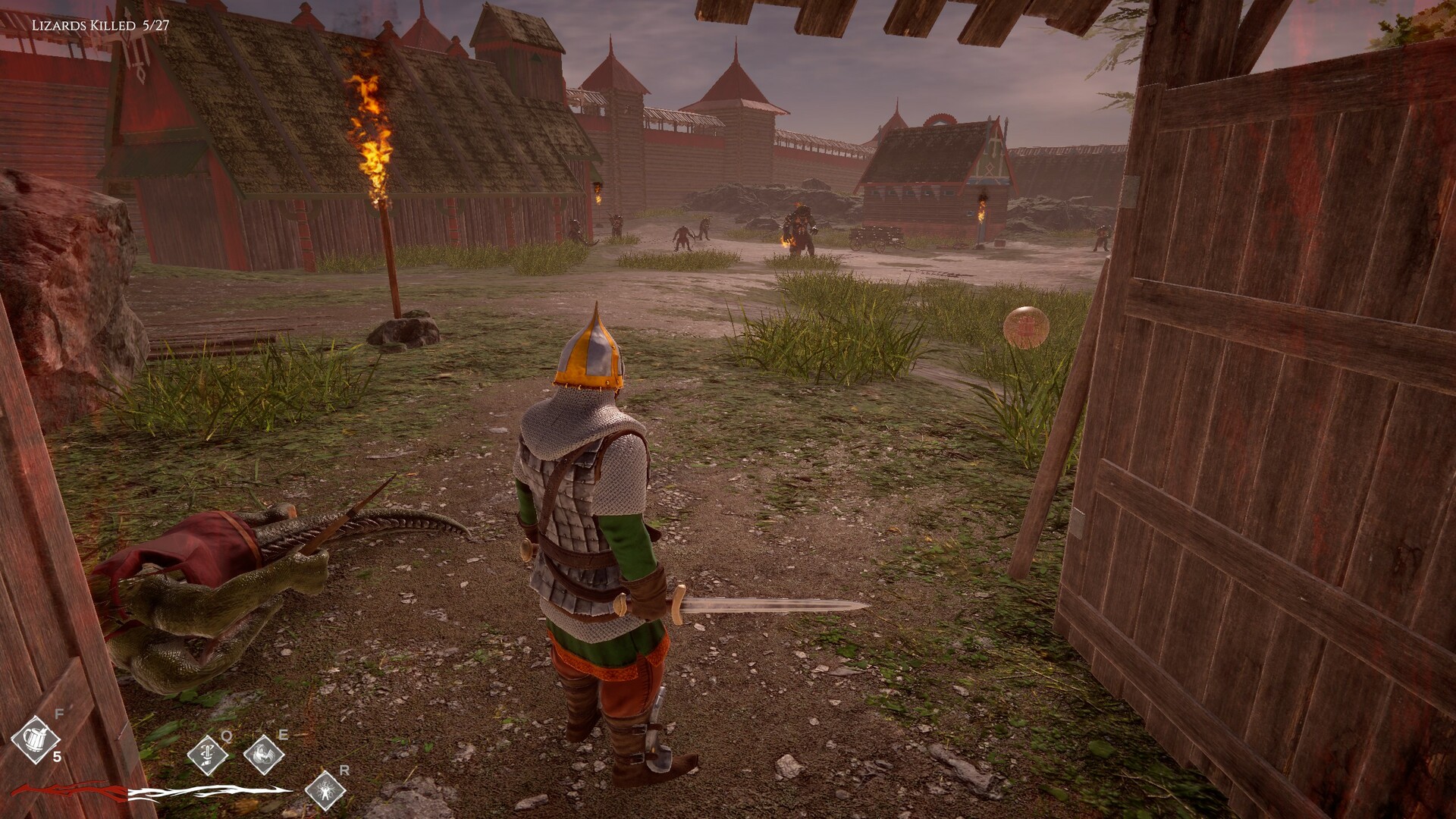
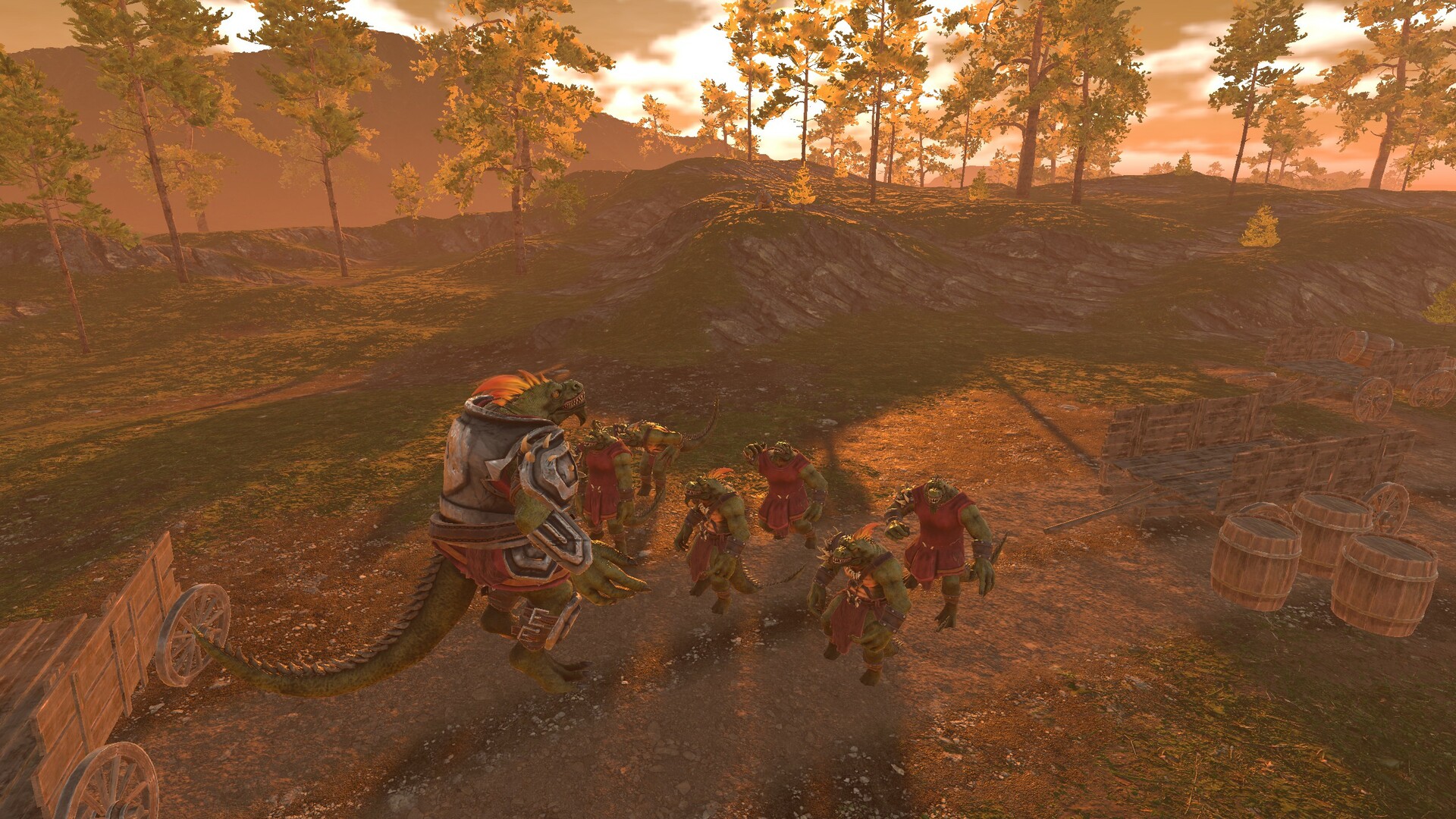
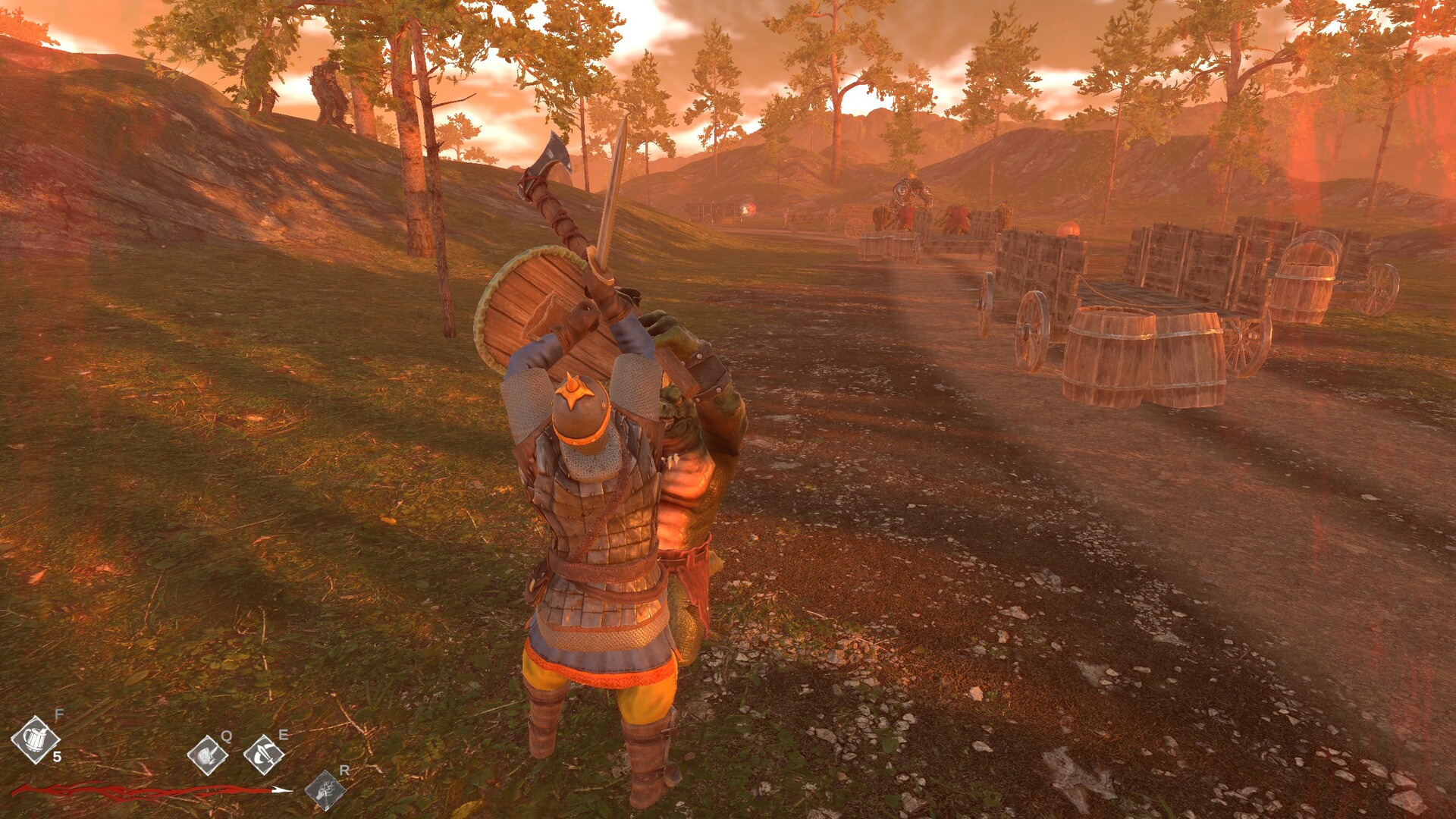
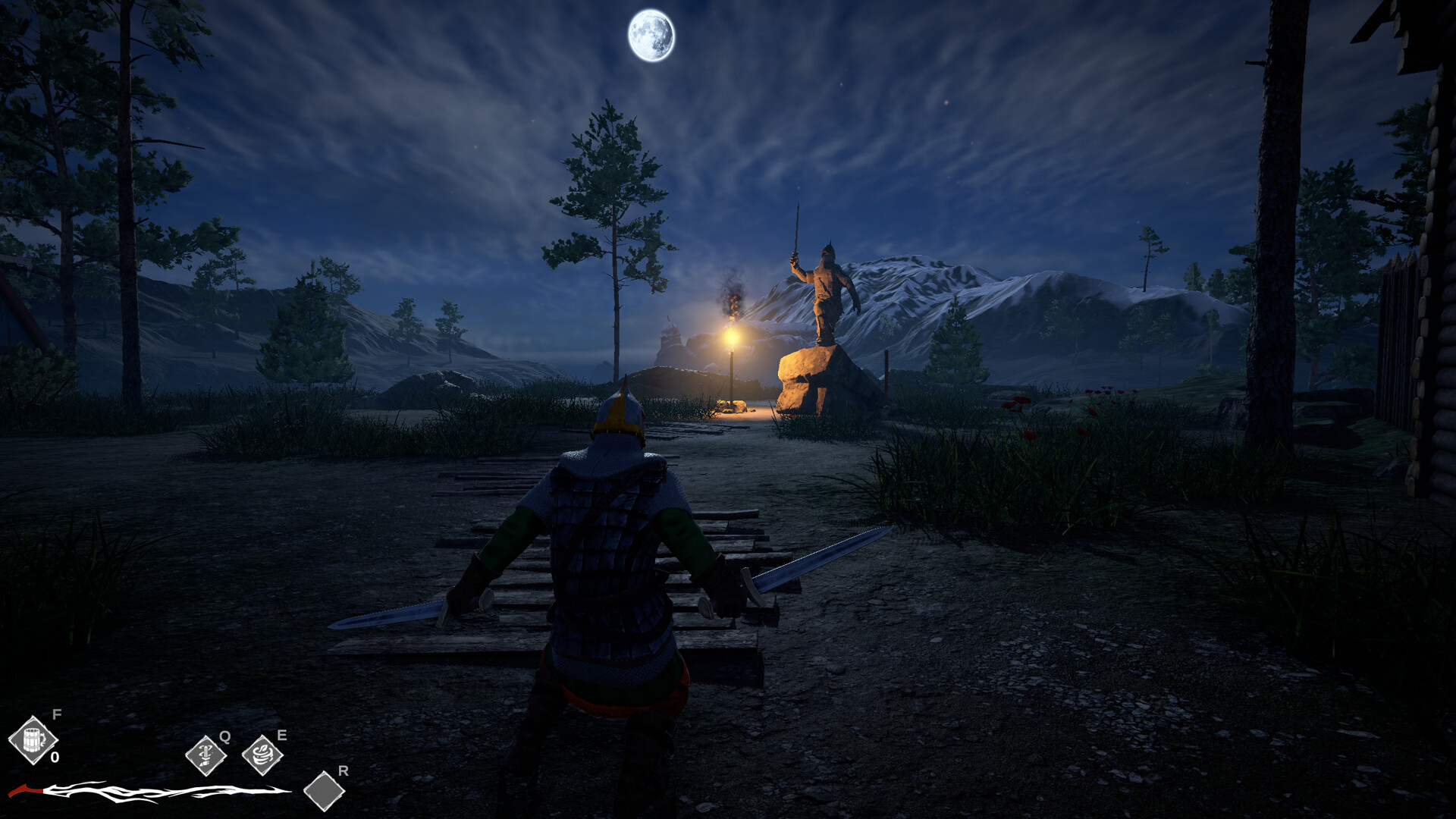
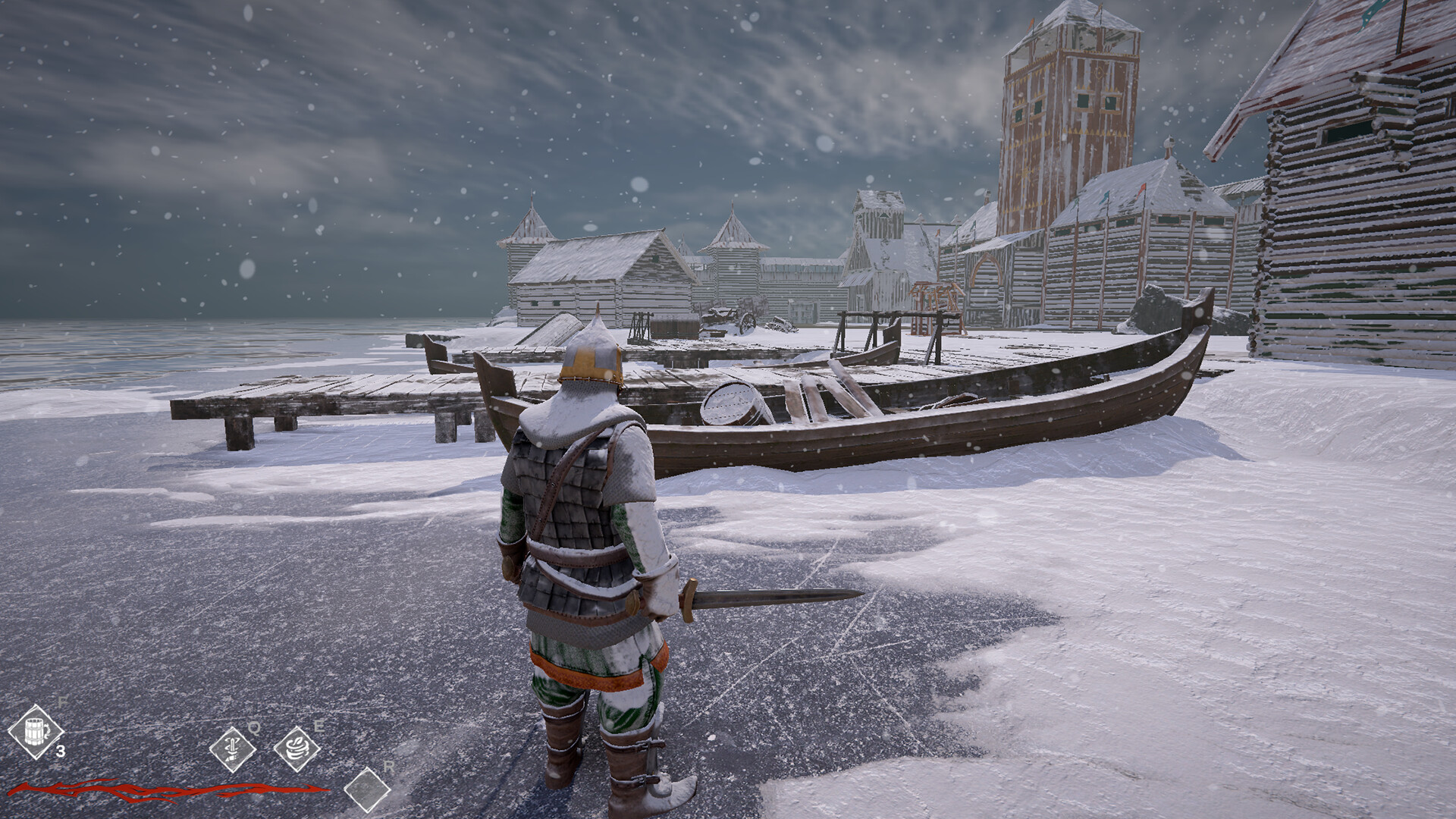
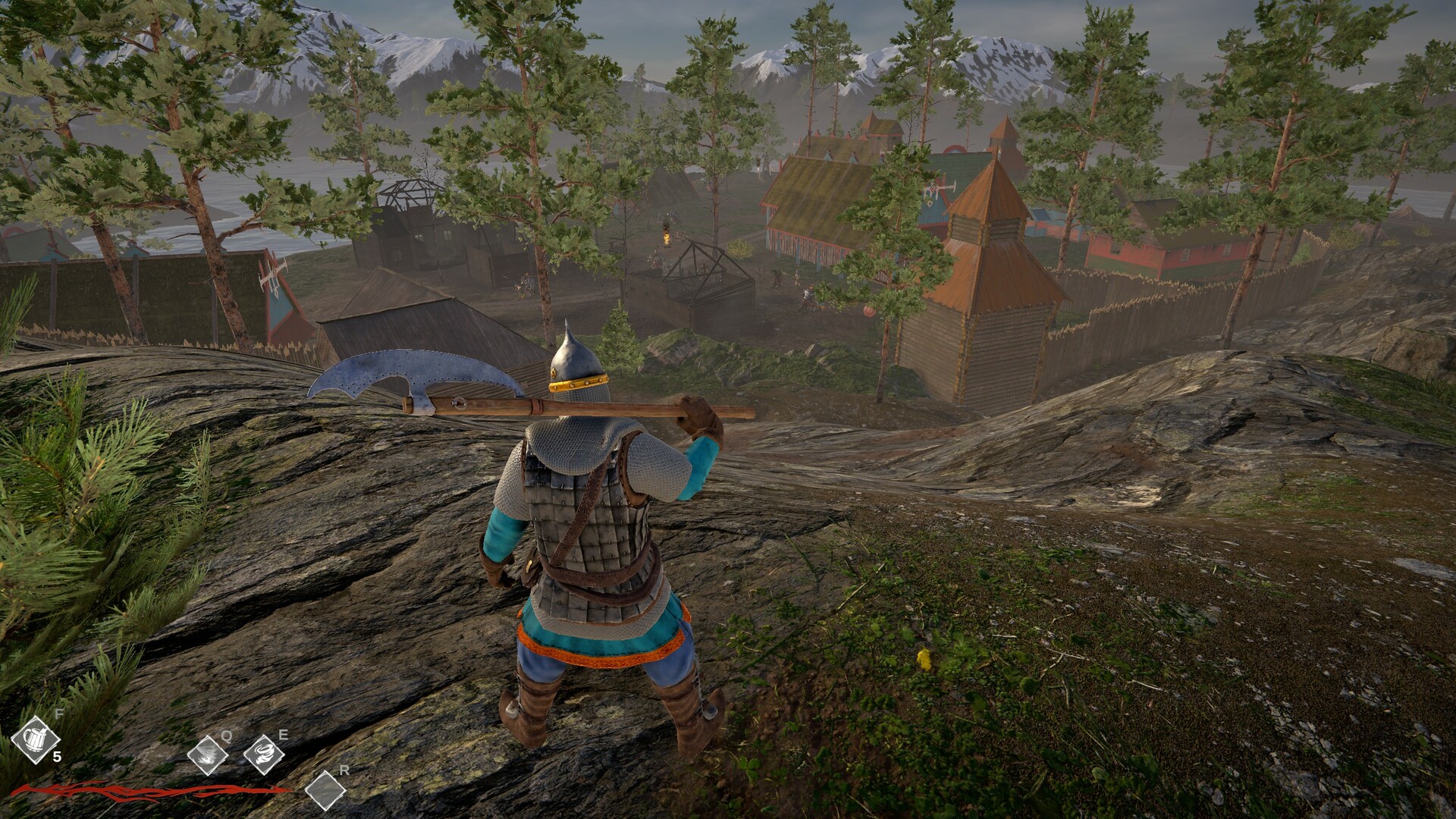
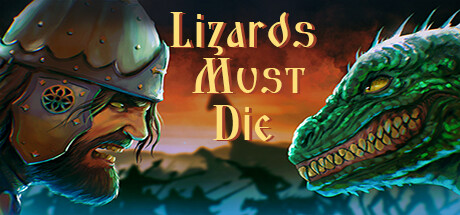
Lizards Must Die, developed by the Bratans and published by Smola Game Studio and Agafonoff, is a chaotic, deliberately over-the-top third-person action slasher that blends meme humor, Slavic mythology, and unapologetic absurdity into a uniquely strange gaming experience. From the moment you load into its polygonal battlefield, it’s clear that this game isn't aiming for subtlety or realism. Instead, it embraces its low-budget aesthetic and turns it into a stylistic choice. With exaggerated patriotism, mythical references, and hordes of mutant lizard enemies, the game wears its strangeness like armor and dares you to take it seriously — or not. The premise is as bombastic as the title suggests. You play as a hyper-masculine Slavic hero — or one of several available warriors — on a righteous crusade against legions of lizards, referred to with messianic flair as "Herod's reptiles" and other dramatic epithets. These enemies are not just creatures; they're framed as abominations against your homeland, invaders threatening sacred places like Baikal and Hyperborea. It's all woven together with intentionally ridiculous voiceovers, dramatic one-liners, and tongue-in-cheek references to mythological figures such as Perun. The game never attempts to hide its satirical tone. It embraces low-resolution graphics, blocky models, and eight-polygon logs with pride, offering something that feels like a crossover between a homemade indie project and a cultural in-joke brought to life. Gameplay is built around simplicity and repetition. You choose a character, wield melee weapons, and dive into battlefields where dozens of lizards swarm toward you. The primary loop revolves around hacking and slashing through wave after wave of enemies, using basic attack chains and special combos. There are occasional boss fights, though they often follow similar patterns. While the combat can feel clunky or imprecise at times, especially when surrounded or attempting to block mid-animation, it manages to be fun in short bursts. What makes the gameplay shine isn’t technical refinement, but the sheer energy of the encounters. Animations are exaggerated, effects fly across the screen, and the background music and shouting create a ridiculous sense of urgency and heroism. Graphically, the game leans hard into its low-fidelity aesthetic. The environments are often barren or simply constructed, the character models look like relics from an early 2000s mod, and effects like blood or explosions are intentionally exaggerated. That said, there’s a certain charm to the visuals. They’re not beautiful in a traditional sense, but they feel consistent with the game’s absurd tone. The same goes for the voice acting — much of which is delivered through SteosVoice, a synthetic voice tool — which bounces between comically heroic, awkwardly translated, and fully meme-worthy. It all adds to the appeal for players who enjoy games that don’t take themselves seriously and instead go all-in on being weird and loud. The game’s performance and technical aspects are a mixed bag. On lower-end hardware, it runs surprisingly well, which aligns with its minimalist graphical style. However, players may encounter bugs, poor hit detection, or AI behavior that feels barely functional. Enemies sometimes get stuck, movement can be floaty, and the camera occasionally becomes a hindrance during intense fights. Still, for many players, these technical issues are outweighed by the chaotic fun the game provides. Given its budget-friendly price point, most seem to accept — and even embrace — its rough edges. One of the game’s most distinctive qualities is its unapologetic cultural identity. Everything from the terminology to the voice lines reflects a deep (and often hilarious) infusion of Slavic cultural references, mythology, and nationalistic bravado. Whether you're invoking ancient gods before combat or shouting slogans about protecting the motherland, the game leans into these motifs with full sincerity — or at least the appearance of it. For players familiar with these cultural references, this can be an entertaining layer of inside humor. For outsiders, it adds a surreal, novel tone to the overall experience. Despite its entertaining absurdity, the game is not without limitations. Enemy variety is modest, and combat strategies remain largely the same from beginning to end. Once you’ve played a few rounds and defeated a couple of bosses, you’ve essentially experienced most of what the game has to offer. There’s little in the way of character progression, meaningful loot, or unlockable depth. This lack of long-term incentive makes the game feel more like a fun distraction than a deep or replayable title. Still, the developers clearly knew what kind of experience they were creating — one that entertains in the moment rather than endures across many hours. What keeps Lizards Must Die from fading into forgettable obscurity is the sheer passion behind its chaos. The game feels handcrafted by developers who had a distinct vision: to create something bizarre, loud, proudly unpolished, and unmistakably Slavic. It doesn’t try to compete with AAA titles or even polished indie darlings. It carves out its niche and commits fully. That commitment has clearly paid off, as evidenced by the thousands of overwhelmingly positive reviews on Steam. Players aren’t necessarily praising the combat mechanics or technical sophistication; they’re responding to how fun, strange, and self-aware the whole thing is. In the end, Lizards Must Die succeeds by knowing exactly what it is. It’s a low-cost, high-chaos hack-and-slash spectacle that offers a bizarre ride through lizard-killing patriotism and meme-laced mythmaking. It won’t be for everyone — especially those seeking polish, deep mechanics, or complex narratives — but for players willing to embrace the chaos, it delivers a highly entertaining and memorable experience. Whether played solo or in co-op with friends, it’s the kind of game that invites laughter, confusion, and a surprising amount of appreciation for its commitment to being exactly what it wants to be: a lizard-slashing fever dream soaked in Slavic absurdity. Rating: 8/10
Expand the review