
Rogue Trooper
Nu Earth: a poisoned planet where endless war rages between the Norts and the Southers. A futile struggle on a hostile planet with no end in sight. But there are tales of a lone warrior. A man who knows no allegiance, the Rogue Trooper!
Sync your Steam wishlist to find the lowest game prices instantly. No login required, just paste your Steam profile URL!
⚡ Try Wishlist Radar!
Sync your Steam wishlist to find the lowest game prices instantly. No login required!
⚡ Try Wishlist Radar!
Close

MDK on Steam
Quick menu
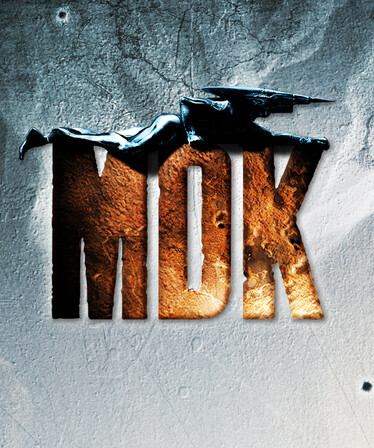
ON A GOOD DAY, ONLY 2.5 MILLION PEOPLE WILL DIE. As vast alien mining cities suck the power and minerals from every major metropolis on Earth simultaneously, time is of the essence as millions of civilians are expiring by the second.
MDK is a action, classic and third-person shooter game
developed by Shiny Entertainment
and published by .
Released on September 17th 2009 is available on Windows, Steam Deck and Steam Machine
in 6 languages: English, French, German, Italian, Polish and Spanish - Spain.
It has received 341 reviews of which 266 were positive and 75 were negative resulting in a rating of 7.3 out of 10. 😊
The game is currently priced at 19.50€ on Steam.
The Steam community has classified MDK into these genres:
Action
Classic
Third-Person Shooter
Sci-fi
Third Person
1990's
Singleplayer
Shooter
Comedy
Great Soundtrack
Here is the detailed breakdown of supported languages for MDK:
| UI | Subtitle | Audio | |
|---|---|---|---|
| English | |||
| German | |||
| French | |||
| Italian | |||
| Spanish - Spain | |||
| Polish |
Media & Screenshots
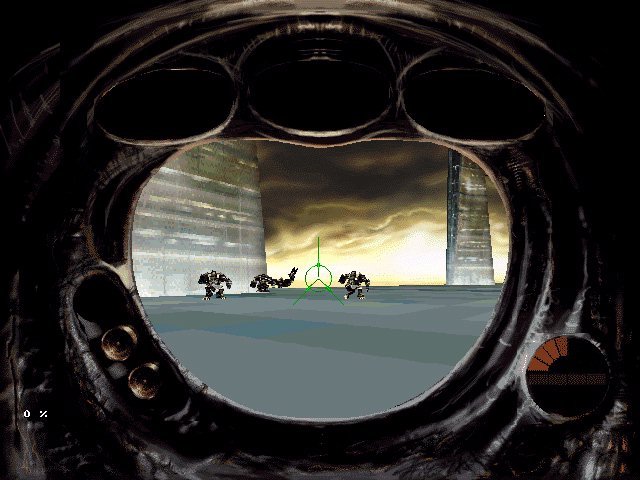
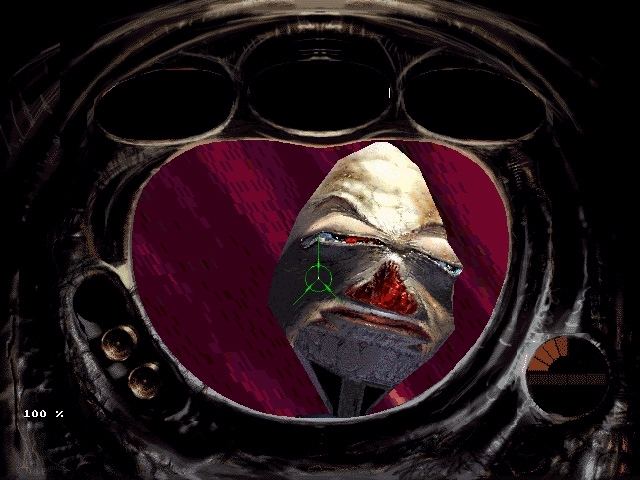
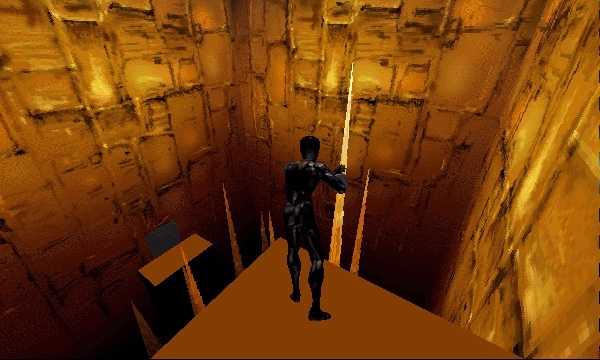
Get an in-depth look at MDK through various videos and screenshots.
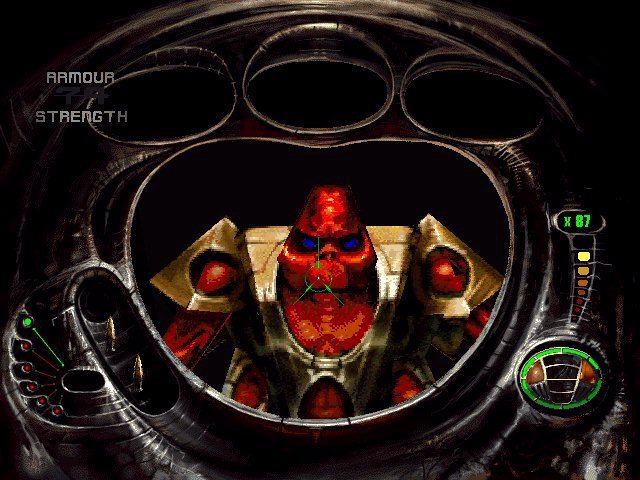

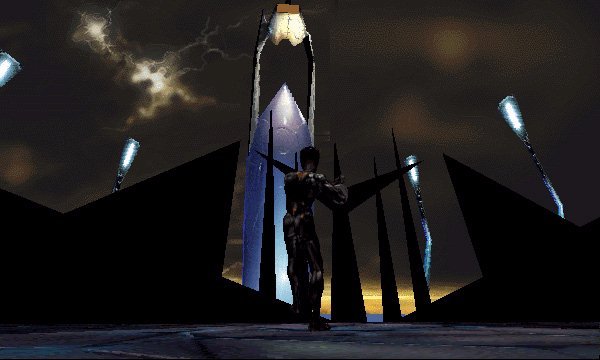
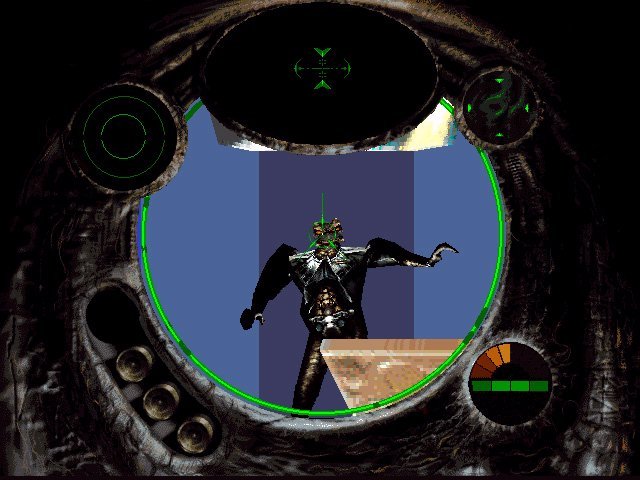
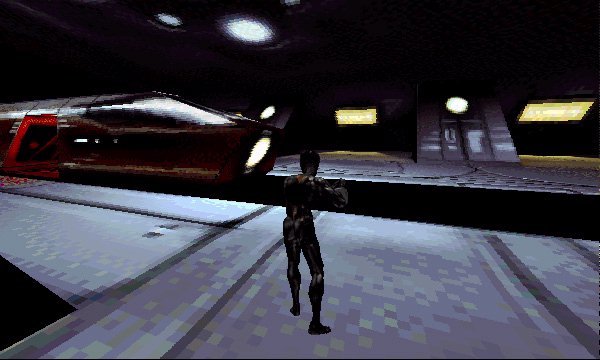

Load More
System requirements
These are the minimum specifications needed to play the game. For the best experience, we recommend that you verify them.
Windows
- OS: Windows
- Processor: Pentium 300Mhz
- Memory: 64MB
- Graphics: DirectX
- DirectX®: 7
- Hard Drive: 650MB
- Sound: DirectSound
Steam Price & Best Deals
User reviews & Ratings
Explore reviews from Steam users sharing their experiences and what they love about the game.
I'm kind of mixed with this one. It's a good game, but one that is hard to recommend because it is a little outdated. If I had to describe it, I'd say this is Serious Sam before Serious Sam: you battle in big arenas, jumping and shooting, using various gadgets you find in a level to your advantage. One key difference is this game plays like a 3rd person Doom (you can't look up or down, unless you use the sniper mode, so the aiming is semi-automatic). One thing I didn't like was the level design / art direction. The color palette is quite small in this game, so you'll feel that every level looks the same. It doesn't help the high contrast and over use of black textures, making it difficult to distinguish a wall from a platform that is above you (and you want see it unless you jump from a higher ground because, again, you can't look up or down in this game). A thing I did like was the music, which is pretty good for it's time and it gets you hyped when shooting your way through an arena. In conclusion, this game is fun if you want a short action game with multiple enemies on screen and some platforming in the mix. But better buy it on discount. 3/5
MDK stands as one of those rare games that immediately establishes its own identity and refuses to blend into the crowd. Released during an era when developers were still discovering what 3D gaming could become, it arrived with ideas that felt wildly imaginative and sometimes completely unconventional. Instead of following a predictable action formula, the game introduces players to a bizarre science-fiction world where massive alien mining cities descend onto Earth and consume everything in their path. Humanity faces extinction, and the responsibility of stopping the invasion falls upon Kurt Hectic, a janitor-turned-hero equipped with experimental technology and a suit that looks as strange as the adventure itself. The game's biggest strength is the way it embraces its own weirdness. Many action games attempt to create serious worlds filled with military realism or dark themes, but MDK chooses a different path entirely. Its world is filled with absurd ideas, unusual technology, and humor that constantly appears in unexpected places. Rather than becoming chaotic or confusing, this strange mixture gives the game personality. Kurt is not portrayed as a typical action hero, and that decision helps the experience feel memorable because it separates itself from countless other shooters that rely on familiar archetypes. One of the most interesting mechanics in the game revolves around Kurt's sniper system. Even by today's standards, it remains an enjoyable feature because it changes how players interact with the environment. Instead of simply charging into combat situations, players are encouraged to observe distant threats and eliminate them with precision. The zoom functionality was especially impressive during its time and allowed players to engage enemies across large spaces in ways that few games offered. It adds a tactical element that creates variety and prevents combat from becoming repetitive. Gameplay constantly introduces new ideas and rarely allows players to settle into a predictable routine. One moment may involve straightforward shooting encounters, while another suddenly asks players to navigate dangerous environments, solve small challenges, or use unusual equipment in creative ways. The game continually shifts its focus, which keeps the experience engaging. There is a sense that the developers never wanted players to become comfortable. Instead, they wanted every new section to feel like a surprise. The level design contributes heavily to that feeling of unpredictability. The alien worlds and enormous structures are more than simple backdrops for combat. They feel mysterious and sometimes almost dreamlike in their presentation. Levels often appear huge and intimidating, creating a sense that players are infiltrating places that were never meant for humans. The environments may not have the complexity expected from modern games, but they possess creativity that leaves a stronger impression than many larger and more technically advanced worlds. Visually, MDK naturally reflects the technological limitations of its generation, but it still carries a distinctive style. Character models and environments are built from simple polygons compared to modern standards, yet there is an artistic quality behind the presentation that keeps it appealing. Rather than feeling obsolete, it often feels like a snapshot of a fascinating period in gaming history where developers relied heavily on creativity to overcome hardware limitations. The animation and overall presentation still manage to communicate energy and personality. The sound design and music also help shape the atmosphere. The soundtrack shifts between energetic moments and more unusual tones that complement the game's strange universe. Audio effects reinforce the futuristic setting while helping action sequences feel more exciting. Together, the visuals and sound create an experience that feels unique rather than generic. Of course, the game is not entirely free of problems. Modern players may initially struggle with its controls and older design philosophy. Some mechanics can feel less responsive than what people have become accustomed to today, and certain gameplay sections may appear rough around the edges. The game also moves through its ideas relatively quickly, which means some concepts never receive the deeper development they might have deserved. Players expecting a long campaign filled with modern progression systems may find it somewhat limited. Despite these shortcomings, MDK succeeds because it understands how important originality can be. It does not rely on cinematic storytelling, endless content, or visual realism. Instead, it delivers something with personality and confidence. The game constantly feels like a product of developers experimenting with ideas simply because they sounded interesting, and that adventurous spirit remains one of its greatest strengths. Years after its release, MDK continues to be remembered because it offered something unusual. It may show its age in certain areas, but the creativity behind its design remains difficult to ignore. For players interested in experiencing a classic action title that values imagination over convention, MDK remains a surprisingly entertaining journey. Rating: 7/10
Similar games
View all
STAR WARS Jedi Knight II - Jedi Outcast
The Legacy of Star Wars Dark Forces™ and Star Wars® Jedi Knight lives on in the intense first-person action of Jedi Outcast.

STAR WARS Battlefront (Classic, 2004)
Fight the greatest battles in the STAR WARS universe any way you want to. The choice is yours.
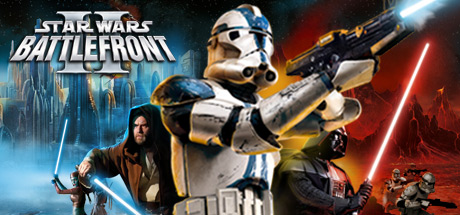
STAR WARS Battlefront II (Classic, 2005)
Join the rise of Darth Vader’s elite 501st Legion of Stormtroopers as you fight through an all new story-based saga where every action you take impacts the battlefront and, ultimately, the fate of the Star Wars galaxy.
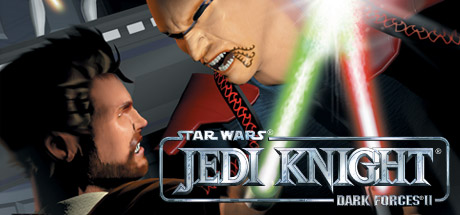
STAR WARS Jedi Knight: Dark Forces II
Jedi Knight: Dark Forces II picks up where the award-winning Dark Forces™ game left off...with even more features and firepower in dazzling 3D graphics. As Kyle Katarn, you must acquire a lightsaber and learn the ways of the Force to become a Jedi Knight.
STAR WARS Jedi Knight - Jedi Academy
Forge your weapon and follow the path of the Jedi Jedi Knight: Jedi Academy is the latest installment of the highly acclaimed Jedi Knight series. Take on the role of a new student eager to learn the ways of the Force from Jedi Master Luke Skywalker.

Advent Rising
A common legend pervades the galaxy-that of a powerful, highly intelligent ancient race that will one day deliver the universe. They are known as Humans. The Advent of Humanity Begins...

Tom Clancy's Splinter Cell
Enter the world of cinematic stealth action with Splinter Cell, the game that propelled the genre to cult status. You are Sam Fisher, an elite covert agent in the NSA's top-secret division: Third Echelon.
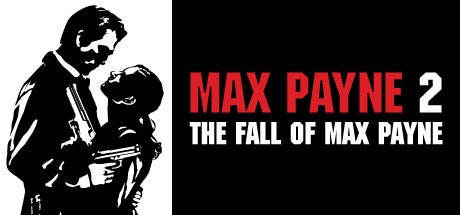
Max Payne 2: The Fall of Max Payne
Max Payne 2: The Fall of Max Payne is a violent, film-noir love story. Dark, tragic and intense, the in-depth story is a thrill-ride of shocking twists and revelations. Love hurts.
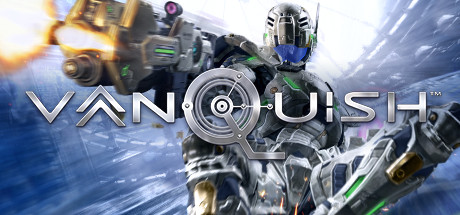
Vanquish
PlatinumGames’ revolutionary sci-fi action shooter slide-boosts onto PC. Battle legions of future-tech enemies using a vast arsenal of weapons, including all DLC. Fully unlocked framerate and gorgeous HD resolutions up to 4K. The definitive way to play: war has accelerated.
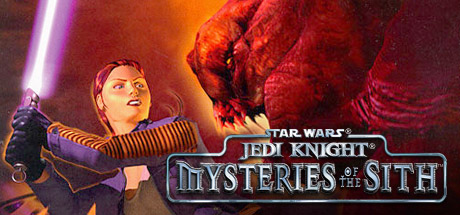
STAR WARS Jedi Knight - Mysteries of the Sith
It is five years after Kyle's victory over the seven dark Jedi. Invading Imperial forces advance upon a quiet Rebel outpost, interrupting Kyle's training of a brave new Jedi, Mara Jade. First introduced in Timothy Zahn's award-winning Star Wars novel, Heir to the Empire, Mara Jade blends her past experiences as a one time smuggler and...

Metal Wolf Chaos XD
Metal Wolf Chaos XD is a modernized re-release of FromSoftware's 2004 mech shooter with upgraded visual fidelity, refined controls and gameplay, a new save system, and 4K + 16:9 support for modern displays.
Frequently Asked Questions
MDK is currently priced at 19.50€ on Steam.
No, MDK is currently not on sale. You can purchase it for 19.50€ on Steam.
Yes, MDK received 266 positive votes out of a total of 341 achieving a rating of 7.32.
😊
MDK was developed by Shiny Entertainment.
Yes, MDK is playable and fully supported on Windows.
No, MDK is not playable on MacOS.
No, MDK is not playable on Linux.
Yes, MDK is playable on Steam Deck, though it might require a few minor tweaks. Make sure to check the Steam store page and community feedback on ProtonDB for exact compatibility details.
Yes, MDK is playable on Steam Machine, though it might require a few minor tweaks. Make sure to check the Steam store page and community feedback on ProtonDB for exact compatibility details.
No, MDK does not support VR.
MDK is a single-player game.
No, MDK does not currently offer any DLC.
No, MDK does not support mods via Steam Workshop.
No, MDK does not support Steam Remote Play.
Yes, MDK is enabled for Steam Family Sharing. This means you can share the game with authorized users from your Steam Library, allowing them to play it on their own accounts. For more details on how the feature works, you can read the original Steam Family Sharing announcement or visit the Steam Family Sharing user guide and FAQ page.
You can find solutions or submit a support ticket by visiting the Steam Support page for MDK.
Data sources
The information presented on this page is sourced from reliable APIs to ensure accuracy and relevance. We utilize the Steam API to gather data on game details, including titles, descriptions, prices, and user reviews. This allows us to provide you with the most up-to-date information directly from the Steam platform.
Additionally, we incorporate data from the SteamSpy API, which offers insights into game sales and player statistics. This helps us present a comprehensive view of each game's popularity and performance within the gaming community.
Last Updates| Steam data | 24 September 2026 09:33 UTC |
|---|---|
| SteamSpy data | 15 October 2026 05:46 UTC |
| Steam price | 26 October 2026 20:04 UTC |
| Steam reviews | 21 October 2026 18:09 UTC |
If you'd like to dive deeper into the details about MDK, we invite you to check out a few dedicated websites that offer extensive information and insights. These platforms provide valuable data, analysis, and user-generated reports to enhance your understanding of the game and its performance.
- SteamDB - A comprehensive database of everything on Steam about MDK
- SteamCharts - Analysis of MDK concurrent players on Steam
- ProtonDB - Crowdsourced reports on Linux and Steam Deck MDK compatibility

Game modes
Features
Online players
0
Developer
Shiny Entertainment
Release
17 Sep 2009
Platforms