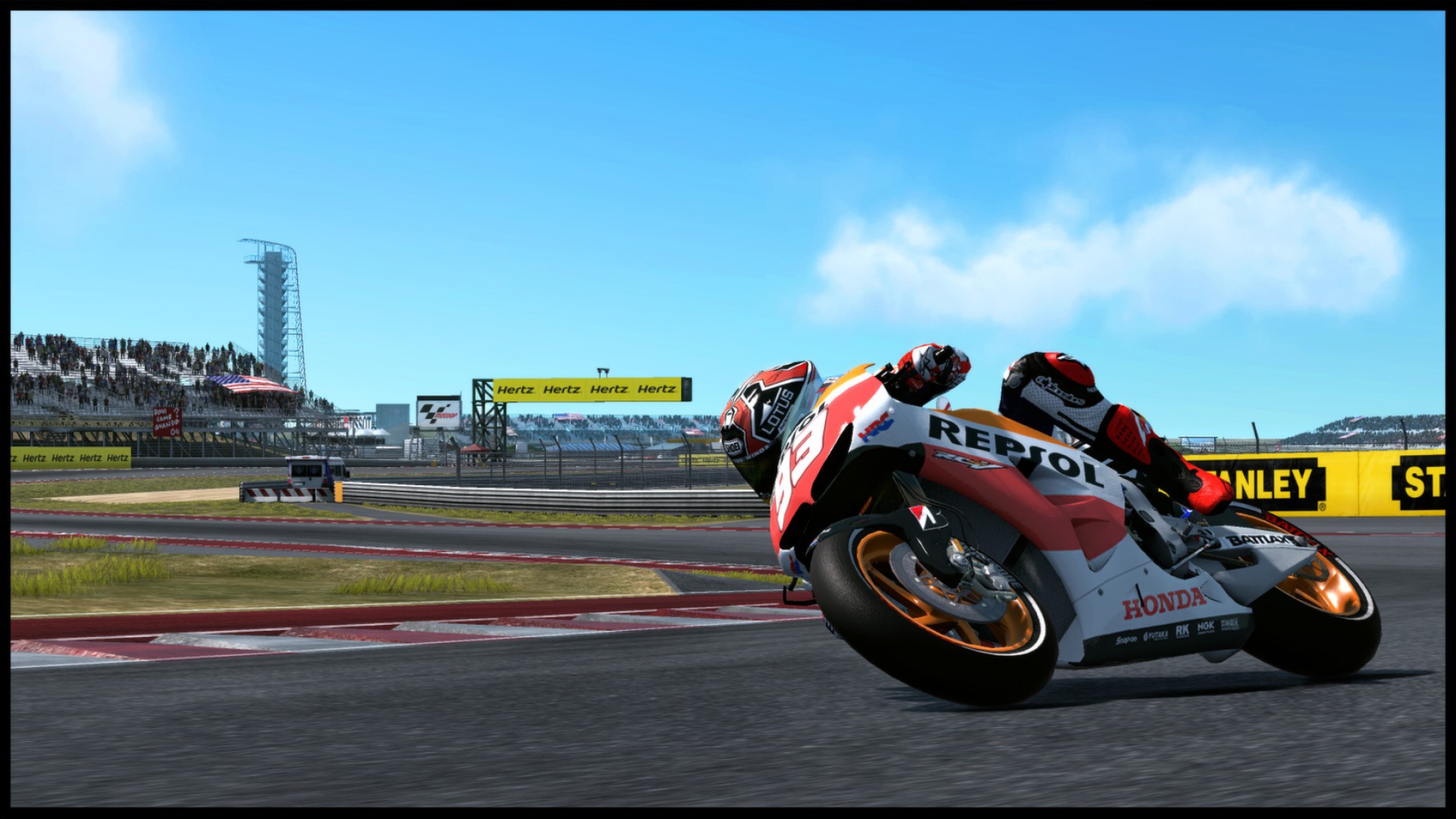
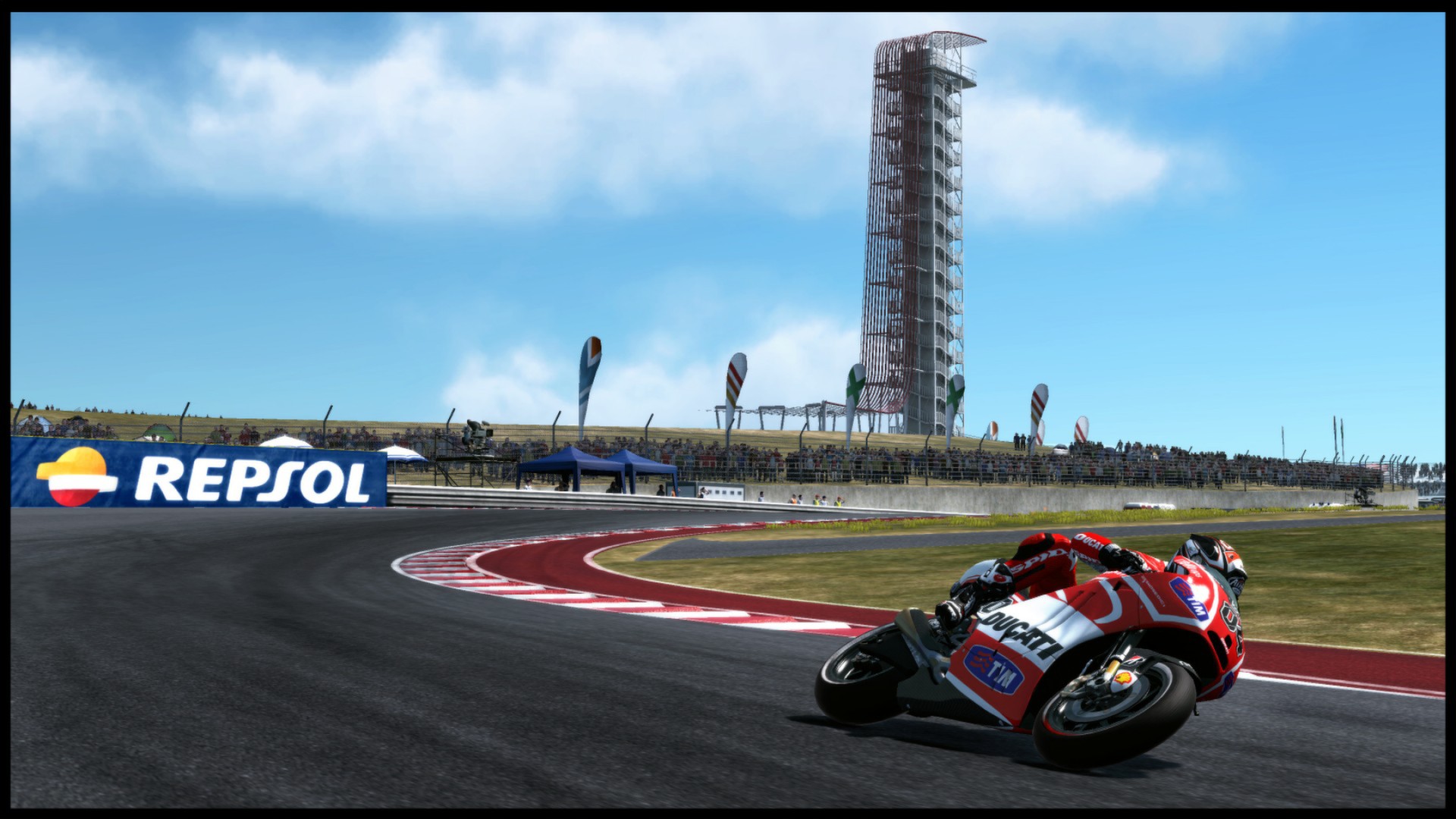
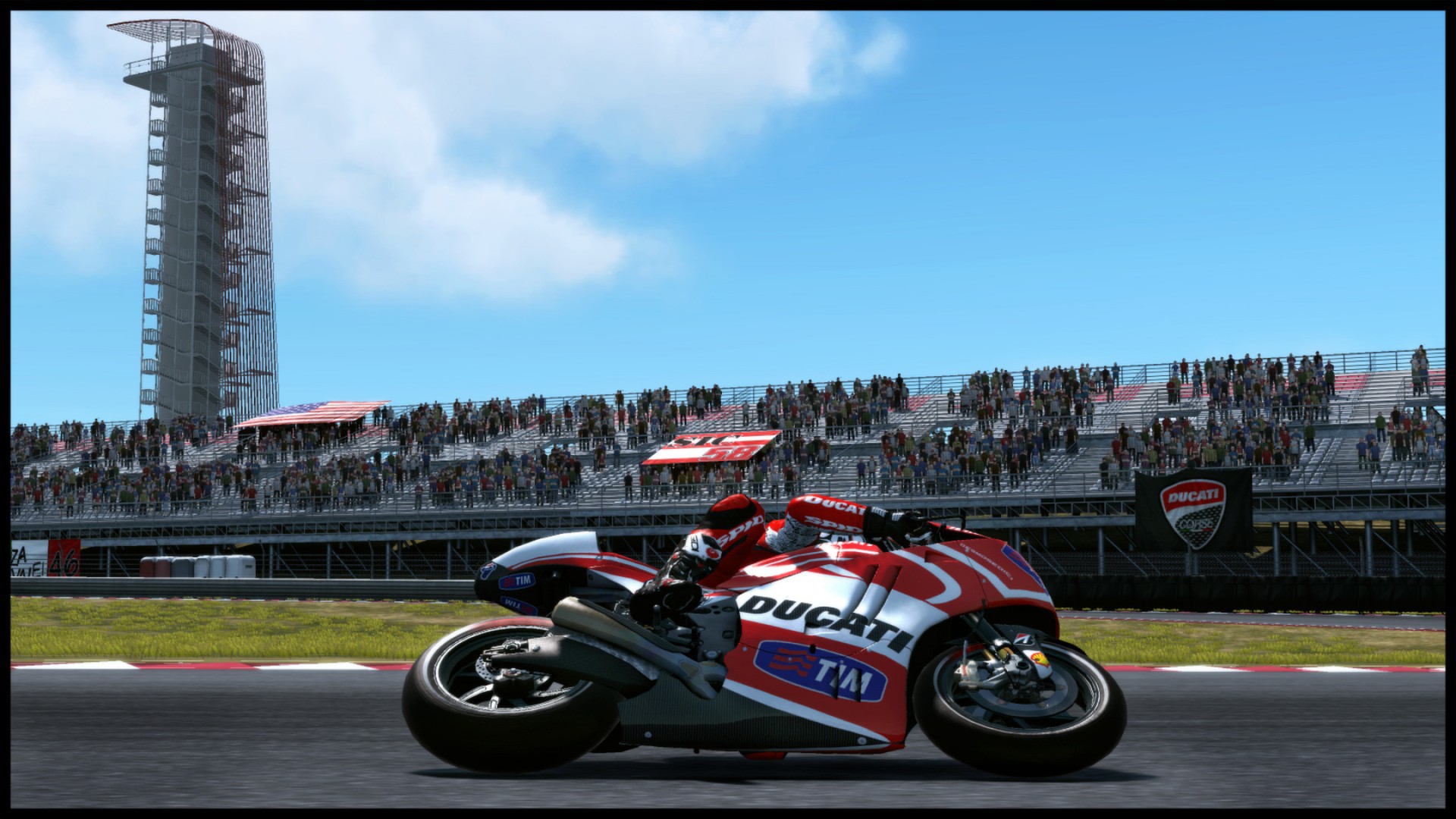
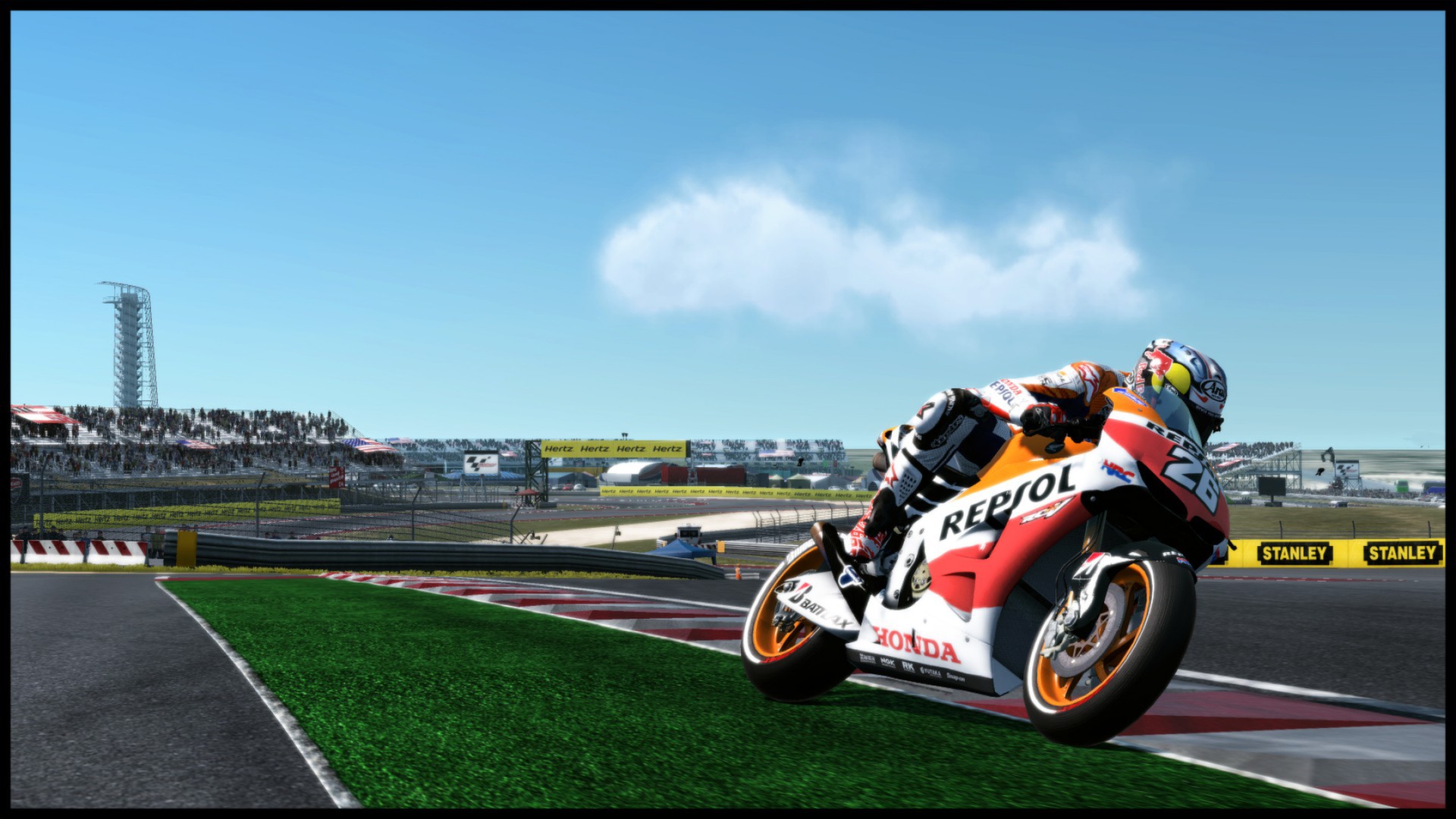
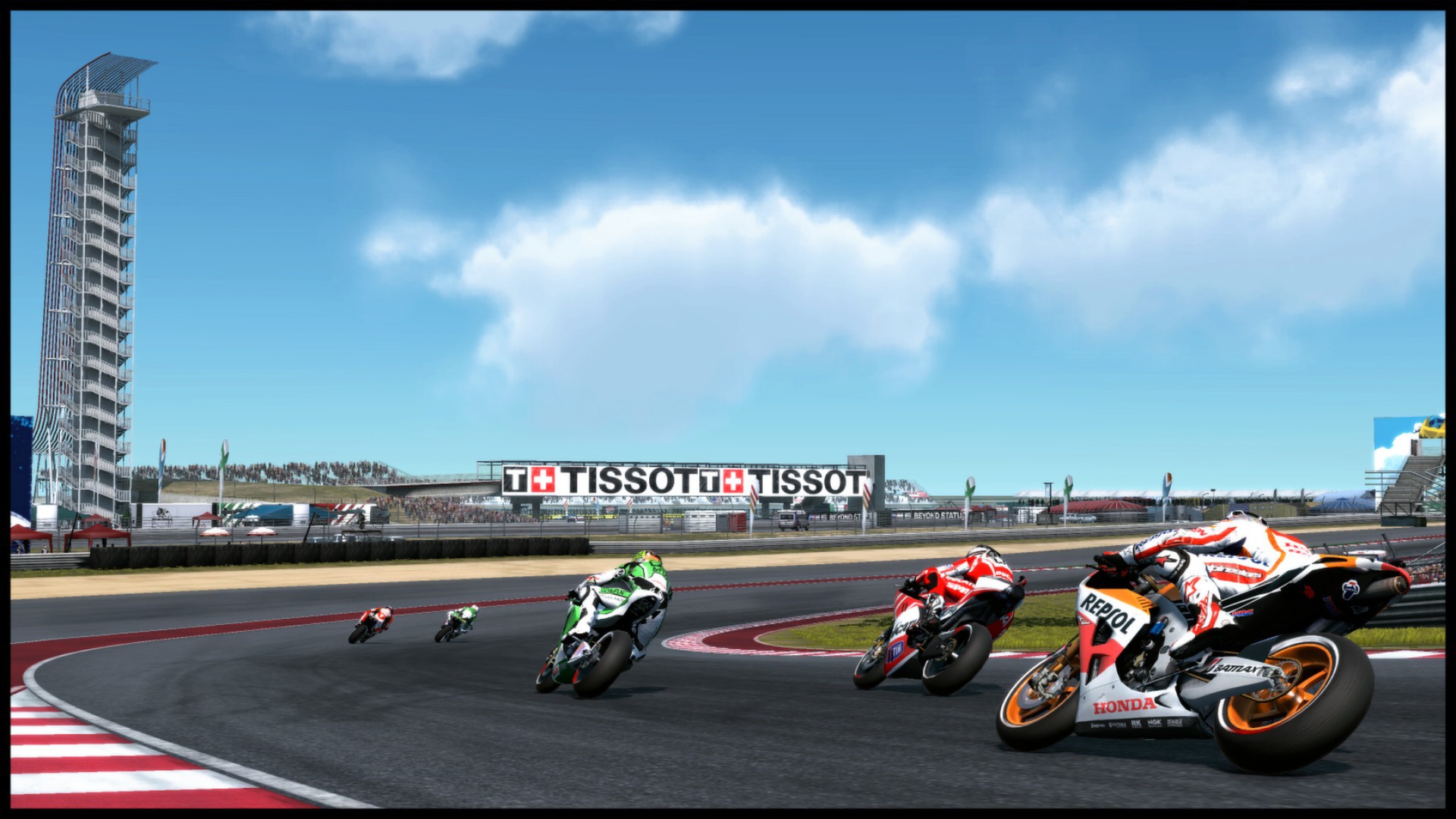
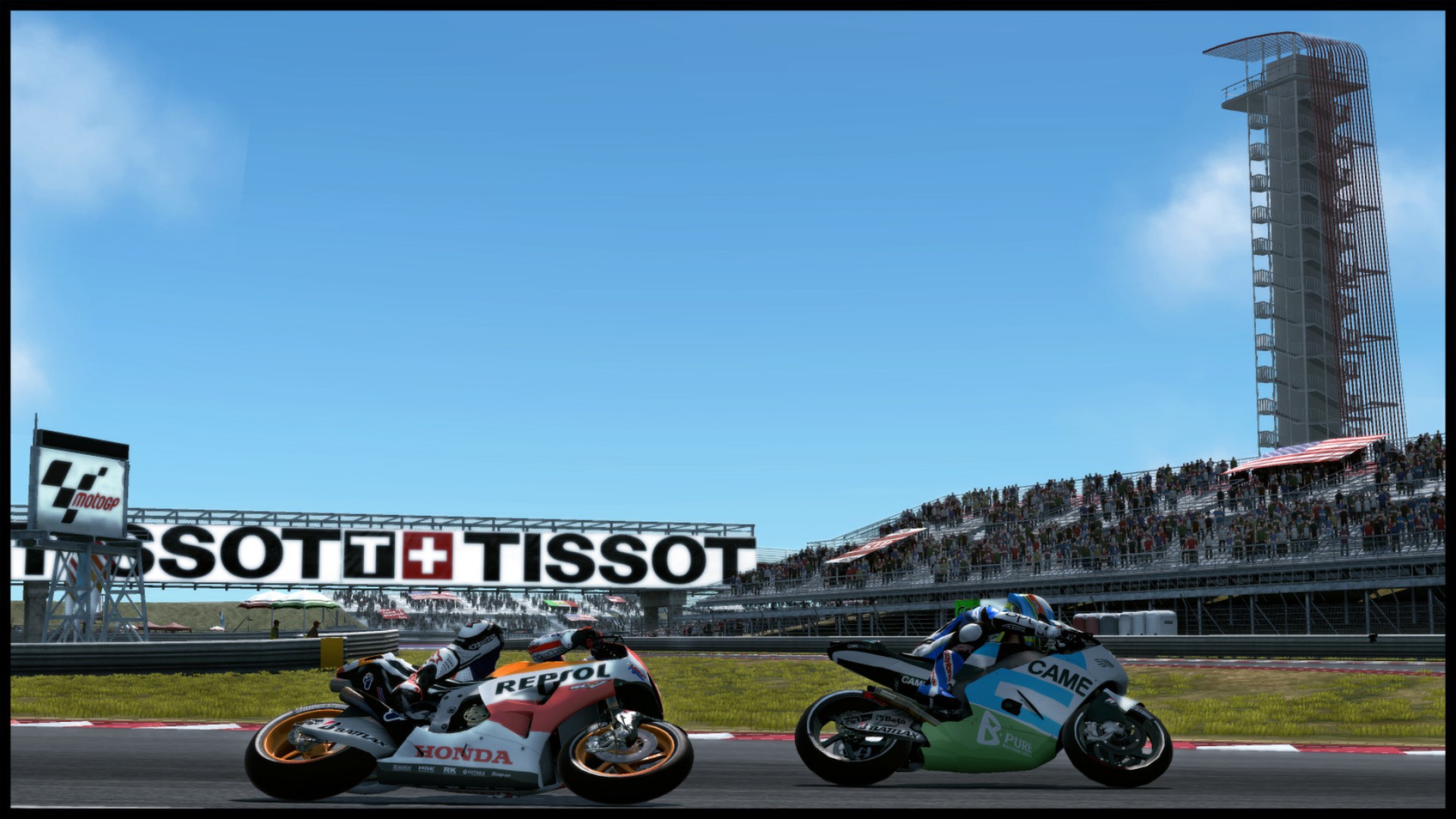
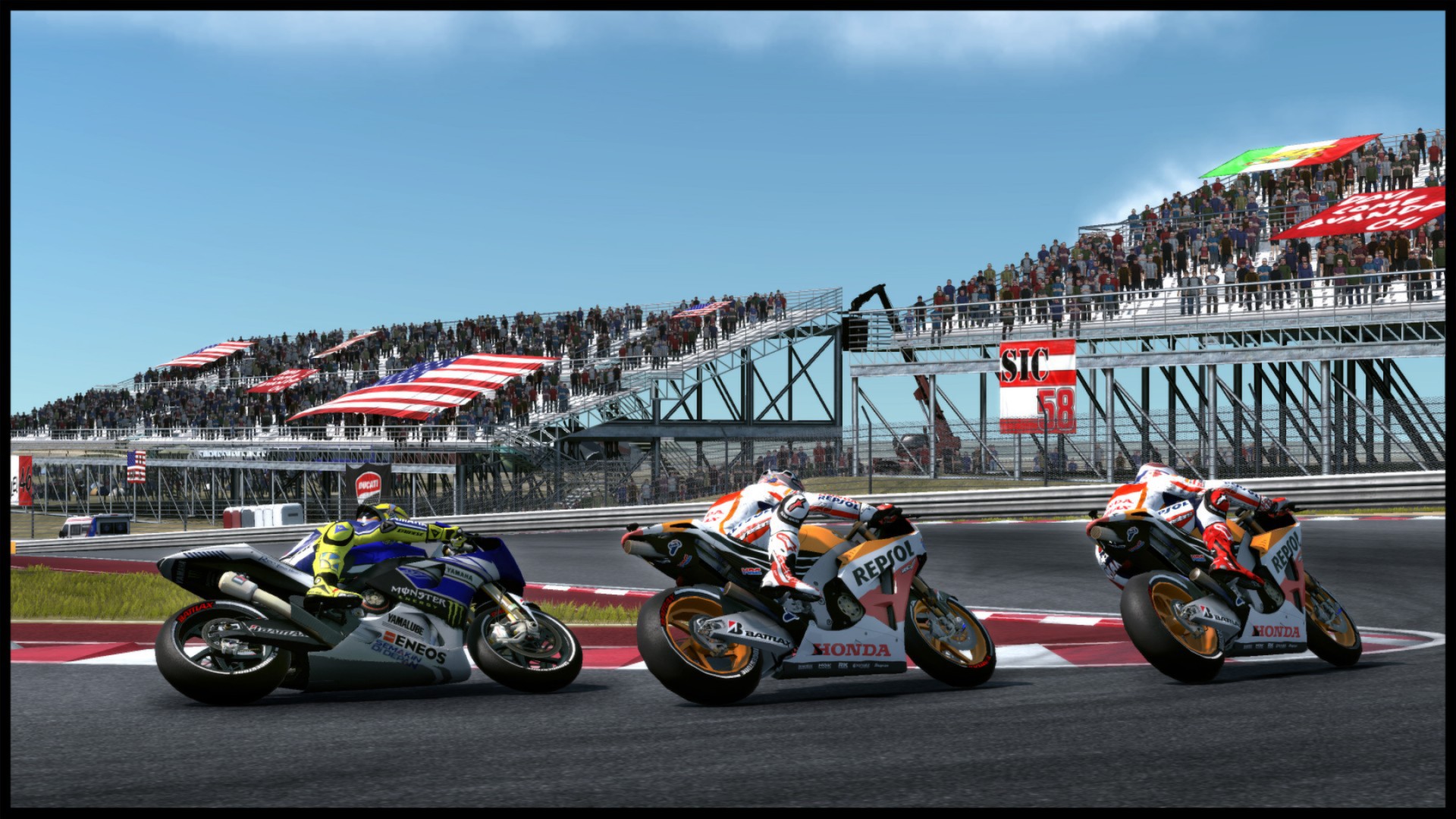
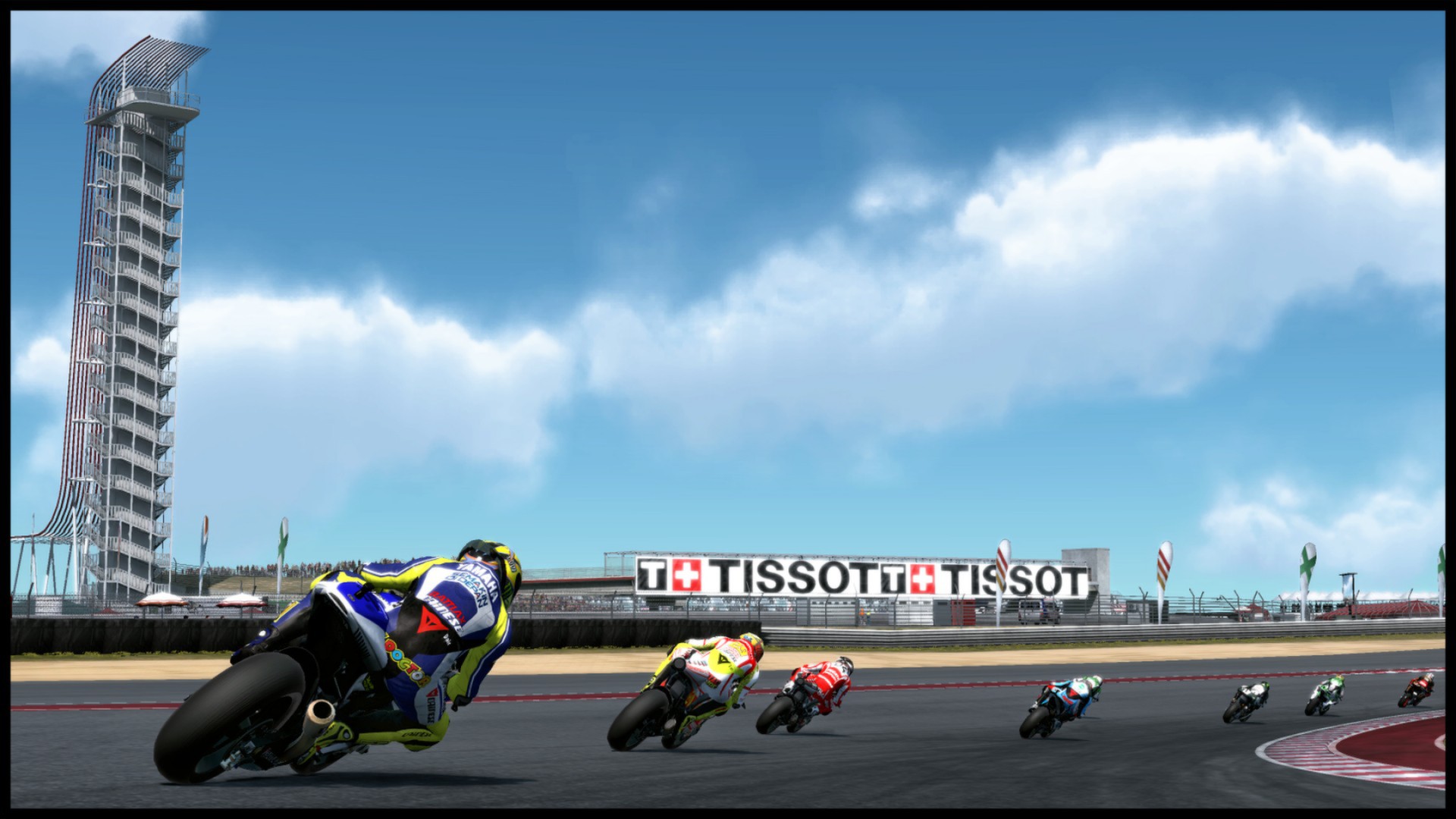
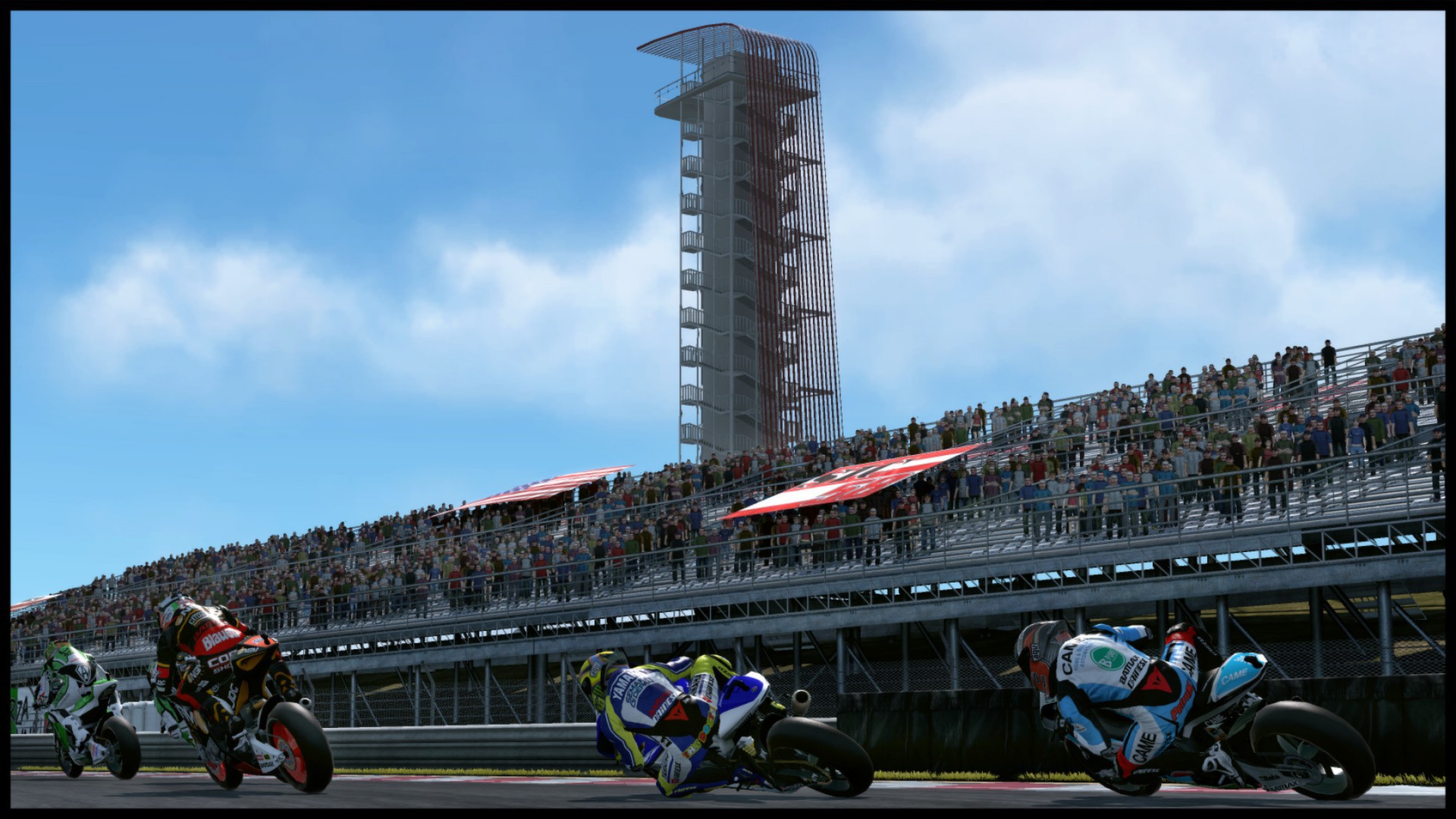
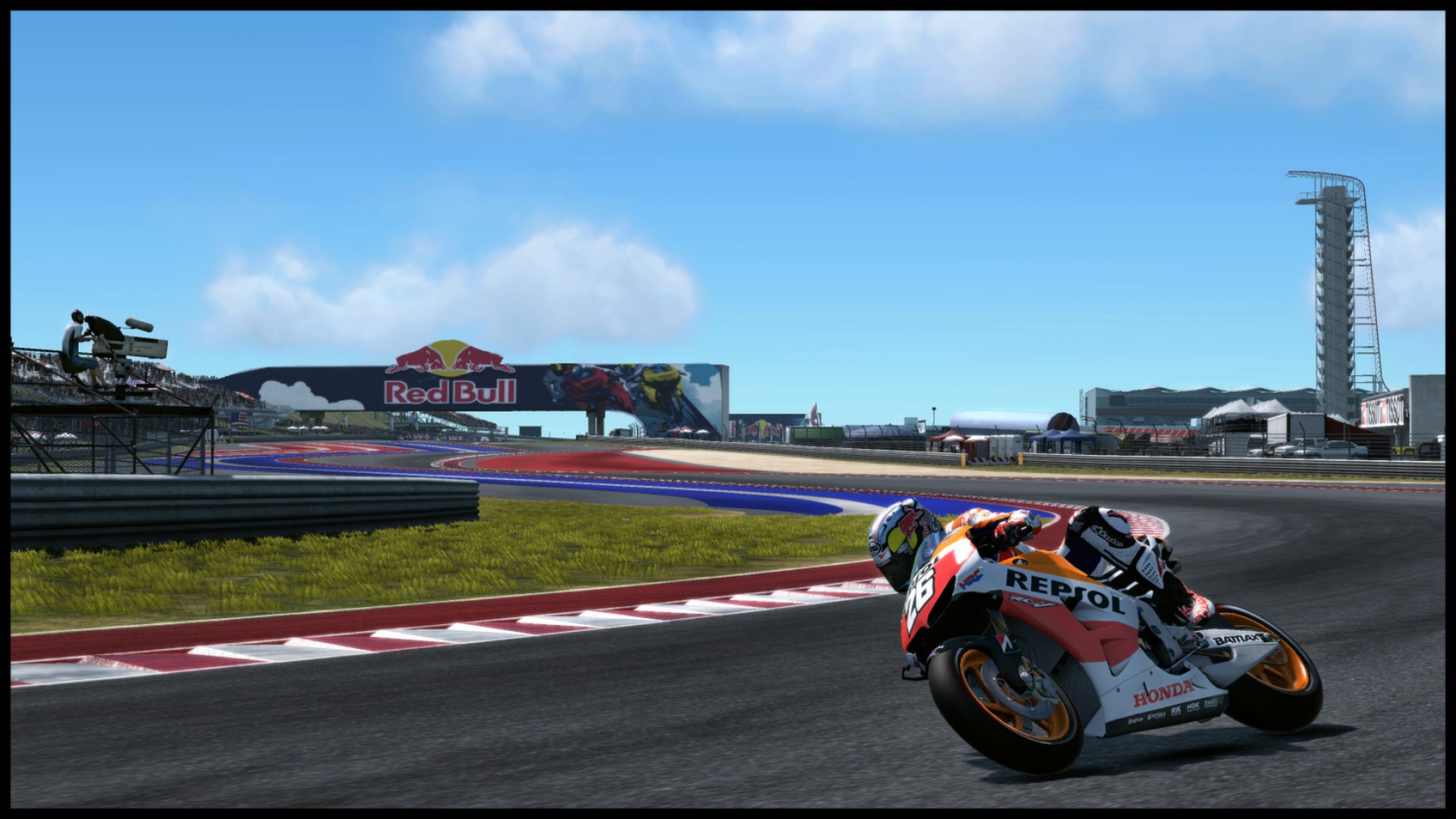
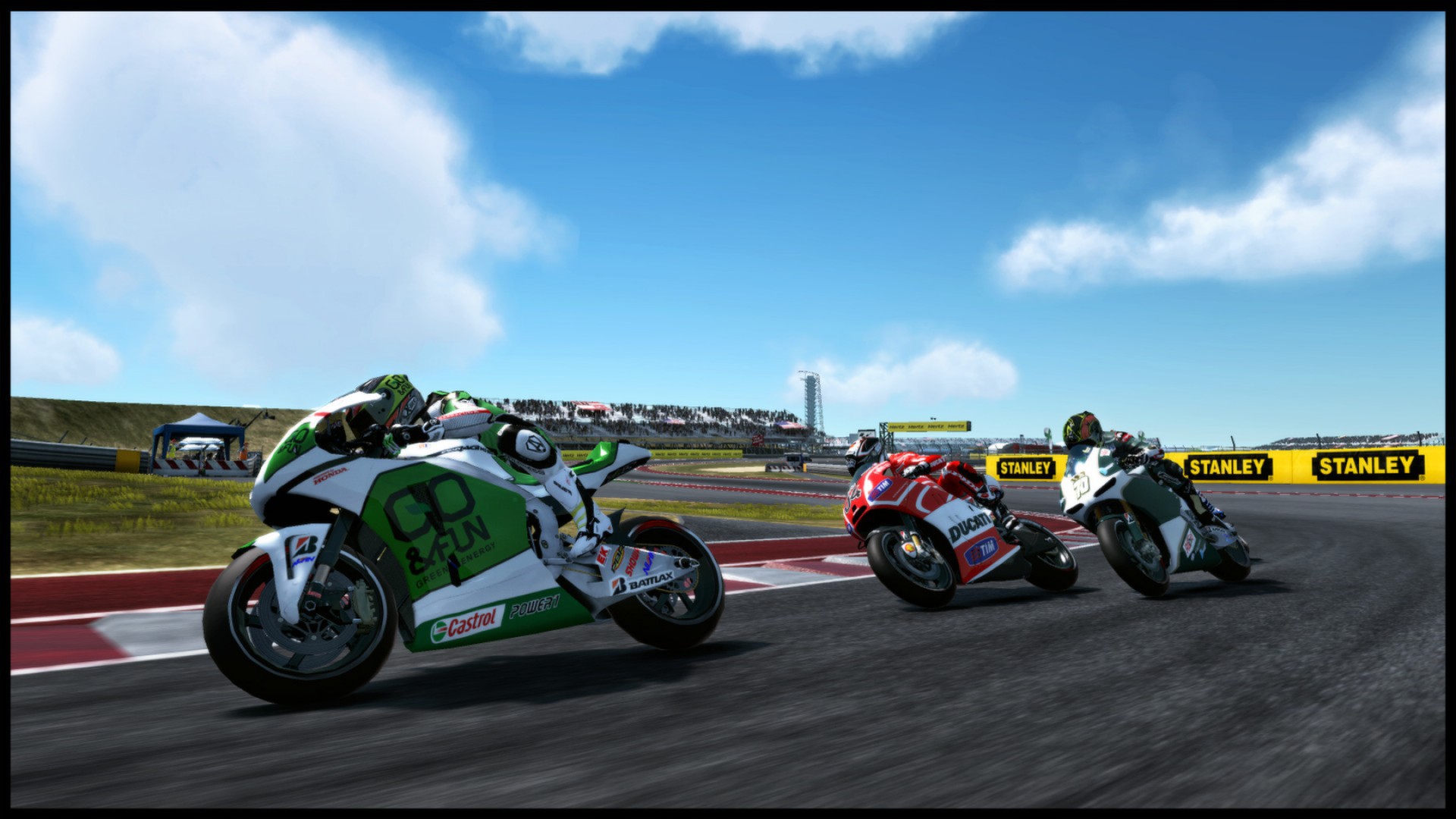
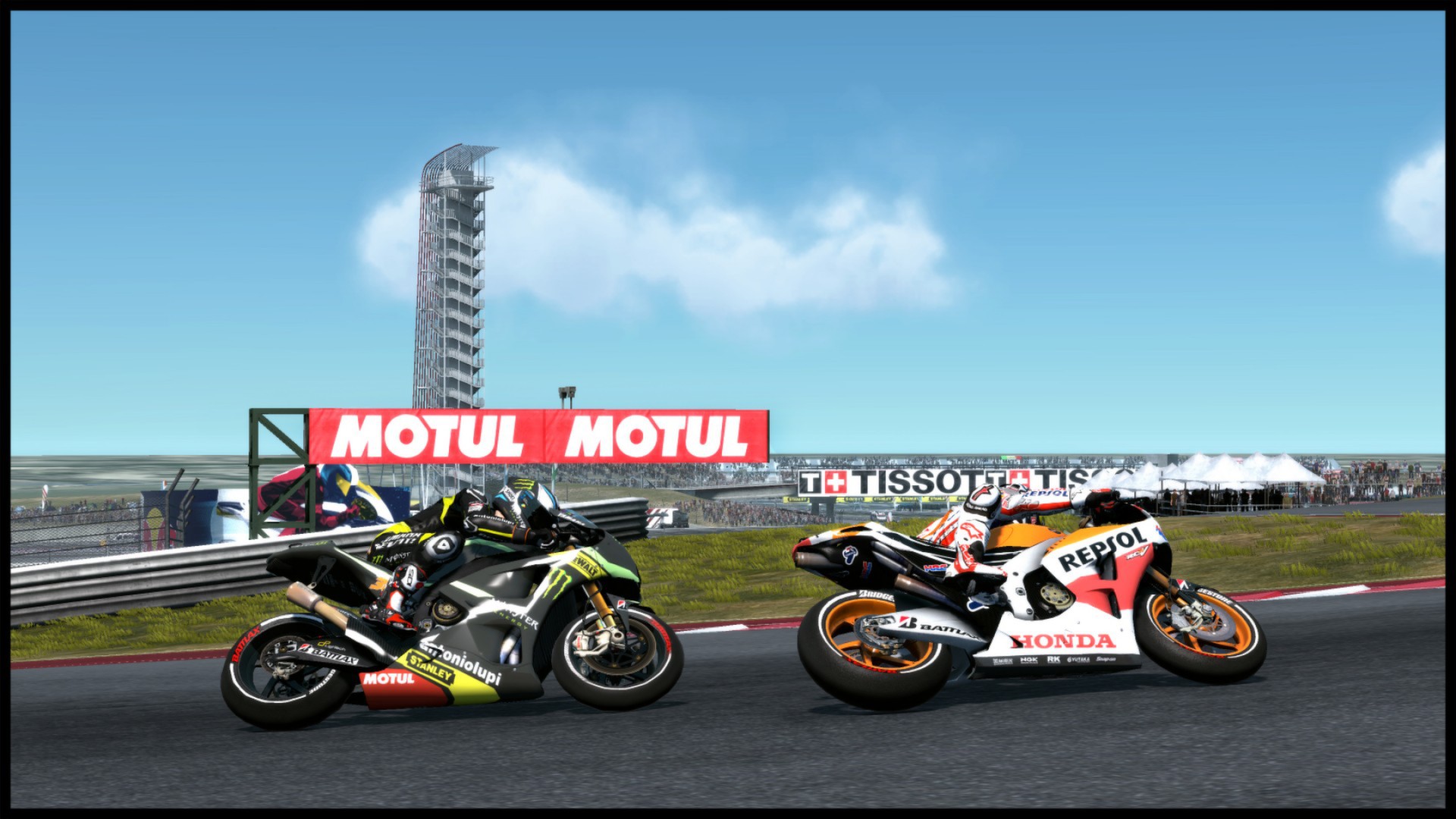
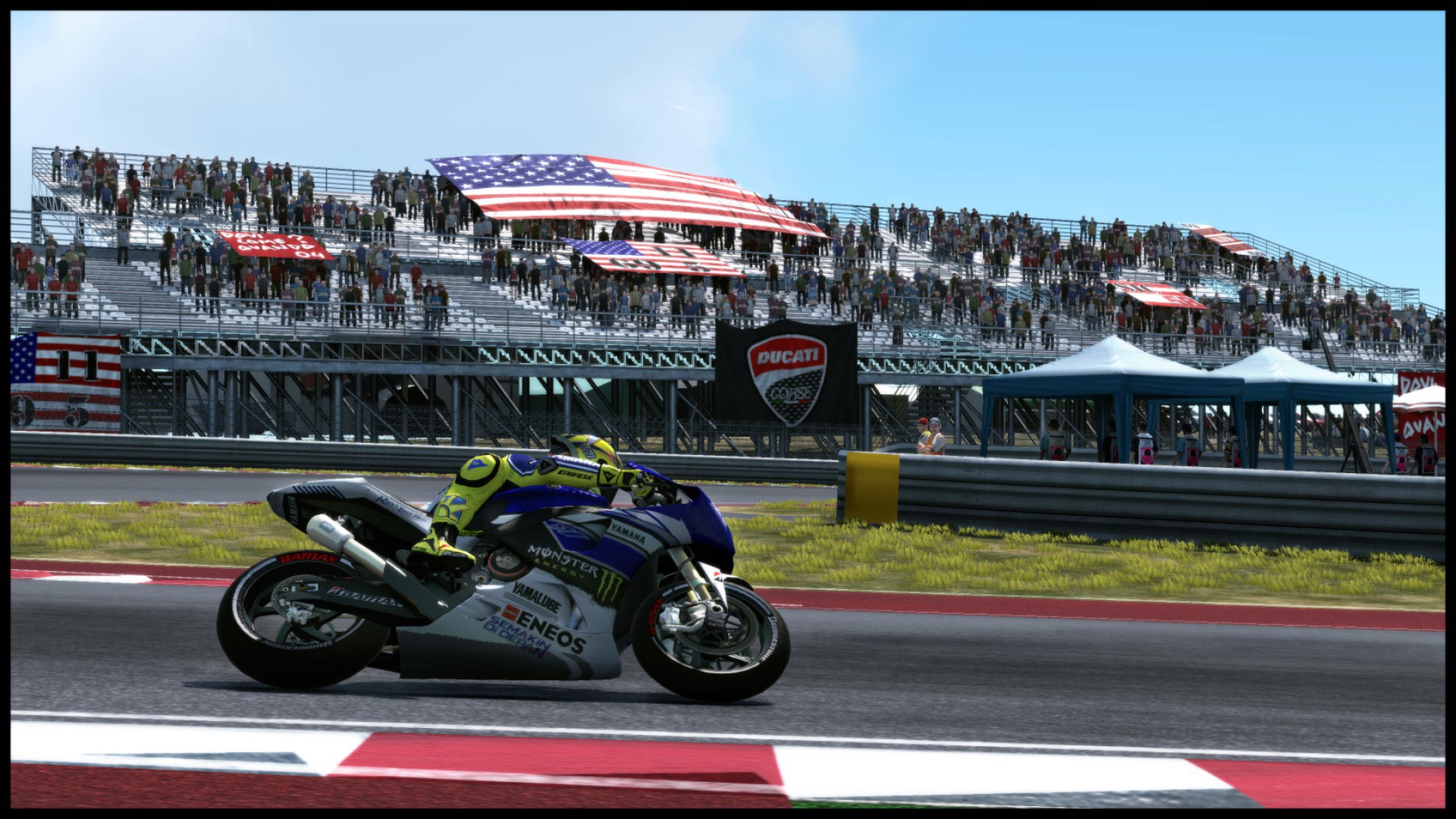
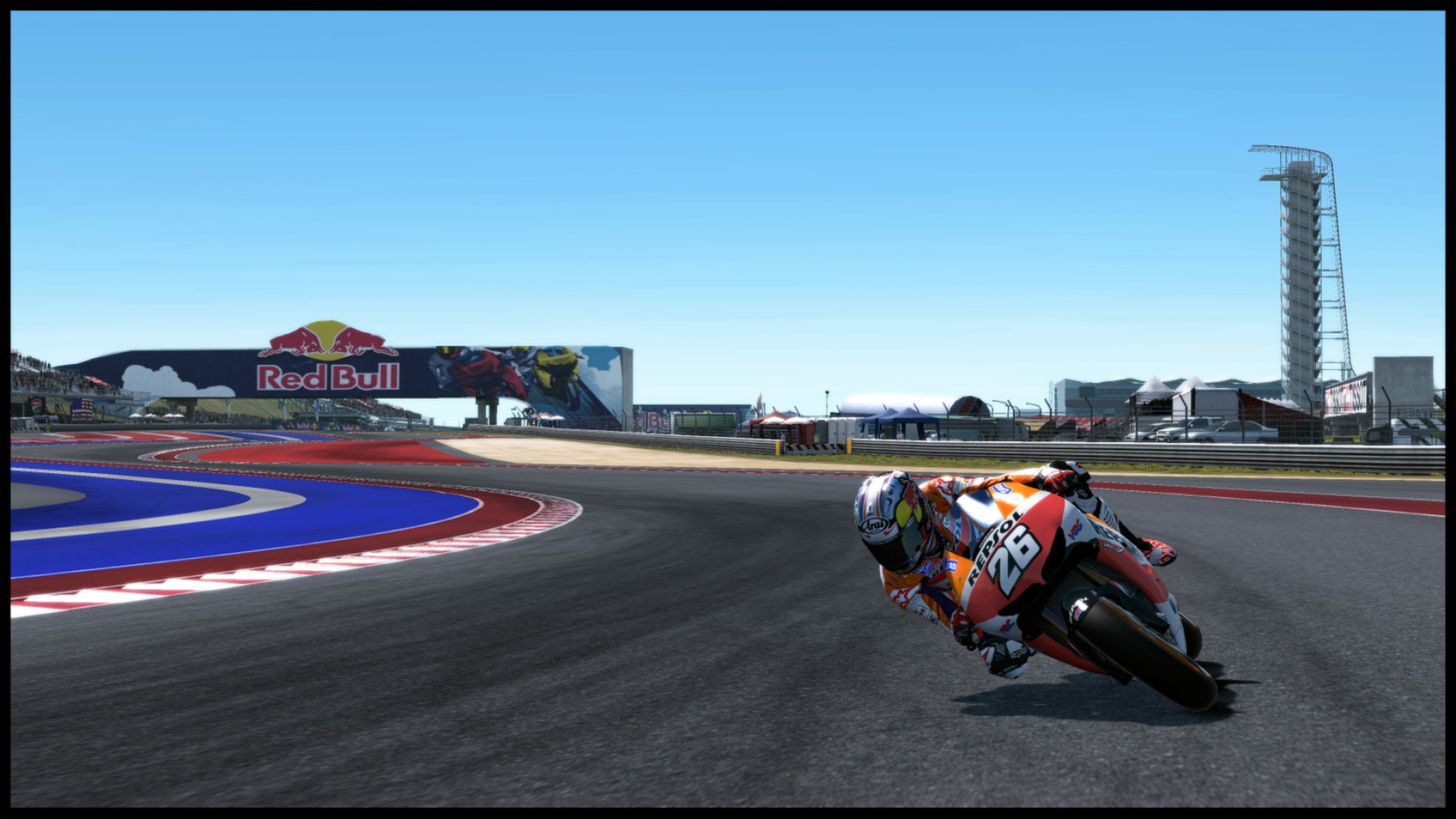
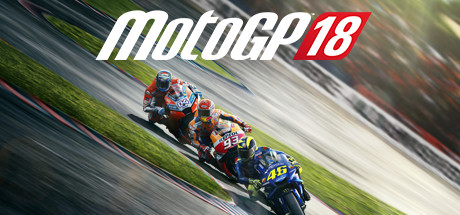
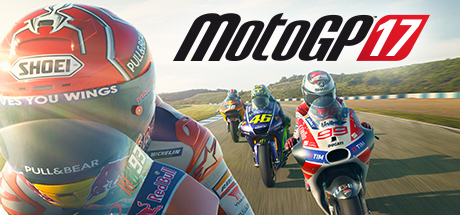
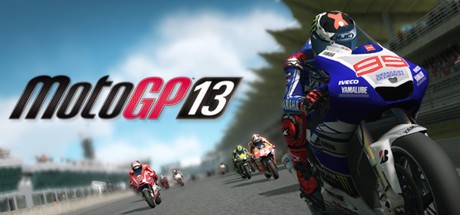
MotoGP 13, developed by Milestone S.r.l. and published by both Milestone and Plug In Digital, is a detailed and demanding motorcycle racing simulation that captures the spirit of the 2013 MotoGP season with a mix of authenticity, tension, and challenge. Built as the official video game of the MotoGP World Championship, it includes all riders, bikes, and circuits from Moto3, Moto2, and the premier MotoGP class, providing players with an immersive opportunity to relive one of the sport’s most competitive eras. The developers’ focus on realism and technical precision is immediately clear from the first lap, setting the tone for a game that prioritizes accurate physics, careful control, and the sensation of high-speed racing over casual accessibility. The heart of MotoGP 13 lies in its career mode, where players start as a rookie and gradually work their way up through the racing hierarchy. It’s not just about competing—it’s about growth, progression, and persistence. Every race, contract, and podium finish contributes to your journey toward becoming a world champion. The mode introduces managerial elements such as receiving emails, signing sponsorships, and adjusting race setups, giving the experience a subtle layer of simulation that extends beyond the track. Combined with the game’s “Real in-game physics” engine, the progression feels satisfying; mastering a bike requires patience, and each improvement in handling or cornering precision brings a genuine sense of accomplishment. The developers clearly intended to replicate the feel of an authentic MotoGP career, and for players willing to embrace that learning curve, it’s an engaging and rewarding experience. Visually, MotoGP 13 aims for immersion rather than spectacle. The graphics engine, while not cutting-edge by today’s standards, captures the atmosphere of televised MotoGP events effectively. The circuits are faithfully recreated, from Mugello’s rolling hills to the wet tarmac of Le Mans, and the inclusion of a “helmet cam” enhances the sensation of speed and realism. The presentation also mirrors the TV broadcast style, with pre-race camera angles, overlays, and commentary-style introductions that make every event feel official. The lighting effects and weather conditions are modest but functional, and the motion blur and dynamic reflections during rain races create moments of visual intensity that heighten the experience. Sound design is another area where Milestone excels—the roar of engines, the sharp gear changes, and the subtle screech of tires during hard braking all contribute to a sense of presence that puts you right on the track. However, MotoGP 13’s commitment to realism also exposes its rougher edges. The handling model, while deep and rewarding for dedicated players, can feel unforgiving for newcomers. Even on the easier difficulty settings, bikes demand careful throttle control, precise braking, and smooth cornering; mistakes are punished quickly and severely. This makes the learning curve steep, and casual players may find it frustrating at first. The AI can be unpredictable, alternating between overly aggressive and oddly passive behavior, creating moments of inconsistency during races. While the physics system succeeds in simulating the delicate balance of real motorcycle racing, it sometimes struggles with collision detection, especially when multiple riders bunch together in tight turns. These small but noticeable issues prevent the gameplay from feeling as polished as its ambition suggests. The technical presentation is generally solid but not flawless. On PC, performance is stable, and the visuals scale well across systems, but the game’s age shows in its texture quality and lighting detail. The menus feel dated, and certain interface elements—such as setup screens and bike customization—lack the refinement seen in later Milestone titles. Control-wise, the game is clearly designed with gamepads or racing peripherals in mind; playing with a keyboard is possible but far from ideal, as the precision required for smooth cornering and acceleration is nearly impossible to achieve without analog input. Online multiplayer, while functional, suffered from connection issues and matchmaking limitations, reducing its long-term appeal. Nonetheless, the single-player content, with its blend of time trials, championships, and customizable realism settings, provides enough depth to keep dedicated players engaged. In terms of atmosphere, MotoGP 13 succeeds in capturing the essence of professional racing. Every event feels tense and high-stakes, from the crowded starting grid to the chequered flag. The way the game replicates the mental rhythm of racing—the constant push for faster lap times, the awareness of tire grip and weather, the fine-tuning of braking points—gives it a distinctive identity that separates it from more arcade-style racing titles. It’s less about raw excitement and more about precision, patience, and the satisfaction of mastery. This philosophy extends to the overall pacing of the game; it doesn’t rush players toward instant gratification but instead rewards focus and endurance. It’s an approach that may alienate those looking for a quick adrenaline fix but will resonate deeply with fans of authentic motorsport. Ultimately, MotoGP 13 stands as both a love letter to motorcycle racing and a testament to Milestone’s dedication to authenticity. It may not have the visual flair or accessibility of mainstream racing games, but it excels where it matters most—faithfully recreating the challenge, speed, and precision of professional MotoGP. For long-time fans of the sport, it offers an immersive simulation experience that demands skill and patience, capturing the technical artistry of two-wheeled racing better than most games before it. For newcomers, it can be daunting but ultimately rewarding once the learning curve is conquered. Though time has dulled some of its presentation and polish, the core of MotoGP 13 remains a finely tuned, deeply satisfying racer that still holds its place as a milestone in realistic motorcycle racing simulations. Rating: 7/10
Expand the review